SHRIGONDA
TYPE : GADHI/NAGARKOT
DISTRICT : AHMADNAGAR
HEIGHT : 0
GRADE : EASY
Shrigonda, located in the southern part of Ahmednagar district, is a town with a rich historical heritage. In medieval times, it was known as Shripur, which later evolved to Chambhargonde and finally became Shrigonda.
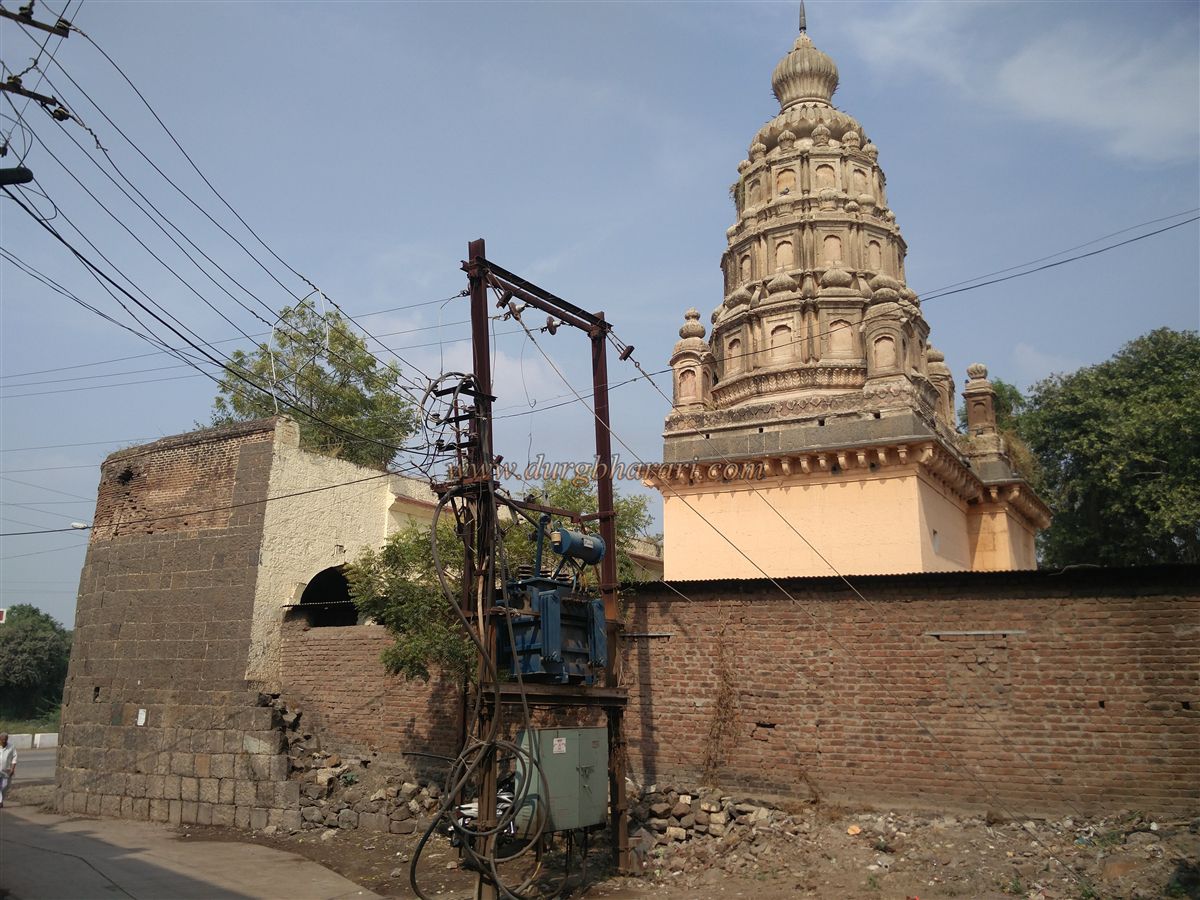
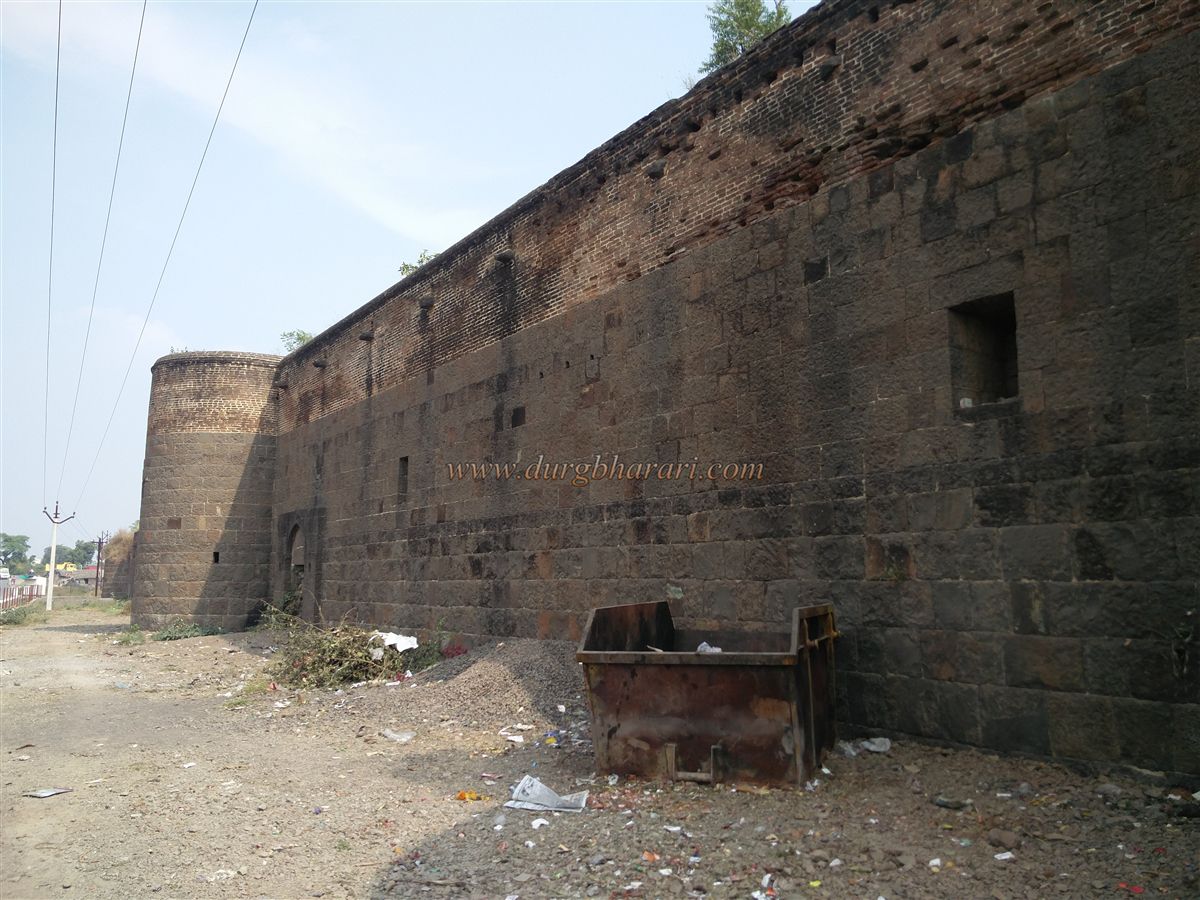
In earlier times, Shrigonda was a fortified settlement enclosed within strong walls, with a Bhuikot (ground fort) protecting the town. However, due to urban expansion, most parts of the fort have been destroyed. Today, only a single surviving gateway near the post office and ruins along the riverbank remain as traces of its fortified past.
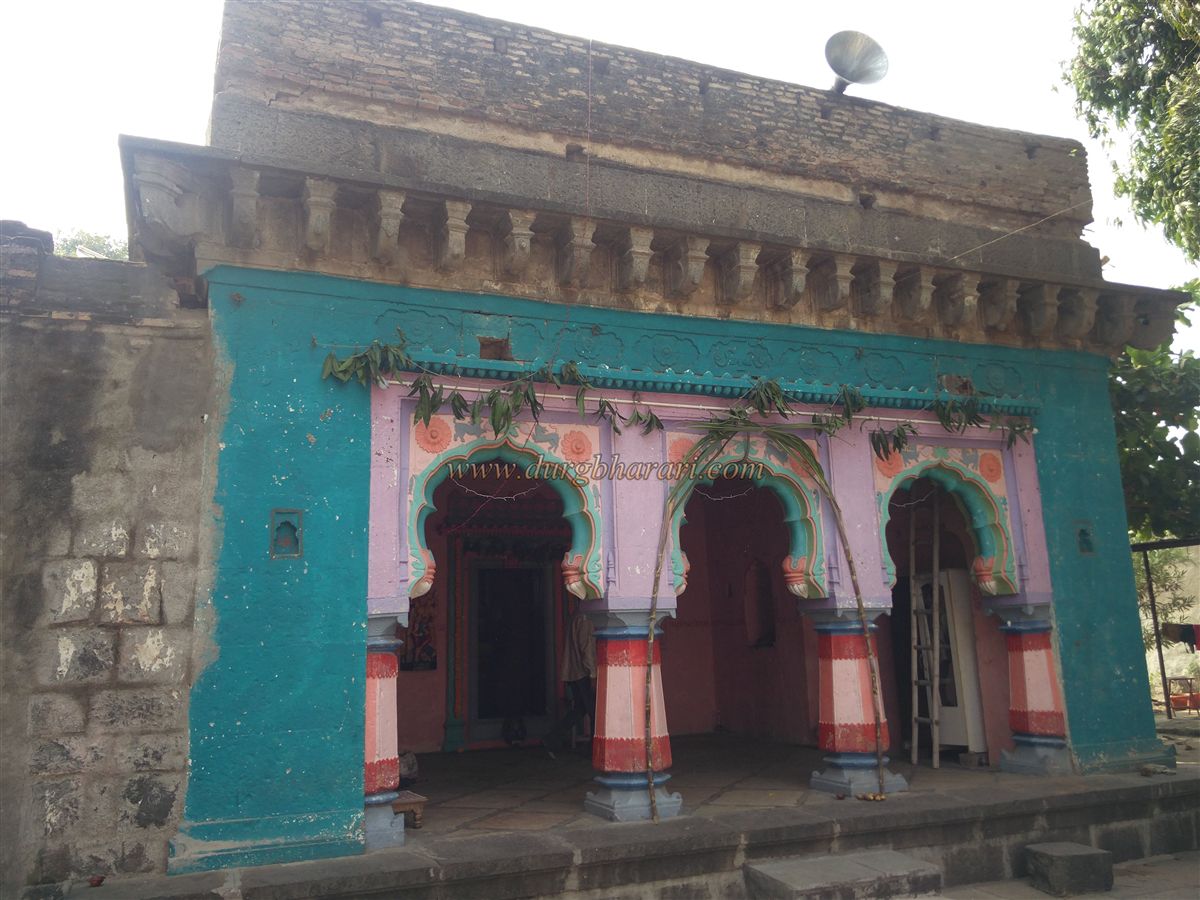
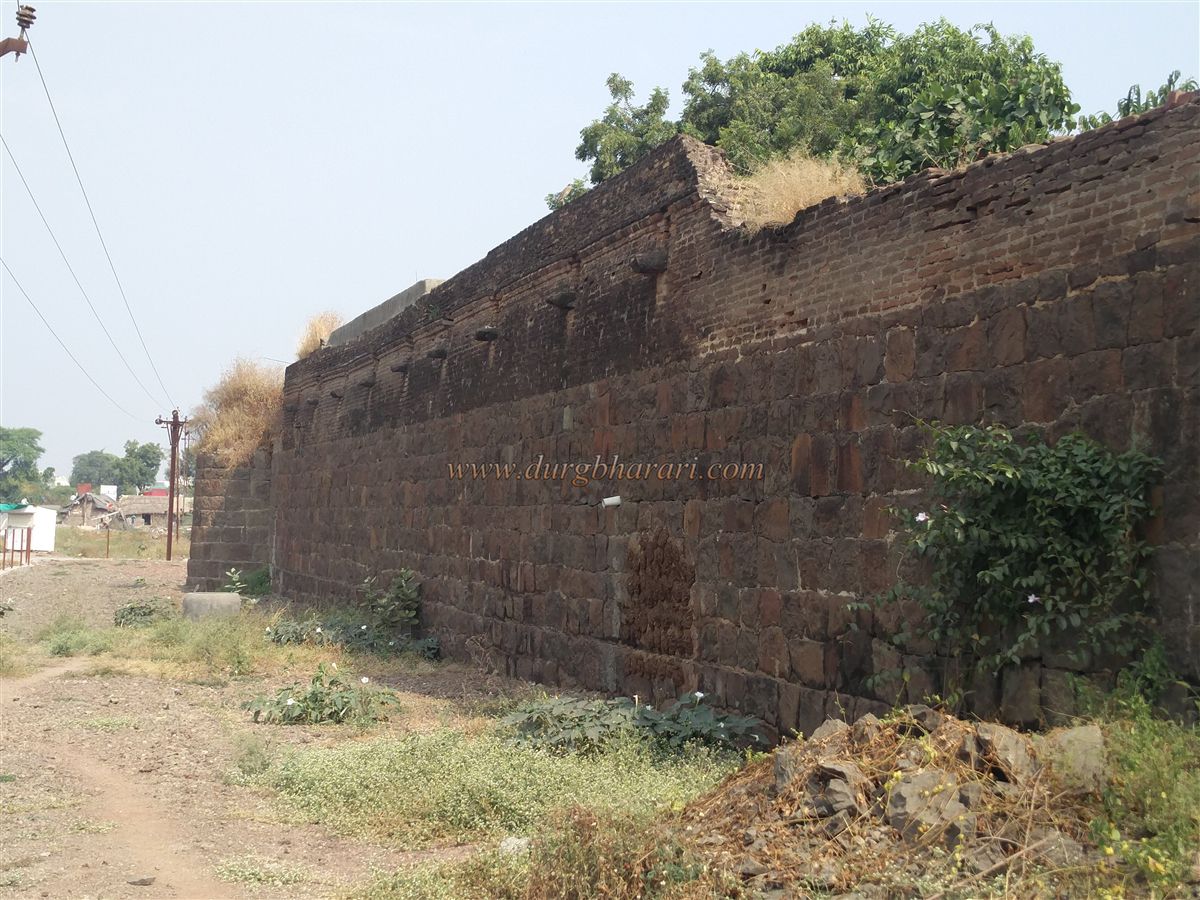
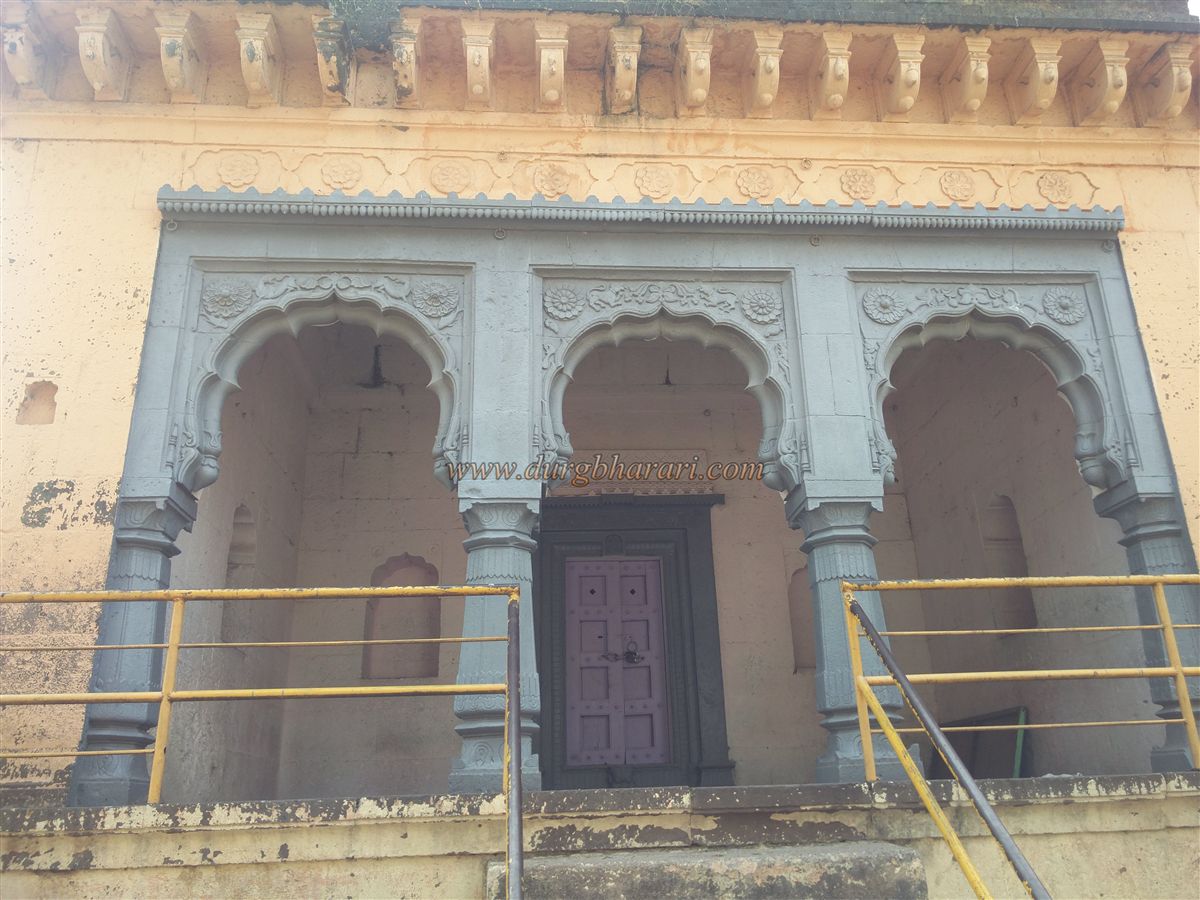
The Peshwa-era temples and wada (mansions) in the town still bear testimony to its former grandeur. Along the riverbank, a partially standing stone fortification with four bastions can be seen. The upper part of this wall is built with bricks, and loopholes for gunfire are visible throughout.
...
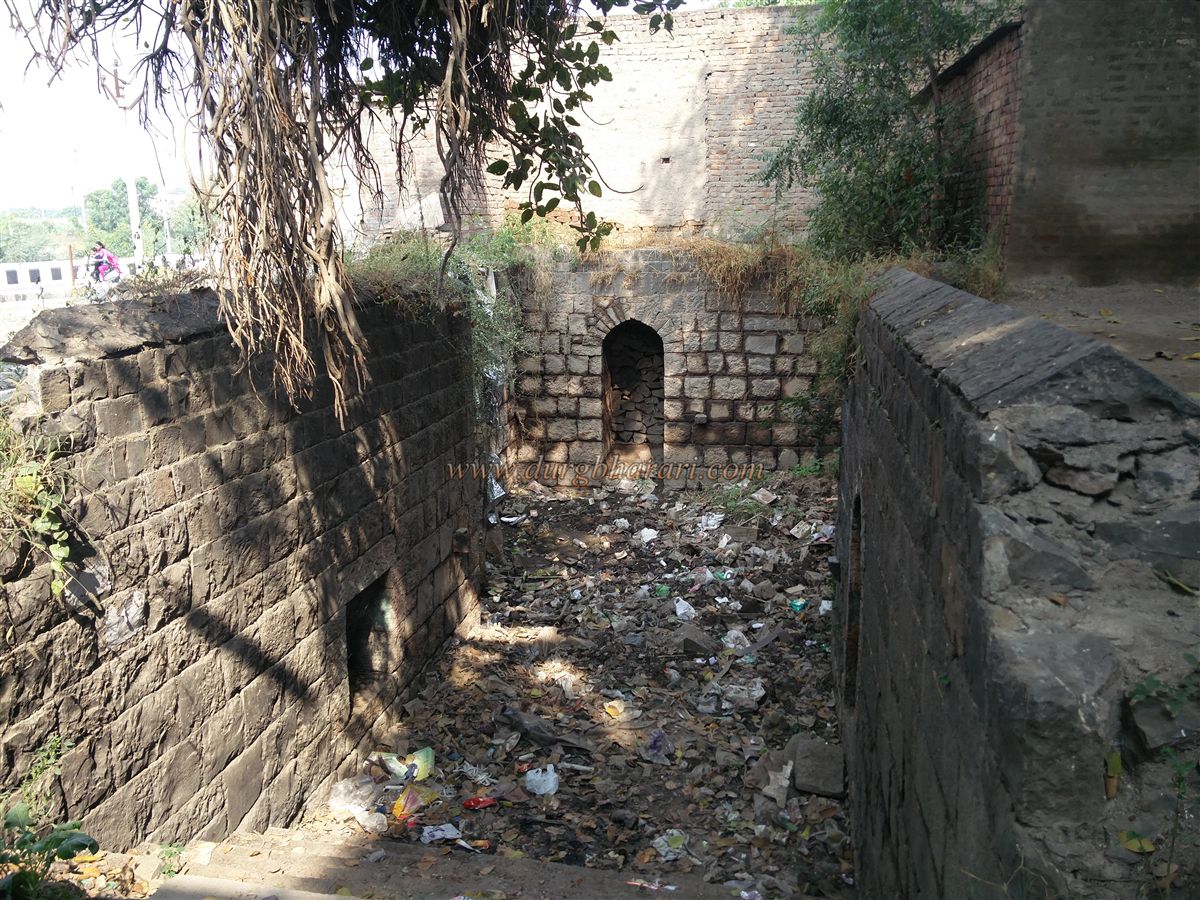
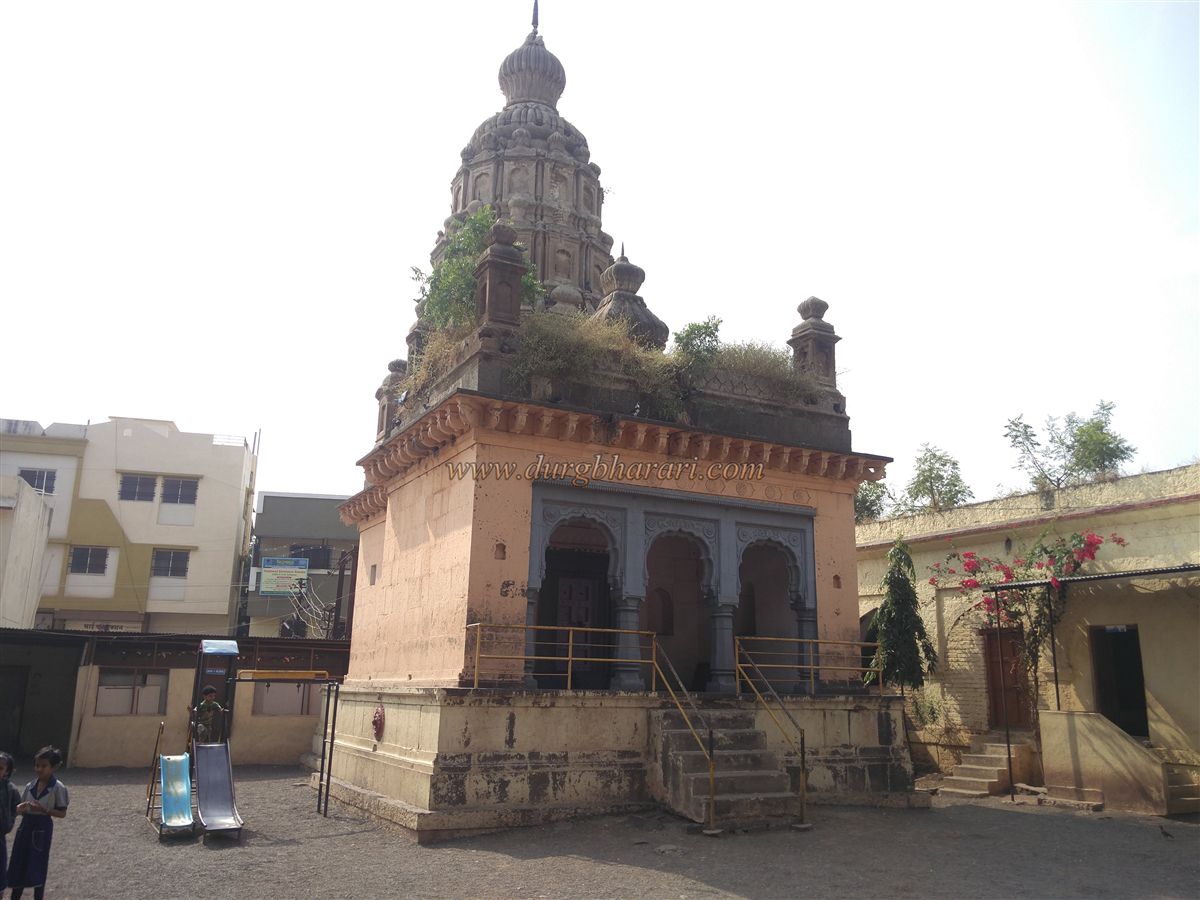
Inside this fortified section lies a large stepped well (barav), now filled with silt and debris. Adjacent to the fortification are two significant temples – a Dattatraya temple and a rare Sun temple (Surya Mandir), one of the very few in India. The Sun temple is situated within the premises of a school, and visitors need to enter through the school to see it. The temple generally remains closed and opens only at specific times.
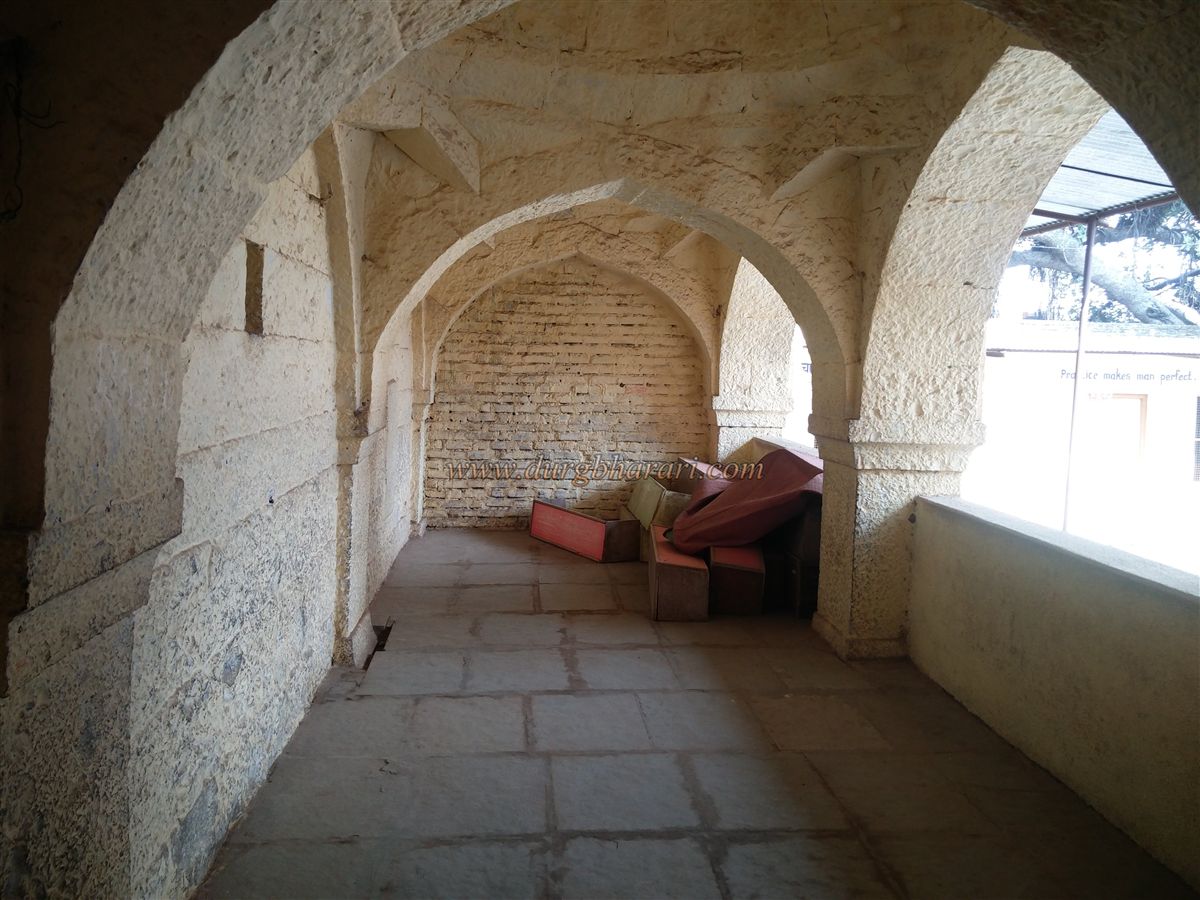
Along the inner wall are stone-built owaris (resting chambers), now repurposed as school classrooms. In one corner of the bastion, stone steps lead up to the ramparts. There is also a small riverside exit, now sealed with stone, and another gateway resembling that of a fort, in front of which lies a Samadhi (memorial).
Nearby are cenotaphs of women from the Shinde family who committed sati, as well as footprints (paduka) of Mahadaji Shinde. Numerous dilapidated structures in this area still echo the memory of prominent Maratha commanders Mahadaji Shinde, Dattaji Shinde, and Ranoji Shinde.
The name Shripur is said to have originated from the belief that Goddess Lakshmi once resided here, as mentioned in the Shripur Mahatmya text. Malojiraje Bhosale (grandfather of Chhatrapati Shivaji Maharaj) considered Sheikh Mohammad Maharaj his guru and established Makarand Peth and a math (monastic complex) for him at Shrigonda.
In the medieval period, Shrigonda flourished as a major trading and banking hub, with prominent jeweller and merchant communities. Historical records show that funds for the construction of the Ghrishneshwar temple at Verul were drawn from the Shethappa Naik Punde banking house in Shrigonda.
Interestingly, historical accounts mention that Shivaji Maharaj and his Mavalas once plundered Chambhargonde (Shrigonda). After the Battle of Kharda, the Marathas celebrated their victory here, hoisting the Bhagwa flag at what is still called Zenda Vijay Chowk. Another significant landmark is the Delhi Ves (gate) – from which the brave Shinde warriors left for the Third Battle of Panipat and never returned. To this day, locals consider this gate inauspicious and avoid using it for auspicious activities or departures.
Exploring the remaining parts of the fort and temples takes around 30 minutes. As Shrigonda rapidly urbanizes, it is essential that its priceless historical legacy is preserved and not forgotten.
© Suresh Nimbalkar
GALLERY