SHIVTHARGHAL
TYPE : NATURAL CAVES
DISTRICT : RAIGAD
In Maharashtra, there are eight caves known as the “Ghals of Samarth Ramdas Swami.” These include Helwak Ghal, Tarale (Tondoshi) Ghal, Morghal, Ramghal at Sajjangad, Ramghal at Chafal, Chandragiri Ghal, Jarandeshwar Ghal, and the most renowned of all — Shivtharghal. Among these, Shivtharghal holds a special place of reverence as the “Mother of Dasbodh”, for it was here that Samarth Ramdas Swami composed this monumental spiritual text.
The Dasbodh, containing 7,751 ovis (verses), 200 samasas (sections), and 20 dashakas (chapters), was dictated by Samarth Ramdas and penned by his disciple Kalyan Swami at this very cave. Samarth fondly named this place “Sundarmath” (The Beautiful Monastery).
In one of his verses, Samarth himself beautifully describes this divine cave:
...
"Atop the hill flows the sacred Ganga; torrents of waterfalls crash with mighty force. Clouds roar like the ocean, and the sound echoes across the mountains. Here resides divine beauty – of form, virtues, and grace.
It is here at Sundarmath that the Lord Himself dwells, sanctifying the entire region with His glance. Mist lingers over the cliffs, filling the air with awe and grandeur – such is the glory bestowed by Lord Raghunath.”
To visit Shivtharghal, one must first reach Mahad in Raigad district, which is about 35 km away from the site. From Mahad, cross the Savitri River bridge on the Mumbai–Goa highway, and take the Varandha Ghat road leading toward Bhor. A signboard along this road directs visitors toward Shivtharghal. From the last bus stop, it takes about 10 minutes on foot to reach the cave.
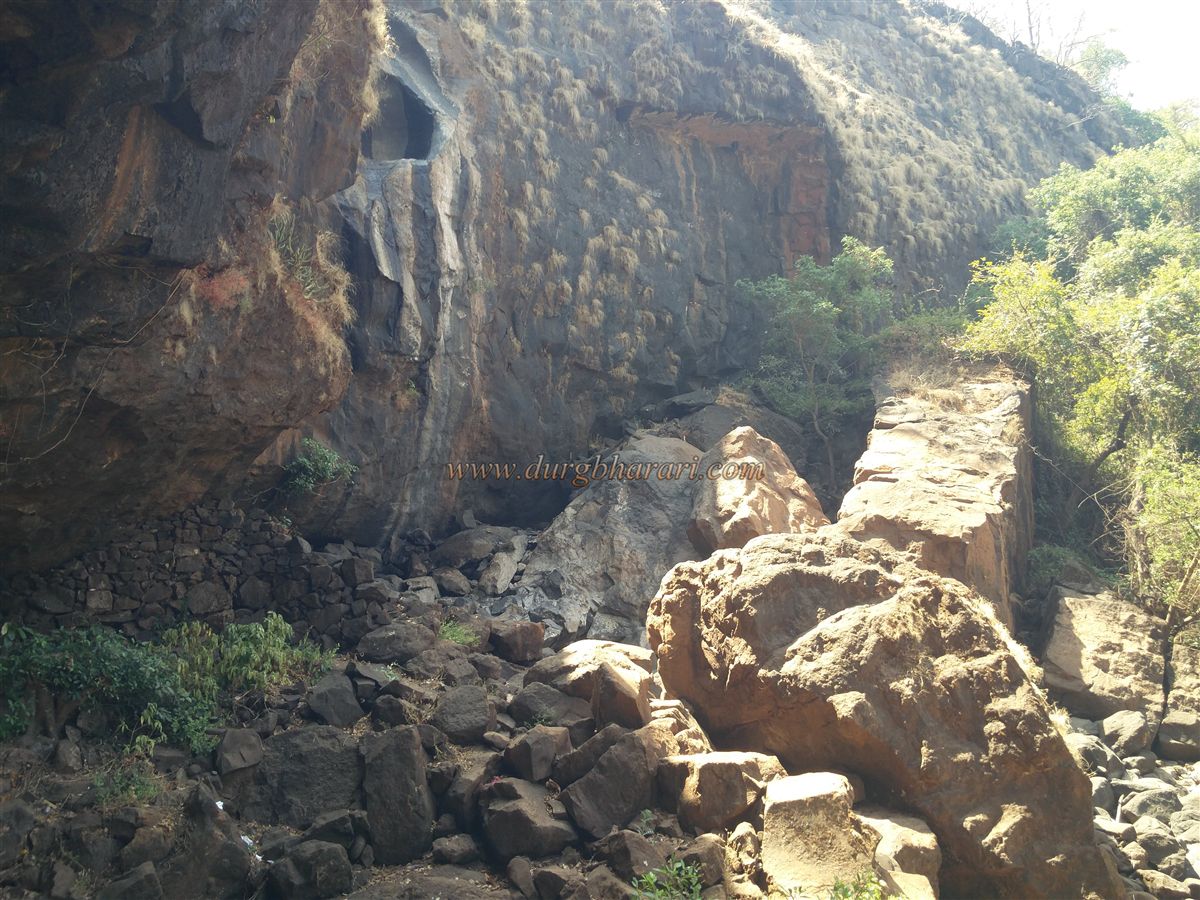
Nestled deep in the Sahyadri Mountains, Shivtharghal sits on a small hill within the lush Waghjai Valley. The Kaal River, which originates in this region, eventually merges with the Savitri River. Along its banks lie the three Shivthar villages: Kumbhe, Kasbe, and Ambe.
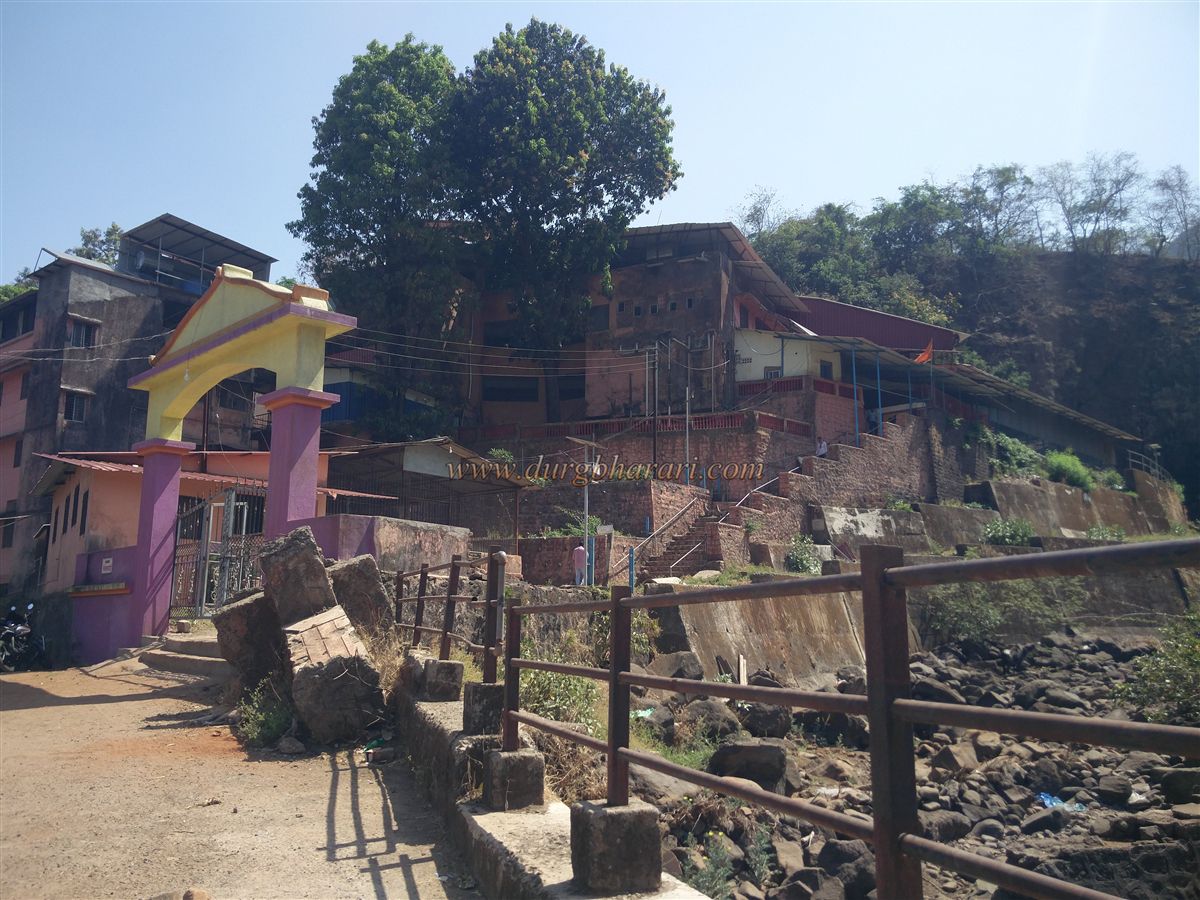
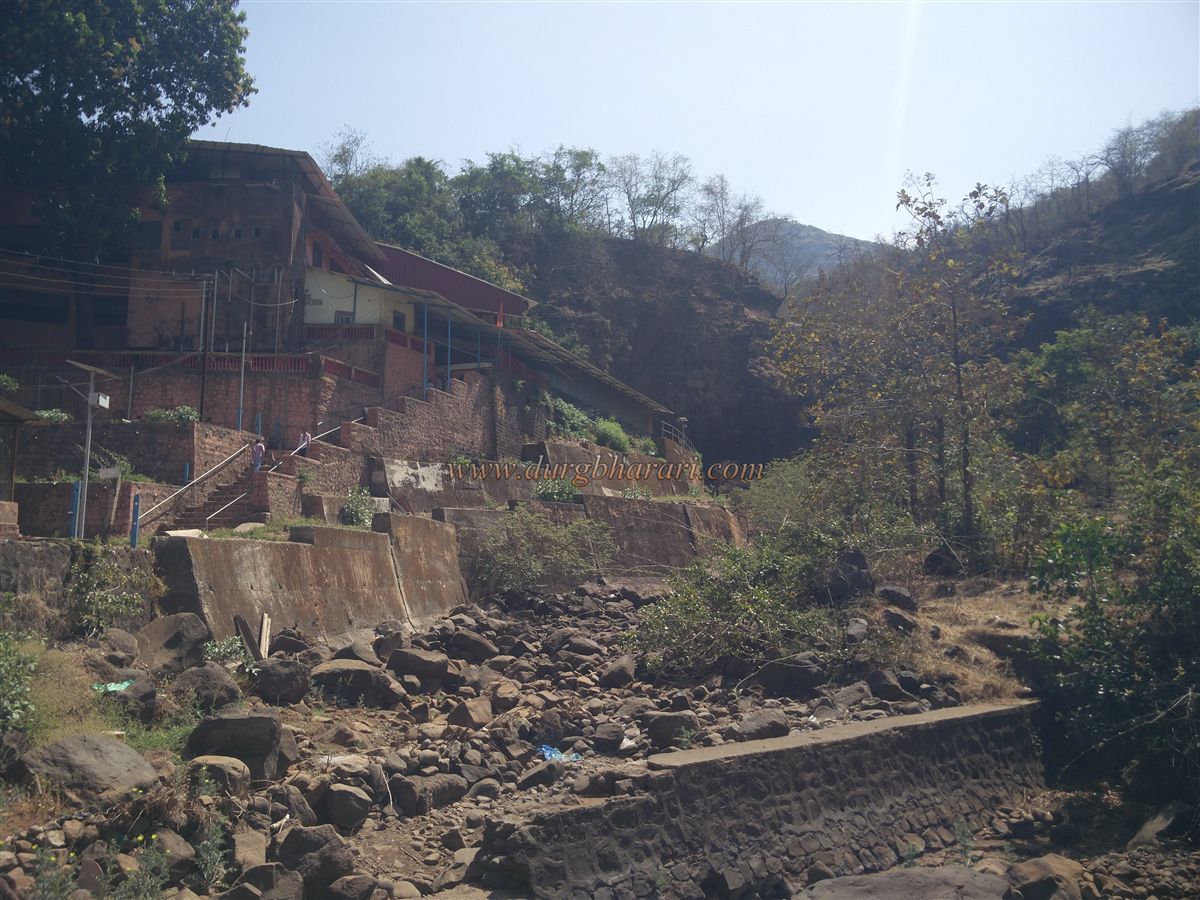
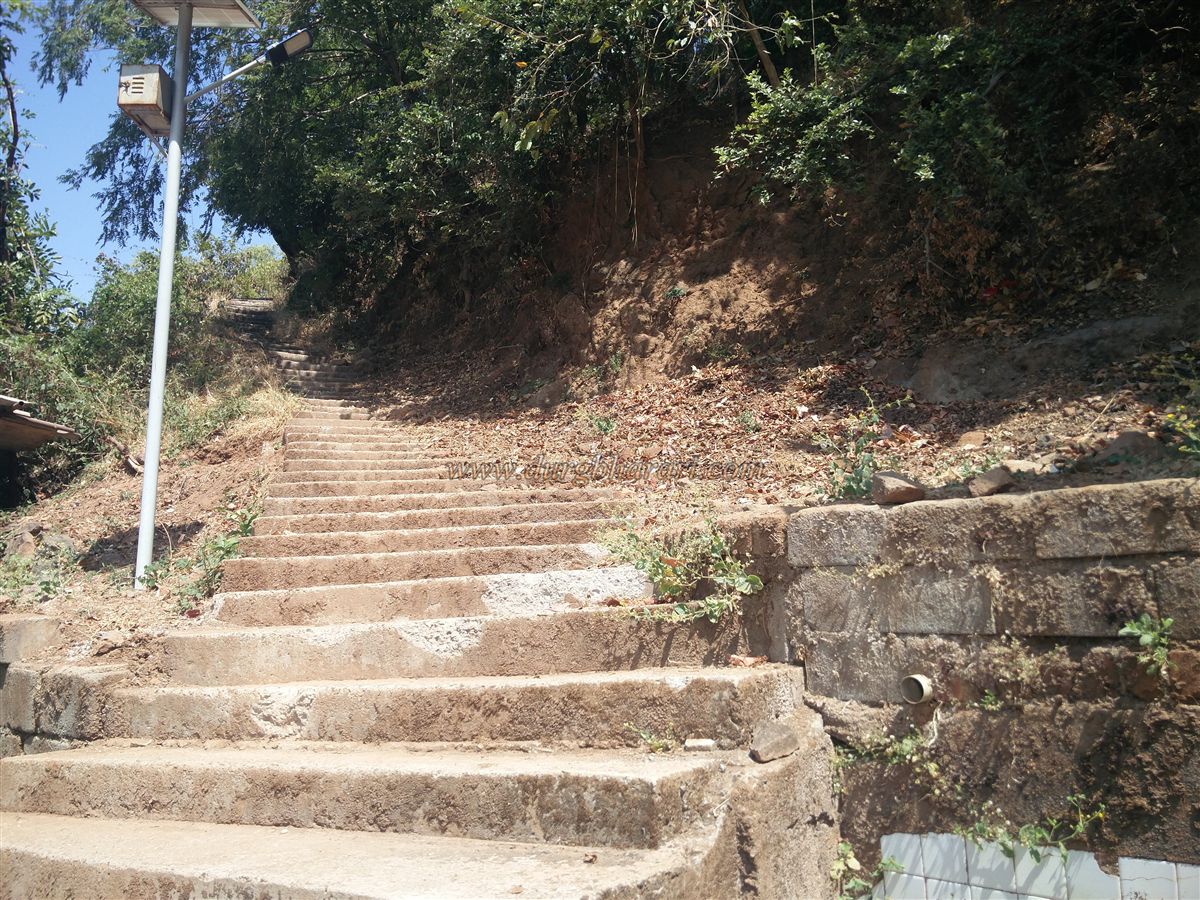
The path to the cave has been beautified and developed for visitors, with stone steps and iron railings to ensure safe ascent. After climbing the steps, one reaches the building of the Shivthar Ghal Sundarmath Seva Samiti, which provides lodging facilities for pilgrims and visitors. A short walk from here leads directly to the cave.
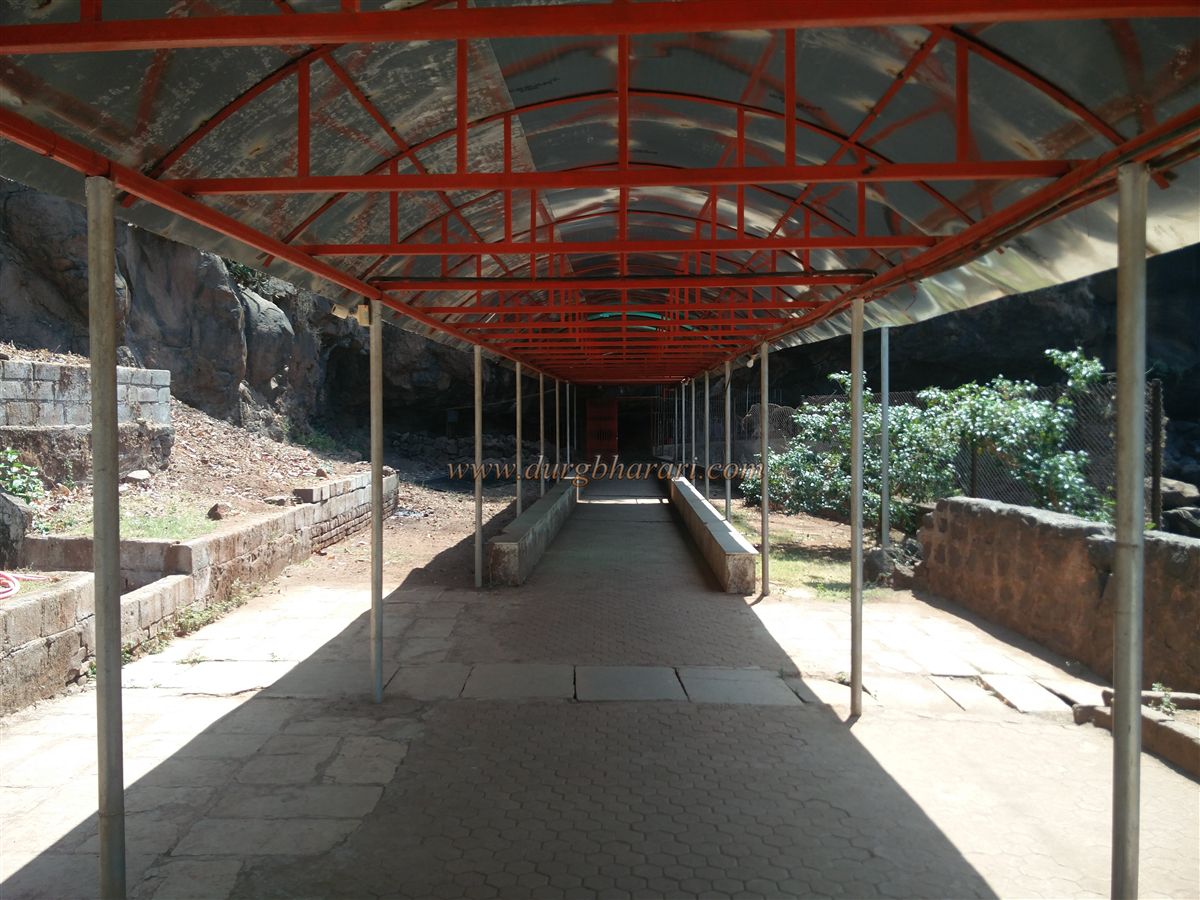
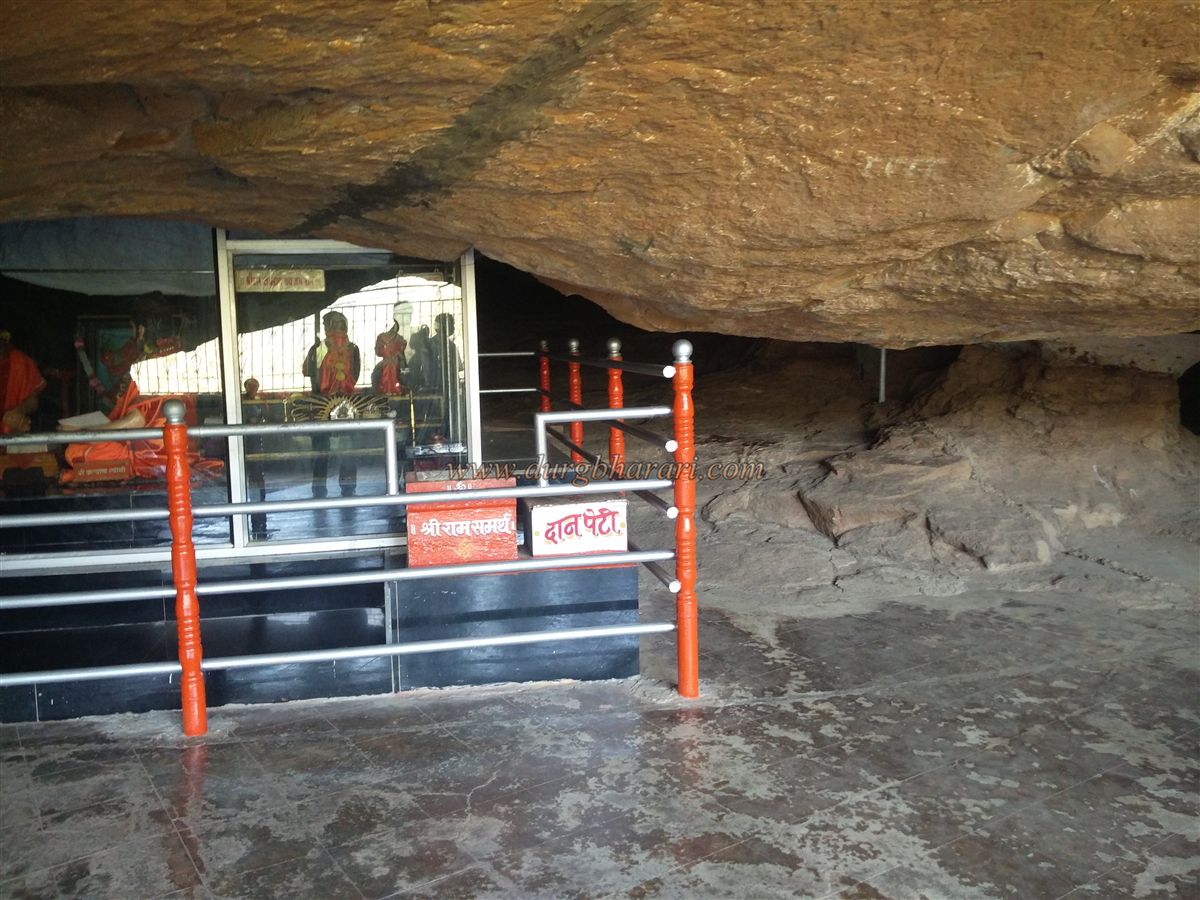
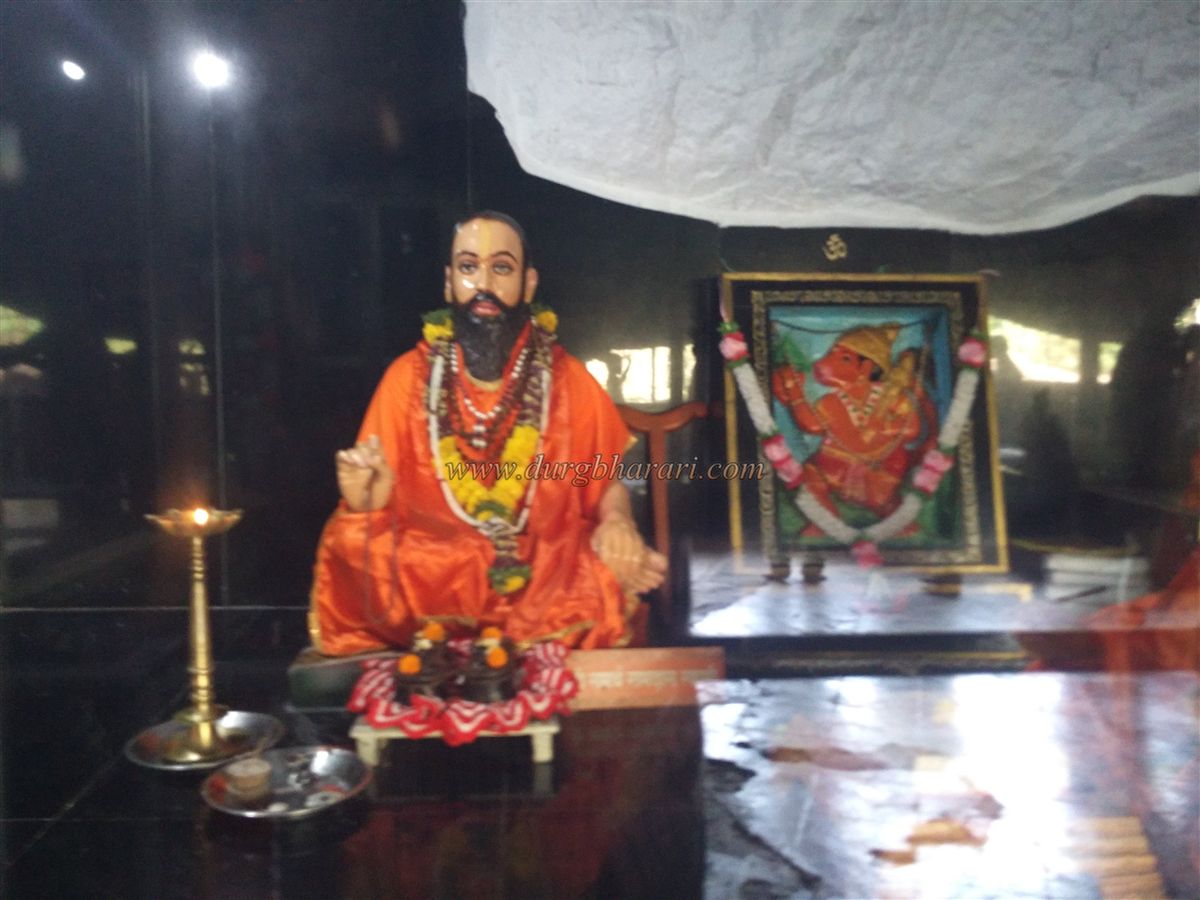
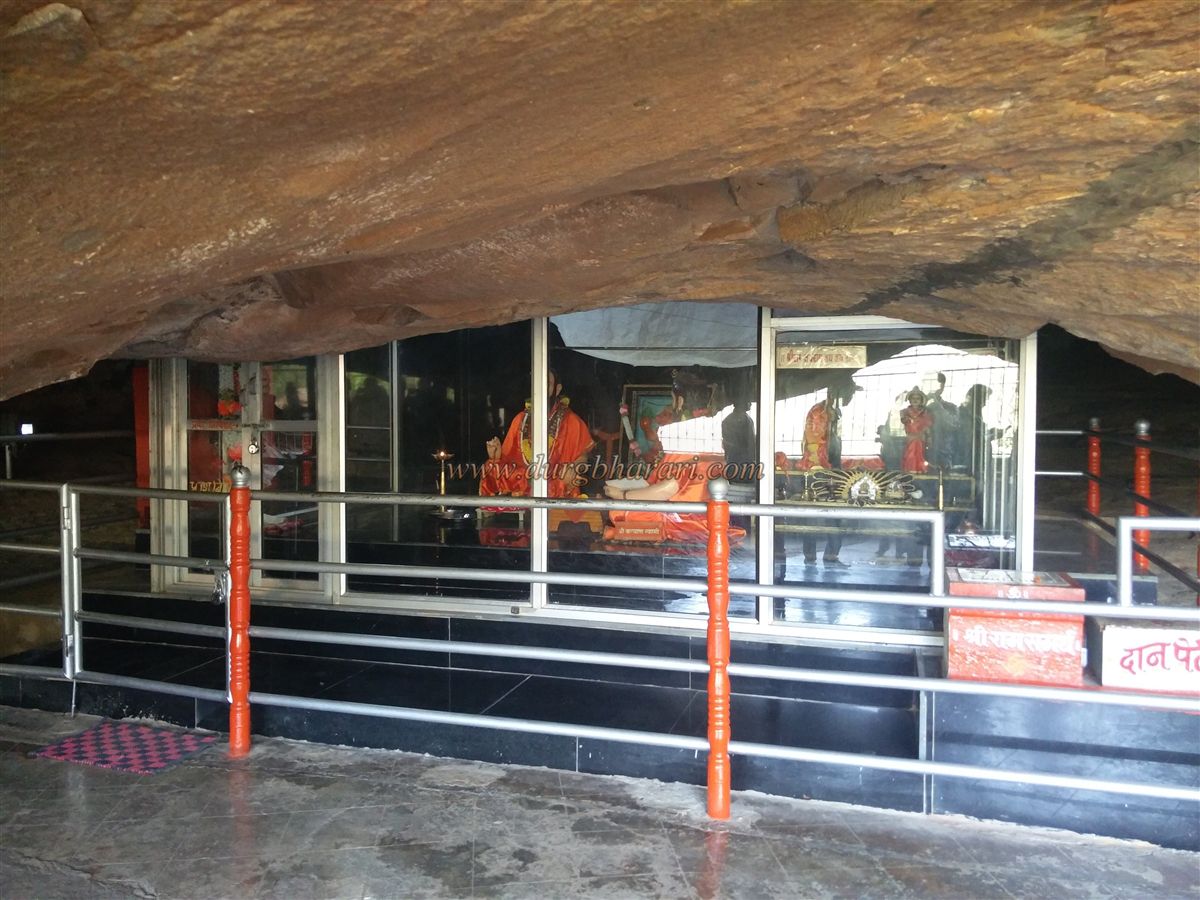
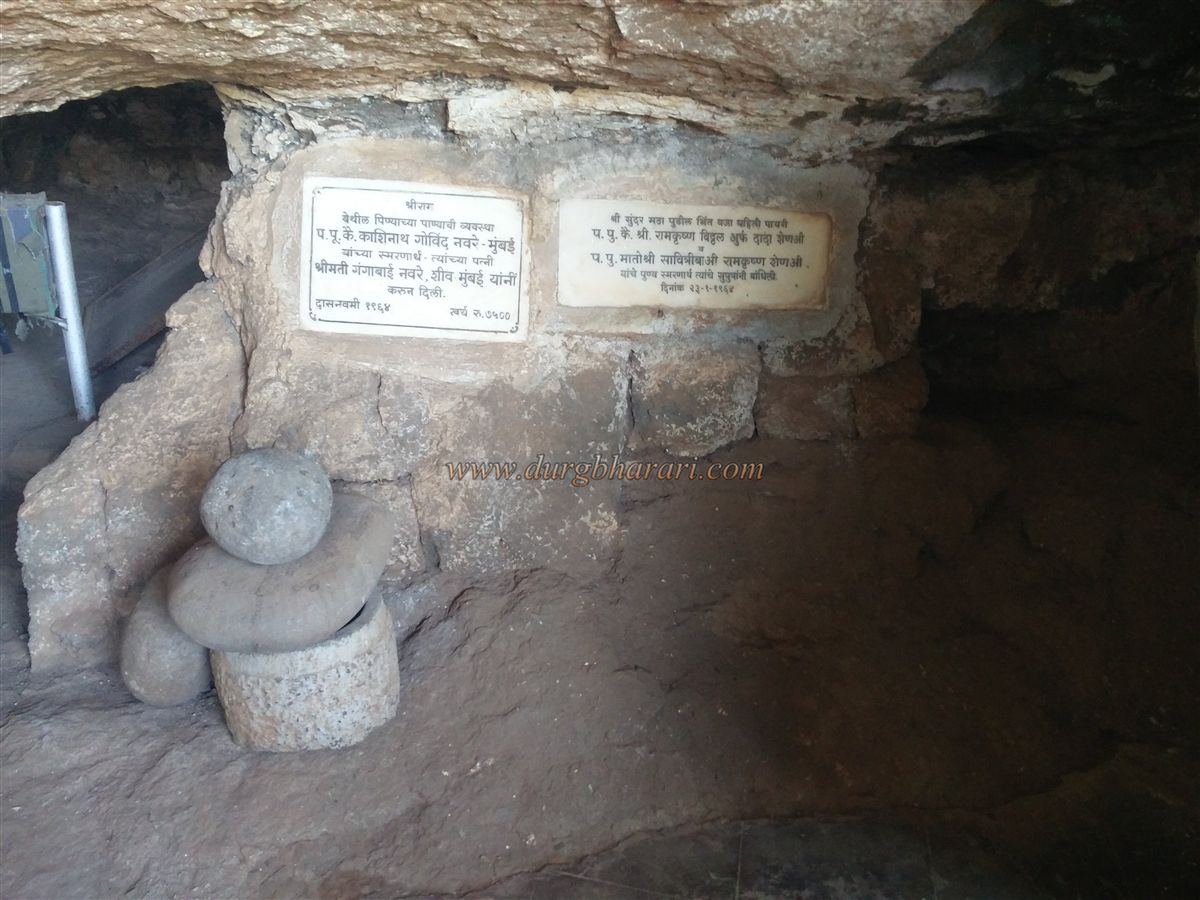
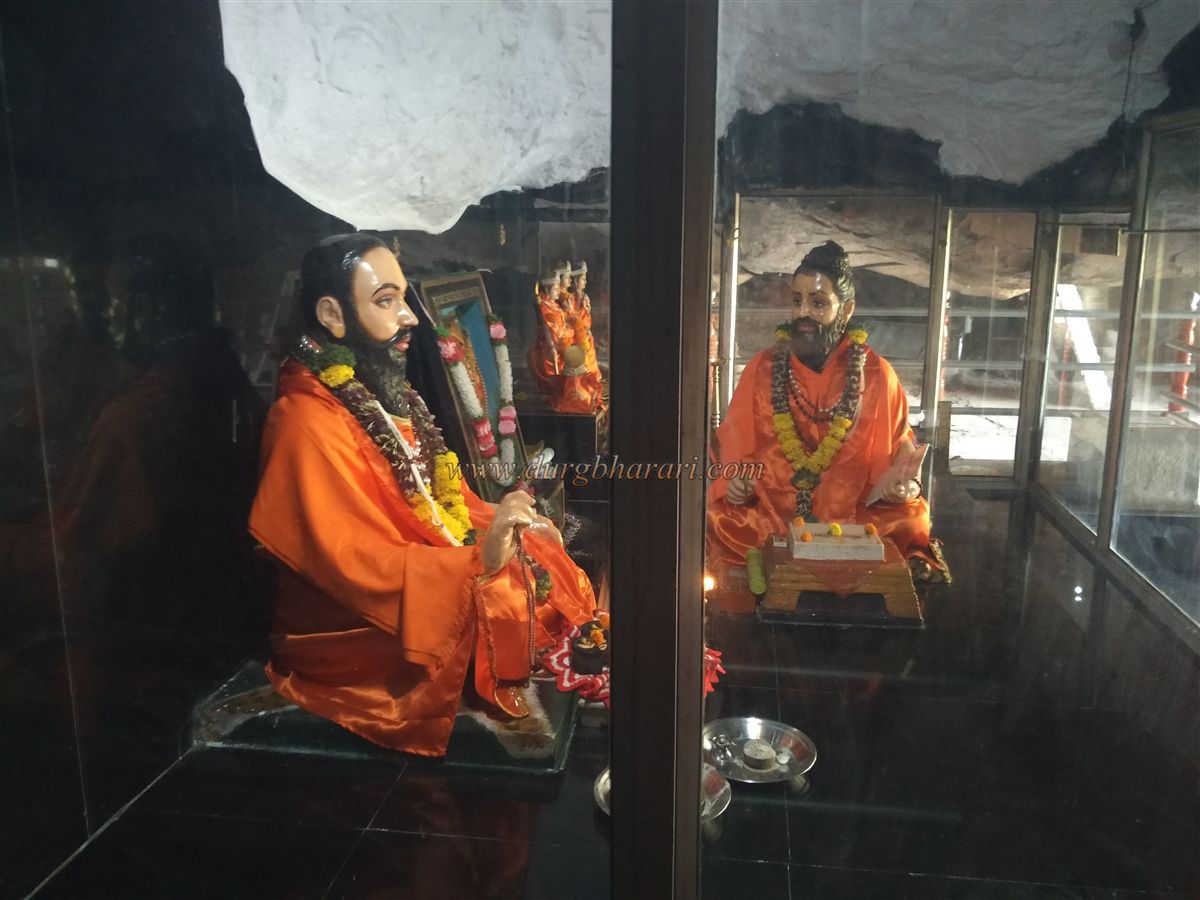
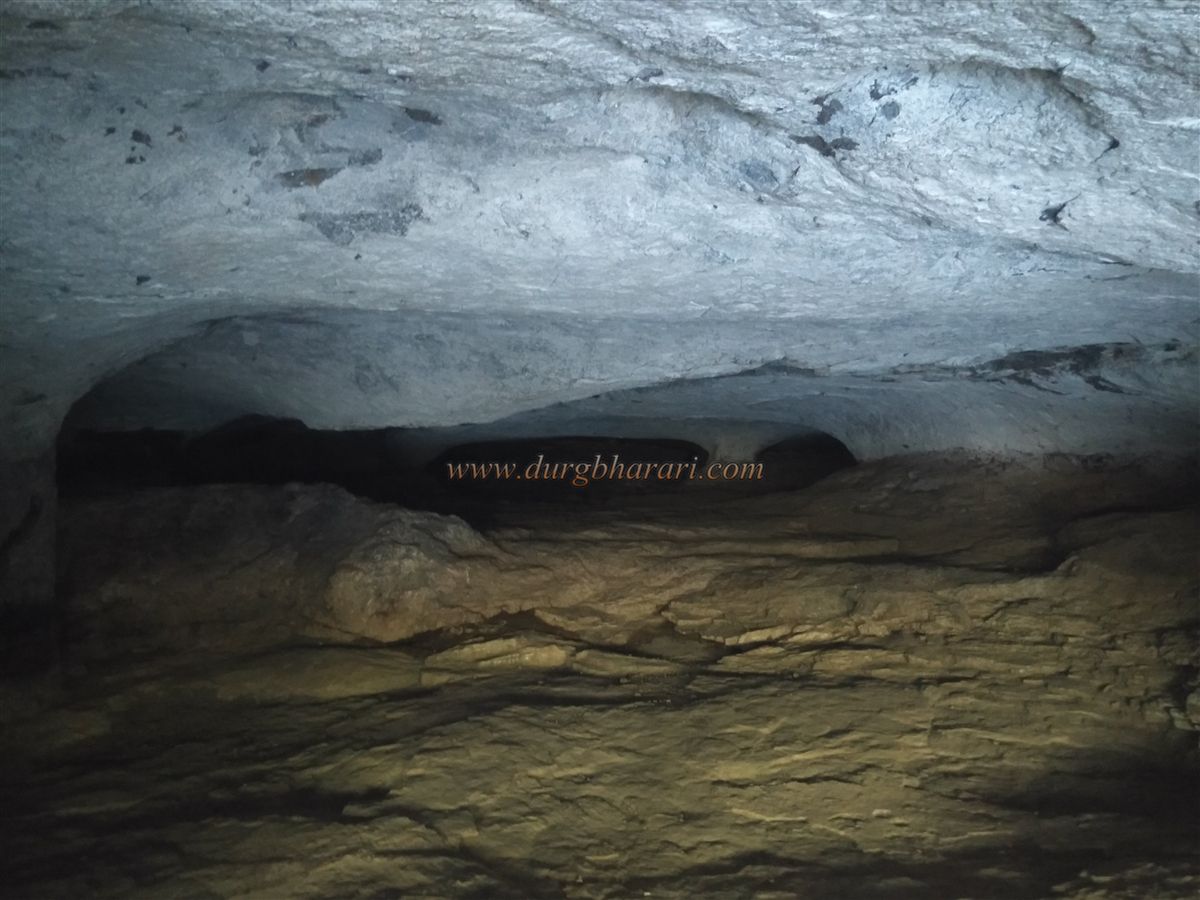
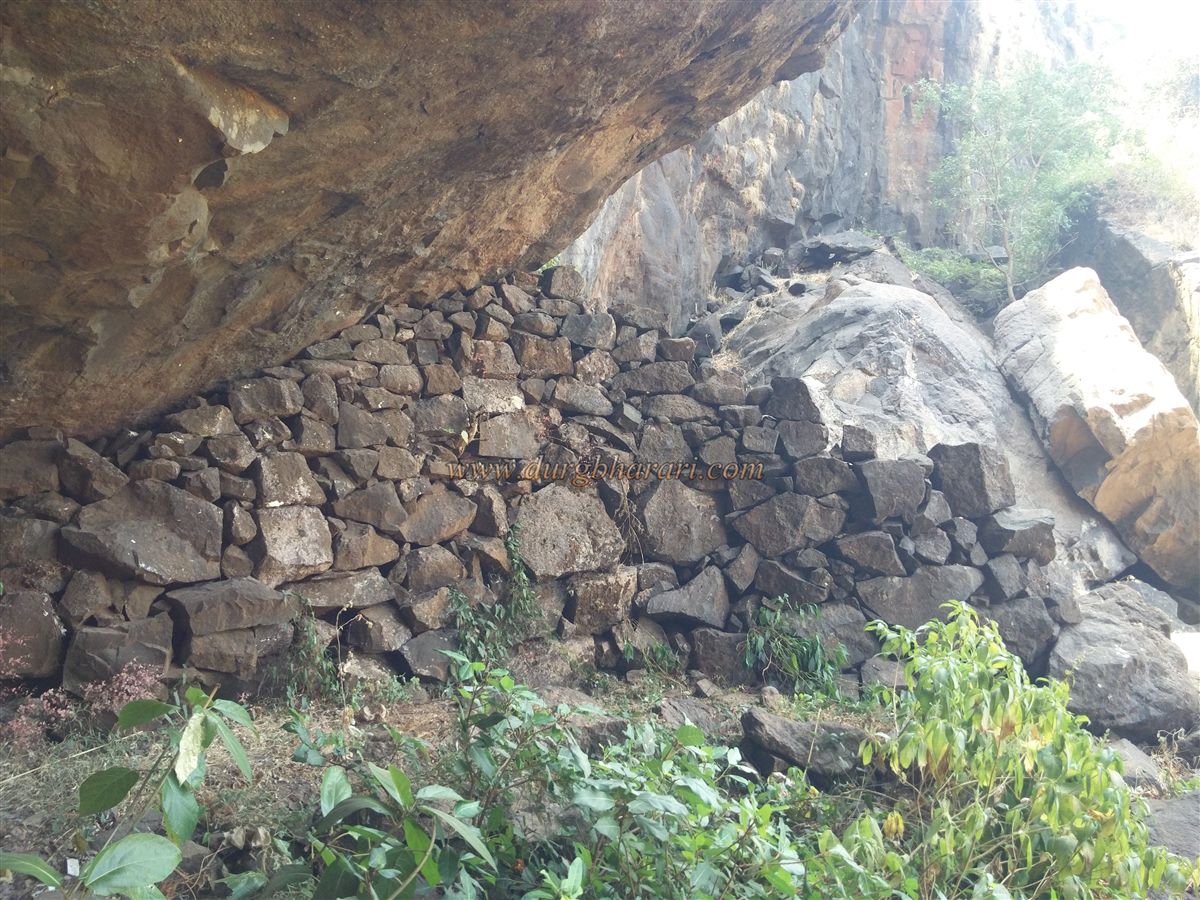
The cave is large enough to seat 50–60 people at a time. Inside, there are idols of Samarth Ramdas Swami and Kalyan Swami. Facing the cave is a serene waterfall, adding to the sanctity of the place.
Above the cave, on the mountain plateau, lie the ruins of Chandrarao More’s mansion, from where one can get panoramic views of Raigad, Rajgad, Torna, and Pratapgad forts.
Historically, the Shivtharghal region and the surrounding Javali valley were under the control of the More family, who held the title of Chandrarao under the Bijapur Sultanate. Due to their stronghold in the dense Javali forests, they refused to acknowledge Chhatrapati Shivaji Maharaj’s sovereignty. This led to the 1648 campaign, where Shivaji Maharaj conquered Javali, bringing the region under Swarajya. During this campaign, key figures like Murarbaji Deshpande joined Shivaji’s cause.
It was around 1649 that Samarth Ramdas Swami came to reside in Shivtharghal, where he stayed for about 10–11 years (until 1660). It was here that Dasbodh was composed.
In 1676, on his way to the Southern Digvijay expedition, Chhatrapati Shivaji Maharaj visited the cave to seek Samarth’s blessings.
Over time, the cave lost prominence after Samarth left. However, records from 1741 mention Diwakar Gosavi’s grandson, also named Diwakar, who stayed in the cave and copied Dnyaneshwar Amritanubhav manuscript.
In 1930, Shankar Krishna Dev rediscovered the cave, and later, the Samarth Seva Mandal was established. On Magh Shuddha Ashtami, Shaka 1881 (1960 CE), Sridhar Swami consecrated the idols of Samarth Ramdas dictating Dasbodh to Kalyan Swami, restoring the site to its spiritual glory.
© Suresh Nimbalkar
GALLERY