SHIVNA
TYPE : NAGARKOT/GADHI
DISTRICT : SAMBHAJINAGAR
The village of Shivna in Sillod taluka of Aurangabad district is not much known to anyone, and there is no particular reason for it to be well-known. My acquaintance with this village happened because of the Nagarkot located here. And while looking at this Nagarkot, I realized that this village does not just have a Nagarkot but also, along with it, a Bhuikot or Sarai. This is a small attempt to introduce this fort, which is completely unknown to fort enthusiasts. Shivna village is located 126 km from Chhatrapati Sambhajinagar and 30 km from the Sillod taluka headquarters.
It was read somewhere that Shivna village once had a Nagarkot and that the gates of this Nagarkot still exist, so while going to the Ajanta caves, I went to see these gates. Shivna village has existed since the medieval period, and as the village developed, the original settlement moved a little inward from the main road.
...
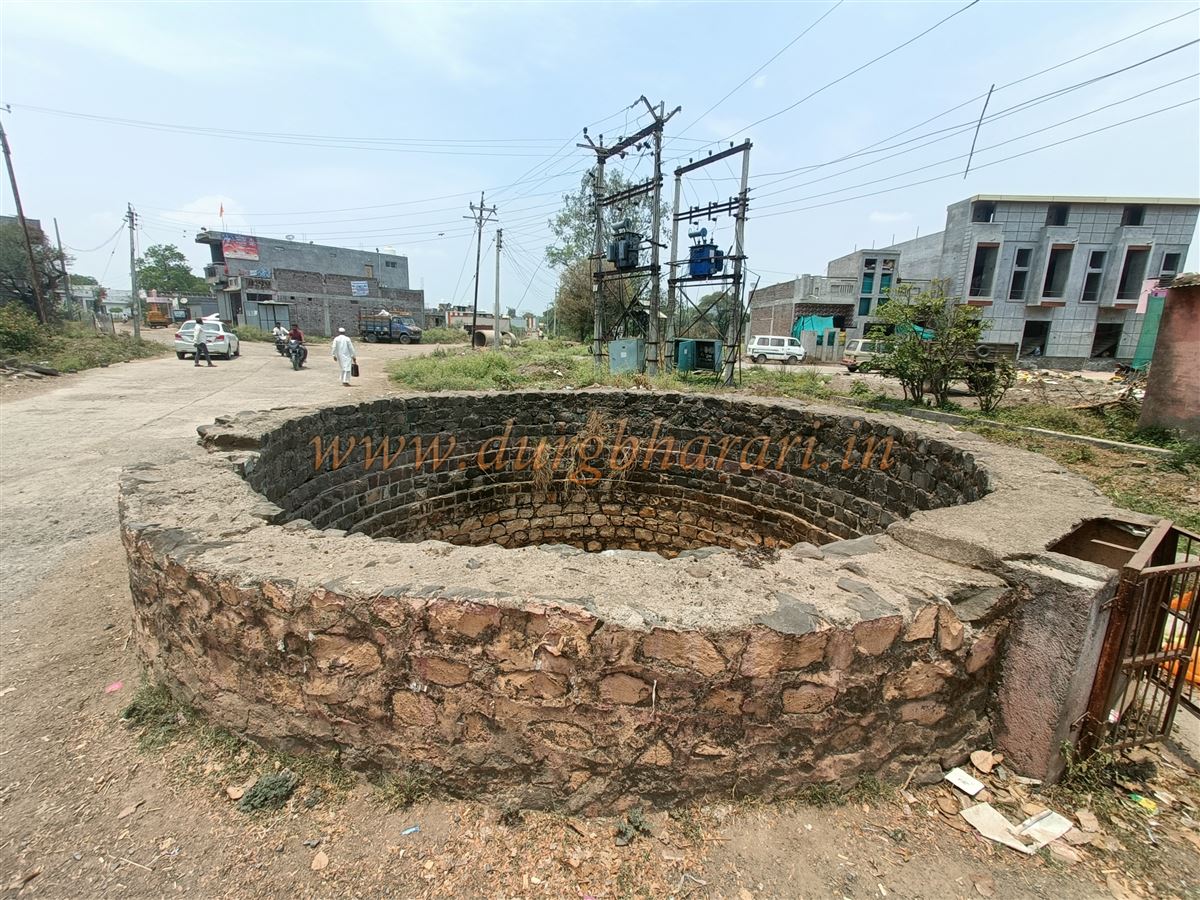
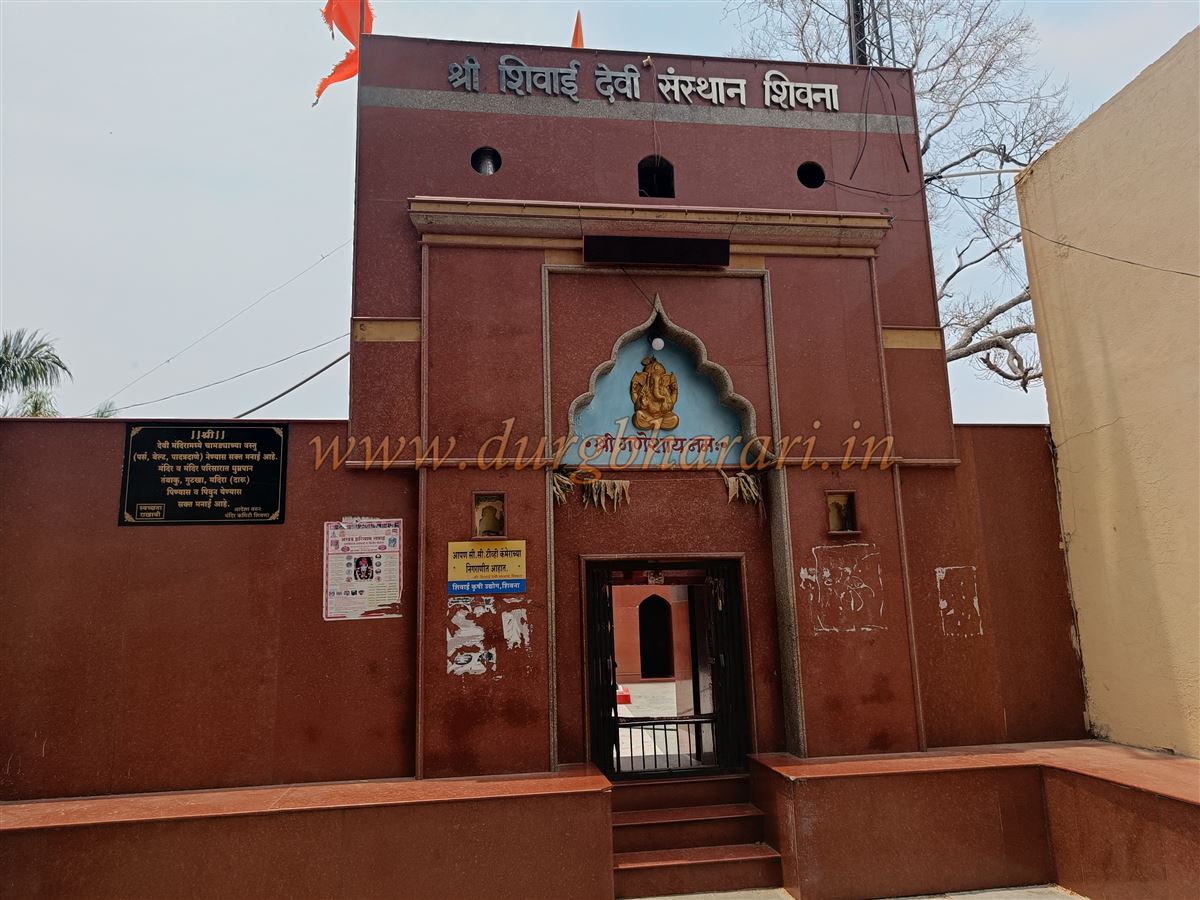
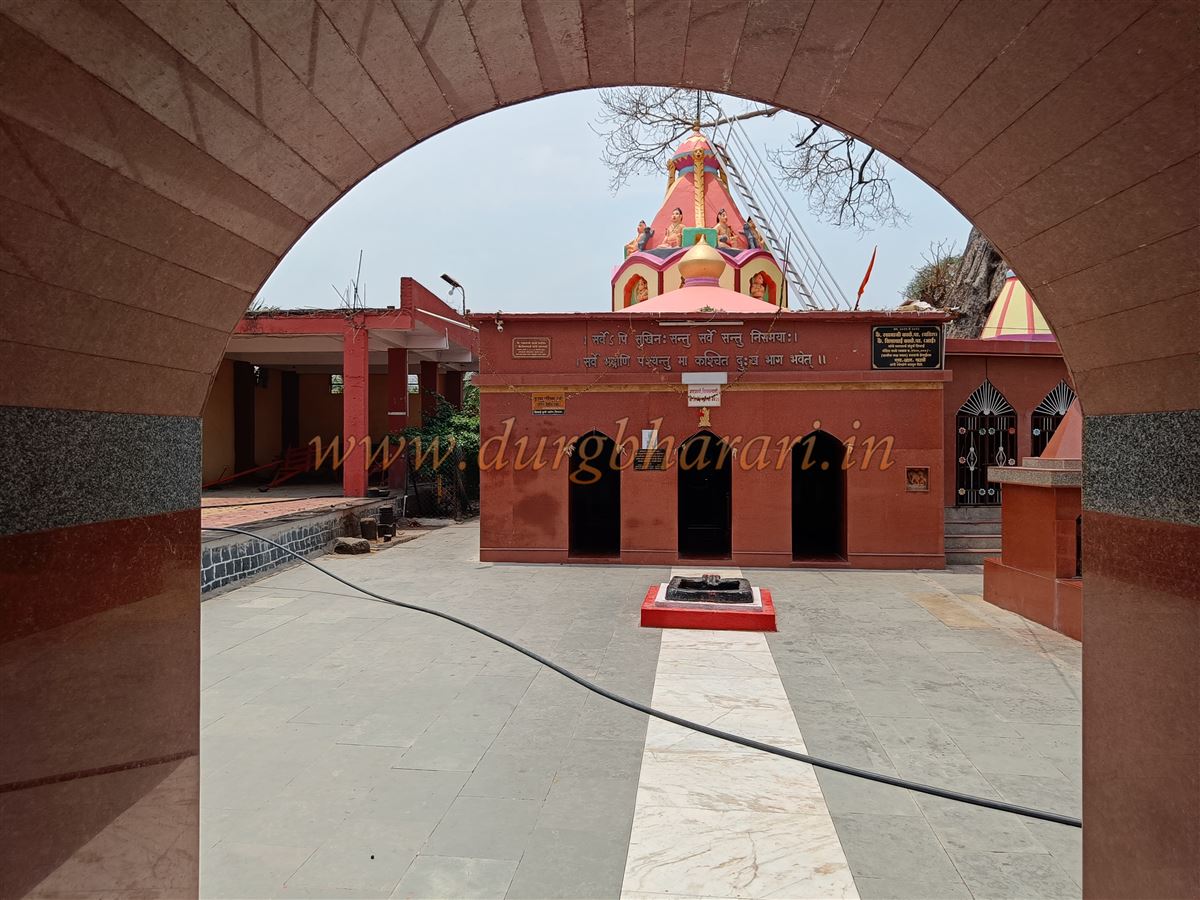
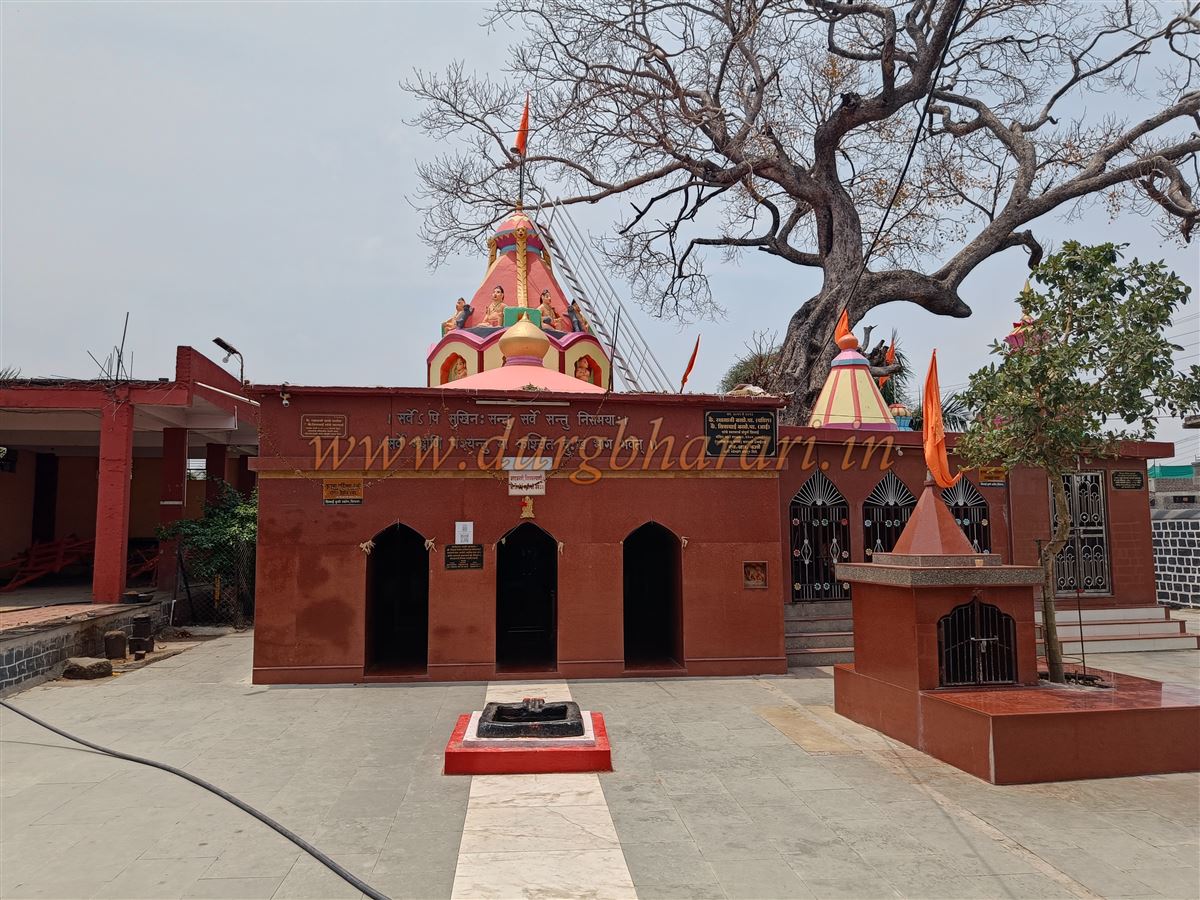
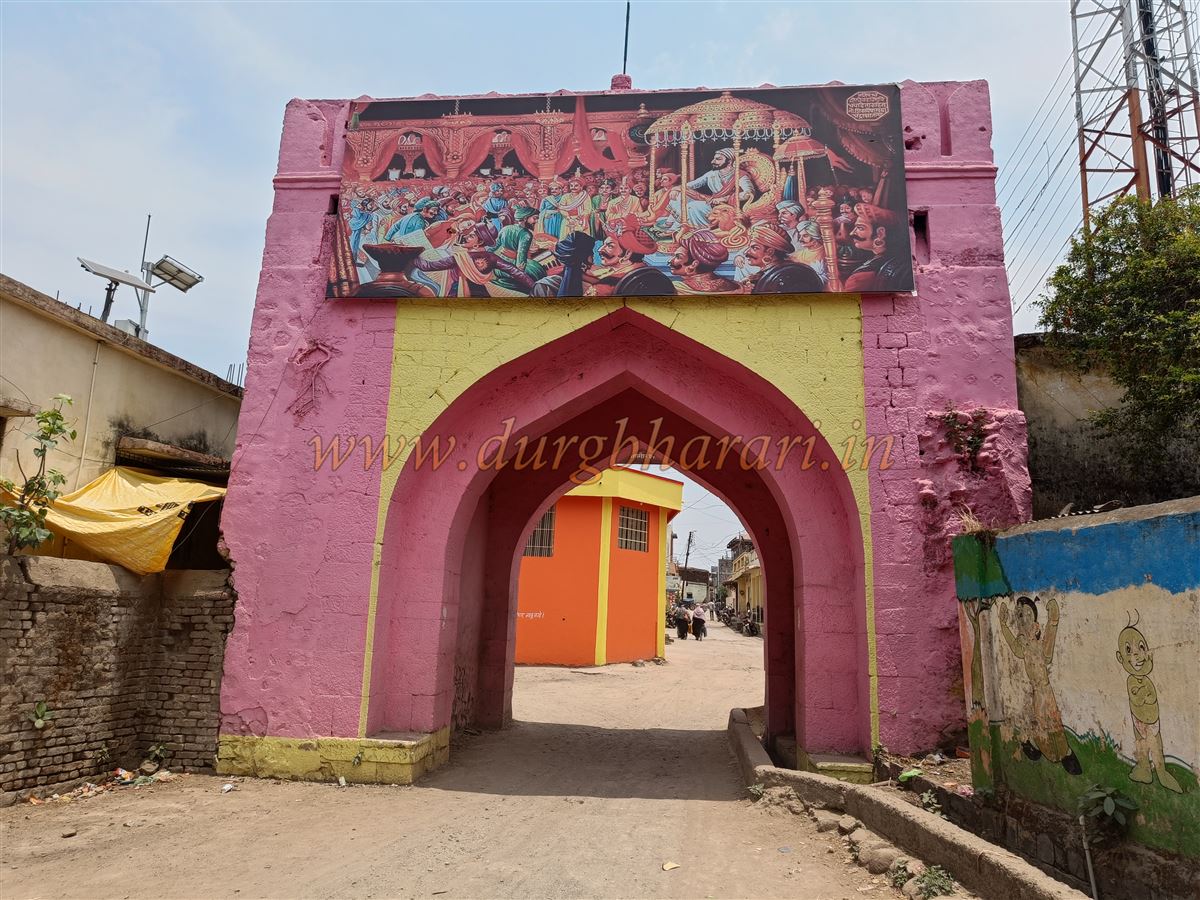
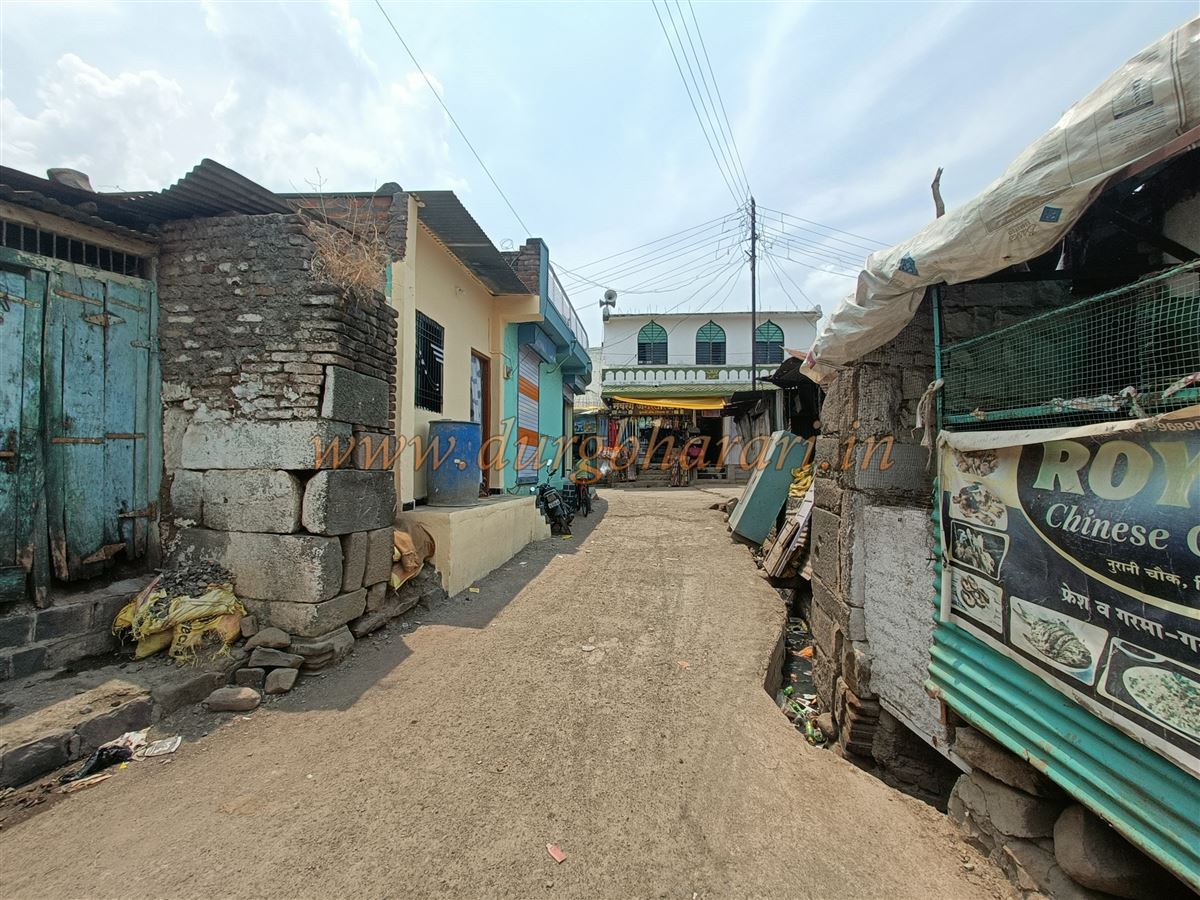
When asked about the Shivai Devi temple, we reach near the village within five minutes. The temple of Shivai Devi has been recently renovated, and its original form has completely changed. Within the premises of this temple is an old well, and right in front of it is the main gate of the Shivna Nagarkot.
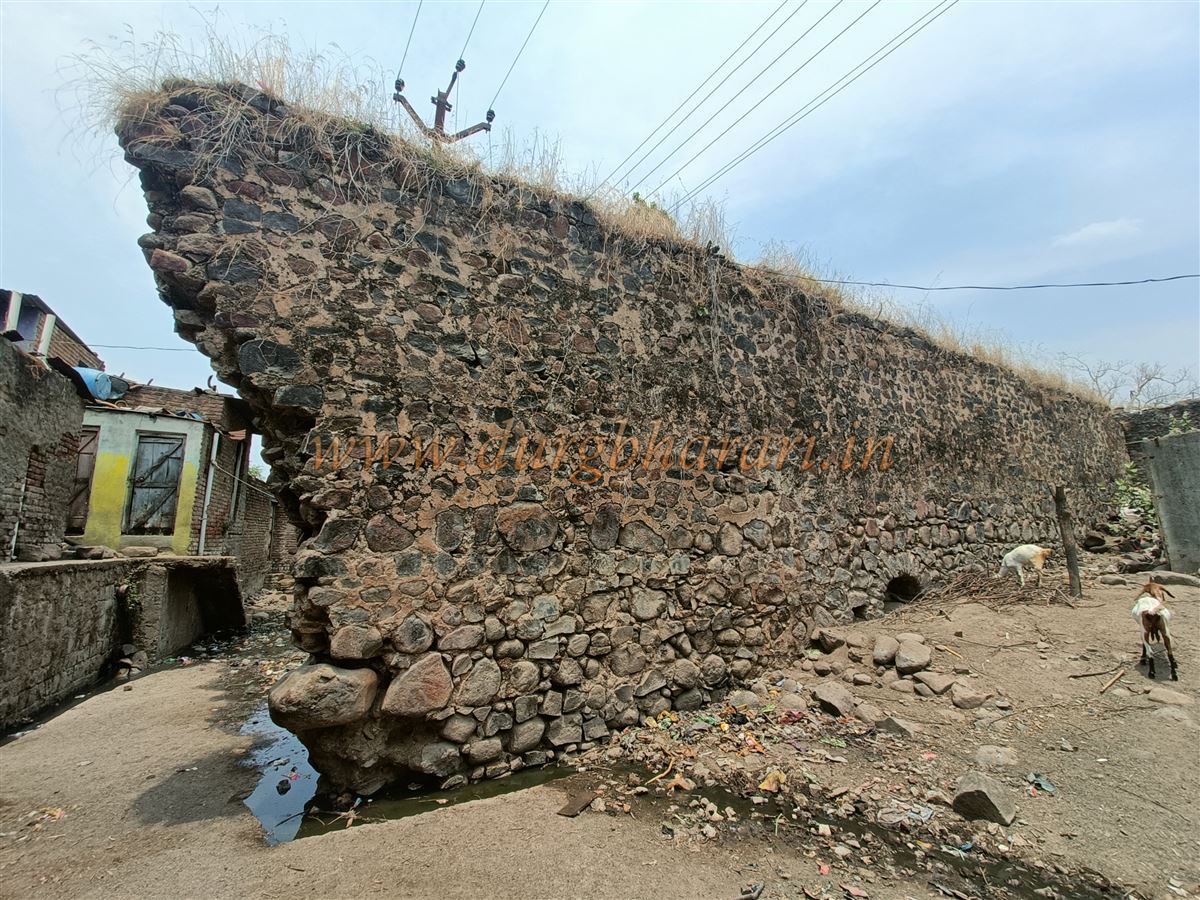
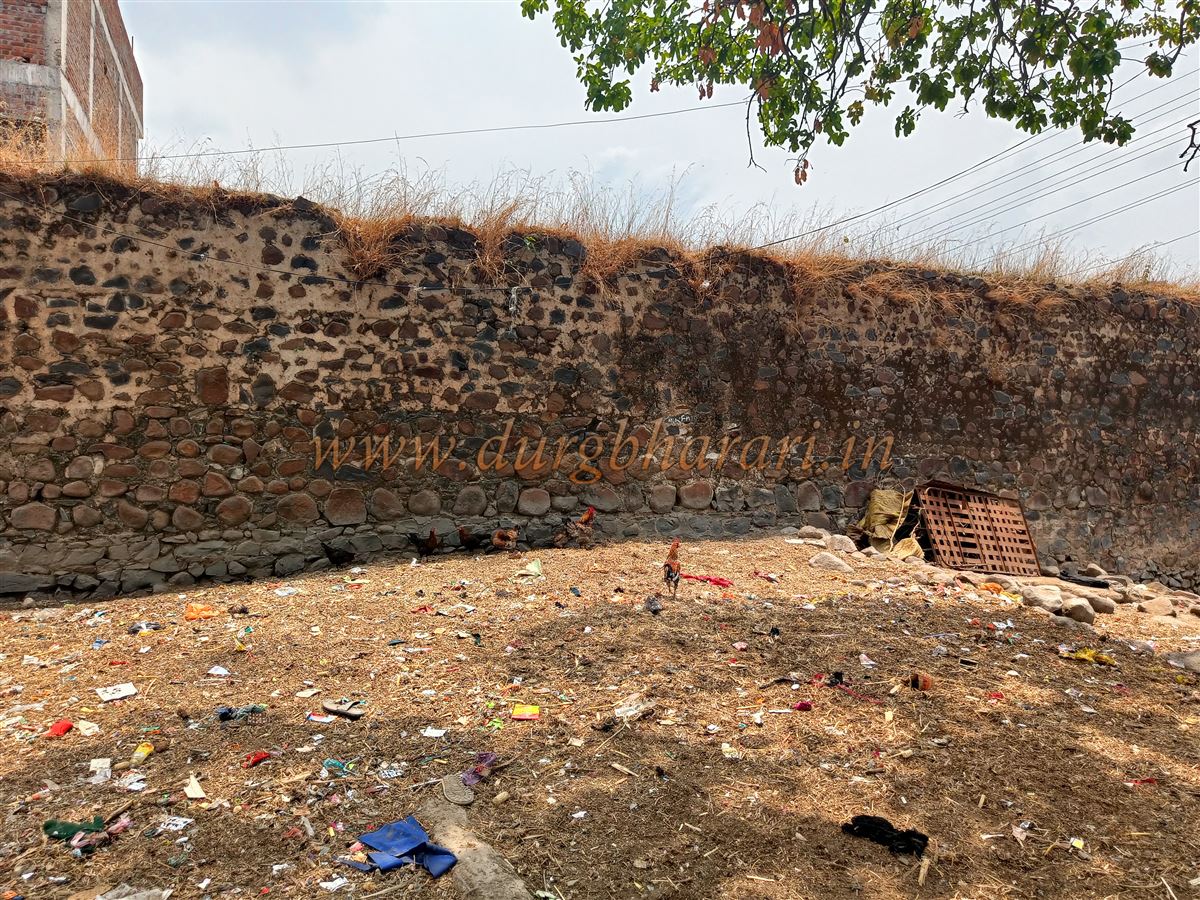
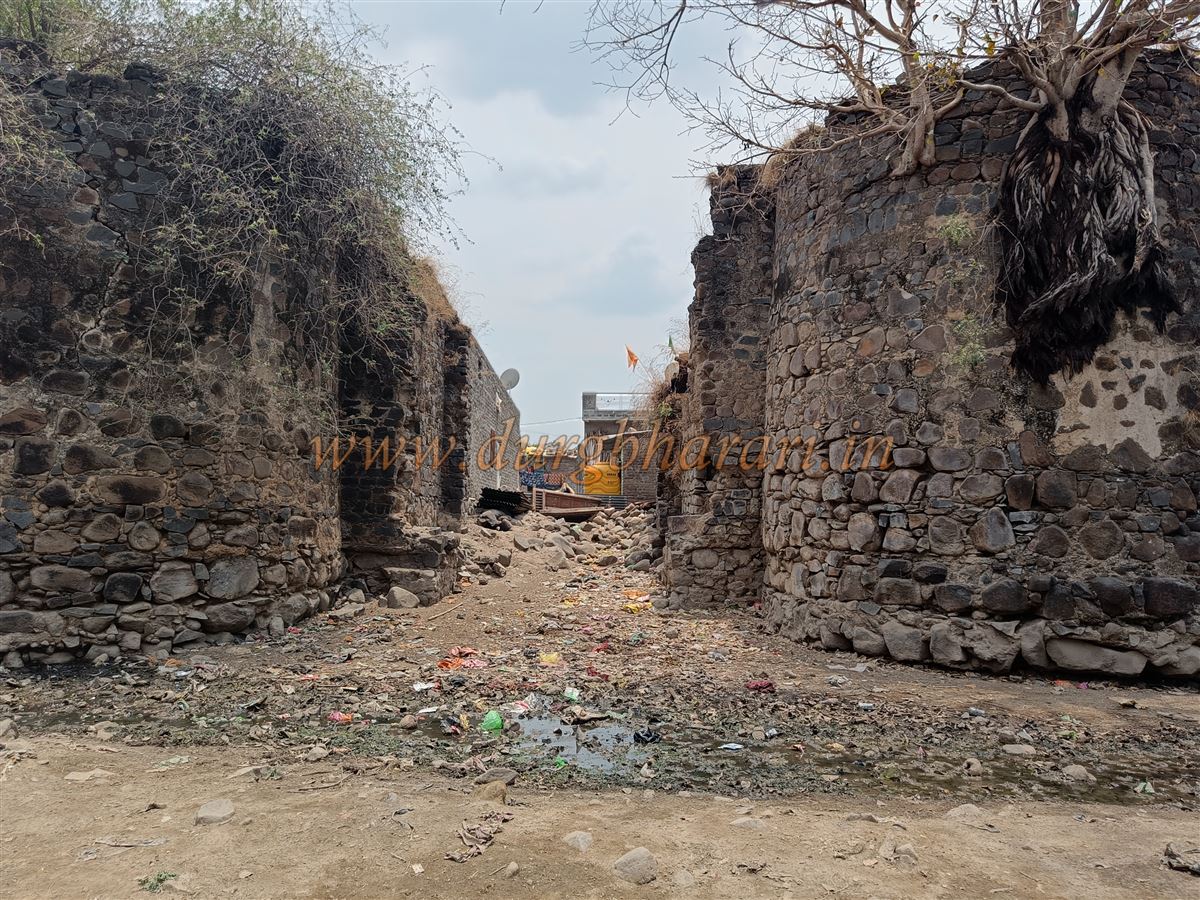
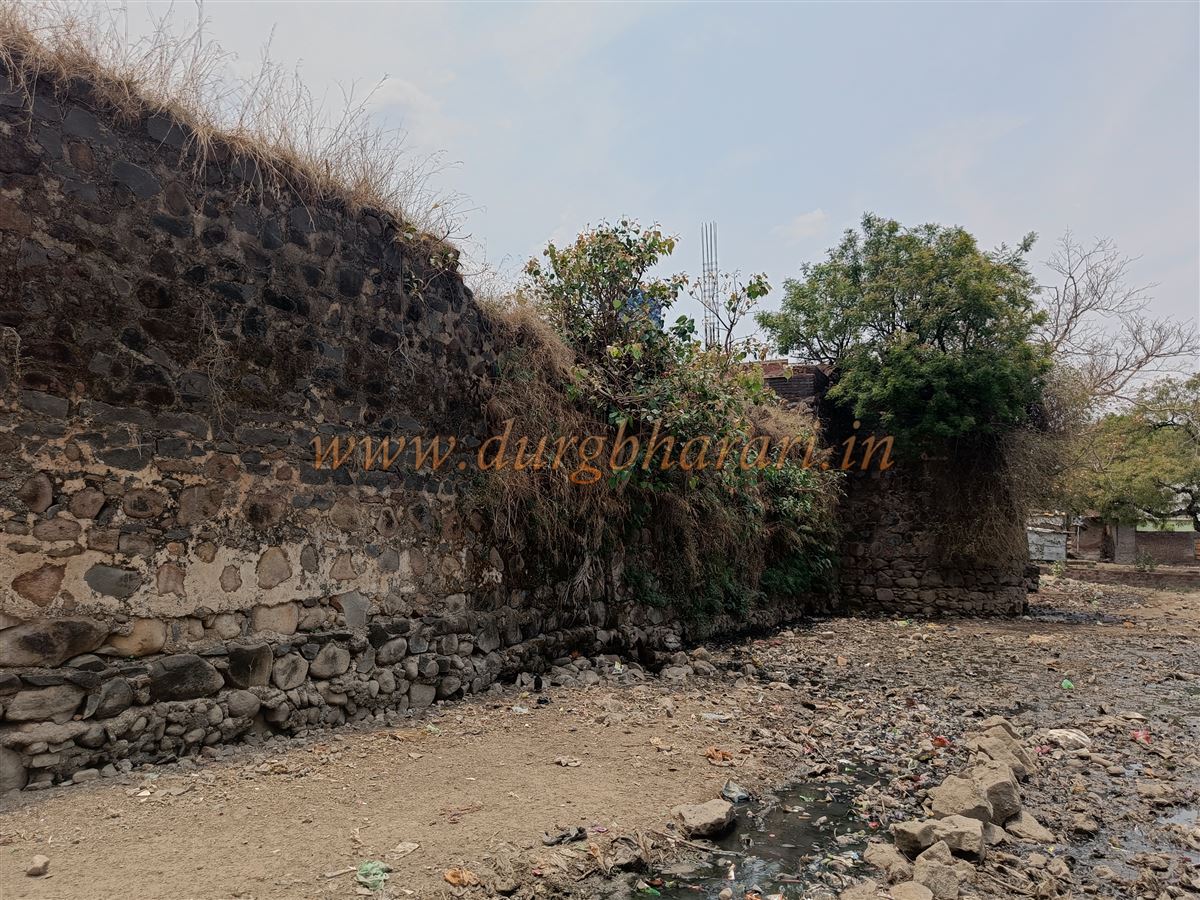
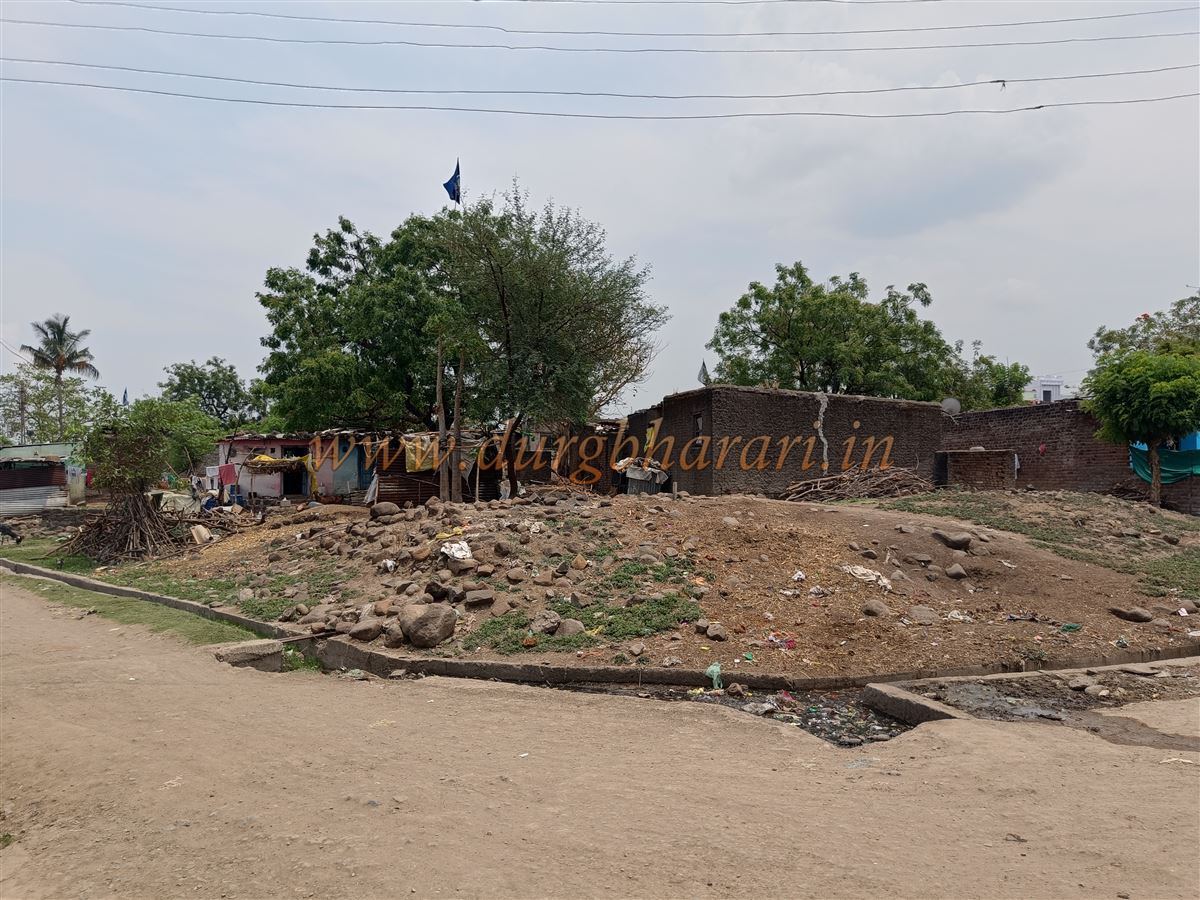
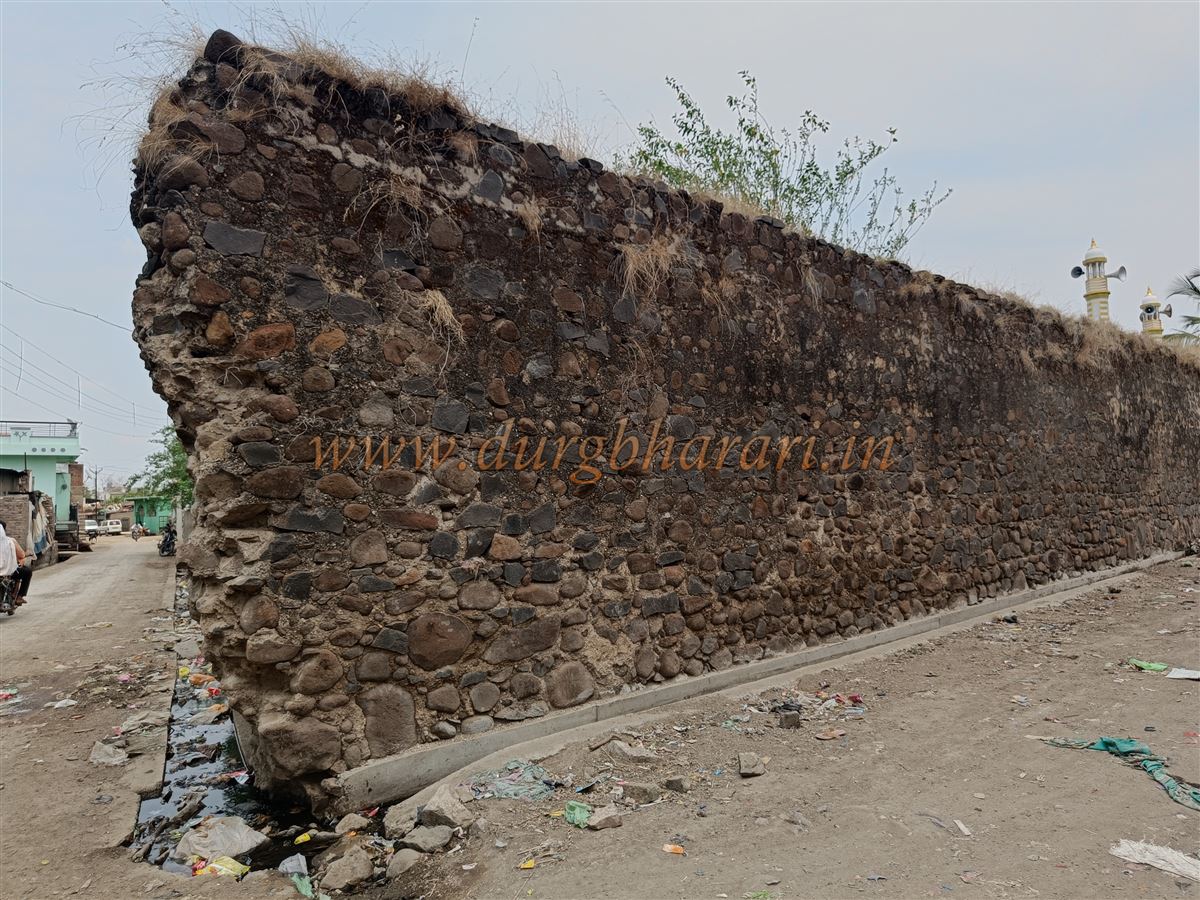
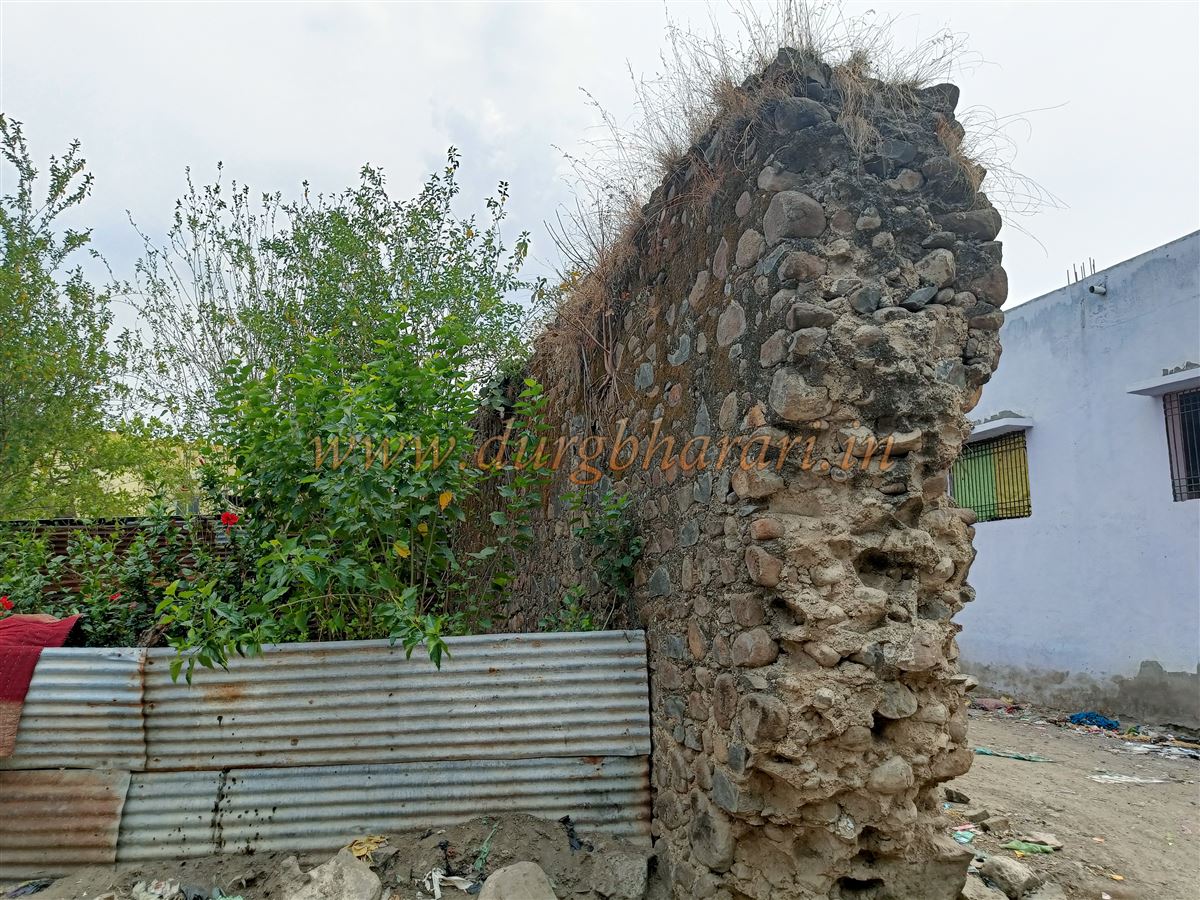
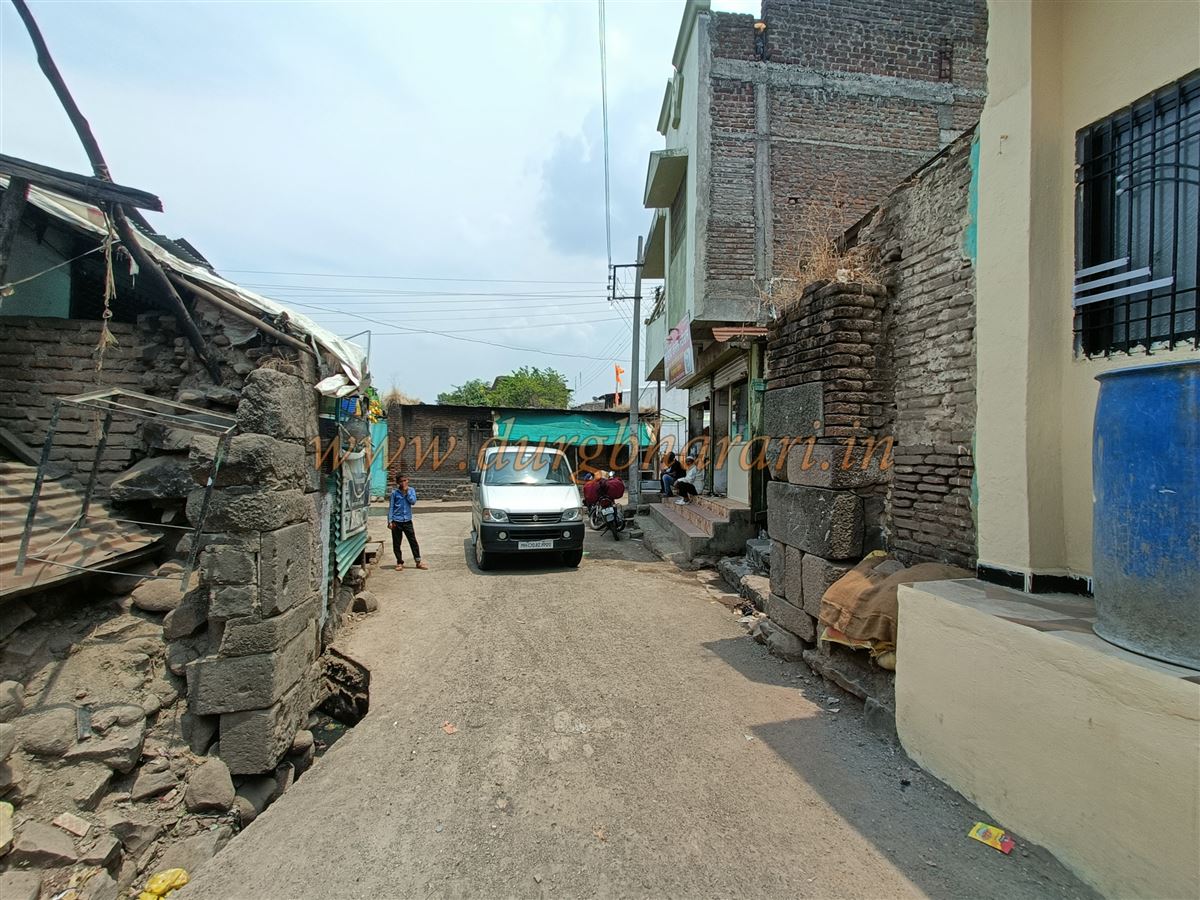
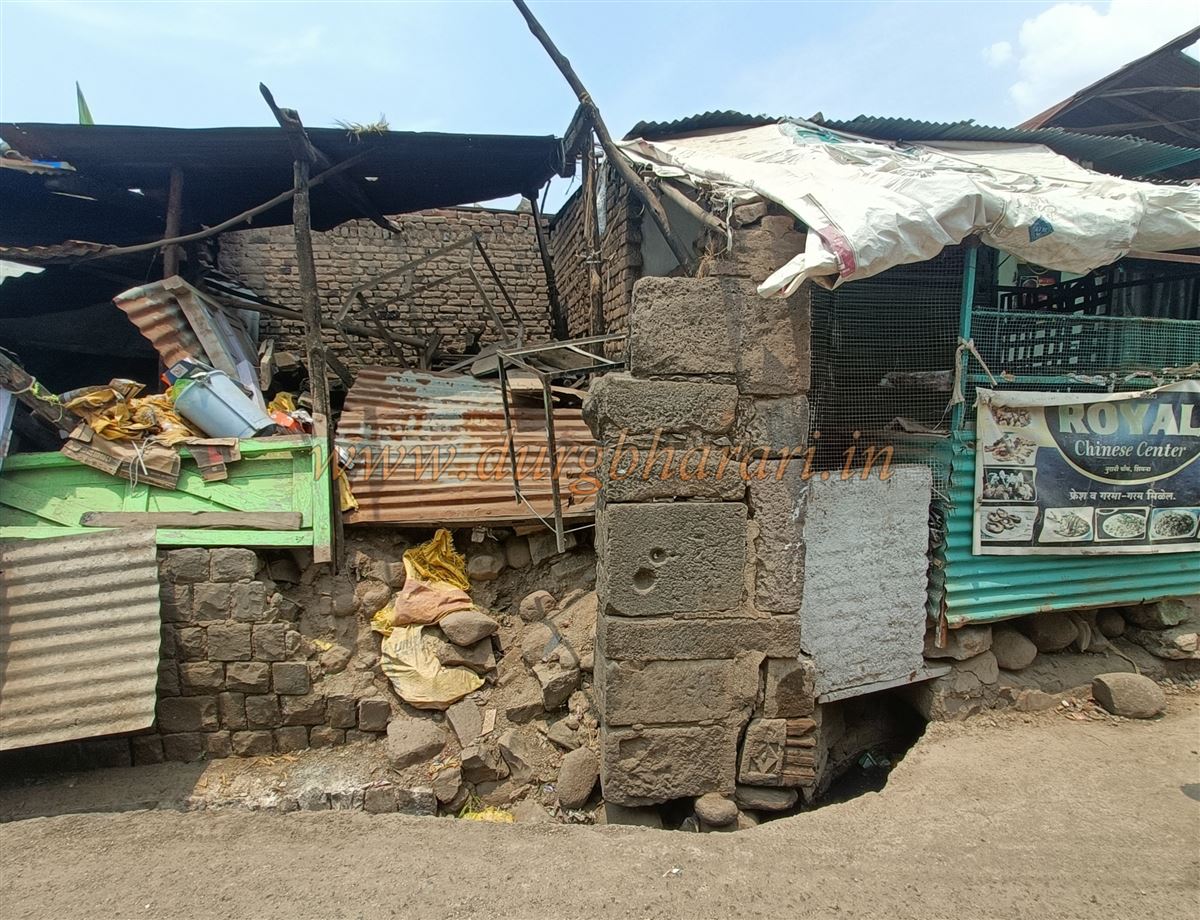
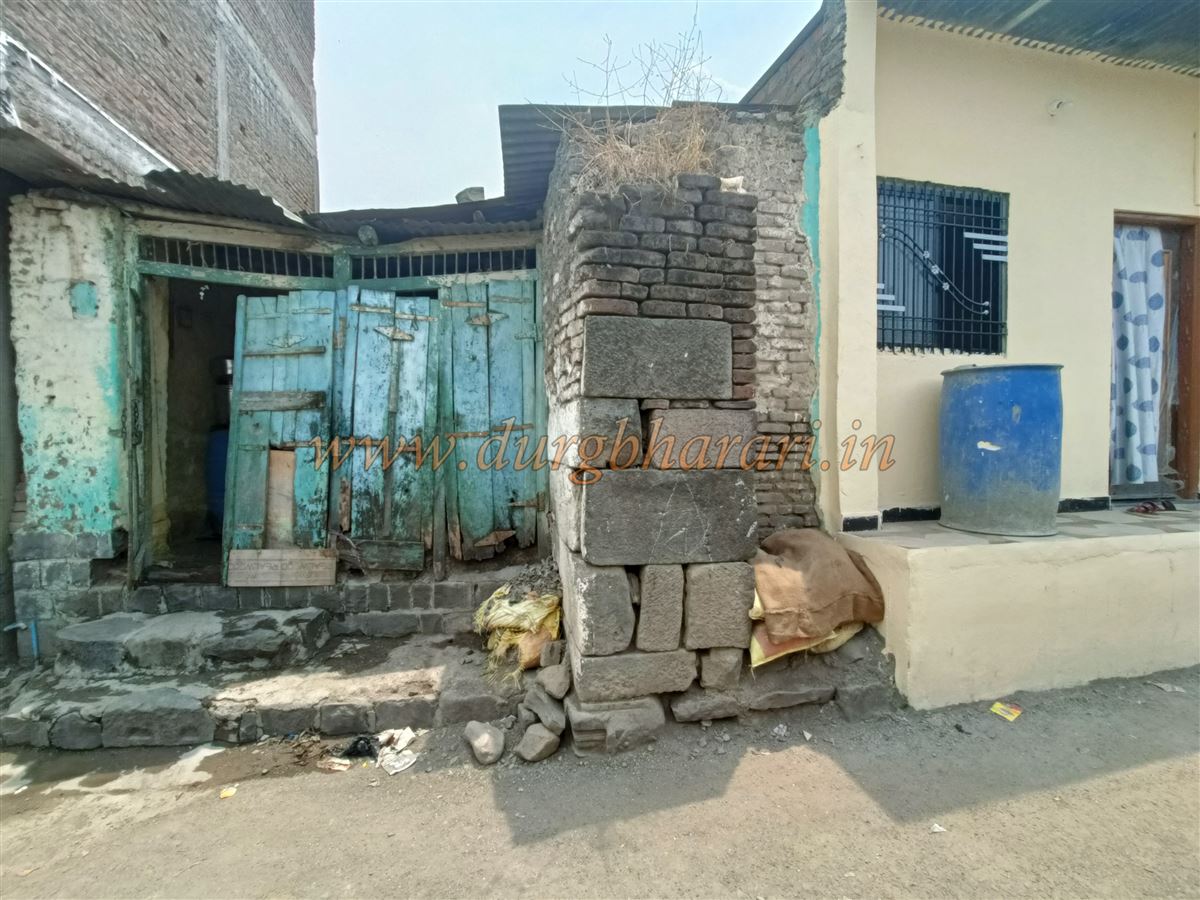
The fortification adjoining the gate has been destroyed, and in its place now stand houses. Above the gate, there are gun slits built for firing. Walking straight along this road for about ten minutes, we exit through the opposite side of the fort via another gate. This gate has been engulfed by the expanding settlement, and only its frame remains. This gate must have served as the route from the village to the fort located outside the village. Exiting through this gate and turning left, one can see the 20-foot-high fortification of the fort. This fortification has been broken to create a passageway. Turning right, there is another similar fortification with a road passing through it.
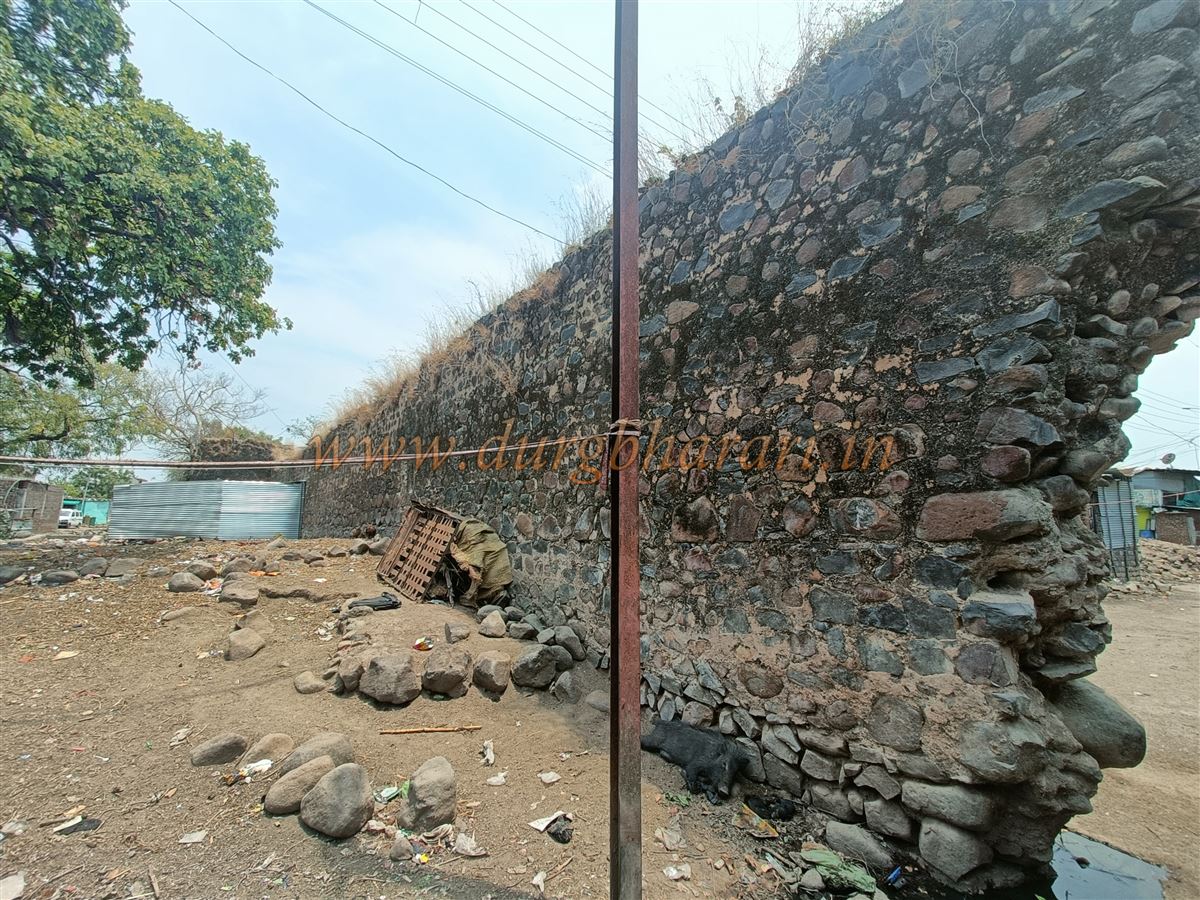
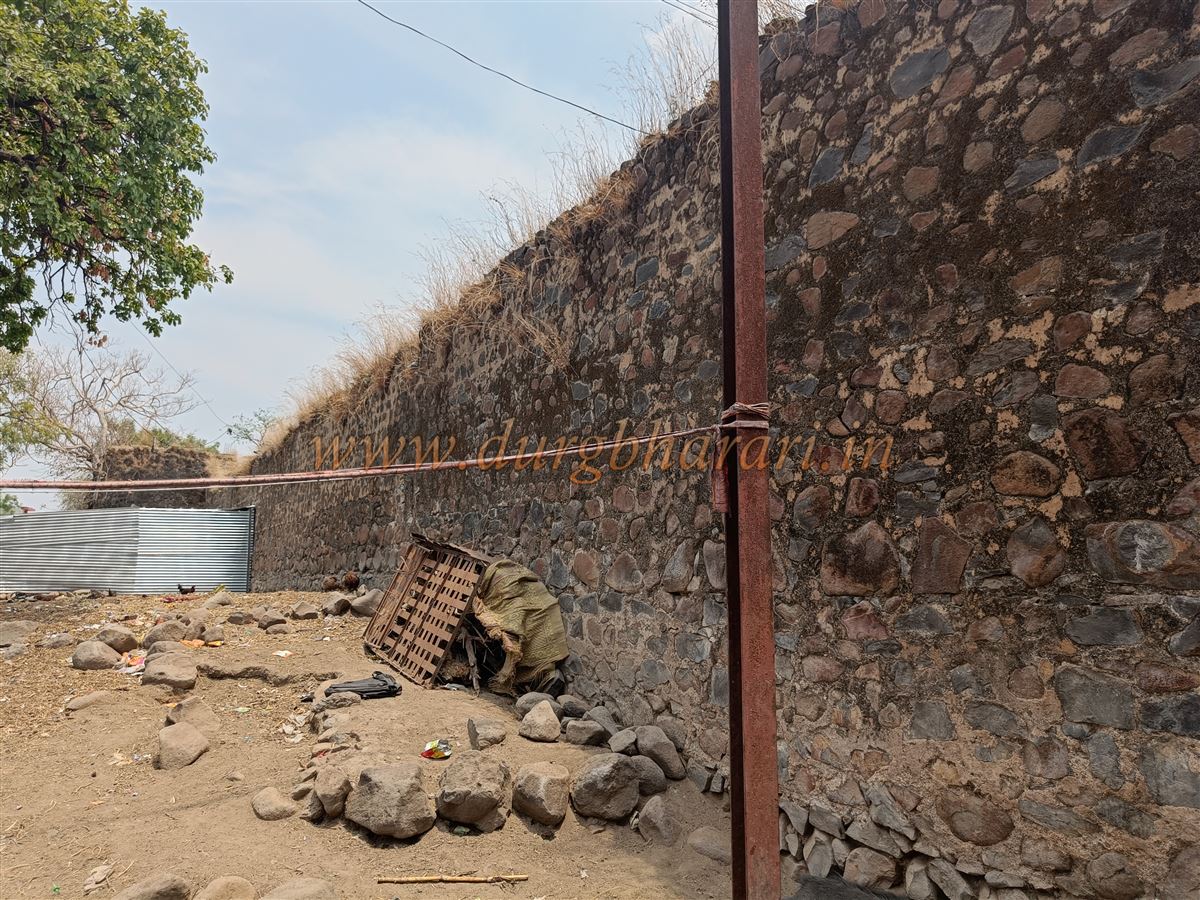
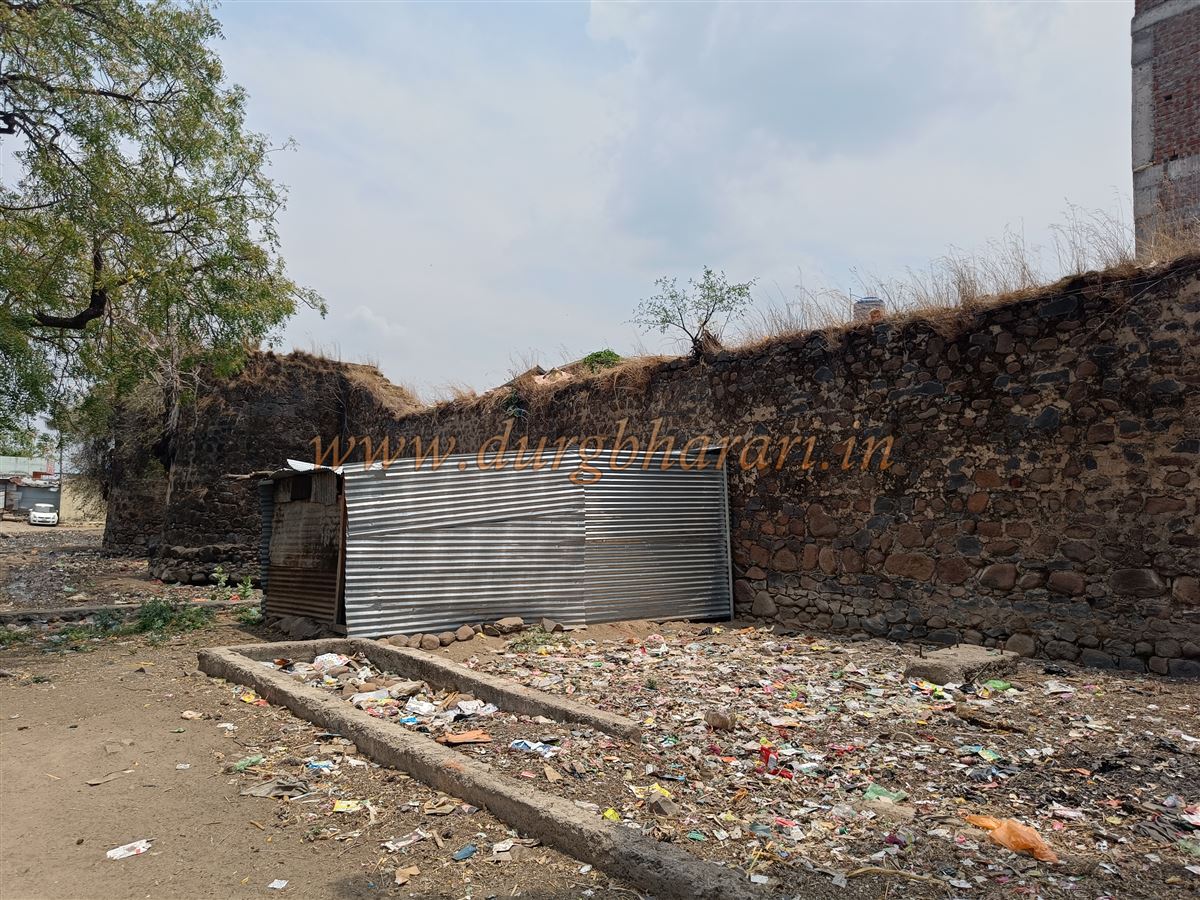
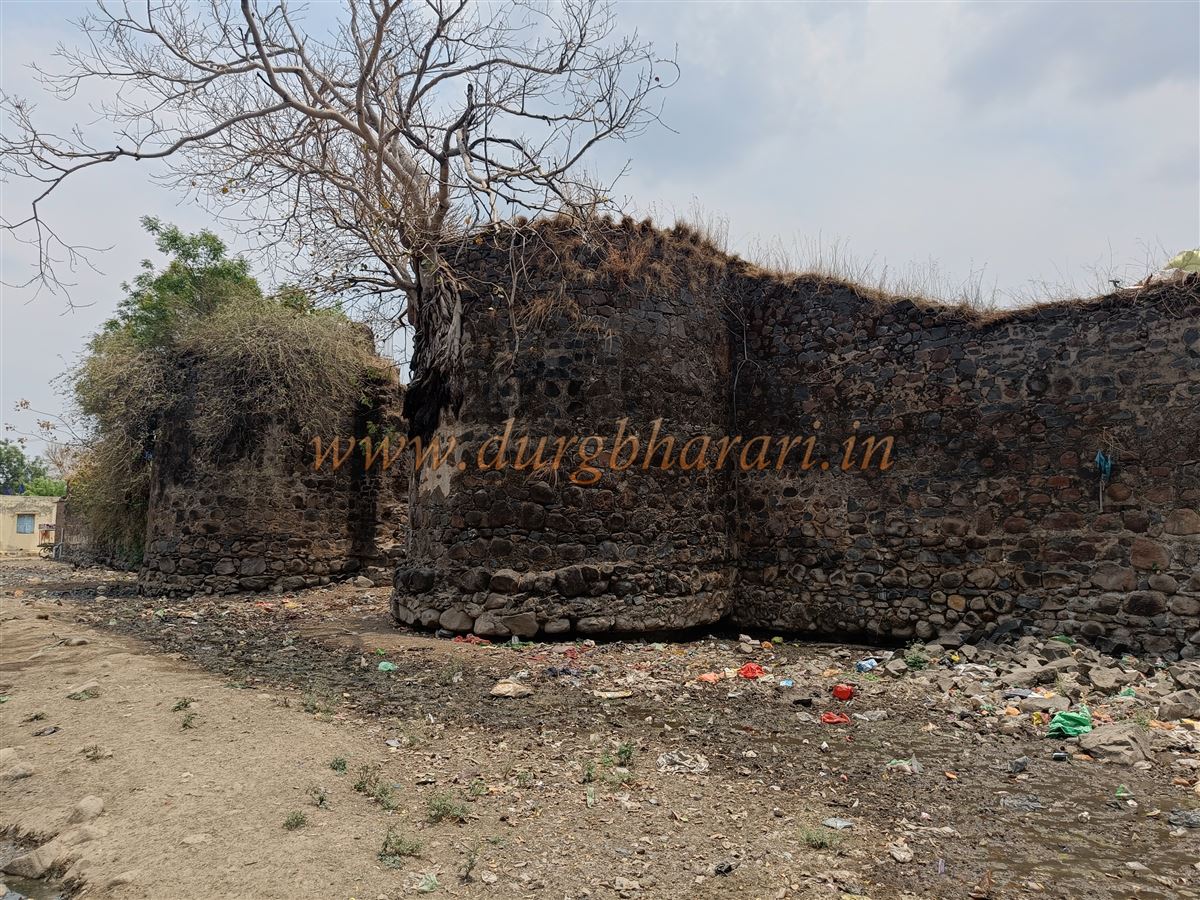
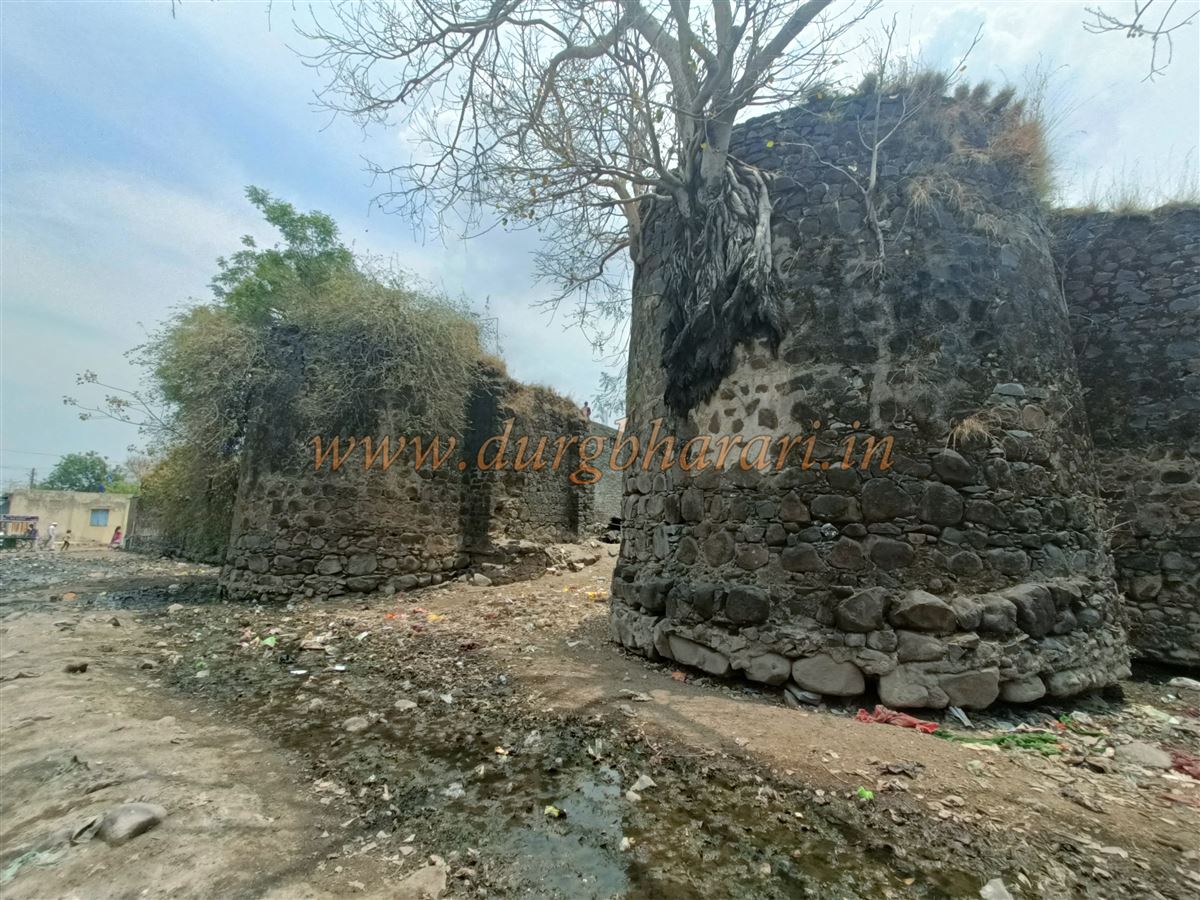
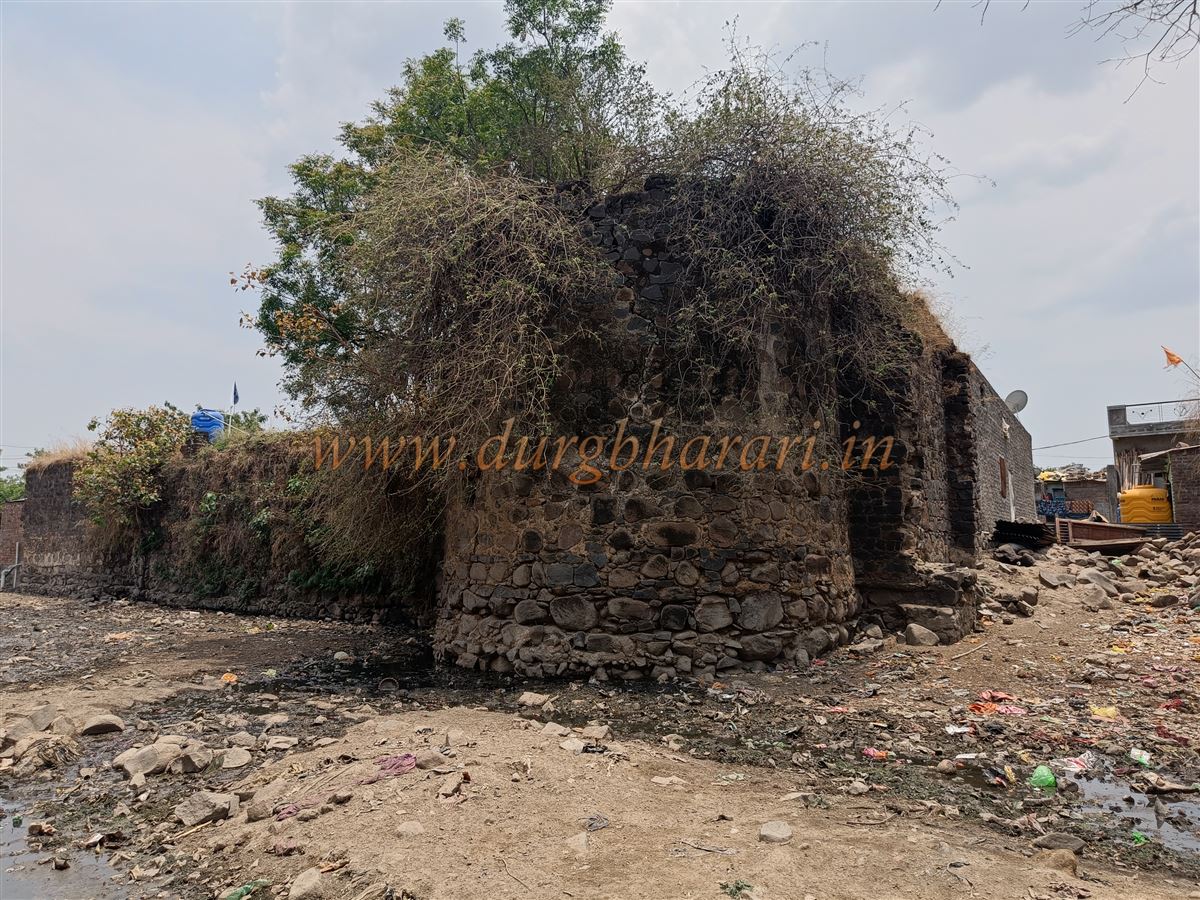
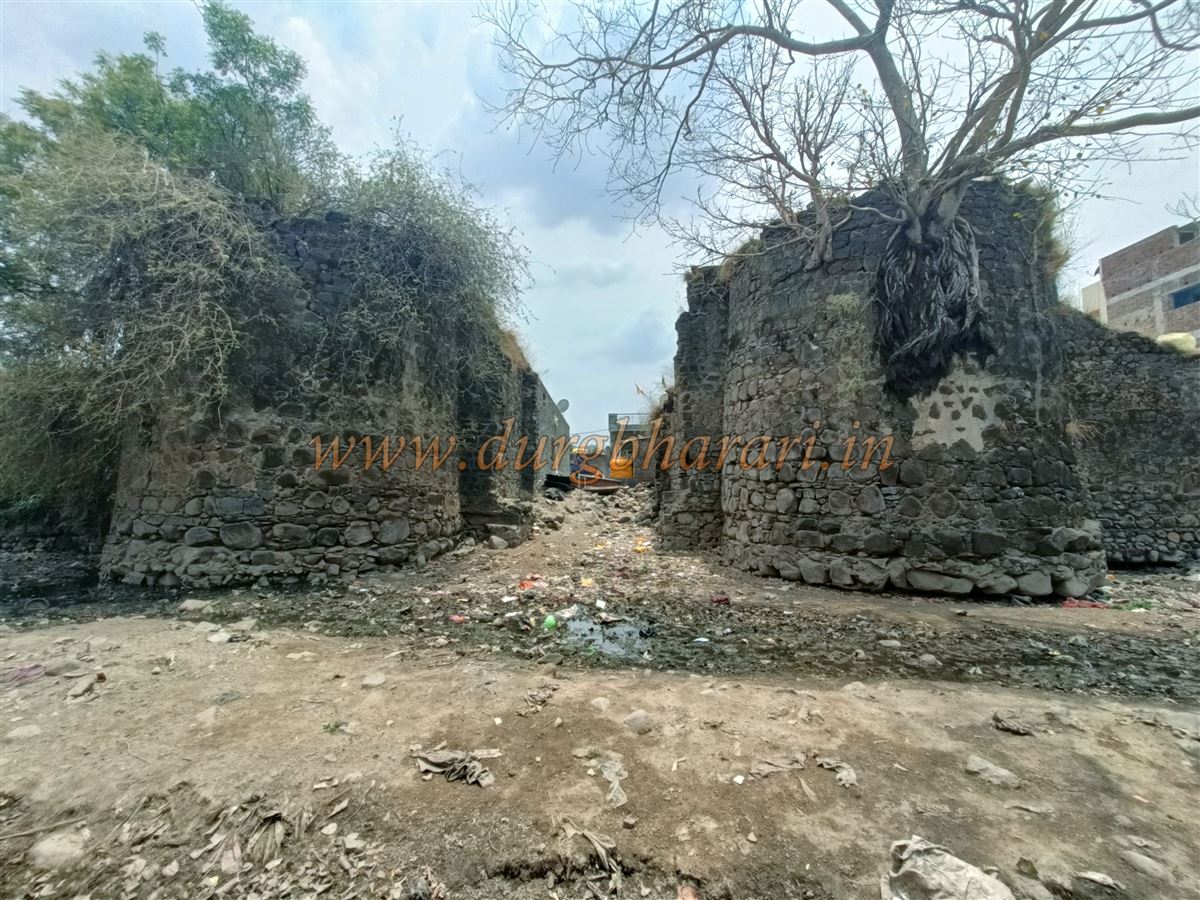
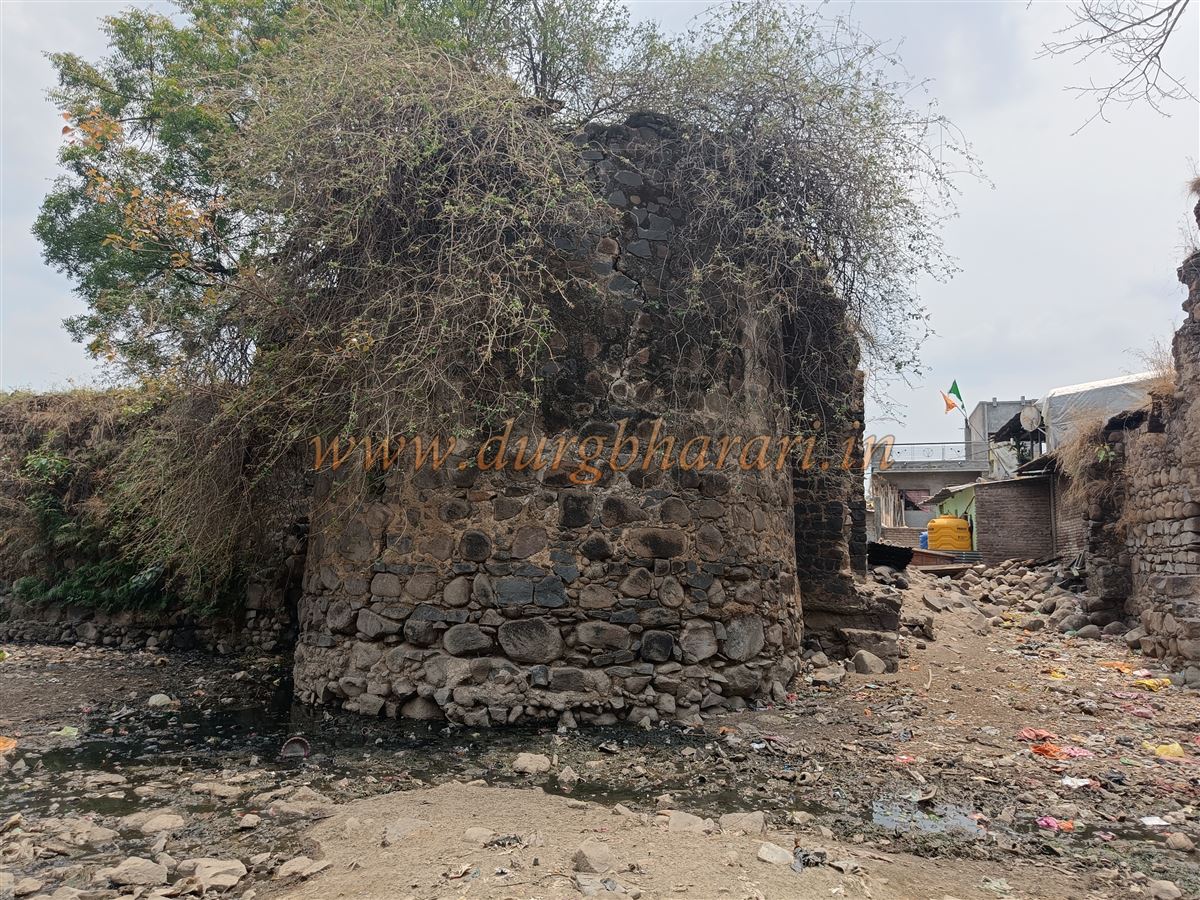
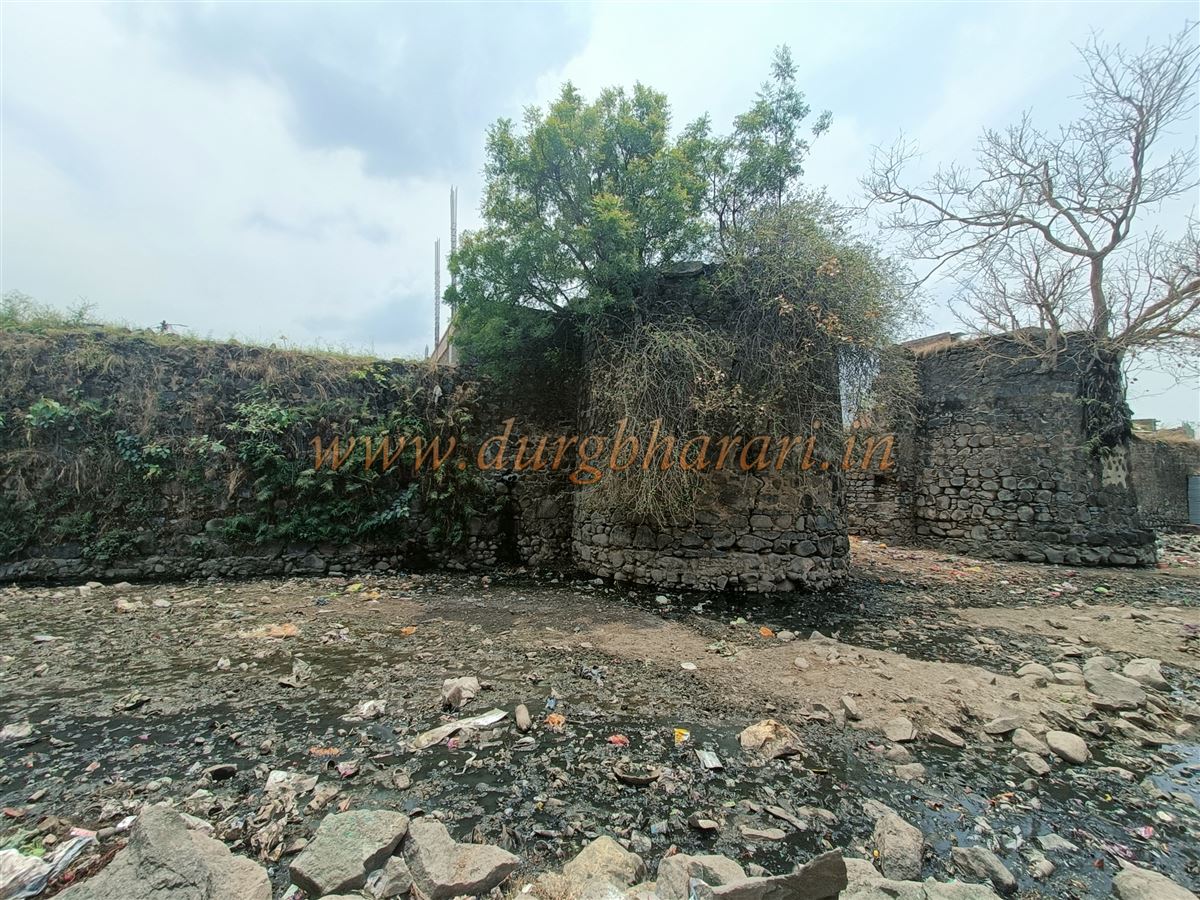
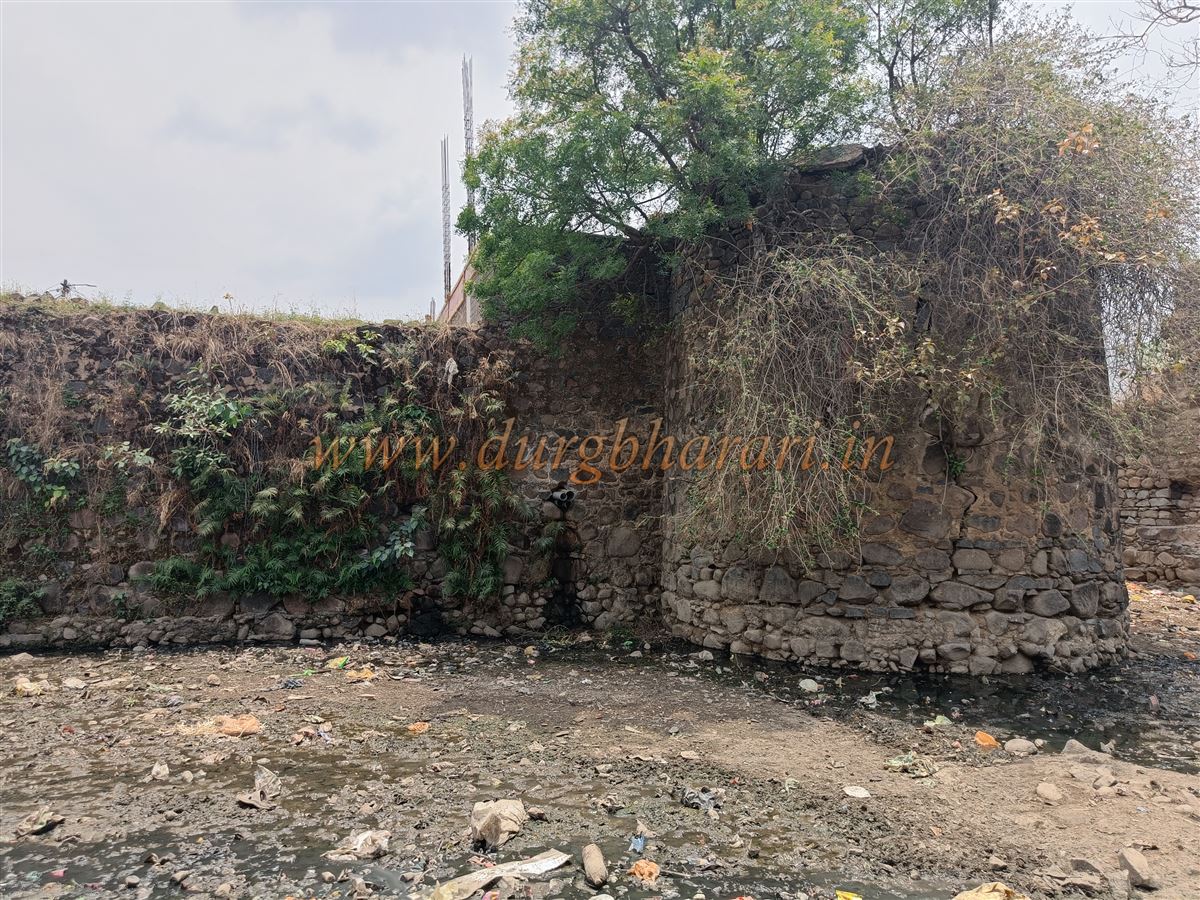
The fortification on the left side is quite long and has a grand gate built between two bastions. Although the upper portion of this gate has been destroyed, its remaining remnants indicate its grandeur. Apart from the fortification, its four bastions, and the gate, the inner remains are completely destroyed, making it difficult to determine whether this was a Bhuikot or a Sarai. There is a large amount of filth outside the fortification, making it difficult to explore properly, but three bastions can be seen — two near the gate and one at the corner. Additionally, a ruined bastion along the path and the remaining fortification of the fort on the other side can be seen.
The entire structure has been built with large, rough stones, and lime has been used as mortar. This structure is completely independent of the Nagarkot and appears to be either a fort or a Sarai. Half an hour is sufficient to see the fort and Nagarkot.
Now let us turn to a bit of Shivna village’s history. The Gazetteer records that there was a fort at Shivna, with damaged water tanks in it. During the Mughal rule, i.e., in the time of Aurangzeb, Shivna village was granted as a jagir to Ghaisuddin Khan Bahadur. He must have been the one who built this fort. When entering Marathwada from Khandesh and traveling to Jalna-Buldhana, Shivna village was an important spot on this route. Therefore, a small fort-like structure or a Sarai for merchants’ convenience must have been built here to protect this route.
Though the locals do not know any history about this place, they have traditionally known this spot as a fort and say that this fort has four bastions at its four corners.
© Suresh Nimbalkar
GALLERY