SHIVGAD
TYPE : HILL FORT
DISTRICT : KOLHAPUR
HEIGHT : 2340 FEET
GRADE : MEDIUM
Since ancient times, the ports of Konkan and the towns atop the Western Ghats have been connected by several Ghat routes. Goods arriving at these ports would be transported inland to markets via these routes. Over time, some of these Ghat roads fell out of use, while others continue to function even today. Many have been modernized into highways, such as the Phonda Ghat route, which connects Kolhapur with Sindhudurg. To protect this crucial route, the Shivgad Fort was constructed.
Now completely forgotten by most, Shivgad lies within the Dajipur Wildlife Sanctuary and is under the jurisdiction of the Forest Department, which means visitors can only access it after paying the sanctuary’s entry fee. Some important points to note: the sanctuary remains closed during the monsoon (June to October), and entry is only allowed between 9 AM and 2:30 PM.
...
However, if you specifically request to visit the fort, permission may be granted until 4 PM. The sanctuary’s entry office is located along the highway, but the actual gate is further inside on a separate road.
To visit Shivgad, one must first reach the Dajipur sanctuary gate, located about 72 km from Kolhapur along the Phonda Ghat. From the gate, a 4 km dirt track leads to the fort. Those with private vehicles can pay an additional vehicle fee and drive up to the Ugvai Plateau, which lies in front of the fort. From the main office, a paved road leads inward, and about 1 km in, a dirt track branches left towards the Forest Rest House. After traveling 2 km to the rest house, two paths diverge: the iron-gate path to the right leads deeper into the sanctuary, while the left path goes half a kilometre further, where another junction appears—the right lane heads to the Gagangiri Maharaj Ashram, while the straight path continues to the Ugvai Plateau in front of the fort. Walking from the gate takes about an hour.
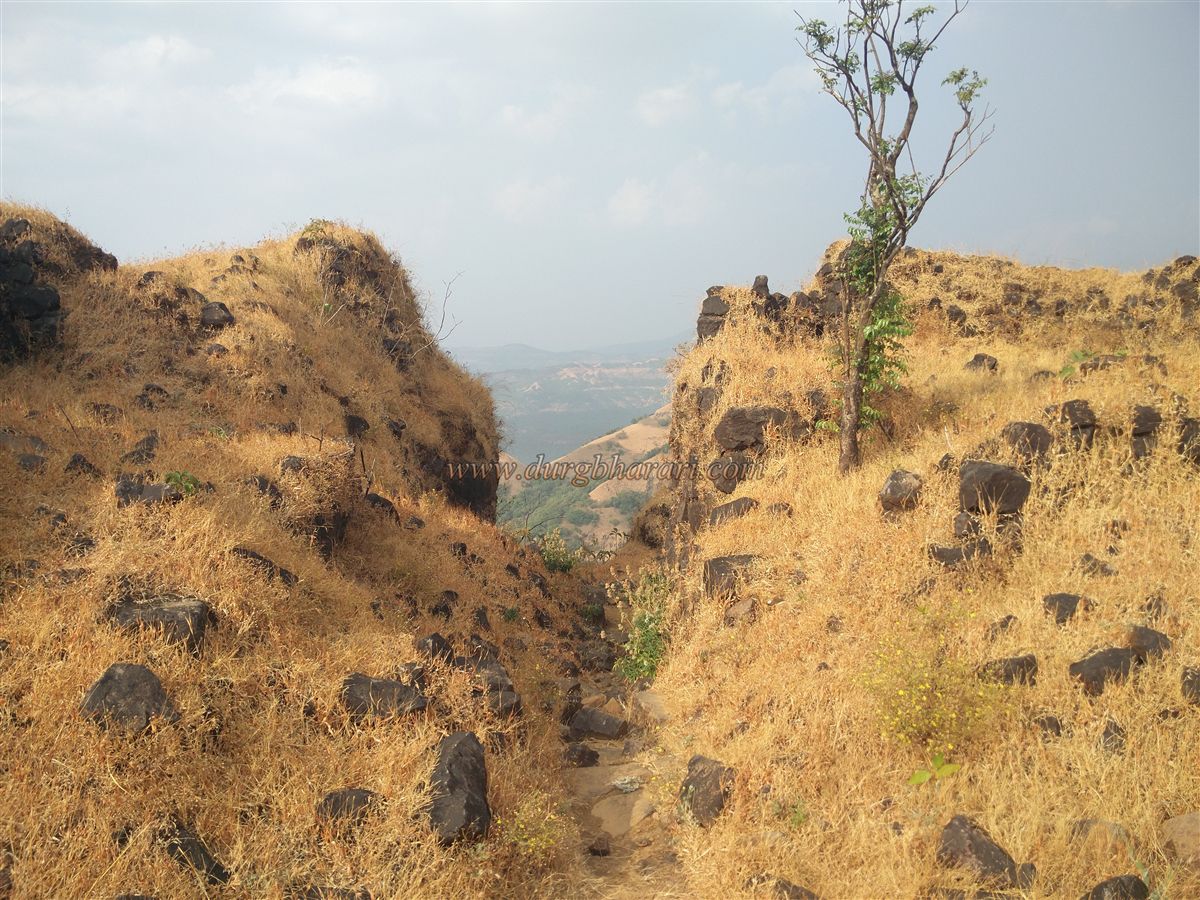
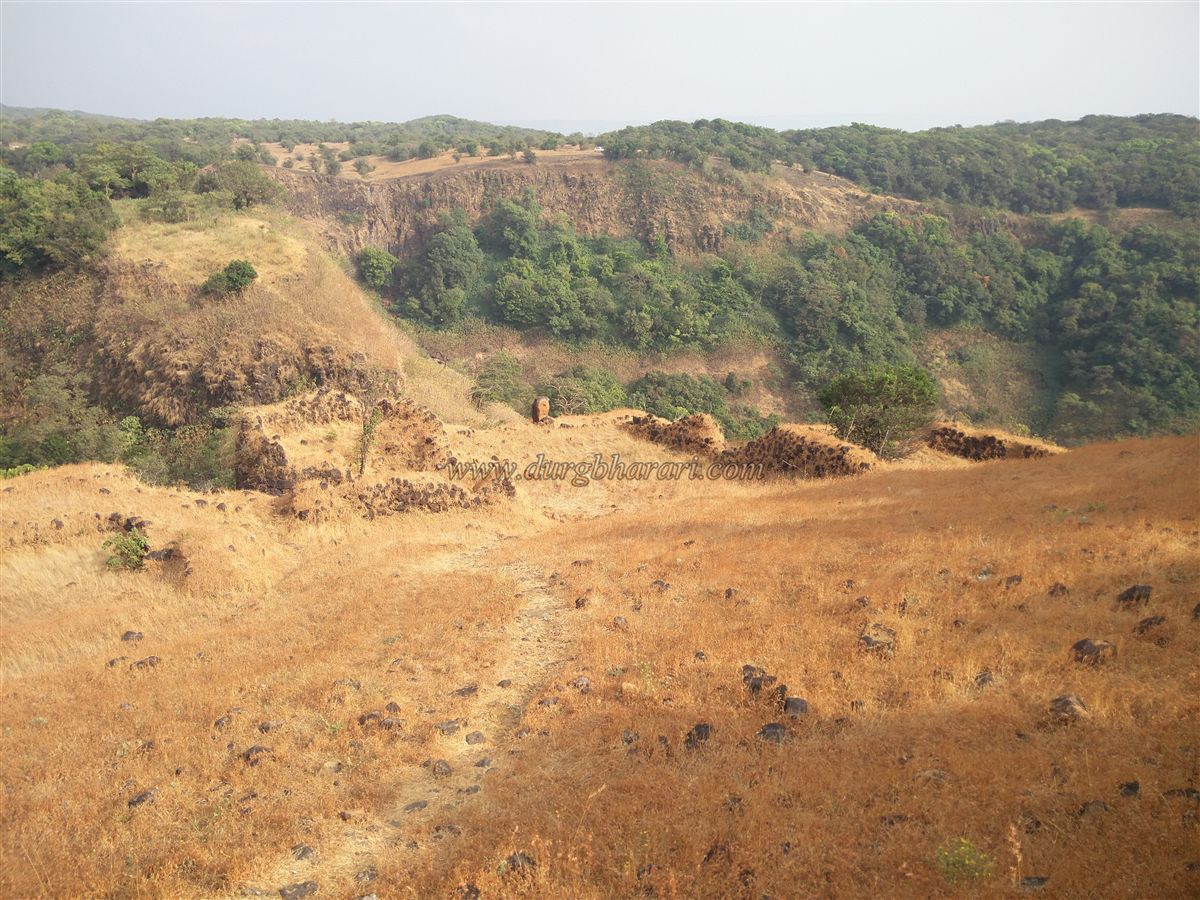
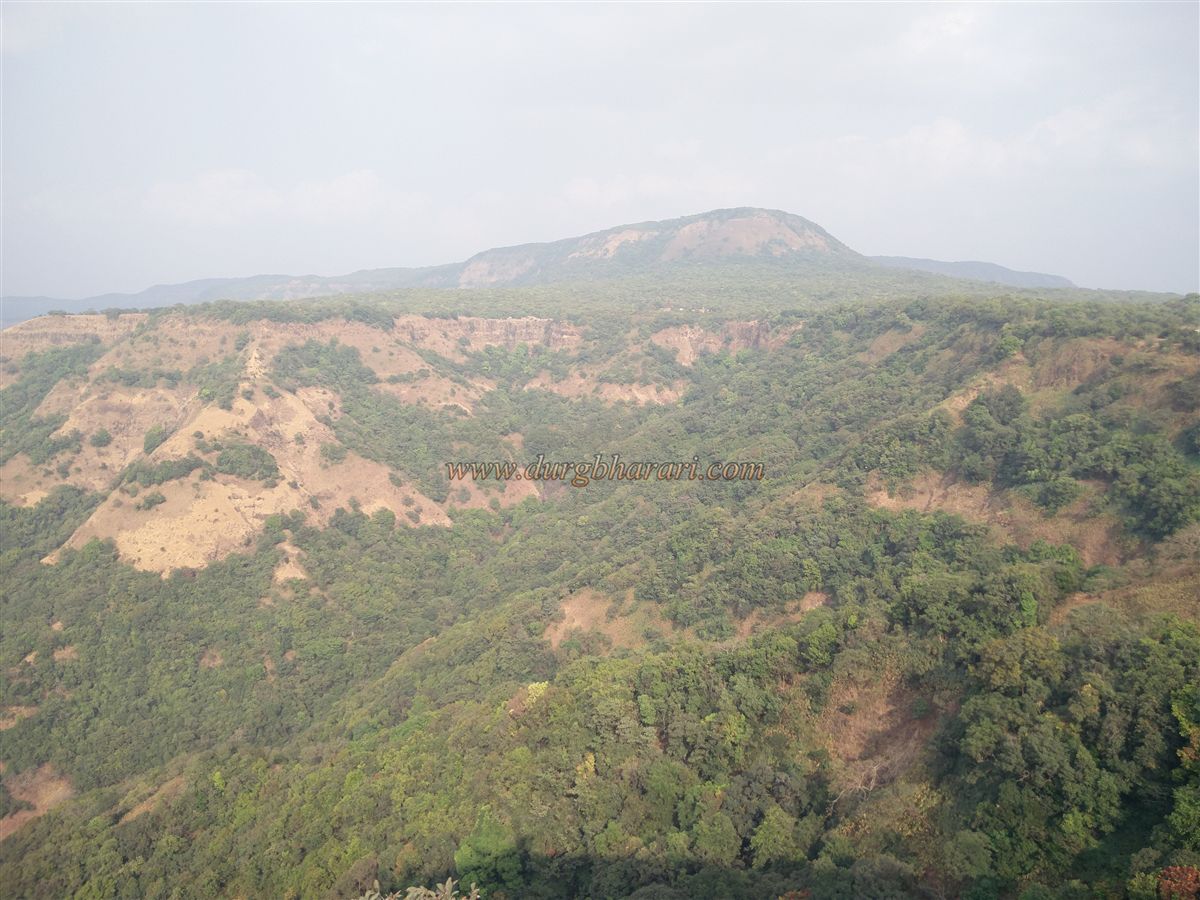
From the plateau, one gets a beautiful view of Shivgad. A small valley separates the fort from the plateau, with a little hill in between. The trail descends into this valley, skirts the hill on the left, and climbs up to the fort—taking around 15 minutes. Another trail from Ghonasari village in Konkan joins this route at the pass within the valley, where remnants of old structures, likely the fort’s outpost (met), can be seen.
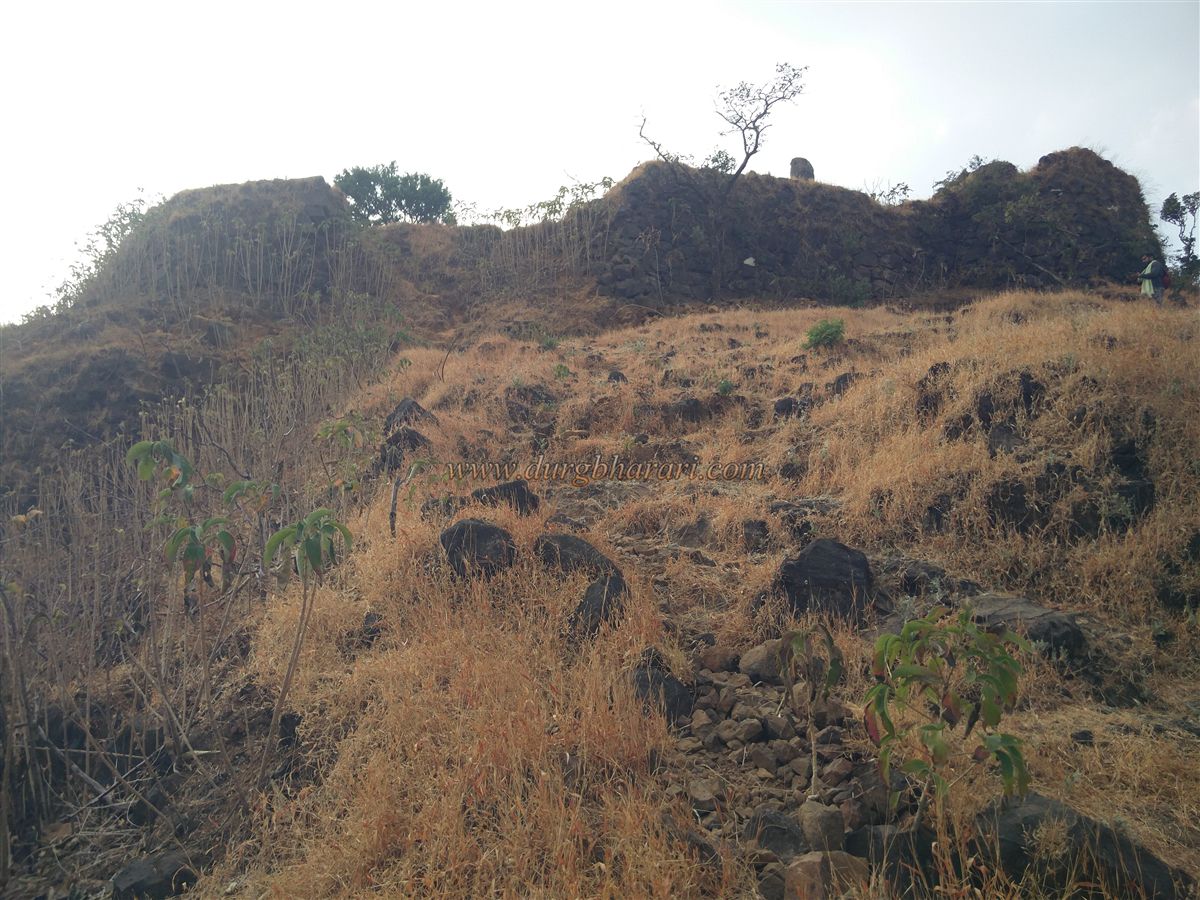
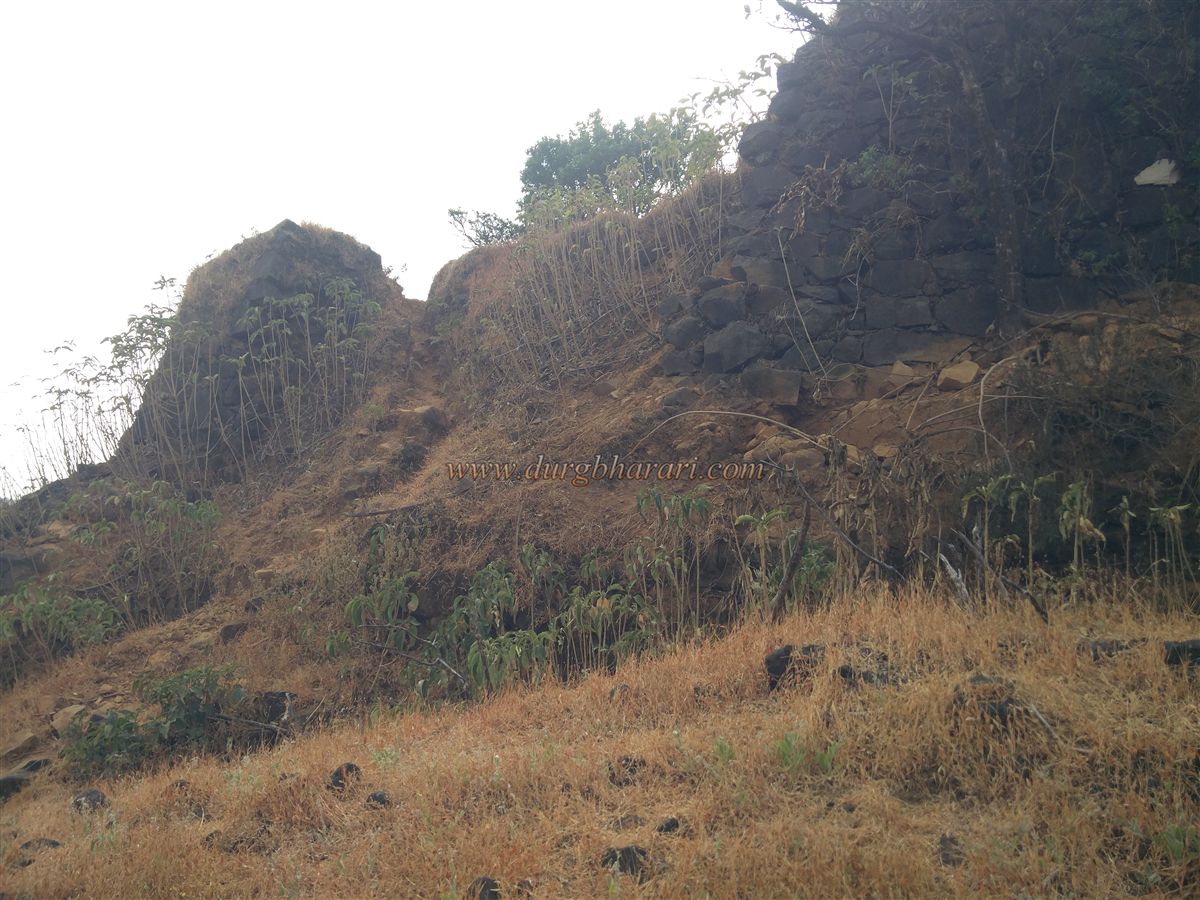
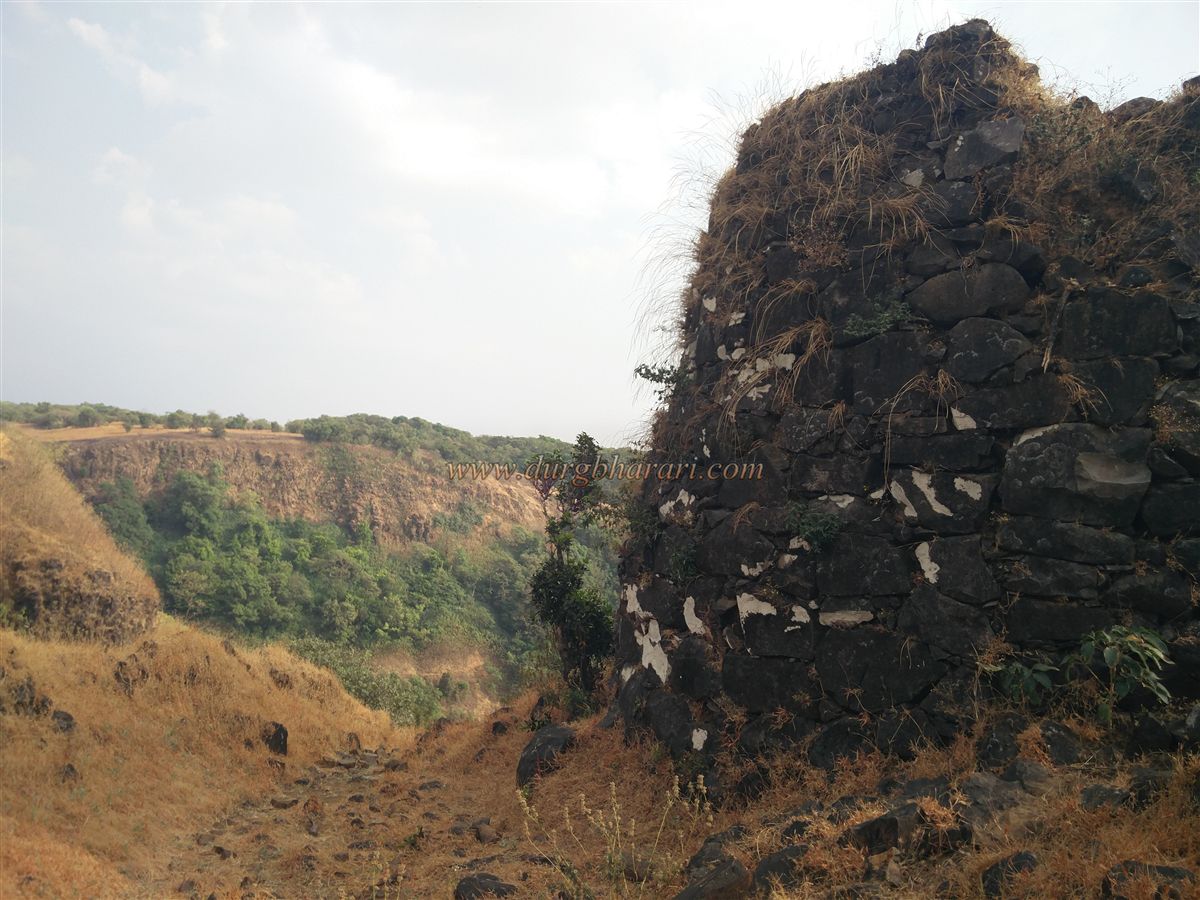
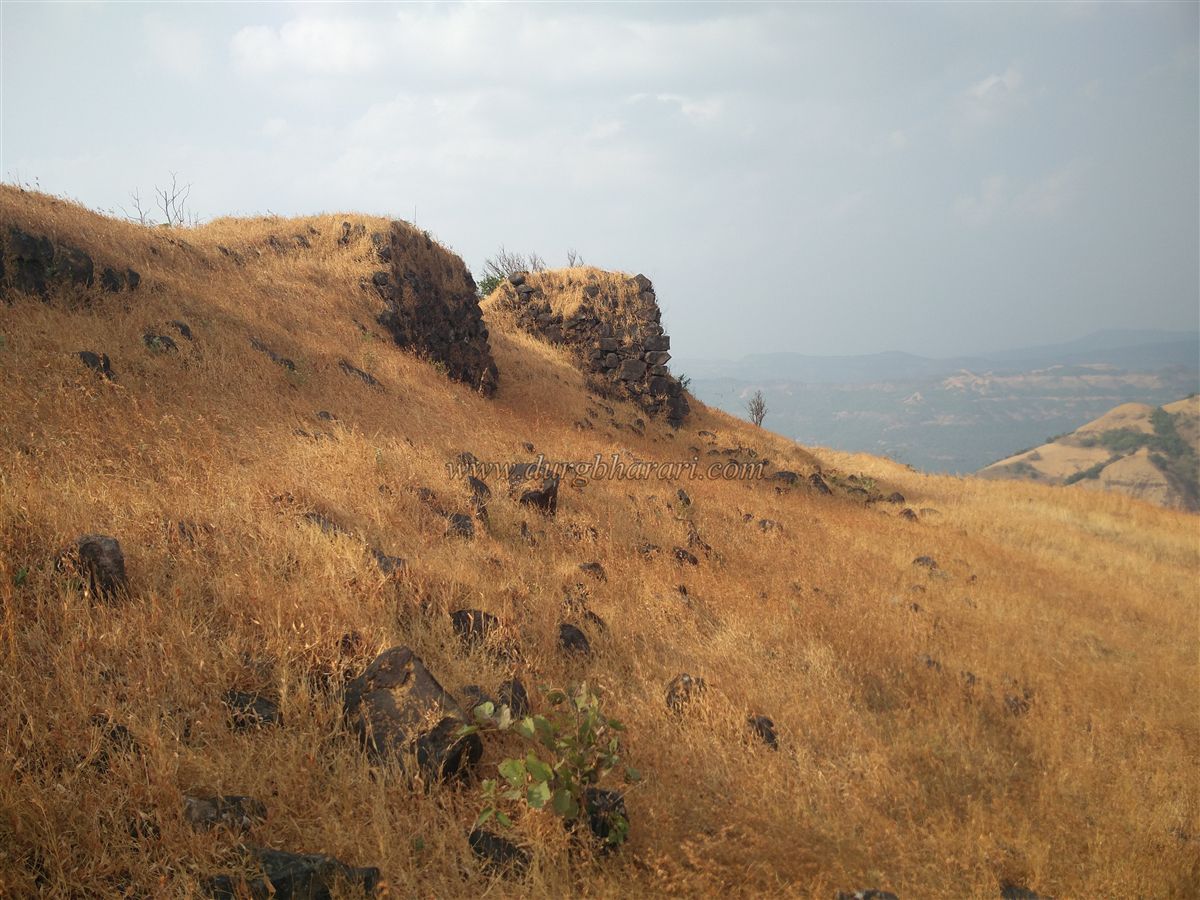
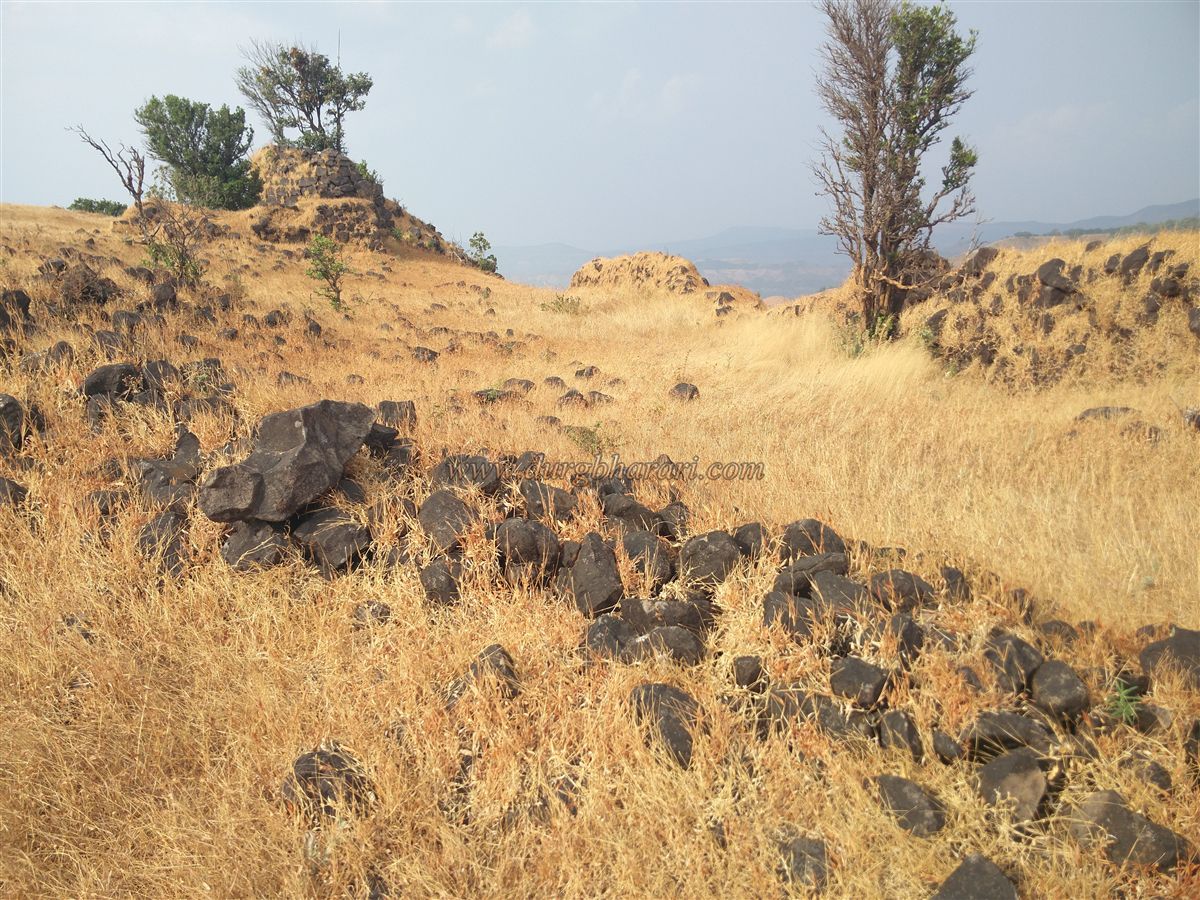
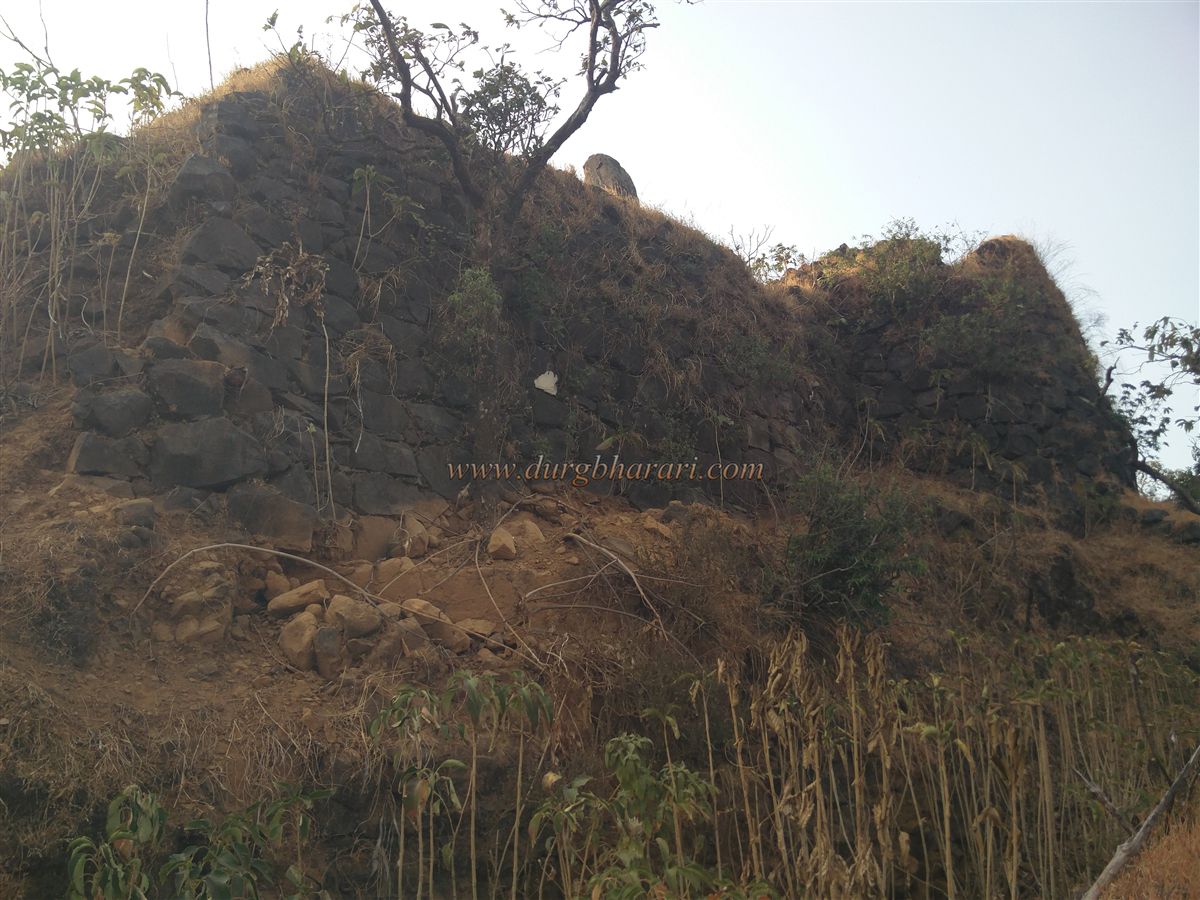
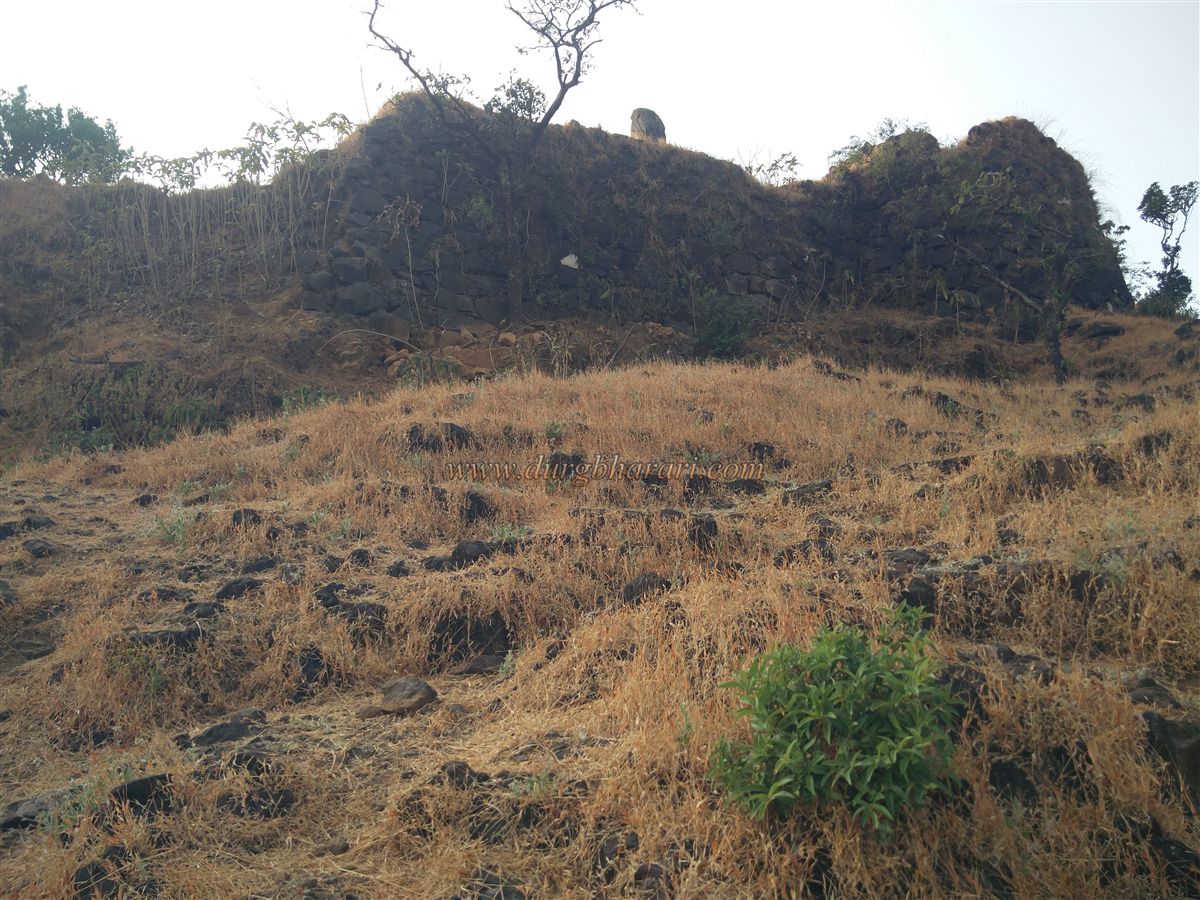
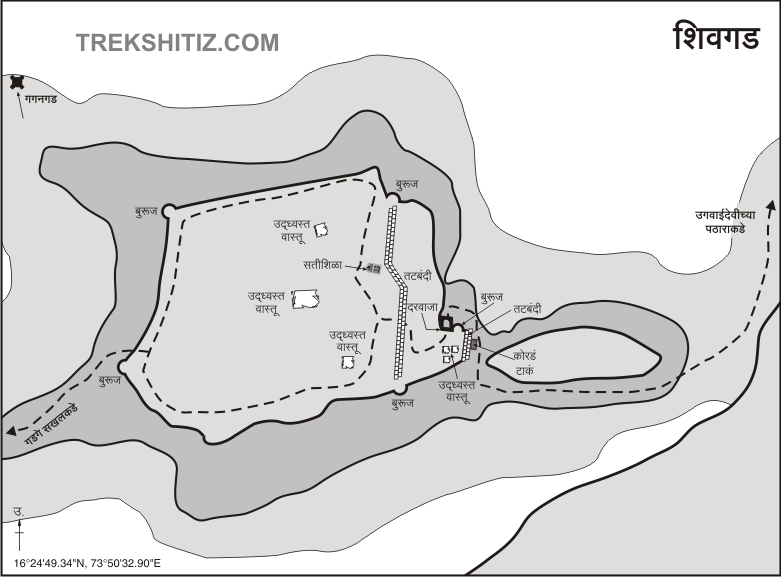
The northern-facing main entrance of the fort lies beyond this pass, with an outer moat dug for additional defense. The moat has partially filled over time due to the collapsing ramparts. In front of the entrance stands a cross-wall (ranmandal), built to obstruct direct entry. The walls are built from roughly dressed stones without any mortar. Though the main gate itself is ruined, the two flanking bastions and watch chambers (devdis) survive.
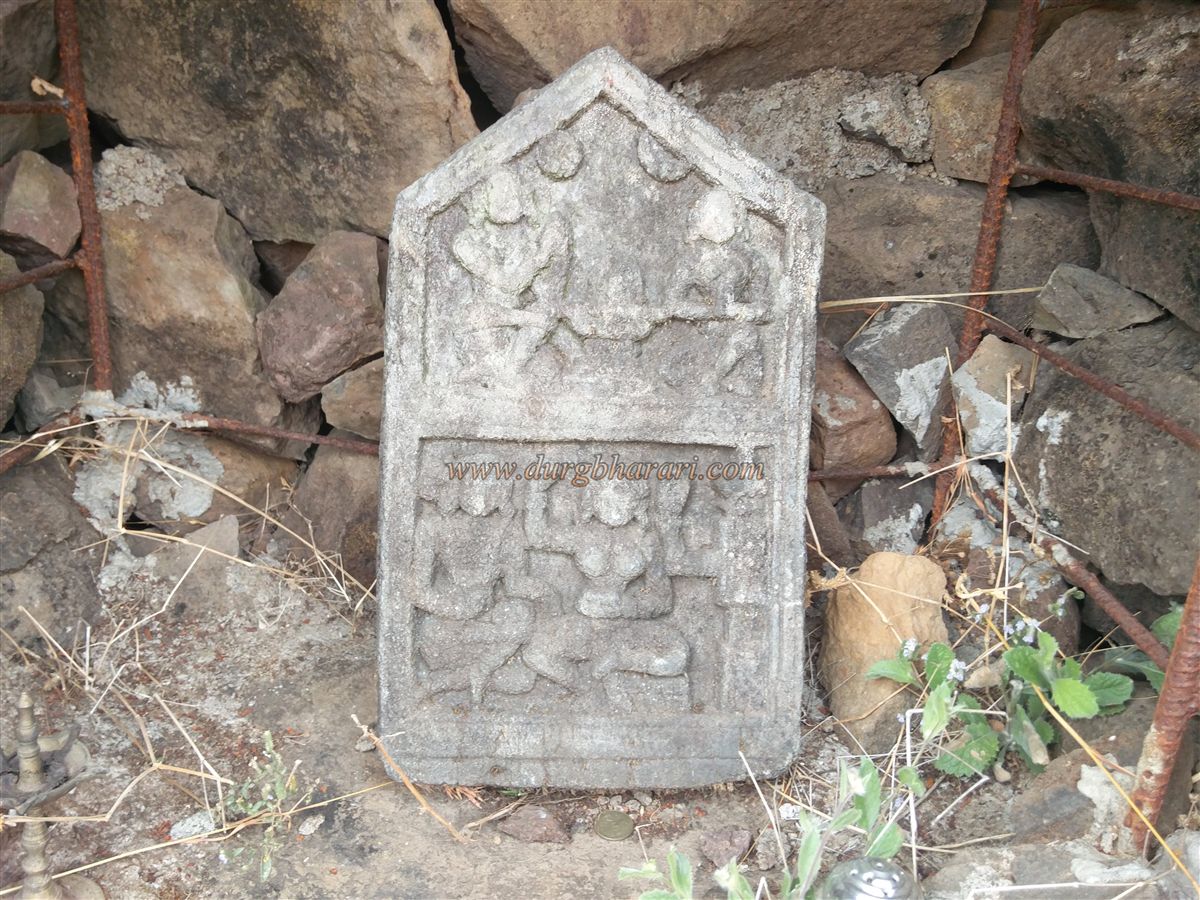
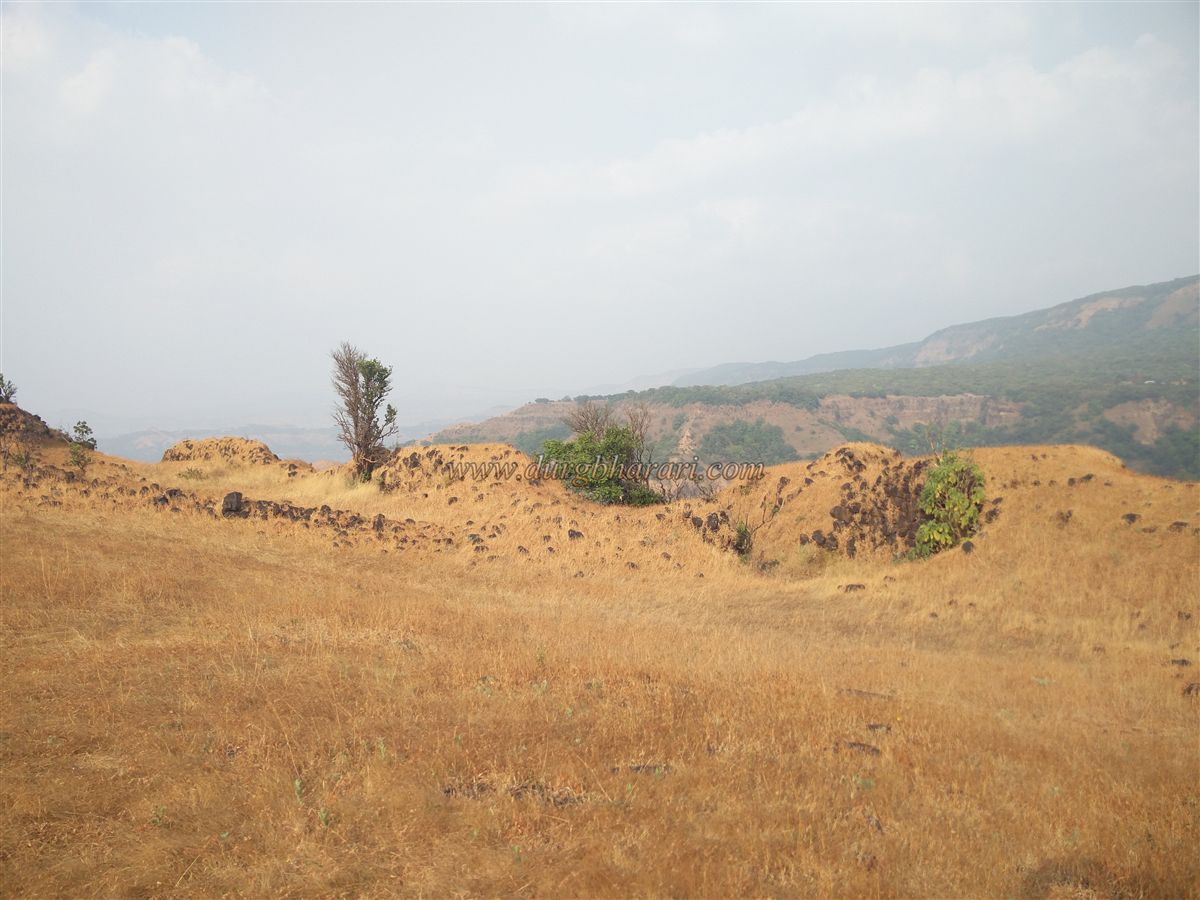
Shivgad is roughly square-shaped, perched at 2,340 feet above sea level, and spreads across about 4.5 acres. Inside, the fort is divided into two levels—a lower and an upper section. The upper walls and bastions are still noticeable. Near a ruined structure stands another cross-wall, while on the opposite edge sits a bastion, along the approach to which one finds a beautifully carved memorial stone (satishila).
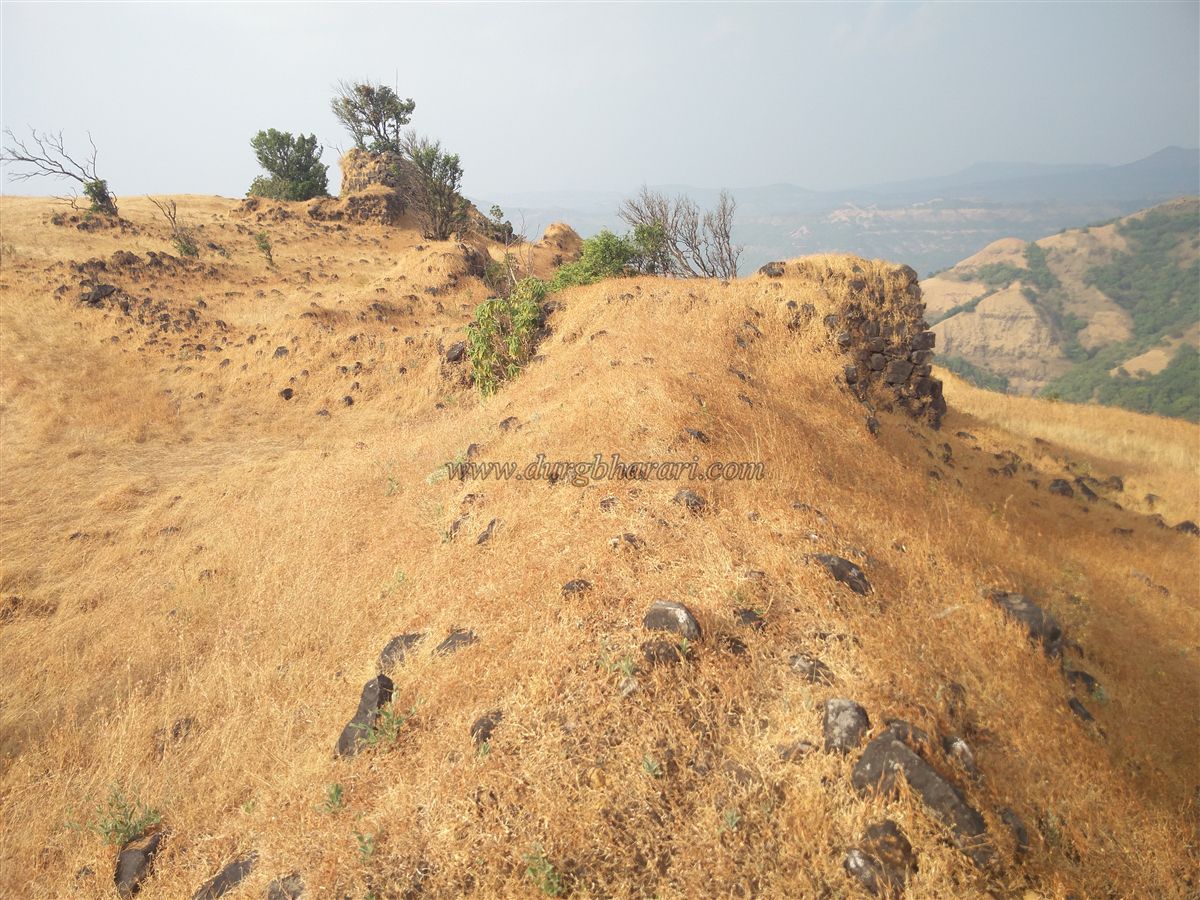
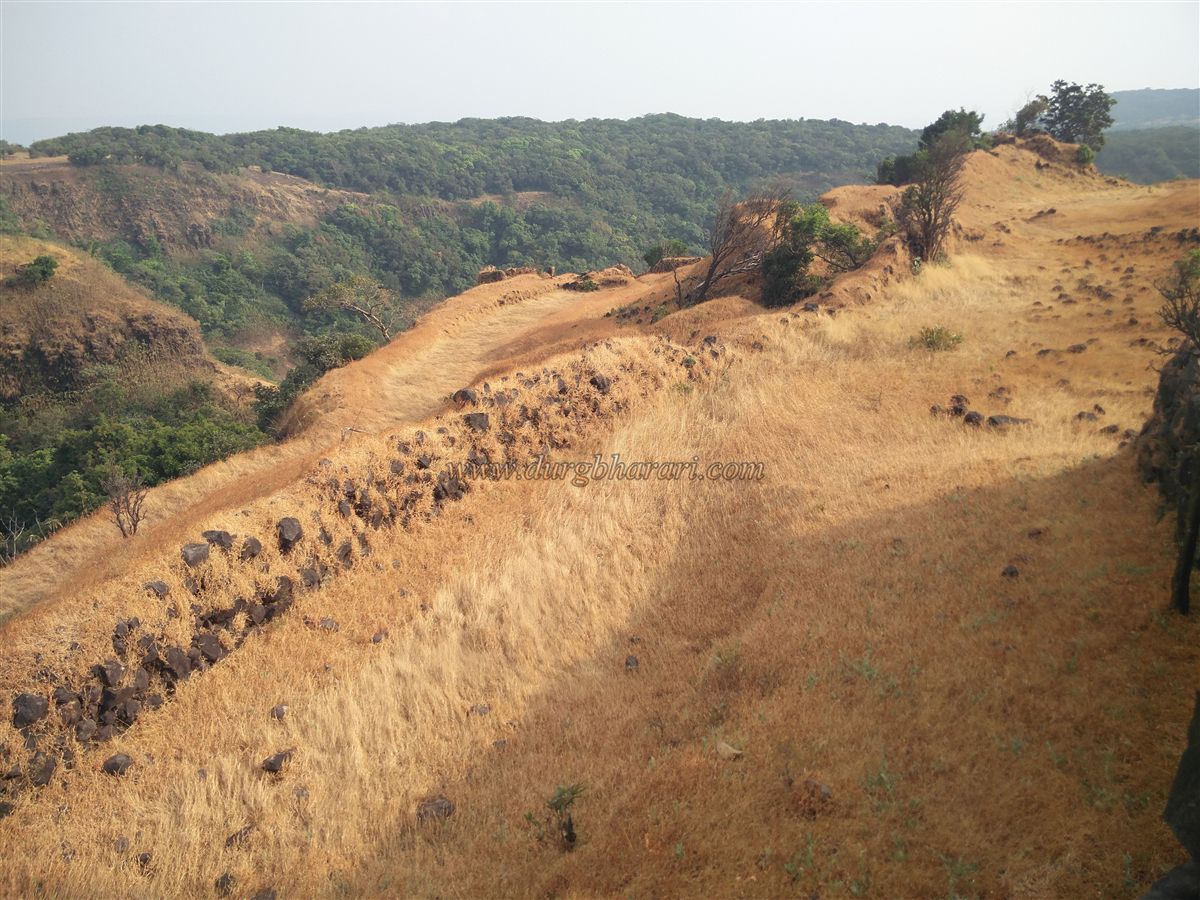
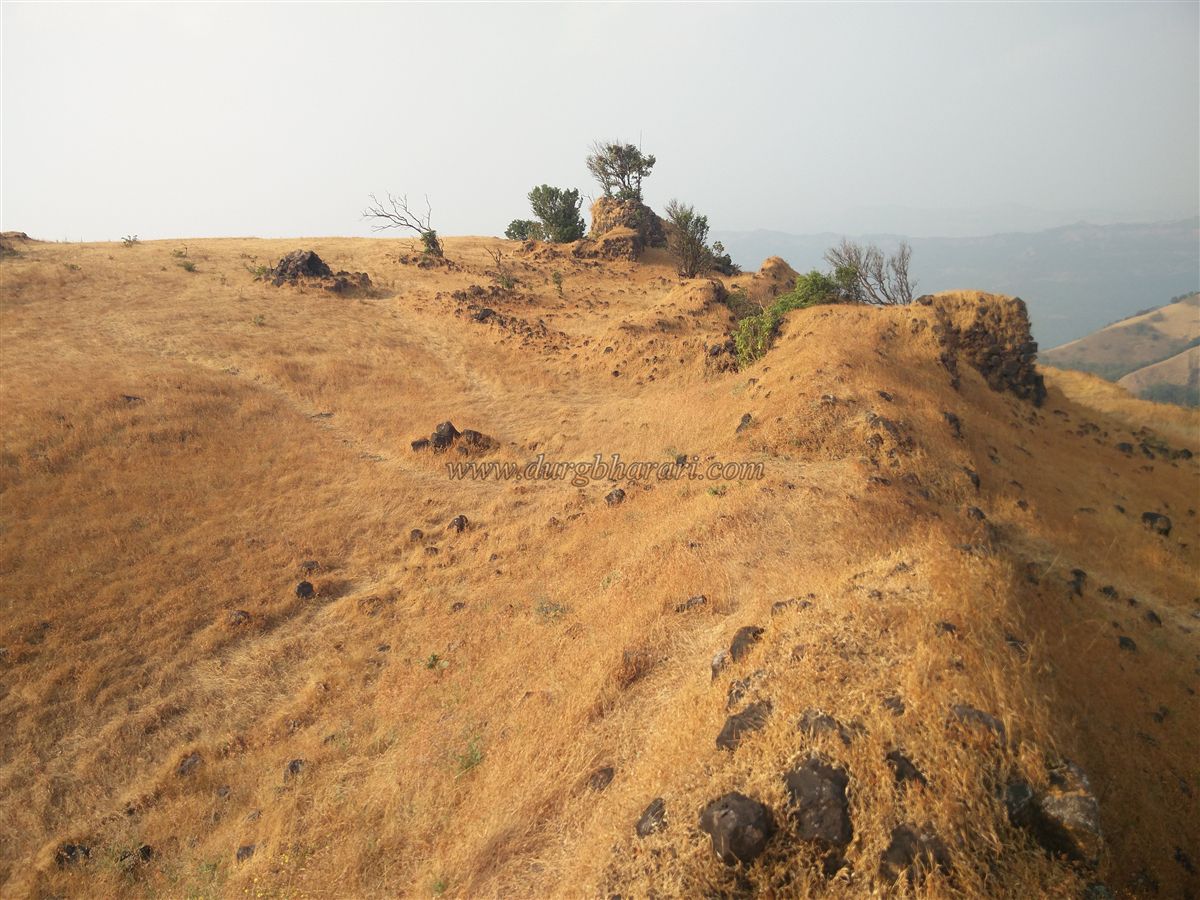
The battlements are heavily damaged, but walking along them gives a full view of the fort’s layout. On the northern bastion, a newly installed flagpole with a saffron flag flutters proudly. The southern bastion overlooks a ridge that was deliberately cut off from the main hill—likely to prevent enemy access. A trail from Gadge-Sakhal village in Konkan climbs up beneath this bastion and leads to the fort.
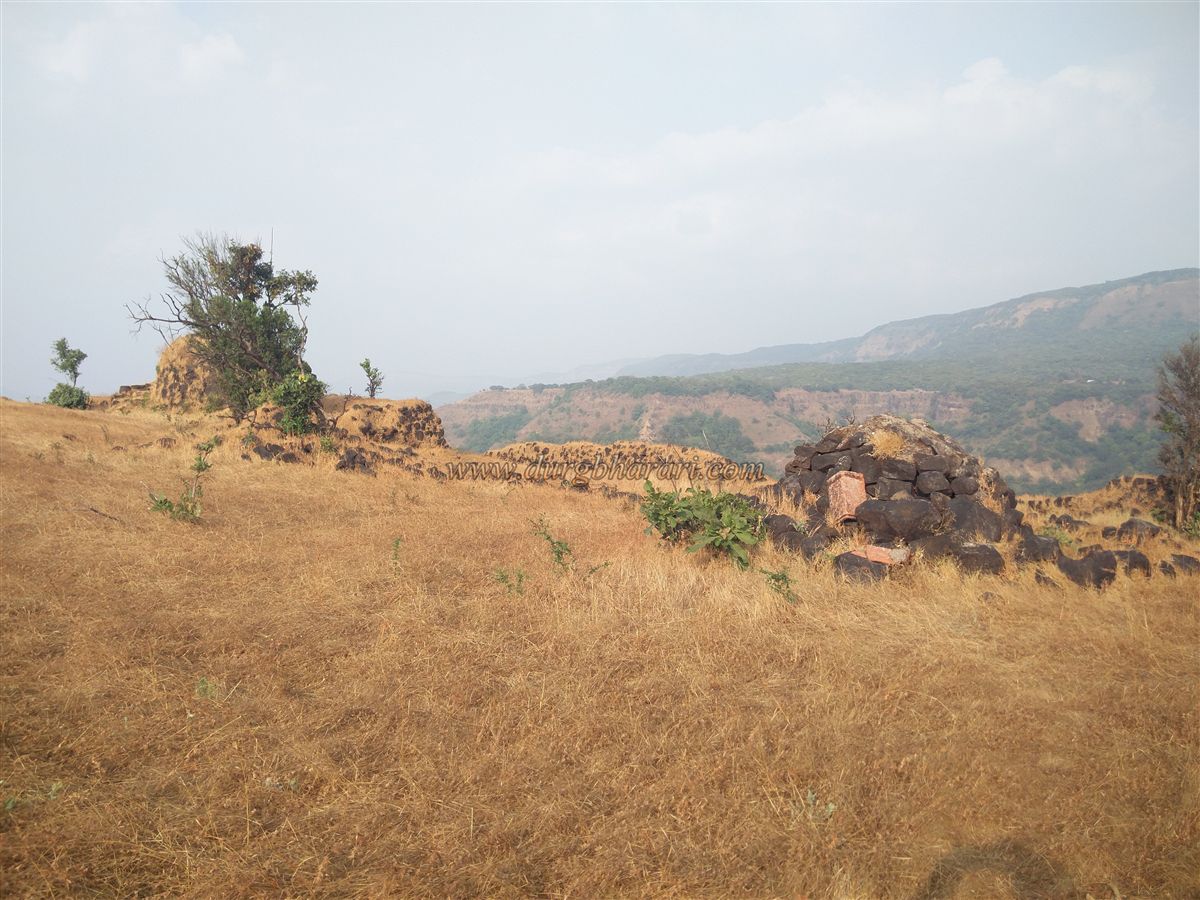
Inside, the remains of a wada (residential mansion) occupy the central space, with a defensive wall opposite it. Three to four water cisterns are built along the fort walls, though they are now silted and dry. From the ramparts, one can enjoy a sweeping view of the Konkan plains, including Kurli Dam to the north, Phonda village to the south, and to the east, the Gagangiri Ashram nestled in Dajipur dense forests, in a region known as Zhanjeche Pani.
Though small in size, the fort can be fully explored in about half an hour.
In terms of history, Shivgad finds mention mainly during the Peshwa period. Judging by its hurried construction style, it appears to have been built after the time of Shivaji Maharaj. In June 1732, when Phond Savants, known for their mischief against the Karveer Chhatrapati, attempted to fortify the Bolwan–Ghonasari hills, the Chhatrapati sent ministers to take control of the area and built Shivgad. A letter from 1739 records that Amritrao Bhagwant Pratinidhi stationed 15 guards at the Shivgad pass. In 1740, Tanajirao Khanvilkar wrote to Chimaji Appa from Balwantgad stating: “Bavda, Balwantgad, and Shivgad – all three places have been secured under our control; Shivgad rests on Salpi’s crest.” Later, in 1800, records from the Karveer royal archives note that due to renewed trouble from the Savants, security on Shivgad was reinforced to protect the nearby Ghat routes.
© Suresh Nimbalkar
GALLERY