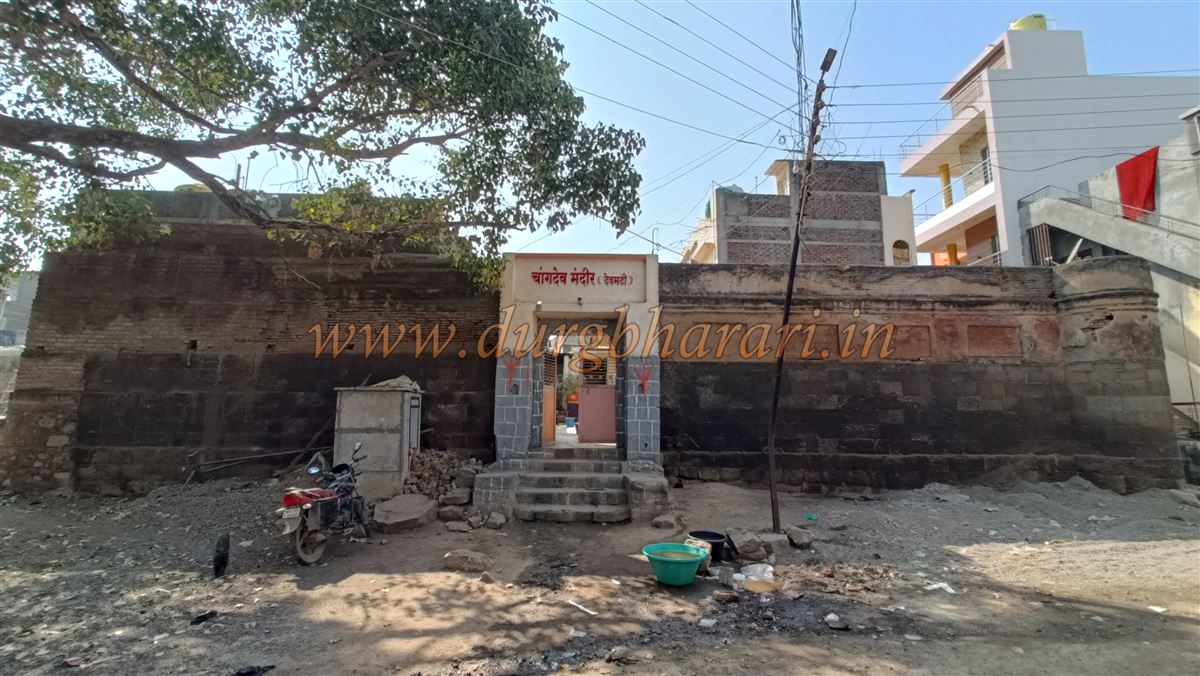
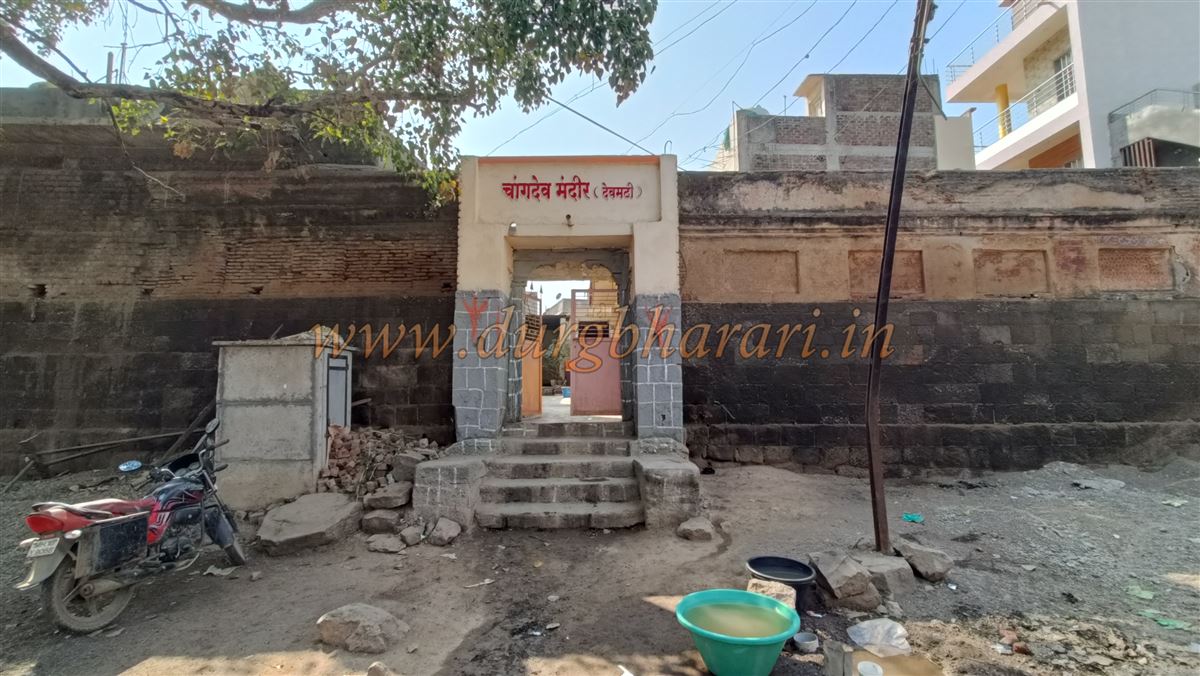
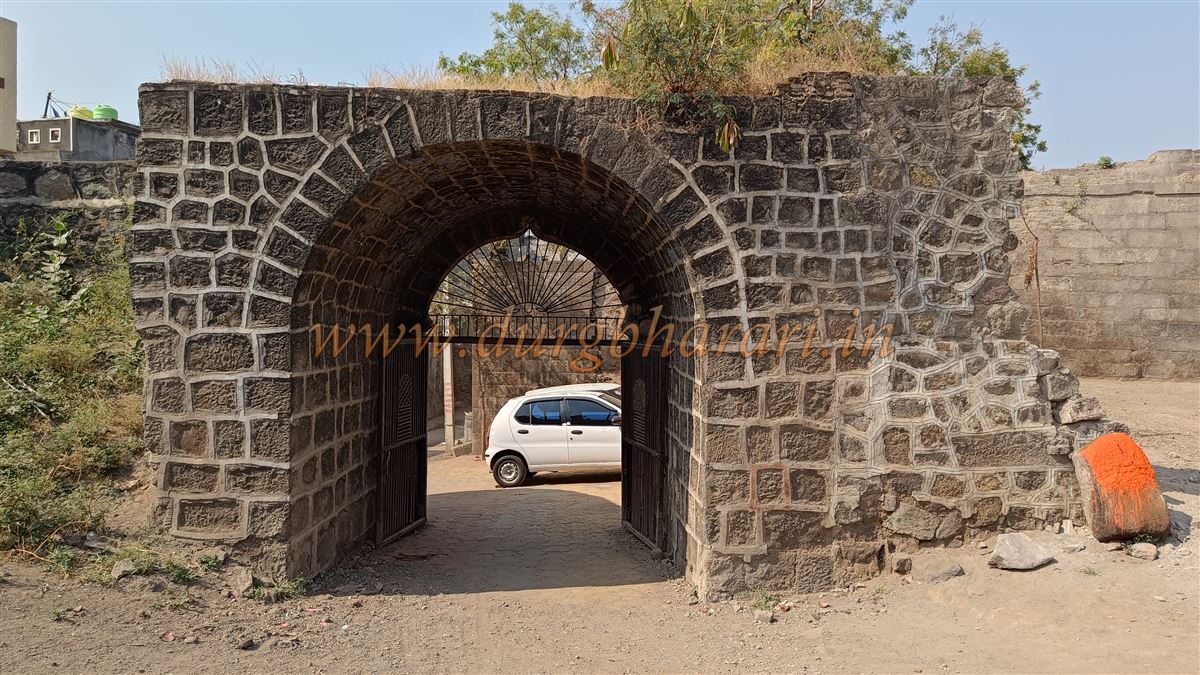
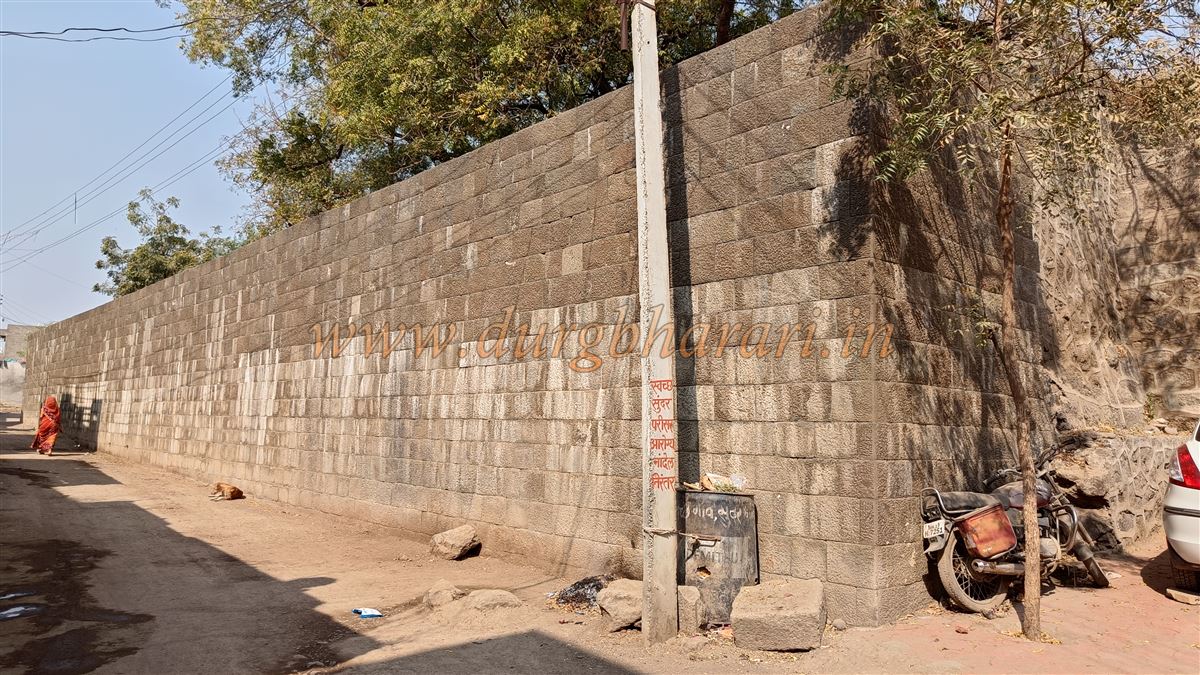
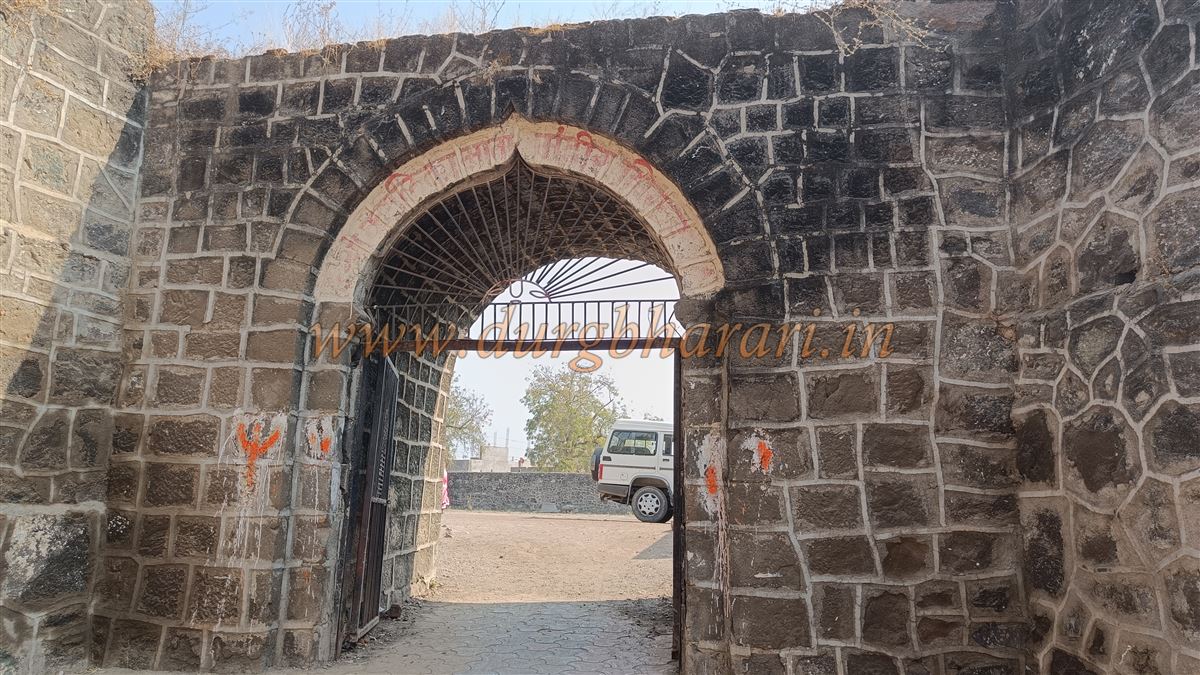
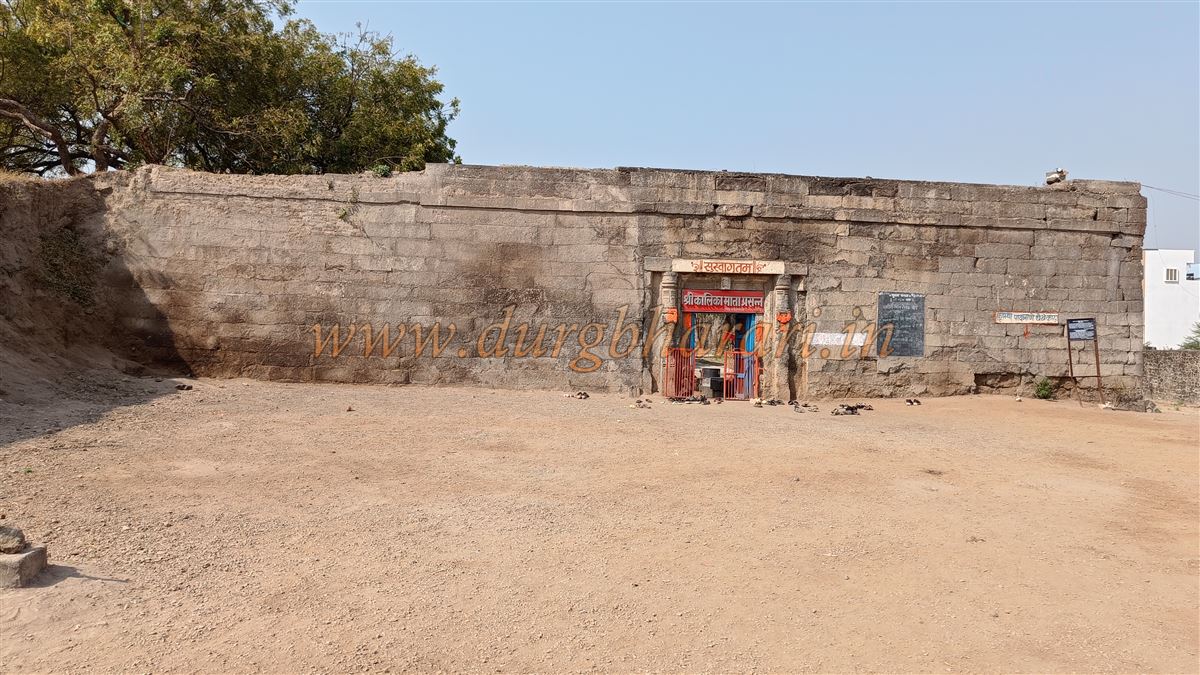
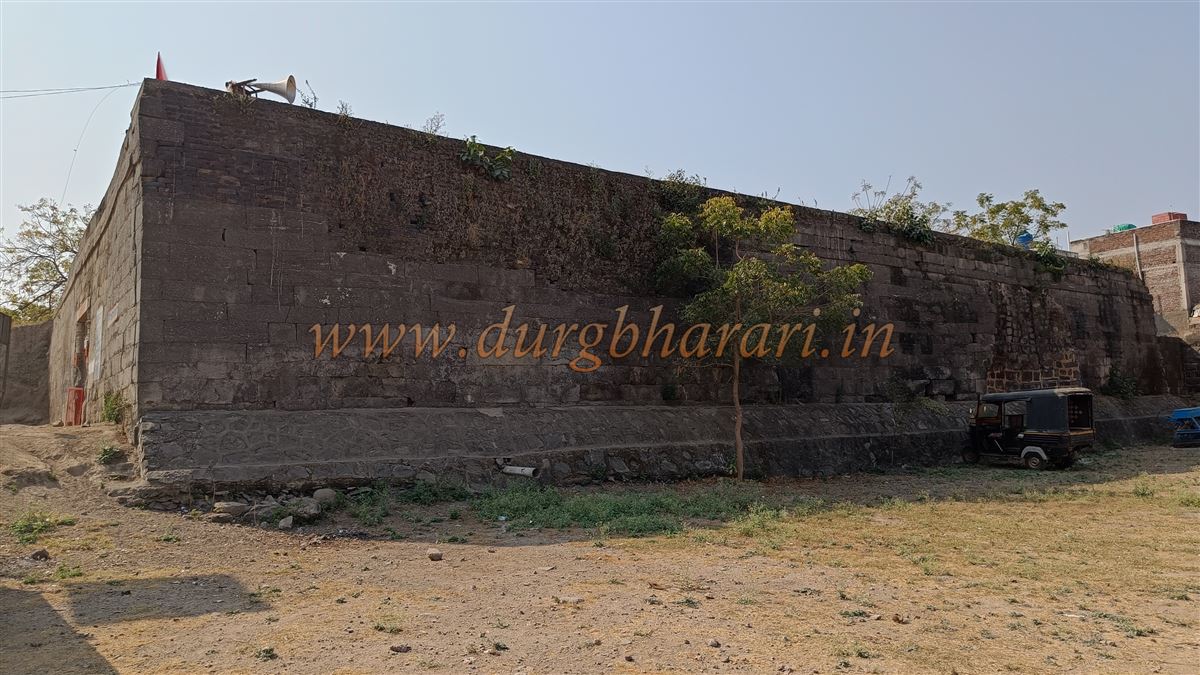
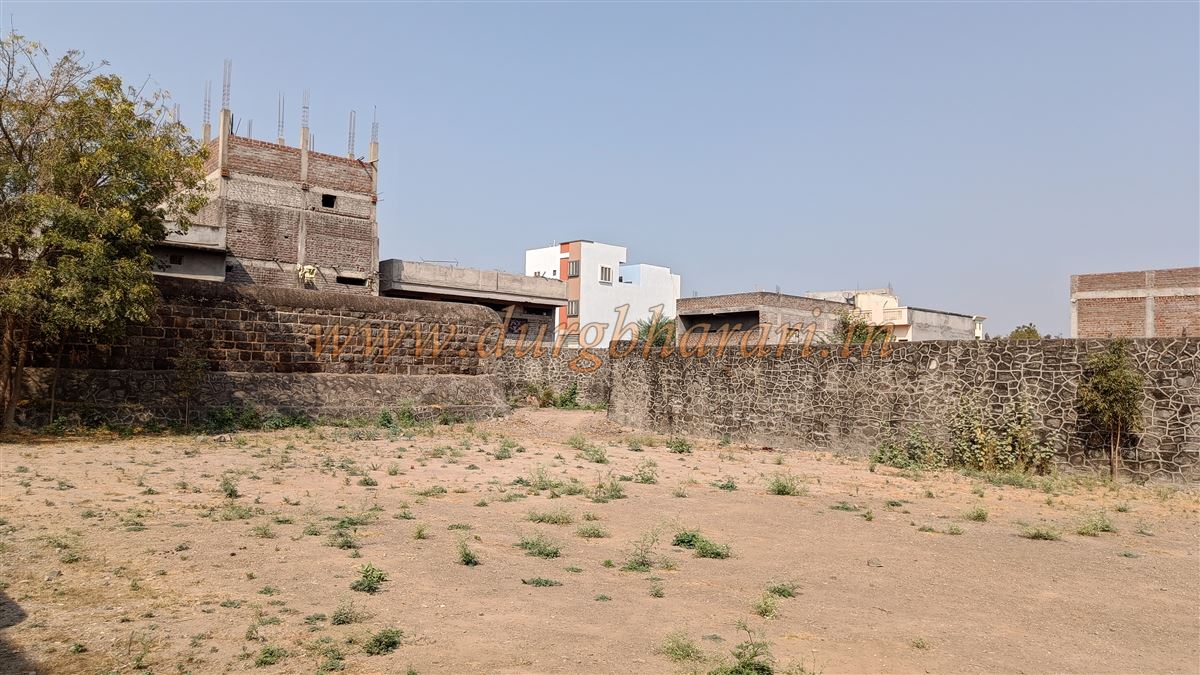
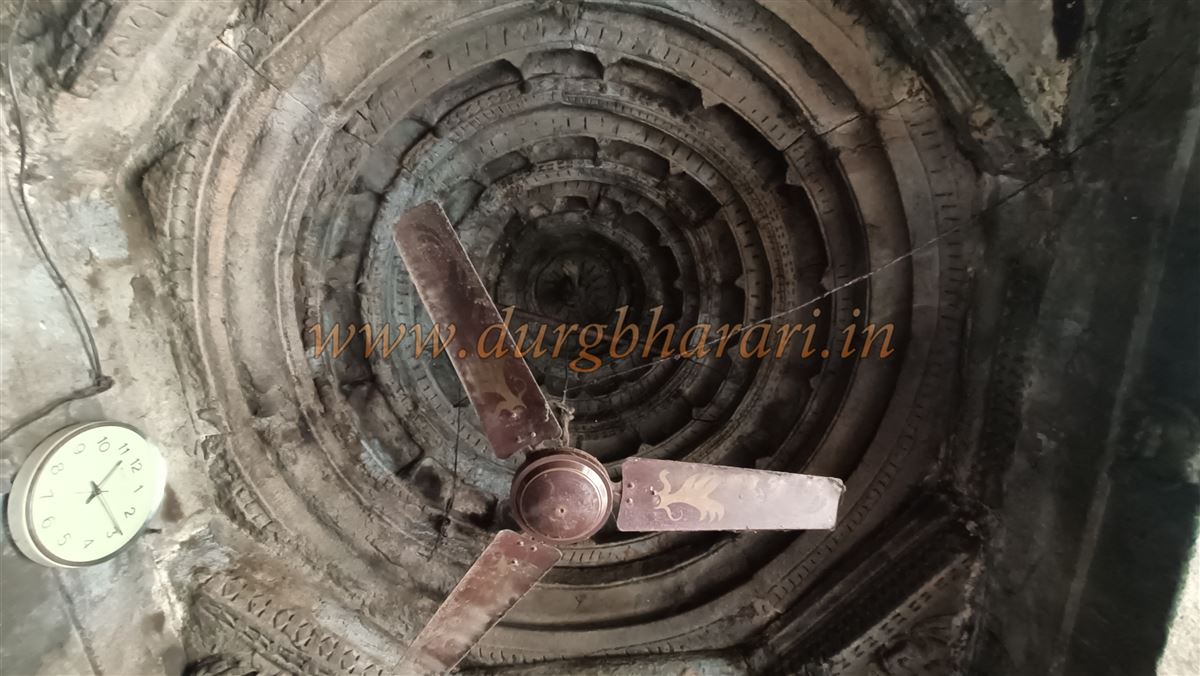
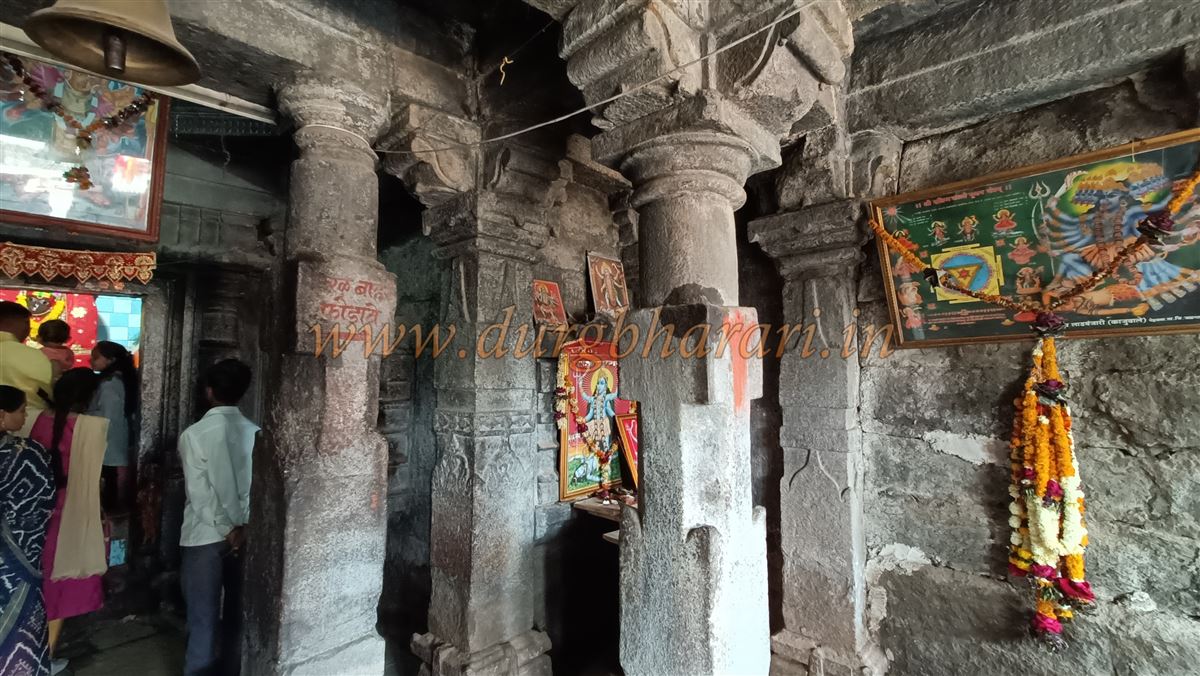
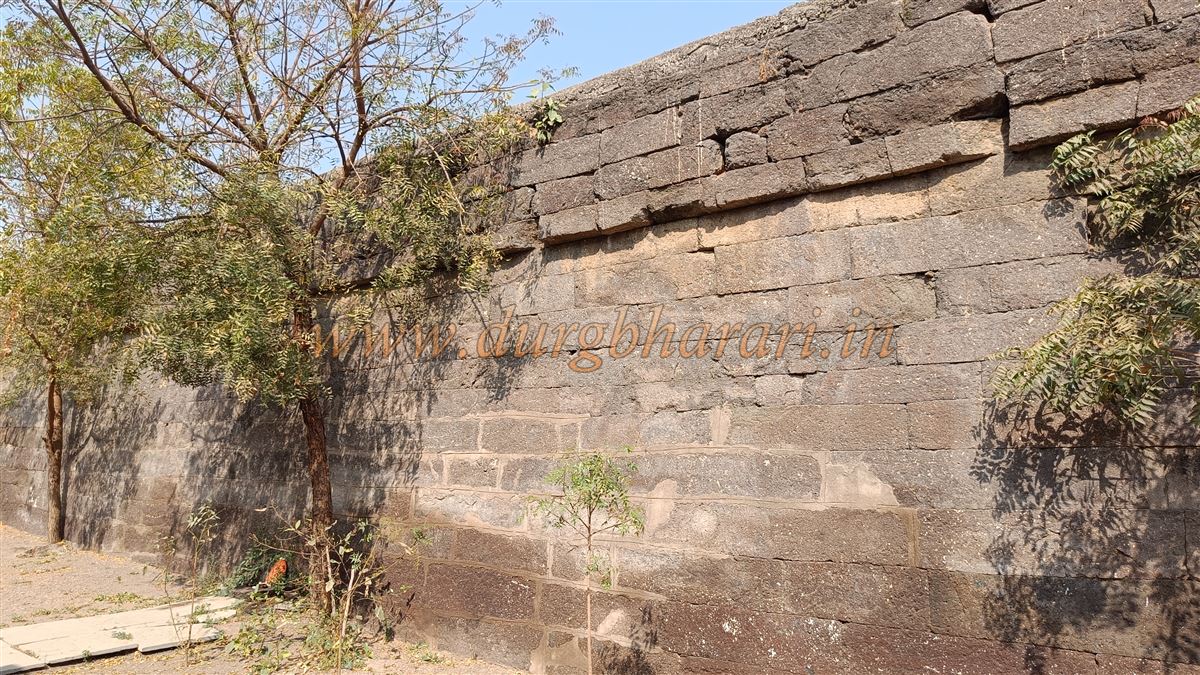
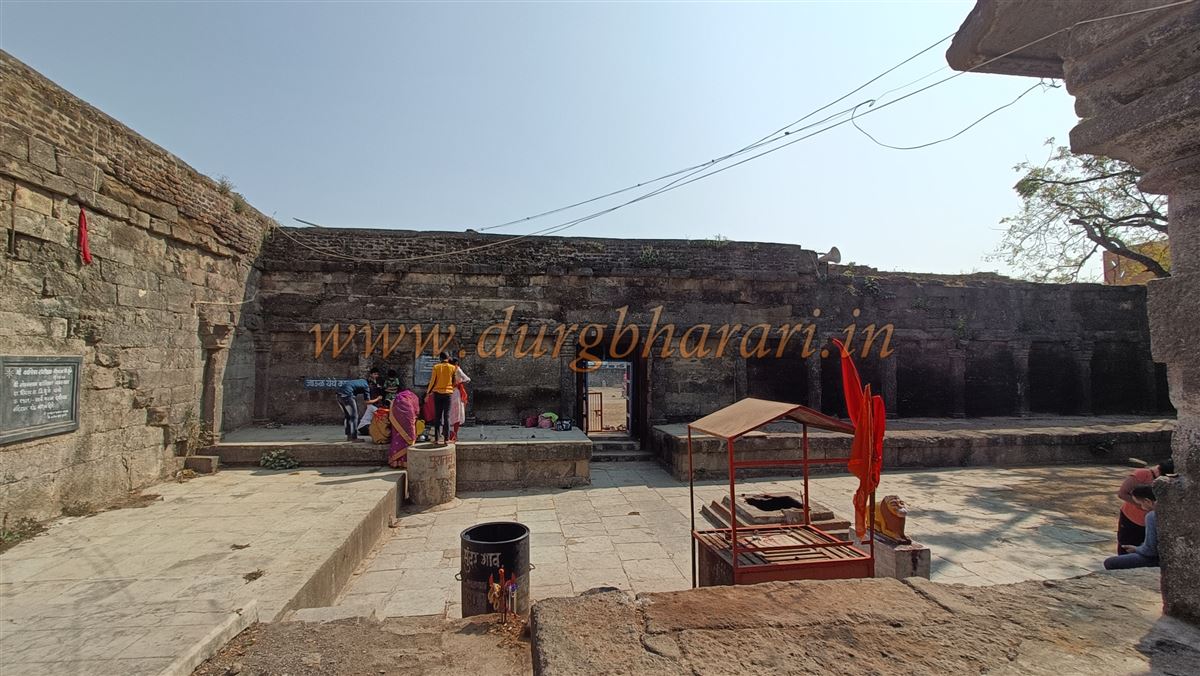
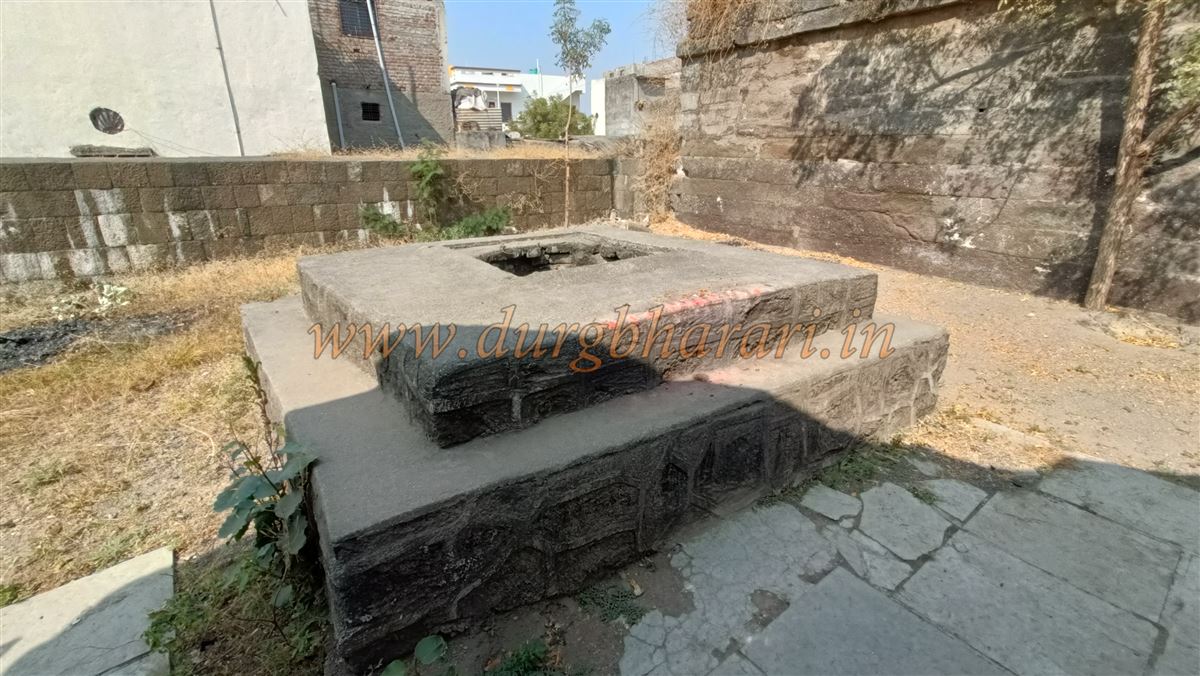
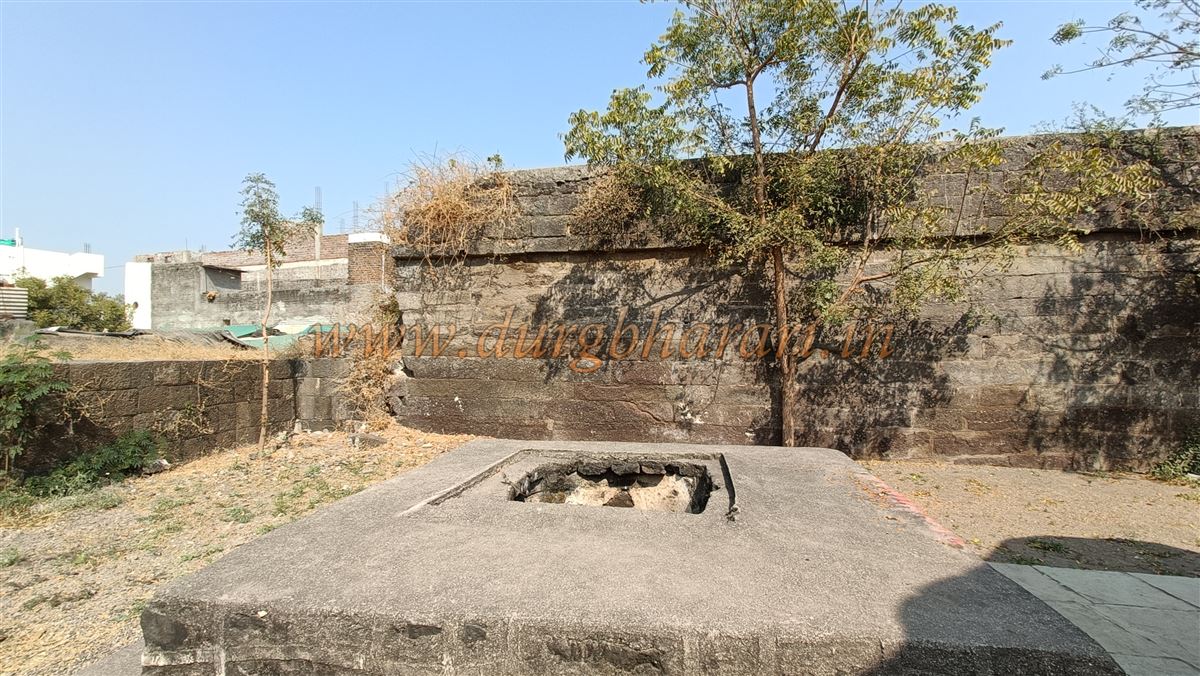
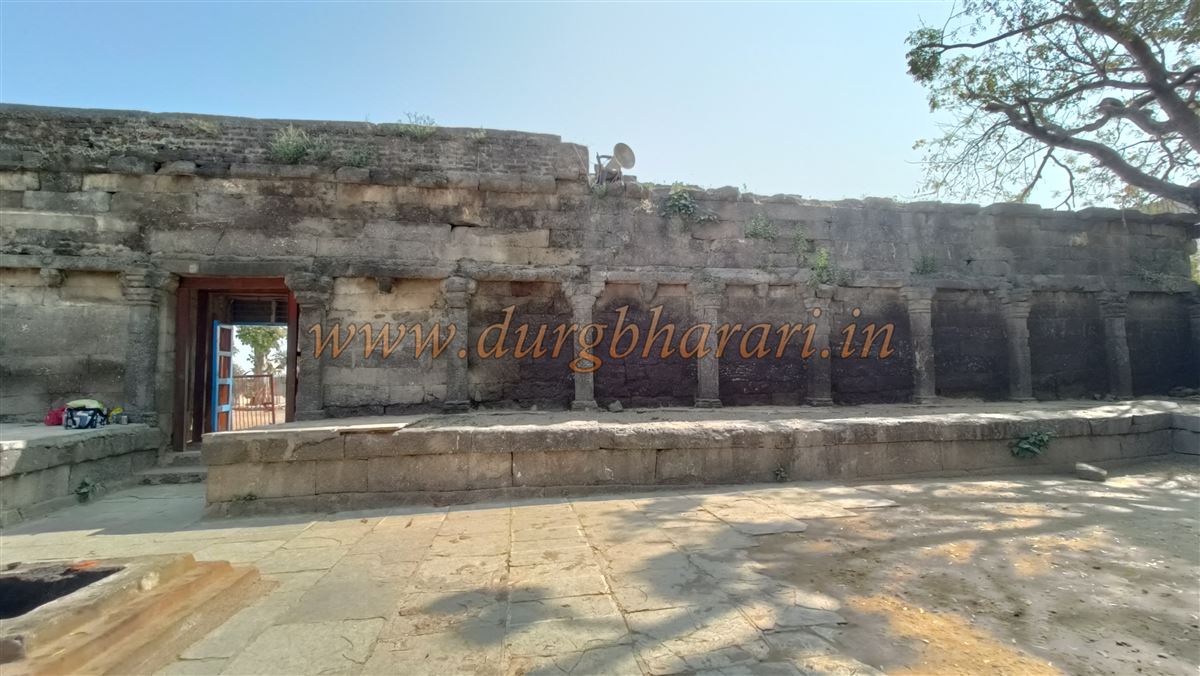
SHIRUD TYPE : FORTRESS DISTRICT : DHULE About 25 km from Dhule, in Dhule taluka, lies the village of Shirud, known in the region for its Kalika Devi temple. But for fort enthusiasts like us, the real attraction here is not just the temple – it is the fortified structure enclosing it. The temple is built within a stone-walled enclosure, and this enclosure itself is part of what remains of the fort-like structure. Observing the walls, it seems that the fortification was added later, probably to protect the temple. Asking around in the village makes it easy to locate the temple and the fort. On the way to Kalika temple, you first pass a stone-built mansion with bastions, known locally as Changdev Mandir (Devmathi). From here, it’s just a five-minute walk to the Kalika temple. ... Entry to the temple complex is through the broken fort walls. The fort itself is rectangular, covering about 1.5 acres, with five bastions – one at each corner and one near the eastern gateway. The Kalika Devi temple stands in the south eastern corner of the fort, built adjacent to the fort wall. The main gateway, set in the eastern wall, faces north and is supported by one of the bastions. The temple and its inner courtyard together occupy about 12 Guntha (roughly a third of an acre). Unfortunately, apart from the bastions and walls, much of the fort’s interior has been levelled by bulldozers, leaving no other structures intact. One of the bastions has completely collapsed. Looking at the temple’s stonework and weathering, it likely dates back to the 12th century. The temple gate in the enclosure wall also faces north, with its arched lintel supported by carved stone pillars. Inside the enclosure, traces of eleven pillared galleries (ovaryas) can still be seen, though most have been destroyed over time. The main shrine, built on carved stone pillars, has suffered heavy damage. The Archaeological Department has made some repairs, but these appear to be minimal and unsatisfactory. Behind the temple, there is a stone-built well on a raised platform, which holds potable water year-round. It takes about 15 minutes to explore the temple itself, and around 30 minutes to walk through the entire fort area. With no surviving records or known local history, Shirud’s fort remains largely forgotten and obscure. © Suresh Nimbalkar Read more... WATCH VIDEO GALLERY Post Views: 602