SHIRPUR
TYPE : FORTRESS
DISTRICT : YAVATMAL
When one says Shirpur in Maharashtra, people usually know about the Shirpur village in Dhule. But in Wani taluka of Yavatmal district, there is also a village named Shirpur with a medieval historical legacy. Although this village is in Yavatmal district, it is more convenient to visit it while touring the forts of Chandrapur district. This village, located 13 km from the taluka headquarters Wani, is 40 km away from Chandrapur. The fort of Shirpur is known as a Killa (fort) but in fact, it is a gadhi (a smaller fortification). On entering Shirpur village, if one asks for the fort, one can easily reach this gadhi situated at one end of the village. Since the fort gate and arch have been completely destroyed, one can directly enter the gadhi by private vehicle. At the broken gate site, a road has now been constructed.
...
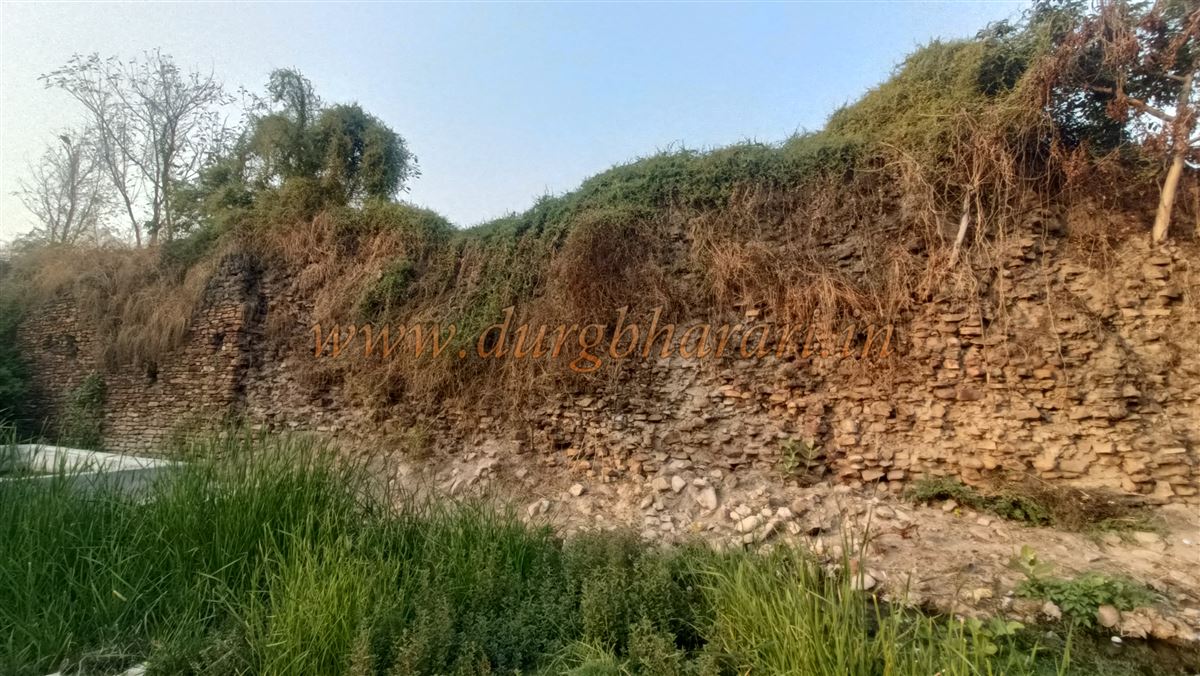
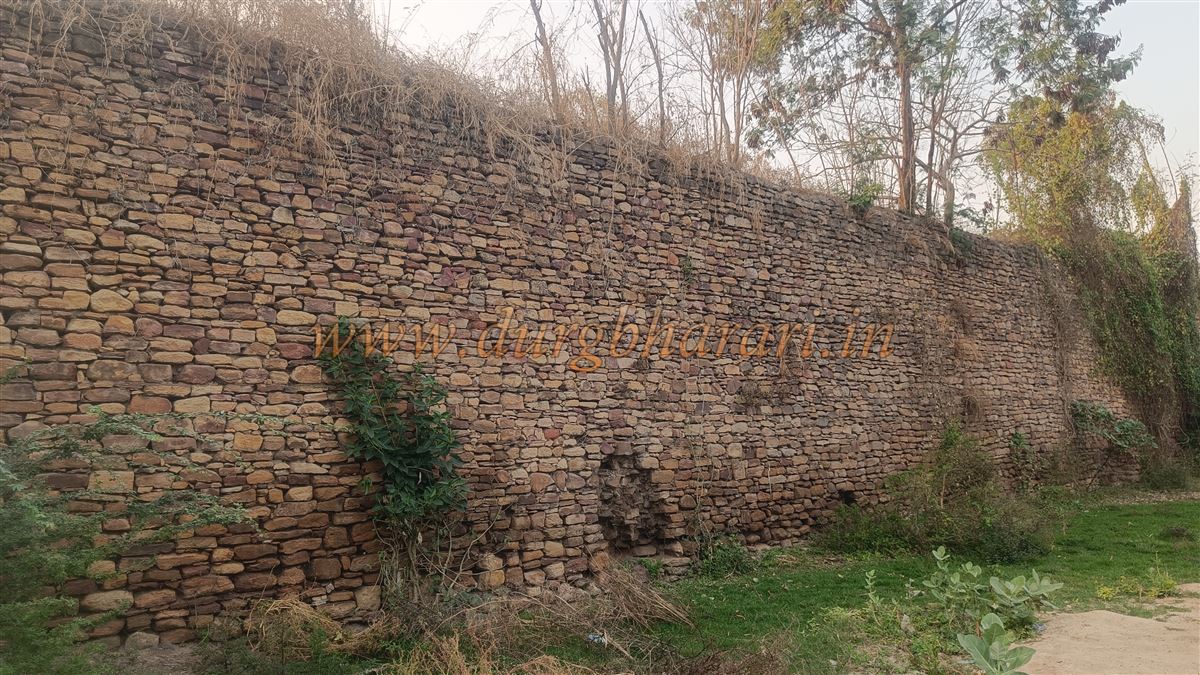
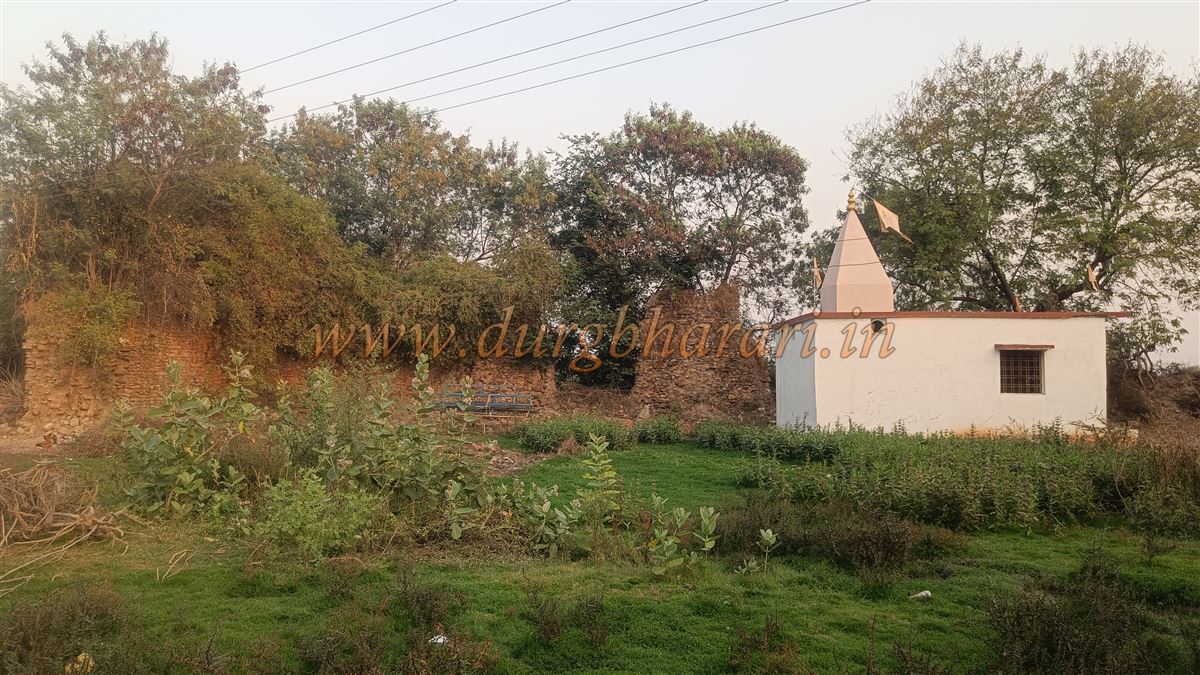
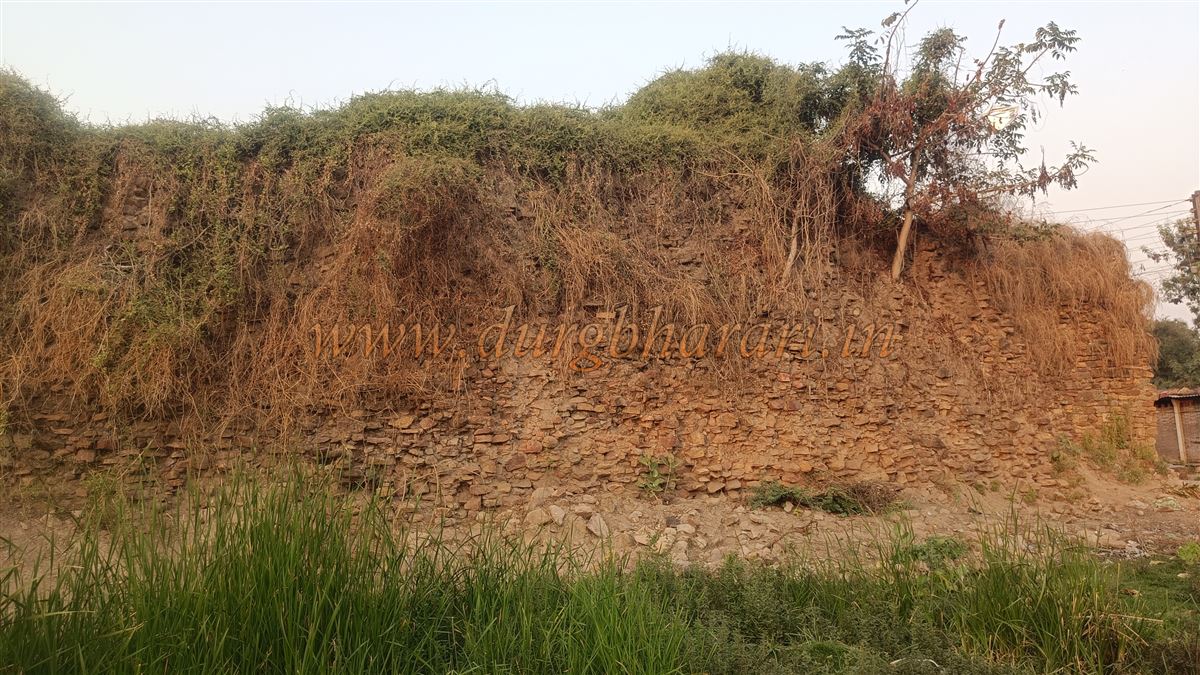
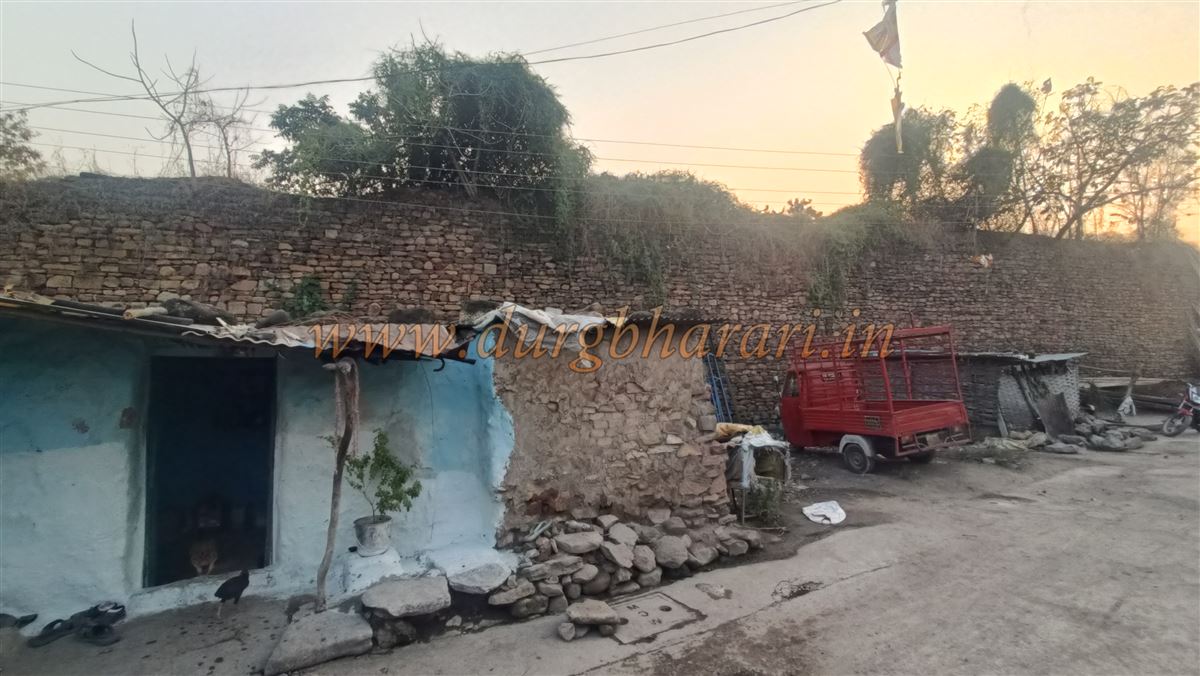
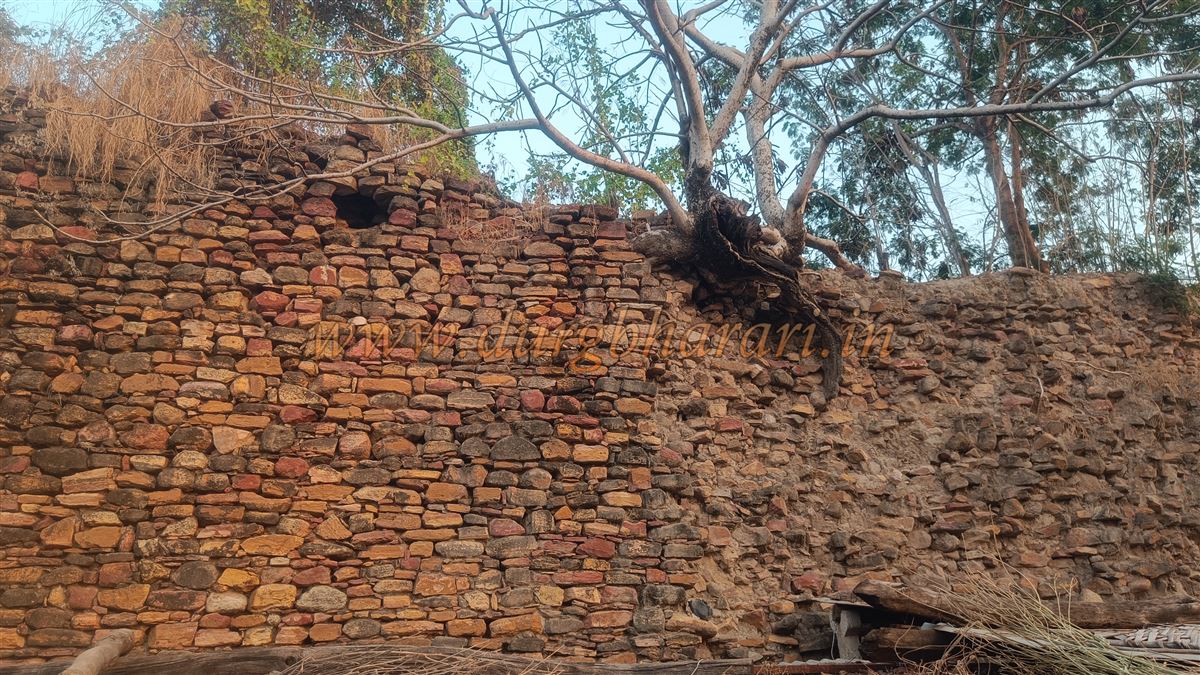
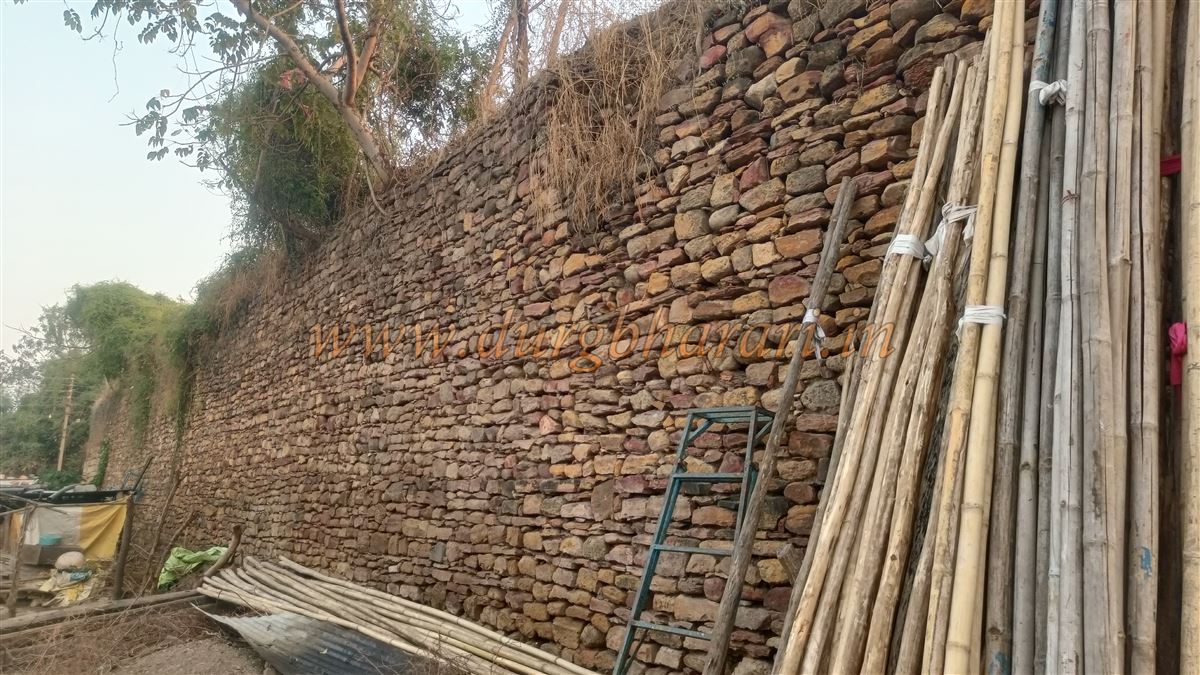
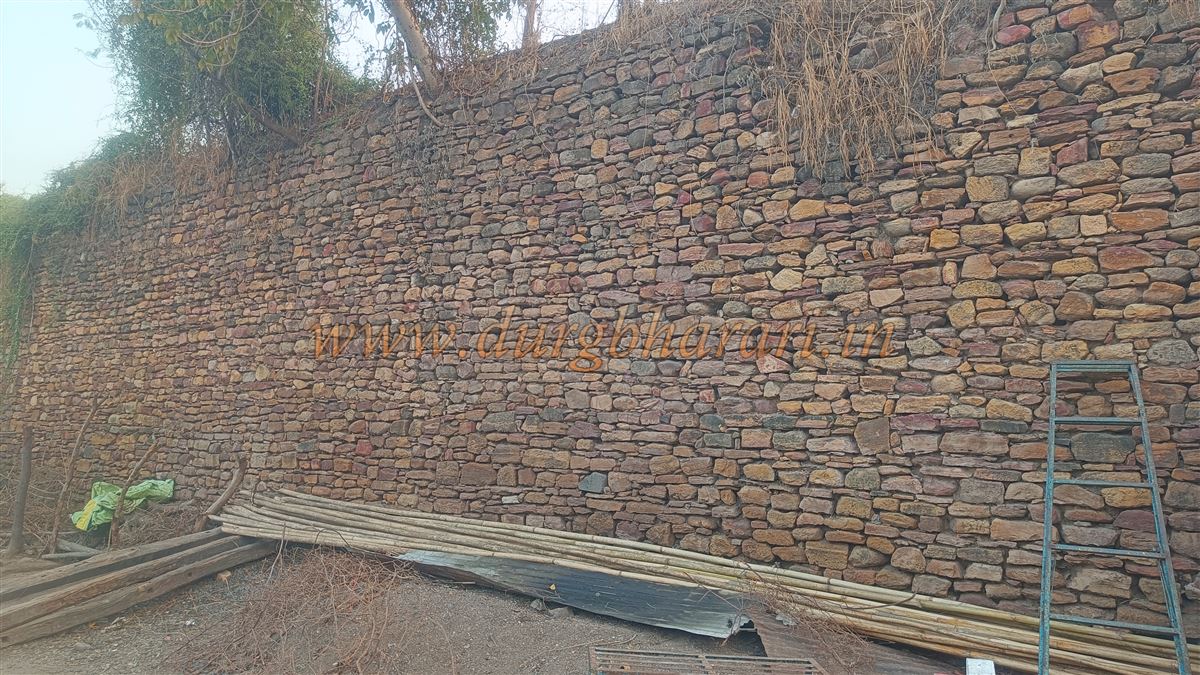
The Gadhi’s fortification wall is about 3–4 feet thick and 20 feet high. Medium-sized, roughly cut stones have been used for its construction, with dressed stones used in some places. There are no steps anywhere to go up onto the ramparts, nor are there gun loops for firing. This square-shaped gadhi spreads over roughly three-quarters of an acre.
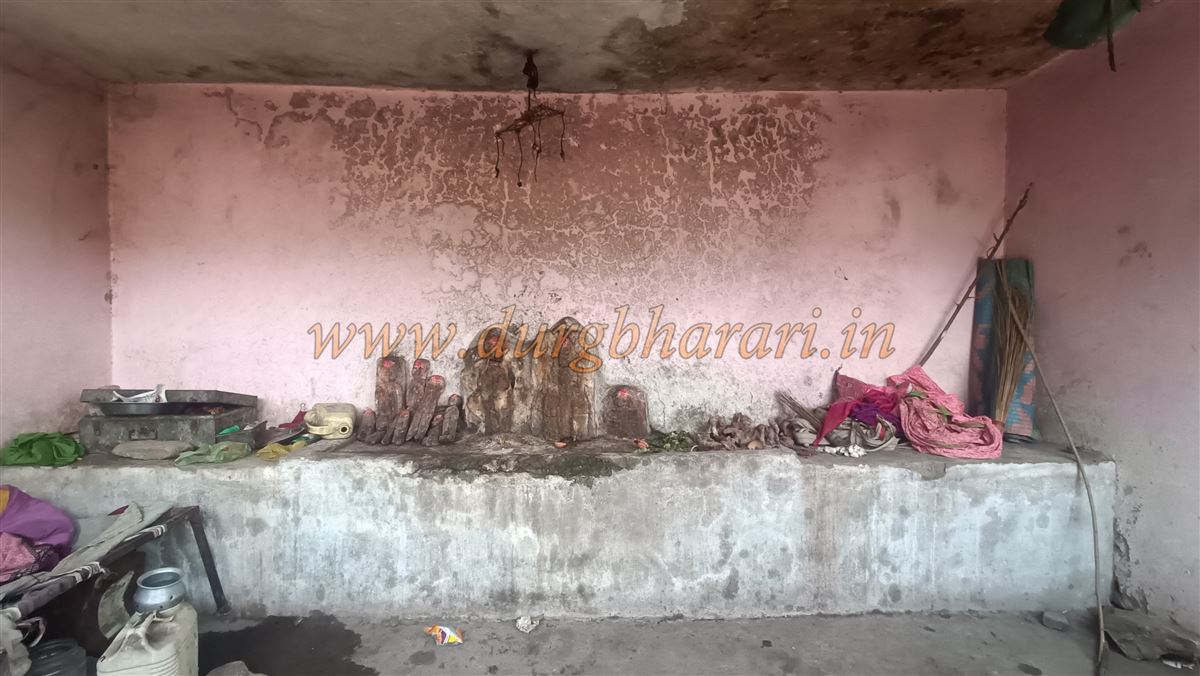
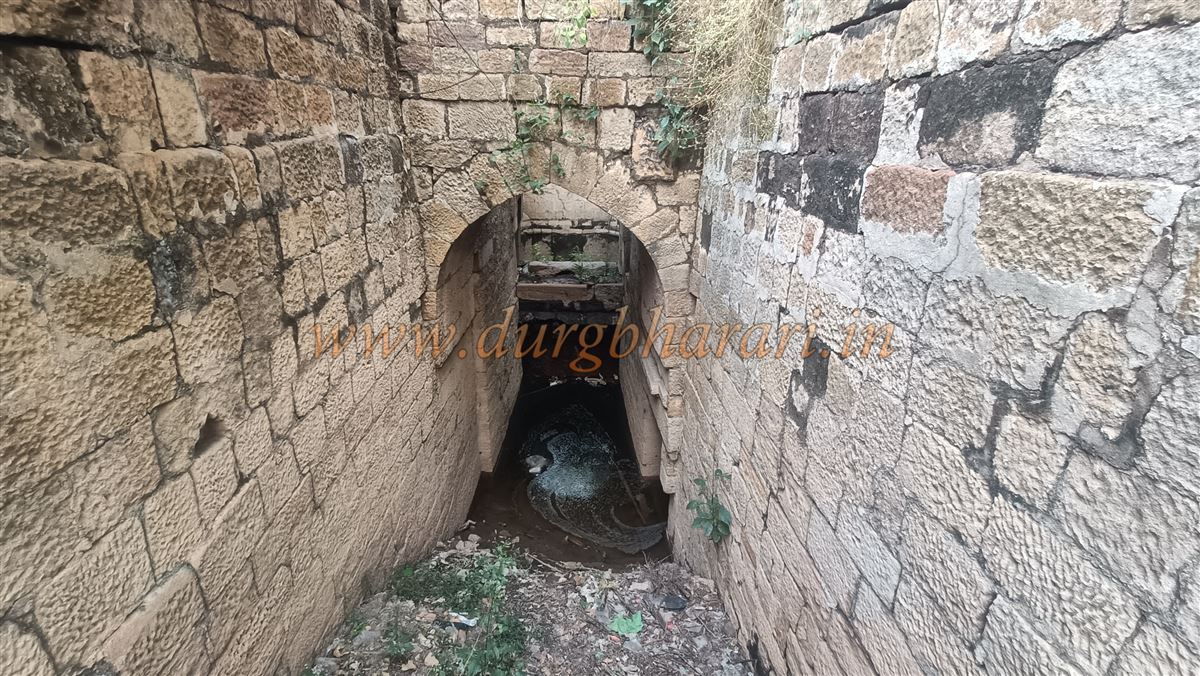
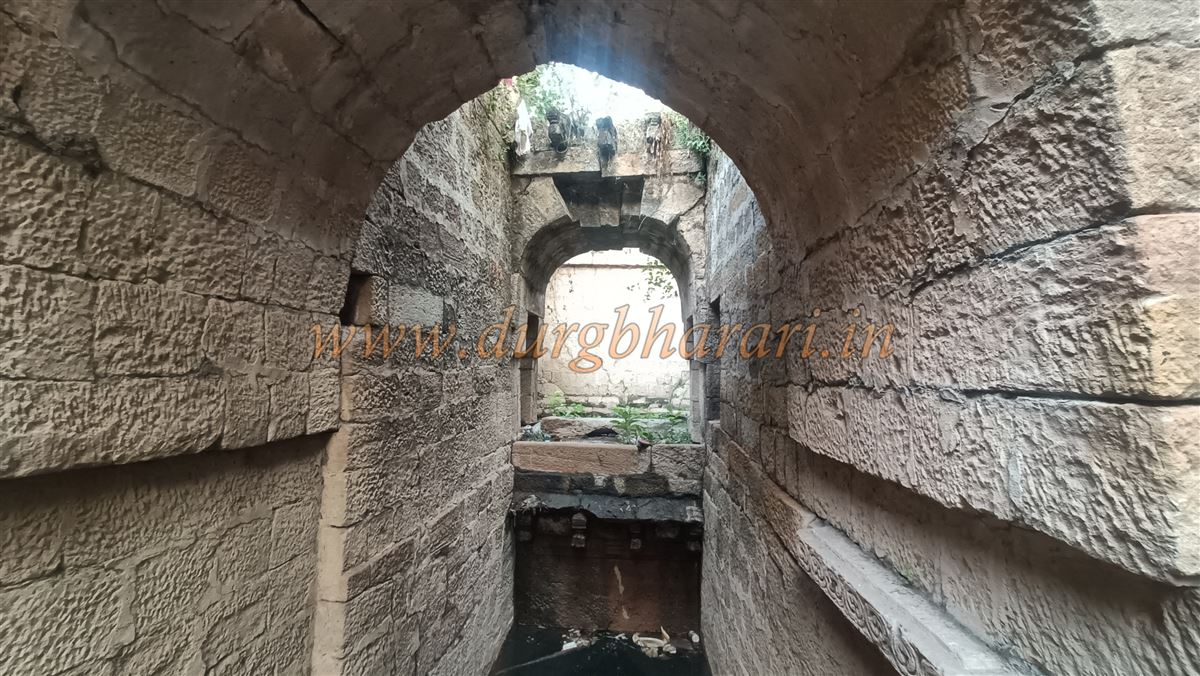
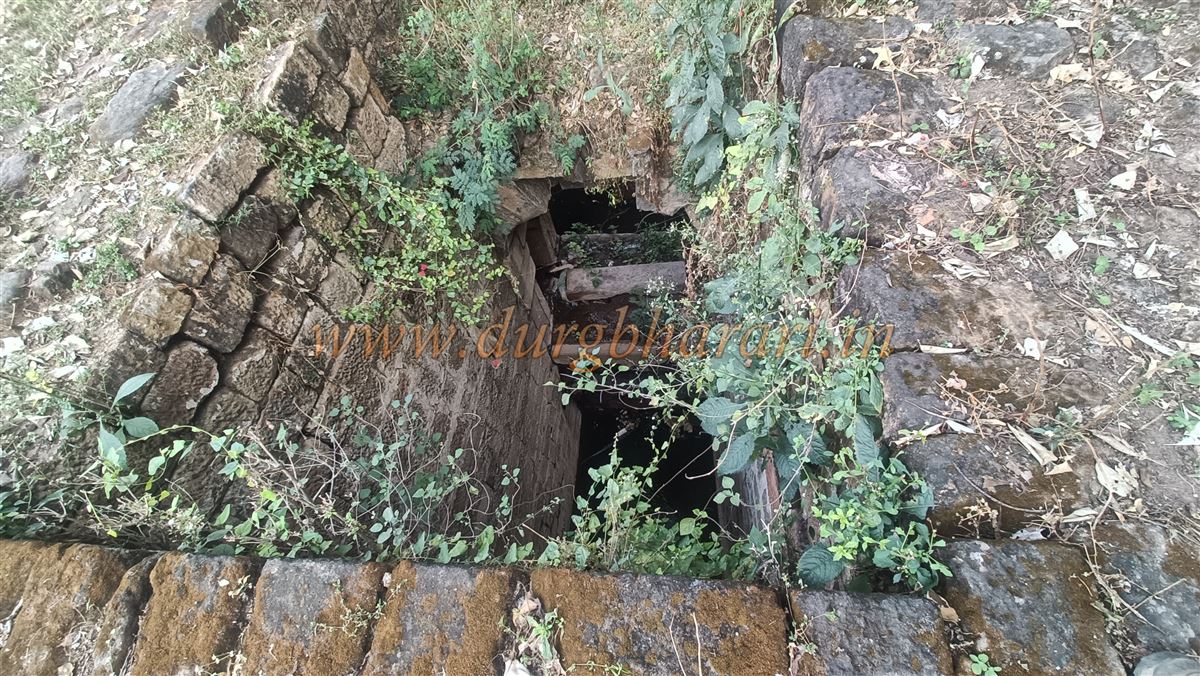
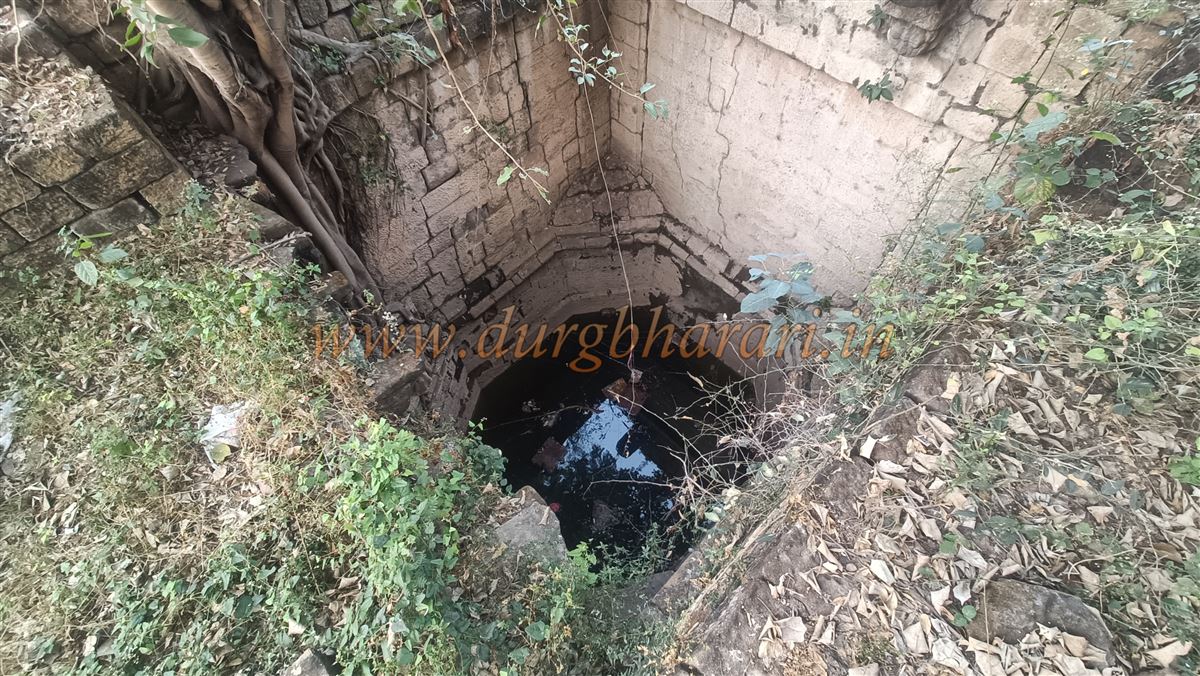
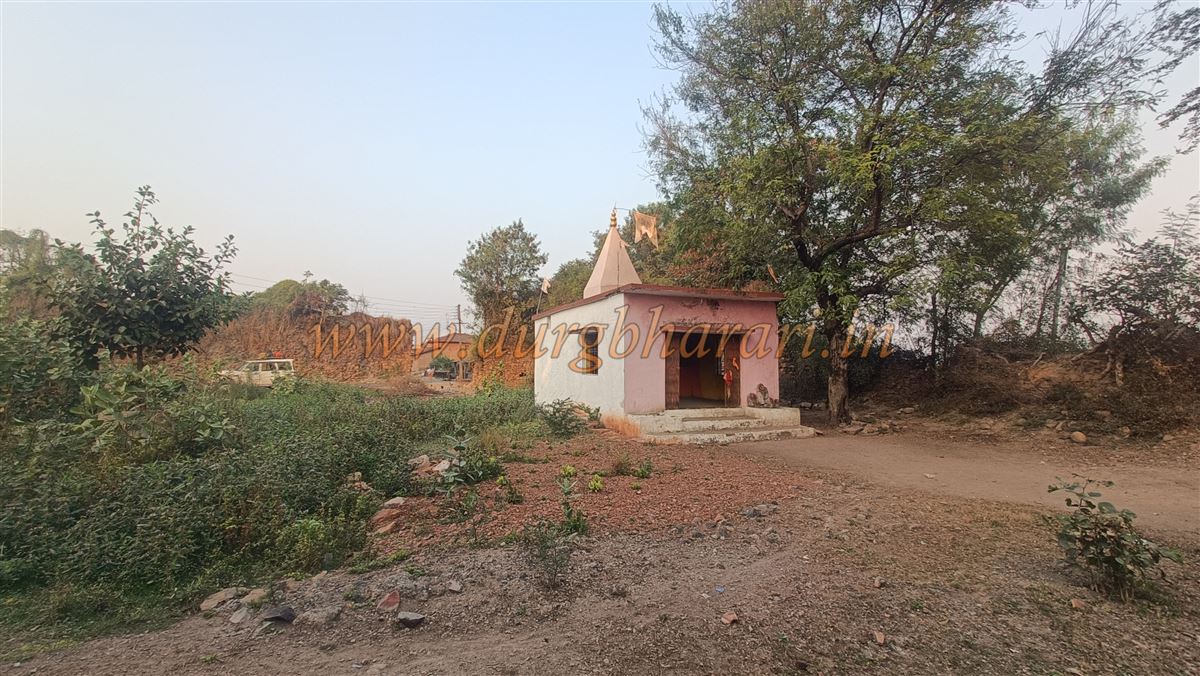
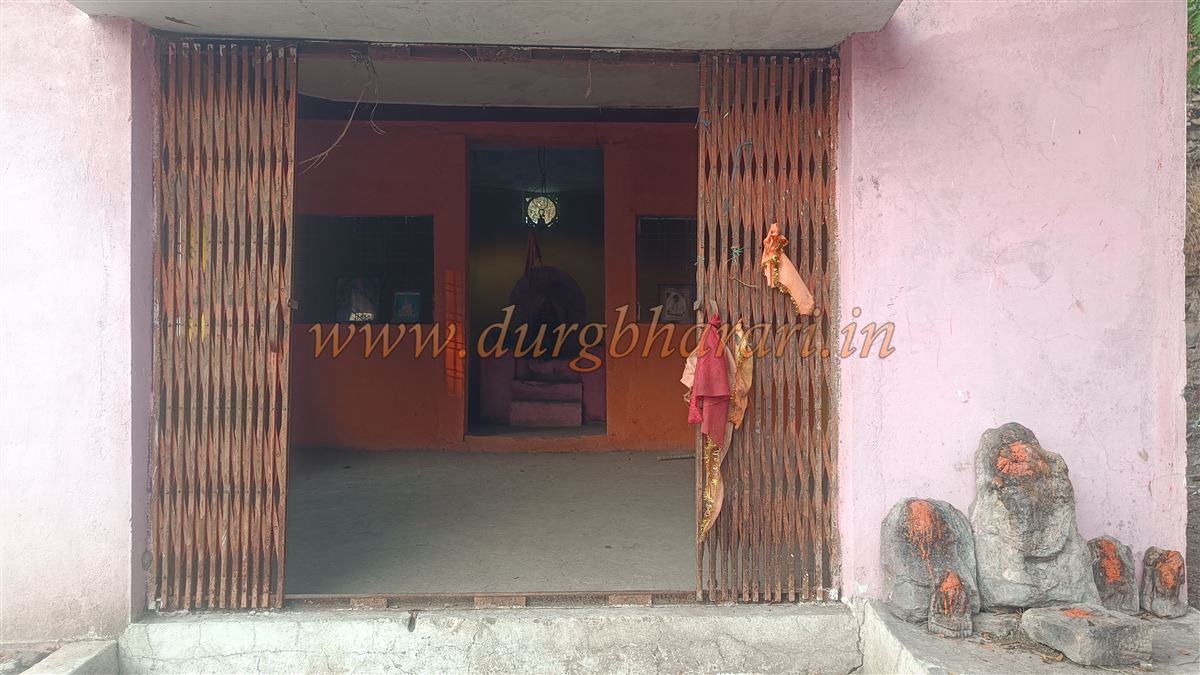
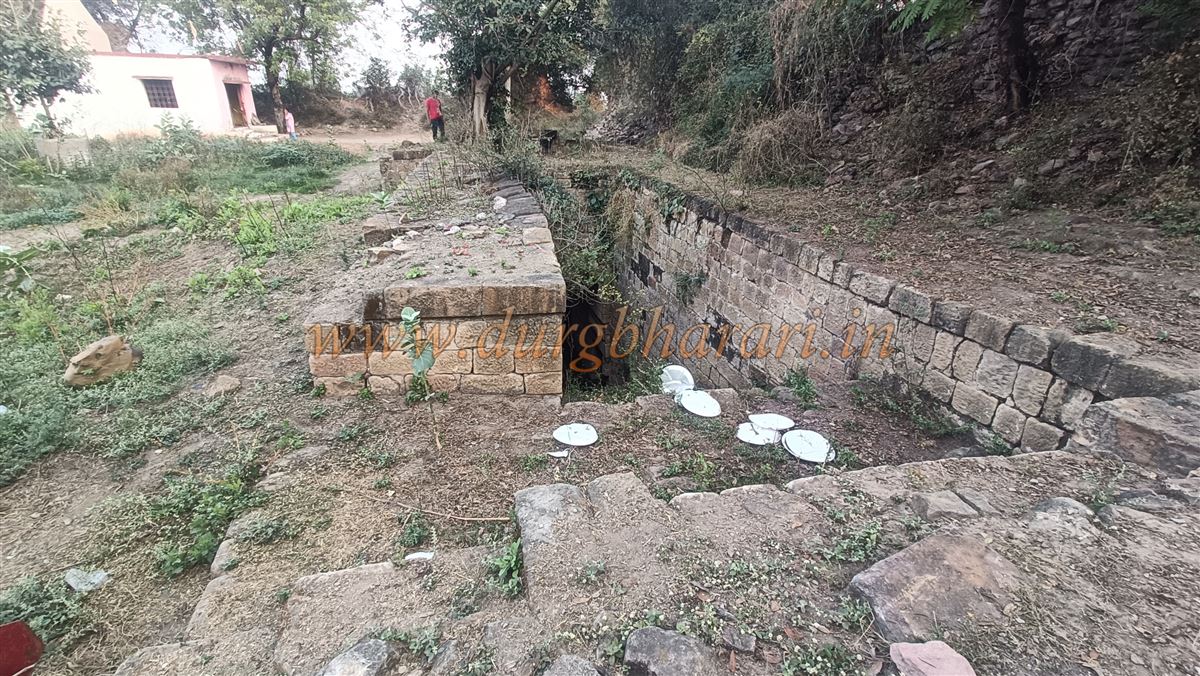
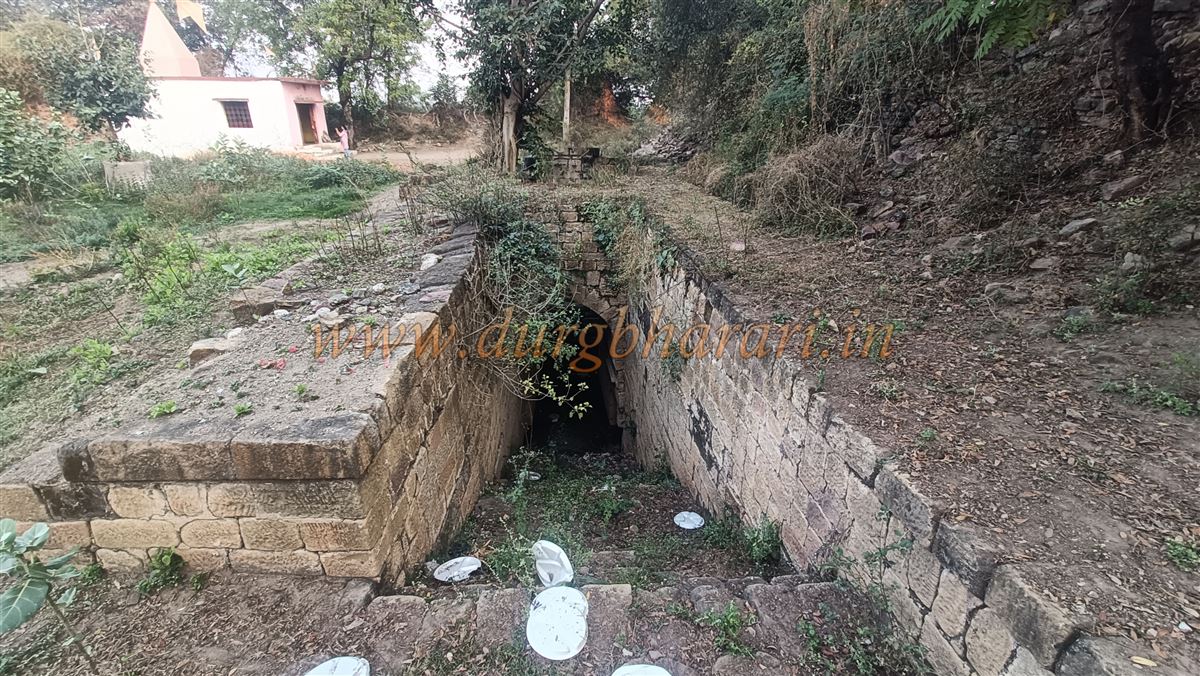
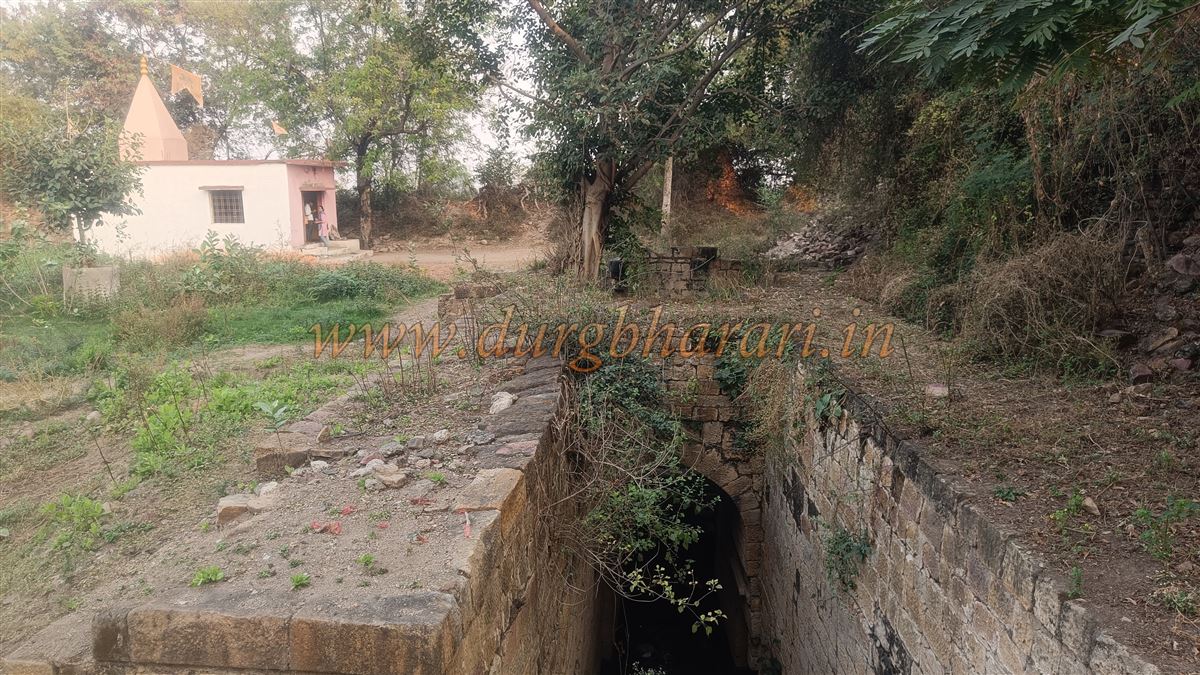
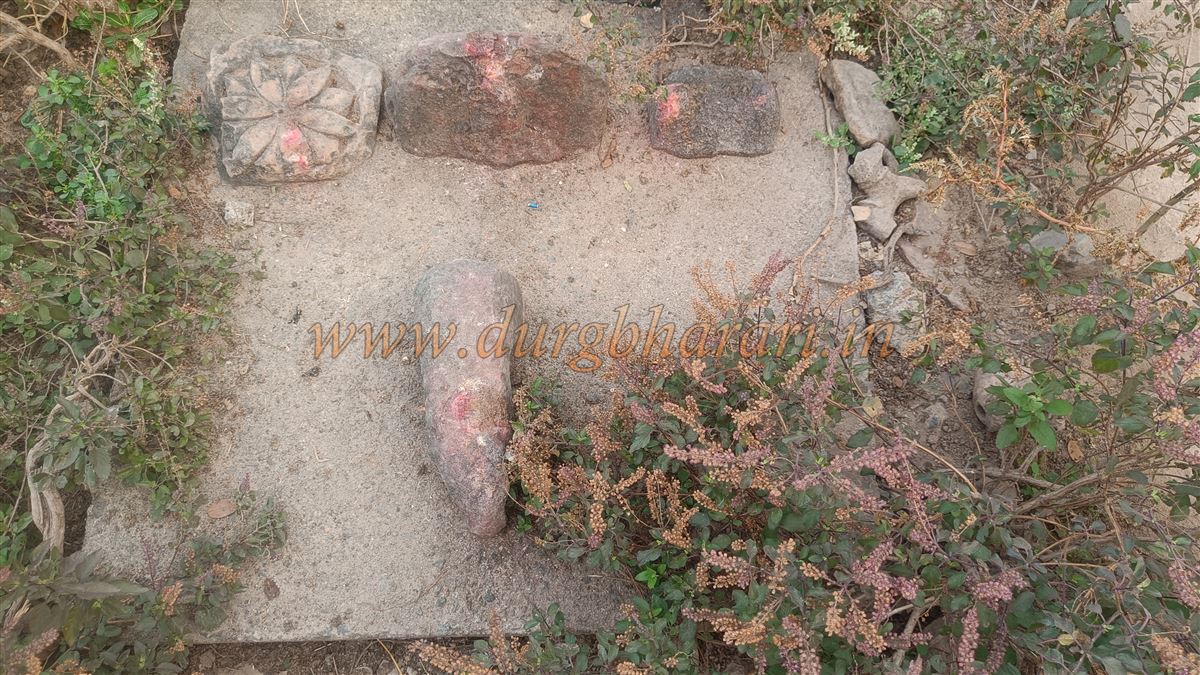
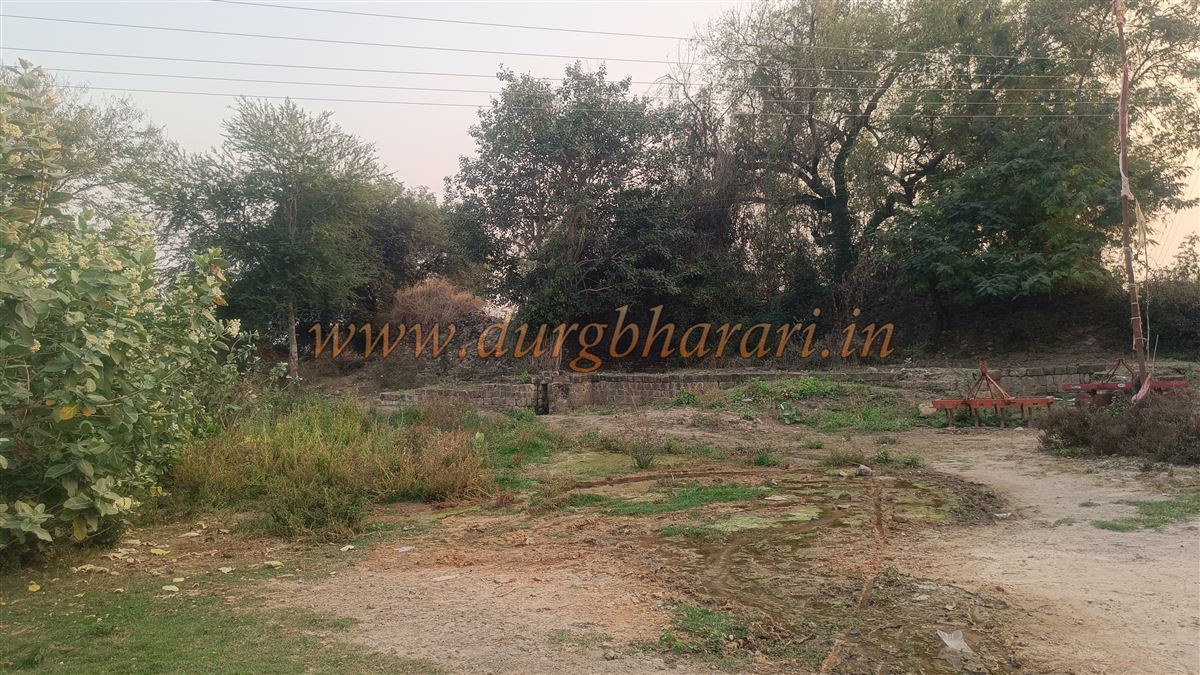
Inside the gadhi are two newly constructed temples—one dedicated to Hanuman and the other to a local deity. The local deity’s temple has some wooden idols. Apart from this, the only remaining original structure in the gadhi is a 30-foot-deep barav (stepwell). This two-storey stepwell is very beautiful, still holds water, and is used to water cattle. For this purpose, two new tanks have been built in the gadhi. Until recently, before the village had a piped water scheme, this water was used for drinking.
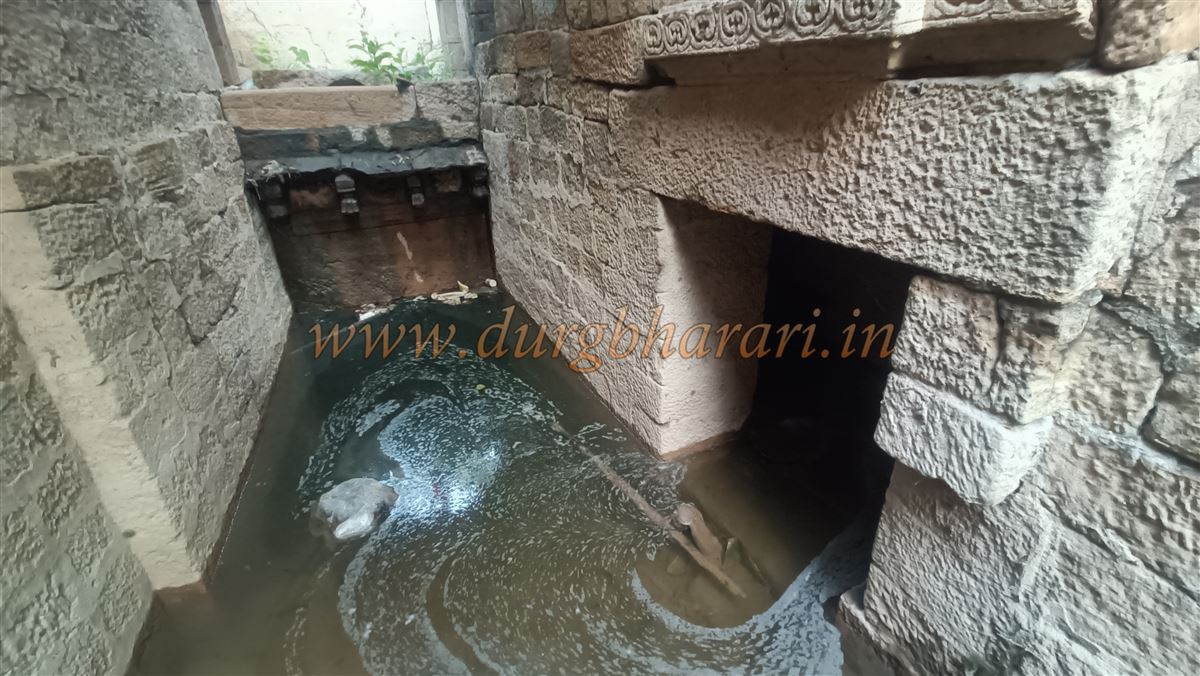
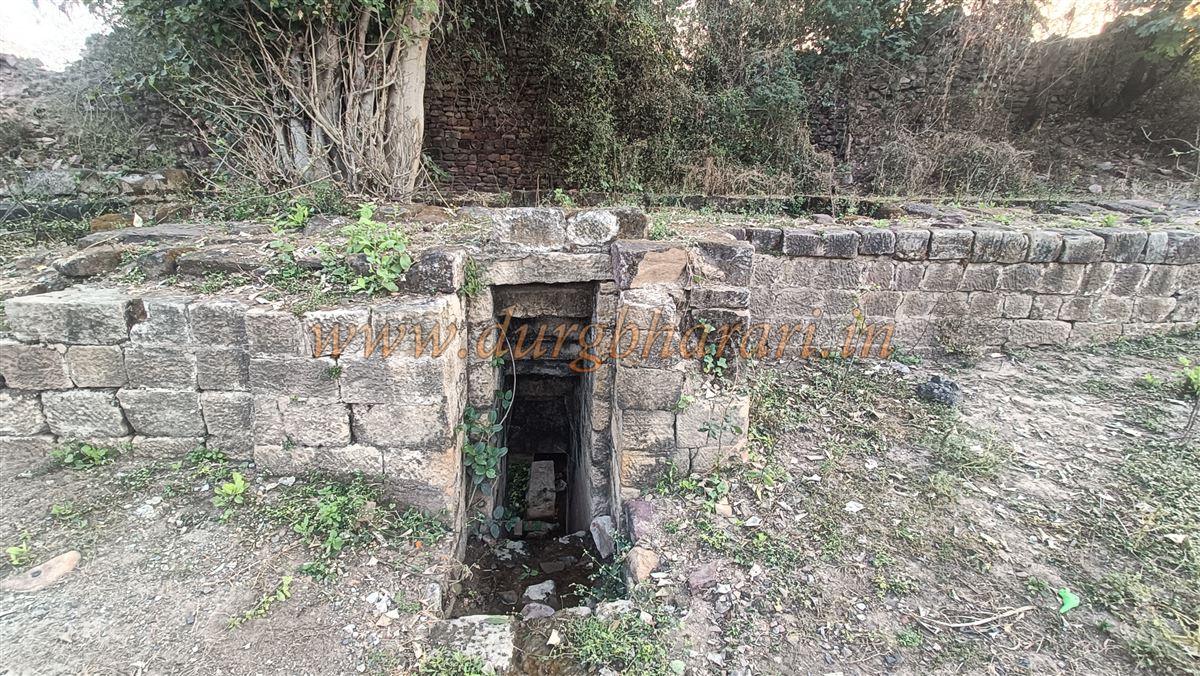
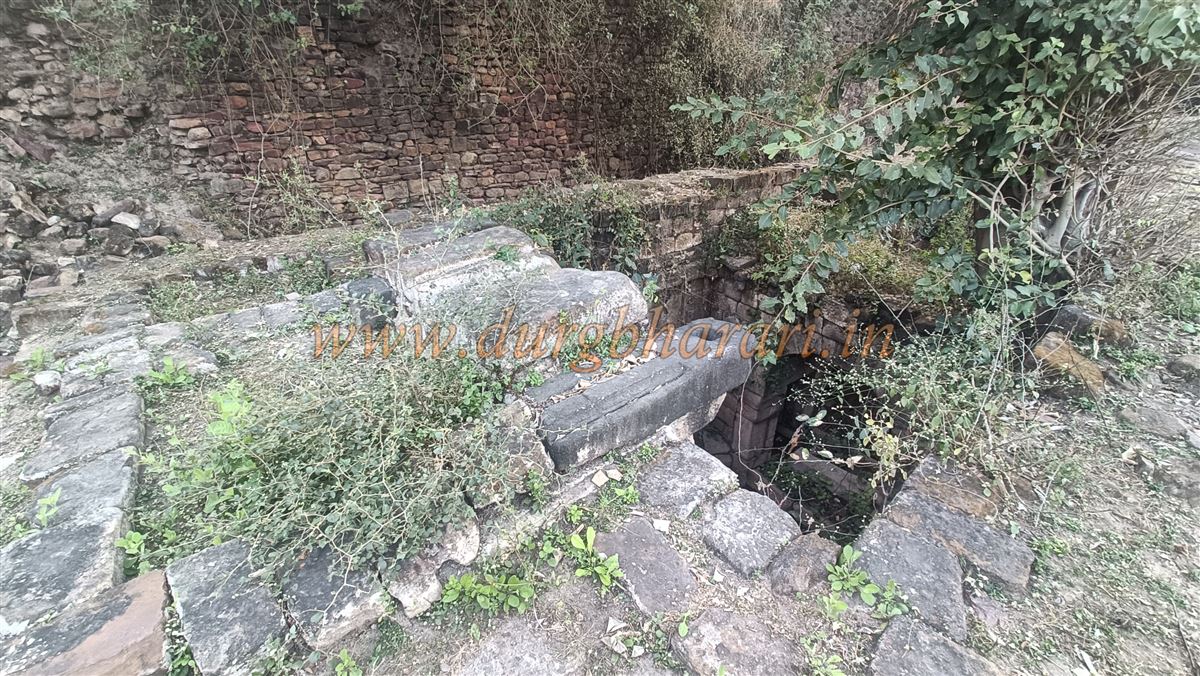
The interior of the stepwell has considerable carvings, and on the first floor, below ground level, there is a hall or room. This room was probably used for resting or living during the summer. This stepwell, or paivihir, is built with dressed stone and has two entryways. The main entrance allows one to descend all the way to the bottom of the stepwell, i.e., the water, while the other smaller doorway leads to the hall on the first floor. Since moss has accumulated on this path, one must proceed very carefully.
The construction of the stepwell is in two parts, with the second part being octagonal. This part cannot be entered, and stone pillars above it show that the water here was drawn by a pulley system. Apart from the gate, the fortification wall has collapsed in 2–3 other places, but the remaining fort walls are still solid. However, locals have now started using the stones of the gadhi for building construction. Apart from the fortification wall and the stepwell, there is little else to see in the gadhi, so a visit takes only half an hour.
Before the Gond kingdom established its capital at Chandrapur, their administration is said to have been run from Ballarpur, and before that, from Shirpur. Govindshah, the hereditary chief (Vatandar) of Chandan Kheda, had marriage ties with the royal family of Shirpur. Govindshah daughter was married to Gond king Kannake of Shirpur.
When the Gond rule of Chandagad weakened, the hereditary chiefs there declared themselves independent, and Shirpur’s gadhi was one of them. This part of Vidarbha was under Gond rule for many years, and afterwards came under the Nagpur Bhonsle family. During their rule, they rebuilt some forts and built some new ones, as well as administrative ghadis. The Shirpur gadhi seems to have been one of these.
Since there is no written history of the gadhi, one has to rely on local stories for its past. One such love story is told about Chandagad and Shirpur.
When King Ramshah ruled Chandagad, the Shirpur gadhi was in the possession of three princes—Baghba, Raghba, and Aghba. They were related to and on good terms with the Shirpur royal family. King Ramshah was the maternal uncle of these three princes. Baghba was the eldest brother. Once, all three princes went to Chandagad and stayed with their uncle for a few days. At that time, a love affair developed between King Ramshah’s beautiful daughter and King Baghba. But King Ramshah and the queen did not approve of this relationship.
Without informing their uncle, the three princes left Chandagad and returned to Shirpur. King Ramshah’s anger flared, and he pursued the princes with his army. However, the three princes had already reached the Shirpur fort. King Ramshah sent a message to King Baghba for battle, and they fought at Ghuggus.
In this battle, Raghba was killed by a cannonball, while Aghba was killed by a bullet. This broke Baghba’s spirit, and he fled towards the Shirpur fort with his army. King Baghba hid in an underground tunnel in the fort, but King Ramshah got wind of it. He removed the stones blocking the tunnel, filled it with fuel, and set it on fire. Thus, Prince Baghba suffocated to death inside.
In this way, the love story of a prince and princess ended, and with it, Shirpur’s royal glory also came to an end. King Baghba’s memorial was built near the village, along with a temple. This story is told based on a powada (ballad) by bard Madhav, but since there is no documentary evidence, it should be taken as a legend rather than history.
© Suresh Nimbalkar
GALLERY