SHIRGAON
TYPE : COASTAL FORT
DISTRICT : PALGHAR
HEIGHT : 0
GRADE : EASY
Maharashtra is blessed with a coastline stretching over 750 kilometres. At one time, there were as many as 84 ports along this coastline. Among these, the ancient ports of Shurparaka and Vachchhaipur—known today as Sopara and Vasai—were world-class trading hubs. From these ports, trade was carried out with countries across the globe. To protect this trading activity, ensure surveillance, collect taxes, provide naval defense, and safeguard the local population, land forts and sea forts were constructed under various dynasties, starting from the Satavahana period. Recognizing the strategic importance of these ports, the Portuguese seized control of the entire coastline, along with the sea forts and land forts. One such land fort built by the Portuguese still stands firmly today in Shirgaon, Palghar district, bearing witness to the valour of the Peshwa and the Marathas. The fort is located about seven kilometres from Palghar railway station, adjacent to the main road in Shirgaon village.
...
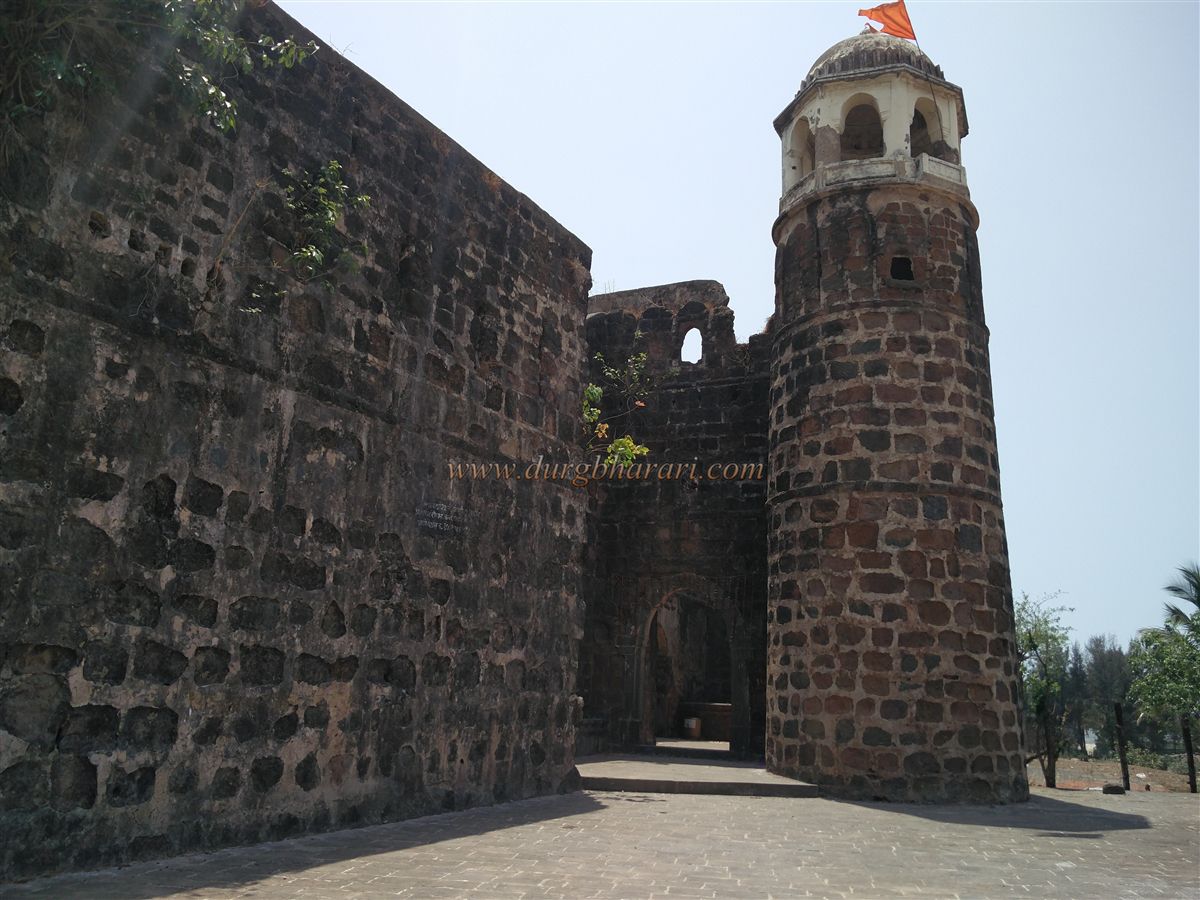
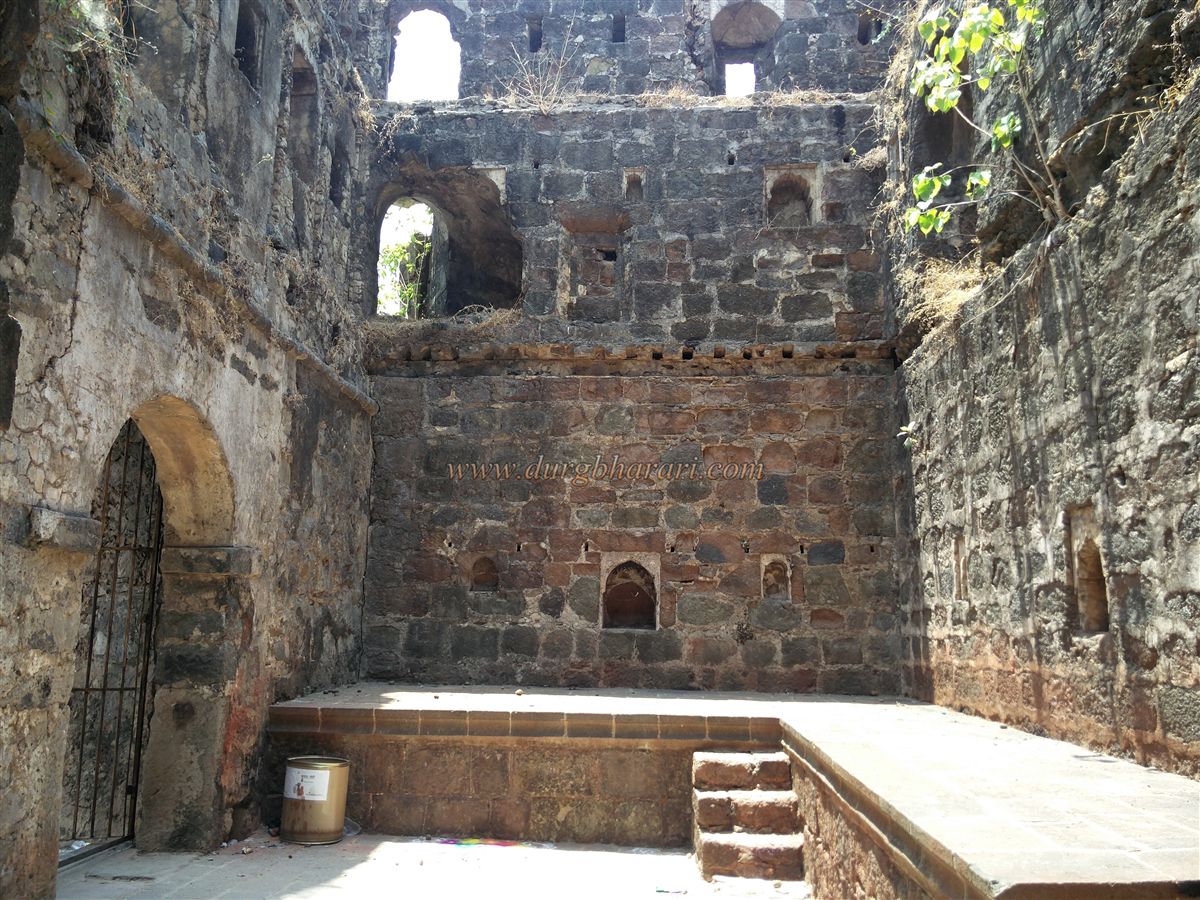
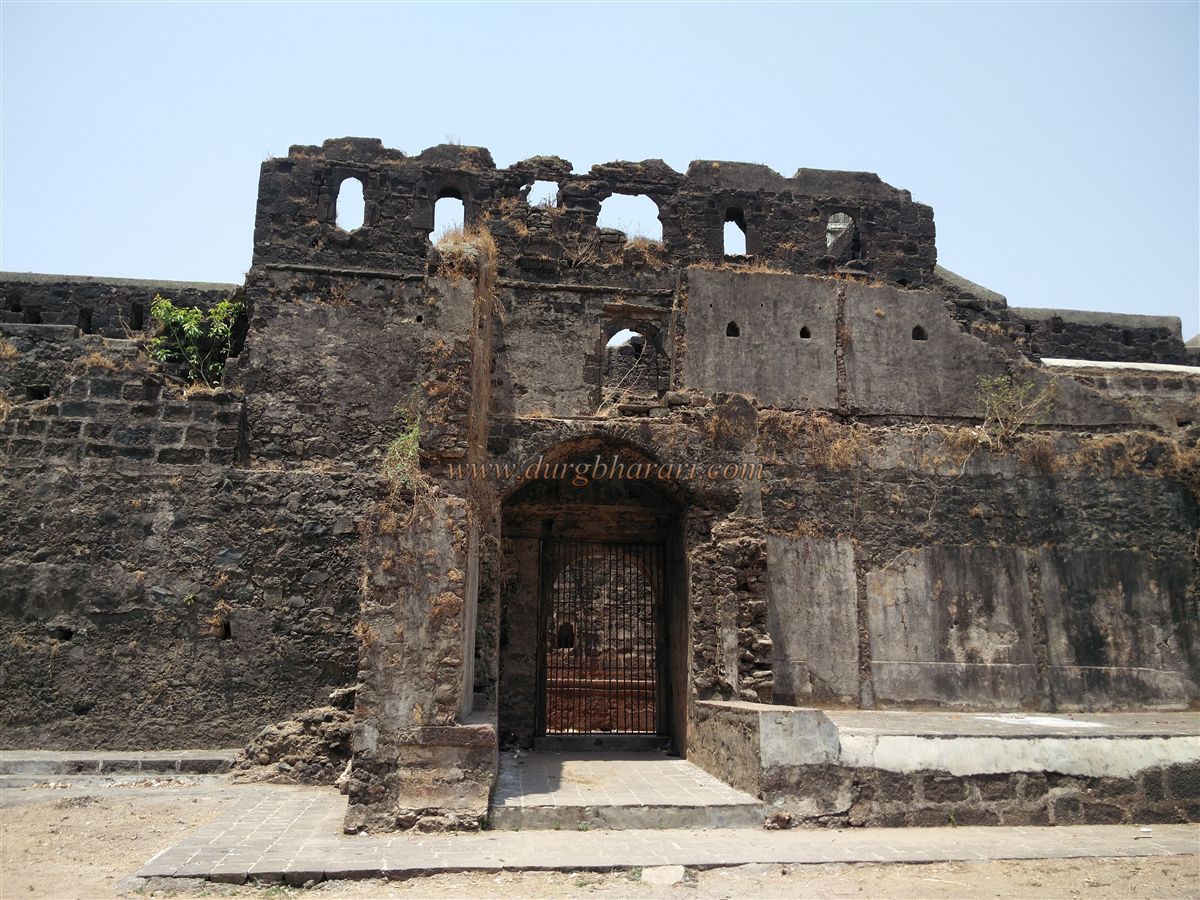
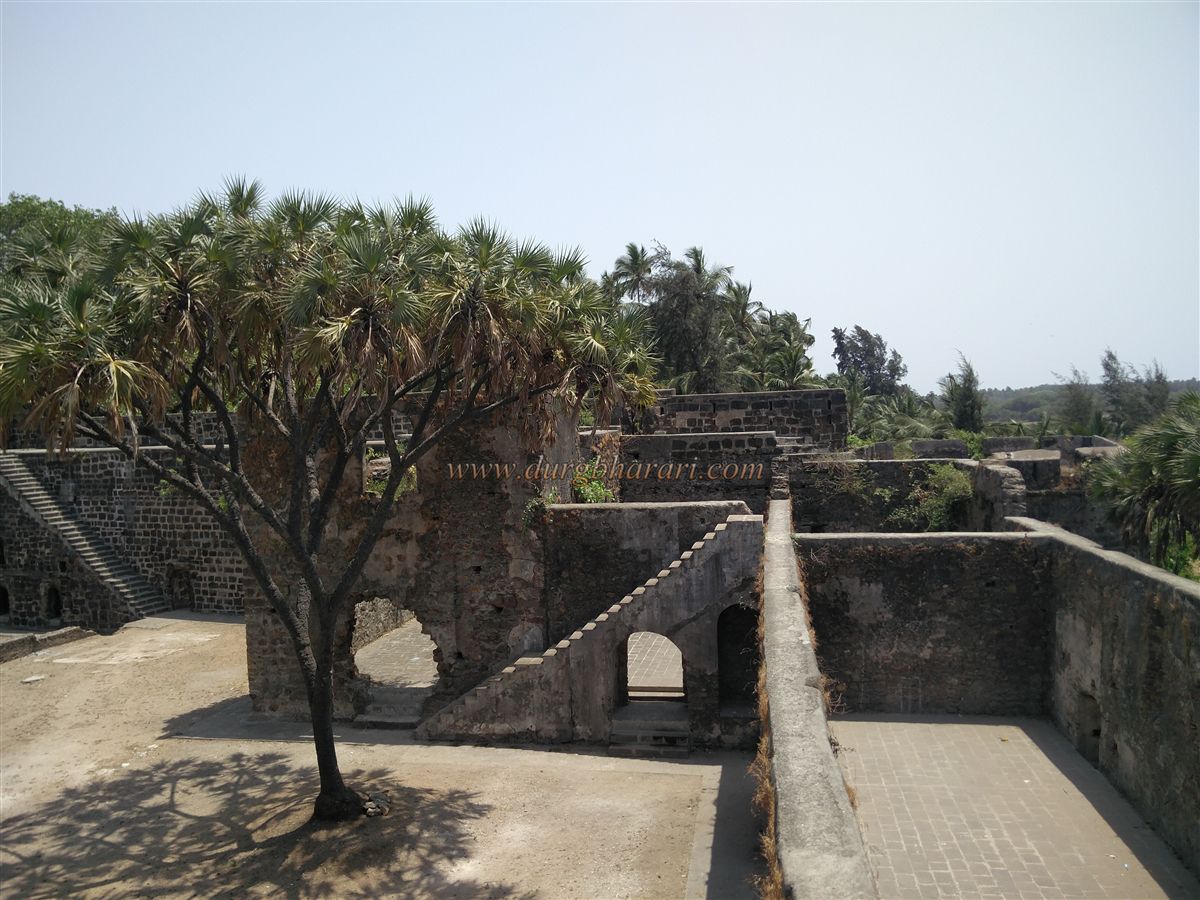
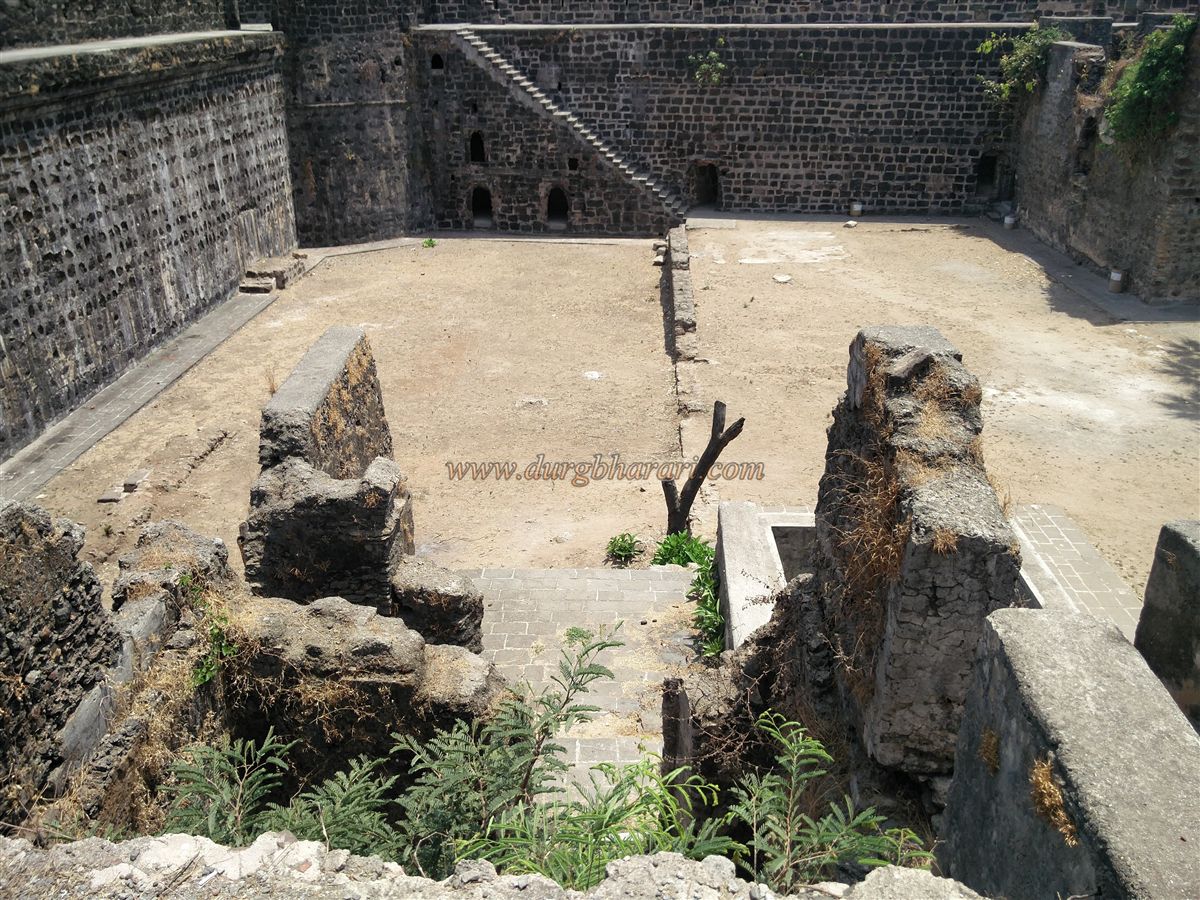
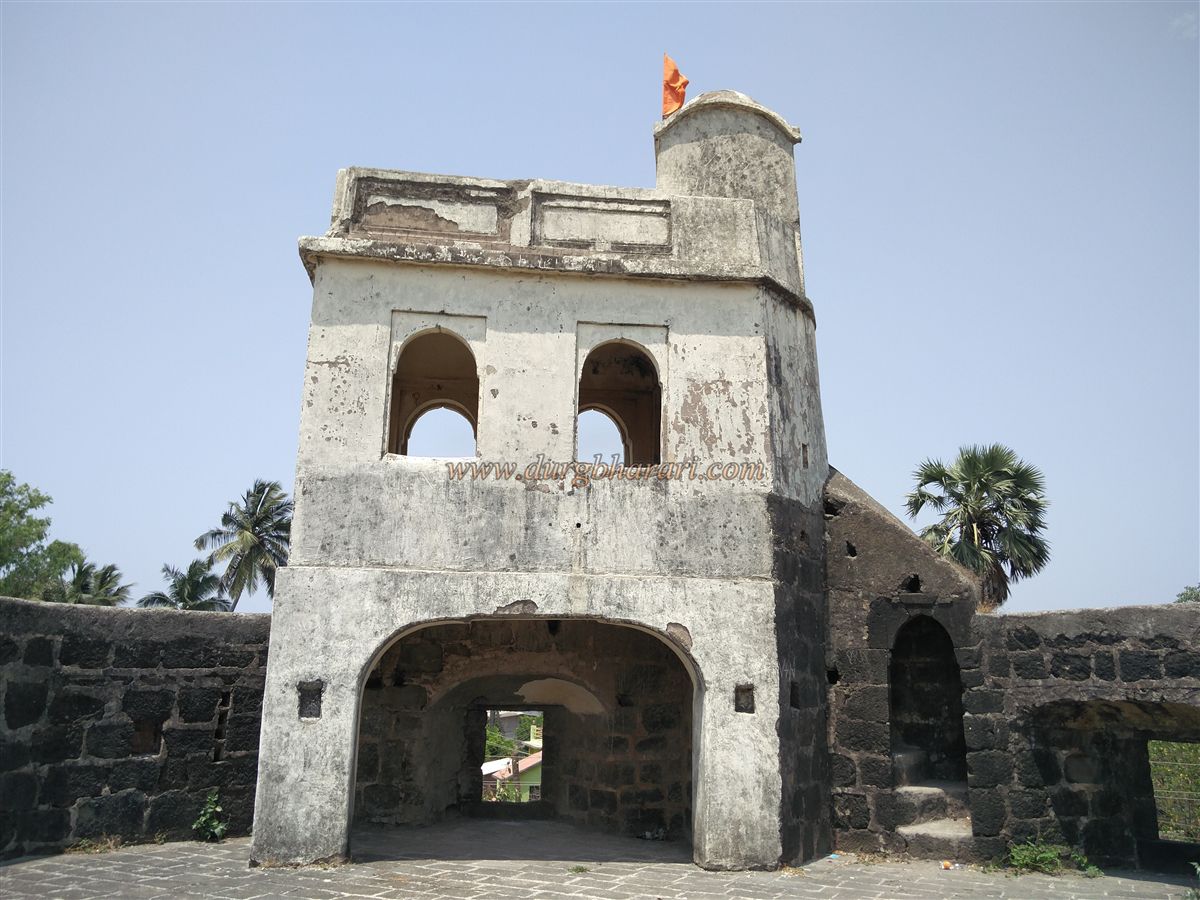
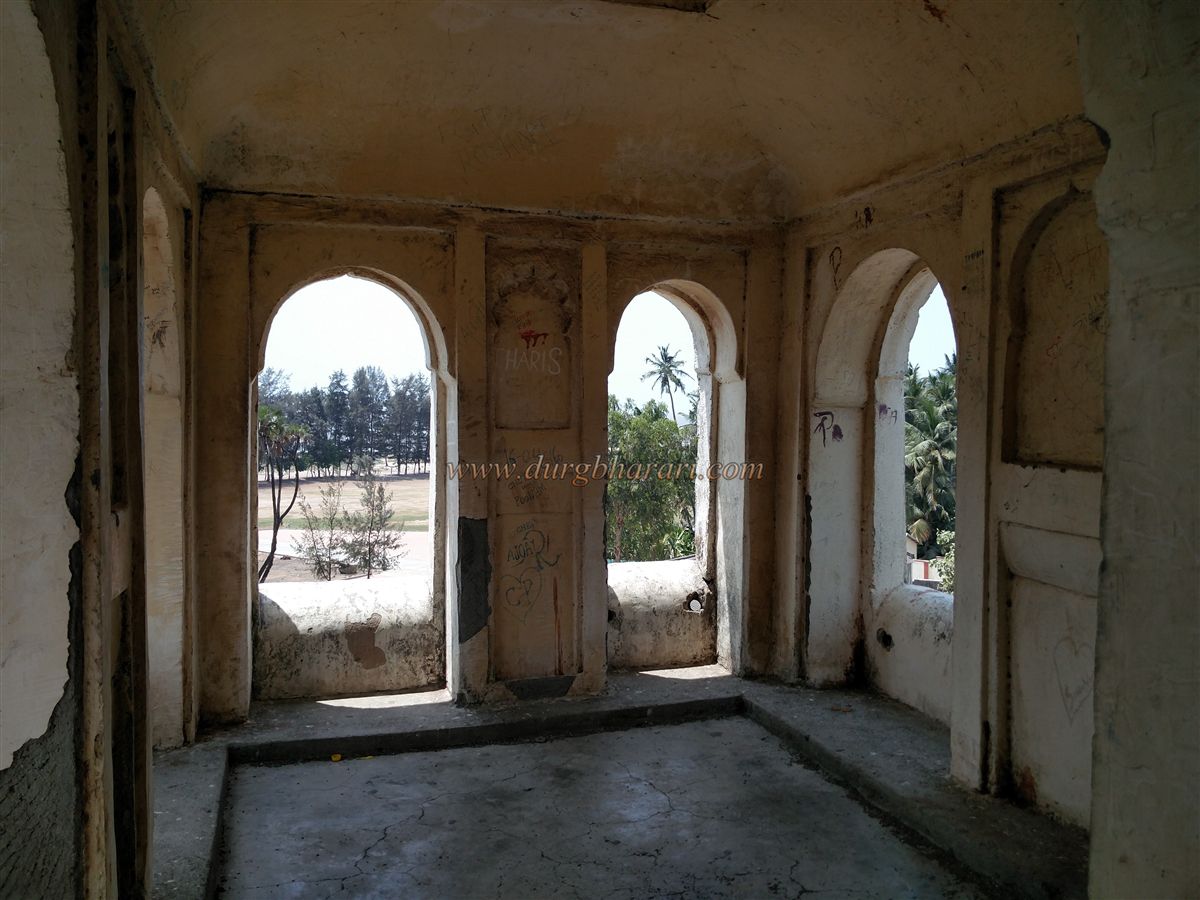
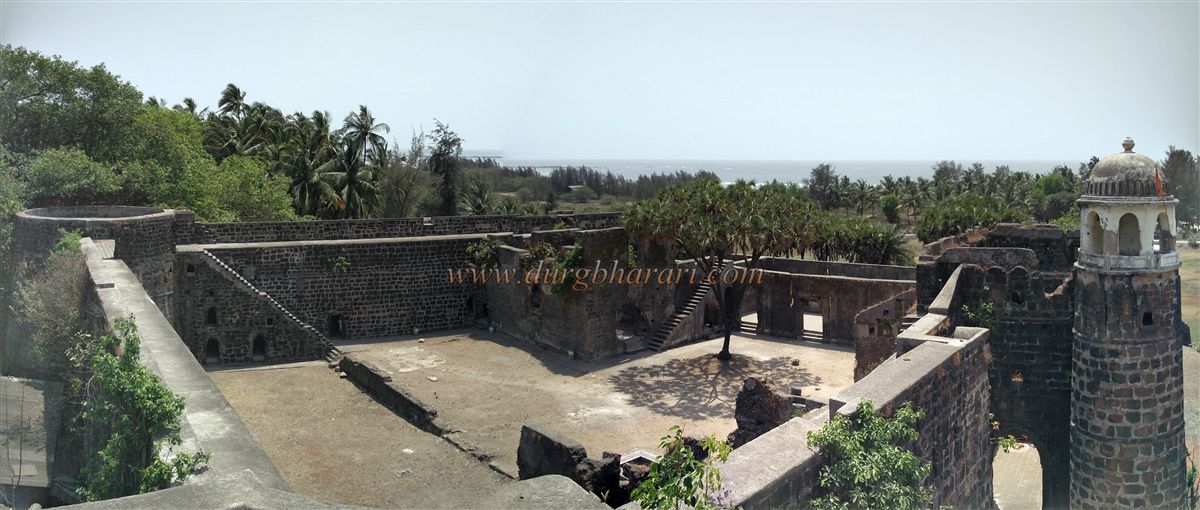
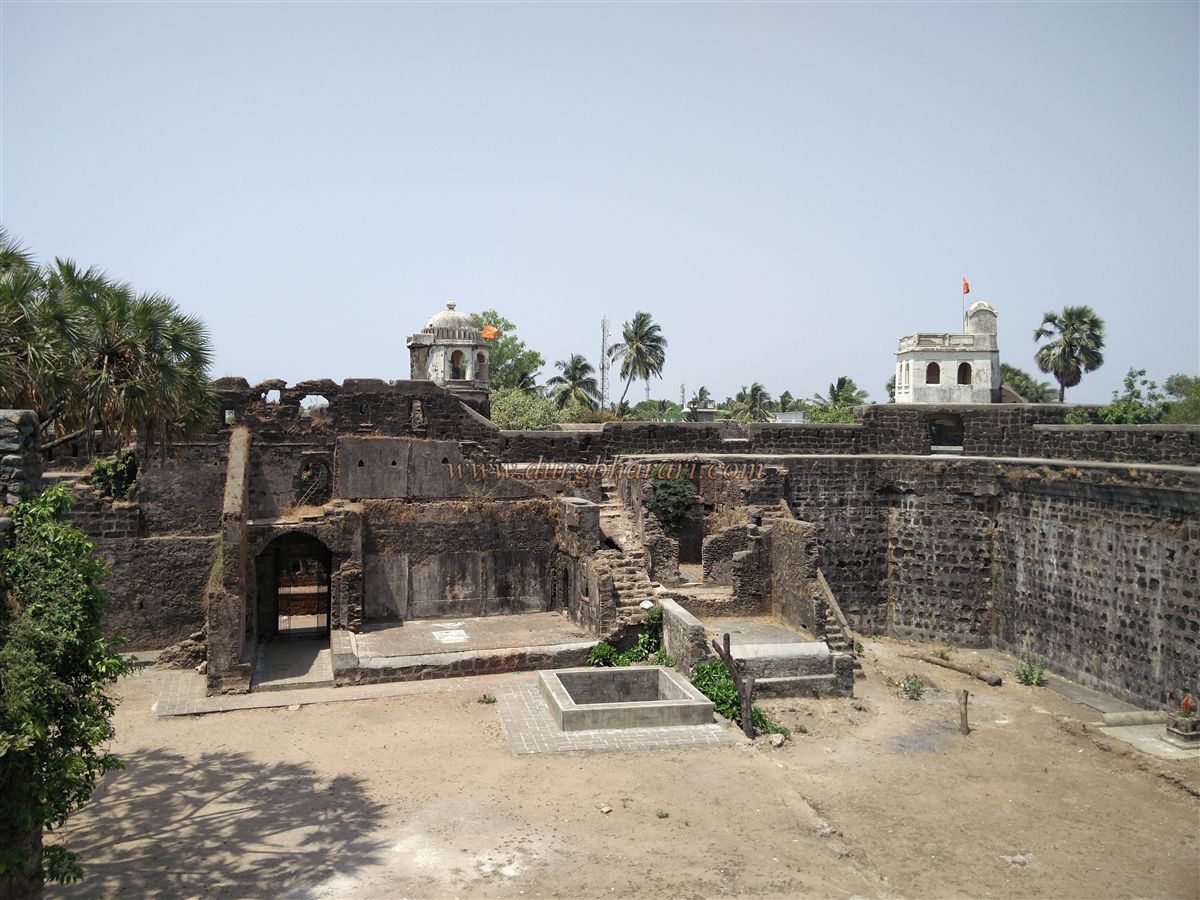
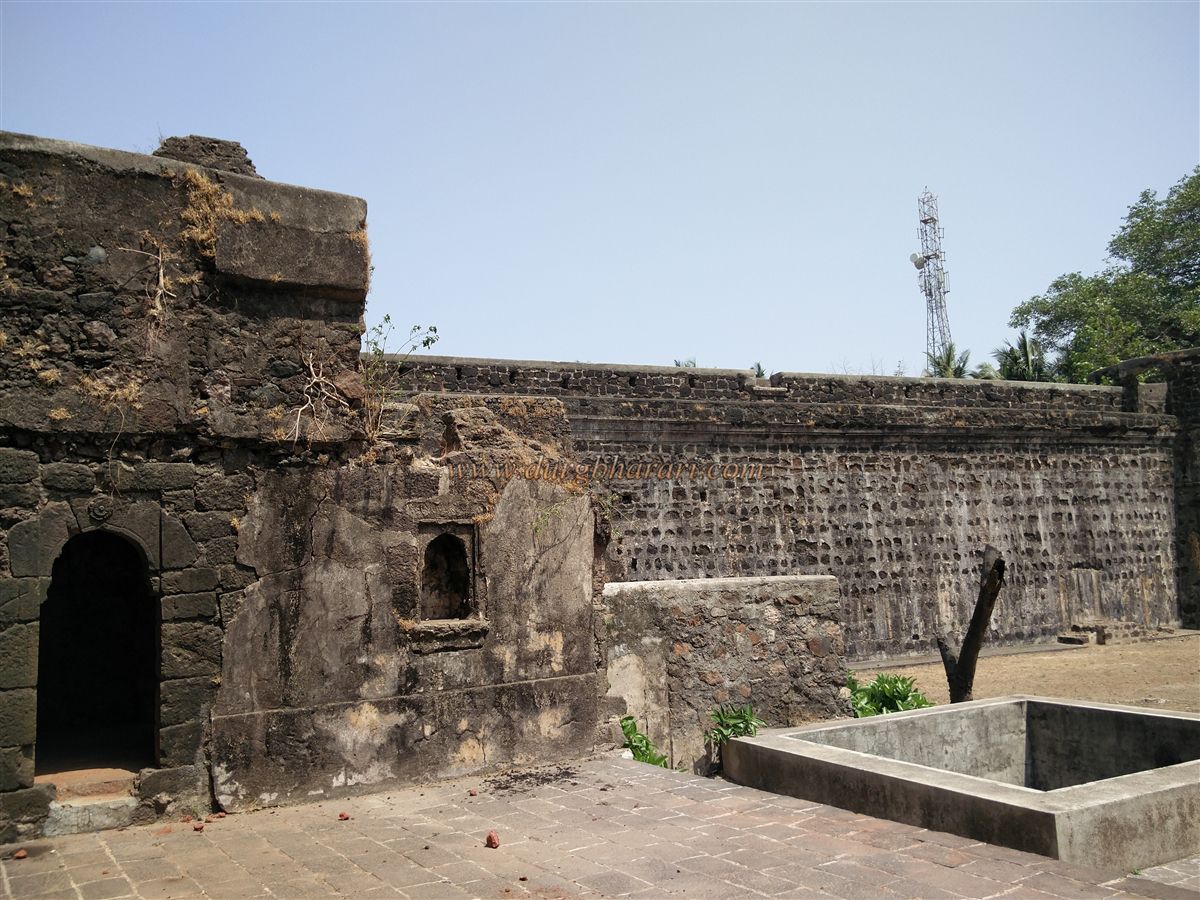
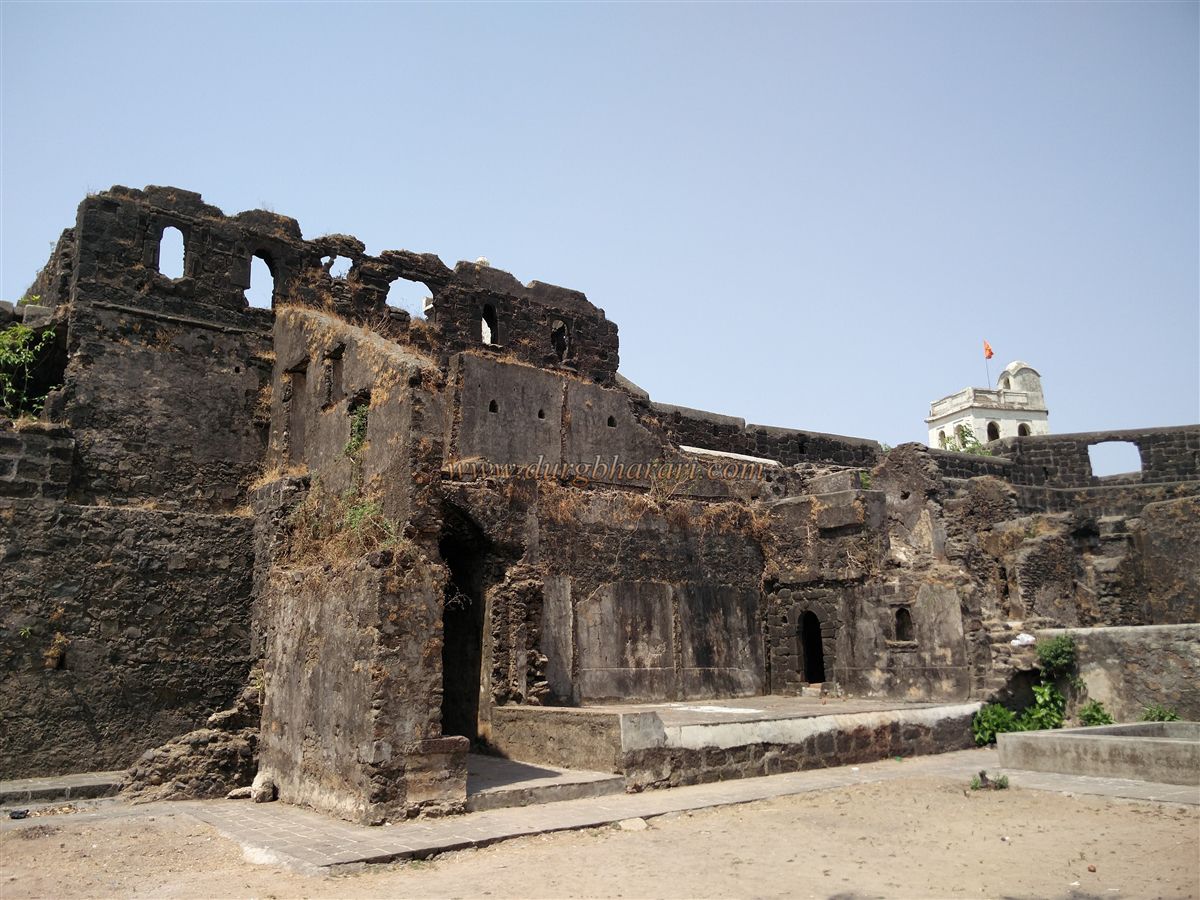
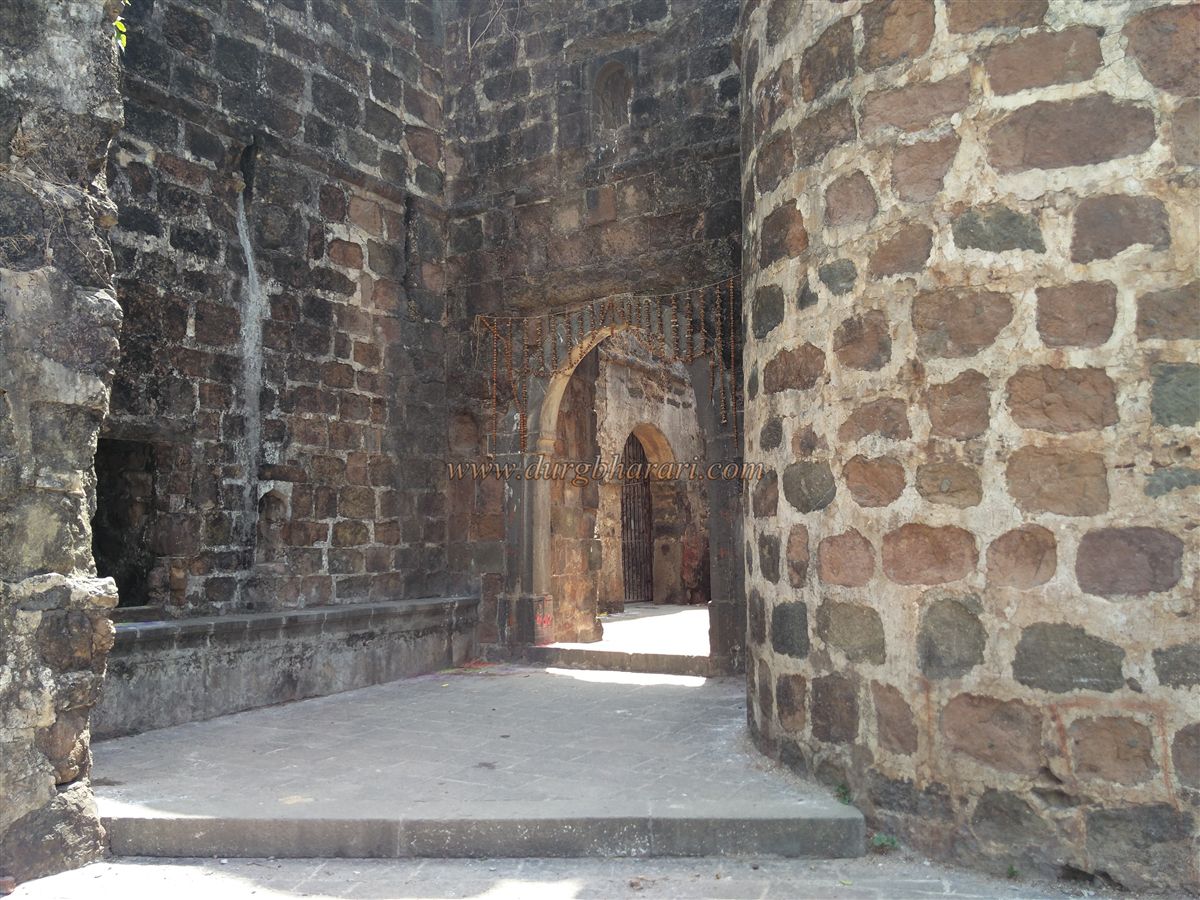
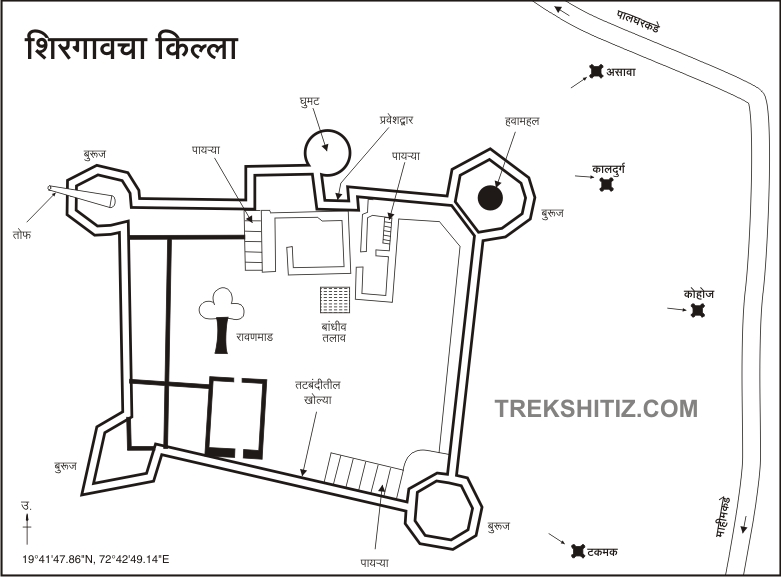
On all three sides of the fort are settlements of the Koli fishing community, while to the west lies the vast Arabian Sea. In earlier times, seawater likely reached the fort’s outer walls. The main gate of the fort faces east and is constructed in the typical Portuguese style, supported by a circular bastion. Above the bastion is a watchtower built for surveillance. Inside this gate, at a right angle, is a second gate, and in the central courtyard are guard rooms. It appears that two additional floors once existed above this courtyard. On the second floor above both gates, there are halls with six windows. After passing through the first gate and then the second, one enters the main fort area. Near the base of the right wall after entering through the second gate are some weathered carvings, one of which bears the year 1714. It seems that these old stones were repurposed in the reconstruction of the fort’s walls. To the left of the entrance is a large water tank and nearby is a storage room.
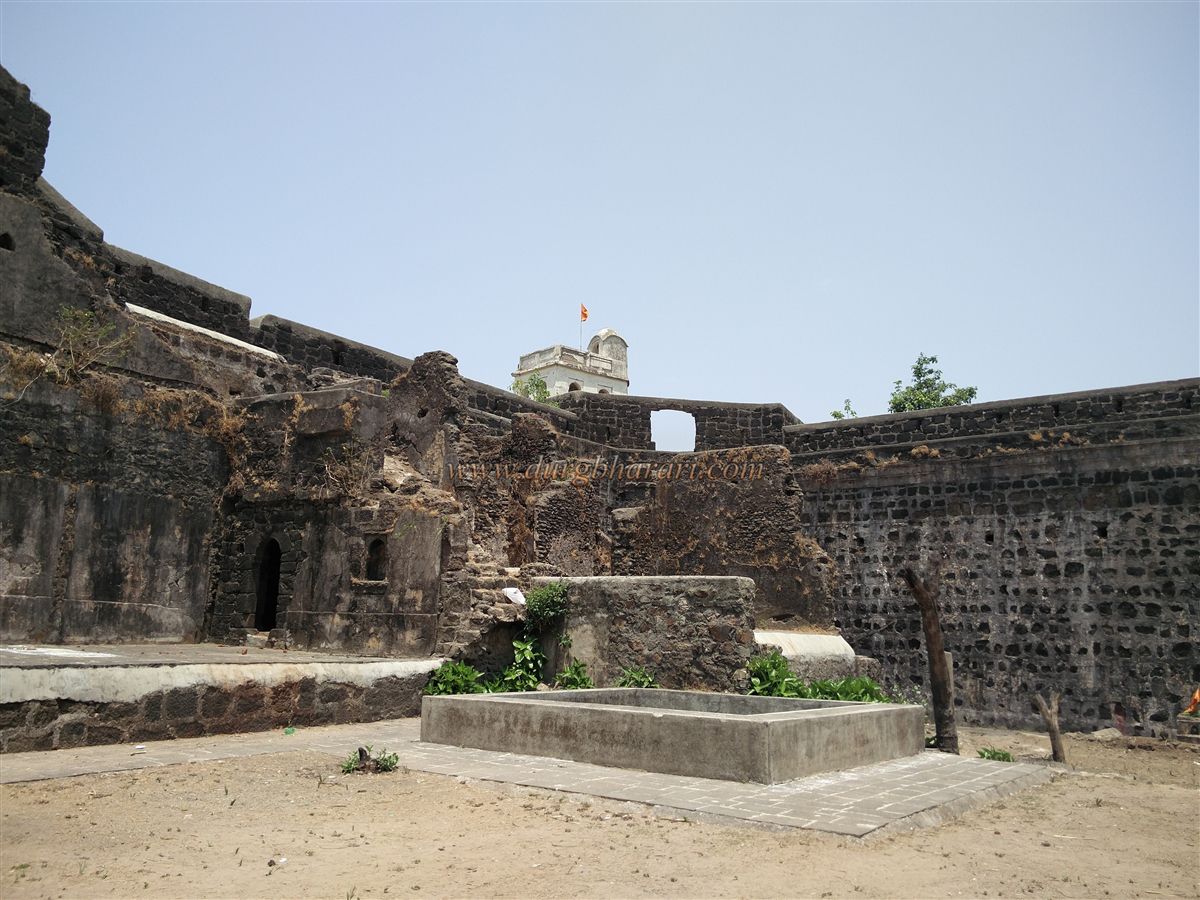
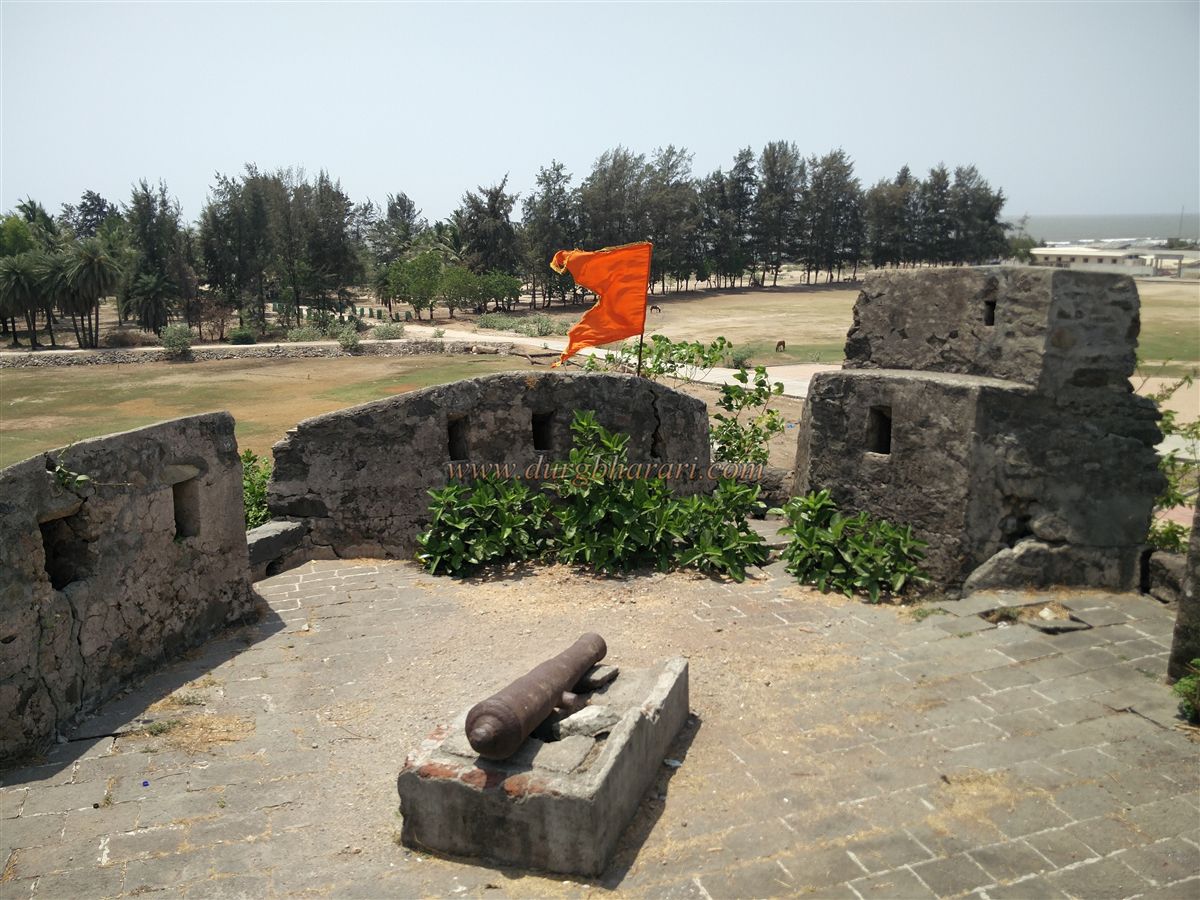
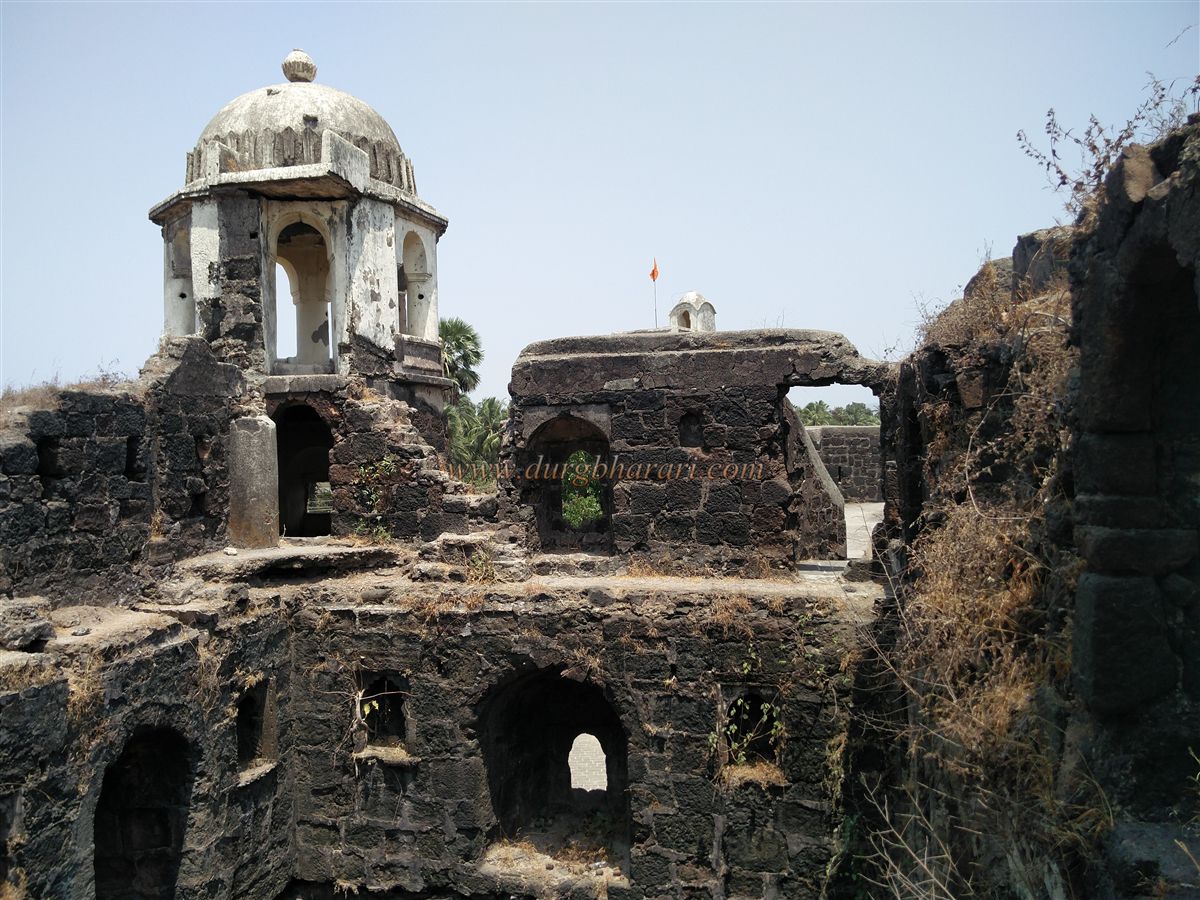
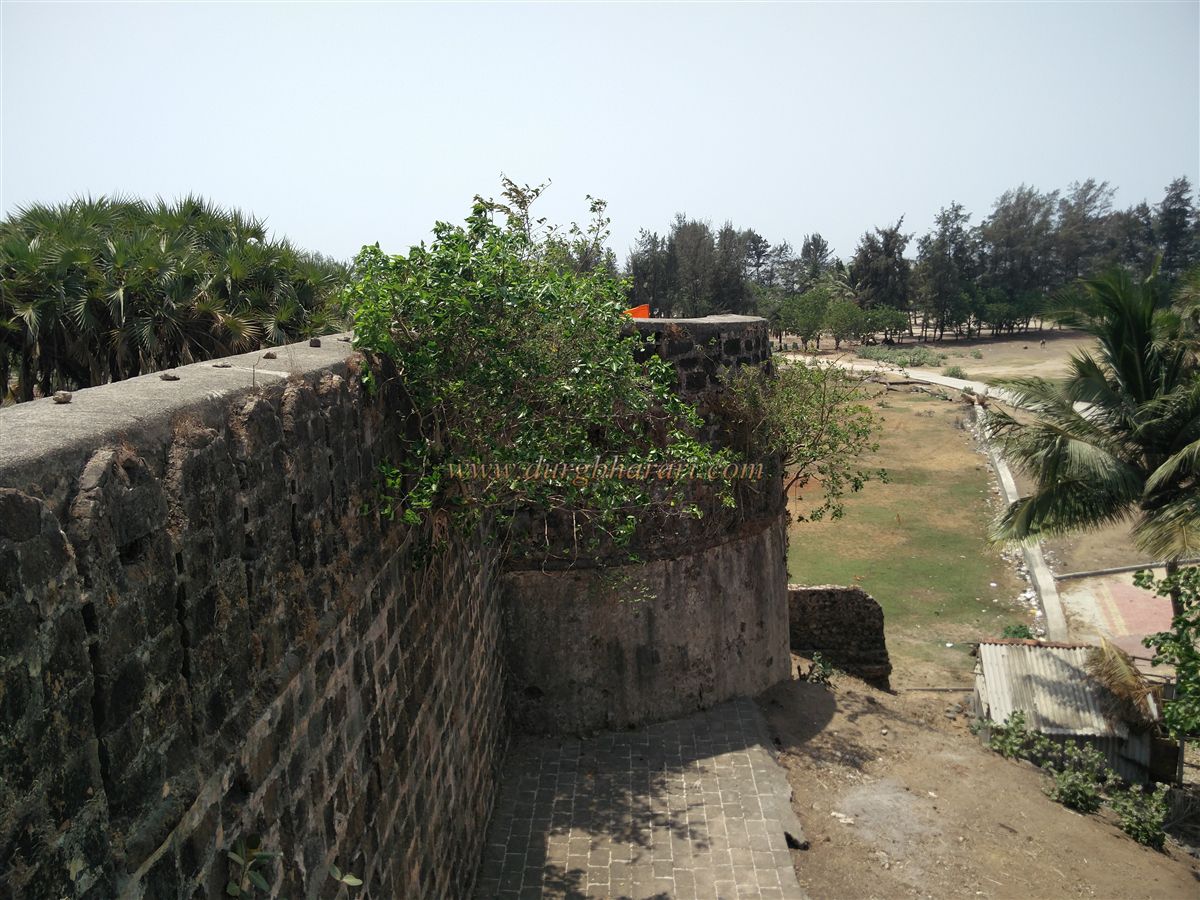
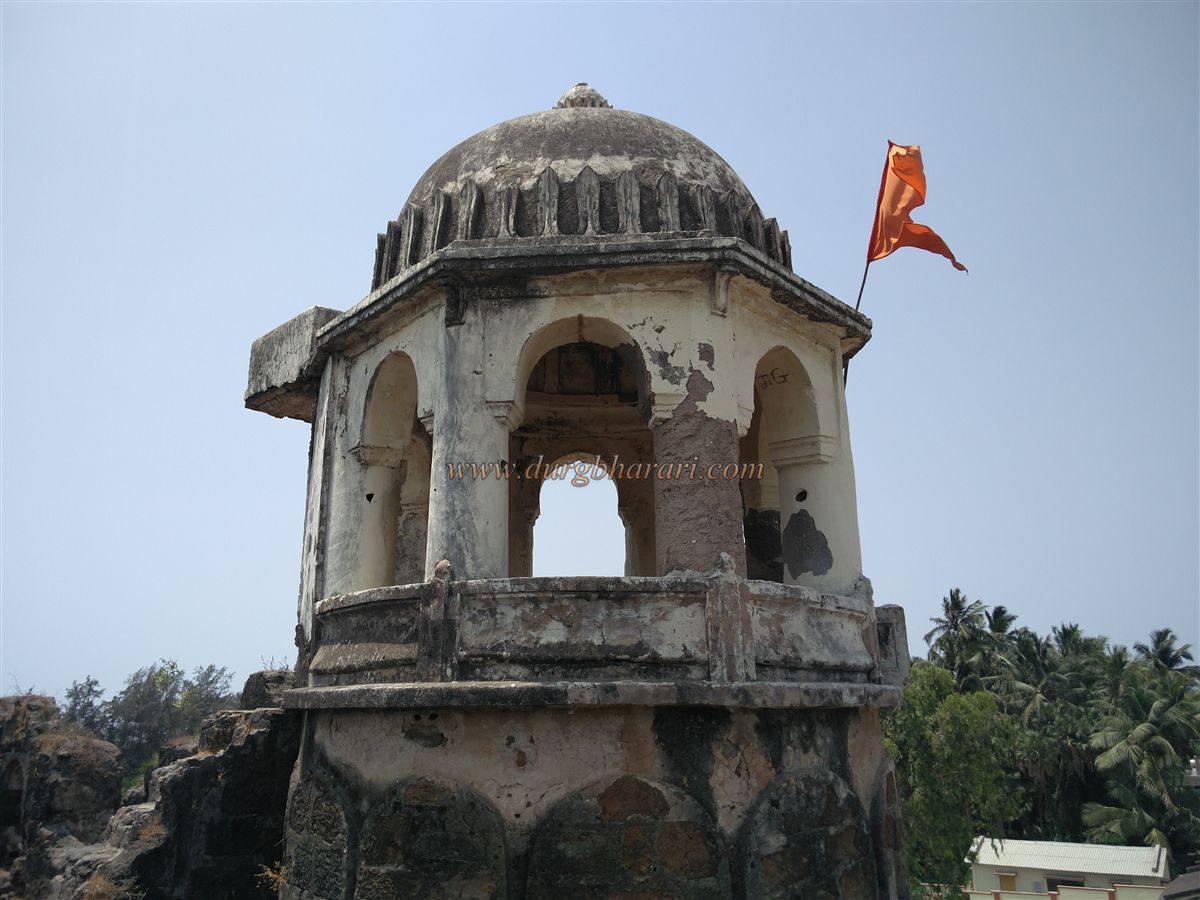
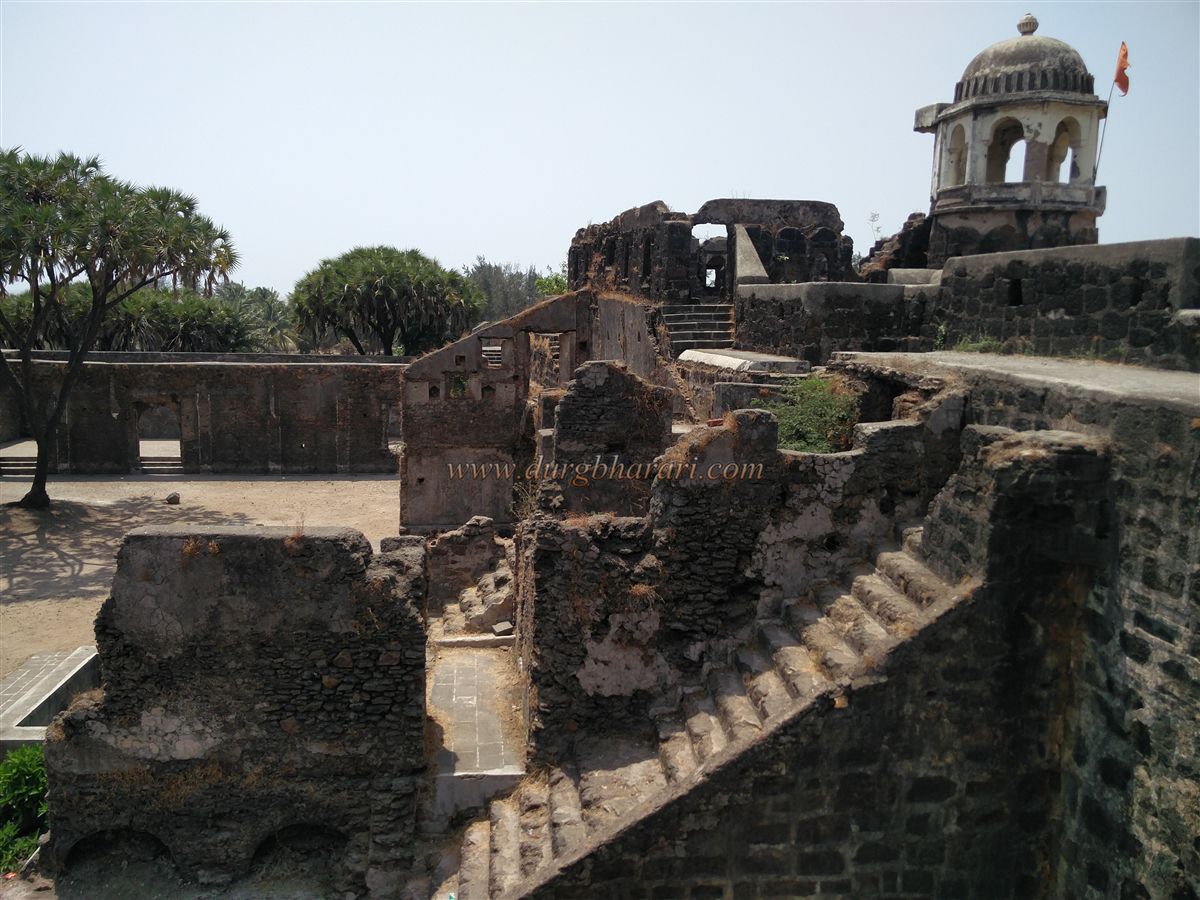
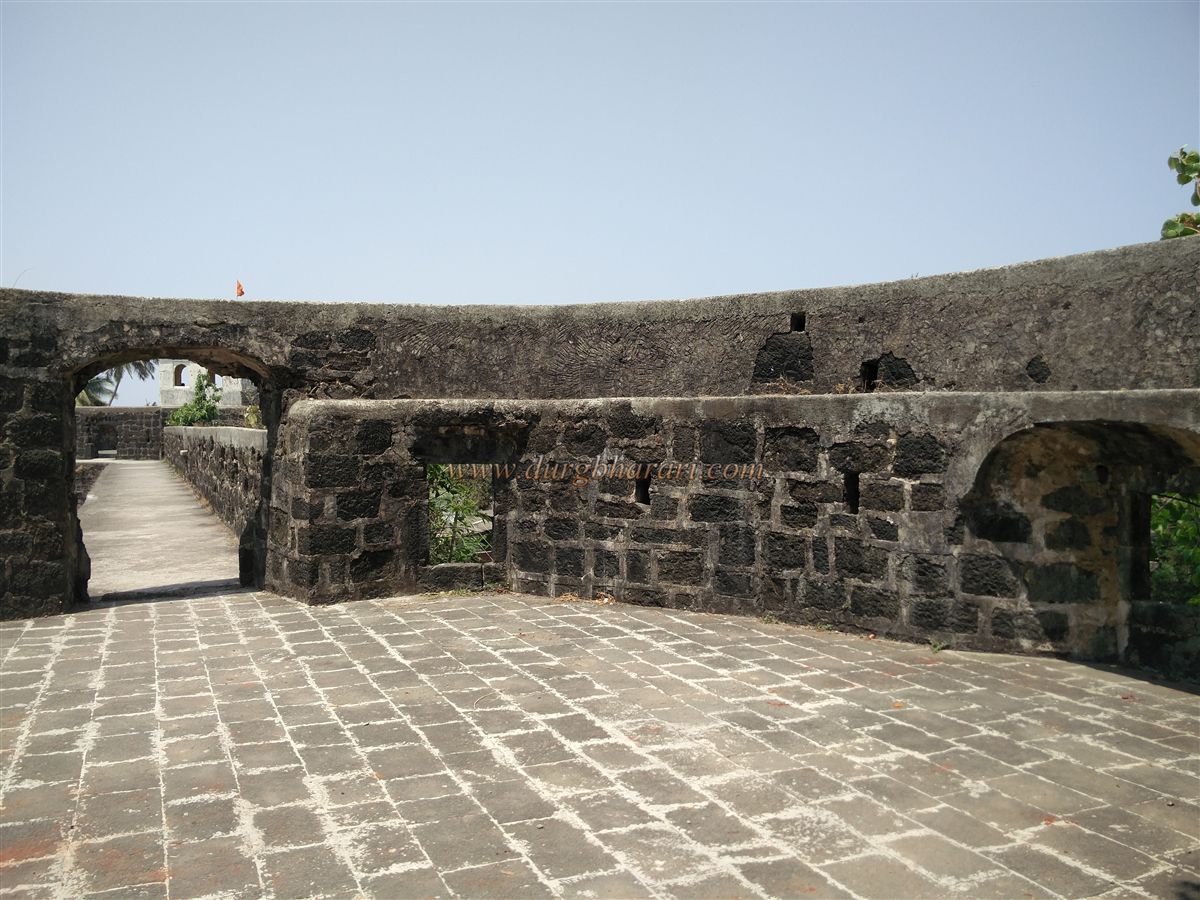
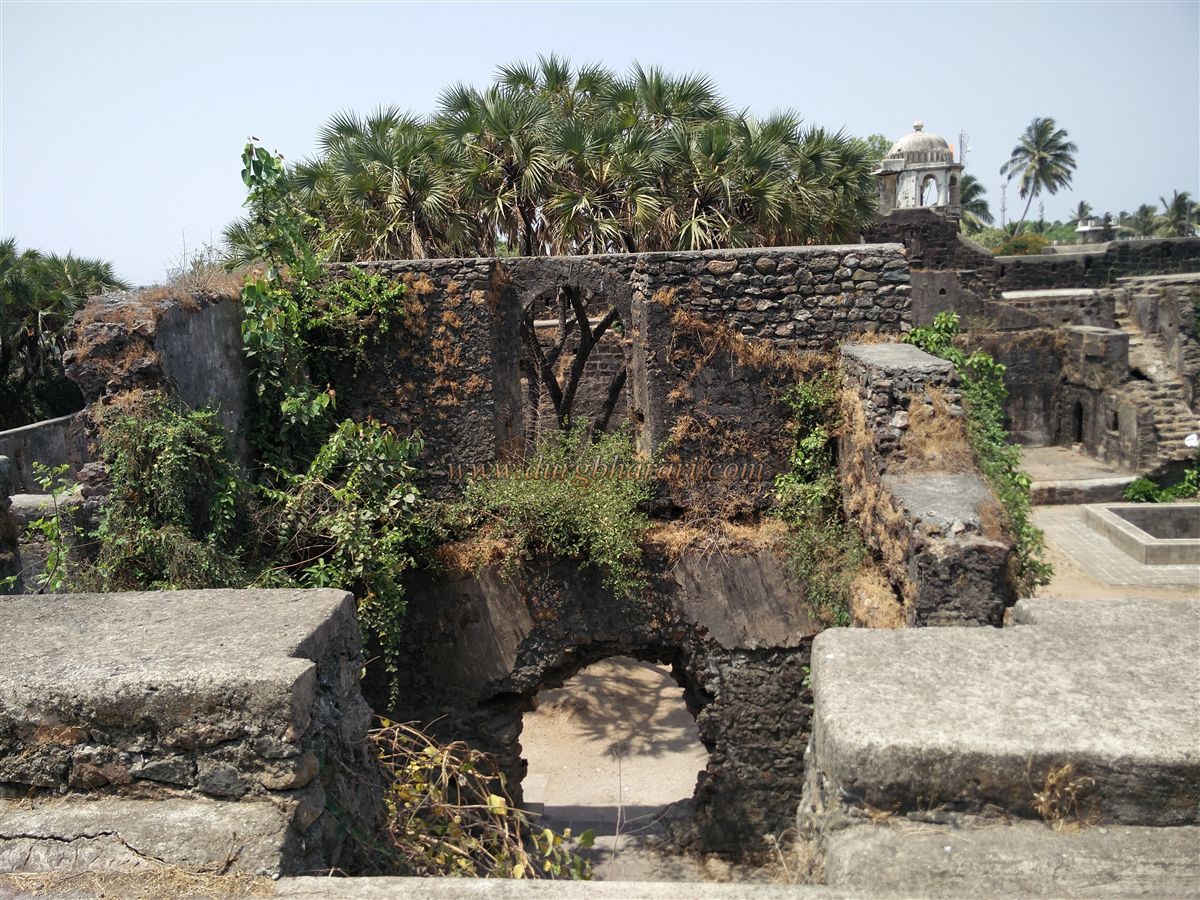
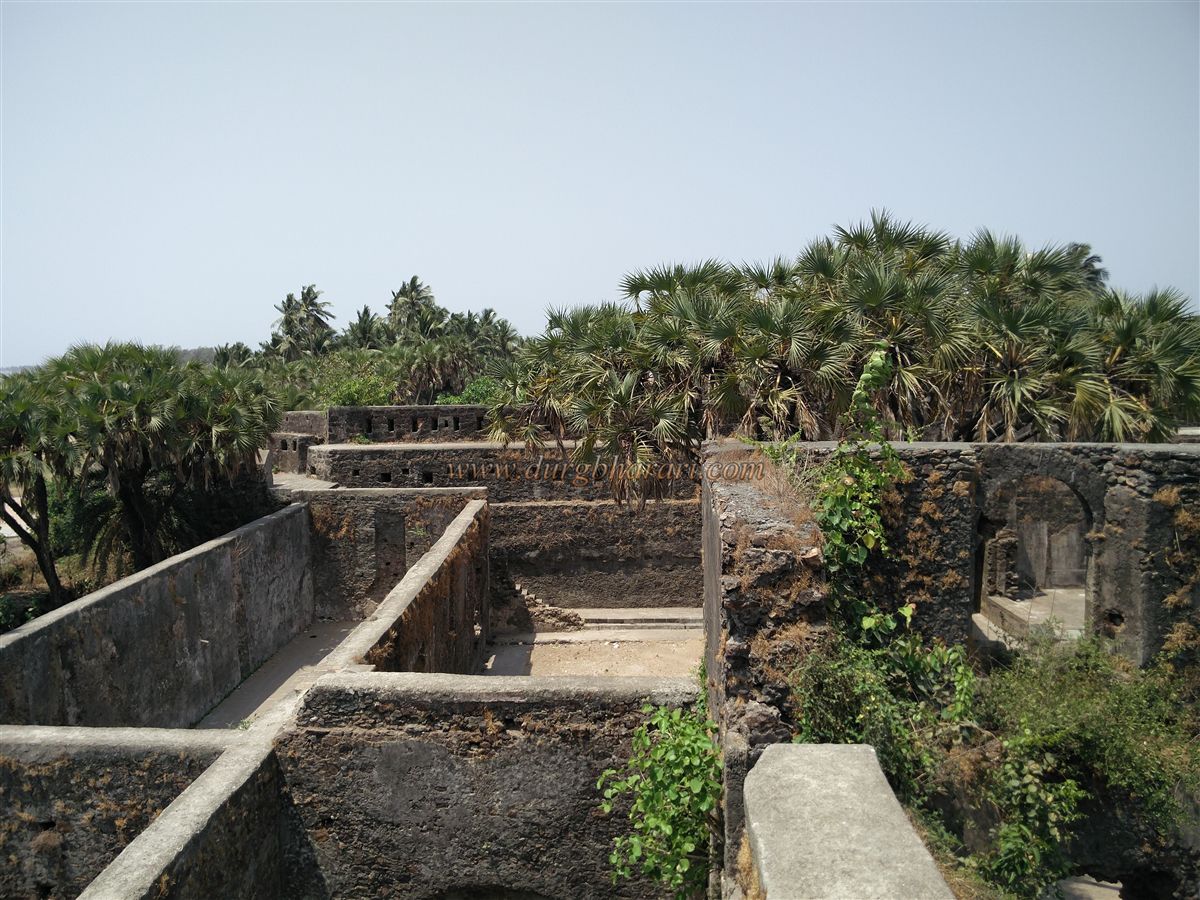
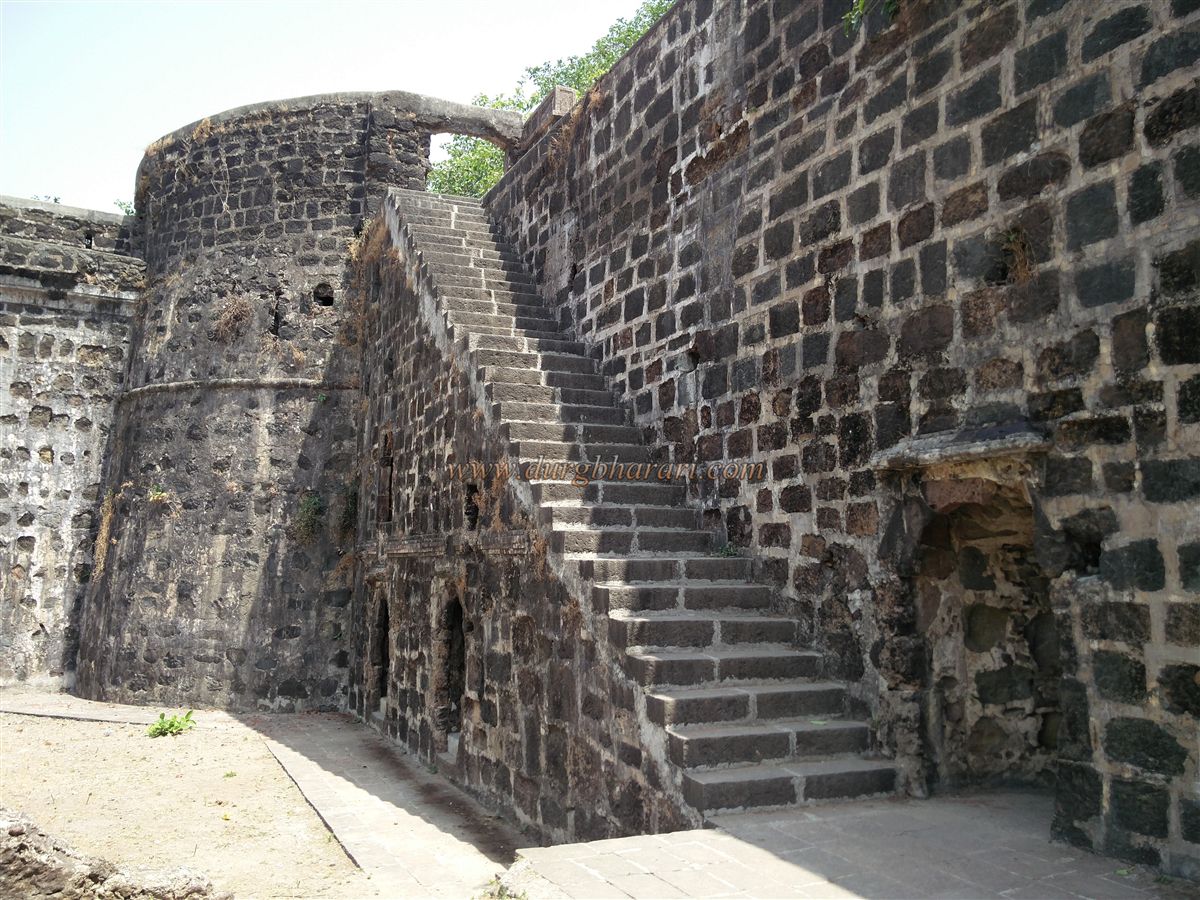
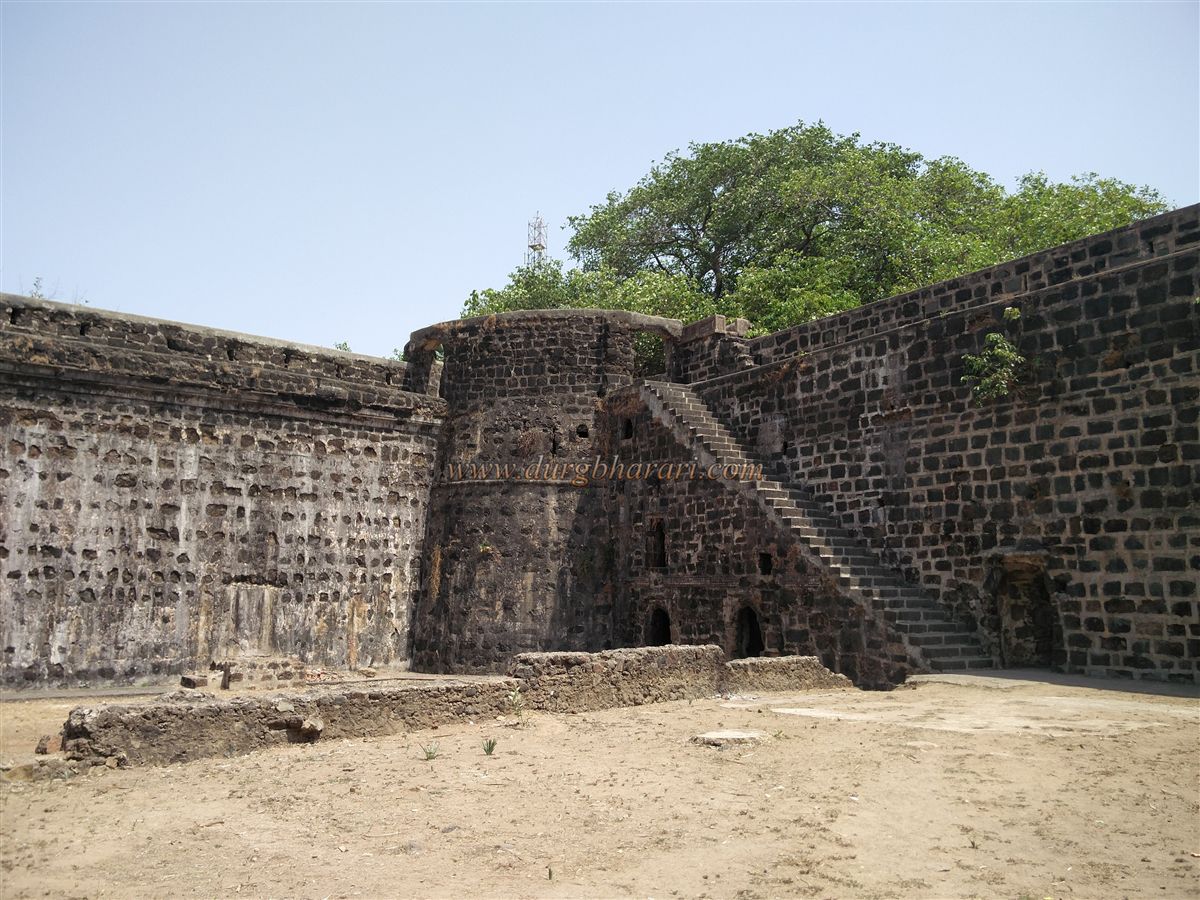
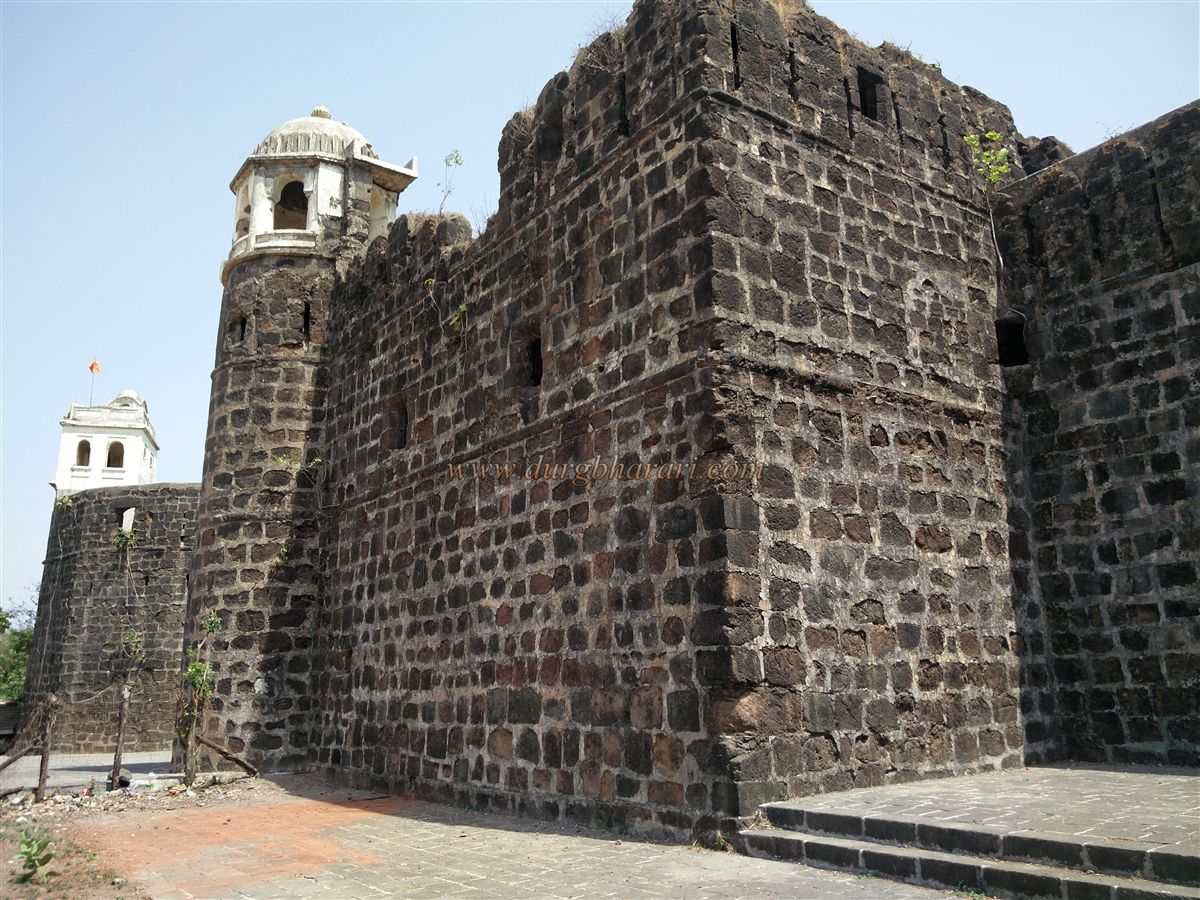
The interior of the fort is mostly open, with most of the structures built near or underneath the ramparts. To the right of the gate are the remains of a structure and a staircase leading to the ramparts. From this staircase, one can reach a bastion on which a cannon is mounted. The fort covers roughly one acre of land and has a total of five bastions. Four of these are octagonal and located at the corners, while the fifth, near the entrance, is semi-circular. The fort’s walls and bastions are still in good condition, with a height of around 30–32 feet and a width of about 8–10 feet. Stone staircases are built to access the ramparts. The watchtowers on the bastions give the fort the appearance of a small palace. From the staircase to the left of the main gate, one can reach the bastion directly opposite the entrance, which also has a watchtower. A spiral staircase, wide enough for only one person at a time, leads to the two-story tower. From this tower, one can keep watch over the entrance and the surrounding areas. From here, one can also move across the ramparts to reach another tower on the bastion near the entrance.
Along the western and northern walls are several chambers. In the western rampart is a small doorway, to the right of which are double-storied rooms with an internal staircase leading to the upper floor. To the right of this doorway are the remains of a granary. The watchtowers—rarely seen in other Maratha forts—are a major attraction here. Walking along the ramparts offers a magnificent view of the vast Arabian Sea and, to the north, the Satpati port. Visiting Shirgaon Fort gives the satisfying feeling of having seen a complete fort. It takes about an hour to explore the entire structure.
As the Portuguese built Shirgaon Fort, much of its history is tied to them. After they established control here, they unleashed severe atrocities, including persecution of Hindus, forced conversions, slavery, and other cruelties. To instil fear in the Portuguese, Sambhaji Maharaj attacked several forts in this region, including Shirgaon, but failed to capture it. During the Peshwa era, reports of Portuguese atrocities reached Pune. Finally, to put an end to this, Bajirao Peshwa sent Chimaji Appa with a massive army and artillery to subdue the Portuguese at Vasai. In a two-year campaign, Chimaji Appa not only liberated Vasai but also captured territory from Talasari to Versova-Madh, completely eradicating Portuguese control from North Konkan.
On November 17, 1737, Chimaji Appa sent Malharrao Haridas to seize Shirgaon Fort from the Portuguese. However, despite their efforts, the Marathas could not capture the fort even by the end of December 1737. Eventually, on December 28, 1737, the Marathas lifted the siege. But soon after, in January 1739, they renewed their siege of Shirgaon with fresh determination. On January 22, 1739, the Portuguese surrendered the fort to the Marathas. The defeated Portuguese were captured and taken prisoner. This campaign brought Shirgaon and the entire North Konkan under Maratha control in 1739.
In 1772, Shirgaon Fort underwent repairs. After the fall of the Peshwa regime, like many other forts, this land fort at Shirgaon was surrendered to the British without resistance in 1818.
© Suresh Nimbalkar
GALLERY