SHIRALA
TYPE : GROUND FORT
DISTRICT : SANGALI
HEIGHT : 0
GRADE : EASY
Shiralā, also known as Battis Shiralā (meaning "Shiralā of thirty-two villages"), is a town in Sangli district renowned across the country for its unique live cobra worship and processions held during the festival of Nag Panchami. However, in recent years, the courts have imposed a ban on this practice.
The town has a long history, with references to it dating back to before 900 CE. In ancient times, it was known as Shriyāl. According to the Nāthlīlāmṛta text, the Nath sect saint Gorakshanath began the tradition of live cobra worship here. Over time, Shriyāl came to be called Shiralā.
During the Maratha era, Shiralā was an important administrative hub – it served as the headquarters for collecting revenue from thirty-two surrounding villages, hence the name Battis Shiralā. In 1645 CE, the idol of Lord Maruti at the local Maruti temple was consecrated by Samarth Ramdas Swami.
...
The fort also witnessed an important historical event: when Chhatrapati Sambhaji Maharaj was captured at Sangameshwar by Ganoji Shirke and Mughal commander Mukarrab Khan, he was brought through this region. During that time, the fort commander Tulaji Deshmukh, along with Sardars Appasaheb Dixit and Jyotaji Kesarkar, made a valiant attempt with 400 soldiers to rescue Sambhaji Maharaj, but the effort was unsuccessful. This makes the fort a silent witness to a dramatic chapter in Maratha history.
Today, however, the fort stands largely forgotten.
Shiralā, now the taluka headquarters, is located 40 km from Karad and 50 km from Kolhapur. From the Peth Naka junction on the Karad–Kolhapur highway, it is about 15 km.
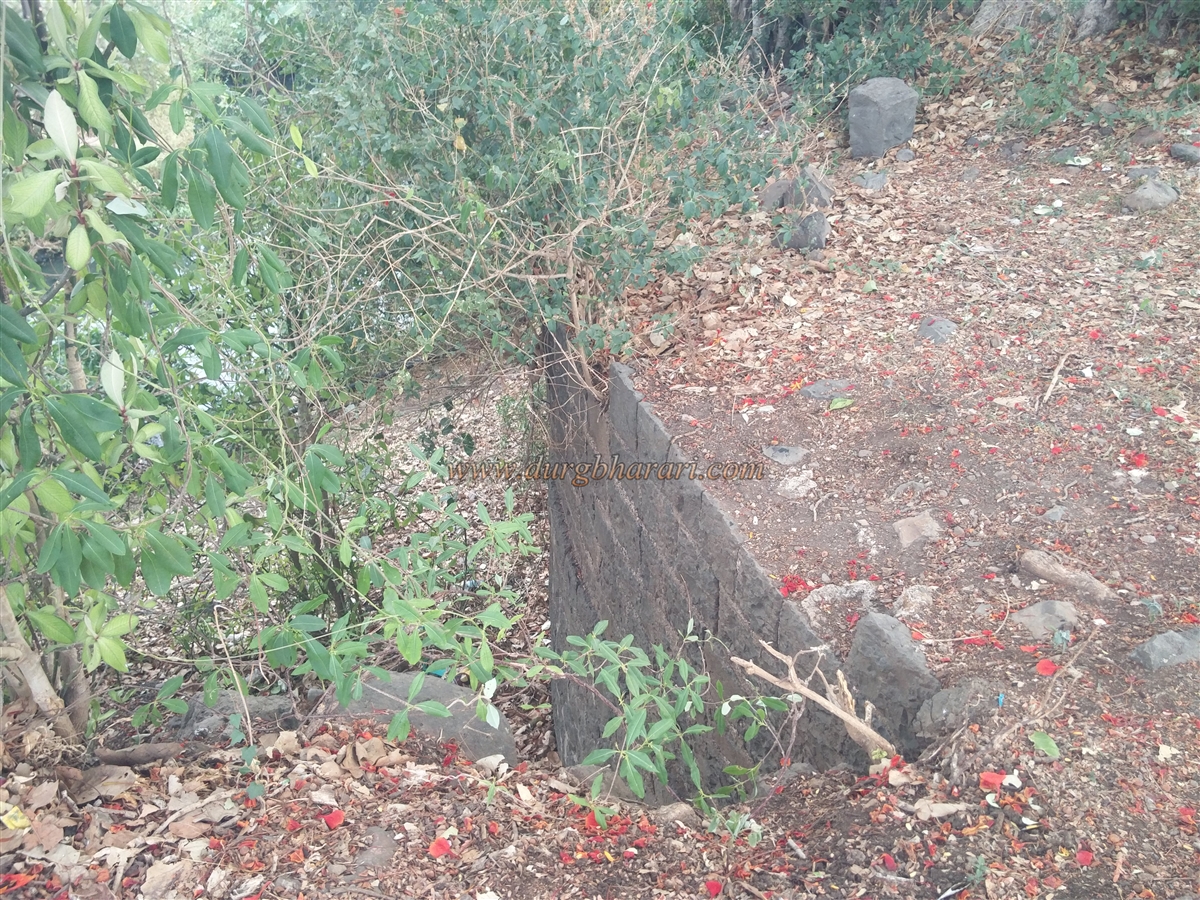
The fort itself sits on a small triangular hillock just outside the town, covering about 12 acres, and was once surrounded by a moat. Though the moat is partly filled in, private vehicles can now drive directly up to the fort. Walking along the outer walls, one can still spot the bastions and remnants of the fortifications, though much of the stone-and-earth masonry has collapsed. Near the current road entrance lies the ruined main gateway and its adjoining bastion.
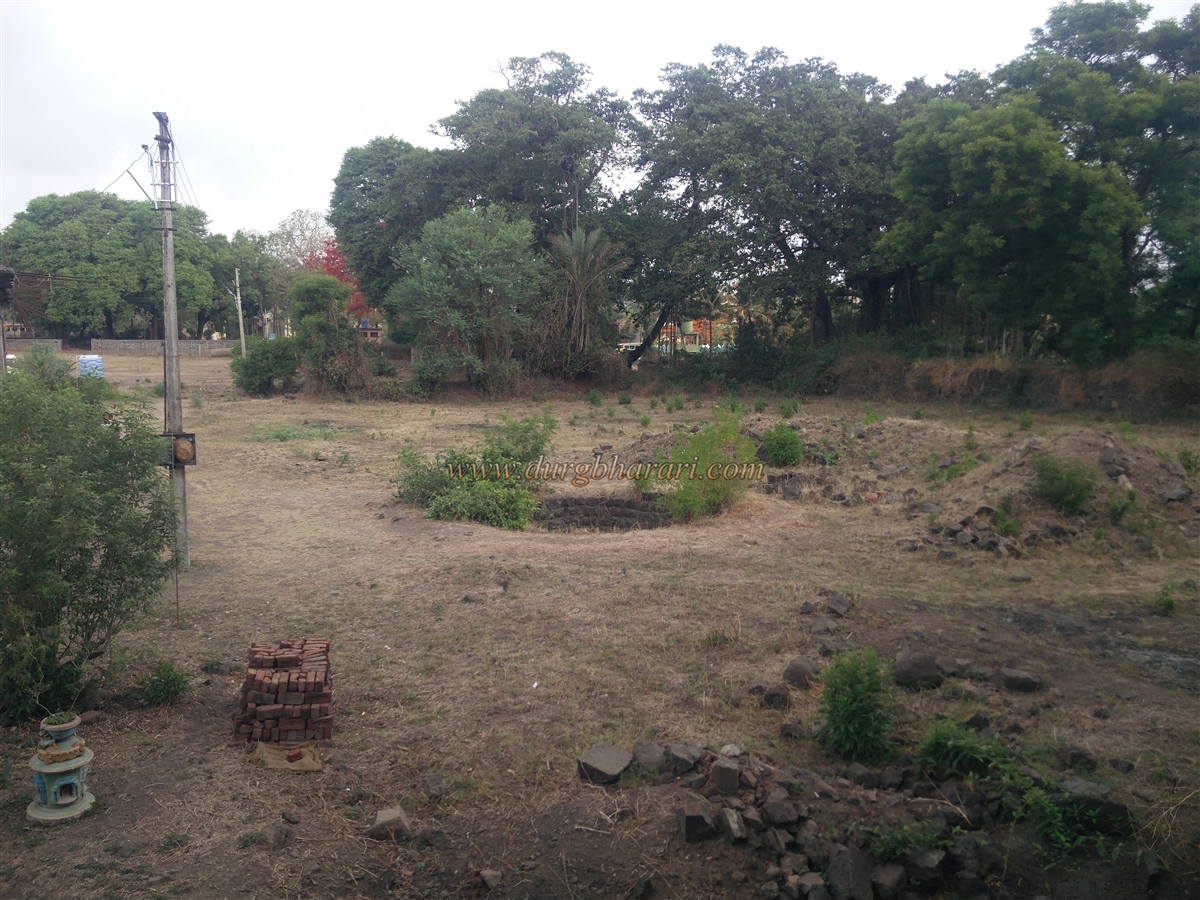
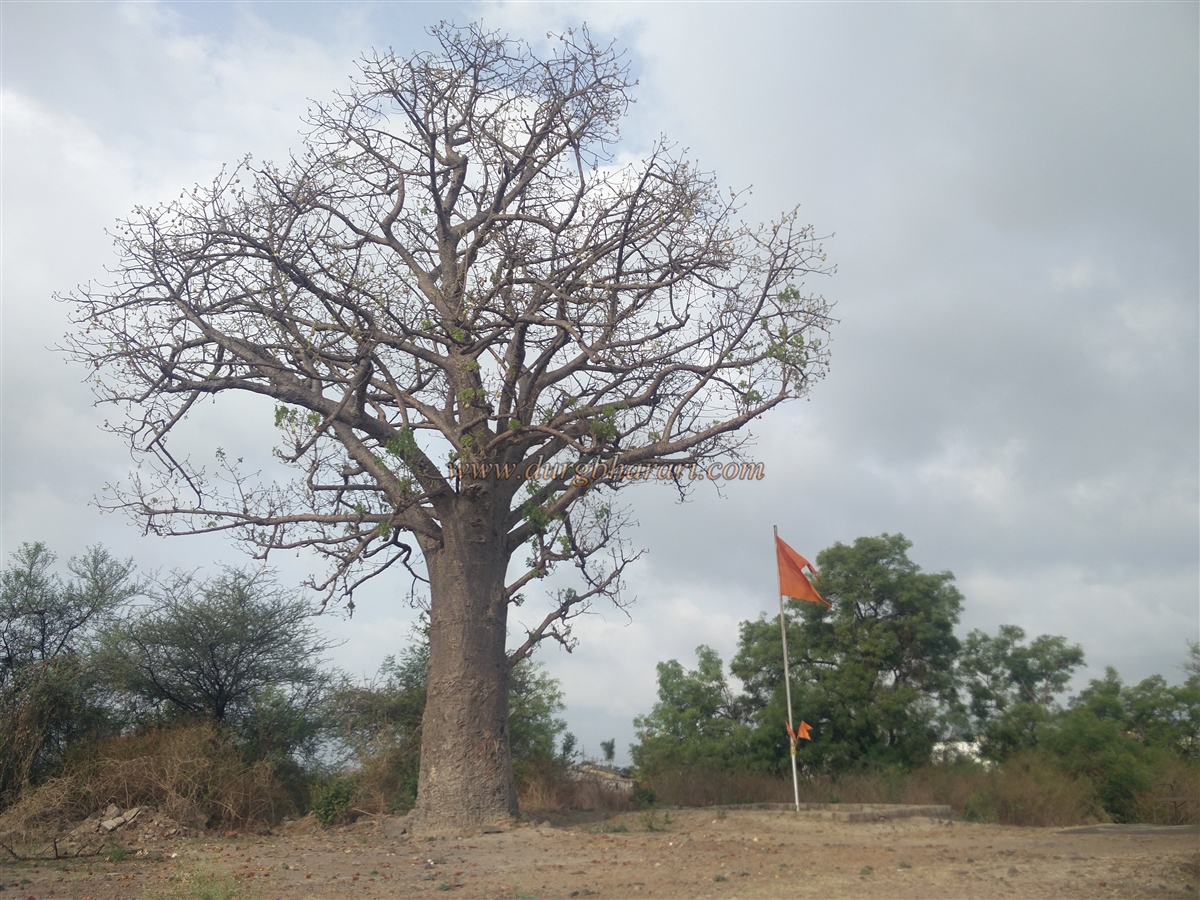
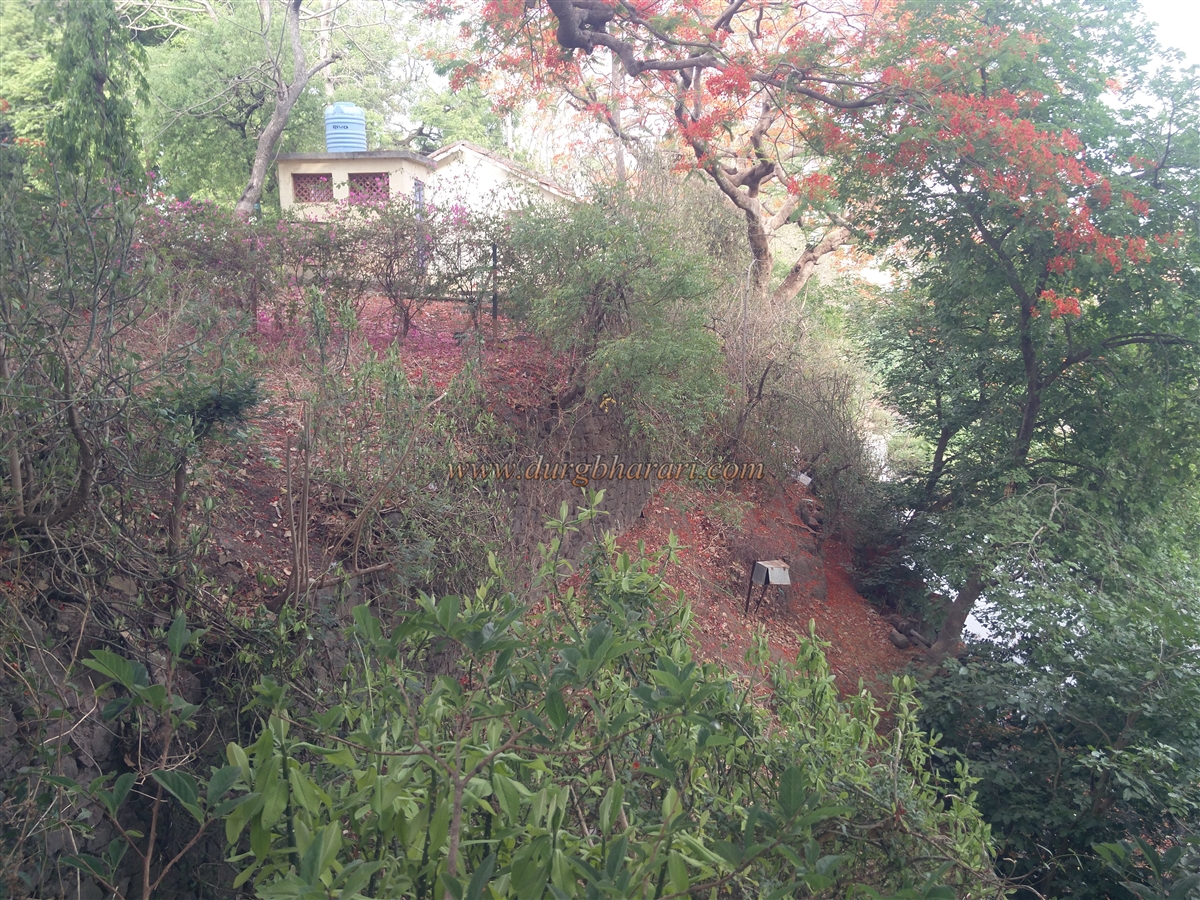
Inside, the fort has been repurposed – municipal buildings and a junior college occupy much of the space. Large portions are now used for farming, and most original structures have been lost. Dense vegetation makes it difficult to explore some sections.
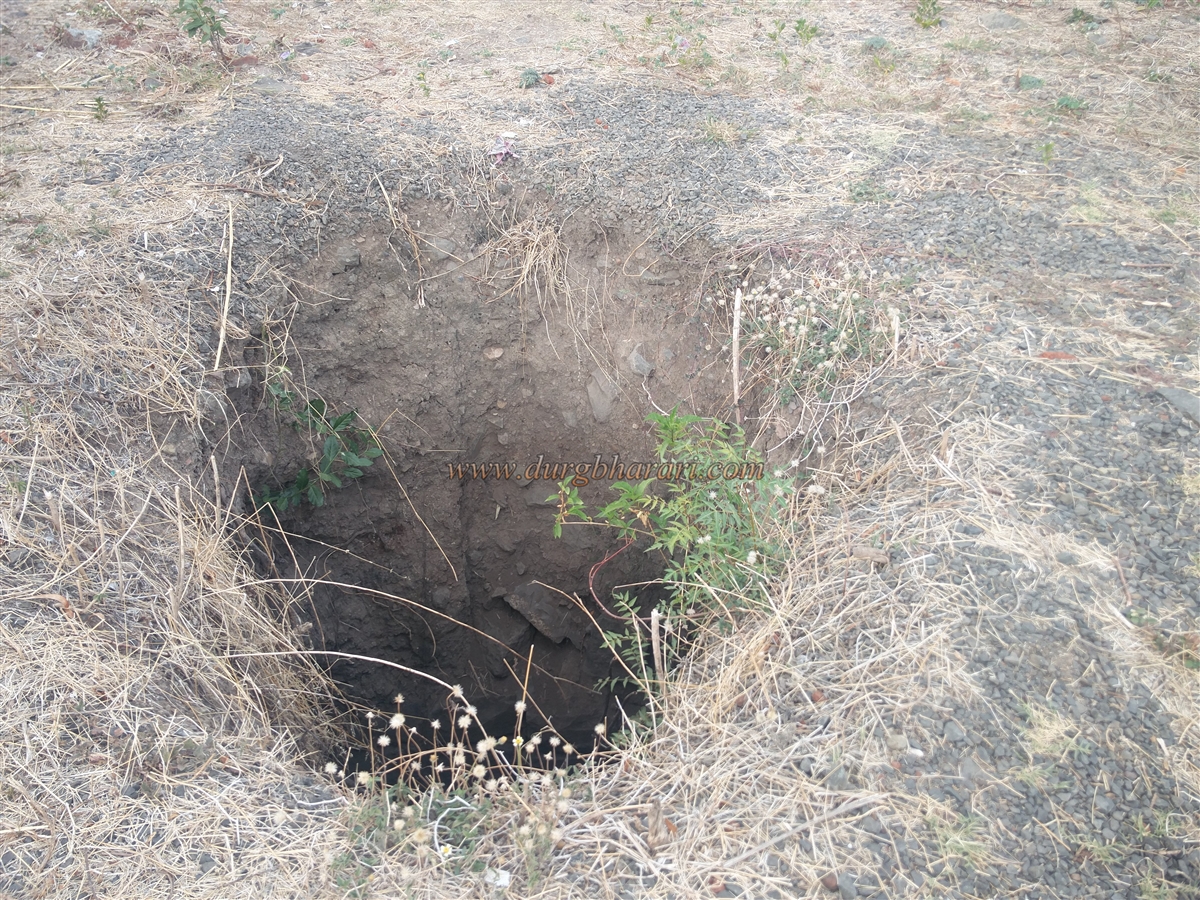
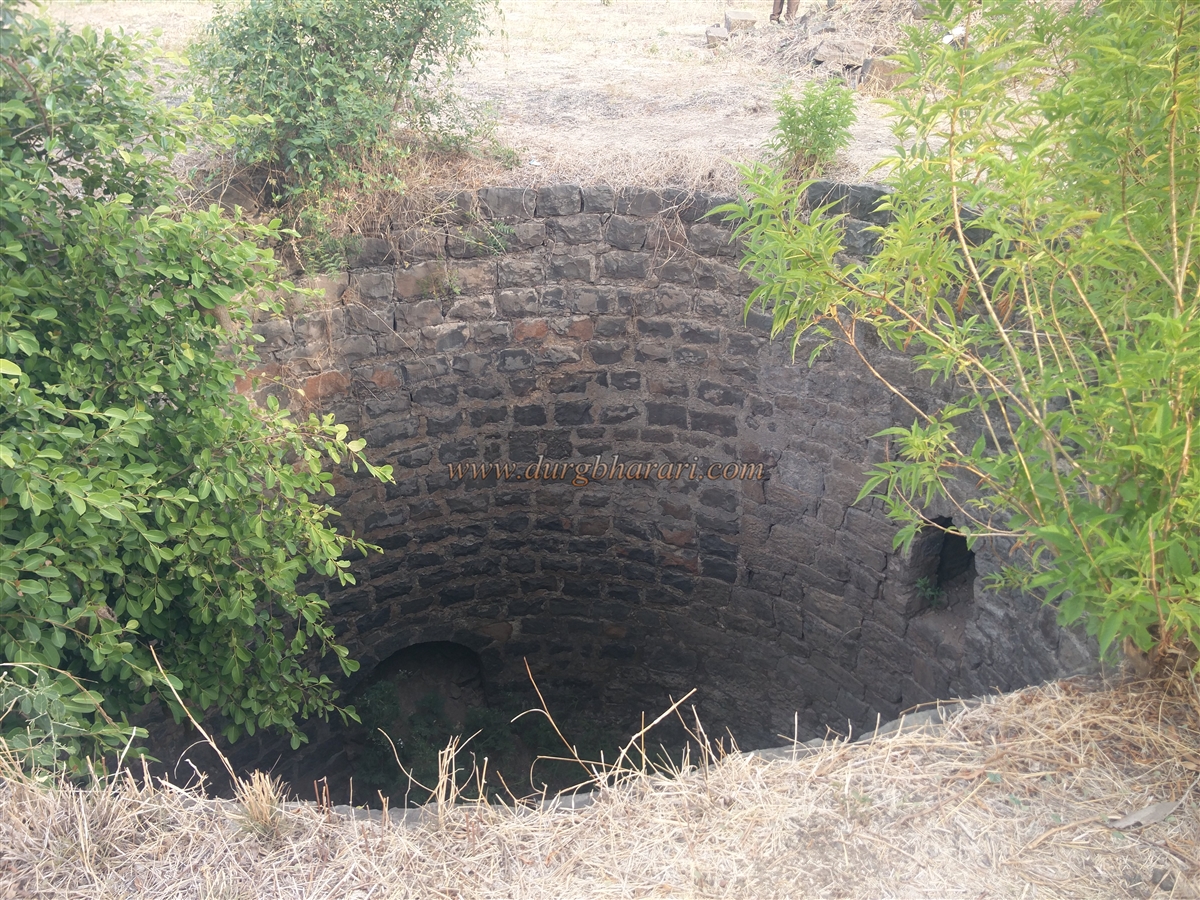
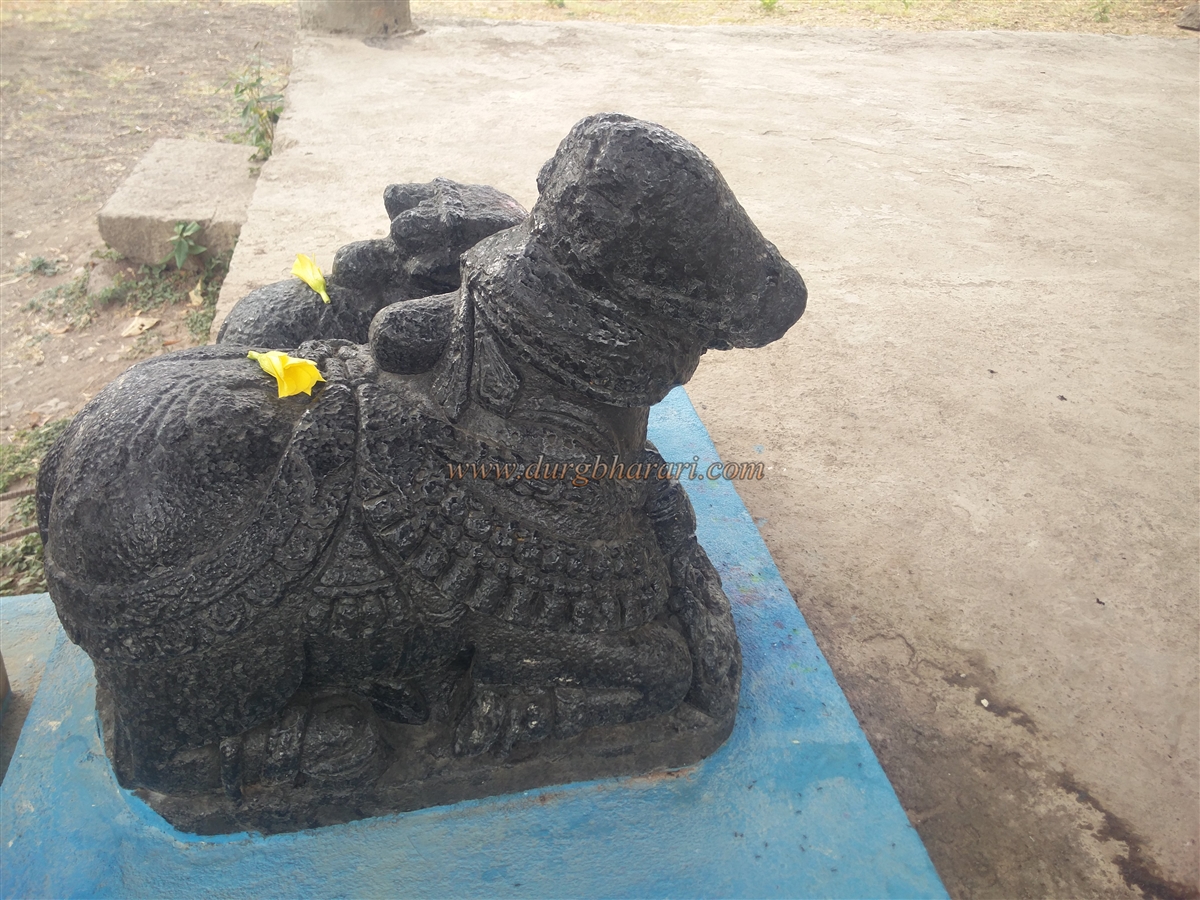
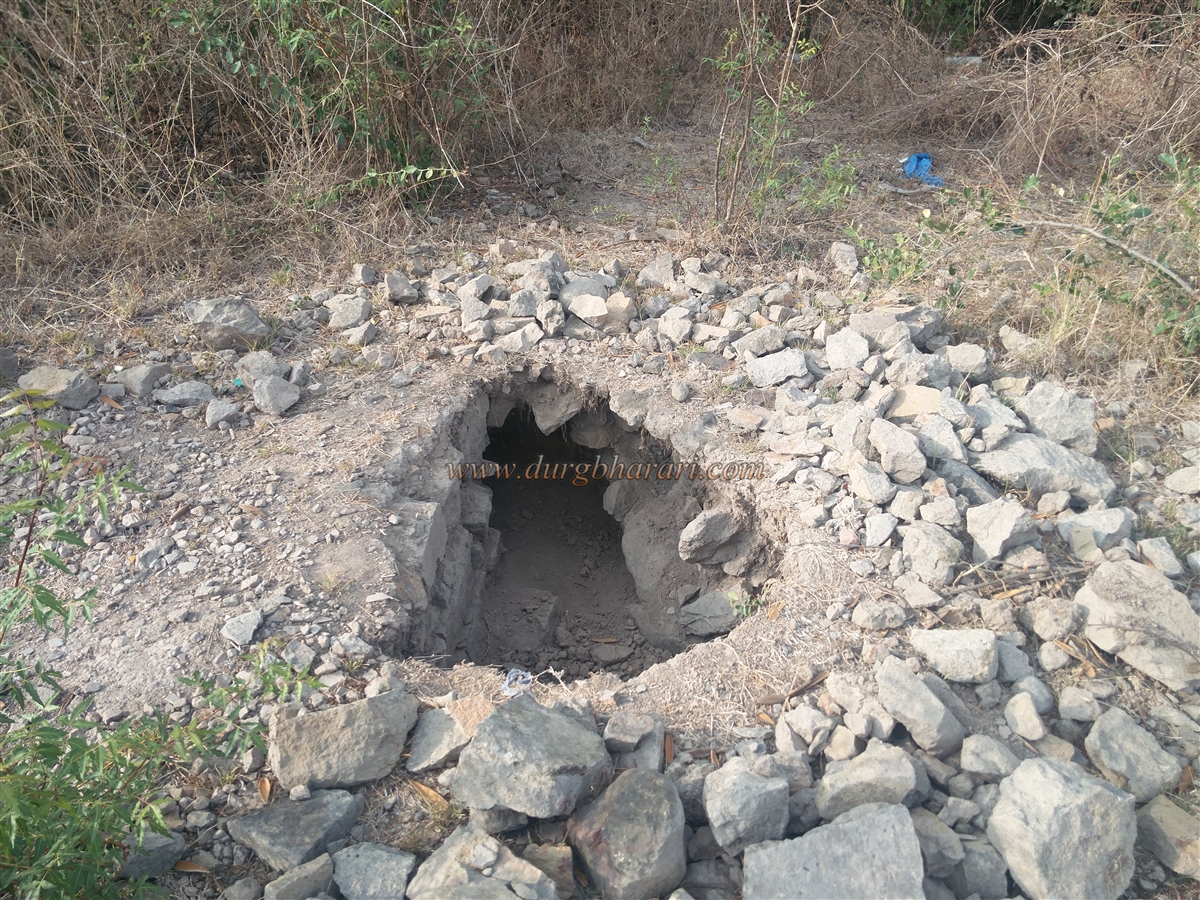
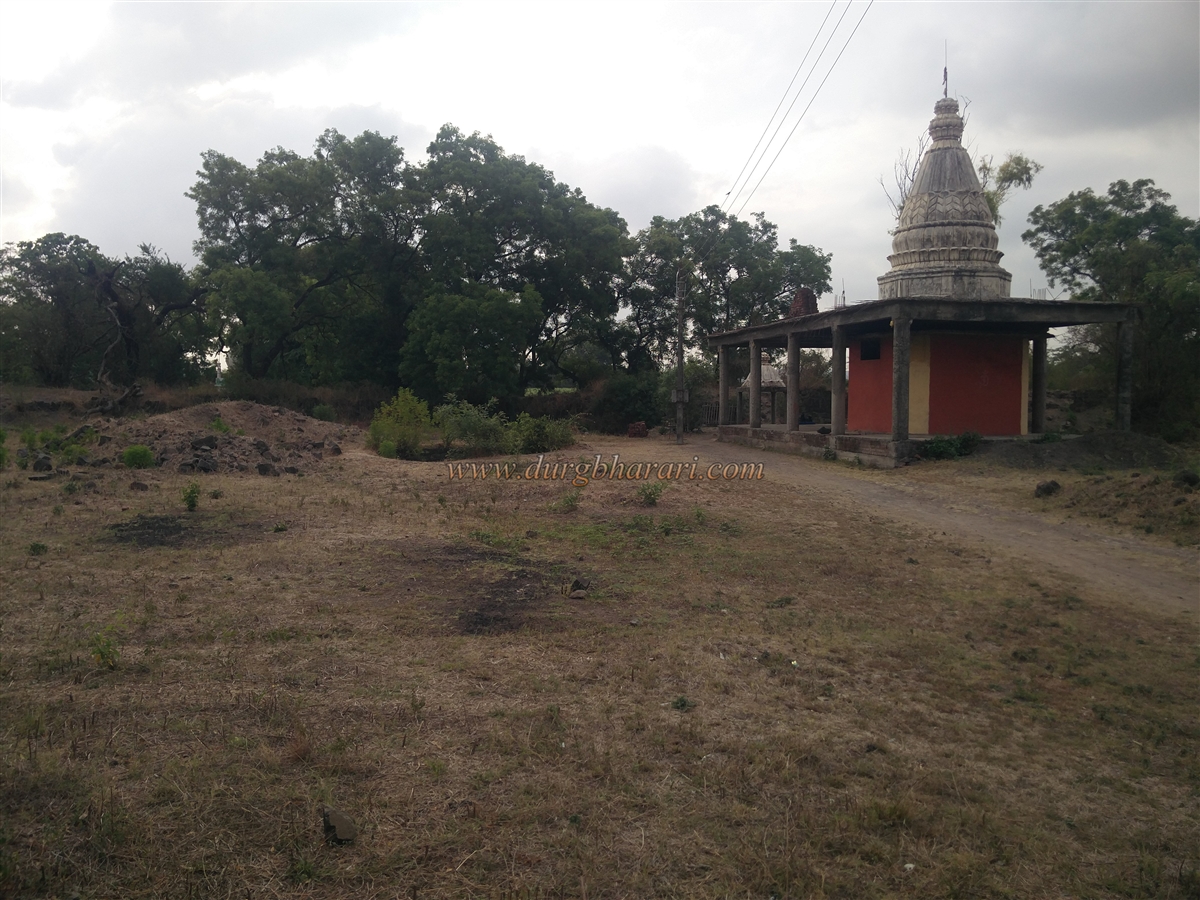
Among the surviving heritage features is a newly constructed Mahadev (Shiva) temple, where the Shivlinga and Nandi idol appear to be old. Next to it lies a circular stone well with an arched interior and steps leading down into it, offering access to its lower chamber. Beyond this is another rock-cut well, though both are now dry.
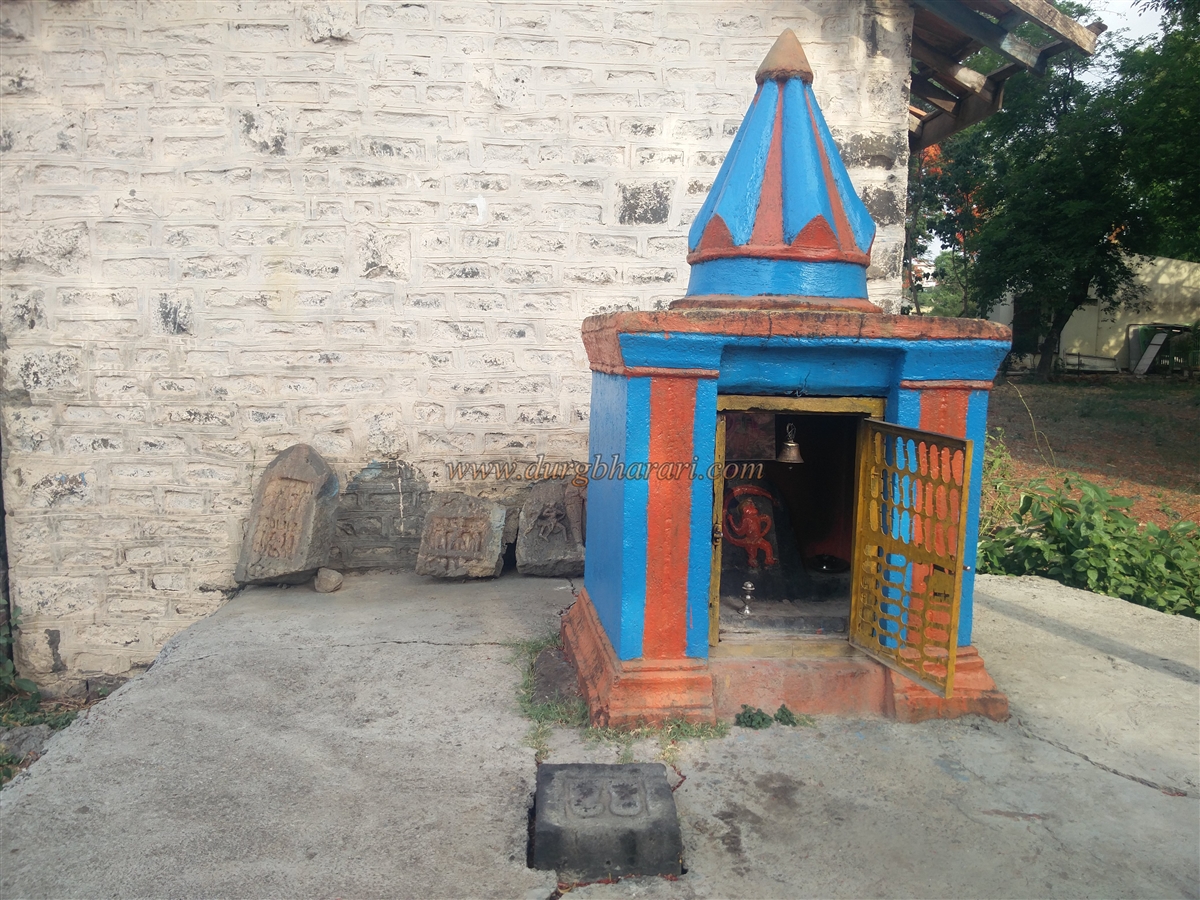
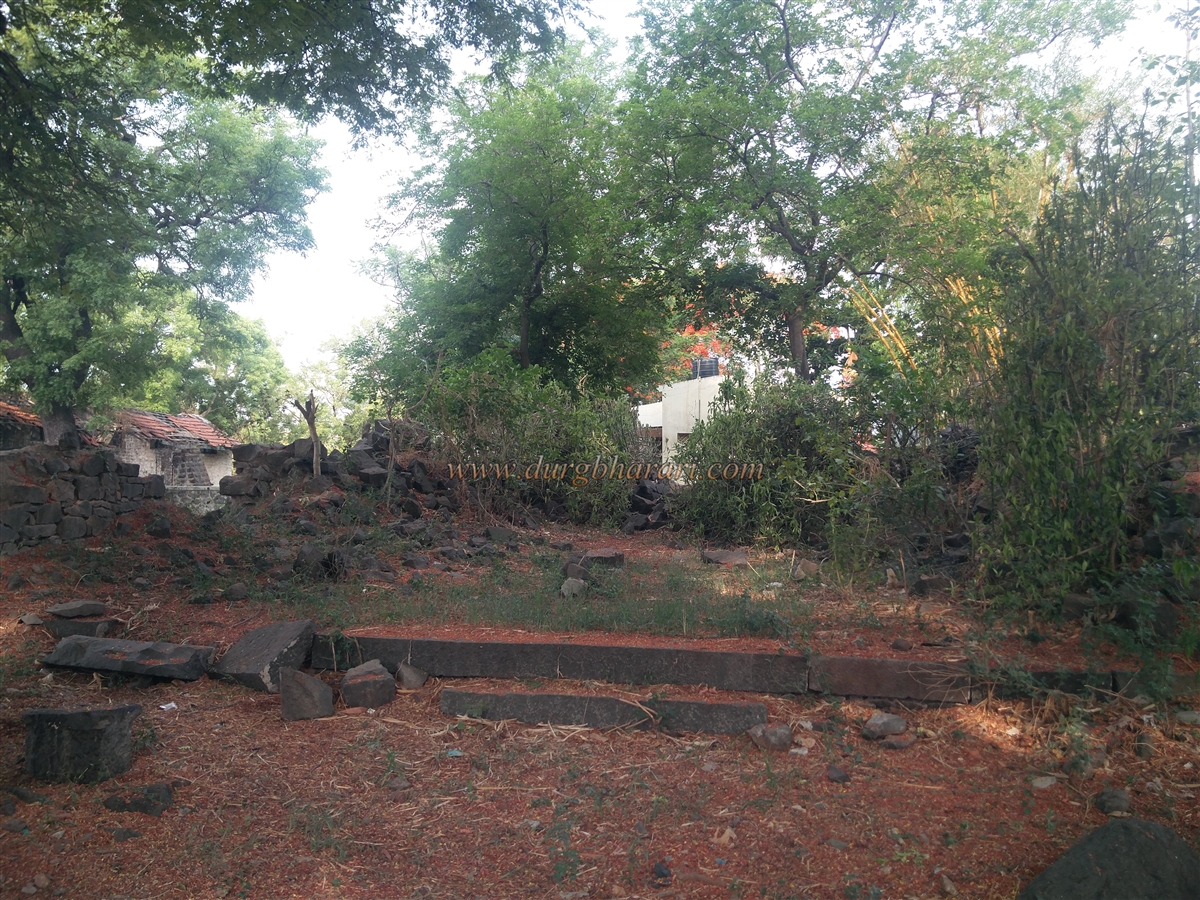
At the end of the main approach road stands a pavilion-like Hanuman temple with two broken virgal (hero stones) and a fragmented idol. Within the municipal compound, one can also see the remains of a stone-built platform and the collapsed walls of an old structure.
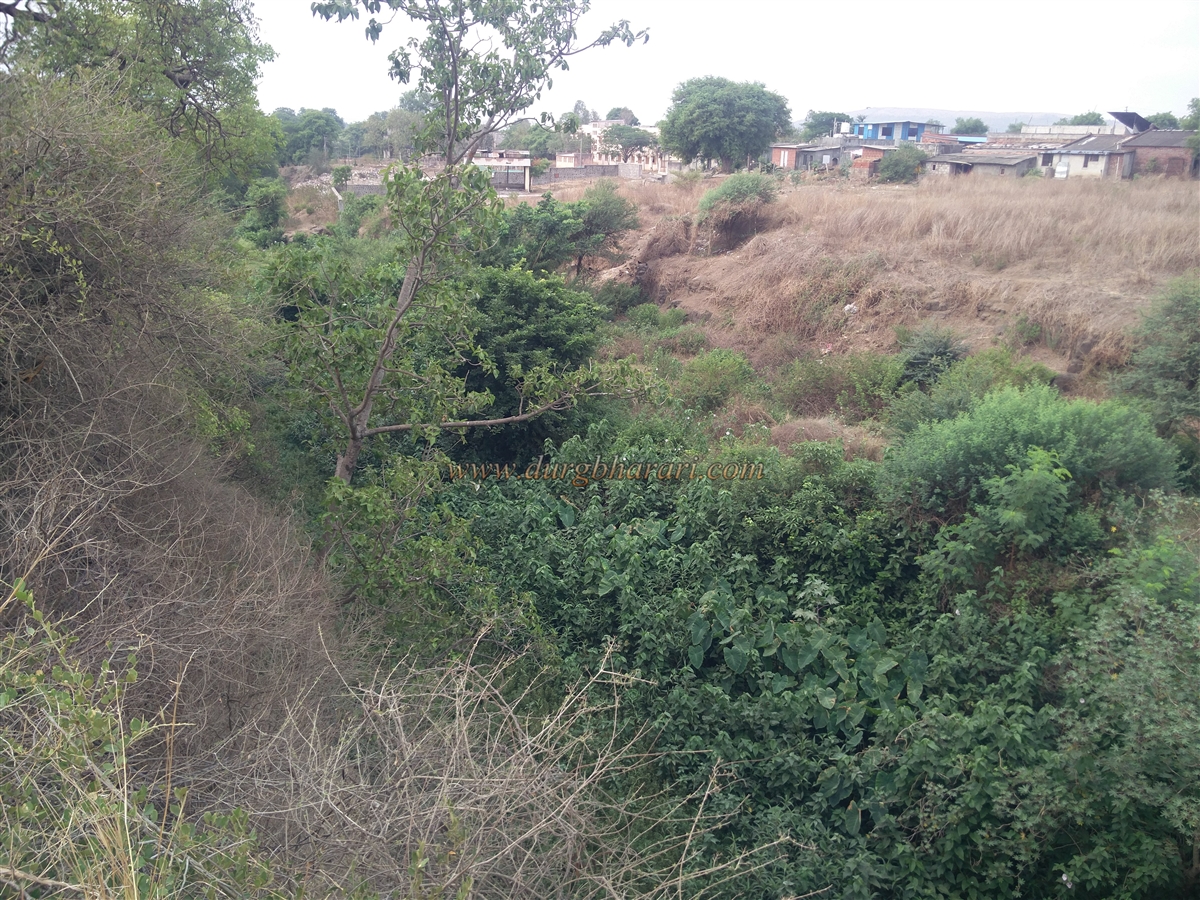
Walking along the ramparts gives a good view of the deep moat surrounding the fort.
Exploring the entire fort takes about an hour.
© Suresh Nimbalkar
GALLERY