SHINGVENAIK
TYPE : CITY FORT / FORTRESS
DISTRICT : AHMEDNAGAR
HEIGHT : 0
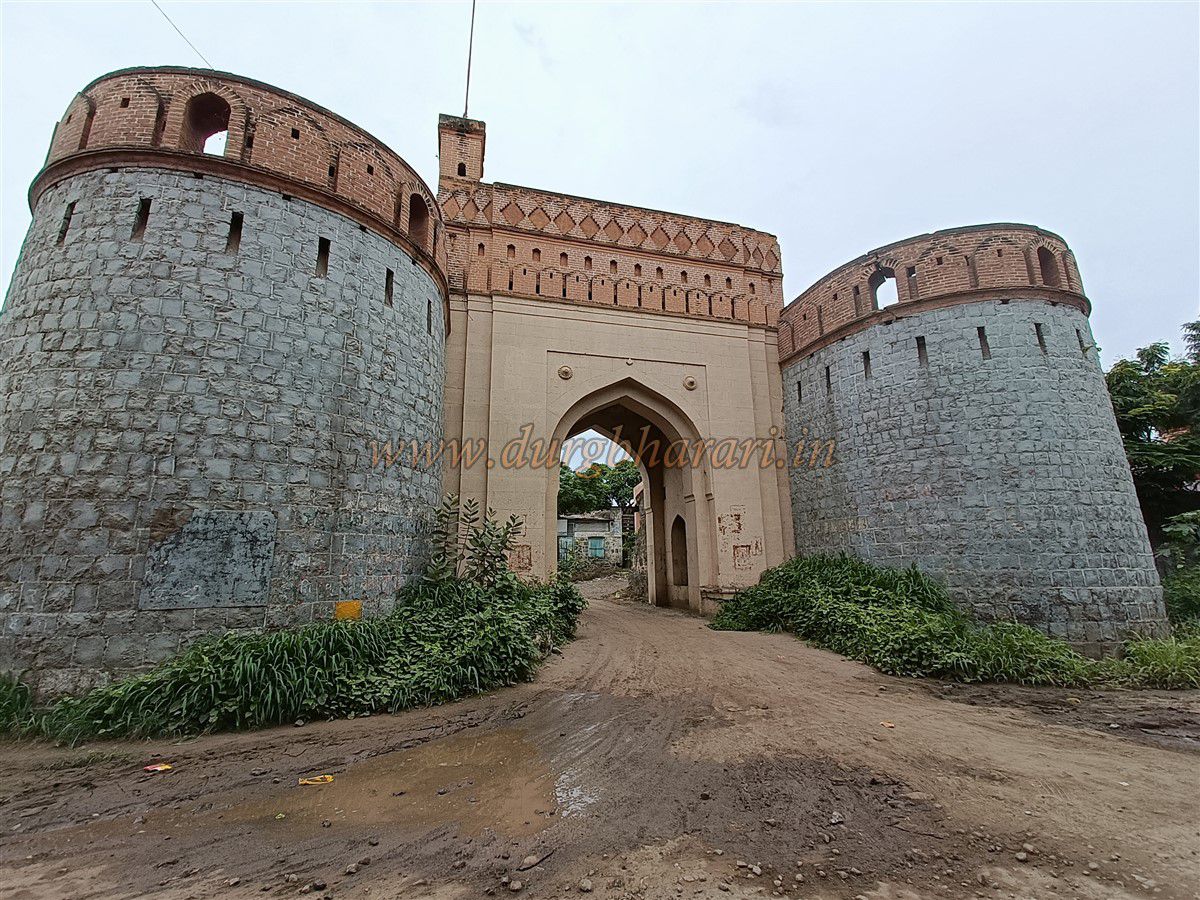
While traveling from Ahmednagar to Shirdi along the Ahmednagar–Manmad highway, about 25 km from Ahmednagar, you come across a village called Shingave Naik. This village deserves a special mention because as you approach it, on the right side of the road, you’ll notice a grand gateway flanked by two bastions – so prominent and well-built that it appears to be the entrance to a fort. In reality, this was once the main gate of a fortified wall (parkot) that surrounded the village.
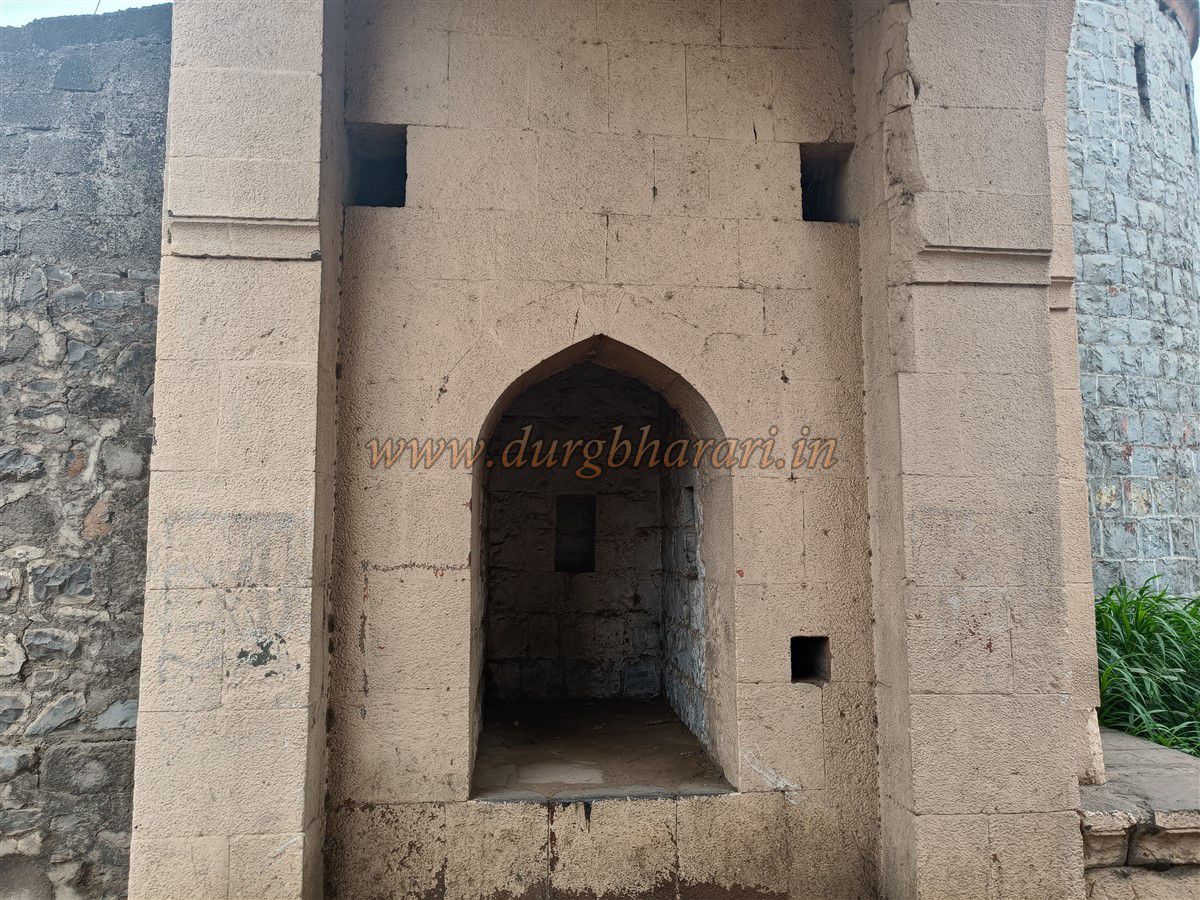
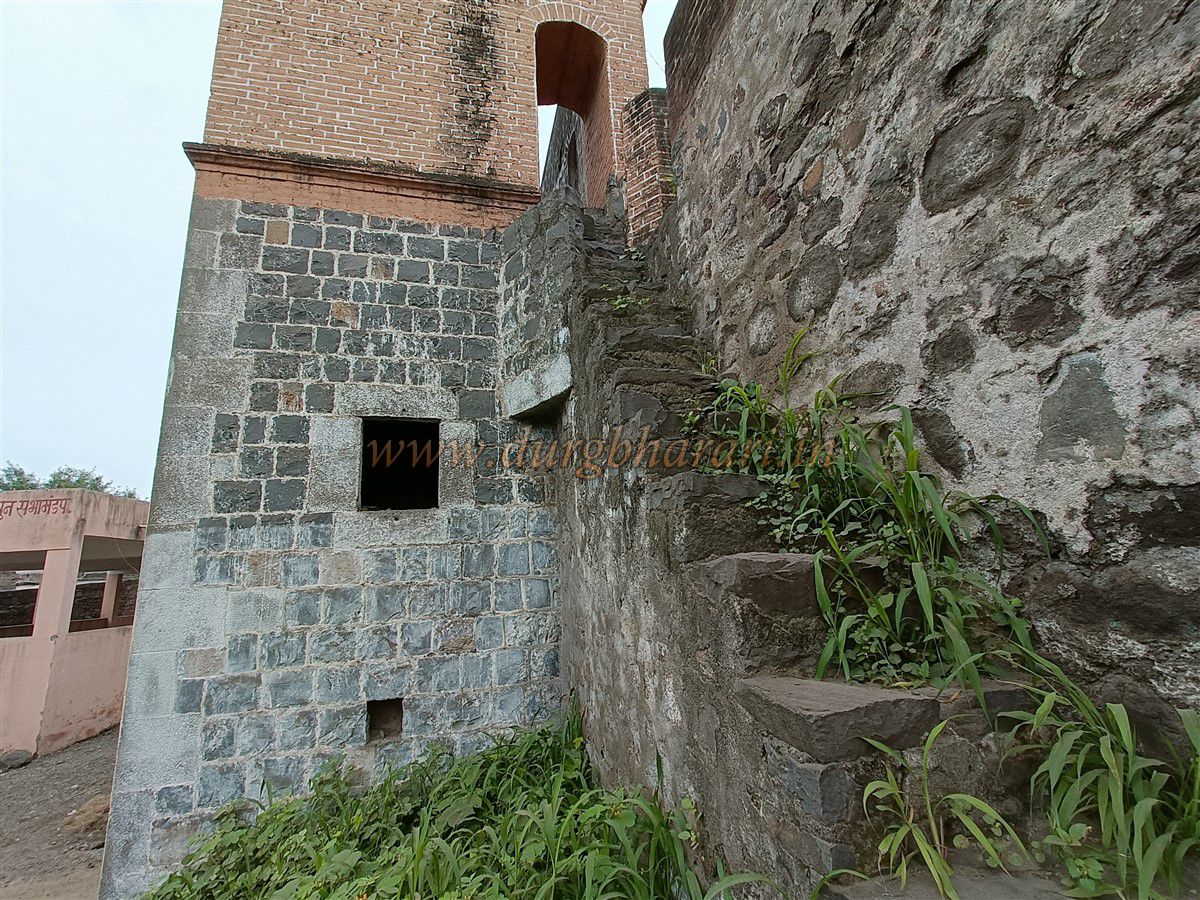
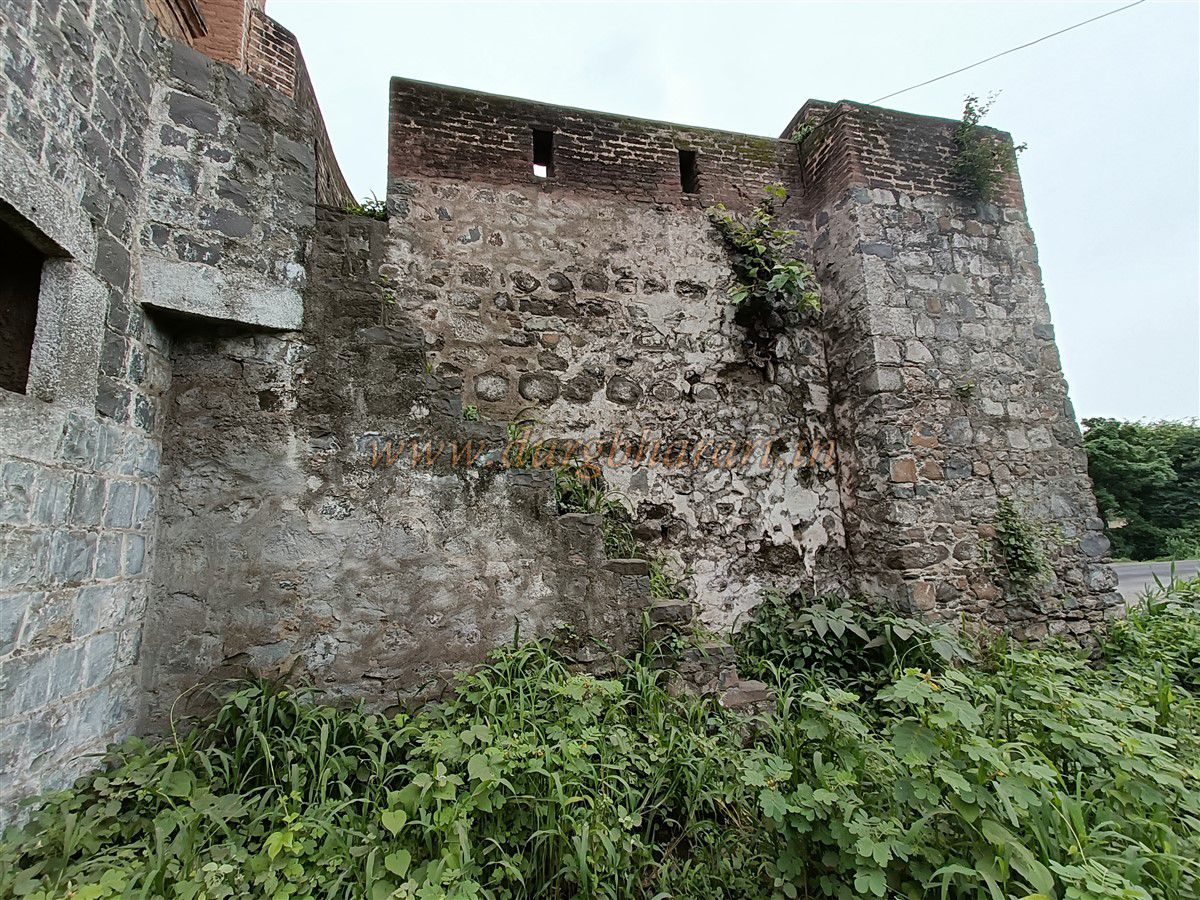
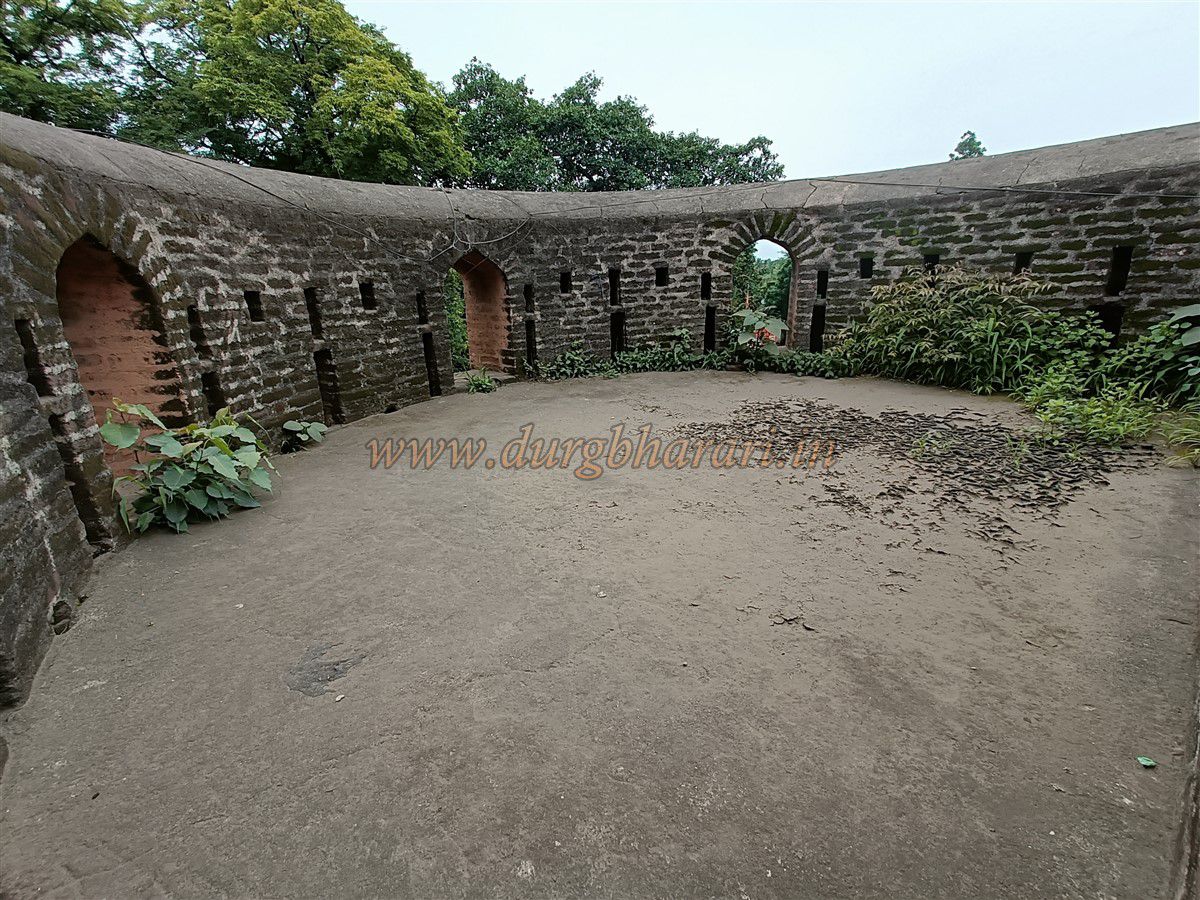
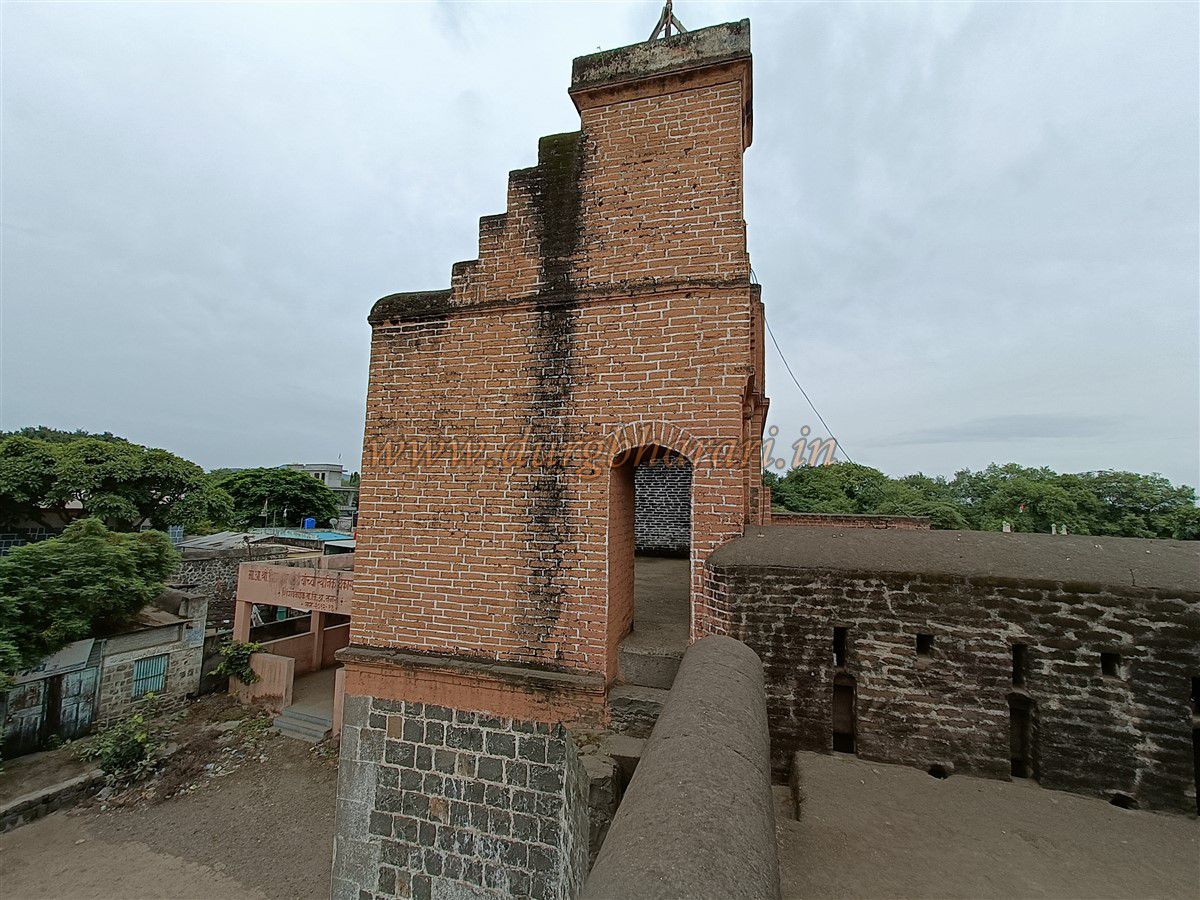
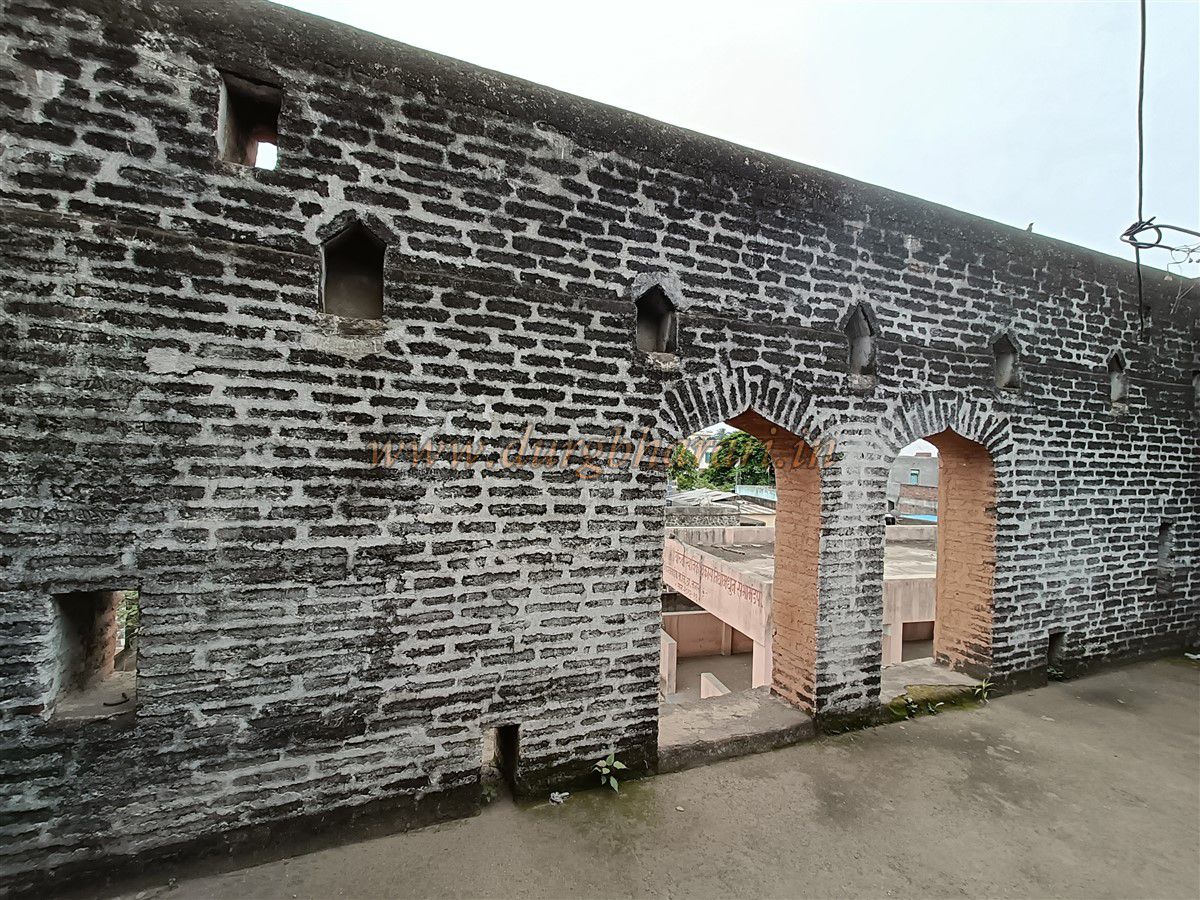
With the growth of the settlement over time, most of the fortified wall has been lost, leaving only this impressive gateway and a short stretch of adjoining wall as remnants of the past. The gateway and its bastions are constructed from neatly dressed stone, while the upper portions are made of brickwork. Gun-slots (junge) have been provided in the parapets for firing.
...
Standing about 18 feet tall, the gateway features beautiful decorative carvings – lotuses on either side of the arch and a kalash motif in the center. The brickwork above is adorned with niches, pillared projections, and square patterns. On one corner, a small elevated turret stands, likely once used for hoisting a flag.
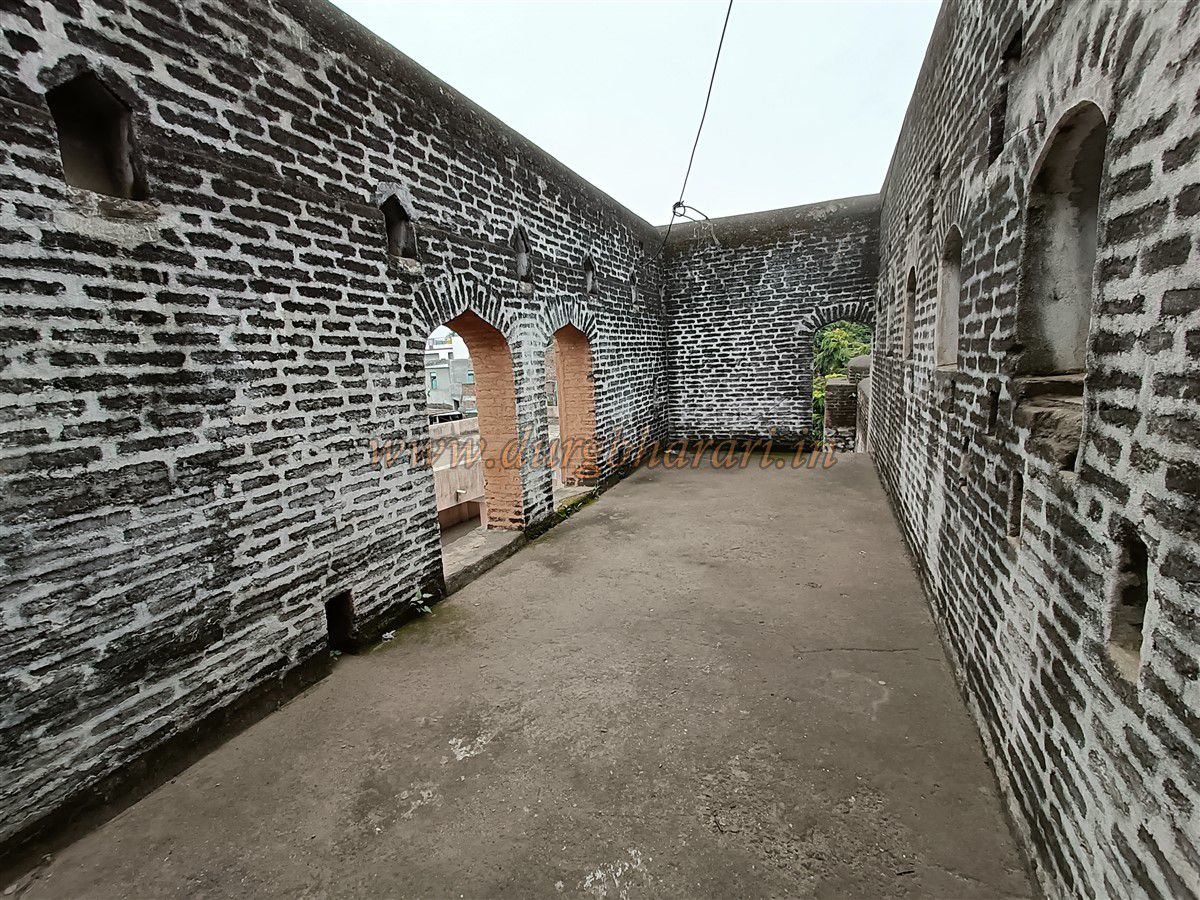
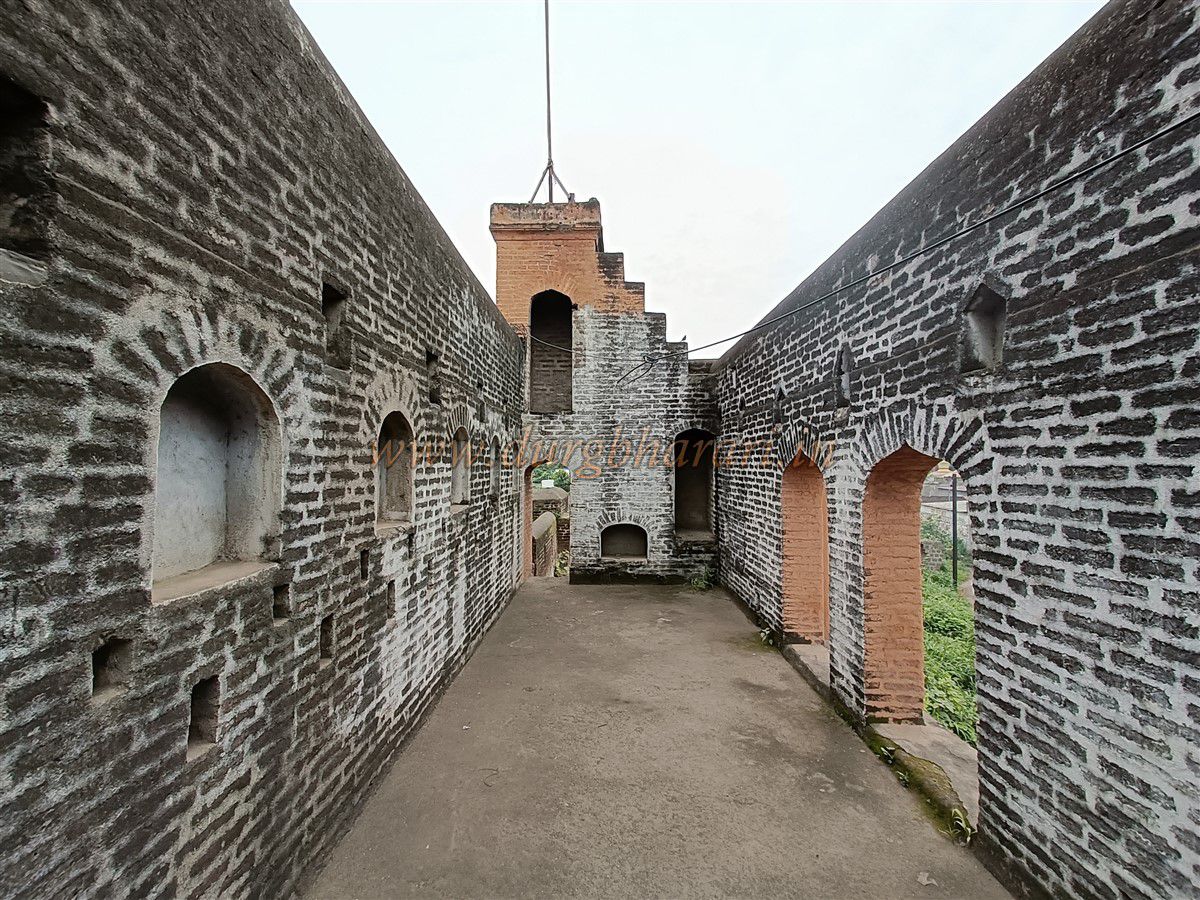
Inside the gate, on both sides, are guard rooms. The original wooden doors have long since perished. Stairs built into the wall lead up to the top of the gate and the ramparts. The interior face of the gateway is also decorated, and next to the wall stands a small shrine dedicated to a local deity.
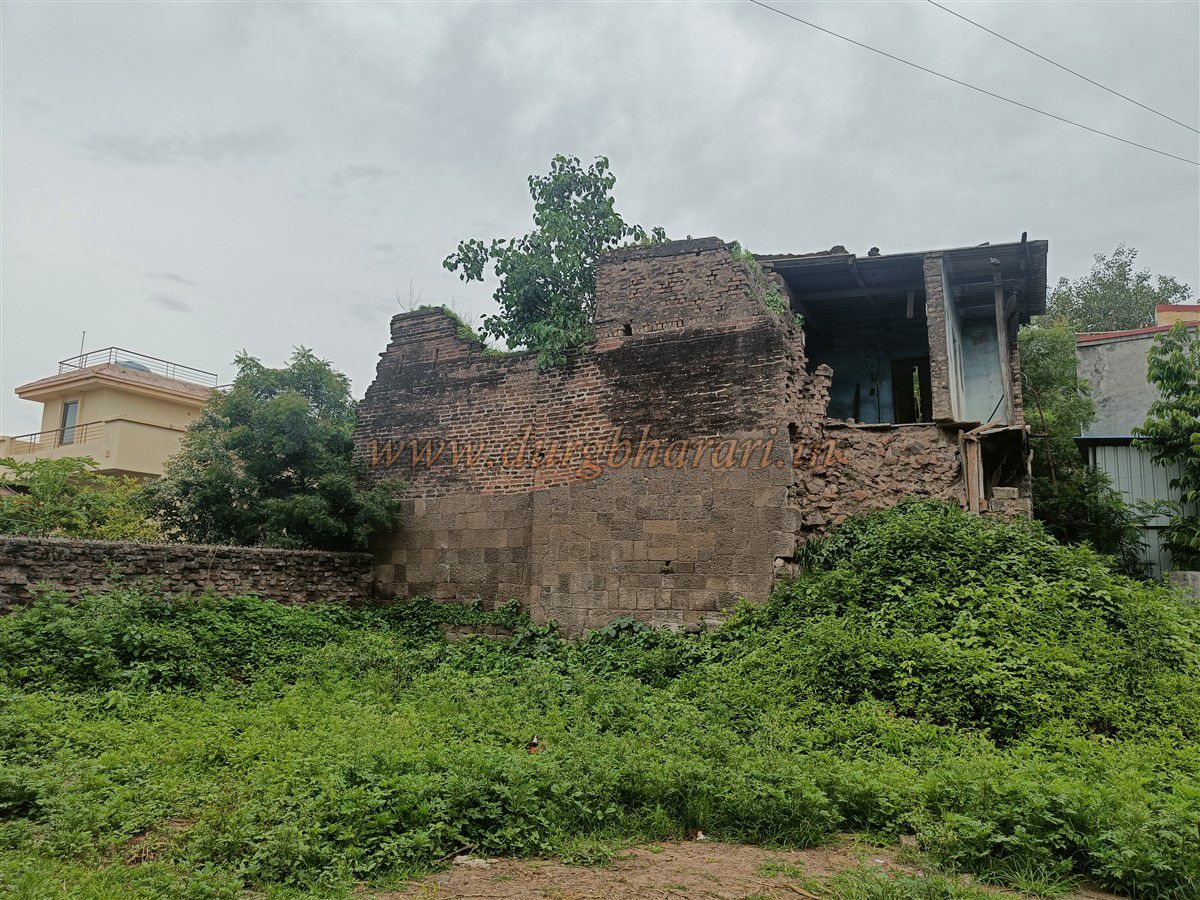
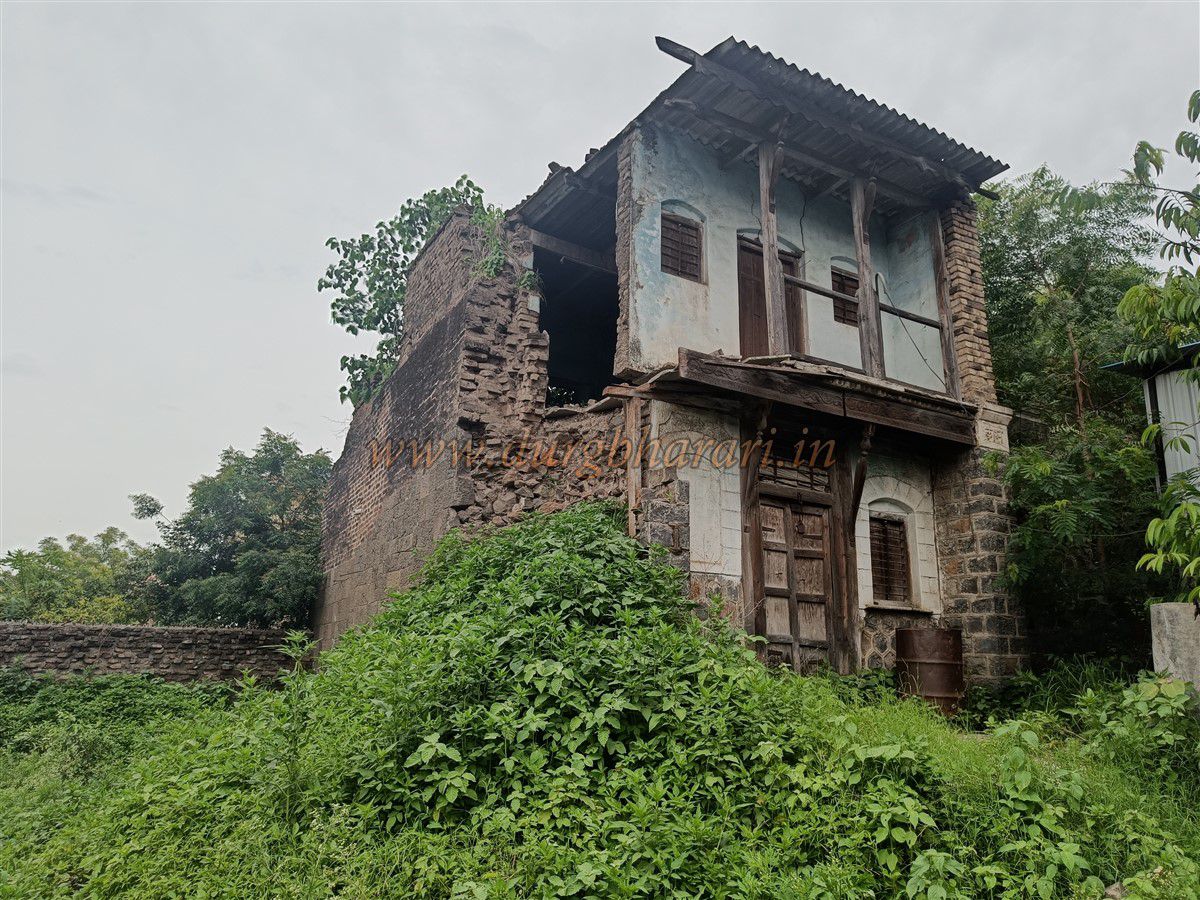
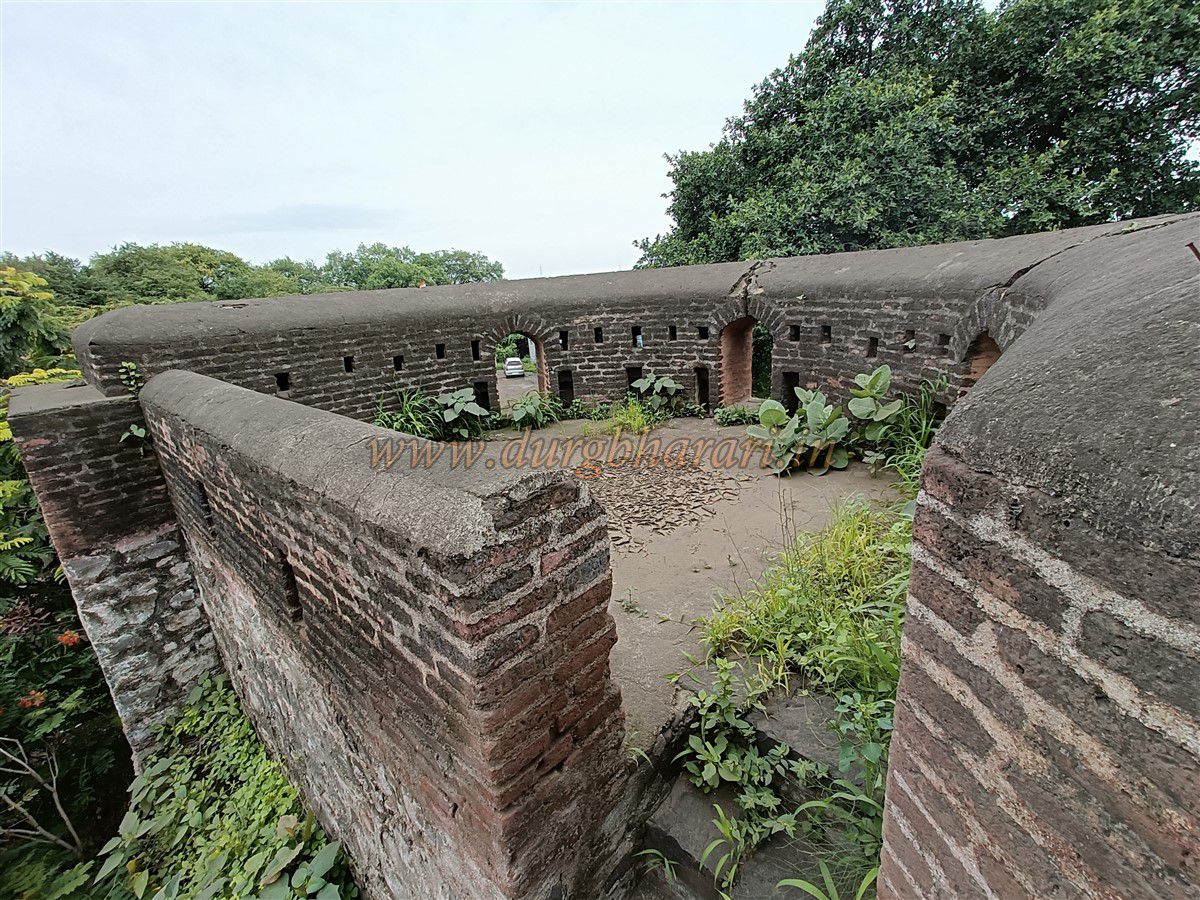
Within this fortified enclosure once stood the mansion (gadhi) of Tukoji Naik. Today, the mansion lies in ruins, with only one side of the structure partially standing – and that too on the verge of collapse. Nobody resides in the crumbling building anymore.
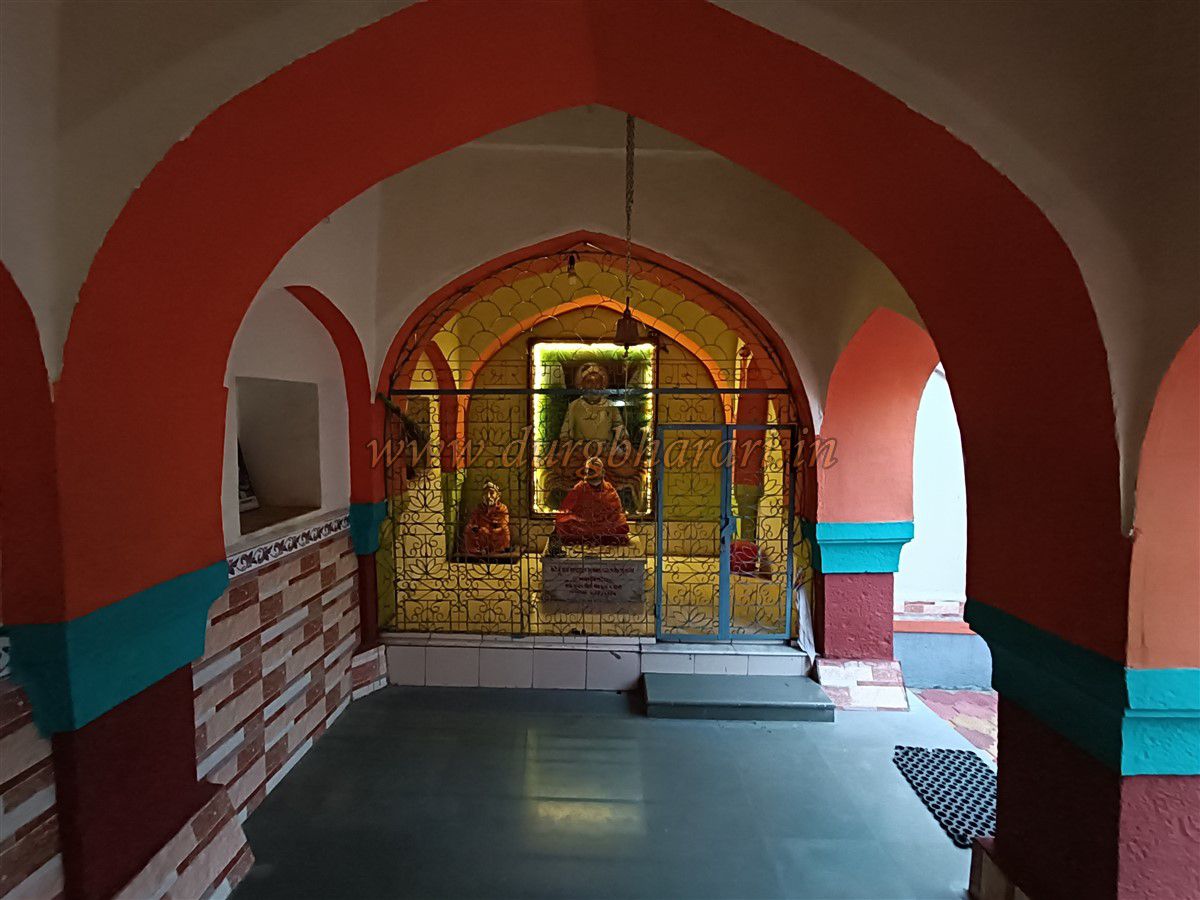
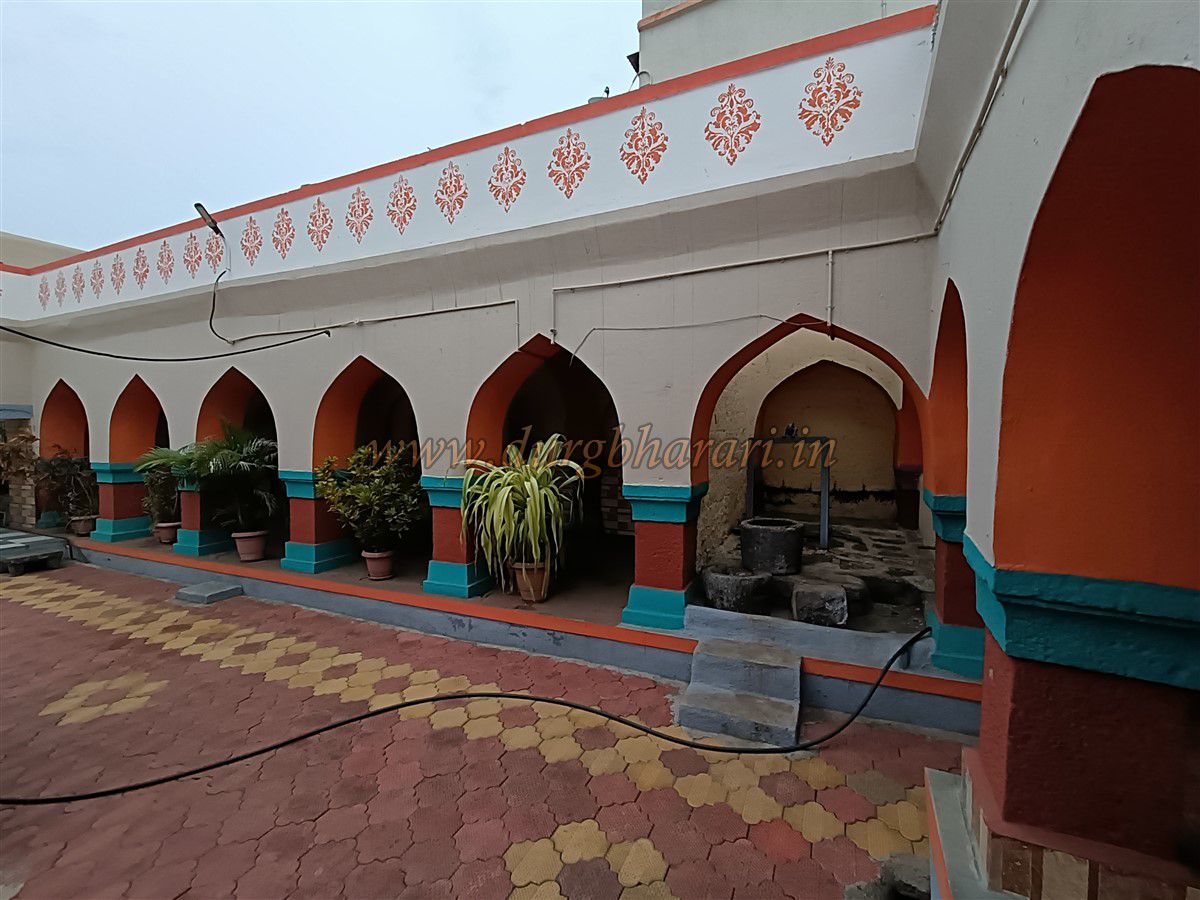
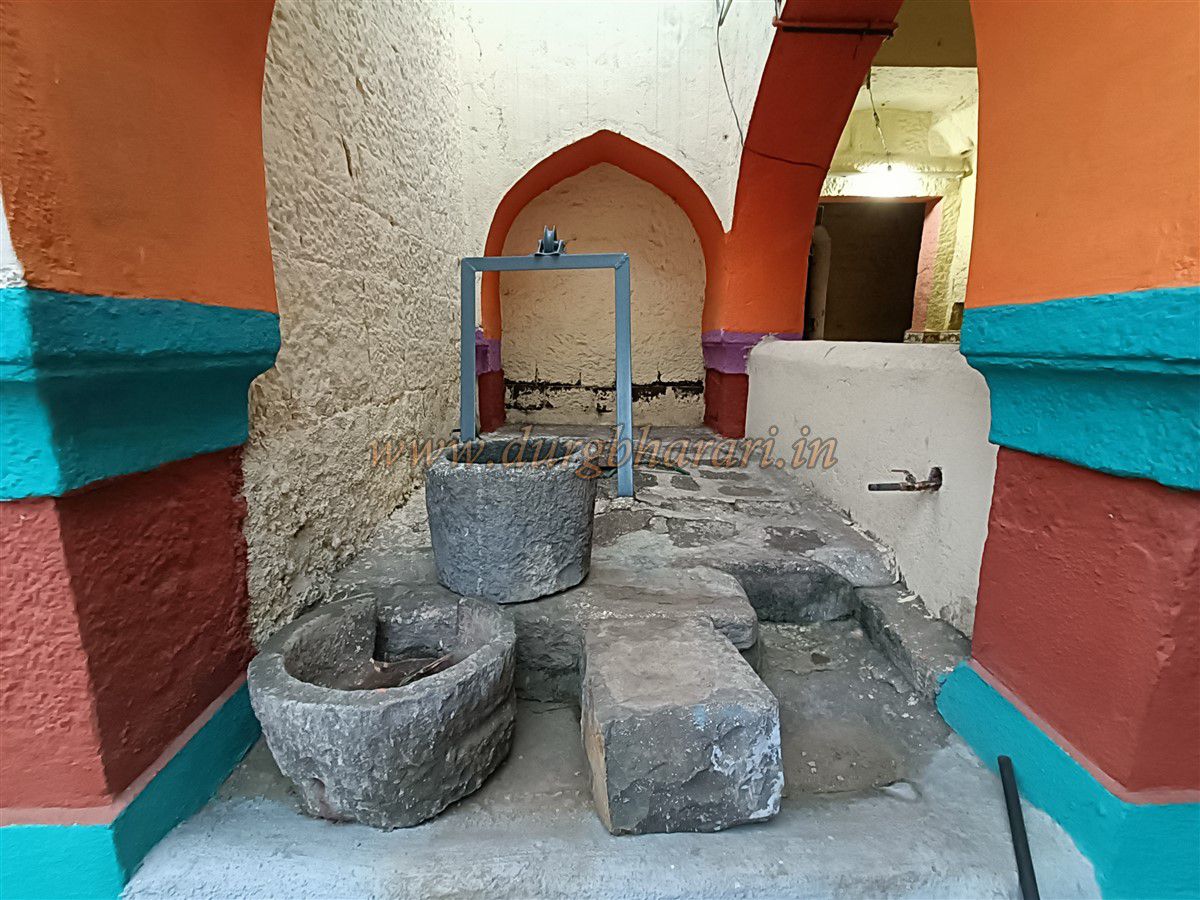
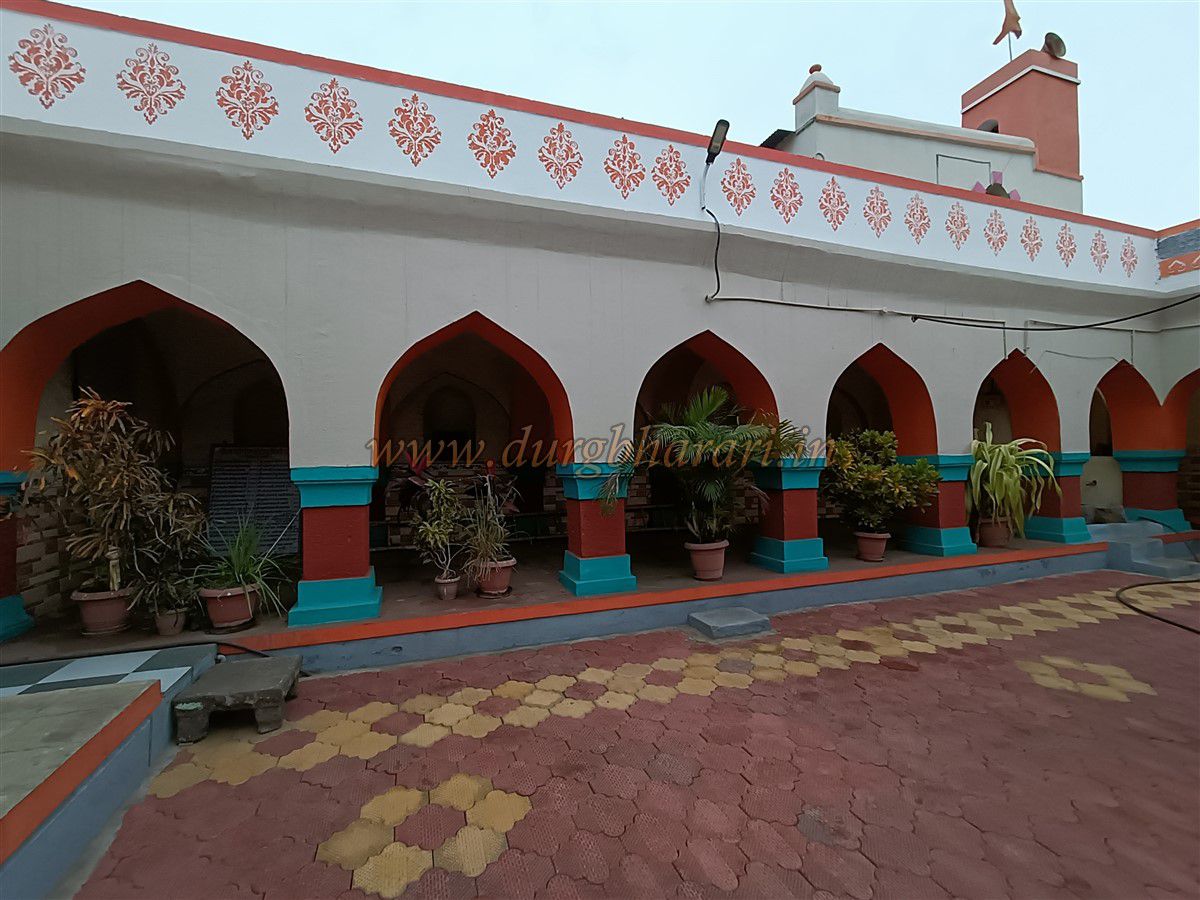
In front of the mansion stands a beautiful Ram temple built by Tukoji Naik. Enclosed within a stone compound, the temple is architecturally striking – with owaras (pillared corridors) on three sides and the sanctum (Garbhagriha) on the fourth. Inside the temple premises, there is a well, and on the wall of the sanctum, an inscription describes the temple’s construction.
With this, the visit to Shingave Naik comes to an end. Seeing the gateway, the ruined mansion, and the Ram temple takes about half an hour.
Unfortunately, since we couldn’t meet the descendants of Tukoji Naik, their history remains unclear. Some locals claim that Shingave Naik was the ancestral village of Bahirji Naik, the legendary Maratha spy, but no documentary evidence supports this.
An inscription in the Ram temple states that it was built in Shaka 1694 (i.e., 1772 CE) by Tukoji Naik, the Patil of Shingave village. Some locals also believe Tukoji Naik to be the son of Bahirji Naik. The inscription additionally mentions the name of Bhikaji Kulkarni.
The year 1772 falls during the reign of Madhavrao Peshwa – a significant time gap from the era of Shivaji Maharaj. It is likely that the fortified wall around the village was built along with the temple.
© Suresh Nimbalkar
GALLERY