SHILOTTAR KOT
TYPE : FORTRESS
DISTRICT : PALGHAR
HEIGHT : 0
GRADE : EASY
During the medieval period, Kalyan and Bhiwandi were major ports, directly connected to Vasai by the Ulhas creek, forming an important inland waterway. When the Portuguese dominated this region, they constructed several small forts along the creek from Vasai to Bhiwandi–Kalyan to secure the maritime route. Most of these forts are now in ruins, surviving only as traces of their former selves. One such small Portuguese fort is the Shilottar Fort, located on the Vasai–Bhiwandi highway.
Situated about 8 km from Chinchoti and 18 km from Vasai railway station, the fort can be reached by taking a bus from Vasai to Poman and then walking a short distance. Although the fort lies in Shilottar village, the area is now better known as the Poman Industrial Estate due to growing industrialization. A few years ago, this fort was clearly visible from the highway, but now it is hidden amidst overgrowth and nearby construction.
...
Traveling from Vasai towards Bhiwandi, Shilottar village lies on the right side of the highway, while the fort stands on the left. Locally, the older generation still refers to this spot as “Madi”, but the name is virtually unknown to the younger residents. From Vasai, after passing the Jain temple on the highway, you will reach the Kaman police post. About 500 meters further, a narrow lane on the left leads towards the fort. Walk for about 2 minutes, and the walls of the Shilottar Fort appear amidst the trees on the right.
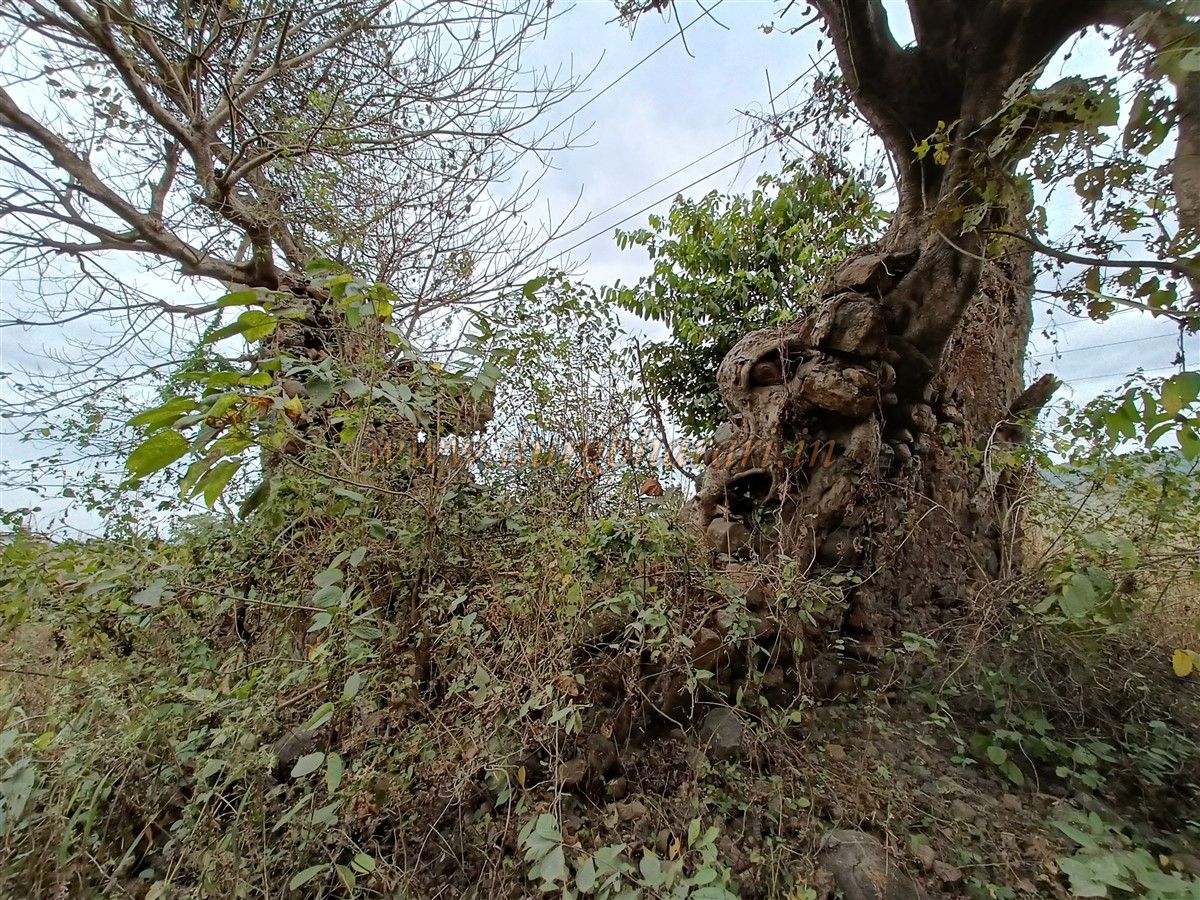
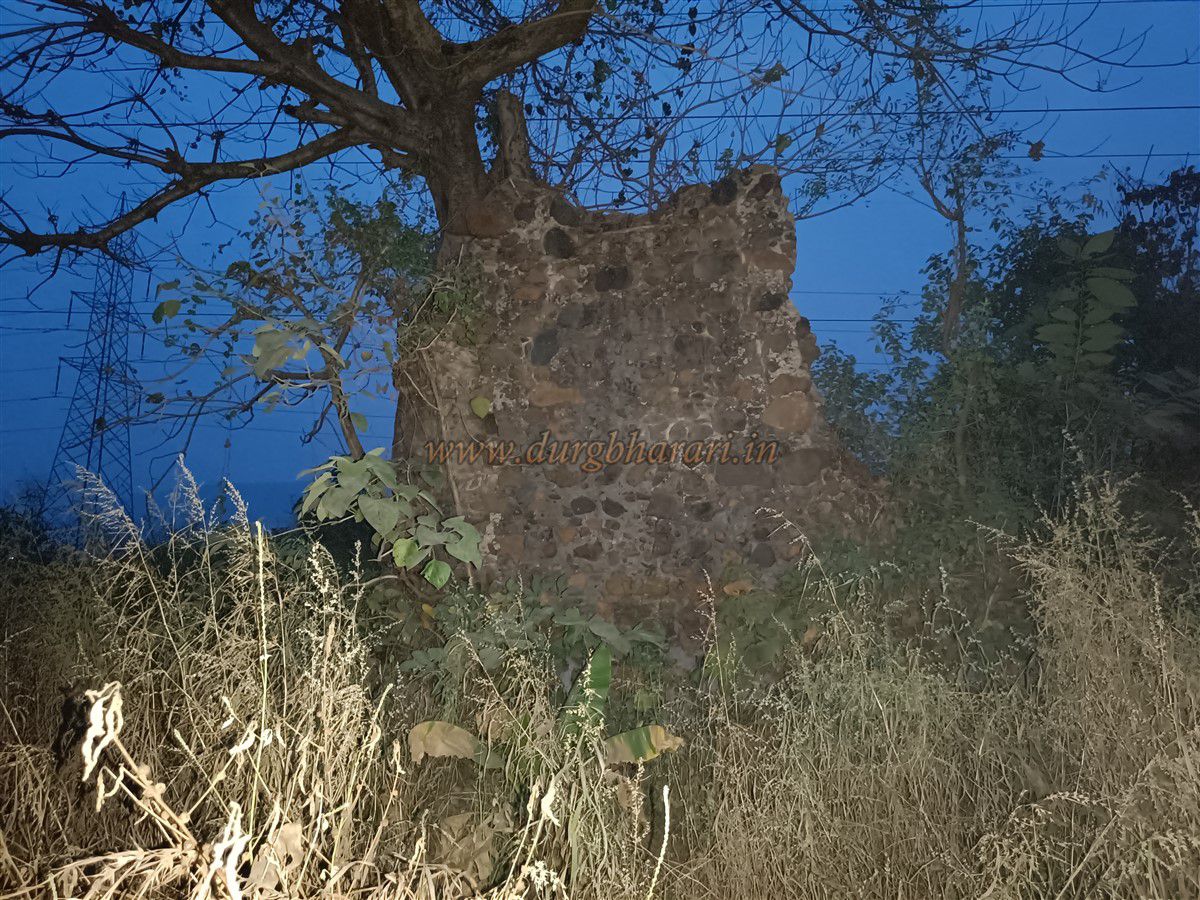
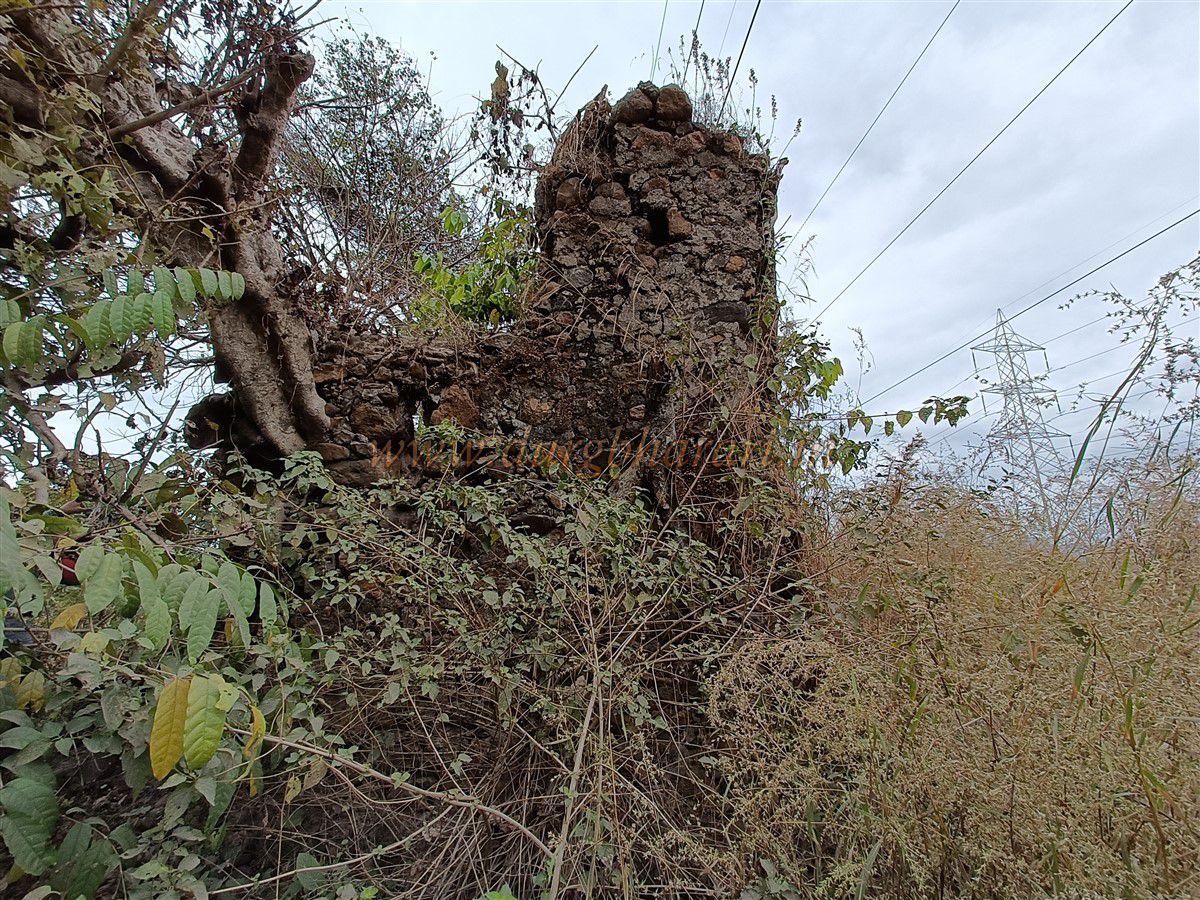
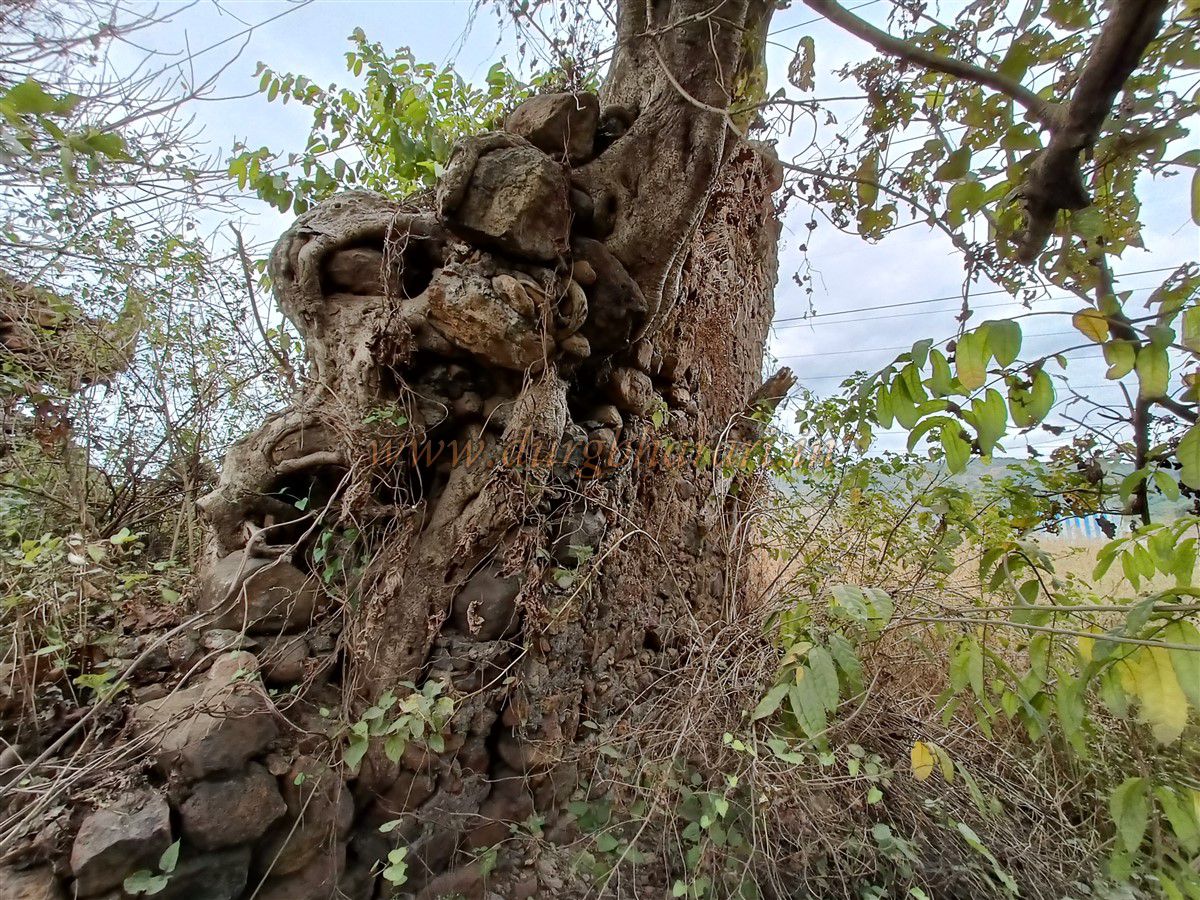
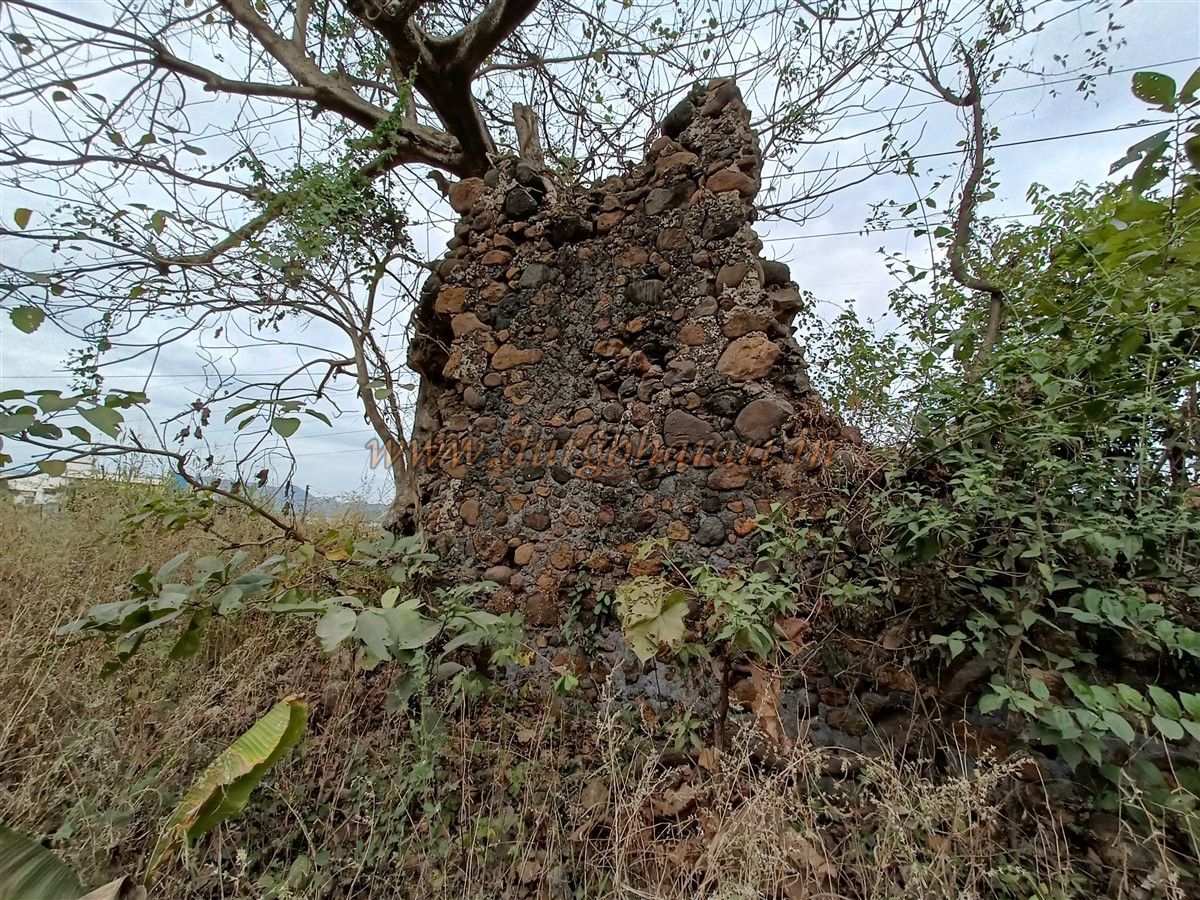
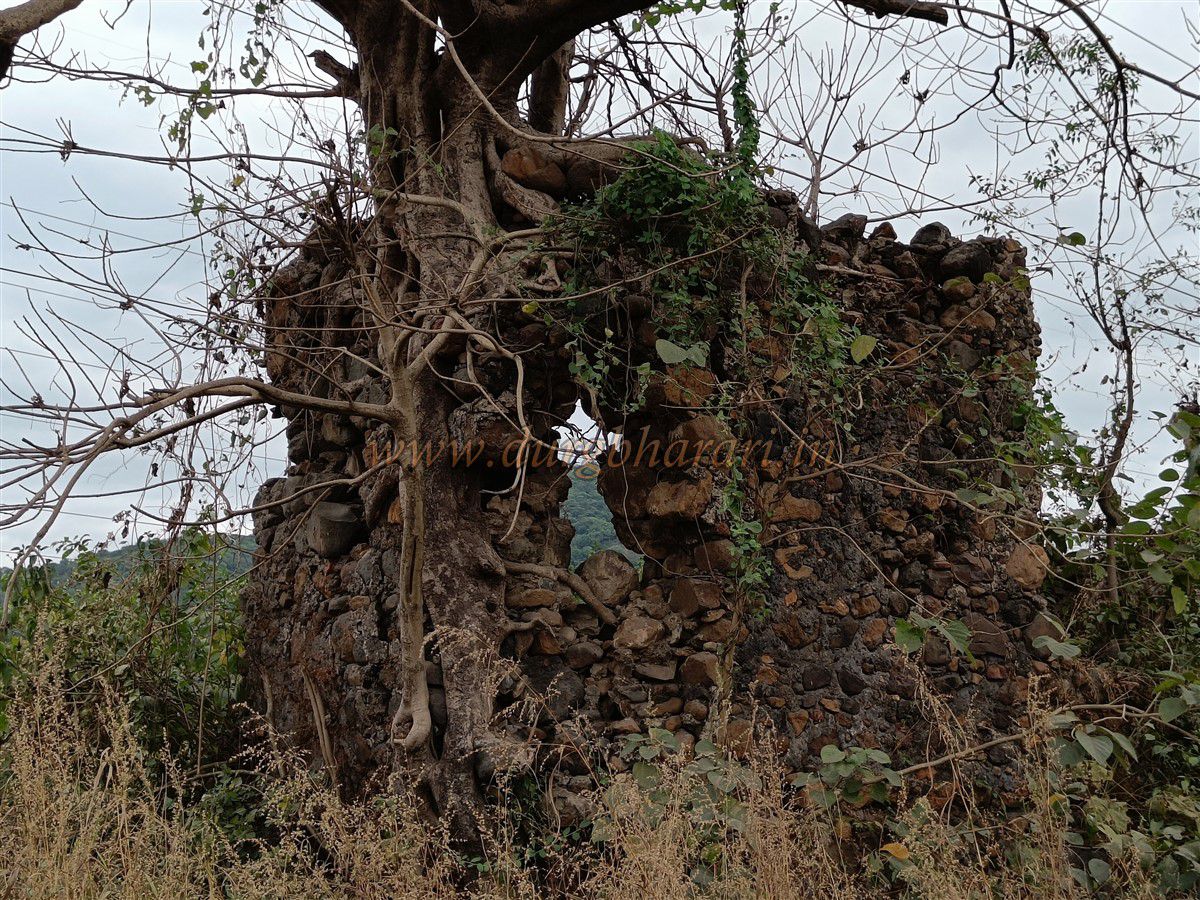
The structure, typical of Portuguese watch-posts, is a two-storeyed square building roughly 20x20 feet in size. The upper floor has completely collapsed, leaving only the ground floor walls standing, which are about 12 feet high (its original height was likely 20–22 feet). Built using rough stone and lime mortar, the walls contain grooves for wooden beams that once supported the upper floor.
Given its size and location, this fort likely served as a Portuguese customs outpost or administrative office. Exploring the site takes barely 10 minutes.
Constructed around the 16th century, such watch-post forts were mainly intended to protect the waterways and supply provisions to nearby forts. Using a network of small forts, watchtowers, and long-range cannons, the Portuguese firmly established their maritime dominance in North Konkan. However, during the 1739 Vasai campaign, this region fell to the Marathas, ending Portuguese control permanently.
While a visitor expecting a grand fort might be disappointed, for those interested in Portuguese maritime trade routes and the strategic value of such outposts, Shilottar Fort offers a glimpse into the region’s colonial past.
© Suresh Nimbalkar
GALLERY