SHENDURNI
TYPE : FORTRESS
DISTRICT : JALGAON
While exploring Jalgaon district, one encounters the highest number of forts in Pachora taluka and its surrounding areas. Adjacent to Pachora is Jamner taluka, where in the village of Shendurni stands the ruined remains of a fort. Shendurni is located about 25 km from Pachora and about 28 km from Jamner, the taluka headquarters. In 1601 CE, Shendurni was one of the 32 significant Pargana within the Khandesh Subha. Being an important Pargana in Khandesh, it was natural for the village to have a fortified enclosure.
The fortification encompassed the entire village, with four gates providing access, and a fort (gadhi) built on an elevated mound in the center of the settlement. Today, the walls and most of the gates have been completely destroyed, leaving only one gate — the Pahur Darwaja on the side facing Pahur village. The old grandeur of Shendurni is now lost to history.
...
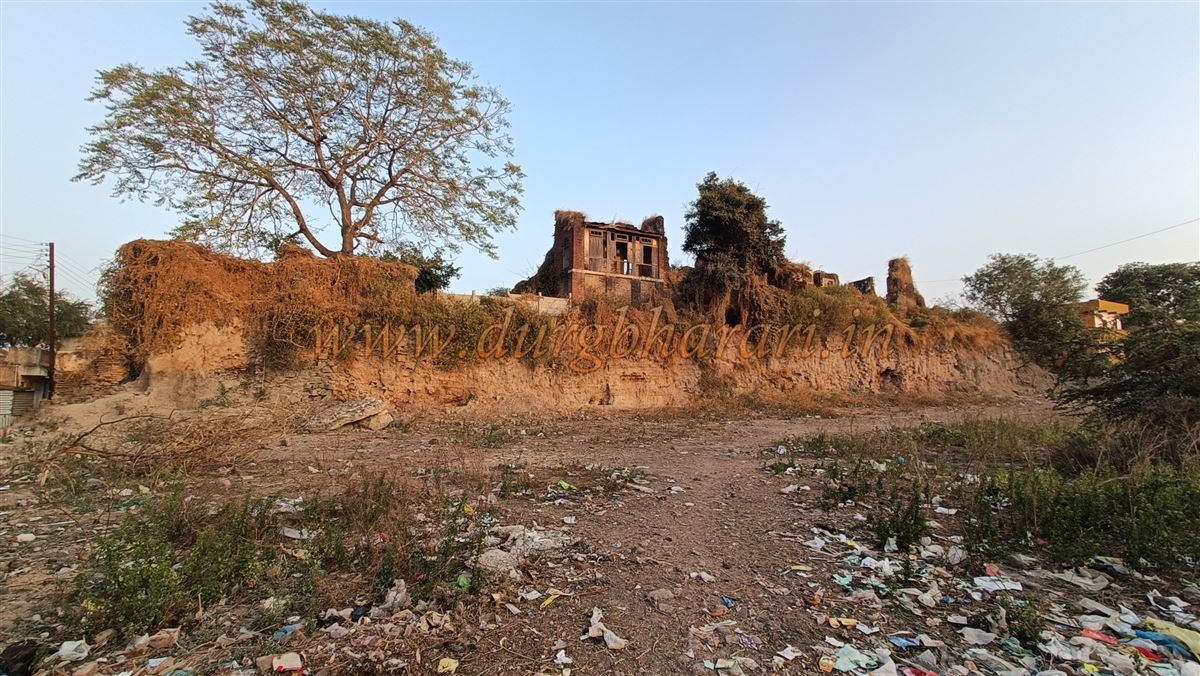
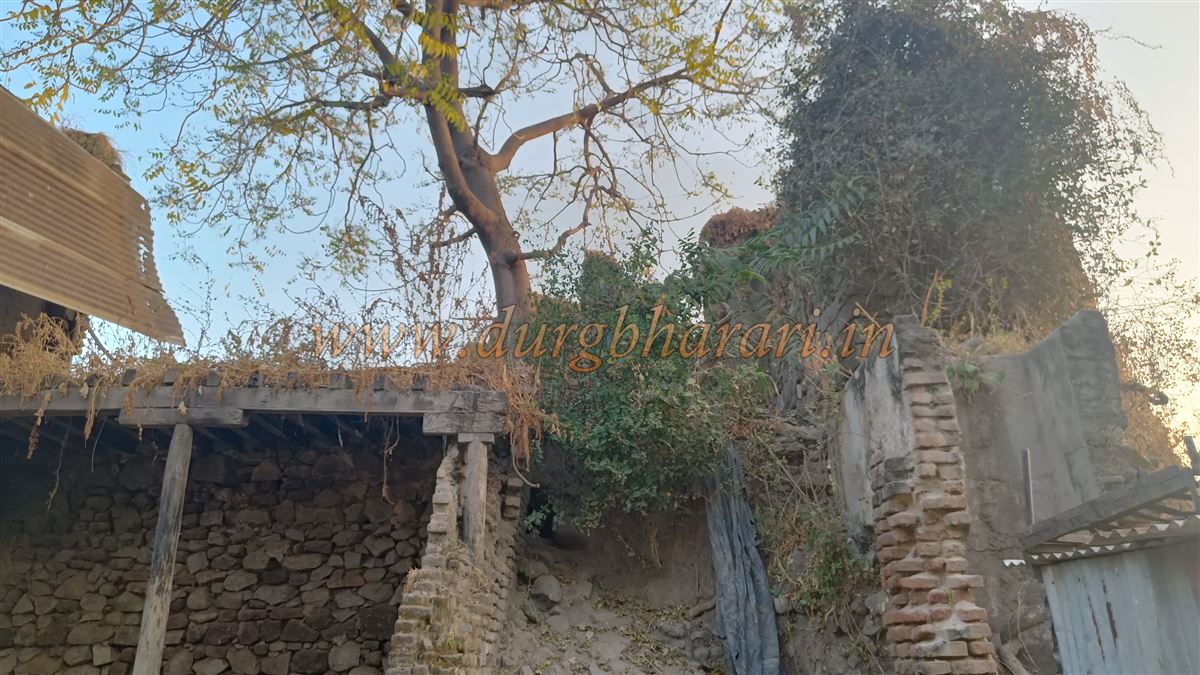
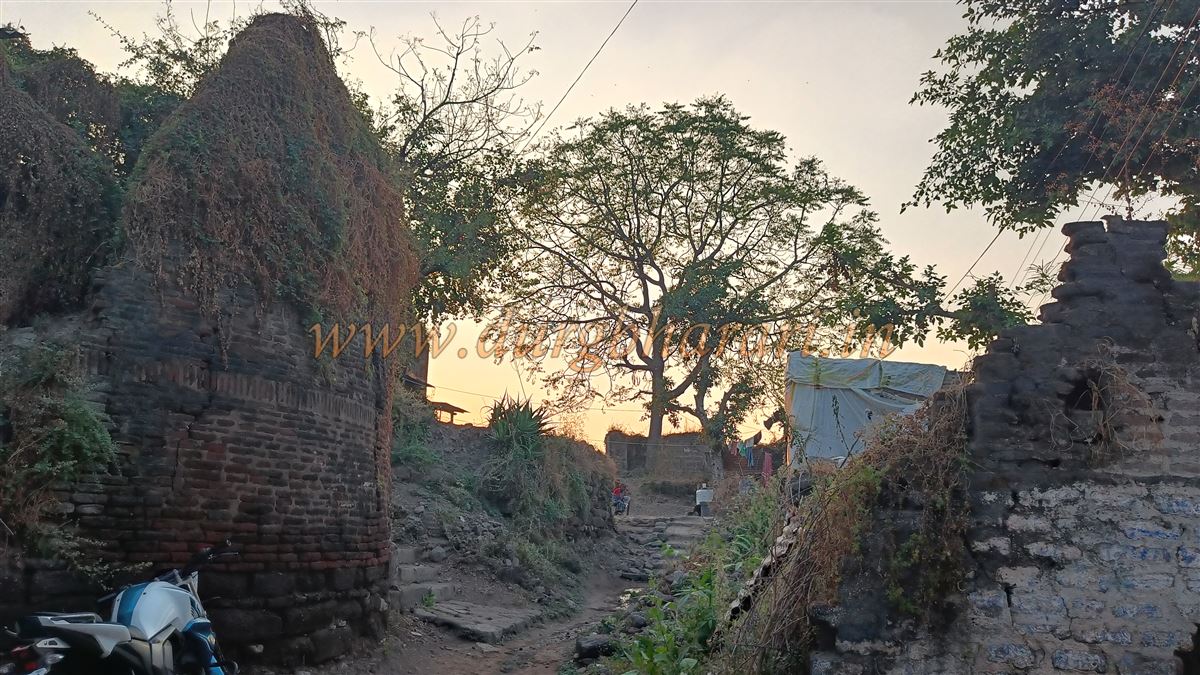
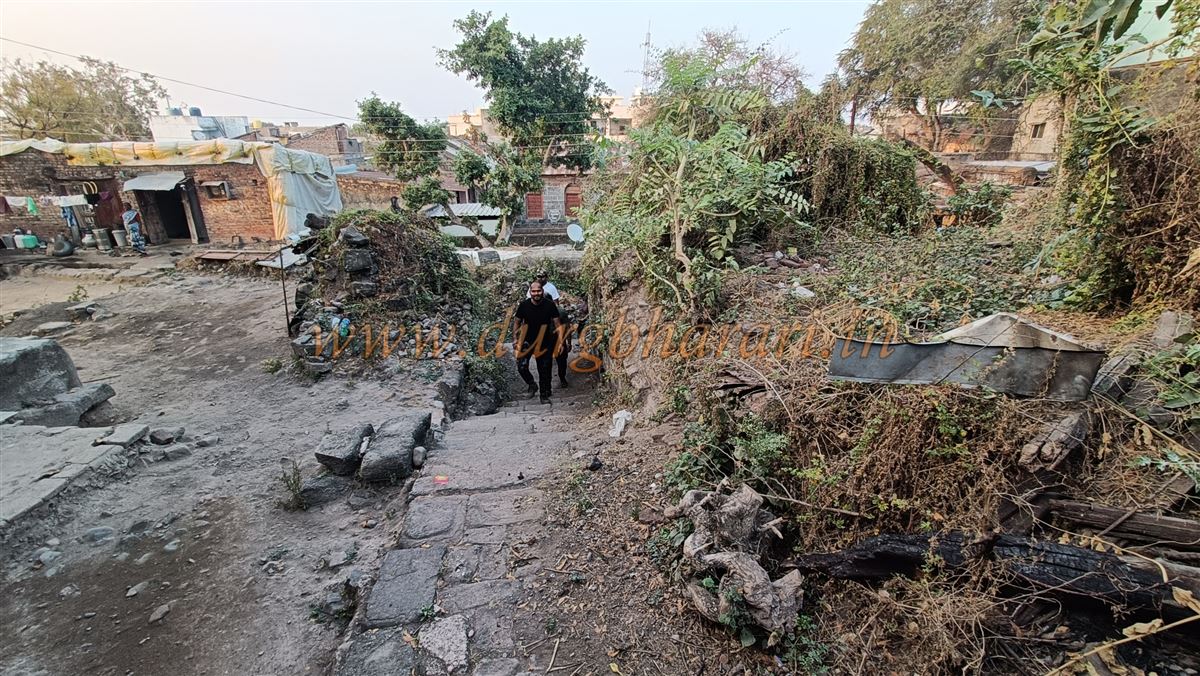
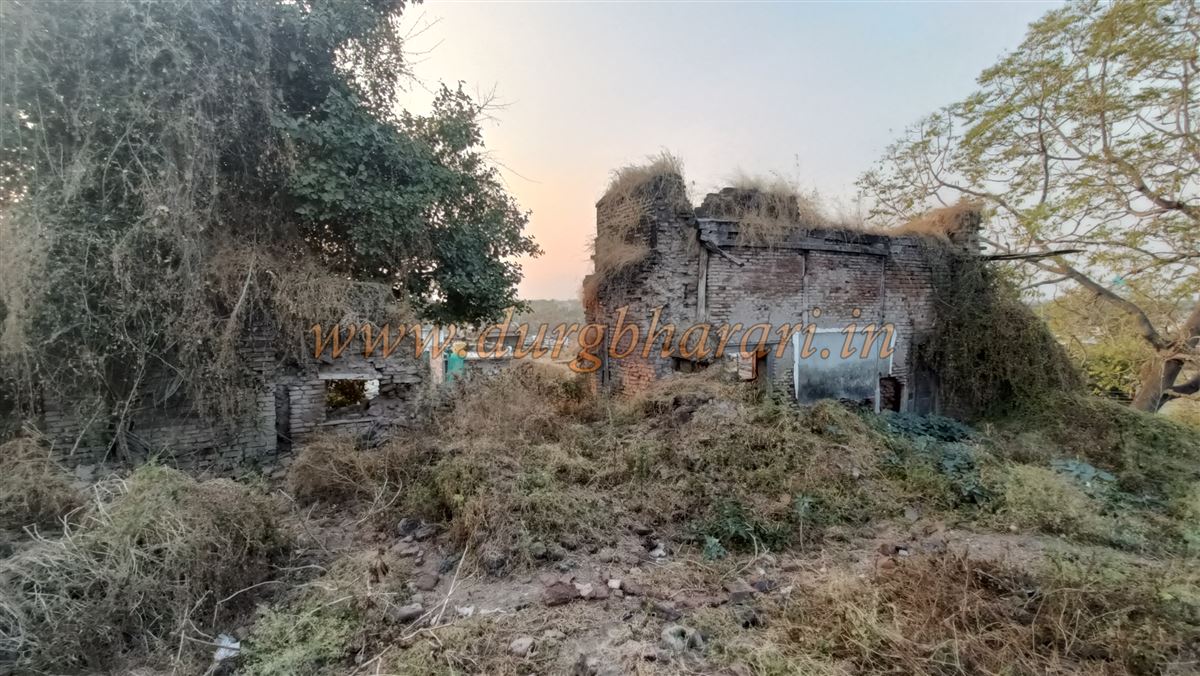
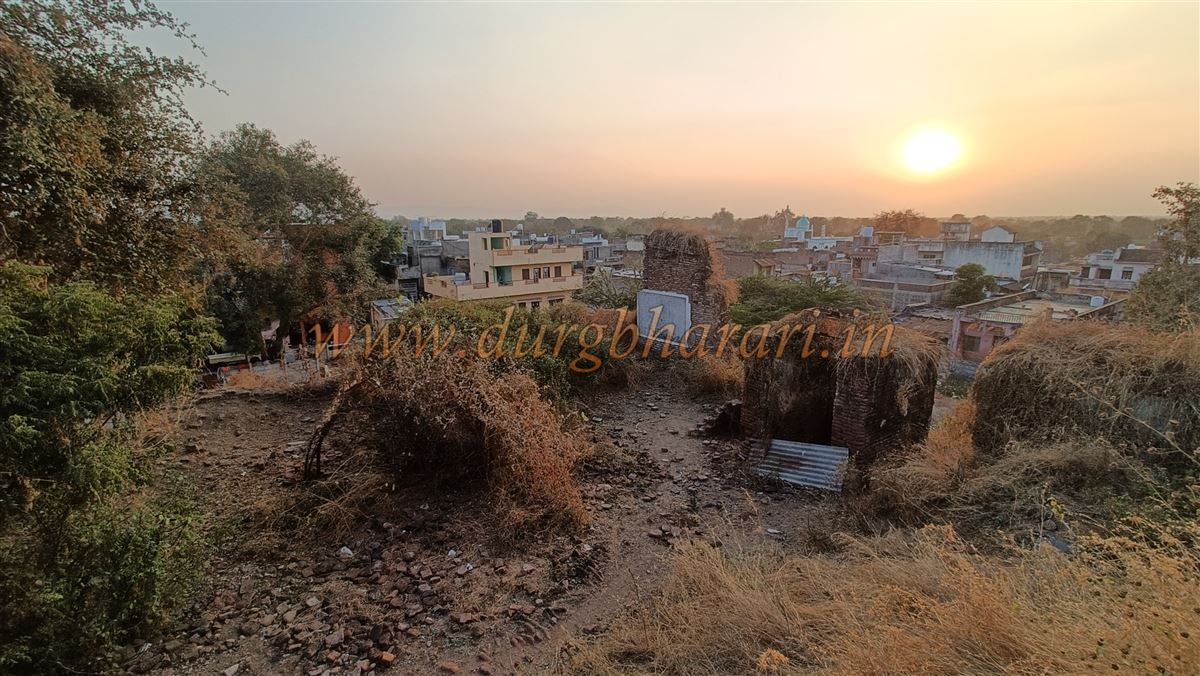
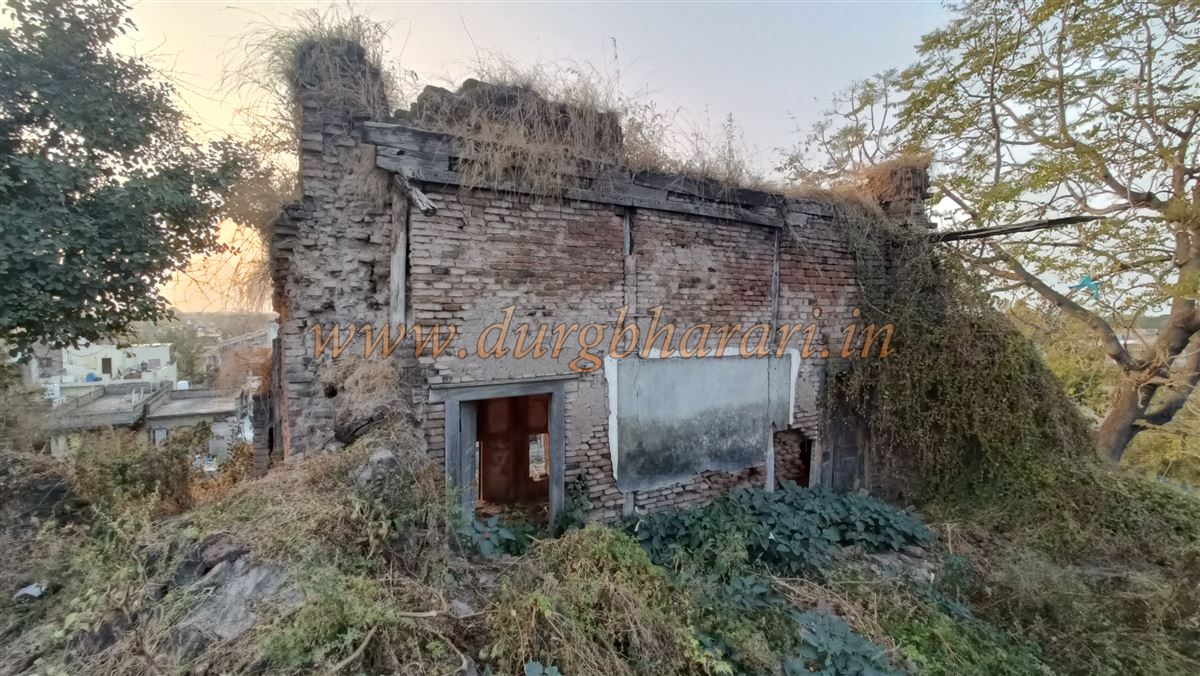
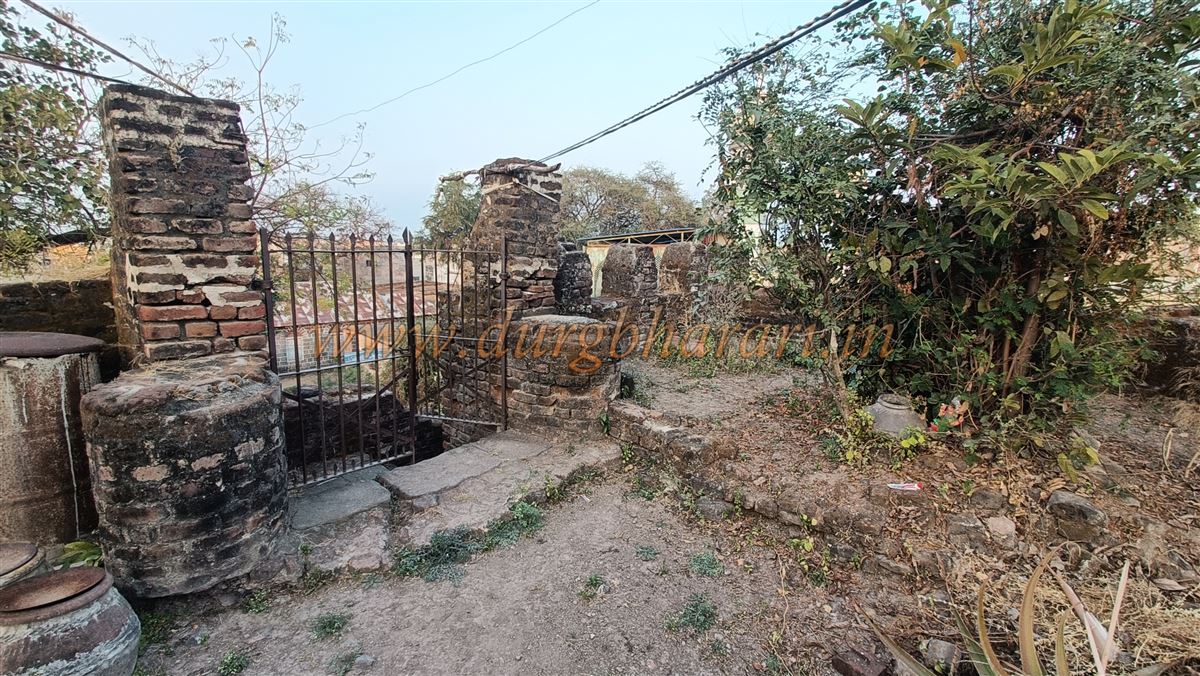
At the center of the village, atop an elevated mound, stands the ruined Dikshit Gadhi, so called because it belonged to the Dikshit family. The fort is now in a state of complete disrepair, with no assurance of how much longer these remnants will survive. The fort rises about 30–35 feet in height, with a stairway of 35–40 steps built using dressed stone leading to the top. At the base of this pathway stand two circular brick bastions.
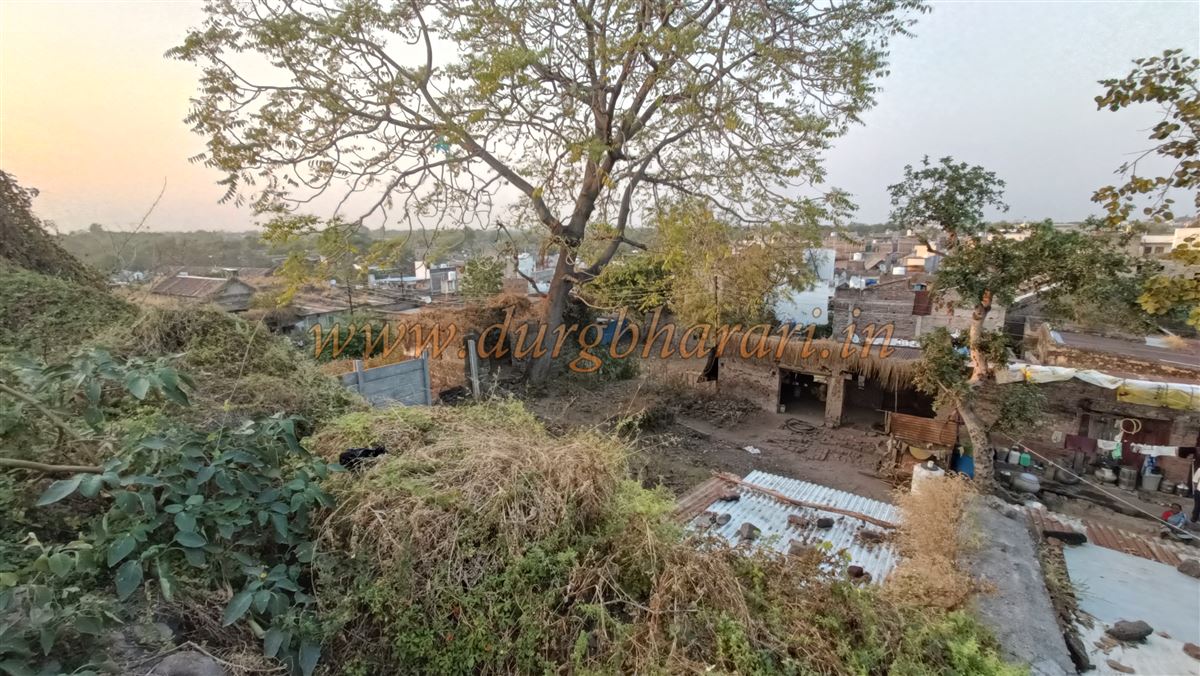
The fort has two levels, with the main structure on the highest part. Above the steps, another small bastion was constructed to monitor the stairway and surrounding areas. This bastion has a parapet with provisions for placing cannons. On the top of the fort once stood an old wada (mansion), which is now completely ruined, leaving behind only fragments. A new house has been constructed at the center of this site. On one side of the fort, soil is being excavated and transported elsewhere for filling purposes — an act happening openly. It takes barely 15 minutes to explore the entire fort.
While the history of most forts in Jalgaon is unknown, this fort’s past is relatively better understood. According to an inscription found in the Kholeshwar Temple of Shendurni, historian V. K. Rajwade’s opined that this temple was likely built by Kholeshwar, a general of Yadav king Singhana (1132–1169 CE), or his son. Given Shendurni proximity to Devgiri, it is probable that this village was granted to General Kholeshwar as a jagir.
The name Shendurni is thought to be a corruption of Sendrakaparnī. Near Nevapur in Karnataka’s Taluka lies the village of Sendra, which was likely associated with the Sendraka rulers. These Sendraka chiefs are mentioned in records between 400 CE and 800 CE. Later, the village probably came under the control of the Rashtrakut and then General Kholeshwar during the Yadav rule.
During the reign of Peshwa Baji Rao II, Shendurni was held as a jagir by his upadhyaya (spiritual advisor) Patankar Dikshit. After the battle between Baji Rao II and the British at Asheri Fort, and the subsequent treaty, Peshwa Baji Rao handed over this village to Sir John Malcolm in exchange, who then granted it back to the Dikshit family and entrusted them with its administration. At that time, the jagir comprised 32 villages.
Apart from the fort, the Trivikrama Temple in the village is worth visiting, particularly to see its beautiful idol of Lord Vitthal. Exploring the village of Shendurni takes about an hour.
© Suresh Nimbalkar
GALLERY