SHEMBALPIMPRI
TYPE : FORTRESS
DISTRICT : YAVATMAL
HEIGHT : 0
GRADE : EASY
While exploring the forts of Yavatmal district, one comes across several small and large fortifications such as those at Kayar, Durg, Kalamb, and Shembalpimpri, though these are rarely mentioned anywhere. Among them, Kayar, Durg, and Kalamb are forts, whereas the structure at Shembalpimpri is a fortified mansion (gadhi). Locally, this fort is known as the Gadhi of Dajisaheb Deshmukh.
Situated in Pusad taluka of Yavatmal district, this gadhi is about 30 km from Pusad and 40 km from Hingoli. It is more convenient to reach Shembalpimpri from Hingoli via Kalamnuri. Considering the transport facilities in the region, using a private vehicle is advisable.
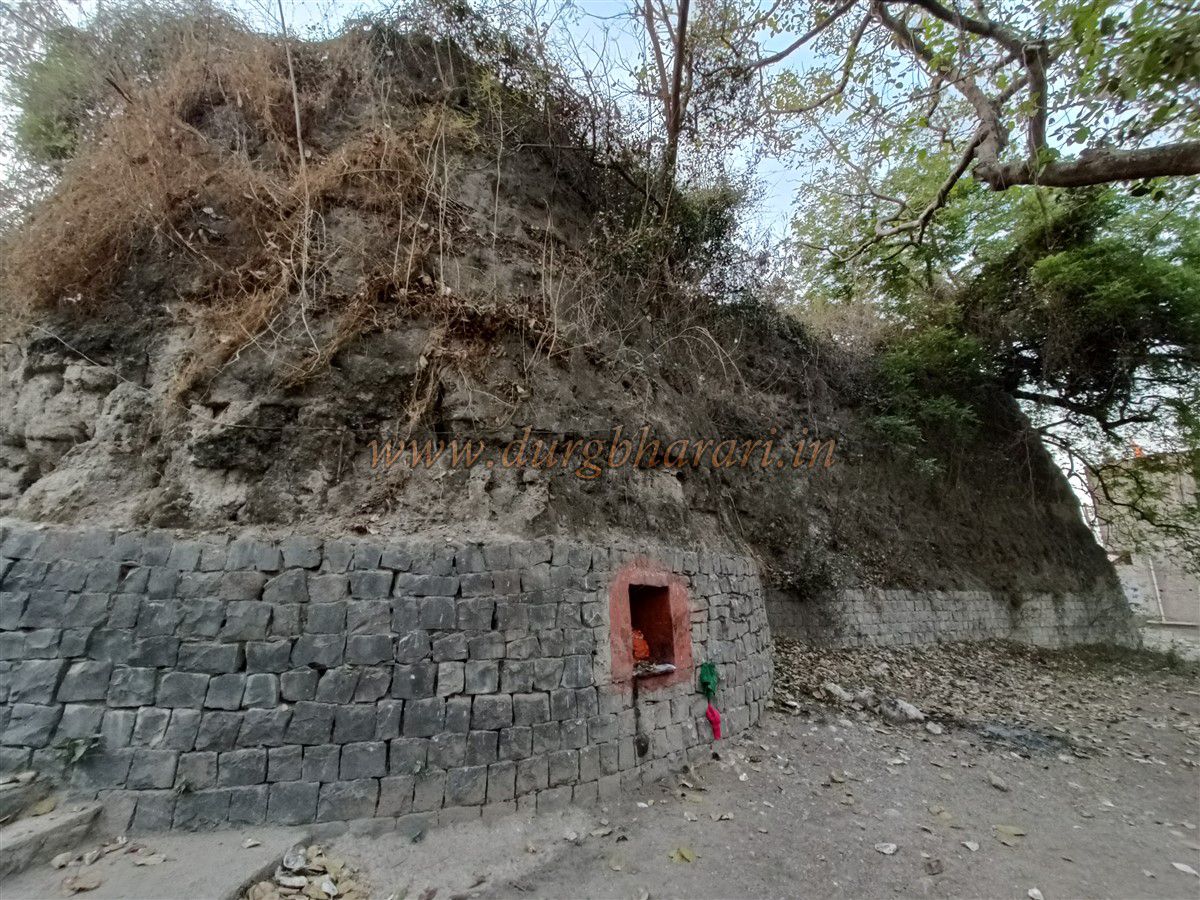
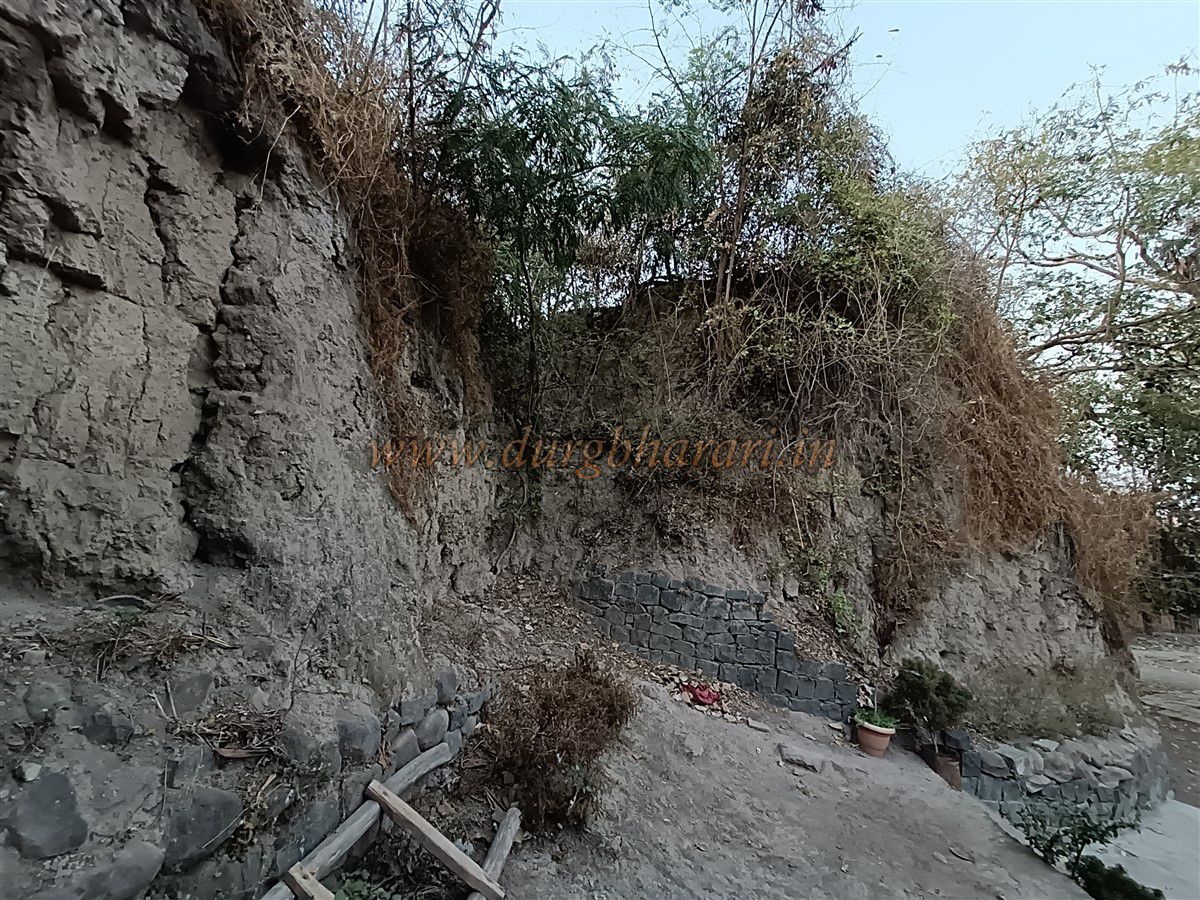
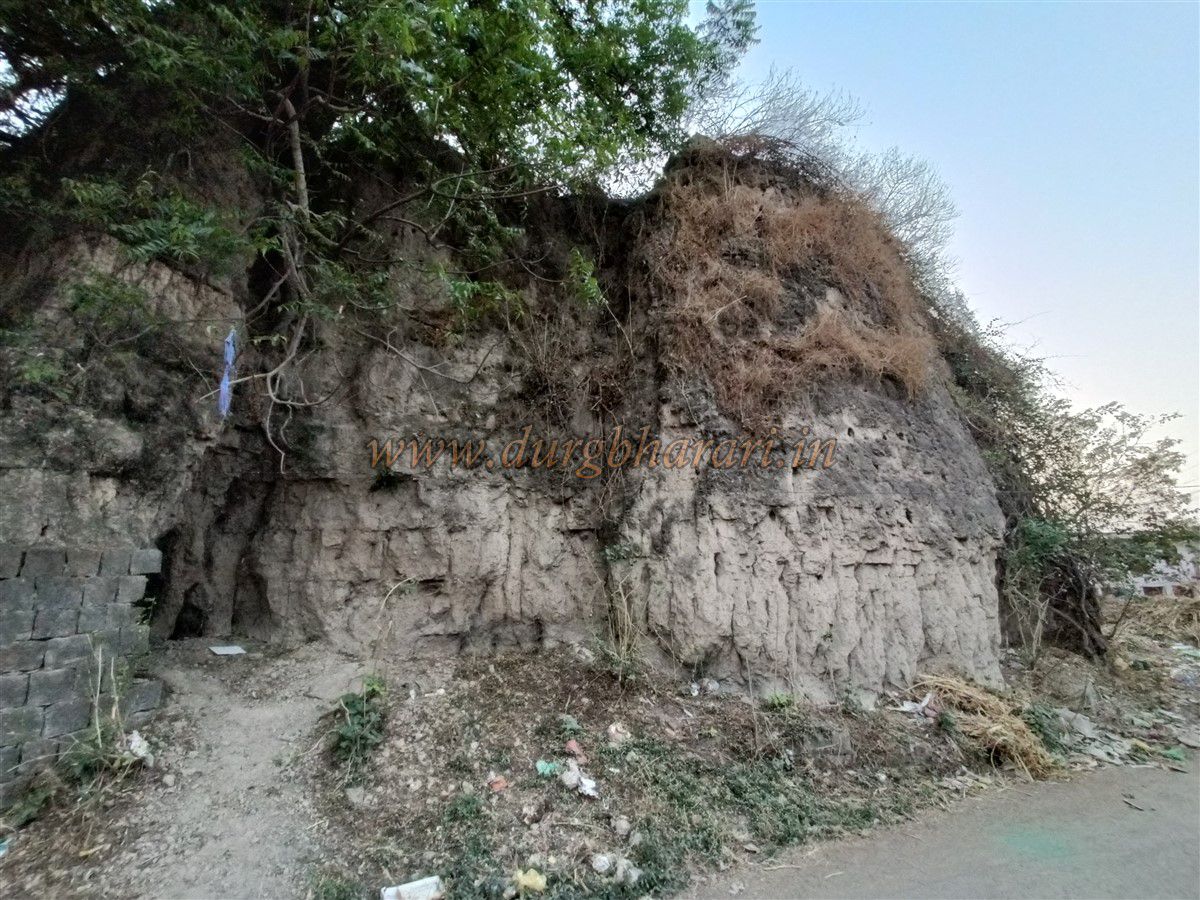
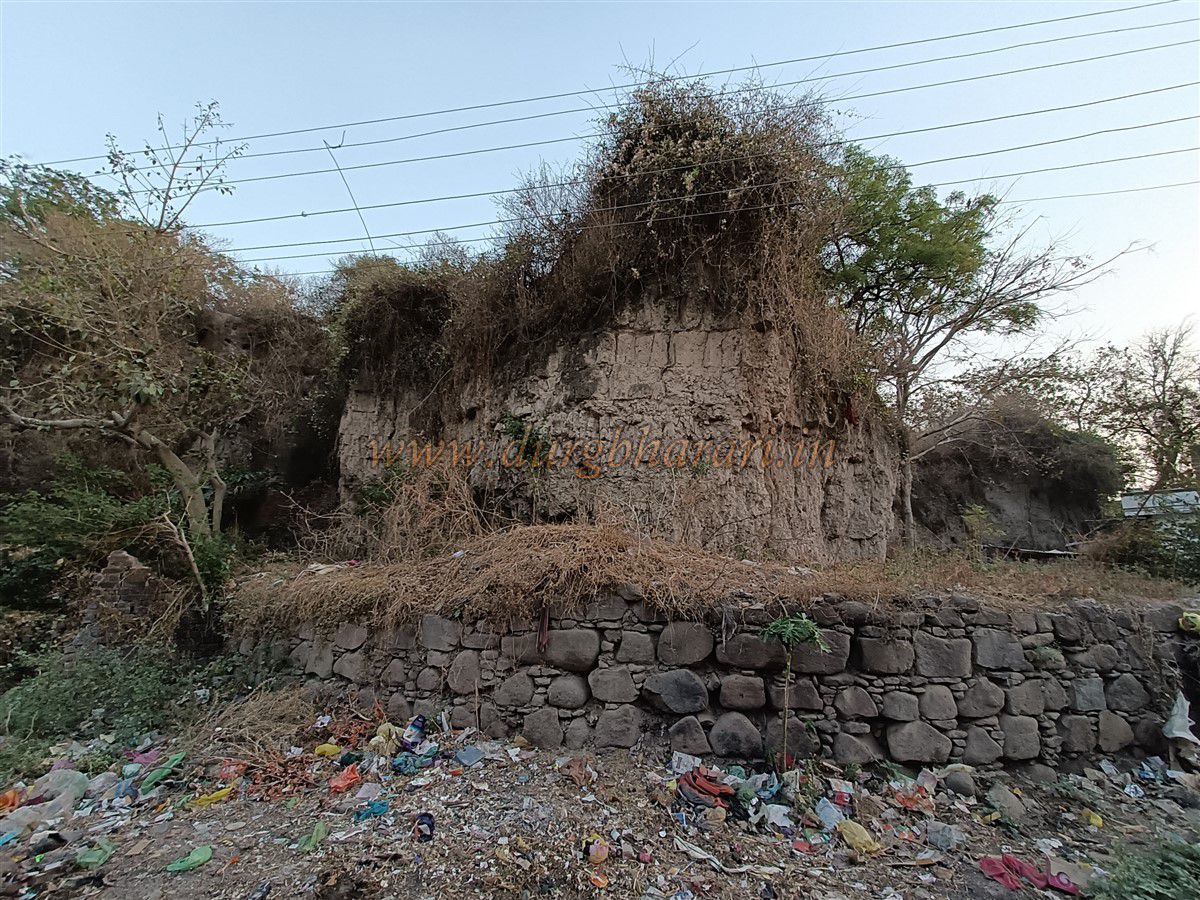
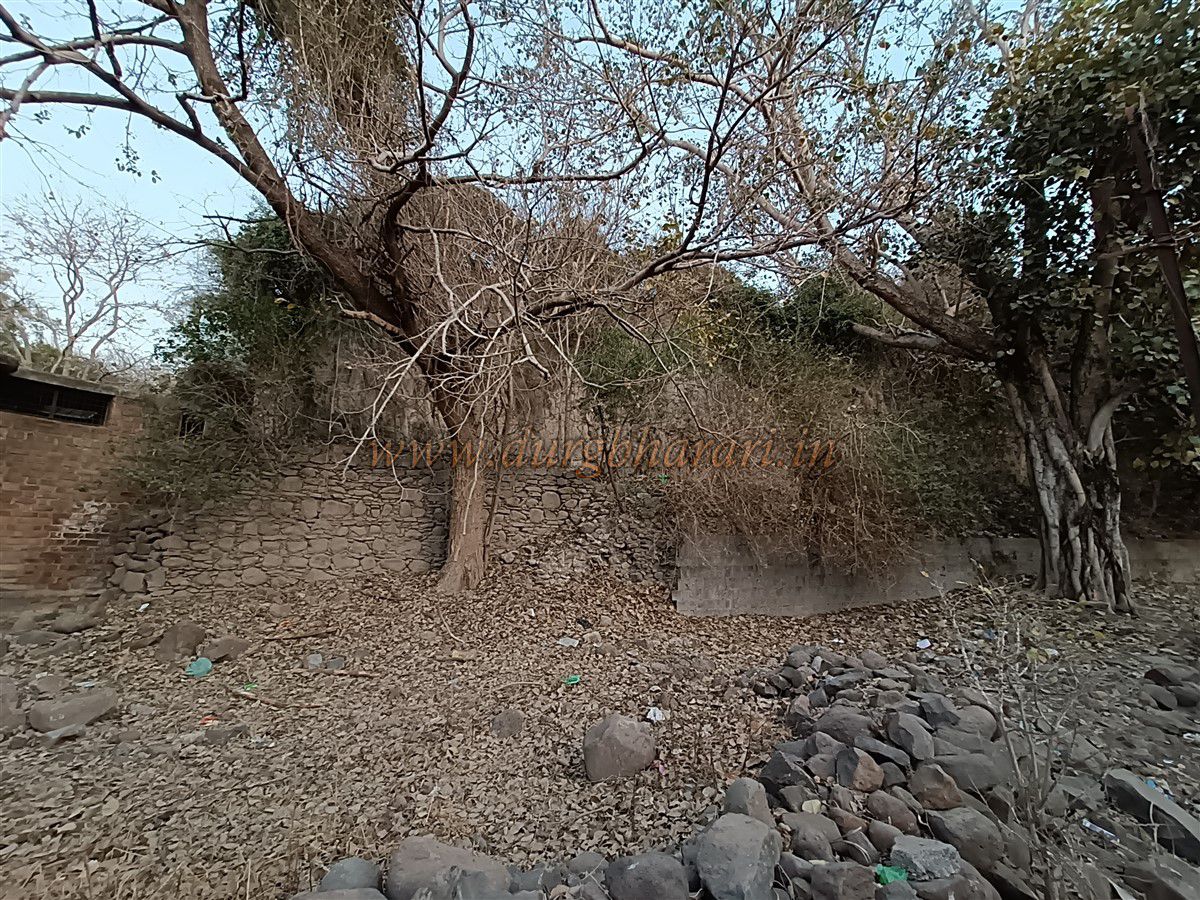
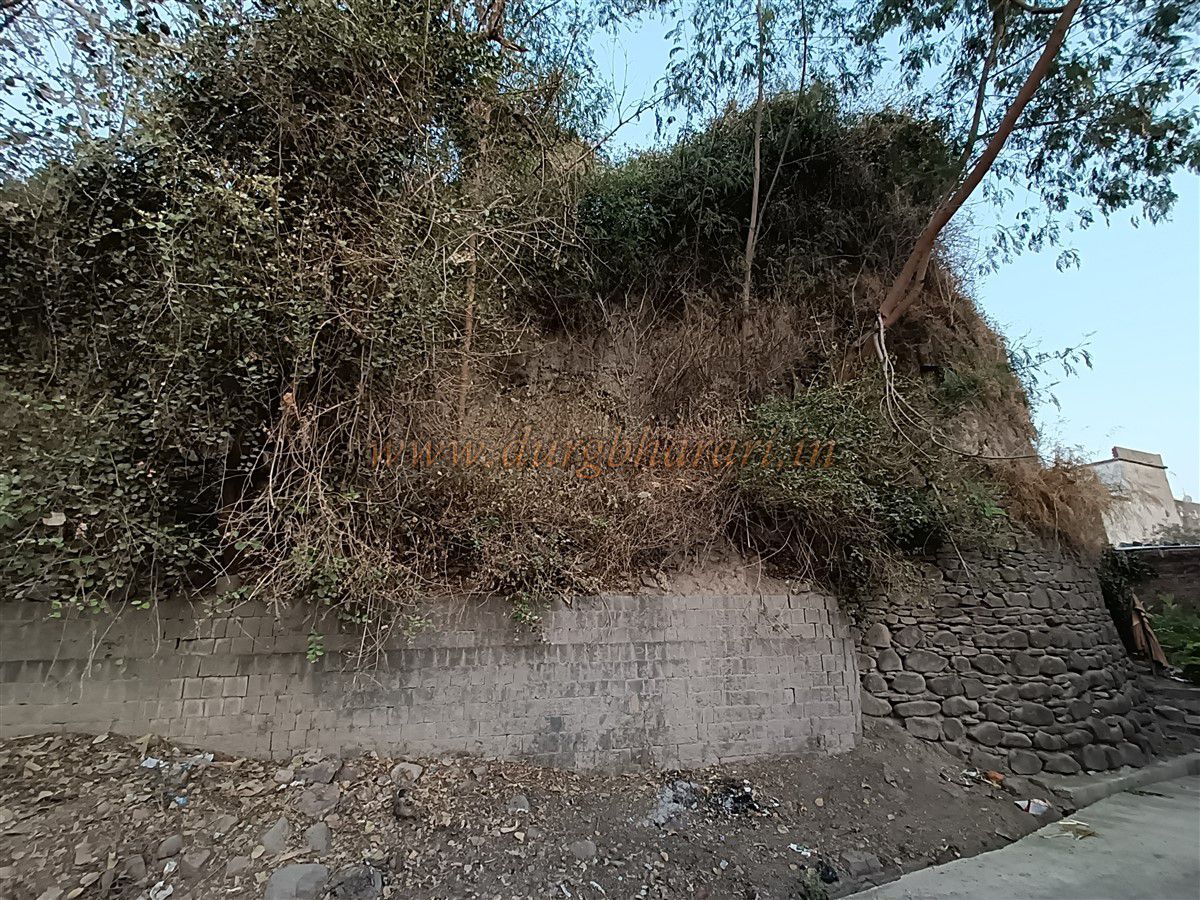
The fort lies at the center of Shembalpimpri village and, being surrounded by houses on all sides, it remains hidden until one gets very close. The fortification wall is about 25 feet high, with the lower 10 feet built in stone and the upper section constructed with white clayey soil. The entire structure spreads across roughly one acre and contains five bastions.
...
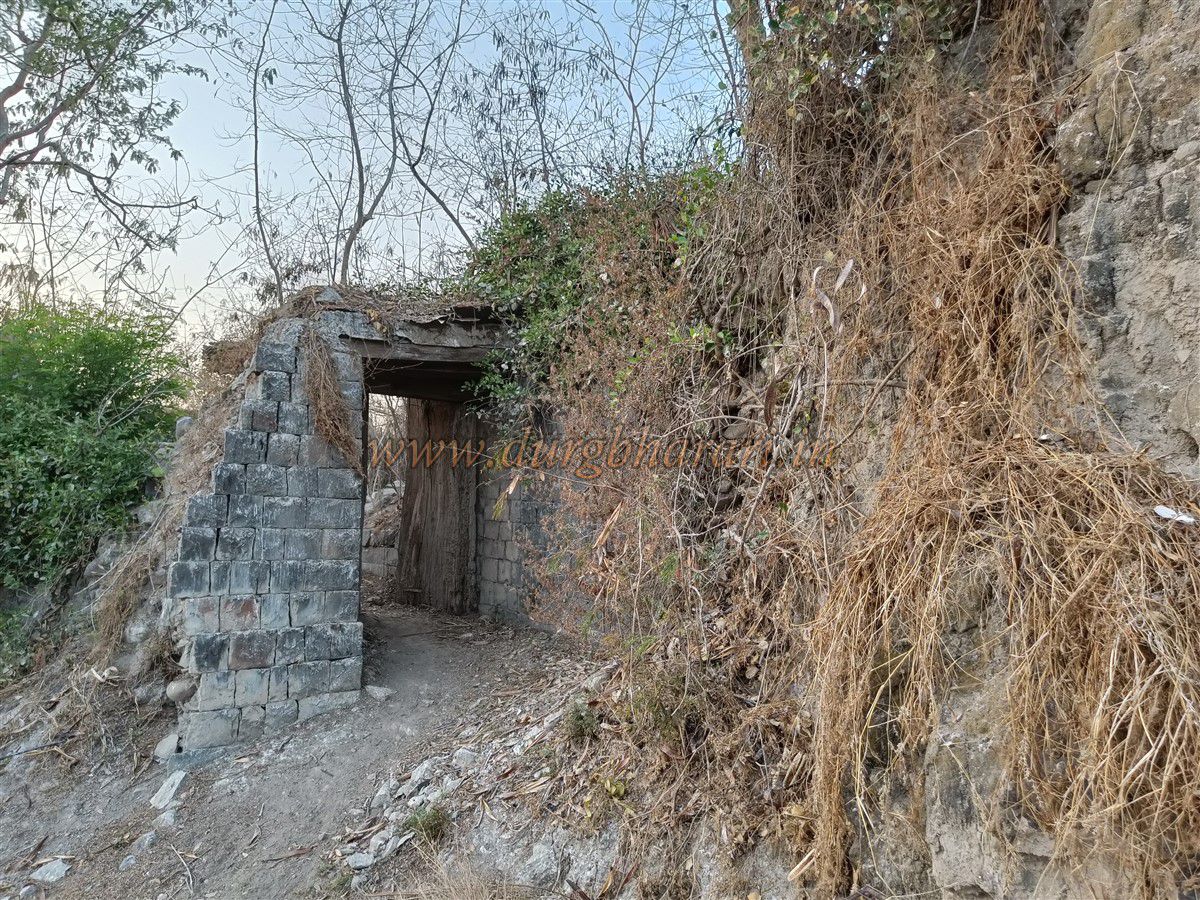
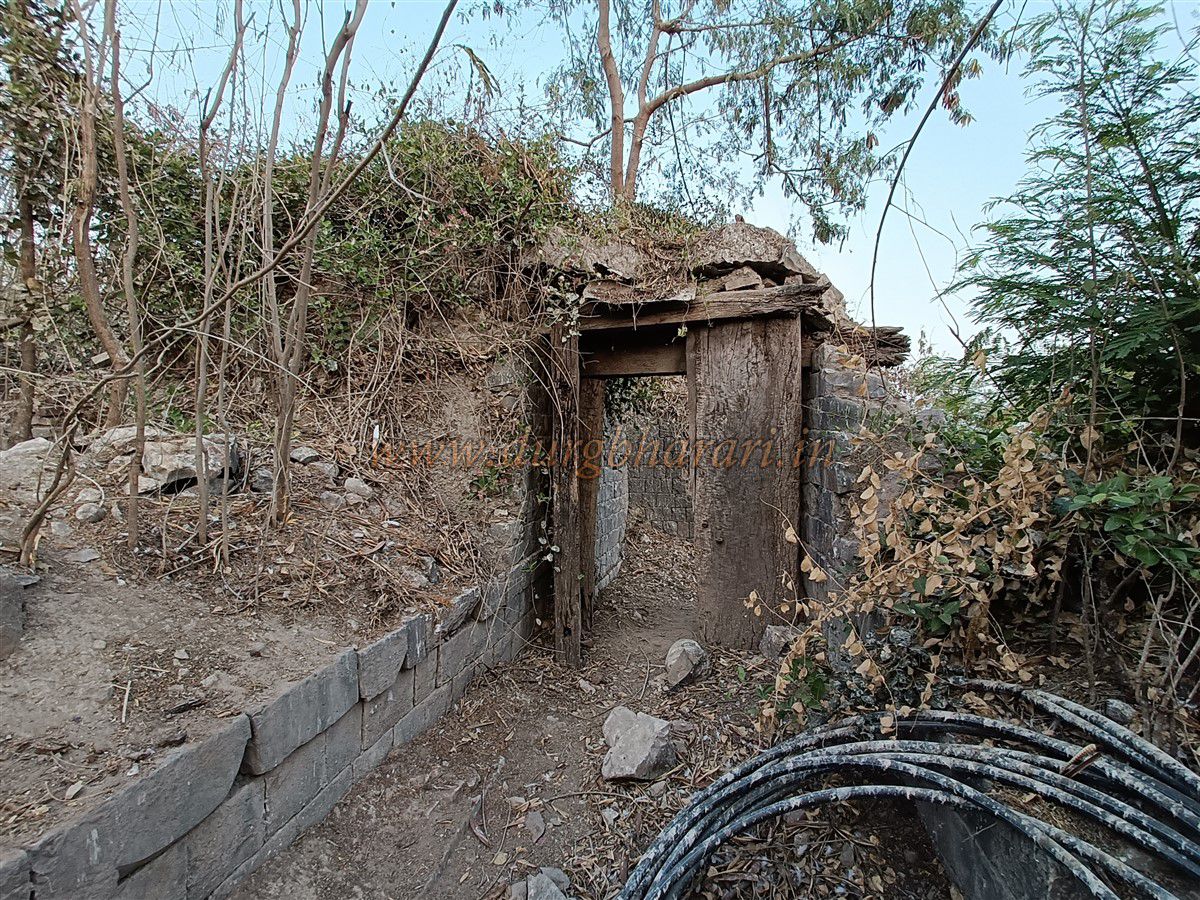
The main entrance to the fort faces north, with the doorway constructed in dressed stone and the arch in brickwork. The original wooden doors of this entrance are still intact, along with a smaller wicket gate (dindi Darwaja). A second entrance, facing east, has been cleverly designed with an angular turn, making it invisible from the outside. Entering through this gate brings one into the fort. To the right of this entrance is a raised platform, which might have once served as the administrative office (sadar) of the fort.
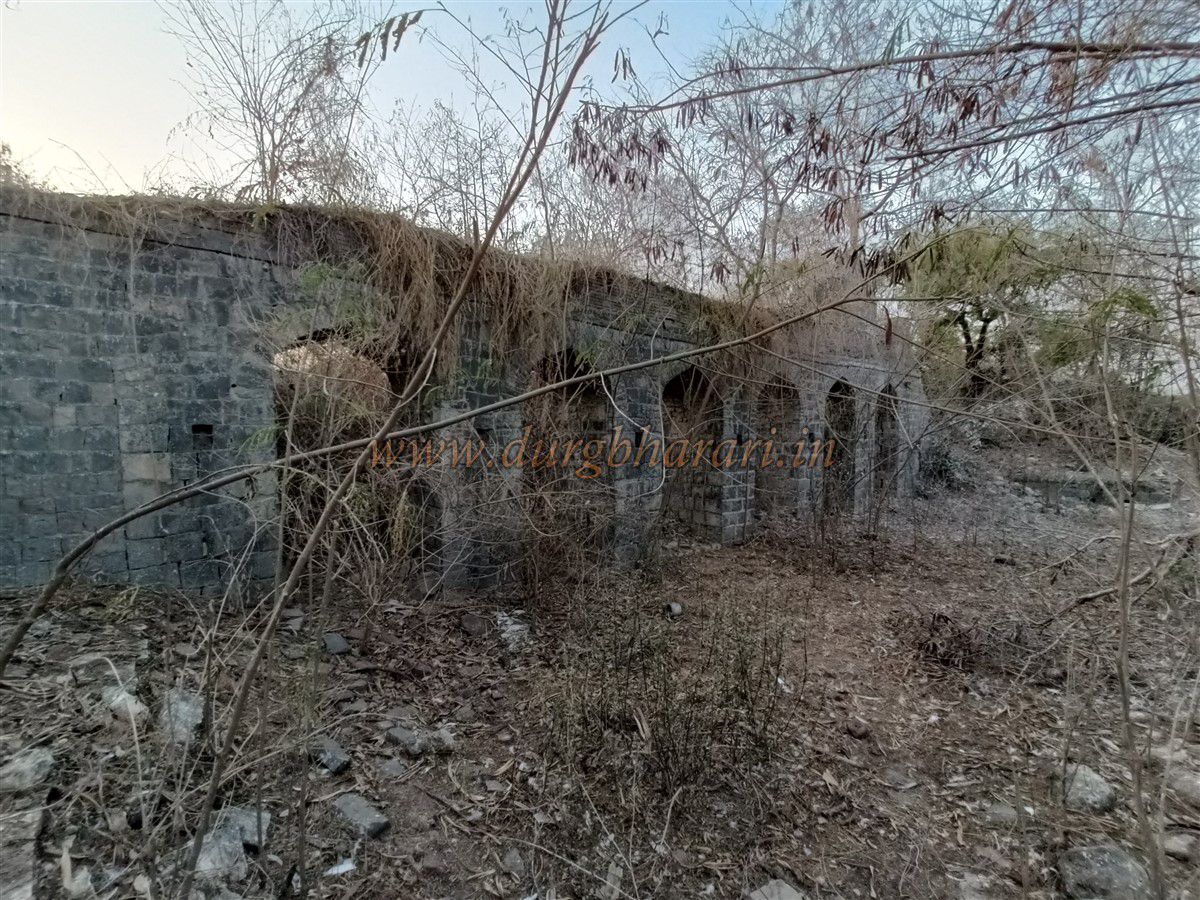
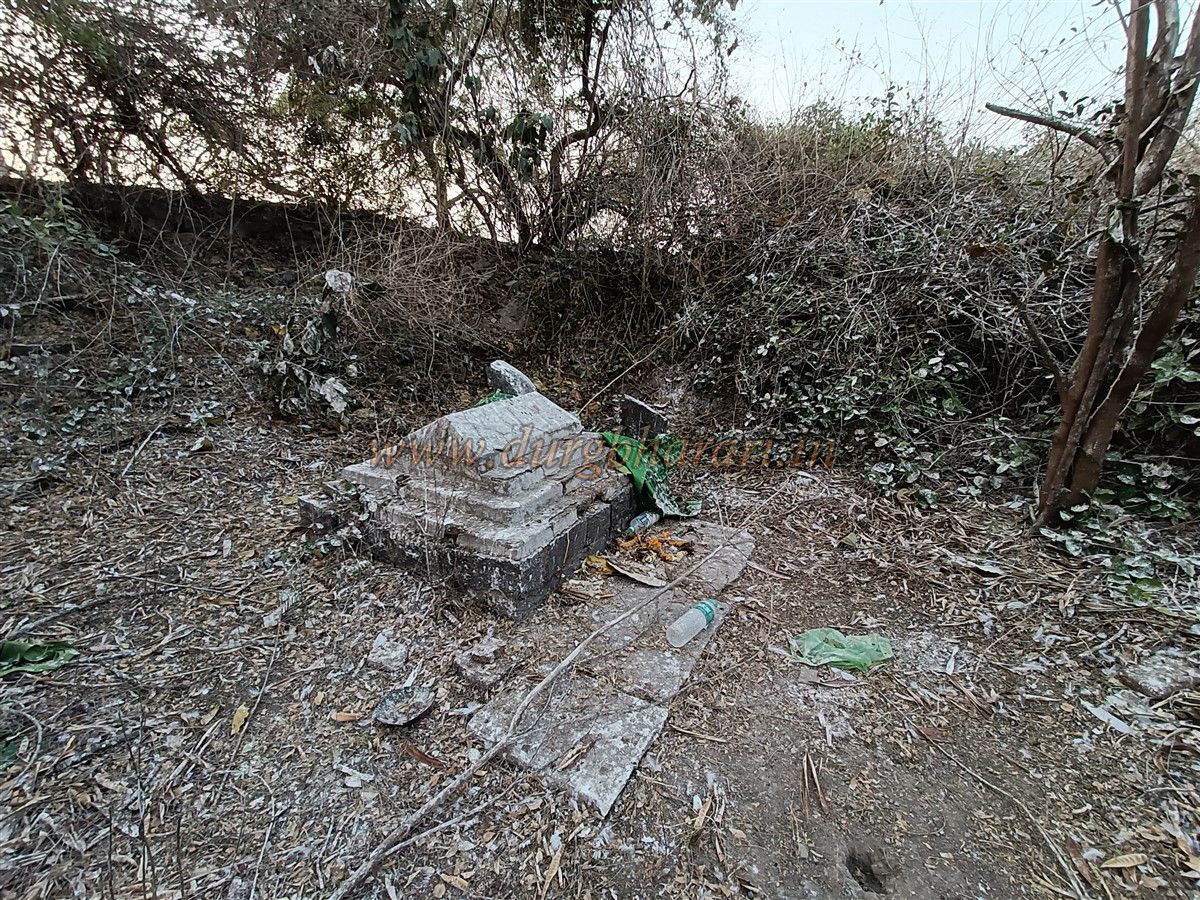
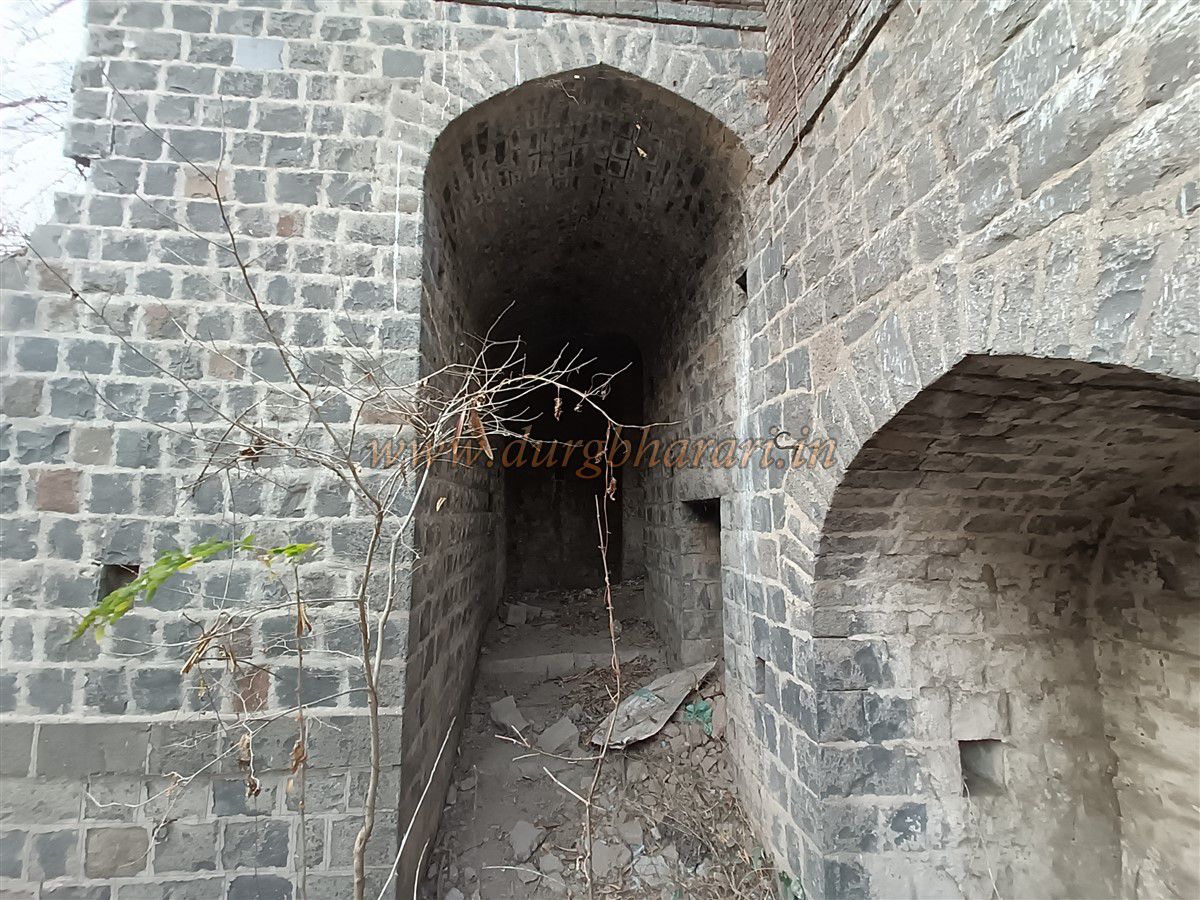
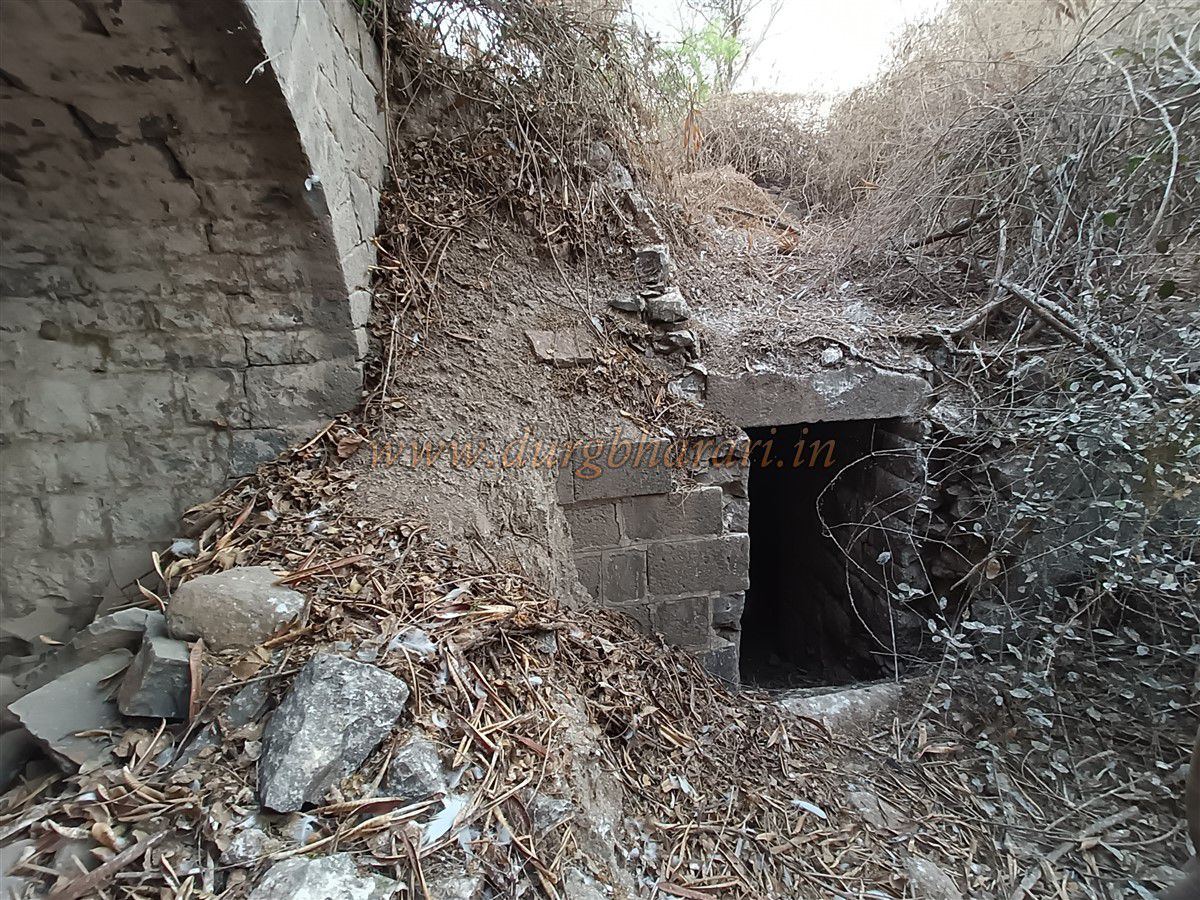
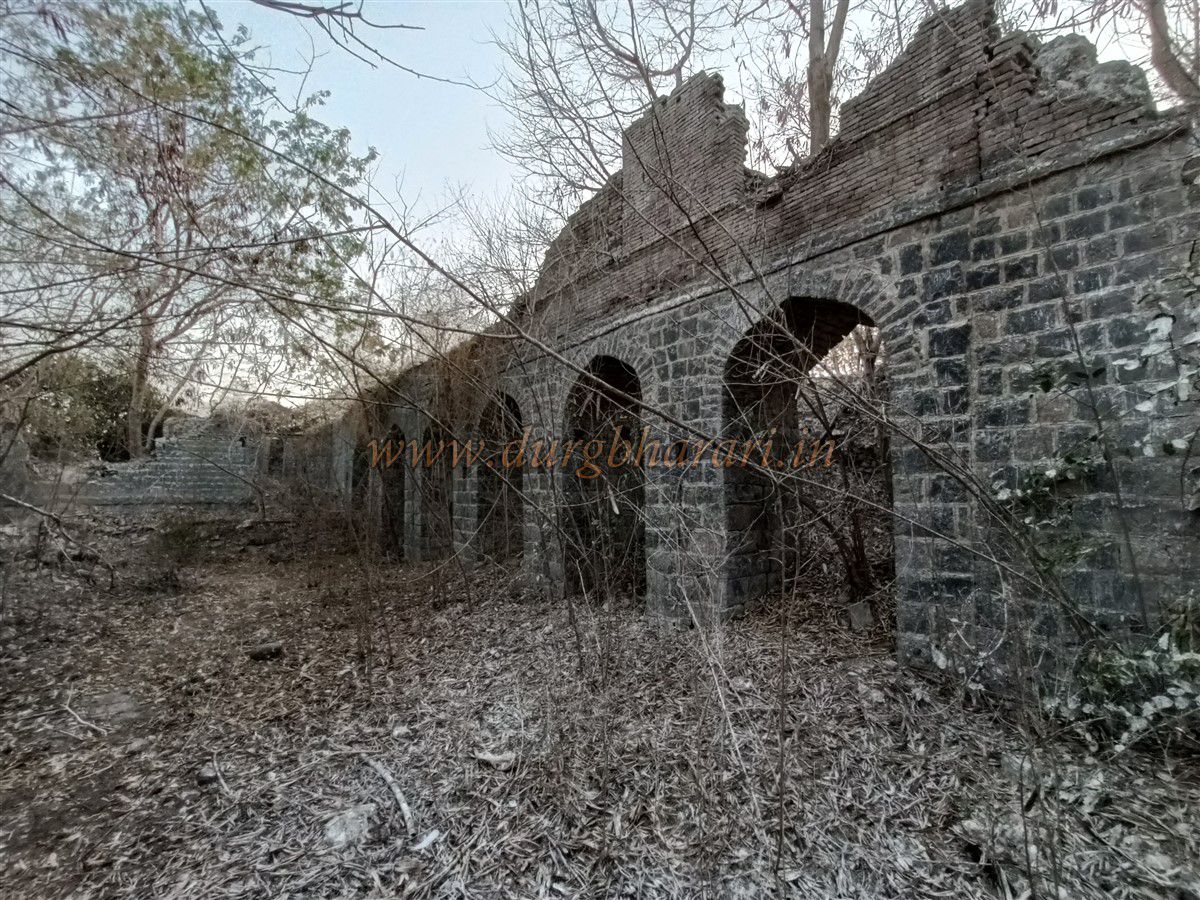
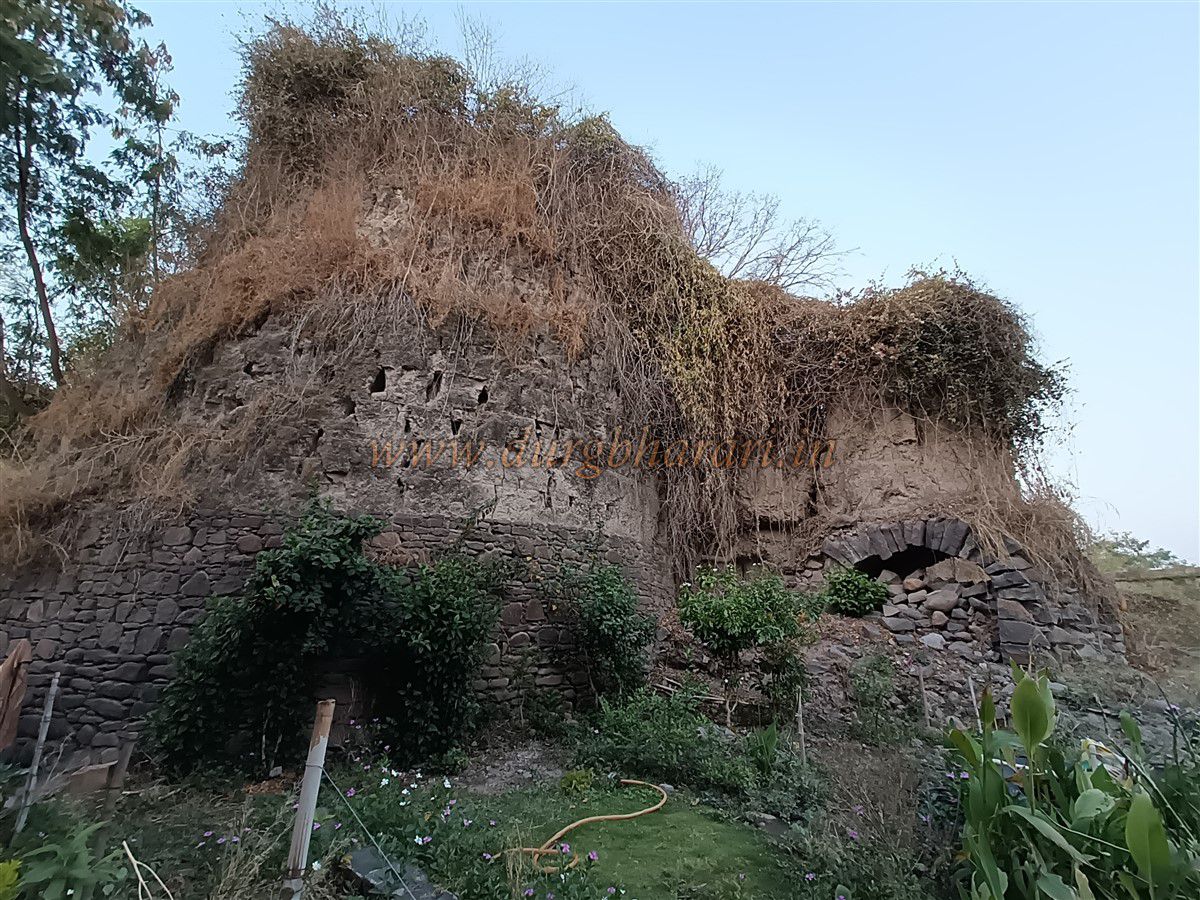
Proceeding further, one sees a row of six stone-built arches, which appear to have been horse stables (paga). On the bastion opposite these stables is a tomb, and nearby, beneath the ground, is a cellar whose interior is visible due to collapsed stones at its top.
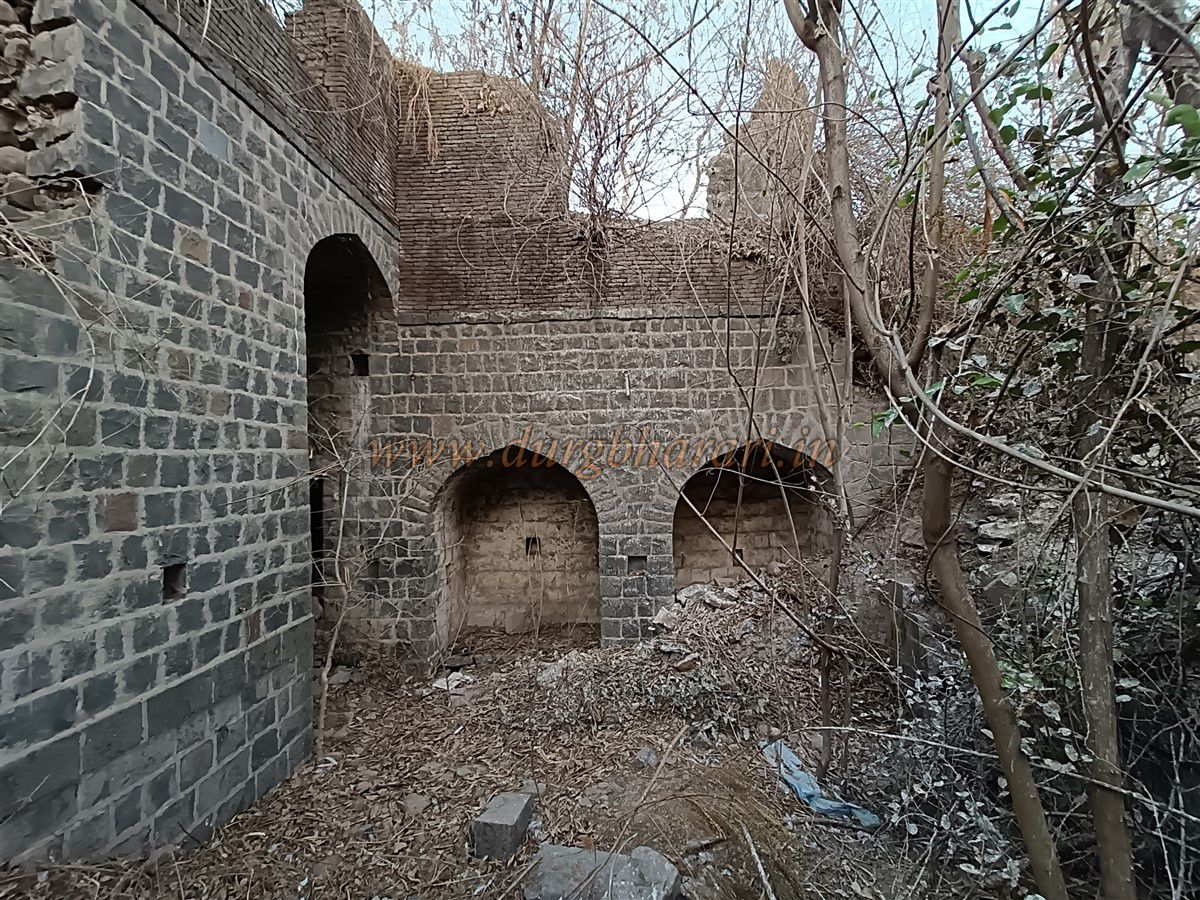
Next to the stables is the entrance to the mansion within the fort. Its façade has completely collapsed. Passing through this entrance leads into the first courtyard of the mansion. Beyond this area, dense thorny vegetation makes it impossible to explore further.
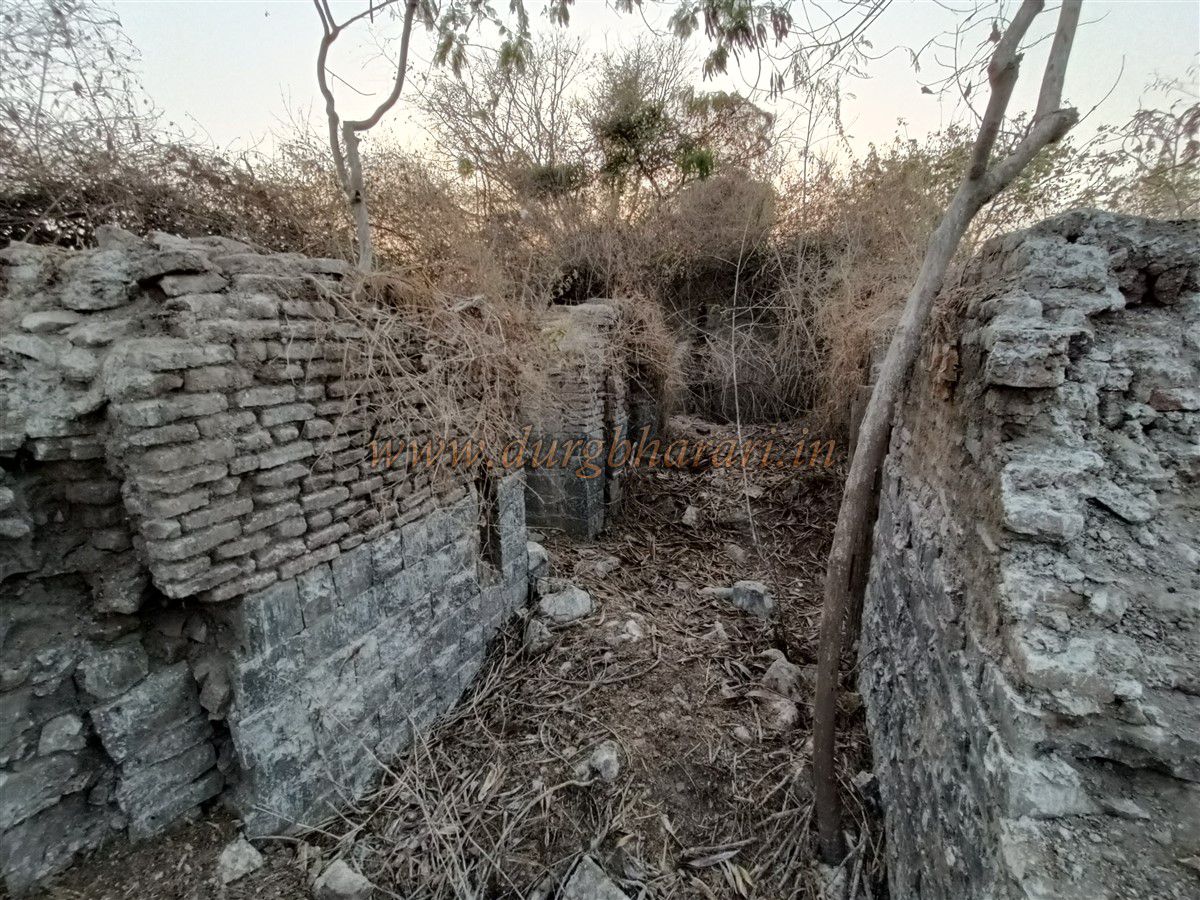
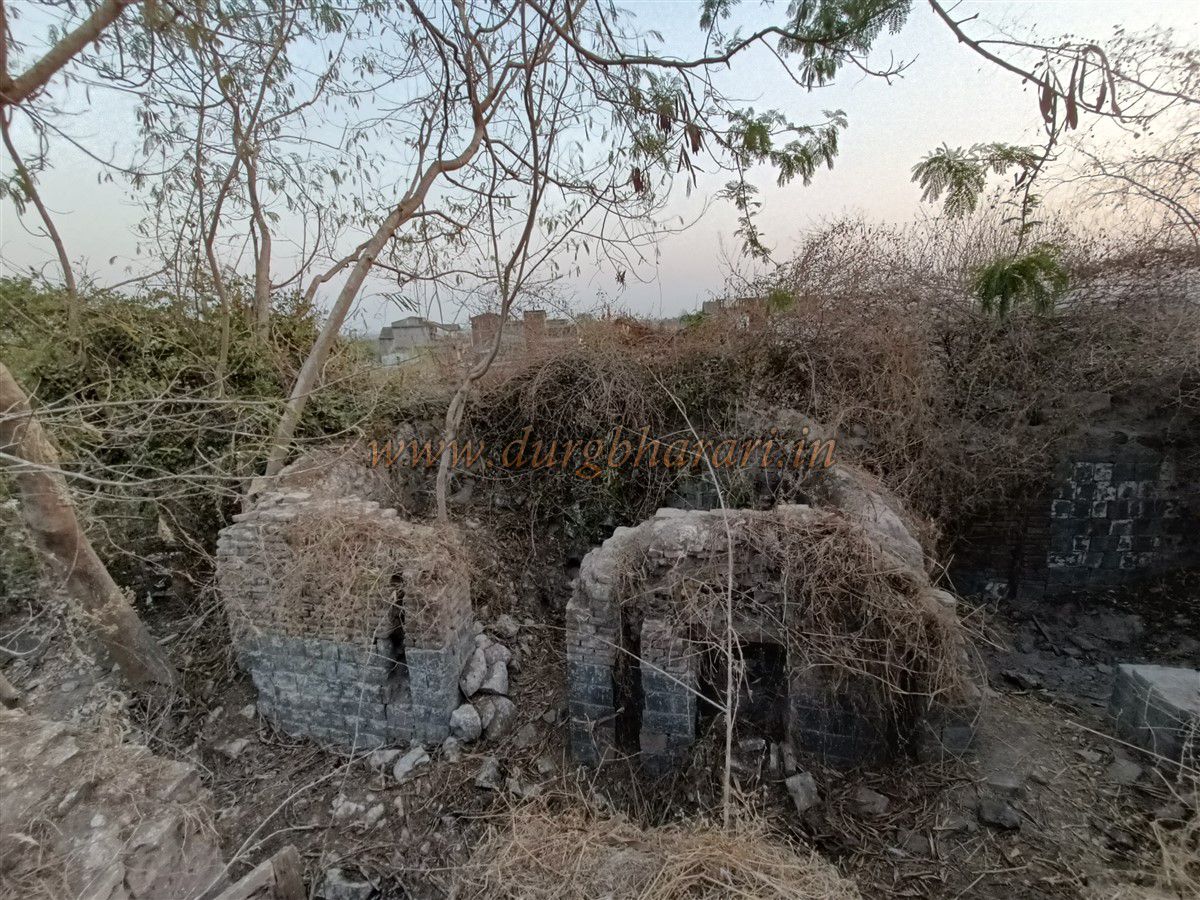
Within the fort, one can still see the drainage outlets for rainwater, underground storage cellars, and grain-storage pits (bhalad). Due to the thick vegetation, it is unclear whether there were any water facilities inside.
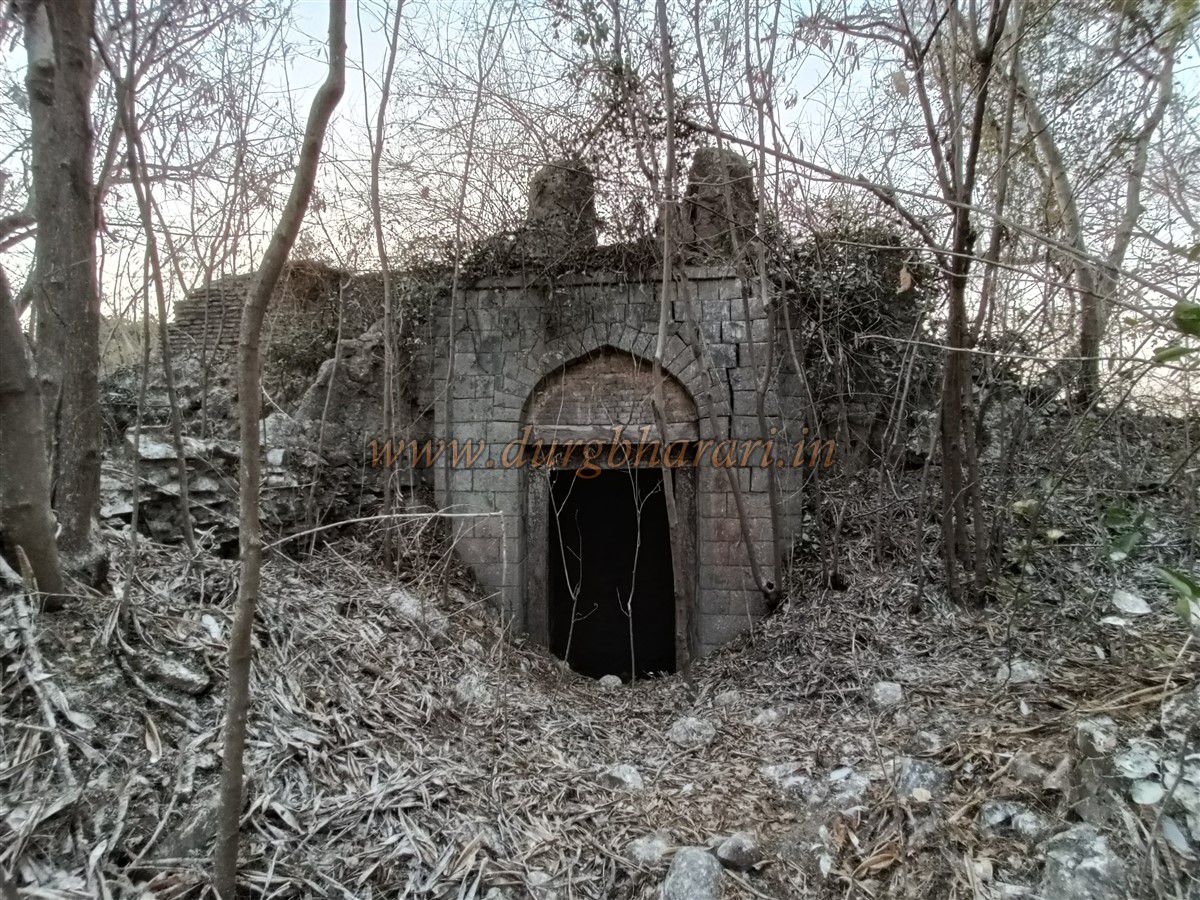
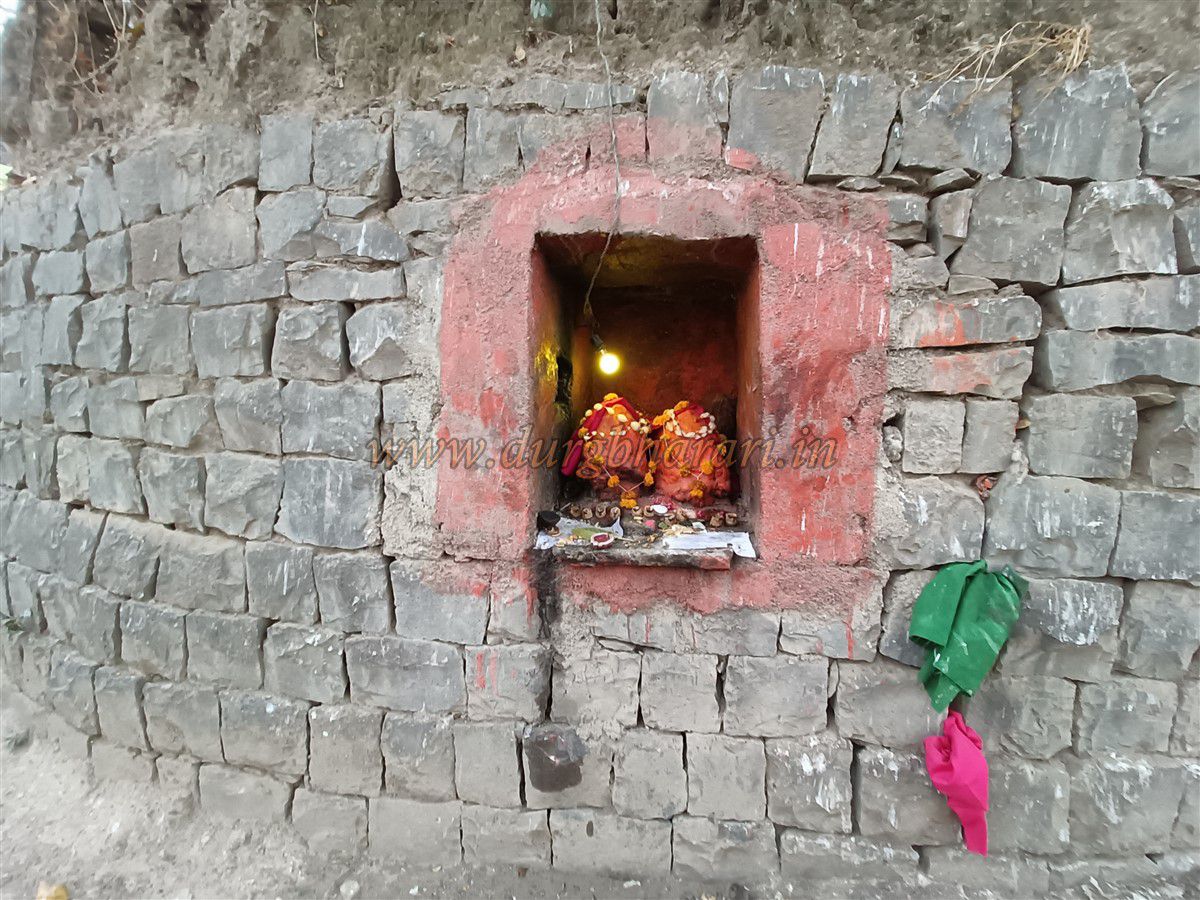
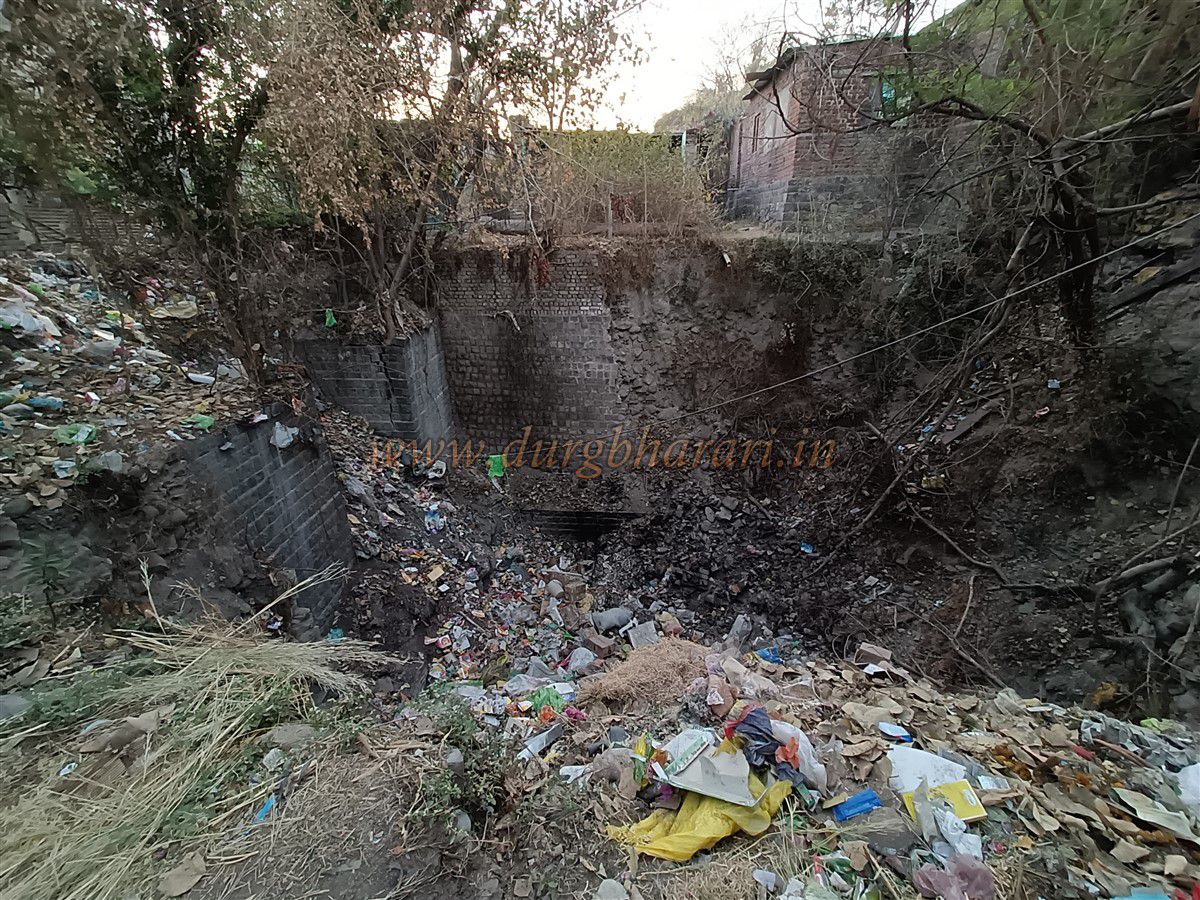
While walking around the fort’s exterior, one notices a small arched doorway, likely meant as a secondary exit. Additionally, on the southeast side of the fort, adjoining the wall, there is a large square stone-built stepwell (barav), with an access route from inside the fort. It is likely that water from this well was drawn using a Persian wheel (rahat).
Being on elevated ground, the fort offers a commanding view of the entire village and surrounding area. It takes about 45 minutes to explore the whole structure.
The owners of the fort, descendants of the Deshmukh family, still reside in a house opposite the fort, and their original surname is Rane. This Deshmukh family also owns forts at Dhanora and Kalamnuri.
© Suresh Nimbalkar
GALLERY