SENDURSANA
TYPE : FORTRESS
DISTRICT : HINGOLI
HEIGHT : 0
GRADE : EASY
Exploring the forts of Marathwada often reveals that instead of massive hill forts, one encounters numerous gadhis (fortified mansions or small forts). Their density is remarkable—roughly one every 30 km. During the pre independence era, this region was under the rule of the Nizam, and these forts and gadhis remained occupied and functional until quite recently, which helped preserve them. However, after the abolition of Watan (hereditary land rights), the upkeep of these privately owned structures became difficult for their owners, leading to their steady decline.
In Hingoli district, there are two medium sized forts and two gadhis worth noting. Among them is the gadhi at Sendursana, once belonging to the Devkate family. Built on a small hillock, this fortified mansion lies about 45 km from Hingoli and 20 km from Aundha Nagnath.
...
Given the limited transport facilities in this area, it is best accessed by private vehicles. The gadhi is well known to locals and is easily visible from a distance as one approaches Sendursna village.
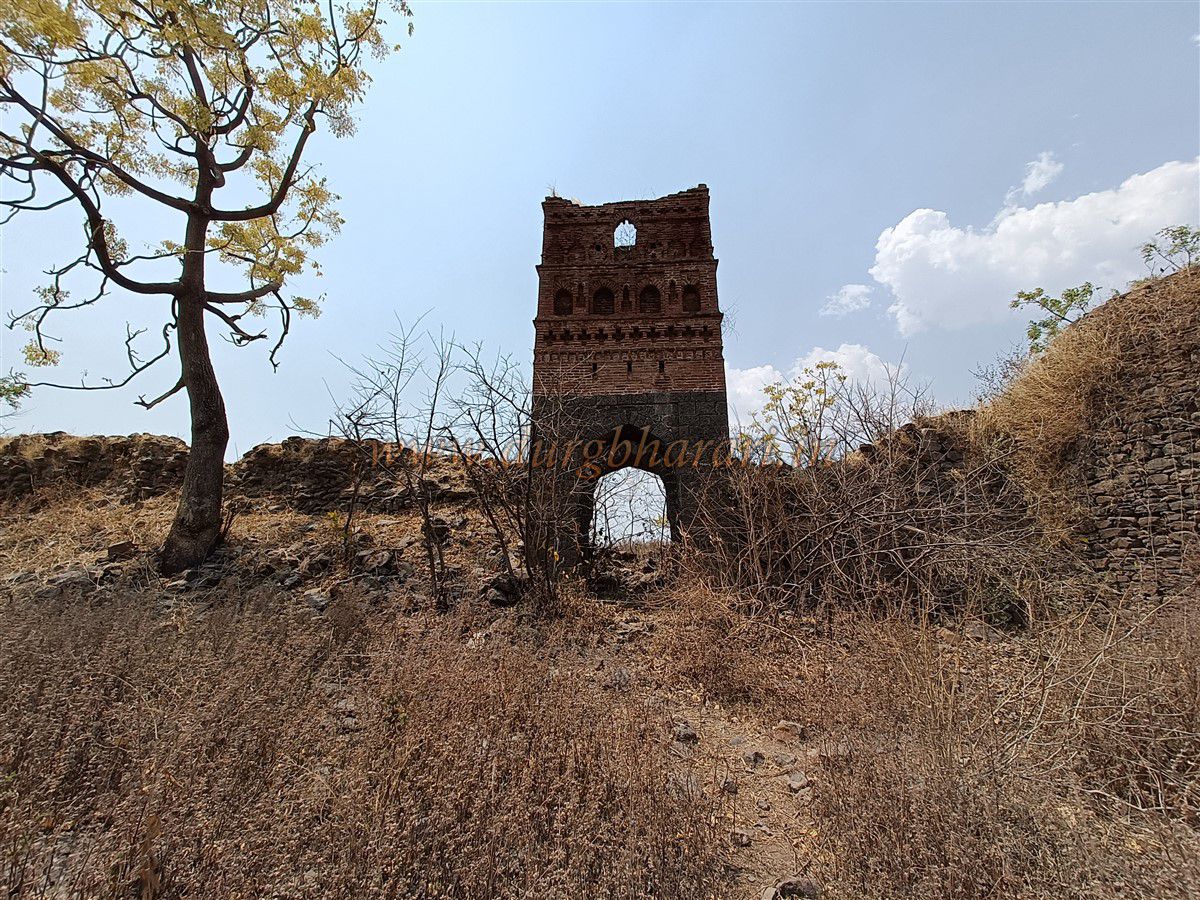
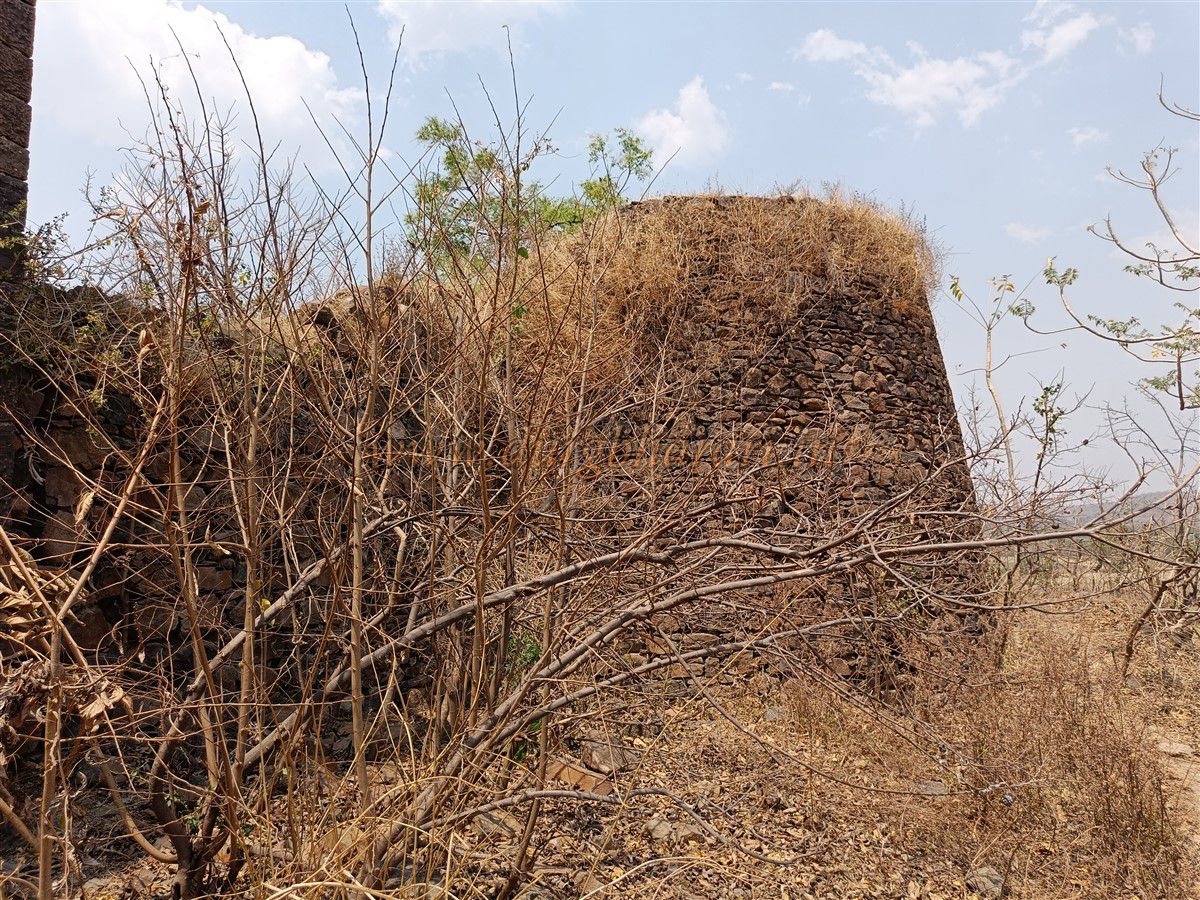
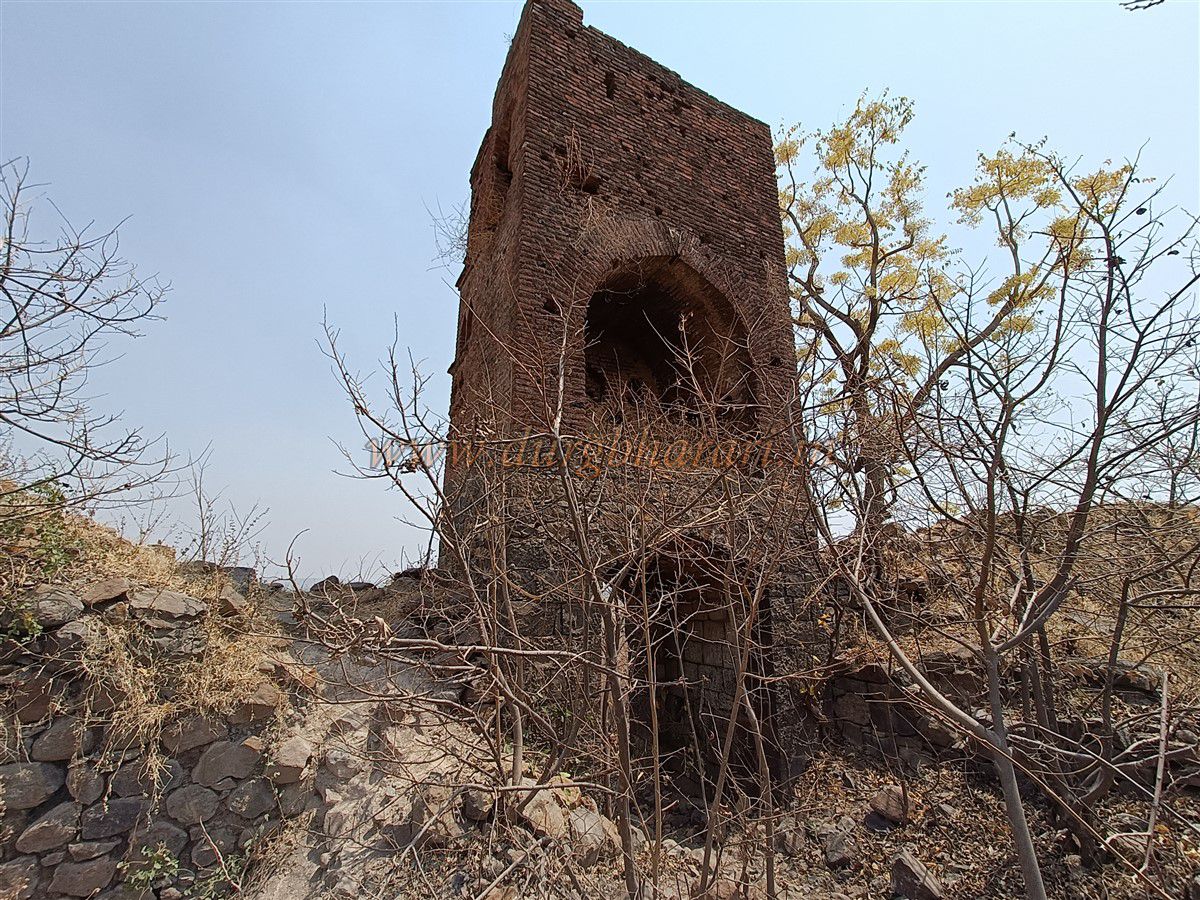
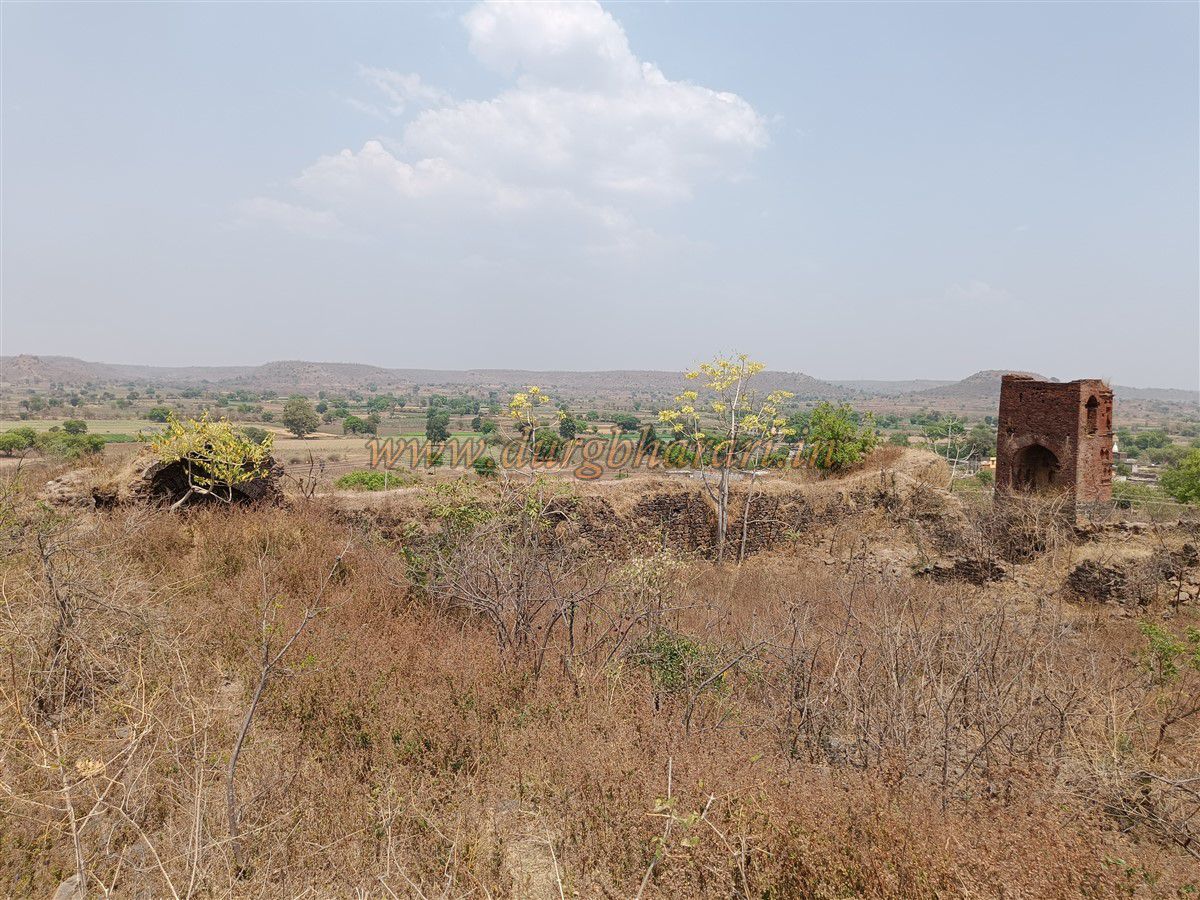
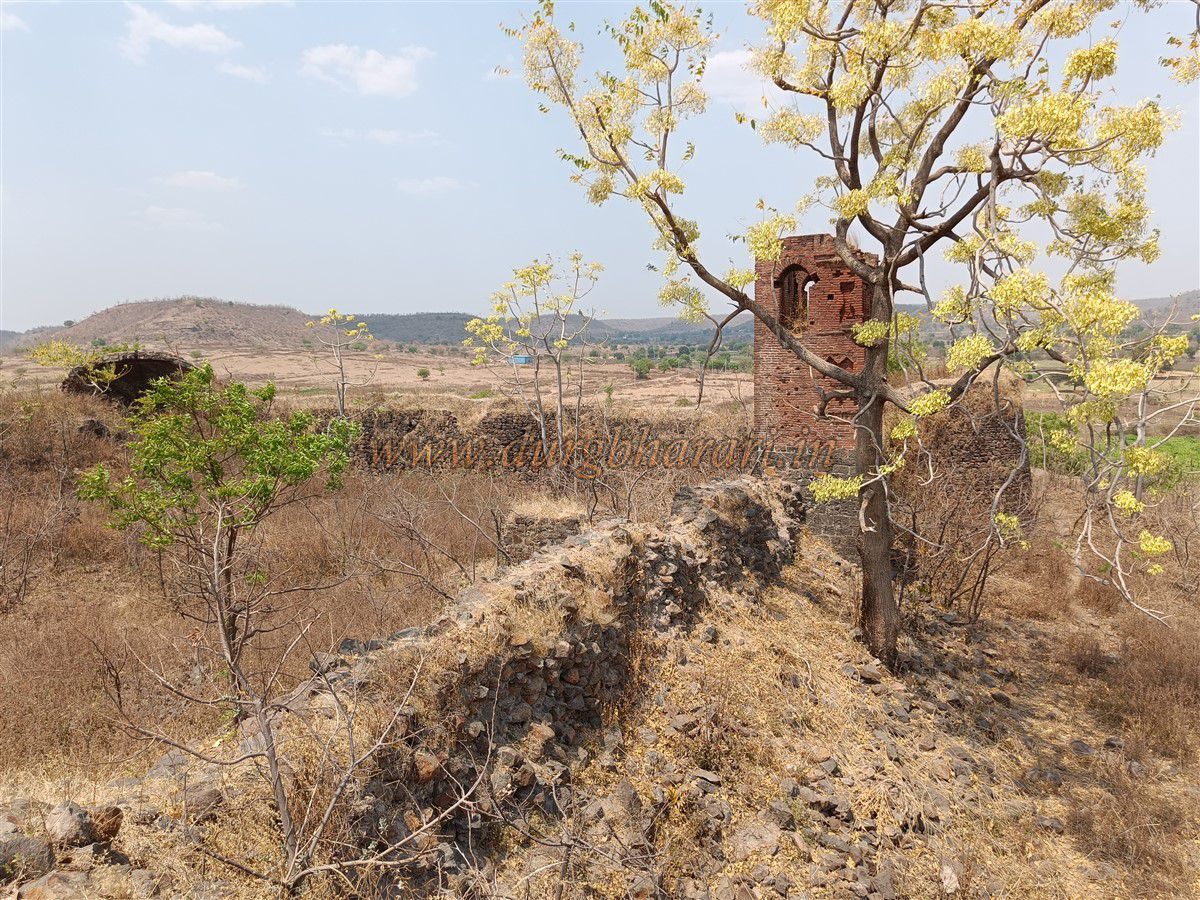
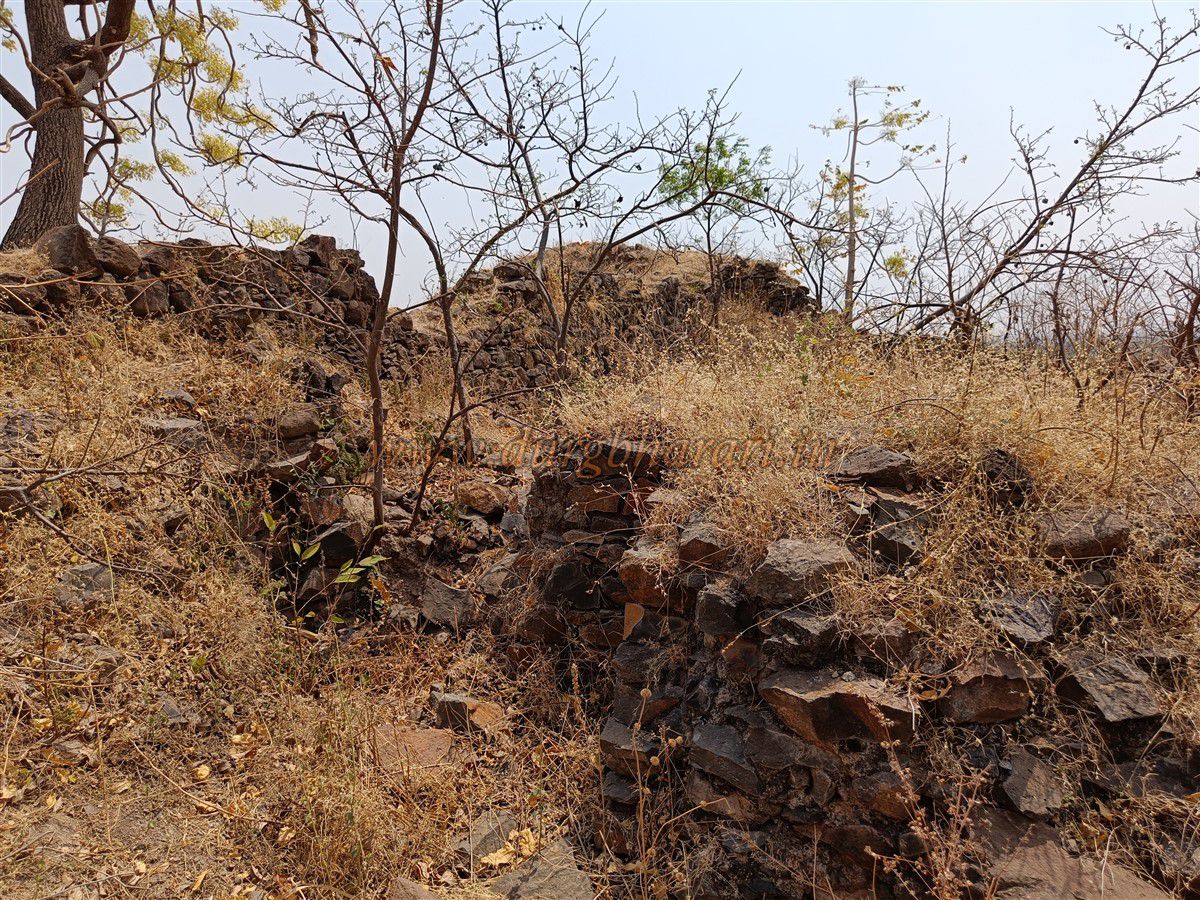
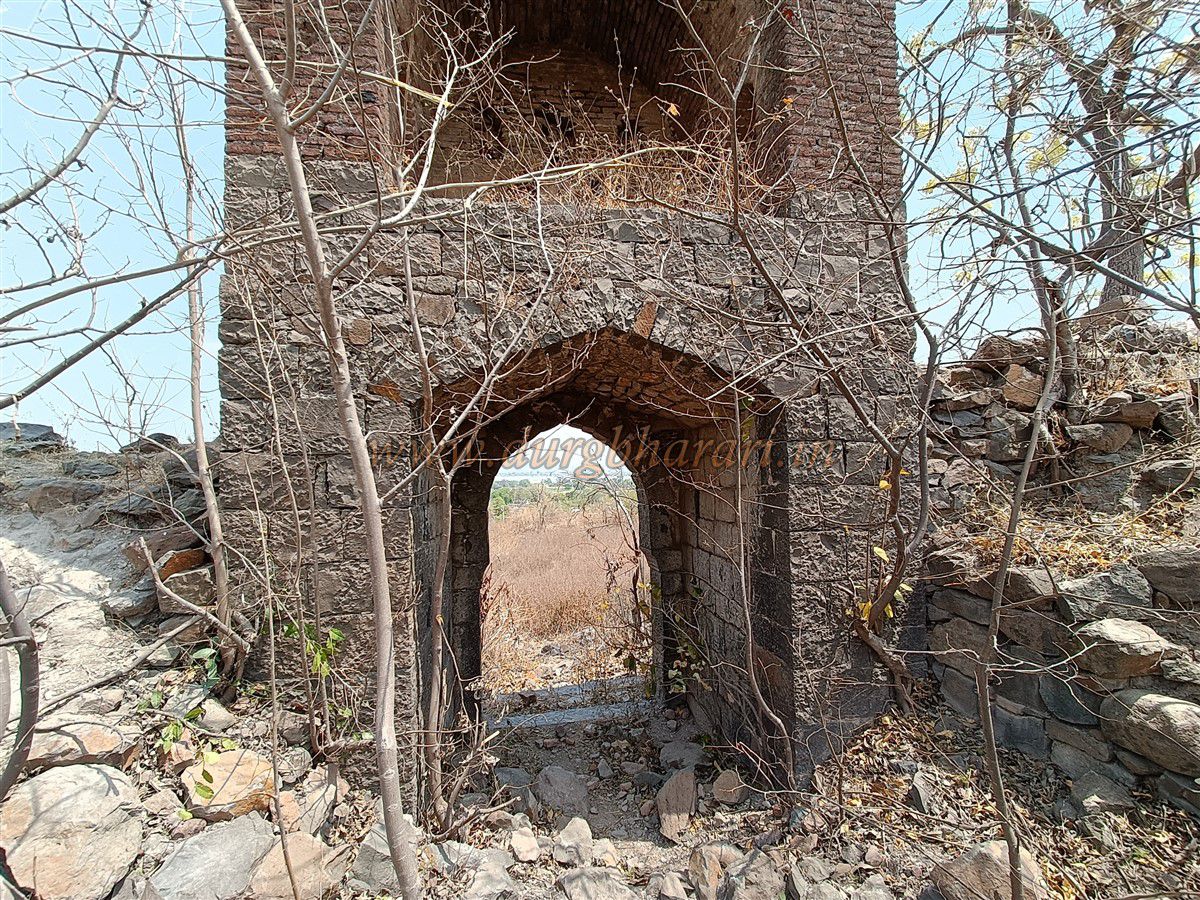
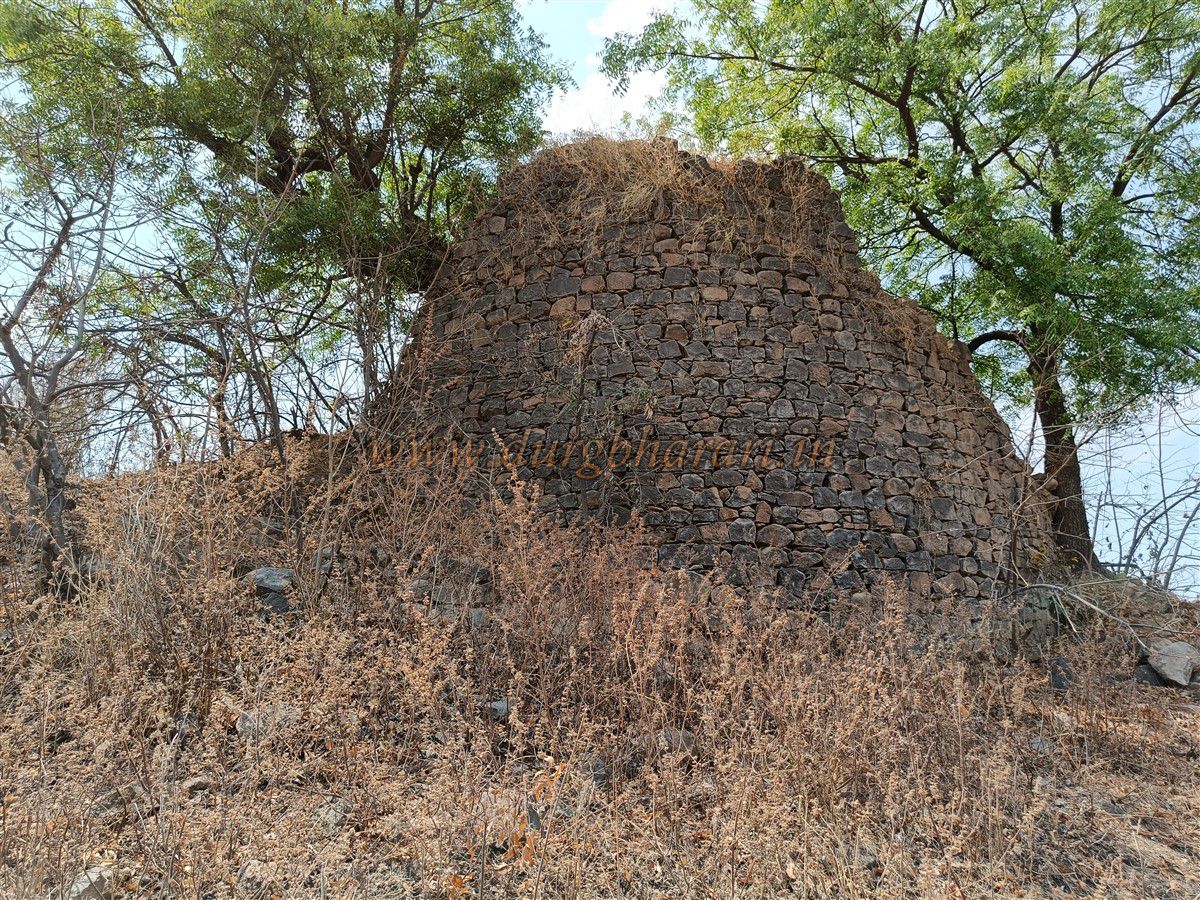
This rectangular gadhi covers roughly one acre and is divided into two parts: the main fortification and an outer enclosure (parkot). The main entrance faces north, with its lower structure built from dressed stone and the upper portion constructed with brickwork. The rest of the fortification is made of roughly dressed stones. The gadhi has a total of six bastions—four on the main fort and two on the outer enclosure. The walls rise to a height of about 20 feet.
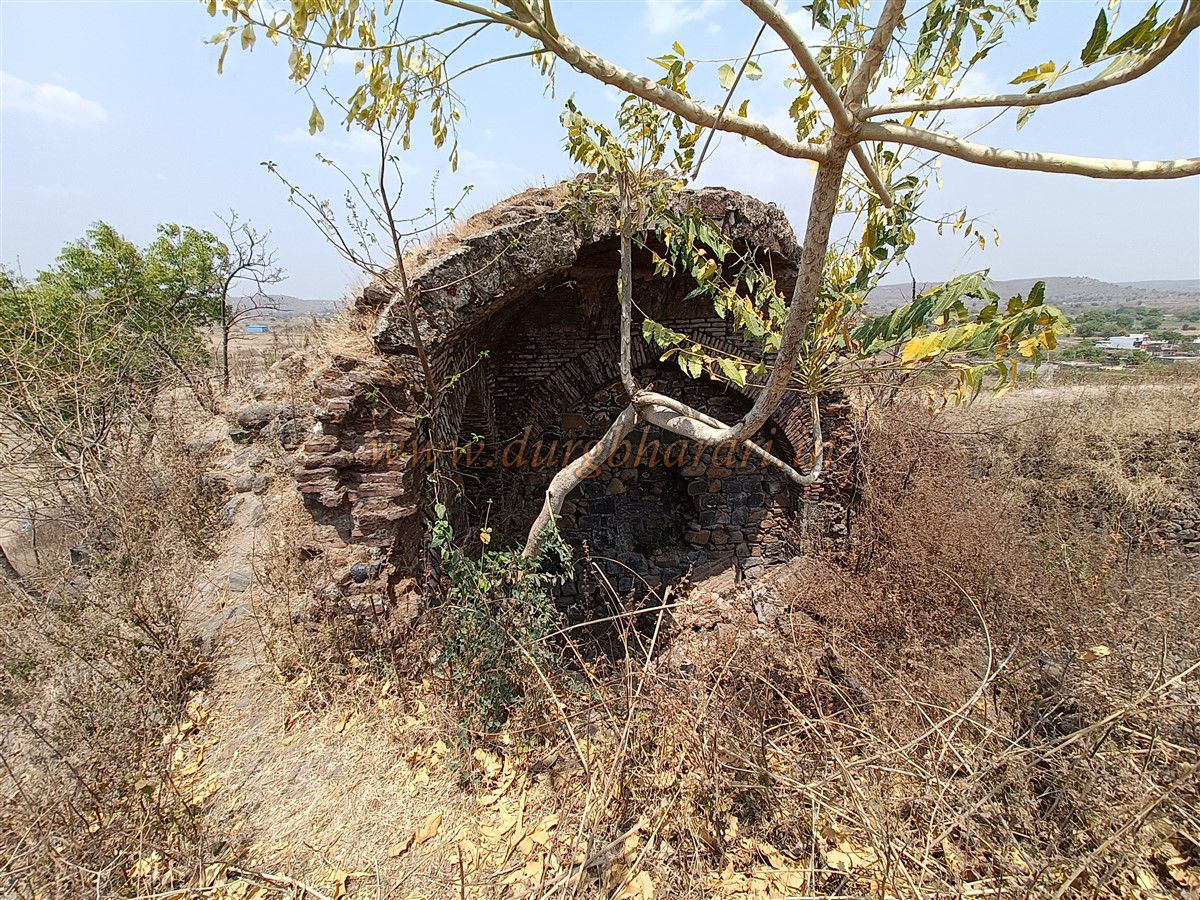
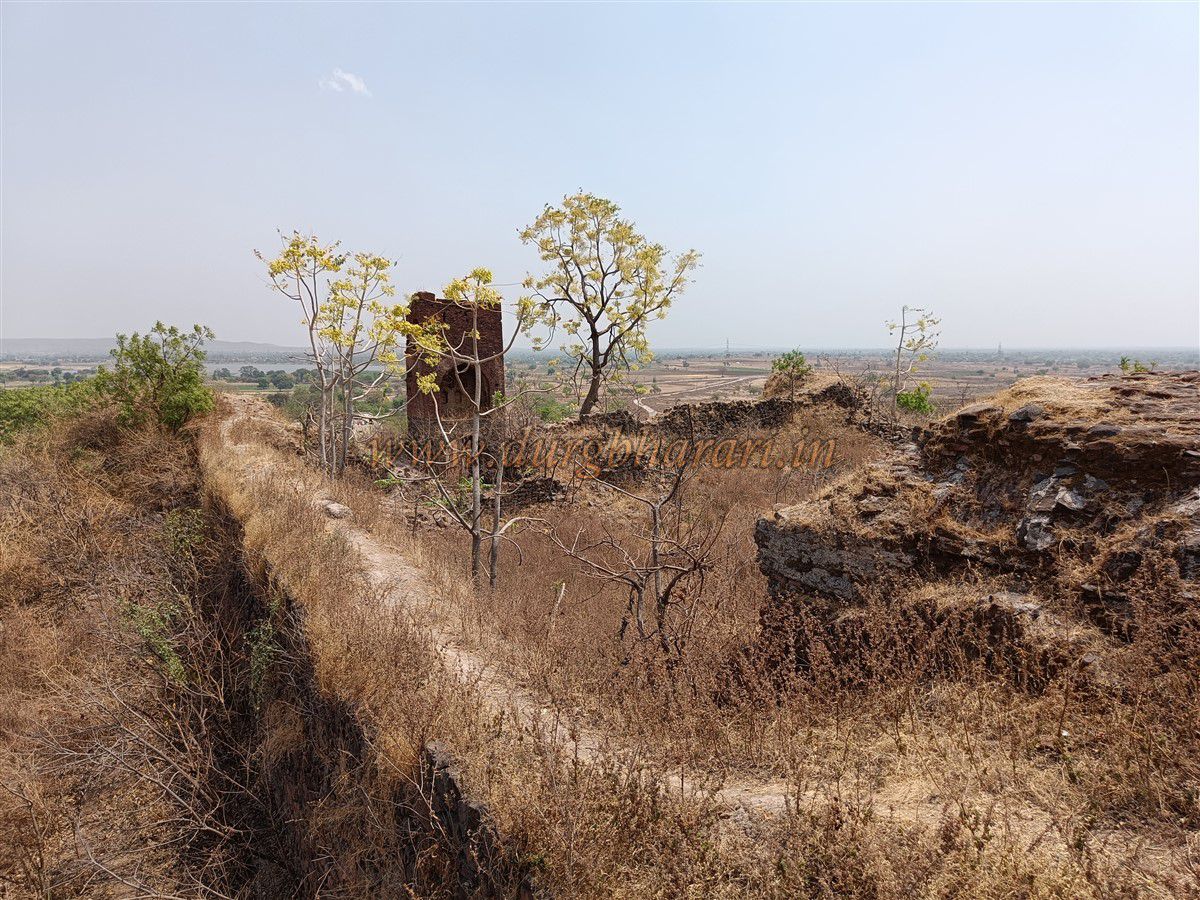
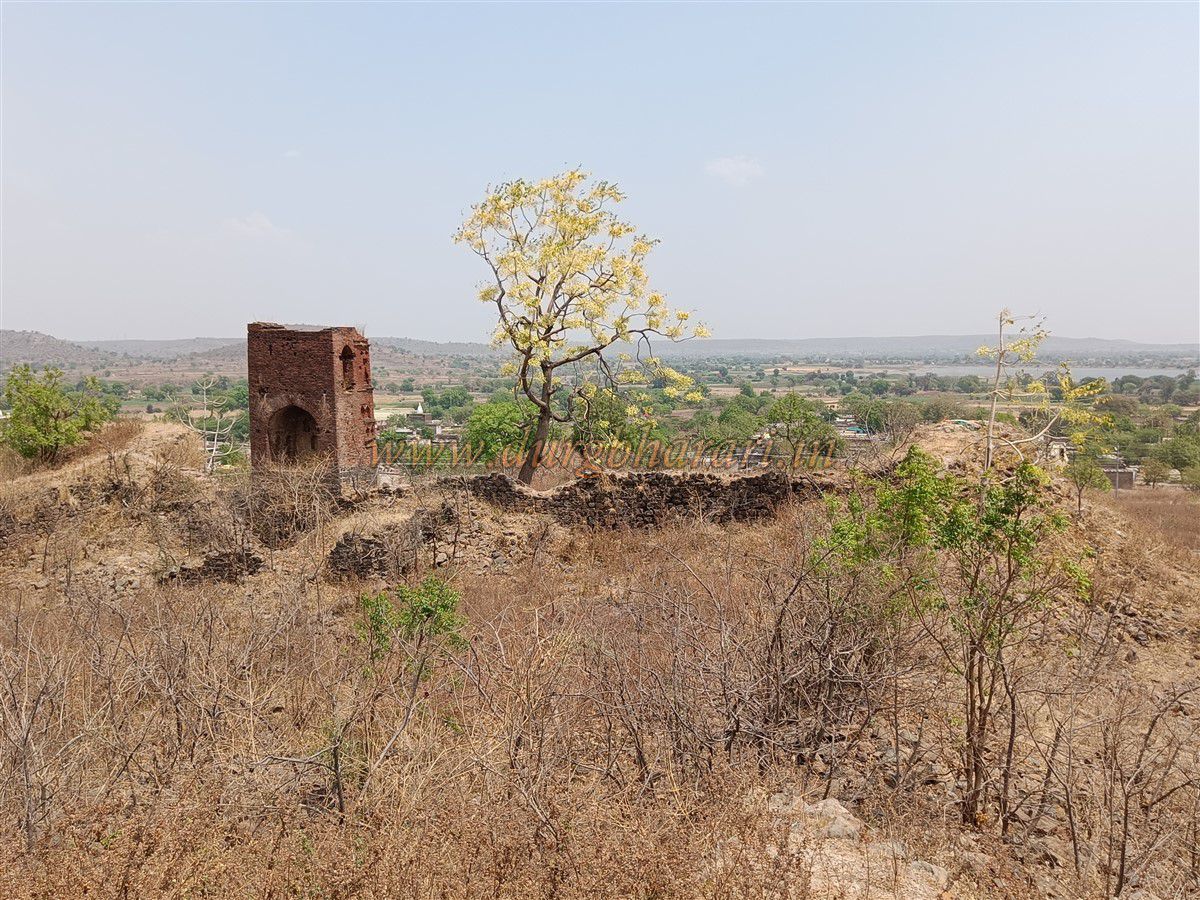
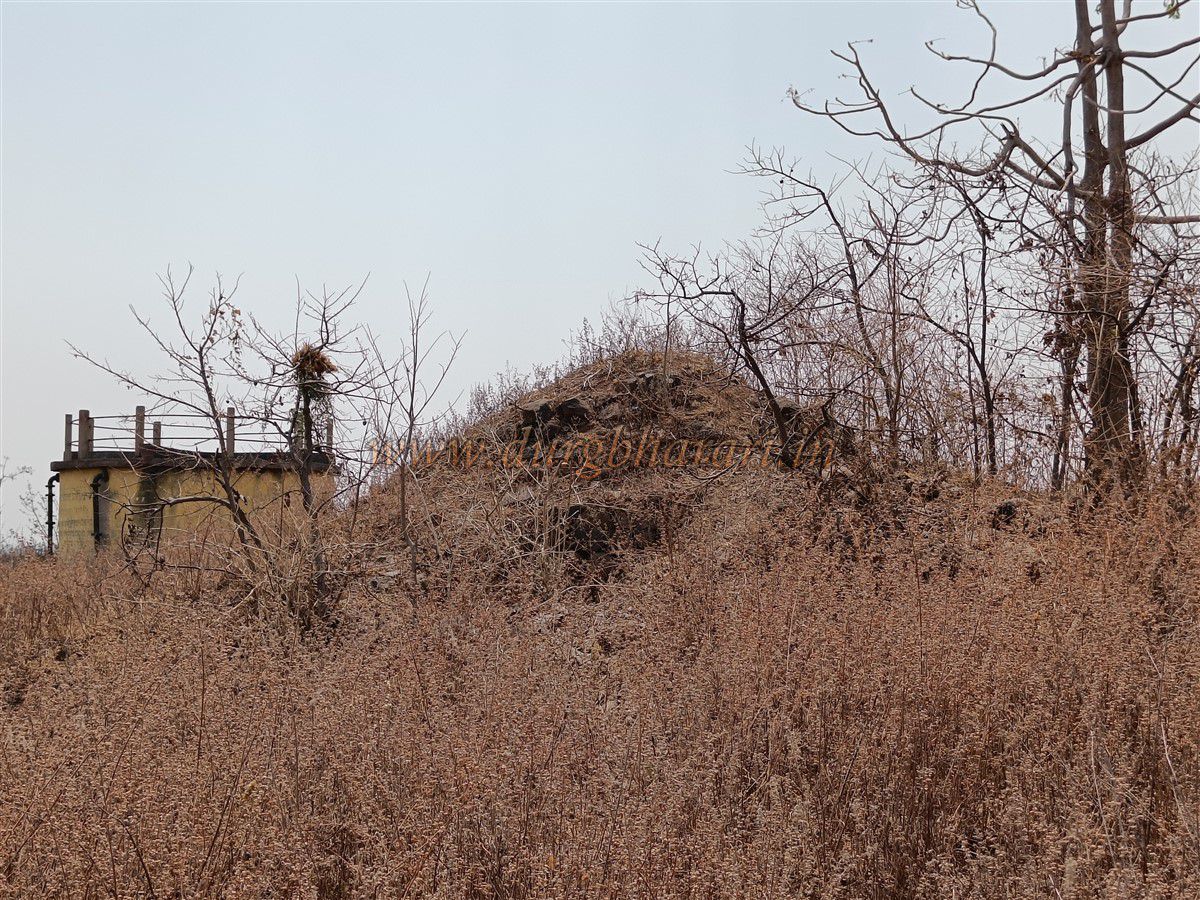
Within the main enclosure, one bastion holds a partially ruined brick built chamber, while at the center of the gadhi lies a now filled water tank. Beyond these, no other structures remain visible. In front of the main gate, the outer enclosure walls extend down the slope of the hill, ending in bastions that connect back to form a closed perimeter. The outer enclosure itself contains no visible remains. Touring the entire gadhi takes about half an hour.
Historically, Sendursna village itself was once fortified, with a single entrance gate still surviving, which can be seen during a walk through the settlement. The village also houses a renovated Nilkantheshwar Mahadev temple with an adjacent pushkarni (sacred tank).
The Sendursna gadhi belonged to the Devkate family, whose ancestor Jivajirao Devkate is regarded as the founding patriarch. The village of Sendursna in Gangathadi was granted as an inam (revenue free land grant) to the Devkate family by the Peshwa, but beyond this, there is no detailed historical record of the gadhi.
© Suresh Nimbalkar
GALLERY