SAWARGAON WAYAL
TYPE : FORTRESS
DISTRICT : JALANA
HEIGHT : 0
GRADE : EASY
While exploring the forts of Marathwada, one finds that apart from the occasional ground fort (Bhuikot) and a rare hill fort (Giridurg), there are very few true forts to be seen. The Marathwada region lies far from the main Sahyadri mountain range and is largely a flat expanse interspersed with small and medium-sized hills. Unlike the rugged Sahyadri terrain, this landscape led to the construction of numerous fortified mansions (gadhis) and a handful of small forts on these mounds.
In the pre-independence era, this territory was under the rule of the Nizam, and hence these forts and gadhis remained active until fairly recent times. This is why, while touring Marathwada, one encounters far more gadhis than forts. After the abolition of the Watan system, these privately-owned fortified estates became difficult for their owners to maintain, leading to their gradual decline. Sawargaon Vayal Gadhi is one such example. The general apathy of locals toward these structures has also contributed to their deterioration.
...
In Jalna district too, apart from the two forts Rohilgad and Mastgad, the rest are primarily gadhis. In fact, it would not be an exaggeration to say that one can find a gadhi every 30 kilometres in this region. Considering the state of public transport, it is advisable to use private vehicles for travel here.
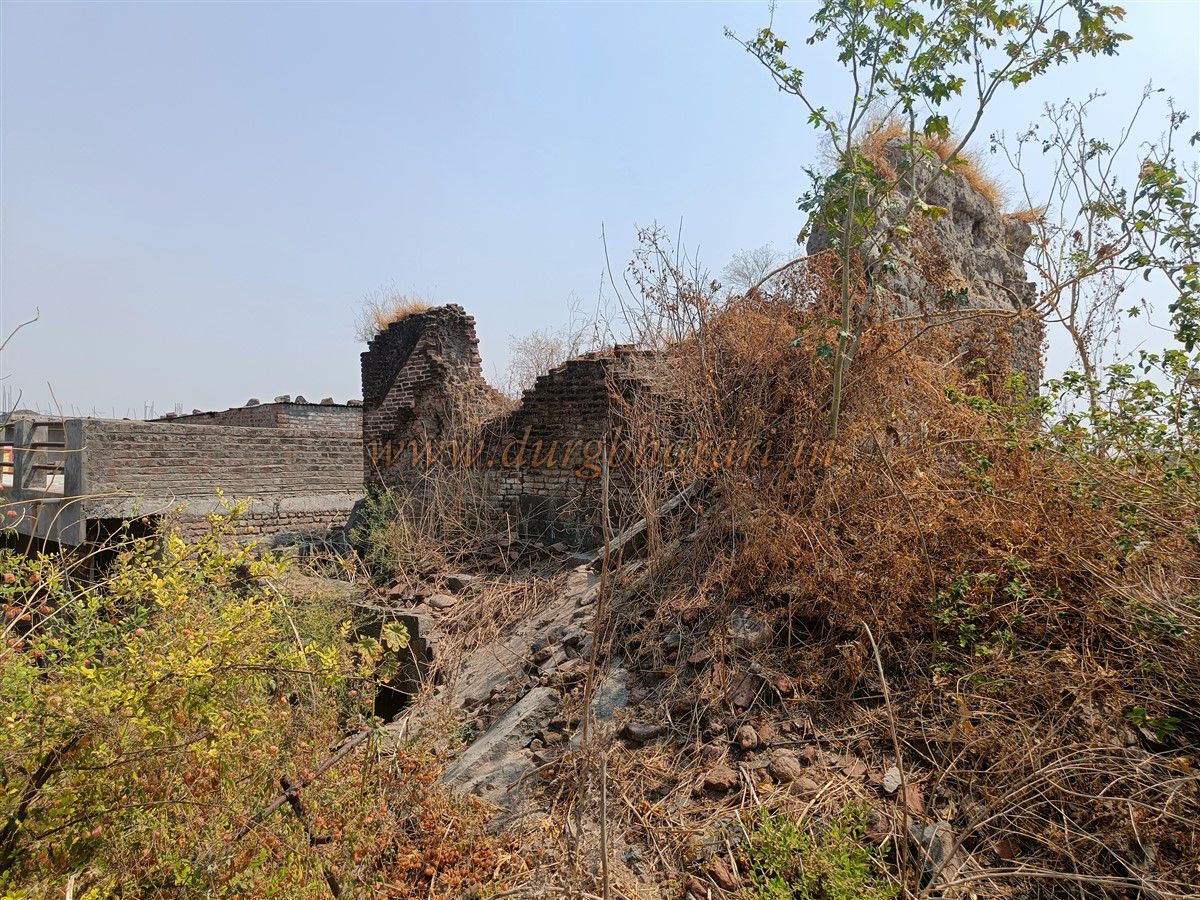
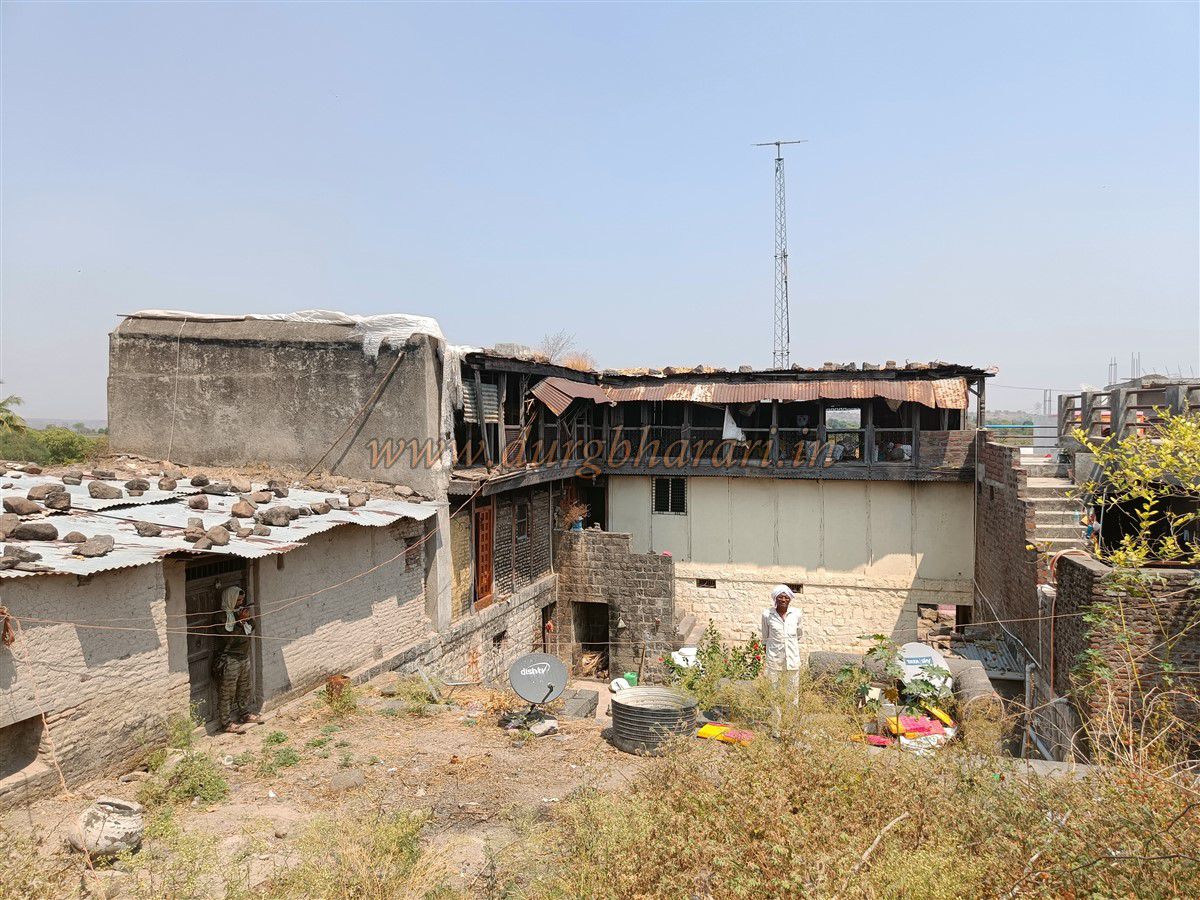
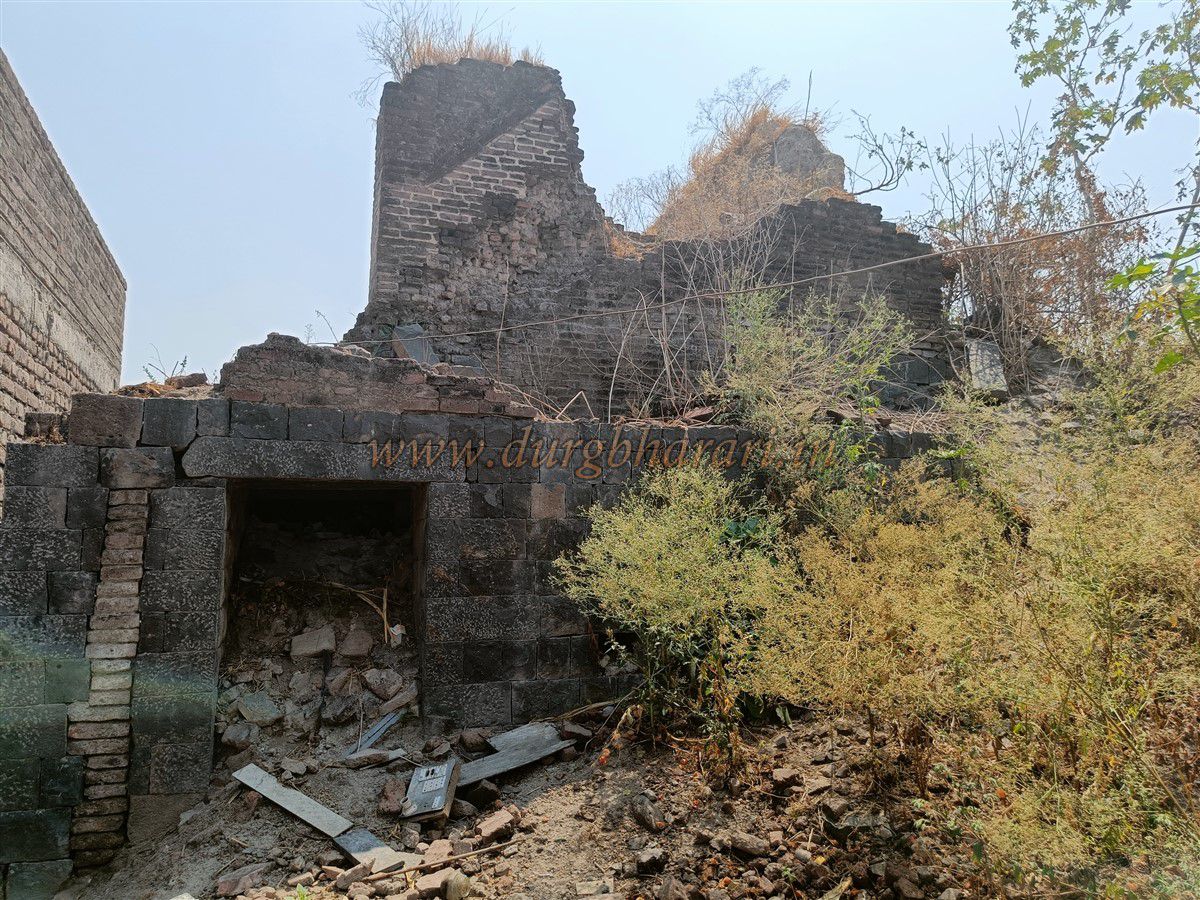
Sawargaon Vayal village lies about 18 kilometres from Mantha, a taluka headquarters in Jalna district, on the road toward Lonar. The village itself is about 2 kilometres off the highway. Here stands the partially surviving Shinde family’s four-towered gadhi. The structure is now largely in ruins, with only two bastions of its fortification remaining. The surviving walls rise to about 30 feet in height.
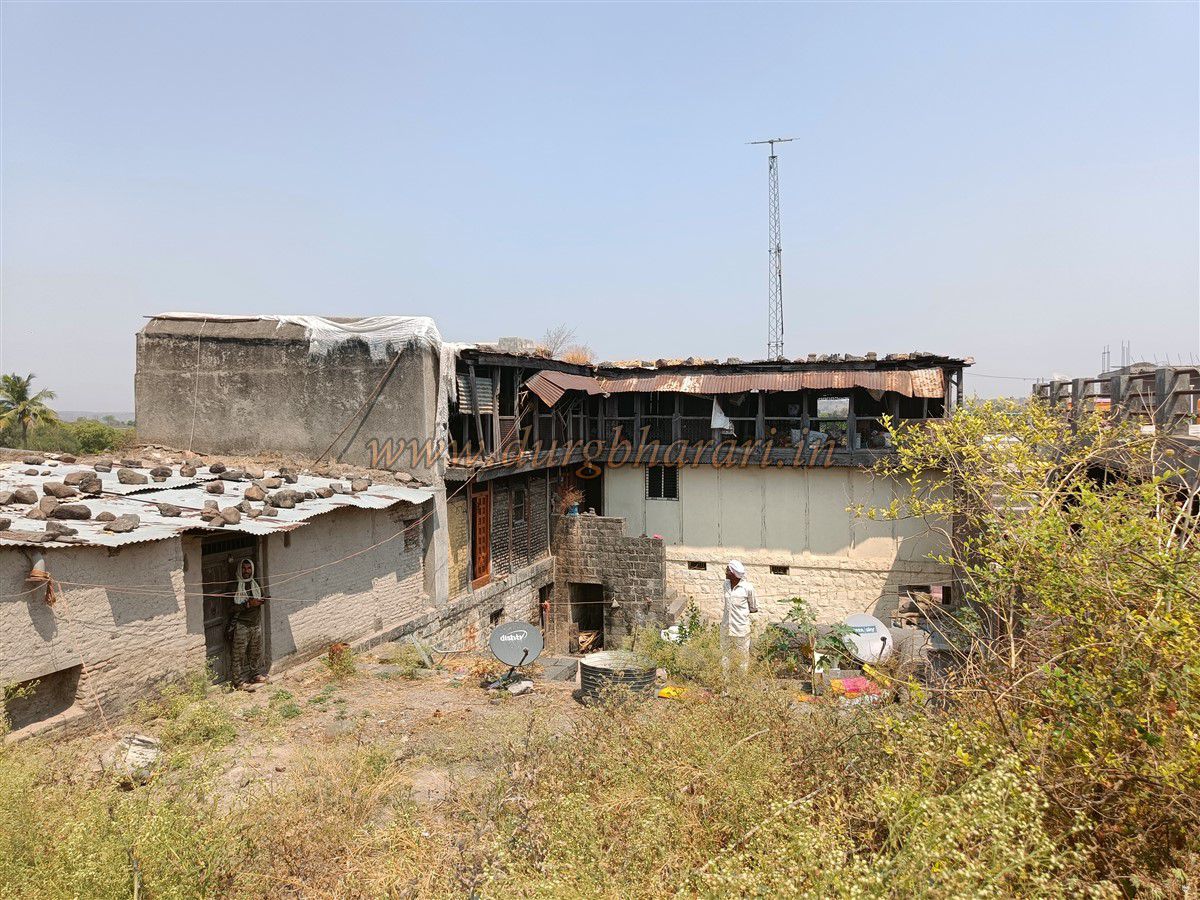
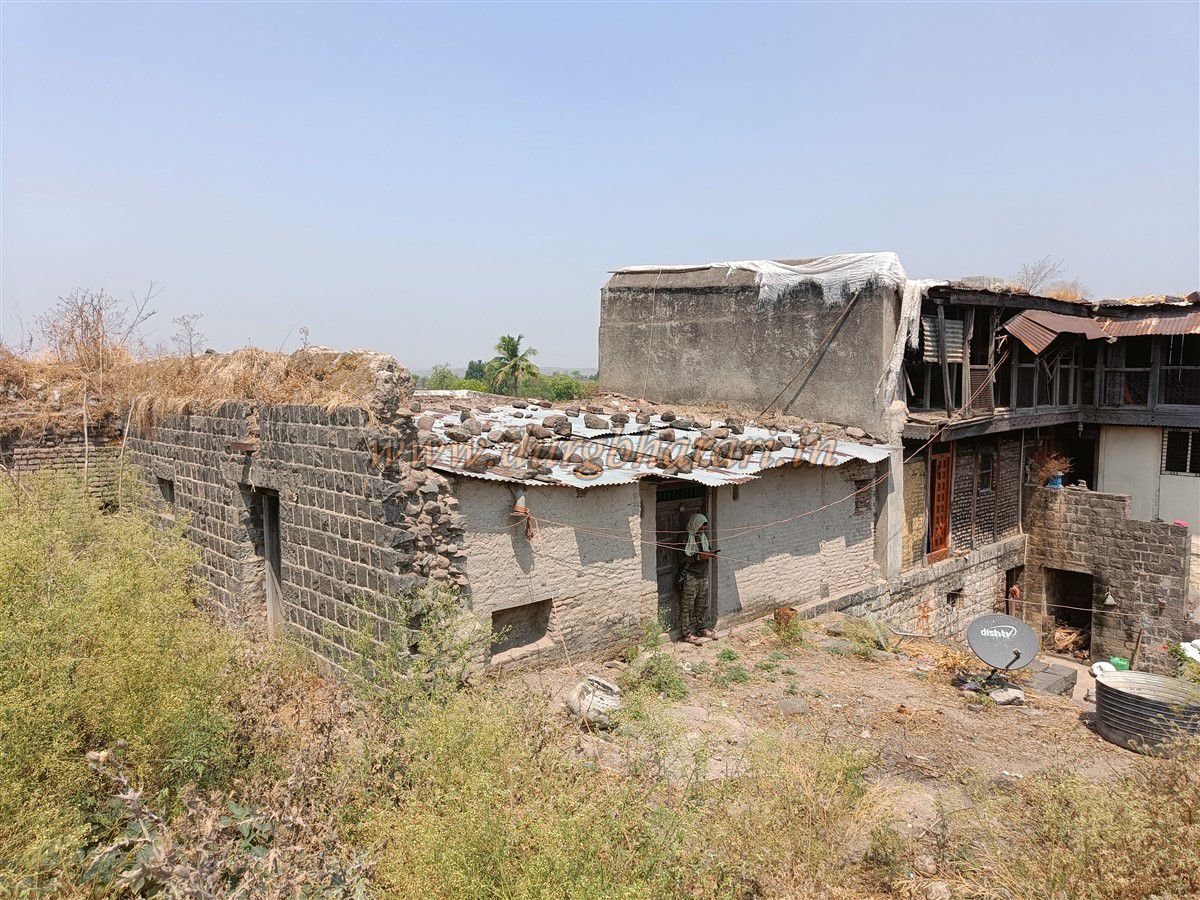
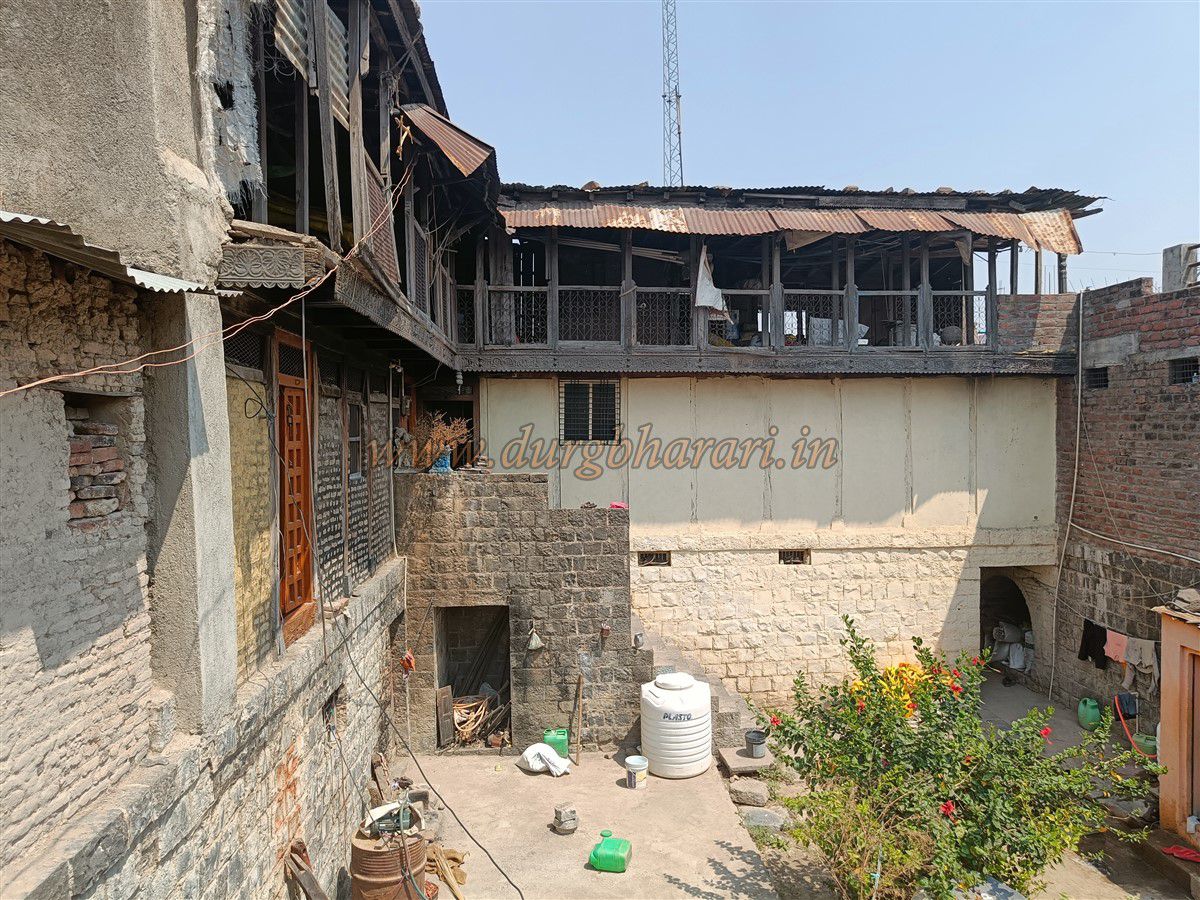
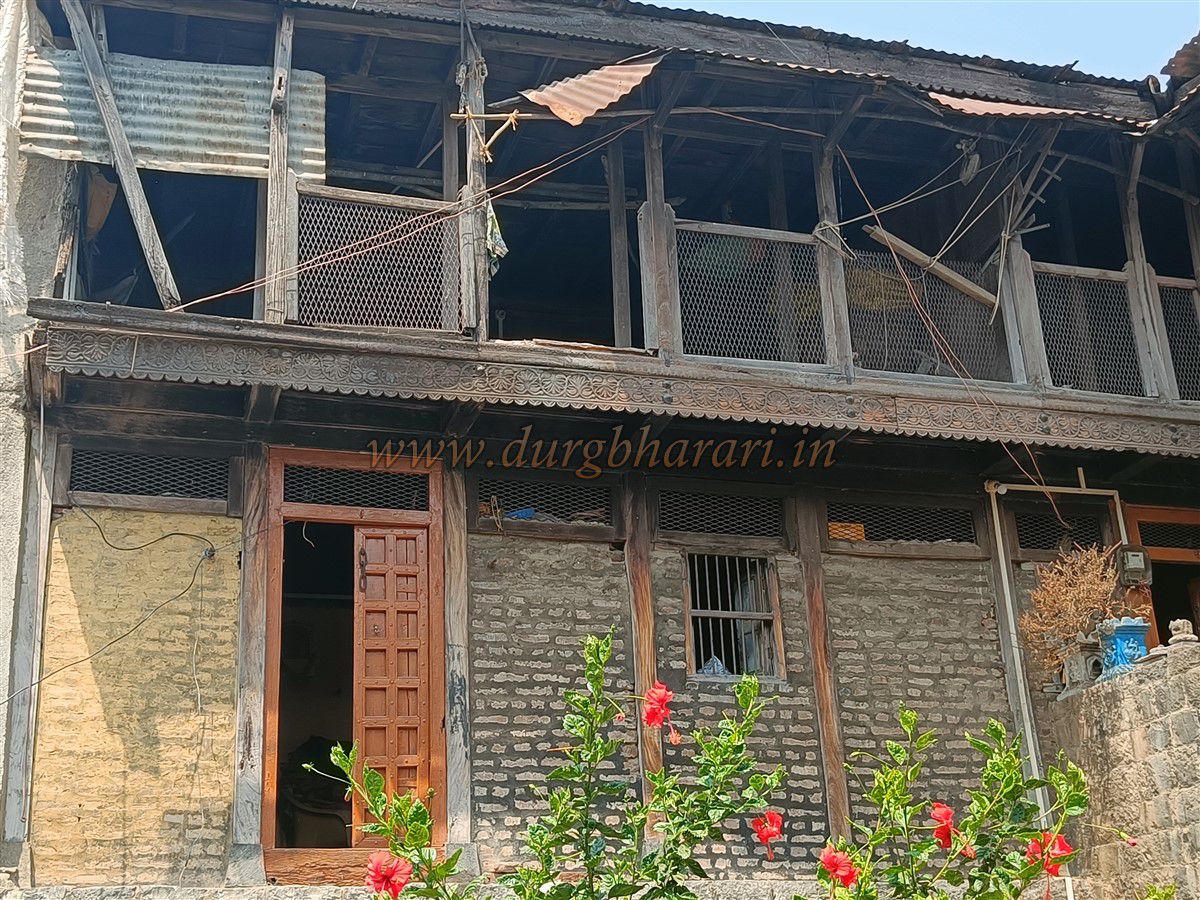
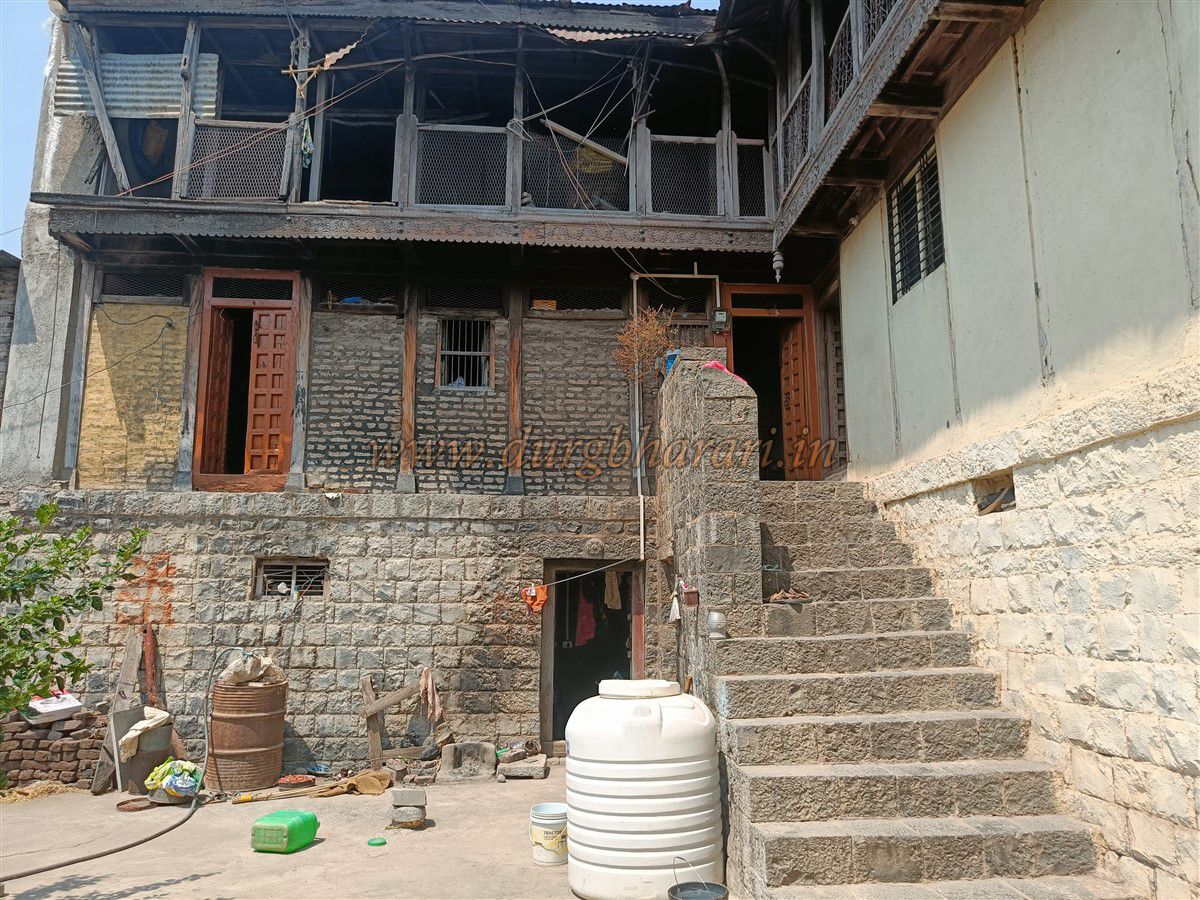
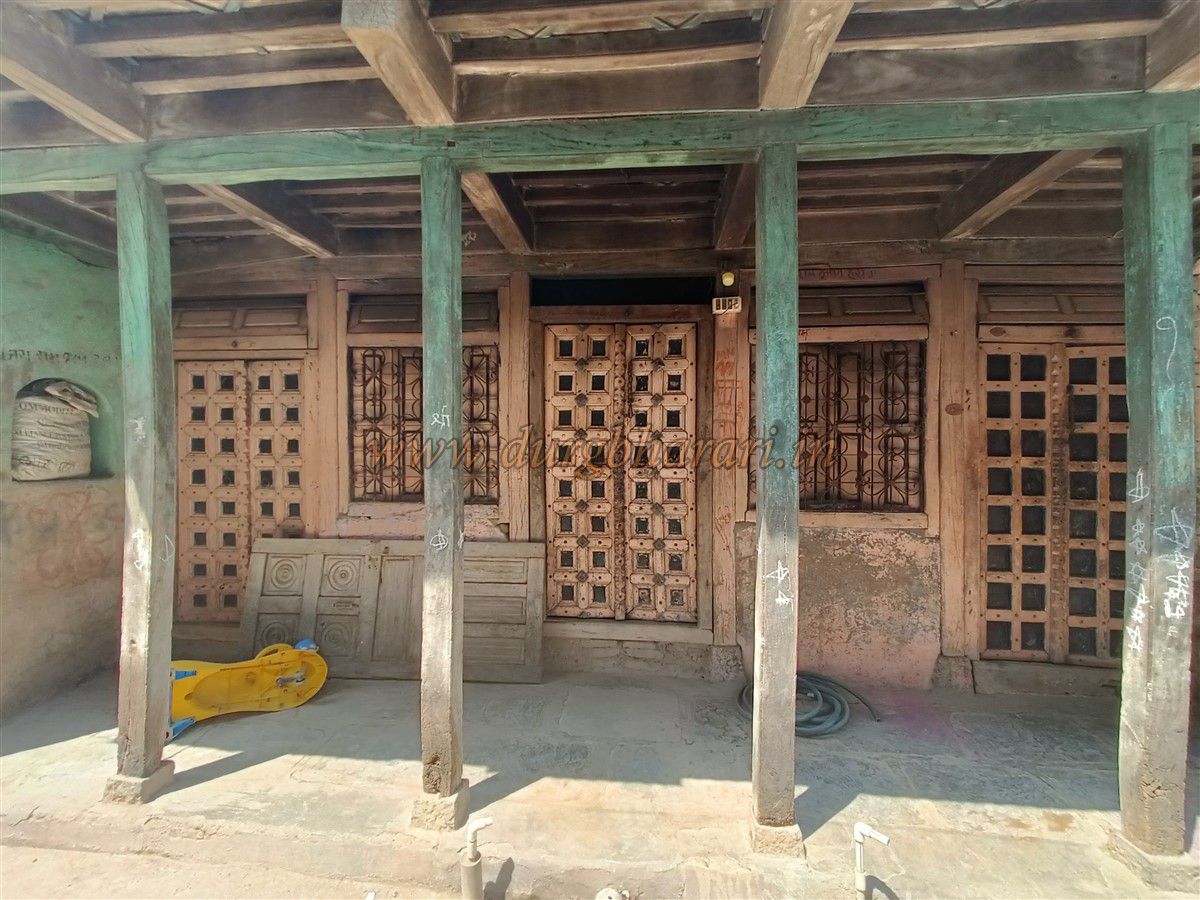
The entrance to the gadhi is at ground level, with guard rooms (devdis) located just inside. The facade of the gateway bears stone carvings, and the wooden superstructure features intricate woodwork. Inside the gadhi, the Shinde descendants still reside, and the most significant surviving element is the three-storied wada (mansion). Much of the construction of both the wada and the fortification appears to be of dressed stone bonded with lime mortar.
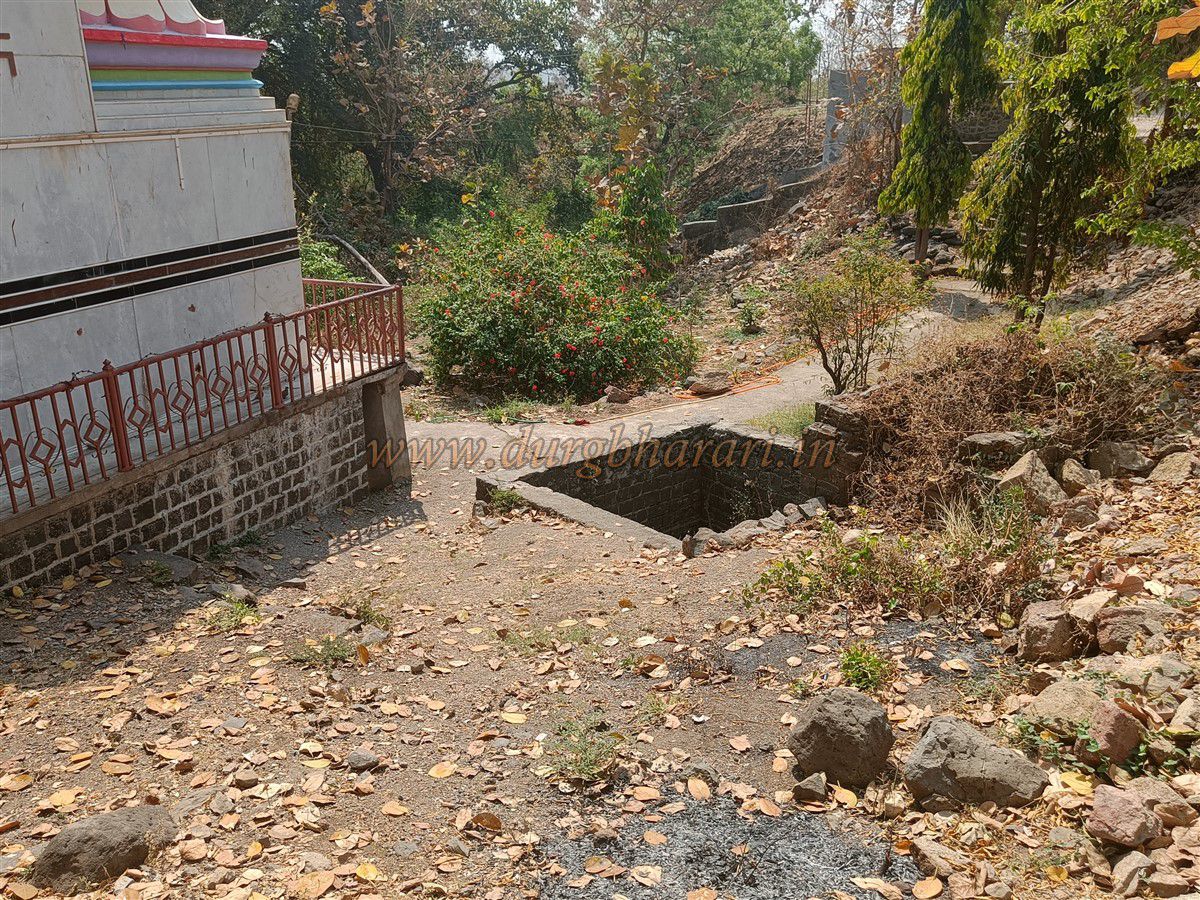
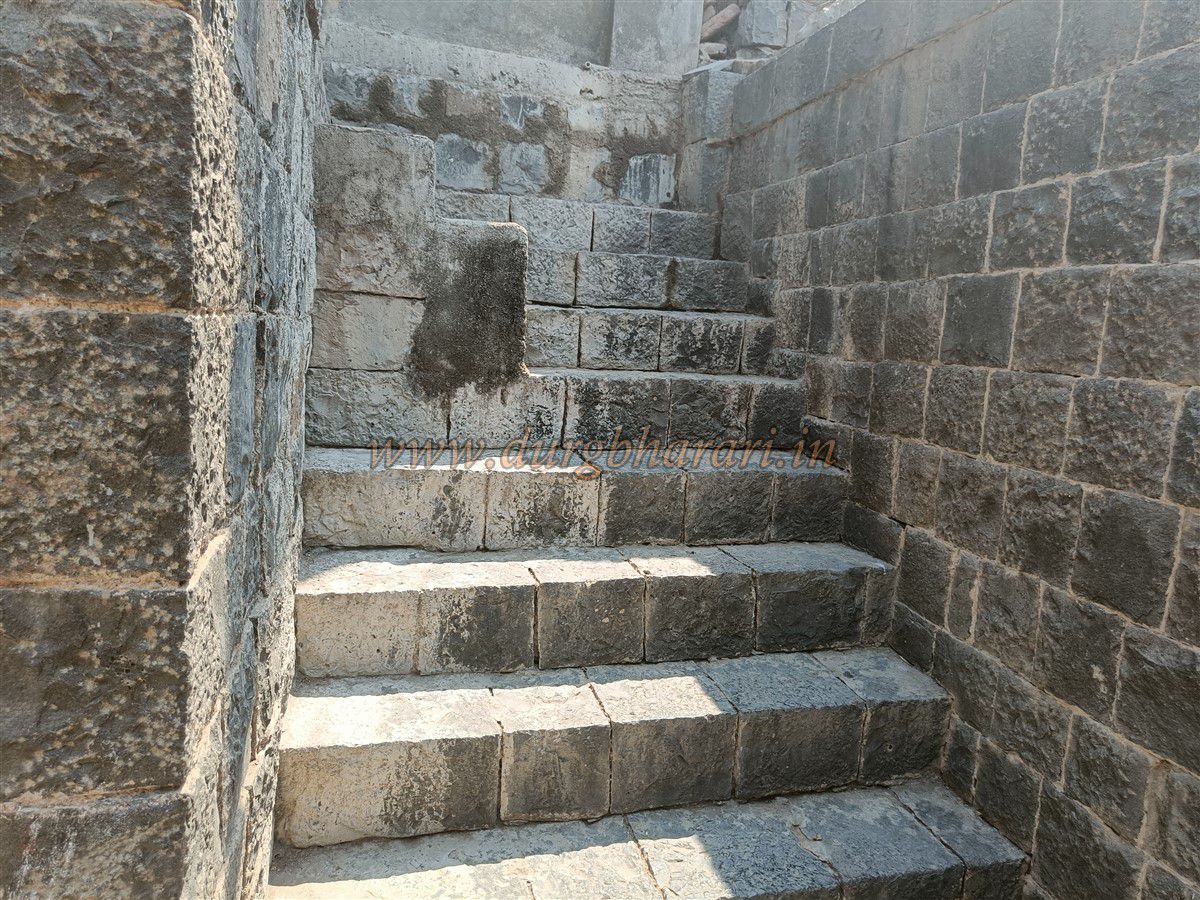
Within the wada are stone cellars interconnected by internal passageways. The stones from the fort’s ramparts have reportedly been reused for other village constructions, while the earth from the site has been repurposed for agriculture, according to the Shinde descendants. There seems to be no provision for water within the gadhi. From the surviving ramparts, one gets a panoramic view of the entire village.
Exploring the gadhi takes about 15 minutes.
© Suresh Nimbalkar
GALLERY