SAUTADA
TYPE : FORTRESS
DISTRICT : BEED
Sautada, a village in Patoda taluka of Beed district, is famous for its grand waterfall on the Vinchurna River. Except for monsoon tourism, no other visitors usually come to this village. But for fort enthusiasts, this village offers not one but two forts to explore. These forts are locally known as the More Fort and the Sanap Fort. The More Fort remains only in ruins, while the Sanap Fort still stands firm to this day.
This village, located in Patoda taluka of Beed district, is about 90 km from Ahmednagar and Shrigonda, and about 18 km from Patoda. Among these two, the Sanap Fort is located outside the village, while the More Fort stands in the central part of the village. With no upkeep or maintenance, both forts are counting their final days.
...
Since the Sanap Fort still retains its structure except for the remains of its internal mansion, it is best to visit this fort first. In the village, the term "fort" is not commonly used, so if you ask locals for the "Sanap Killa" (Sanap Fort), they will easily direct you there.
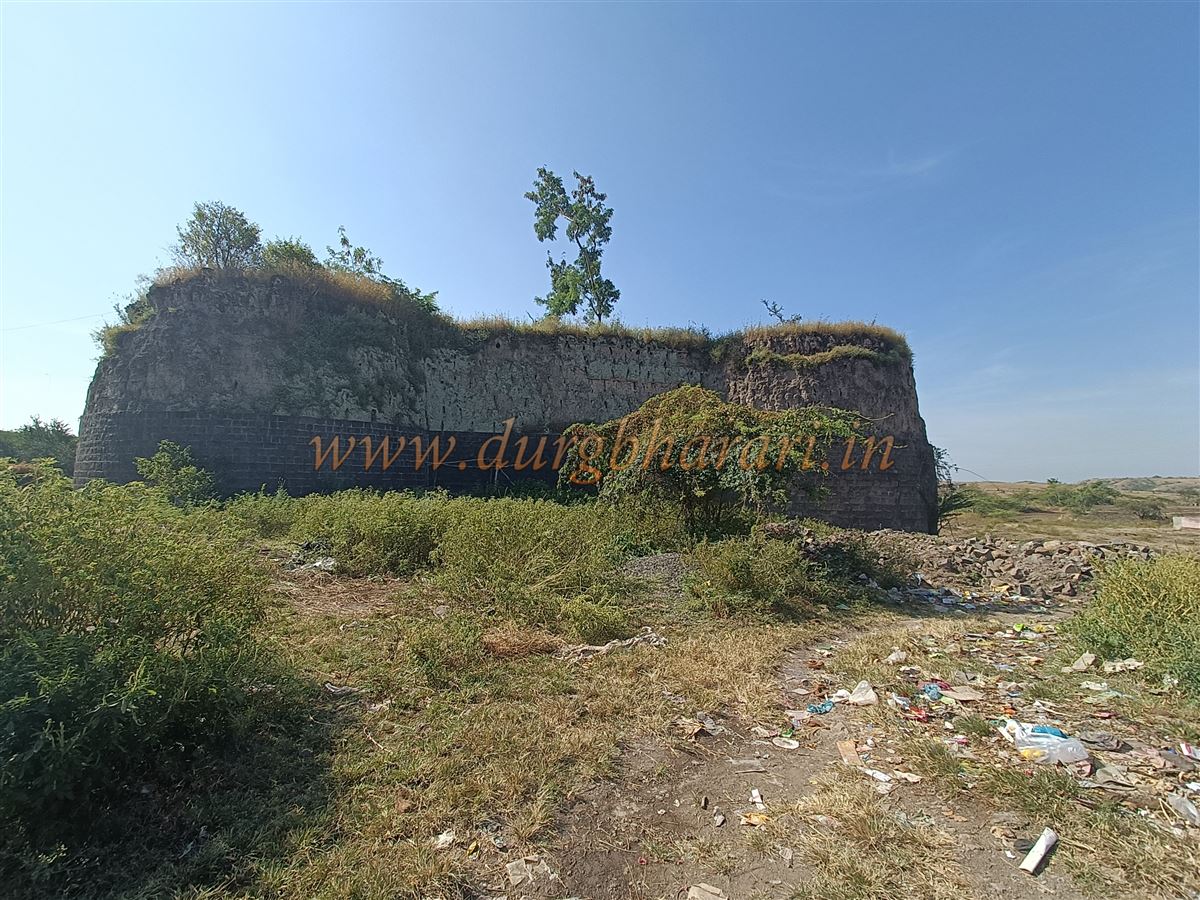
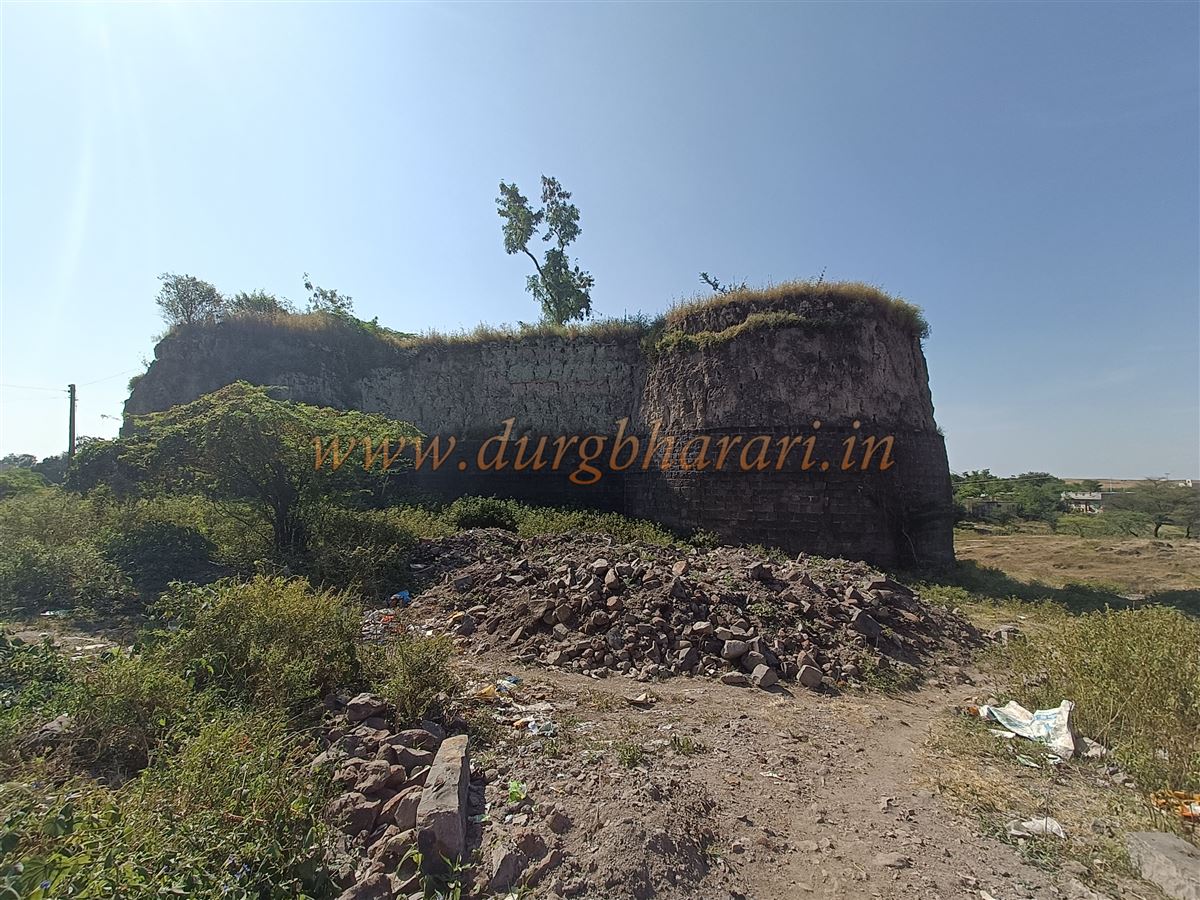
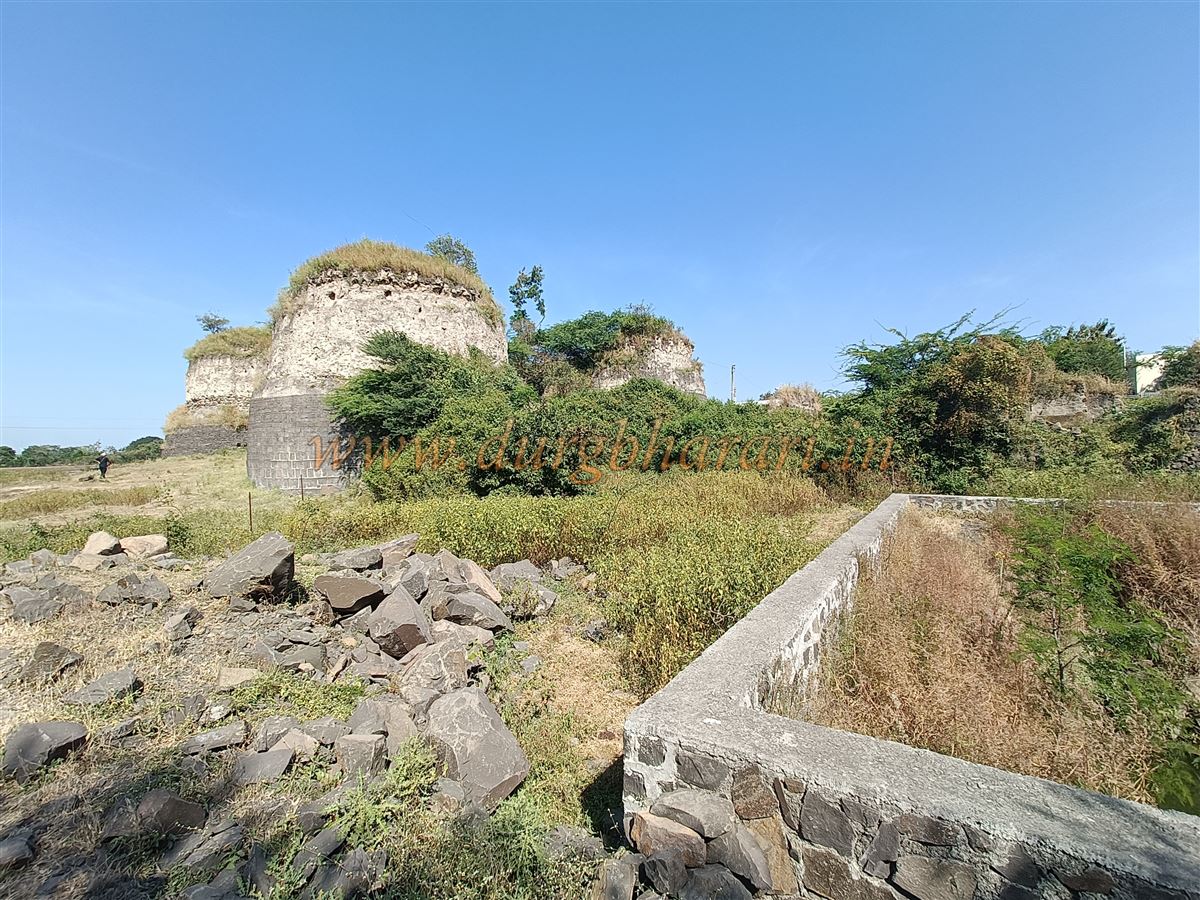
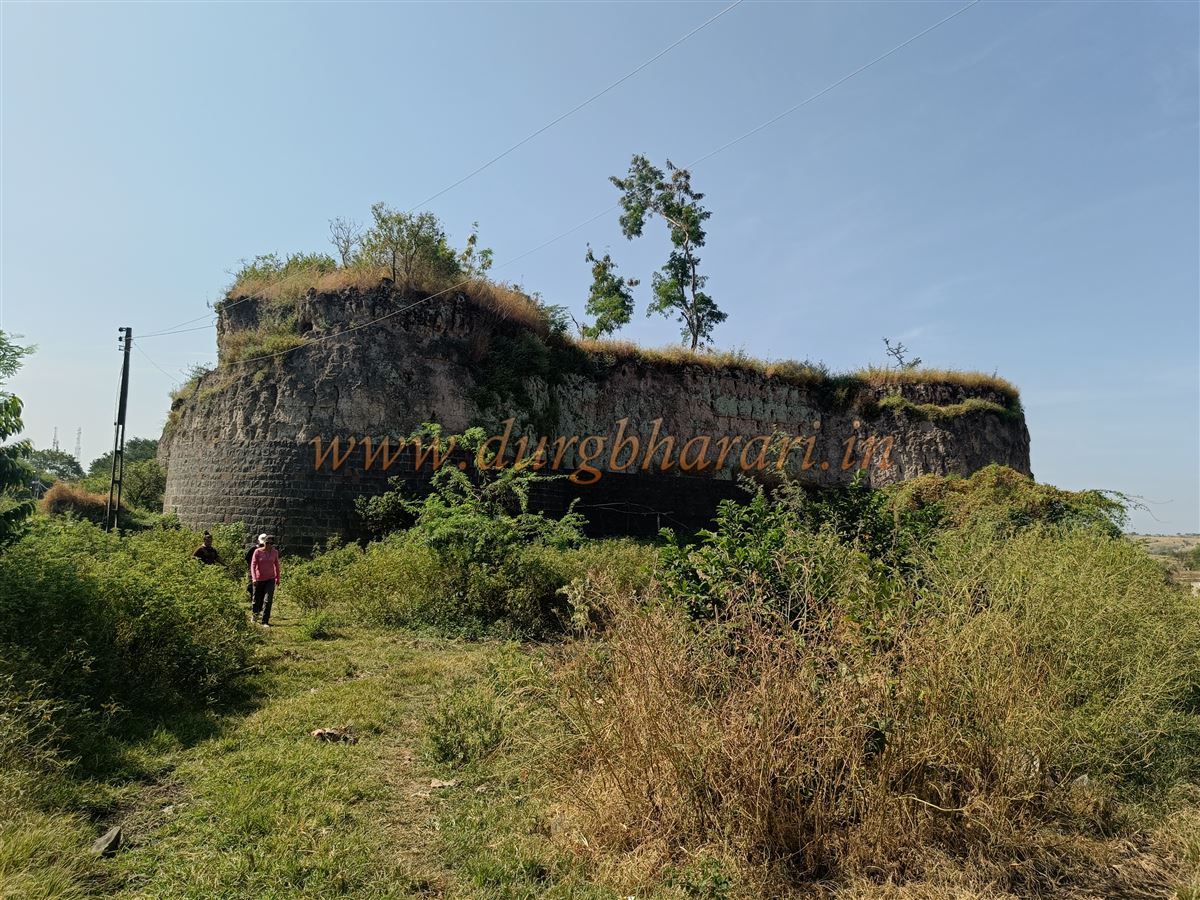
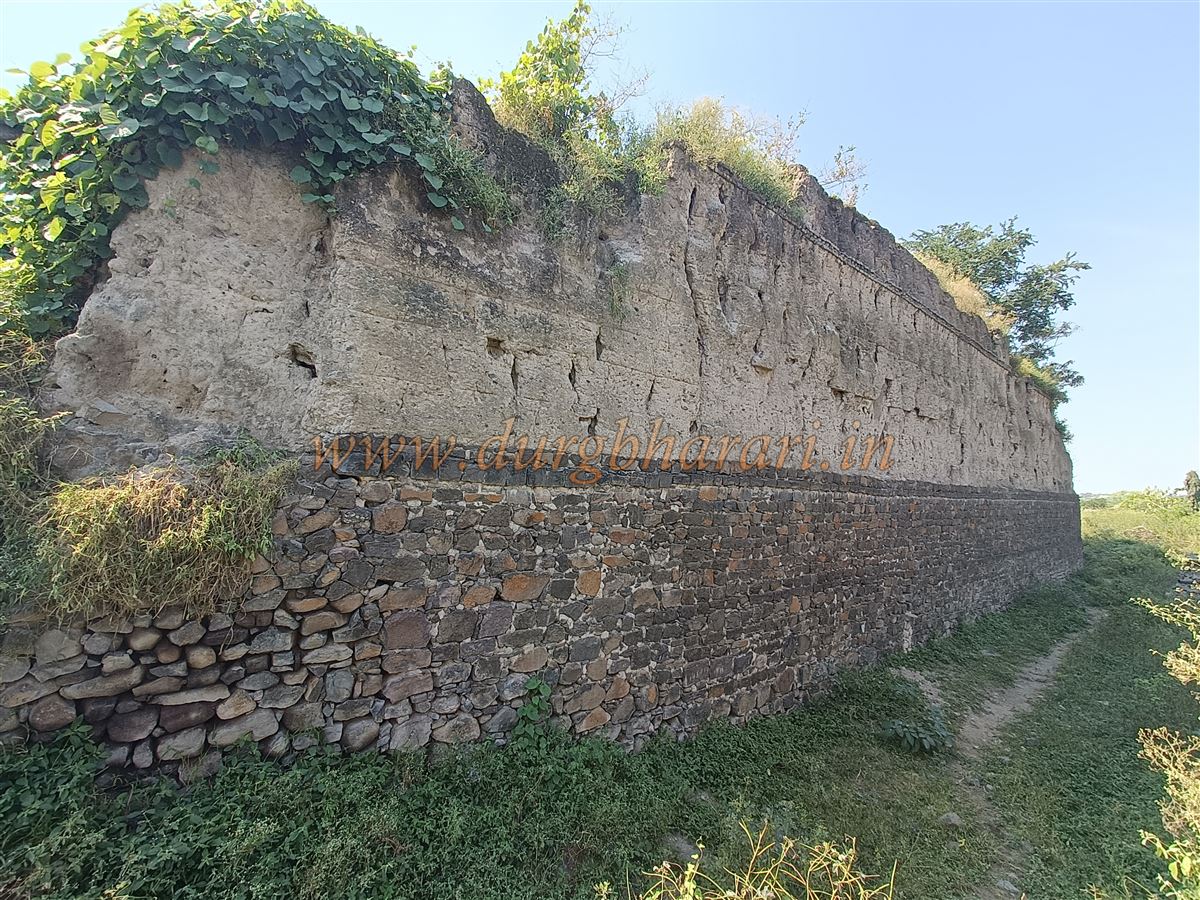
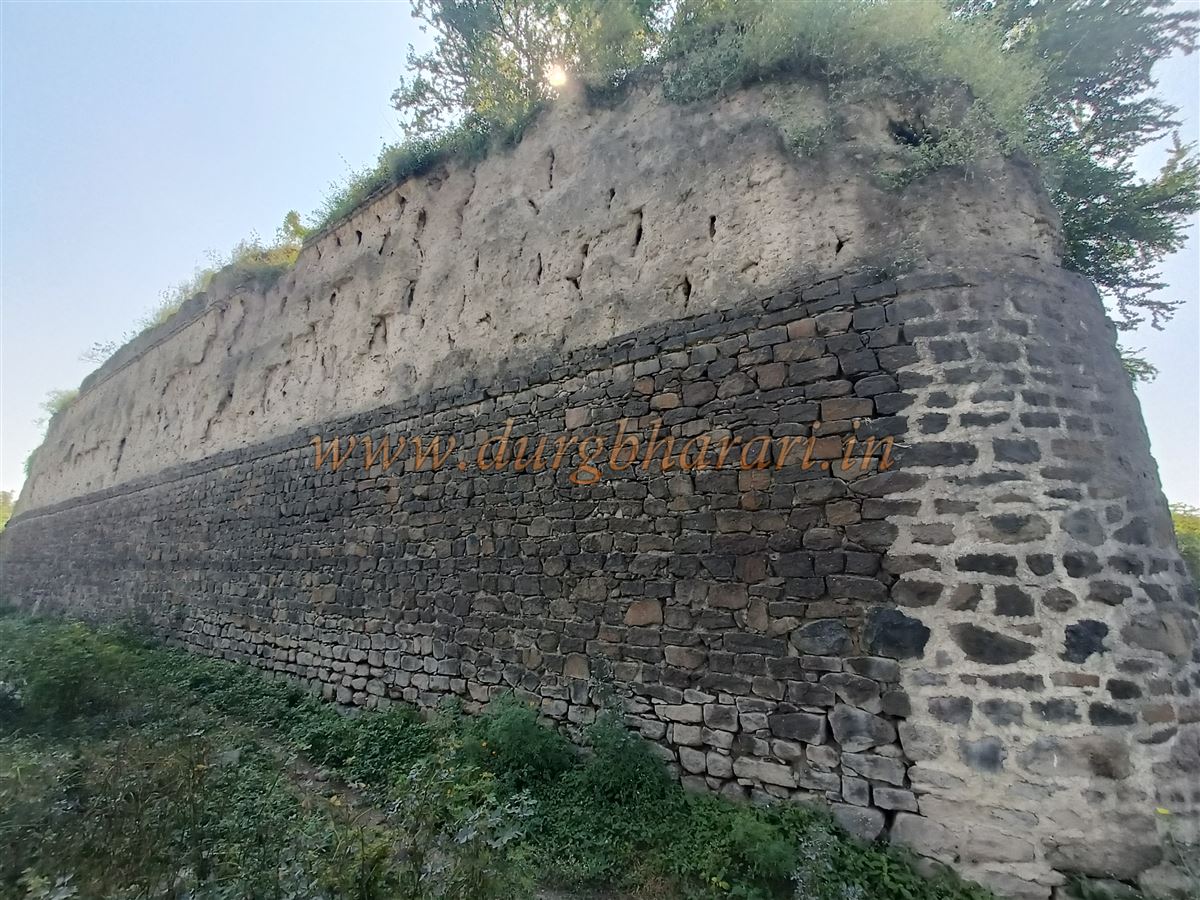
Entering Sautada from the main road and following the straight path to the other end of the village, you will reach the Sanap Fort. Upon approaching the fort, its massive walls and the grand bastions immediately catch your attention.
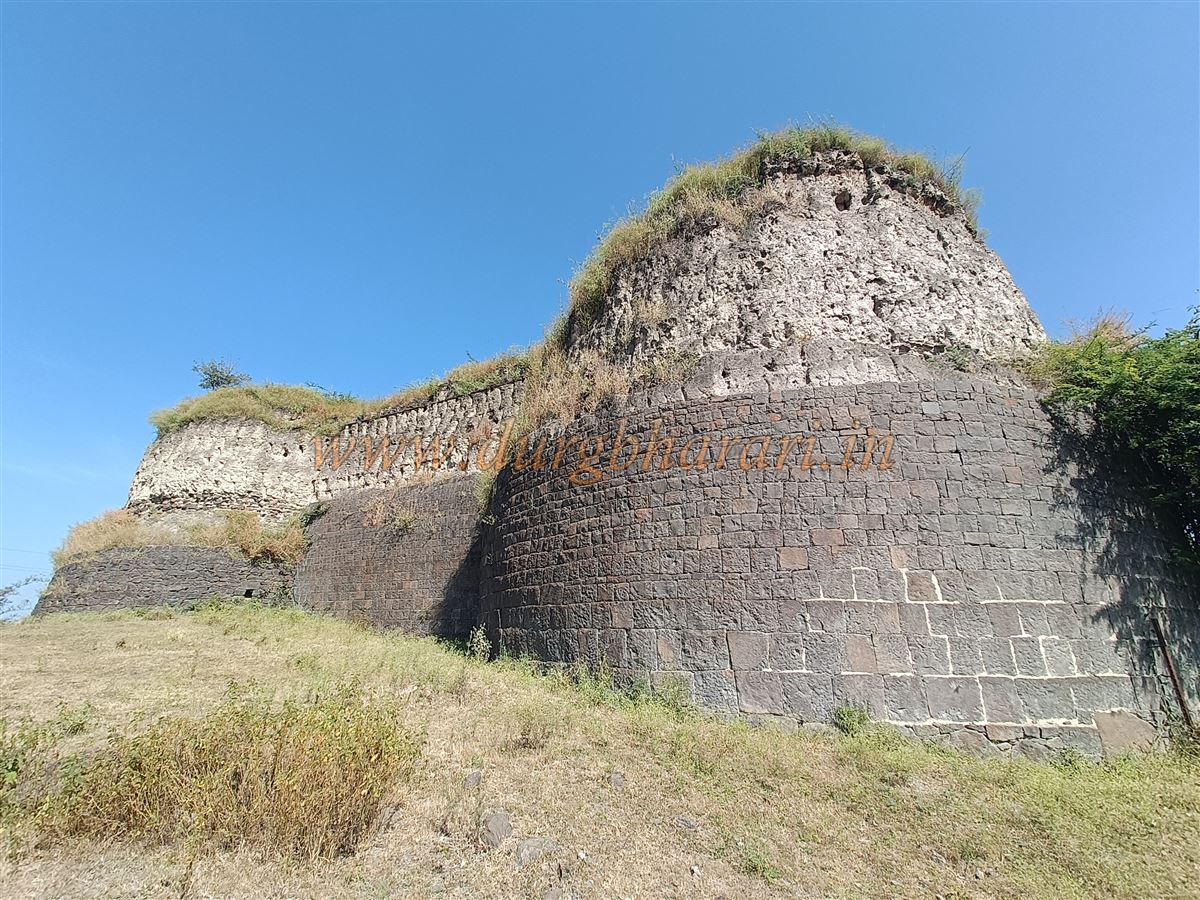
This square-shaped fort spreads over approximately a quarter acre, with four strong circular bastions at its four corners. The lower half of the fort’s construction is made of dressed stone masonry, while the upper portions are built using white clay bricks. The entrance to the fort faces north.
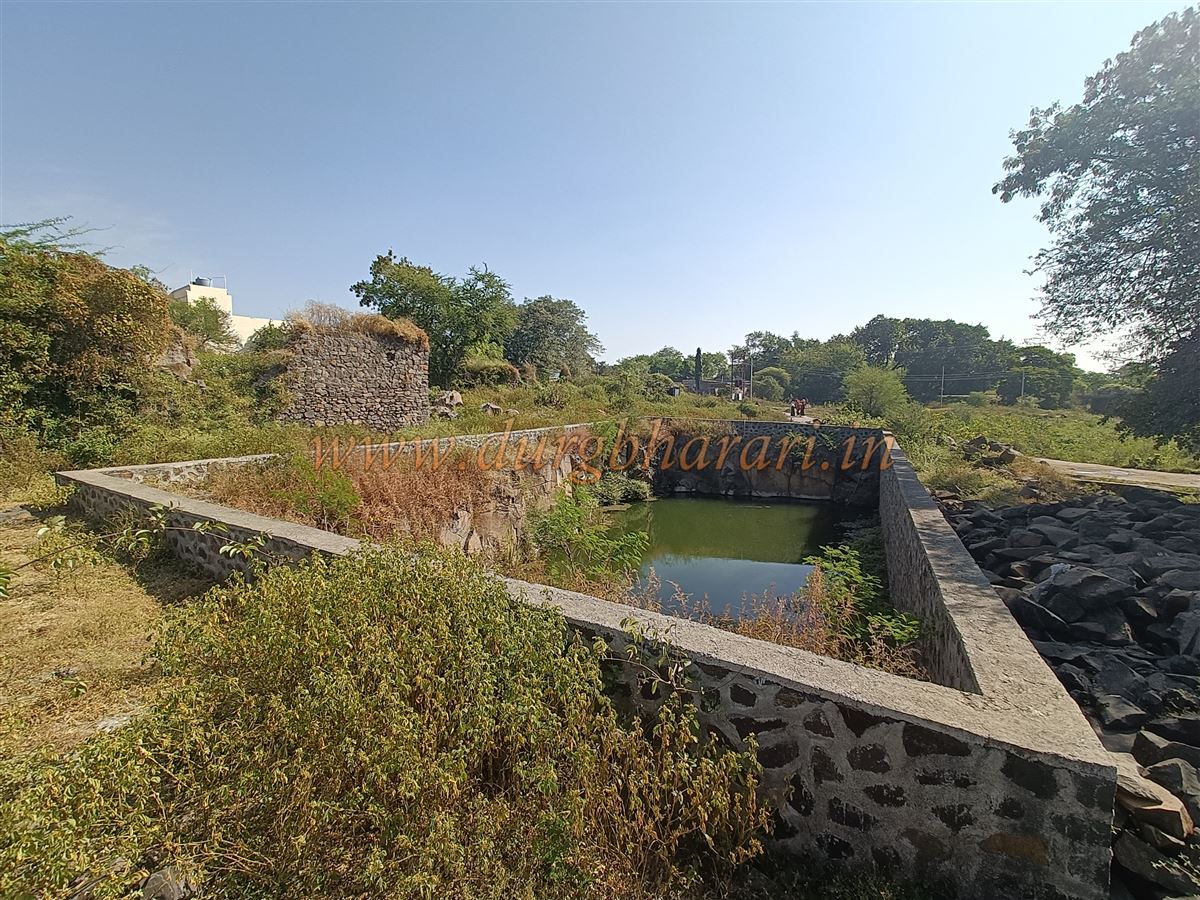
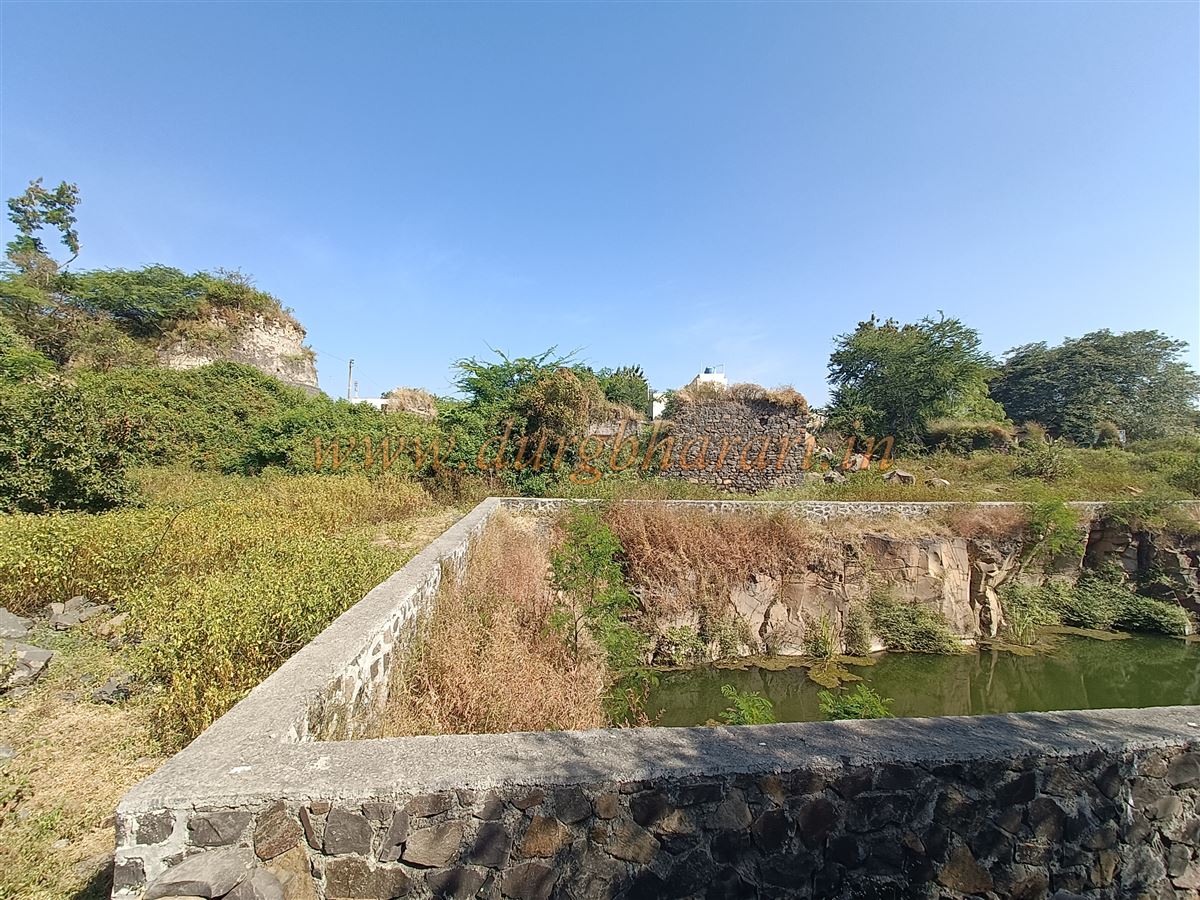
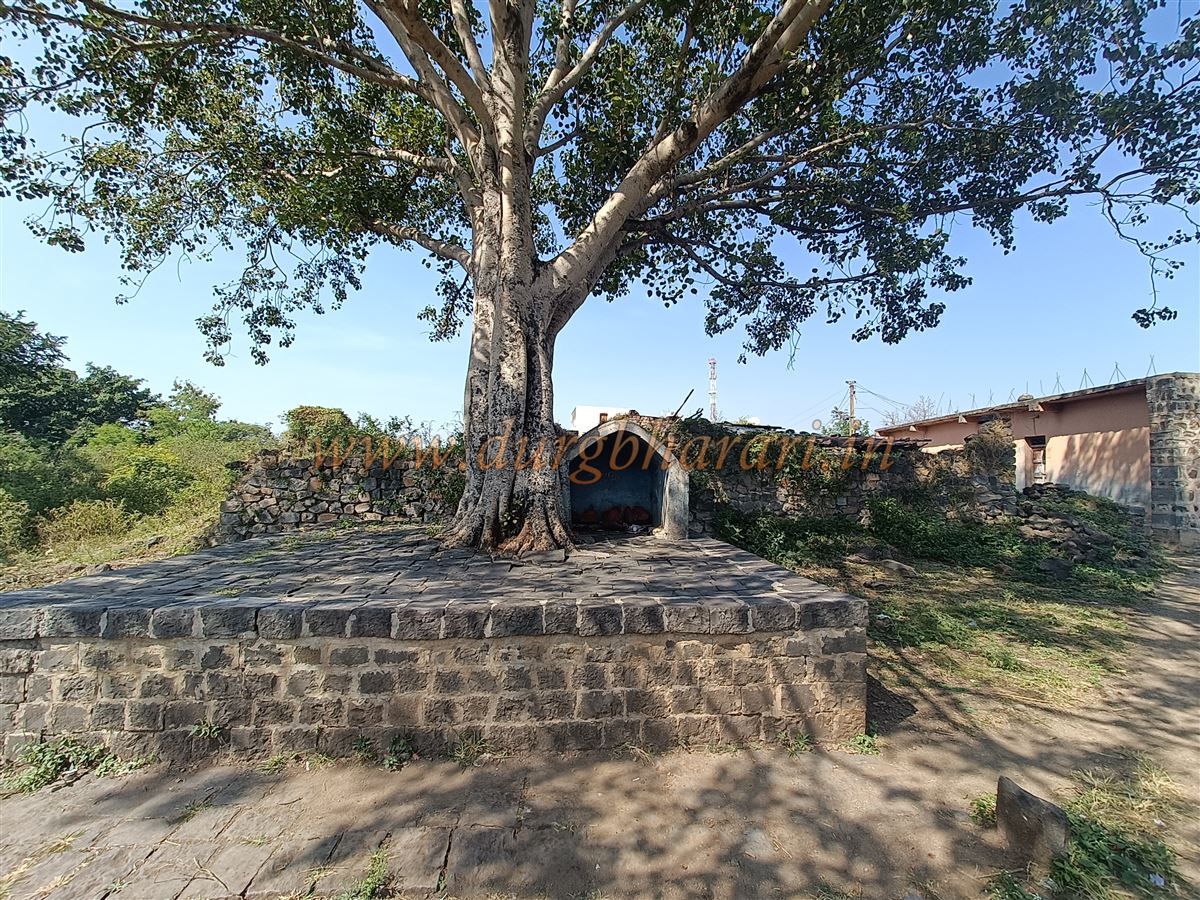
Before entering the fort, you can see a small rock-cut pond a short distance in front of the gate. This pond was likely created while extracting stone for the fort’s construction. In front of the entrance, there is a large platform with a stone Tulsi Vrindavan (holy basil shrine) built on it. From here, a short climb leads you to the fort gate.
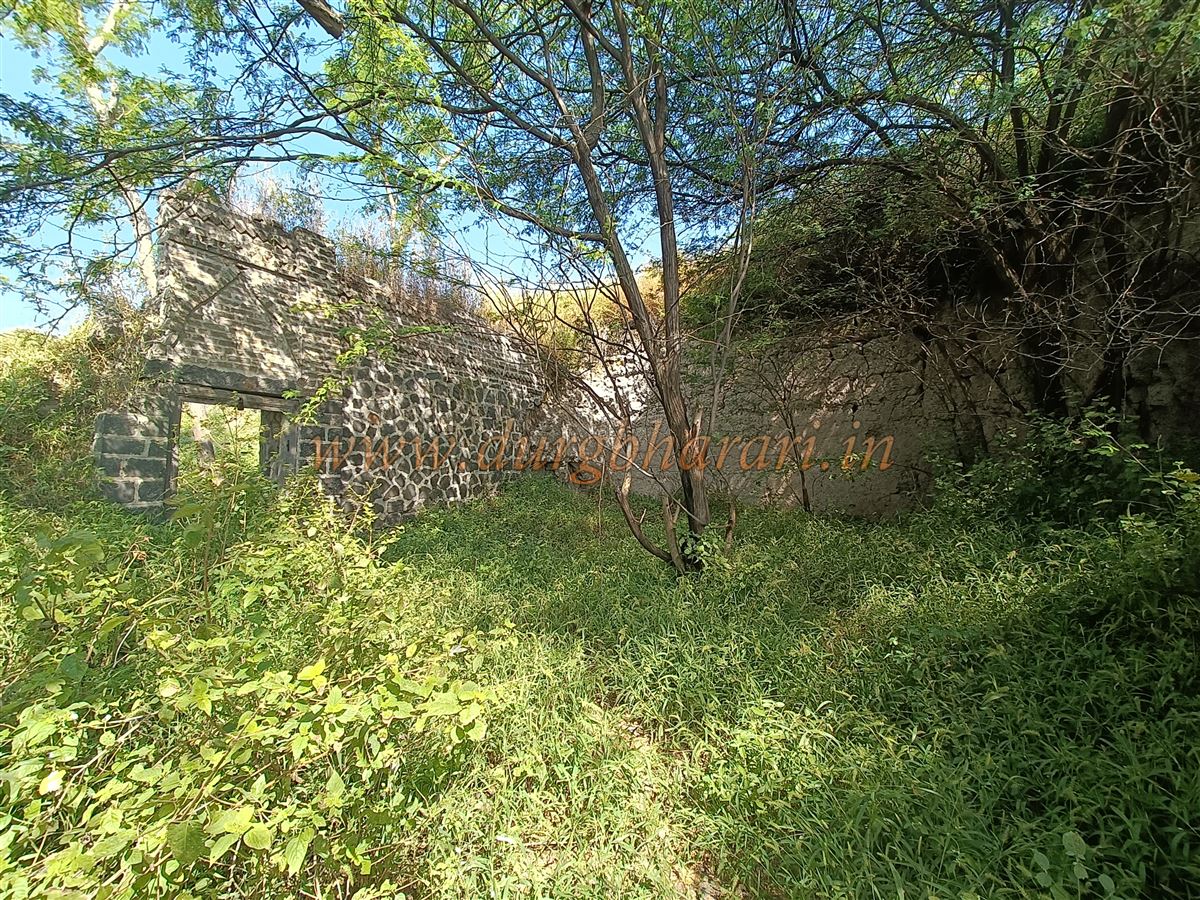
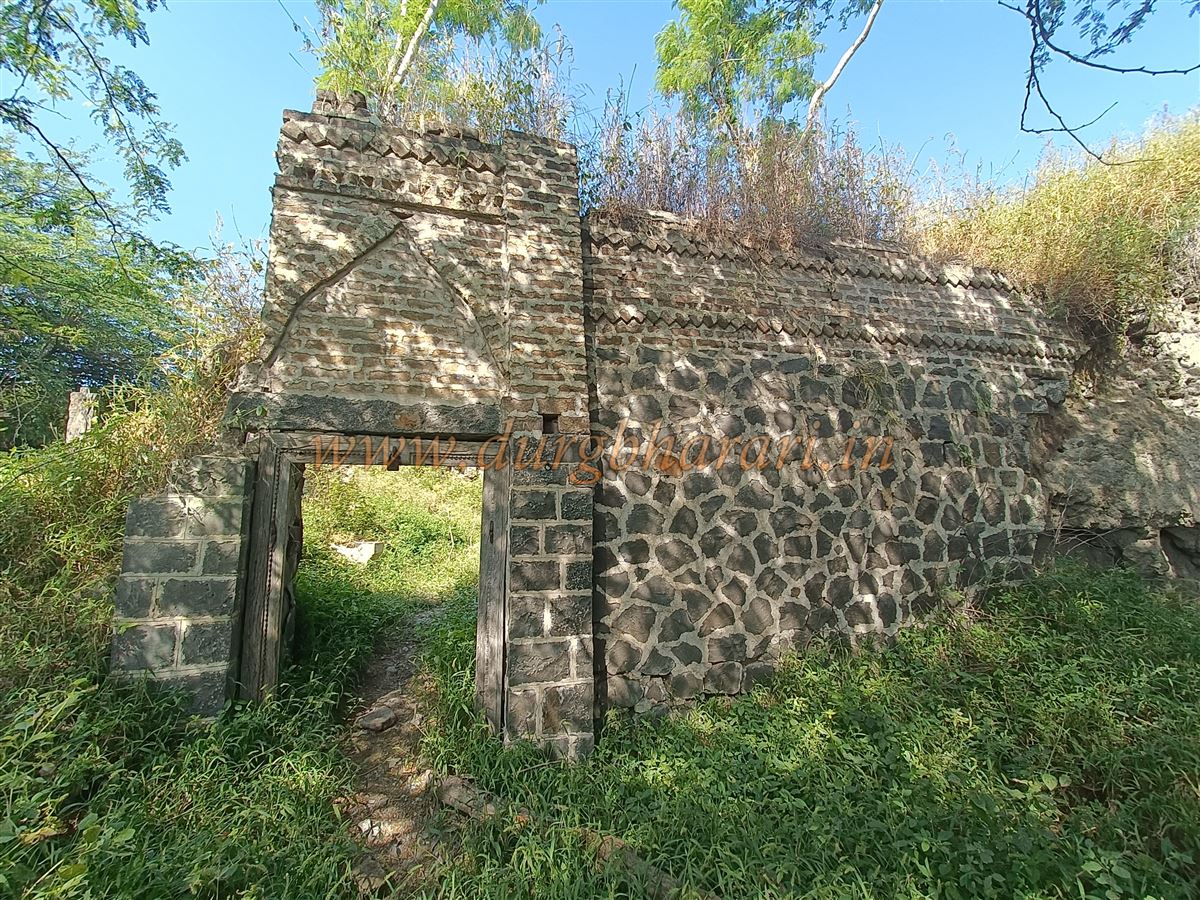
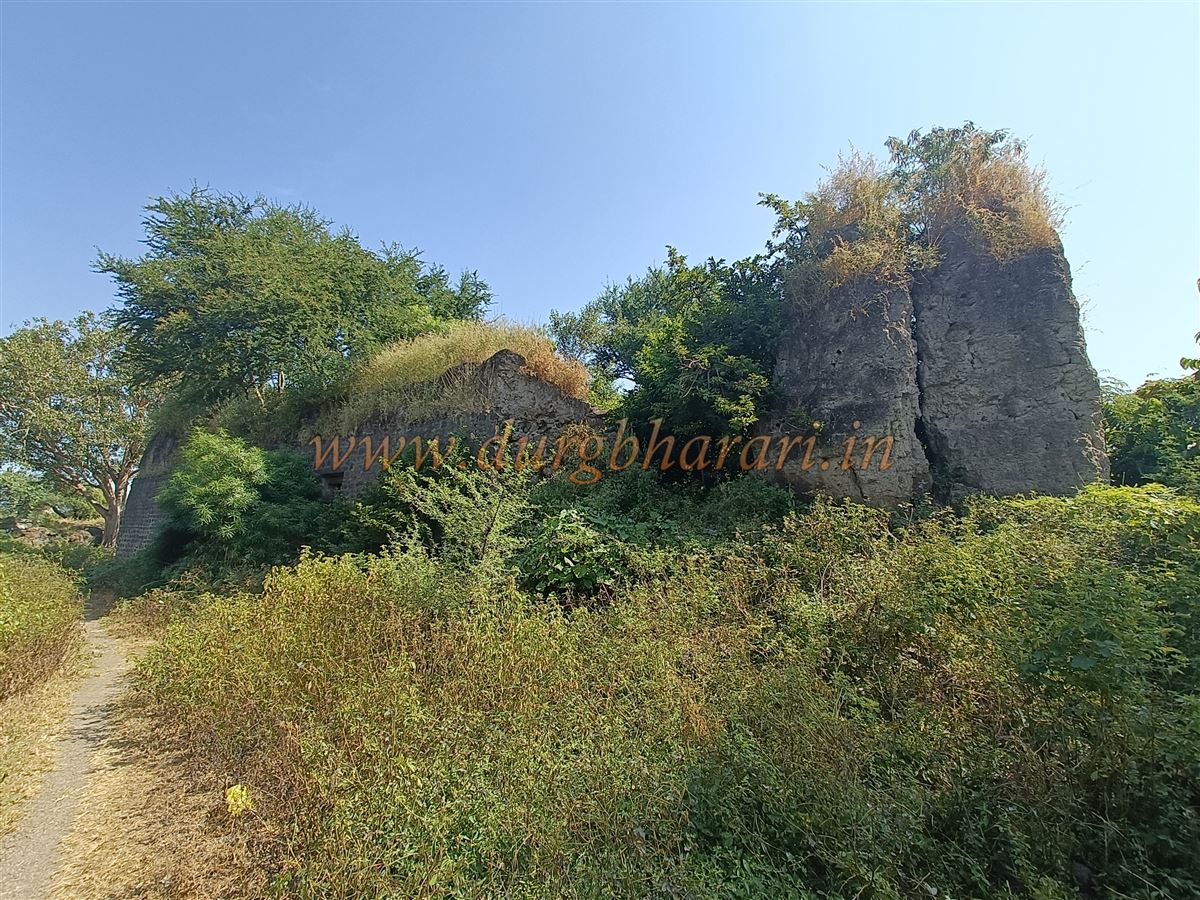
There were probably steps leading up to it, but as the arch of the fort gate and its surrounding masonry have collapsed, the steps are now buried under debris. The gate is built into a wall connecting two bastions.
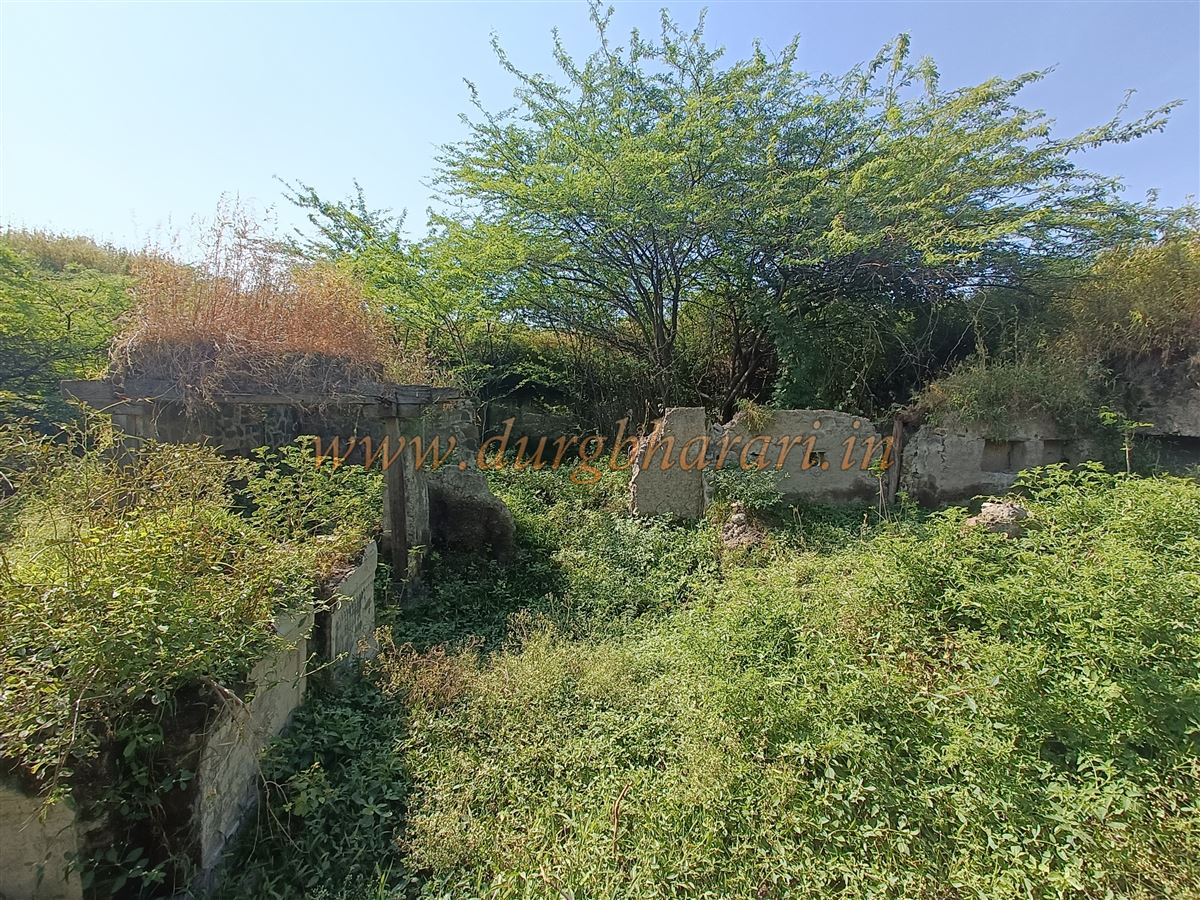
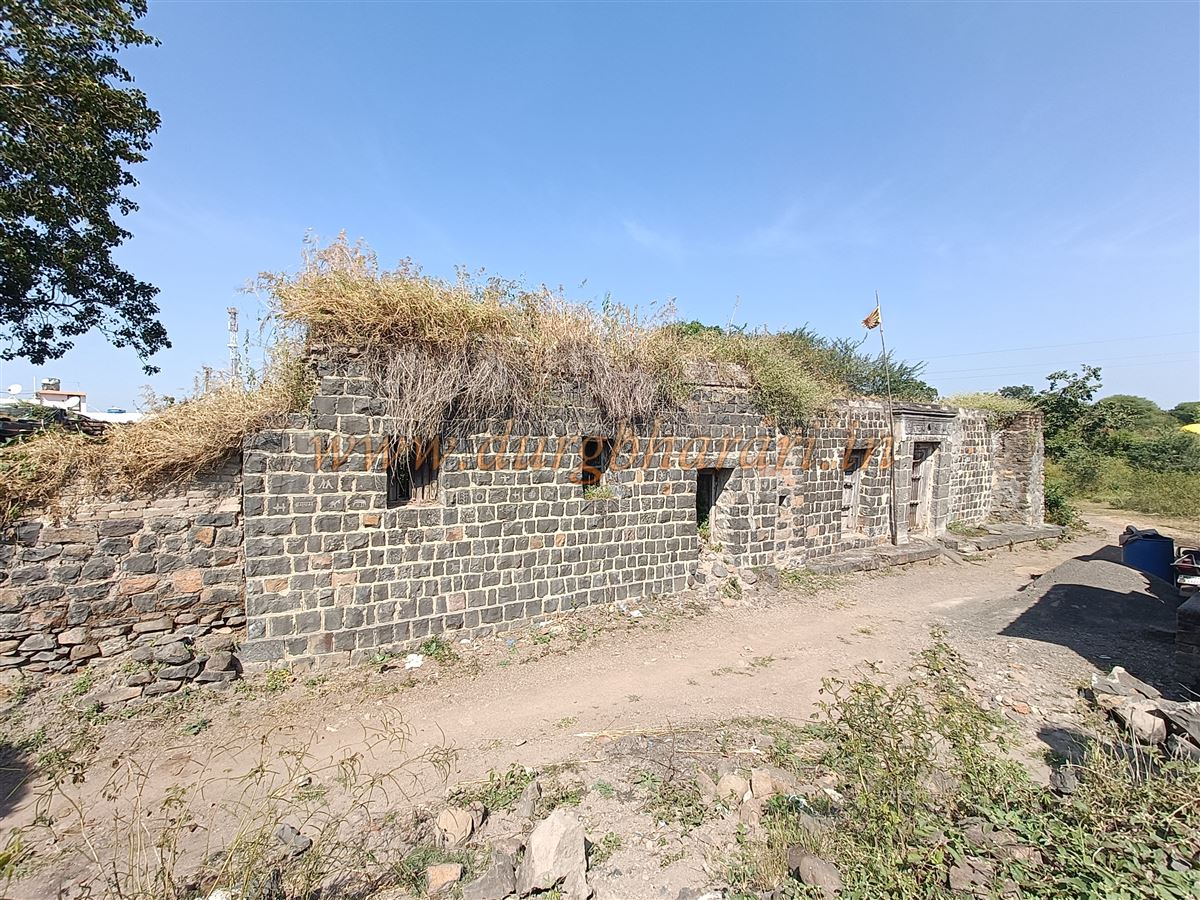
Inside the fort, you can see the remains of a collapsed mansion with its roof missing. The base of this mansion is constructed with stone, while the upper structure is built with bricks. Due to the dense growth of thorny bushes inside, it is difficult to move around. About 15 minutes are enough to explore the Sanap Fort.
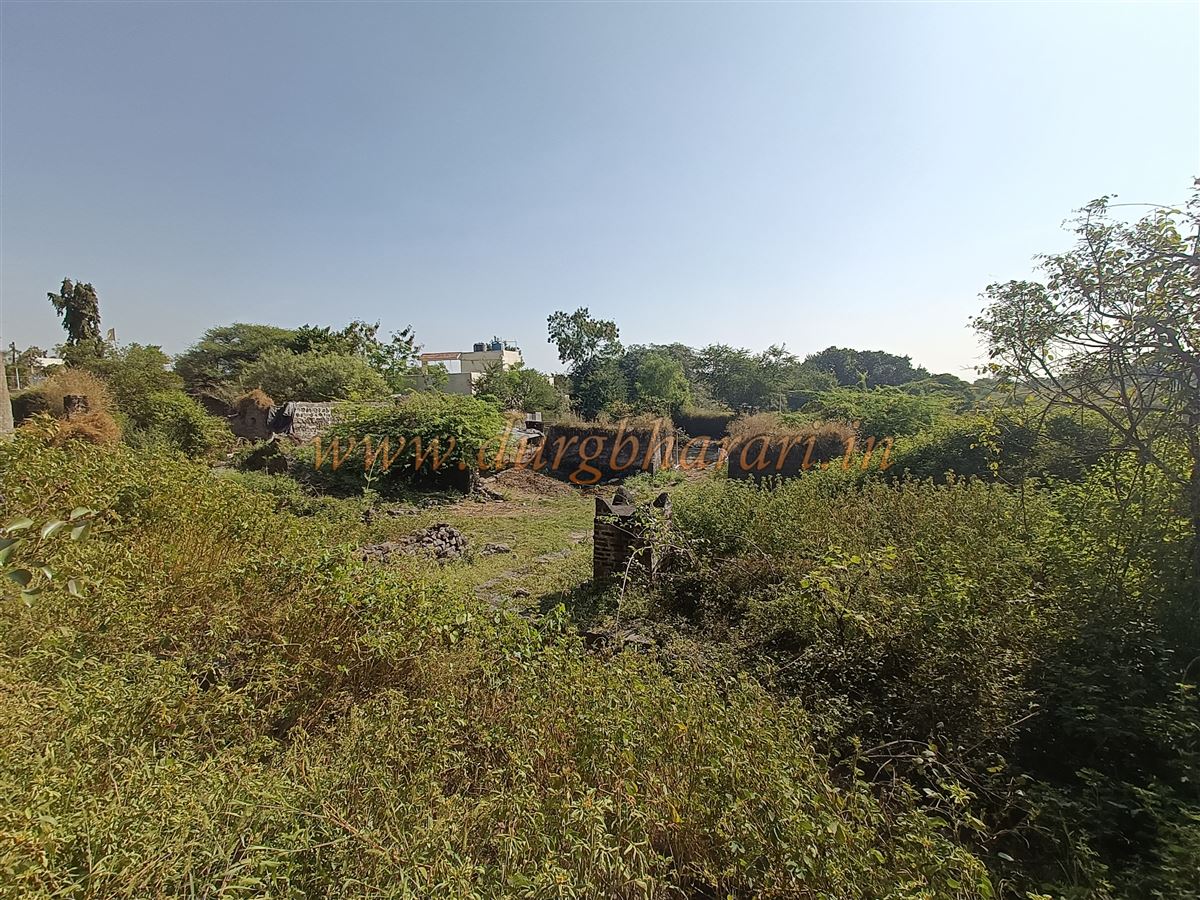
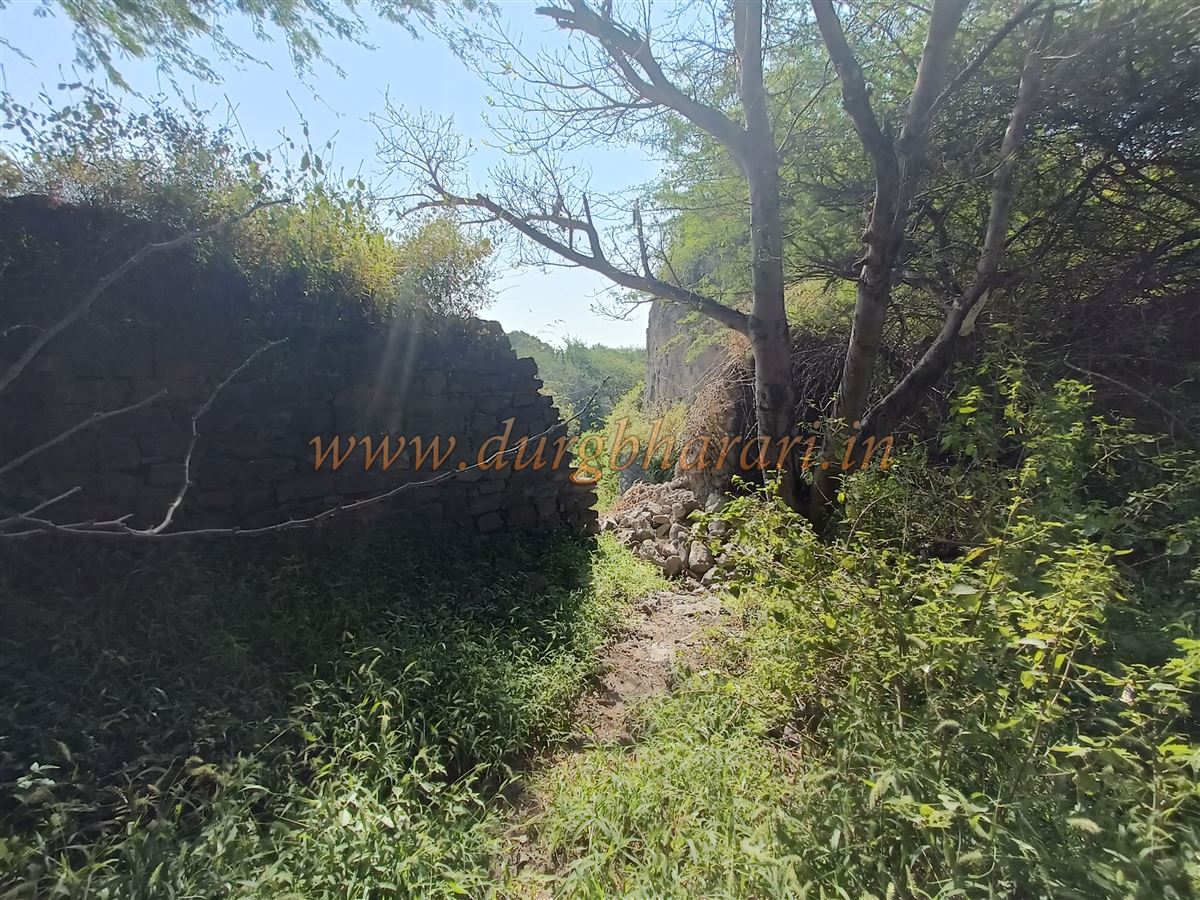
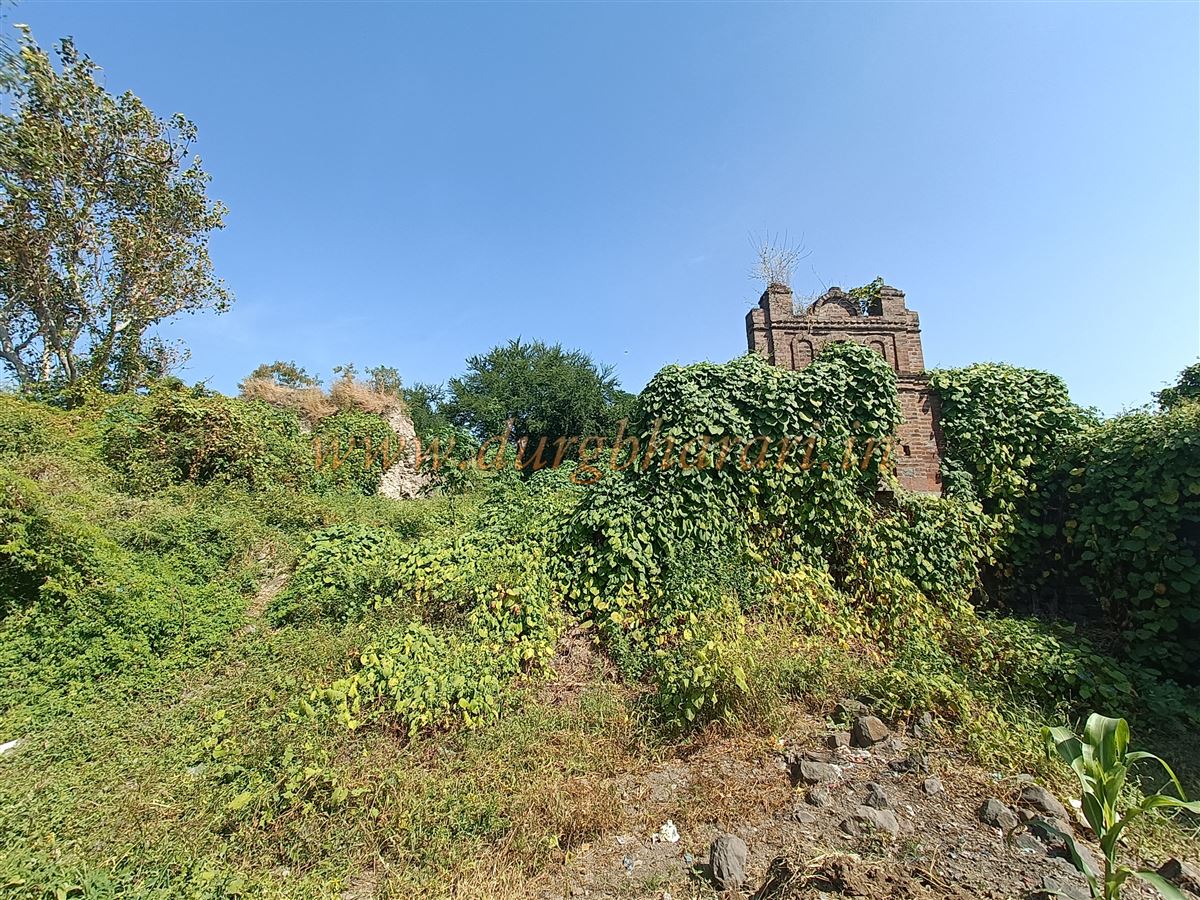
After visiting this fort, you should head to the central part of the village to see the More Fort. This fort has mostly collapsed, with only portions of its outer walls remaining. Its construction style is similar to the Sanap Fort, though it lacks visible bastions.
Stones and mud from this fort have been used for constructing new houses around it. The arch of the fort entrance, however, is still intact. This arch is entirely made of bricks with beautifully carved decorative work on it. Dense vegetation has also grown in this area, making exploration difficult. There isn’t much to see here, so about 10 minutes are sufficient to tour this fort.
The heritage of Sautada village is slowly vanishing with time, and with no attention from the descendants of the fort’s original owners or the locals, its condition continues to worsen. It is indeed unfortunate that the descendants of these forts in the village are unaware of their own ancestral history.
© Suresh Nimbalkar
GALLERY