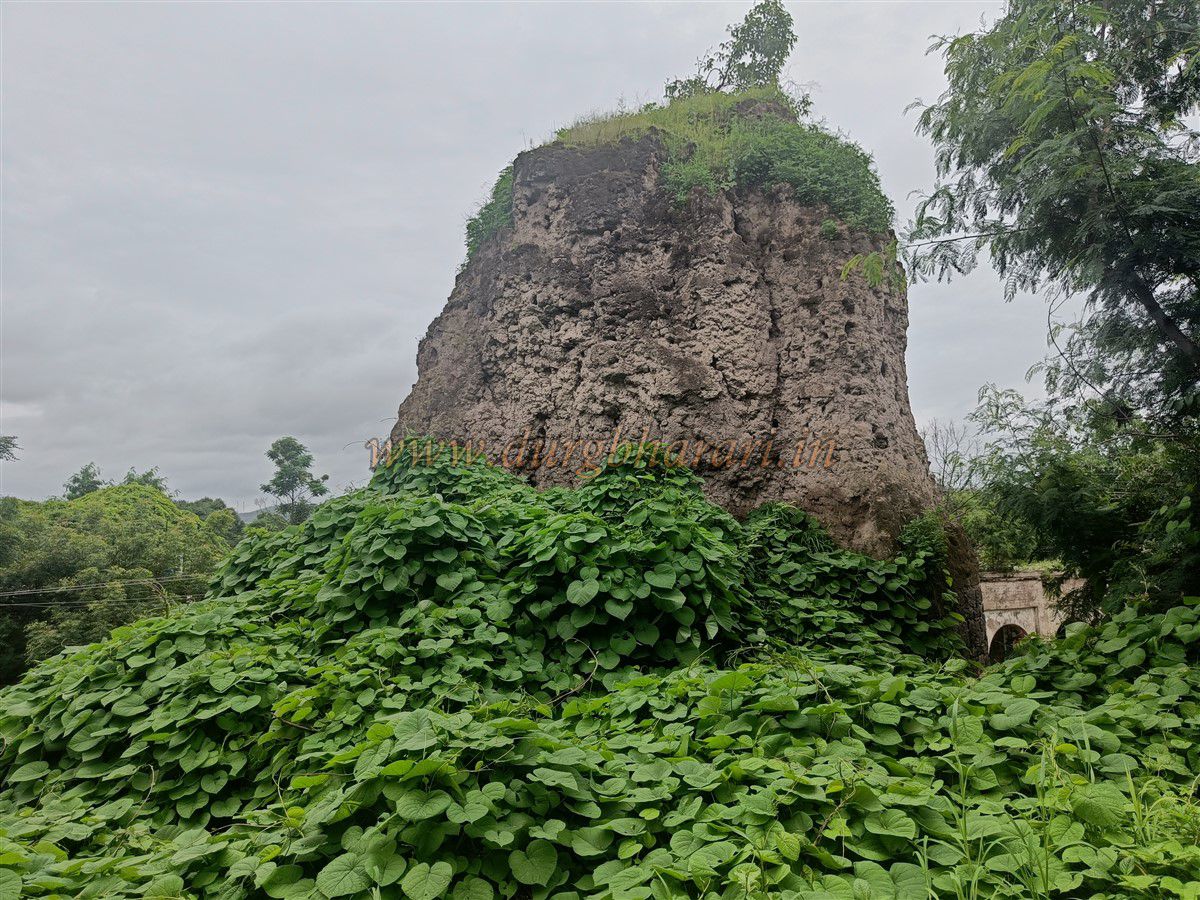
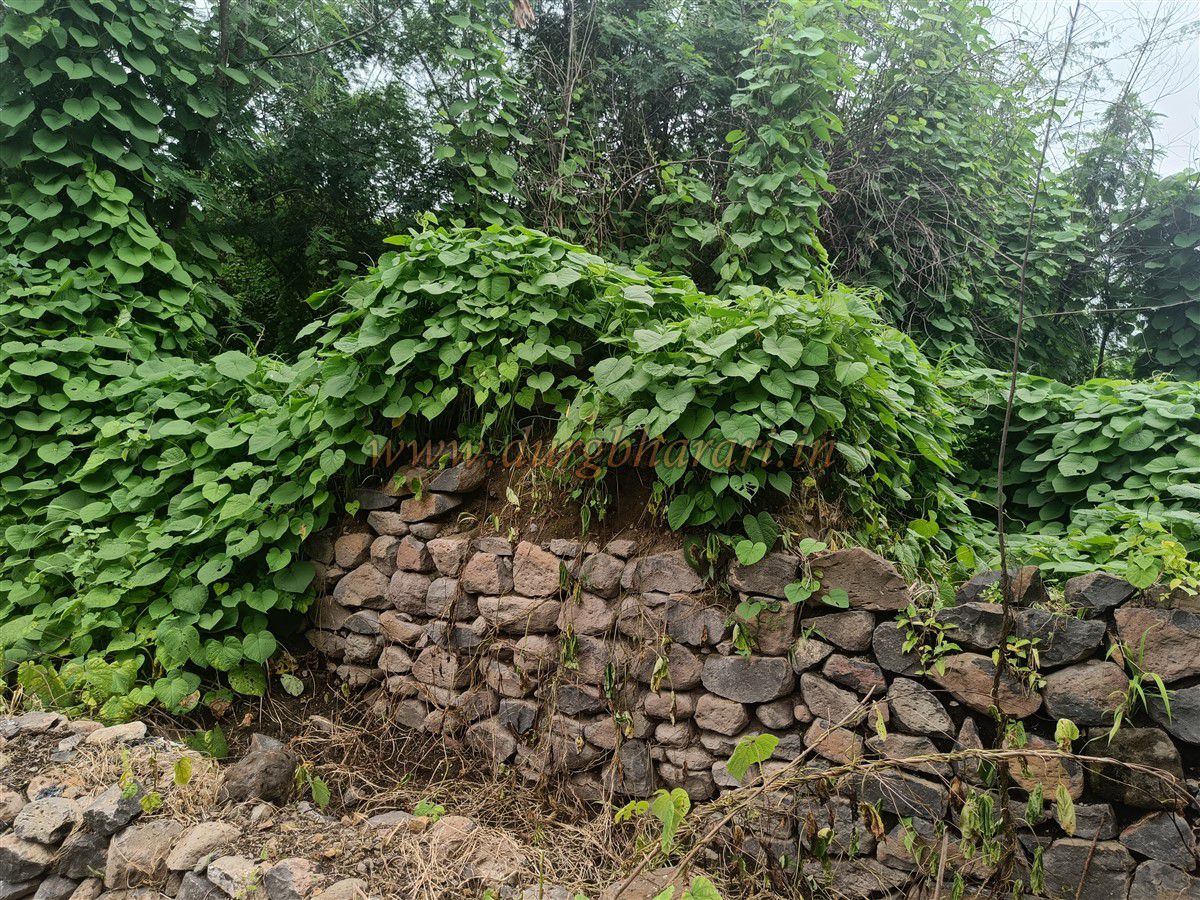
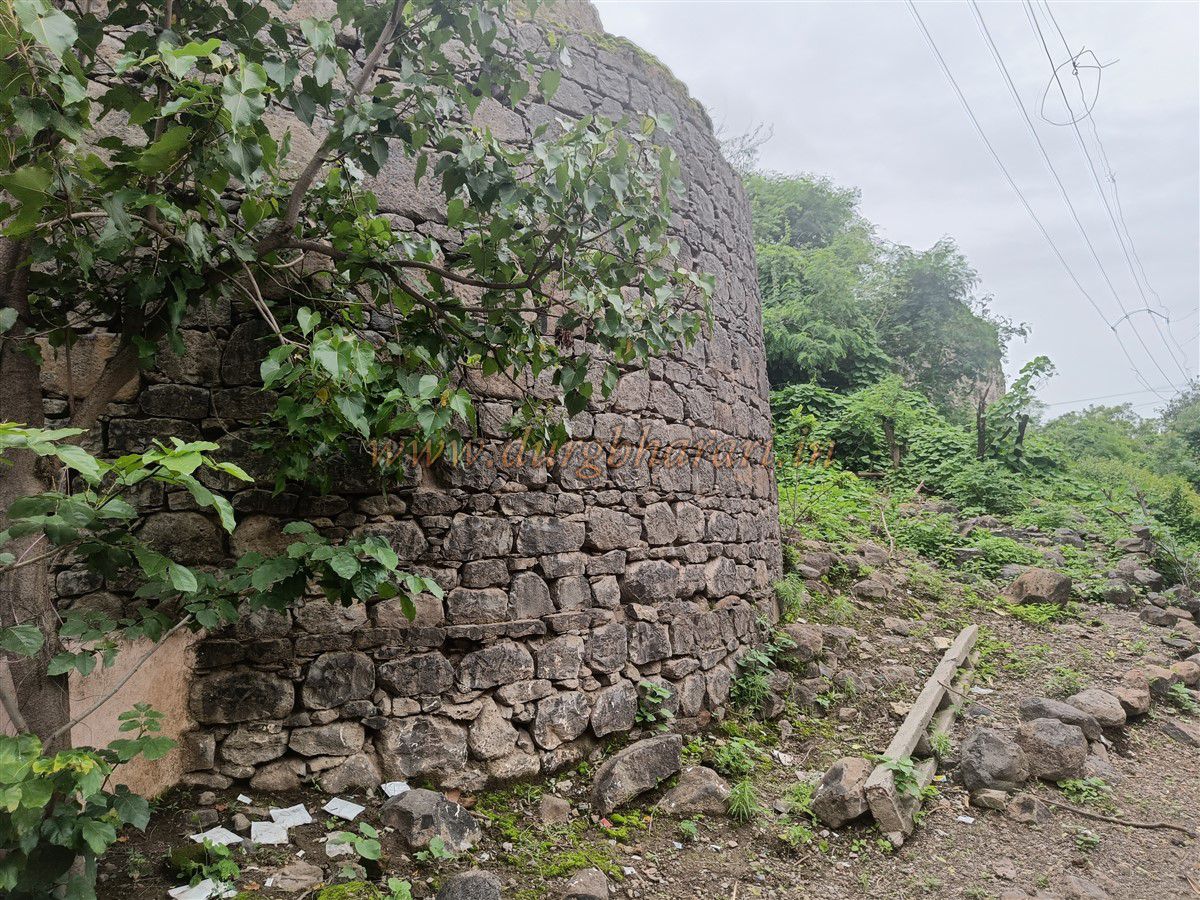
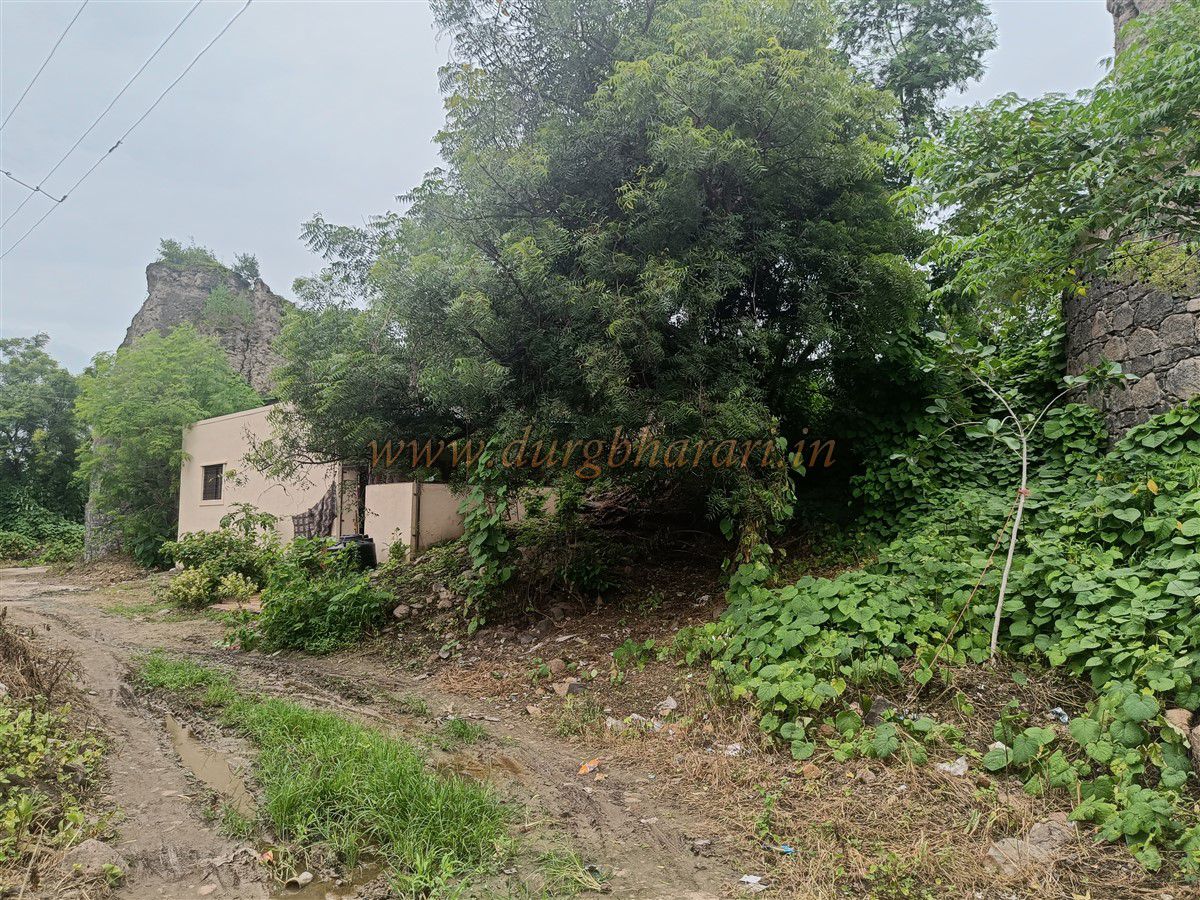
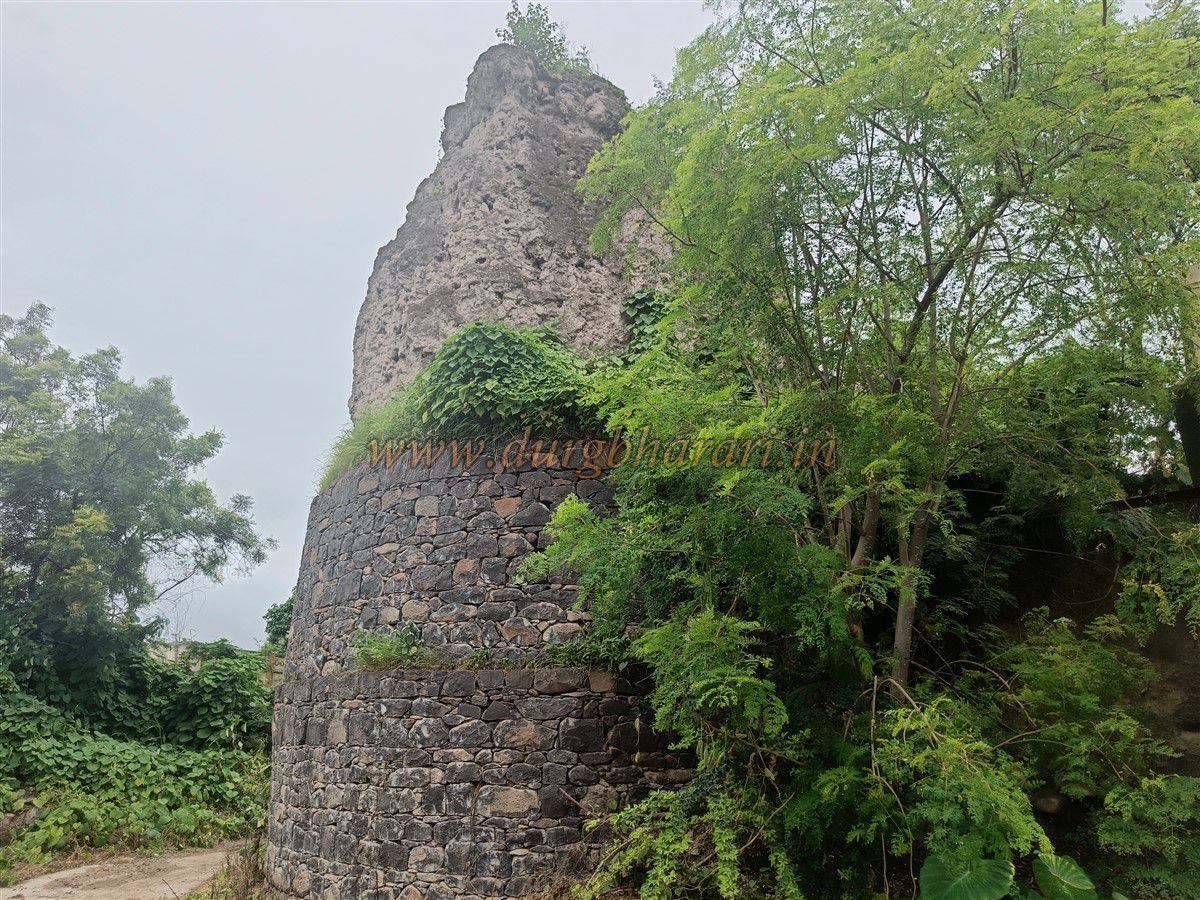
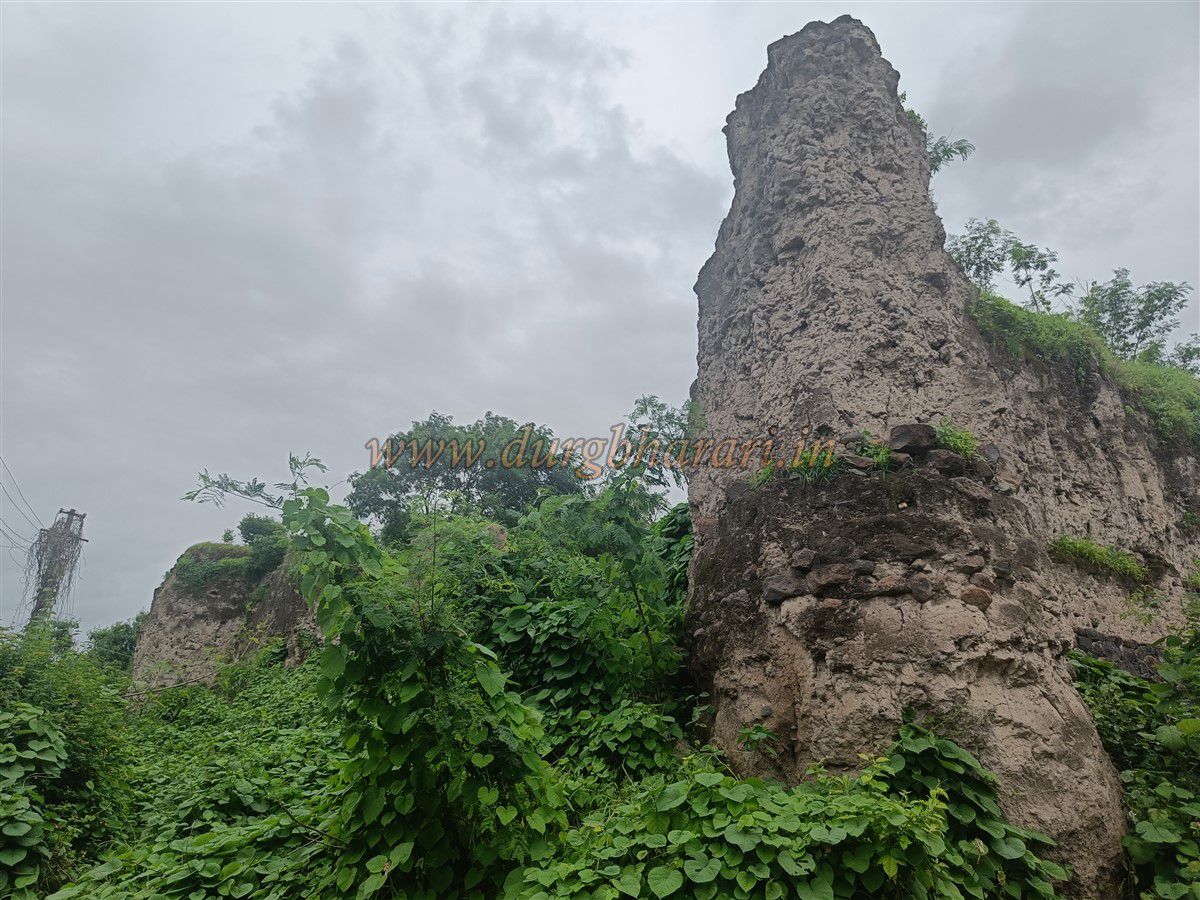
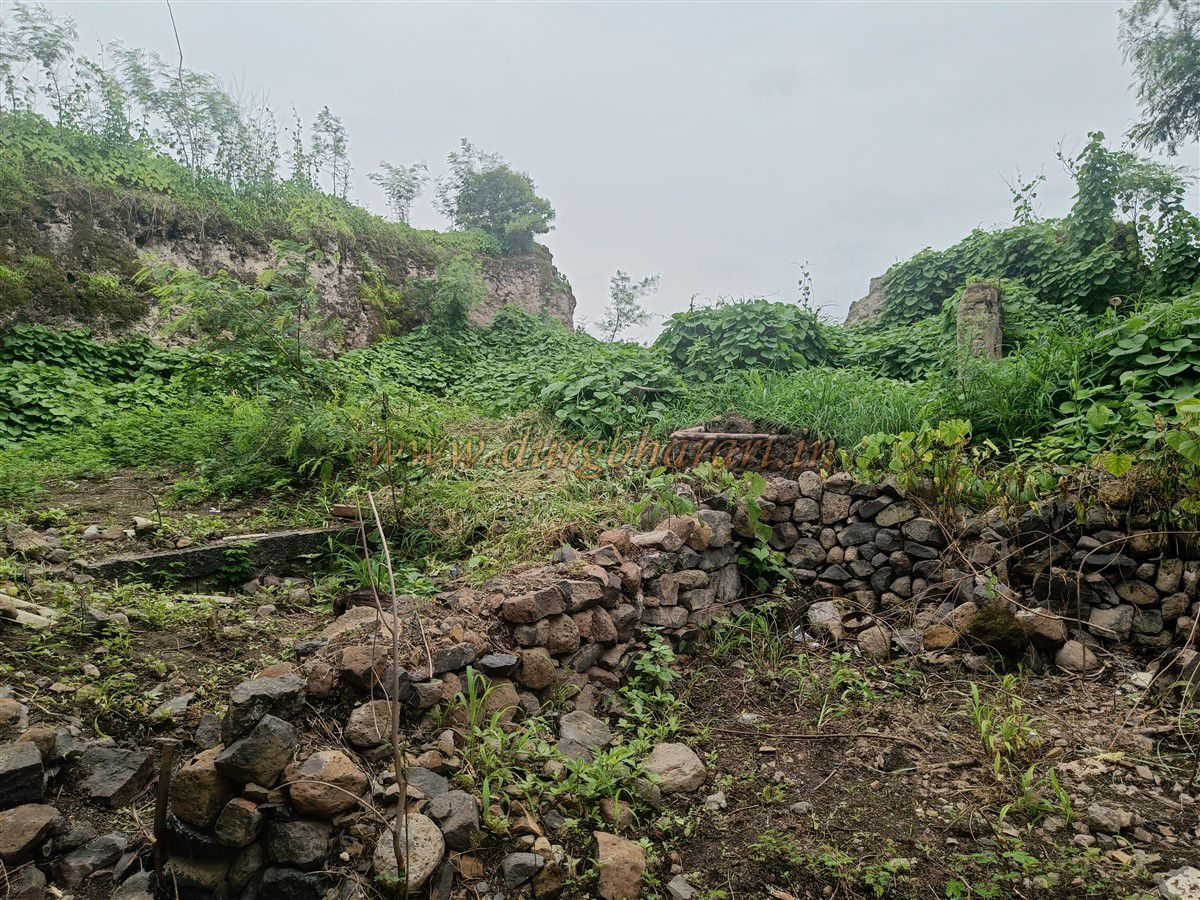
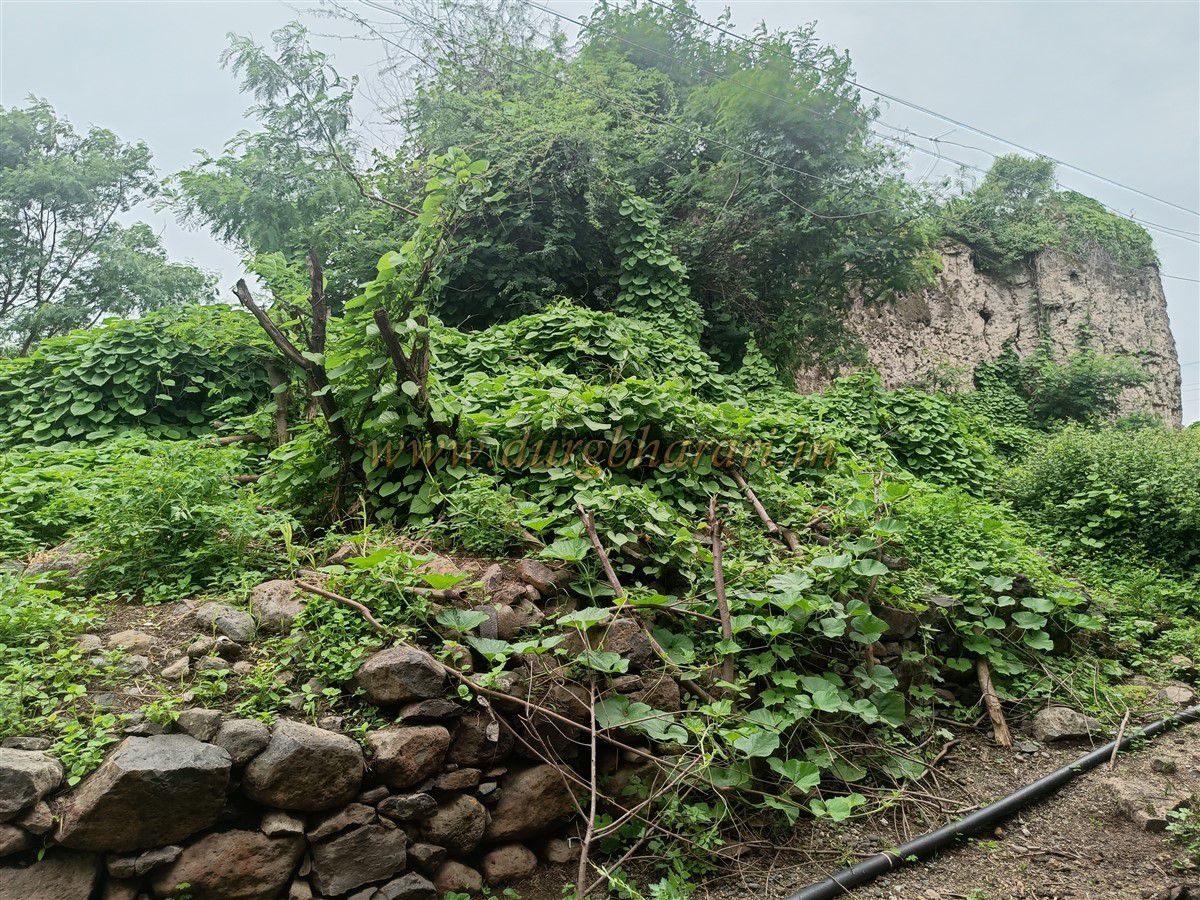
SAROLABADDI TYPE : FORTRESS DISTRICT : AHMEDNAGAR HEIGHT : 0 Traveling from Ahmednagar toward Beed along the Ahmednagar–Beed highway, about 10 km from Ahmednagar lies a small village called Sarolabaddi, situated roughly half a kilometre off the main road. The reason for mentioning this village is the fort located at its center. Since the actual name of the fort is unknown, it is referred to by the village name as the Sarolabaddi Fort. On entering the village, one immediately notices a large bastion of the fort, adjacent to which stands a newly built tomb. Judging by the remains around the fort, the original structure must have been much larger than what survives today, and it appears that the fort was once surrounded by an outer defensive wall (parkot). This outer fortification has now been completely destroyed, and in its place, houses have been built. ... The present fort is square in shape, with four bastions, thus making it a “Chauburji” (four-bastioned) fort. It covers an area of about 12 Guntha (roughly 0.3 acres) but has suffered significant deterioration over time. The fort walls stand about 25 feet high, with the lower half built using roughly cut stones, while the upper half is constructed with white clay. The main entrance to the fort no longer exists; entry is now through a breach in the broken fort walls. Inside the fort, one can see the remains of a mansion built on a stone plinth, now mostly buried under soil. Apart from this mansion, there are traces of a few other structures, heavily overgrown with vegetation. Being located on elevated ground, there is no evident water supply within the fort, suggesting that provisions for water were likely made within the outer fortification (parkot). A complete tour of the fort and its surroundings takes about half an hour. A Muslim family currently residing there has moved to a permanent house outside the fort, but they too are unaware of the history of the fort or their ancestral connection to it. Beyond knowing that the fort was built during the Nizamshahi period, they have little information about its origins or past. © Suresh Nimbalkar Read more... WATCH VIDEO GALLERY Post Views: 429