SARASGAD
TYPE : HILL FORT
DISTRICT : RAIGAD
HEIGHT : 1250 FEET
GRADE : MEDIUM
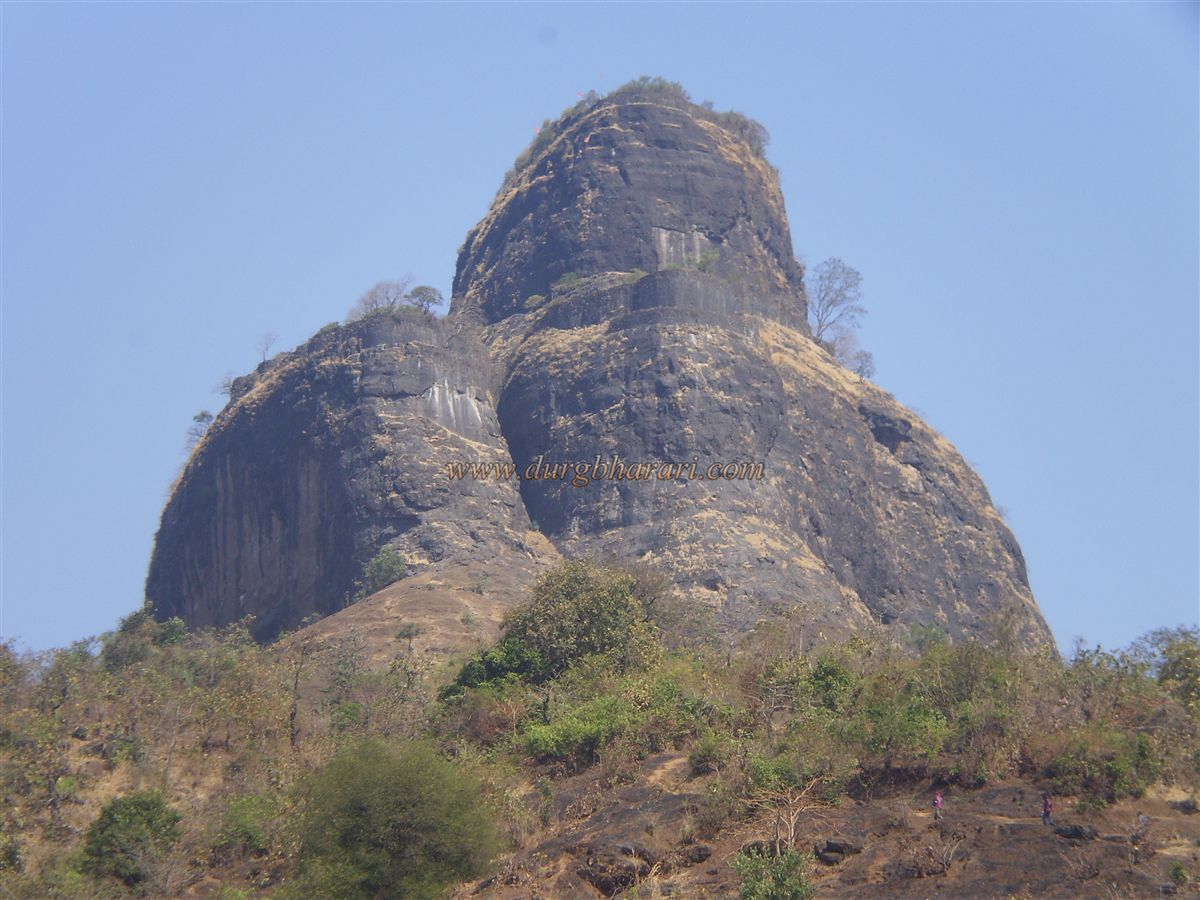
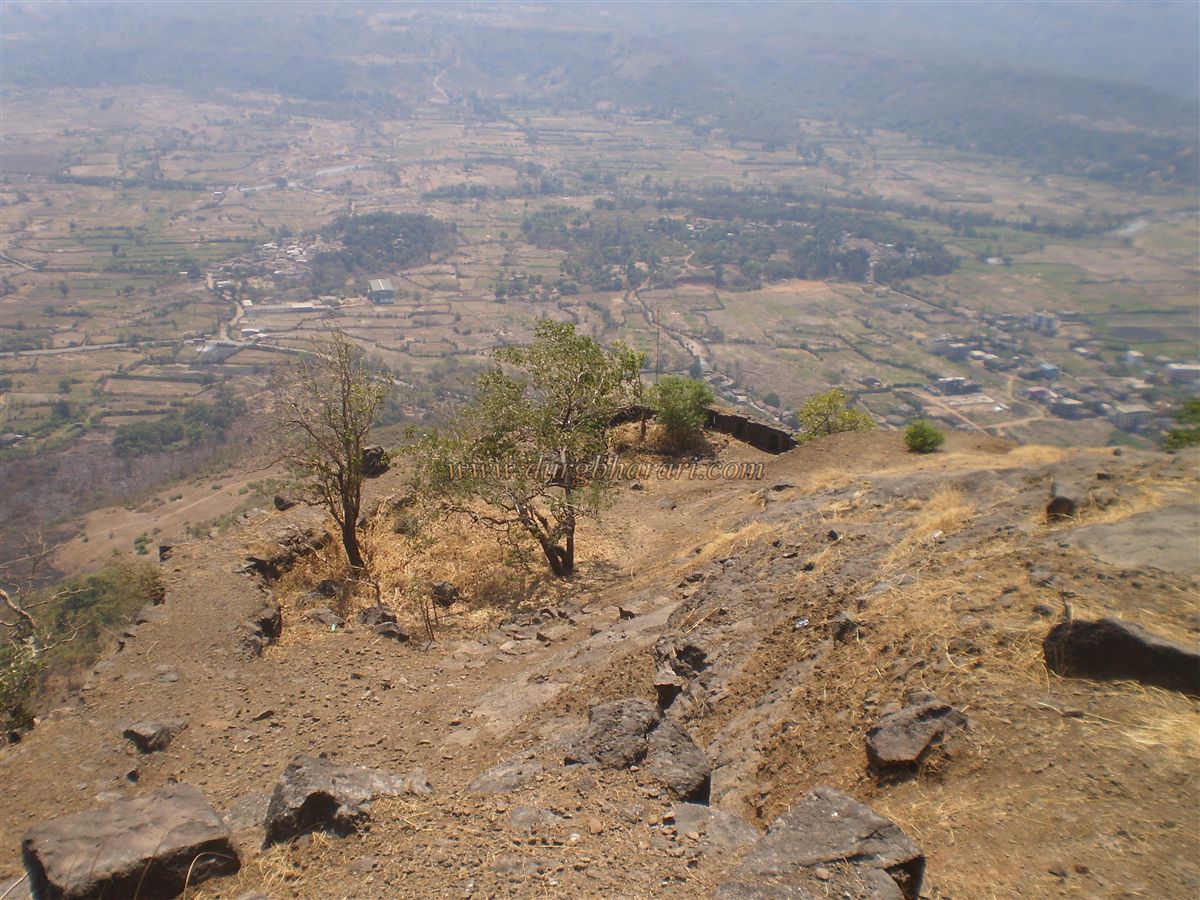
Sarasgad, also known as Pagdicha Killa or Pali Fort, is a hill fort in Sudhagad taluka of Raigad district, situated to the east of Pali village. Due to its geographical structure, it must have been used for keeping watch over the Konkan region and the Savaashni Ghat. At the base of the fort lies the village of Pali, which is famous for the Ballaleshwar Ganpati, one of the Ashtavinayak shrines. This Ganpati at Pali is known as Ballaleshwar. Devotees on the Ashtavinayak pilgrimage frequently visit Pali, but many of them are unaware of Sarasgad. Pali is located between the Sahyadri plateau and the Mumbai–Panji highway. It is well connected by road to important nearby towns. Pali can be reached from Khopoli on the Pune–Mumbai highway or from Nagothane on the Mumbai–Goa highway. Sarasgad, standing right next to Pali, appears even more imposing due to its sheer rock face. The fort rises 444 meters above sea level.
...
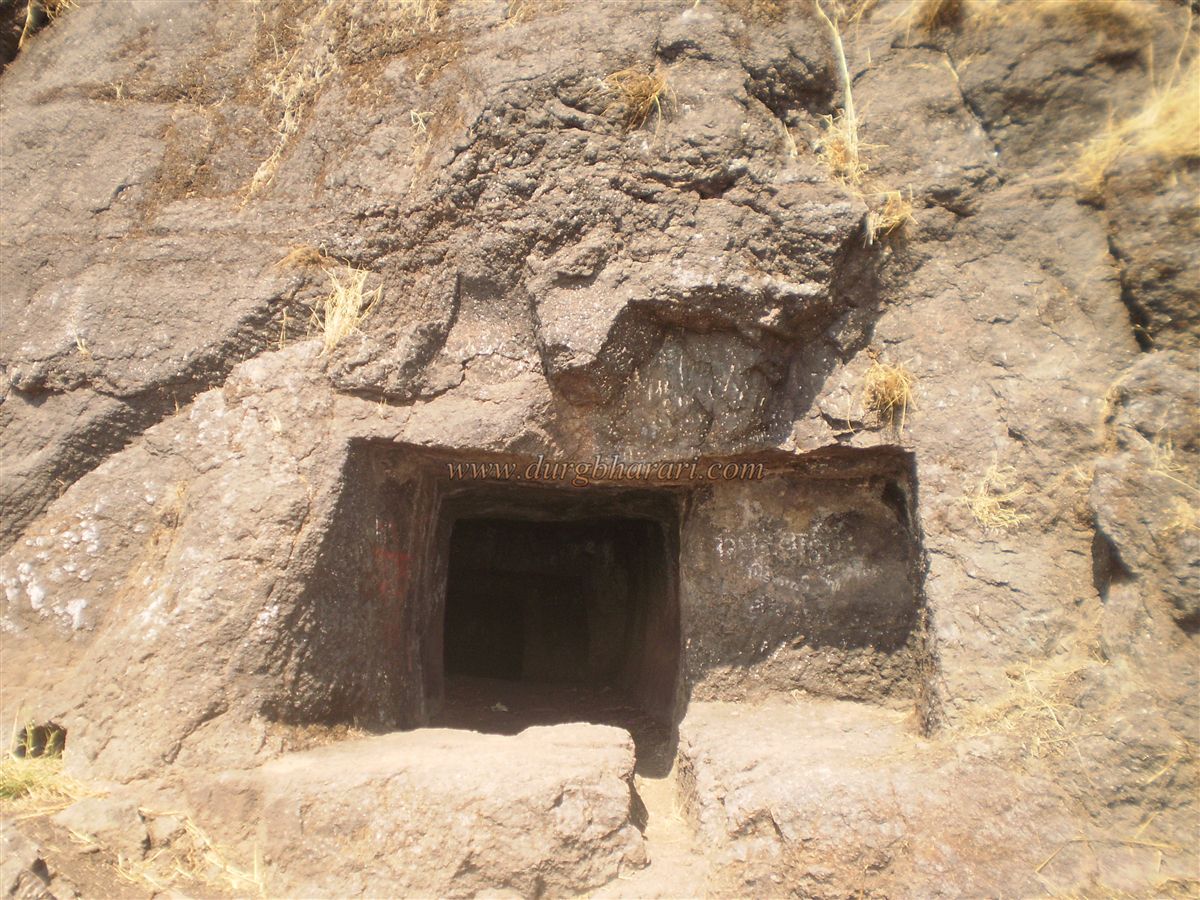
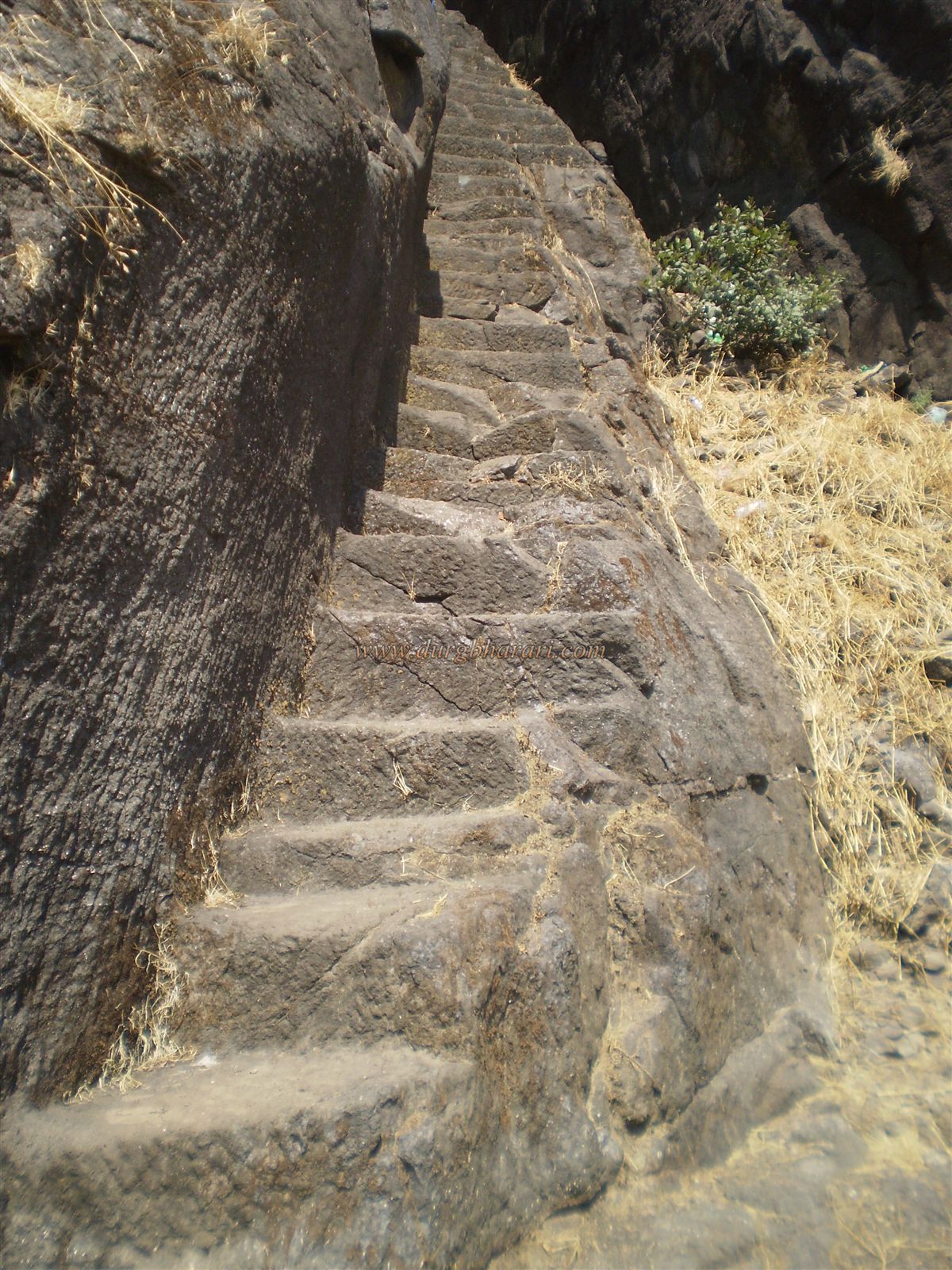
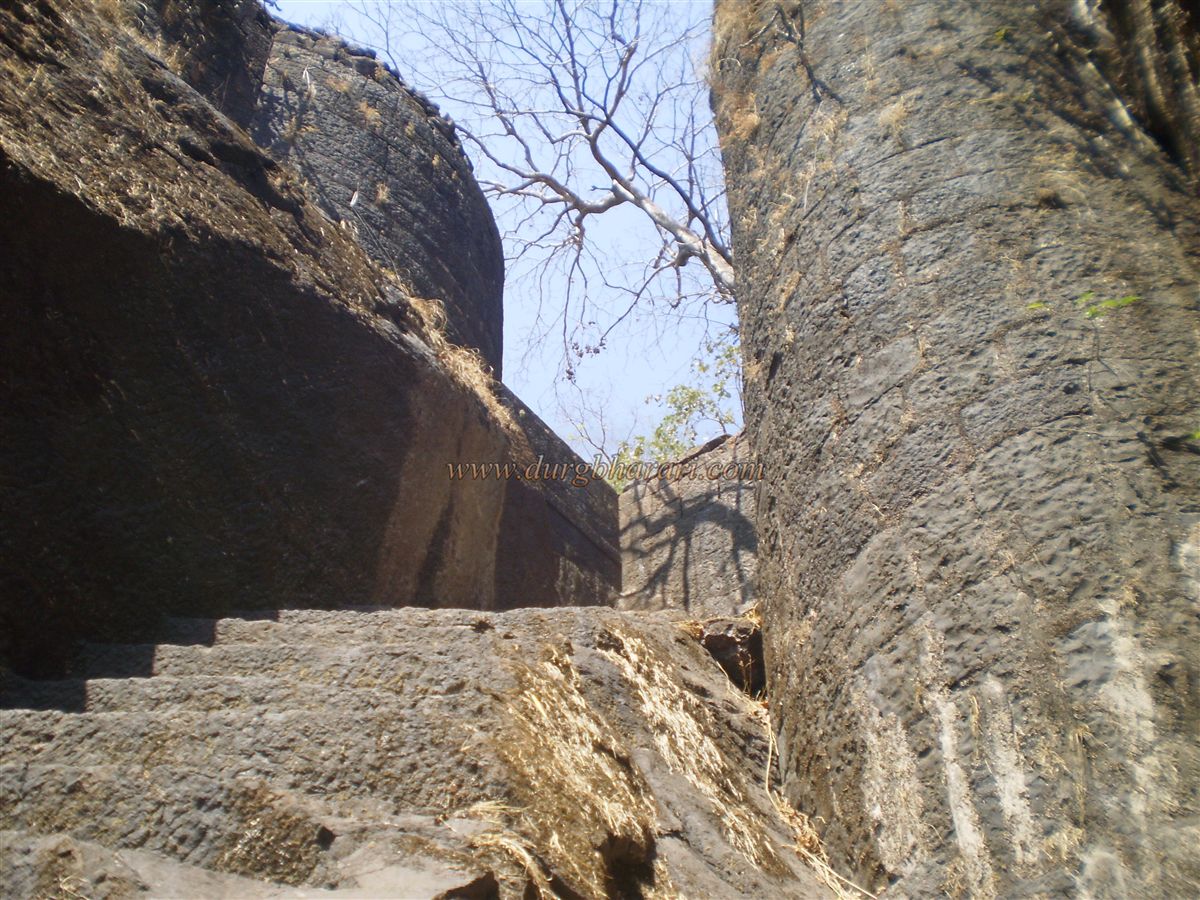
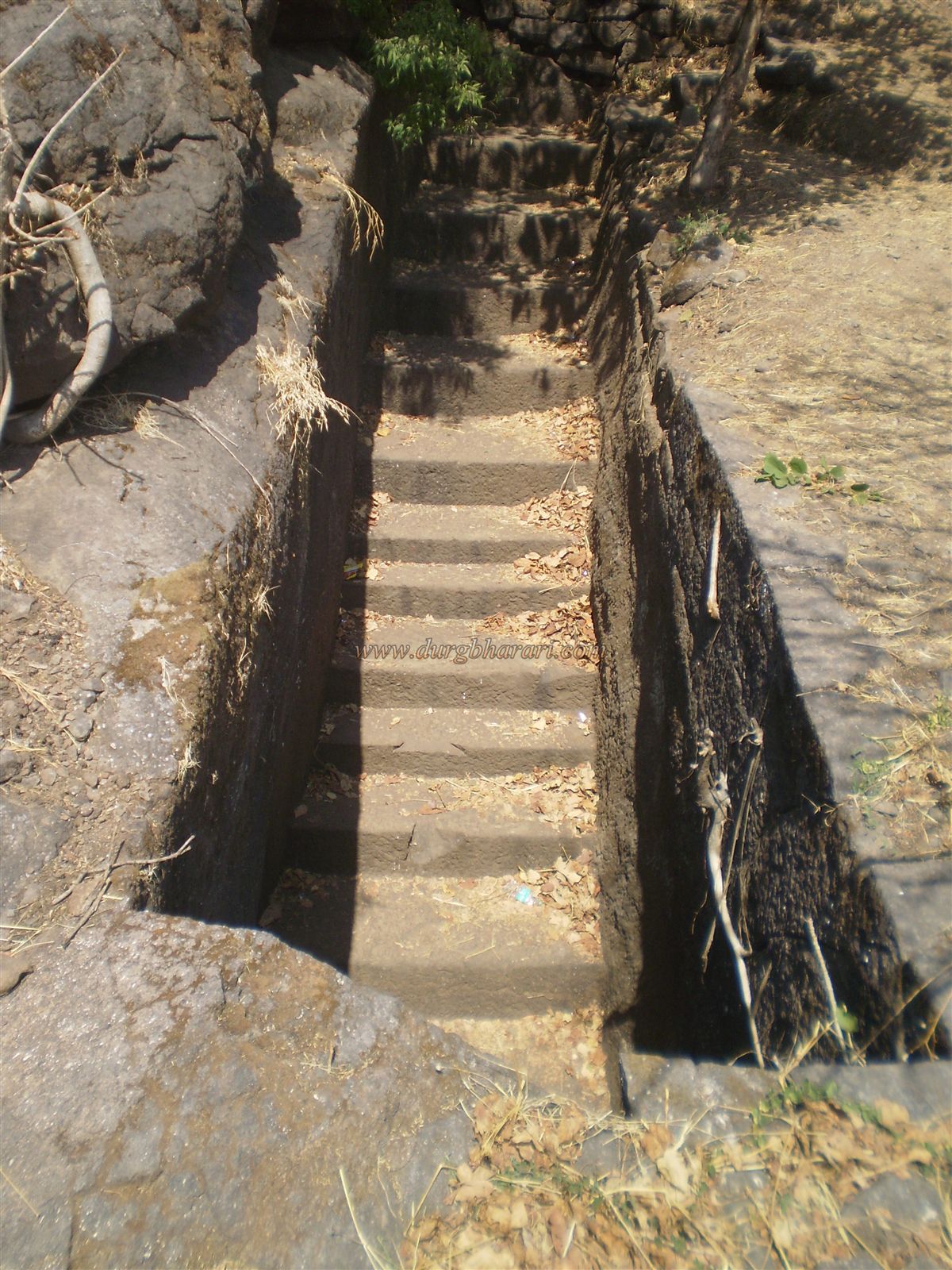
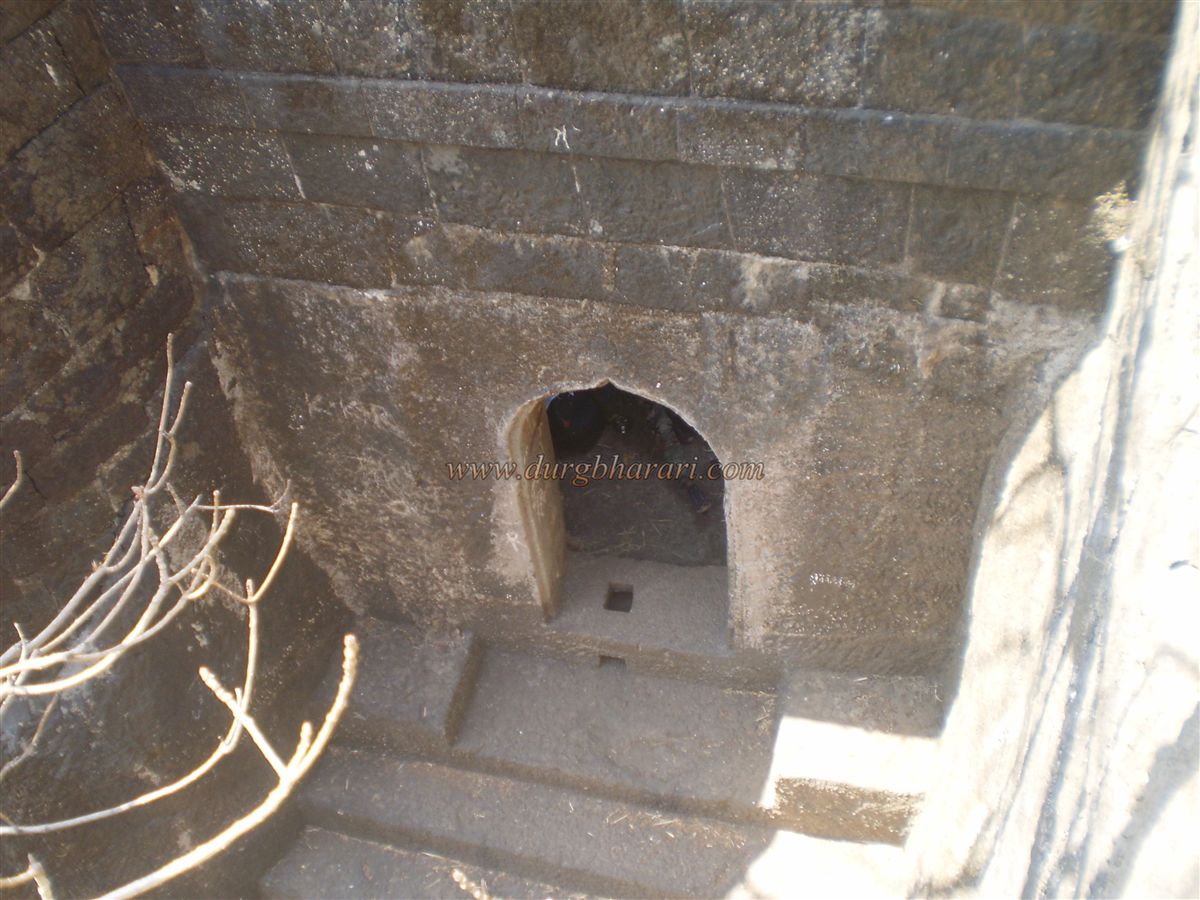
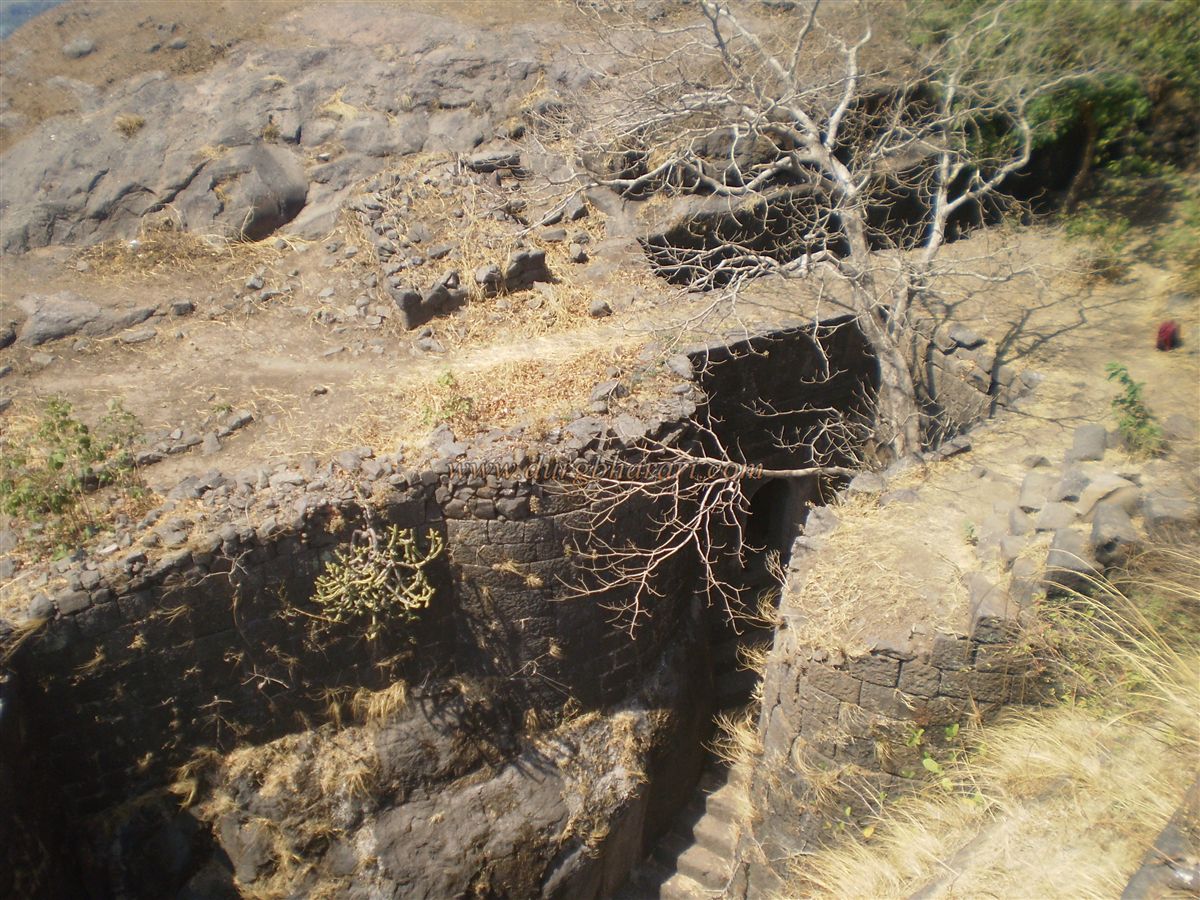
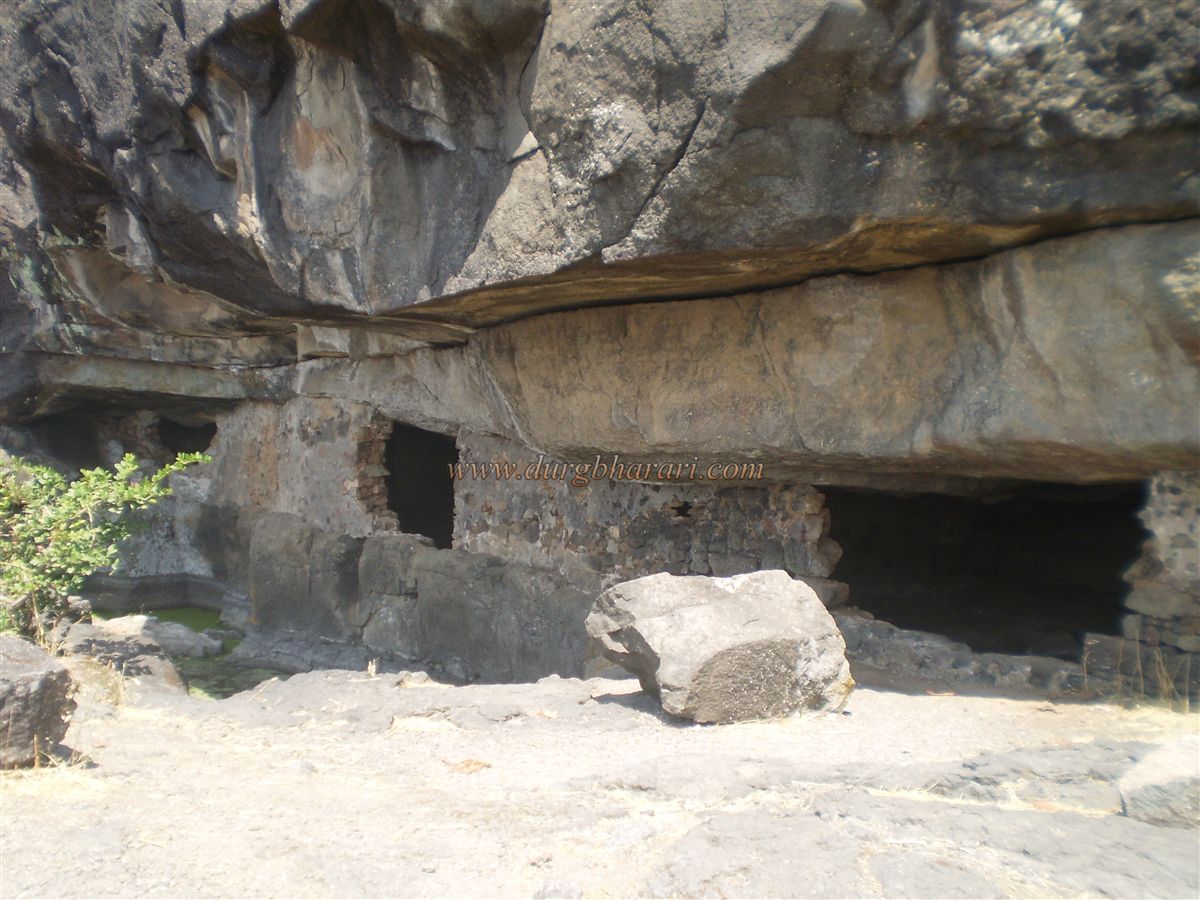
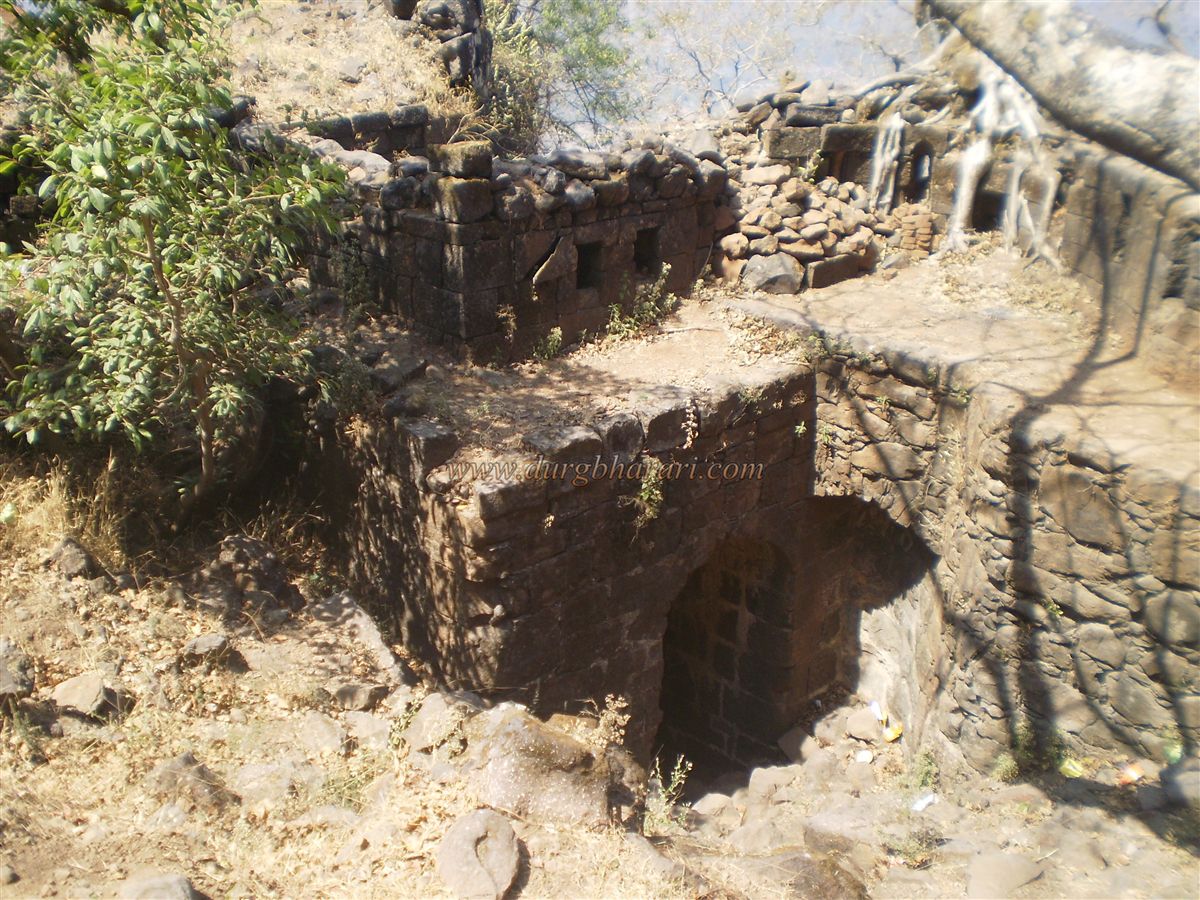
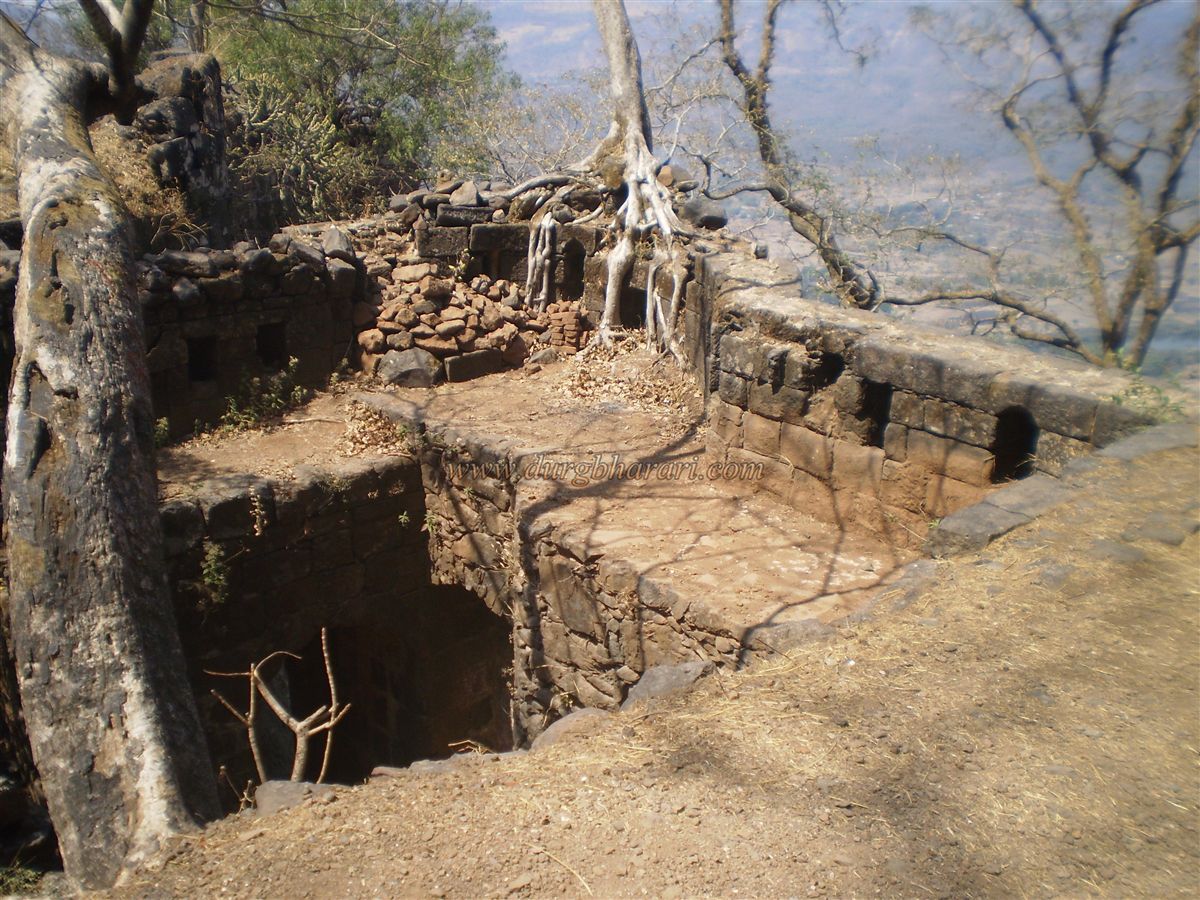
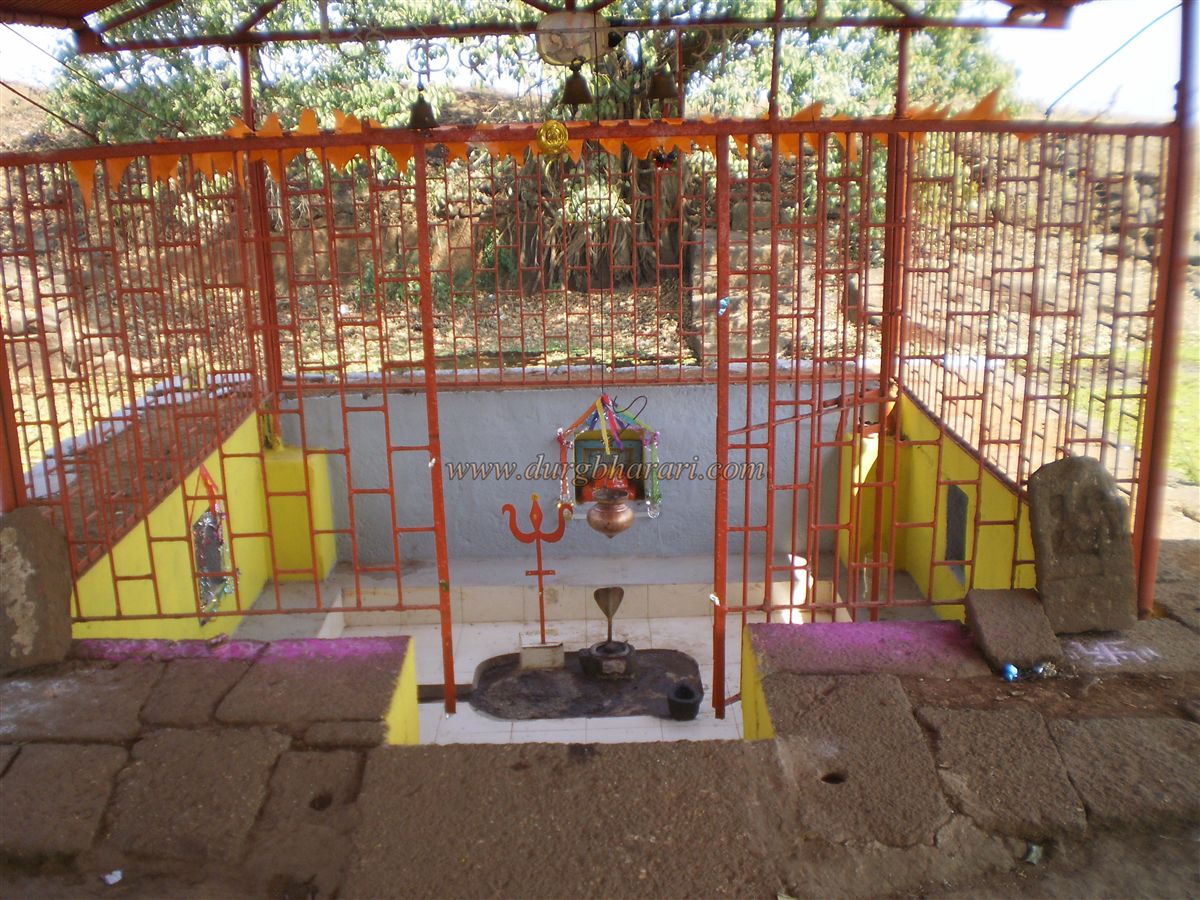
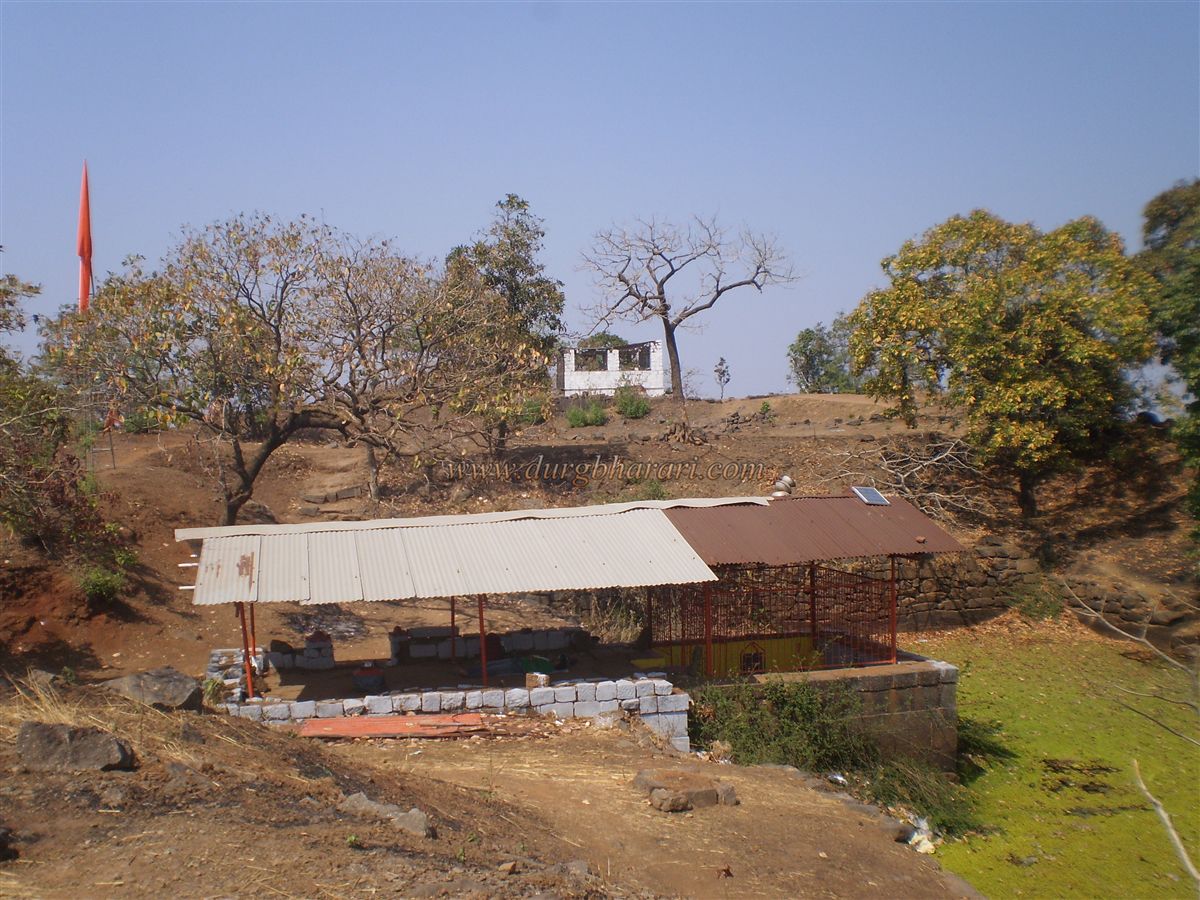
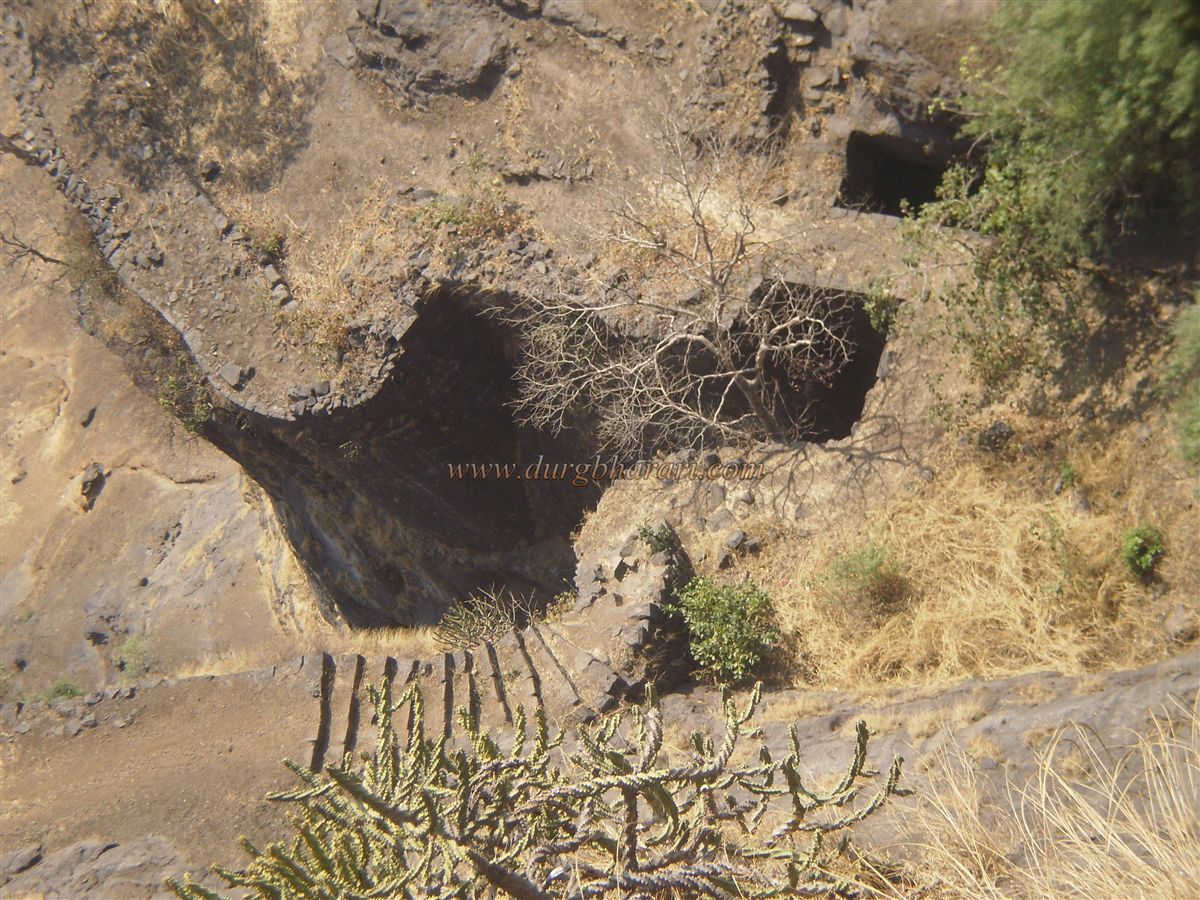
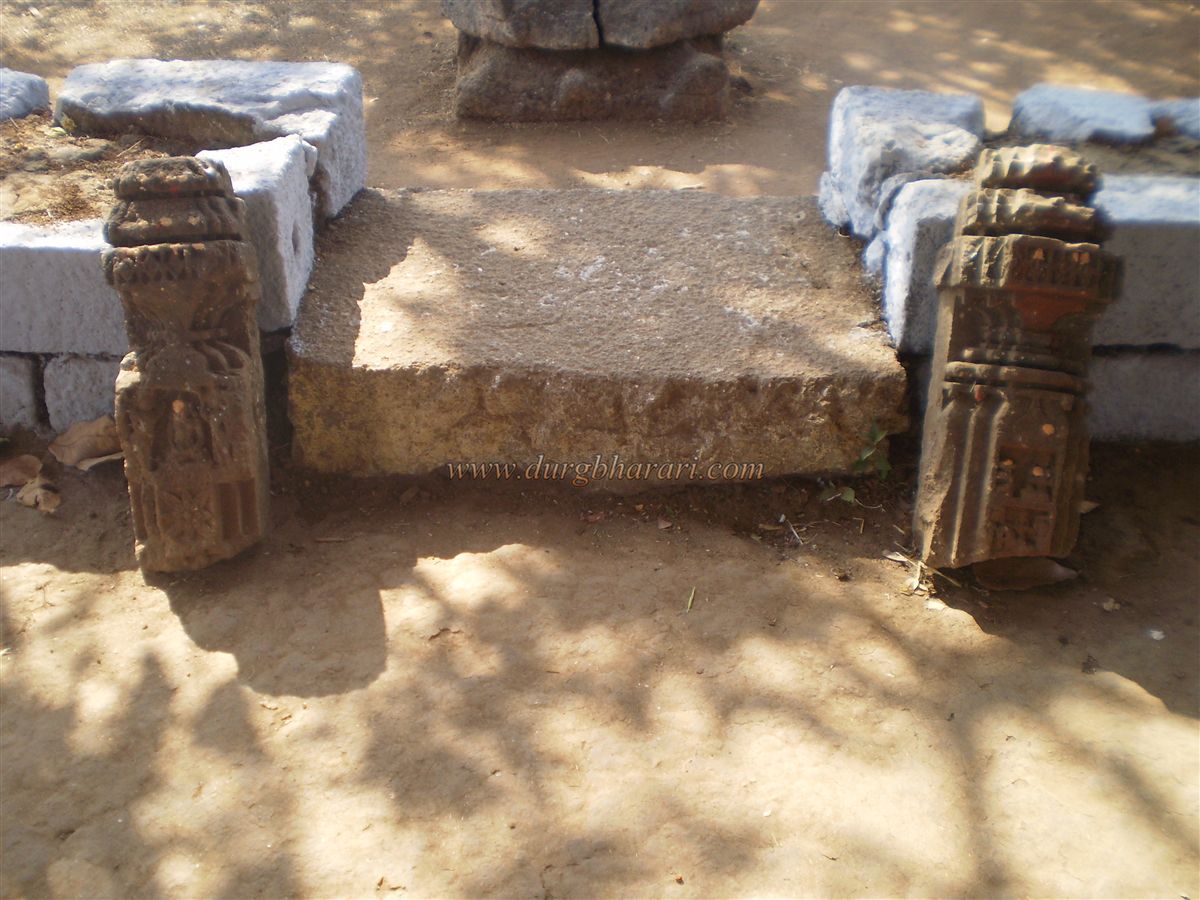
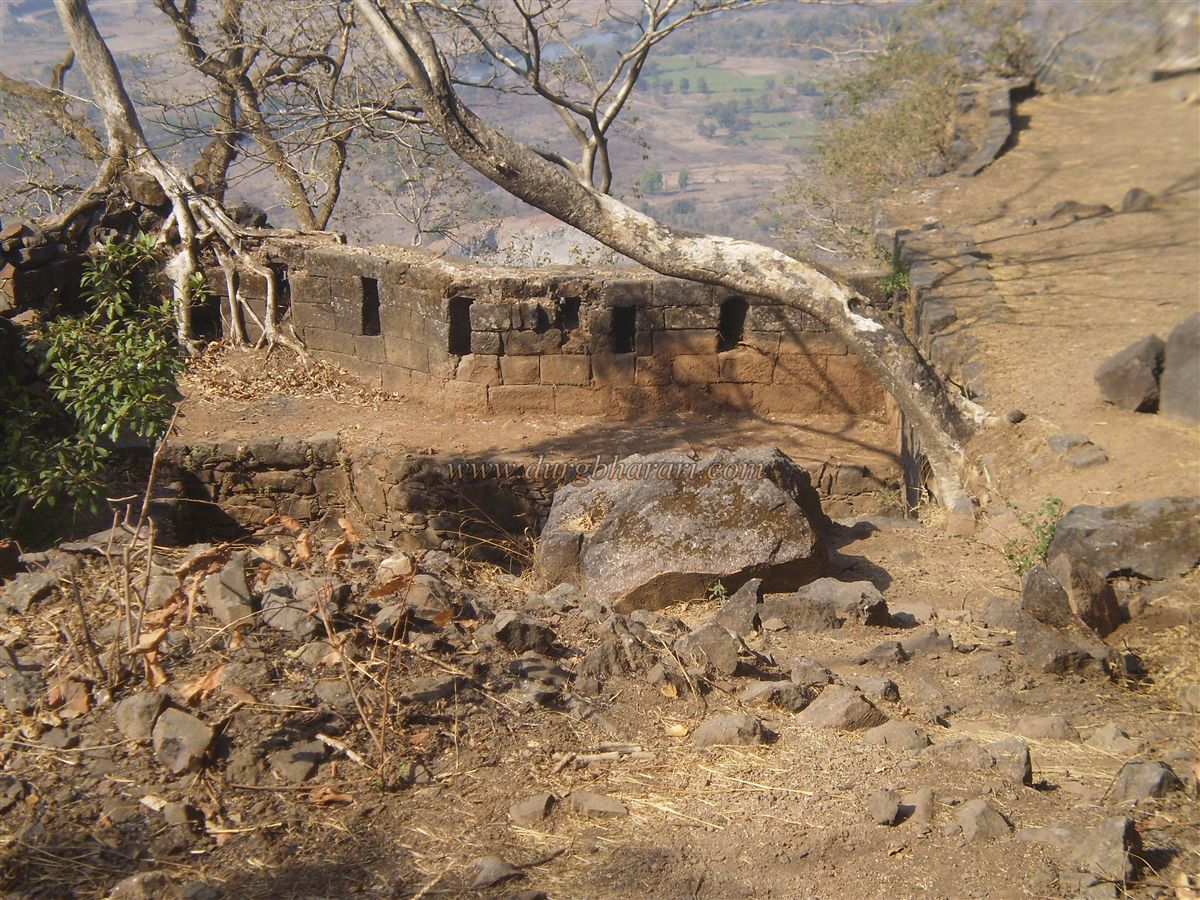
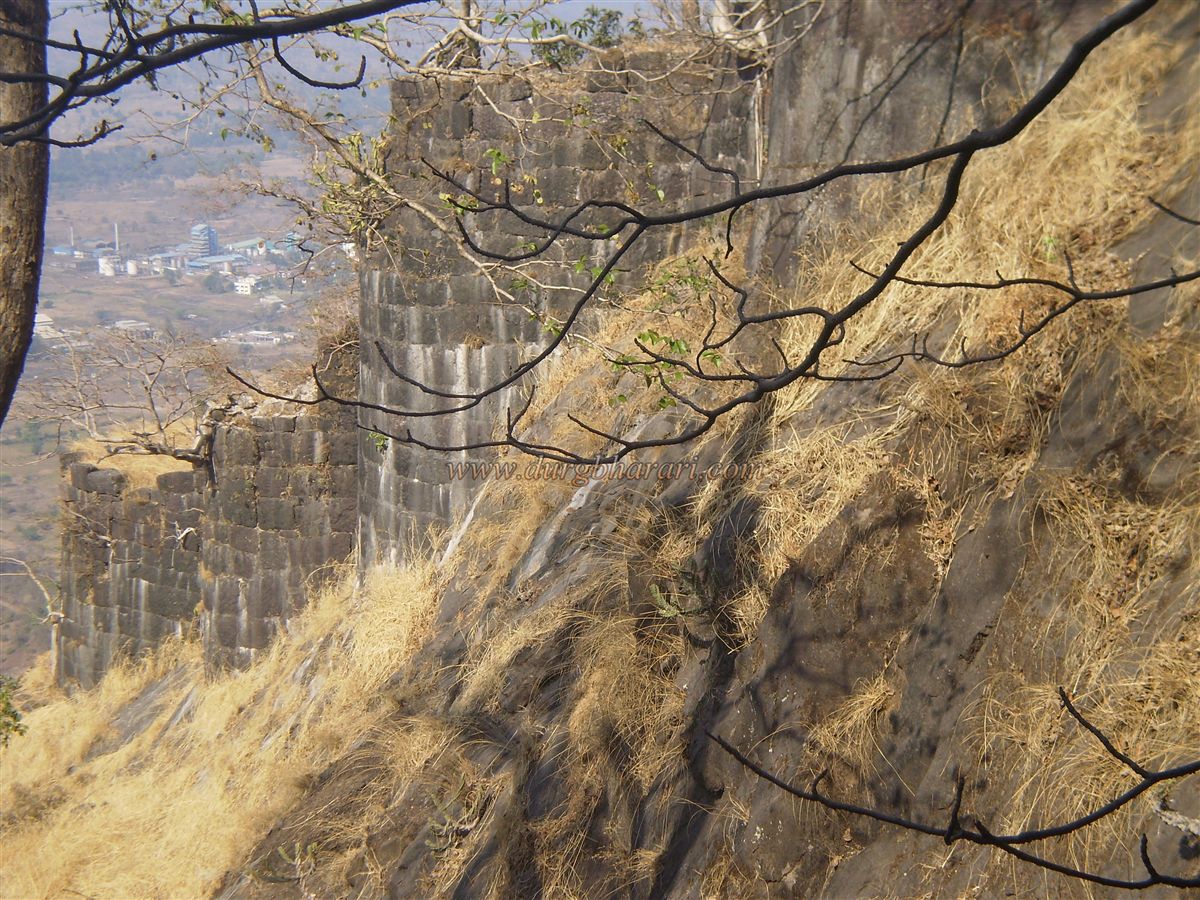
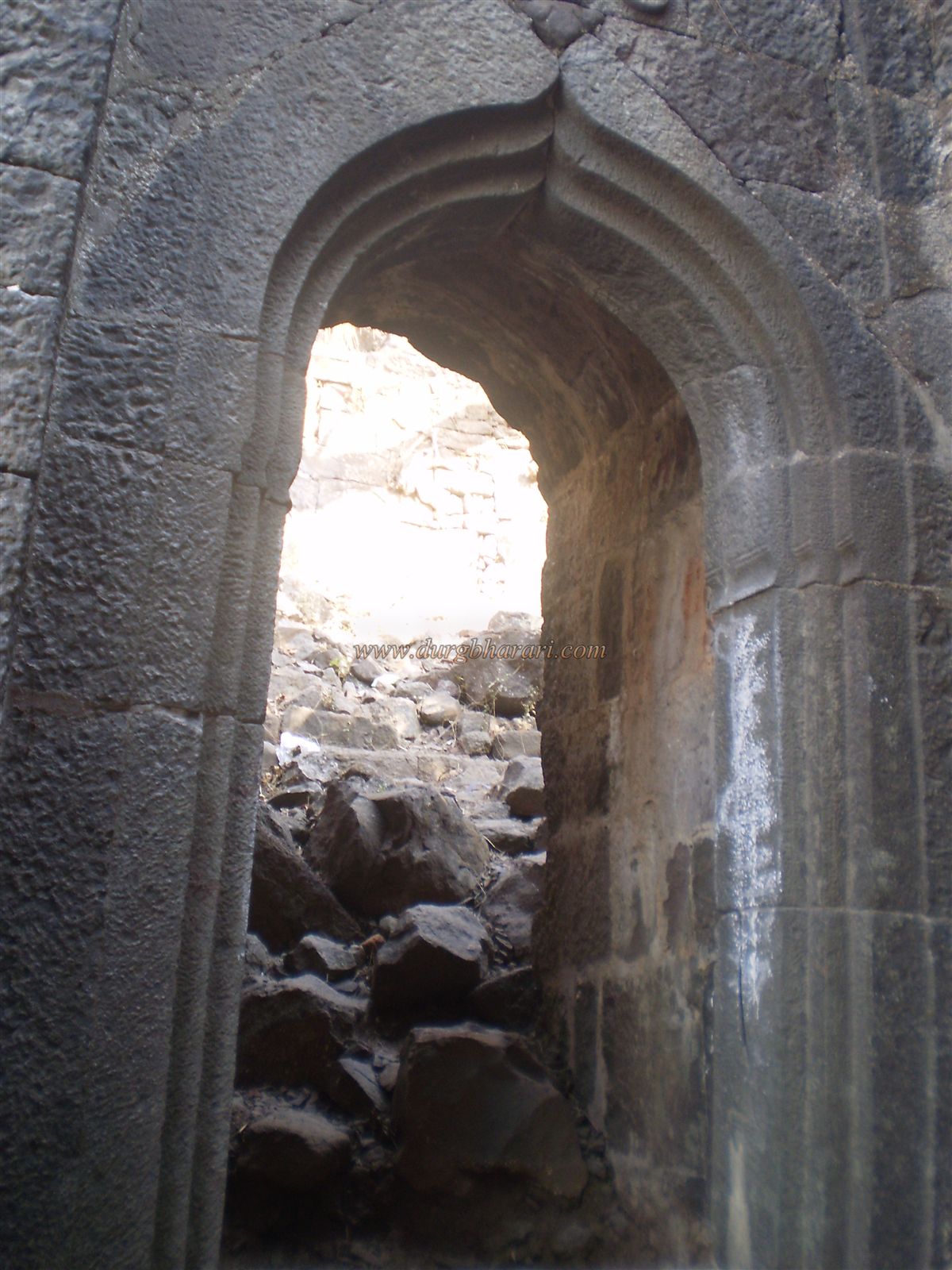
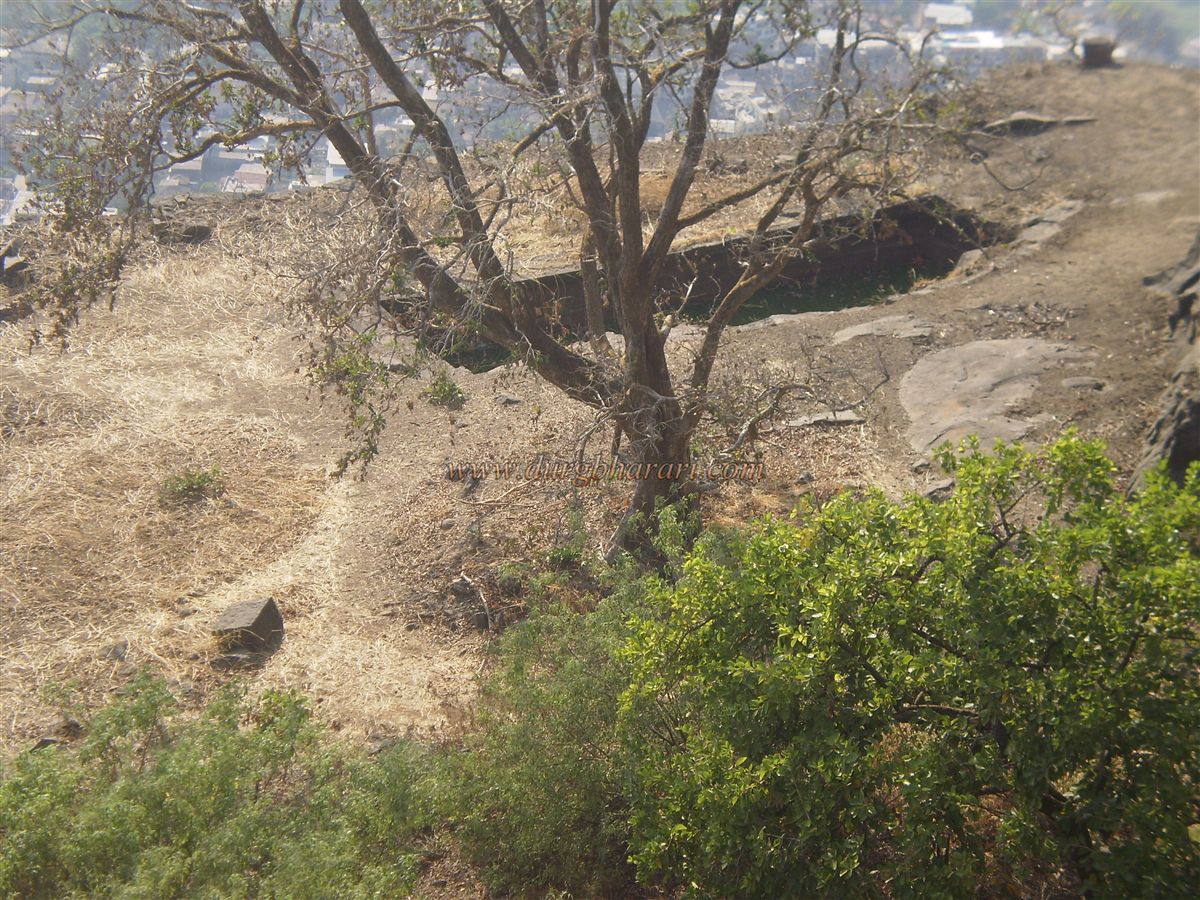
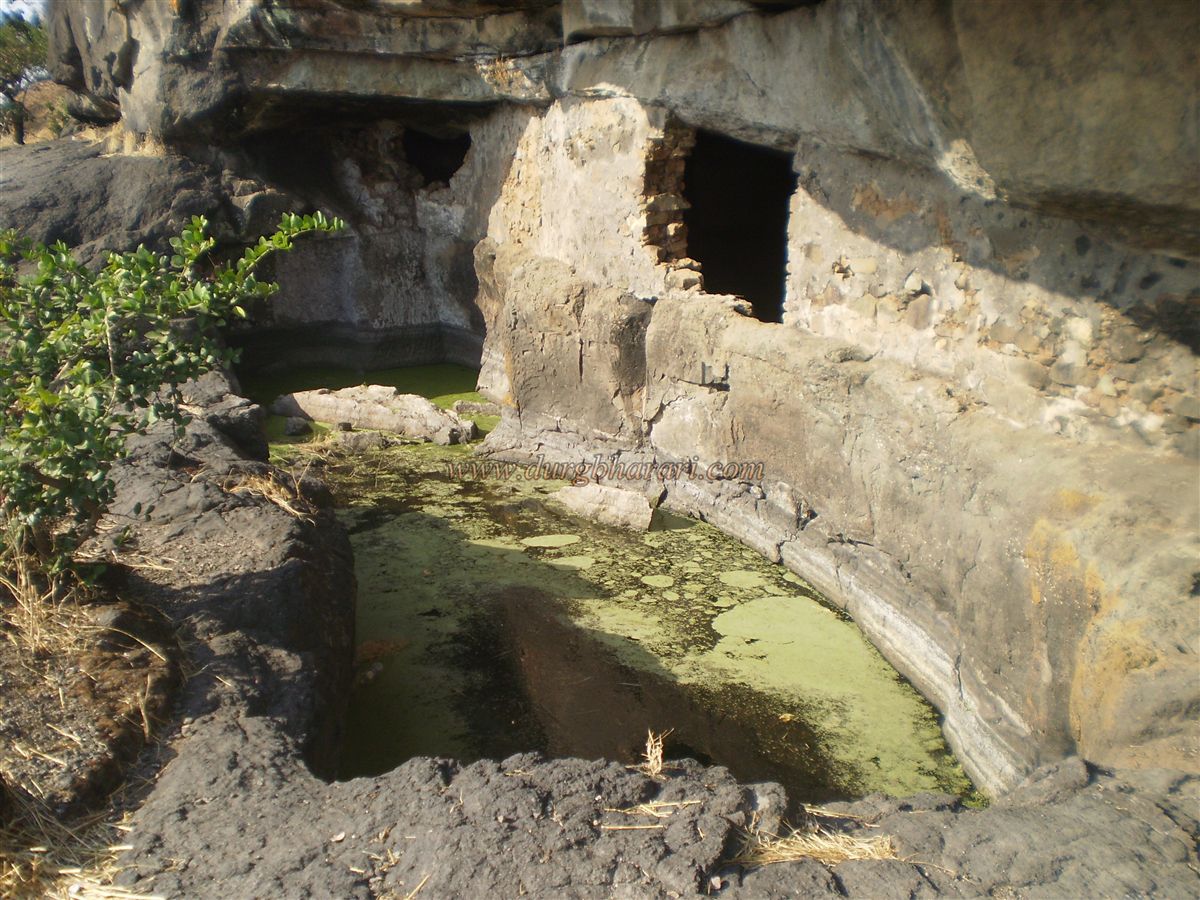
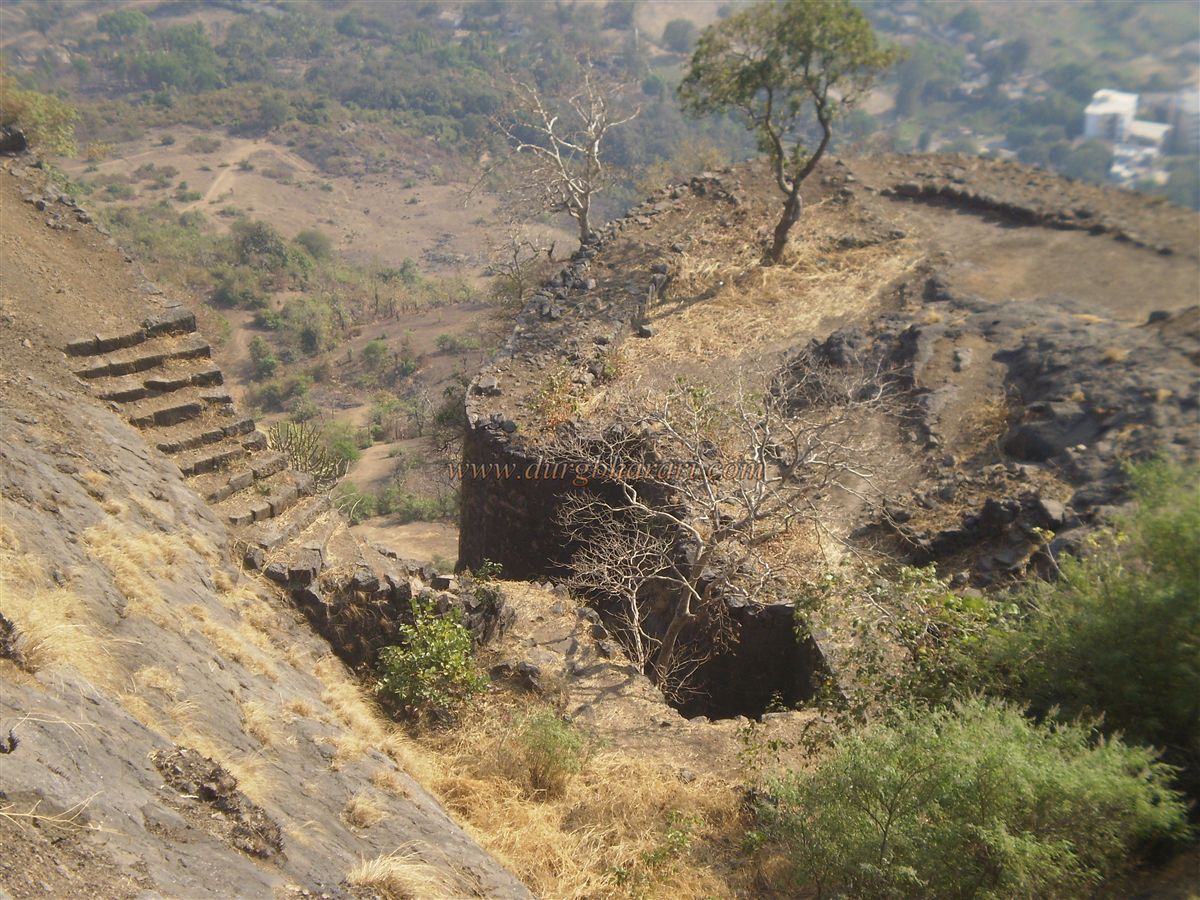
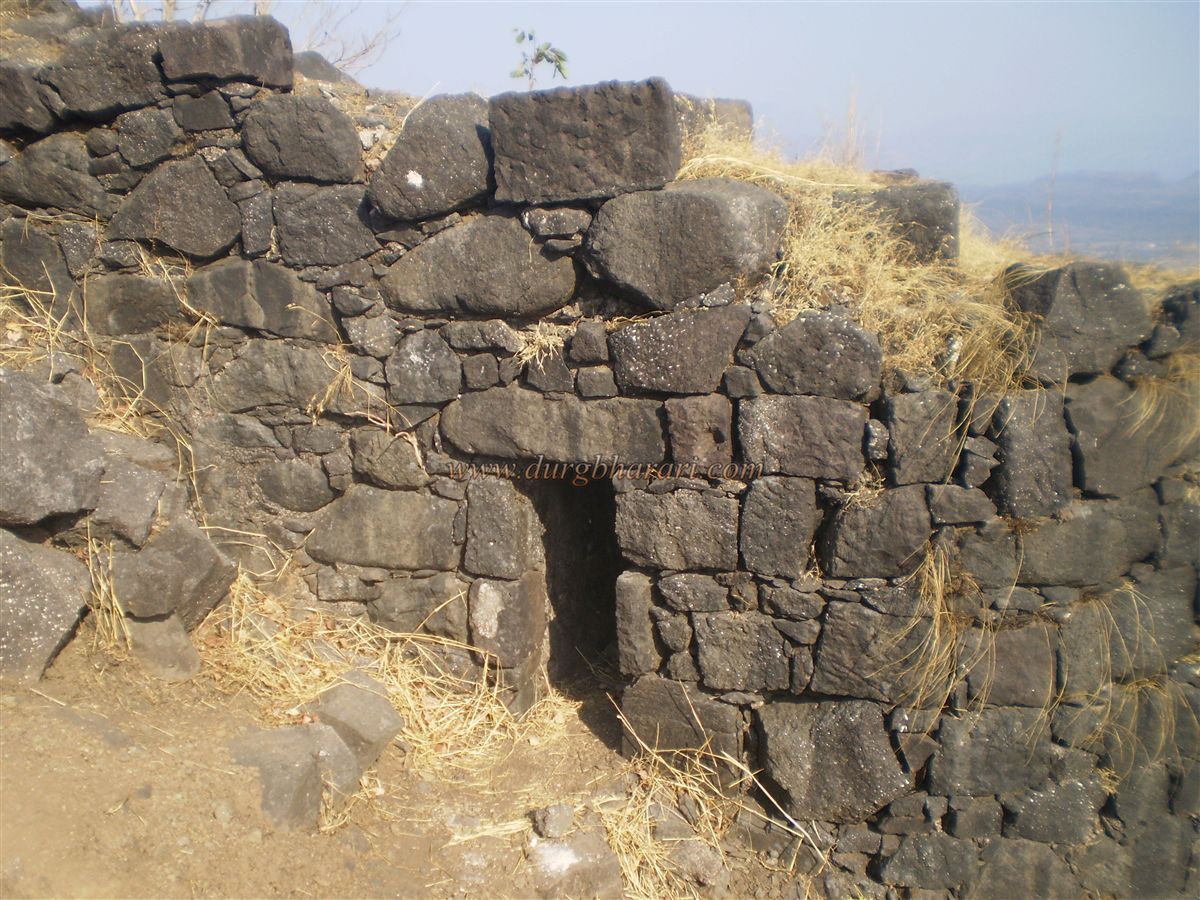
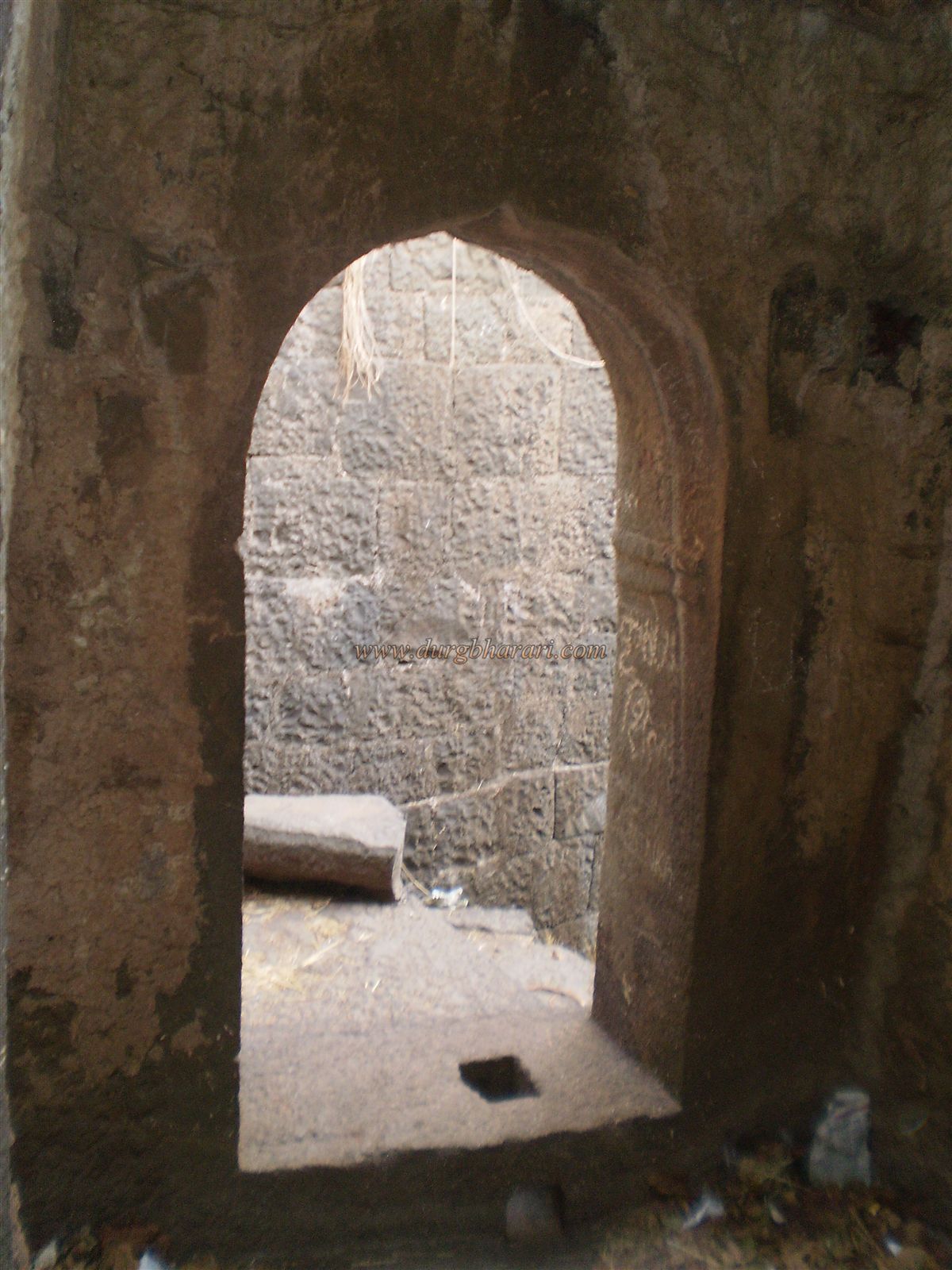
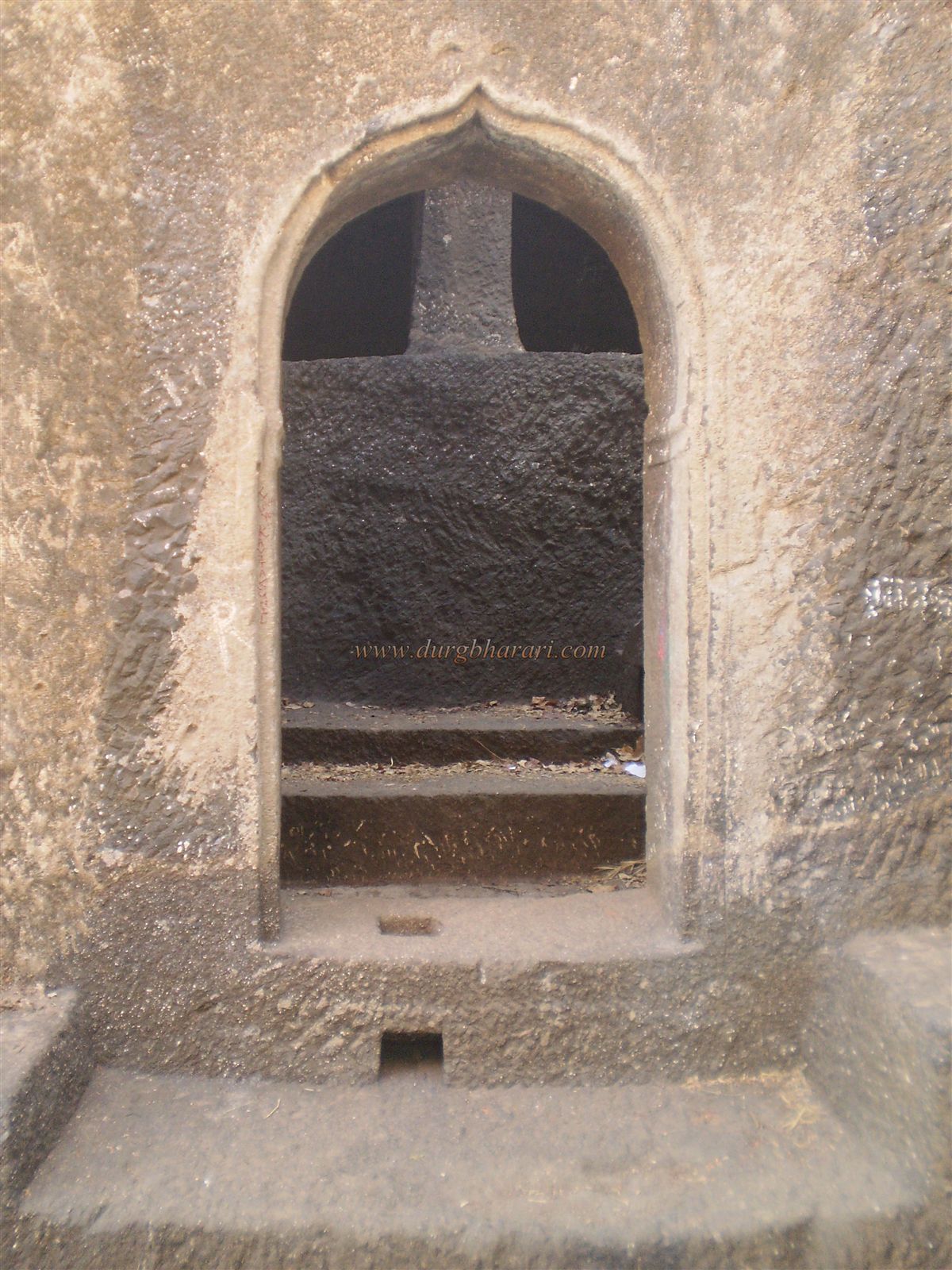
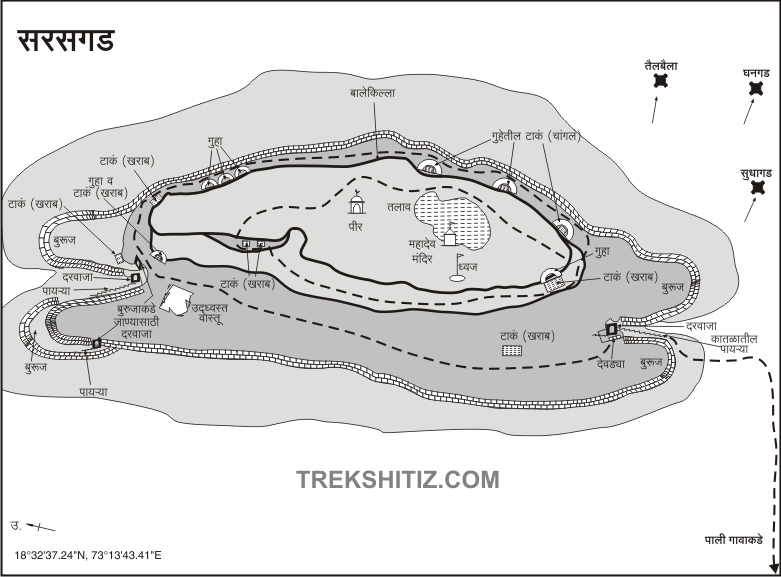
There are two routes to reach the fort, one from the north starting at Ramali in the small village of Talai, and the other from near the Ganpati temple, i.e., from the Deulwada side, which is a well-trodden path. It is convenient to climb up by one route and descend by the other. Climbing from the Deulwada side, you can see Pali village to the left and the three pinnacles of Kavdicha Dongar to the right. The present usable path leads through the Dindi Darwaja, which takes you directly to the bastion. Before climbing the steps, a cave appears on the left. This cave resembles the one on Prabalgad. From this resemblance, it can be inferred that the fort was constructed several centuries ago. The steps to the fort pass through a narrow gorge. These 96 steps, carved in rock, are quite tall and test one’s endurance, leaving you breathless by the time you reach the main gate. Adjacent to this gate, a triple-layered fortification can be seen. After entering through the gate, turning right and climbing 15 more steps brings you to the fort walls. Going left after entering leads to a large water tank. Ahead lies an underground passage, but it has now been completely filled with soil. This also connects to another route leading to the fort. Taking the right turn after entering and climbing 15 steps leads to the base of the citadel. At the base lies a large perennial water tank. To the left of the tank is a dargah of Shahpir. Near it are more water reservoirs. In a nearby rock-cut cavity stands a Shankar lingam, which can also be used for shelter. To the right of the tank are the remains of granaries and armouries. There are also ruins of residential quarters, a gymnasium, and a prison. From here, a path leads up to the citadel. The circular citadel can be circumambulate along its edges. On the way up, several rock-cut features are seen at the base of the citadel, including water tanks, caves, and some chambers, along with a training hall. There are stories that the Pandavas stayed in these caves during the Mahabharata era. When a fort is linked with such legends, it indicates its antiquity. Along with the caves, two or three more water tanks can be found. Careful observation of some tanks reveals supporting pillars inside. One of the caves is particularly large, raising questions about its original purpose. It is internally divided into three sections. A little further along this path is the northern side of the fort. Here lies a partially buried hidden gate. An eroded inscription with only the word “Jayam” faintly visible is found here, but its age cannot be determined. Slightly away from this spot lies the northern gate. This stone-cut gate has a trident carved on its arch. Another path to the fort comes through this gate. In front of it are the remnants of a large platform, likely the base of a former hall. From here, a leftward path leads up to the citadel, while the rightward path goes to a bastion. Climbing the leftward path, you reach a water tank. From beside this tank, steps lead to the top of the fort. On the top of the citadel, there is nothing particularly remarkable to see. The summit is narrow and limited in area. A dargah of Shahpir stands on the summit. An annual fair is held here during Vaishakh Purnima. To the east of the summit lies a large reservoir. There are two bastions used for watch duties. Near this reservoir stands the temple of Kedarnath. Though the temple is in poor condition, its fallen carved stones hint at its former grandeur. During Mahashivratri, devotees gather here in large numbers. From the top, the surrounding scenery is spectacular. On a clear day, Sudhagad, Telbaila, Ghangad, and Korigad are visible to the east, while to the west one can see Pali village, the Amba River, the Unhere hot springs, Jambulapada, and the vast Konkan plains. From the base village of Pali, the fort can be explored in three to four hours. There are no proper accommodation facilities on the fort, but seven to eight people can stay in the guard rooms near the Dindi gate or in the granaries and prison cells. Visitors should arrange their own food. There are plenty of water tanks on the fort, but the cistern near the Shahpir shrine at the base of the citadel is suitable for drinking water. In 1346 CE, after capturing Sinhagad, Torna, and Purandar, Malik Ahmad, the founder of the Nizam Shahi dynasty, descended into the Konkan, bringing Korigad, Sudhagad, Sarasgad, and Surgad under his control. Later, these forts came under Adilshahi rule. Chhatrapati Shivaji Maharaj granted Sudhagad and Sarasgad to Naro Mukund, allocating five thousand hon for Sudhagad upkeep and two thousand hon for Sarasgad. After Shivaji’s death, the fort was under Ramchandrapant Amatya. Shankaraji Narayan was entrusted with the administration of eleven forts in this region, including Sarasgad. Later, this fort came under the Bhor princely state, which maintained it until 1948. After the abolition of the princely states, the fort came under government control. Due to neglect of repairs, the fort now survives at the mercy of nature. Shri Ganesh is the deity of knowledge. Pali is one of the Ashtavinayak pilgrimage sites, where Ganapati is worshipped as Ballaleshwar. Adjacent to this village stands Sarasgad. The towering rock wall of the fort forms the southern and northern boundary of Pali. This fort was mainly used as a watchtower. From here, one could keep watch over Pali and the surrounding areas. Chhatrapati Shivaji Maharaj incorporated the fort into Swarajya and allocated two thousand hon for its repairs. Until independence, its administration remained with the Bhor princely state. Sarasgad is divided into two sections, the plateau and the citadel. From Pali, climbing up to the plateau involves ascending about one hundred rock-cut steps in a gorge between two cliffs. Along this path is a carved entrance with a kalash motif and an inner chamber with pillars. These steps lead to the Dindi Darwaja, which opens to the plateau. Adjacent to this gate is the triple-layered fortification. After entering, turning right and climbing 15 steps leads to the fort walls. To the left after entering lies a large water tank, the Moti Haud. Further north are more tanks and remains of structures. At the northern end is a stone-built gateway known as the northern gate, near which lies a now-blocked underground passage. Climbing 15 steps from here leads to the base of the citadel. In front of it lies a large perennial tank. To the left is the Shahpir dargah, with more ponds nearby. A Shankar lingam stands in a nearby rock-cut cavity, which can also provide shelter. To the right are granaries, armouries, residential structures, a gymnasium, and a prison. These can accommodate about 10–12 people. From here, a path leads to the citadel. On the top stands the Kedarnath temple and a large reservoir, with two bastions for watch duties. From the citadel, the three pinnacles of Kavdicha Dongar, as well as Sudhagad, Telbaila, Ghangad, Korigad, Pali village, the Amba River, Unhere hot springs, Jambulapada, and the Konkan region are visible. An annual fair is held at the Shahpir dargah during Vaishakh Purnima, and the Kedarnath temple draws crowds on Mahashivratri. Sarasgad can be explored in two to three hours.
© Suresh Nimbalkar
GALLERY