SANJAAN
TYPE : GROUND FORT
DISTRICT : VALSAD
HEIGHT : 0
GRADE : EASY
In the border regions of Maharashtra and Gujarat, along with forts built by local rulers, one also comes across several forts constructed by foreign powers like the Portuguese. After Chimaji Appa’s Vasai campaign, when this region came under Maratha control, these forts also came under the Maratha dominion. Sanjan, located near the Daman border, is one such ground fort (Bhuikot Killa). Though once a part of Swarajya (the Maratha Empire), due to linguistic state reorganization and other factors, it eventually became part of Gujarat state. Since this fort was once under Maratha control, I am including it in the category of forts of Maharashtra.
Although Sanjan Railway Station, located before Vapi, is the nearest to this fort, it has irregular train stoppages. Therefore, it is more convenient to get down at Bhilar station and take an auto-rickshaw.
...
Alternately, auto service is available from Talasari on the Mumbai–Ahmedabad highway. The fort is situated about 22 km from Talasari, 13 km from Bhilad, and 29 km from Vapi. From Sanjan Railway Station, the fort is located about 1.5 km to the west, and can be reached by foot or rickshaw in about 20 minutes.
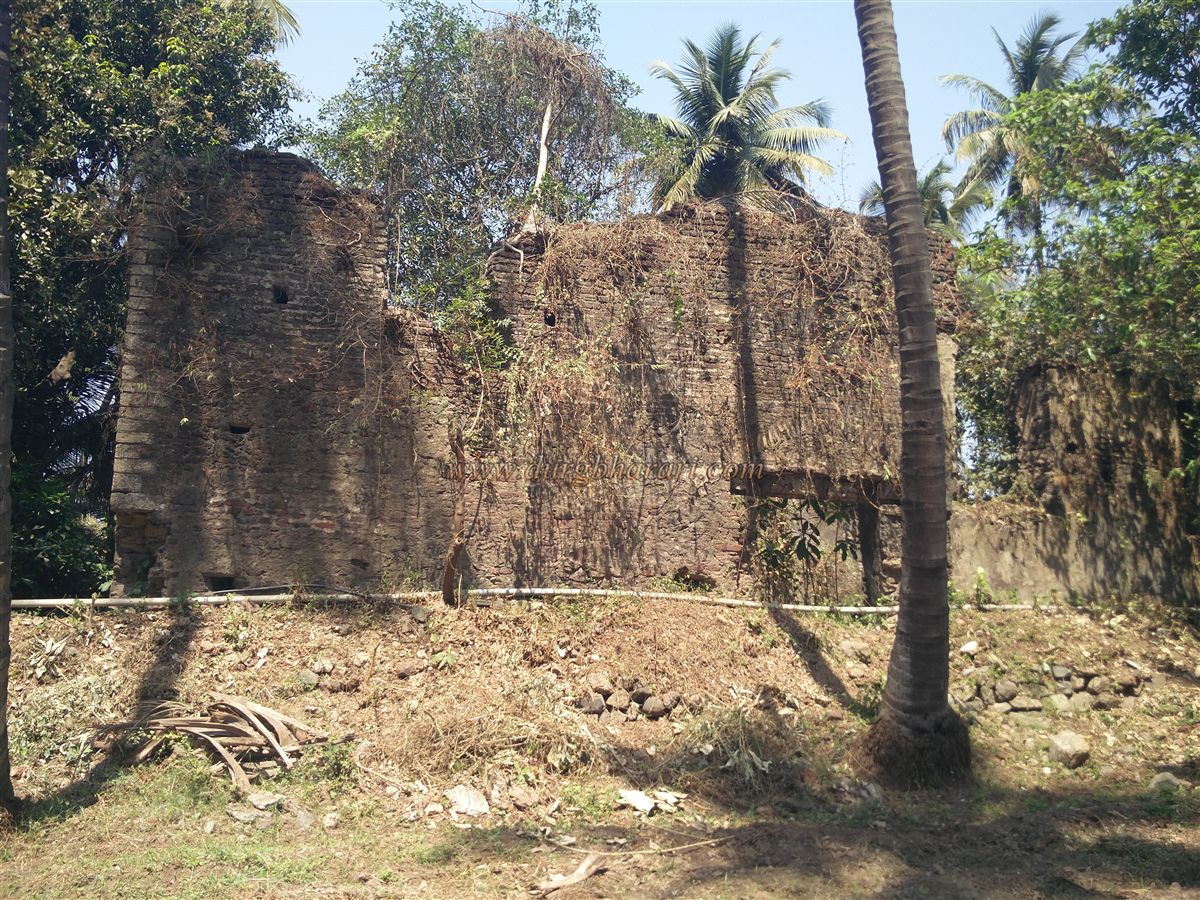
Since the fort is not widely known, when hiring a rickshaw, it is better to inquire using terms like "old fort" or "ruins of a fort". On the way, the ruined bastion and shattered fort walls can be seen on the left. A mobile tower is now erected atop one of the bastions.
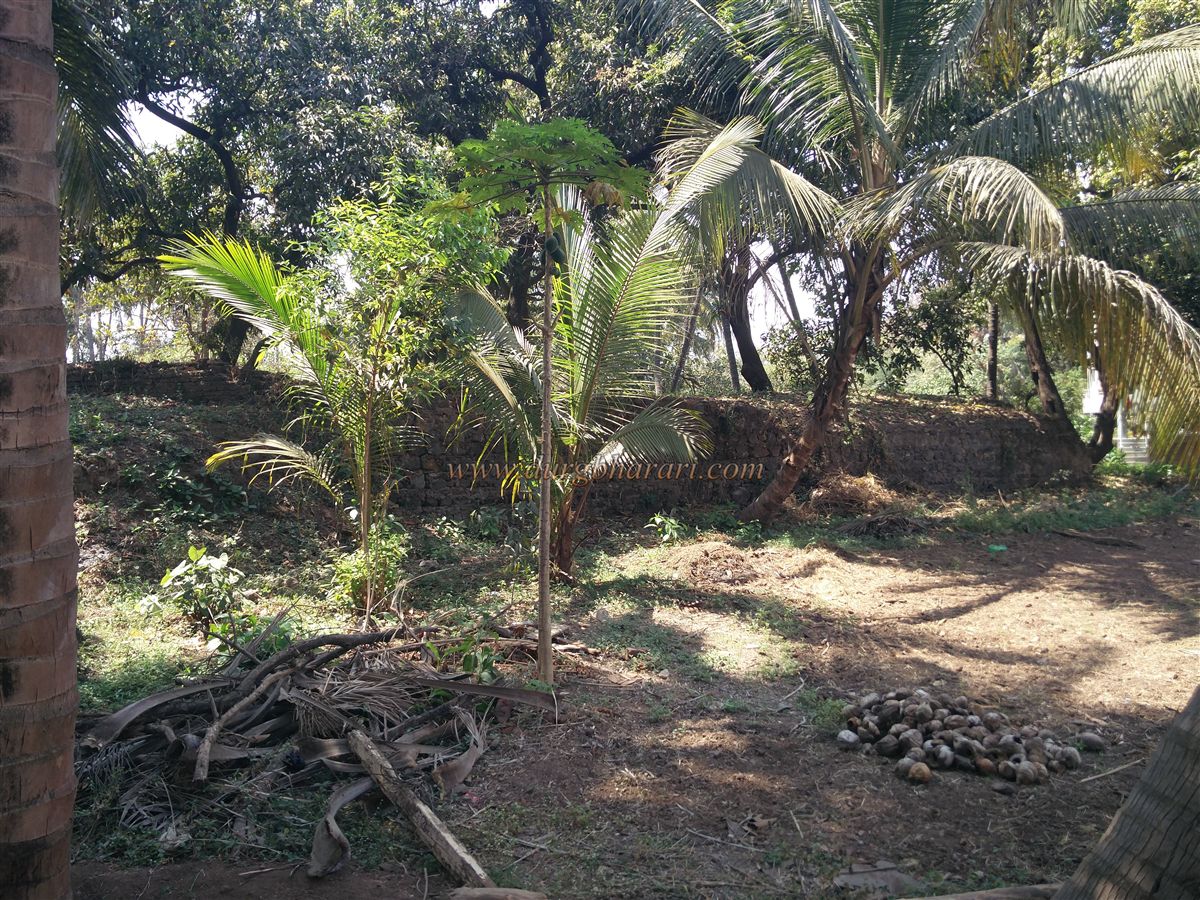
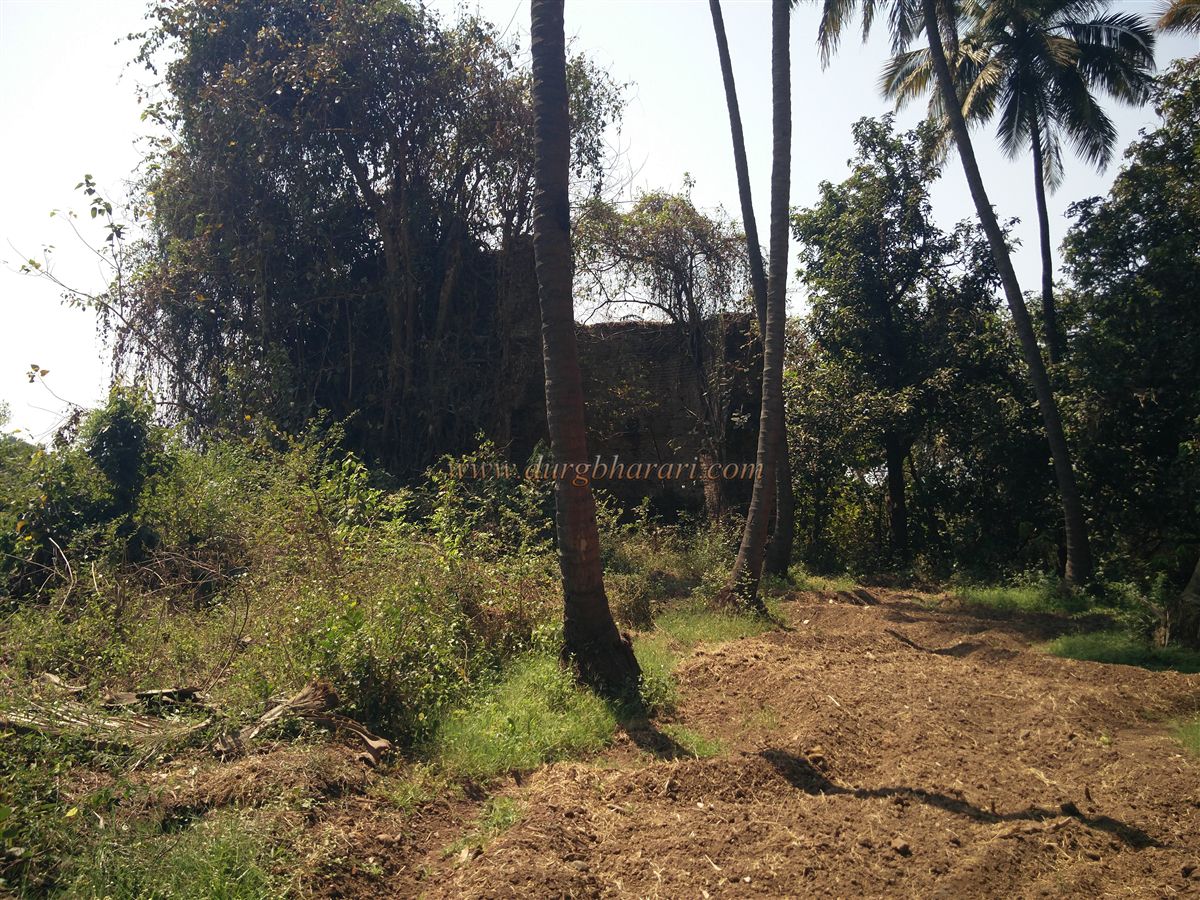
The fort stands on private property, currently converted into a coconut grove. Therefore, permission is required before entering, although access is generally not restricted. The way to the fort’s rampart passes behind the owner’s bungalow.
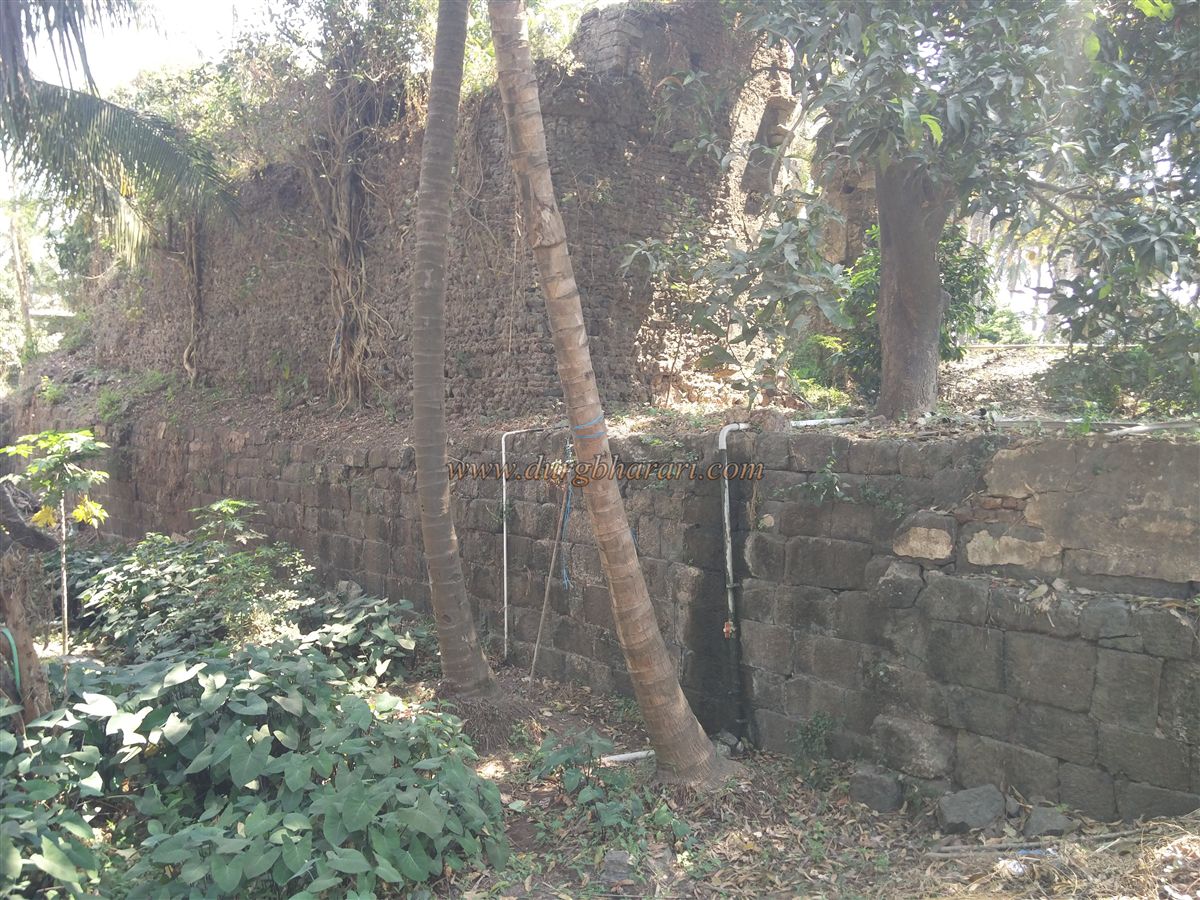
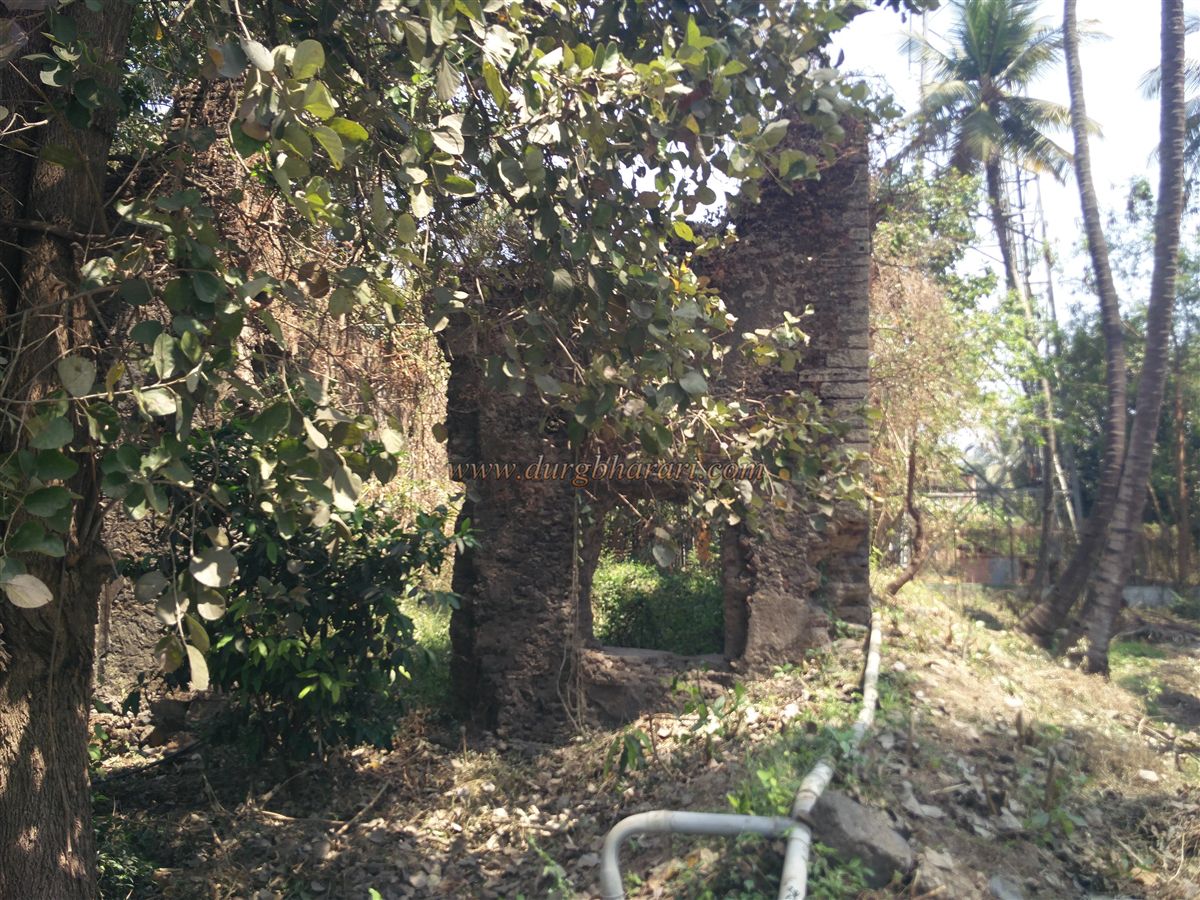
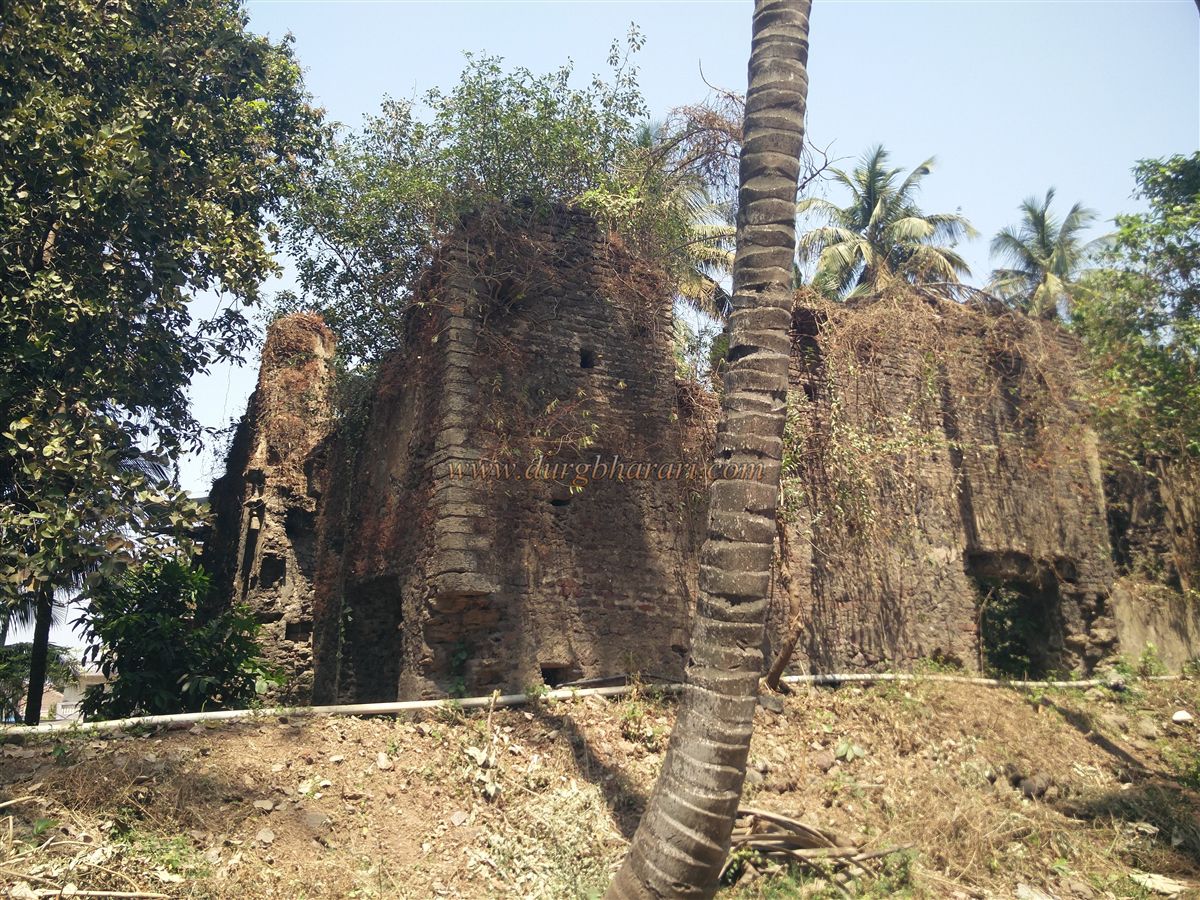
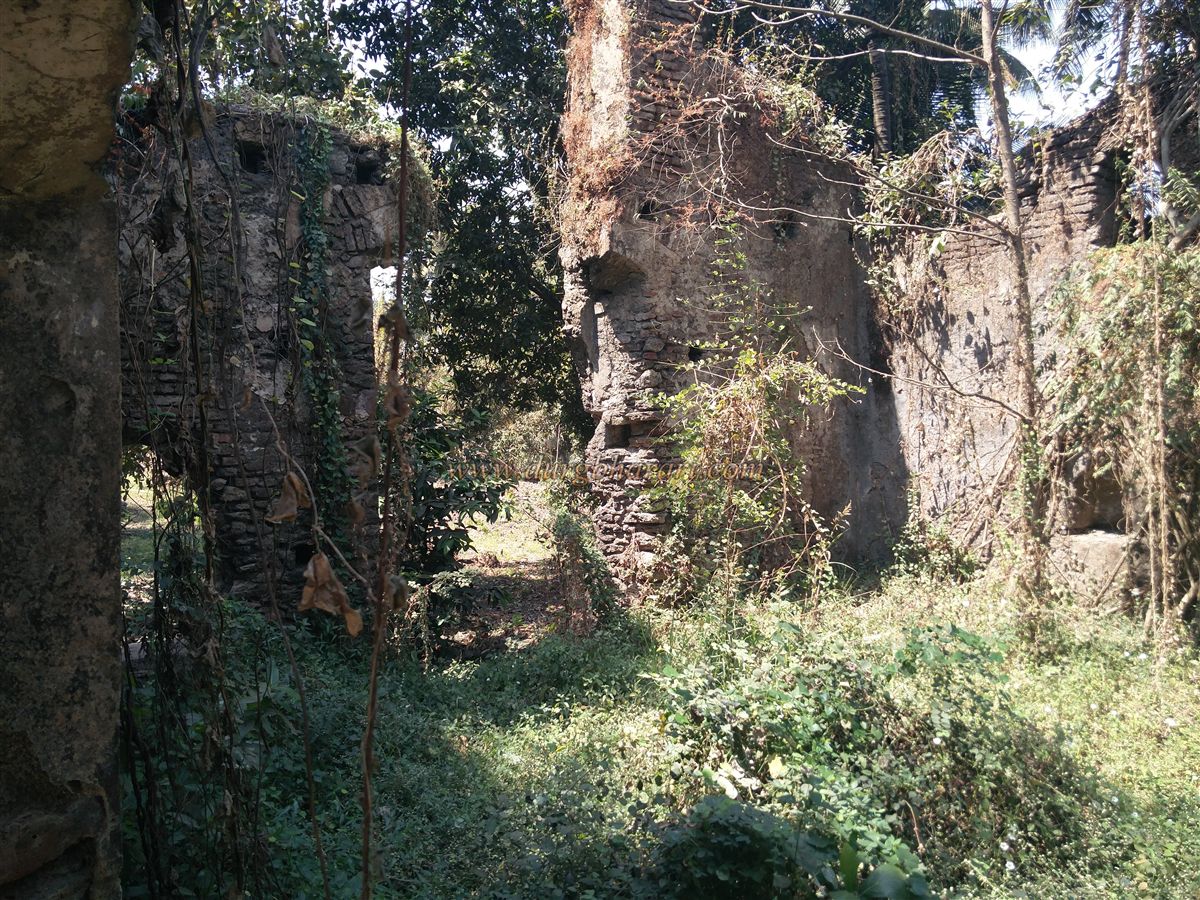
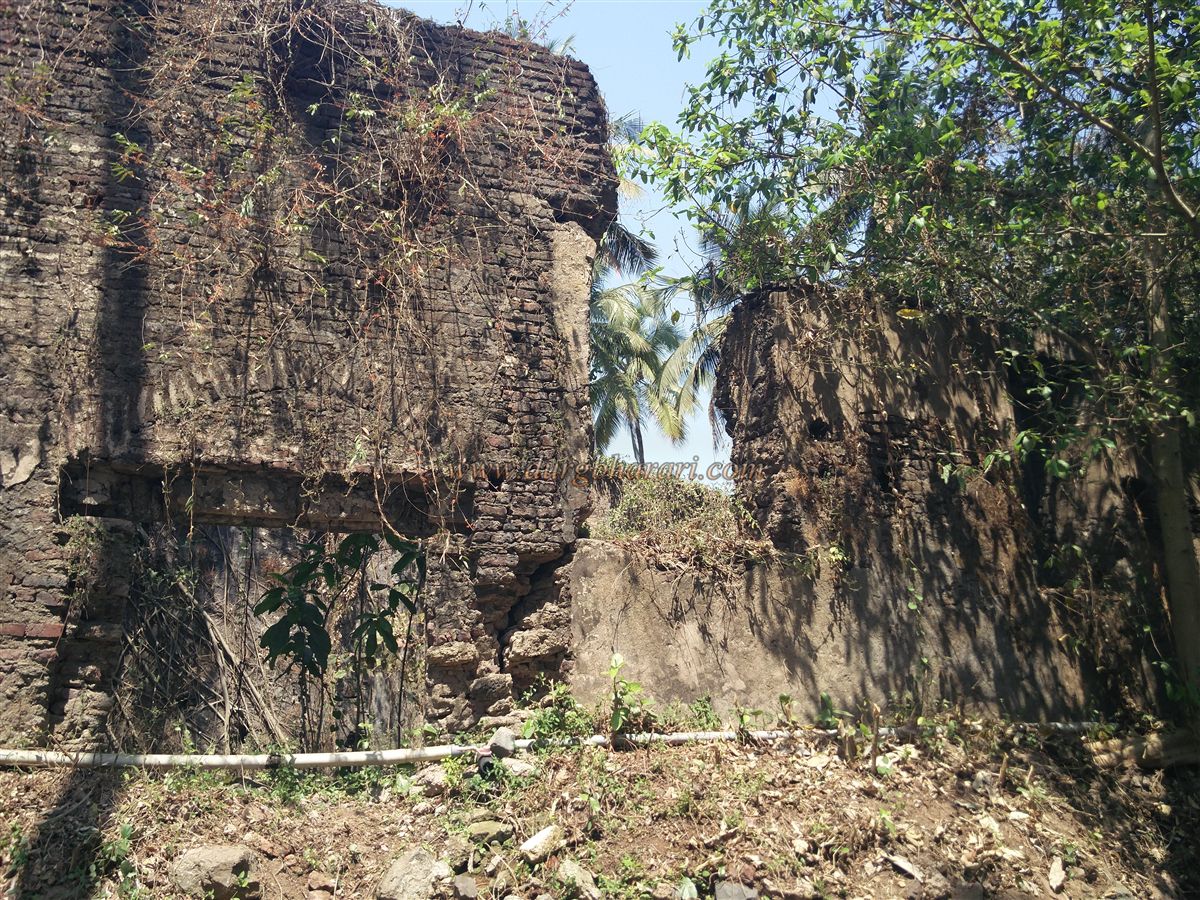
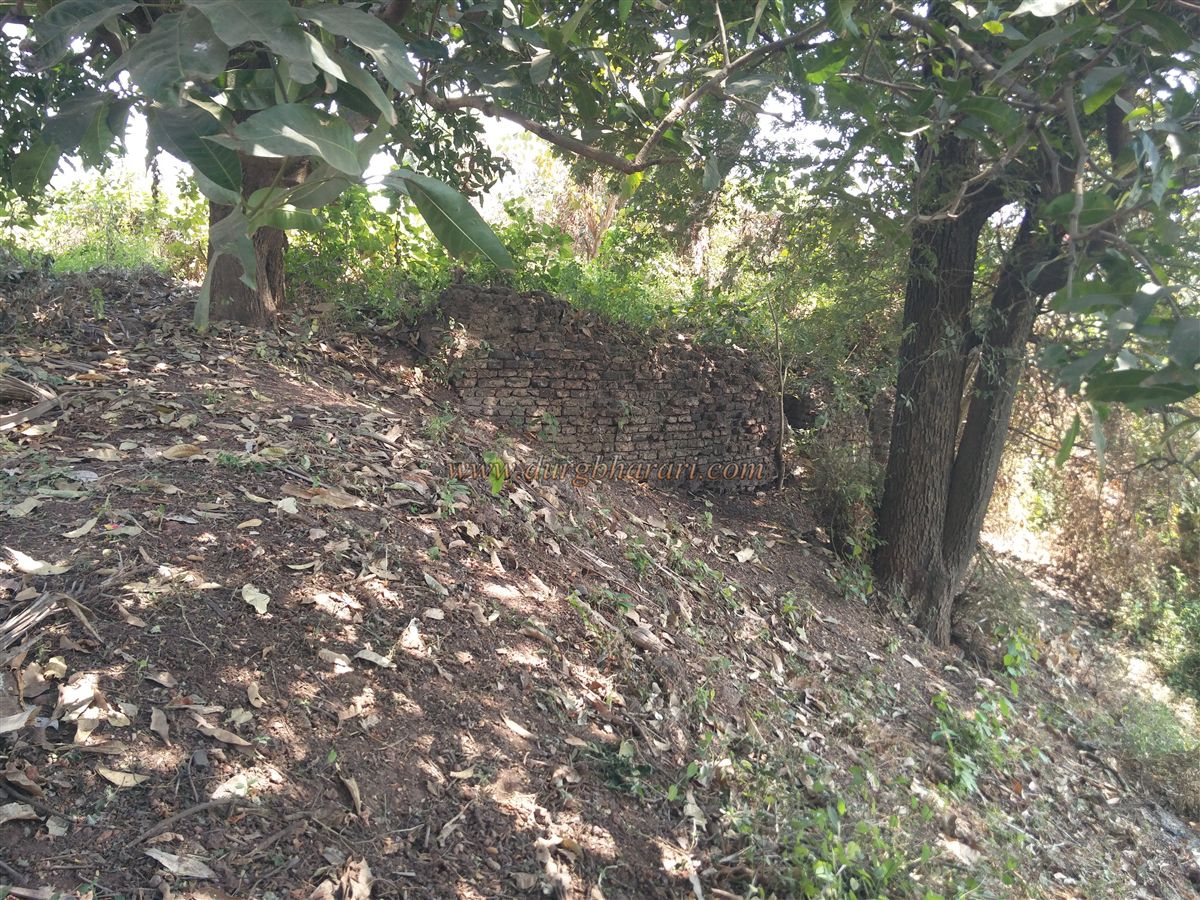
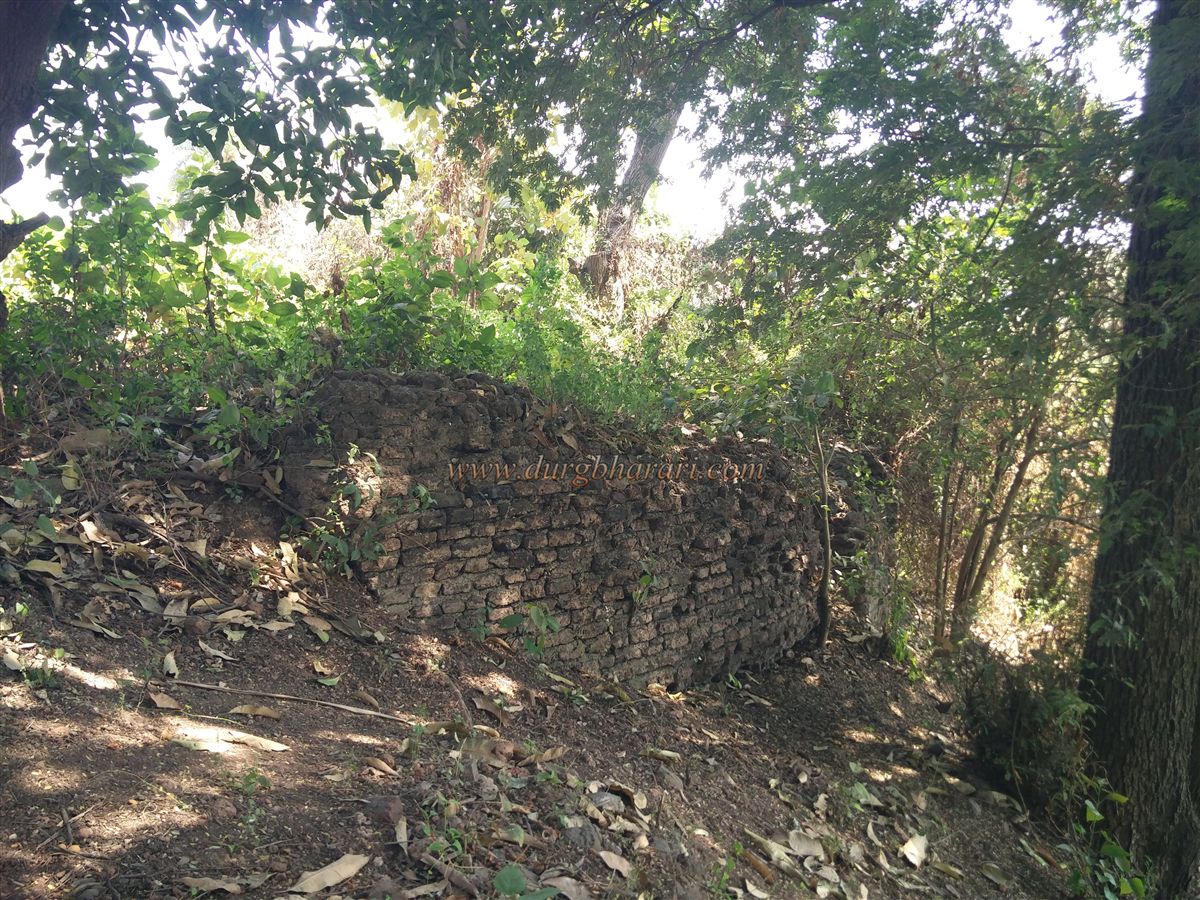
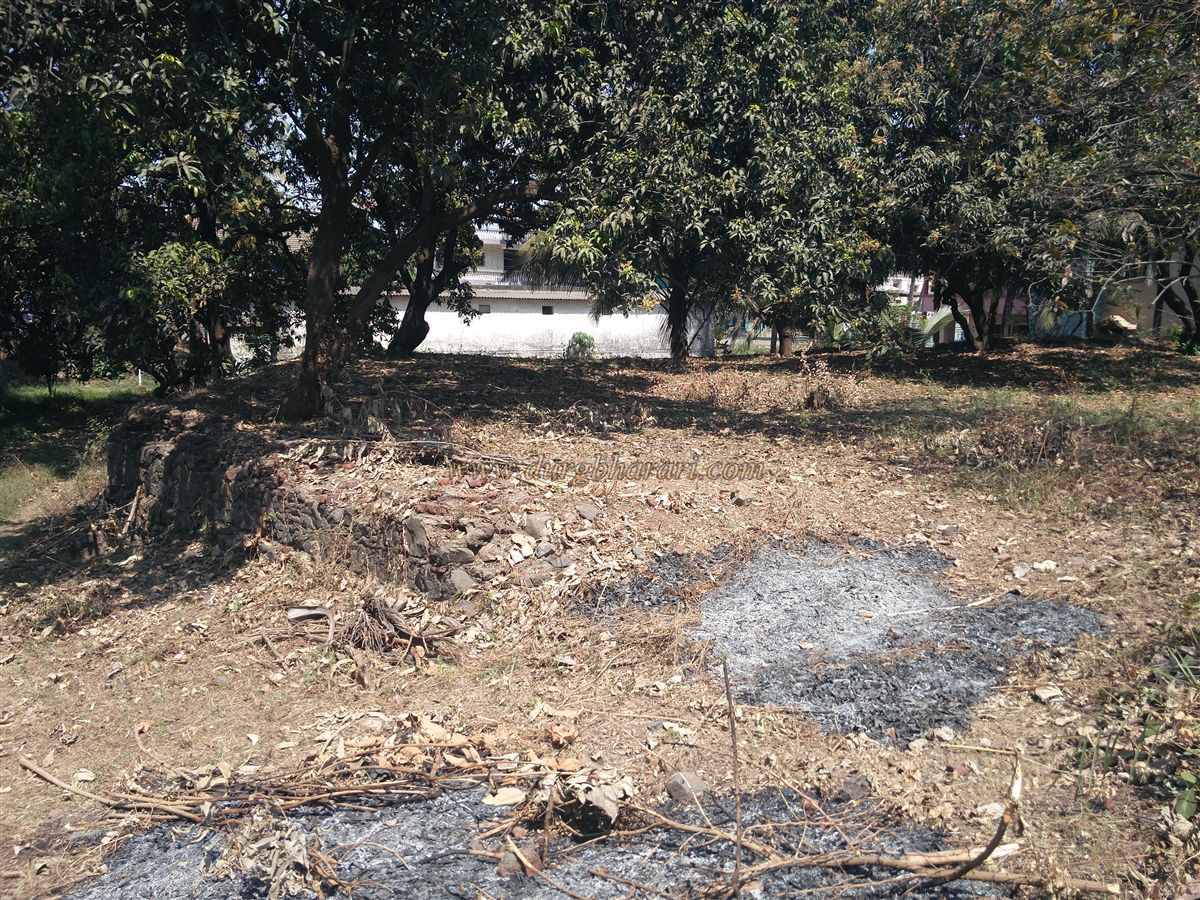
This square-shaped fort, spread over approximately three acres, has four bastions, one at each corner. Most of the fortification has collapsed, and the main entrance no longer exists, though remnants marking its location can still be seen. Due to the coconut plantation inside, most of the inner remains have been destroyed.
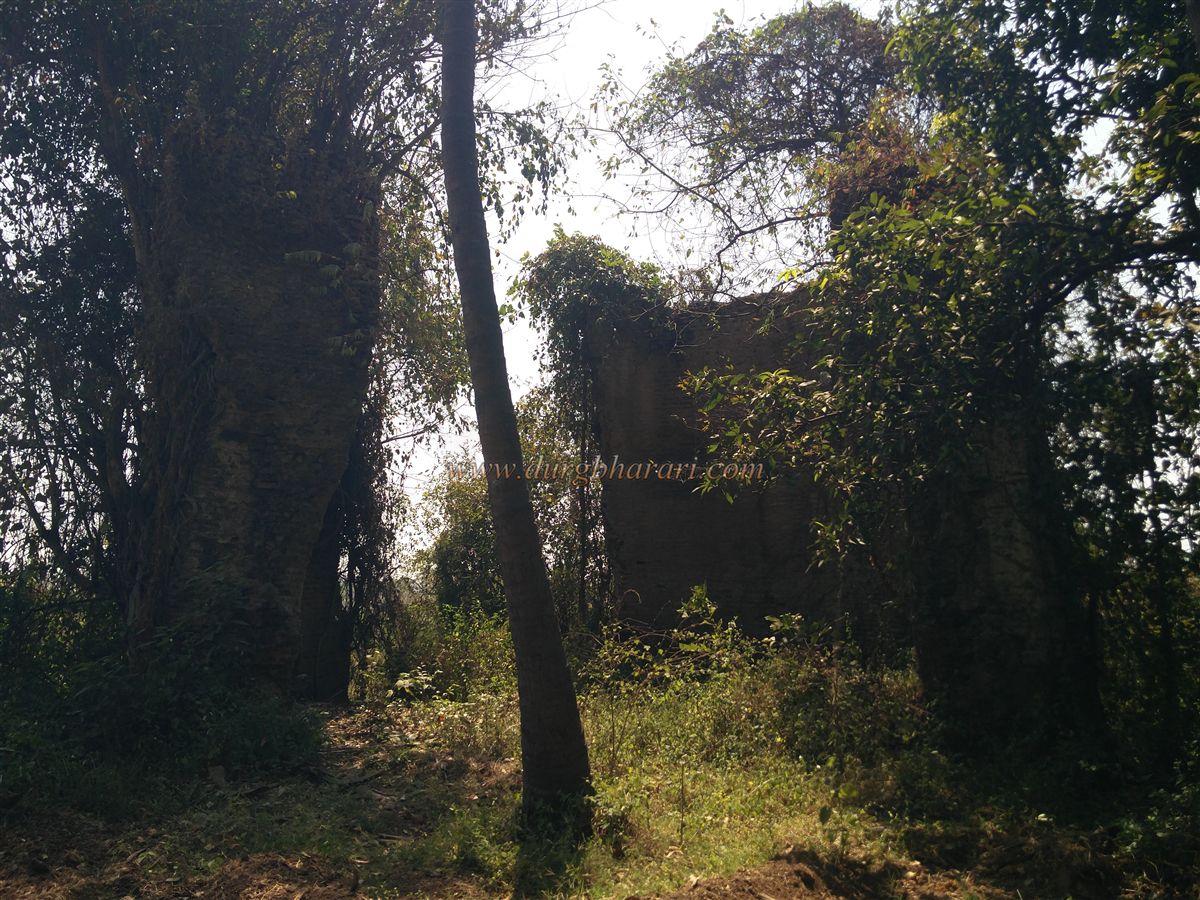
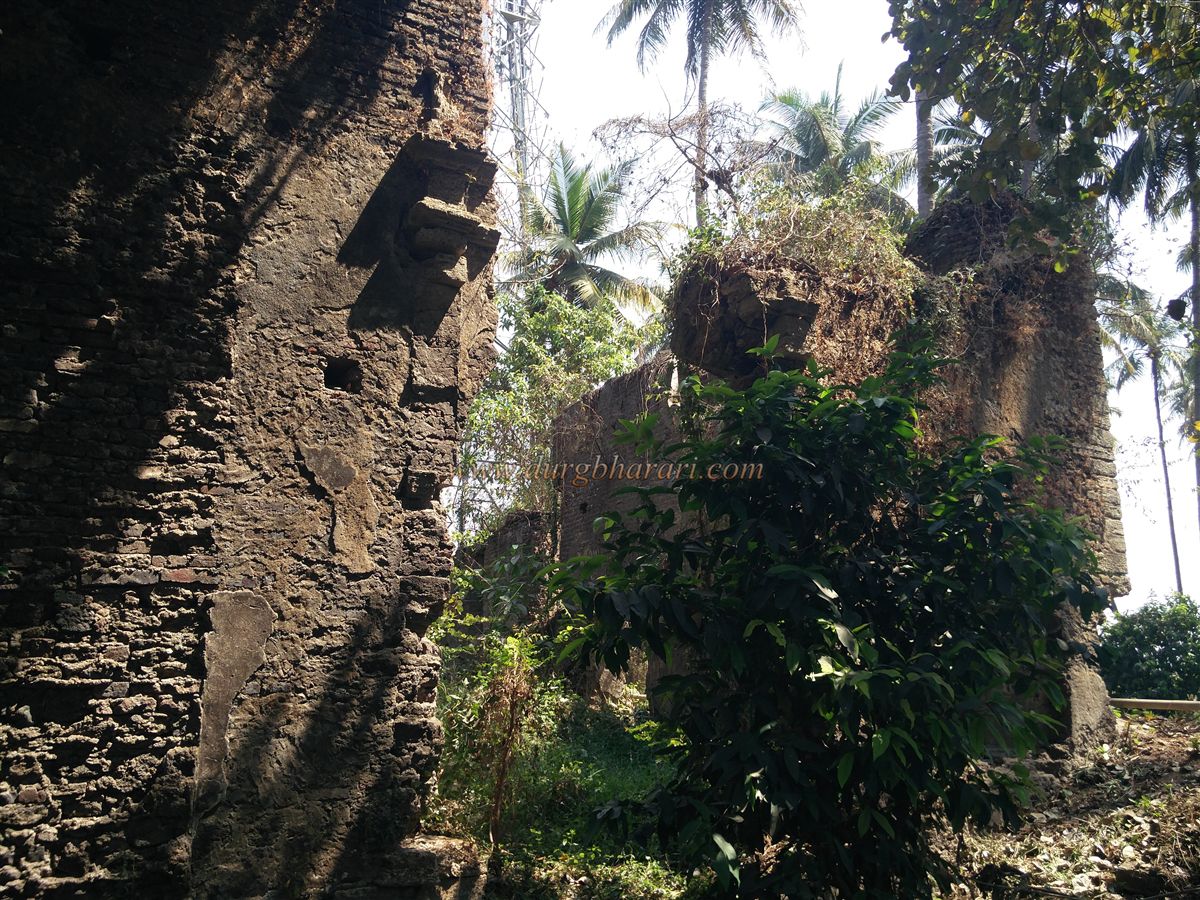
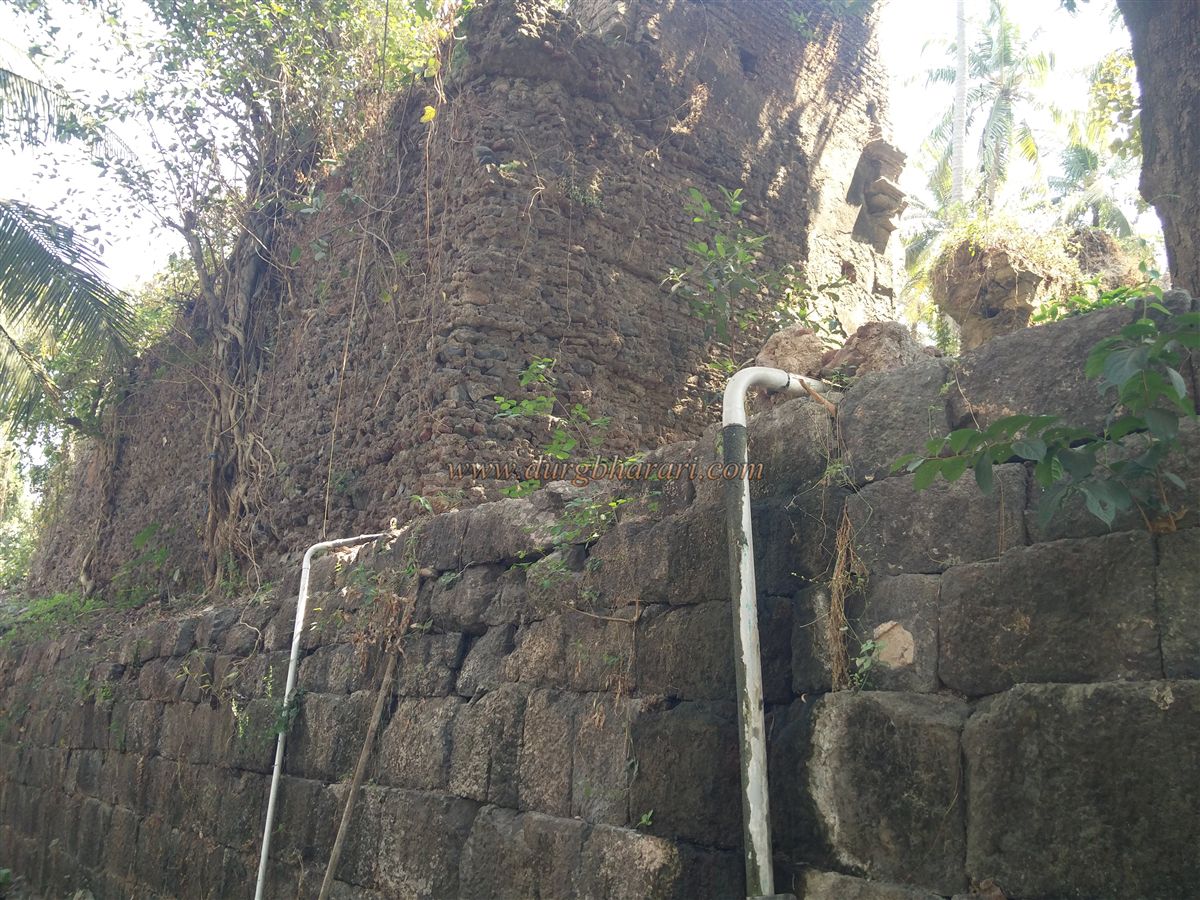
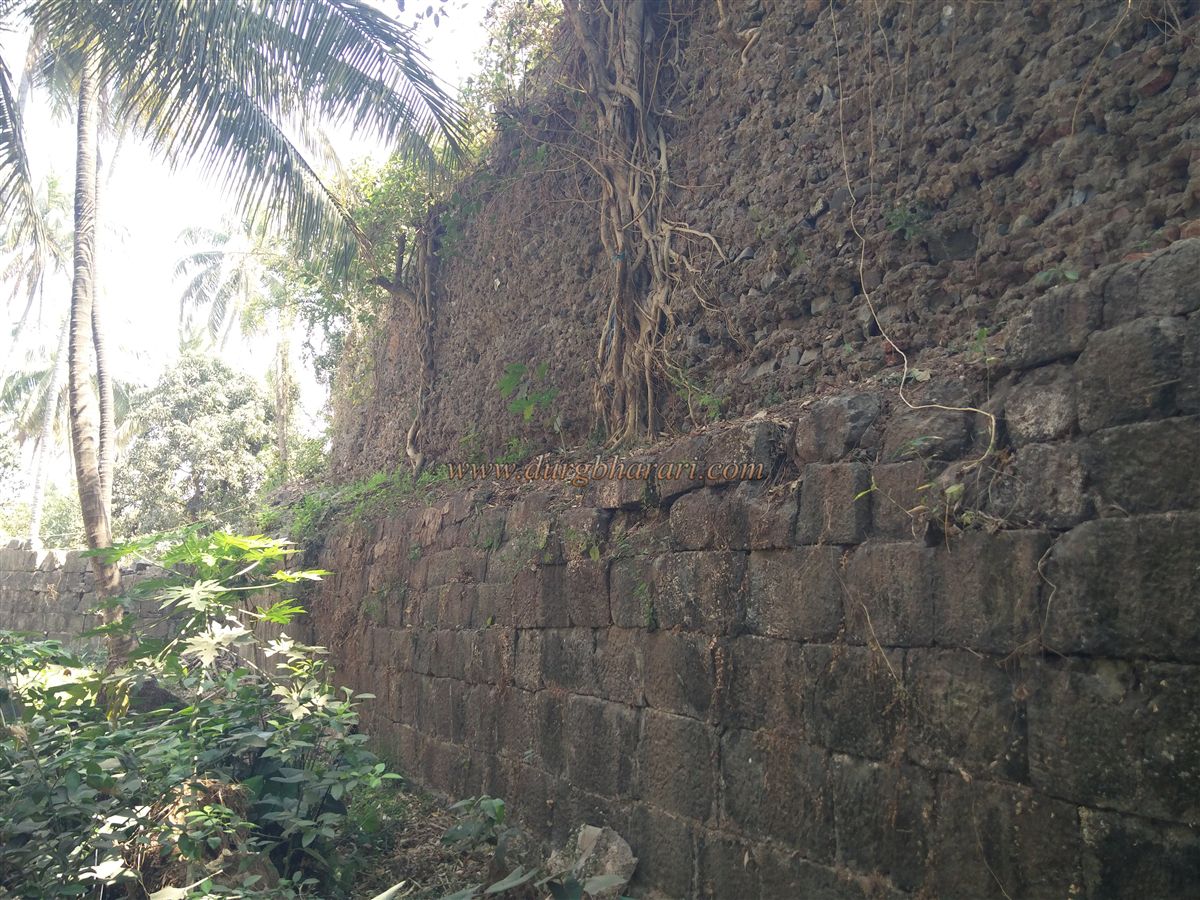
The lower portion of the bastions and ramparts is constructed in stone, while the upper sections are made of brick. Near the bastion with the mobile tower stands the ruined Church of Our Lady of Birth. Another bastion has remains of a collapsed brick outpost. The third bastion, facing the Varoli River, has a tall brick watchtower meant to observe the river mouth and surrounding areas, though it is severely damaged. Nothing significant remains on the fourth bastion.
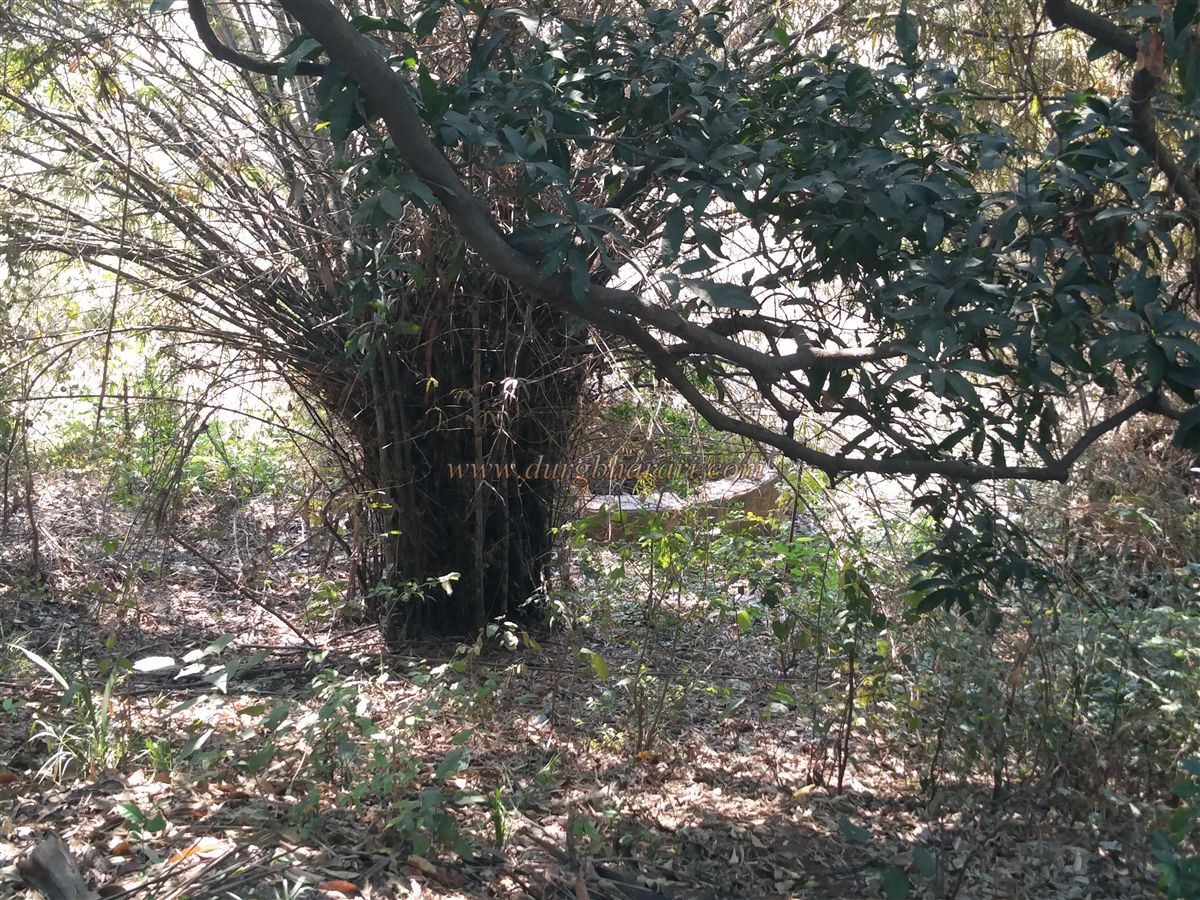
While walking along the fort wall, a well is visible beneath the northern rampart. Though the entrance to the fort has collapsed, the place where it once stood is evident. The Varoli River flows along the west of the fort, and it was by this river that the Portuguese originally built the structure.
The entire fort can be explored within 30 minutes.
Historically, Sanjan is believed to be the site where the Zoroastrian (Parsi) community, fleeing Persia, settled in 698 CE. In 1480 CE, the city of Sanjan fell under the rule of Sultan Mahmud Begada of Gujarat. Later, the Portuguese, who had settled in Daman, took control of Sanjan and built this fort. By 1559 CE, Sanjan had become an important subdivision and administrative center within the Portuguese Daman territory. The Varoli River served as a navigable waterway for transport and trade in the region.
Between 1638 and 1685, the fort suffered considerable damage due to repeated clashes with the Marathas, though the Marathas did not succeed in capturing it at that time. Eventually, during Chimaji Appa’s Vasai Campaign in 1738, Sanjan and its surrounding province came under Maratha rule. In the 18th century, the British took control of Sanjan. After Indian independence, the region first became part of the Bombay State and later was integrated into Gujarat.
Between 2002 and 2004, the Archaeological Survey of India conducted excavations at Sanjan Port, uncovering remnants of early Zoroastrian settlements dating back to the 8th century and lasting until the mid-16th century. Fortification walls from the Portuguese era were also discovered, along with sculptures and architectural remains from the Shilahara period.
© Suresh Nimbalkar
GALLERY