SANGOLA
TYPE : NAGARKOT
DISTRICT : SOLAPUR
HEIGHT : 0
GRADE : EASY
About 82 km from Solapur and 31 km from Pandharpur lies Sangola, the taluka headquarters. It is a station on the Central Railway’s Kurduwadi–Miraj line. In the medieval period, Sangola was a flourishing city, famed as "Golden Sangola." During the reign of Peshwa Baji Rao II, in 1802, the Pathan battalions of the Holkar attacked the city and utterly destroyed it. The city suffered extensive damage, and the fort was completely razed. Today, the fort no longer physically exists, and its location must be identified based on the remaining structures.
According to old records, the city had two fortifications: the Nagarkot — a wall surrounding the city — and the Balekilla (citadel), a smaller fortified area on a hillock in the center of the city. Due to Sangola’s expansion, the Nagarkot and its traces have completely disappeared.
...
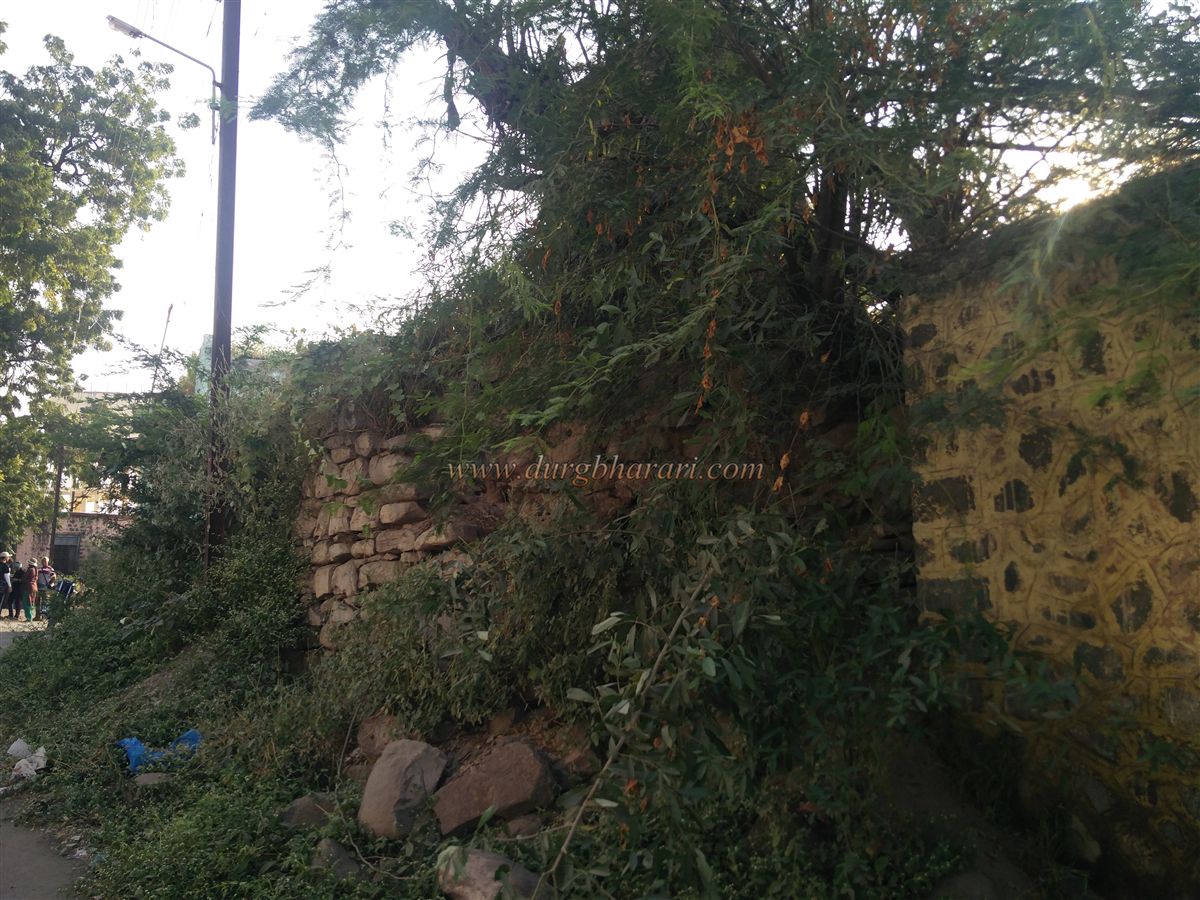
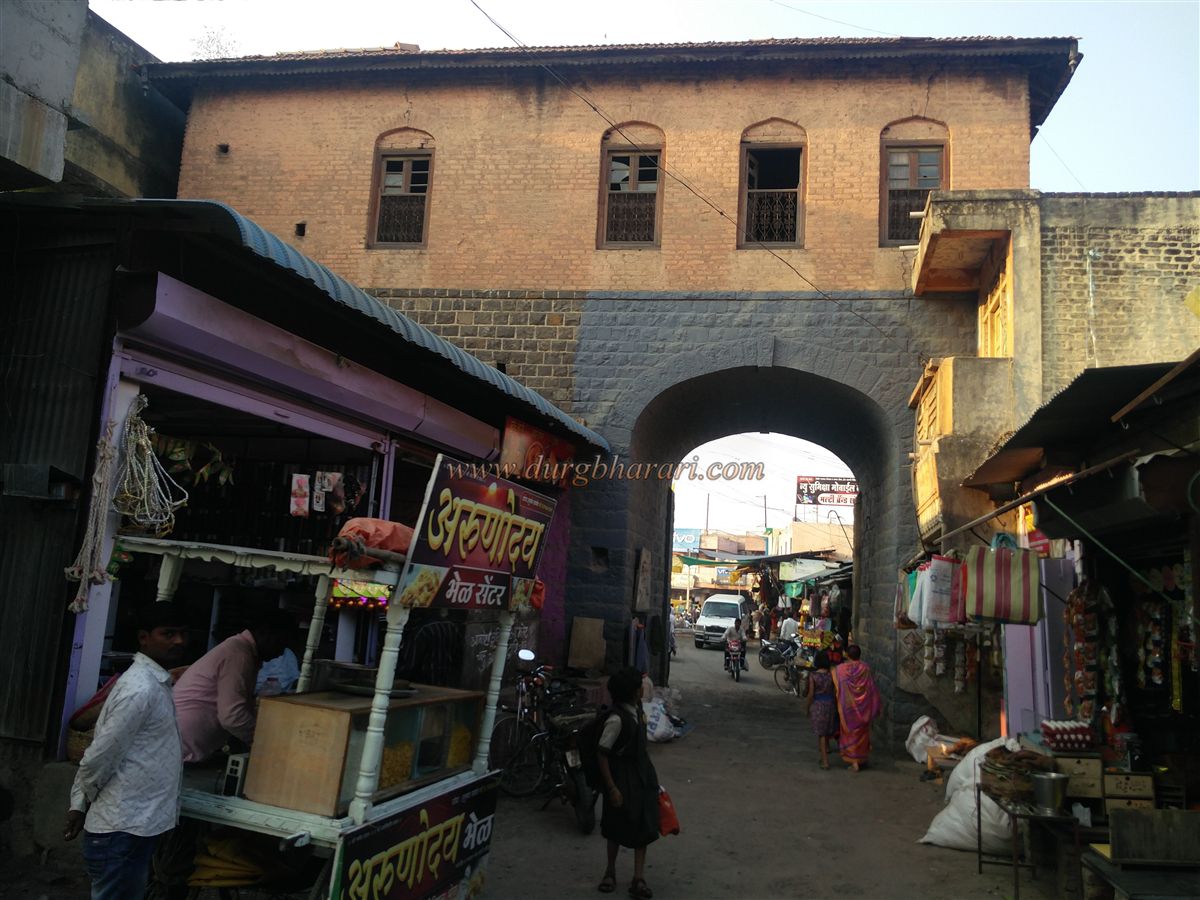
The only surviving medieval remnants are a stepped well with steps, an arch, and pillared galleries in Morya Galli, as well as a portion of the wall near the market gate adjoining the Mandai in Shivaji Chowk. These faint traces of the Nagarkot require deliberate searching.
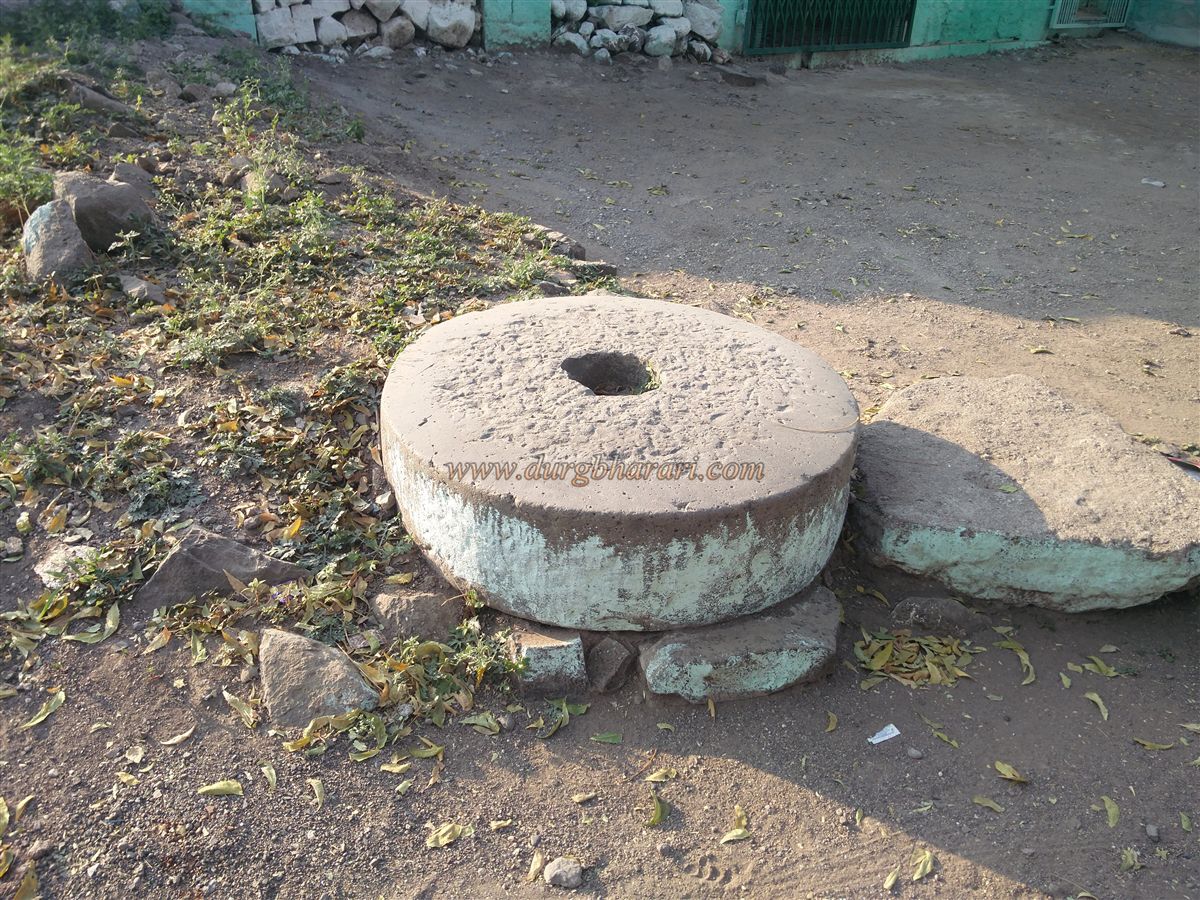
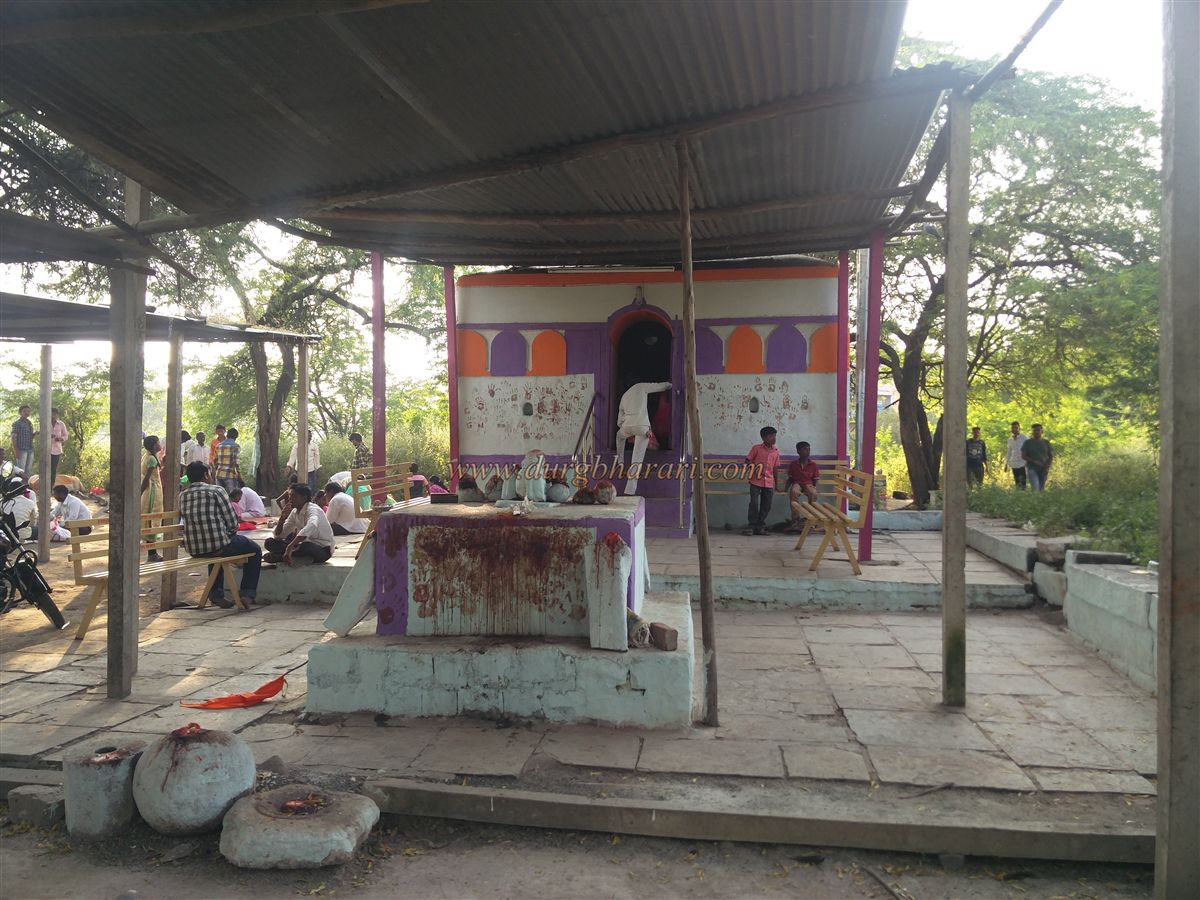
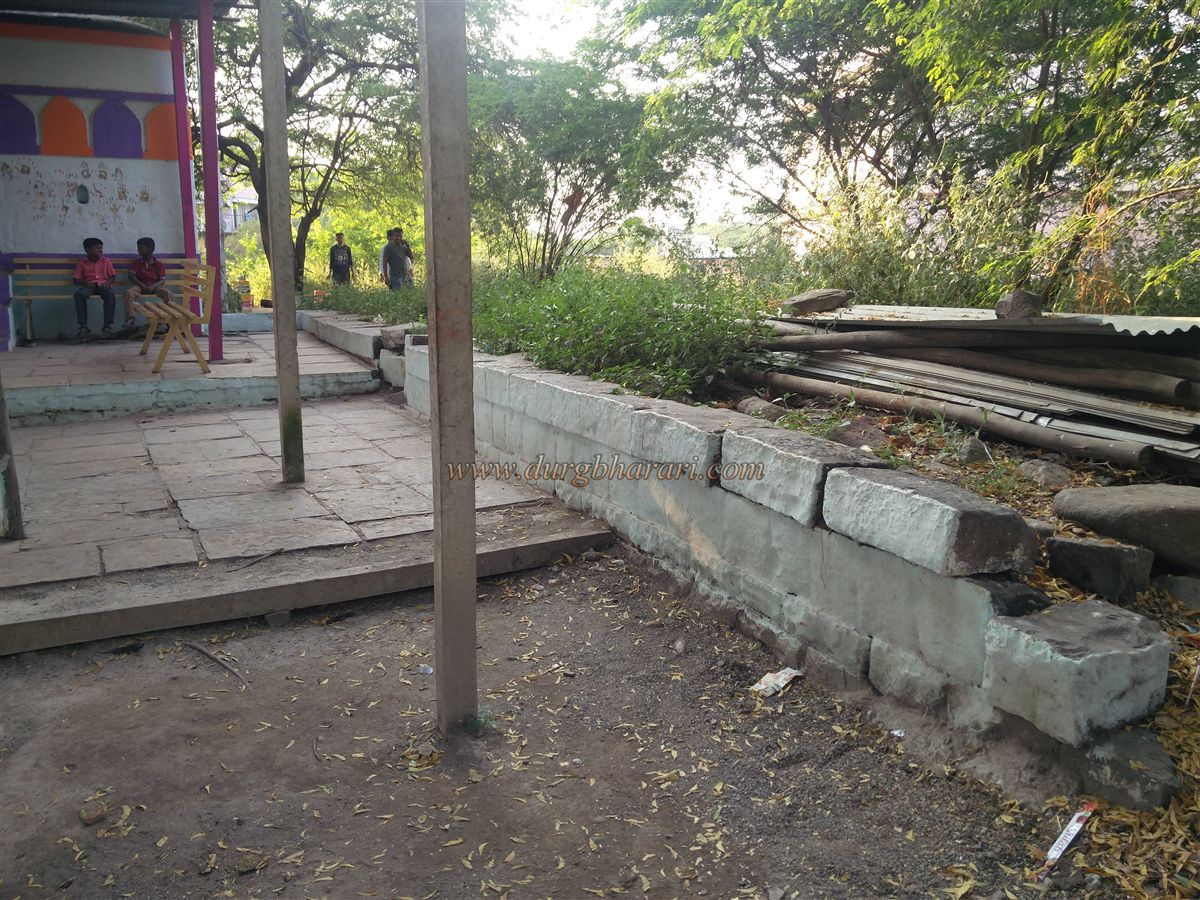
The remnants of the Balekilla are slightly more visible. Climbing the hillock from Shivaji Chowk, one first notices the last surviving structure of the fort — a six-foot-tall crumbling bastion. A little ahead, on a six-foot-high platform, stands an old stone mosque. Below this platform are two pillared chambers and a store-room-like area, but entry is restricted as the space is under the mosque’s control. Opposite this platform is a stone wheel used for mixing lime, though its pestle has been lost to time. Further ahead is a British-era courthouse, behind which stands the temple of Mhasoba, the guardian deity of the fort.
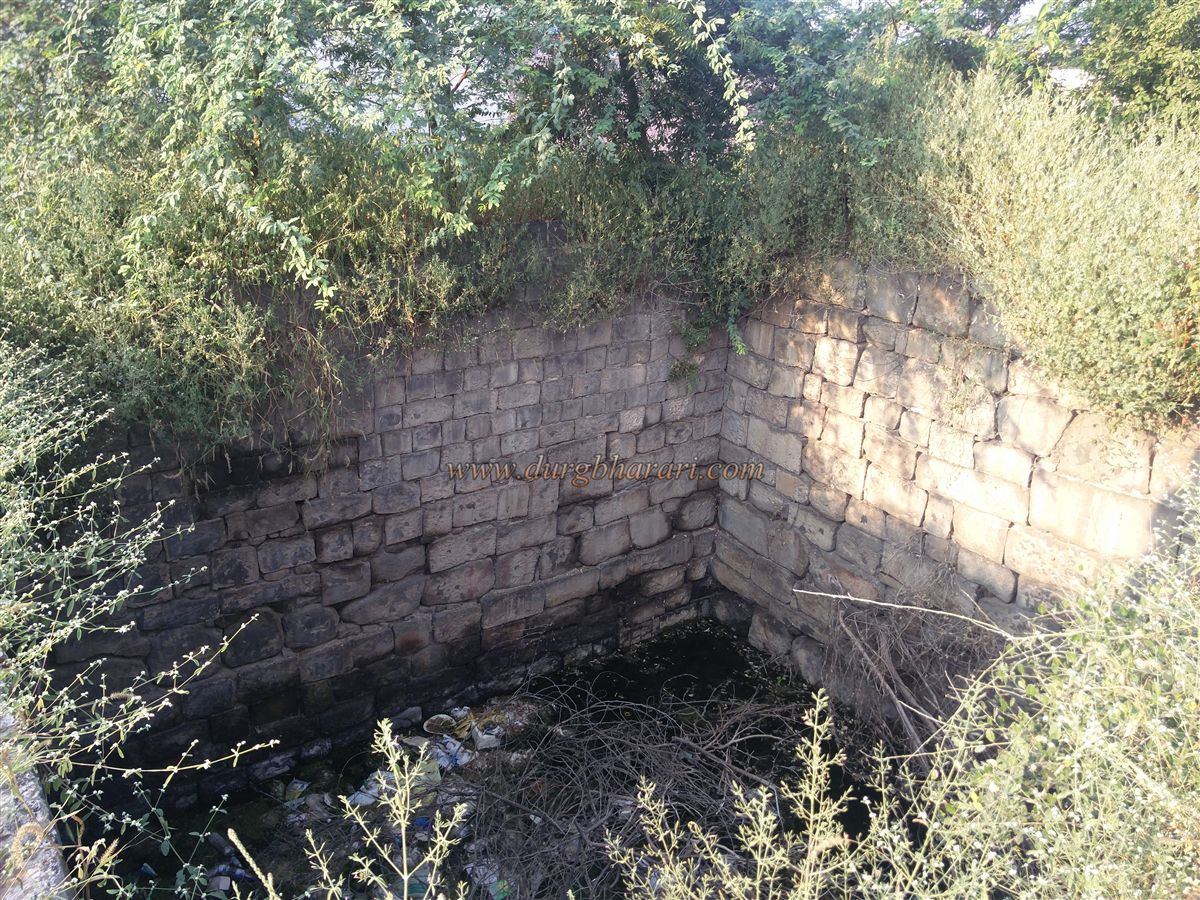
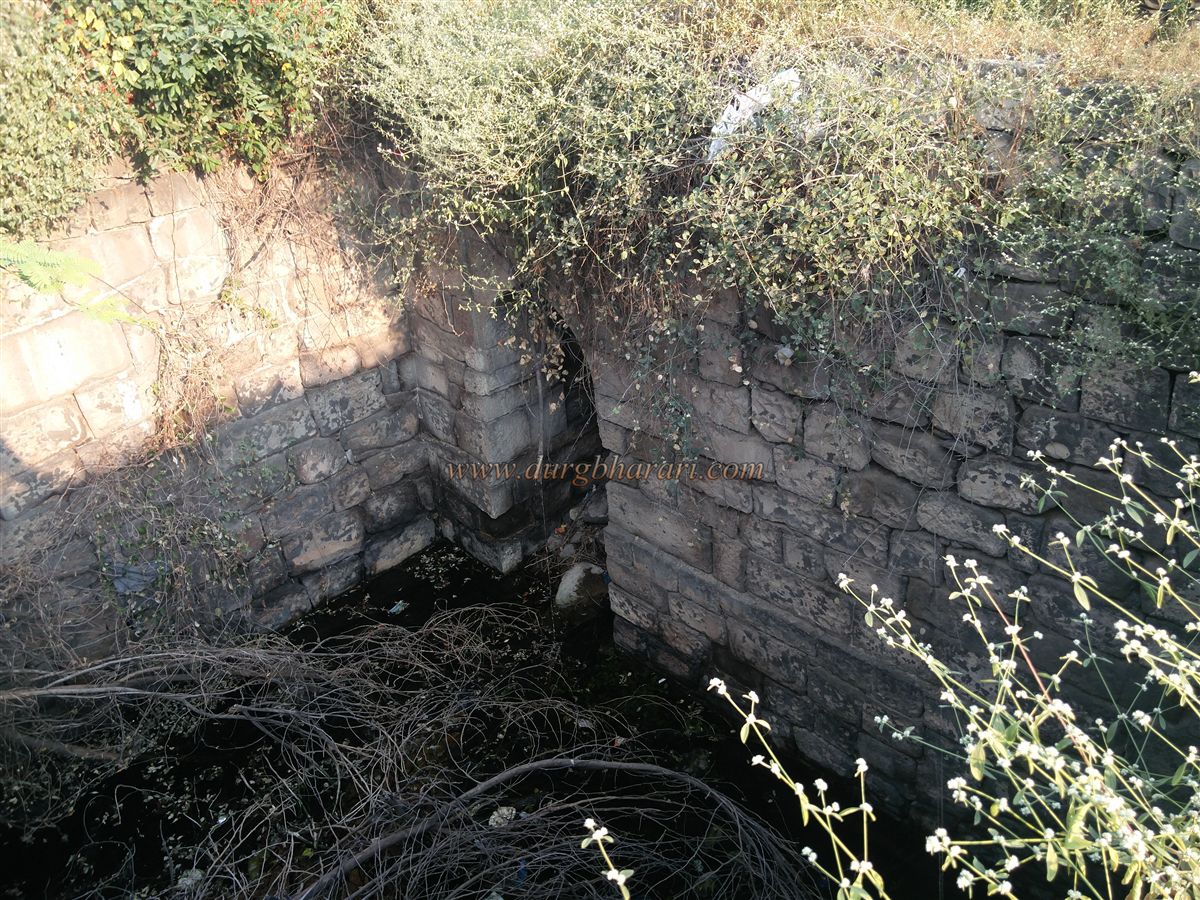
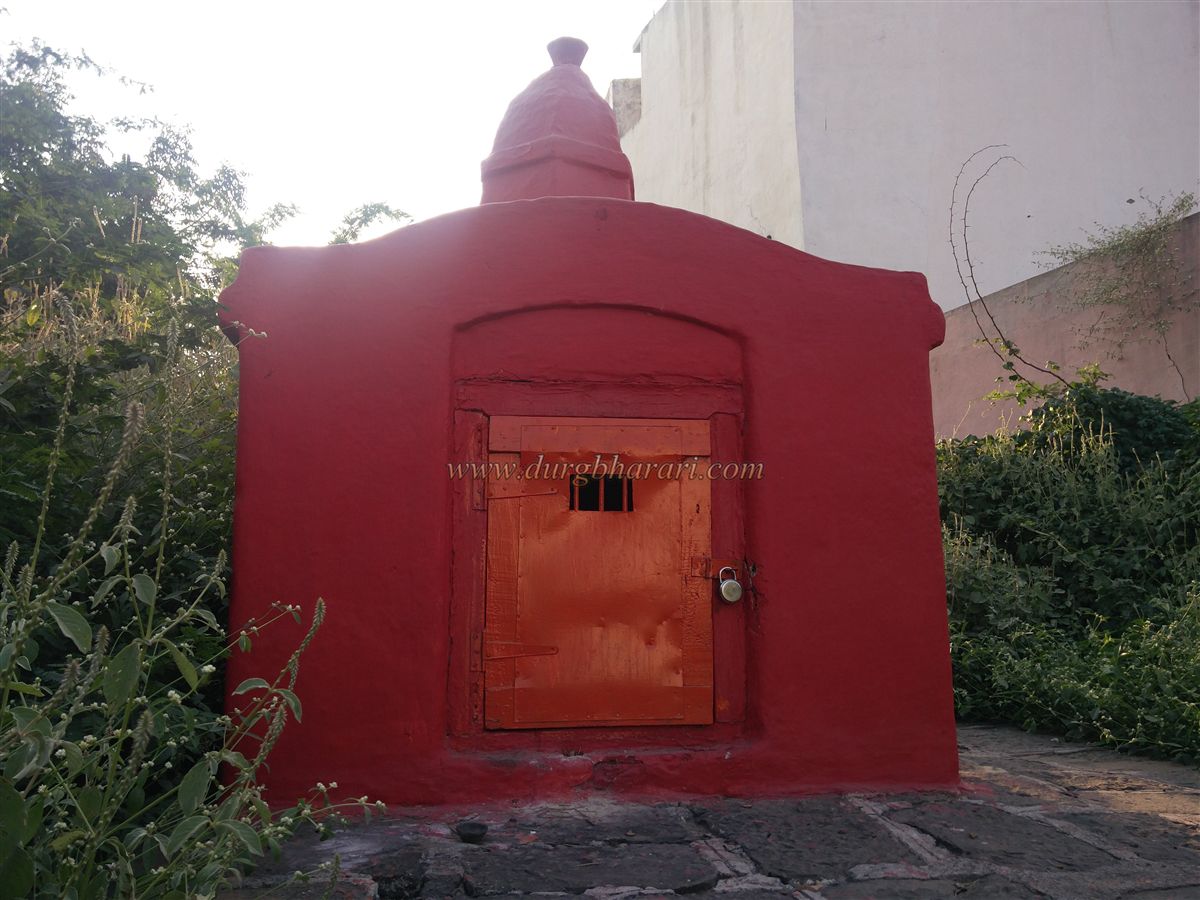
Walking past the temple, to the right, one finds a square stepped well that supplied water to the Balekilla. At the bottom of the steps of this well is an arched doorway. Below the well, to the right, is a small red-domed temple dedicated to Narasimha. These are the only surviving features of the Balekilla today. It takes about an hour to explore all the remaining traces of the Nagarkot and Balekilla combined.
The Sangola fort was built during the Adilshahi period (1489–1686), and the mosque atop the fort was also constructed in that era. According to contemporary records, Sangola was a prosperous city, famed as "Golden Sangola." After the fall of the Adilshahi in 1686, the fort came under Mughal control, and following Aurangzeb’s death in 1707, the city came under the rule of Chhatrapati Shahu Maharaj. Under Shahu Maharaj’s grant, the administration of the state was handed to Peshwa Balaji Baji Rao.
In 1750, Yamaji Shivdev, a servant of Maharani Tarabai, captured the fort and rebelled against Peshwa Balaji, but the rebellion was crushed by Sadashivrao Bhau, who restored Peshwa control over Sangola. During the reign of Peshwa Baji Rao II (1795–1818), the Holkar’s’ Pathan battalions attacked Sangola in 1802 and completely destroyed it. After the fall of the Peshwas, Sangola came under British rule, and it became the second municipality established in Maharashtra.
© Suresh Nimbalkar
GALLERY