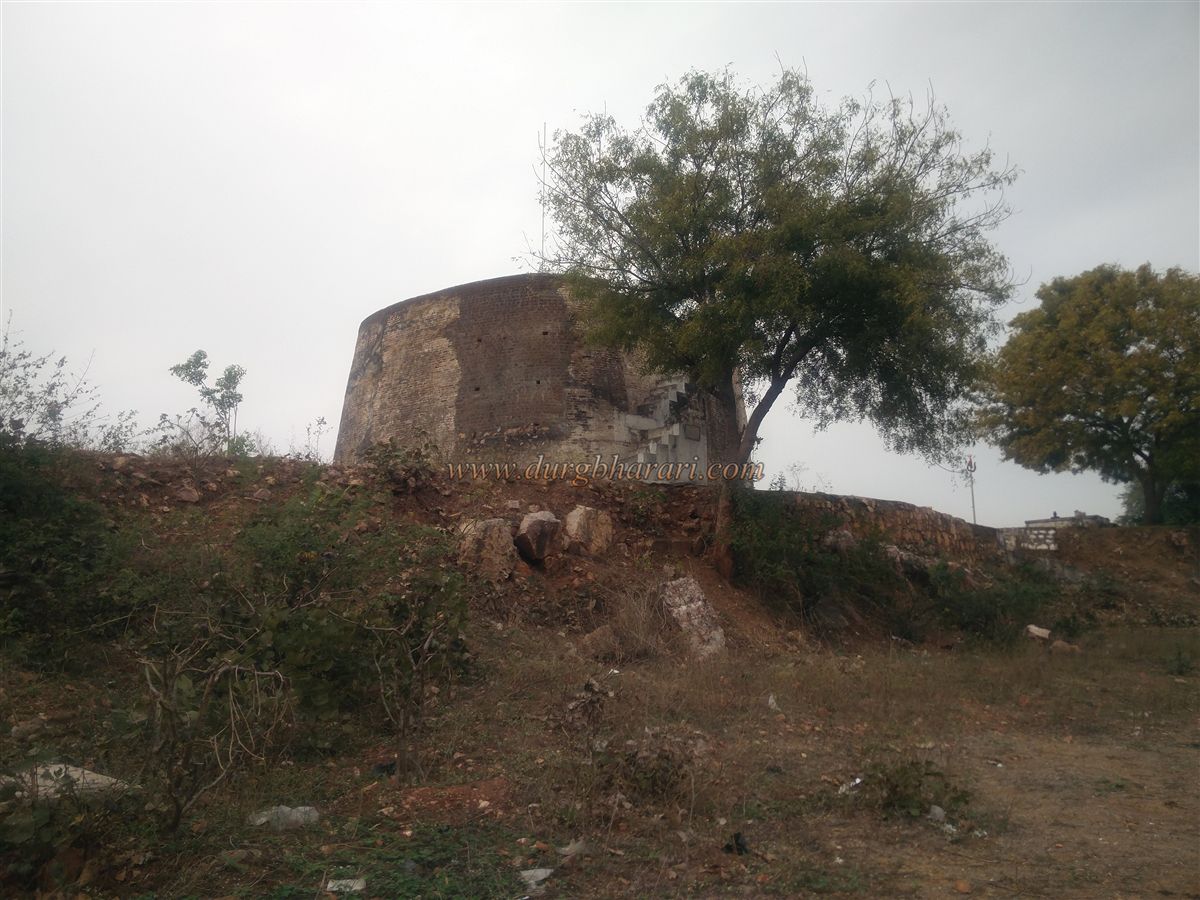
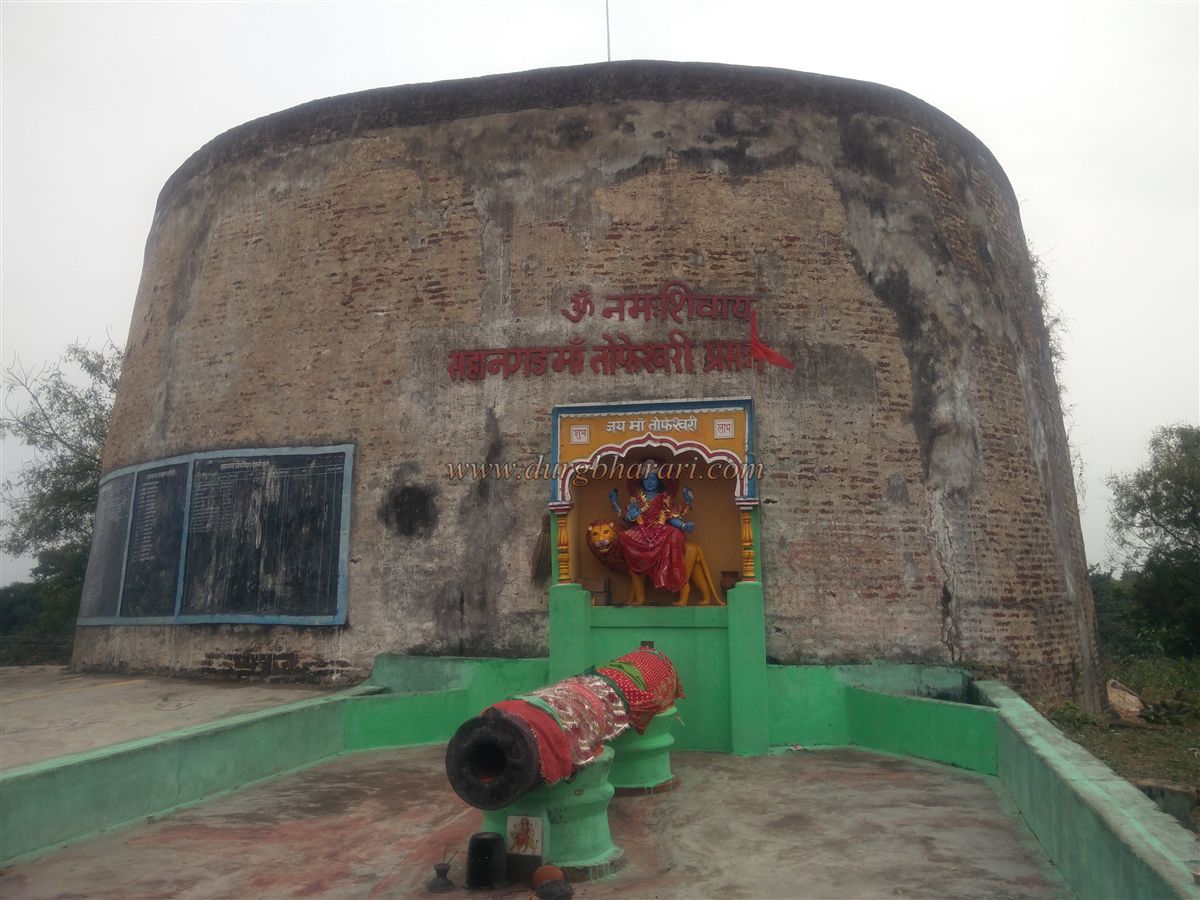
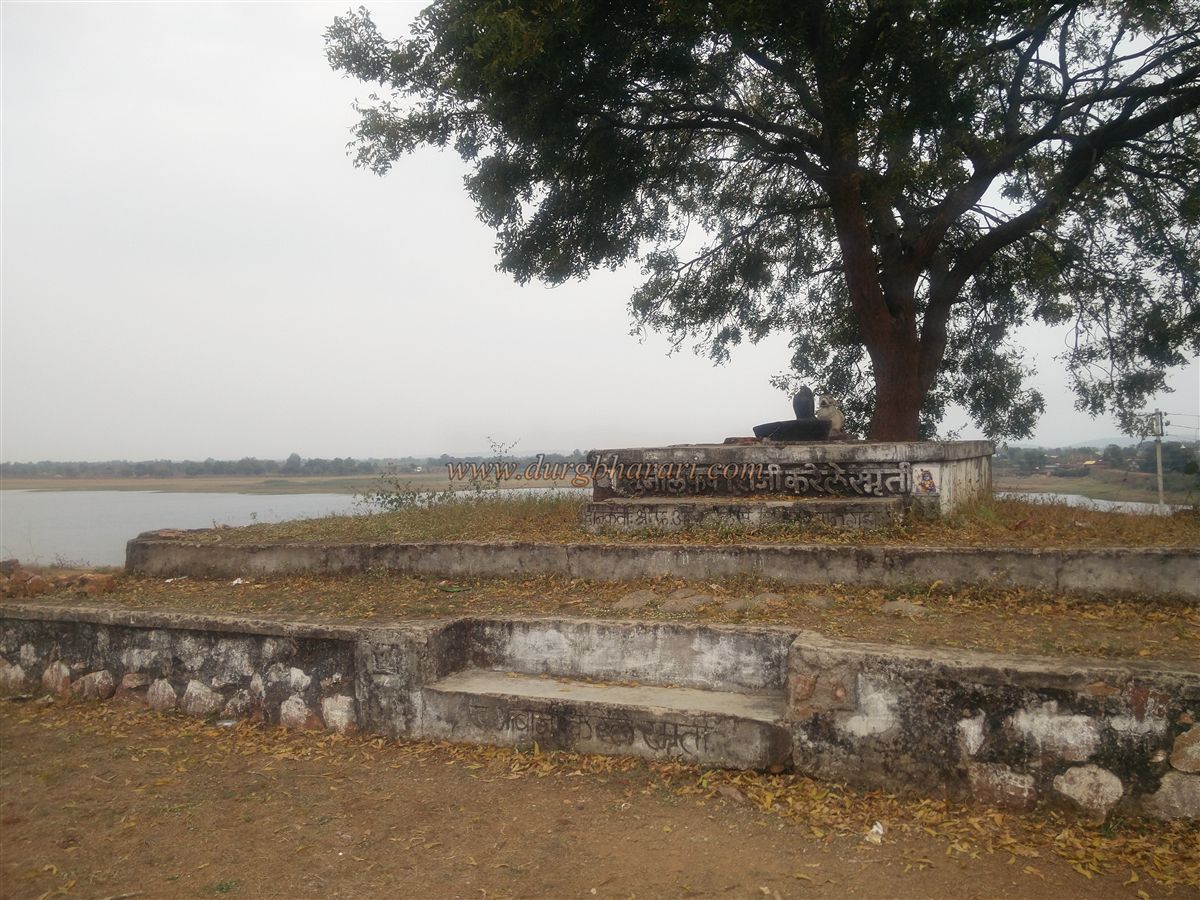
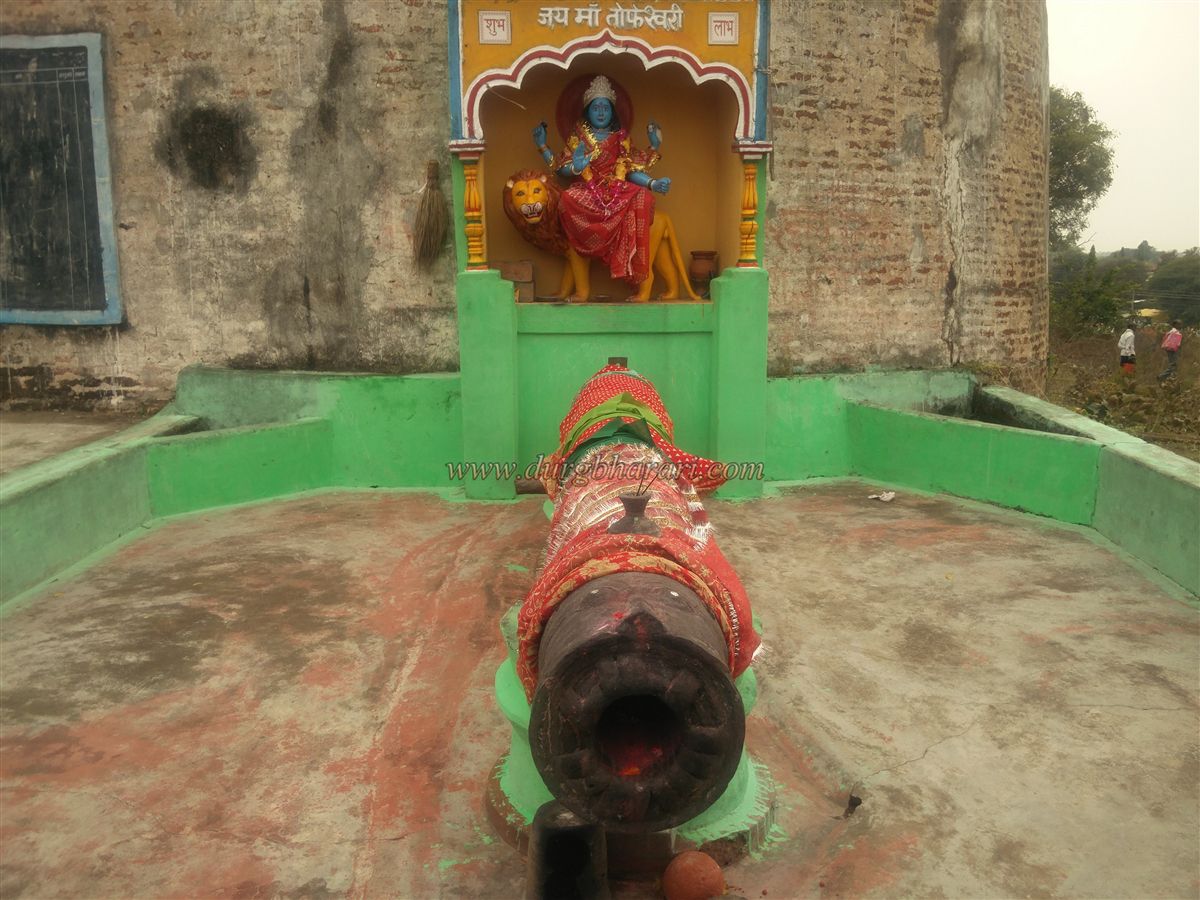
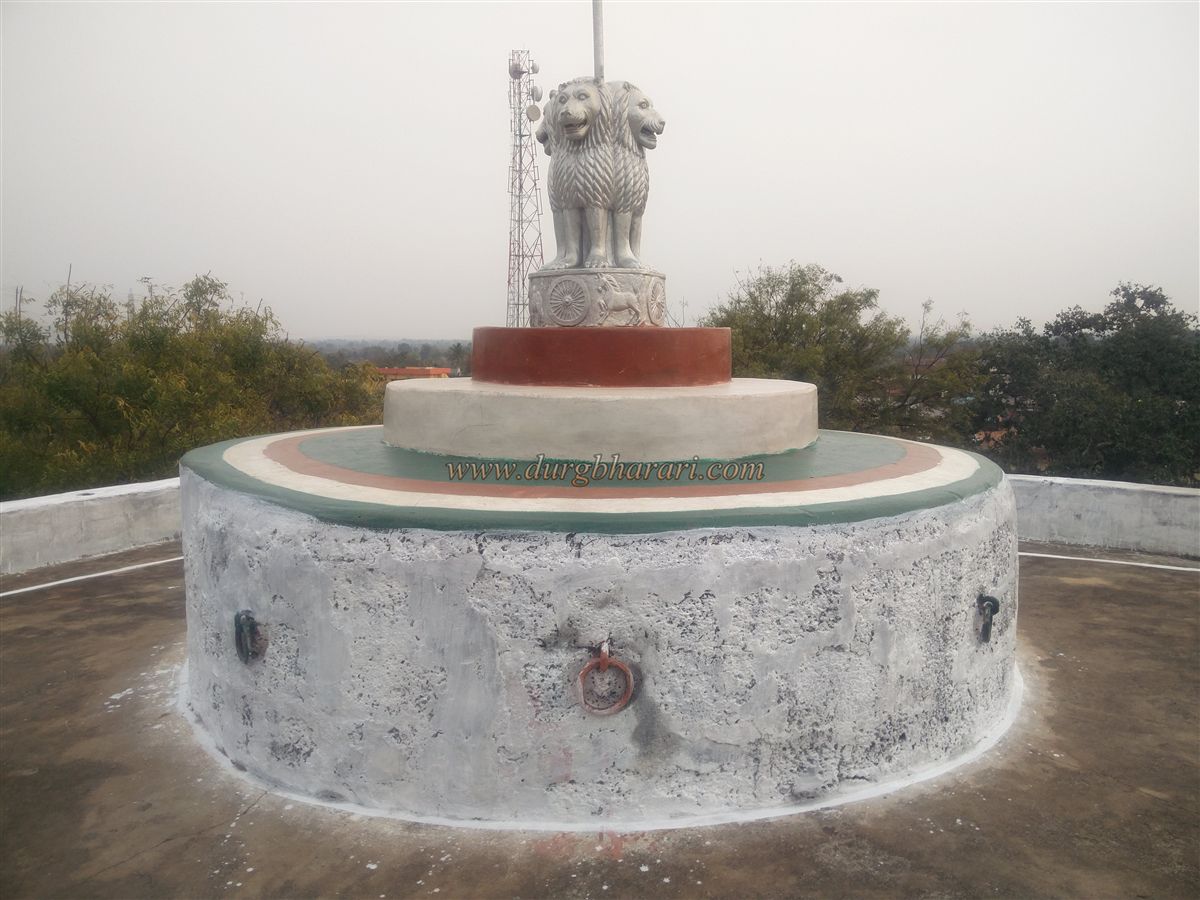
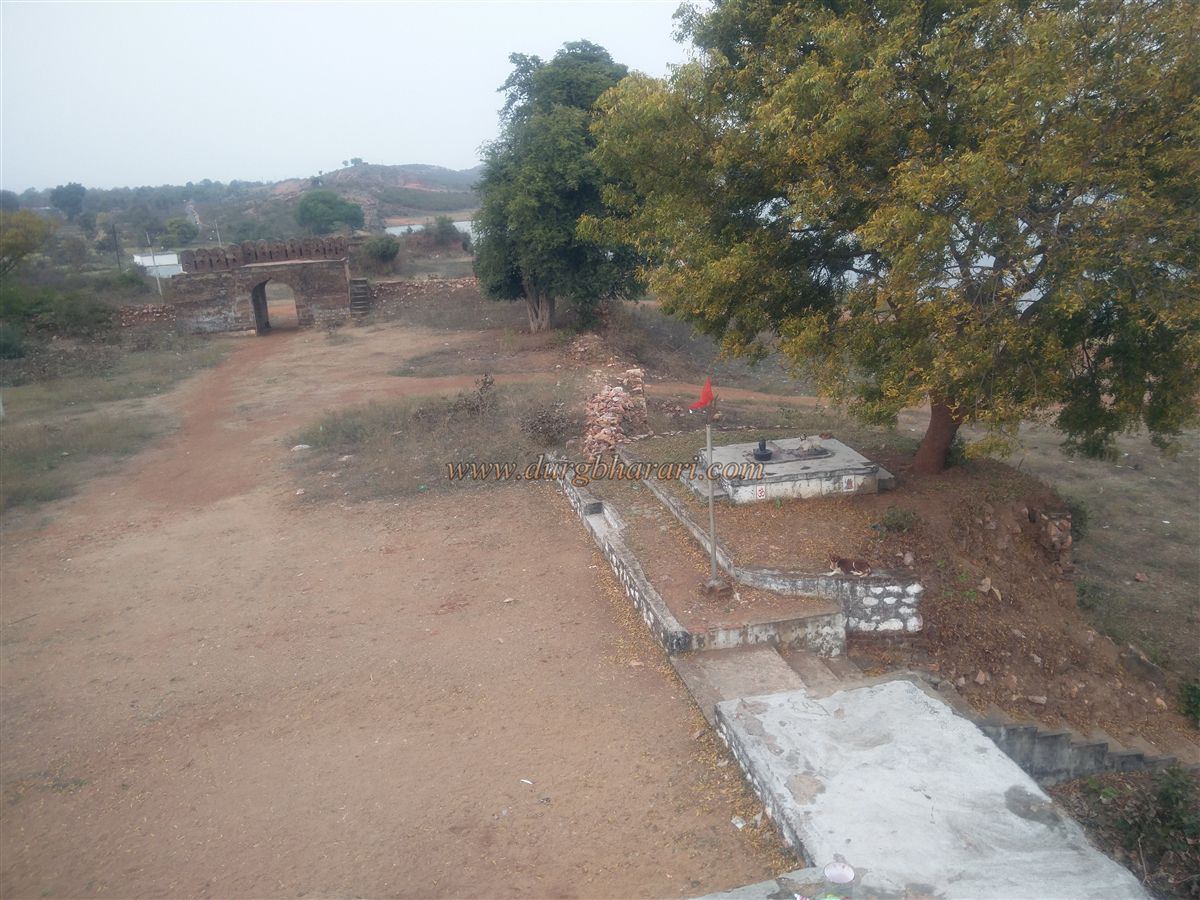
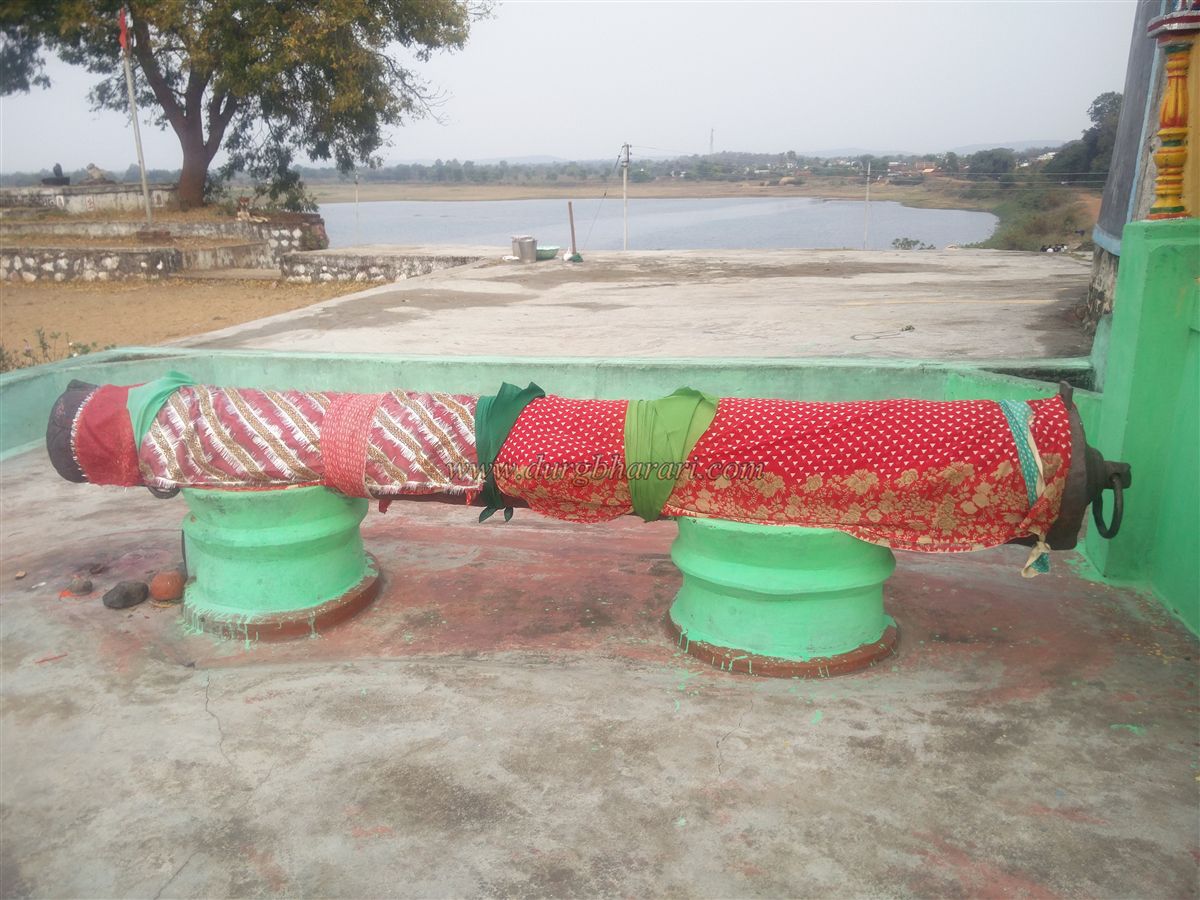
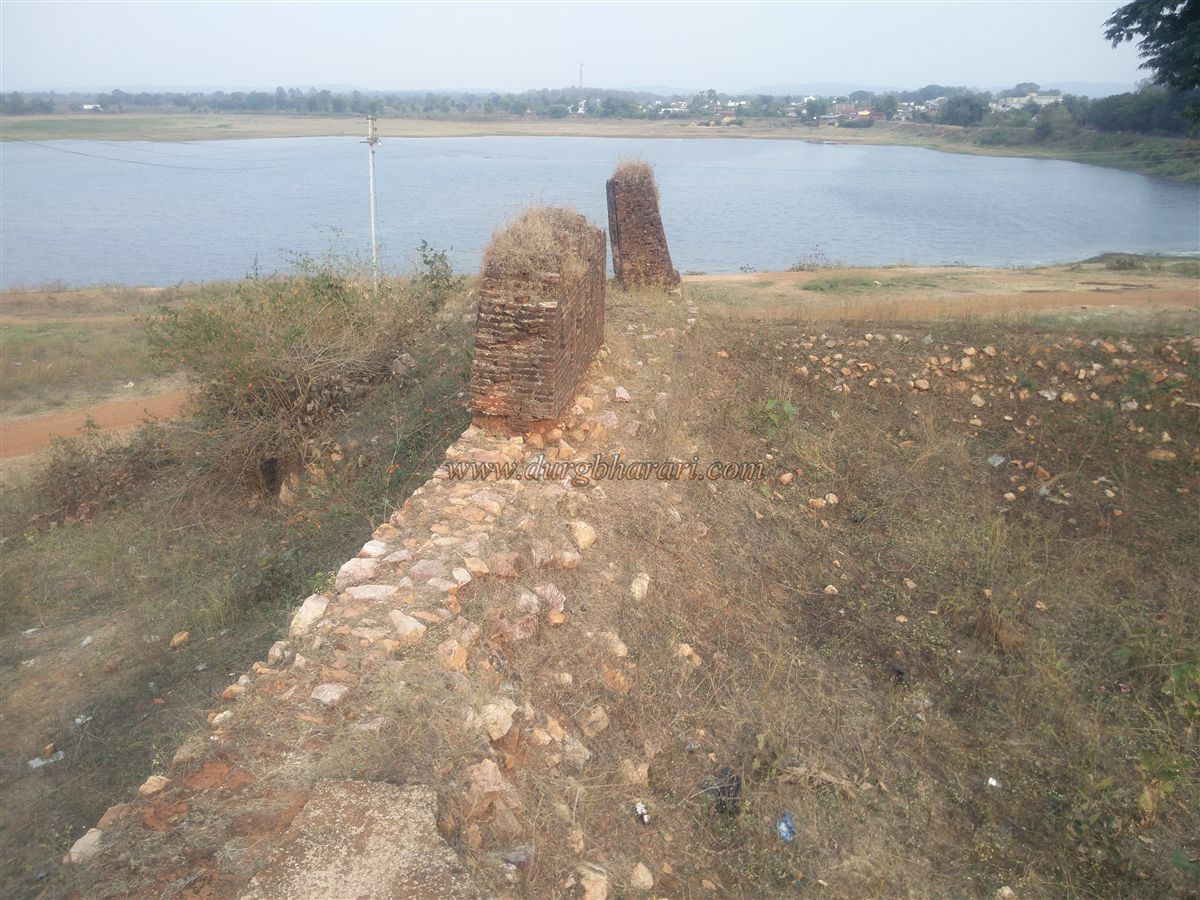
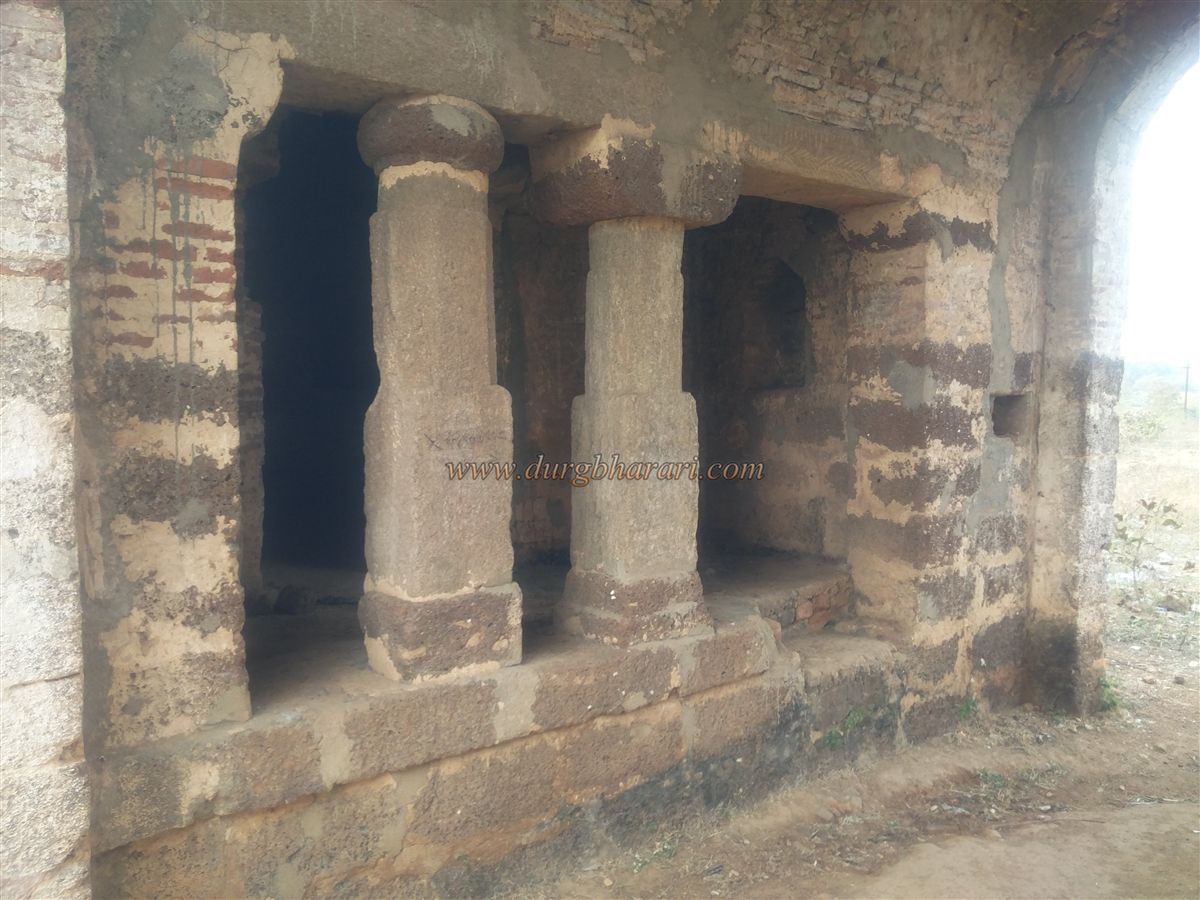
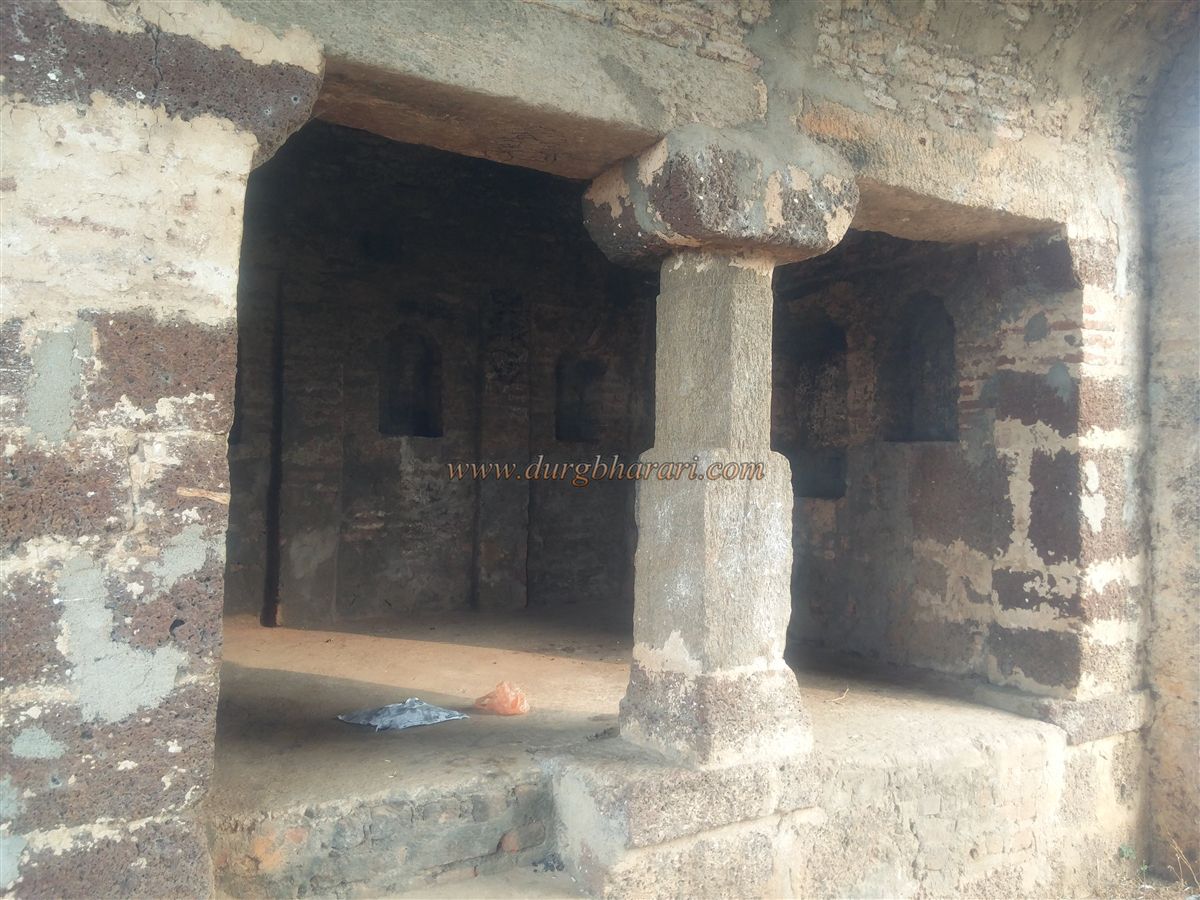
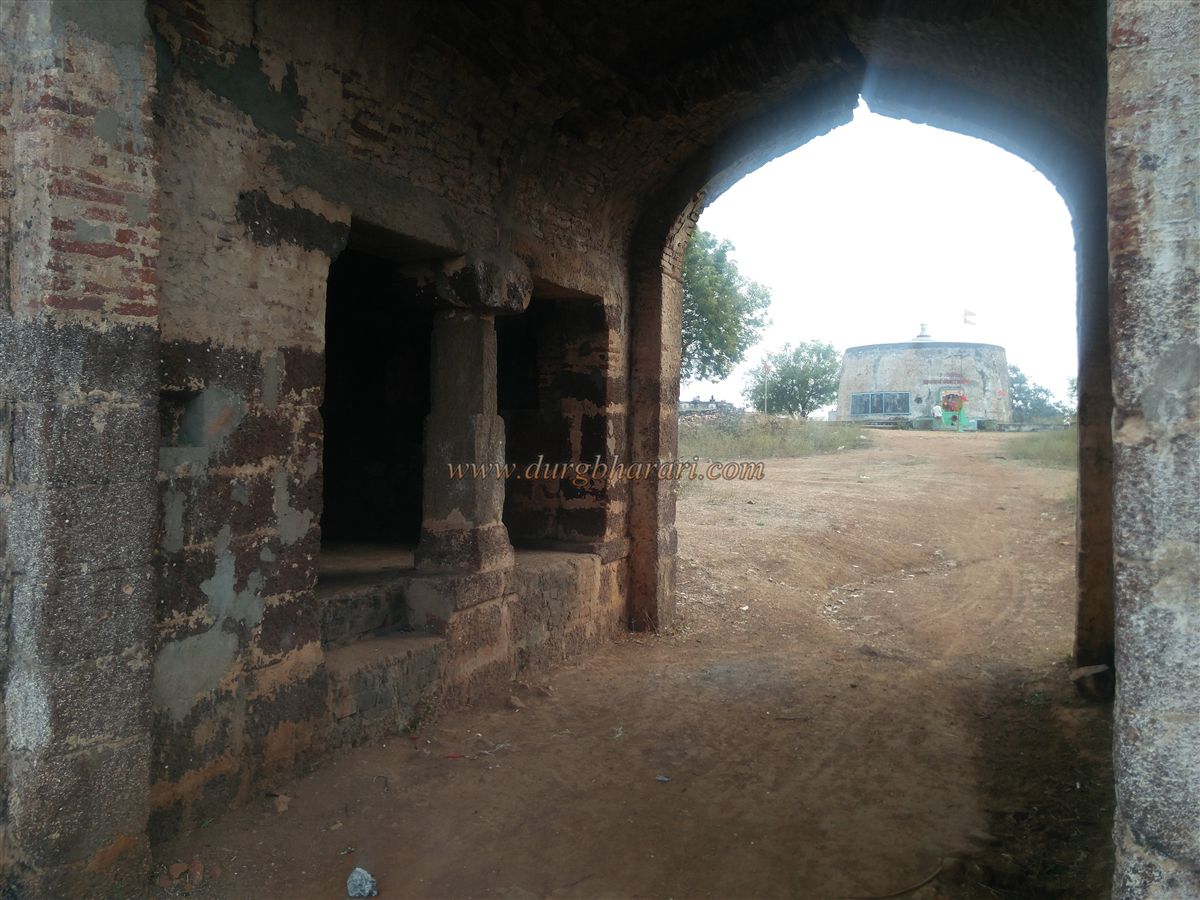
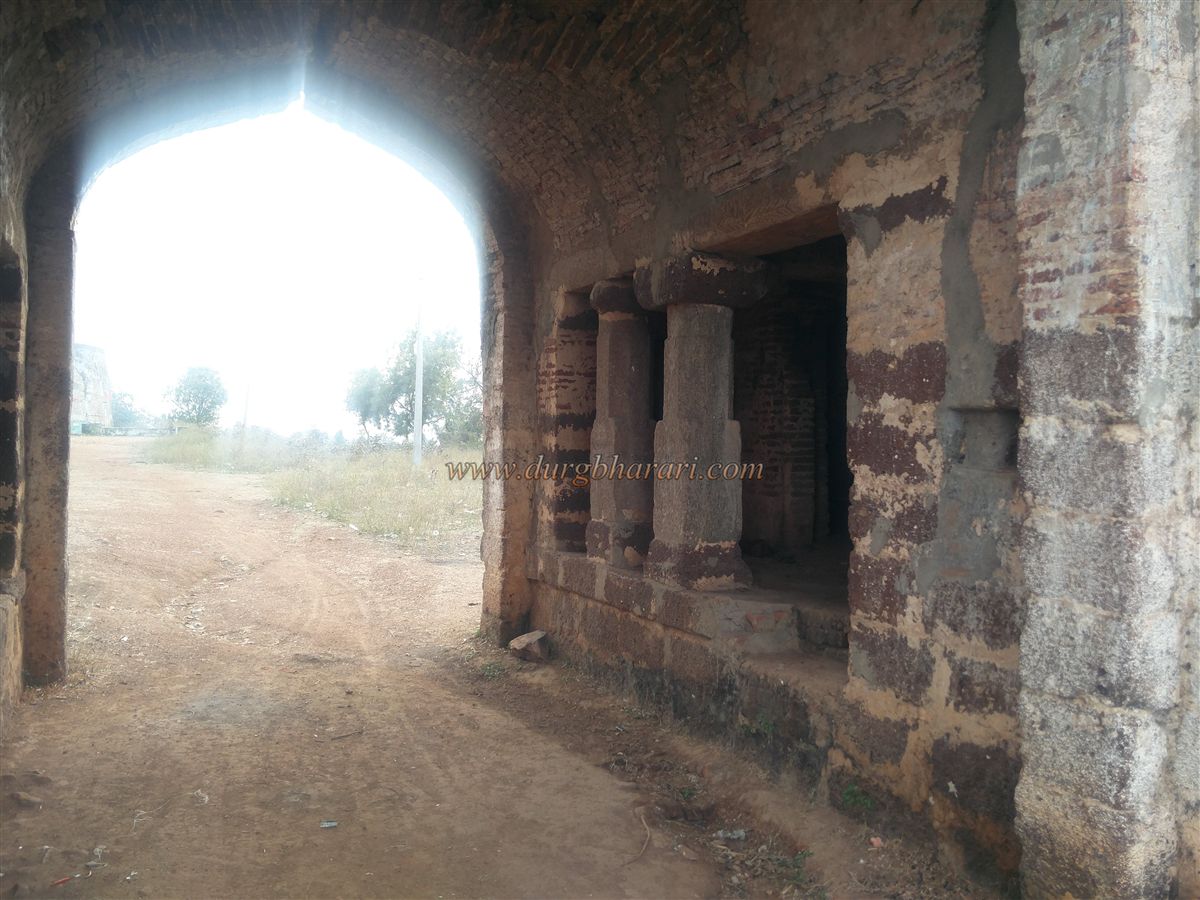
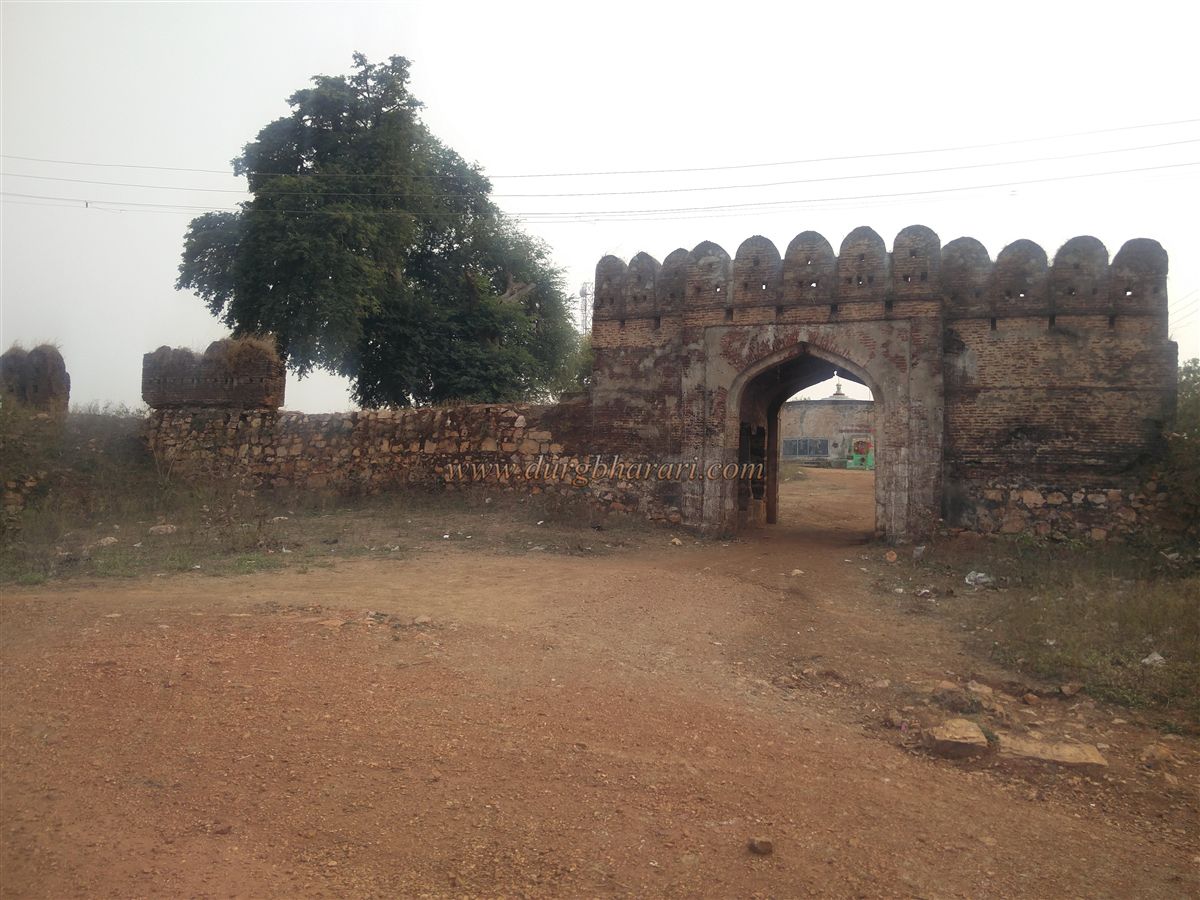
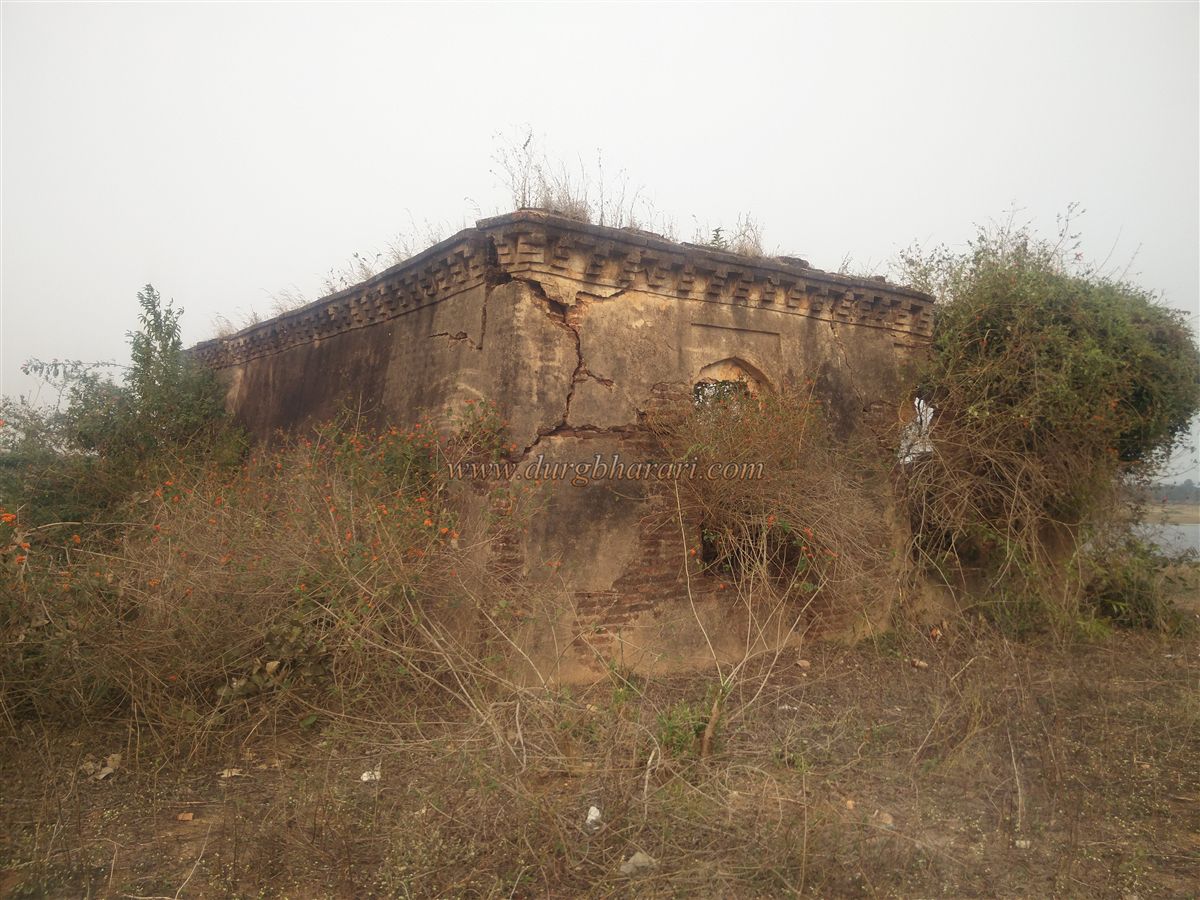
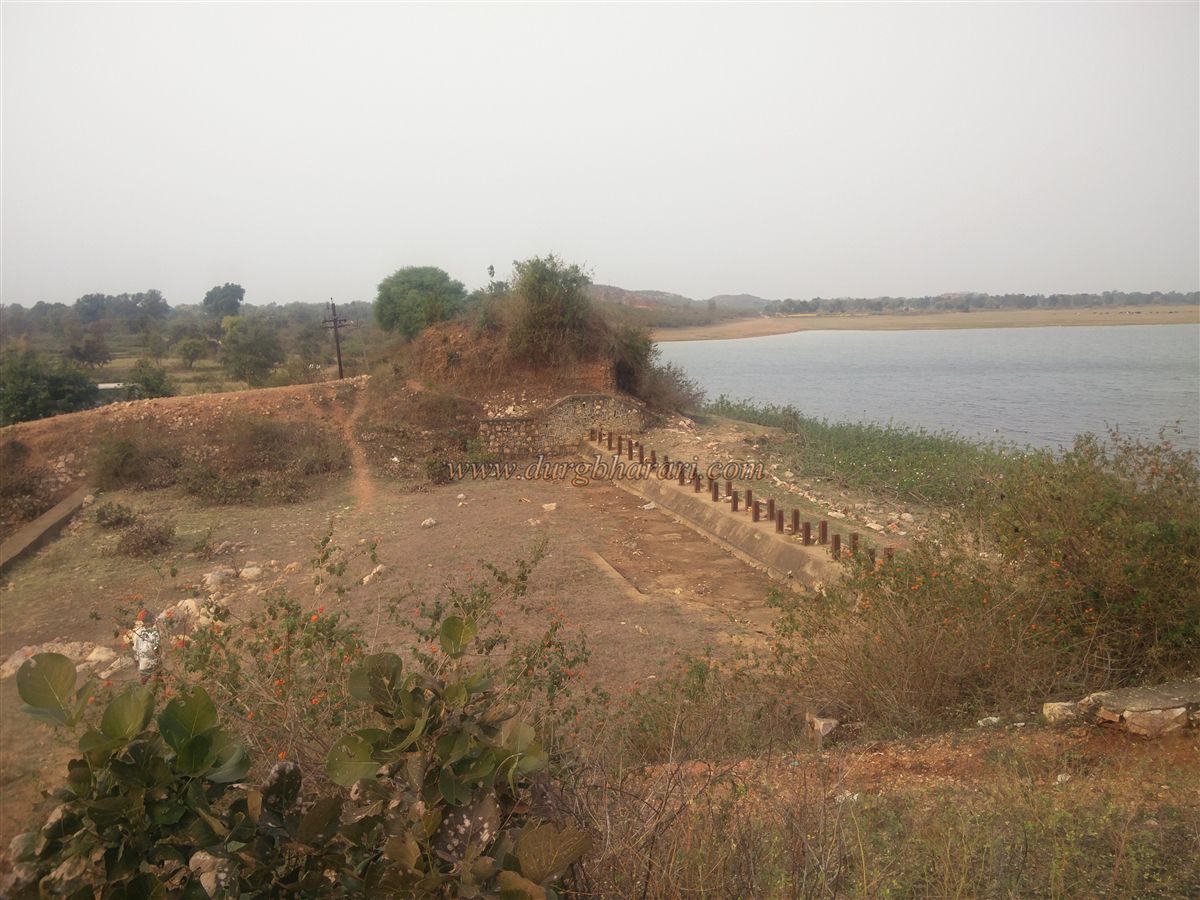
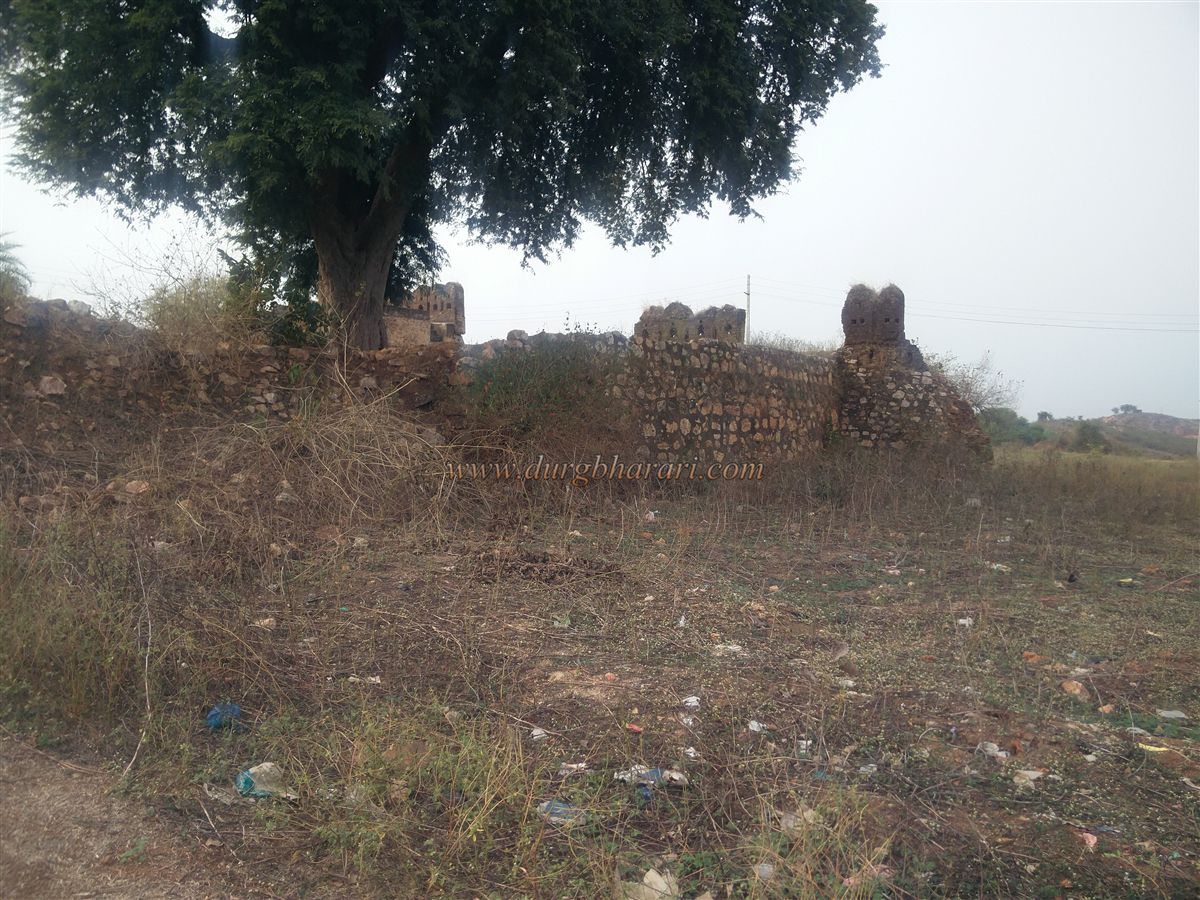
SANGADI TYPE : GROUND FORT DISTRICT : BHANDARA HEIGHT : 0 GRADE : EASY In the Sakoli taluka to the east of Bhandara city lies a small fort named Sangadi. Although Sakoli is now the taluka headquarters, during the time of the Nagpur Bhosale, up until as late as 1867, Sangadi was an important administrative center, which is likely why a fortified structure was built here. Known as Sangadi or Sahanagad, this fort is located 53 km from Bhandara city and 14 km from Sakoli. It stands on a small elevated mound near a tank outside the village. Private vehicles can reach right up to the fort. Though the main gate of the fort is still intact, the lack of maintenance has led to significant deterioration, and entry to the fort is now made through the collapsed sections of its walls. The fort is rectangular in shape, covering about one and a half acres, with six bastions along its walls and one large central bastion. ... Beneath this central bastion lies a 10-foot-long cannon, which was likely moved down from its original position on the bastion in later times. This cannon is worshipped as a deity named Tofeshwari Devi, and an idol of the goddess has been installed in the bastion, making it a unique feature of this fort. In fact, among the five forts in Bhandara district, this is the only one that has a cannon. Steps lead up to the bastion, and at the cannon’s turning point, a newly erected emblem of the Indian state can be seen. From this central bastion, one can view the entire fort and the surrounding landscape. The lower part of the fort walls is built of stone, while the upper sections are made of bricks. Although large portions of the walls have collapsed, the remaining parapets are still holding up. Inside the fort, one can find a Shiva lingam and a Nandi idol on one of the bastions, while another bastion has a grave. A well inside the fort is now overgrown with vegetation. The fort gate remains in good condition, with steps on the inside leading to the top of the gateway. There are guard chambers on either side of the entrance, one of which also has a storage room. The gateway has no carvings or decorative elements. Stepping out through the gate, a well-preserved structure can be seen. Though its roof is missing, the doorway and walls remain intact. This marks the end of the exploration of the fort. About half an hour is sufficient to see the entire place. © Suresh Nimbalkar Read more... WATCH VIDEO GALLERY Post Views: 2,694