SANDAN VALLEY
TYPE : MAGIC OF NATURE/ MONUMENT
DISTRICT : AHMEDNAGAR
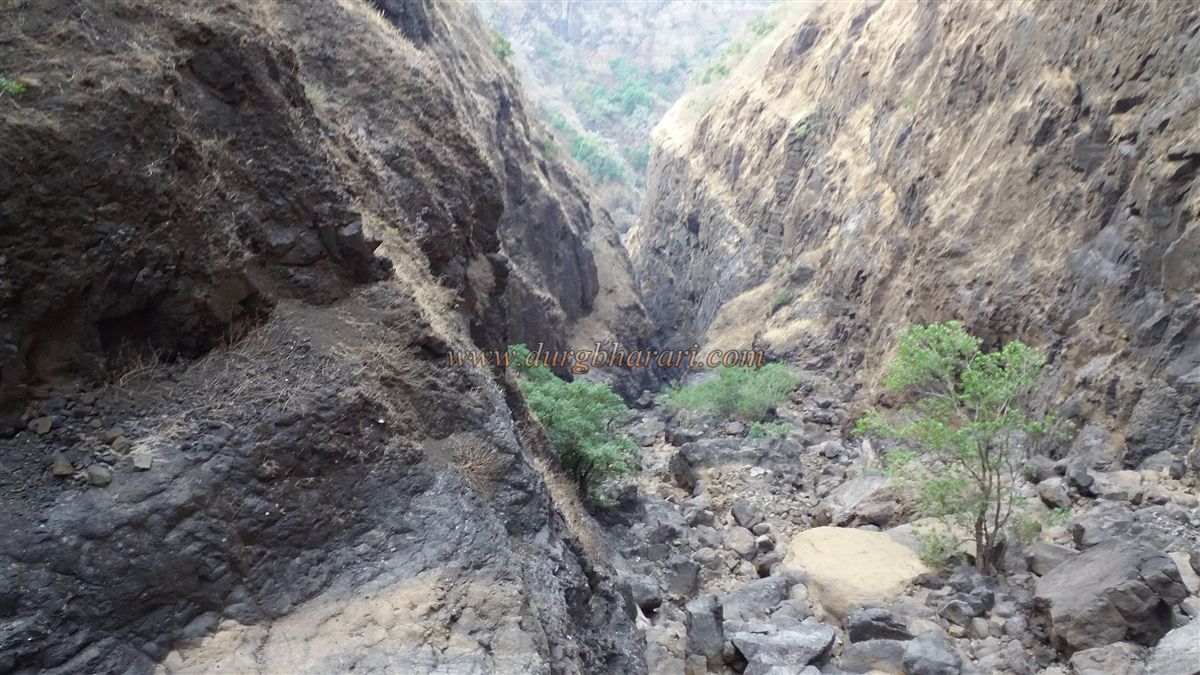
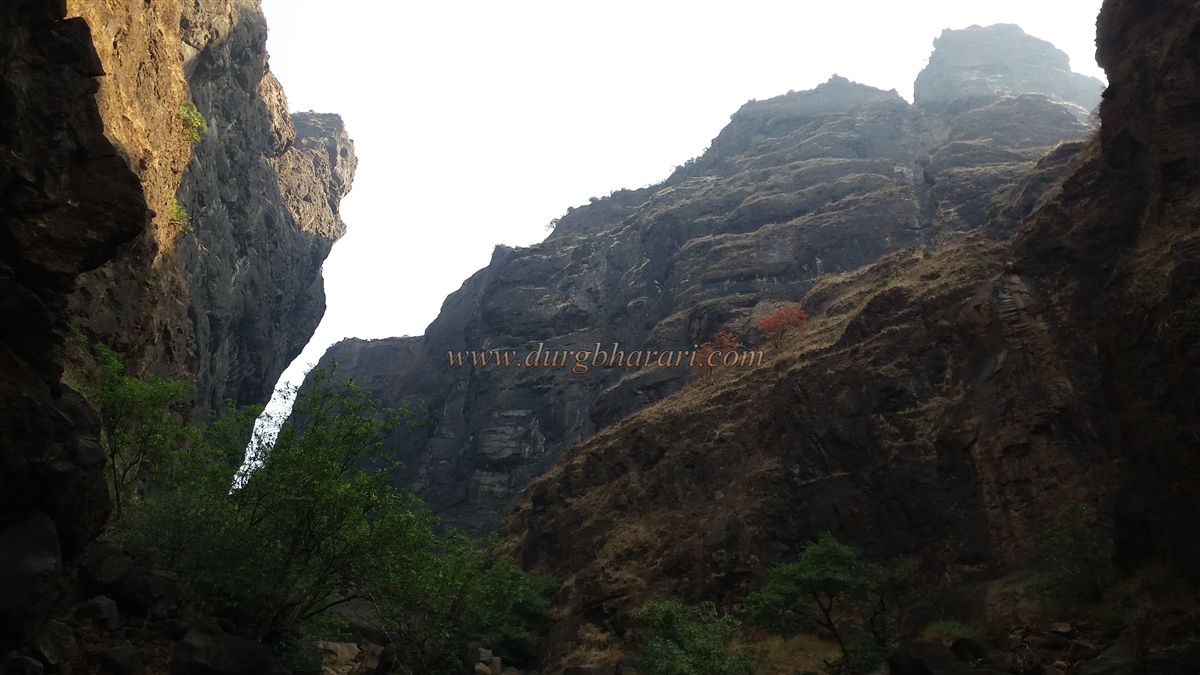
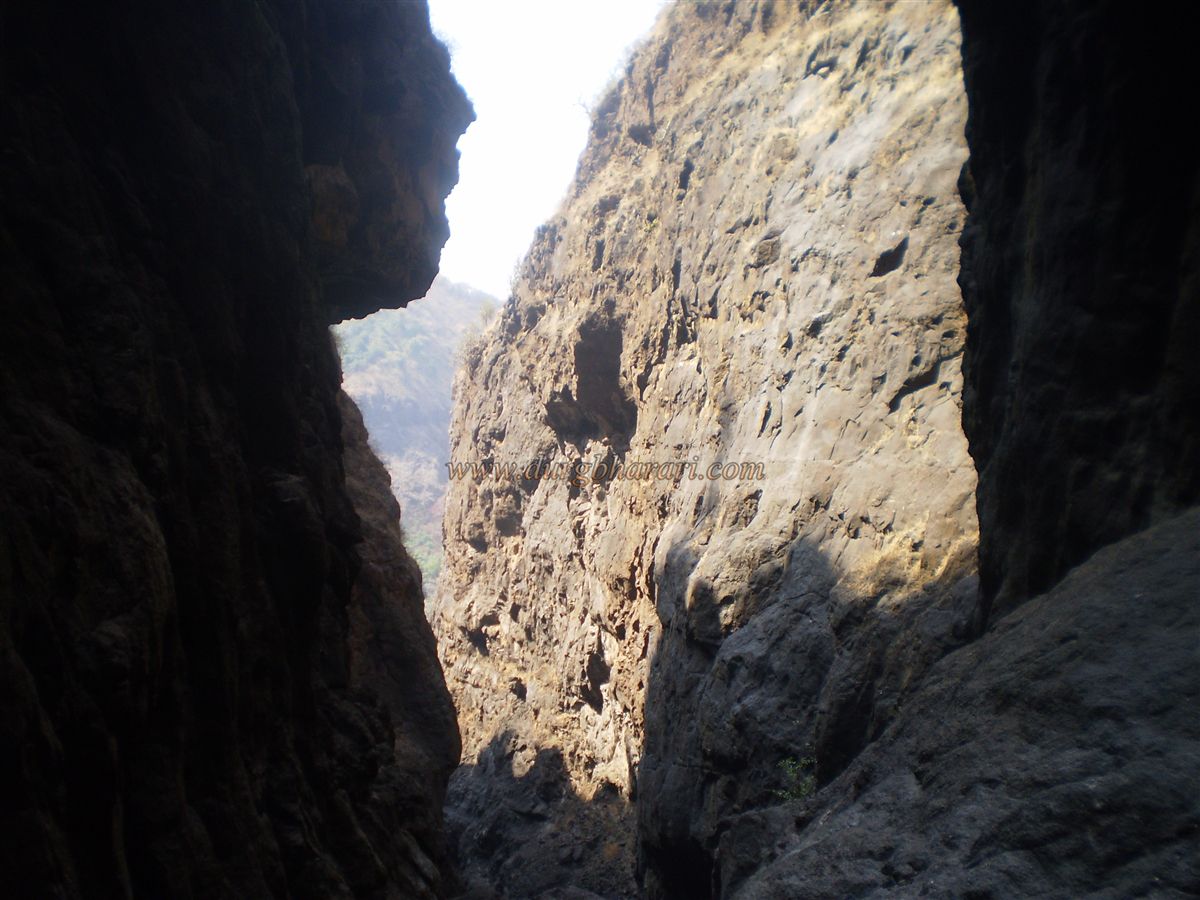
This valley, formed by an ancient geological fault line — a massive crack in the earth’s surface — is a true marvel of nature. Such a spectacle of the Sahyadri range is the Sandan Valley, which demands sheer reverence. Standing before its grandeur makes one realize how insignificant human beings are compared to the might of nature.
What makes Sandan Valley unique is that it lies below ground level. One has to descend slightly to enter it. At the entrance of the gorge is a perennial spring that never dries up. The valley stretches for about 1 km and is 200 to 400 feet deep. During the monsoon, visiting Sandan Valley is impossible, as rainwater gushes through it, making summer the best season to explore. The interplay of light and shadow within the gorge is enchanting.
...
Inside the gorge, there are two natural water pools — one 2–4 feet deep and the other 4–6 feet deep. Even in winter, when the valley is accessible, the water levels tend to be slightly higher.
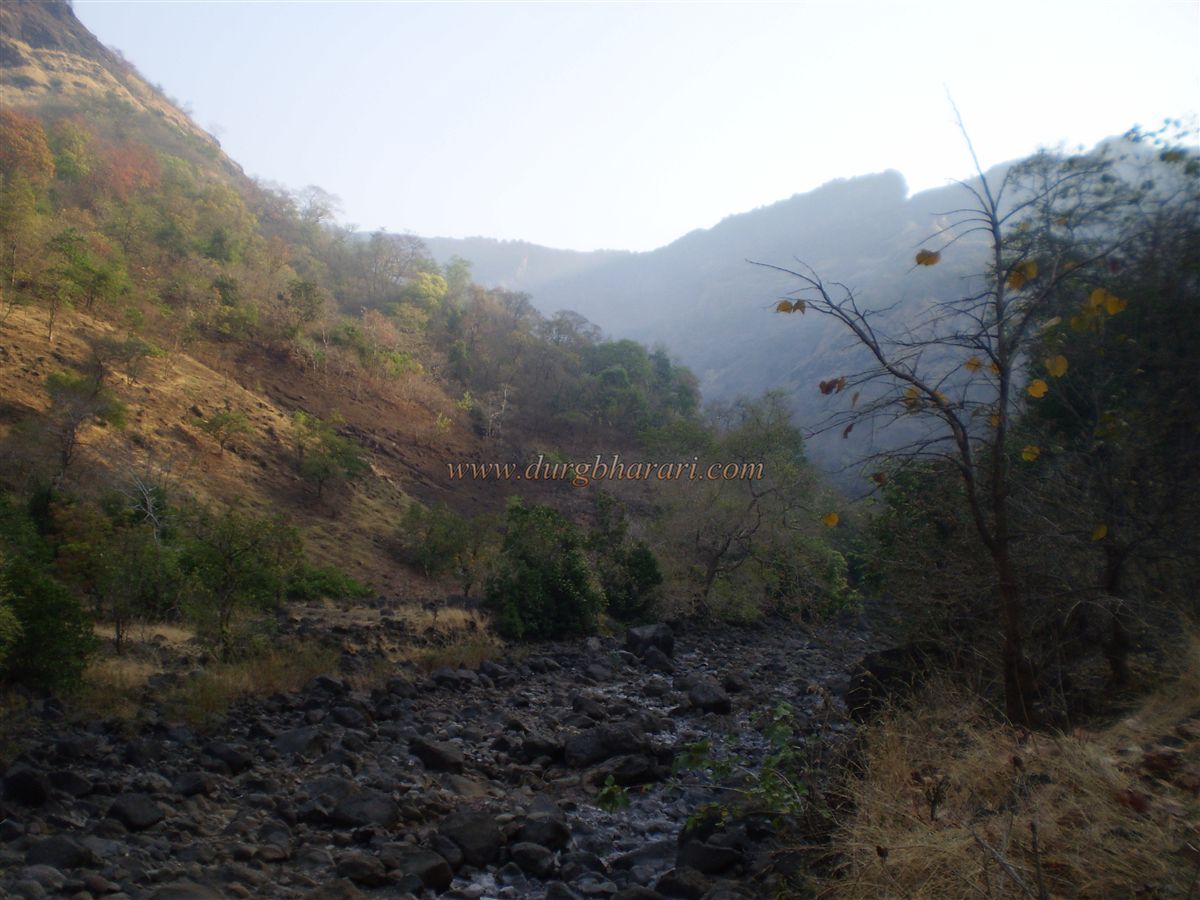
To reach Sandan Valley, one must first travel to Samrad, a small tribal hamlet located around 150 km from Mumbai. The route goes via Mumbai–Nashik Highway: Kalyan–Shahapur–Kasara–Ghoti–Bhandardara (Shendi)–Panjare–Udhavne–Ghatghar Dam, eventually reaching Samrad. From the village, a 20-minute walk across a rocky plateau leads to the valley. Due to dense vegetation around it, the valley remains hidden until one is close. A trail along a rocky watercourse finally brings you to the entrance, where a marker stone guides the way. From this point, there’s only one path leading deep into the belly of the earth.
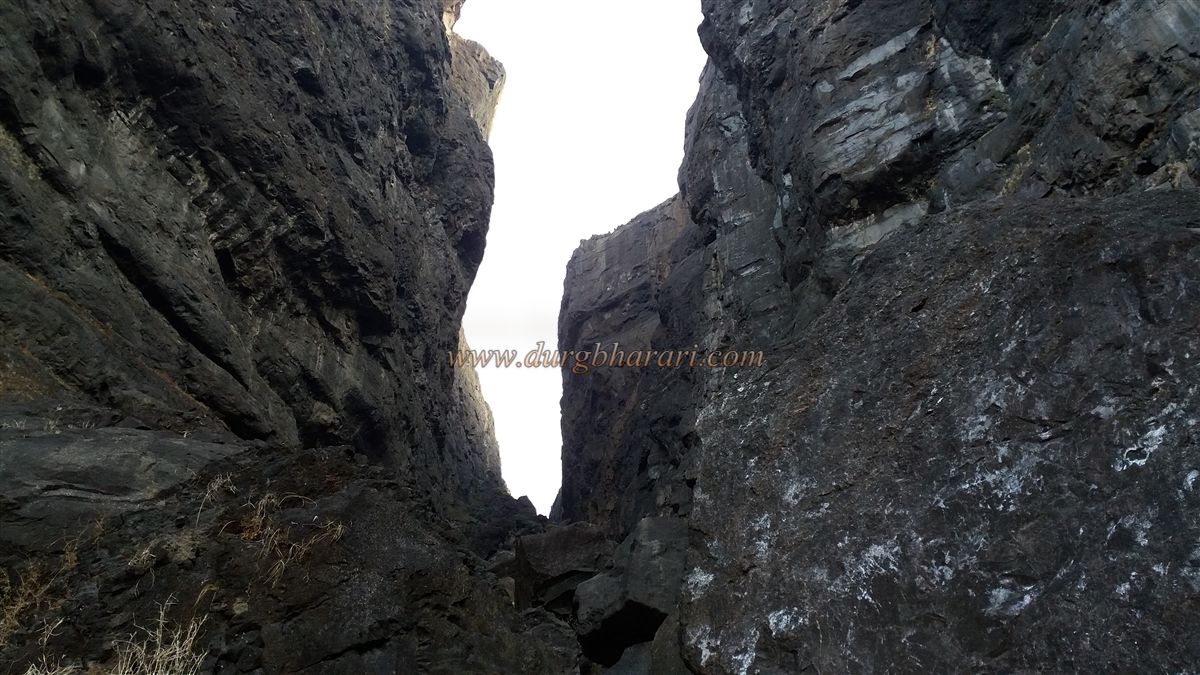
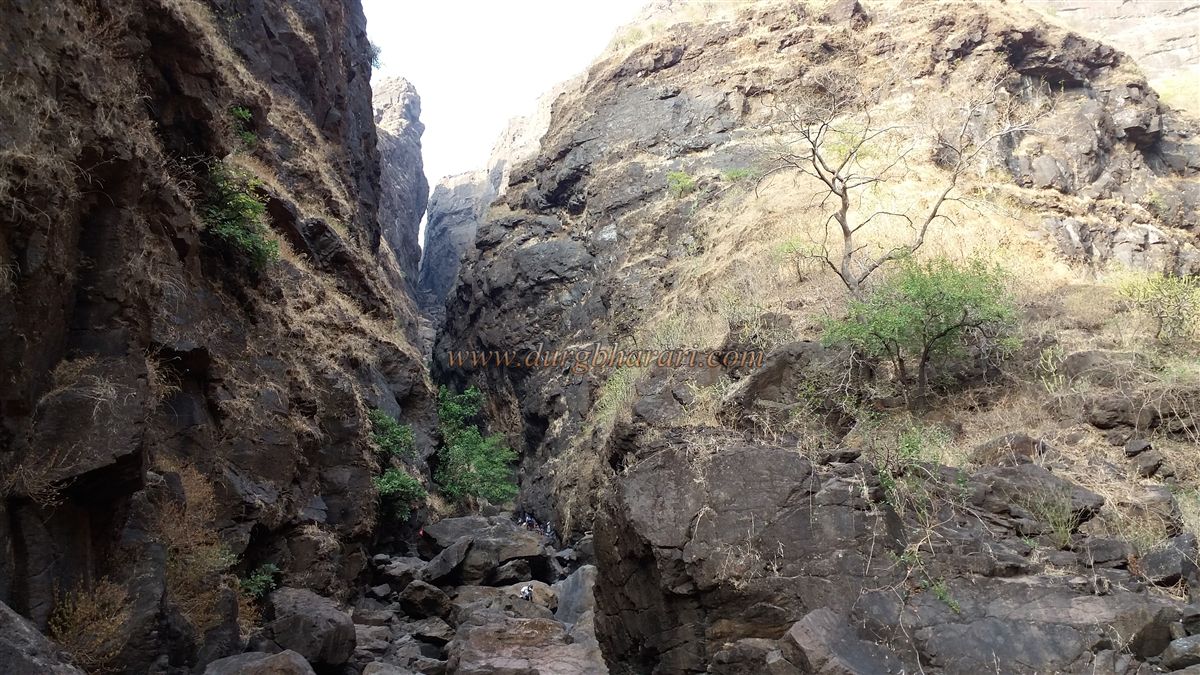
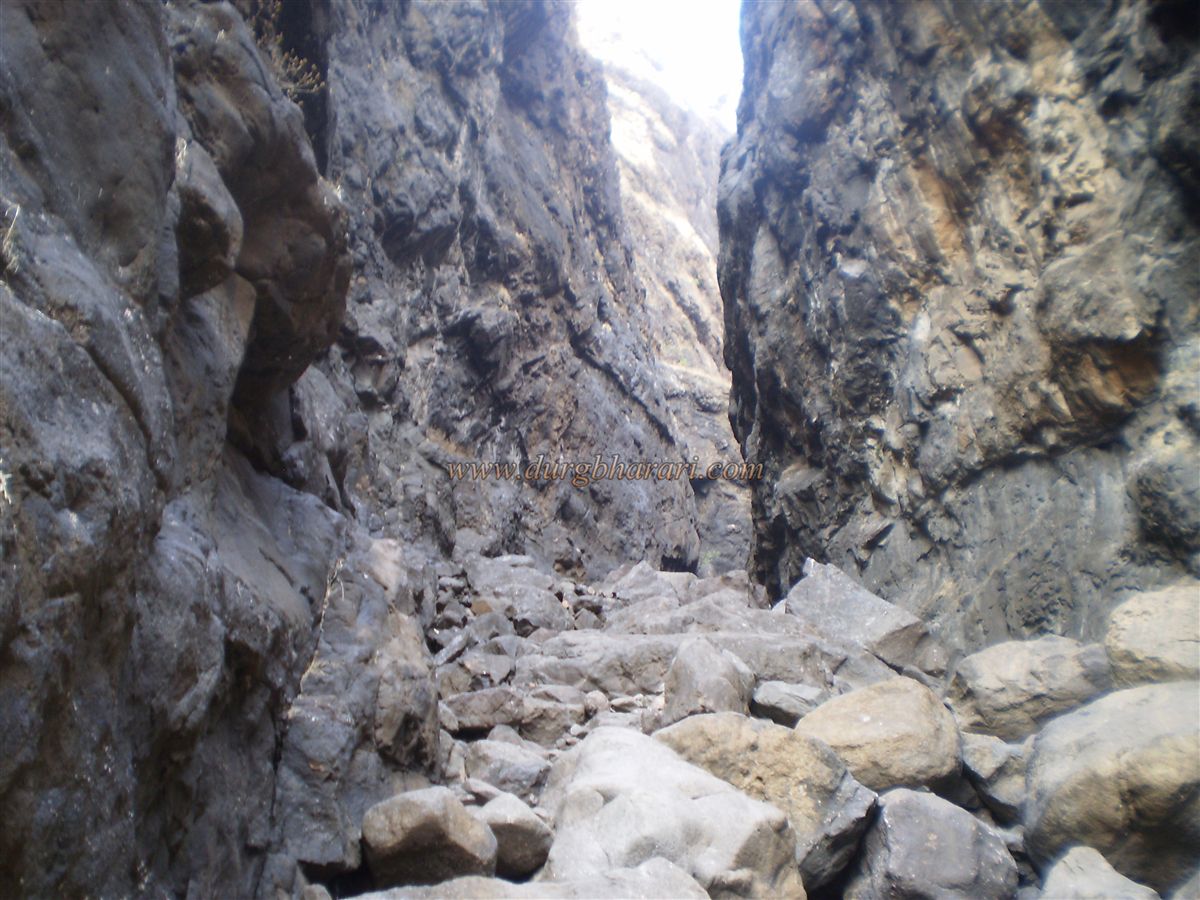
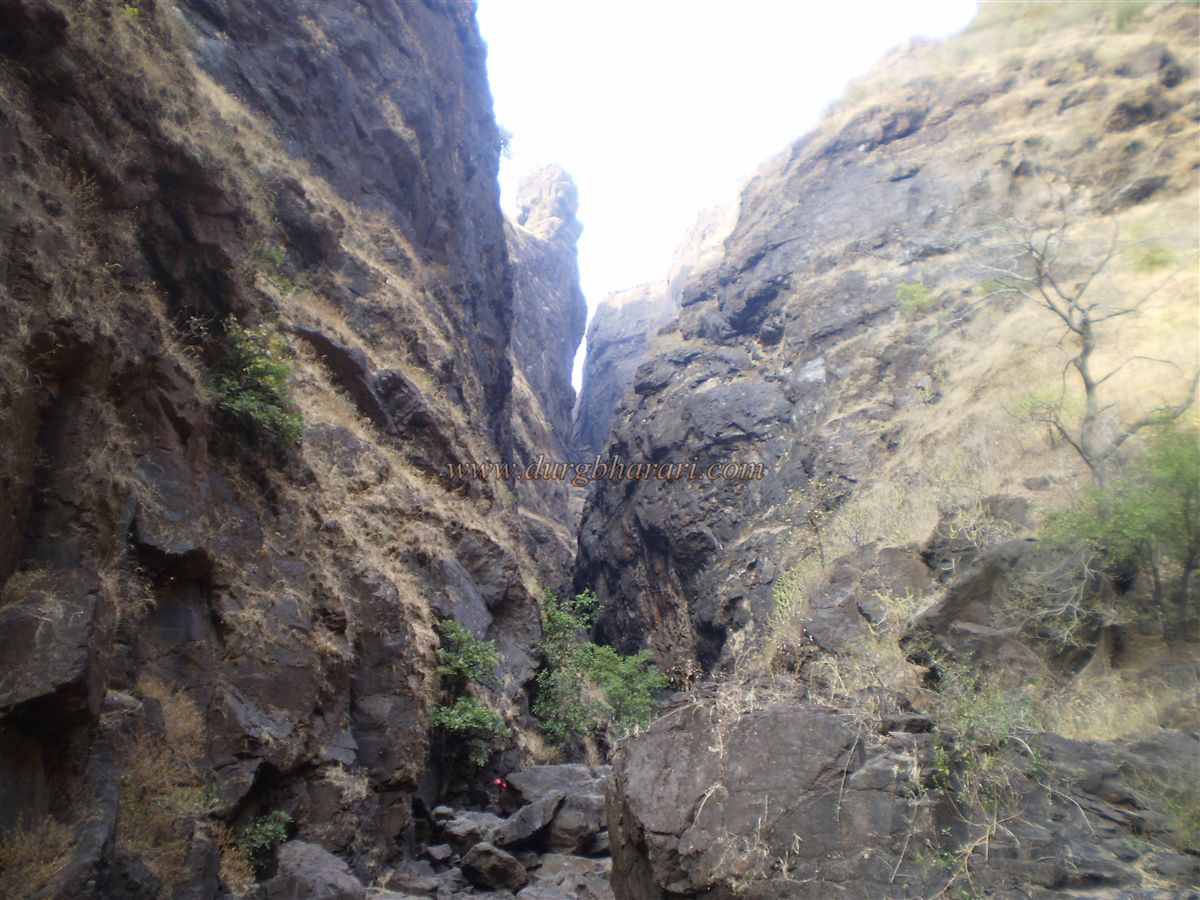
Descending the first easy rock patch brings you into the narrow, winding gorge. At some points, the width narrows to just 2–3 feet, with black basalt walls towering up to 150 feet on either side. Very little sunlight penetrates these depths, and the coolness felt inside is from the chilled rocks themselves.
Along the way, one encounters massive boulders that must be climbed over, crawled under, or navigated around. A particularly striking sight is a gigantic boulder balanced precariously on two smaller rocks. Beyond this, a short rock descent leads to the end of the trek route.
Here lies a 45-foot vertical rock wall that requires rappelling skills and equipment to descend safely. After this, two more boulder drops (8–10 feet each) are negotiated, followed by a narrow passage under a large rock wall, which can only be crossed one person at a time (bags must be lowered with ropes). Another 15-foot rock descent (manageable with a rope) leads to a flat surface — a welcome relief after hours of scrambling.
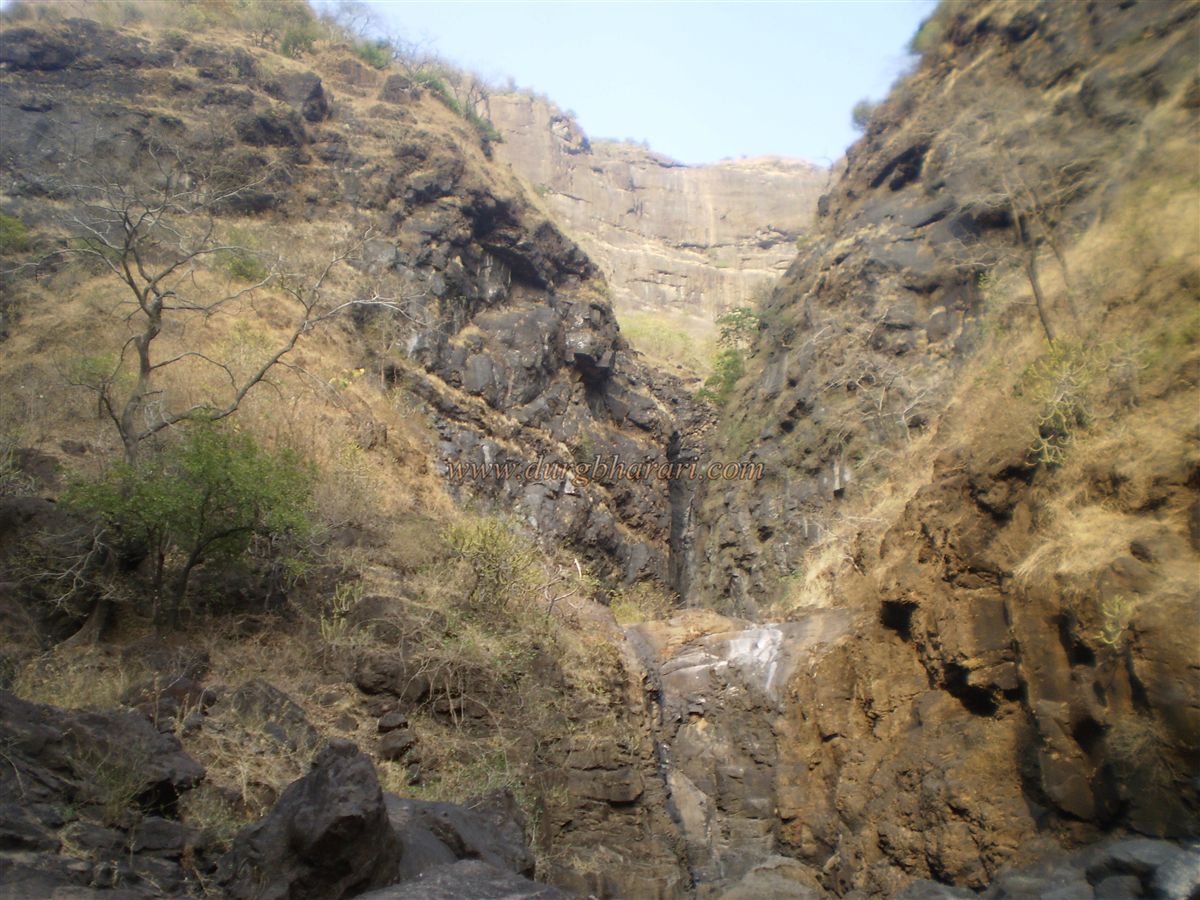
At the end of the trek, the river cascades into a deep pool, a stunning spot where trekkers often camp overnight on the flat rocks. From here, one can spot the iconic "Ban Sula" (arrow-shaped pinnacle) in the distance.
Trekkers can either return to Samrad via the Karoli Ghat or continue through the gorge, descending into the Konkan region via a steep, narrow trail leading to Dehene village at the base of Ajoba Hill.
Sandan Valley trekking is an experience like no other — an adventure akin to conquering a peak.
Important notes:
• Avoid trekking during the monsoon and for two months after it due to high water levels and strong currents.
• From March onwards, some sections require ropes to cross deeper pools.
• In May, drinking water is only available at the valley’s entrance and near the final pool, so carrying adequate water is essential.
© Suresh Nimbalkar
GALLERY