SAMRAJGAD
TYPE : COASTAL FORT
DISTRICT : RAIGAD
HEIGHT : 240 FEET
GRADE : EASY
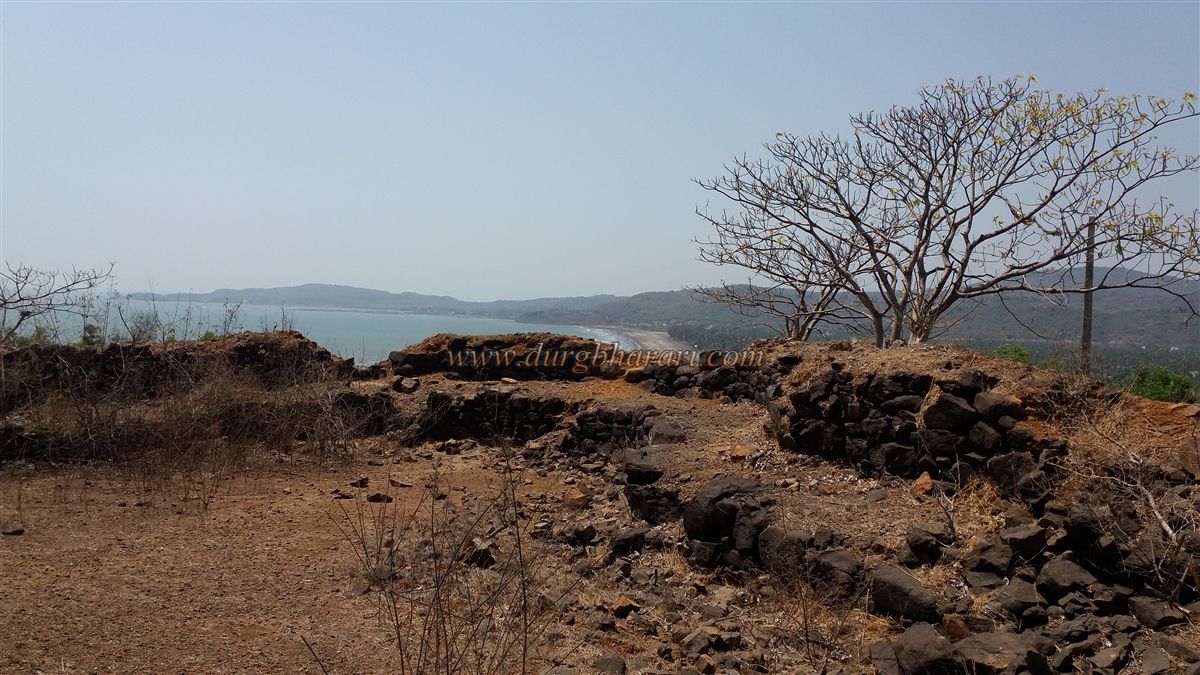
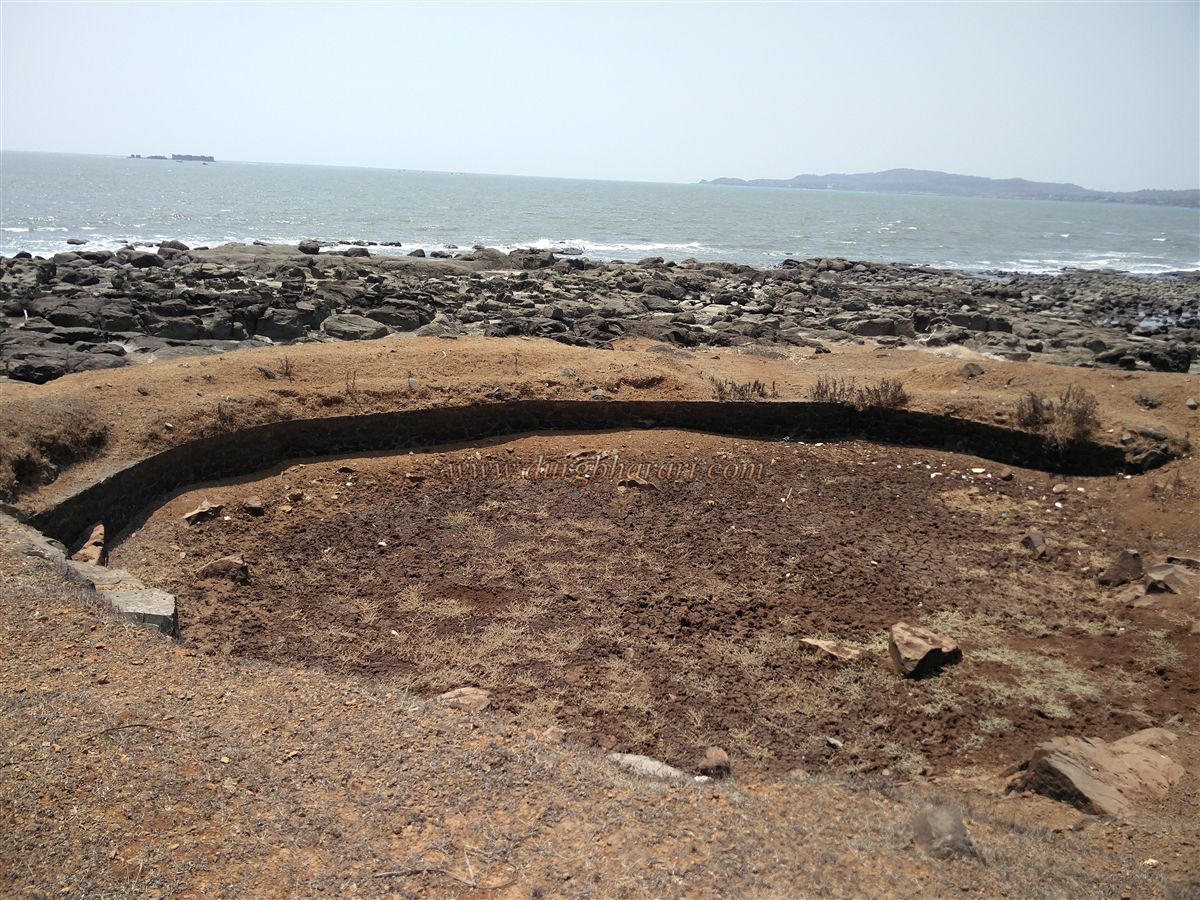
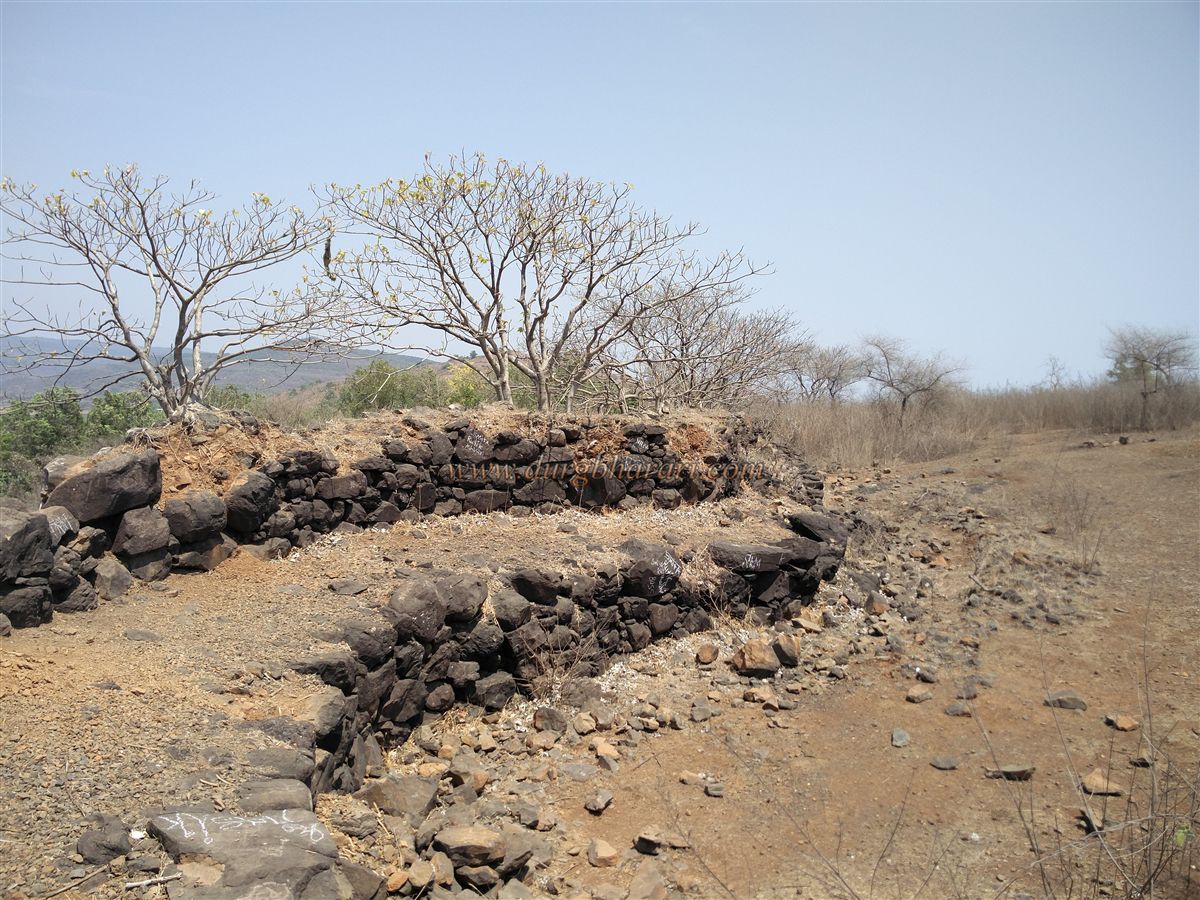
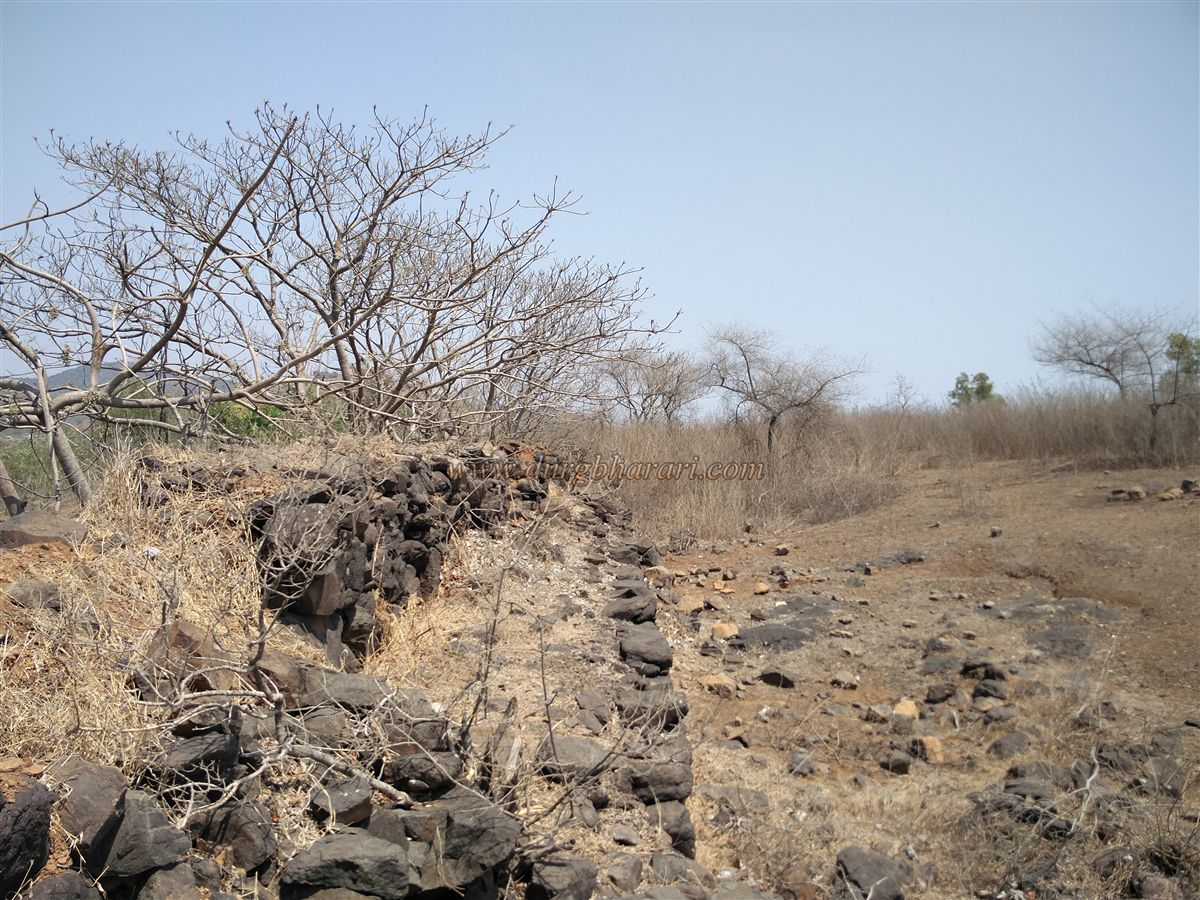
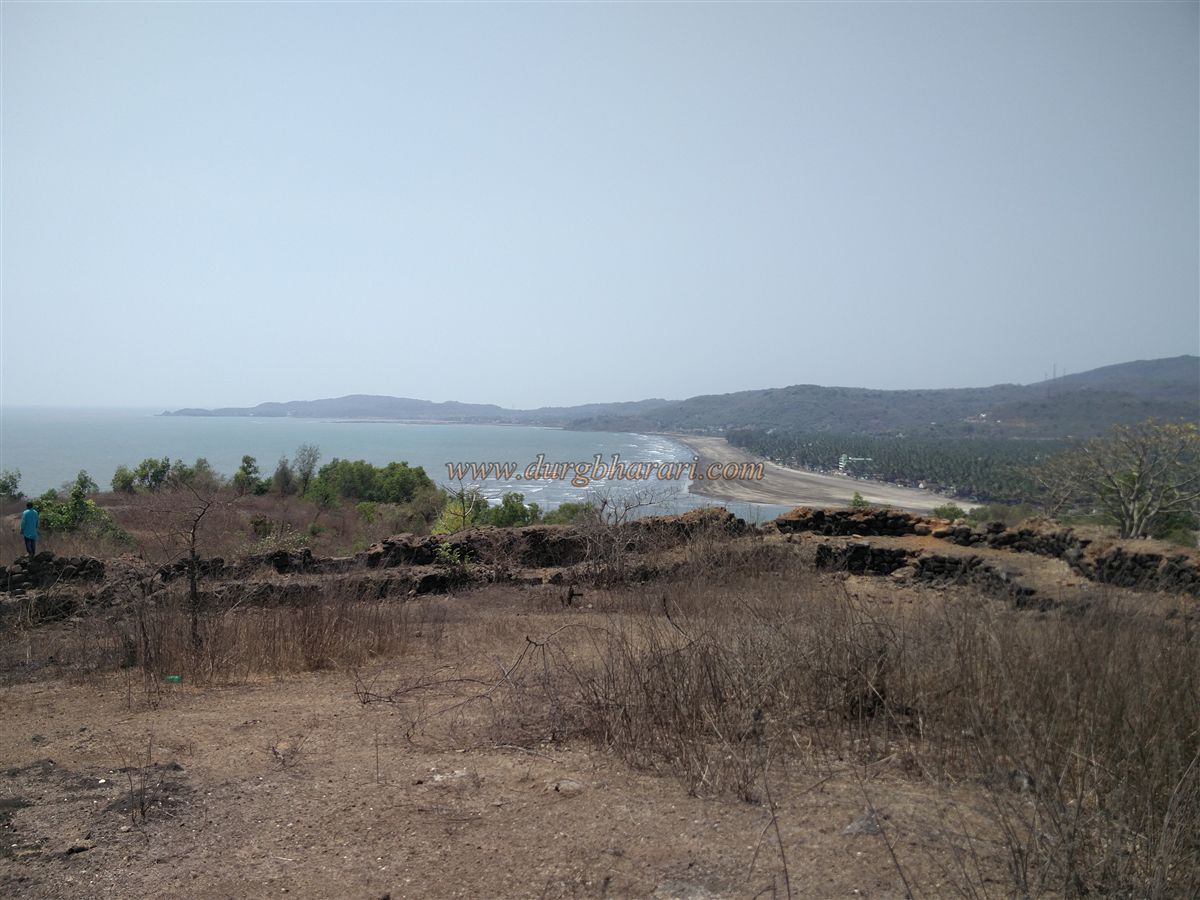
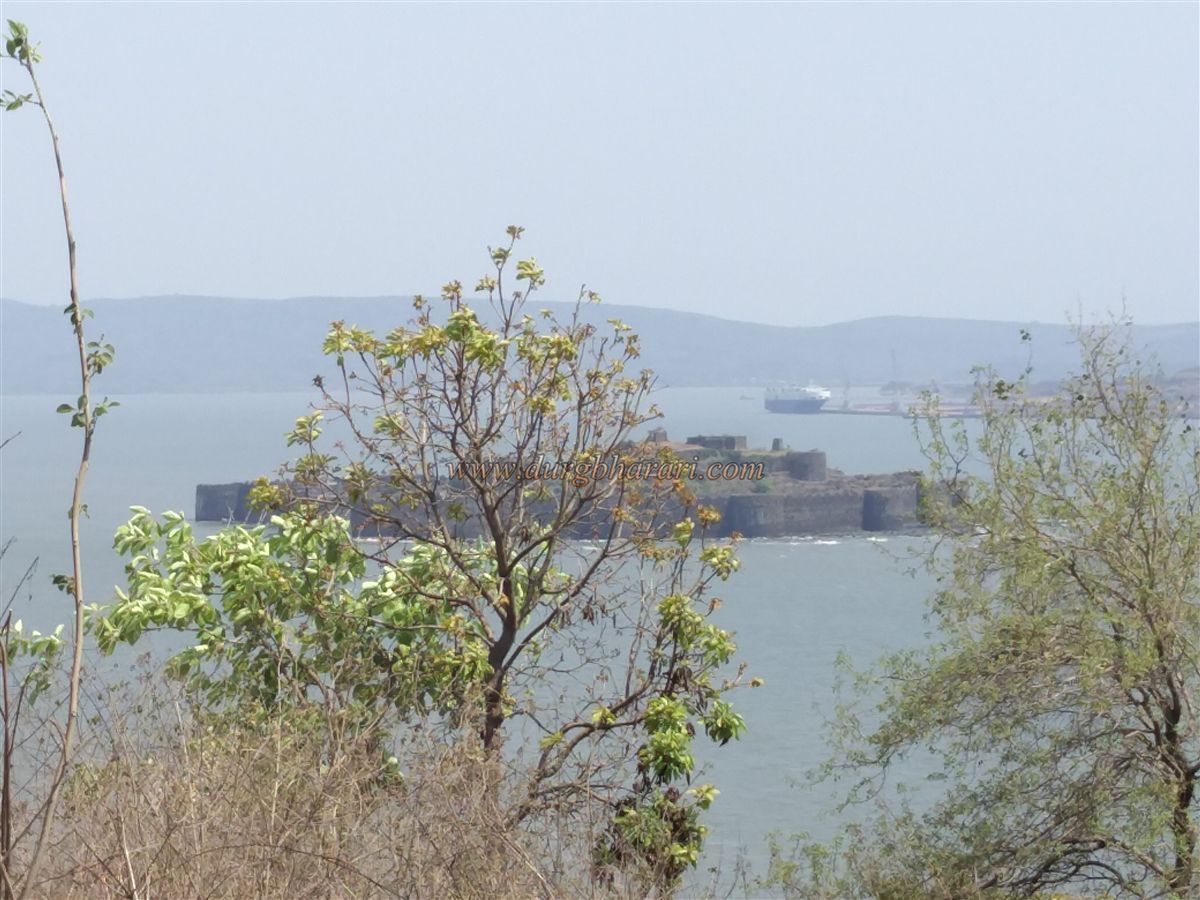
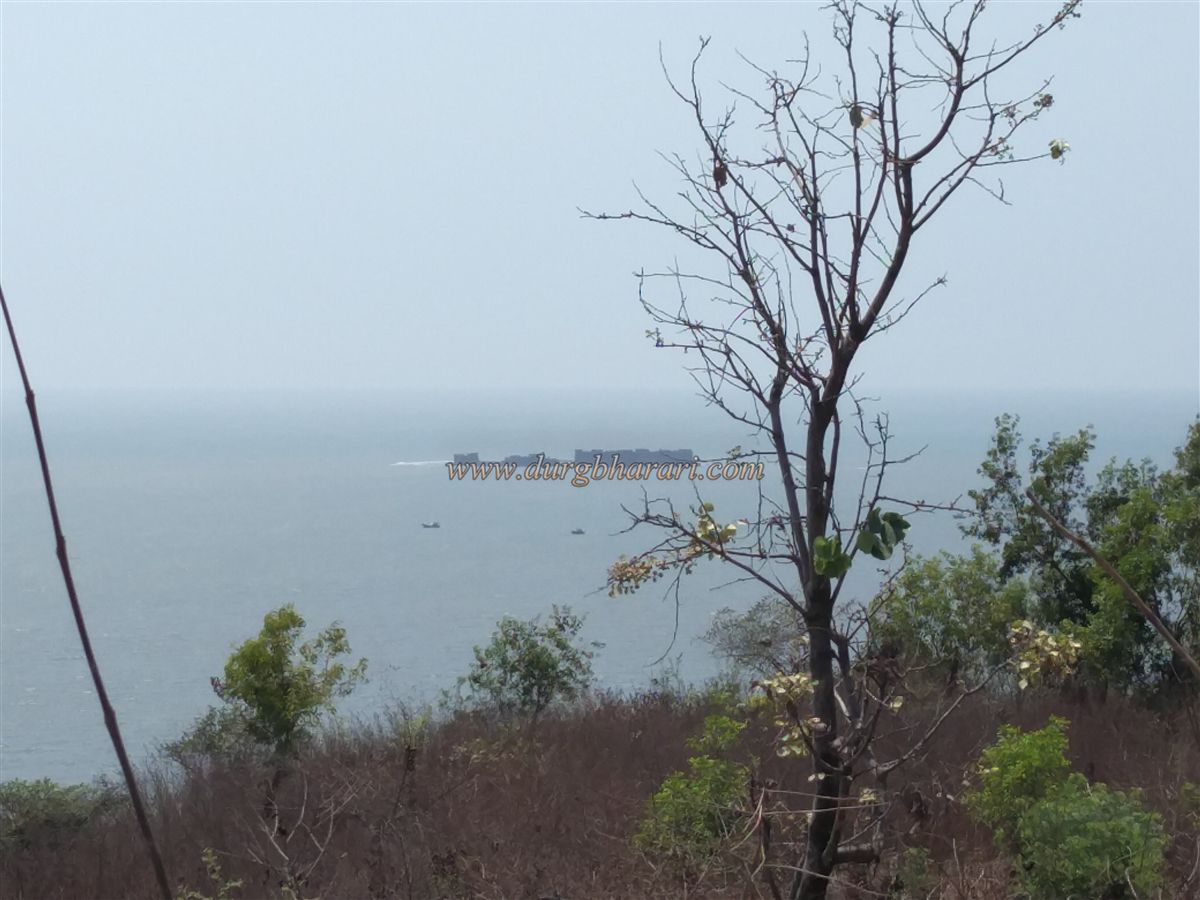
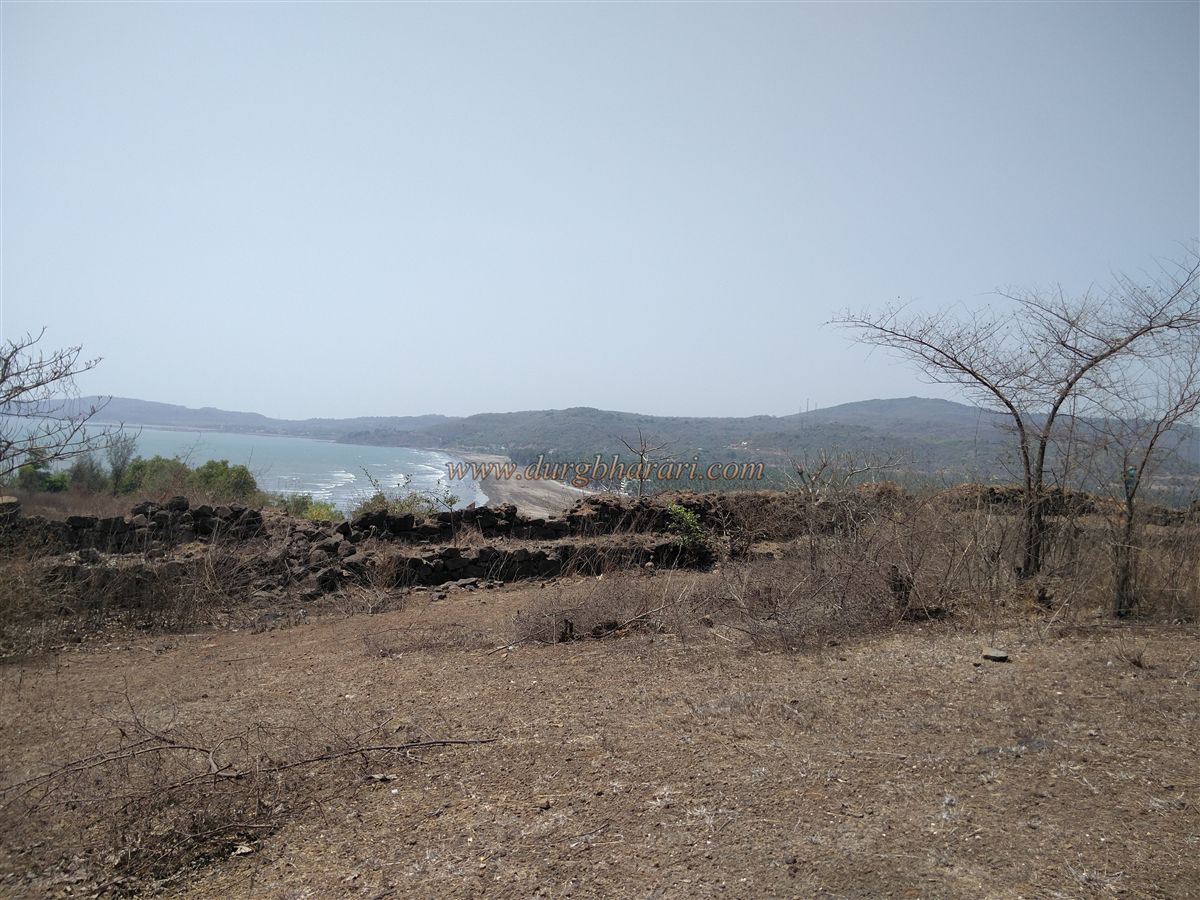
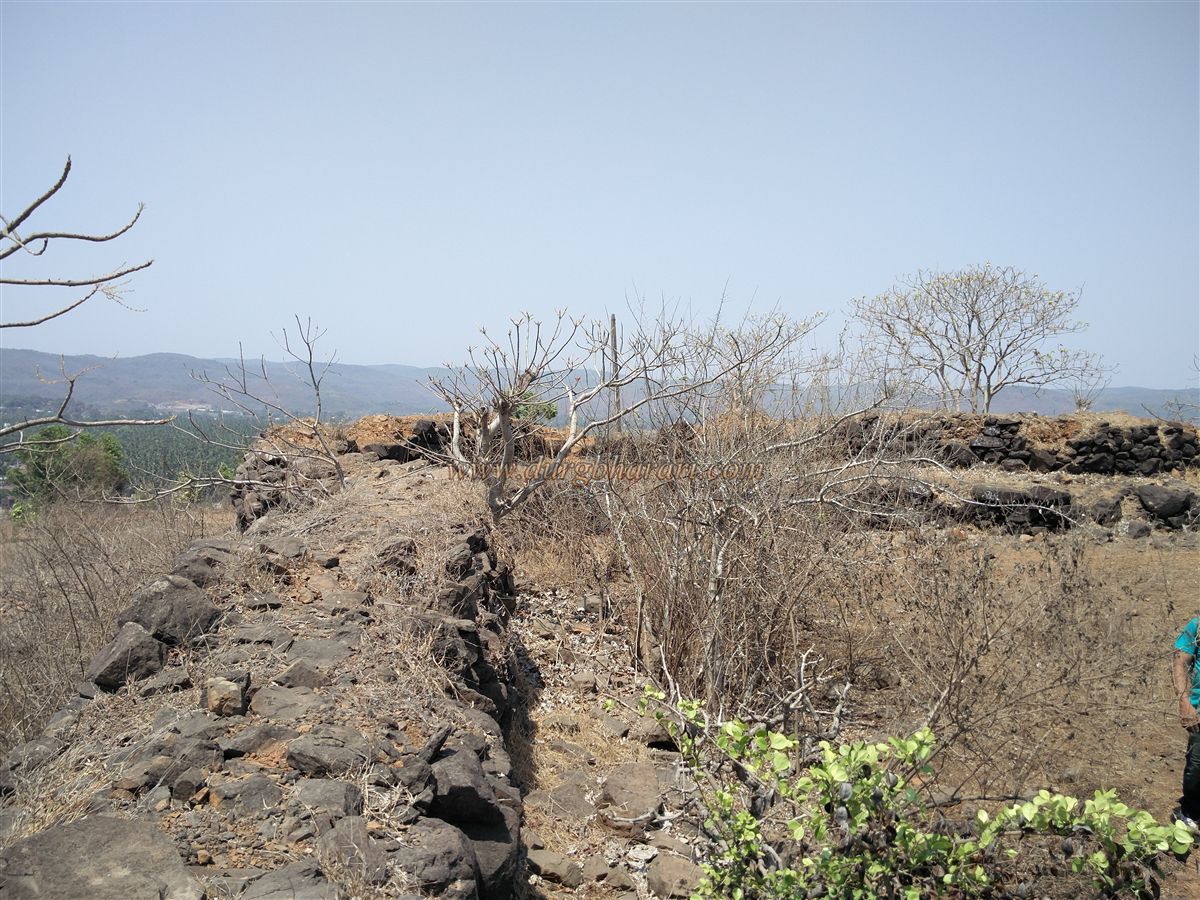
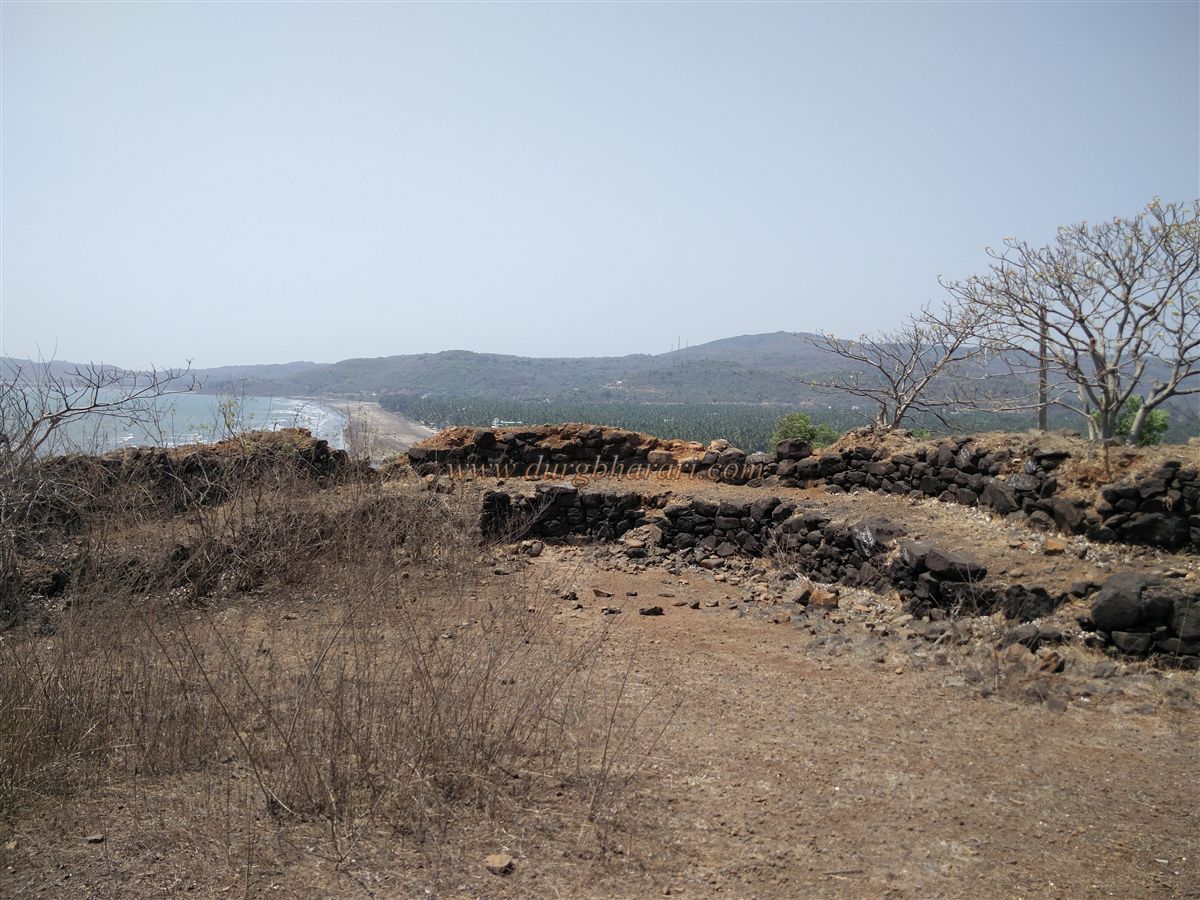
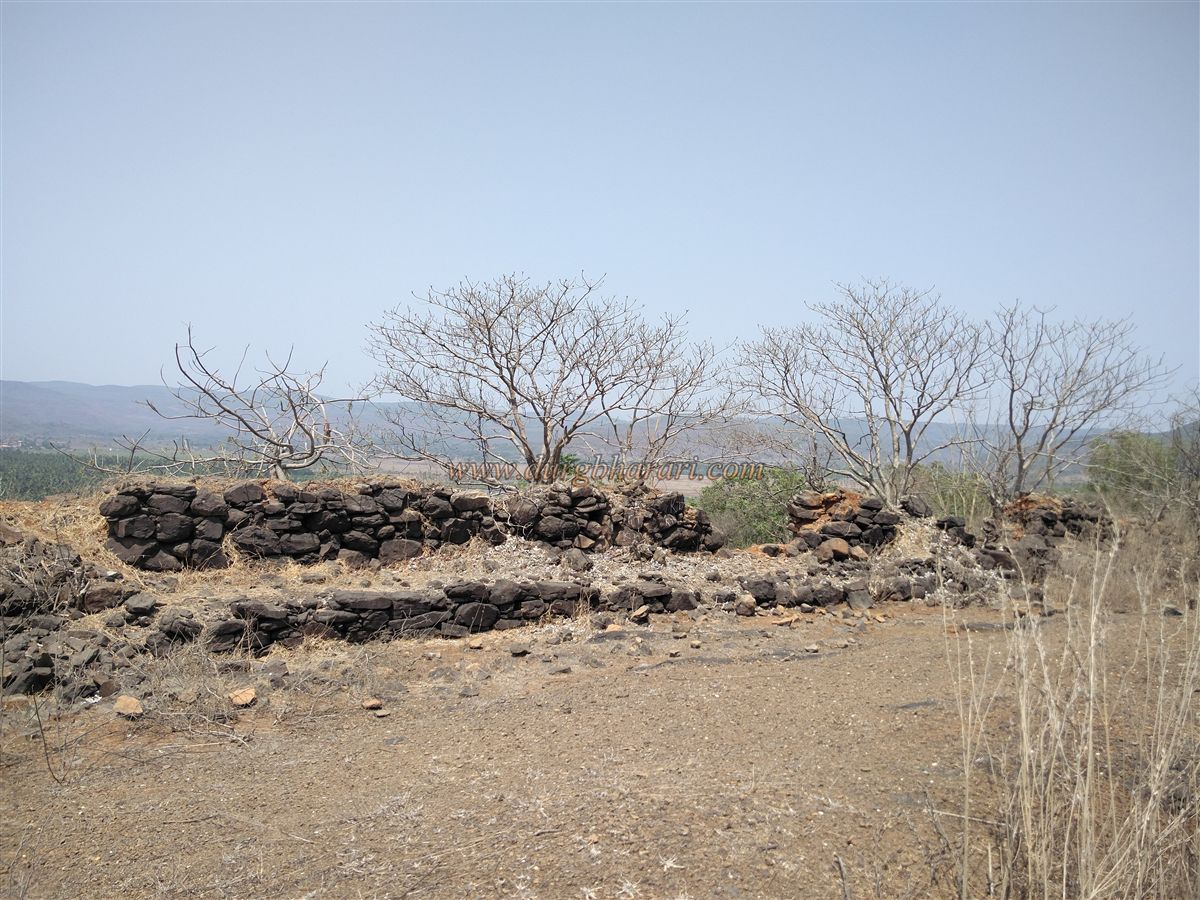
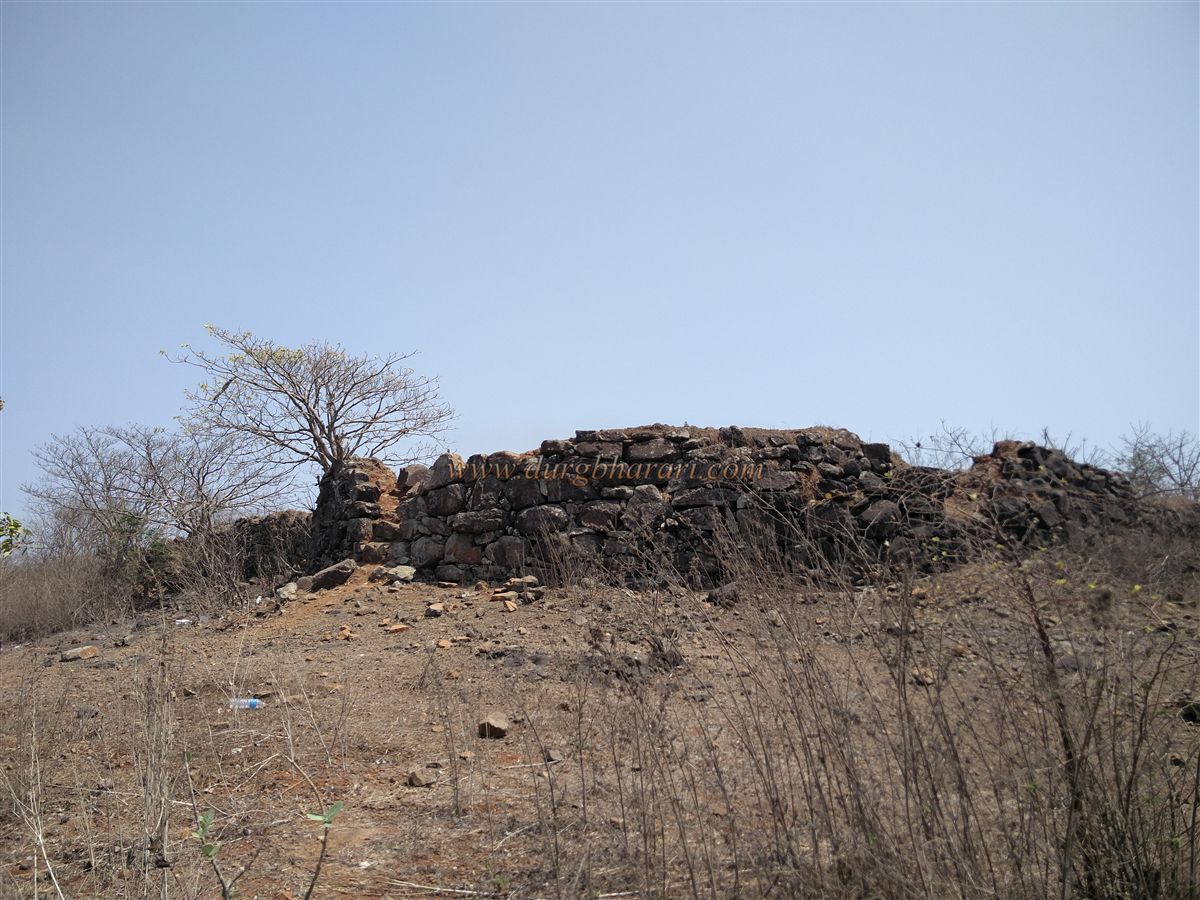
To reach Samarajgad, one must first get to Murud, which is well connected by road. Samarajgad, also known as Dandarajpuri Fort, is a small fort in ruins located near the village of Ekdara, between Murud and Rajpuri. From the Shiva temple in Ekdara, there is a beautiful view of the Murud seashore, and this is where the ascent begins. It takes around ten minutes to climb to the fort. Along the way, some ruined remains can be seen. On the seaward side of the fort lies a dried-up, stone-built reservoir. The fort’s citadel wall is crumbling, originally built by simply stacking stones without mortar. Five bastions are still visible along the fortifications. With some effort through the thick overgrowth, two platforms can also be found. From the fort, there is an excellent view of Janjira and Padmadurg sea forts, as well as the surrounding Murud area. It takes about an hour to explore the entire fort. Though only ruins remain, Samarajgad holds historical importance.
...
Janjira Fort was under the control of the Siddhis, who were notorious for harassing the coastal population. They engaged in looting and abducting women and children from coastal villages for forced conversion or sale as slaves in Arab countries. A document from the Maratha period refers to the Siddi of Janjira as "a rat gnawing at the foundations of Swarajya." Shivaji Maharaj made several attempts to eliminate this menace, but the Siddhis always managed to evade defeat. To curb their aggression and put a check on their activities, Shivaji Maharaj constructed Padmadurg in the sea and Samarajgad on the coast. This fort was then known as Dandarajpuri Fort and served as a Maratha base for campaigns against Janjira.
To construct Samarajgad, Shivaji Maharaj sent Venkoji Datto with a contingent of troops, who captured the surrounding territory of Dandarajpuri from the Siddhis. The Siddi retaliated by sending his Abyssinian cavalry, resulting in a battle where 300 of his soldiers were killed. Although the Siddi tried to negotiate peace, Shivaji refused, and construction of Samarajgad continued.
From its inception, Samarajgad was a thorn in the Siddhi’s side. Determined to capture it, the Siddi once landed select troops on the shore using boats. They tied cannons to coconut trees around the fort to bombard it, but the cannons fell, causing damage to their own forces.
On February 11, 1671, the day of Holi, Shivaji Maharaj had set out from Raigad for a campaign against Janjira and was camped 9 km from the fort. Meanwhile, Siddi Qasim devised a plan to capture Samarajgad. Under the cover of night, he sailed with his troops and landed at the foot of the fort, scaling the walls with ladders and ropes. At the same time, Siddi Khairat approached from the landward side with 500 Abyssinian soldiers and launched a fierce attack on the Marathas, who were caught off guard, celebrating Holi. Despite being unprepared, the Marathas fought valiantly against Khairat’s forces.
Taking advantage of this distraction, Siddi Qasim’s troops climbed the fort walls from the other side. The dual assault split the Maratha defences. Even then, the Marathas fought with great courage until an explosion in the gunpowder magazine killed many soldiers from both sides, leading to the fort’s capture by the Siddhis.
The explosion in the middle of the night woke Shivaji Maharaj, who immediately sent his spies to gather information. On learning of Samarajgad fall, Shivaji Maharaj cancelled the planned Janjira campaign.
© Suresh Nimbalkar
GALLERY