SAMANGAD
TYPE : HILL FORT
DISTRICT : KOLHAPUR
HEIGHT : 3020 FEET
GRADE : EASY
Samanagad Fort, located south of Kolhapur on the Sahyadri plateau at an altitude of 2,972 feet above sea level, stands as a silent witness to the Maratha military history. Surrounded by strategic forts such as Vishalgad, Panhala, Bhudargad, and Rangana, it served as an important supply depot for provisions, weapons, and ammunition—hence its name “Samanagad,” meaning the fort of supplies. This fort is also associated with the valorous sacrifice of Prataprao Gujar, the commander-in-chief of the Maratha army. When Prataprao, with just six soldiers, attacked Bahalol Khan, their base was at this very fort.
Samanagad also holds religious significance as the birthplace of Adya Shivalingeshwar Mahaswami, the founder of the Nidsoshi Math near Sankeshwar.
...
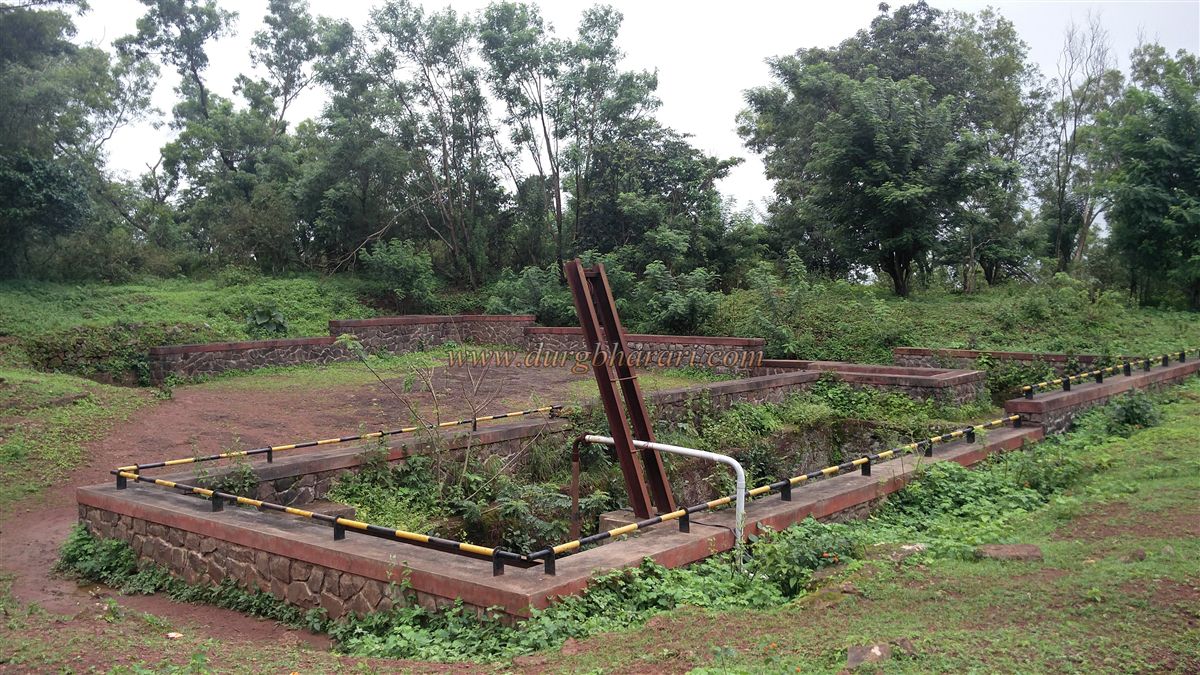
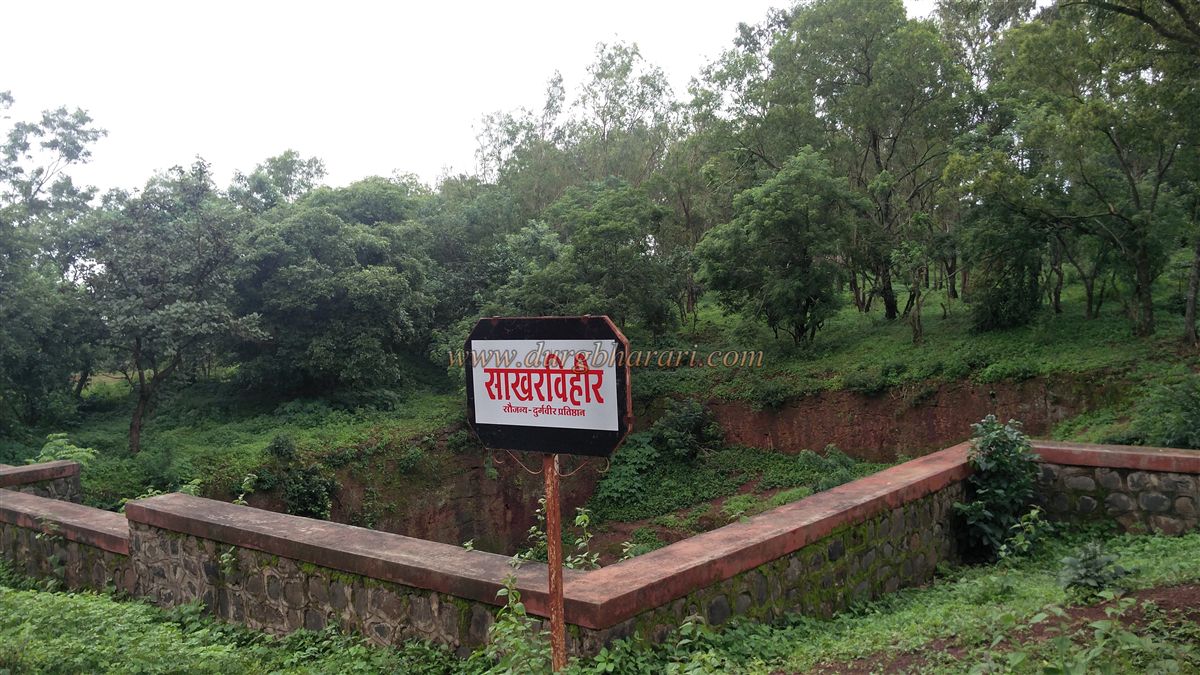
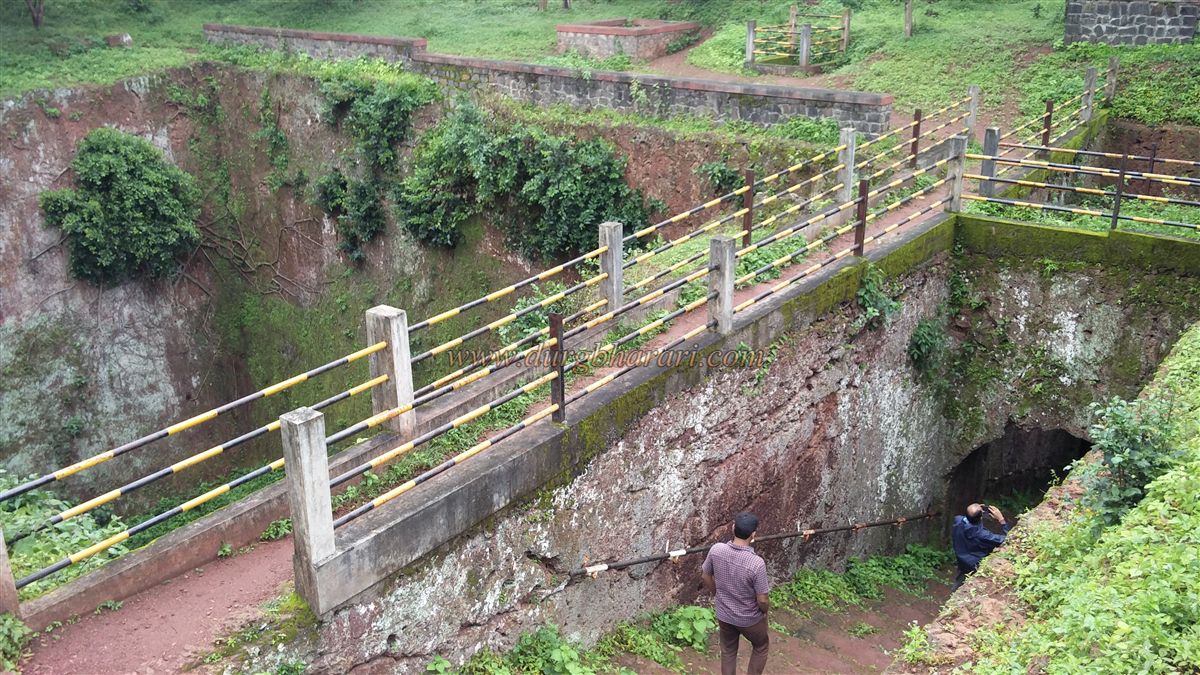
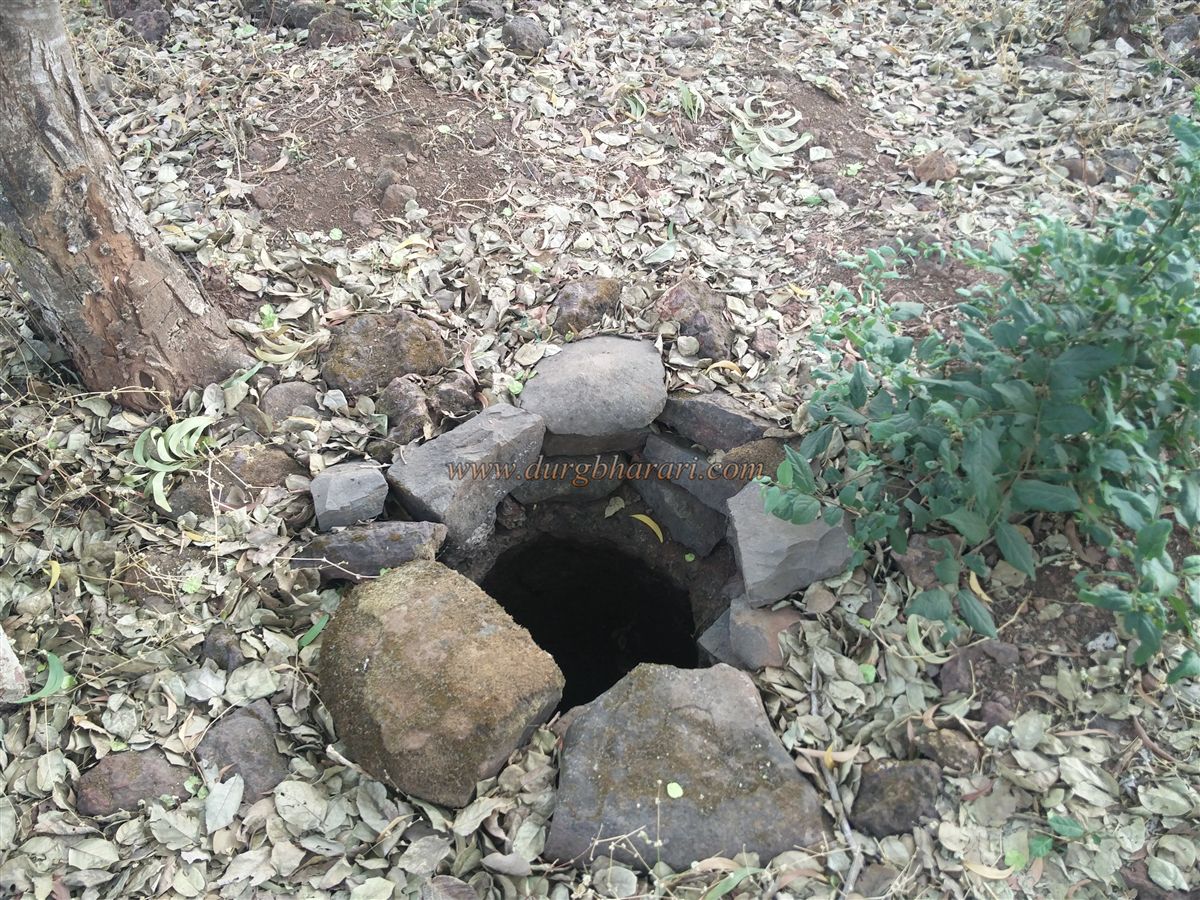
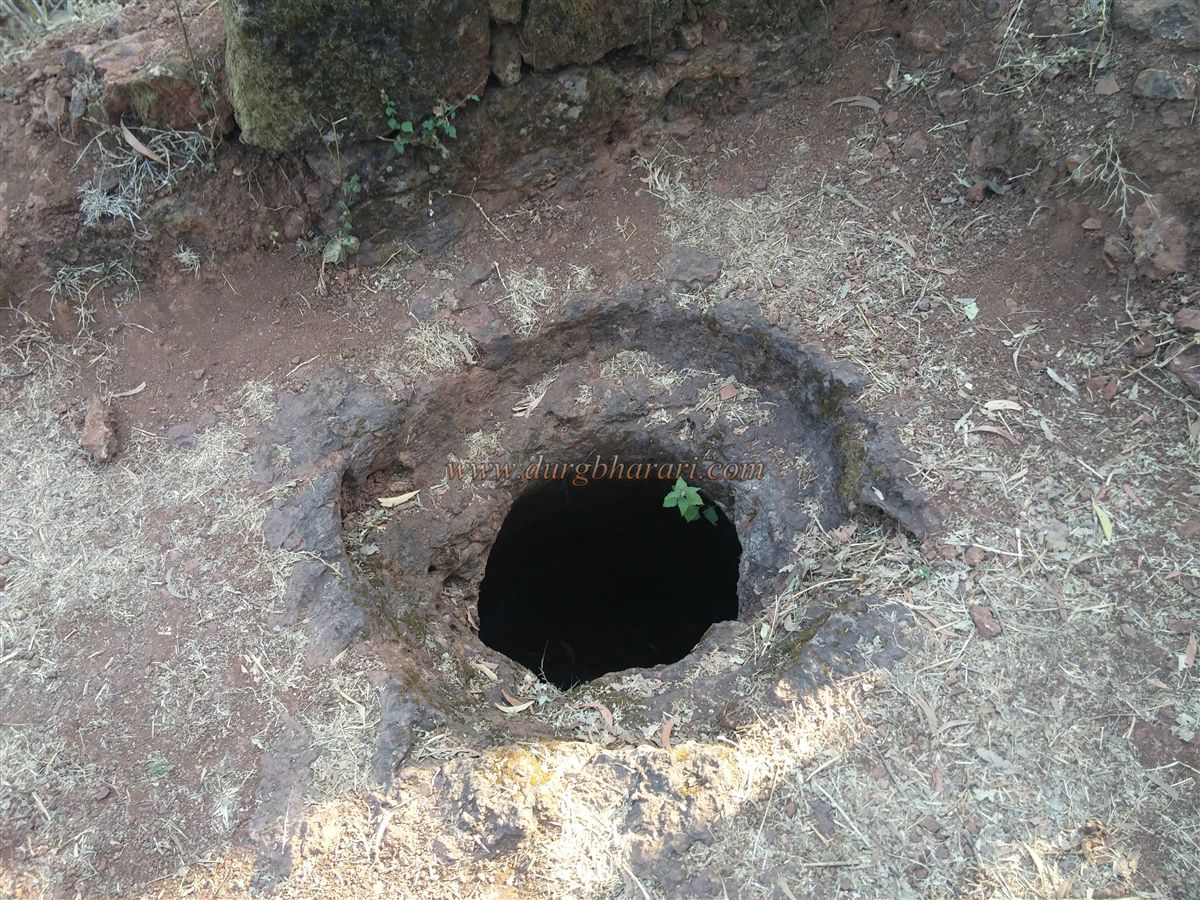
Despite such historical importance, the fort has received little development as a tourist site. Currently, apart from the road access and stone-concrete safety railings around the wells, little restoration work has been done. The organization “Durgveer” has been actively working toward the fort’s preservation, and their efforts are commendable.
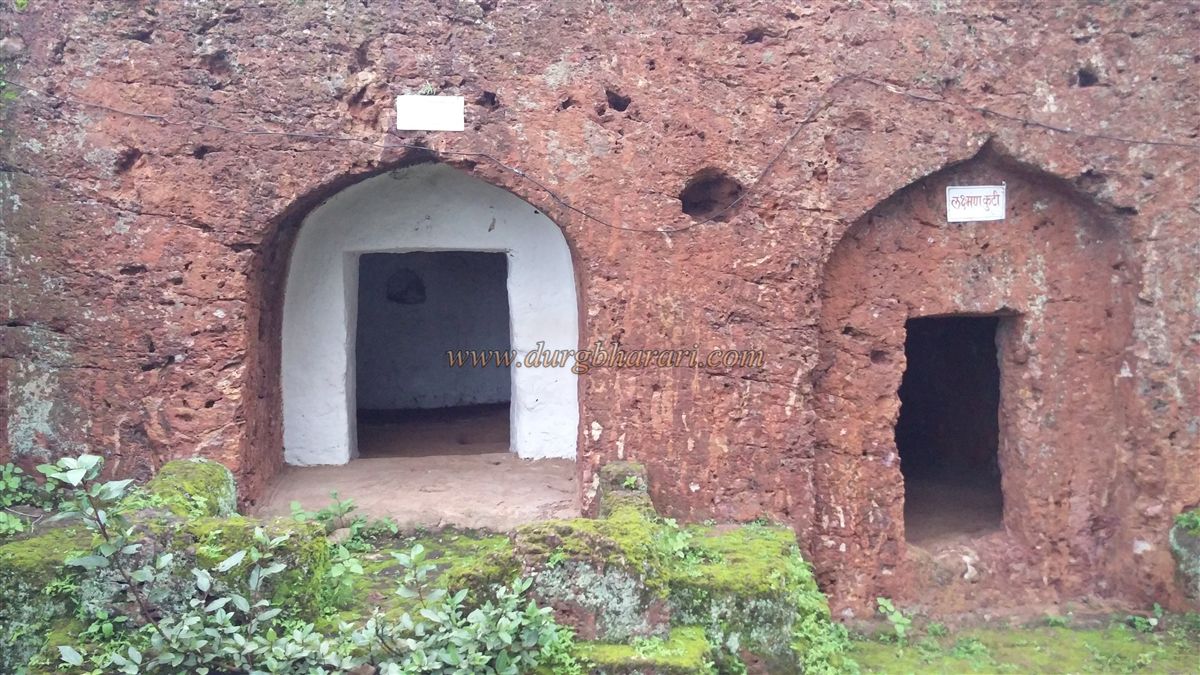
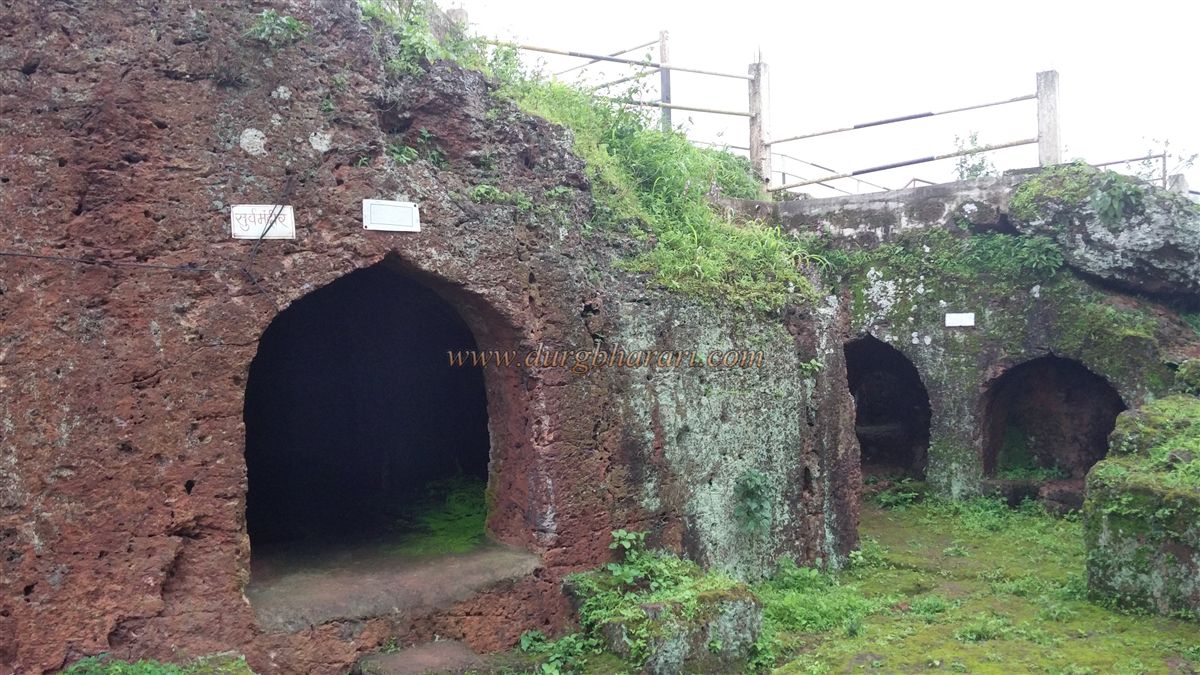
The fort can be conveniently reached via Sankeshwar on the Pune–Bengaluru highway or from Kolhapur via Gadhinglaj, Bhudargad, and Chinchewadi. Private vehicles can drive directly up to the fort. The original main gate has been destroyed and replaced with a newly constructed arch. The cliff face of the fort is made of laterite rock, skilfully carved at several points, with large laterite pillars standing below to indicate the depth of excavation.
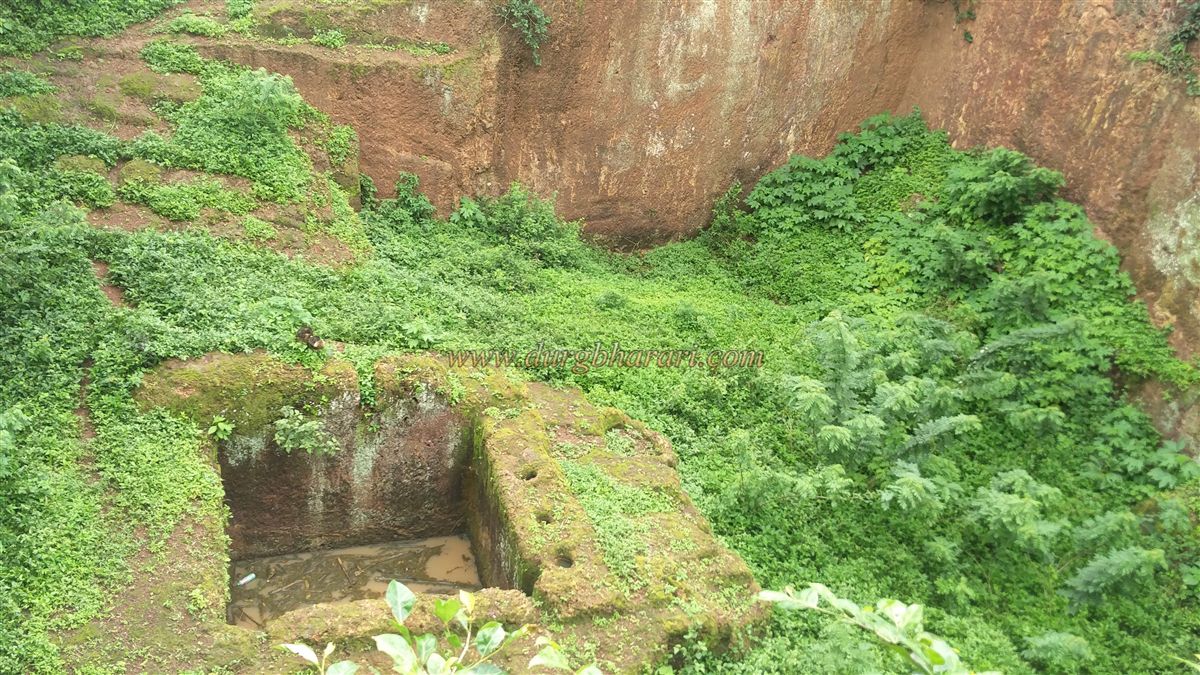
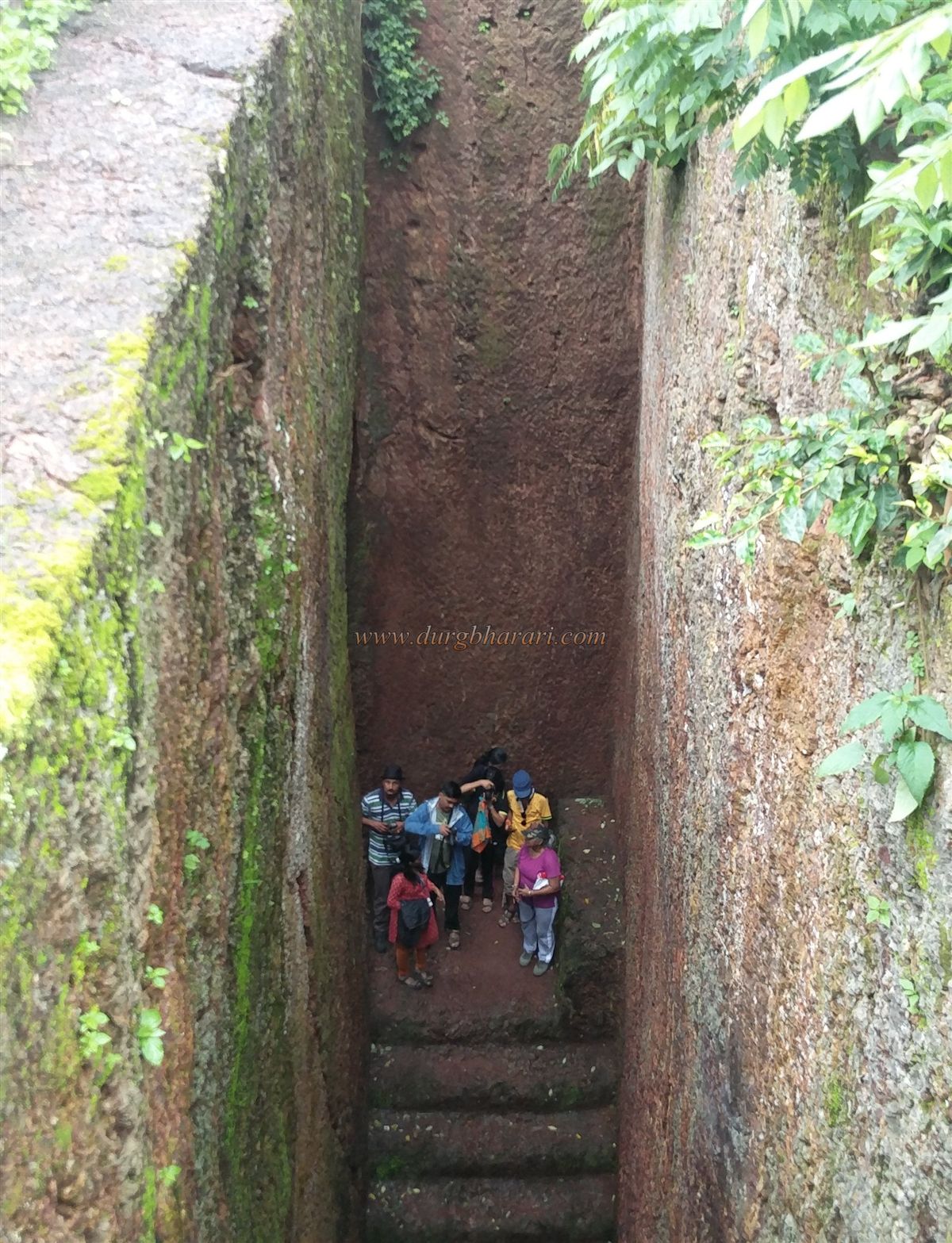
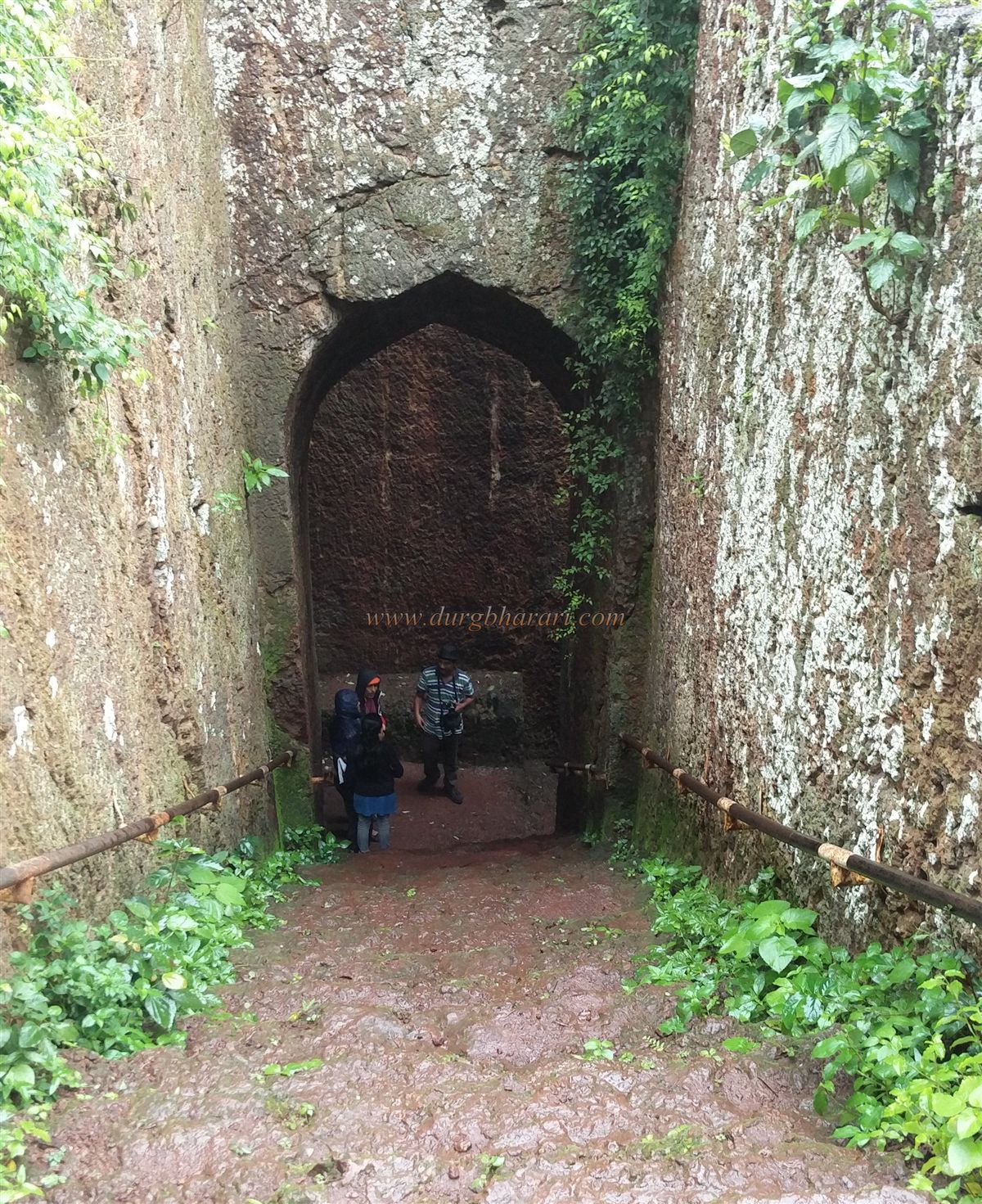
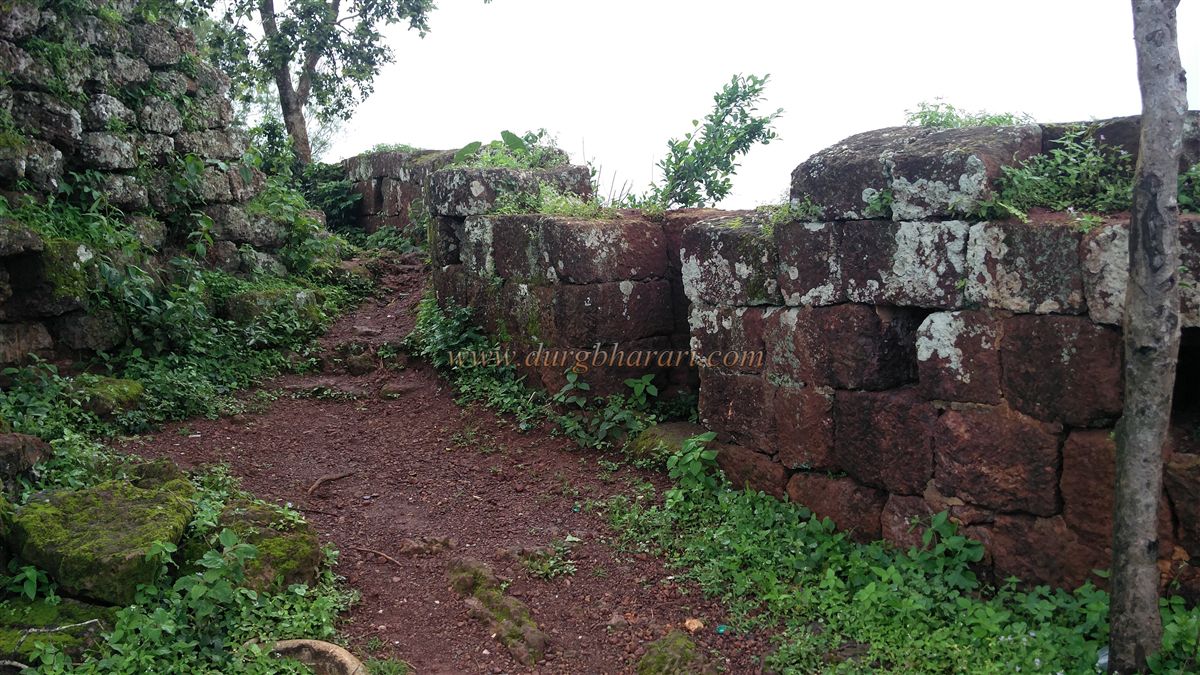
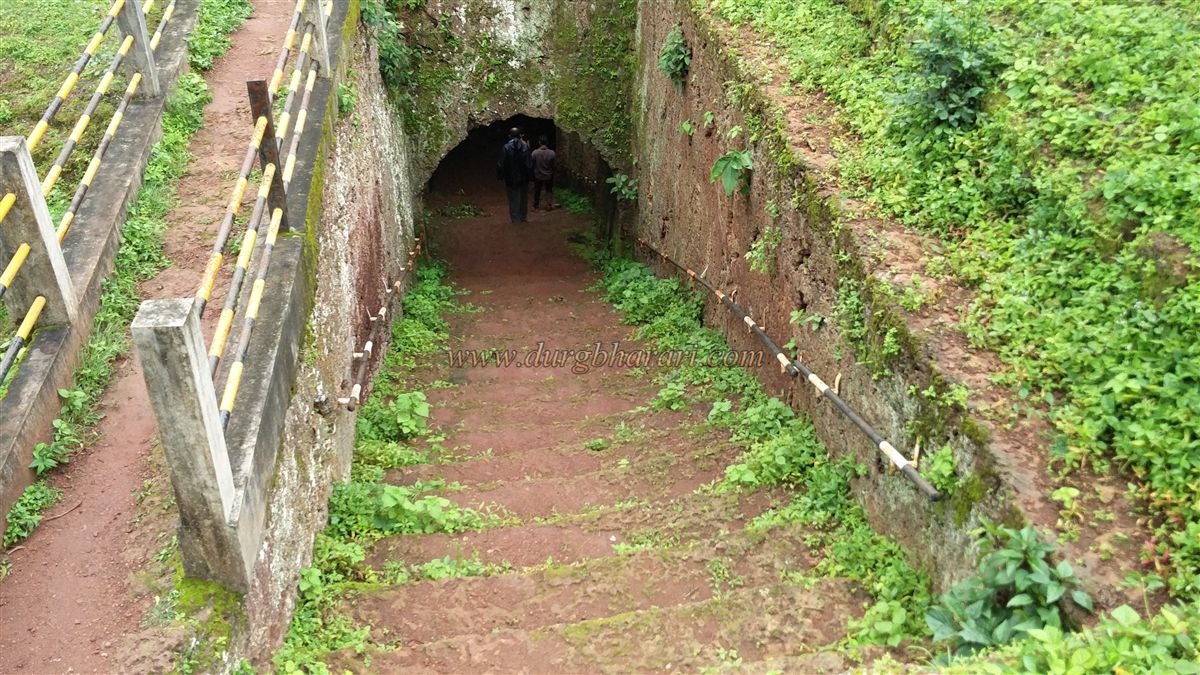
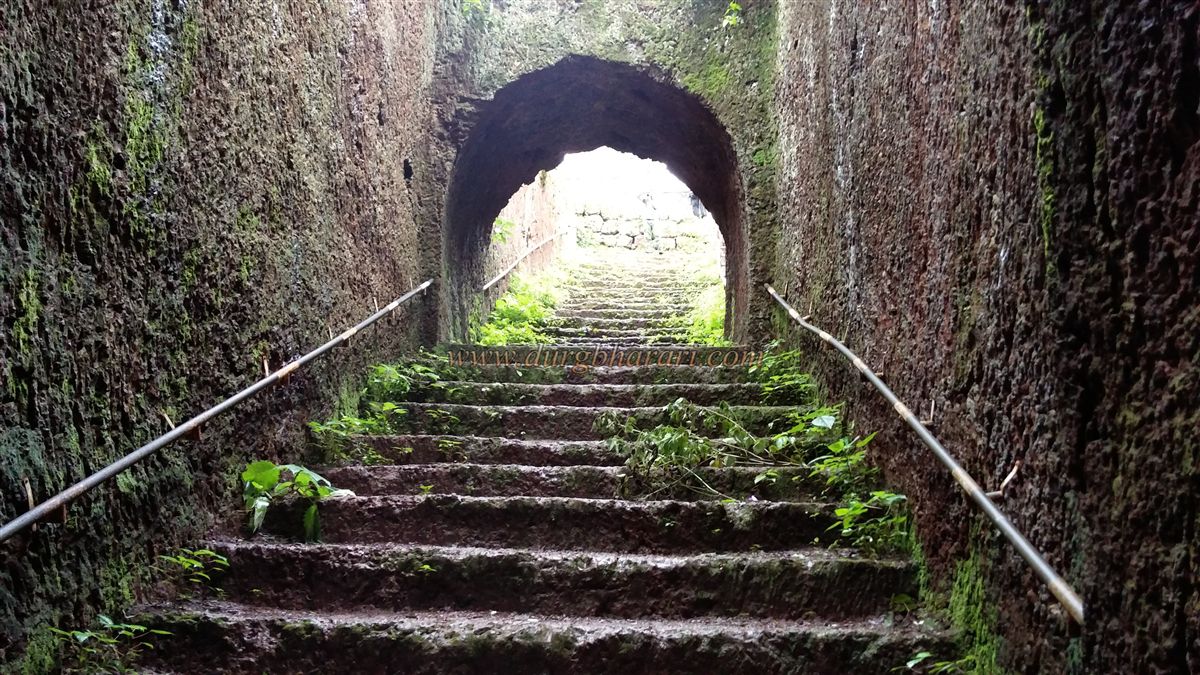
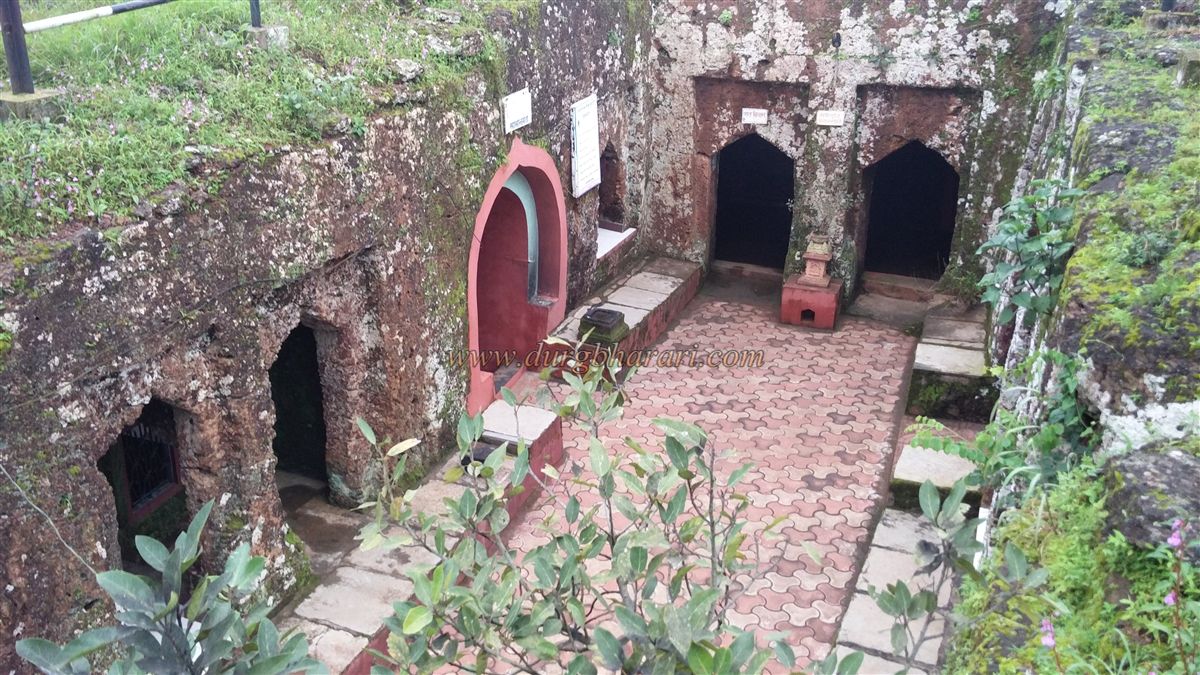
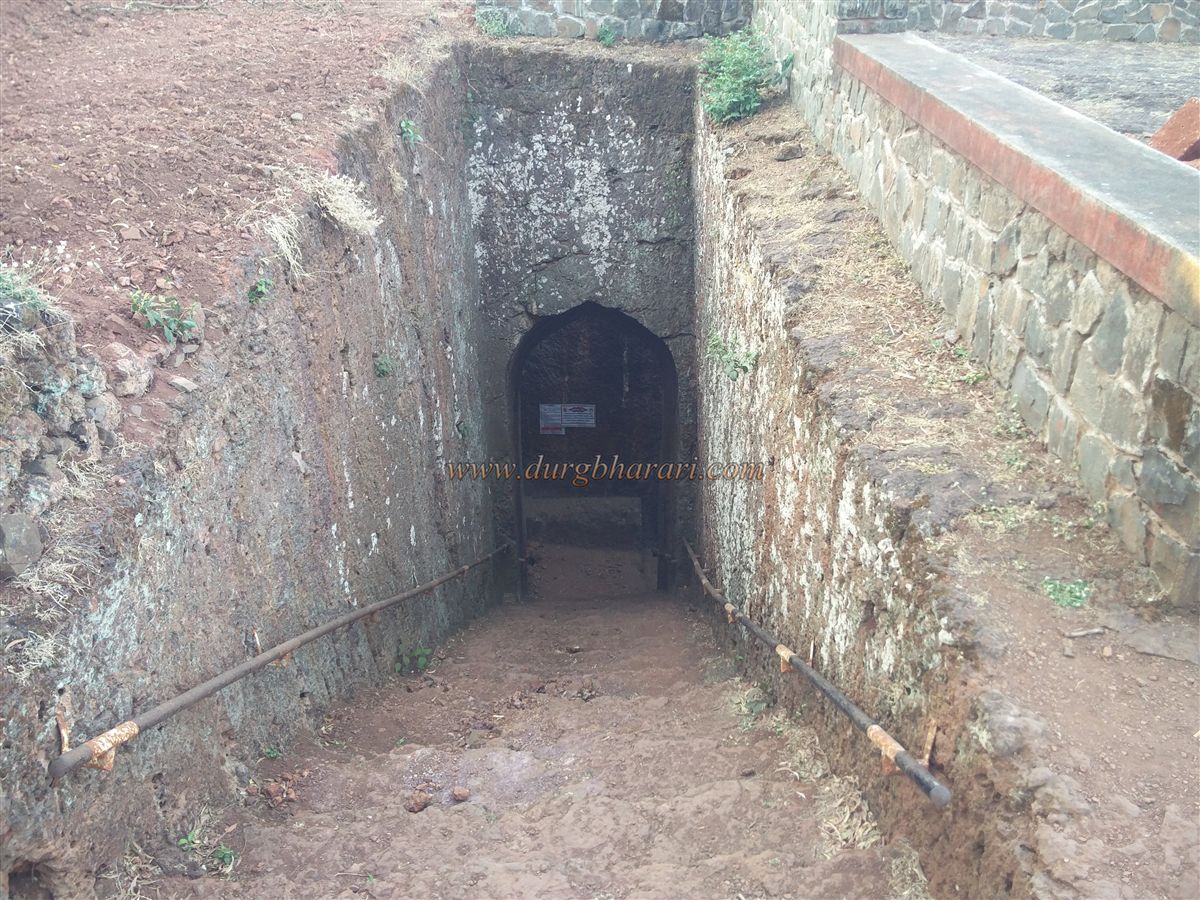
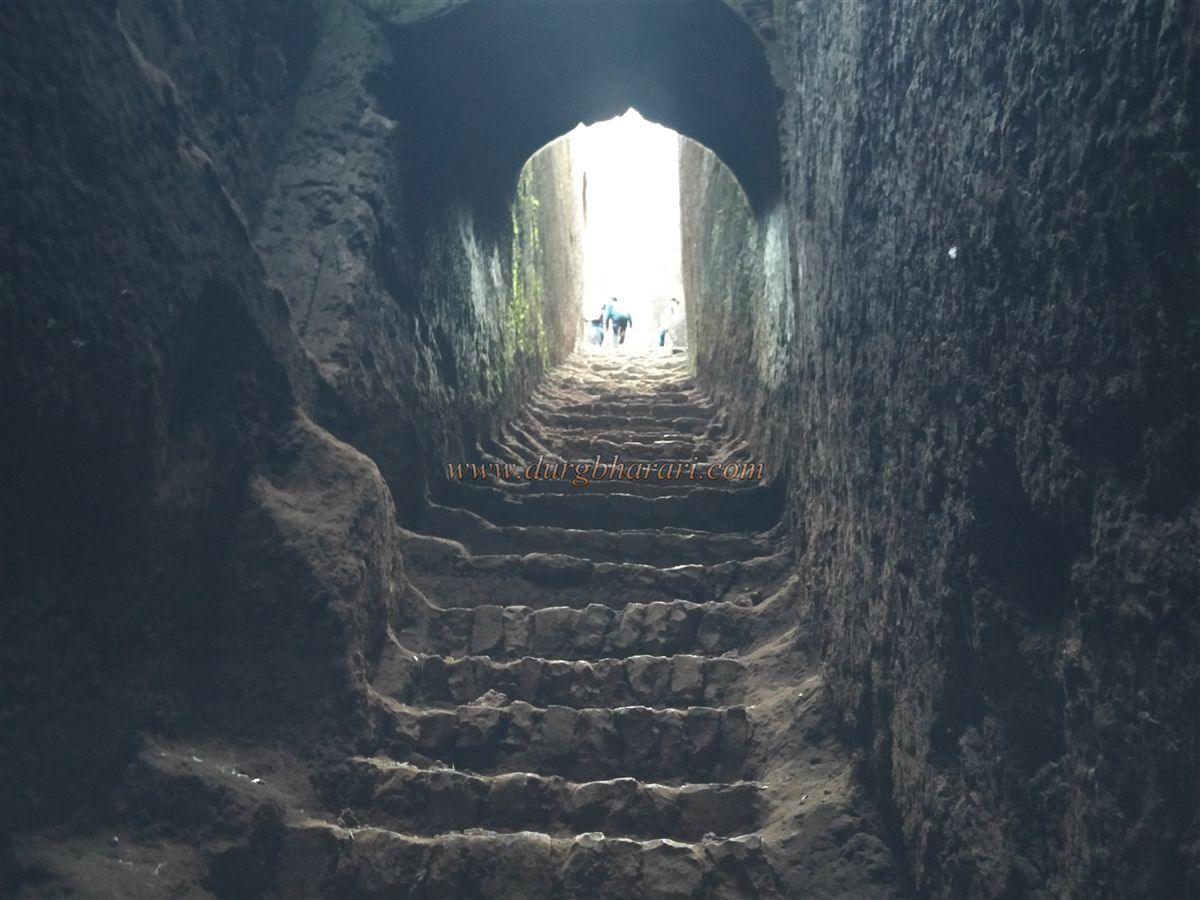
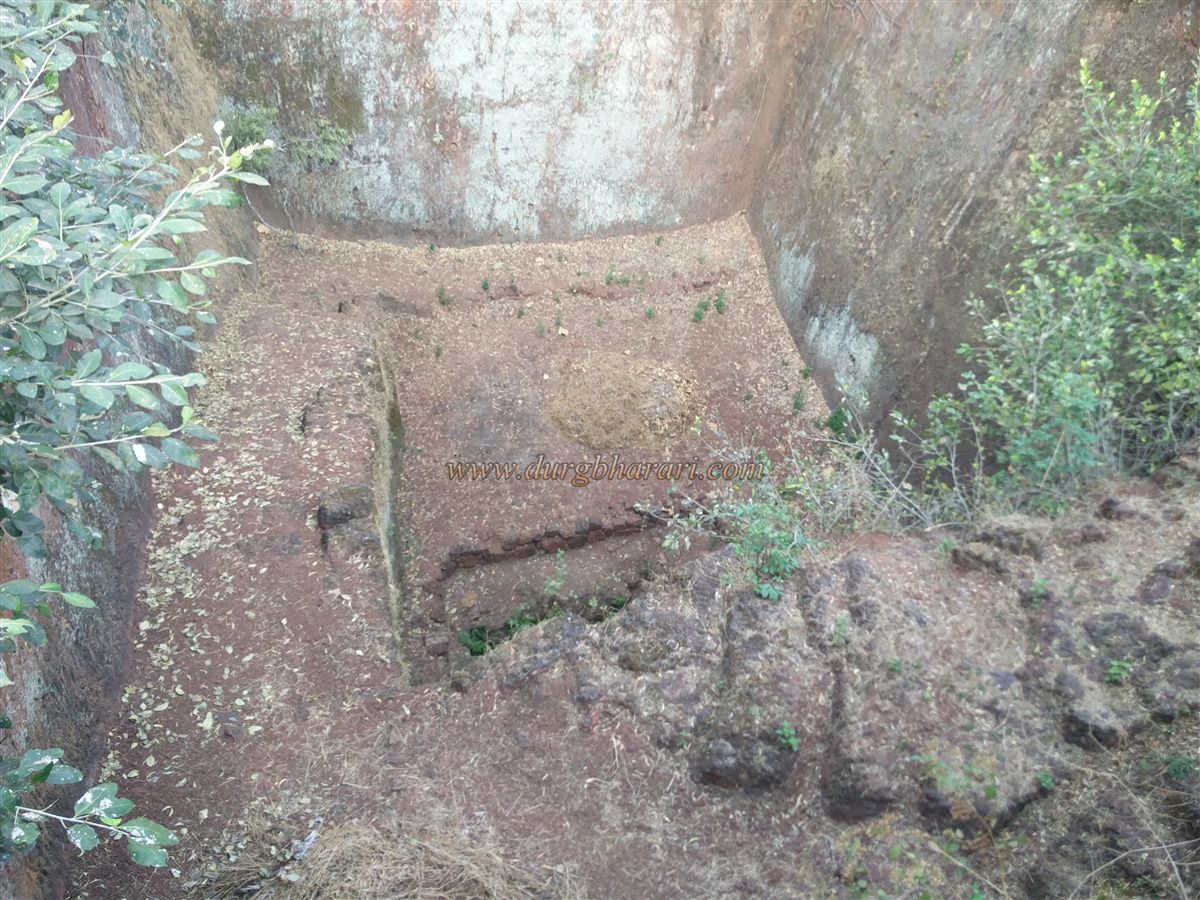
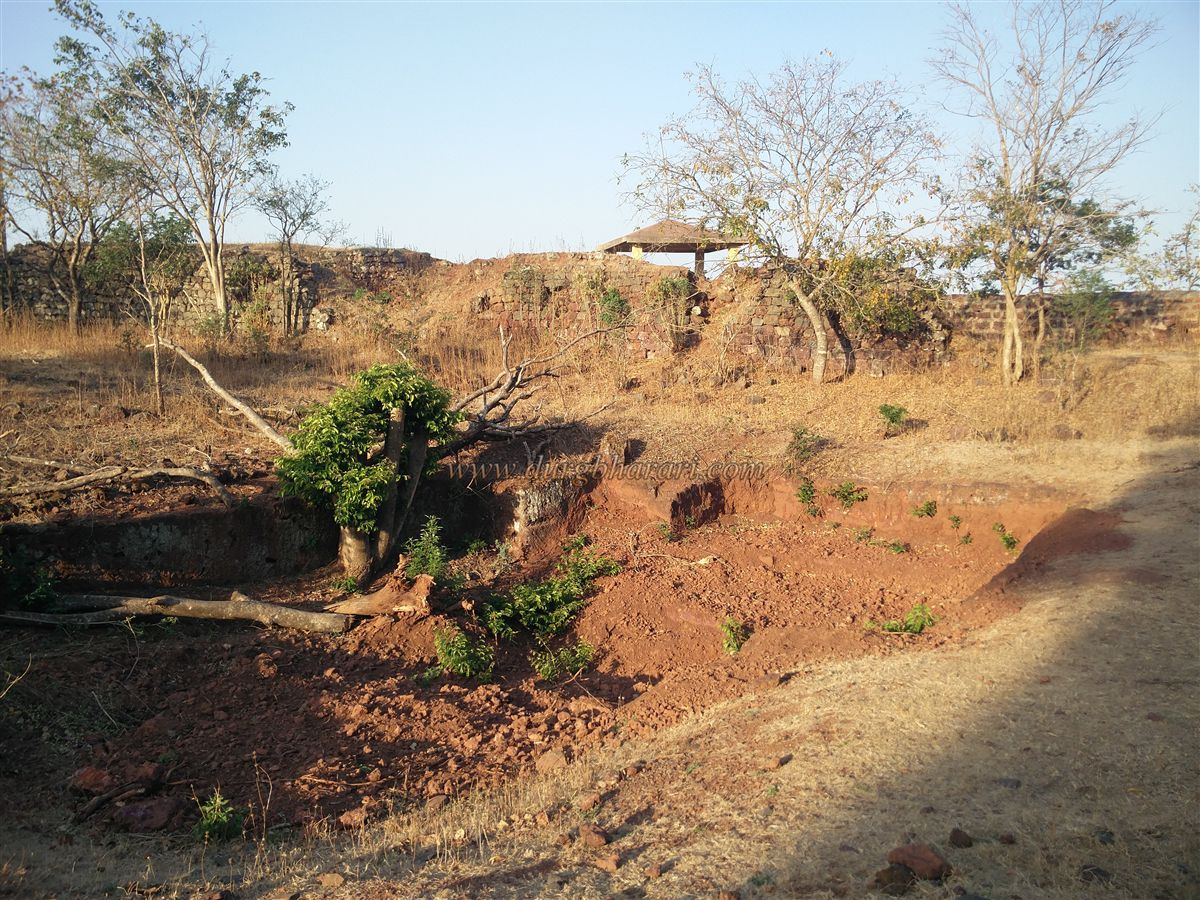
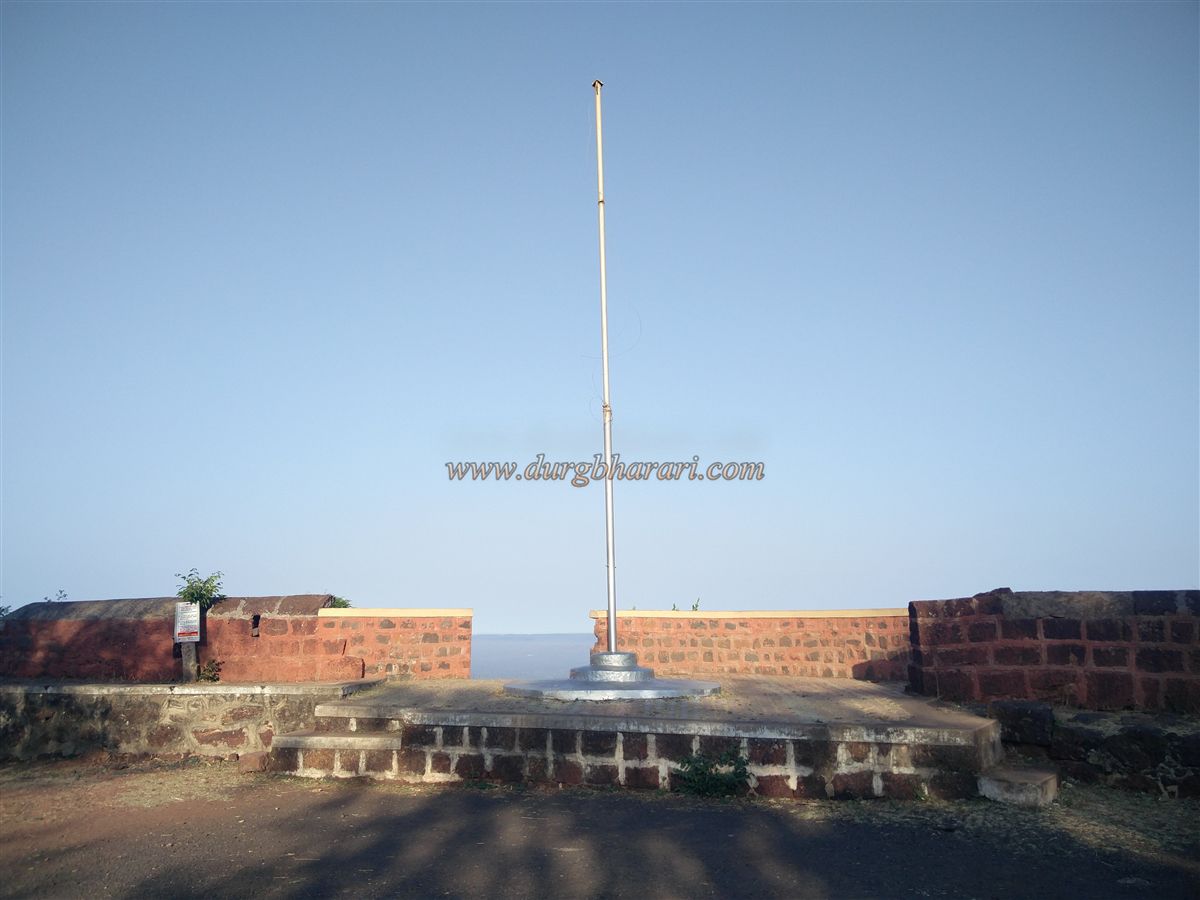
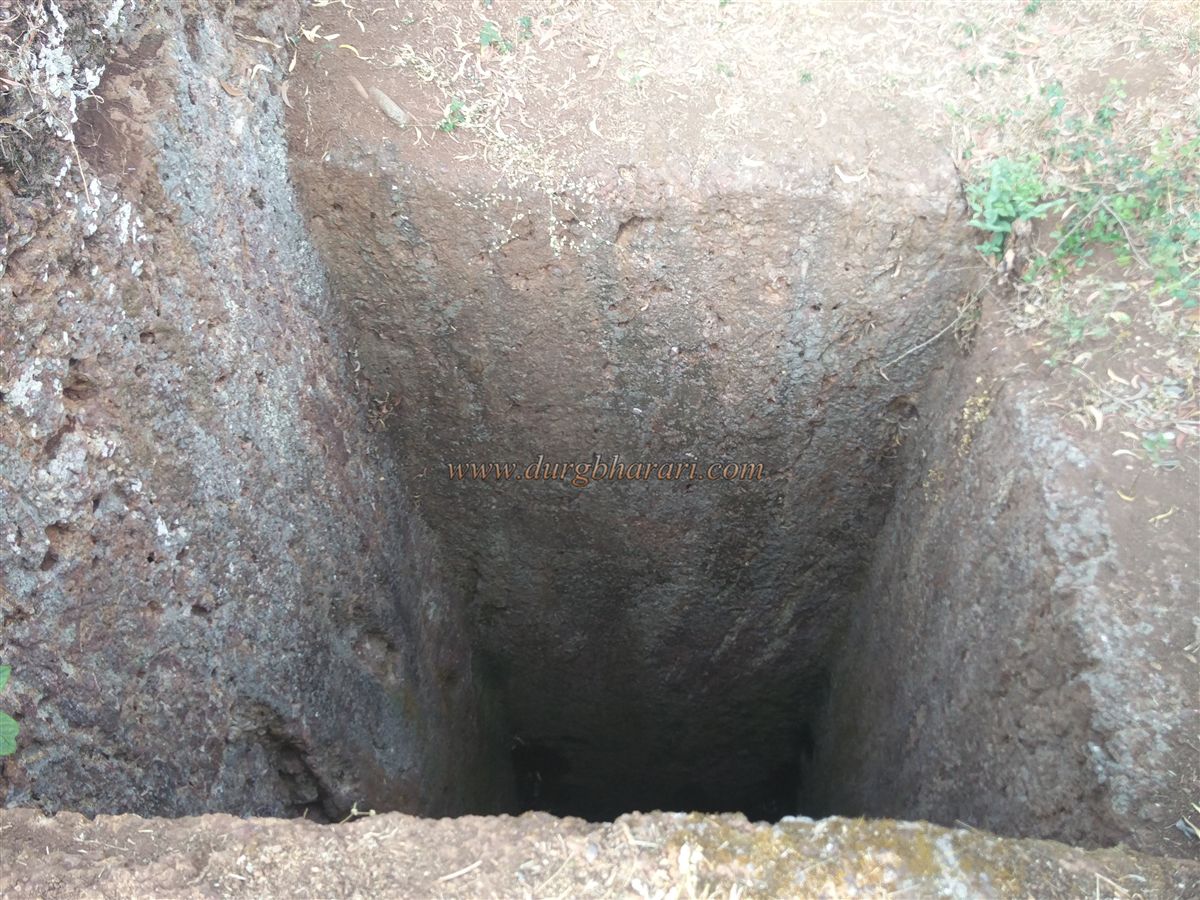
The fort’s strong defensive walls, 10–15 feet high, include ten bastions such as Zenda Buruj, Vetal Buruj, Shenda Buruj, and Sonda Buruj. What sets Samanagad apart from other forts is its series of large, square-shaped stepwell—masterpieces of 12th-century architecture. Carved entirely from laterite stone, these wells feature intricately built staircases, arches, underground chambers, and water reservoirs. Unlike many other forts, the well complexes here are numerous and elaborate.
The most remarkable of these is the “Sat Kaman Well,” named for its seven massive arches. It features three enormous shafts—two vertical and one horizontal—separated by nearly 60 feet. The steps lead down to a tunnel, which eventually opens to water, beyond which entry is not possible. Unfortunately, the surrounding overgrowth and tree roots have caused cracks in the structure.
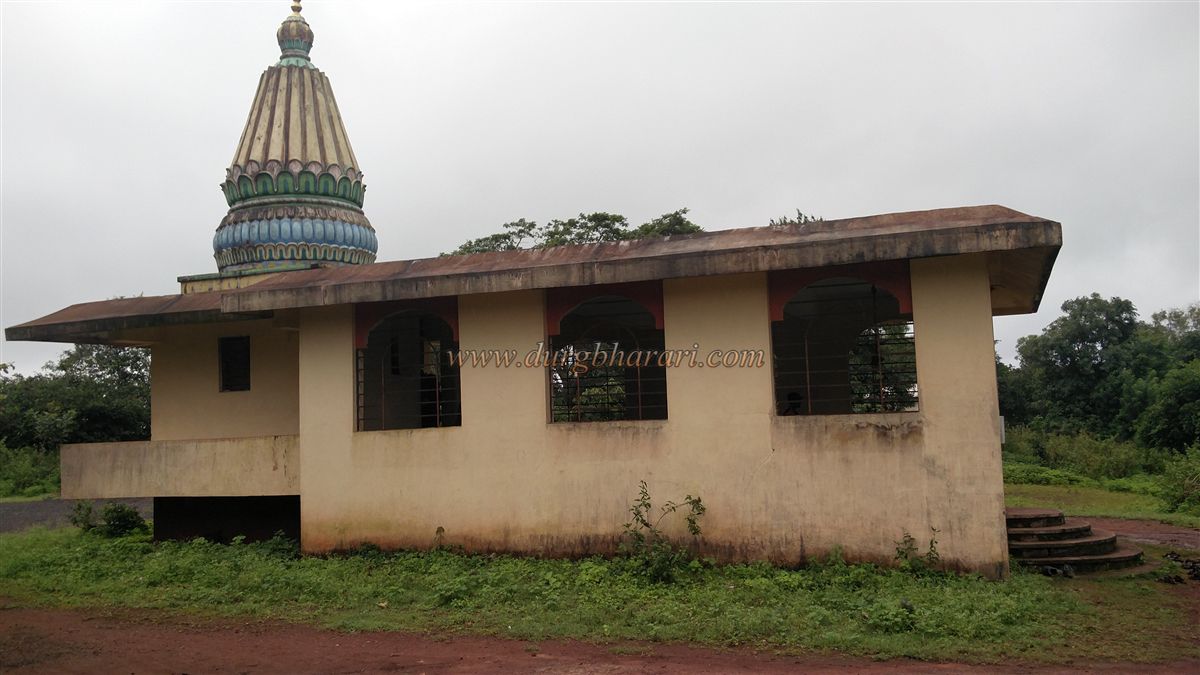
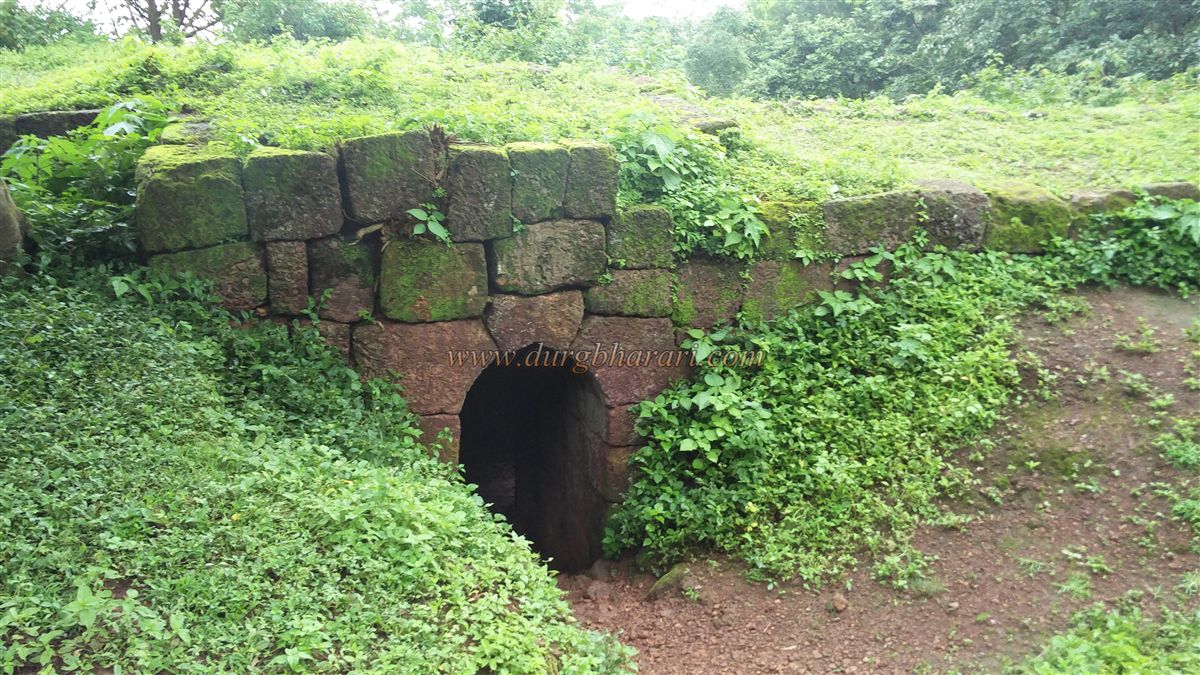
Other significant features include the renovated Ambabai temple with an adjoining stepwell, another well known as “Andhar Kothdi” (dark chamber), and several ruined platforms and water tanks. On the rear side of the fort are tall laterite pillars that indicate the depth of rock excavation. There is also a hidden “Chor Darwaja” (secret exit), and at the eastern edge stands the Chilkhati Sonda Bastion, from which the “Mughal Hill”—believed to have been built by the Mughals for launching attacks—can be seen. Two underground granaries (Balads) are also present on the fort.
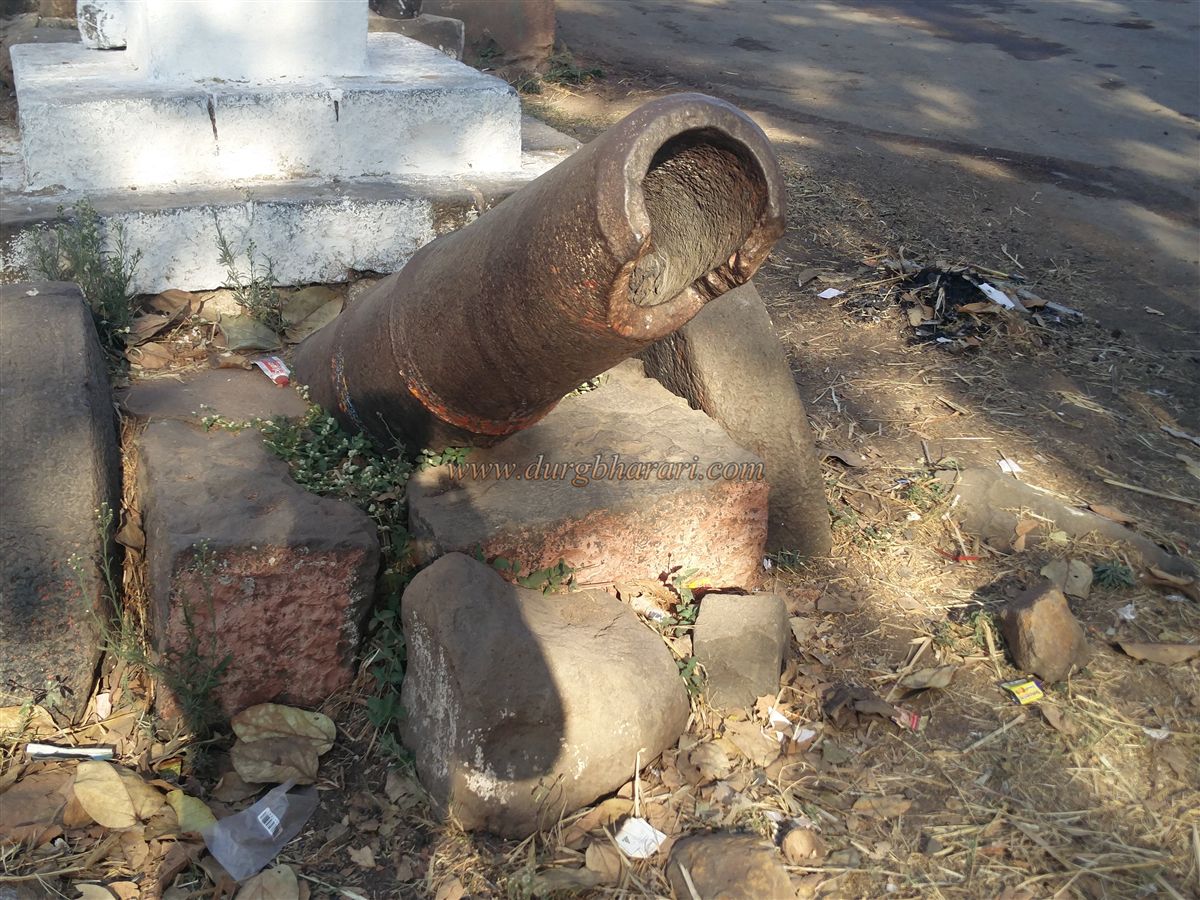
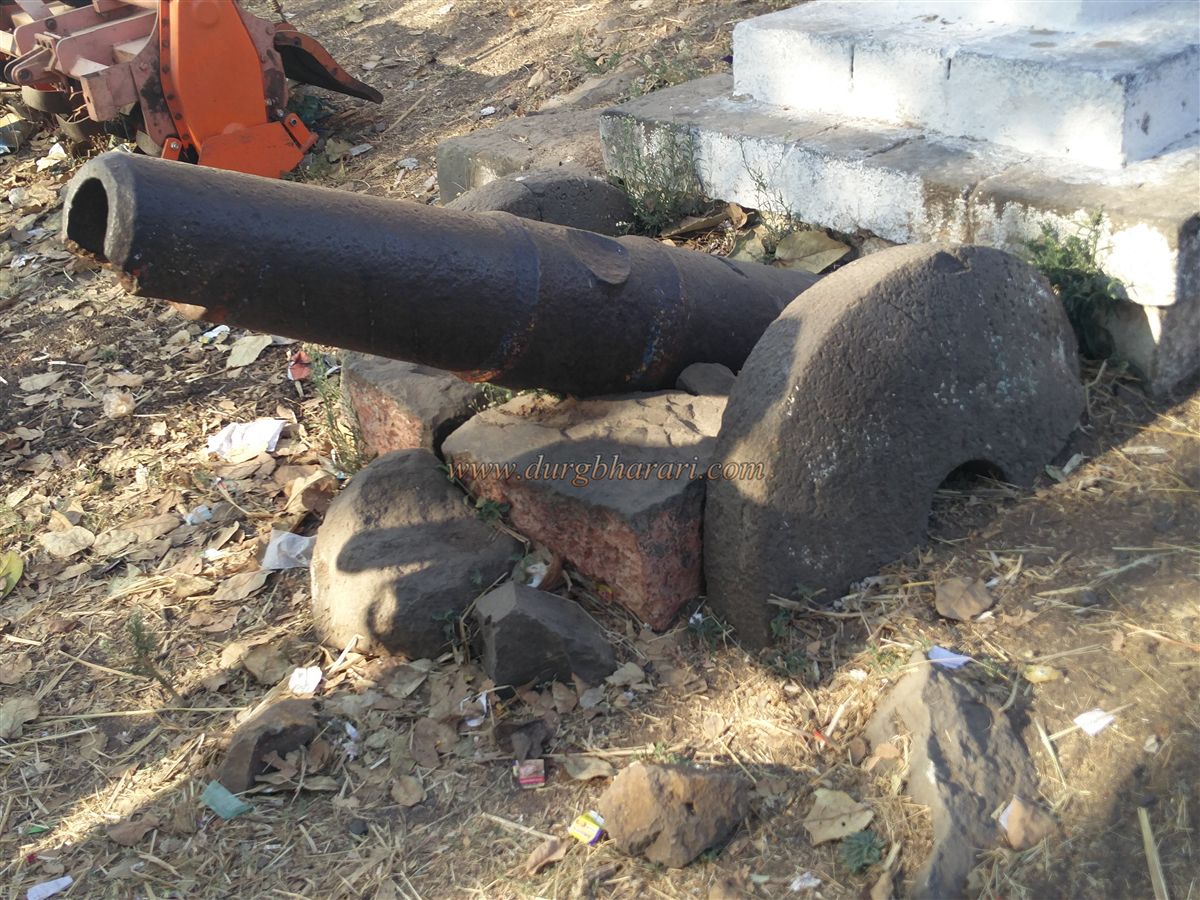
Nearby attractions include a Maruti temple and a rock-cut cave complex with a Shiva temple featuring a large Shivalinga and carved arched niches. The “Bhimshappa Samadhi,” with a small sacred water reservoir, lies further ahead. Two ruined cannons can be seen near Chinchwadi village at the base of the fort.
Historically, Samanagad dates back to the 12th century when it was constructed by King Bhoj II. It entered Maratha control from the Adilshahi in 1667, and during 1676, under Subhedar Annaji Datto, Shivaji Maharaj repaired the fort. Records mention that both Shivaji Maharaj and Samarth Ramdas visited and stayed at this fort. It was here that Samarth Ramdas demonstrated his divine powers by extracting a living frog from a stone in Shivaji’s presence—a story preserved in his biographies.
In 1688, the Mughals captured the fort but by 1701, it was again under Maratha control. Later, Prince Bedar Bakht besieged and captured the fort, appointing Shah Amir as its commander. In 1704, the Marathas recaptured it, after which it remained under the Kolhapur Chhatrapati.
In 1844, Samanagad became a symbol of resistance when it raised the first banner of revolt against the British. Under the leadership of Munjappa Kadam and guidance of Minister Daji Pandit, around 350 garrison troops, 10 cannons, 100 musketeers, and 200 soldiers fought against the British. Despite initially repelling two British assaults, the fort eventually fell on October 13, 1844, to General DE LaMotte. The British caused massive destruction with artillery and later shifted the administrative offices to Gadhinglaj.
Exploring the fort and its surroundings takes about 3–4 hours, offering a fascinating blend of history, architecture, and natural beauty.
© Suresh Nimbalkar
GALLERY