SALPE
TYPE : GADHI
DISTRICT : SATARA
HEIGHT : 0
GRADE : EASY
Maharashtra is home to thousands of small forts and fortified mansions (gadhis). Many of these have completely disappeared over time, while the surviving ones are barely holding onto their ruins as they battle the passage of time. In the later Maratha period, several sardars (chieftains) constructed ground forts (Bhuikot) in their territories. These forts were largely private properties used for revenue collection and self-defence. Because they were rarely used for major military campaigns and the British soon gained control over India, these forts did not witness significant historical events.
Being private properties, these ground forts and gadhis have largely fallen into ruin, especially after the princely estates were annexed. Maintaining such structures became difficult for their owners, and local indifference has also contributed to their deterioration.
...
One such ruined fortification is the Salpe Fort. As information about this fort is unavailable on the internet or elsewhere, this is a humble attempt to introduce it before it completely disappears into history. This fort, which has witnessed only a short span of human activity, is now on its last breath and must be visited before it vanishes completely.
It was my fort-enthusiast friend Balraj Mudaliar who first mentioned the existence of this gadhi at Salpe, prompting us to divert our route during a Satara fort exploration trip to visit it. The village of Salpe is located in Phaltan taluka of Satara district, about 38 km from Phaltan and 10 km from Lonand.
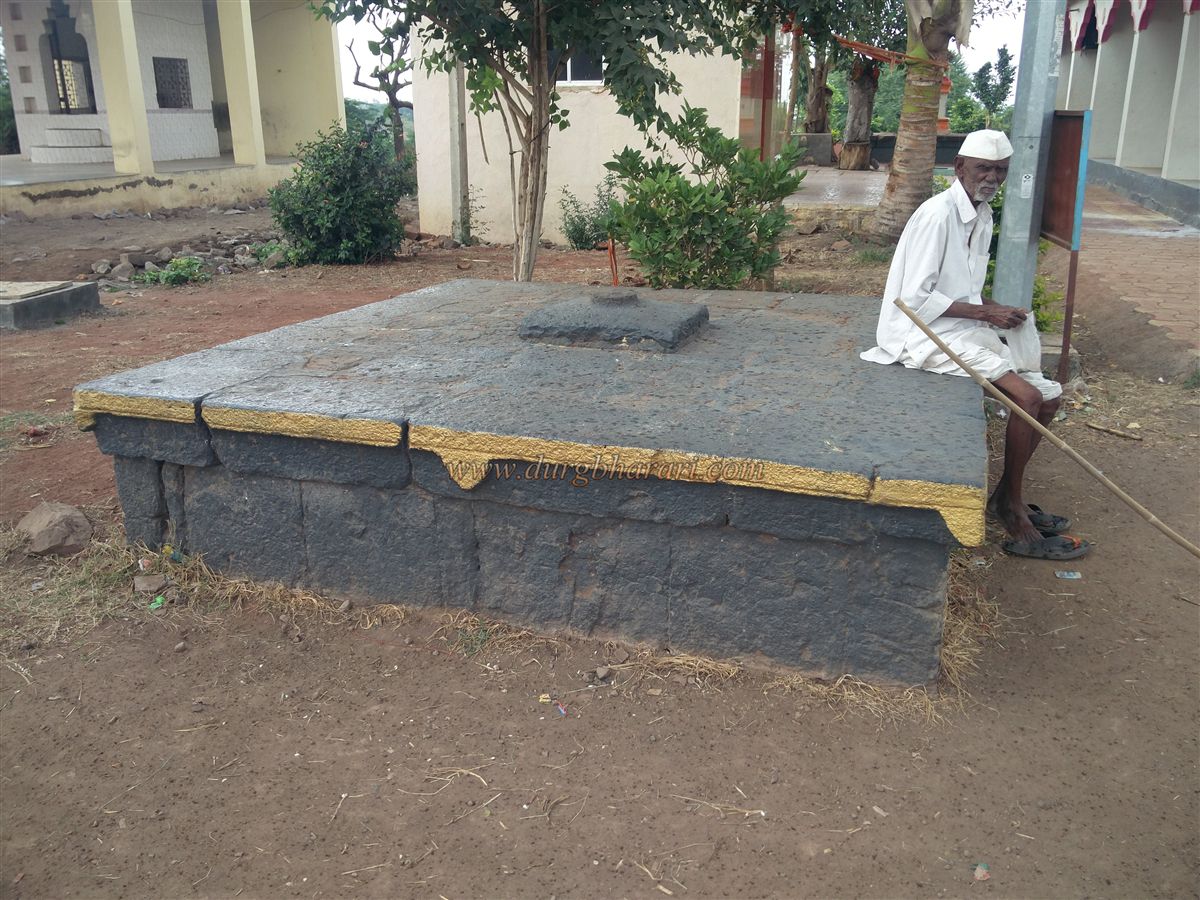
On entering the village, a massive stone-built platform for tombs near the Bhairavanath Temple immediately catches one’s attention. Adjacent to the temple are three stone tombs, two of which have sati stones placed next to them. Even the elderly locals could not provide any detailed information about these tombs, except for a vague mention that they belonged to chieftains from the Dhangar community.
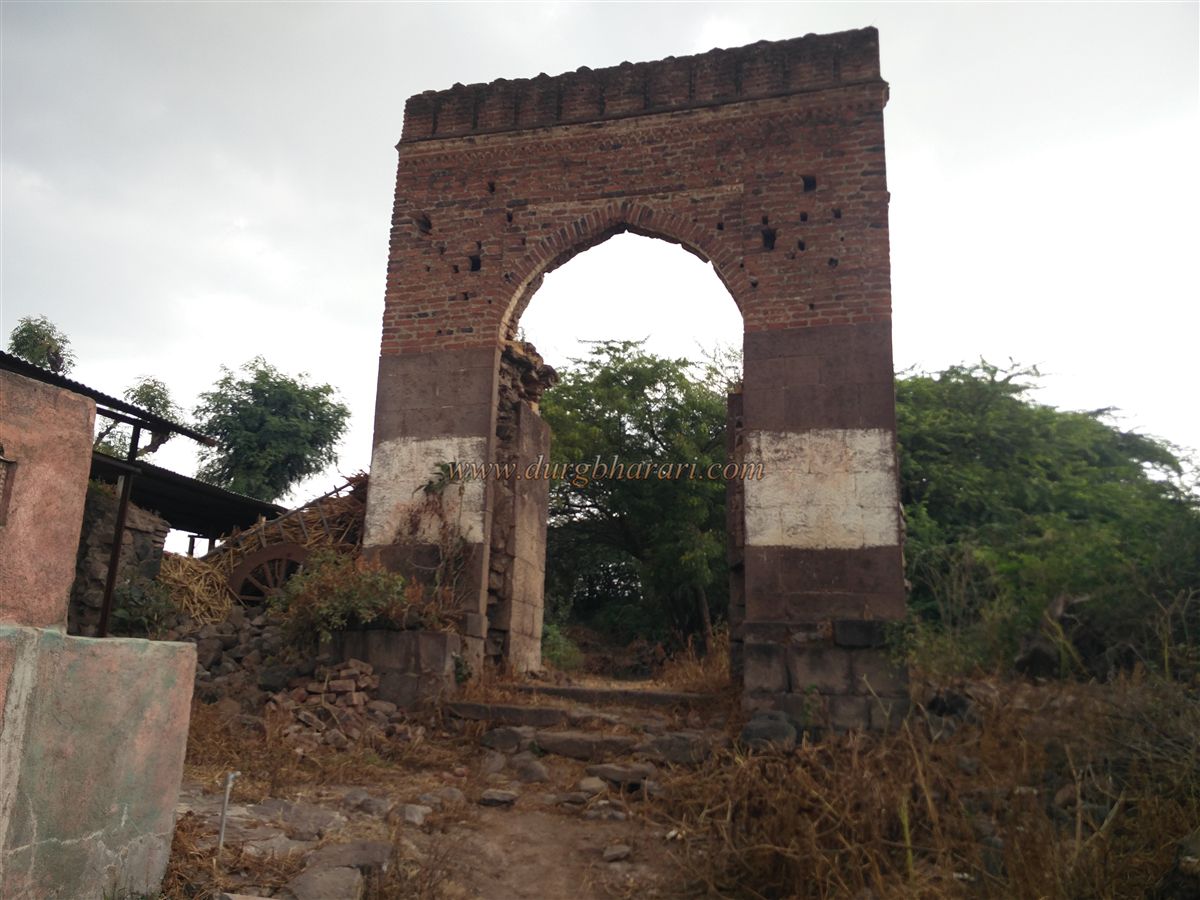
Next, we headed to the gadhi located in the heart of the village. The main north-facing entrance with its arched gateway remains in good condition, though the adjoining fort wall has completely collapsed. The gate is massive and tall enough for an elephant-mounted rider to pass through. The lower portion of the gate is constructed with dressed stone, while the upper portion is made of bricks. The structure also features niches for musketeers (firing holes).
In all my travels, I have rarely seen such neglect toward a historic fort as I did here. The gadhi complex spans roughly 2.5 acres. In one corner, the Shinde family, the current owners of the property, still reside. Sadly, they have no knowledge of their ancestors or the fort's history, apart from knowing that their forefathers built it and used it until their grandfather's time.
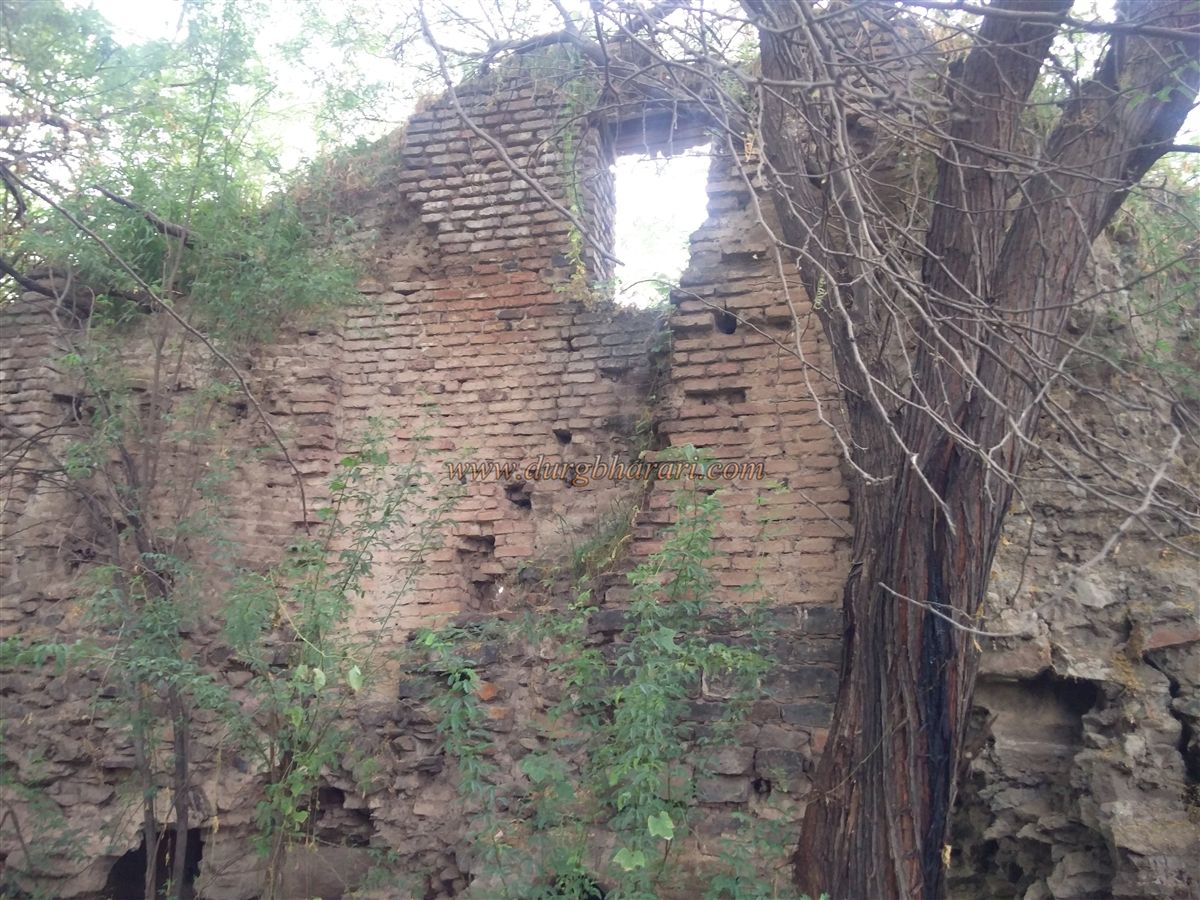
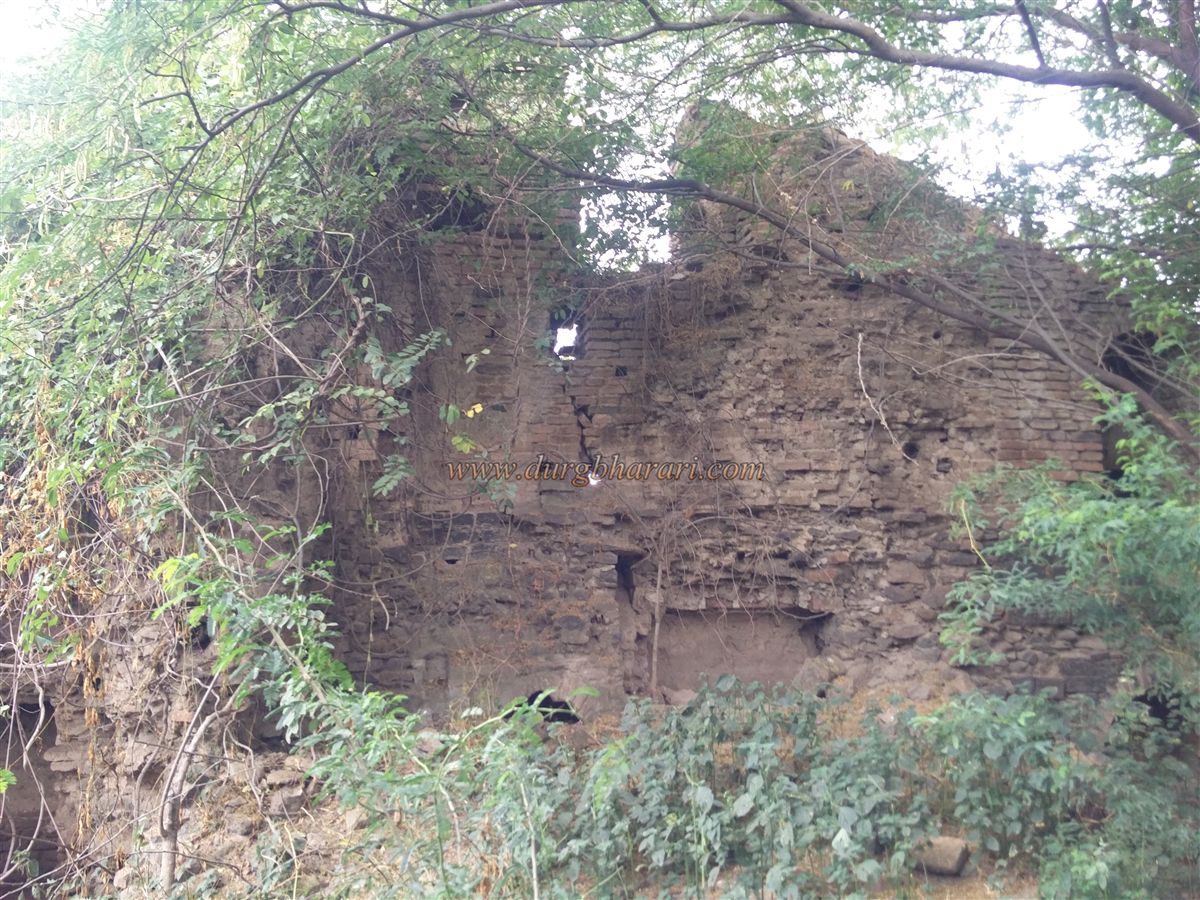
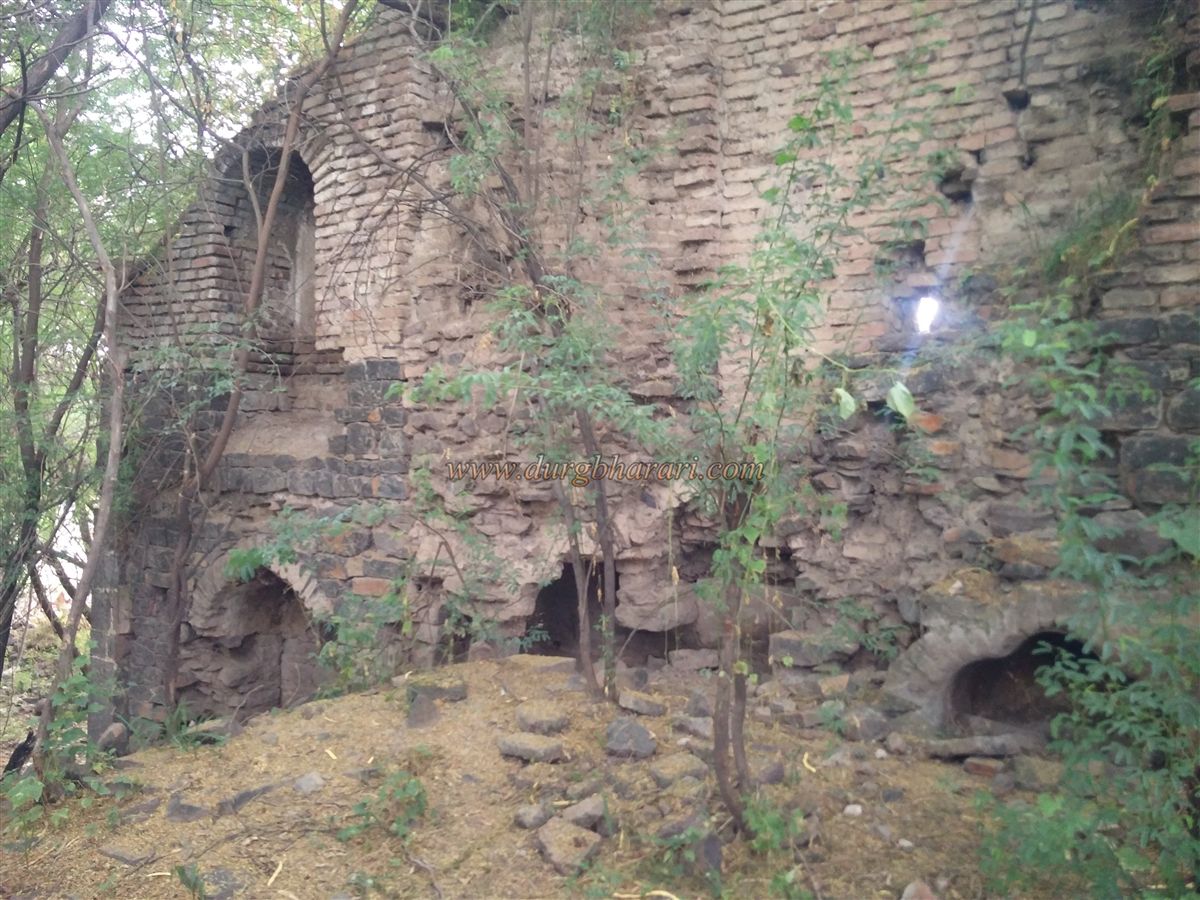
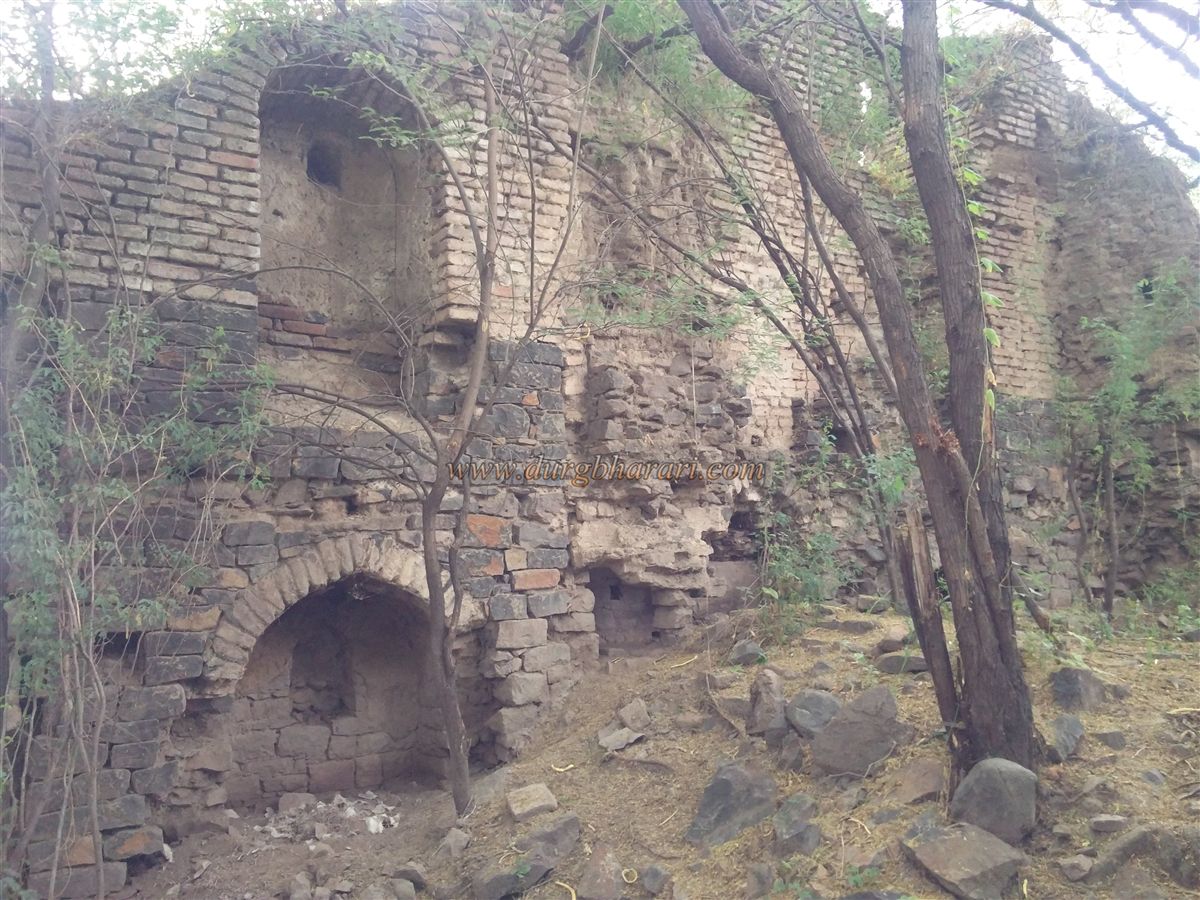
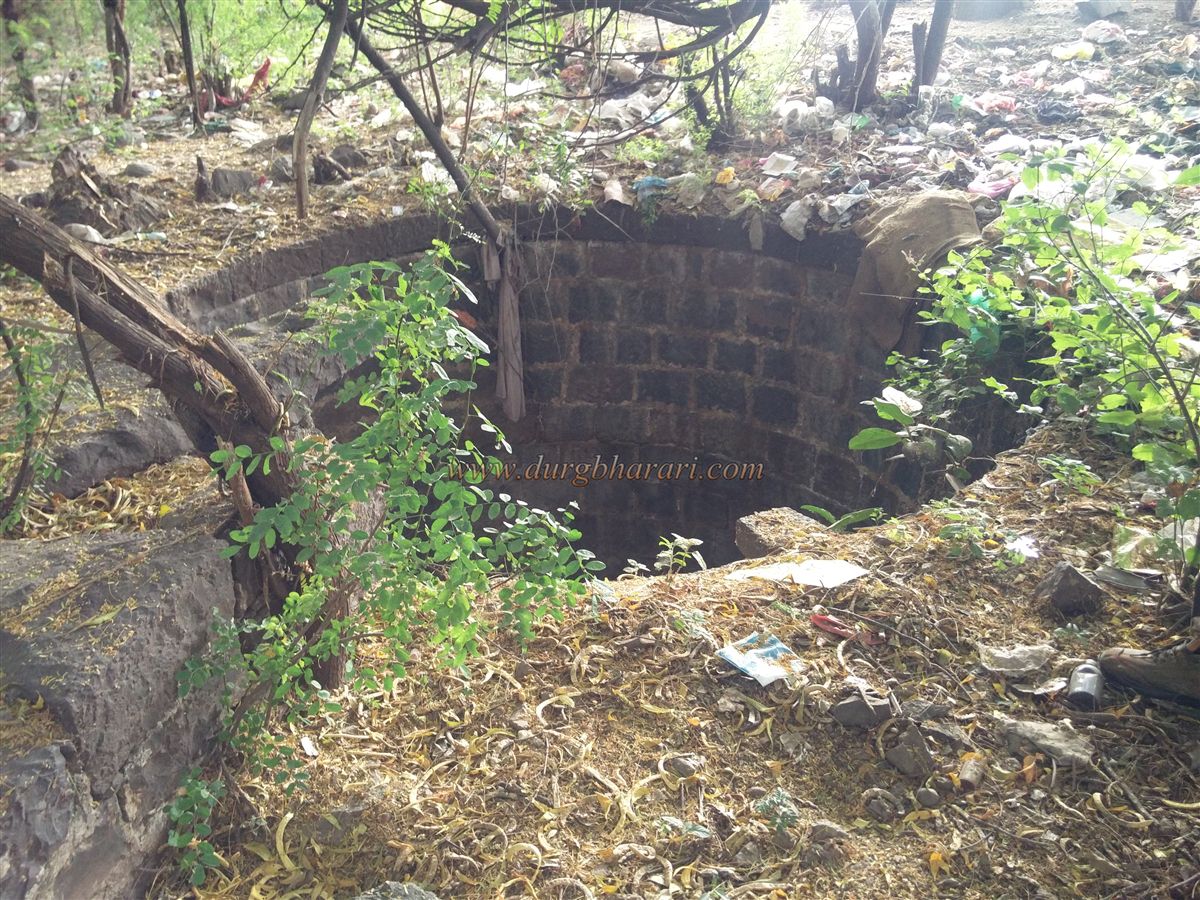
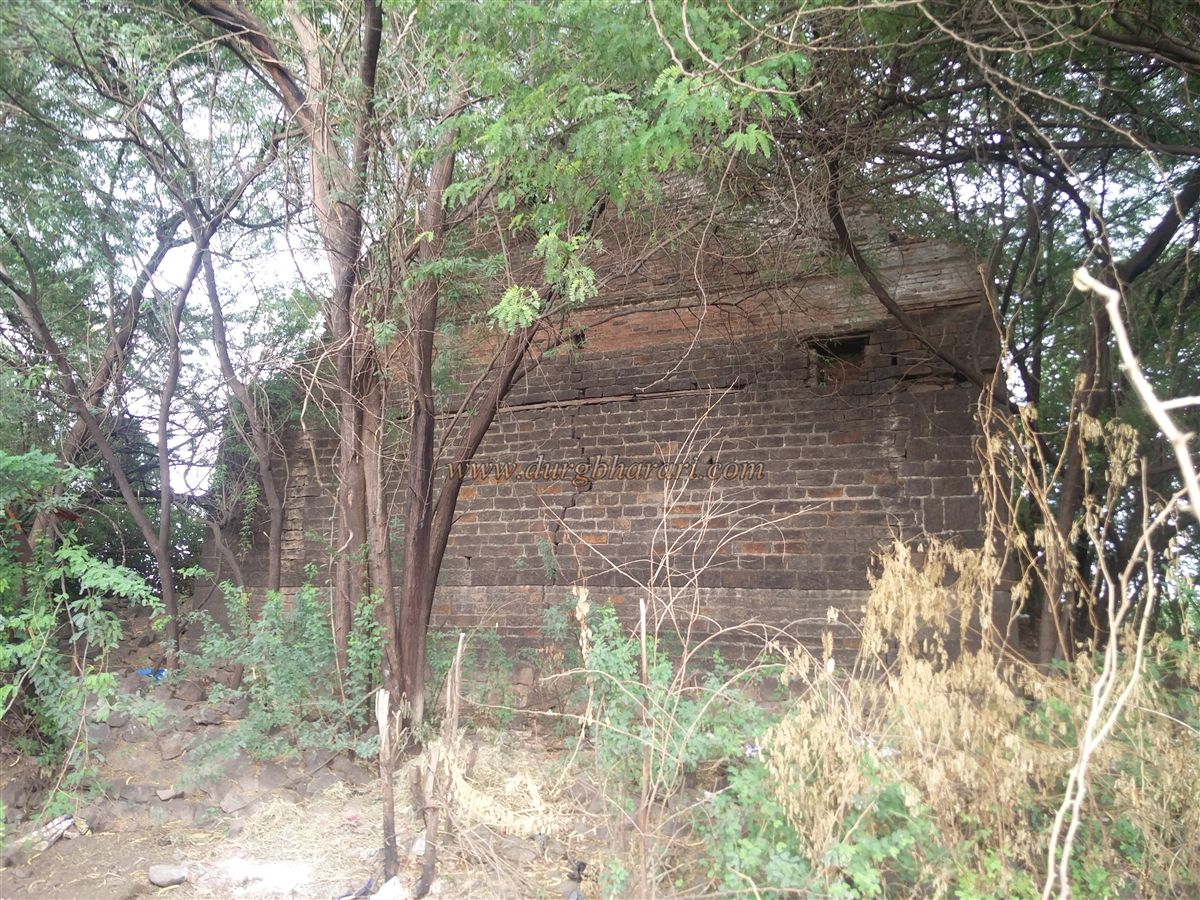
Inside the fort, dense growth of babul (acacia) has overrun the area, with scattered architectural remains hidden within it. Among these ruins, one can identify a temple and the remains of a three-storied mansion. The lower two stories of this mansion are built with stone, while the top story is constructed with bricks. Wandering through the thorny growth, we also came across a stone-built well and the remains of a collapsed wall on the eastern side of the fort. Exploring the entire fort takes about 15 minutes.
Although no detailed history of this fort is known, its architectural style indicates that it was built after the Shivaji-era. Historical records suggest that during the reign of Chhatrapati Shahu and later during the time of Peshwa Bajirao II, troops frequently moved between Pune and Satara via the Salpe route. In fact, the British army pursued Raghunathrao Bajirao along this very Salpe Ghat. Thus, this gadhi likely served as a Maratha outpost during that period.
© Suresh Nimbalkar
GALLERY