SAKHARKHERDA
TYPE : GADHI
DISTRICT : BULDHANA
HEIGHT : 0
GRADE : EASY
Buldhana district’s Sindkhed Raja taluka hides a little-known village called Sakhar Kherda. Though now forgotten, in 1724 this very village witnessed an event that changed the political map of the Deccan — the Battle of Sakhar Kherda. This battle permanently ended Mughal dominance in the south and marked the rise of two formidable powers: the Marathas and the Nizam.
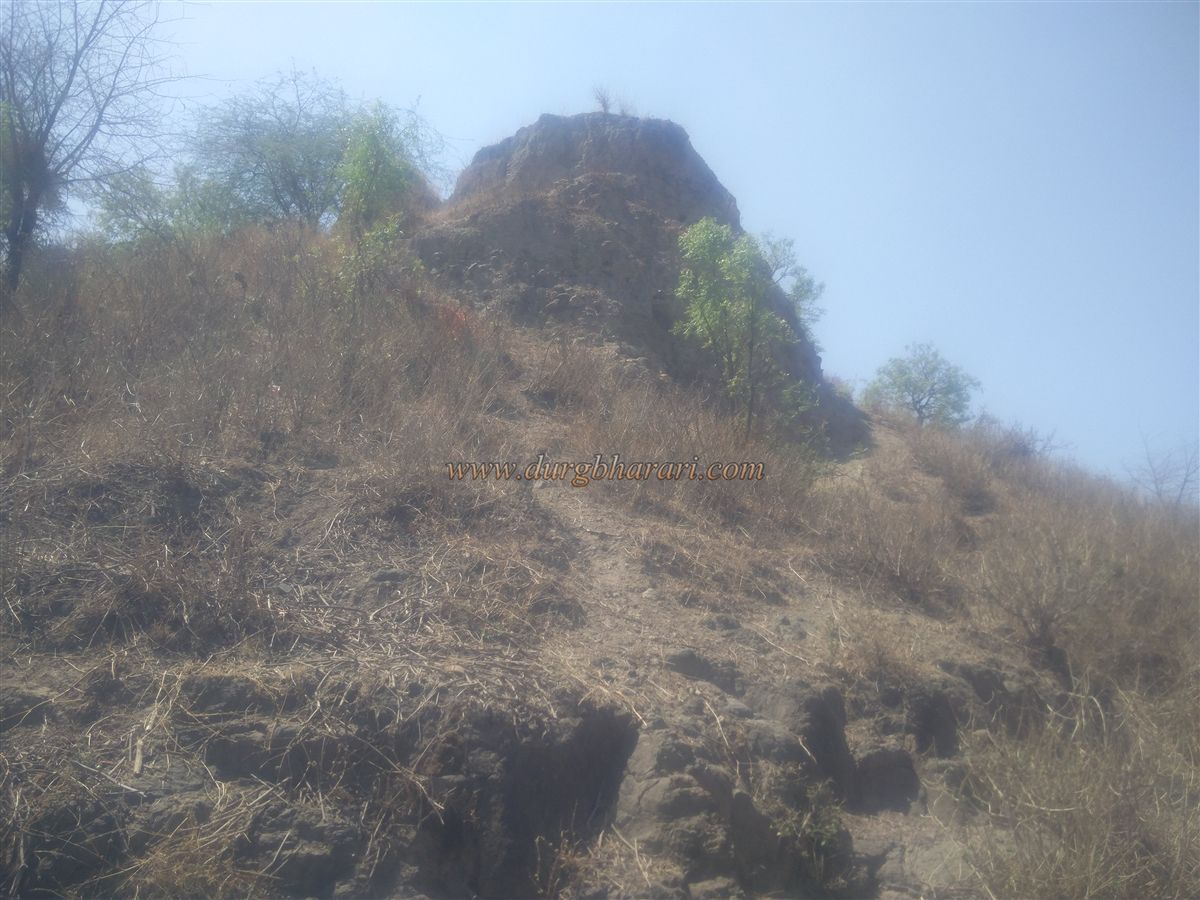
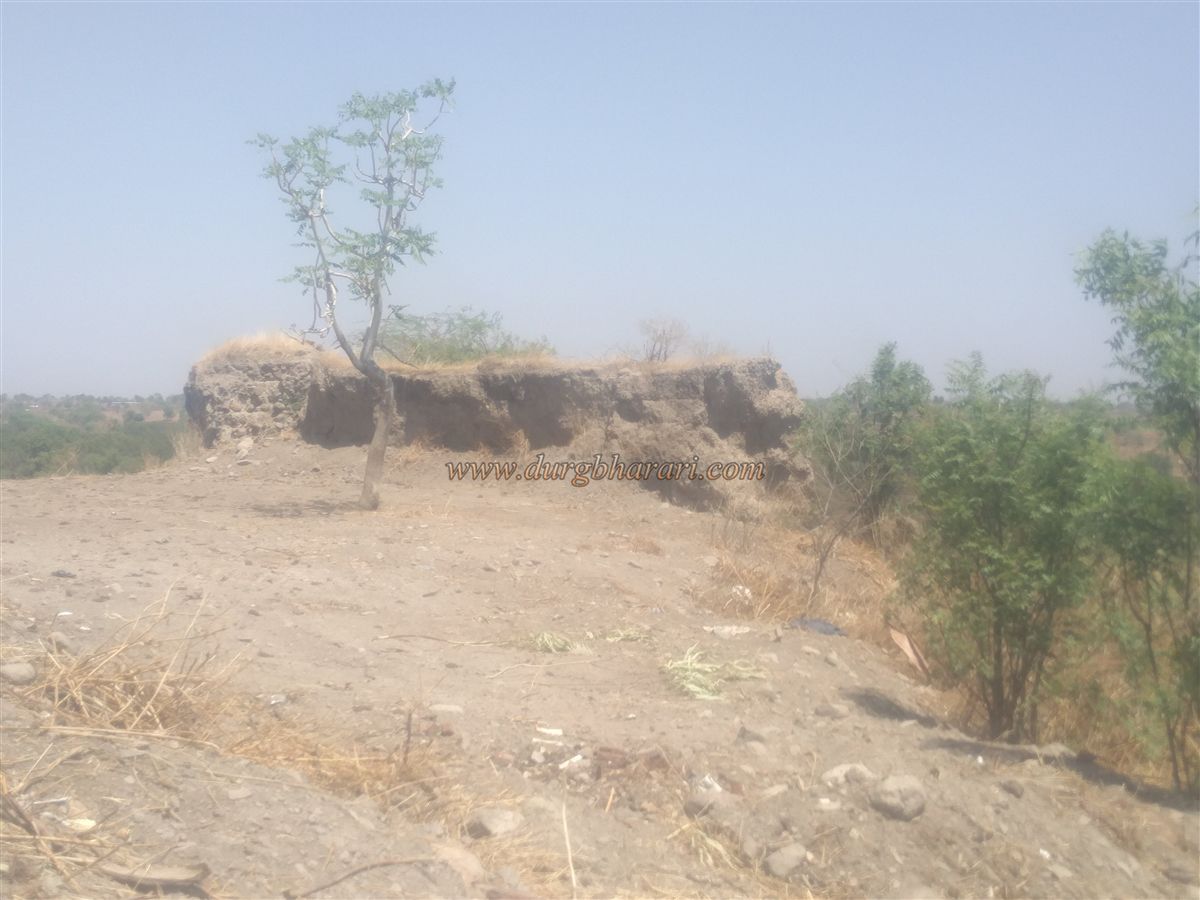
While accounts of the battle often appear in historical writings, there is little mention of any fortifications at the site. However, reasoning that such an important battle must have been fought near a fortified outpost, I visited the area while exploring Sindkhed Raja. Indeed, at the edge of Sakhar Kherda village, we discovered the last remnants of a small fort.
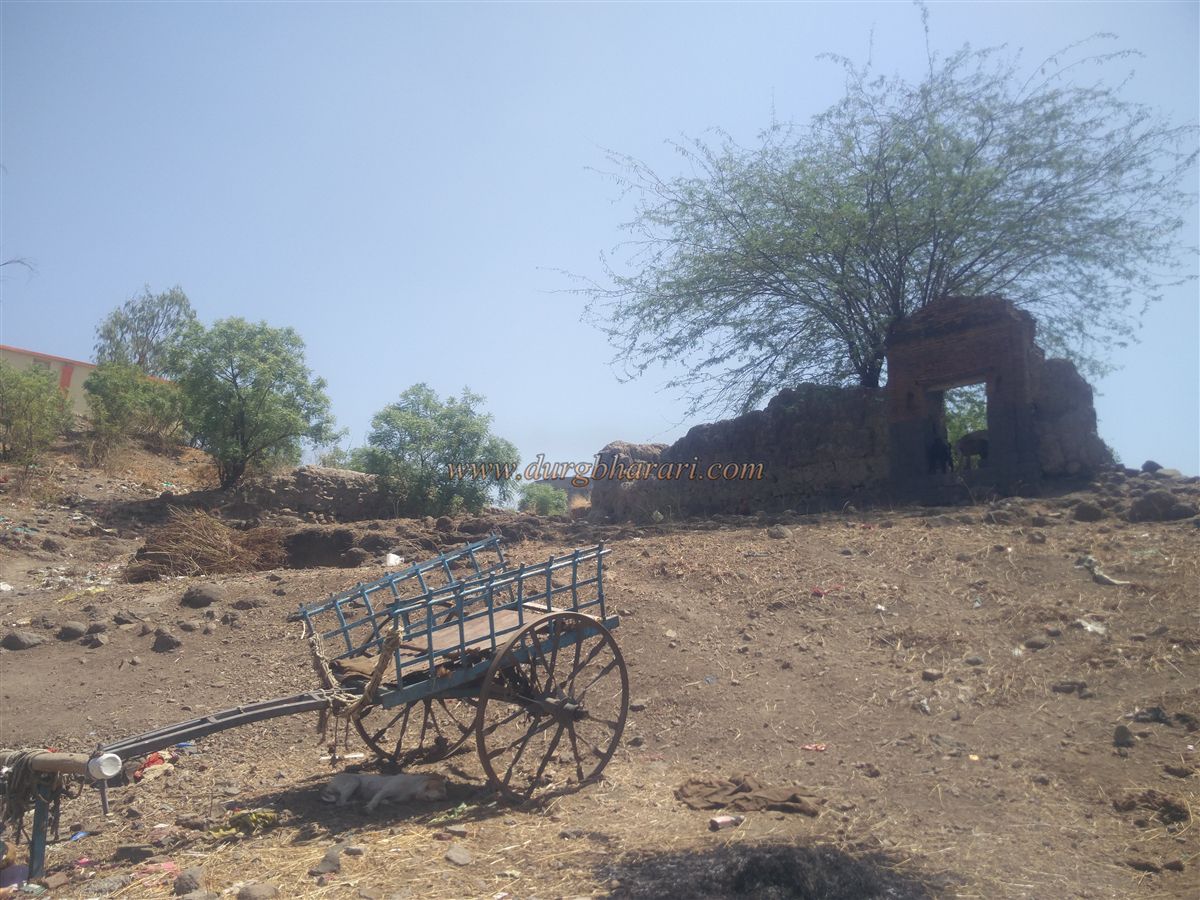
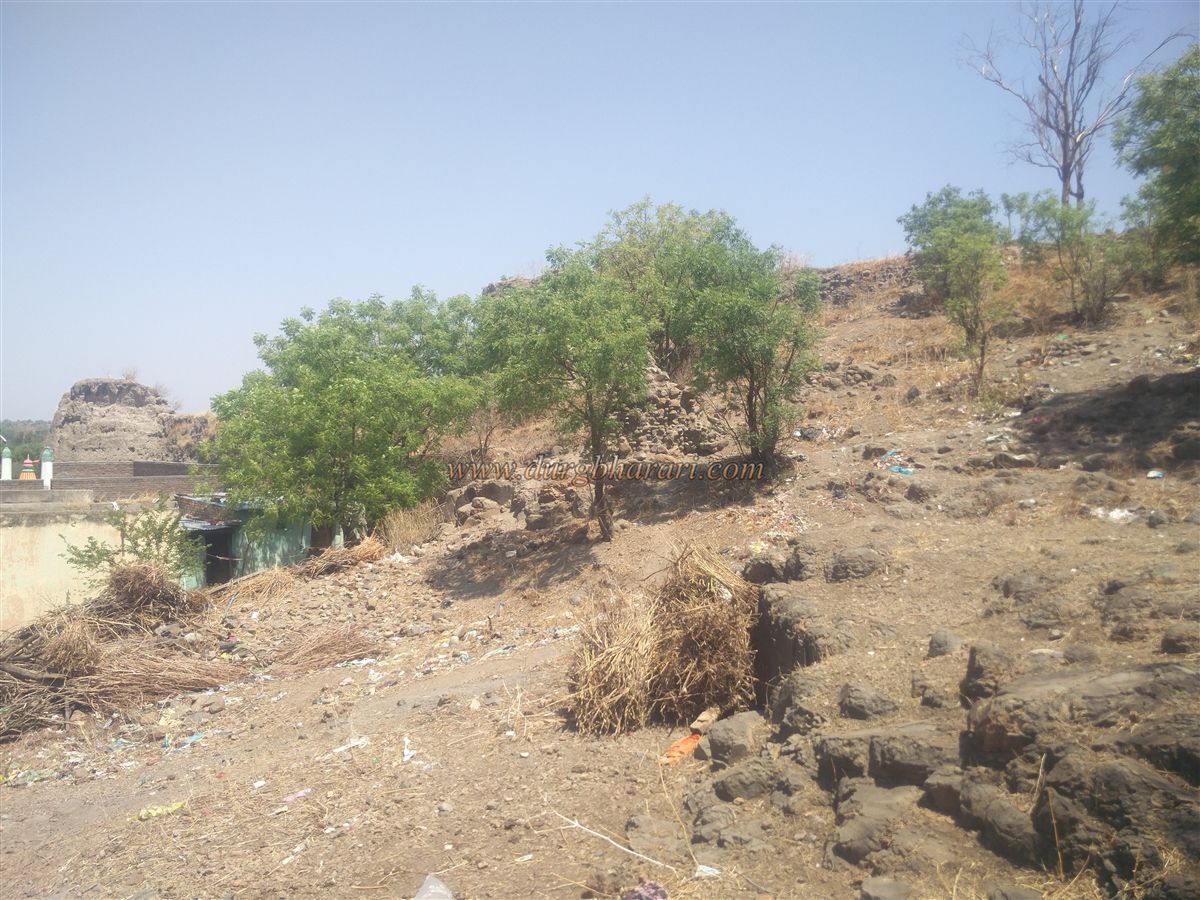
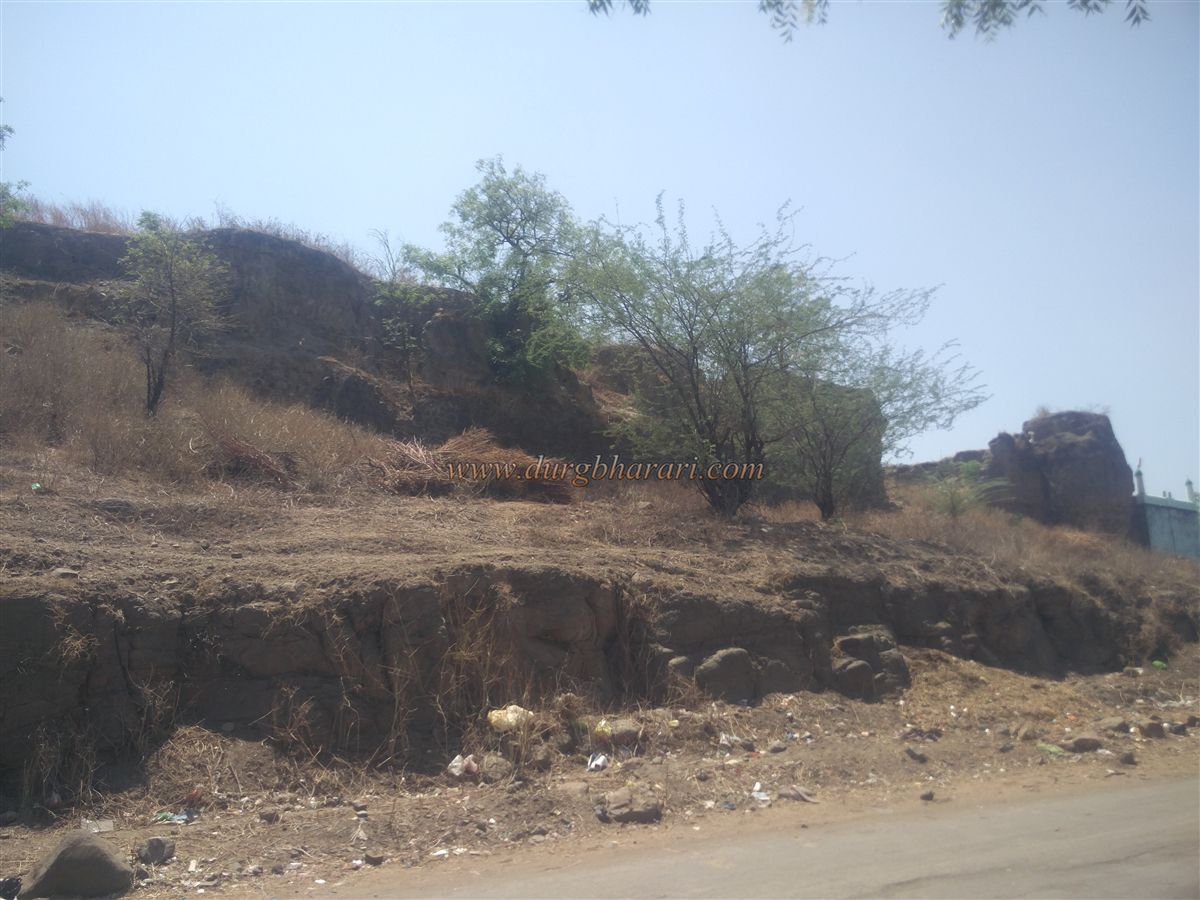
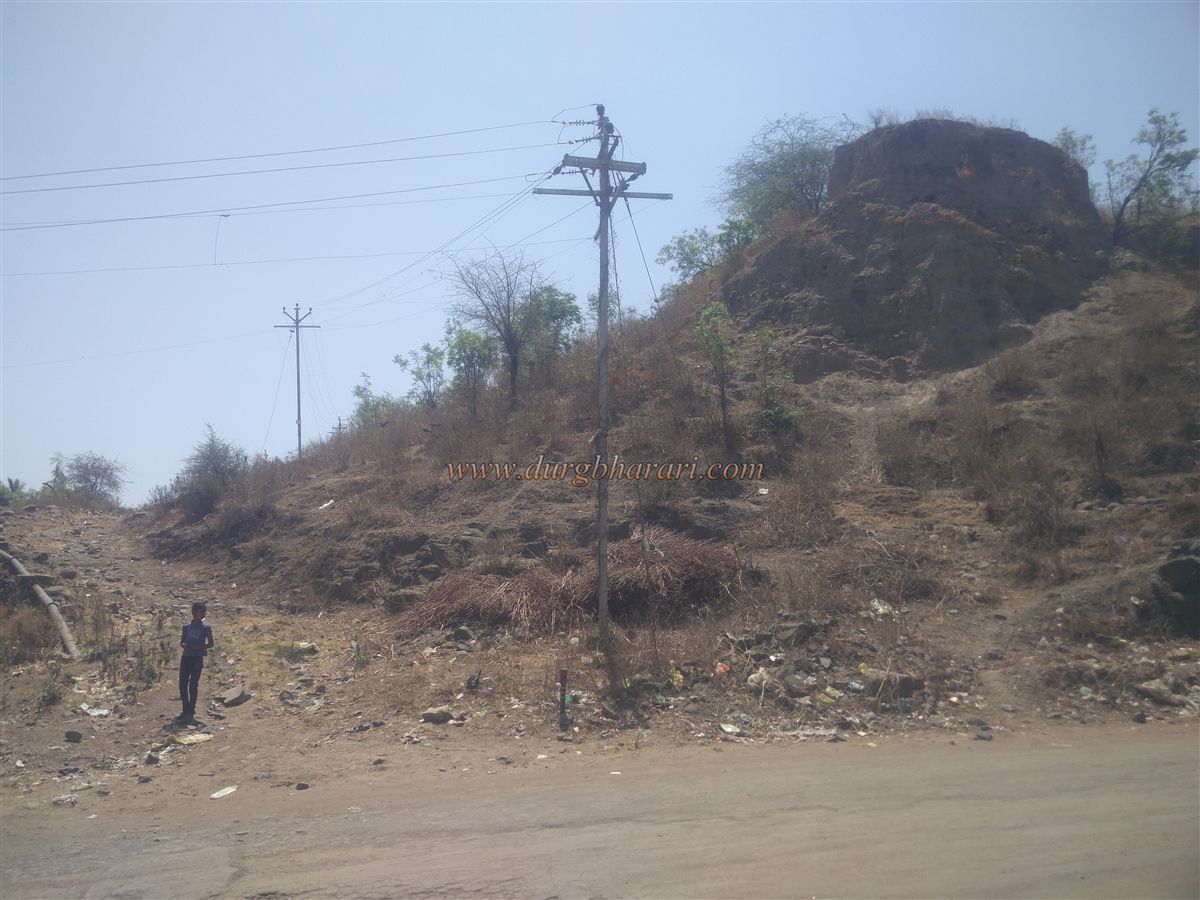
Located 47 km from Sindkhed Raja and 22 km from Mehkar, the fort’s remains stand on a small mound beside the road leading into the village.
...
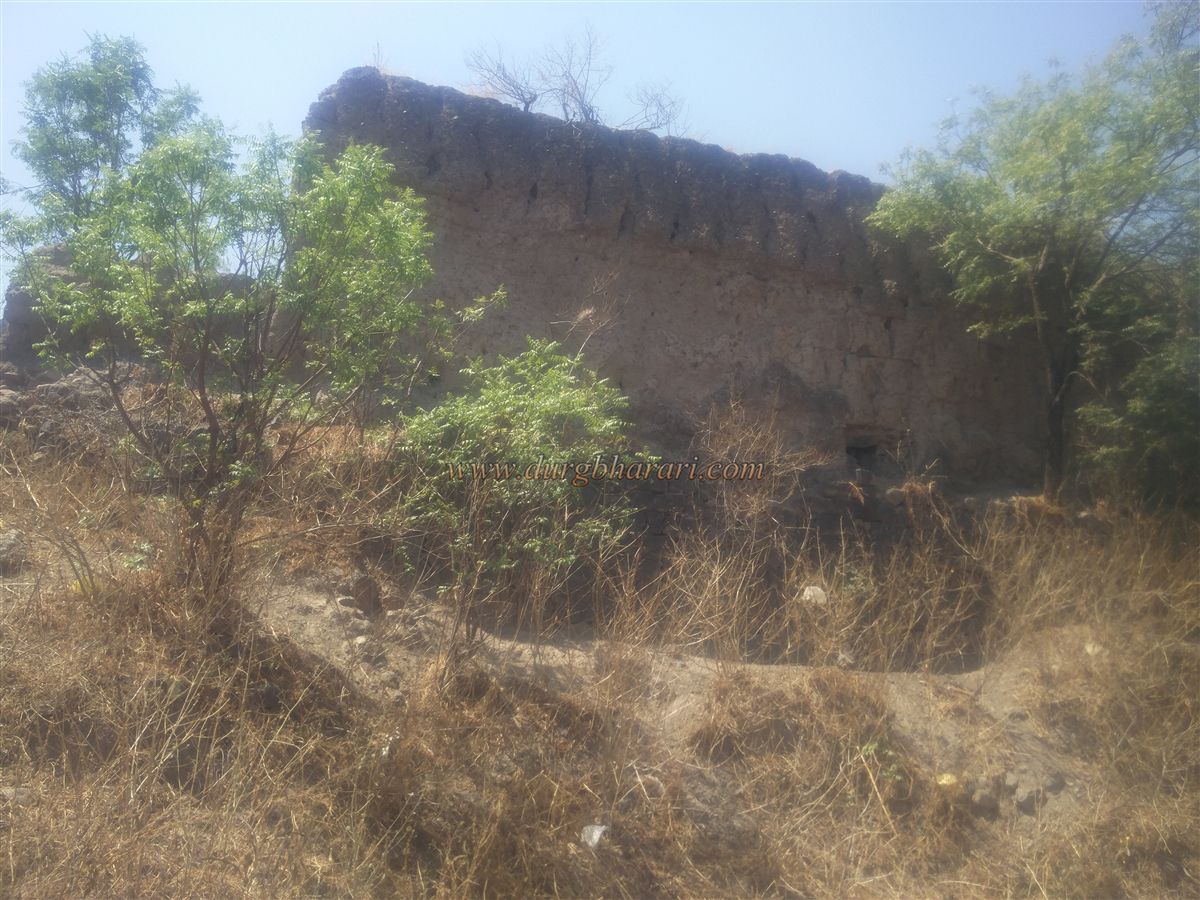
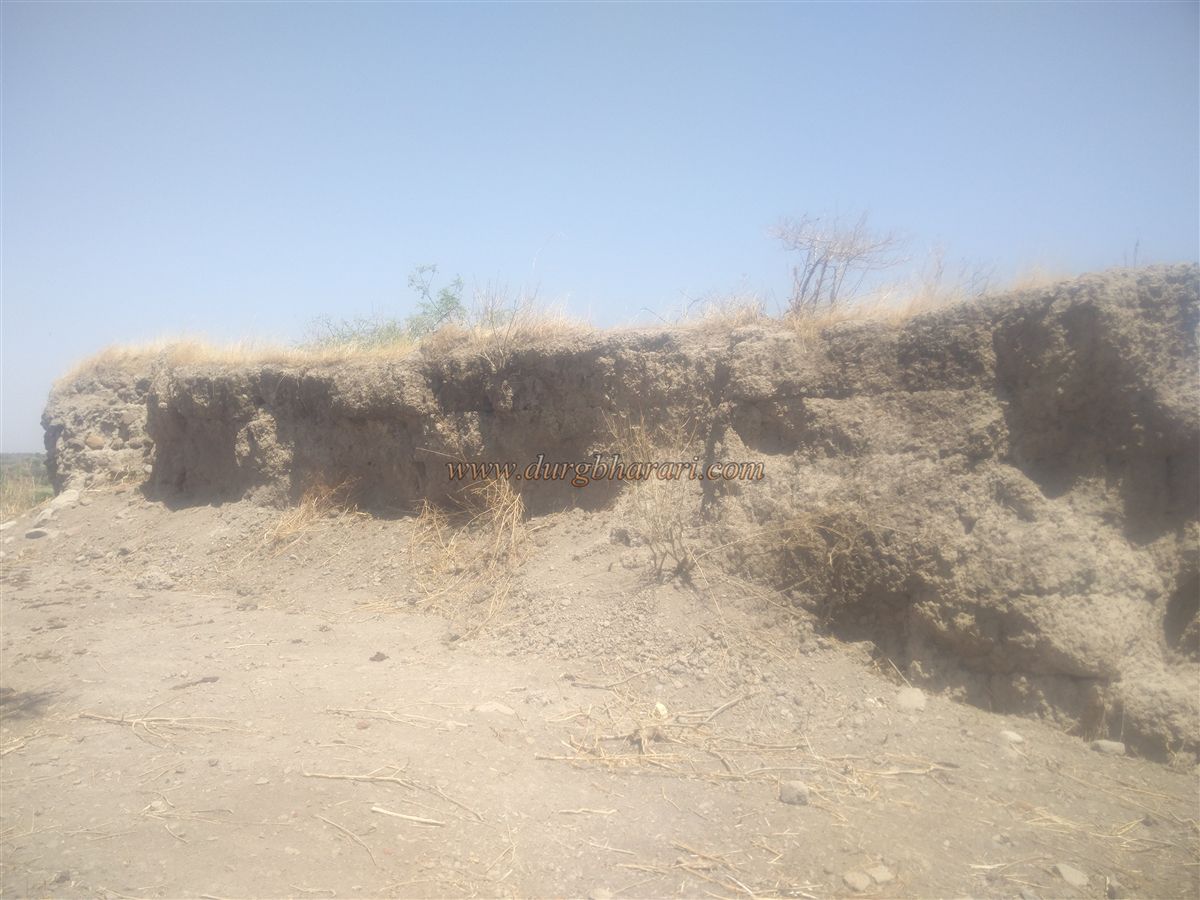
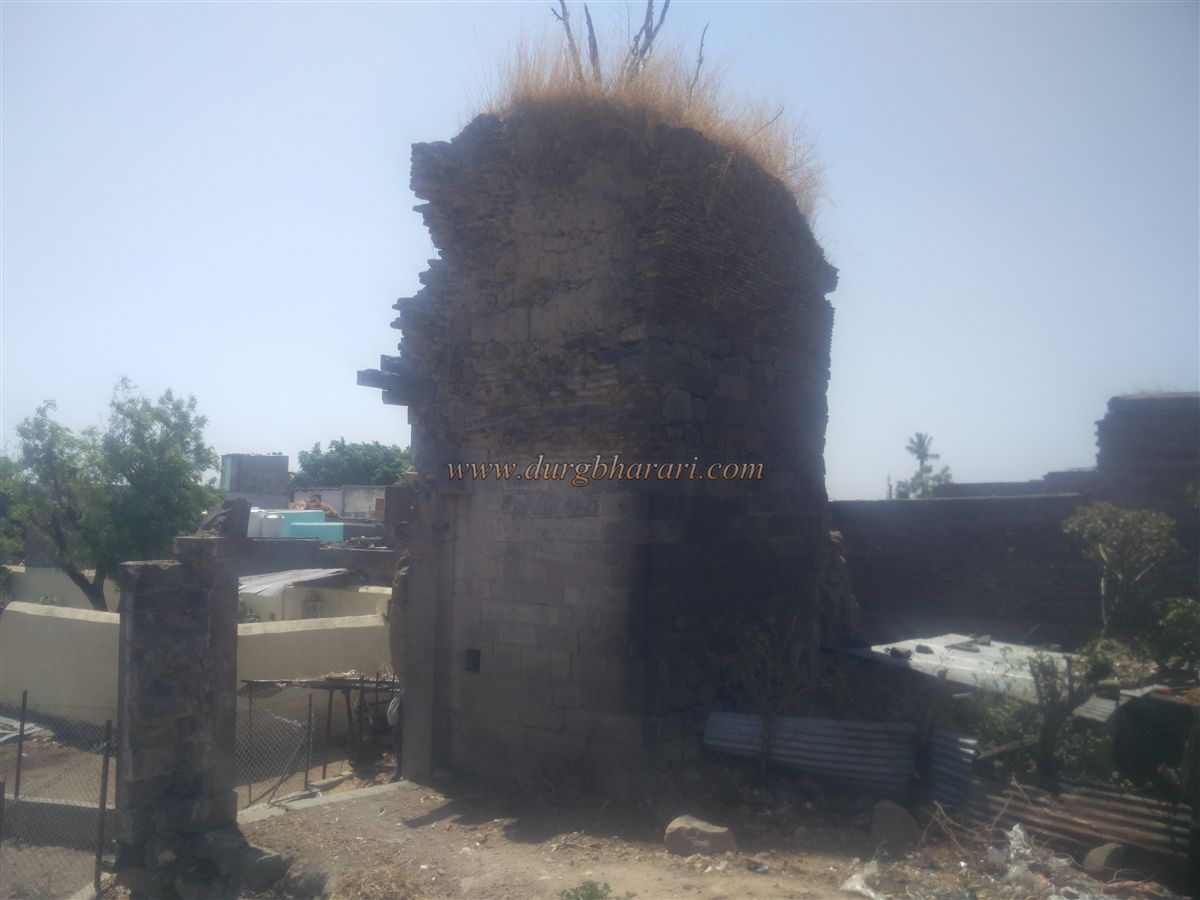
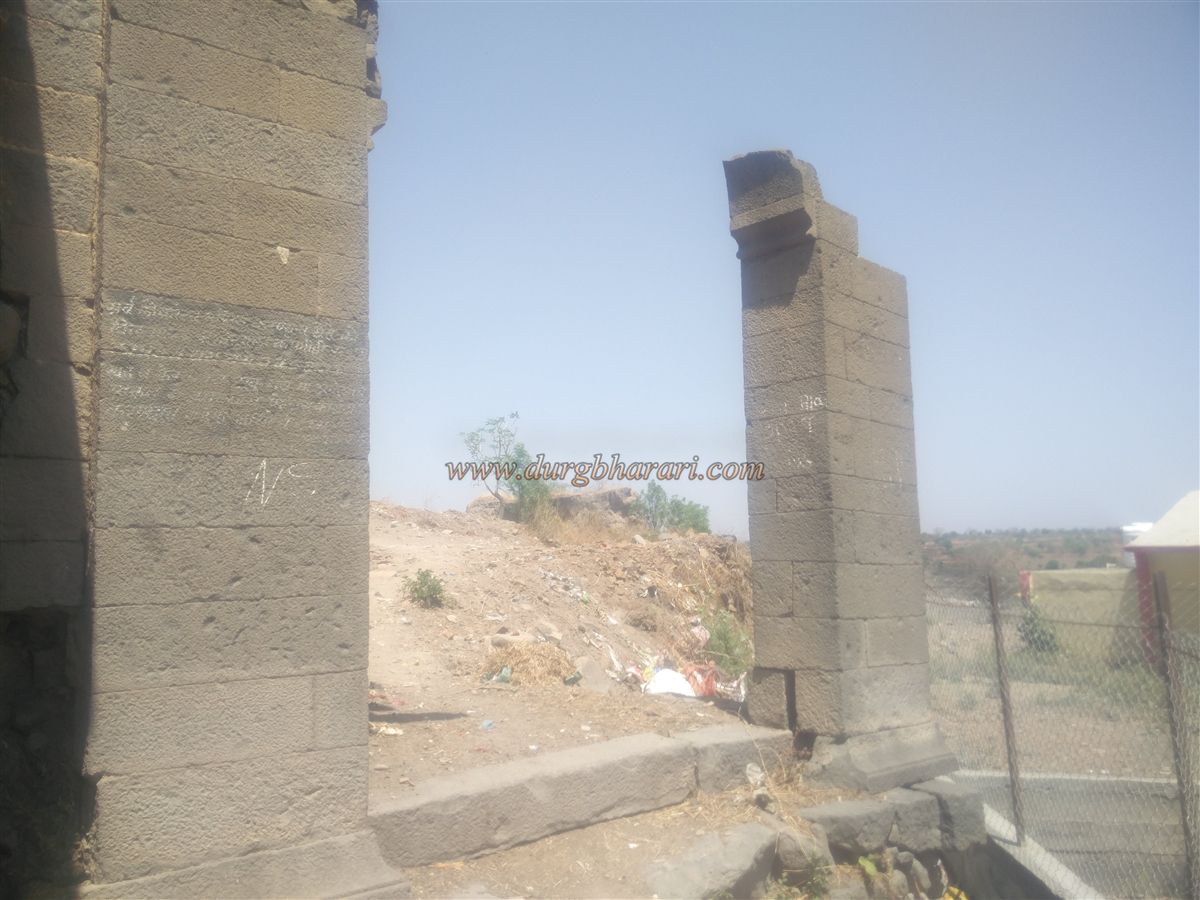
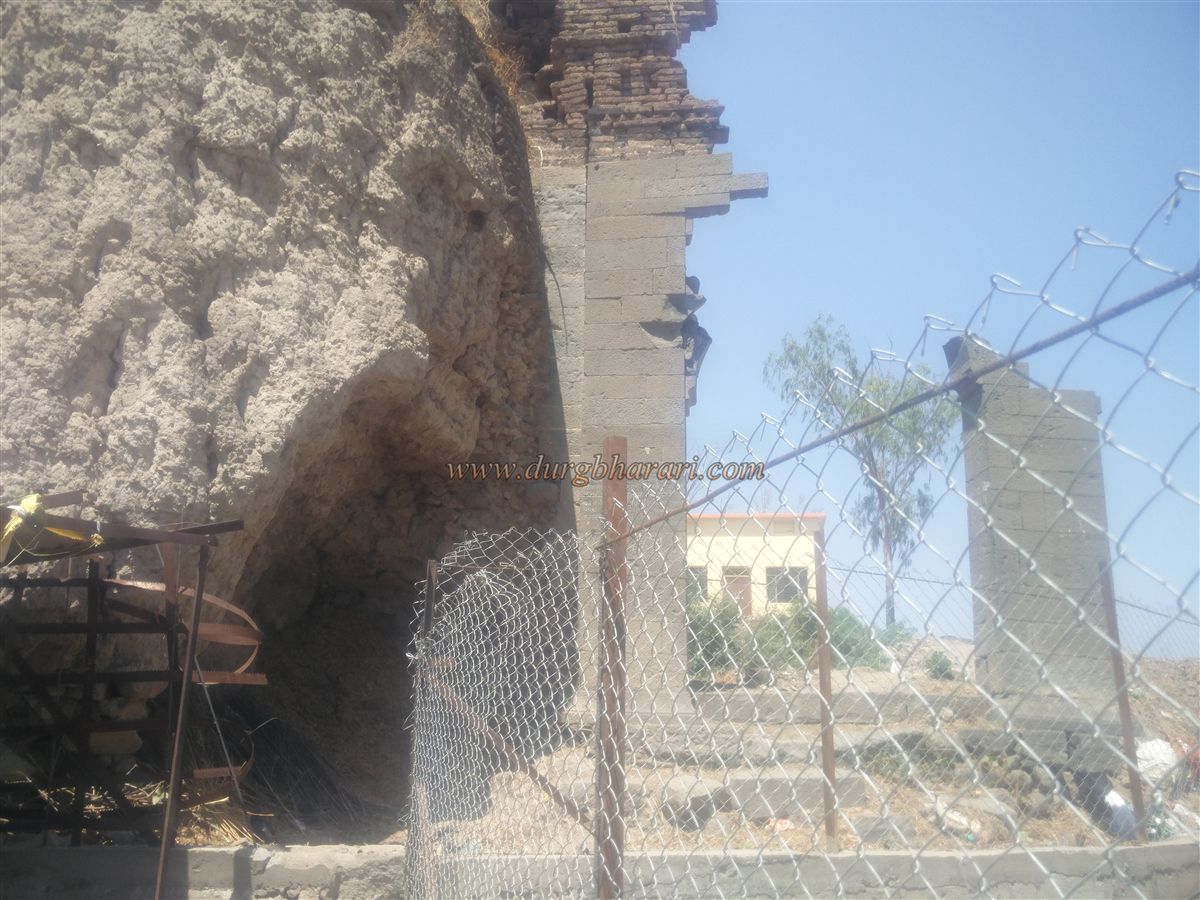
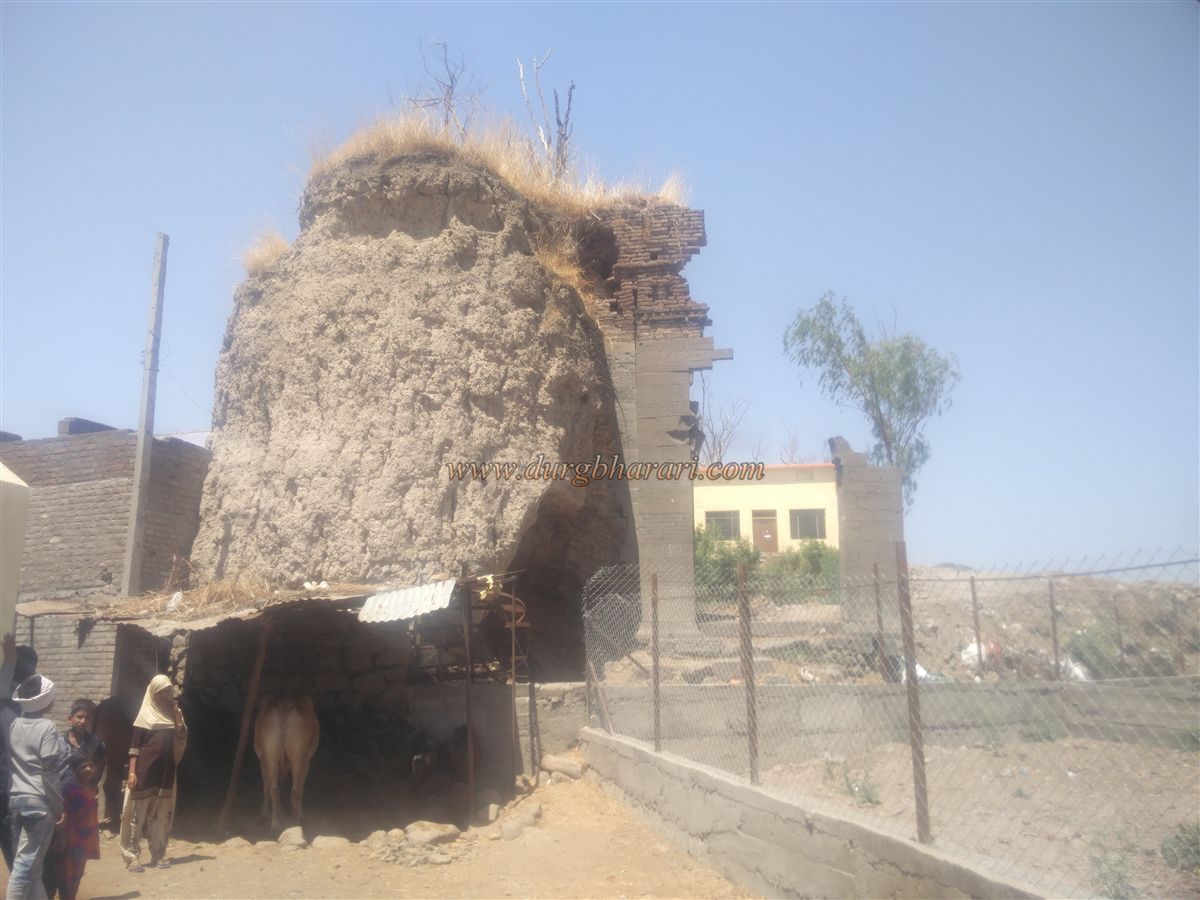
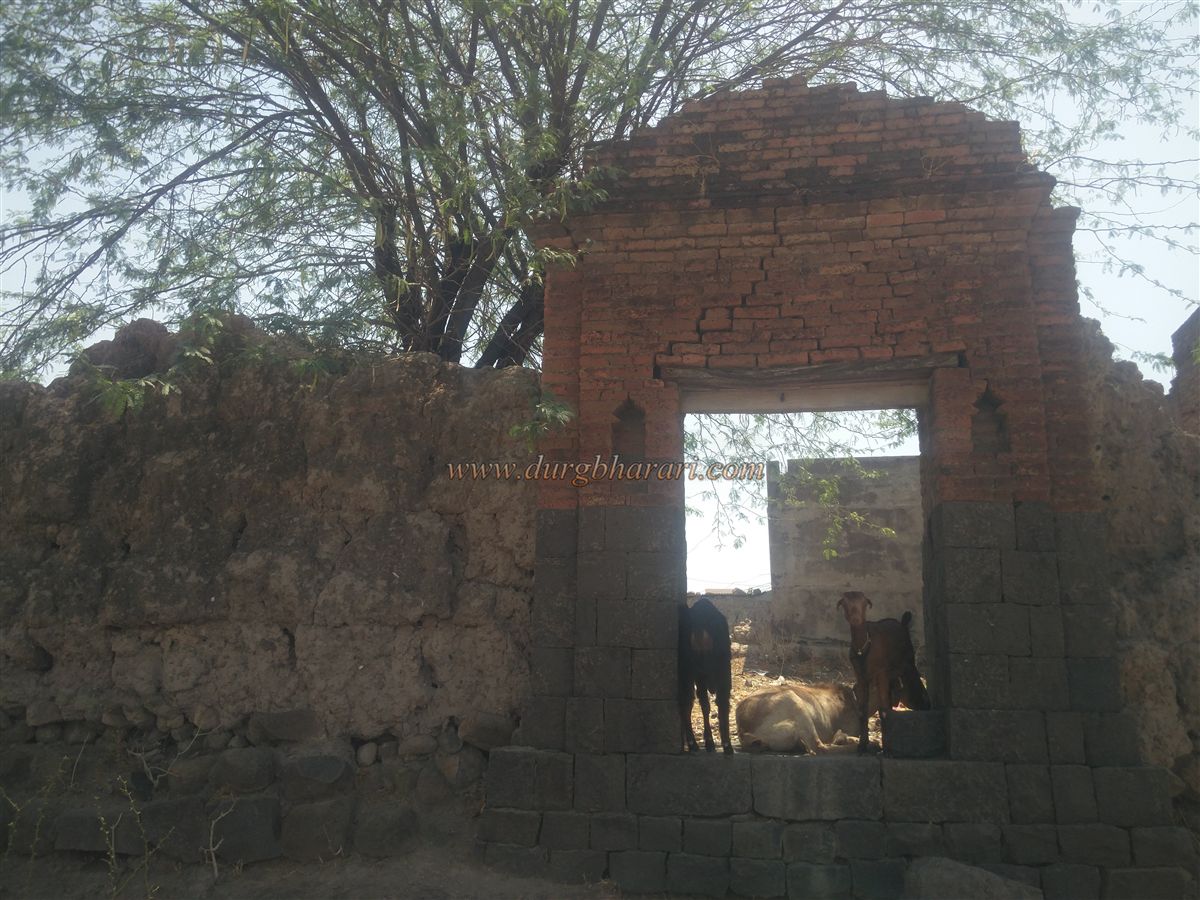
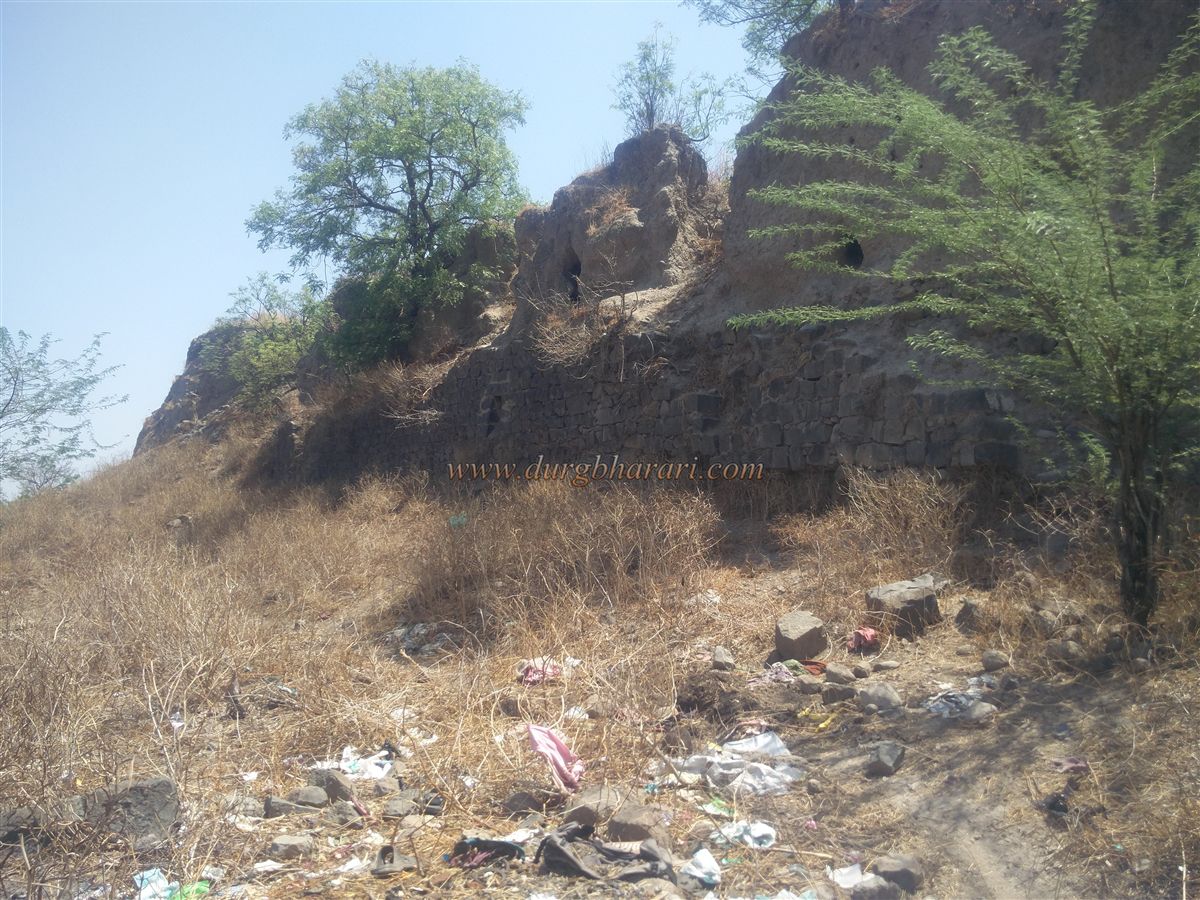
Its surviving features include two bastions at the corners, sections of the connecting ramparts, a partially collapsed arched gateway, and another adjoining bastion.
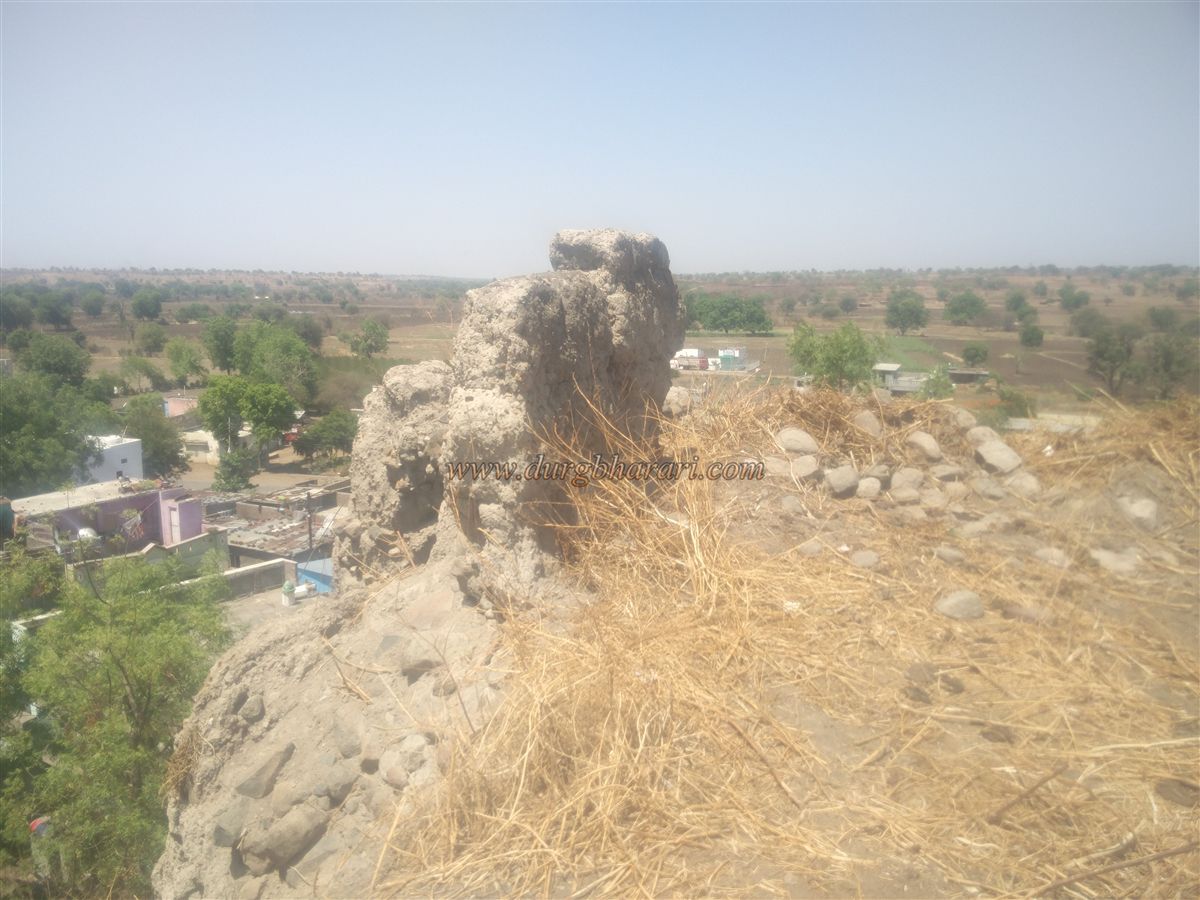
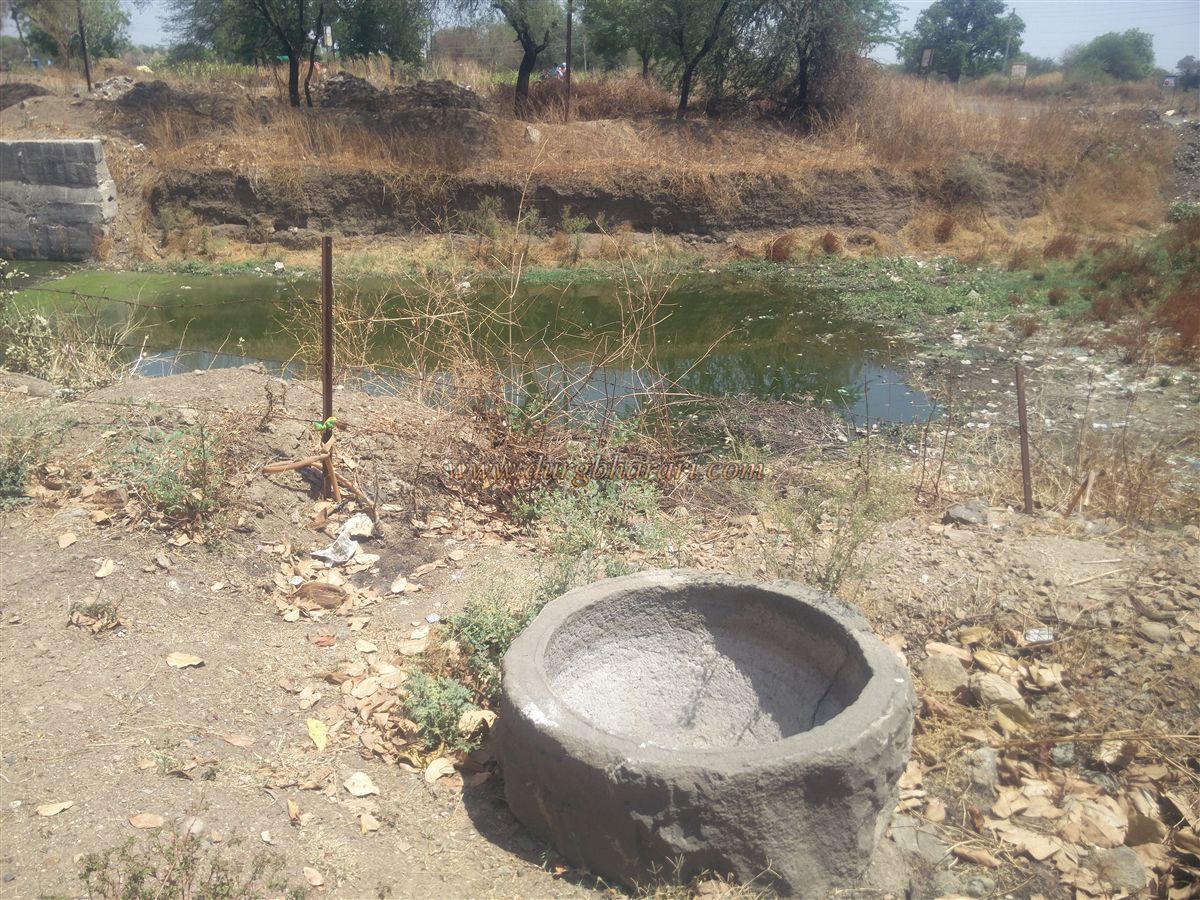
This roughly square fort once covered about 1.5 acres. Sadly, it is now in a ruinous state, its stones long since carted away by locals, leaving only mud walls and three bastions intact (a fourth was demolished to build the village water tank). The eastern gateway is built in dressed stone, while the upper portions are of brick.
Today, the site has been reduced to a public latrine area, despite efforts to repurpose the central space for a new gram panchayat office — an initiative largely ignored by villagers. Exploring the inner area takes barely five minutes, and walking the perimeter about 15 minutes.
Historically, the story behind the fort is far more significant than its present condition. After the chaos in Delhi, Emperor Farrukhsiyar appointed Mir Qamar-ud-din (later Nizam-ul-Mulk) as Wazir on 13 February 1722. But the Nizam longed for independent power and soon sought reassignment as Subhedar of the Deccan, moving to Aurangabad in 1723.
The Mughal emperor, however, had already installed Mubariz Khan as Subhedar of Hyderabad, leading to inevitable conflict. To strengthen his position, the Nizam sought an alliance with the Marathas. He met Peshwa Baji Rao I at Badksha in Malwa on 13 February 1723 and again at Nalcha on 18 May 1724. With the Nizam agreeing to key Maratha demands, Baji Rao pledged 10,000 troops and personally joined him in the upcoming battle.
From 30 September to 1 October 1724, the Nizam’s forces clashed with Mubariz Khan’s army near Sakhar Kherda. The Nizam emerged victorious. Impressed by Baji Rao’s valour, he rewarded him with rich gifts, elephants, and a 7,000-horse rank (sapthazari mansab).
As a symbol of victory, the Nizam renamed the village Fattehkherda (Village of Victory), though this name never gained common usage, and Sakhar Kherda endured. He sent Mubariz Khan’s severed head to the Mughal emperor in Delhi and secured official recognition of his claim to the Deccan.
This victory brought six Subha — Bijapur, Hyderabad, Berar, Aurangabad, Bidar, and Khandesh — under his control, forming the foundation of the Hyderabad Nizamate.
Today, while the fort lies in neglect, its soil still bears witness to a battle that reshaped the power dynamics of the Deccan.
© Suresh Nimbalkar
GALLERY