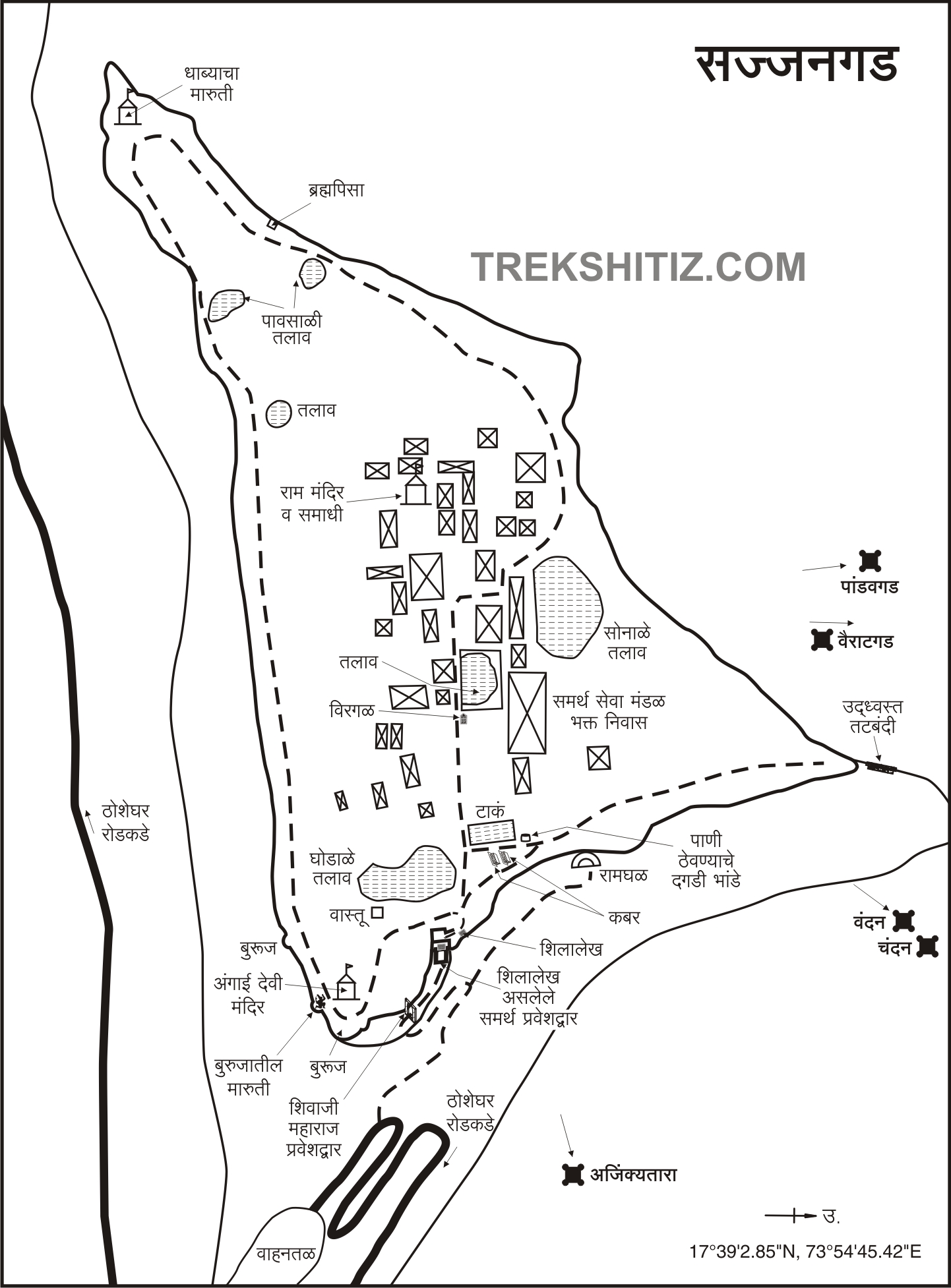
SAJJANGAD
TYPE : HILL FORT
DISTRICT : SATARA
HEIGHT : 3215 FEET
GRADE : EASY
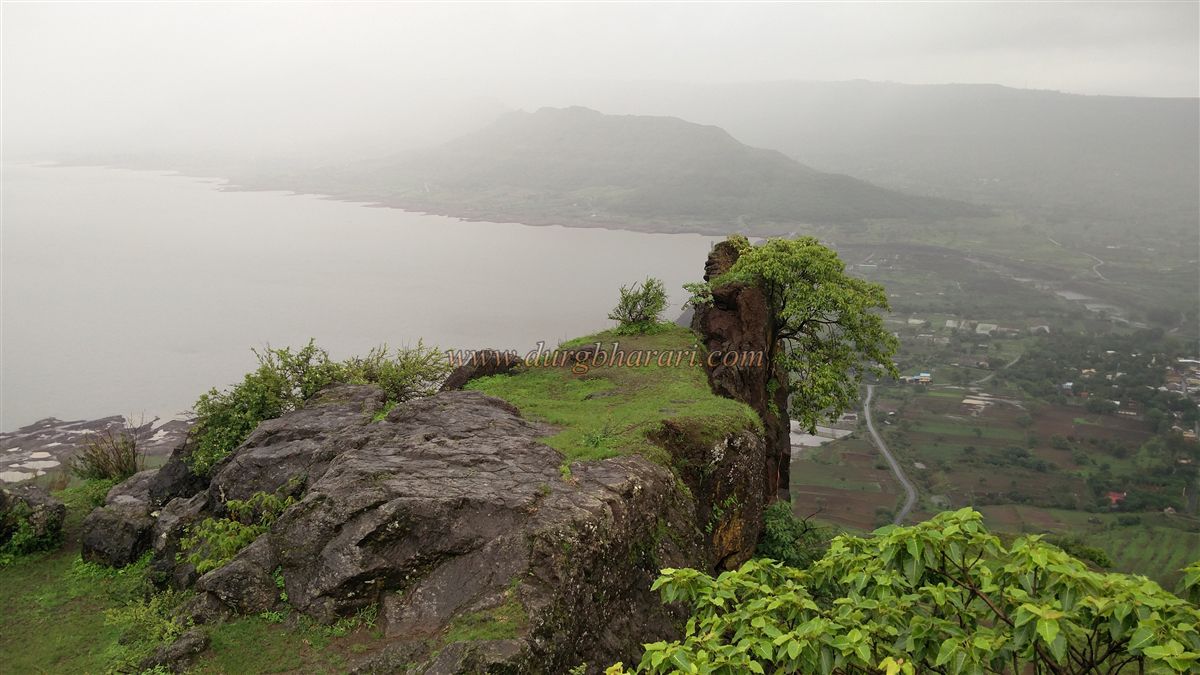
Situated on the Shambhu Mahadev hill range, a sub-range of the Sahyadri, stands the holy Sajjangad, also known as Parali Fort, sanctified by the footsteps of Samarth Ramdas. Located barely ten kilometres from Satara city, in the valley of the Urmodi (also known as Urvashi) river, this fort rises about 3,000 feet above sea level. Shaped like a conch shell and spread over roughly five acres, Sajjangad has gained immense religious importance due to the stay of Samarth Ramdas Swami.
Parali is the village at the base of the fort. Near this village, at the foot of the hill, are two ancient Shiva temples – Kedareshwar and Virupaksha. From Parali, a climb of about 200 steps leads up to the fort, taking roughly an hour.
...
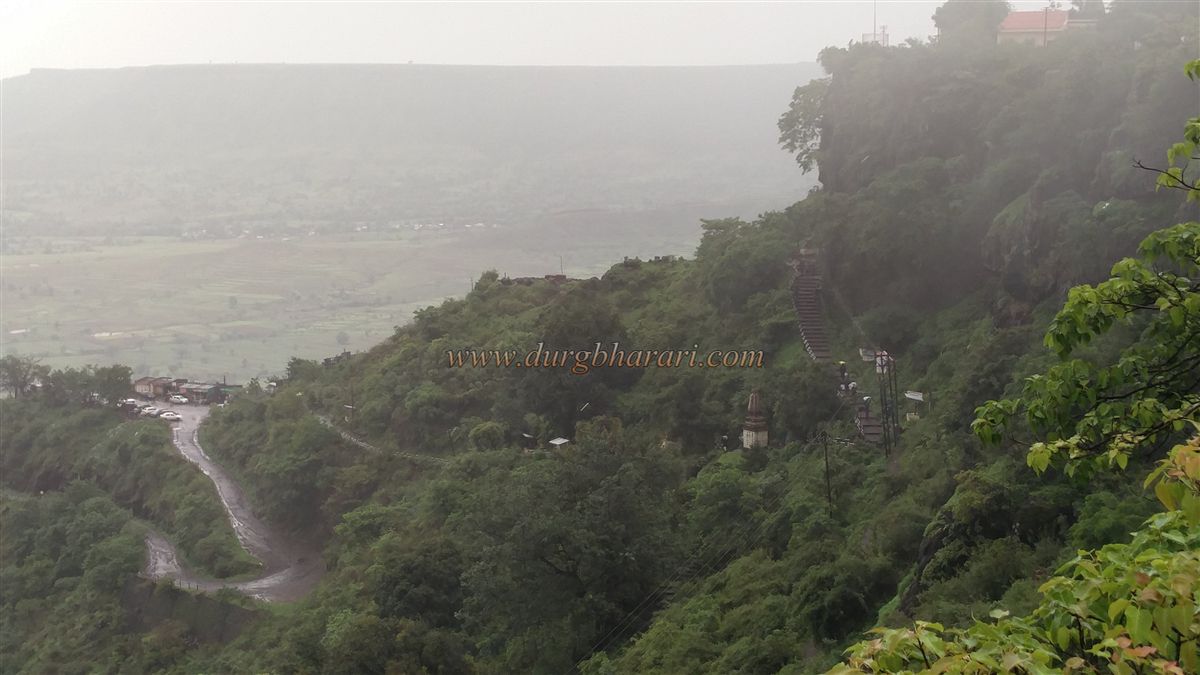
On the Satara–Parali road, about 3 km before Parali lies the village of Gajwadi. From here, private vehicles can take you almost to the rock plateau near the top, from where it takes just 15 minutes to reach the fort. Along this route is the temple of Kalyan Swami, followed further up by temples of Maruti on one side and Gautami on the other.
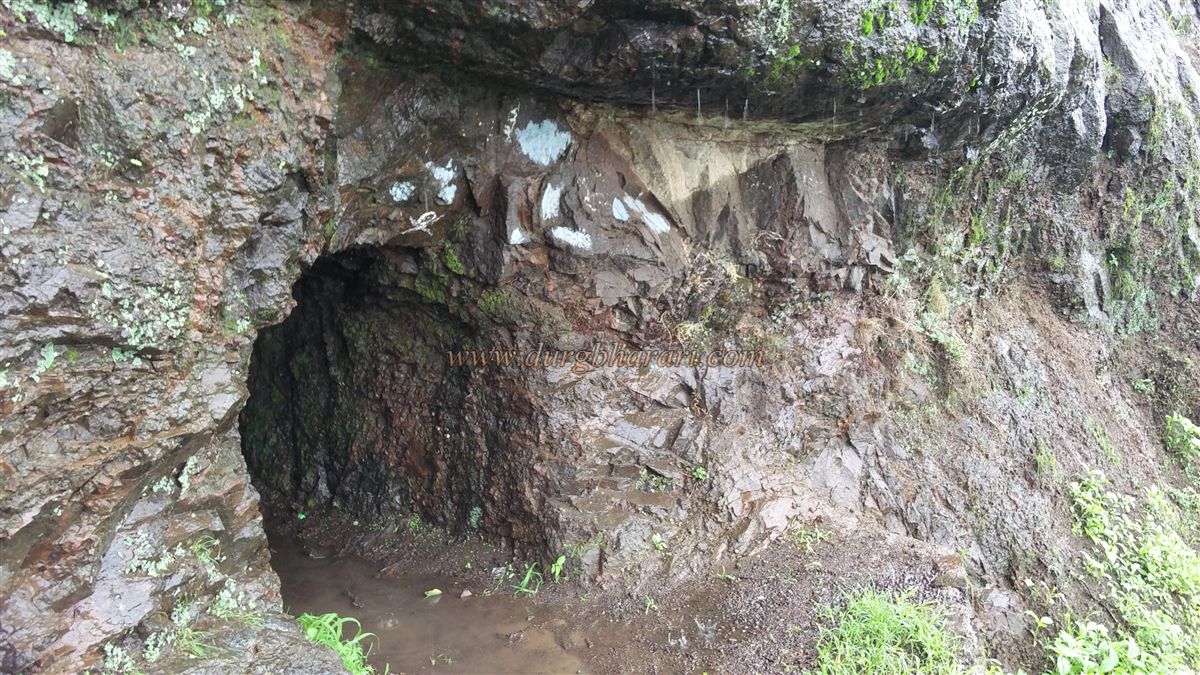
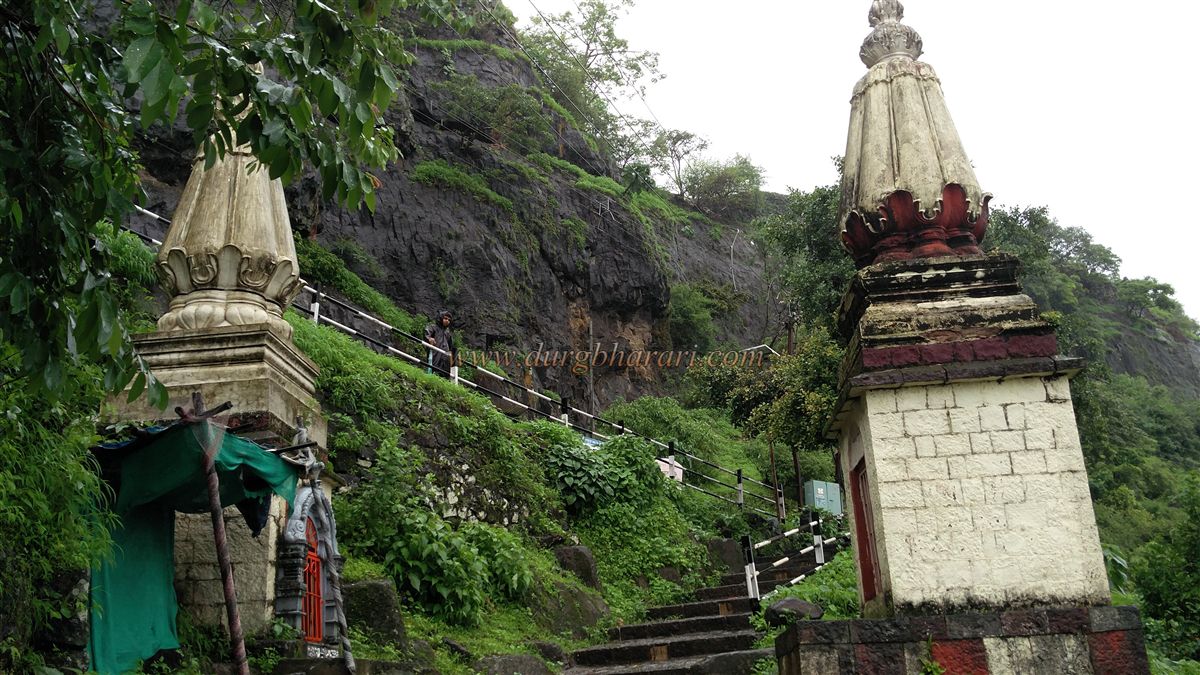
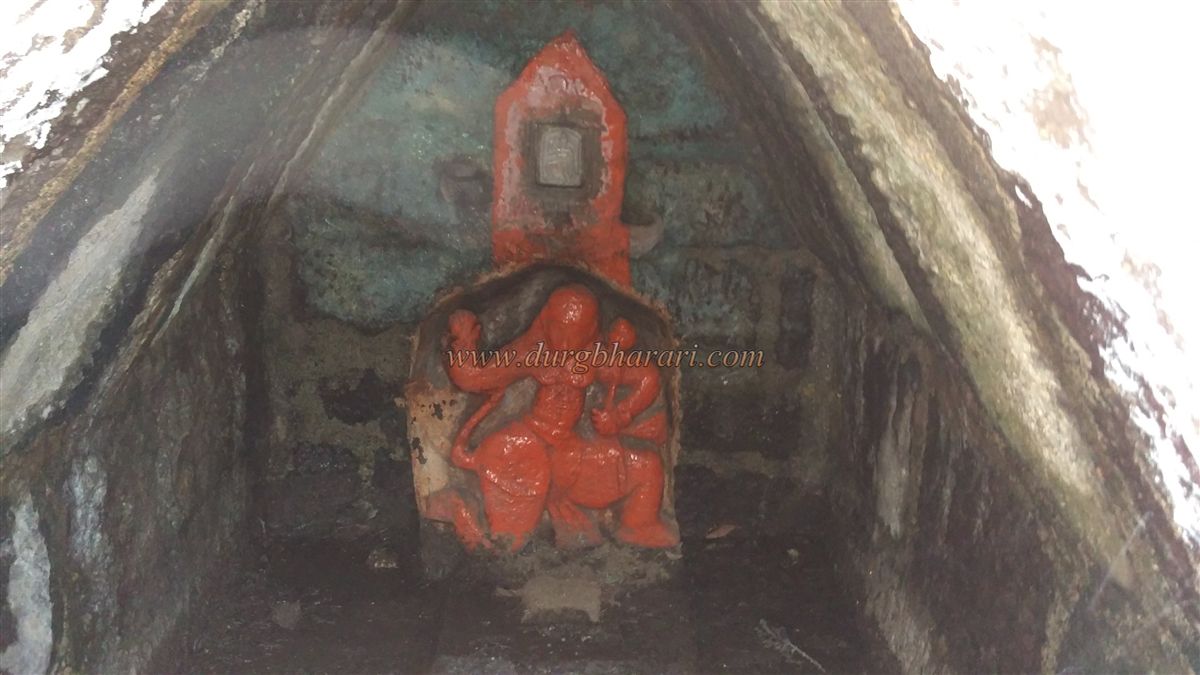
At the fort’s entrance, installed by Shridhar Swami, are idols of Maruti and Varaha. Before the steps leading to the fort end, you will find a tree from where a path branches off to the right. Walking five minutes along this path leads to a deep rock-cut crevice known as Ramghal – a secluded meditation spot of Samarth Ramdas.
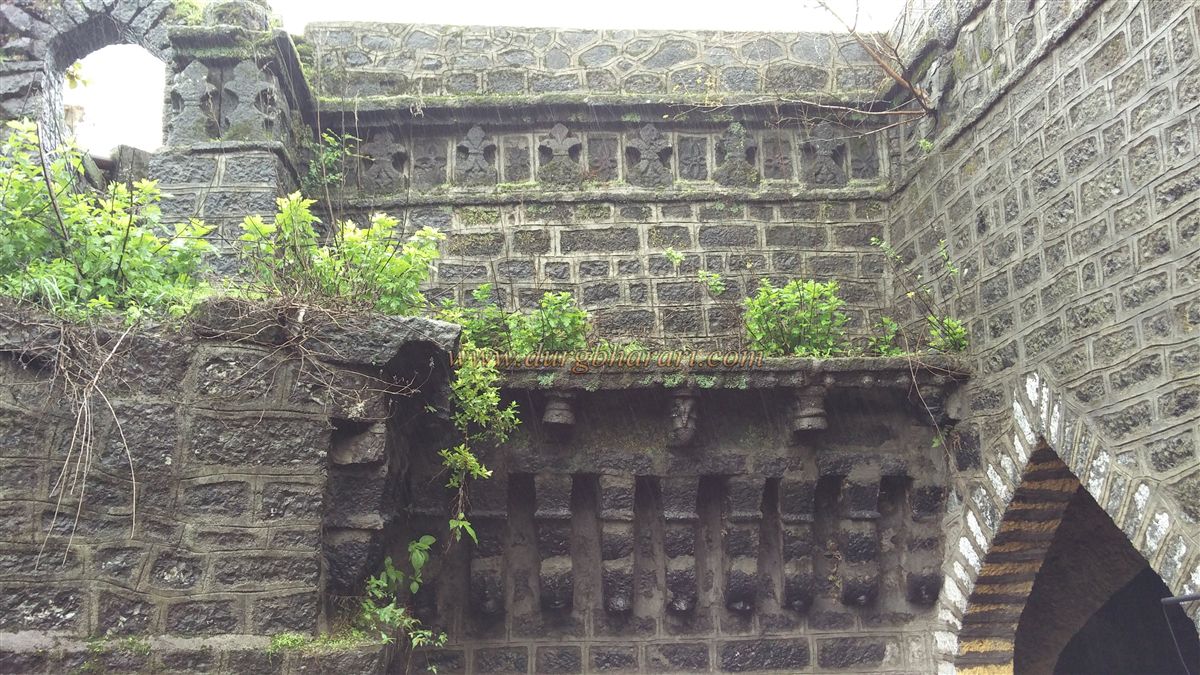
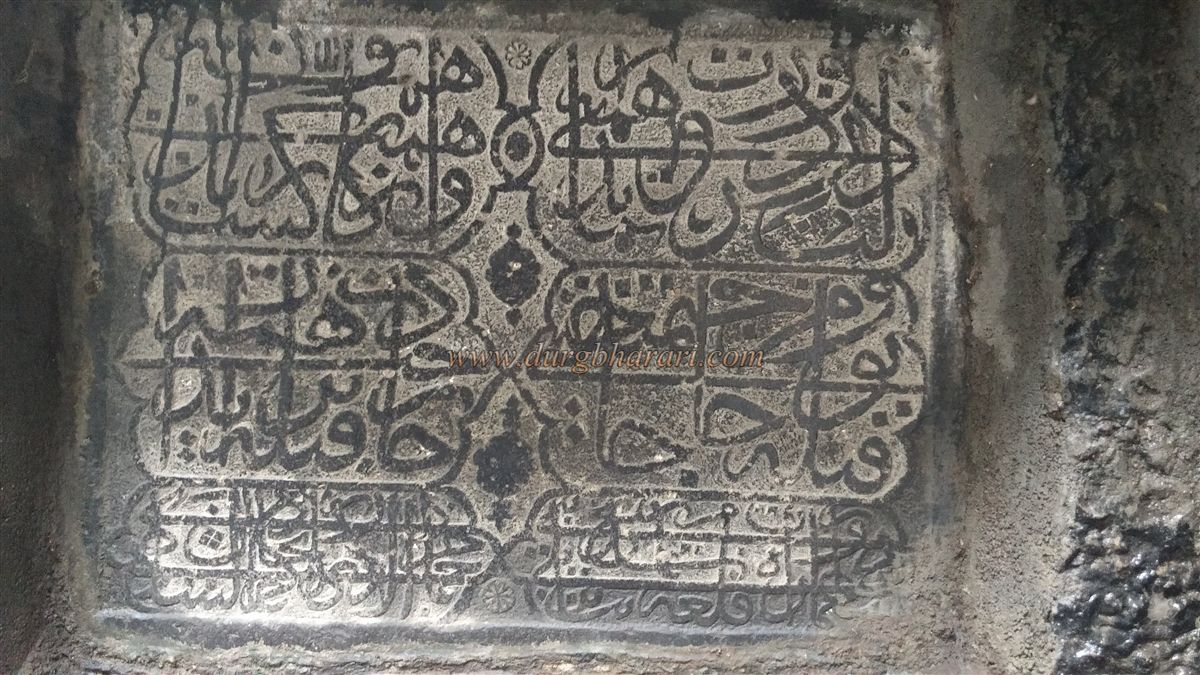
The first gateway to the fort is called Chhatrapati Shivaji Maharaj Gate. The second, facing east, is known as Samarth Gate. Both these gates are still closed every night at 10 p.m. On entering through the second gate, on the right-hand side along the wall, is a Persian inscription. Its Marathi translation reads:
"Prosperity glances at your threshold. Courage, by its action, delights all flowers. You are a place where miseries are dispelled, yet misery cannot enter again. From you, all troubles are removed. The foundation of this doorway of the Parali fort was laid on 3 Janadil Akhar. The work was done by Rehan under Adilshah."
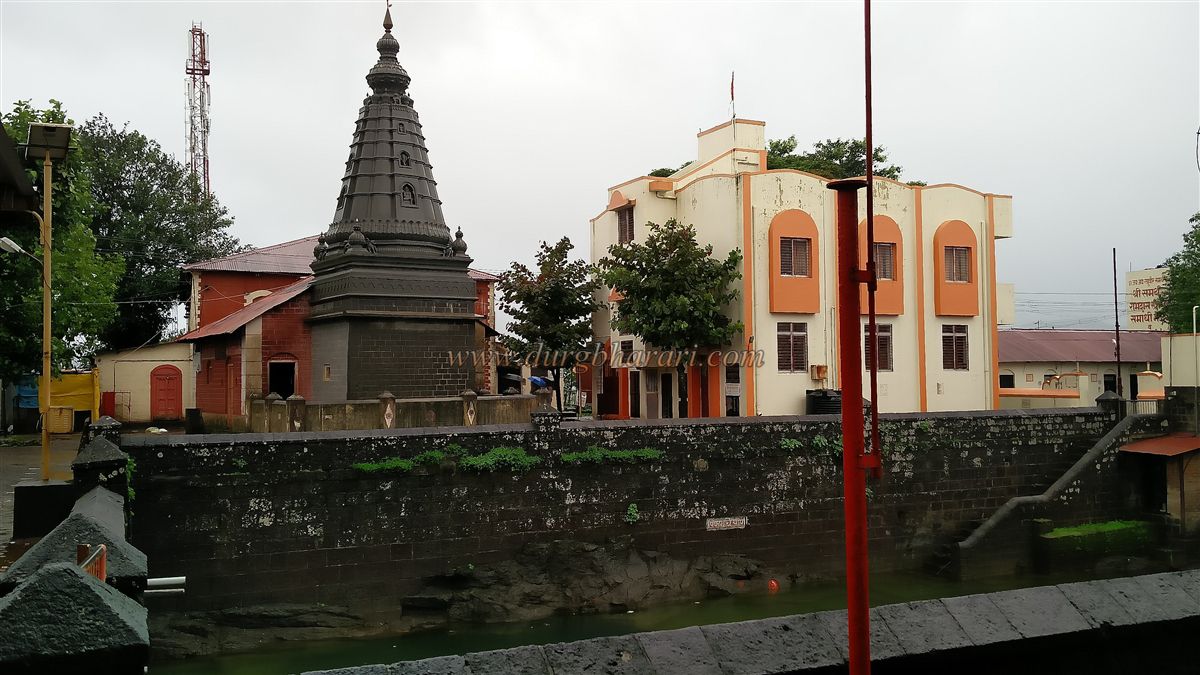
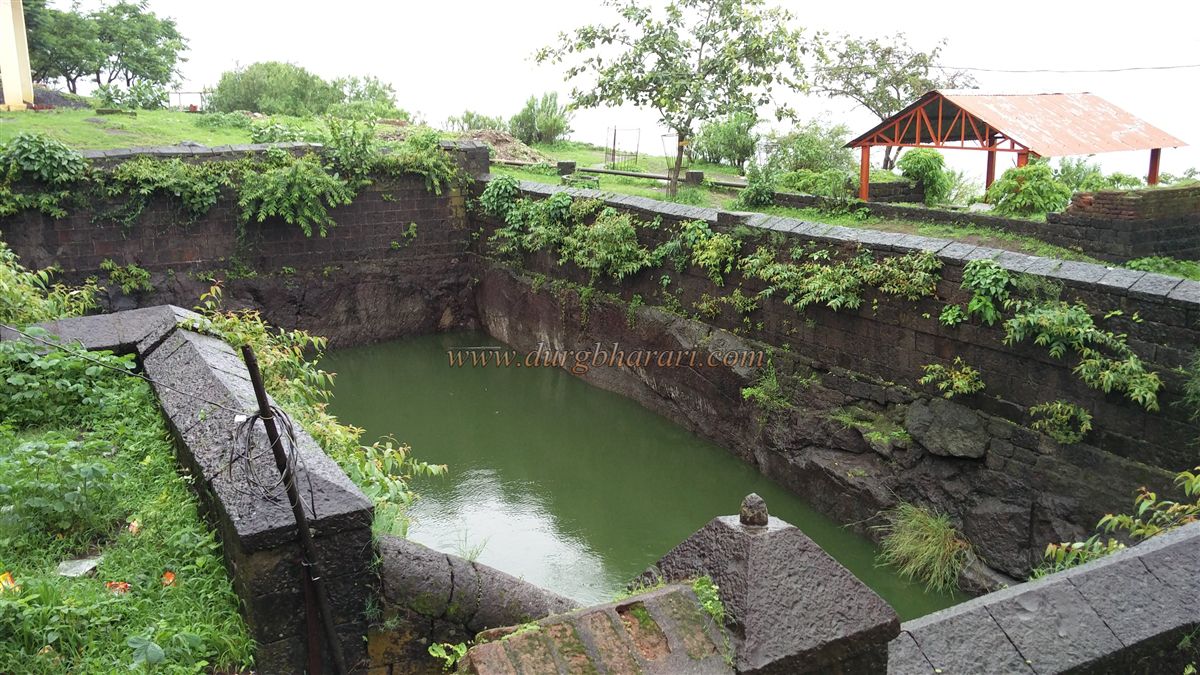
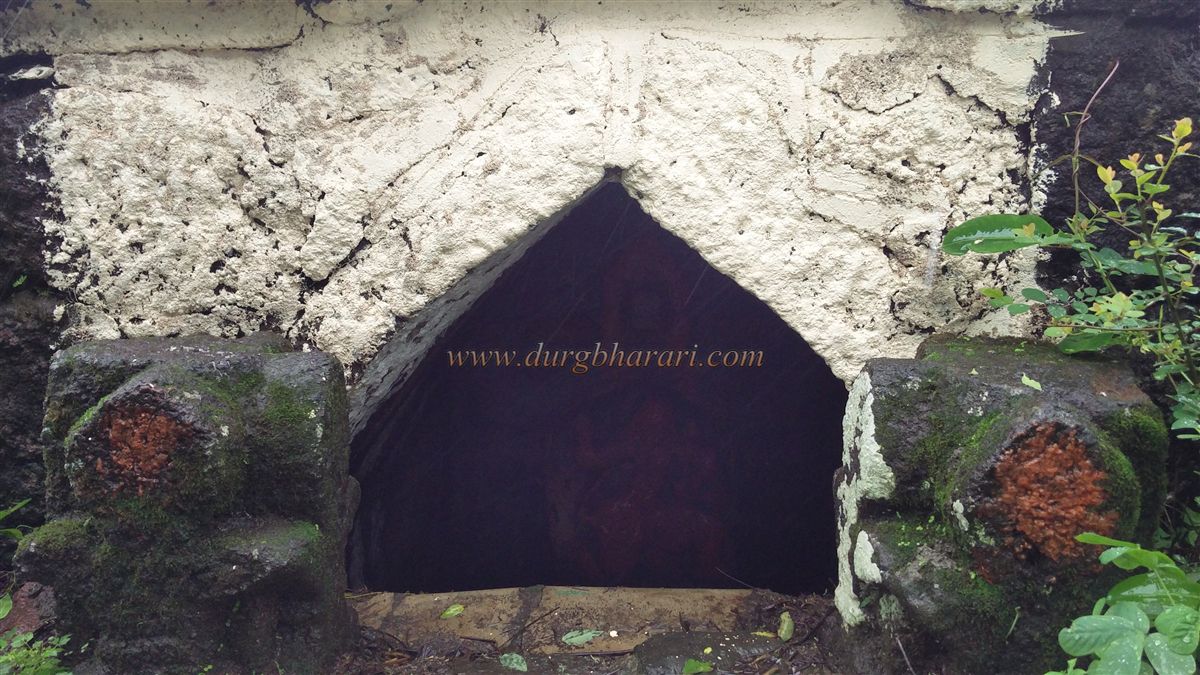
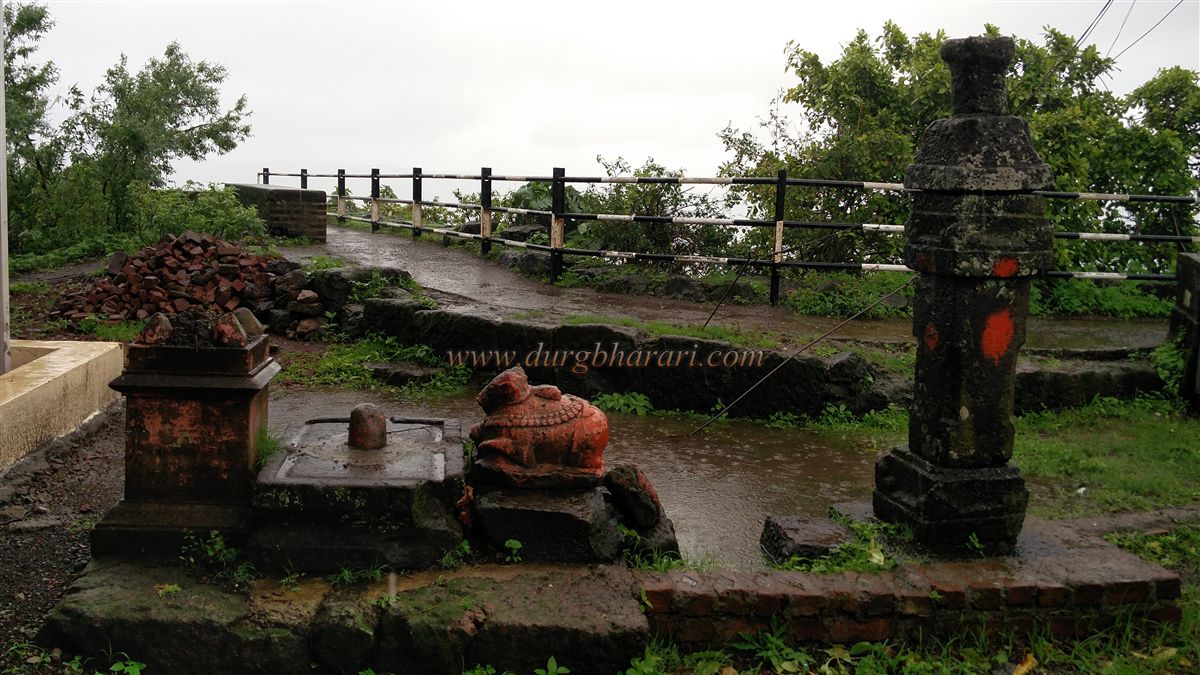
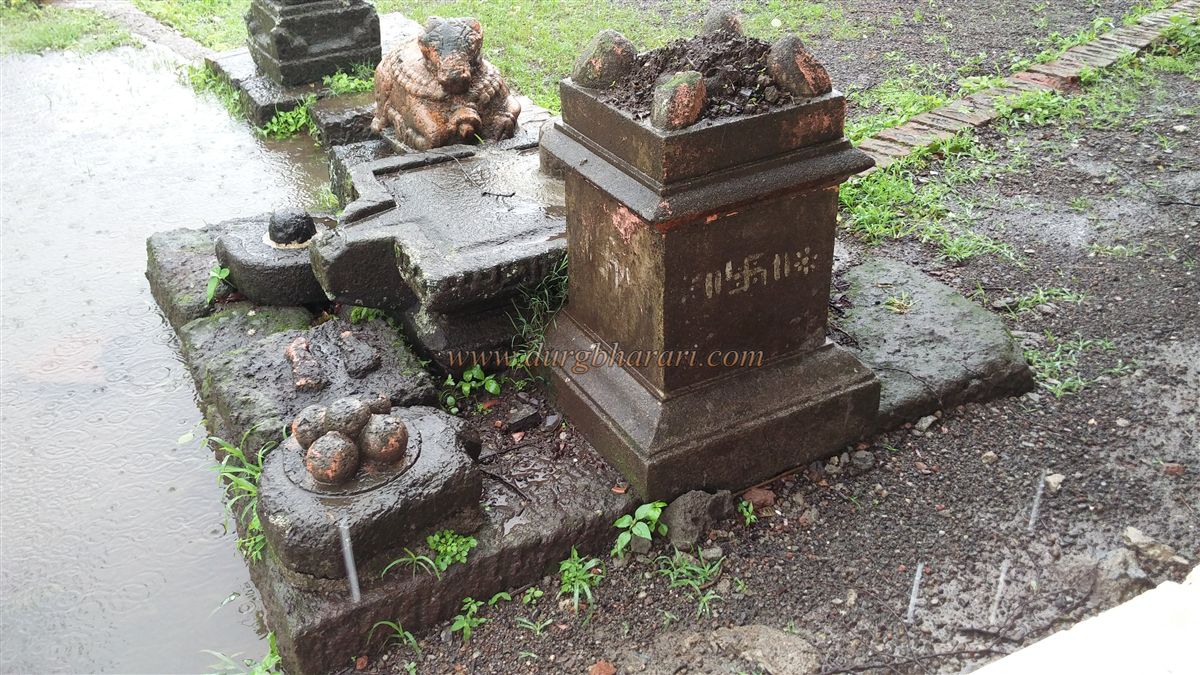
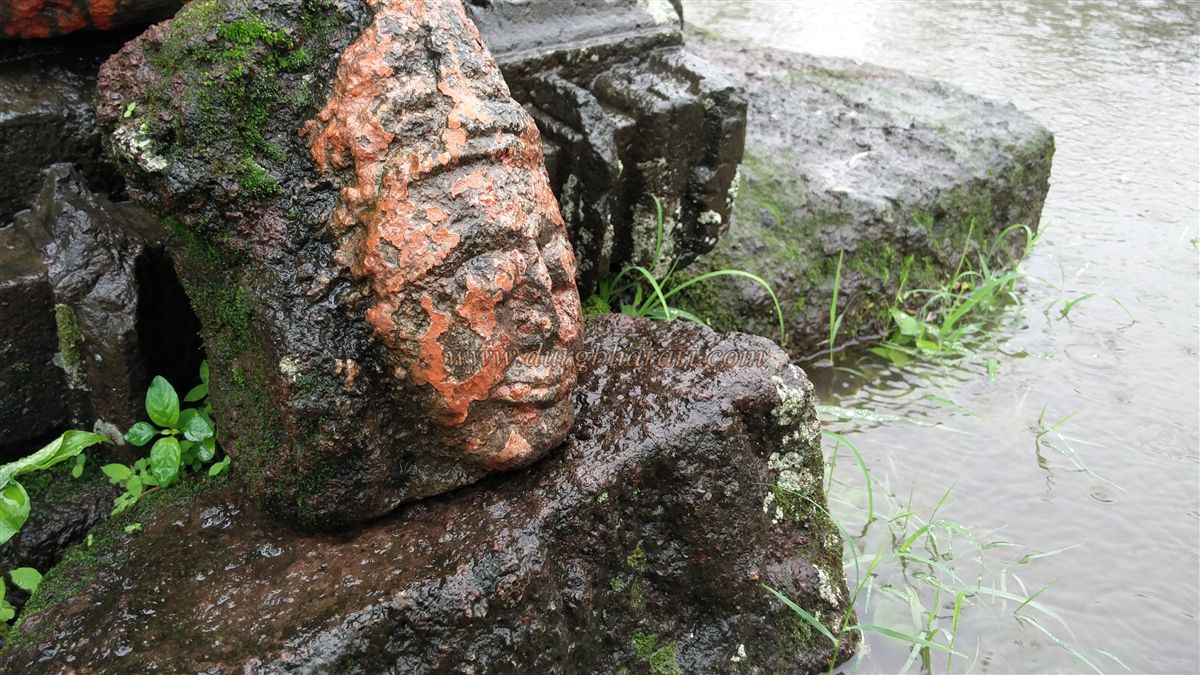
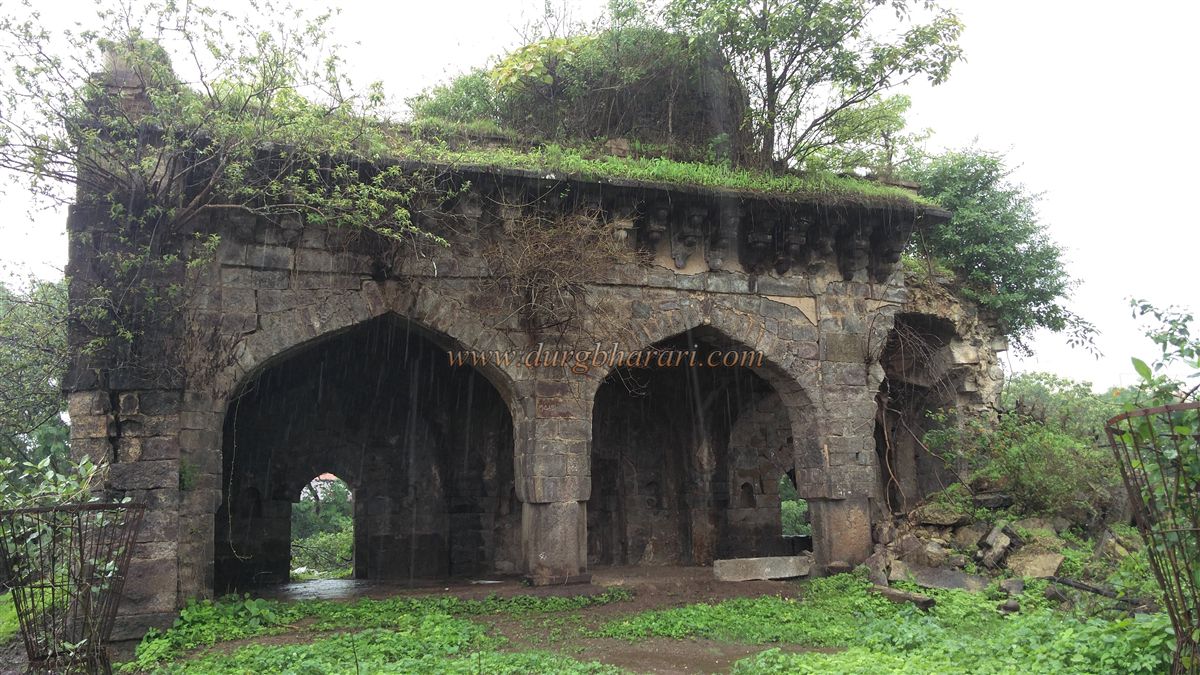
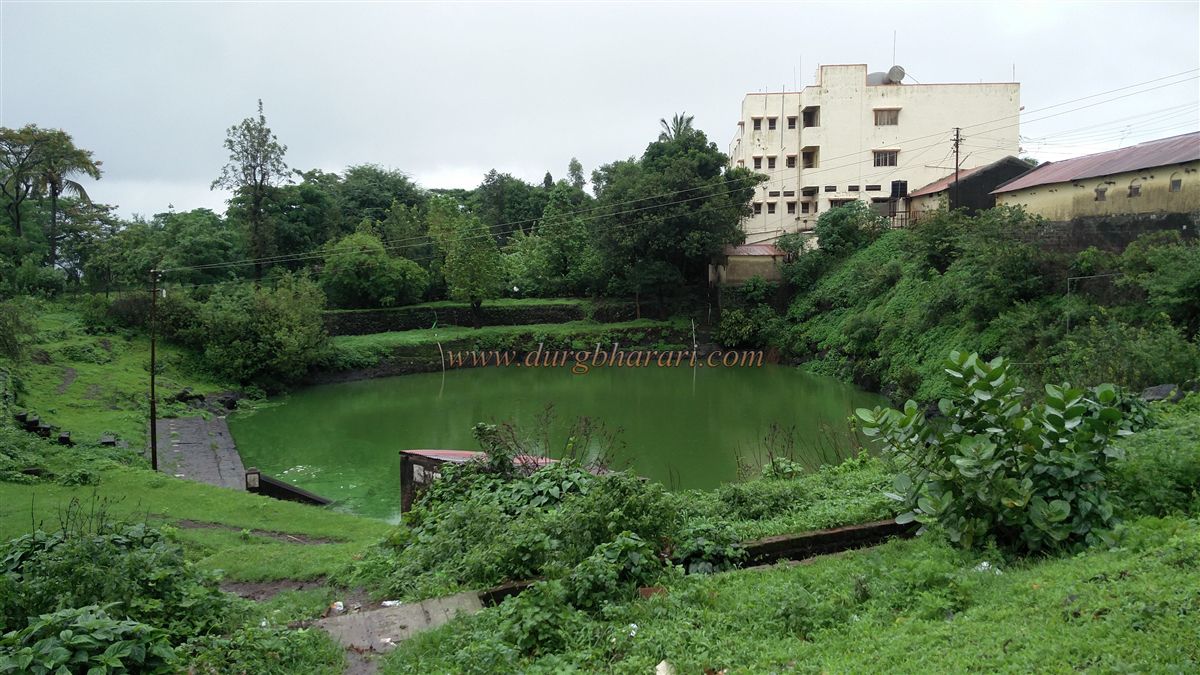
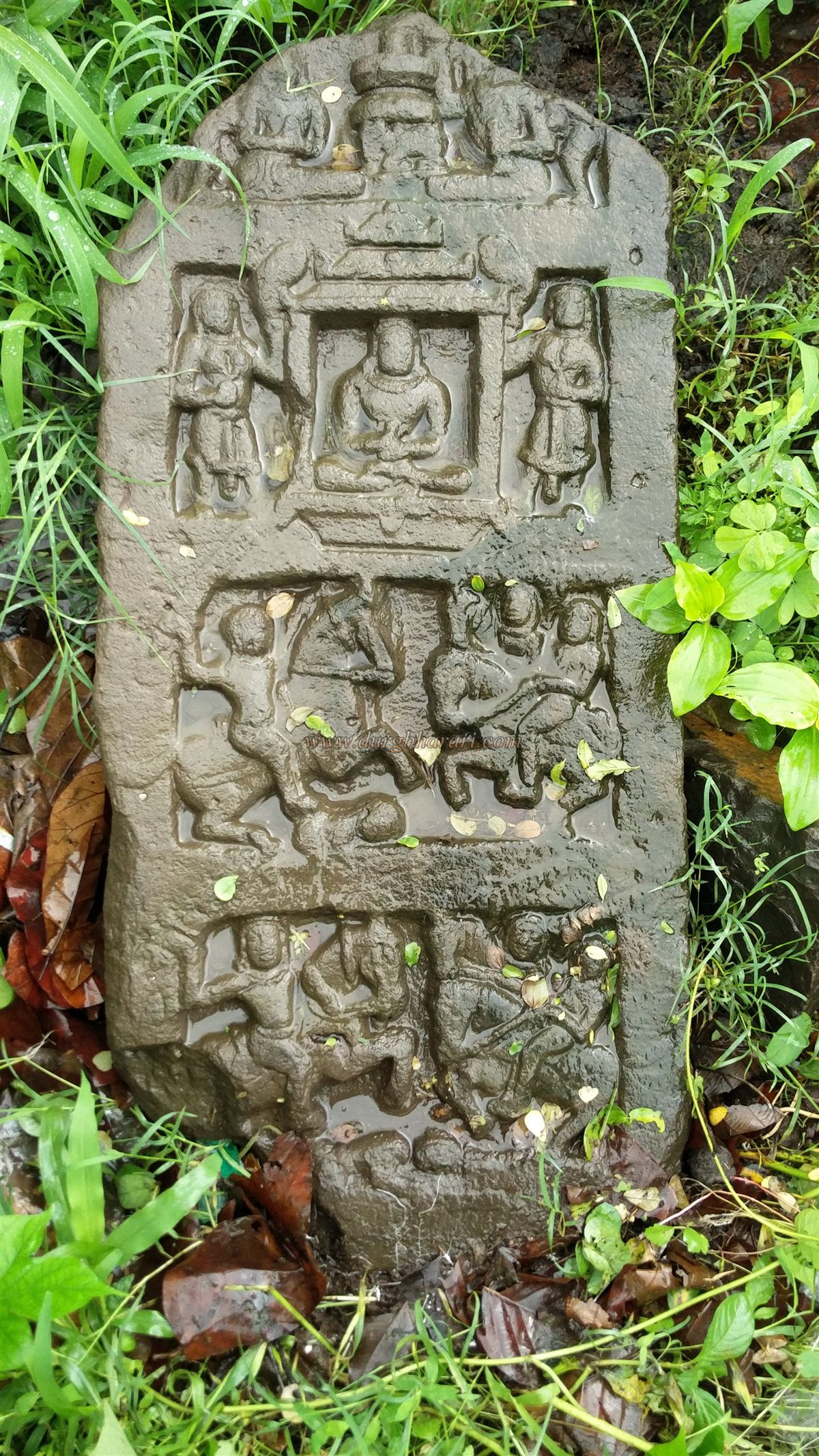
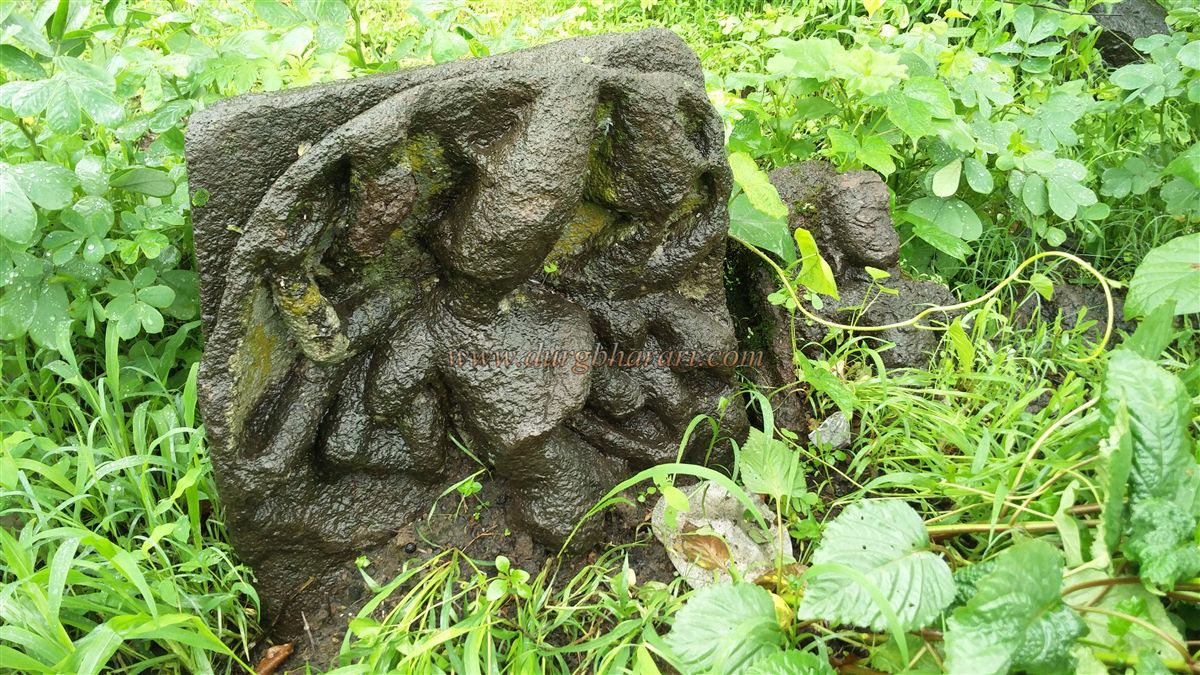
Upon entering, first explore the left-hand side of the fort. Here you will see the Ghodale Talav (pond) and behind it, a domed structure. In front of this structure is the Anglai Devi temple, established by Samarth himself. The idol of this goddess was found by Samarth in a pond at Angapur along with the idol of Ram at Chafal. Opposite this temple is a spot known as Dhalkathi, where some sculptures are kept.
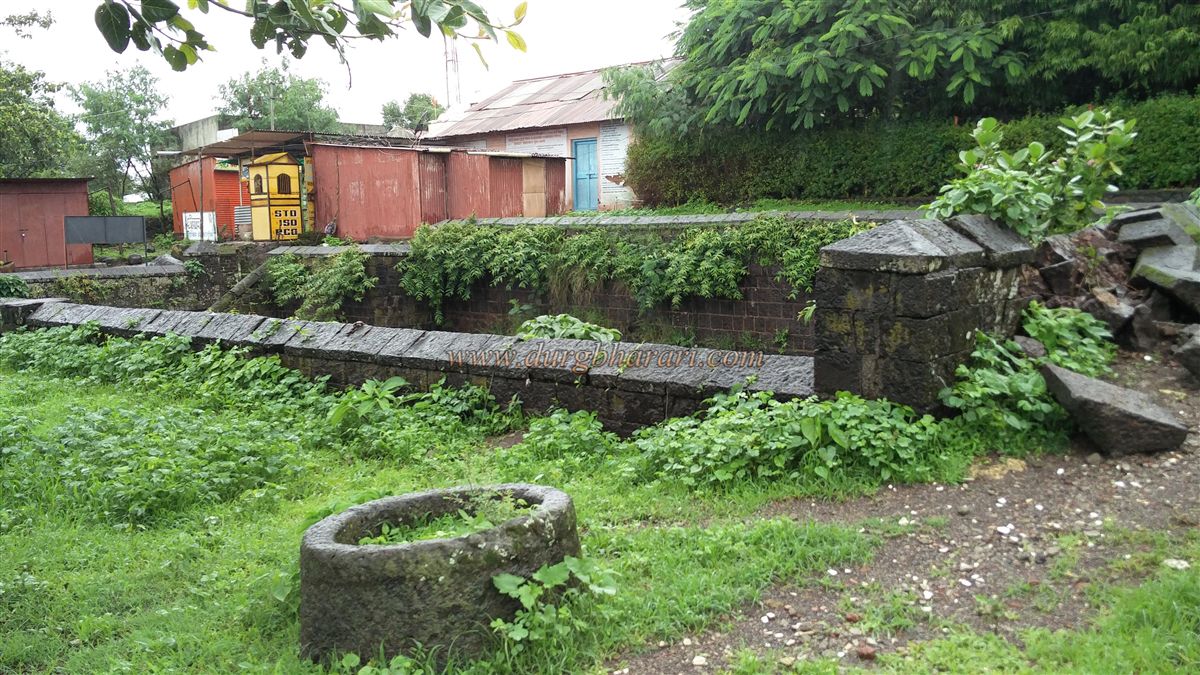
From here, return to the main entrance path and proceed straight ahead. Along this route are a refreshment center, the Samarth office, and a Dharamshala (pilgrims' inn). Opposite the Dharamshala lies the Sonale pond, whose water is used for drinking purposes. Behind this pond is a beautiful flower garden, with some broken idols and hero stones (virgal) placed along its edges.
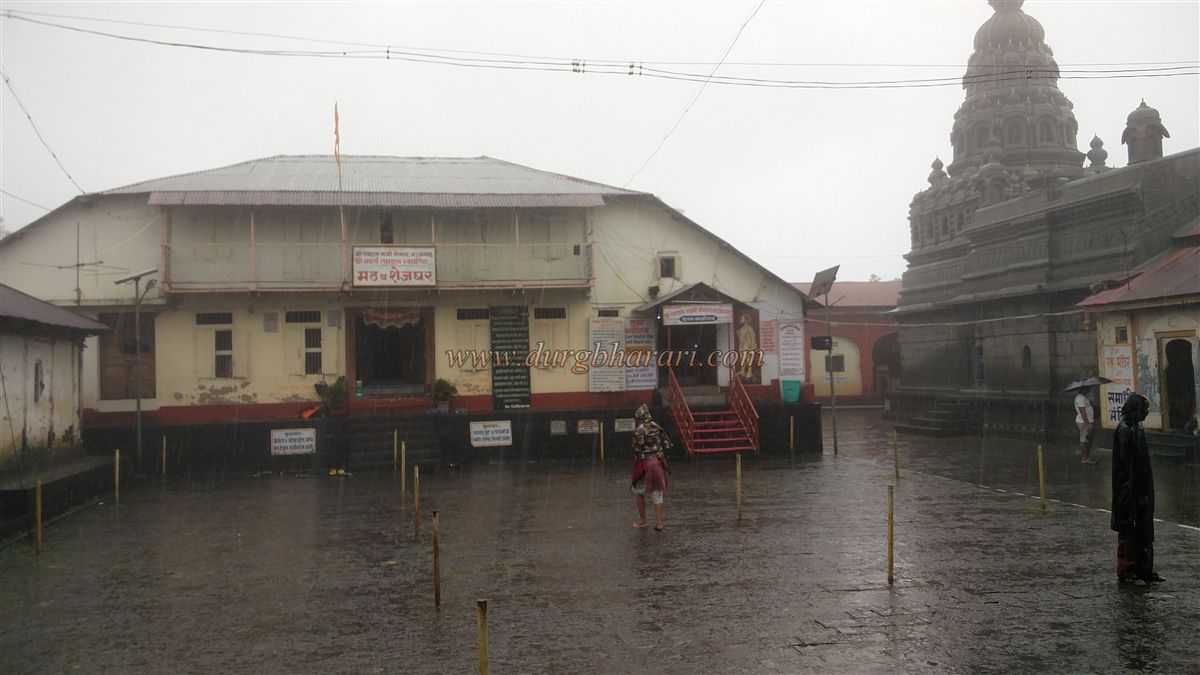
Following the path past the Sonale pond brings you into the temple complex. Along the way, you will pass a Maruti temple and the Shridhar Kuti Ashram. On the right side are the Ram temple, Samarth’s monastery (Math), and the Shejghar.
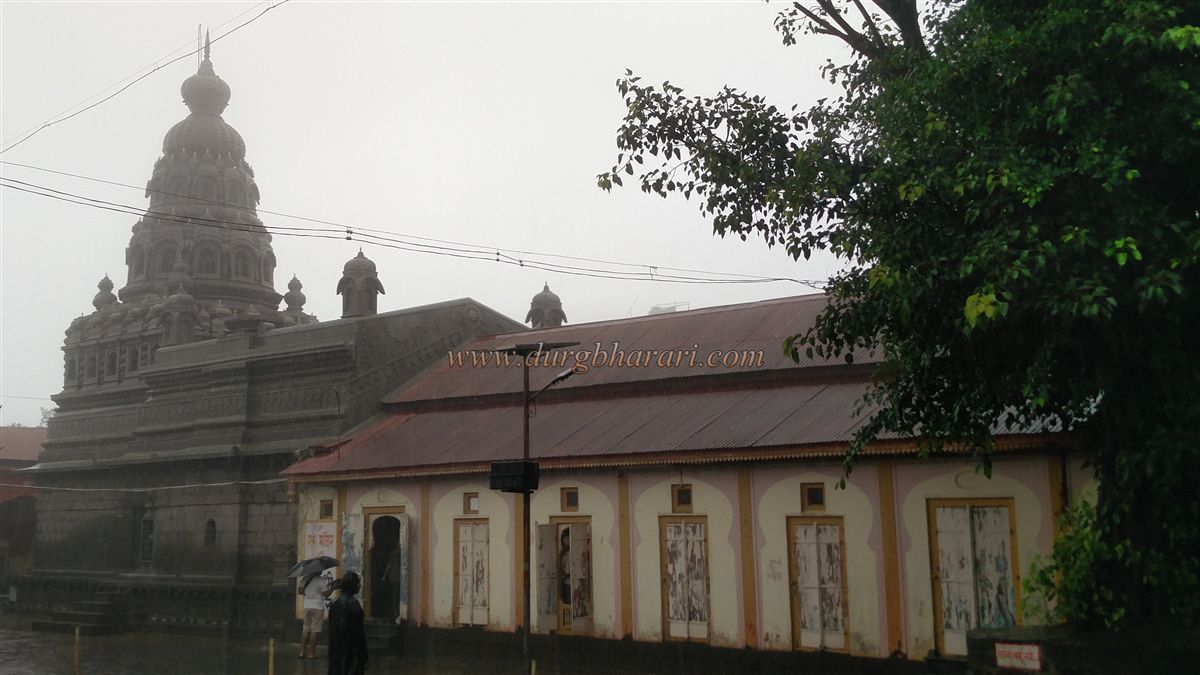
The main attractions of the fort are the Samarth Math and the Shri Ram temple. This is where Samarth Ramdas Swami resided. On Magh Navami of Shaka 1603 (1682 CE), Samarth took his samadhi (entered eternal rest). After his nirvana, on the instructions of Chhatrapati Sambhaji Maharaj, Samarth’s disciples placed the idol of Ram over his samadhi and built a temple there.
In the Sabhamandap (assembly hall) of the temple are idols of Siddhivinayak and Hanuman. In the sanctum are Panchdhatu idols of Ram, Lakshman, and Sita, along with a metallic idol of Samarth himself. Beneath the temple is the underground samadhi shrine. In a niche behind the samadhi are Dattatreya’s sandals placed in a brass box. In one corner outside the temple is a Maruti idol, and in another corner is the Vrindavan (memorial) of Samarth’s disciple Vena. To the north of the temple is the Vrindavan of another disciple, Akkabai.
The renovated Math houses a room called Shejghar, where items used by Samarth are displayed. These include a brass-legged cot, a portrait of Samarth painted by Meruswami of Tanjore after directly seeing him, Samarth’s walking stick, a gupti (sword hidden in a stick), a staff, a whip, two large water pots, a big water vessel, a betel-nut box shaped like a badam (almond), wooden robes, and an idol of Pratap Maruti. The gupti is noteworthy for its long, sharp hidden blade. It is said that these items were gifts to Samarth from Chhatrapati Shivaji Maharaj.
Every year, from Magha Vadya Pratipada to Navami, the DasNavami festival is celebrated here with great devotion.
Between the Ram temple and the Math is a doorway leading westward. On the right side of this path is a platform with a vermillion-smeared stone known as Brahmapisha. At the western edge of the fort stands a Maruti temple called Dhabyacha Maruti, beside which is a small lake. The fort’s western wall here offers a spectacular panoramic view of the surroundings.
On the northern side of the fort are the Gaimaruti and Kalyan Swami temples. It takes about two hours to explore the entire fort. Accommodation is available at rooms managed by the Shri Samarth Seva Mandal office.
In ancient times, this hill was believed to be the abode of the sage Ashwalayana, earning the fort the name Ashwalayanagad, which over time corrupted to Aswalgad. The fort is said to have been built in the 11th century by Shilahara king Bhoj. Later, it came to be known as Parali Fort after the village at its base.
During the reign of the fourth Bahmani Sultan Muhammad Shah (1358–1375), this fort is mentioned in records. After the Bahmani kingdom fragmented, the fort came under the control of the Adilshahi rulers. Records show that up to 1632, Fazal Khan was the fort commander. On April 2, 1673, Chhatrapati Shivaji Maharaj captured the fort from the Adilshahi. At Shivaji Maharaj’s request, Samarth Ramdas Swami took up permanent residence here.
With Samarth’s stay, the fort came to be known as Sajjangad (the Fort of the Virtuous). He resided here until his death. After Shivaji Maharaj’s coronation, on the full moon day of Paush (1679), he visited Sajjangad to seek Samarth’s blessings. On November 3, 1678, Shivaji Maharaj sent Sambhaji Maharaj to stay with Samarth on the fort, but on December 3, 1678, Sambhaji left Sajjangad to join Diler Khan.
After Shivaji Maharaj’s death, on January 18, 1682, the Ram idol was installed at the fort. On January 22, 1682, Samarth Ramdas Swami attained samadhi. Before his passing, he had entrusted overall authority to Diwakar Gosavi but assigned the fort’s administration to Bhanji and Ramji Gosavi. Disputes later arose between them, prompting Sambhaji Maharaj to write a letter on June 2, 1682, to the fort commander Jijoji Katkar, instructing him to resolve the matter peacefully and maintain Samarth’s directives.
On April 21, 1700, Fateullah Khan laid siege to Sajjangad. On June 6, 1700, the fort fell to the Mughals, who renamed it "Naurastara." In 1709, the Marathas recaptured it. Finally, in 1818, Sajjangad came under British control.
© Suresh Nimbalkar
GALLERY