SAIWAN
TYPE : HILL FORT
DISTRICT : PALGHAR
HEIGHT : 270 FEET
GRADE : EASY
Mumbai geographically divides the Konkan region into two parts — North Konkan and South Konkan. The stretch from Vasai to Daman is known as North Konkan, while the stretch from Alibaug to Karwar is referred to as South Konkan. North Konkan remained under Portuguese rule for a long period, and to safeguard this territory and manage administrative affairs, the Portuguese constructed several small forts along the coastline and near the creeks where ships used to pass. Most of these forts have suffered extensive destruction over time, leaving only a few remnants. One such fort is the Saiwan Fort, built by the Portuguese on the banks of the Tansa River, a tributary of the Vaitrana Creek. Over the centuries, this fort has been largely destroyed, though some scattered remains can still be seen today.
...
This fort is located on the Vajreshwari Road, about 11 km from Shirgaon Phata on the Mumbai–Ahmedabad route near Virar and about 23 km from Virar railway station. Saiwan village lies along the Vajreshwari Road. From Virar, one must take a cemented road to the right into the village and proceed to its far end. Locally, the fort is not widely known, and some elderly villagers refer to the site as an old outpost or “Chowki.” Therefore, while inquiring about the location, it is advisable to ask for directions to the old “Chowki.” At the end of the road, on the left side downhill stands the house of Mangal Rama Naik, and to the right, a mud path climbs uphill toward the fort. Following this path, one soon comes across a fenced house. Skirting the fence on its right, a trail leads up the hill. After walking for about 10 minutes, one reaches a pile of stones erected by the Forest Department as a boundary marker. A little ahead, the path splits into two; taking the left trail leads to the fort.
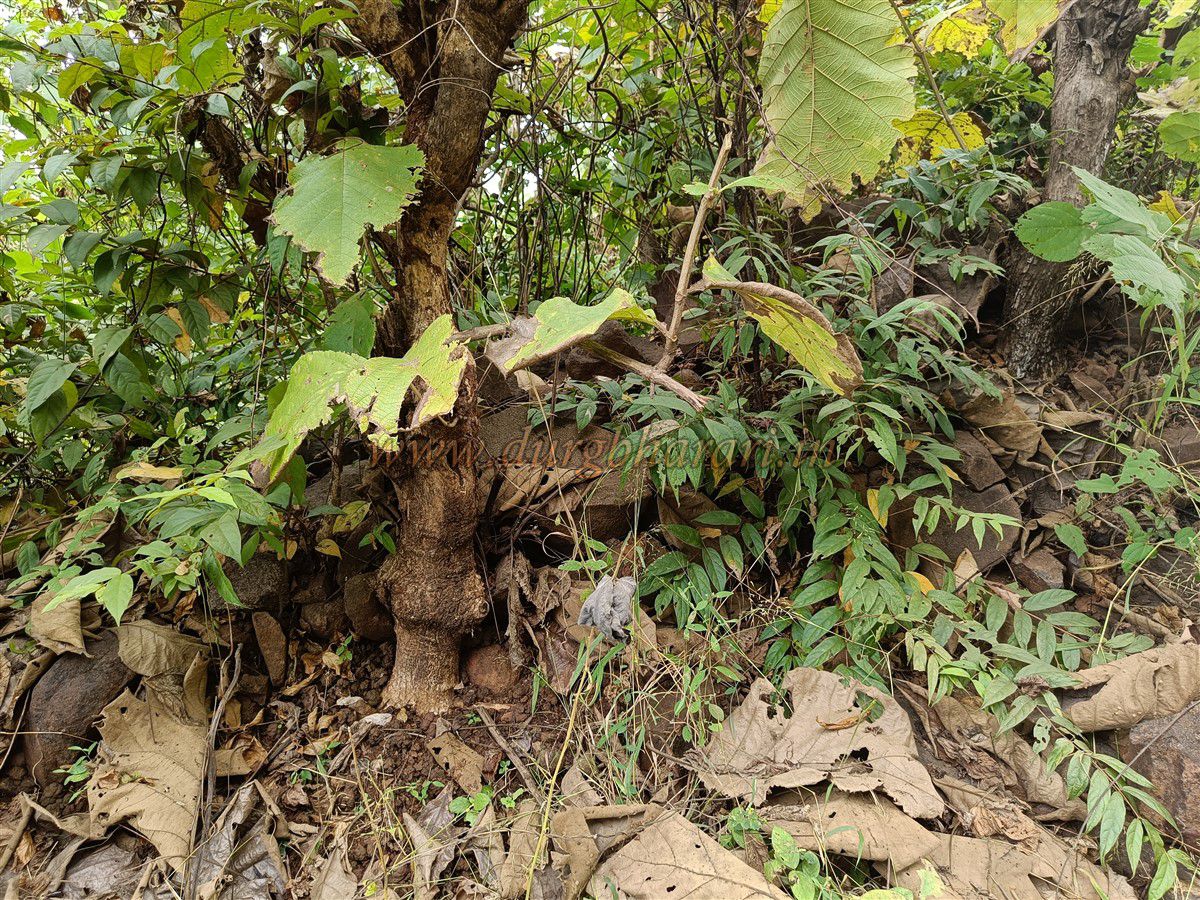
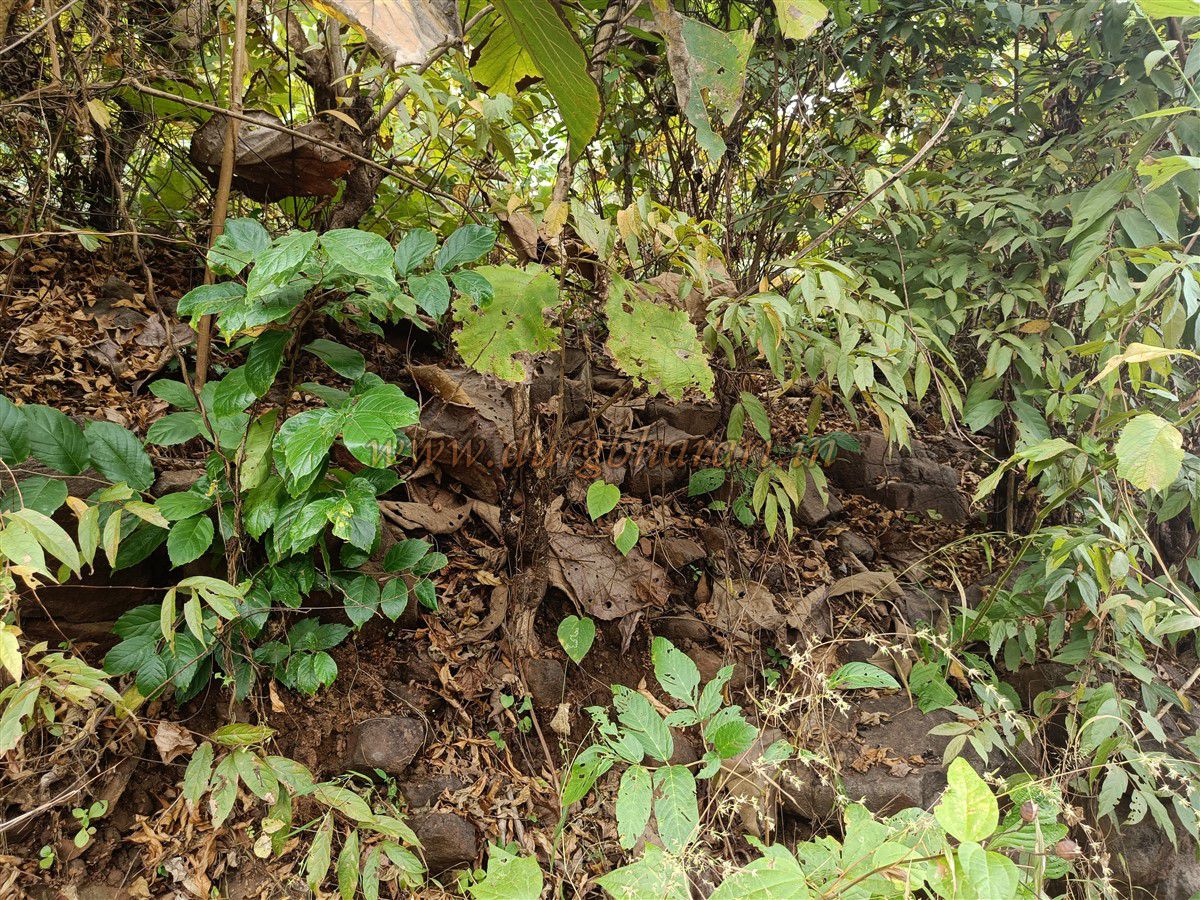
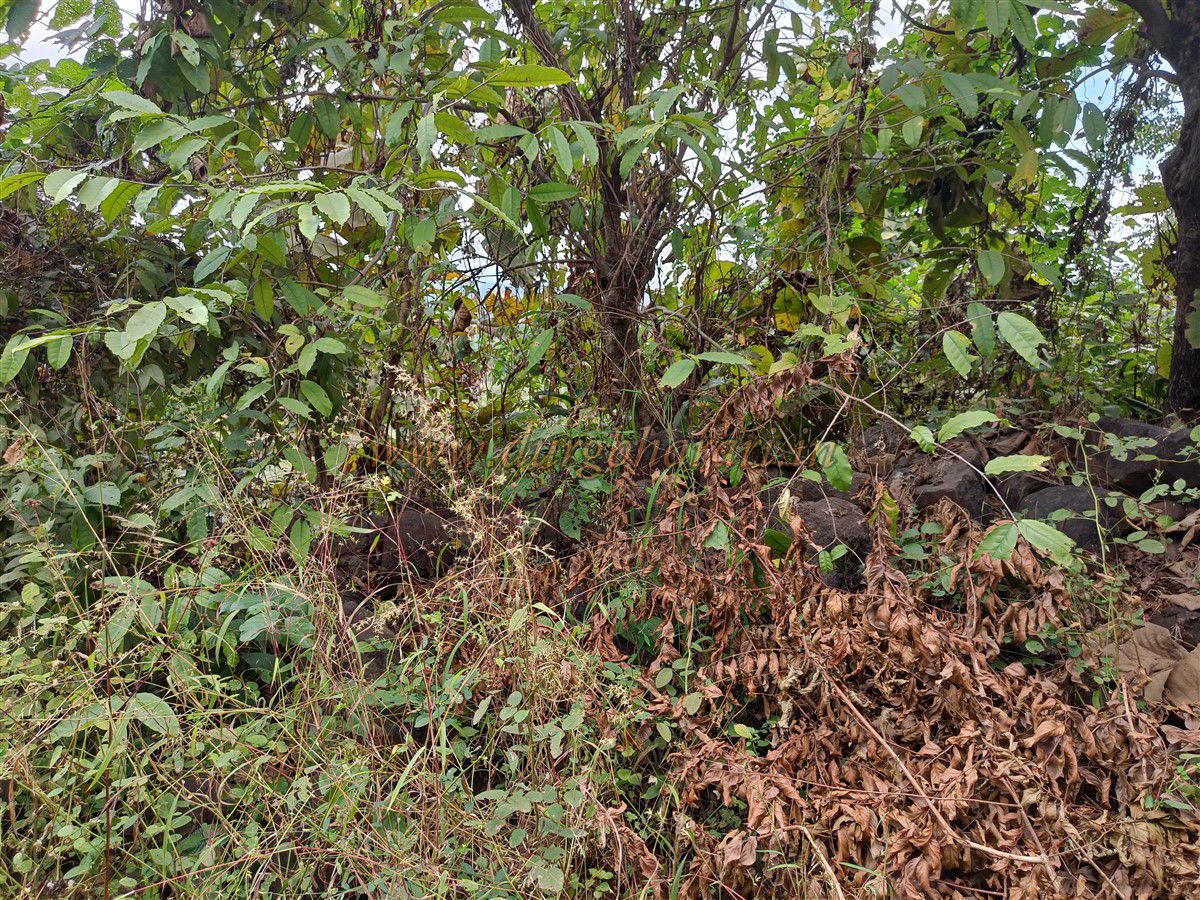
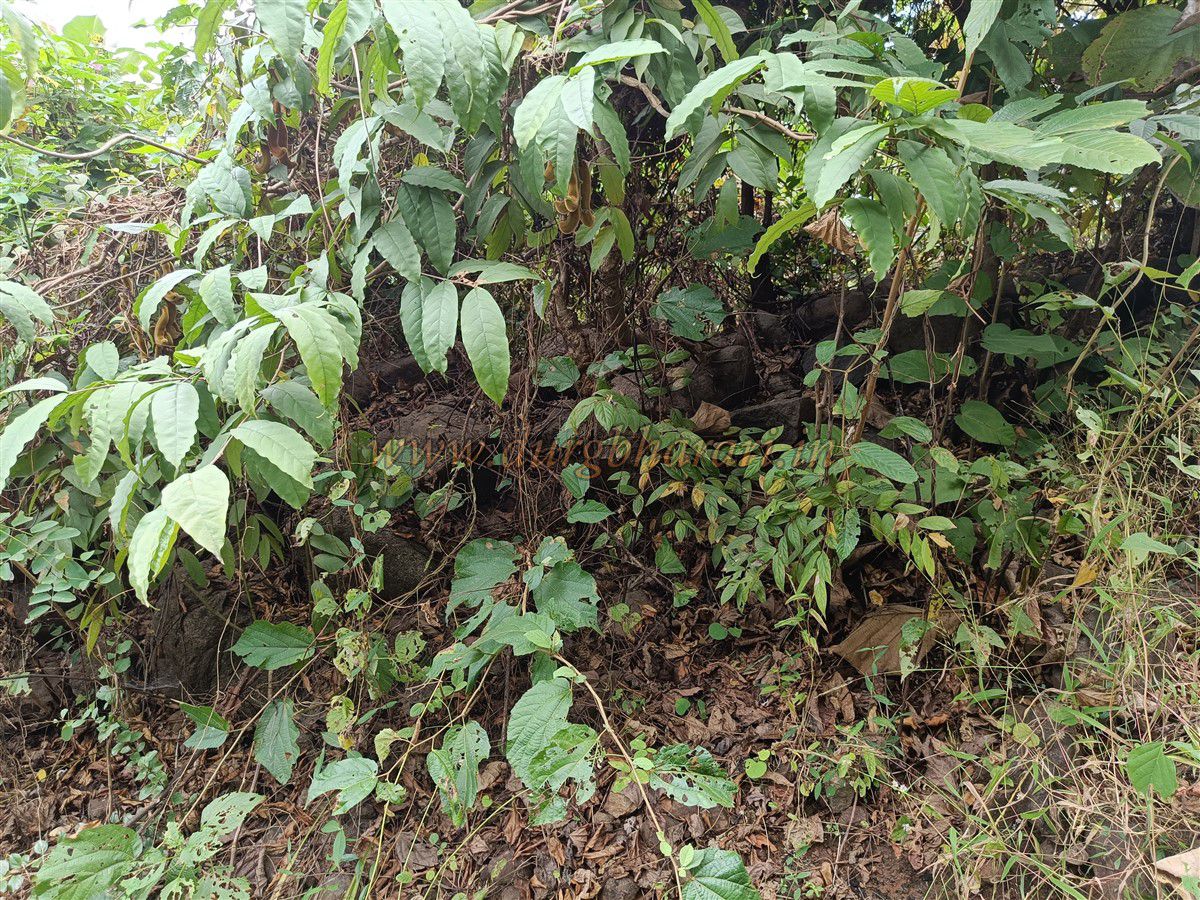
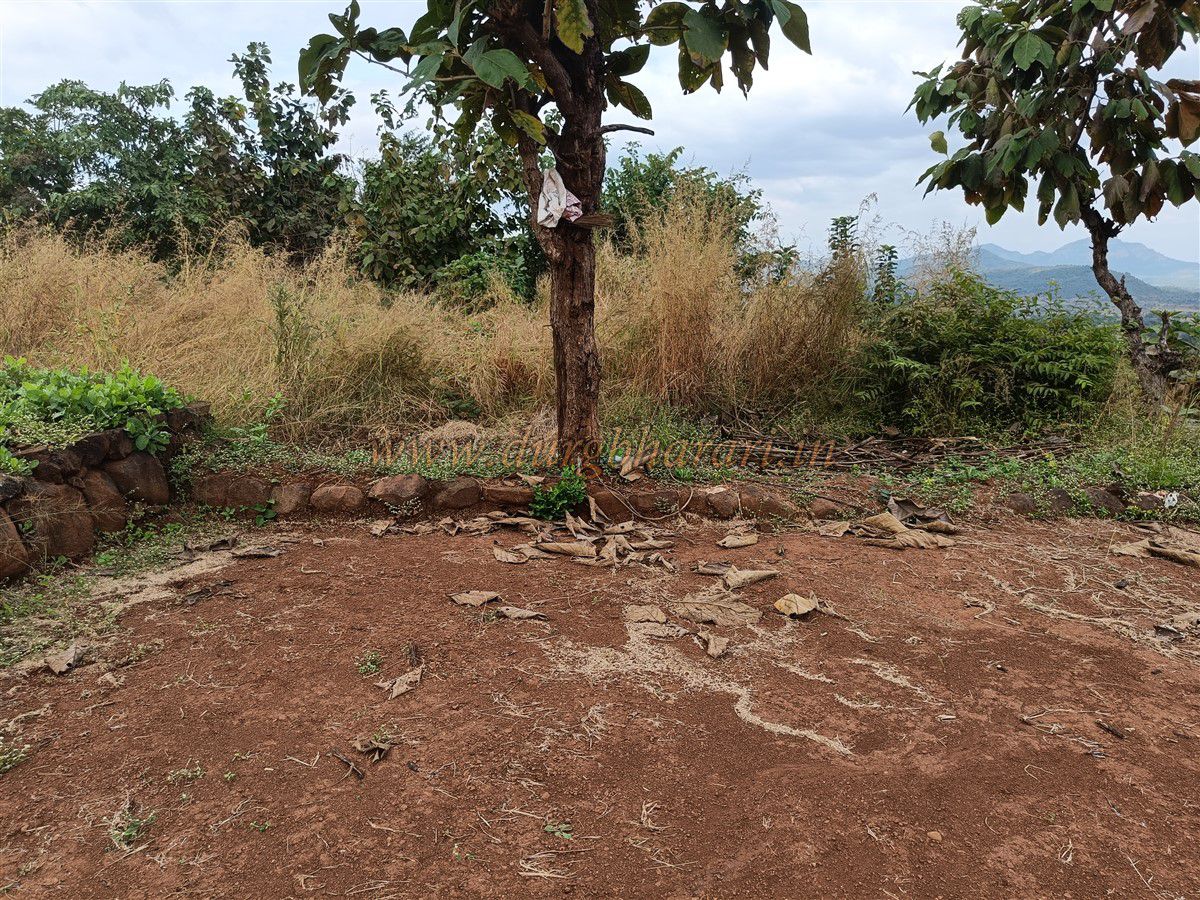
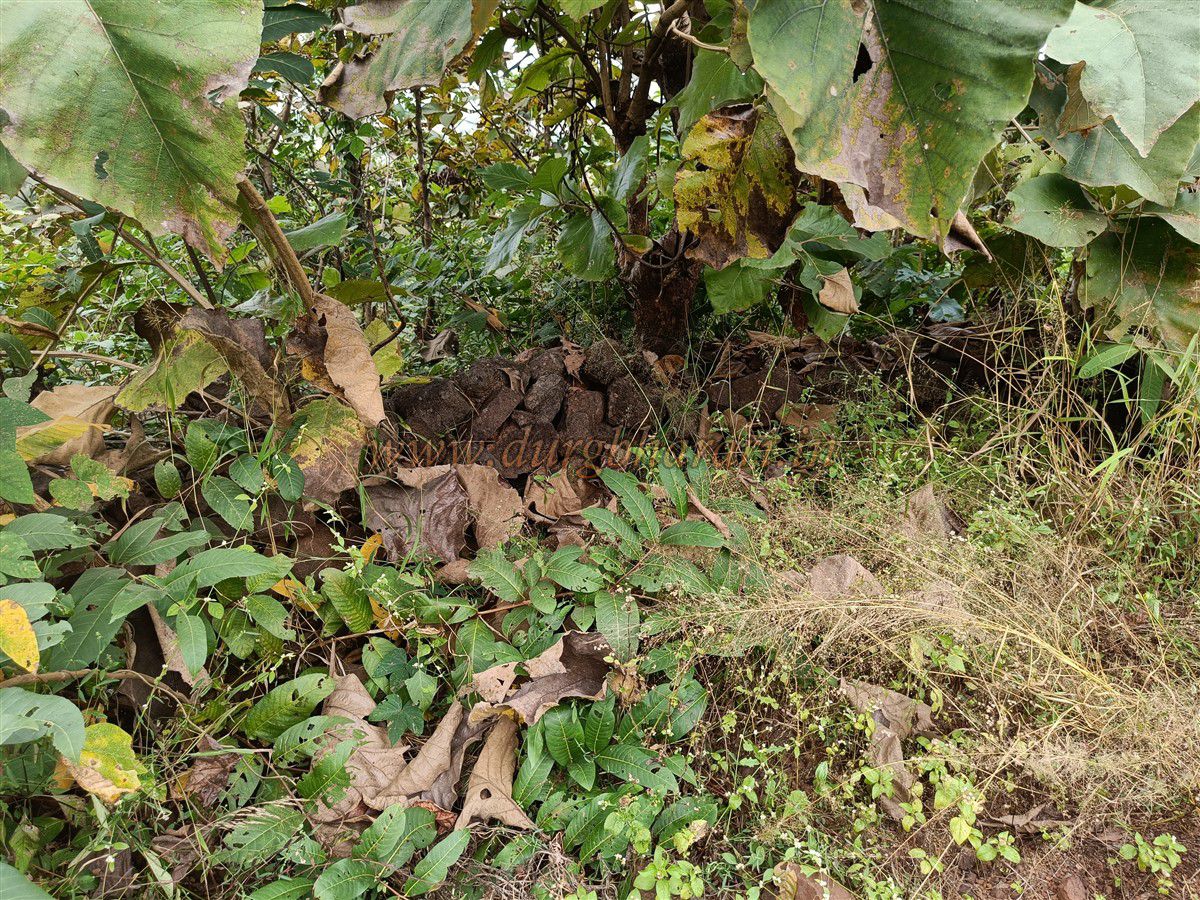
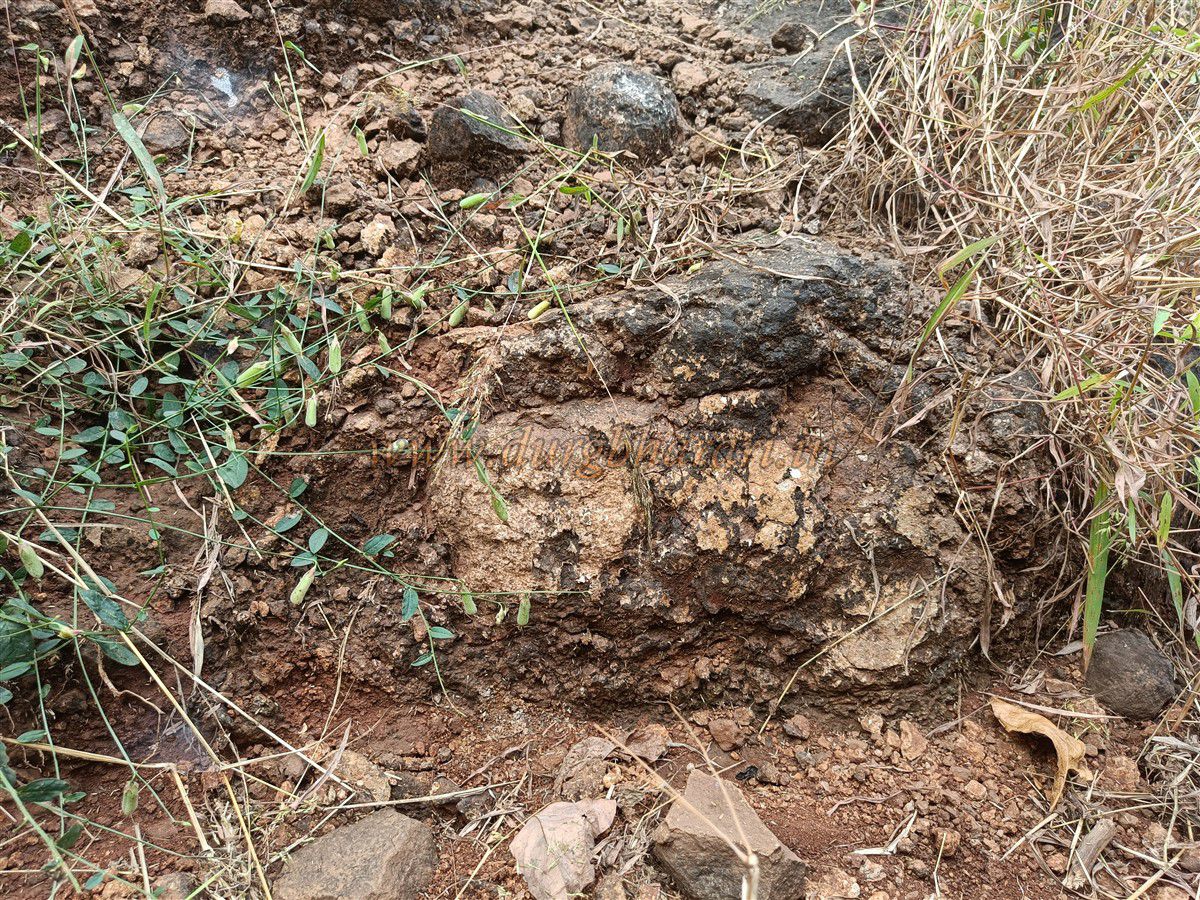
Climbing further up, one can spot, amidst the thickets on the left slope, a buried stretch of fortification about 15–20 feet long, 5 feet wide, and 4 feet high. In addition, the foundation of a bastion and traces of lime used in its construction are visible. Beyond these, no other visible remains can be seen, although other remnants might be hidden within the dense vegetation. It takes roughly 20 minutes to reach this point from the base. From here, one can view the winding course of the Tansa River in the distance. The Saiwan hill is surrounded by several other forts such as Mandakini, Tungareshwar, Gumtara, Kaman Durg, Mandvi, and Takmakgad.
In 1657, after Chhatrapati Shivaji Maharaj captured Kalyan and Bhiwandi, Maratha movements in this region increased. To keep an eye on the Portuguese-controlled Saiwan, a watchtower was constructed near the Tansa River. Portuguese records mention that Saiwan Fort had four bastions and ten cannons at that time. During high tide, ships traveled from the Vaitrana Creek into the Tansa River, reaching as far as Saiwan. In 1683, Saiwan is mentioned in the records of a Maratha raid conducted by Chhatrapati Sambhaji Maharaj against the Portuguese in North Konkan. On 15 November 1723, Sardar Pilaji Jadhav attacked Saiwan with 4,000 cavalry, striking fear into the Portuguese.
During Chimaji Appa’s Vasai campaign in 1739, the Portuguese commander of Saiwan was José de Miranda. On 21 April 1737, Chimaji Appa sent a force of 3,000 soldiers from Bahadurpura near Vasai to lay siege to the fort. After 13 days, José de Miranda surrendered, and the fort came under Maratha control. At this time, a significant quantity of ammunition and grain was seized by the Marathas. The “Bakhar of Sashti” mentions the strong fortifications of Saiwan Fort.
These forts, built by the Portuguese around the 16th century, primarily served the purpose of protecting maritime routes and supplying provisions to other forts in the region. Using these small forts, watchtowers, and long-range cannons, the Portuguese established their dominance over the North Konkan coast. However, after the Maratha victory in the Vasai campaign of 1739, this area came under Maratha control, permanently ending Portuguese influence here.
Visitors coming to see the fort might be disappointed by the lack of prominent remains, but for those interested in understanding the Portuguese watchtowers along maritime routes and their geographical importance, this site is worth a visit.
© Suresh Nimbalkar
GALLERY