SADANANDGAD
TYPE : HILL FORT
DISTRICT : SINDHUDURG
HEIGHT : 275 FEET
GRADE : MEDIUM
Originating in the Phonda Ghat, the Achara River flows for about 60 km before merging into the Arabian Sea at Achara. Around 35 km inland from the sea, the village of Salshi, located on the banks of the Achara River, was a well-known port in the medieval period. The Phonda Ghat served as the closest trade route from this port to the plateau.
Behind Salshi village, on a forested hillock, lies the lesser-known and neglected Sadanandgad Fort. Rarely mentioned in historical records, the names Salshi and Sadanandgad are hardly found in written history. Until recently, this fort remained unknown to many, and even today, it is unfamiliar to most people. Notably, there is no mention of this fort in the British Gazetteer.
...
To reach Sadanandgad, the base village Salshi is located 20 km from Kankavli, and there are trails leading up to the fort from both Salshi and the nearby Kuwale village. As state transport services on this route are limited, private vehicles are a more convenient option. It takes about an hour to reach the fort from either village. However, due to the dense forest cover on the hill, there is a high chance of losing the trail, making it necessary to take a local guide along.
This journey also reveals how, despite scientific progress, fear still grips human minds. When we arrived at Salshi village around 2 p.m., we requested 10–12 villagers to accompany us to the fort, but none agreed due to fears of ghosts. They told us to return the next morning, saying they could only escort us up to the trailhead, and as a result, our visit to the fort had to be postponed.
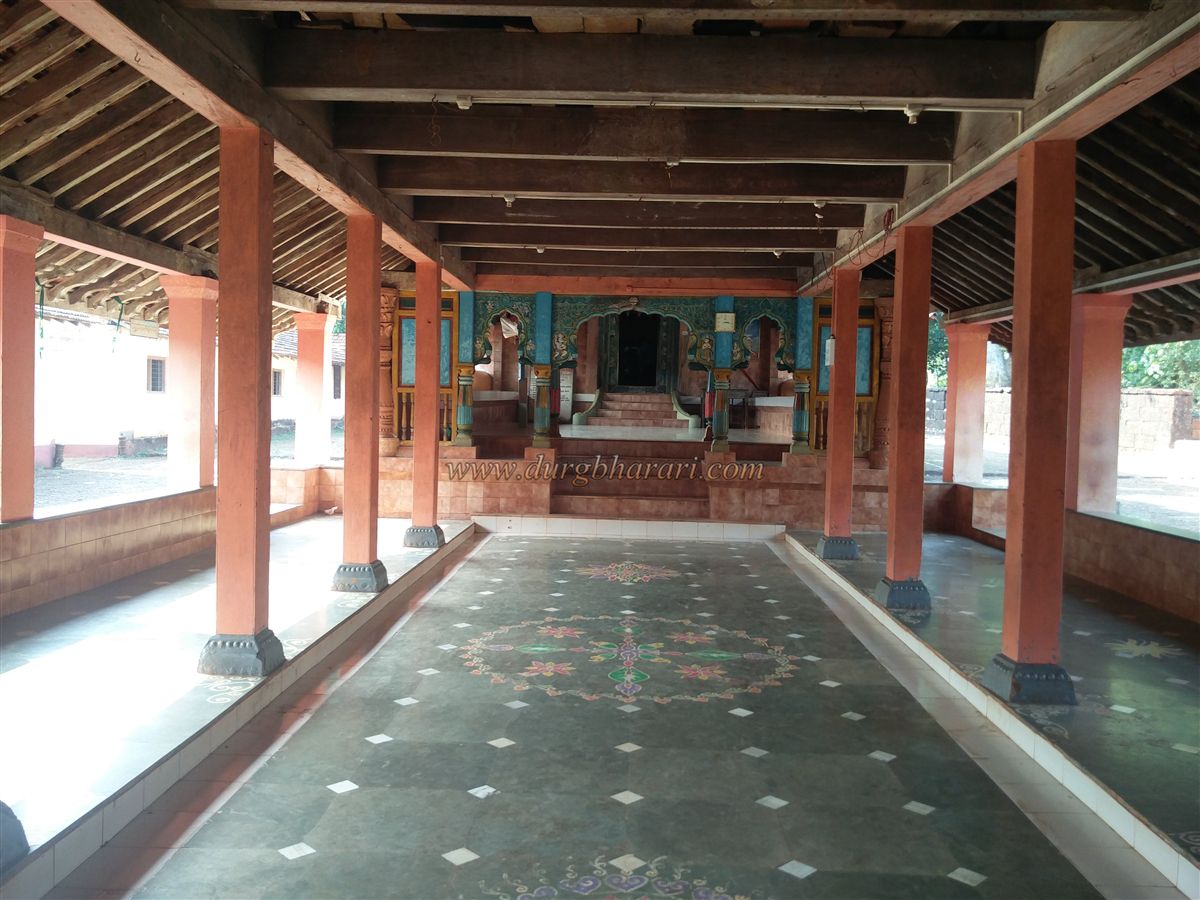
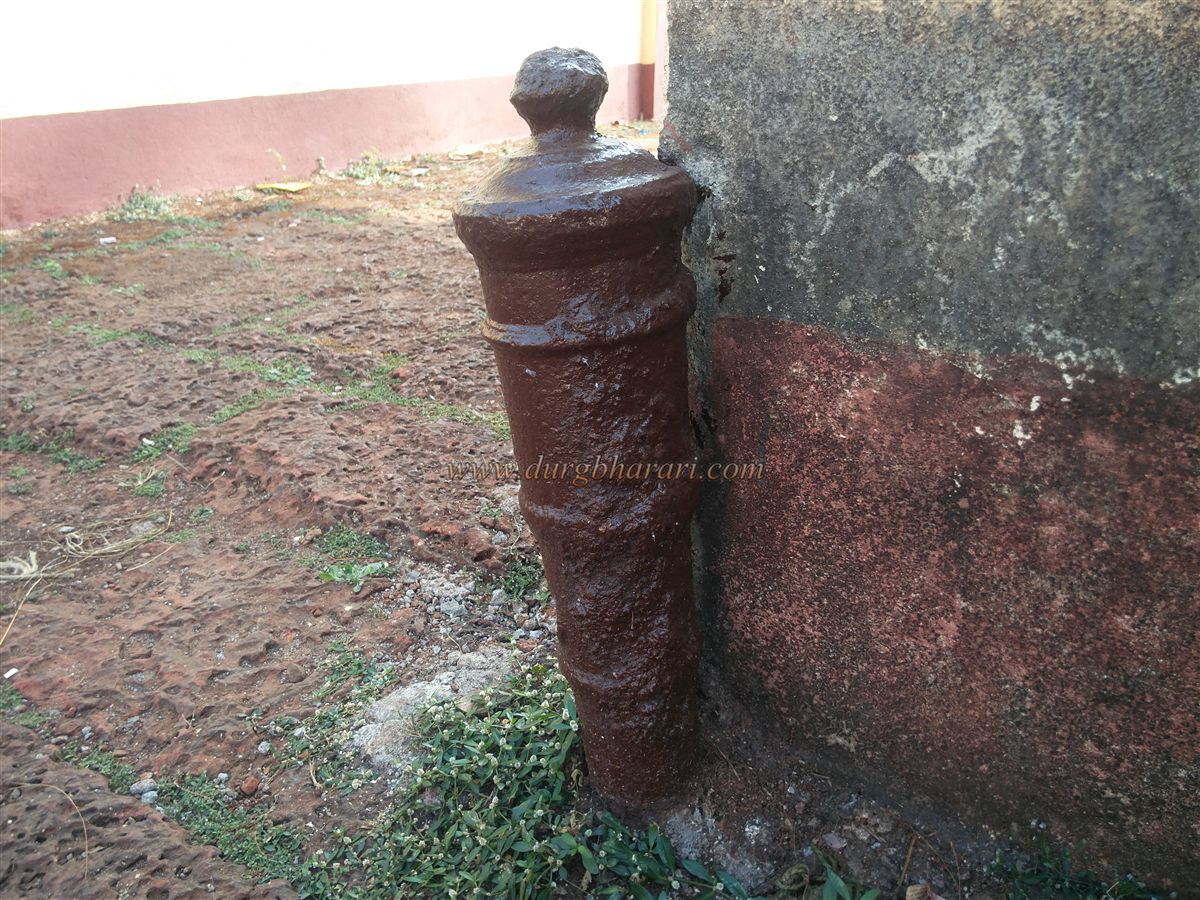
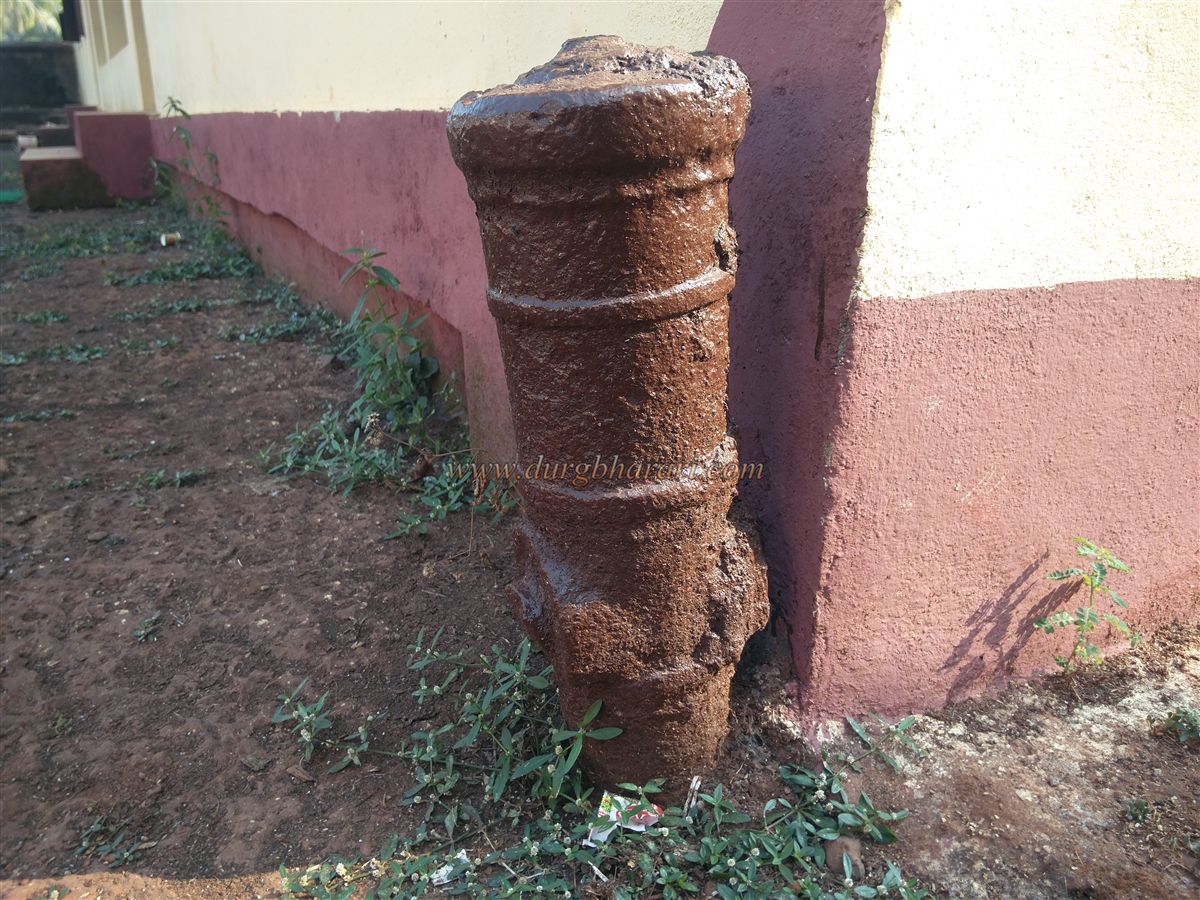
Salshi has two beautiful temples — Pawnaai and Siddheshwar. In the courtyard of the Pawnaai temple, two cannons can be seen buried upside down. The temple premises also contain many old and new samadhi (memorials).
Being an important city and trade center in its time, the hill behind Salshi was chosen by Karveerkar Sambhaji Raje to construct or perhaps rebuild Sadanandgad around 1730.
During the Adilshahi period, records from 1570 mention a fort commander named Khan at Salshi. Later, the Salshi Mahal, then under Adilshahi Sardar Jannathrao, came under Maratha control between 1661 and 1664. Around 1685, Sardar Chandraji Ghatge issued a sanad to a temple in Salshi village. During the reign of Chhatrapati Rajaram Maharaj, in April 1693, the sardeshmukhi rights of Salshi were granted to Ramchandrapant Amatya.
After the Maratha state’s partition in 1707, the Karveerkar family allied themselves with Sawant but assured Shahu Maharaj of their loyalty, receiving a sanad allowing them to collect half of the revenue from the Salshi Mahal. According to the Varna Treaty of 23 April 1731, the territory from Salshi to Ankola came under Karveerkar control, and it was during this period that Sadanandgad was built.
In 1732, the Phonda Sawant attacked Sadanandgad, but they retreated after the forces of Amatya’s Sardar Gopal Ramrao arrived. Following Tulaji Angre’s defeat in 1756, half of Salshi’s territory under his control came into Peshwa possession, but it was soon retaken by the Sawant. In 1785, the combined forces of the Peshwas and Karveerkar defeated the Sawant, and the Salshi Mahal came under Peshwa administration. By 1805, Chitkopant served as the Peshwas’ administrator at Salshi. In 1818, the Salshi Mahal fell into British hands.
© Suresh Nimbalkar
GALLERY