SACHIN
TYPE : FORTRESS
DISTRICT : SURAT
HEIGHT : 0
GRADE : EASY
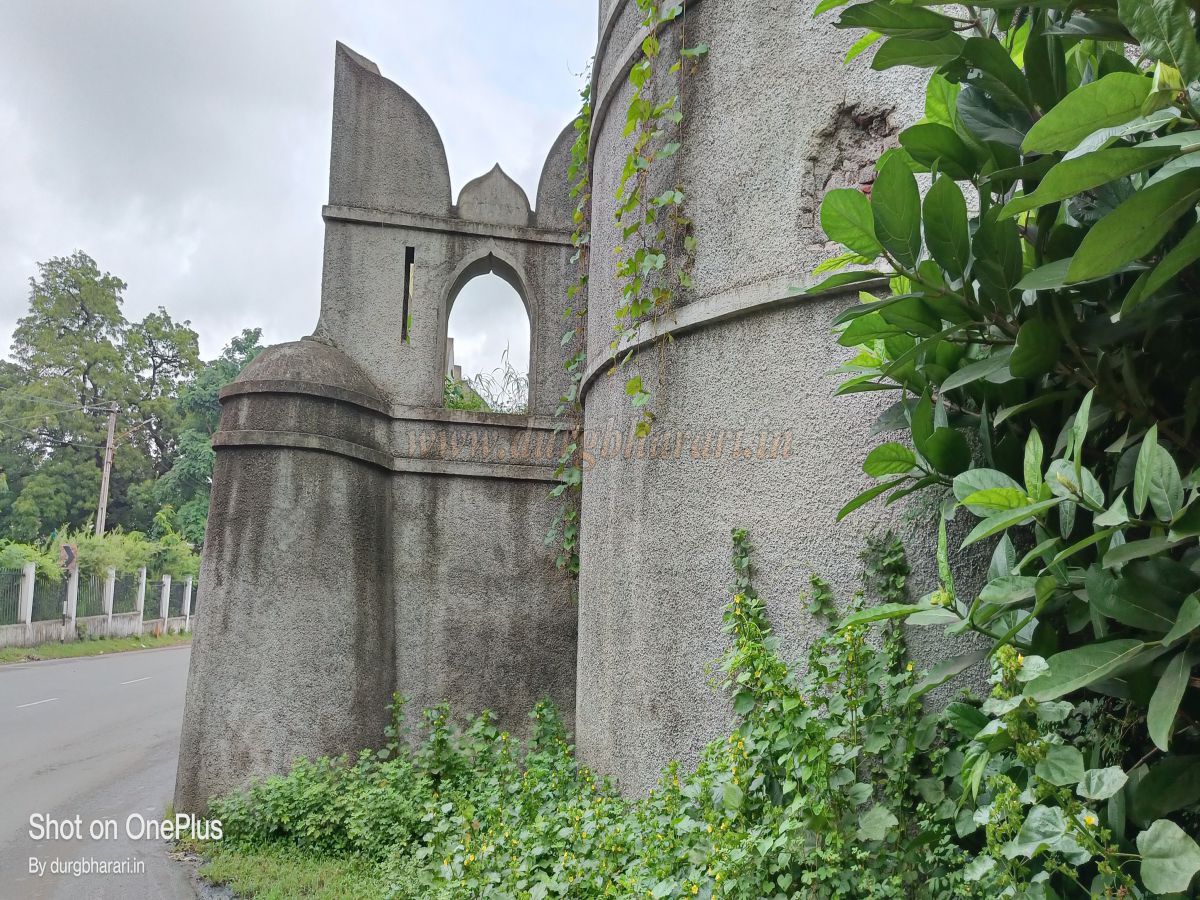
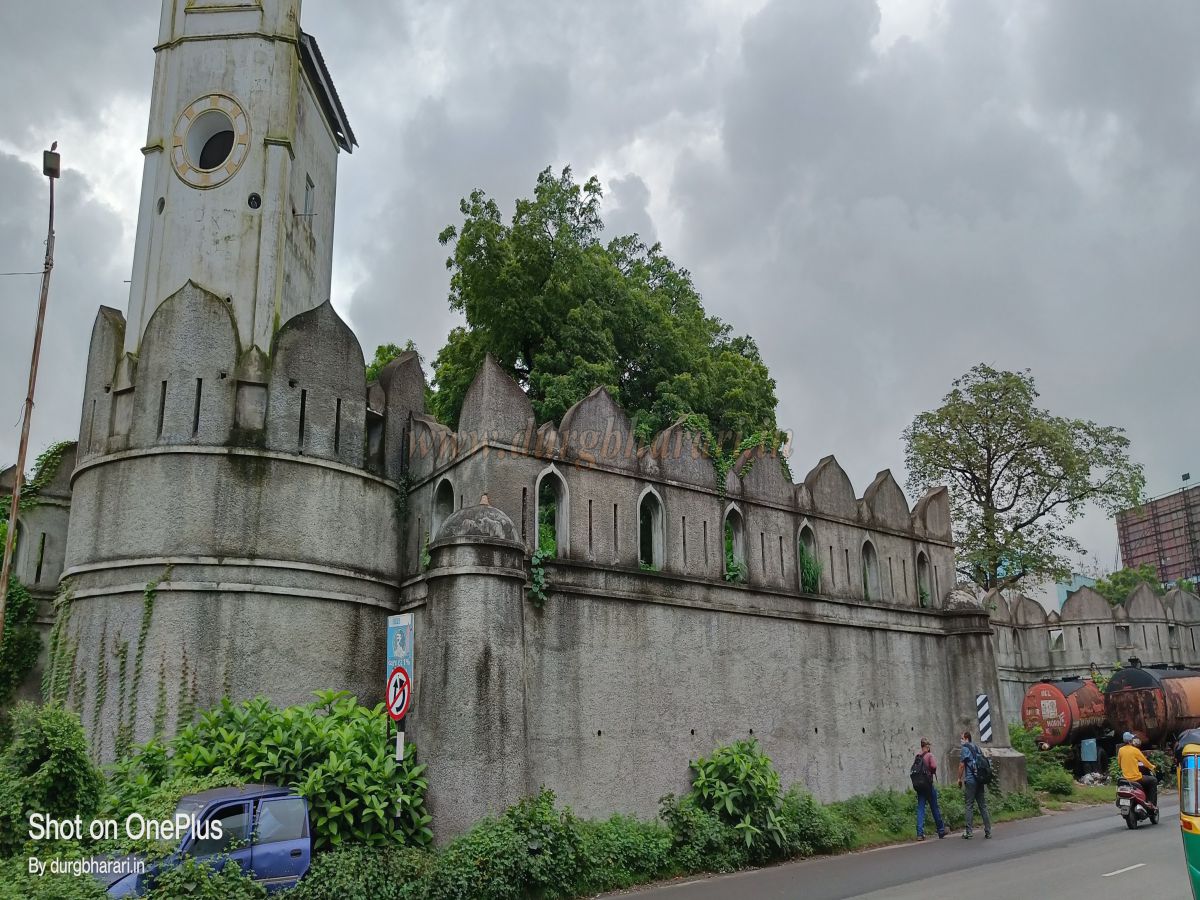
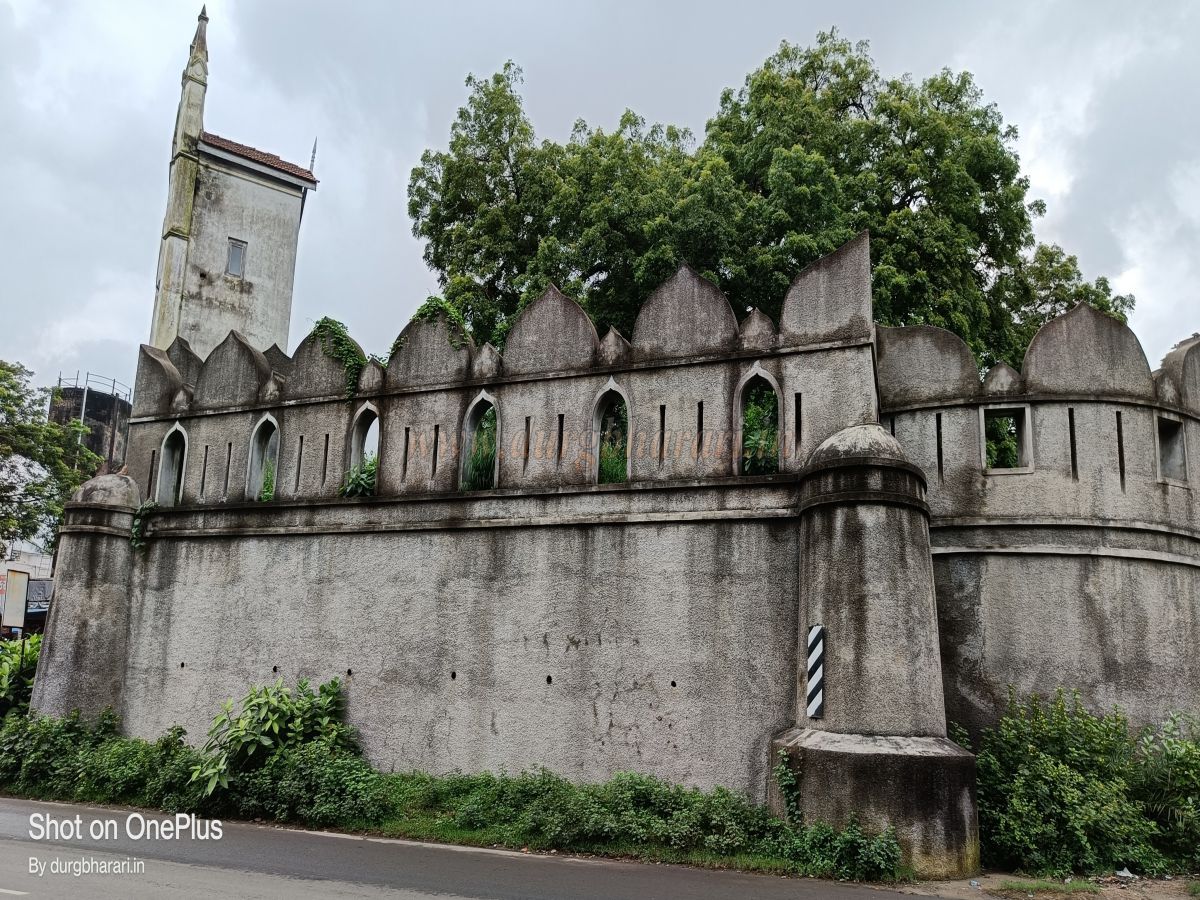
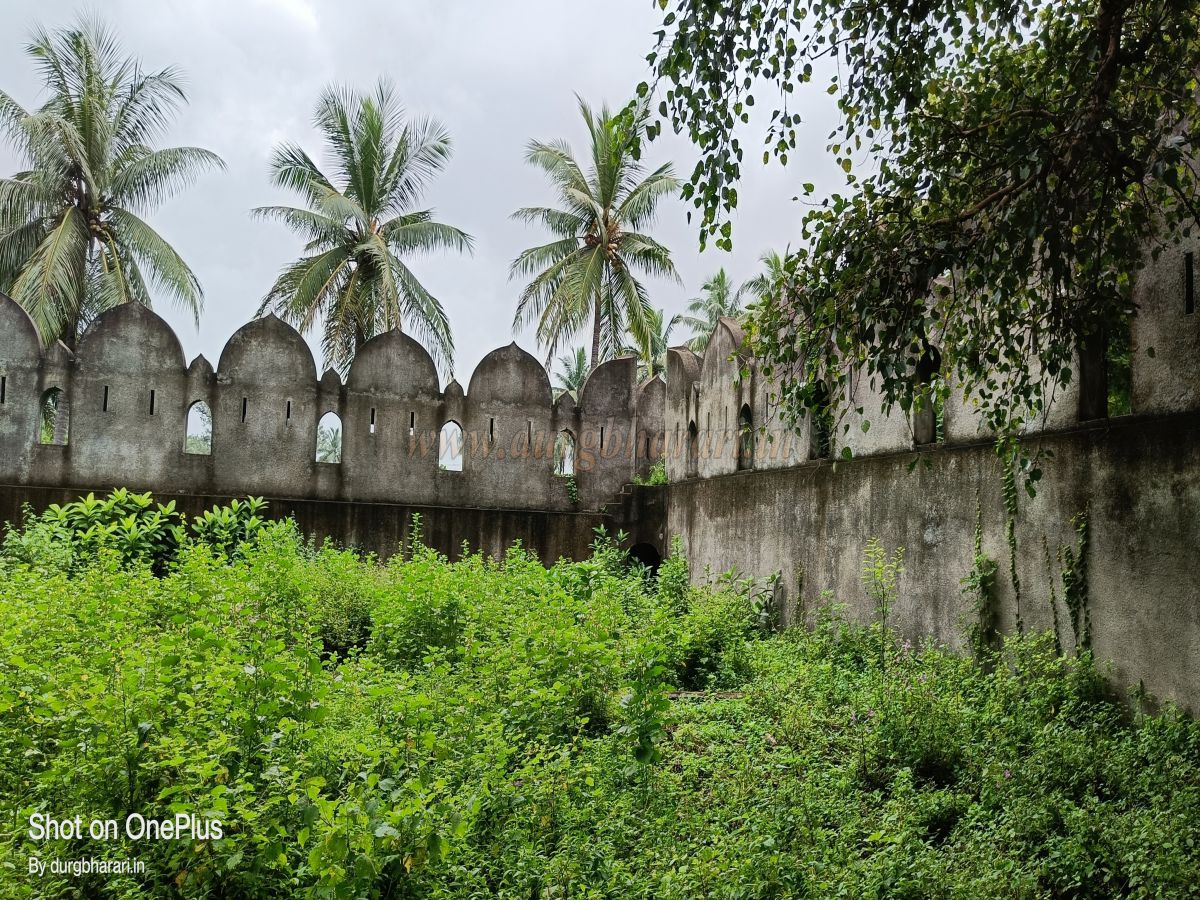
During our exploration of Surat Fort, we learned about the nearby princely state of Sachin and its fort, prompting us to visit. Sachin has its own railway station, located about 10 km from Surat railway station and roughly 20 km from Surat Fort. Although commonly referred to as Sachin Fort, this structure is not a traditional fort but a fortified mansion (gadhi) built in the late Peshwa era.
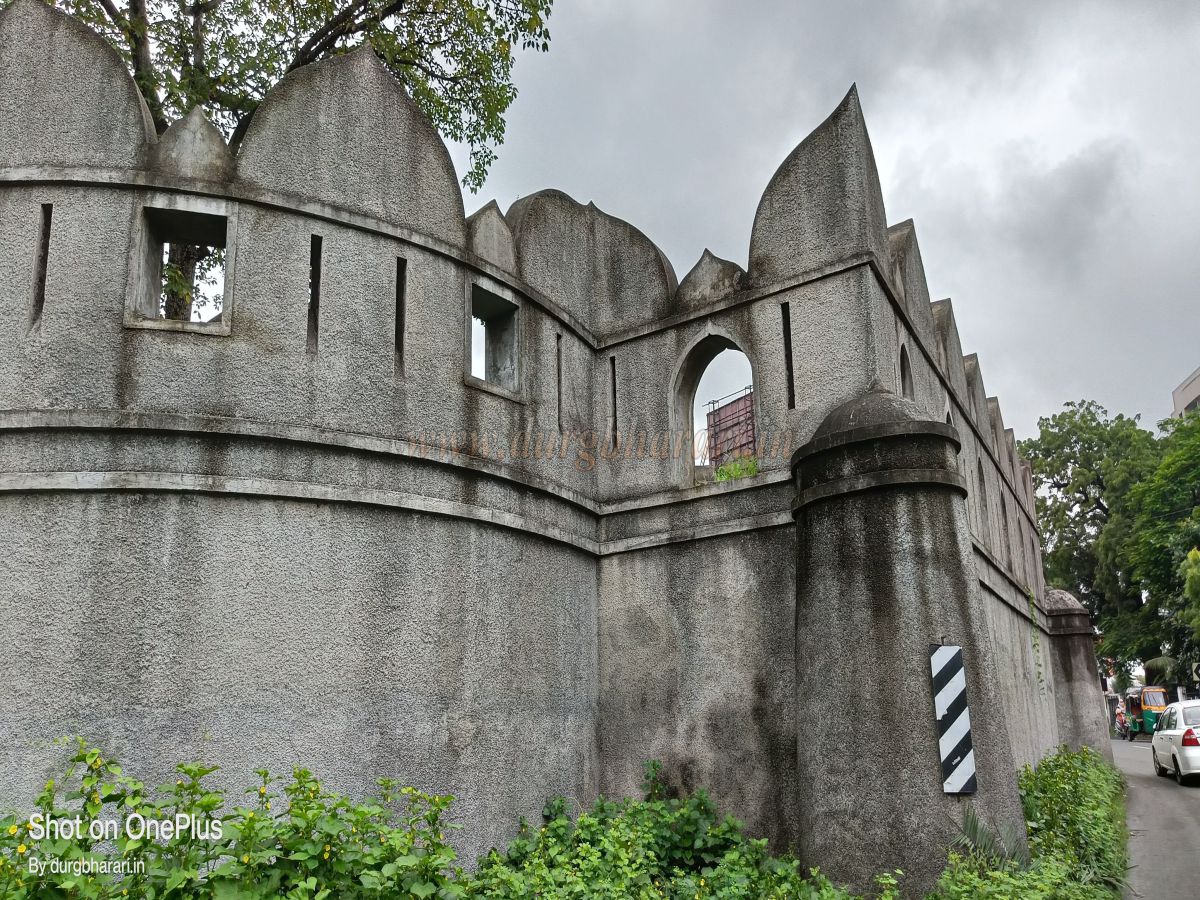
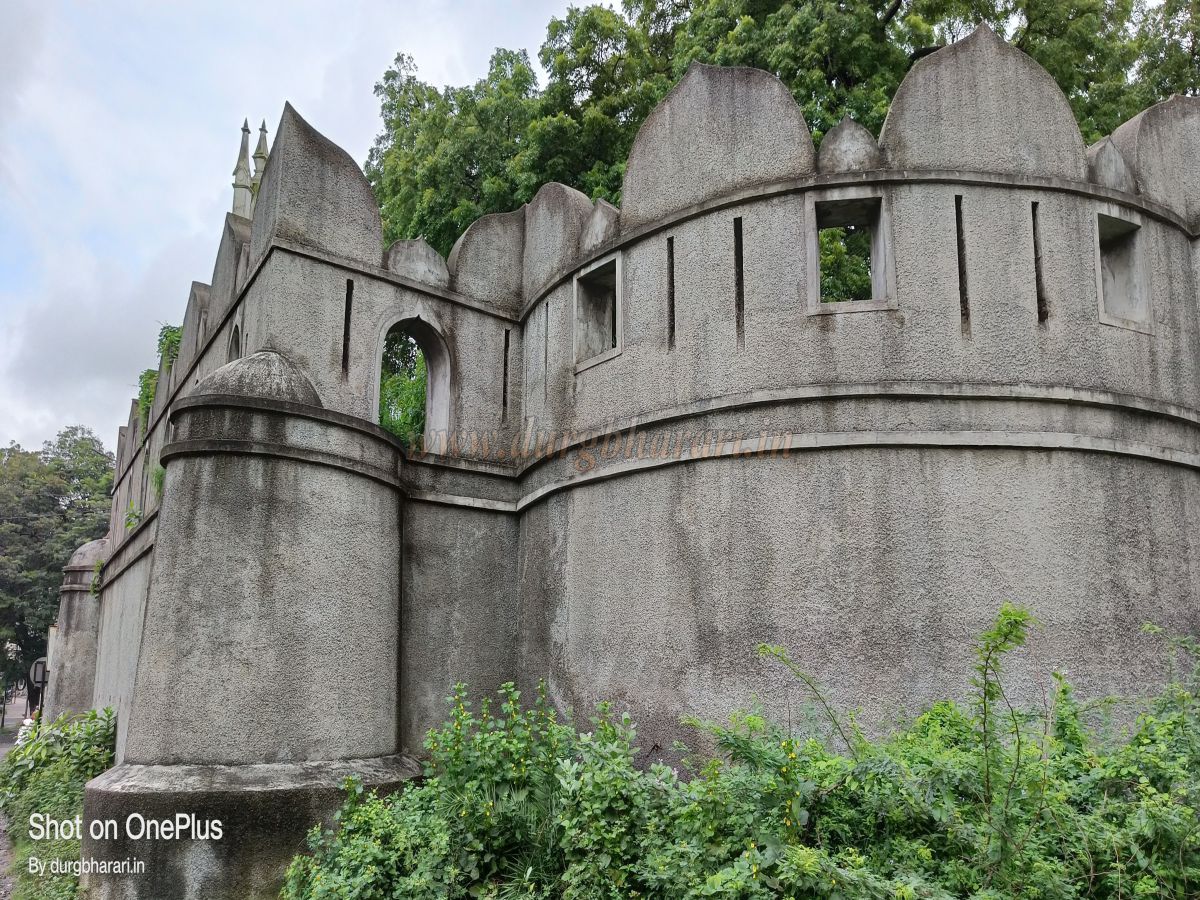
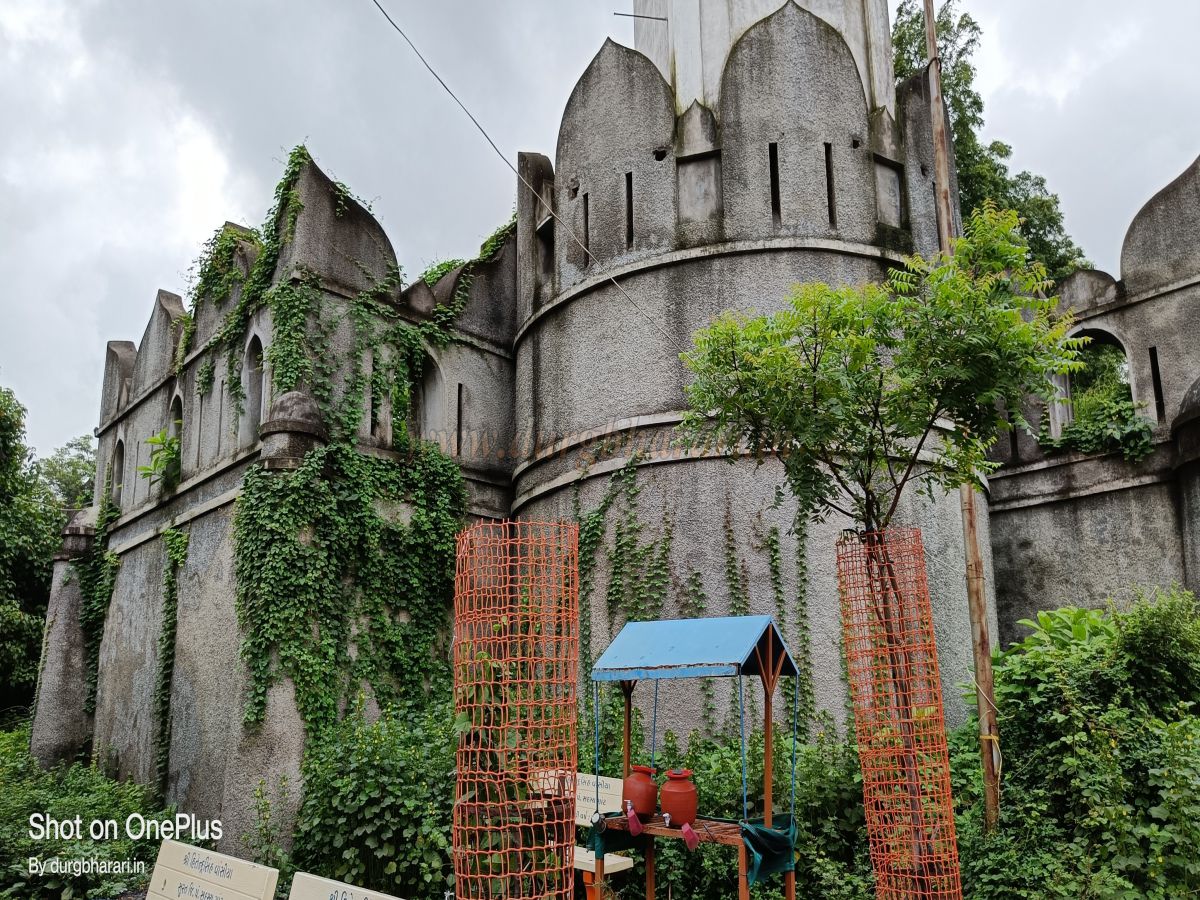
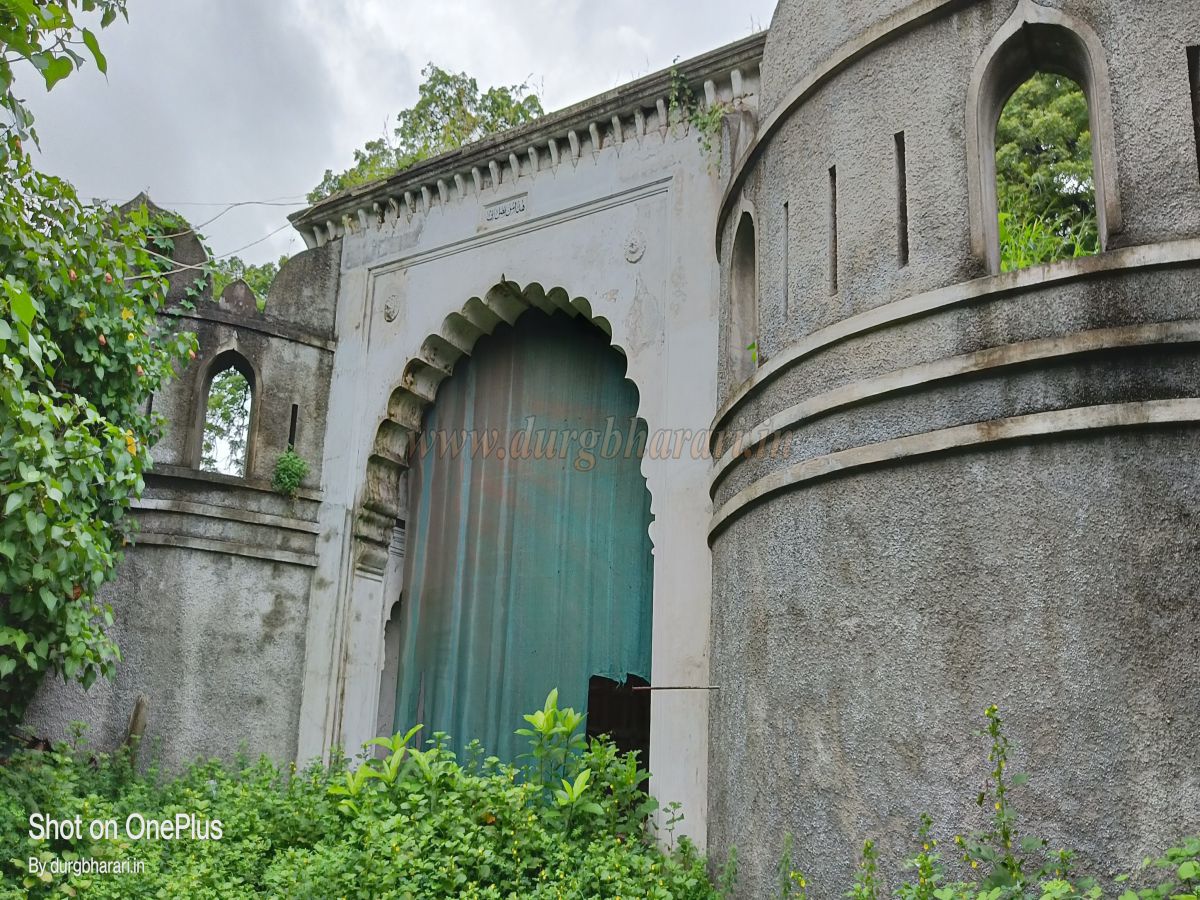
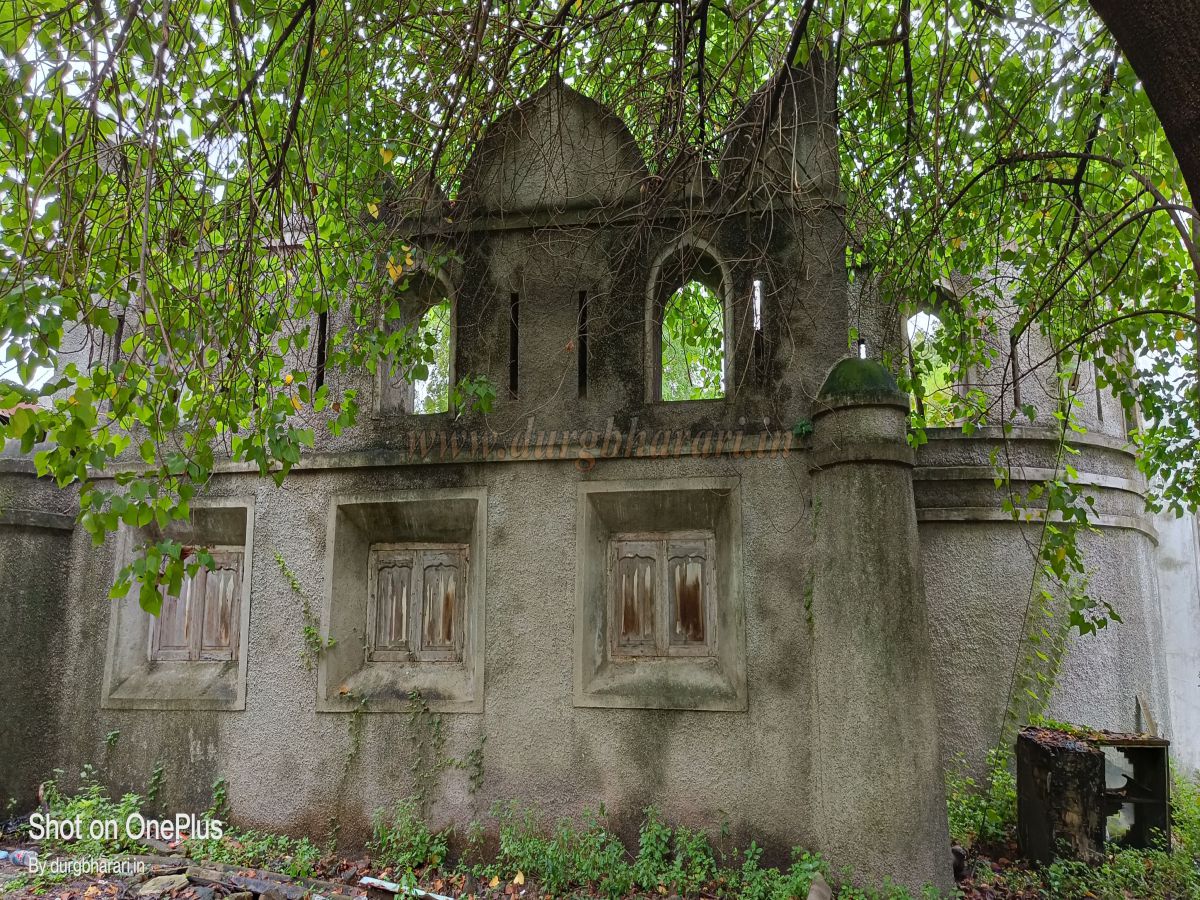
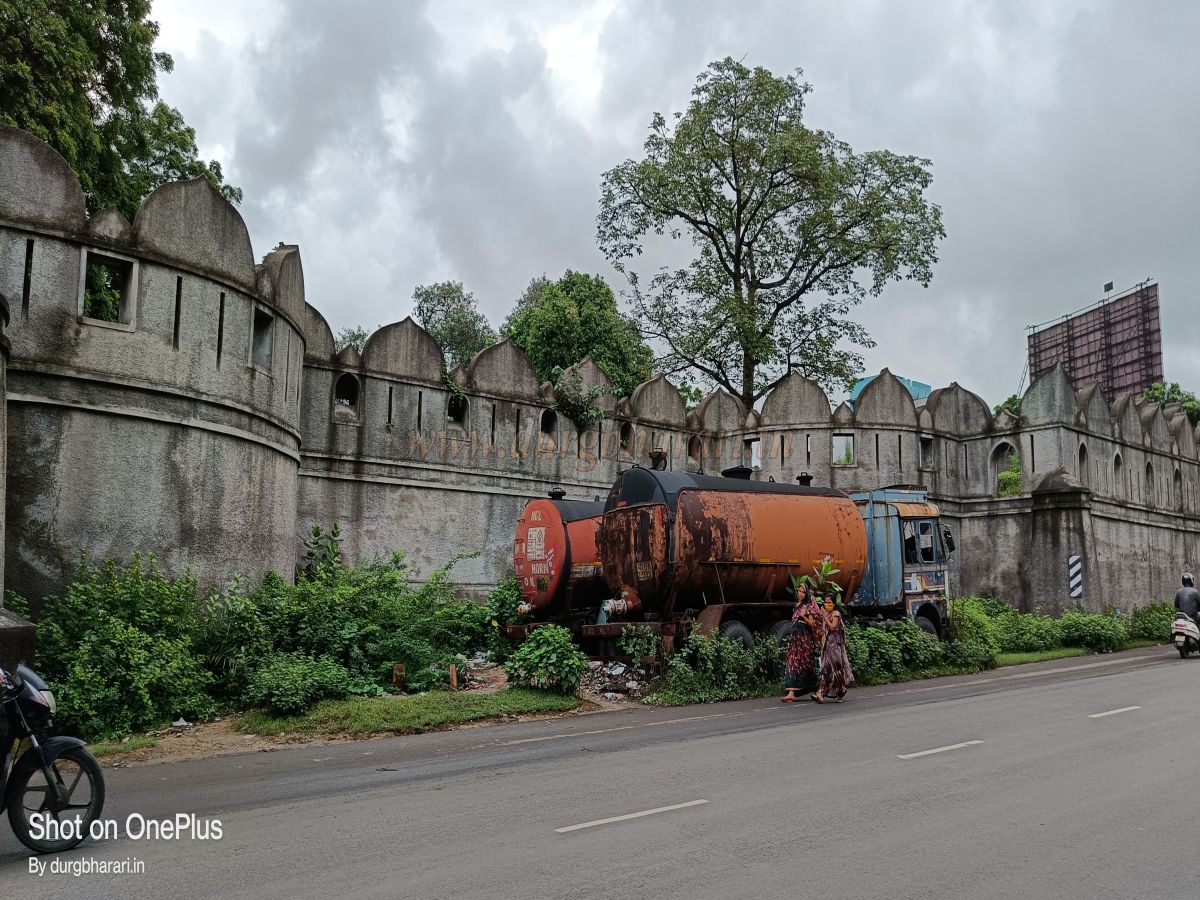
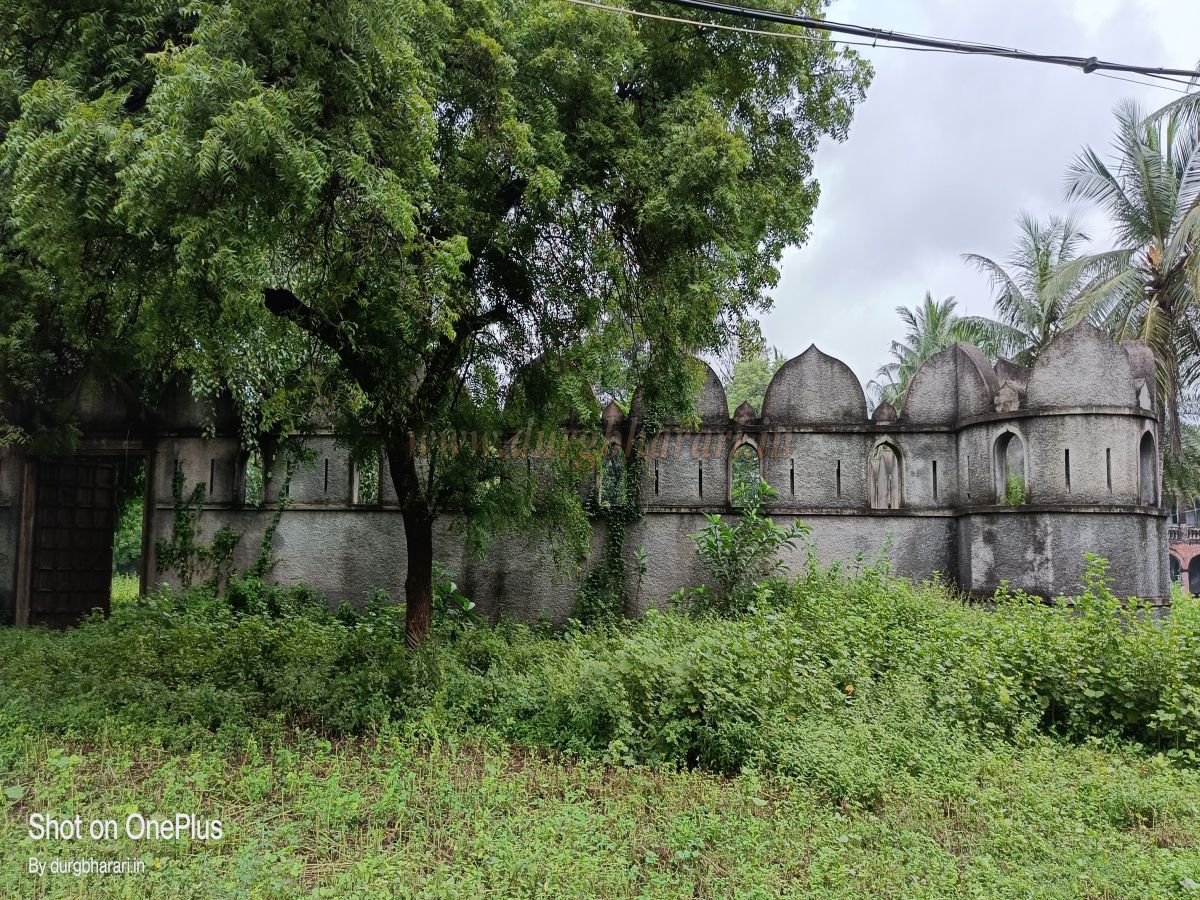
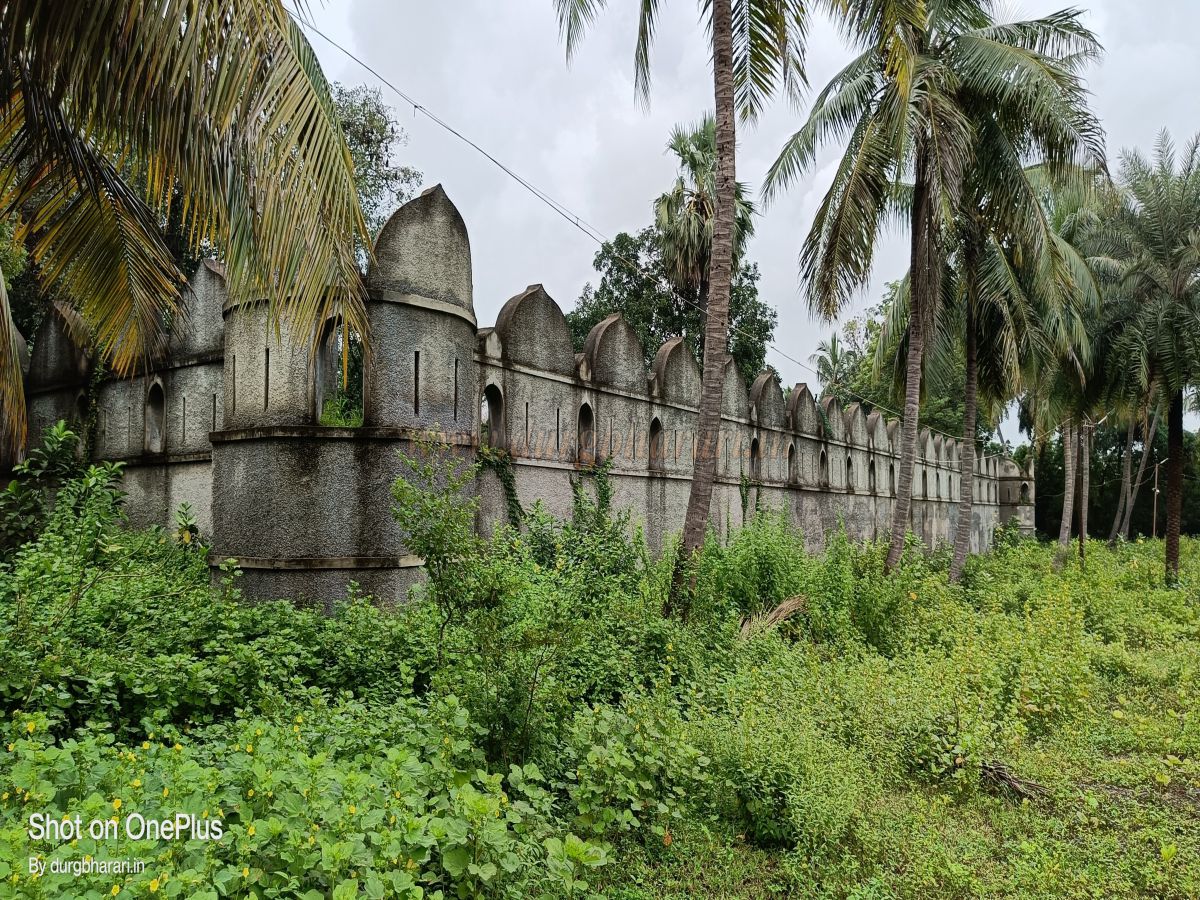
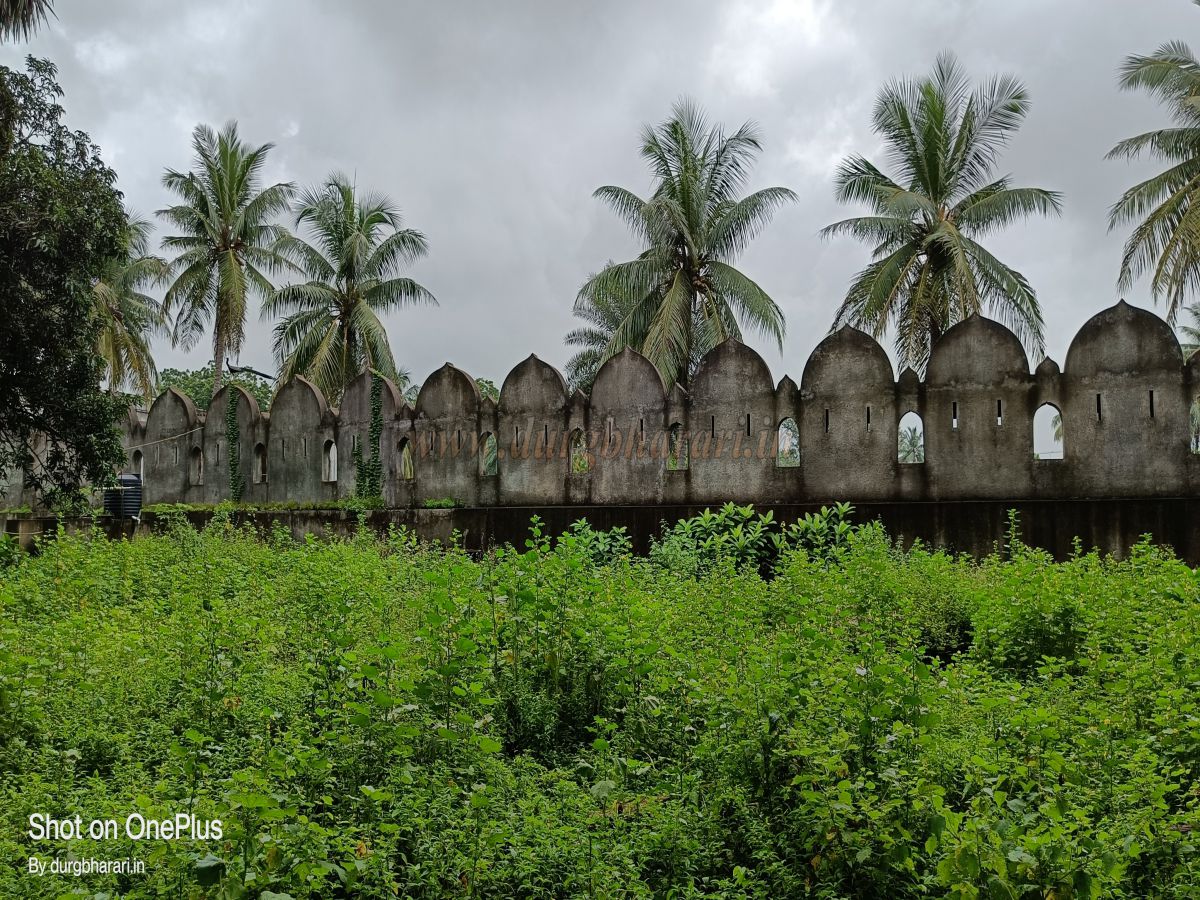
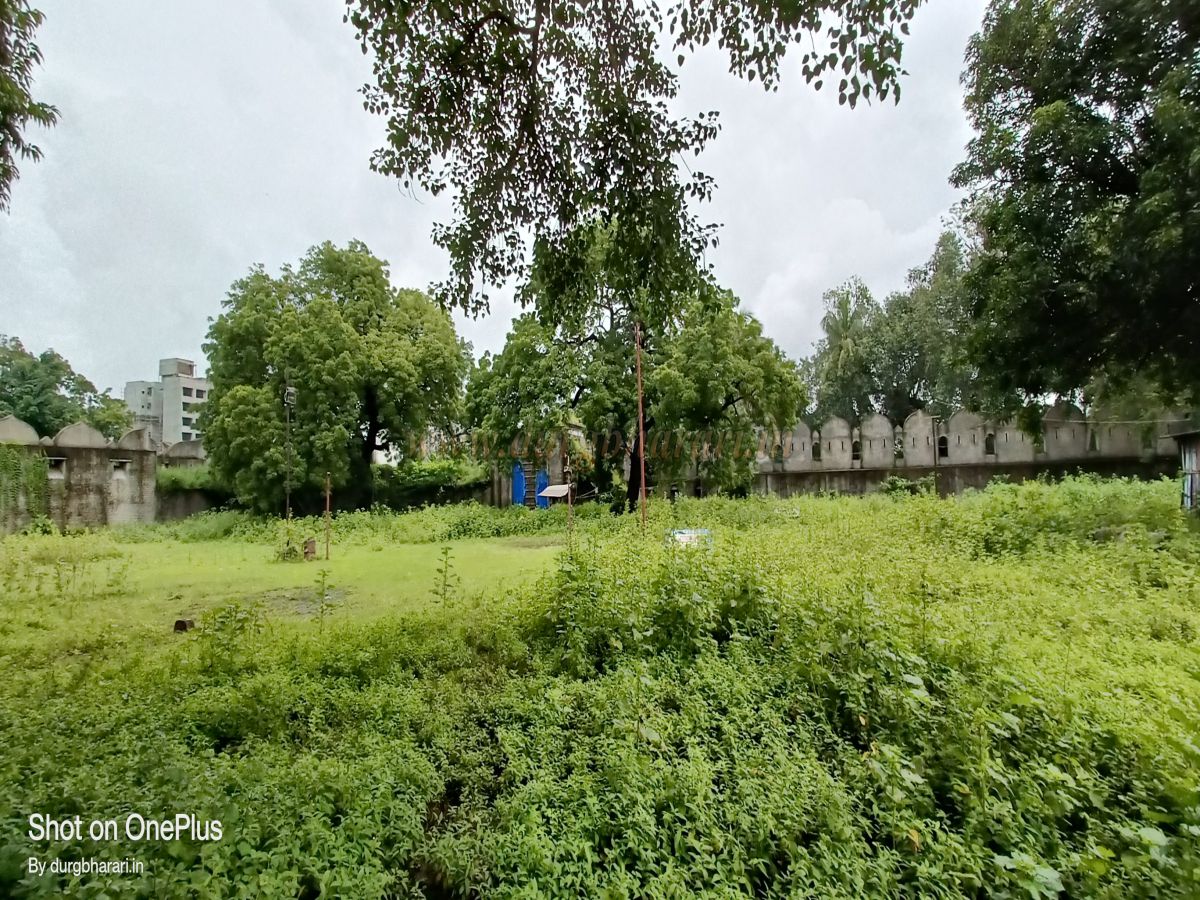
Situated next to the Sachin police station, the fortification is easily visible from the road. Being privately owned, entry is permitted only with prior consent. Originally constructed with brick masonry, the walls have since been reinforced with a cement coating. The rectangular gadhi spans approximately 1.5 acres and features eight bastions: one at each corner, two along the roadside, and two flanking the main entrance.
...
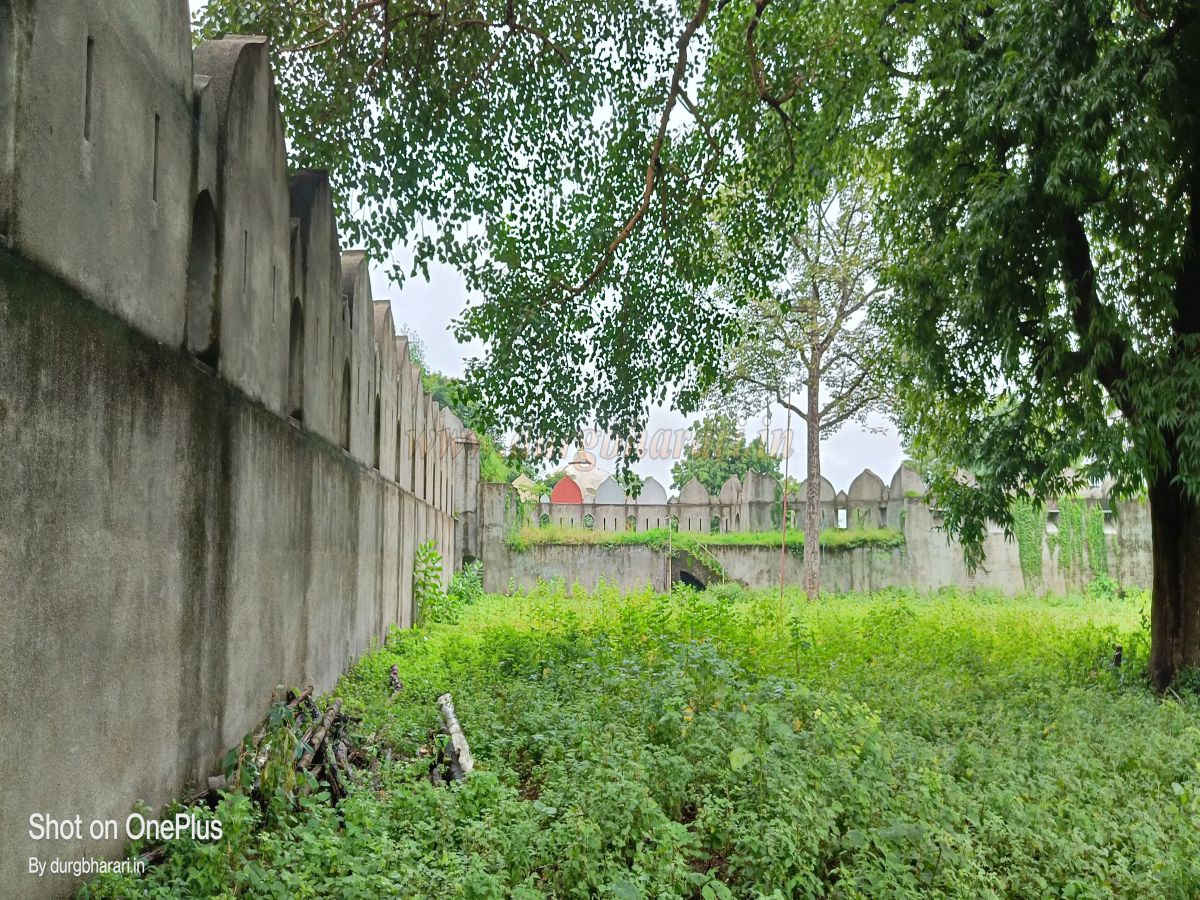
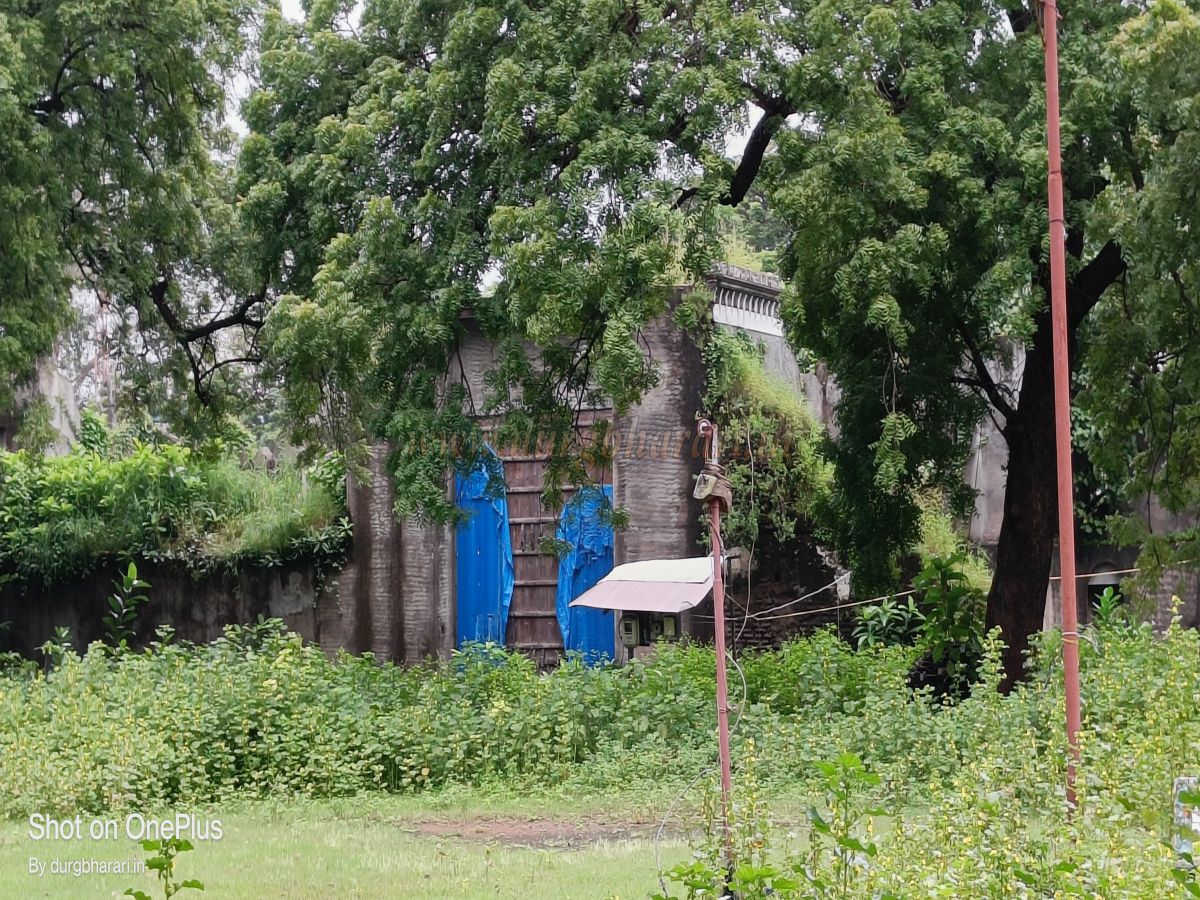
The primary gateway faces west and is set between two bastions, while a secondary gate opens eastward. Both gates retain their original wooden doors, and stairways at two points lead up to the ramparts. Inside the gadhi, the bastions also contain storage chambers. The entire inner courtyard has been levelled, leaving no surviving old structures.
Turning to history, Sachin State was established in 1791 by Nawab Sidi Abdul Karim Muhammad Khan. He was the son of Siddi Abdul Rahman of Janjira, whose rightful inheritance was usurped by Siddi Johar. Seeking refuge, Abdul Karim came to Pune under the protection of the Peshwas, relinquishing his claims to Janjira. In return, he was granted this territory—then part of Khandesh—along with 27 surrounding villages as a jagir.
The new principality operated under Maratha suzerainty and later under the British, enjoying the privilege of a nine-gun salute. Sachin had its own cavalry, judiciary, currency, and stamped papers, as well as a military band composed of African soldiers. Nawab Siddi Ibrahim Muhammad Yakut Khan III notably contributed to the East African campaign during World War II.
From 1791 to 1947, the state was ruled by seven Nawab:
1. Abdul Karim Muhammad Yakut Khan I (6 June 1791 – 9 July 1802)
2. Ibrahim Muhammad Yakut Khan I (9 July 1802 – 25 March 1853)
3. Abdul Karim Muhammad Yakut Khan II (25 March 1853 – 1 December 1868)
4. Ibrahim Muhammad Yakut Khan II (1 December 1868 – 4 March 1873)
5. Abdul Qadir Khan (4 March 1873 – 7 January 1887)
6. Ibrahim Muhammad Yakut Khan III (7 February 1887 – 19 November 1930)
7. Haider Muhammad Yakut Khan (19 November 1930 – 15 August 1947)
The last ruler, Nawab Siddi Ibrahim Muhammad Yakut Khan III, signed the Instrument of Accession on 8 March 1948, merging the state into the Indian Union. Thereafter, Sachin became part of Surat district in the then Bombay Province.
© Suresh Nimbalkar
GALLERY