SAAP
TYPE : GADHI
DISTRICT : SATARA
HEIGHT : 0
GRADE : EASY
Although many medieval structures in Maharashtra have survived, it is rare to find them in their original form. An exception to this is the fort of Sardar Kadam at Sap, which has remained largely unchanged. Unknown to most tourists, this fort is well-known to filmmakers, and numerous movies have been shot here. Even today, some form of filming is usually ongoing. Presently, the descendants of Sardar Kadam, who now reside in Indore, allow visitors to see the fort inside and out with their permission.
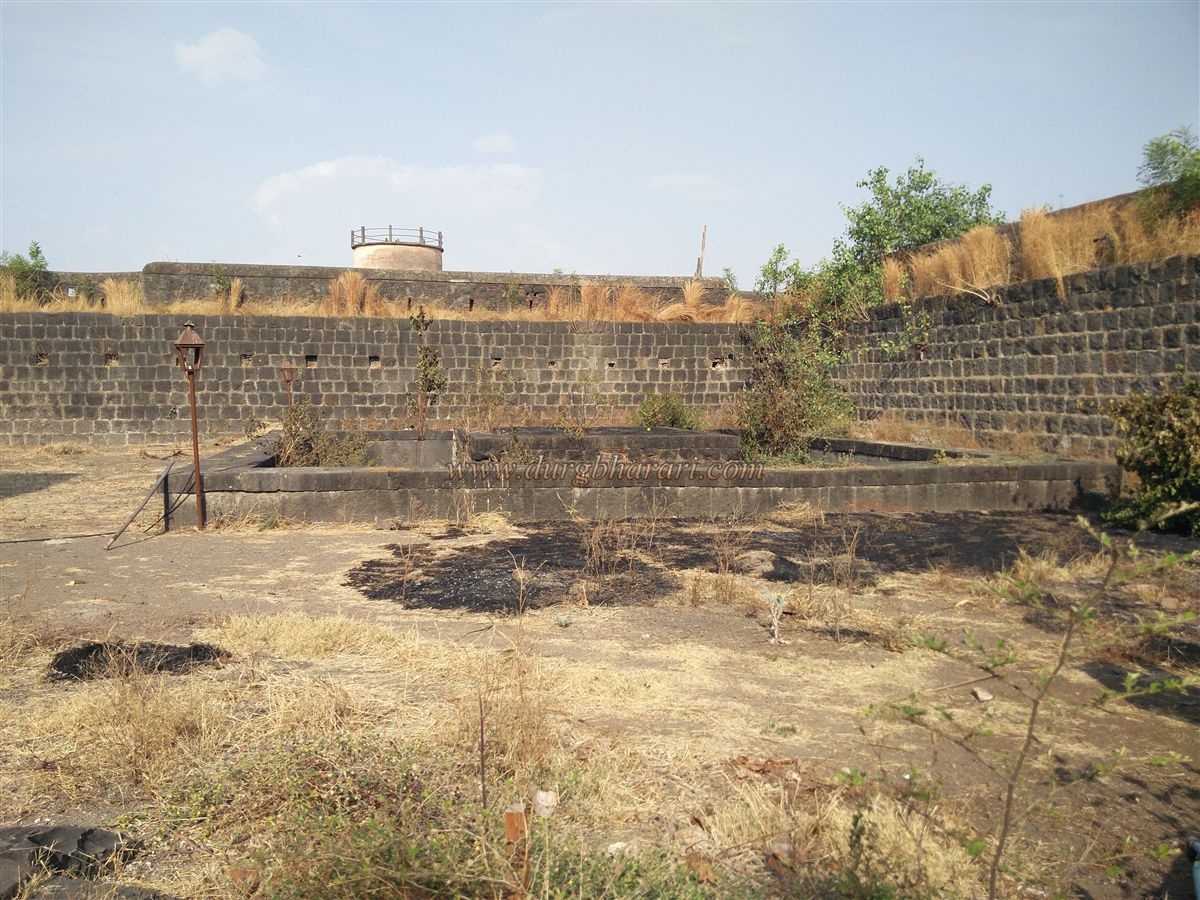
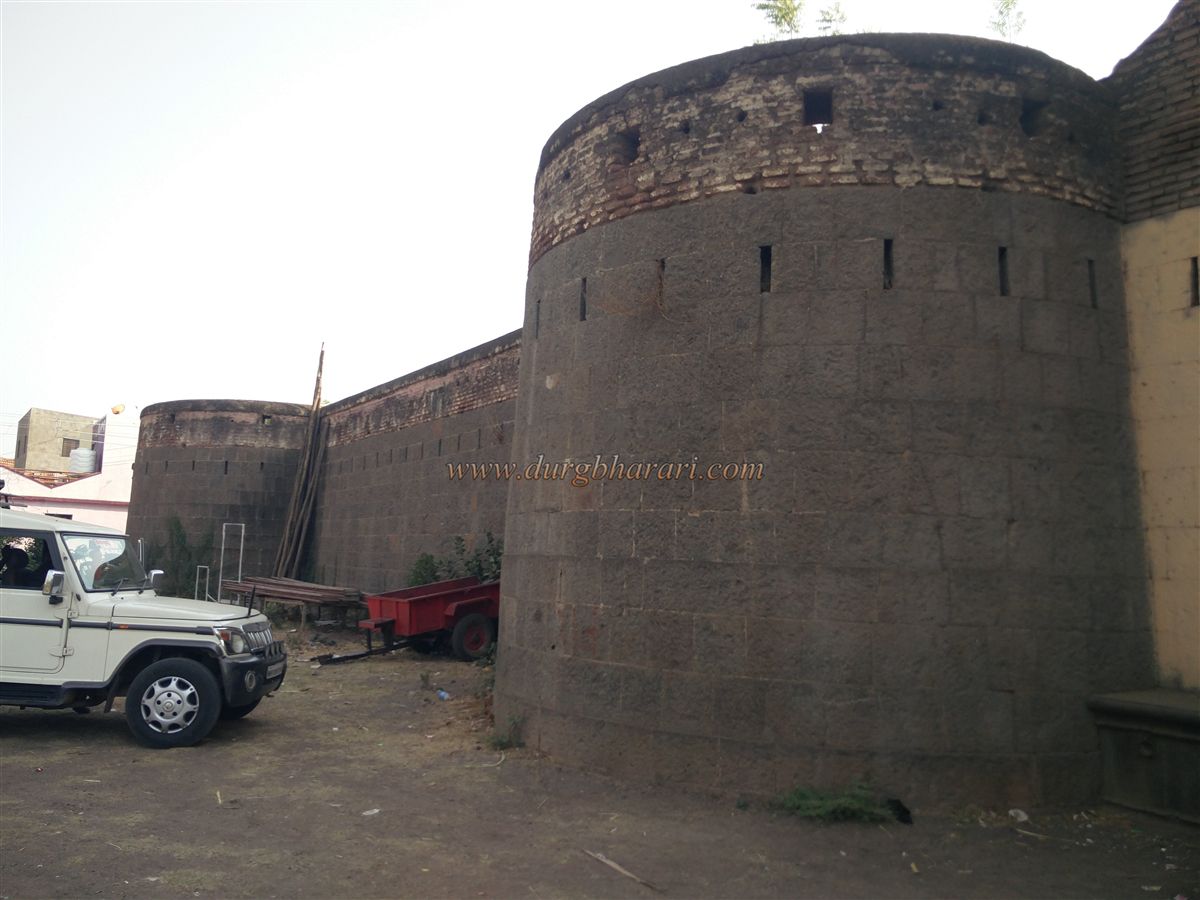
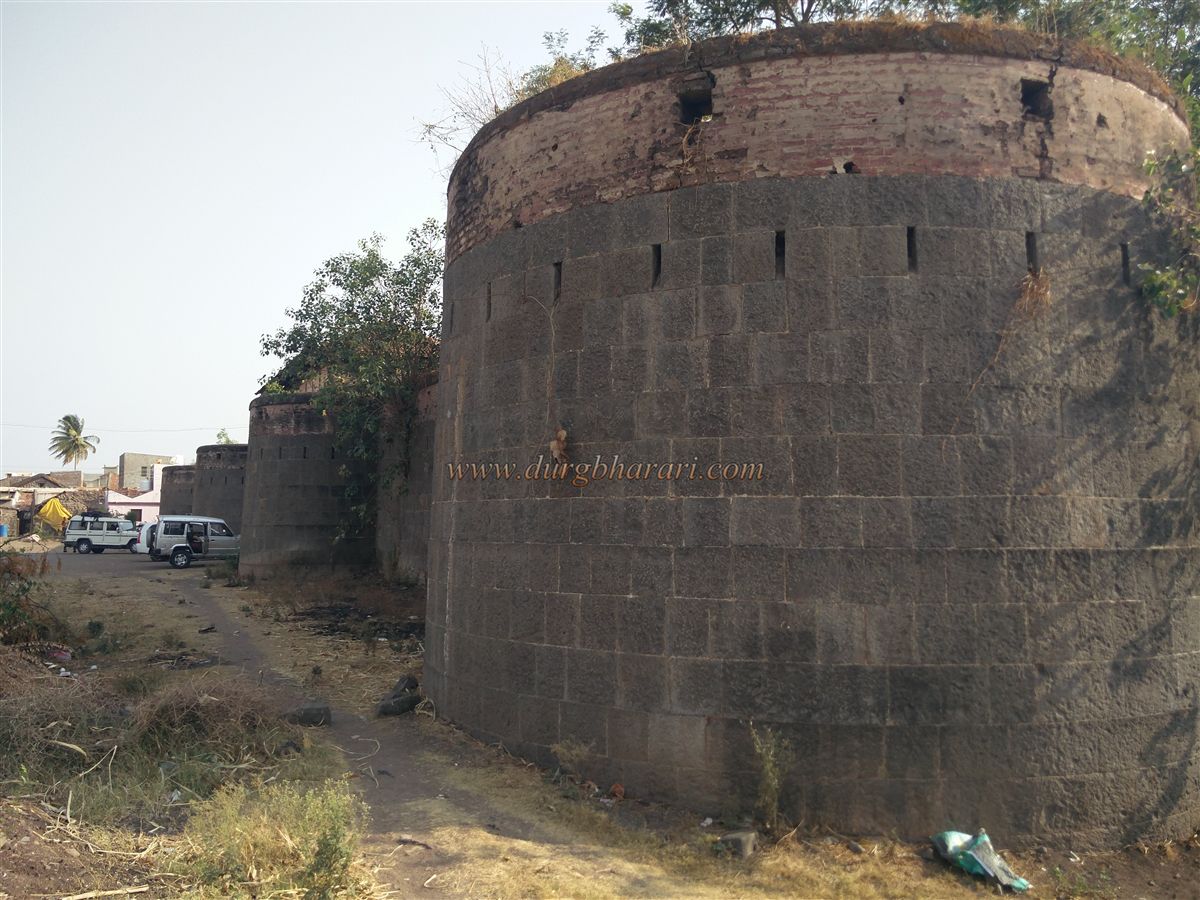
Known as the Sap Rajwada, this fort is located just 5 km from Rahimatpur in Koregaon taluka of Satara district, making it easily accessible by vehicle. The fort is rectangular in shape, extending over more than one and a half acres from east to west. It has six bastions in total — two flanking the main eastern gate and four at the corners. The lower part of the fort’s walls is constructed with dressed stone, while the upper sections are made of brick. Loopholes for firing muskets are present throughout the fort walls.
...
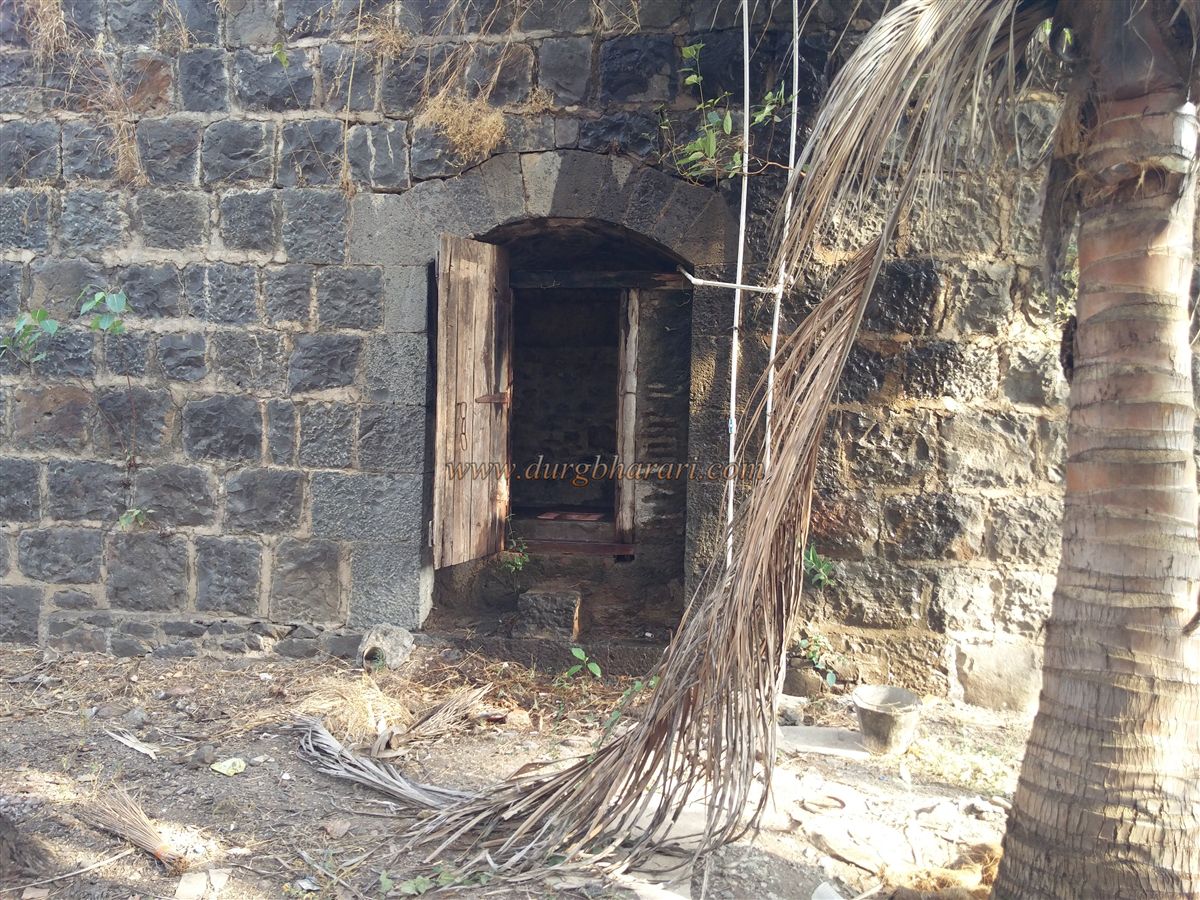
The main entrance still retains its wooden gate, along with a smaller wicket gate (dindi) and an upper section with a nagarkhana (drum chamber). Guard rooms are located inside the gateway, and one of these rooms has a stone staircase leading to the ramparts — the only access point to the fort’s upper walls.
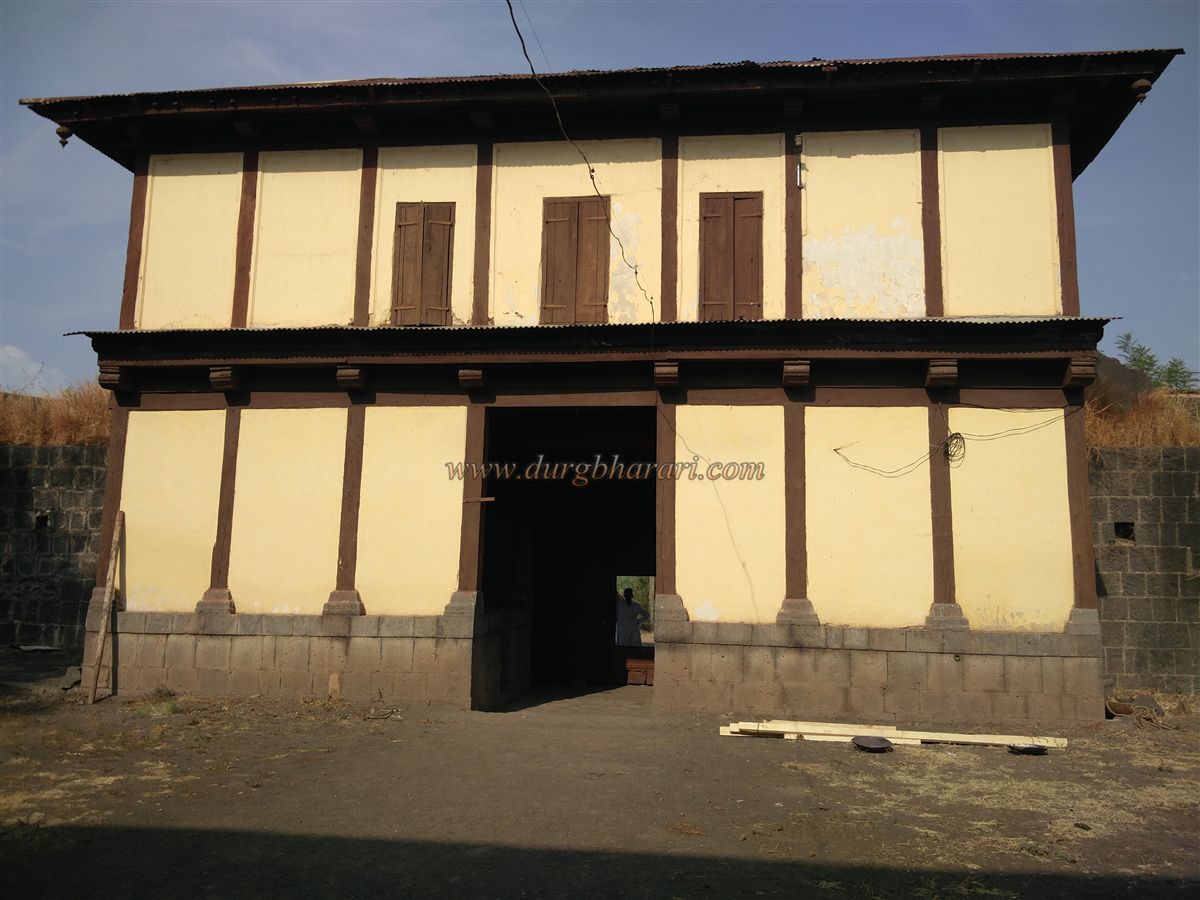
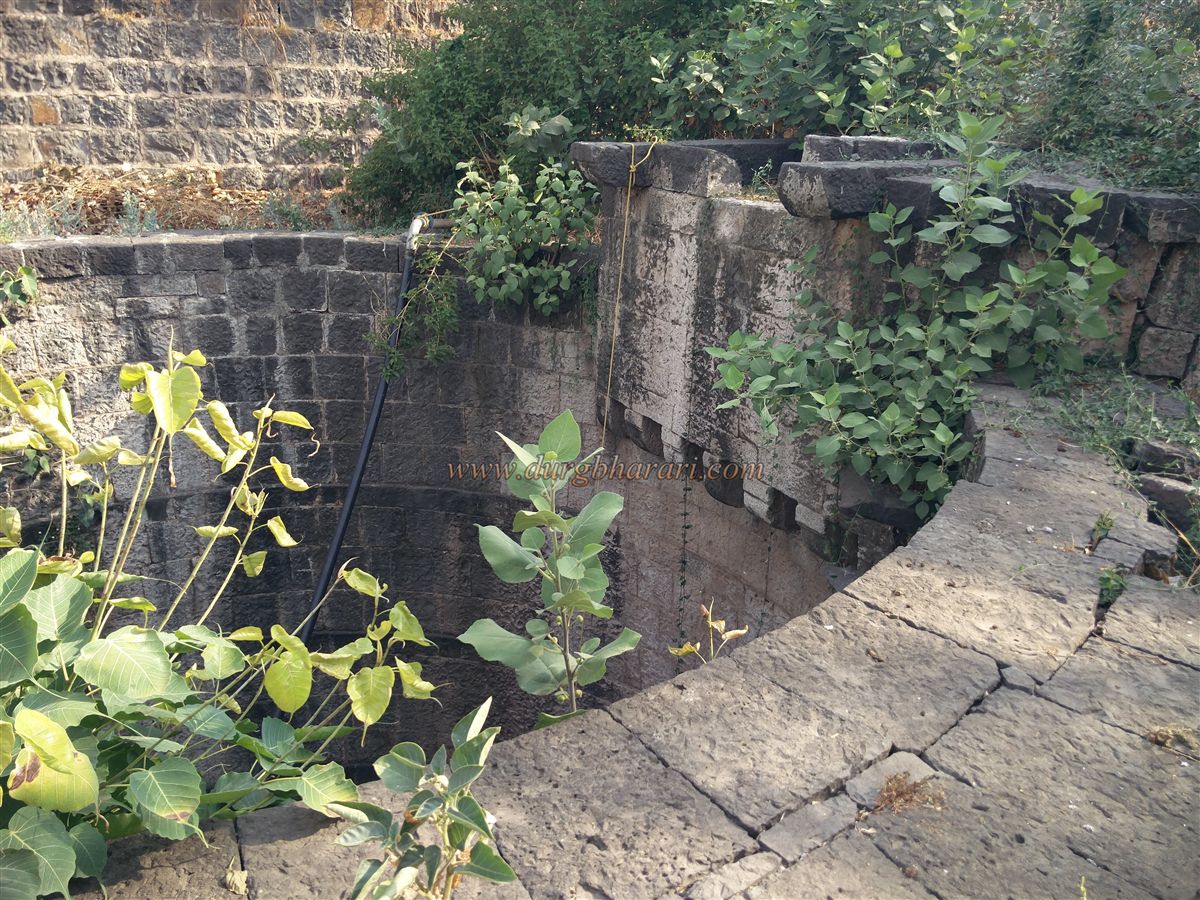
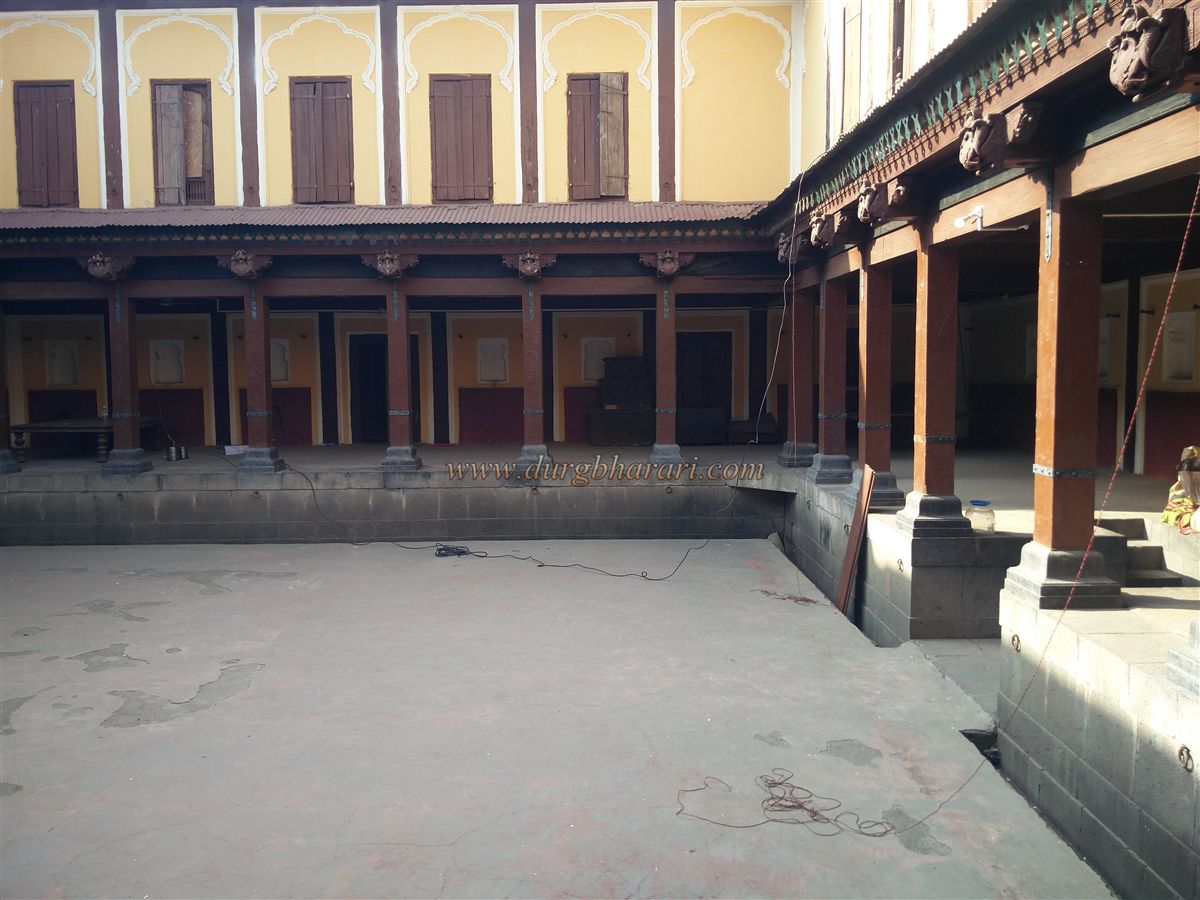
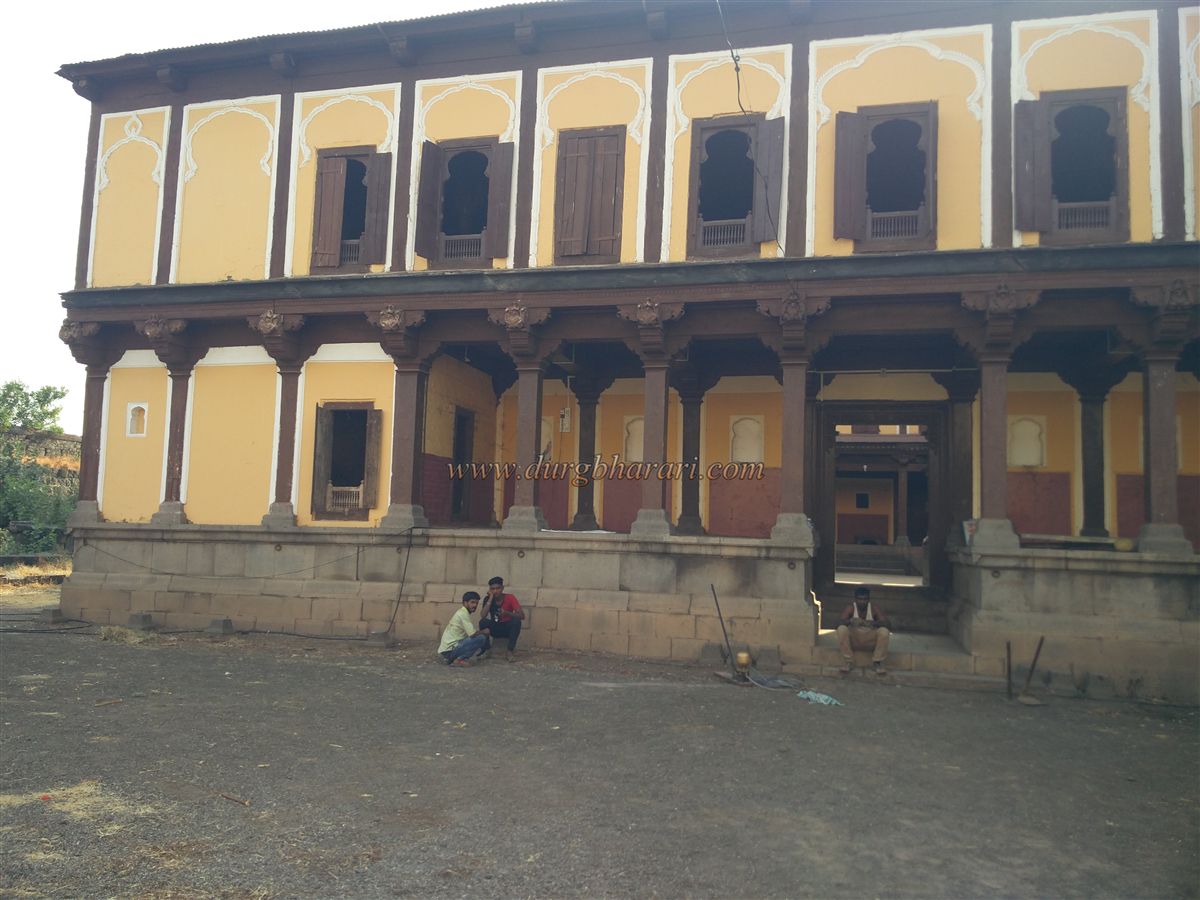
Upon entering the fort, a two-storied wooden mansion (wada) belonging to the Kadam family stands in front, while to the left lies a stone-built fountain tank. The recesses in the wall near the entrance indicate that this area once housed horse stables. Near the mansion, there is a large, stone-built well with a pulley system for drawing water, and beside it, remnants of another old structure. The rest of the open space inside the fort has been developed into a garden, leaving little else visible.
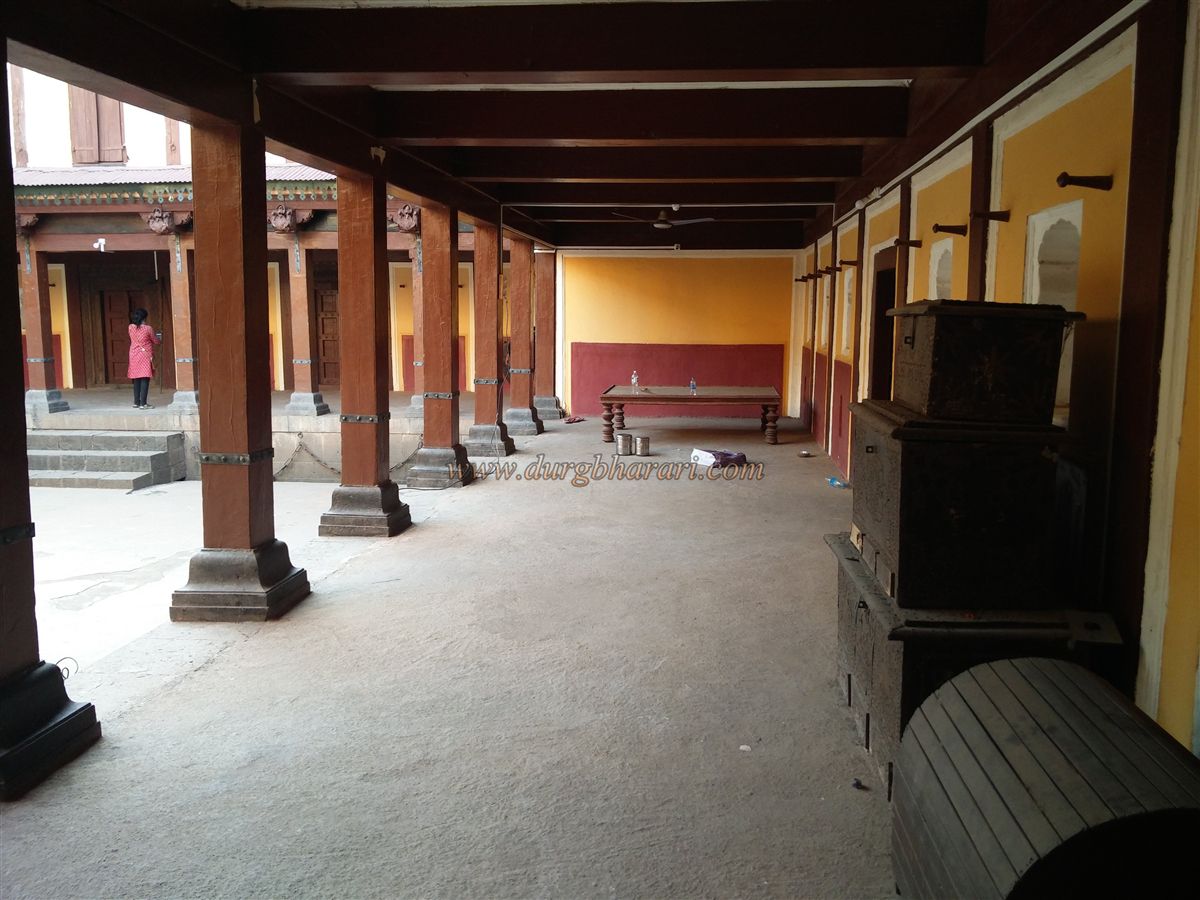
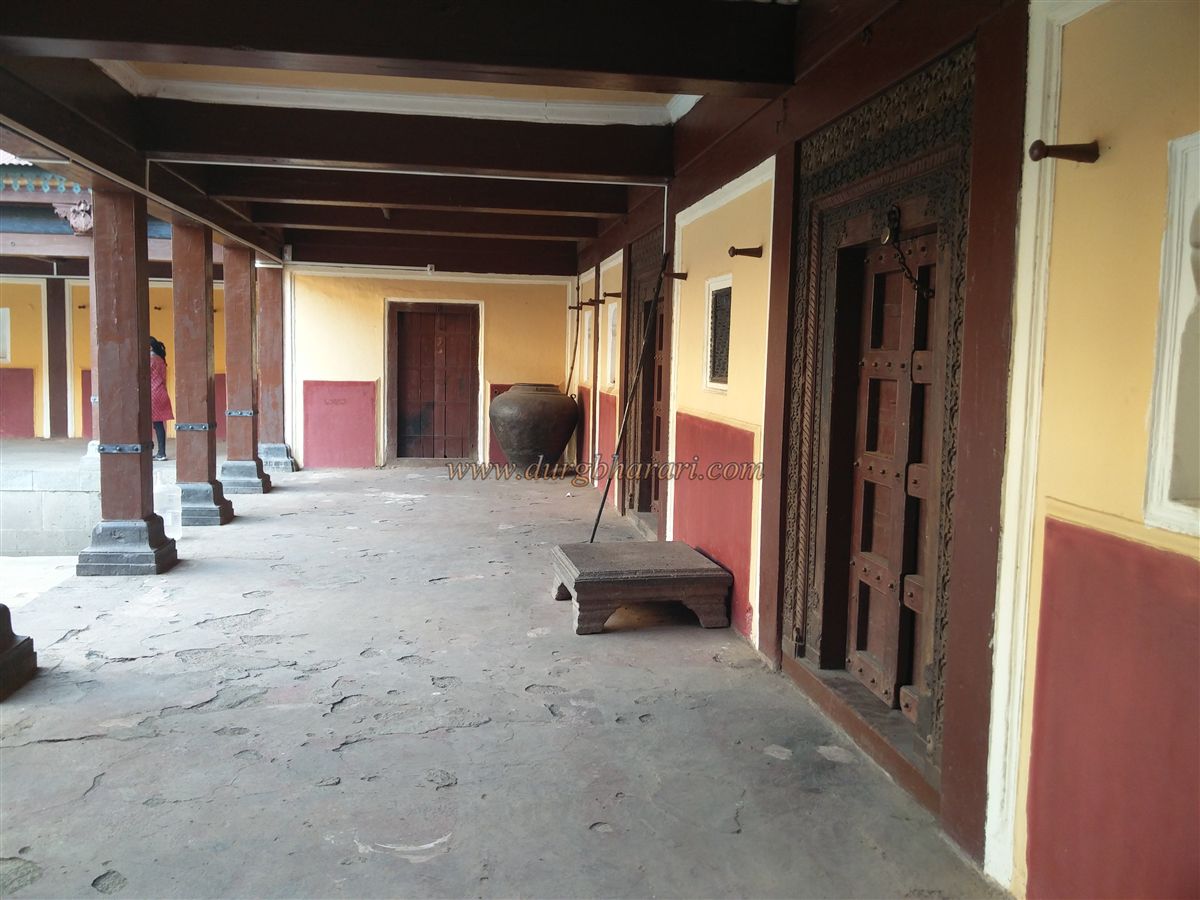
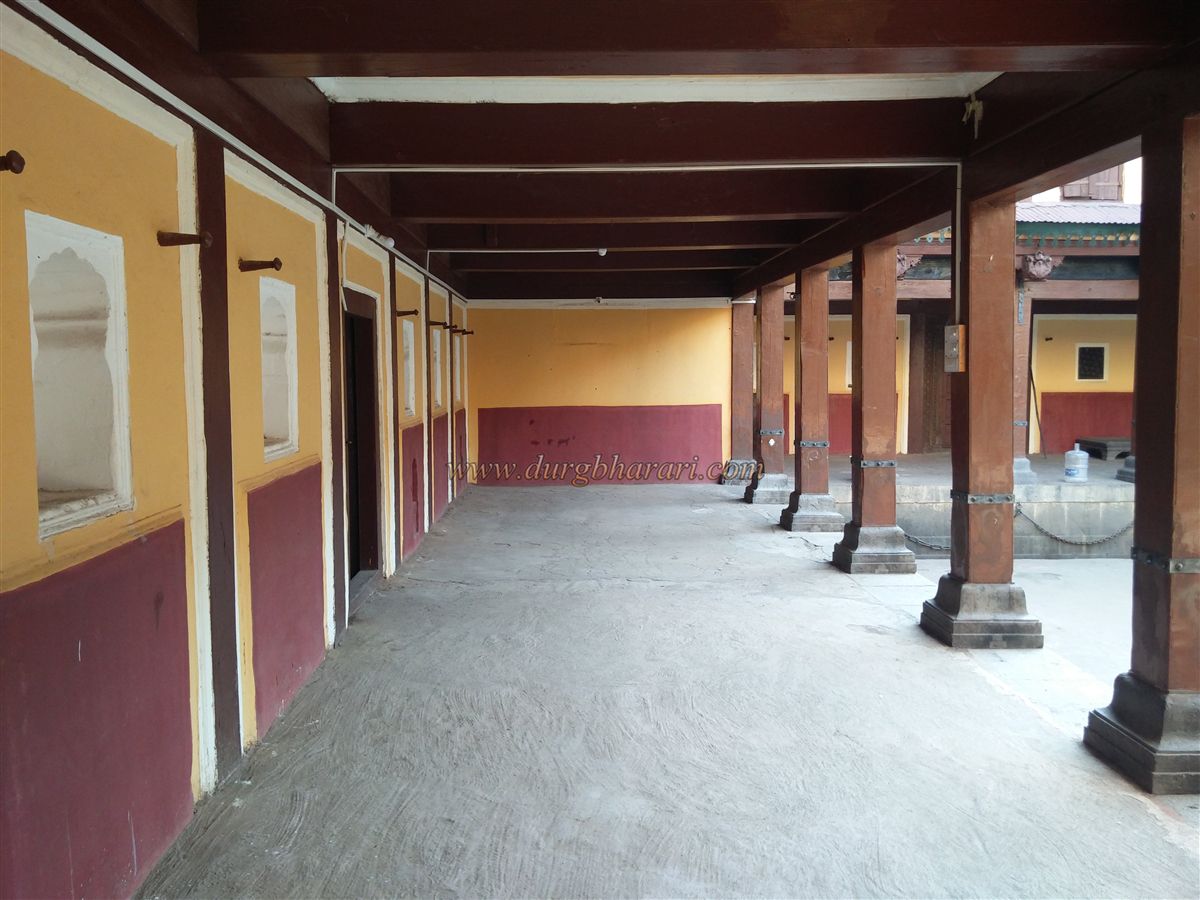
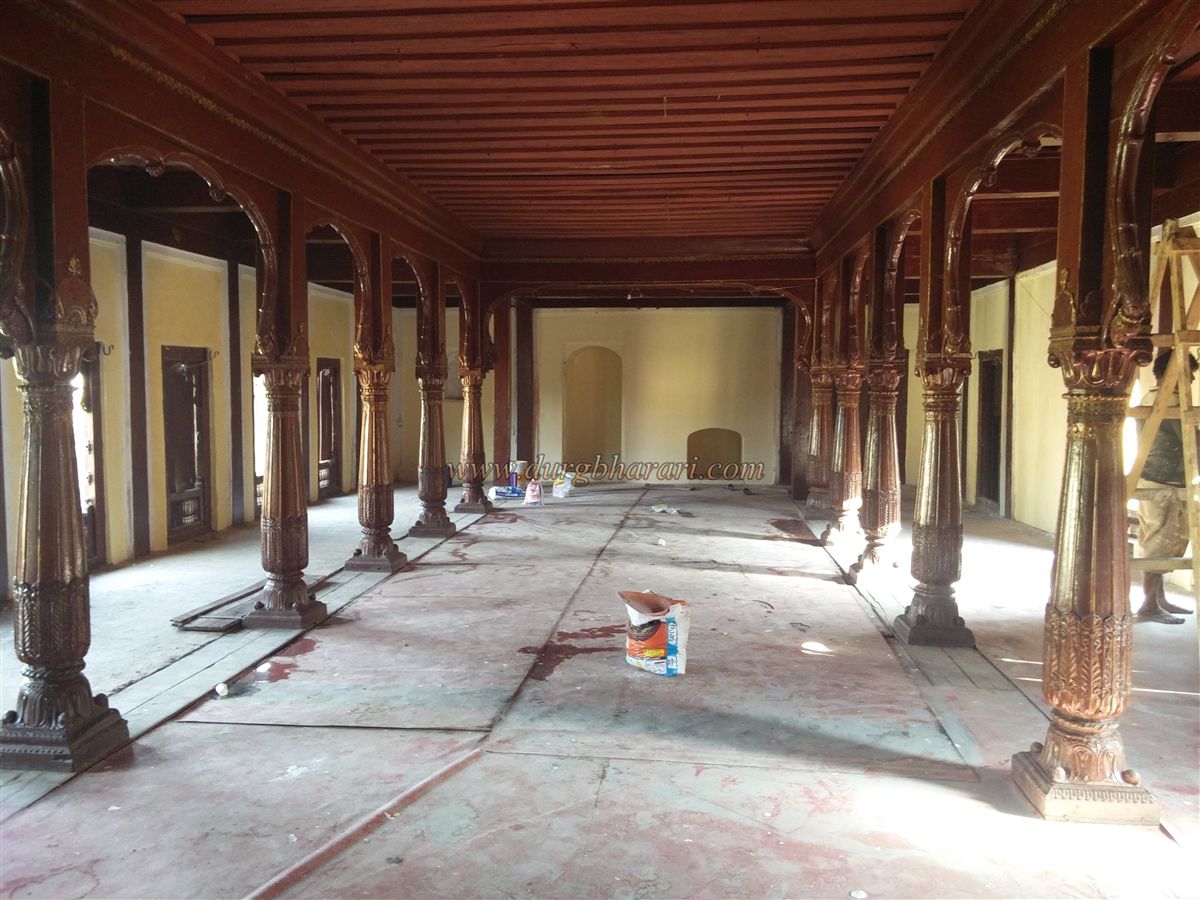
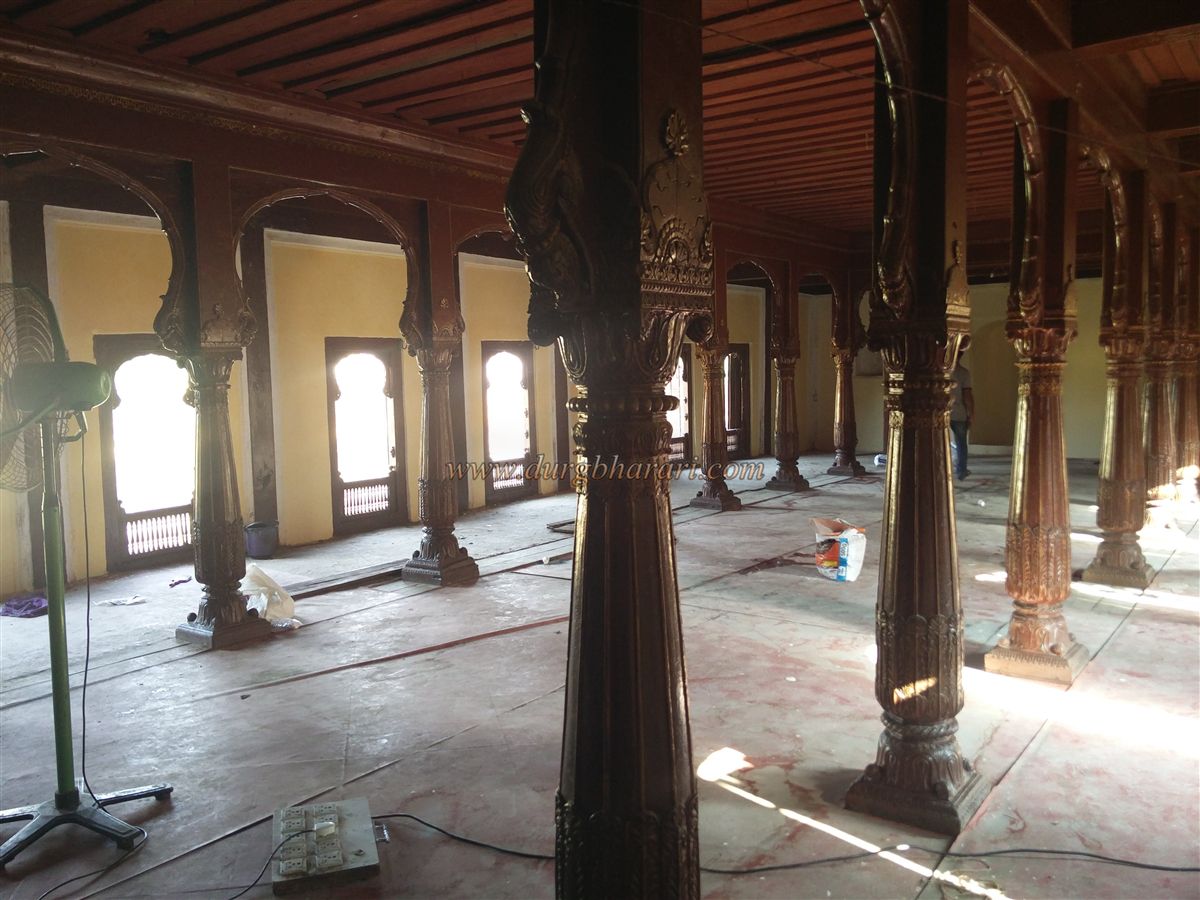
The mansion itself is impressive. Although only the outer section is accessible to visitors (as the Kadam family descendants still reside within), the rooms display many carefully preserved medieval artifacts. Stairs on either side of the hall lead to the upper floor, where an exquisitely carved wooden-pillared hall adds grandeur to the building.
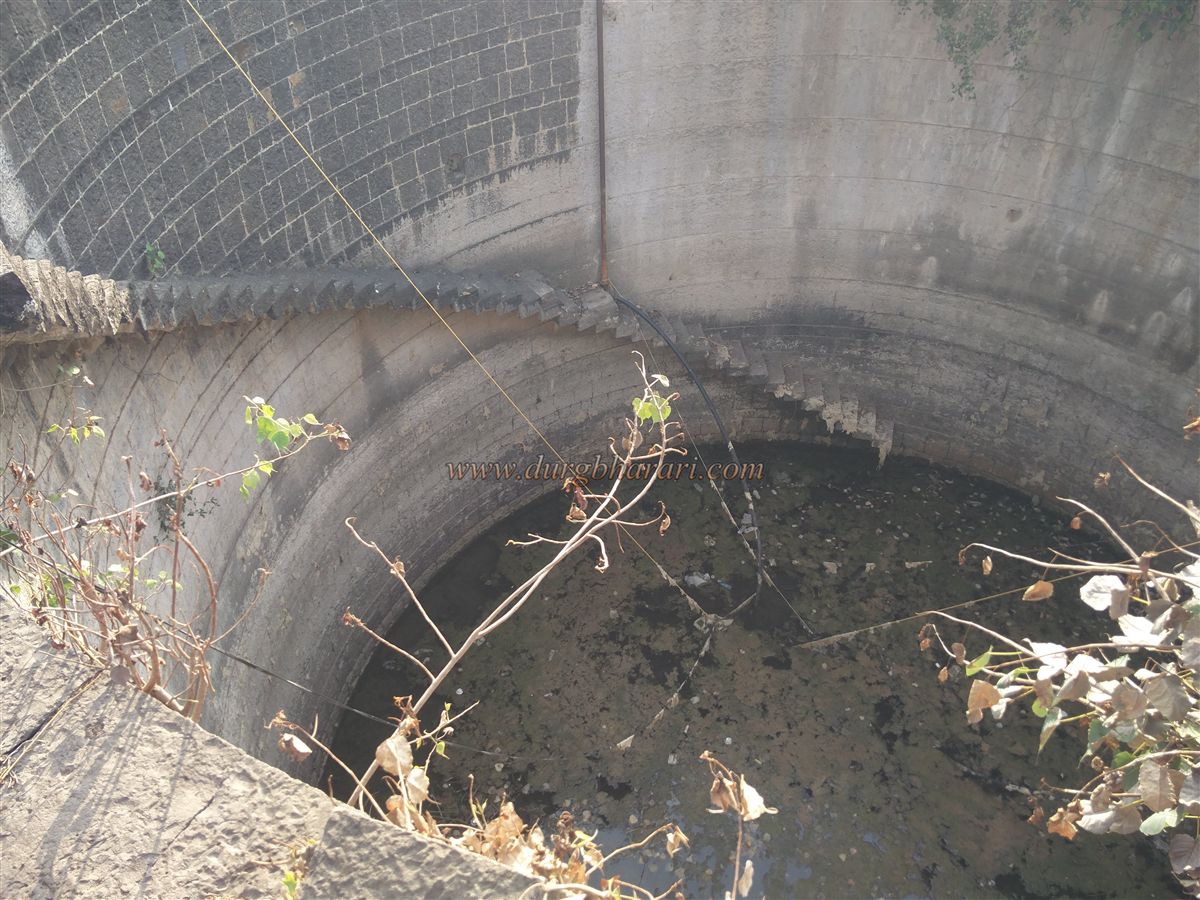
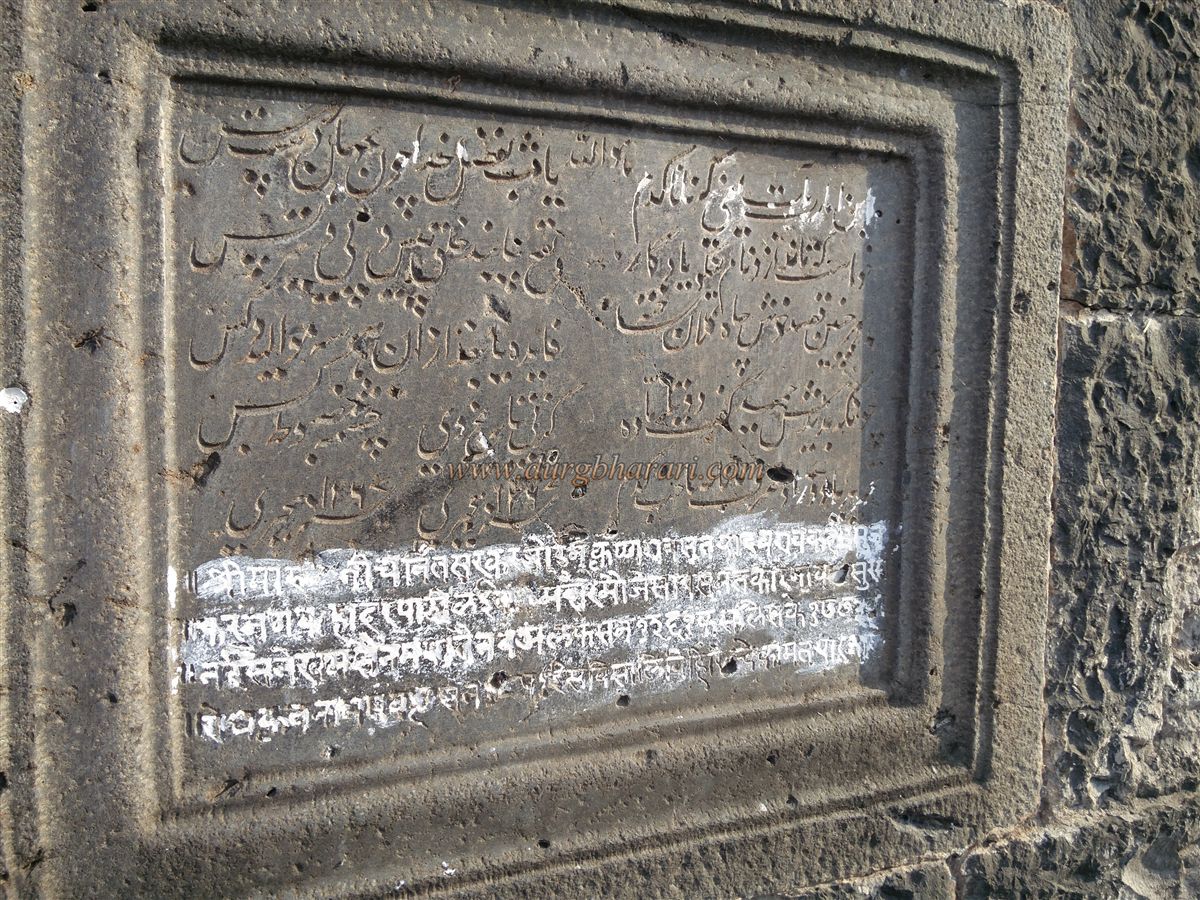
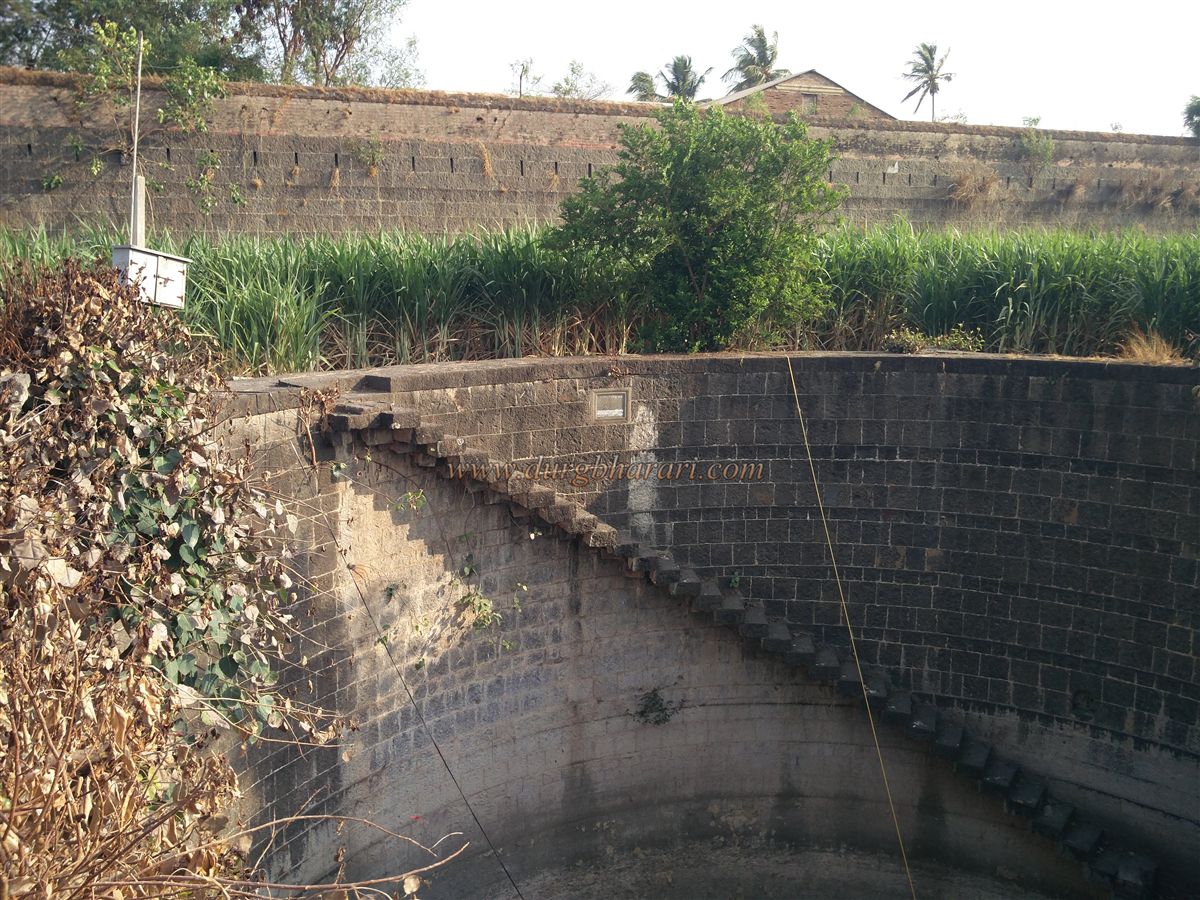
Outside the fort, to the right in a nearby field, lies a massive circular well with six pulley stations. This well has a spiral stone staircase descending to the bottom. Along the way, one can see an inscription in Devanagari and Urdu carved in stone, providing details about its construction.
It takes about an hour to explore the entire fort and its surroundings.
© Suresh Nimbalkar
GALLERY