RUPGAD
TYPE : HILL FORT
DITRICT : TAPI
HEIGHT : 1670 FEET
GRADE : MEDIUM
In the Dang region along the Maharashtra–Gujarat border lie two forts deeply rooted in Maratha heritage—Sonagad and Rupgad. Among them, Sonagad Fort is located within a town and is relatively well known due to its accessible transport facilities. In contrast, Rupgad Fort remains completely unknown, hidden within the dense forests of the Purna Wildlife Sanctuary. To reach Rupgad Fort, the road route via Surat–Bardoli–Vyara–Sonagad covers a distance of 88 km. The villages of Bardipada and Wadi-Rupgad, located at the base of the fort, lie about 25 km from Sonagad.
If one starts the trek from Wadi-Rupgad, the entire fort must be climbed from its base. On the other hand, approaching via Bardipada allows a head start, as the road from Bardipada to Kalibel covers 3.5 km and reaches a mountain pass below the fort, effectively ascending almost half the climb.
...
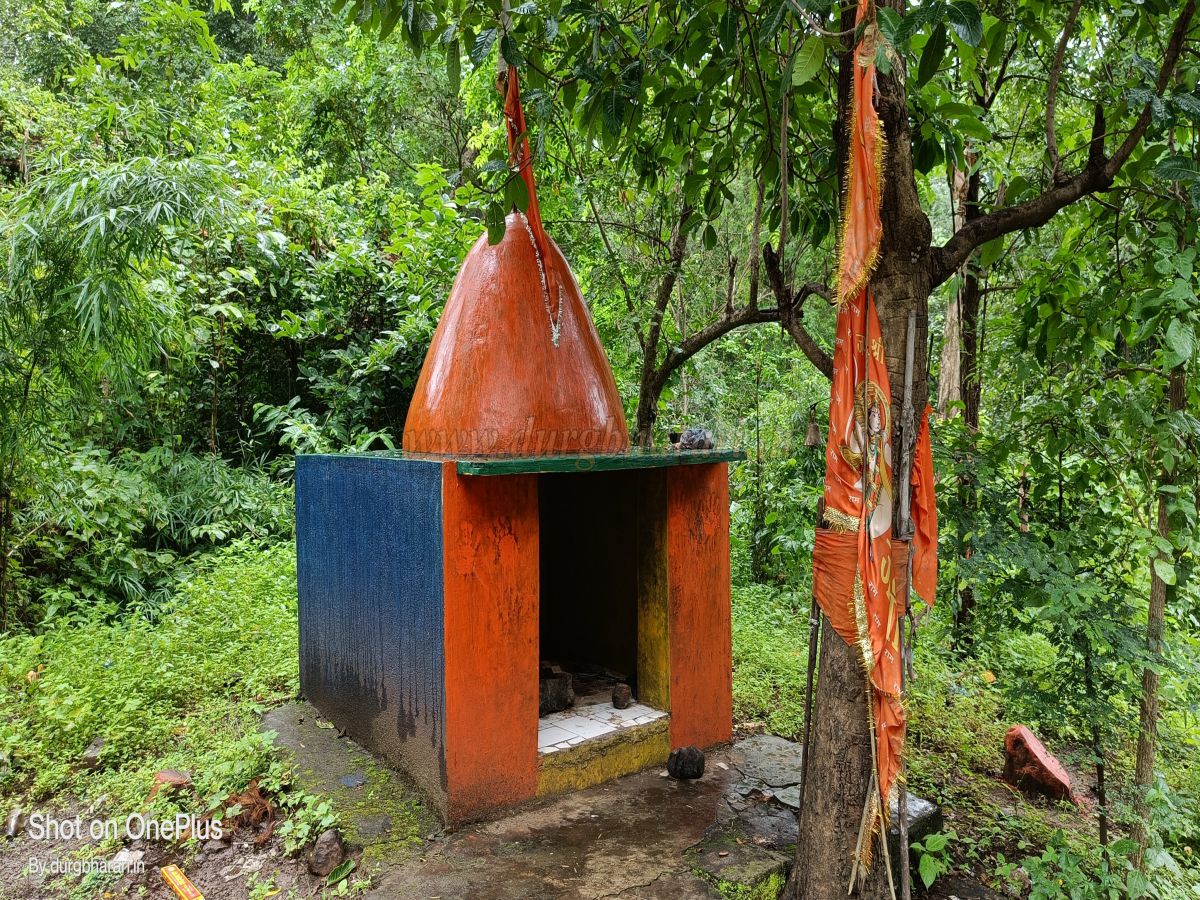
A recognizable landmark in this pass is a small shrine of a goddess and a paved platform around a large mango tree. Local rickshaw drivers are familiar with this location.
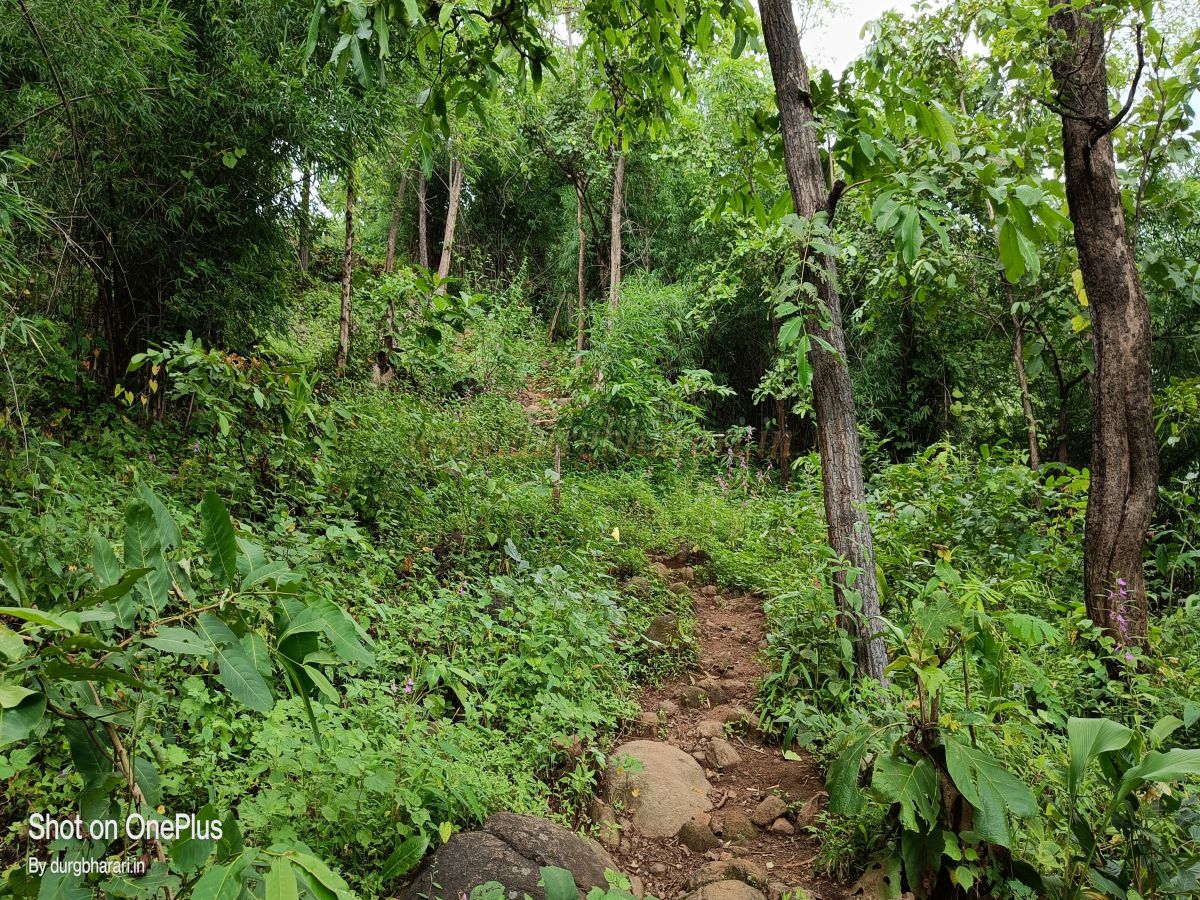
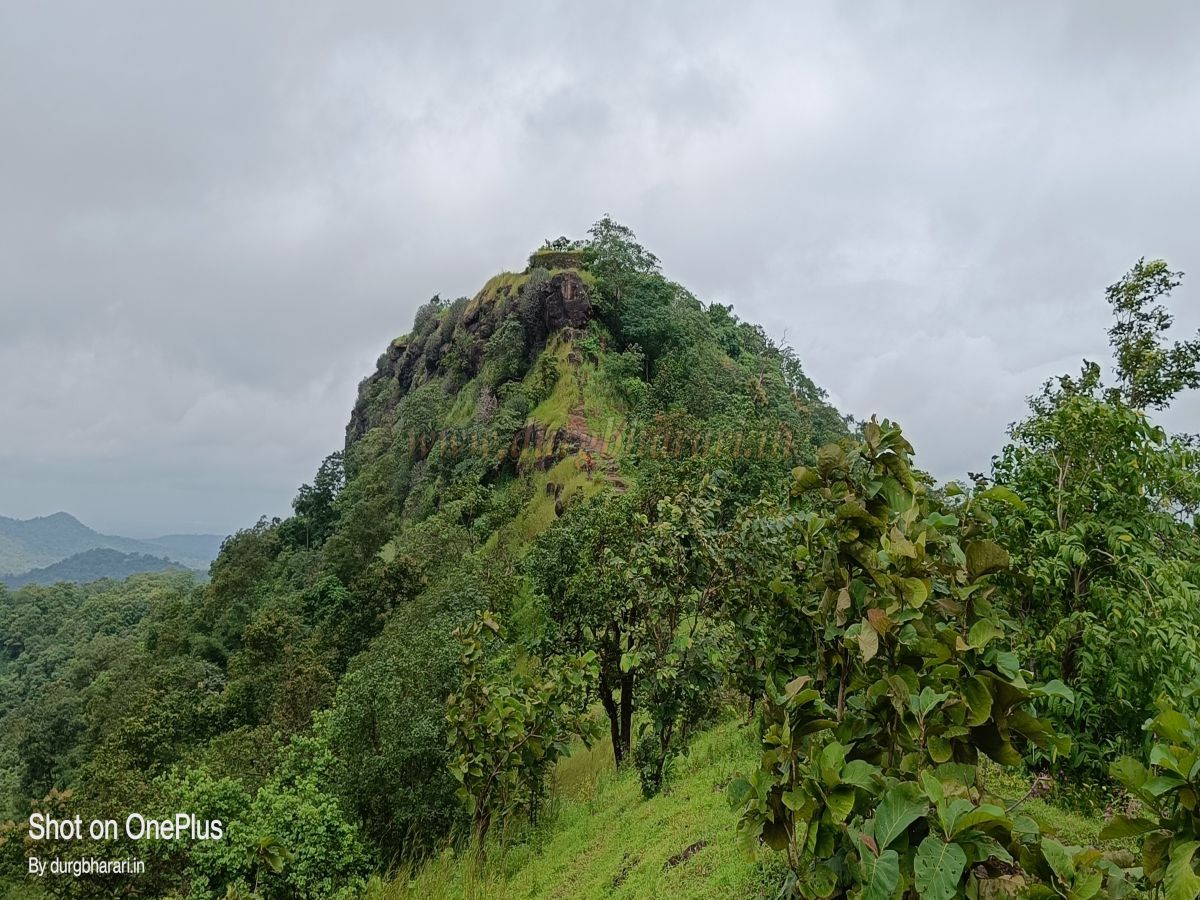
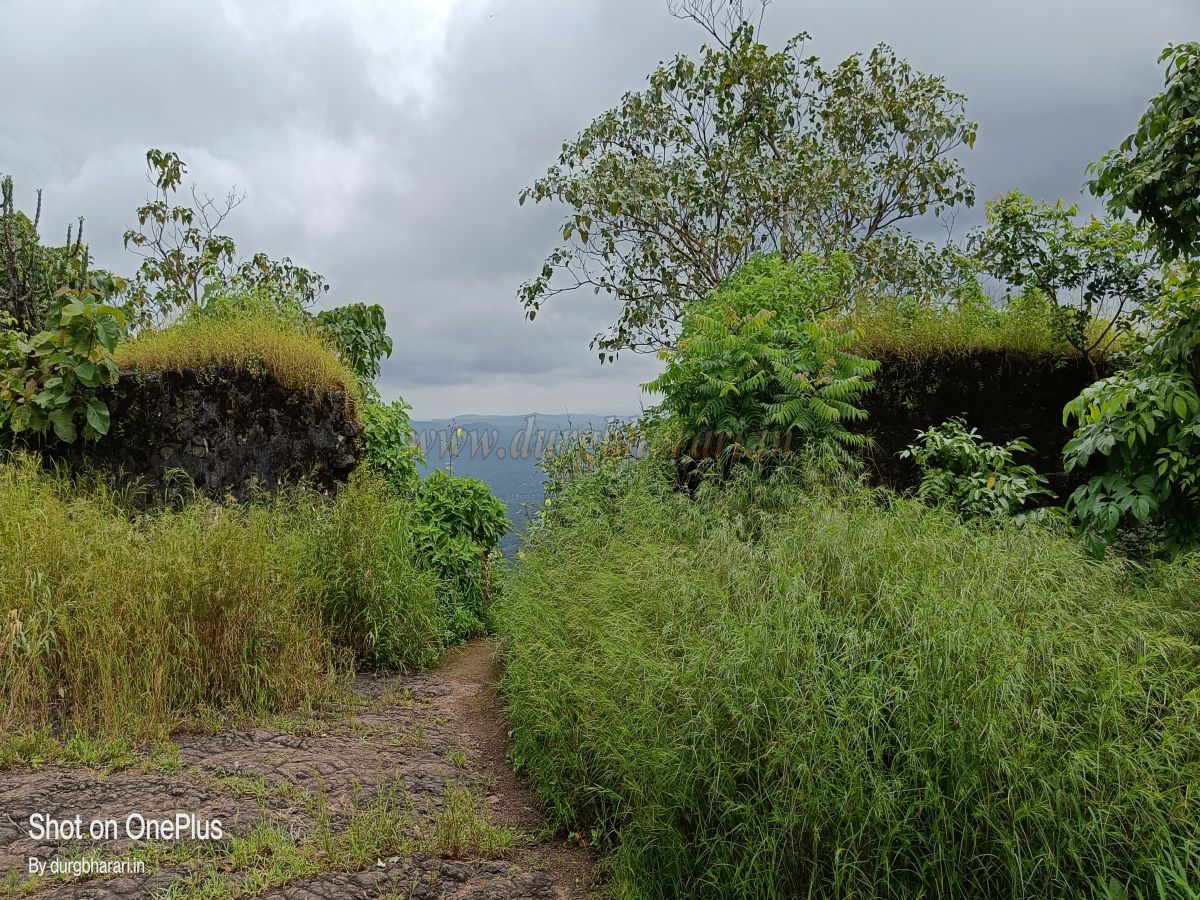
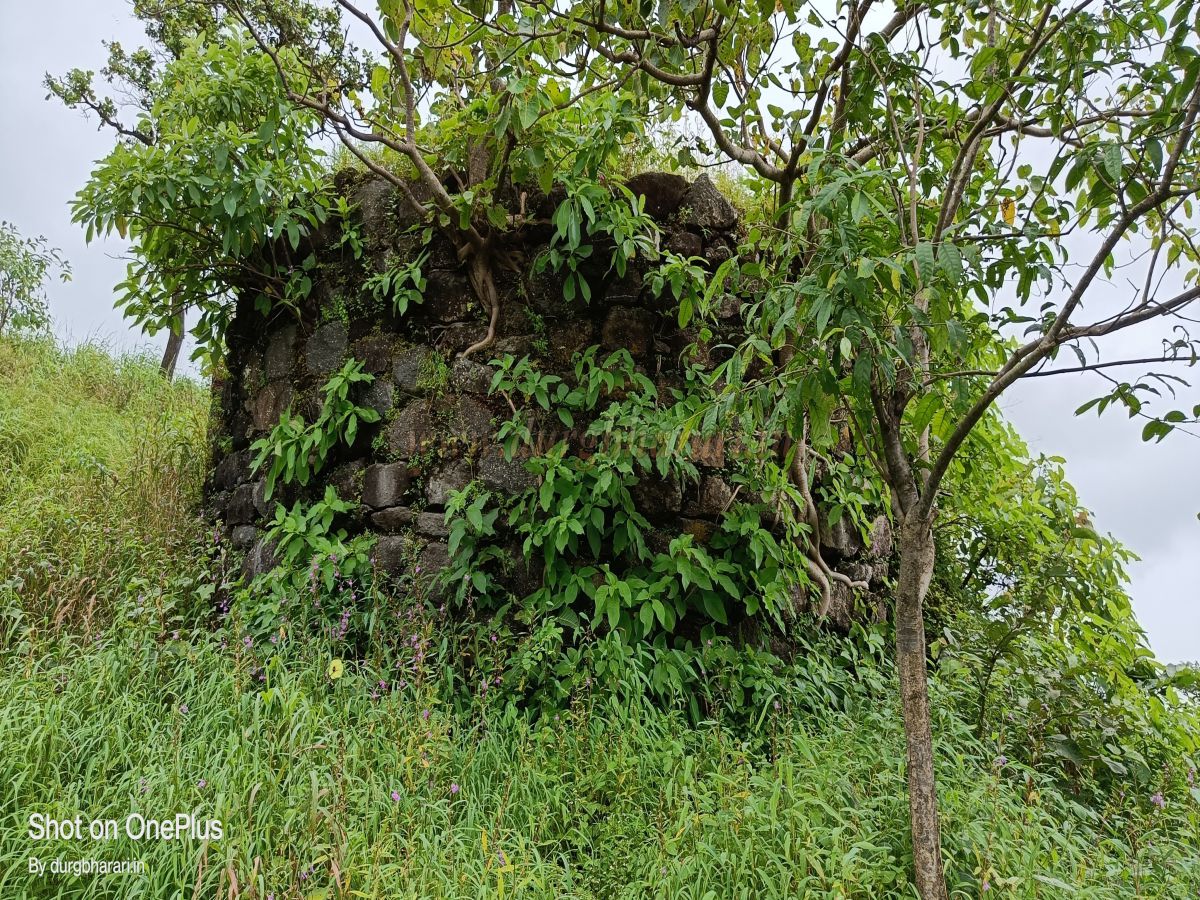
From here, a well-trodden path on the right leads towards the fort. At the beginning of the path, the fort's plateau with some surviving fortification can be seen. Within half an hour, this path brings you near the western extension of the fort, close to a snout-like spur. Keeping the circular bastion ahead in view and then veering left, one reaches the top of the fort in about 15 minutes. Entry to the fort is through a broken section of the fortification.
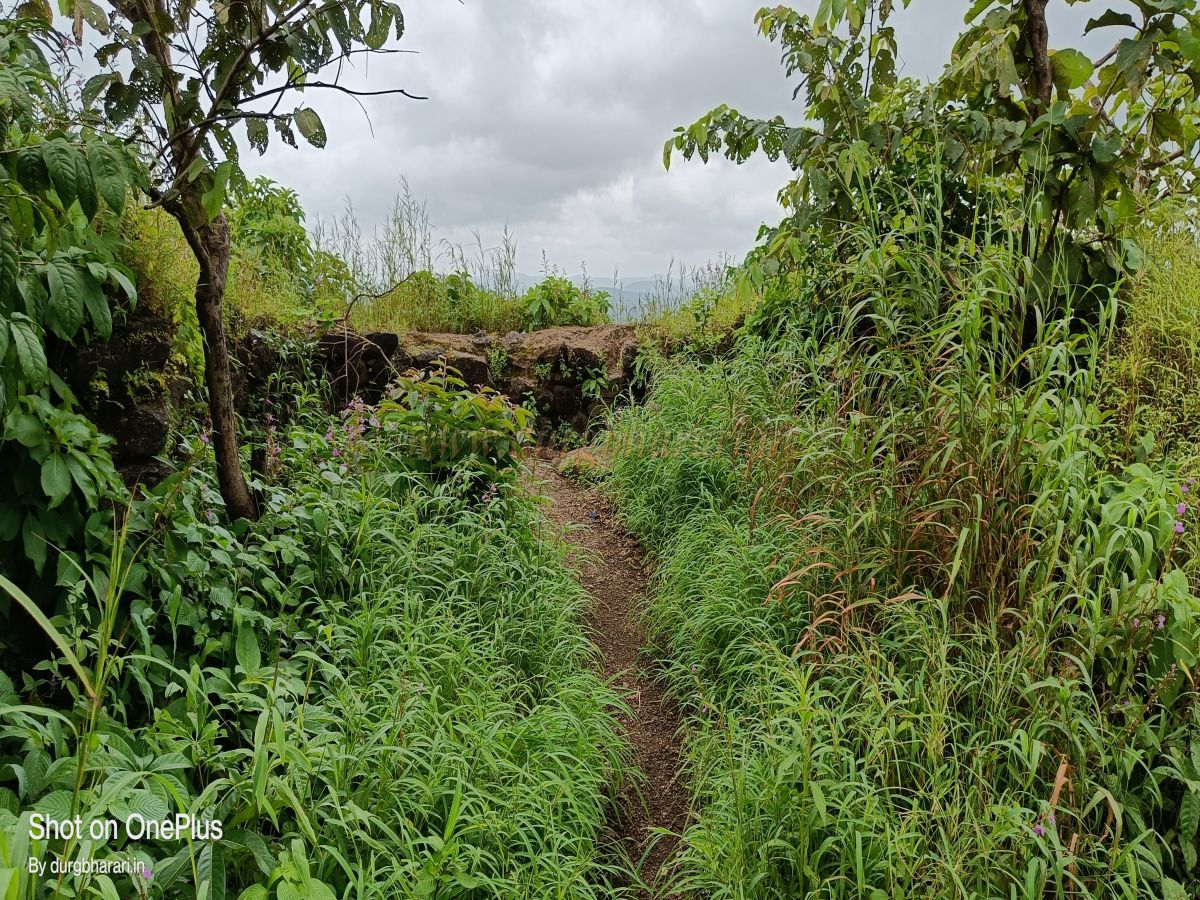
The roughly triangular plateau of the fort is situated at an elevation of 1,670 feet above sea level and spreads across 3.5 acres. Due to a broken cliff on the southern side, the fort enjoys natural protection, and hence the man-made fortifications are mostly visible on the west and north sides. After entering the fort, one should begin the circumambulation along the left-hand edge of the wall, starting from the bastion on the snout. Until reaching the northern tip of the fort, no ruins are visible along this route.
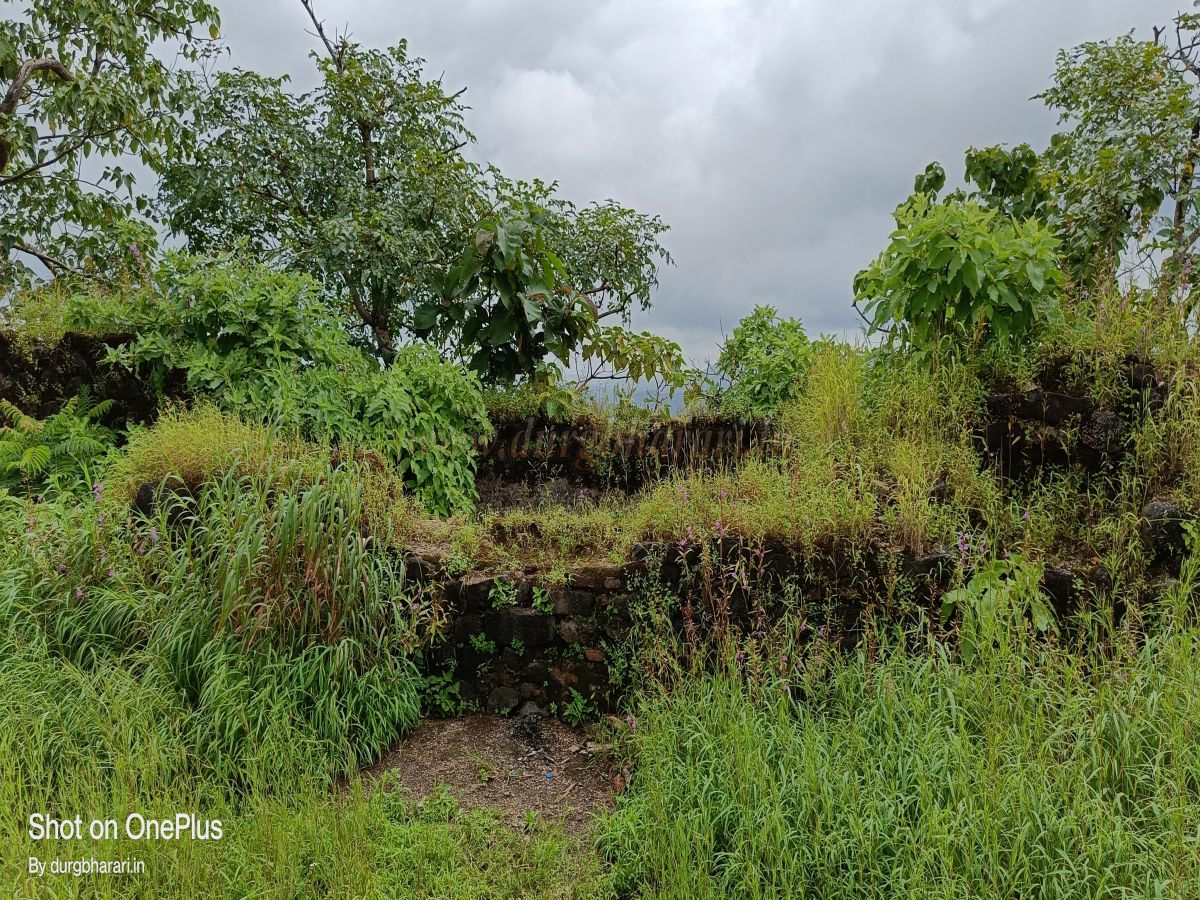
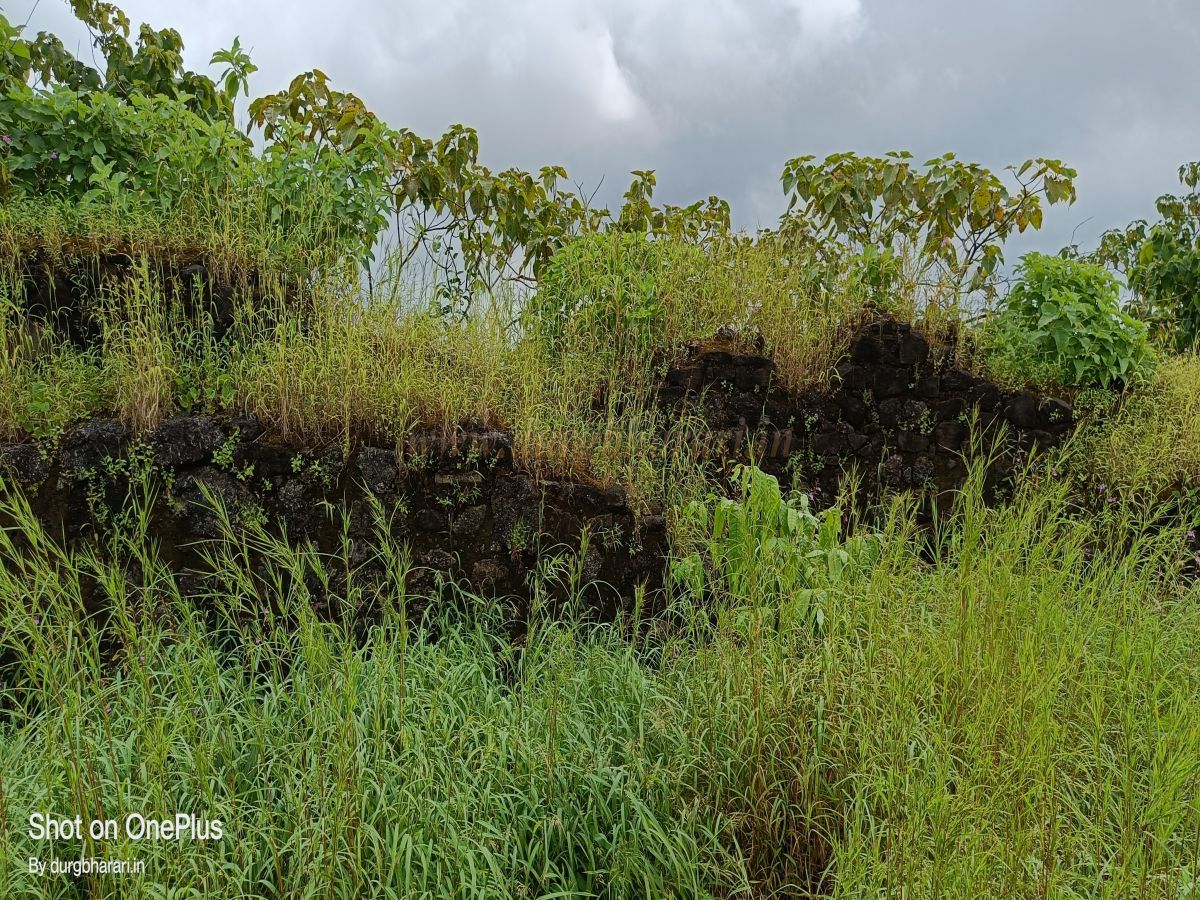
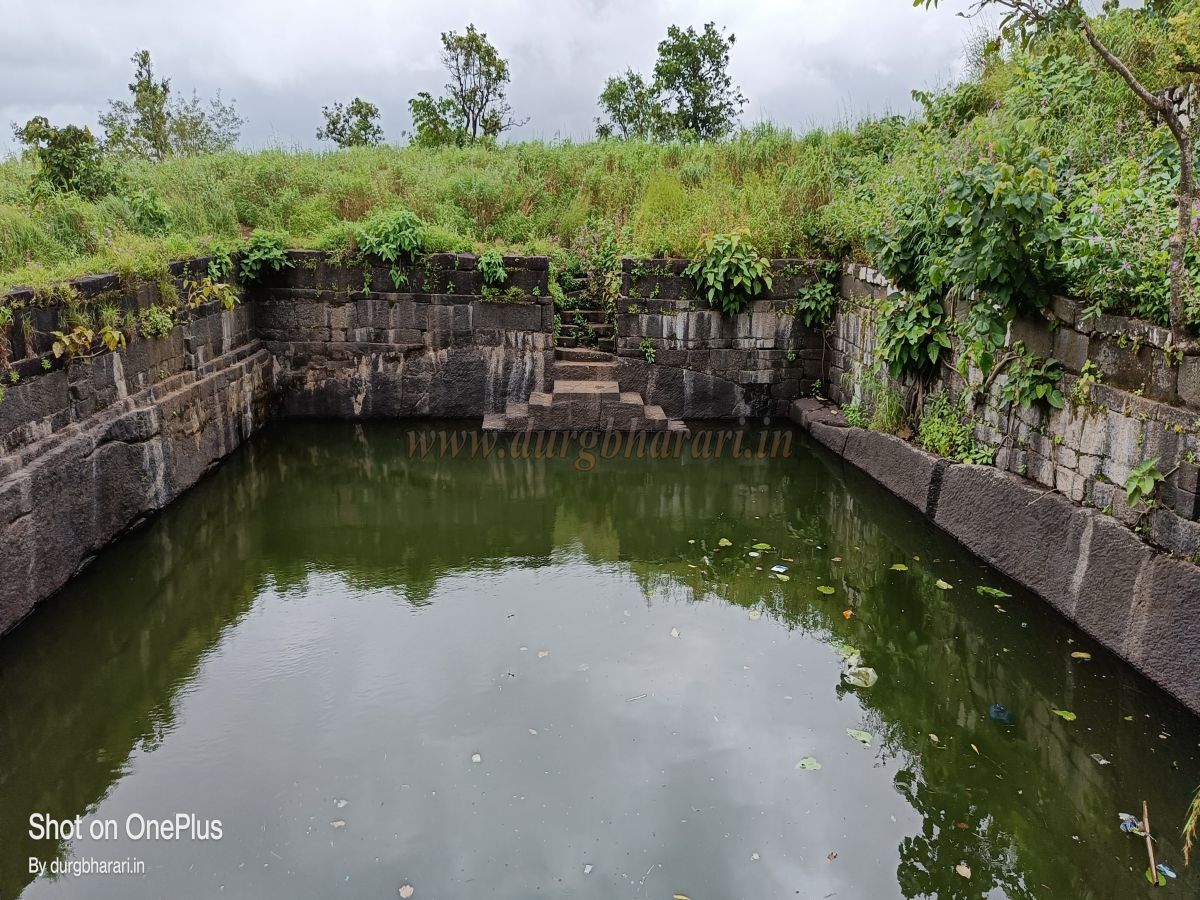
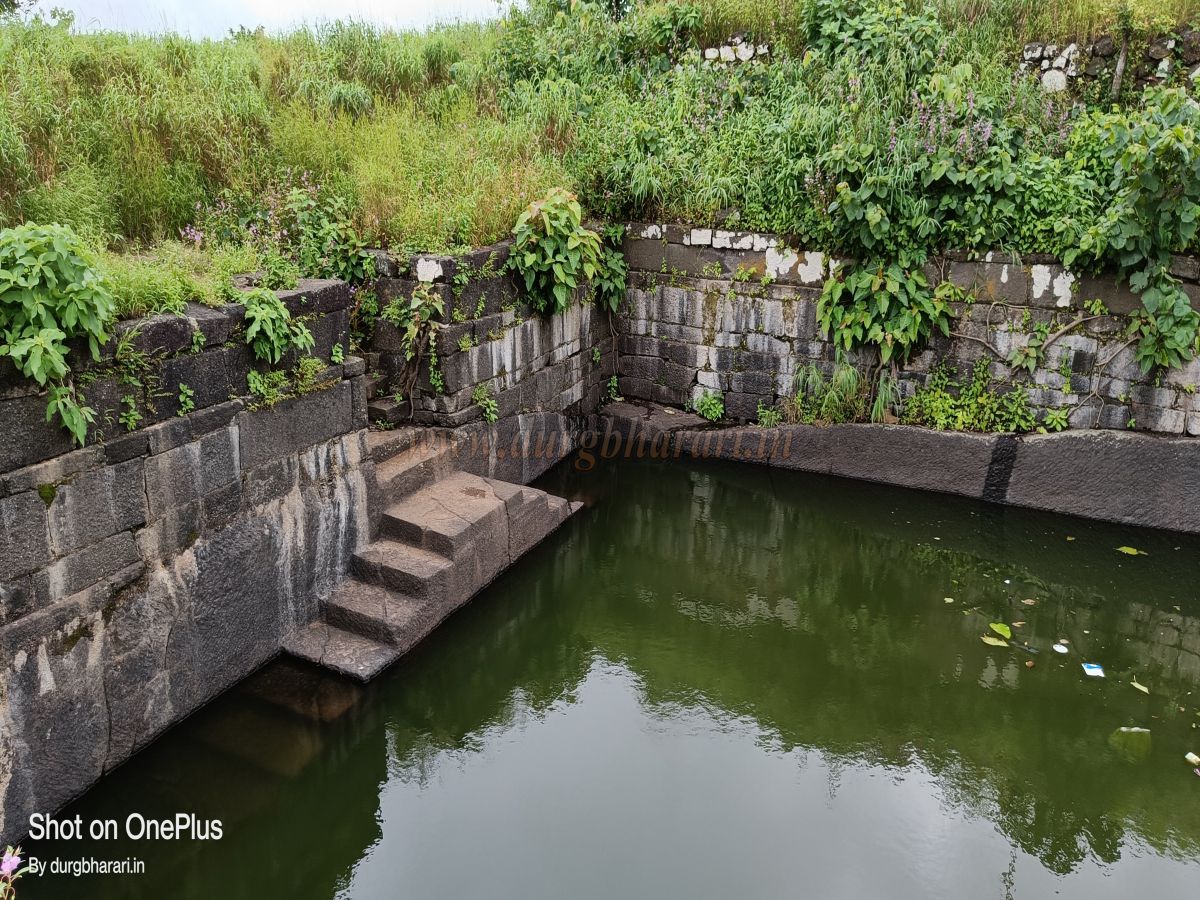
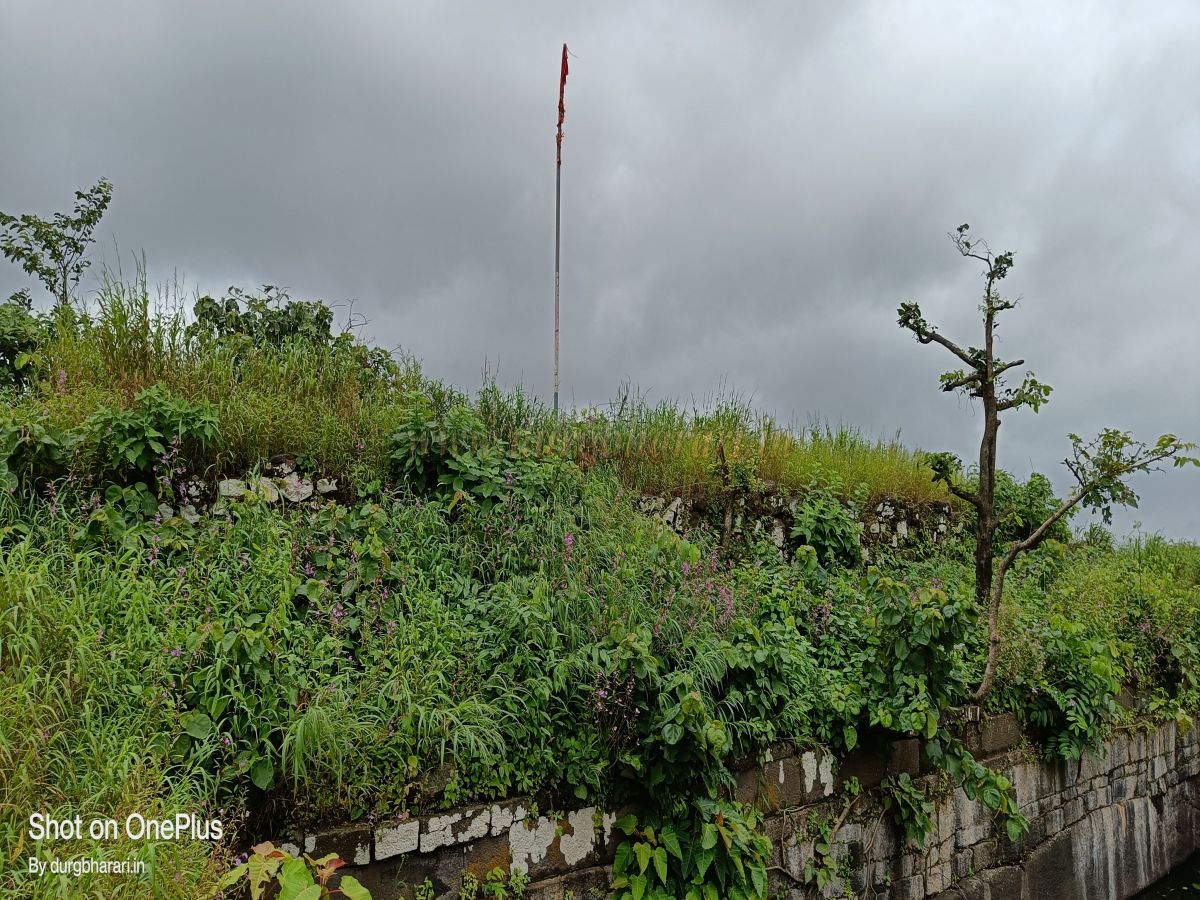
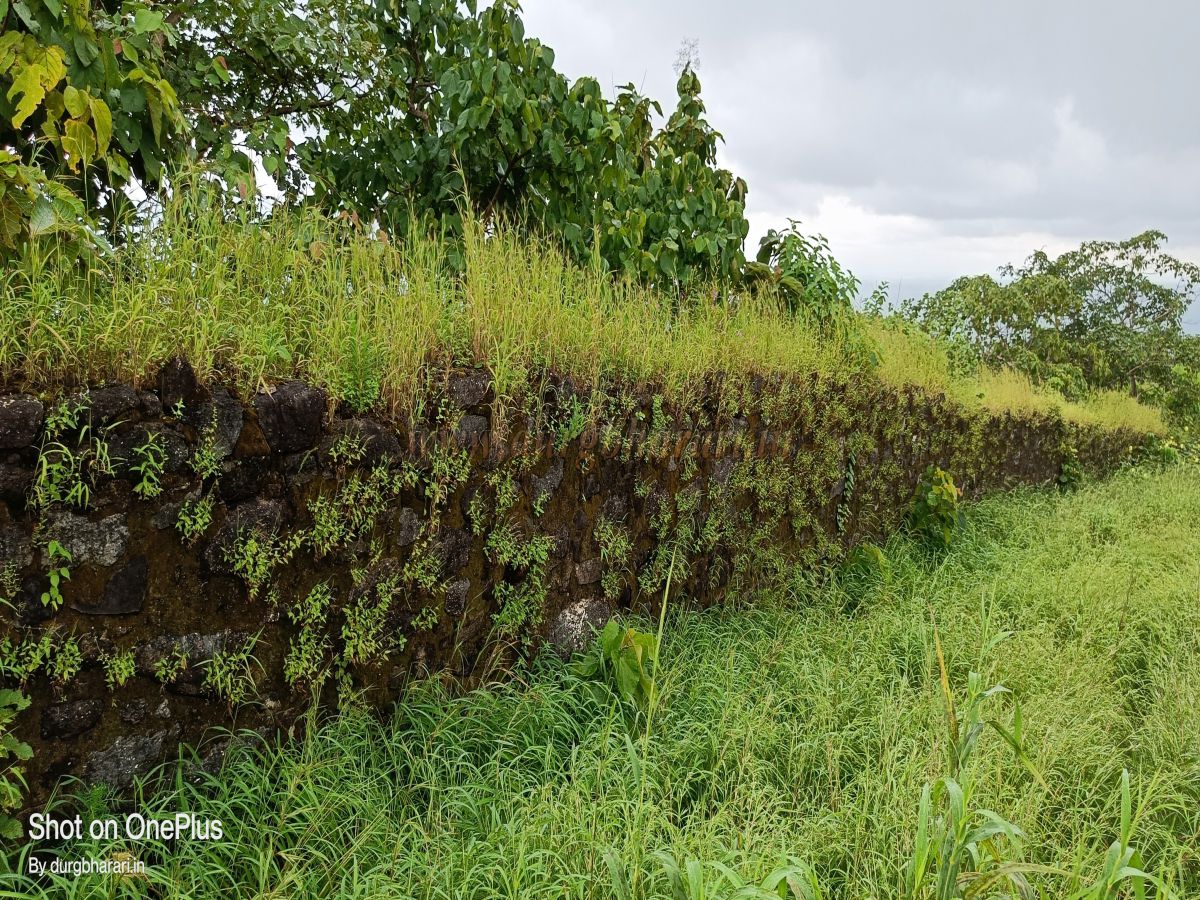
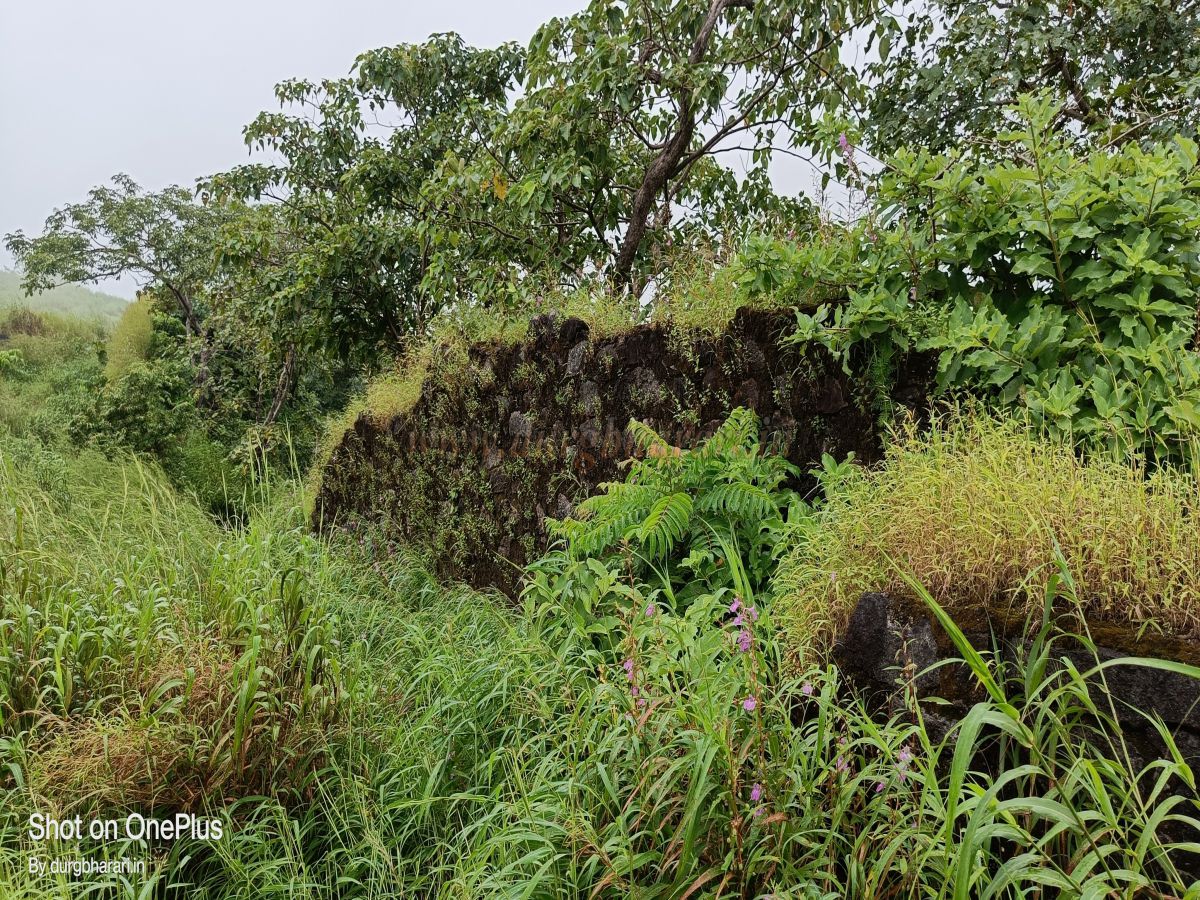
Upon turning right, near the wall, one finds a rectangular rock-cut water tank measuring approximately 40 x 50 feet. Two staircases are carved into the tank for descending into it. Above the tank is a plinth that once held a mansion, and a flagpole now stands here. The fortification beginning from this point remains intact all the way to the broken entry section. Built using uncut stones and lime mortar, the wall contains about ten bastions, large and small.
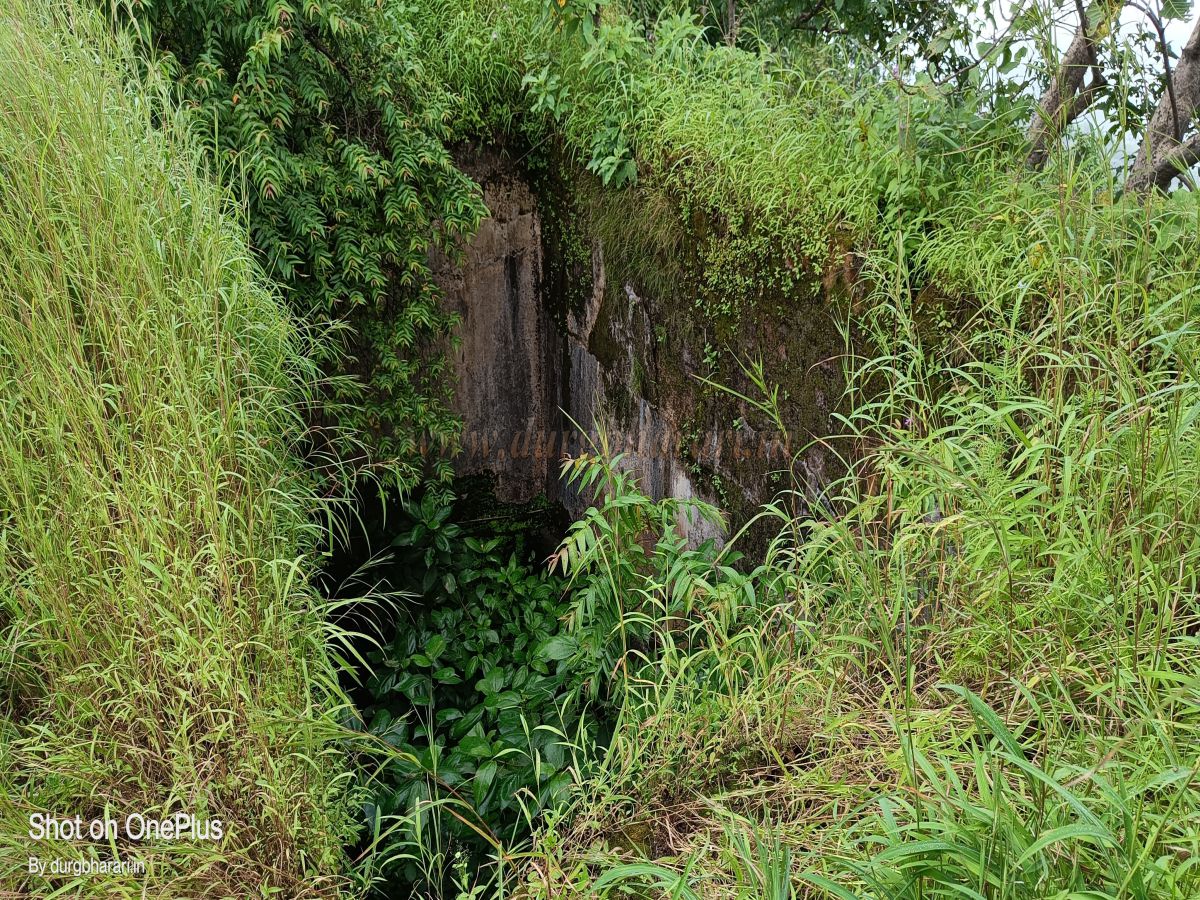
Inside three of these bastions are water cisterns. Two are around 10 feet deep, while the third, adjacent to one of the bastions and rectangular in shape, is quite large and about 20 feet deep. This layout represents a unique feature of this fort.
A little further ahead are the remnants of what was once the main entrance of the fort between two bastions, now completely destroyed. In front of the gate is a small rock outcrop, accessible by descending the steps of the old gate. This outcrop likely served as a watch point in earlier times, meant to conceal the entrance from the outside. After descending between the gate and the outcrop, a path on the left runs along the edge of the cliff. Along this path are a few small rock-cut cisterns and, some distance ahead, a cave with a spring of fresh water still flowing inside. From here, one should return, ascend the gate again, and continue exploring the rest of the fort.
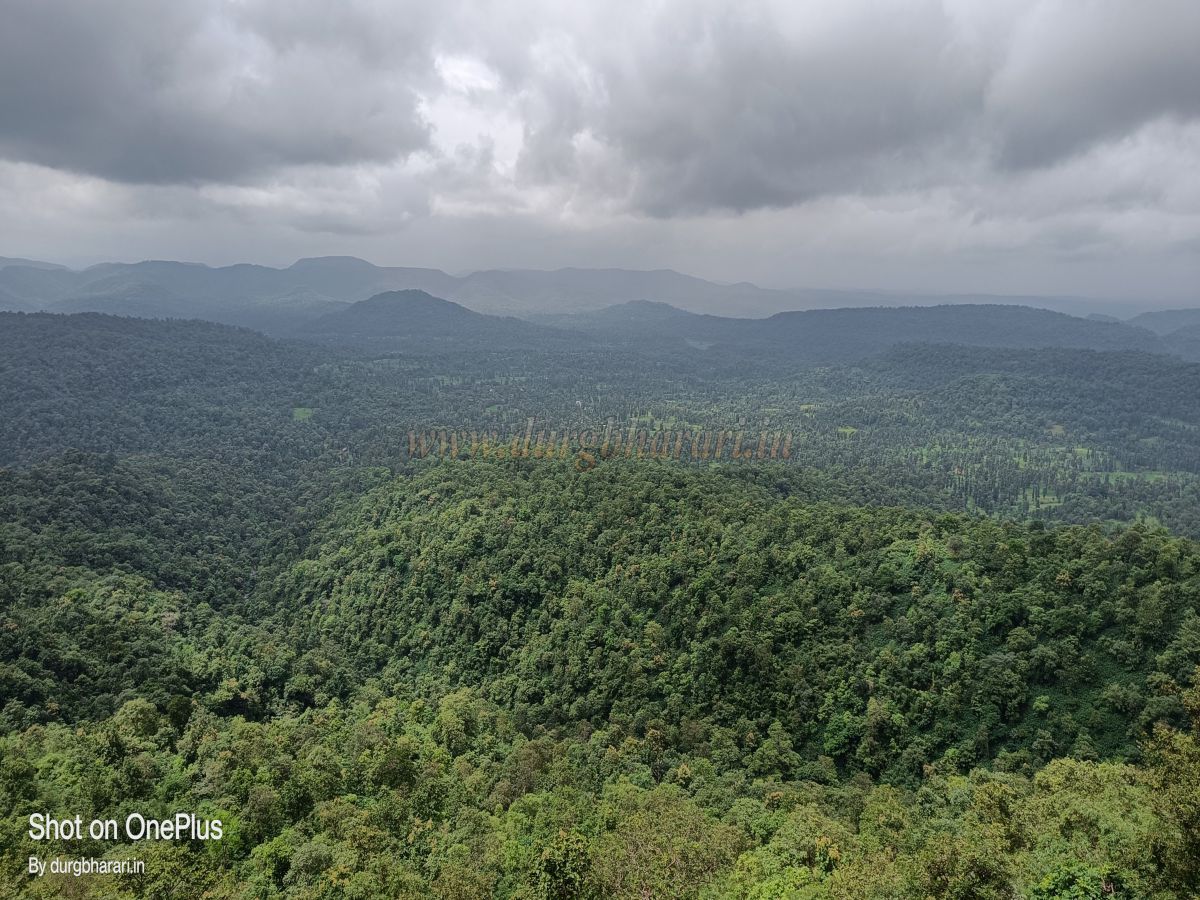
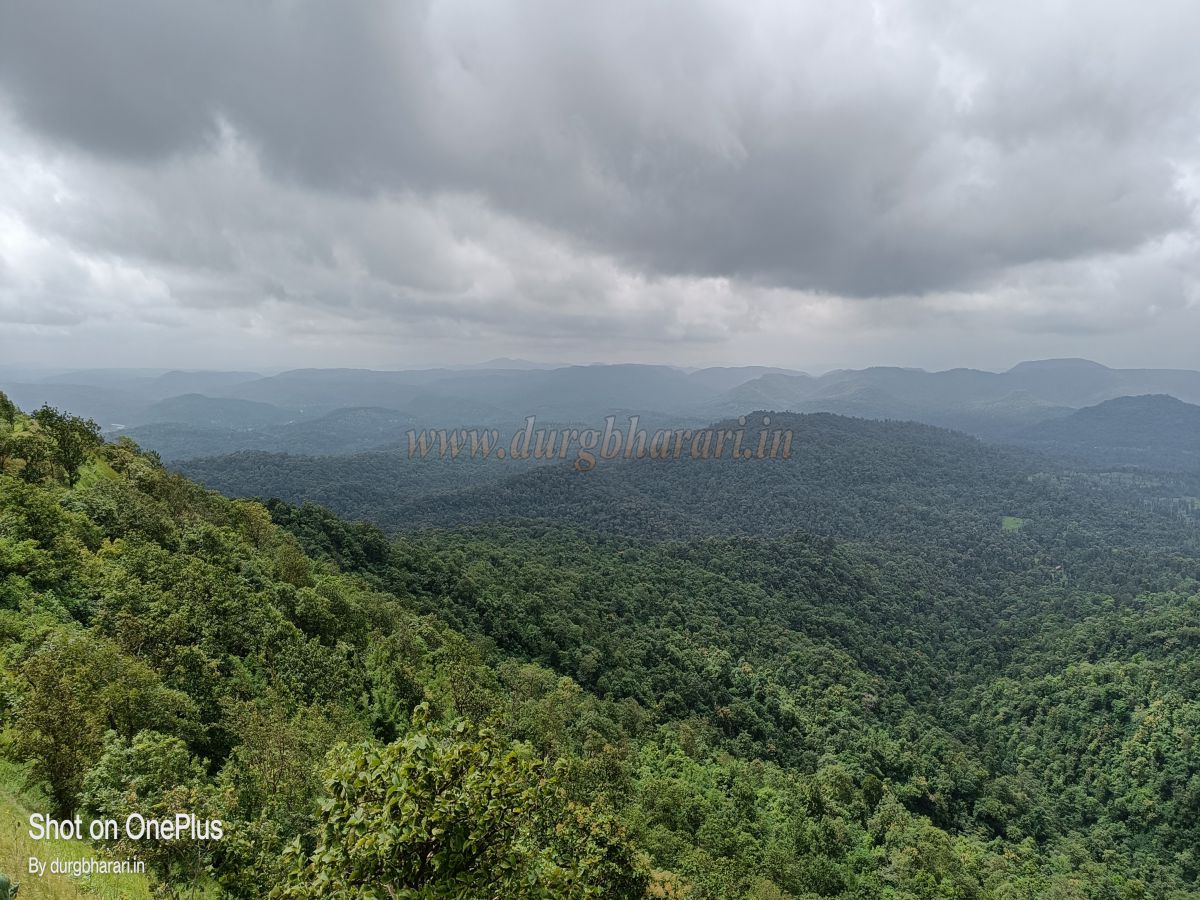
The remaining fort wall in this area is 8–10 feet high, with stairways built at certain points to climb atop it. From the fort walls, one can see the dense forests in the Girna river valley and vast landscapes stretching far into the distance.
The history of Rupgad Fort begins during the Peshwa era. Pilajirao Gaikwad accompanied Khanderao Dabhade, a general of Chhatrapati Shahu Maharaj. Shahu Maharaj bestowed upon them the title of Senasarnobat (Commander-in-Chief) and sent them to assist the Peshwa in the Dang region of Khandesh. The medieval trade route connecting the port of Surat to Burhanpur in Khandesh passed through the dense forests of this area. Some historians believe that Shivaji Maharaj also used this same route to transport the loot from Surat back to Swarajya.
In 1721, Pilajirao, with the help of local Bhil tribal communities, constructed the forts of Sonagad and Rupgad. He made the nearby Sonagad Fort his capital. However, over time, his son Damajirao Gaikwad shifted the capital to Baroda for administrative convenience.
© Suresh Nimbalkar
GALLERY