ROHINKHED
TYPE : NAGARKOT
DISTRICT : BULDHANA
HEIGHT : 0
GRADE : EASY
Rohinkhed is a small village in Motala taluka of Buldhana district. Although the earliest reference to this village appears as “Rohinabad” during the Nizamshahi period, the ancient ruined Shiva temple in the village and the recently excavated sculptures found in farmlands and houses indicate that this settlement dates back to the 8th or 9th century. Rohinkhed is located 23 km from Buldhana and 12 km from the taluka center Motala. On the Buldhana–Motala highway, there is a diversion at Waghjal leading to Rohinkhed. The distance from Waghjal to Rohinkhed is about 7 km. The village is situated west of the Ajanta hill ranges at the confluence of the Nalganga and Jalganga rivers, which form a natural boundary around it. The remaining side is likely fortified with walls for protection, as the only surviving gate of the fort is located on that side. Due to growing habitation, most of this fortified settlement has been lost, and today only one bastion and a gateway survive.
...
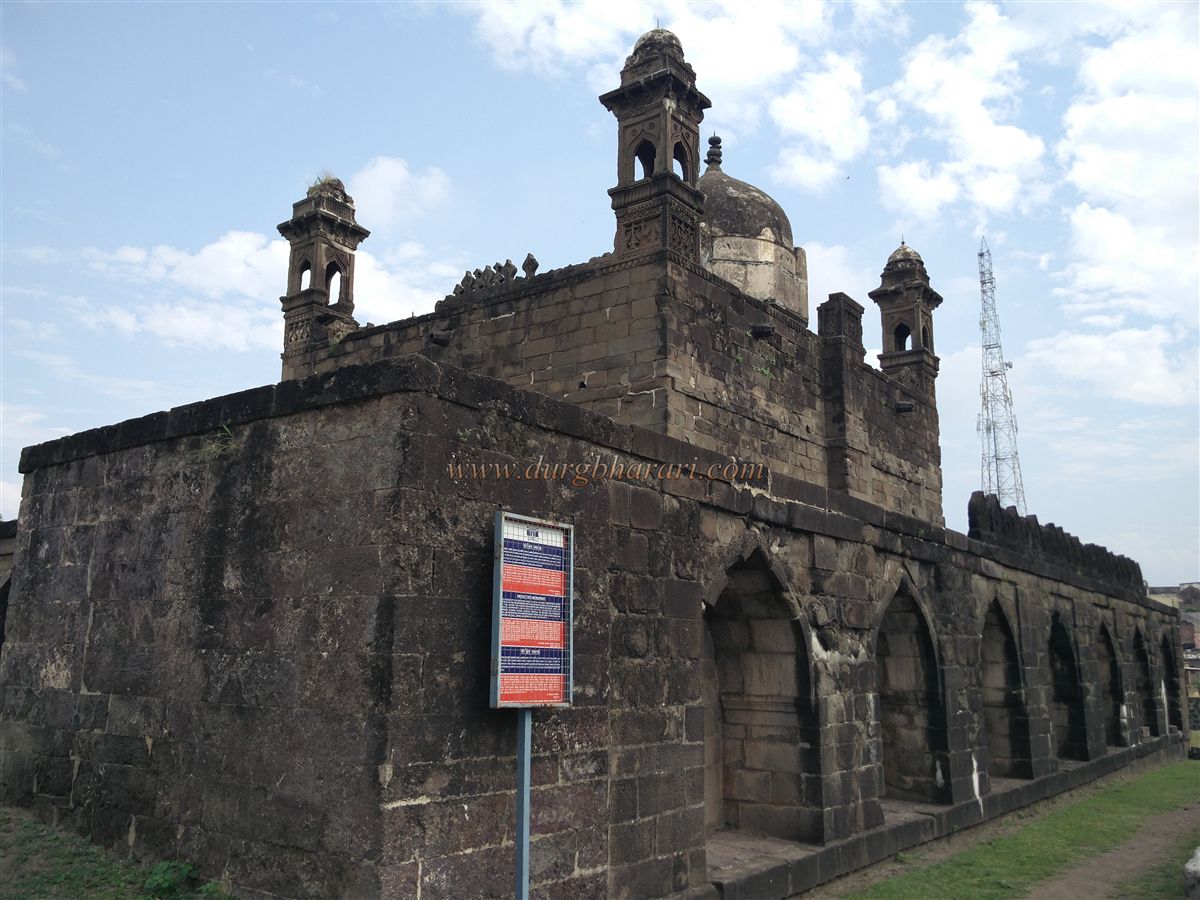
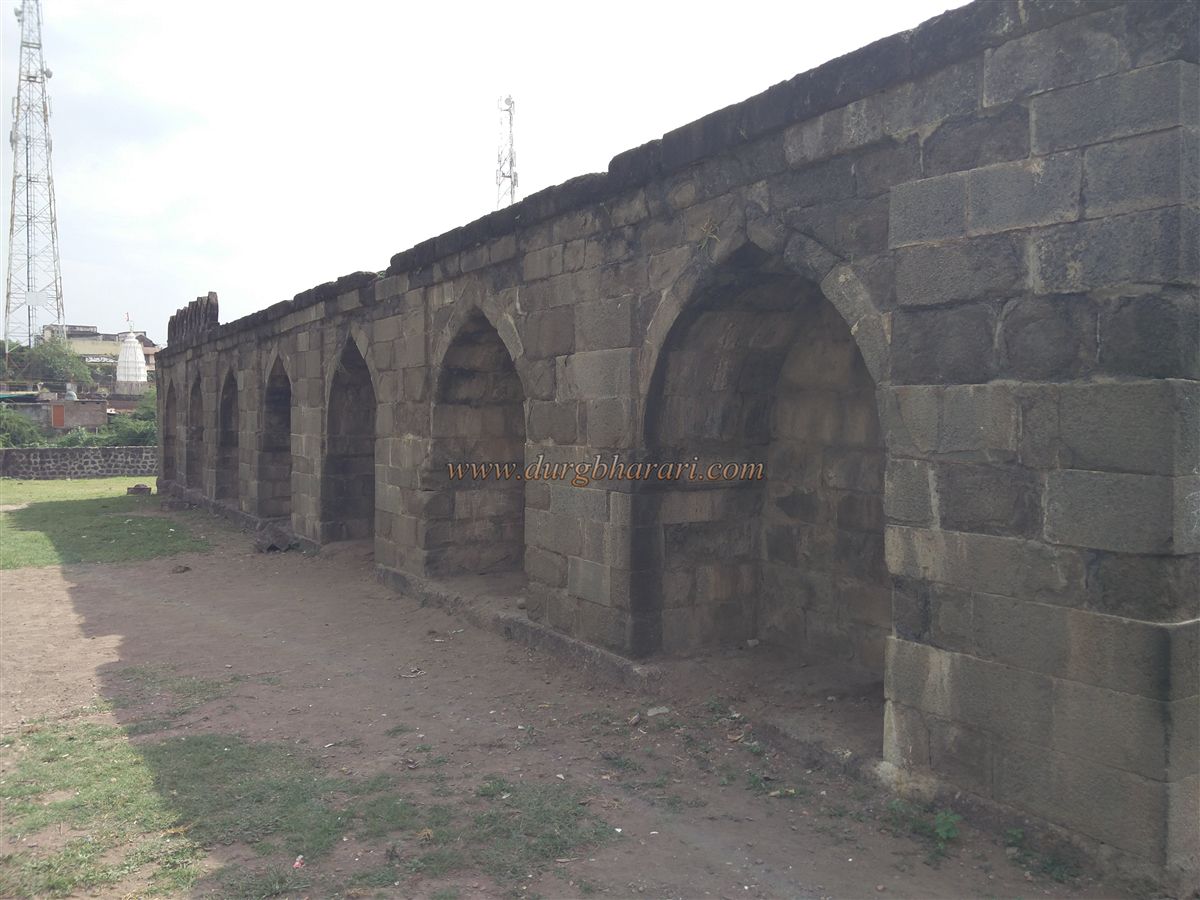
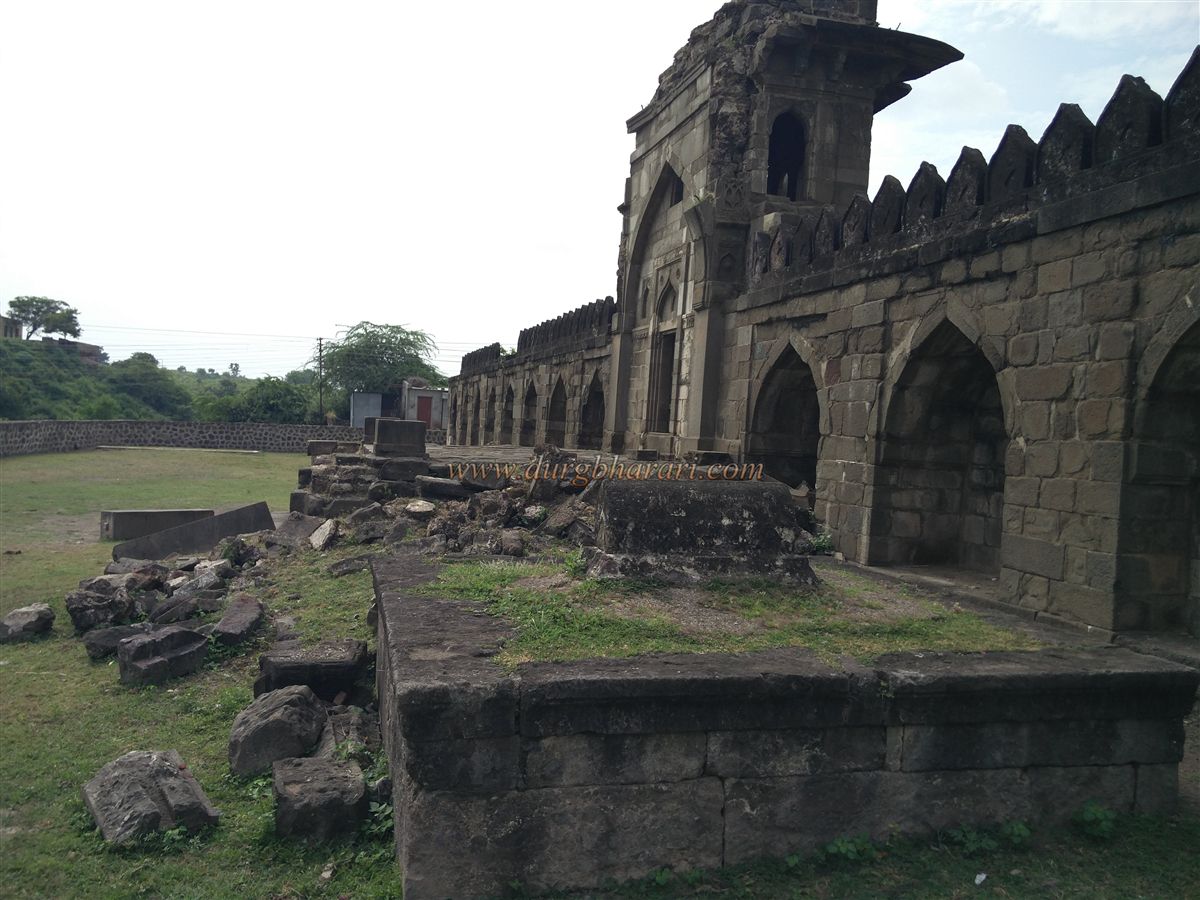
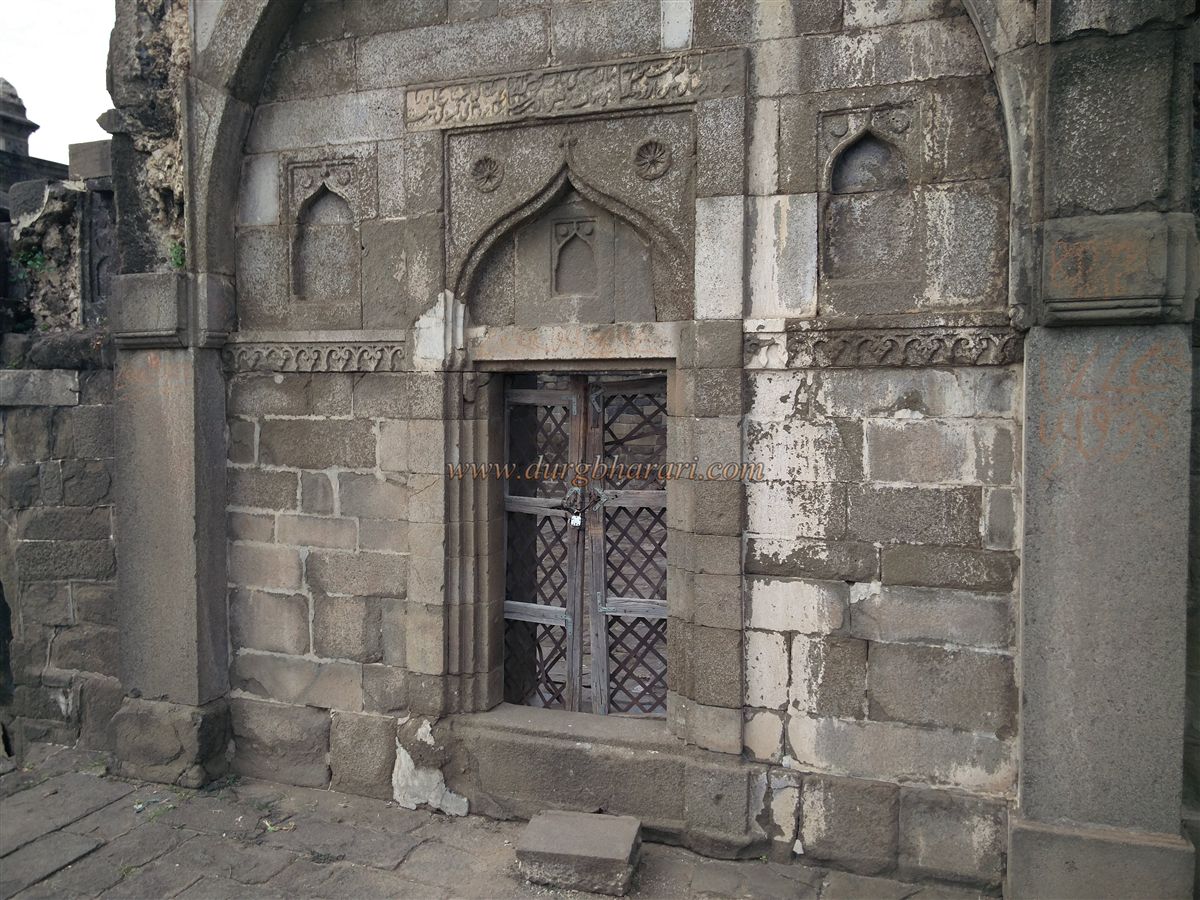
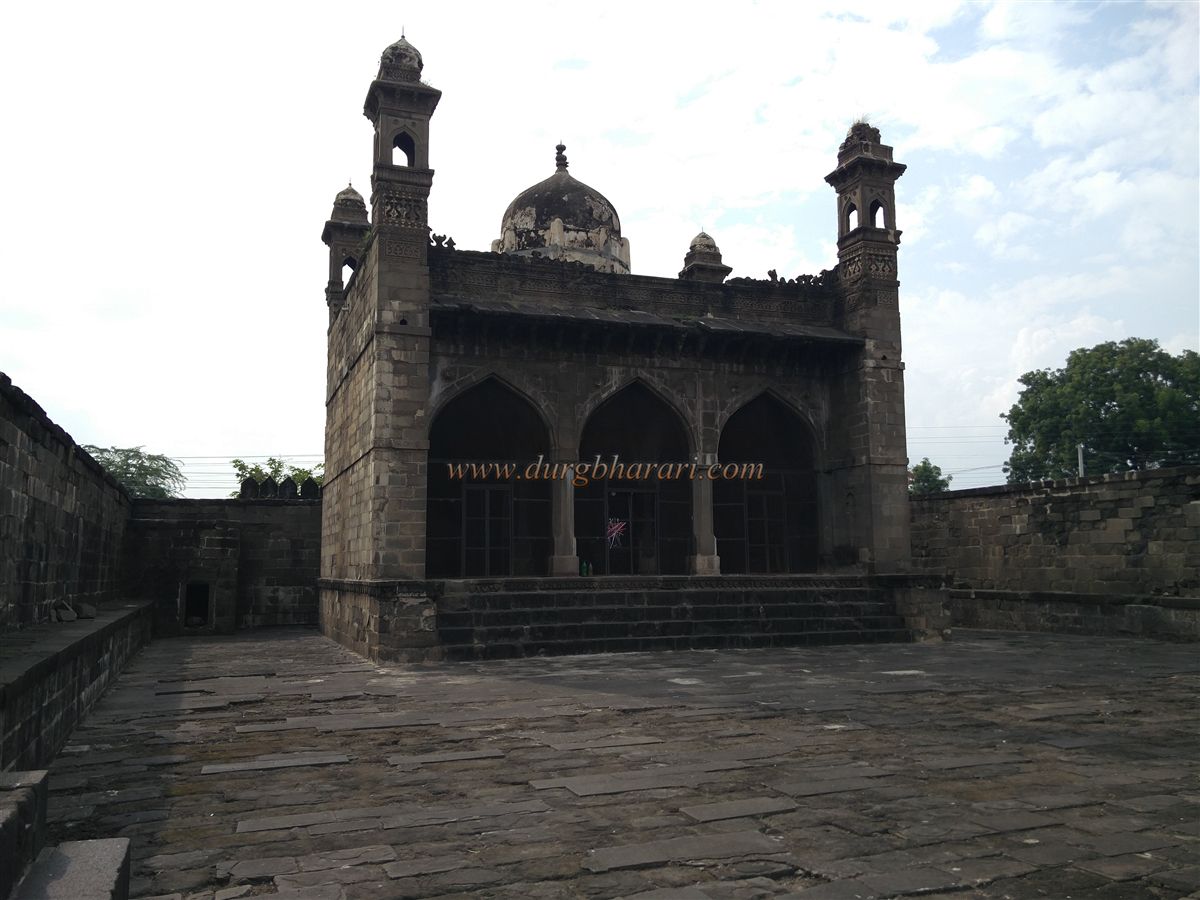
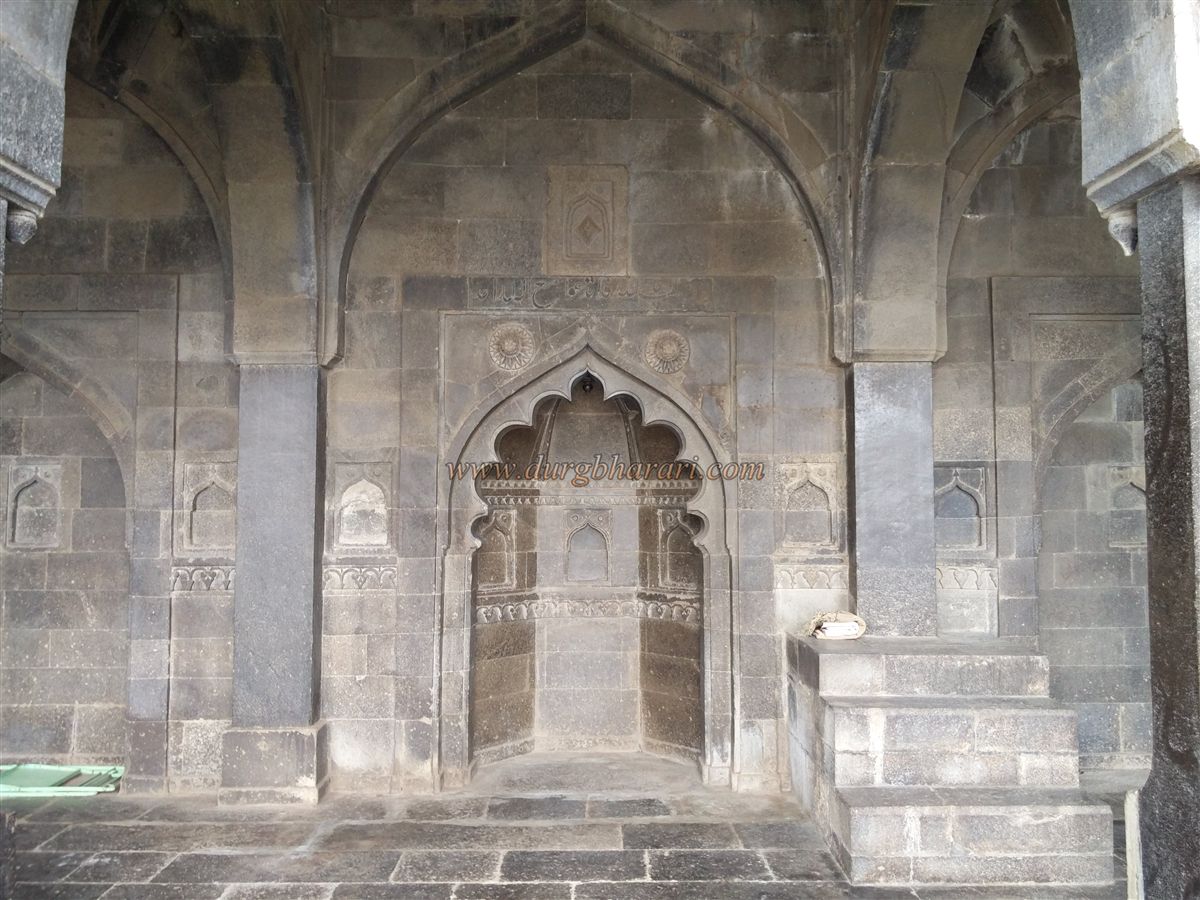
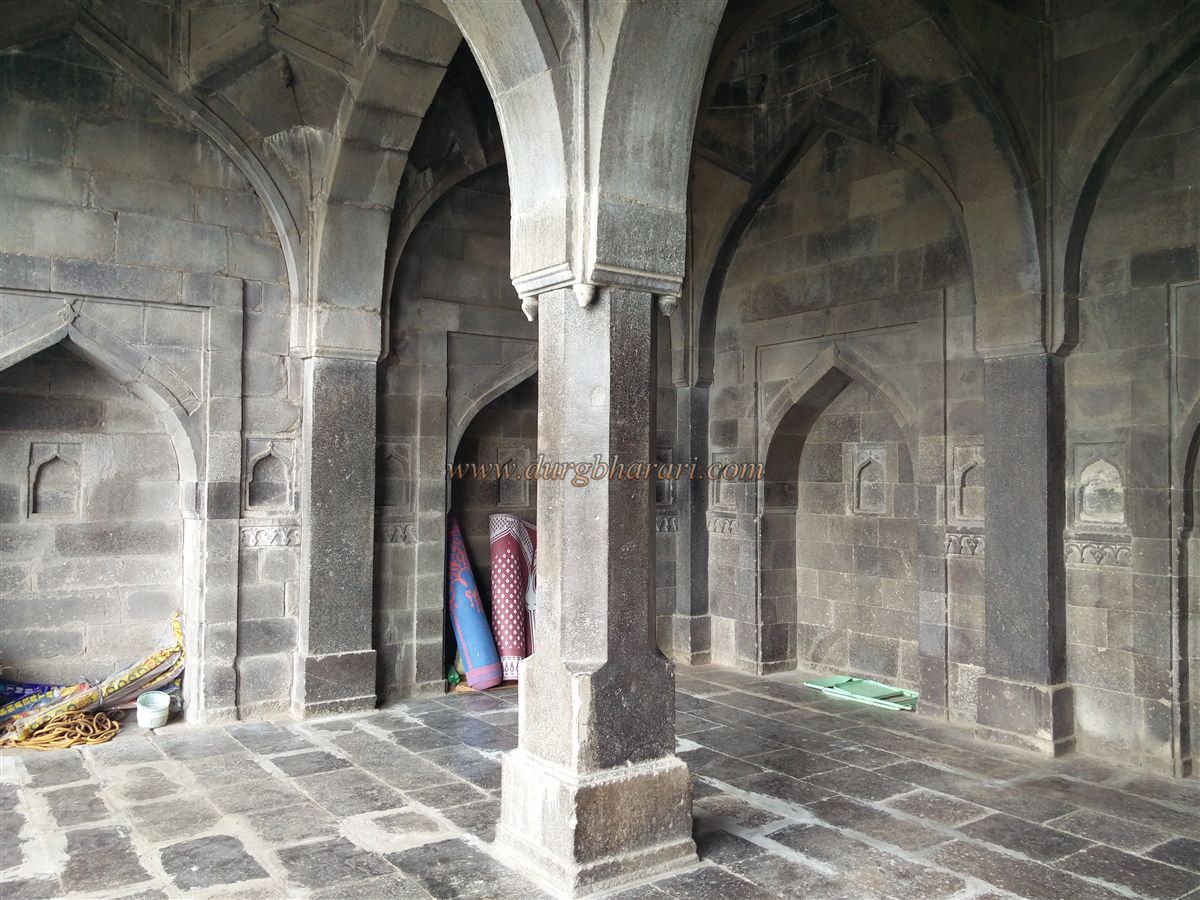
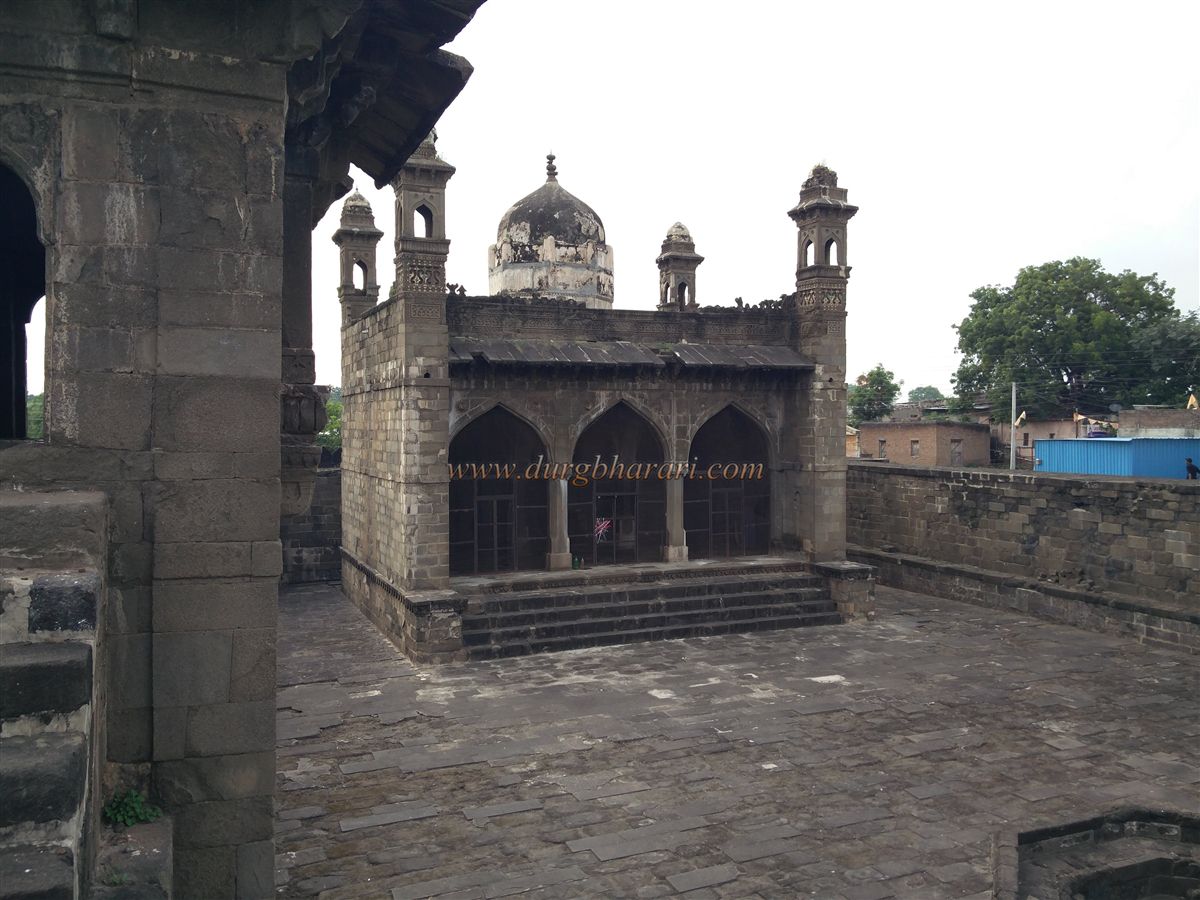
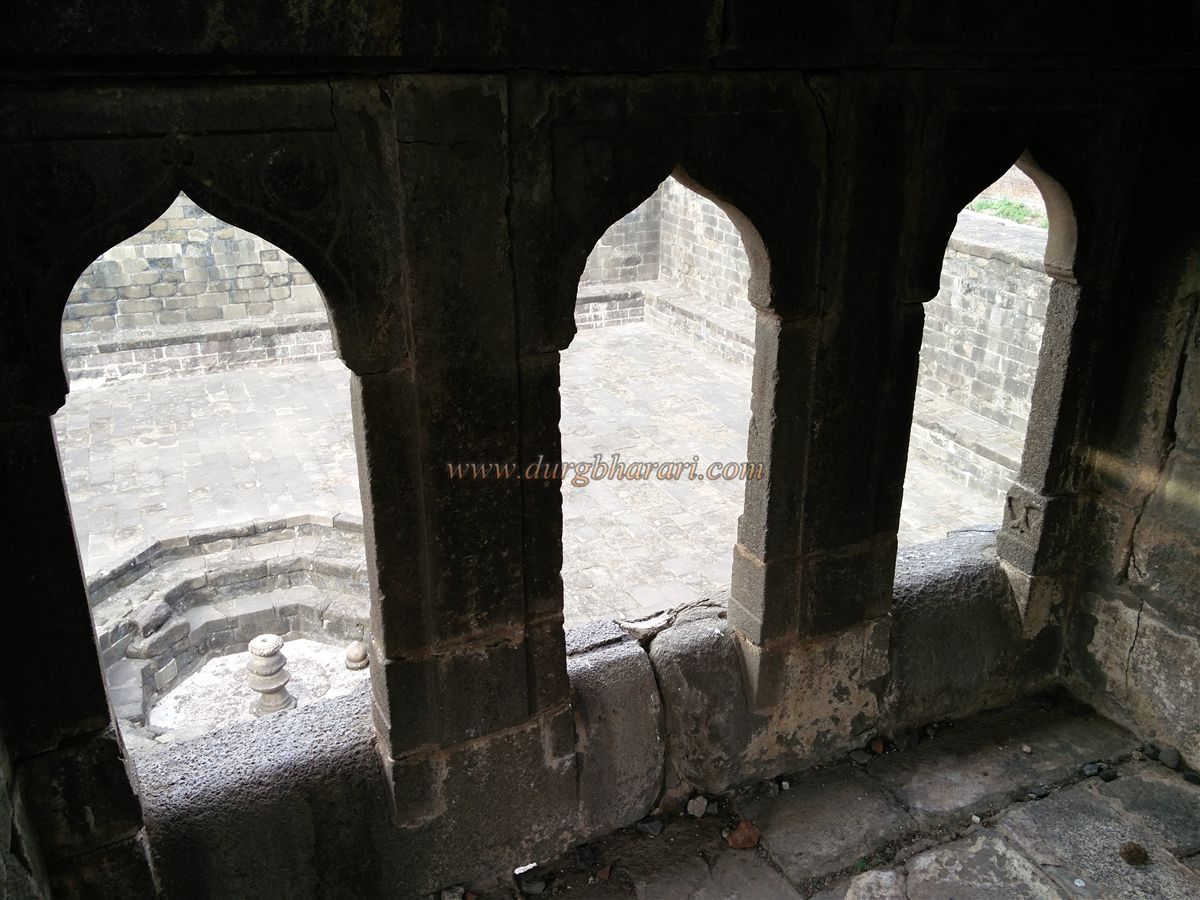
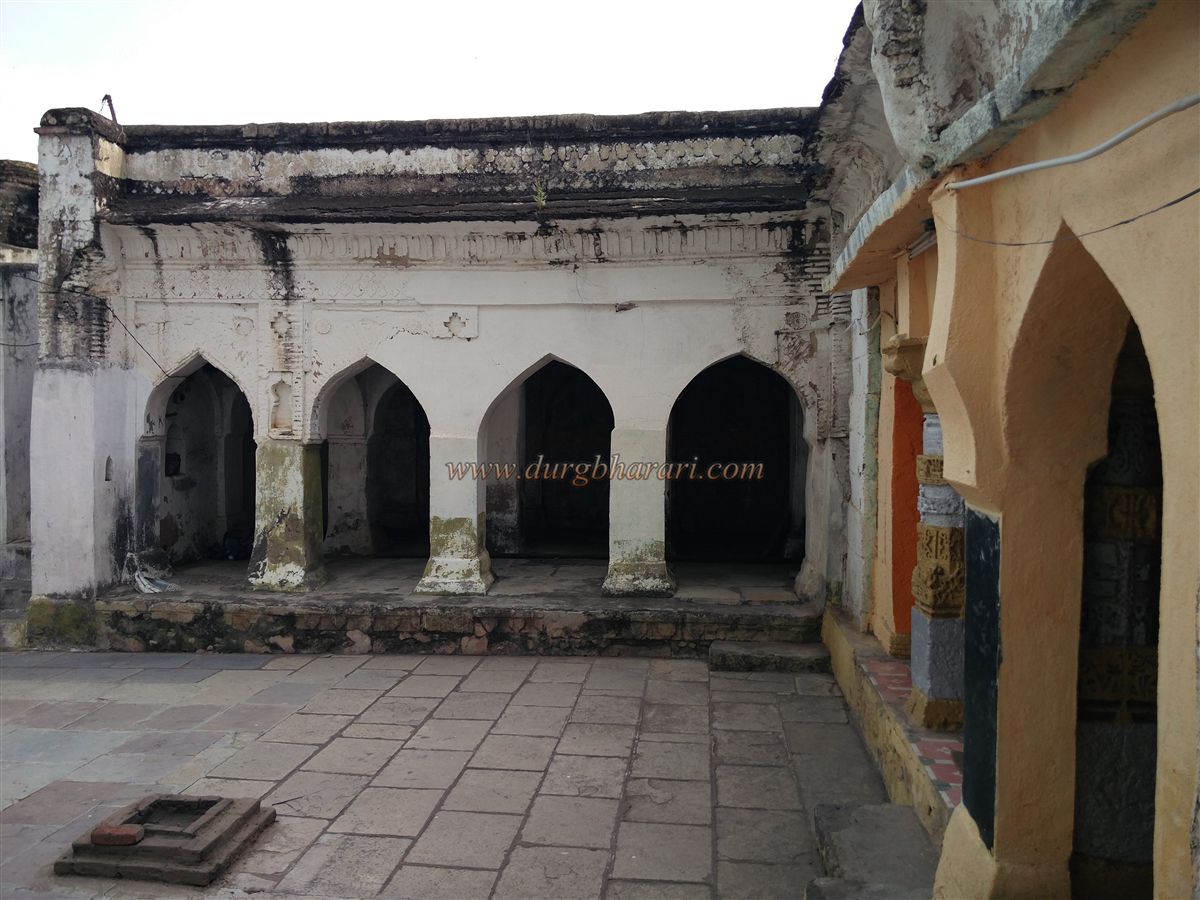
As one enters the village from the main road, an ancient stone-built mosque appears on the left. The mosque is enclosed by a fortified wall that has arcades on the outer side. The gateway of this wall bears a Persian inscription mentioning that the mosque was built in 1582 CE by Khudawantkhan Mahmadavi. The mosque's entrance shows intricate carvings, and a grave is visible directly in front. Inside the compound, there are fountains, and the mosque structure features a central dome and four minarets at each corner. There are steps to access the ramparts, which are in good condition and can be walked upon. Behind the mosque are two rooms, one of which has a basement. The inner structure of the mosque showcases extensive carvings, with Quranic verses inscribed in Persian. Some of these verses are visible only when the surface is moistened. This medieval mosque is a fine example of Islamic architectural craftsmanship. Currently, it is under the jurisdiction of the Archaeological Department.
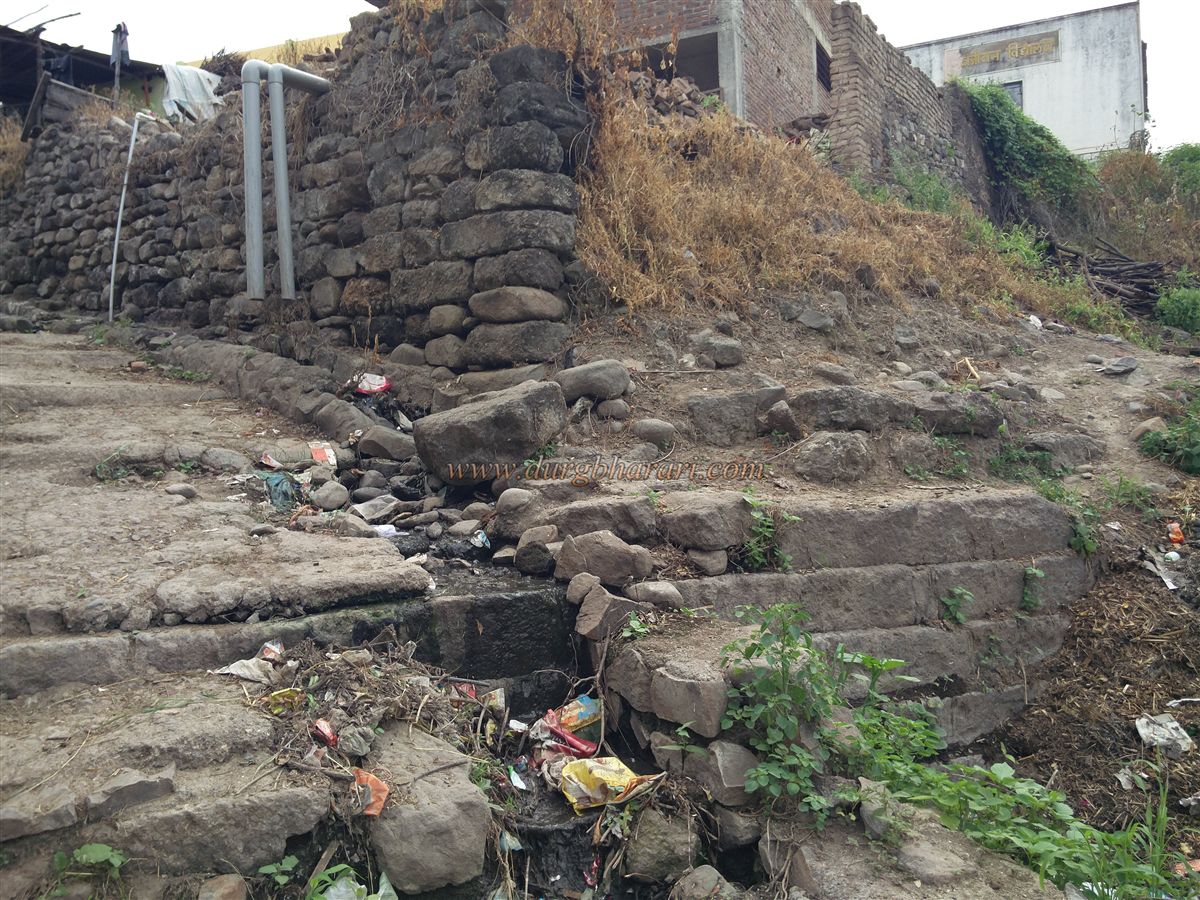
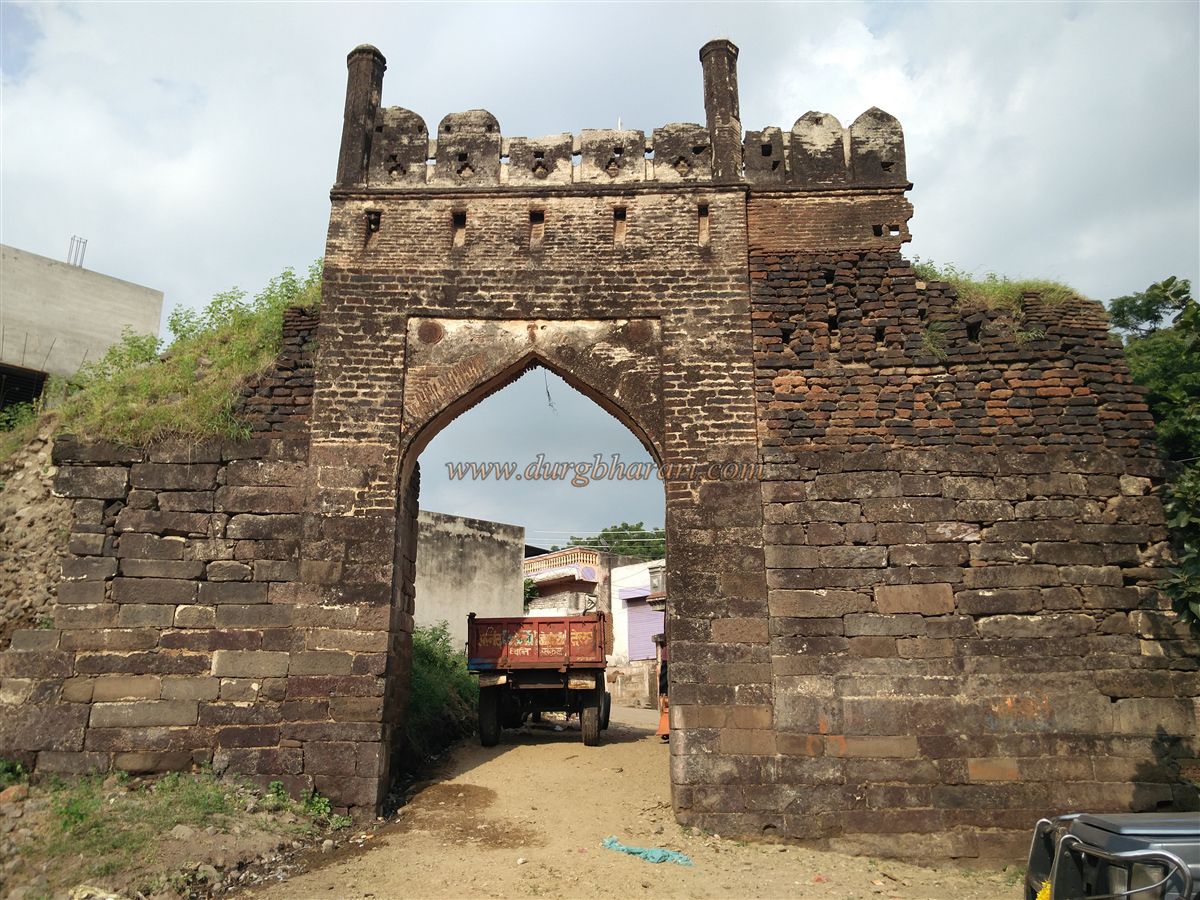
Continuing through the village, a lone surviving bastion of the fort can be seen near the river. This bastion is completely collapsed from the inner side, and within the courtyard of the adjacent house, remnants of the fort wall and a partially intact arch can be seen. Proceeding further to the opposite end of the village, one reaches the old entrance gate of the fort. The lower part of the gate is constructed with stone, while the upper portion is built with bricks. Loopholes for firing guns are visible in the gate’s walls. These are the only remains of the fort that survive today.
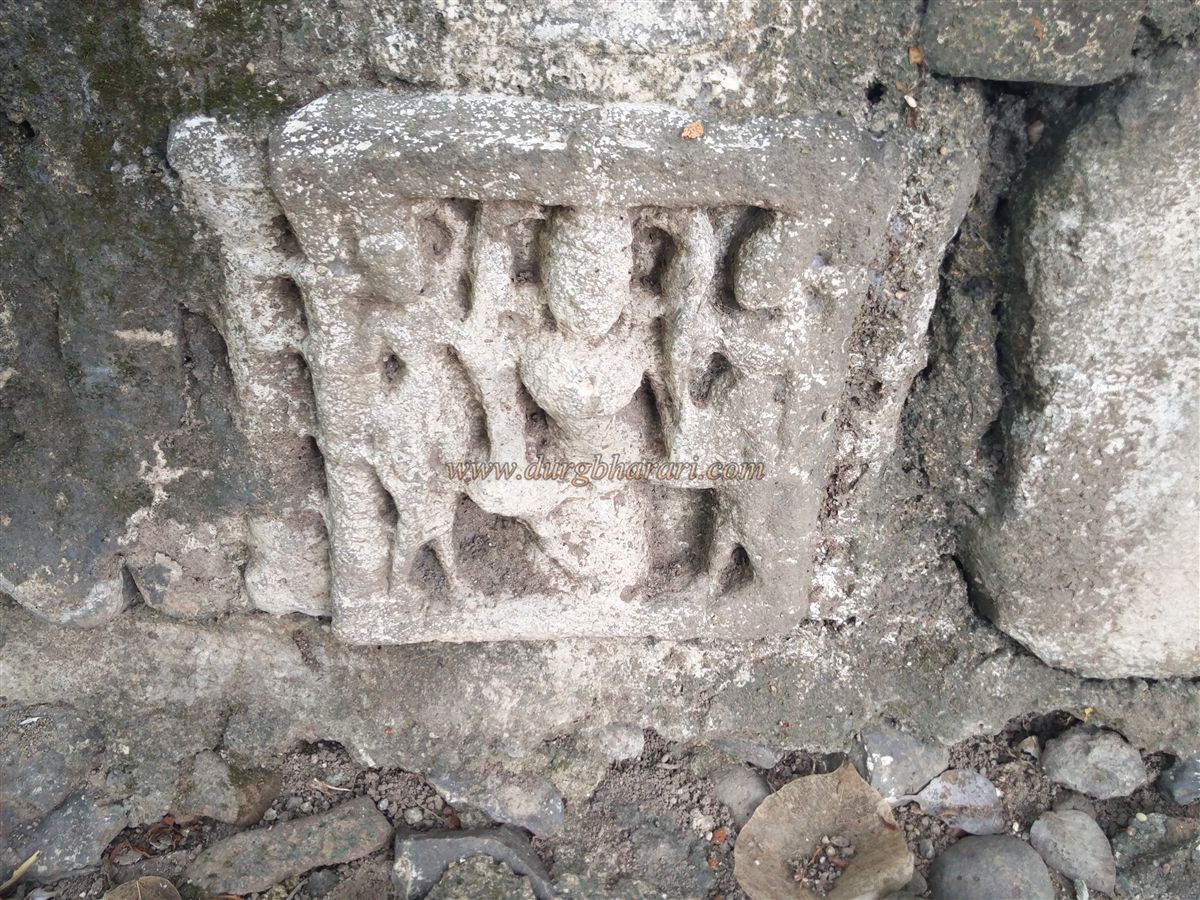
Opposite this gate stands a temple of Maruti, and within its courtyard are ancient sculptures excavated from the village. Noteworthy among these are statues of Brahma and Ganesha. Crossing the river from here and heading outside the village, one finds an ancient temple of Mahadev. This restored temple is enclosed within a fortified compound, and the pillars of the temple feature detailed carvings. Many carved fragments are scattered throughout the temple courtyard, and a large Shivlinga is present in the sanctum.
It takes about an hour and a half to explore the mosque, fort, and temples. Historical records mention that two major battles took place at Rohinkhed. Around 1437 CE, the Sultan of Khandesh, Nazir Khan, attacked his son-in-law Allauddin Shah (Bahamani II), and their armies clashed at Rohinkhed. Around 1590 CE, a battle occurred between Burhan Nizam Shah of Ahmednagar and Jamal khan Mahmadavi, a general of Khandesi’s Sultan Alikhan, at this location.
© Suresh Nimbalkar
GALLERY