ROHIDA / VICHITRAGAD
TYPE : HILL FORT
DISTRICT : PUNE
HEIGHT : 3560 FEET
GRADE : MEDIUM
Shivaji Maharaj and the Sahyadri mountain range share an unbreakable bond. The Sahyadri and its surrounding regions played a remarkable role in the foundation of Swarajya. The initial steps toward establishing Swarajya were taken with the help of the Sahyadri, the twelve Mavals nestled within it, and the brave Mavalas residing there. One of these twelve Mavals was the Hirdas Maval, located in the Rohida Valley at the confluence of the Neera River. During the early phase of Swarajya’s establishment, many important events took place in and around Hirdas Maval. A steadfast witness to these events was the stronghold of Rohida Fort, also known as Vichitragad. For this reason, the fort is also known as a frontline fort.
Located in the Bhor Taluka of Pune district, one must first reach the village of Bajarwadi at the base of the fort to visit it.
...
Once the marketplace (Peth) of the fort, this village probably derived its name from the word “bazaar” over time. To get to Bajarwadi from Mumbai or Pune, one must first travel to Bhor. The distance from Mumbai to Bhor is approximately 200 km, and from Pune, about 50 km. From Bhor, Bajarwadi is just 7 km away, and it is well connected by both state transport (ST) and private vehicles.
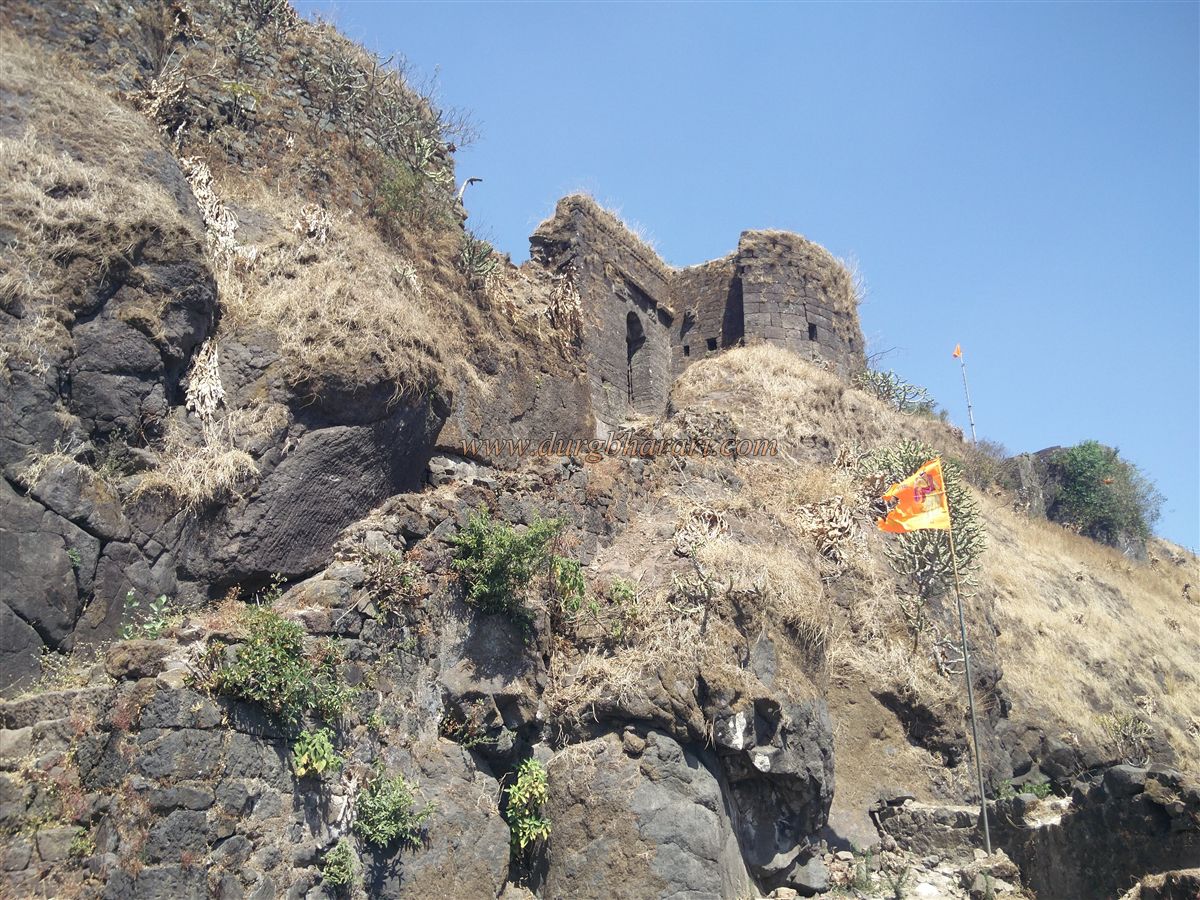
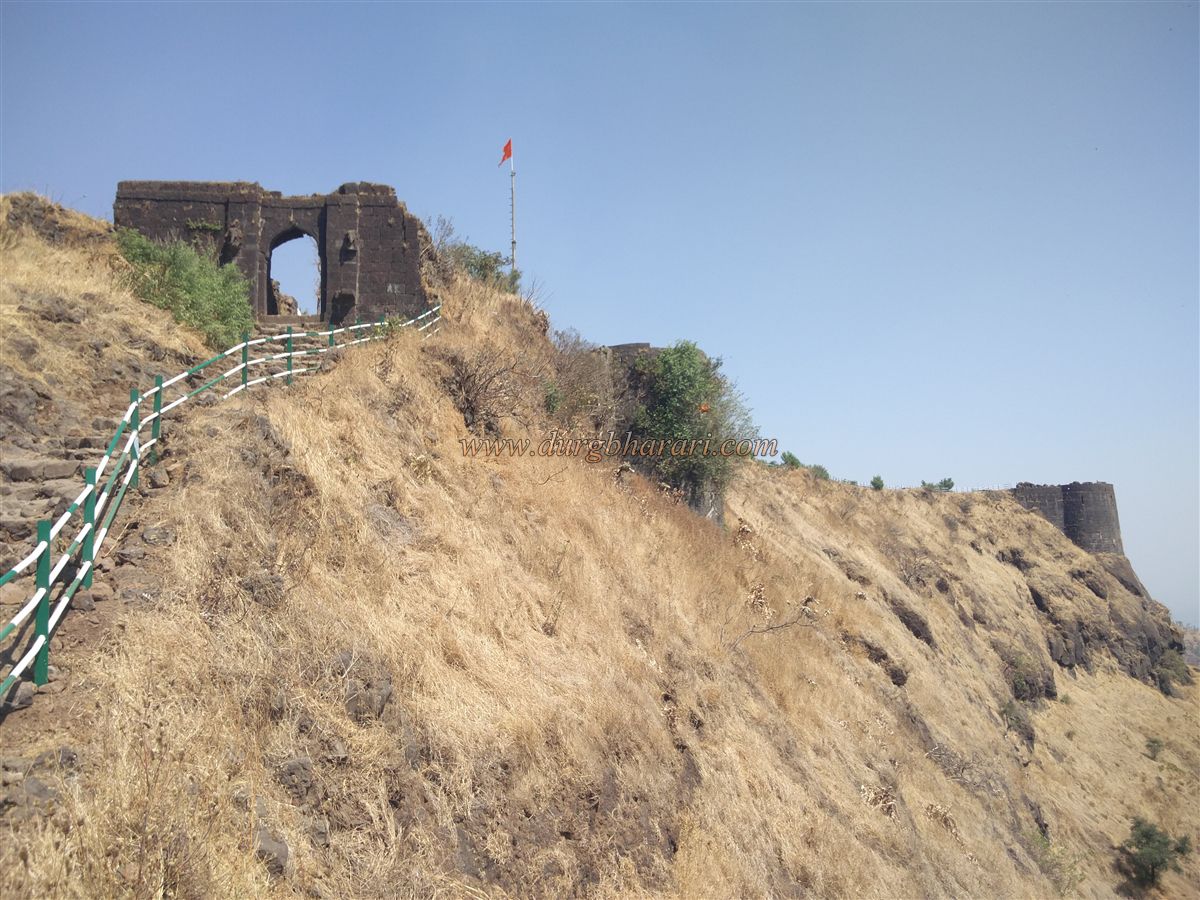
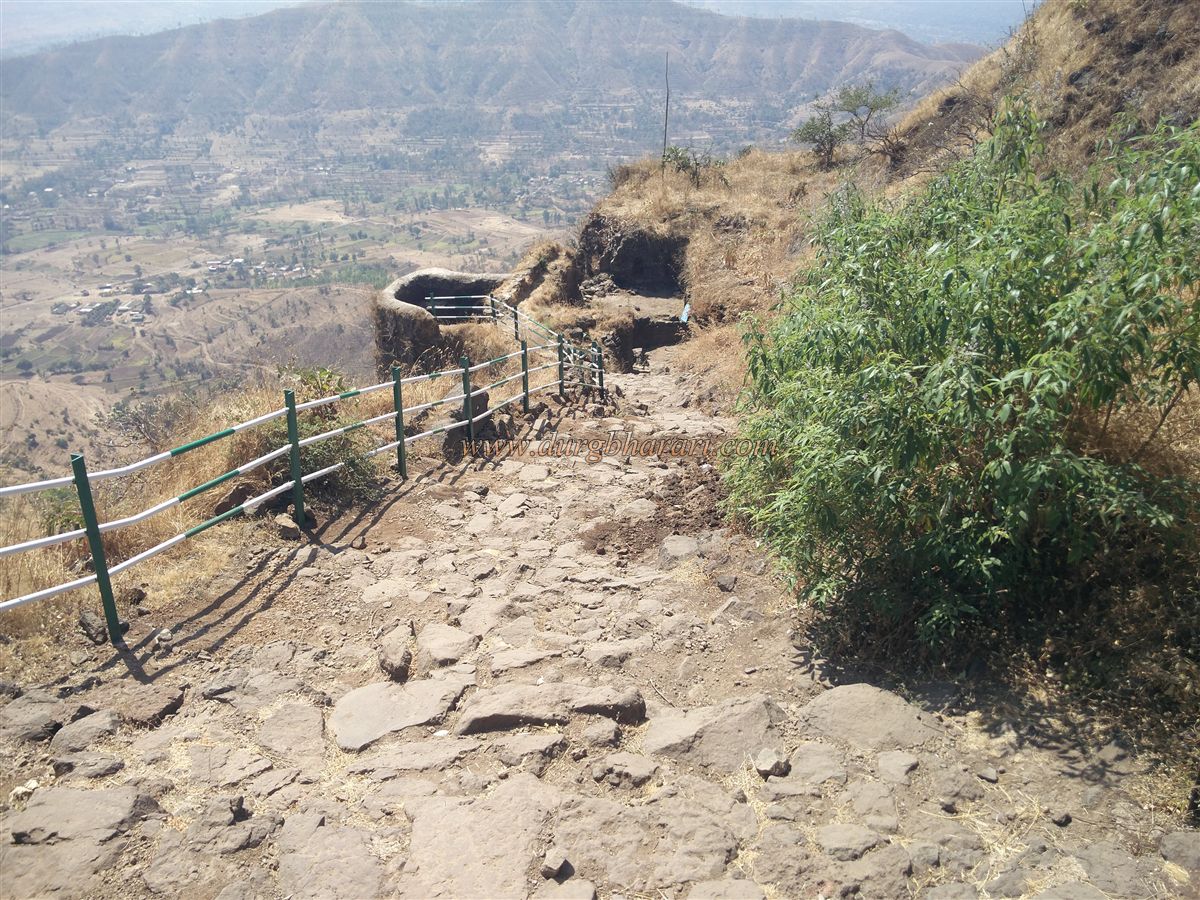
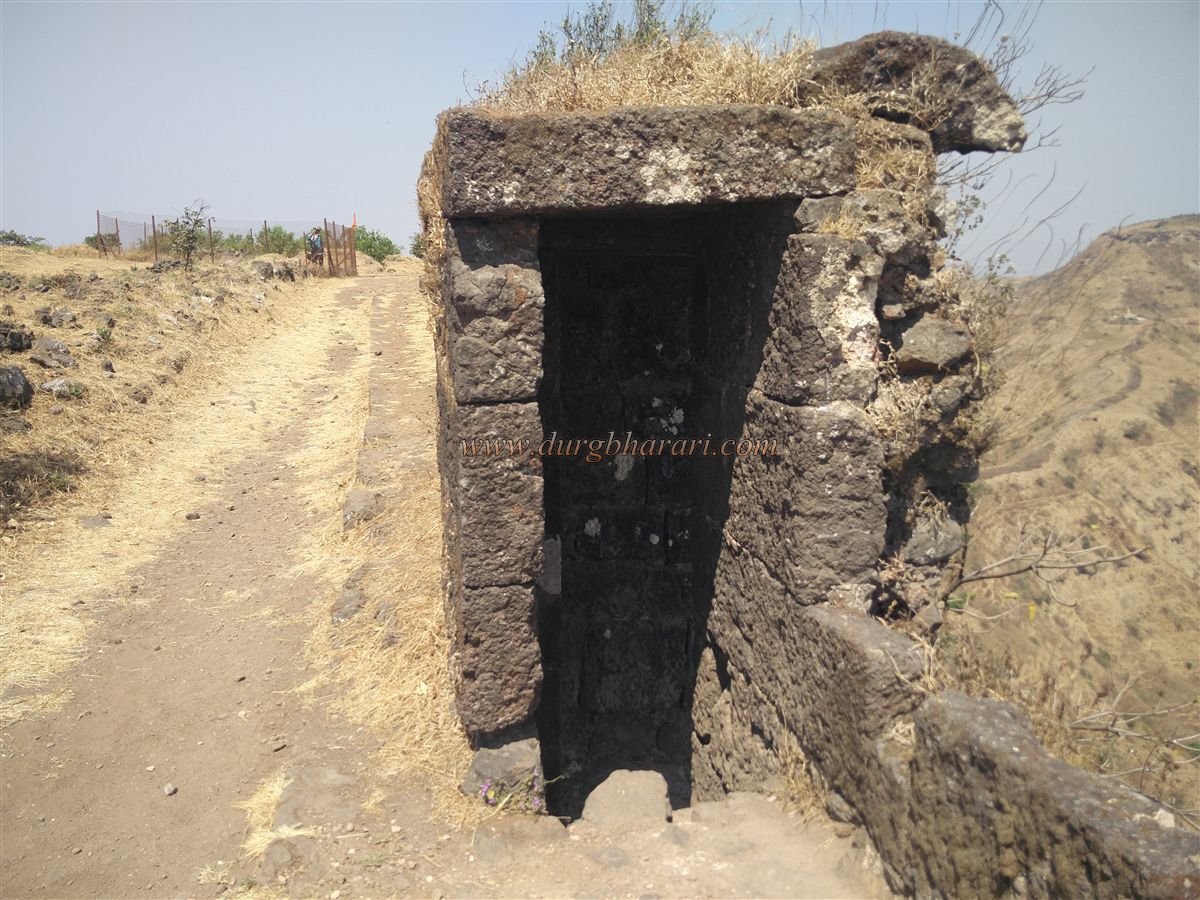
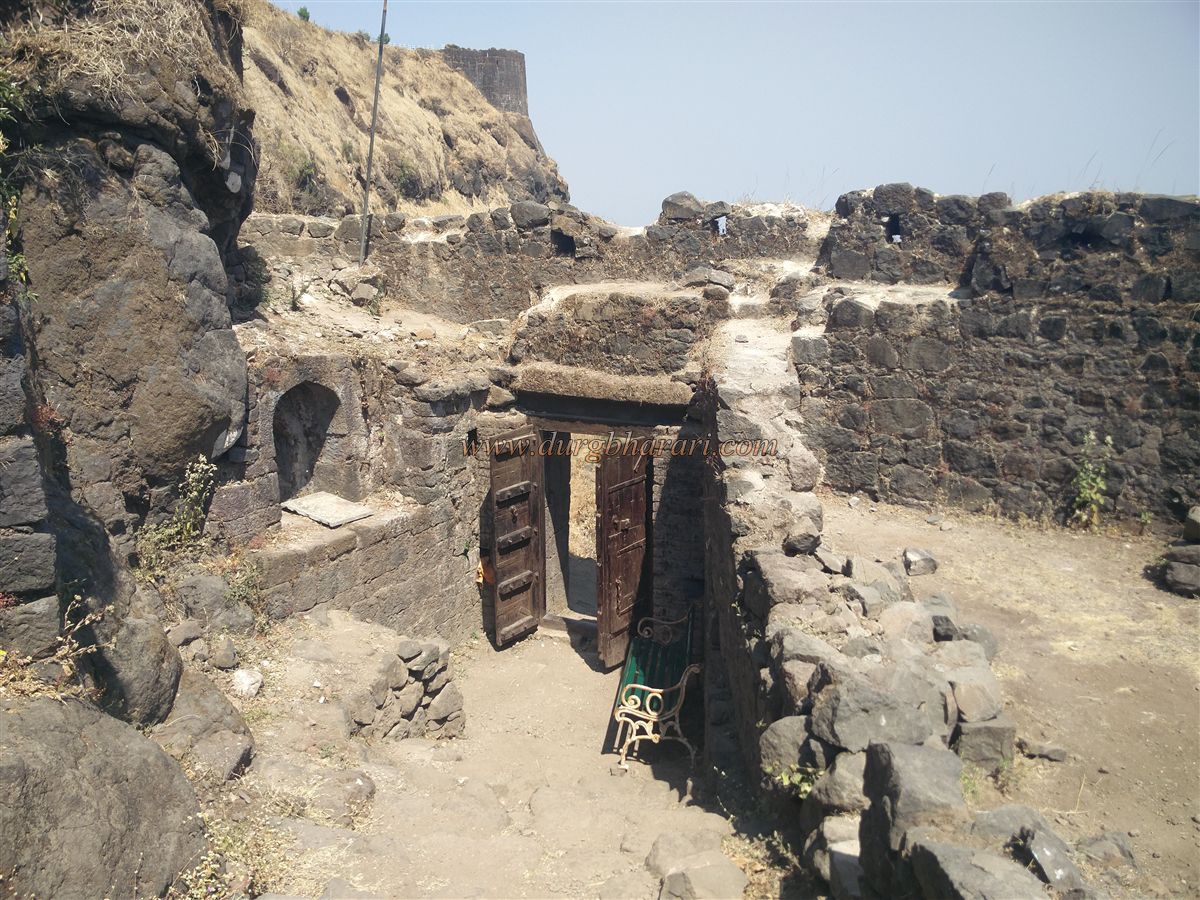
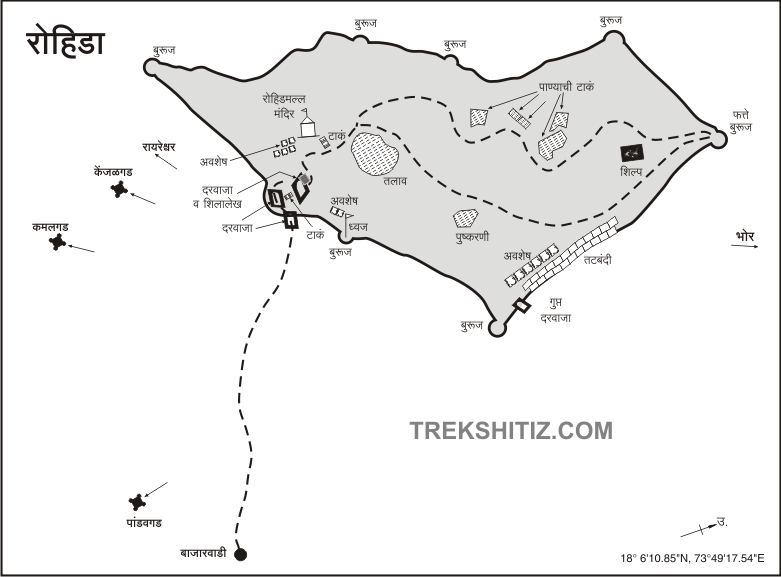
The fort stretches north to south, with its summit rising to a height of 3,560 feet above sea level. A well-trodden path from Bajarwadi leads to the fort, and although the climb is steep, it takes about an hour to reach the first gate. Along the way, remnants of a watch station (Met) are visible, from where the entire fort and the path leading to it can be seen. The first gate faces north and is built simply into a steep cliff. Though small in size, the gate has been fitted with a new wooden door. The carvings on its frame are completely eroded, but inside, a small dome is visible on the right, and guard chambers on the left.
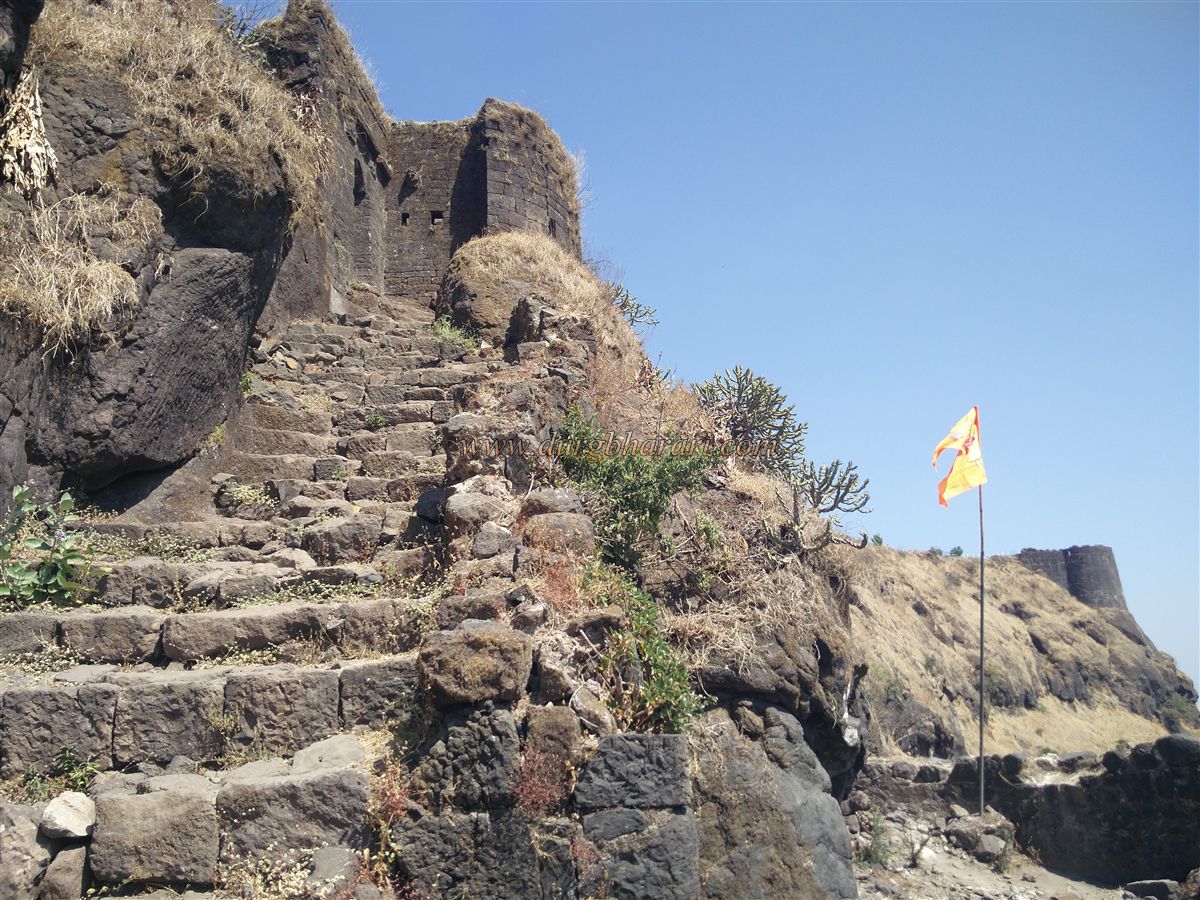
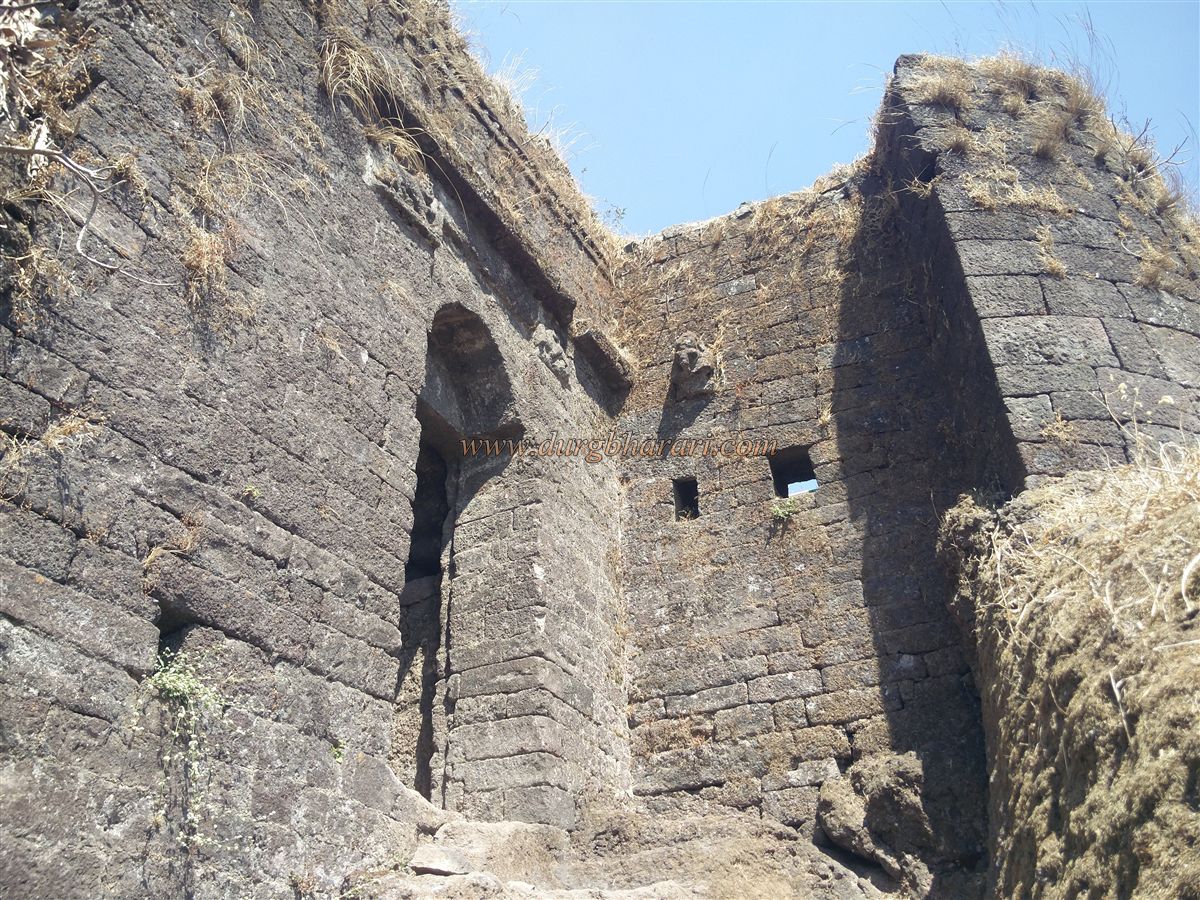
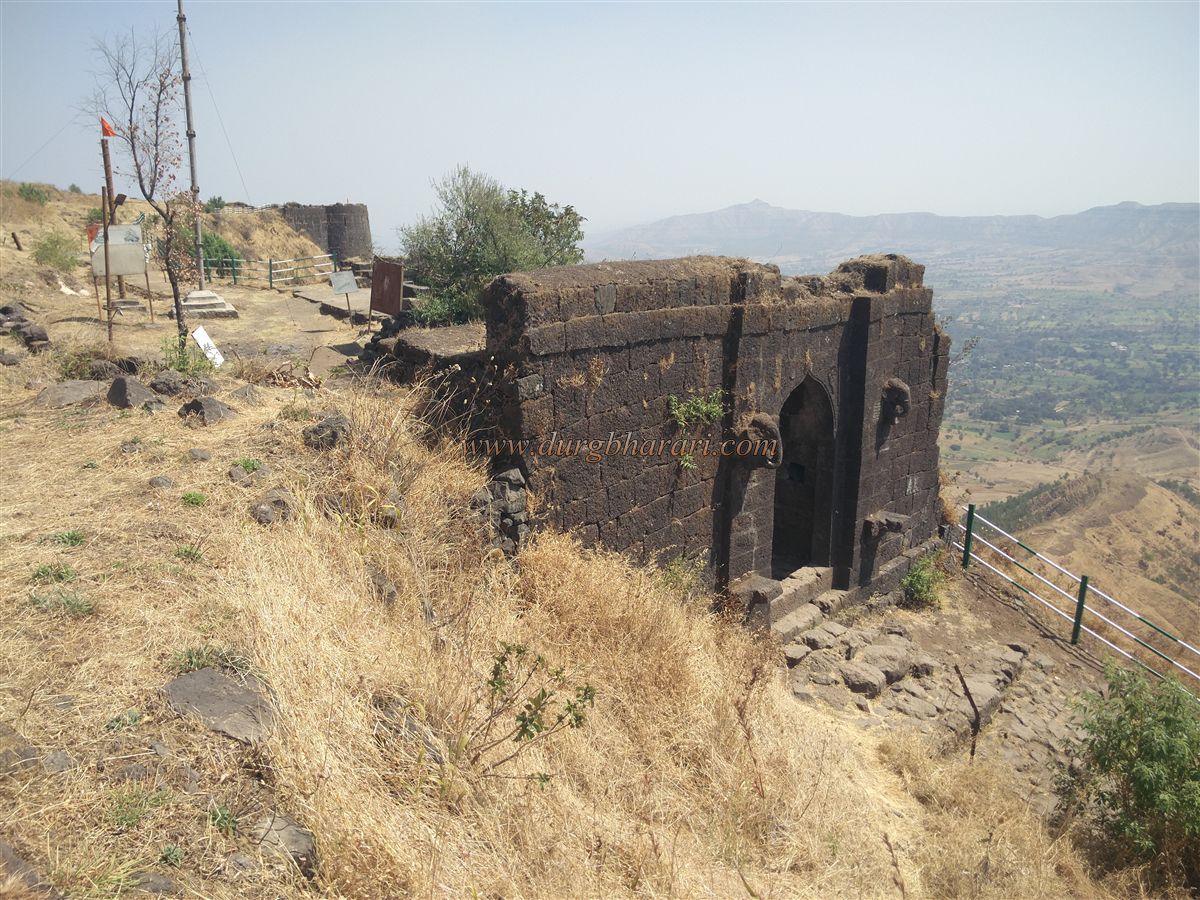
Climbing a winding stairway of 25–30 steps leads to the second, Gurmukhi (cow-faced) gate. In front of this gate is a crosswise bastion built as a battlefield assembly point. Two Sharabh (mythical beast) carvings are etched onto the gate, with an elephant-faced carving (Gajmukh) on the adjoining wall. Once through the gate, there is a large chamber on the left with multiple niches and, on the right, a subterranean storehouse carved into the ground. Due to a collapsed roof and water seeping through the walls, the storehouse is now partially filled with water. Some believe this to be a water tank. Along the Cliffside near this storehouse is another chamber, though its stairs and roof have collapsed.
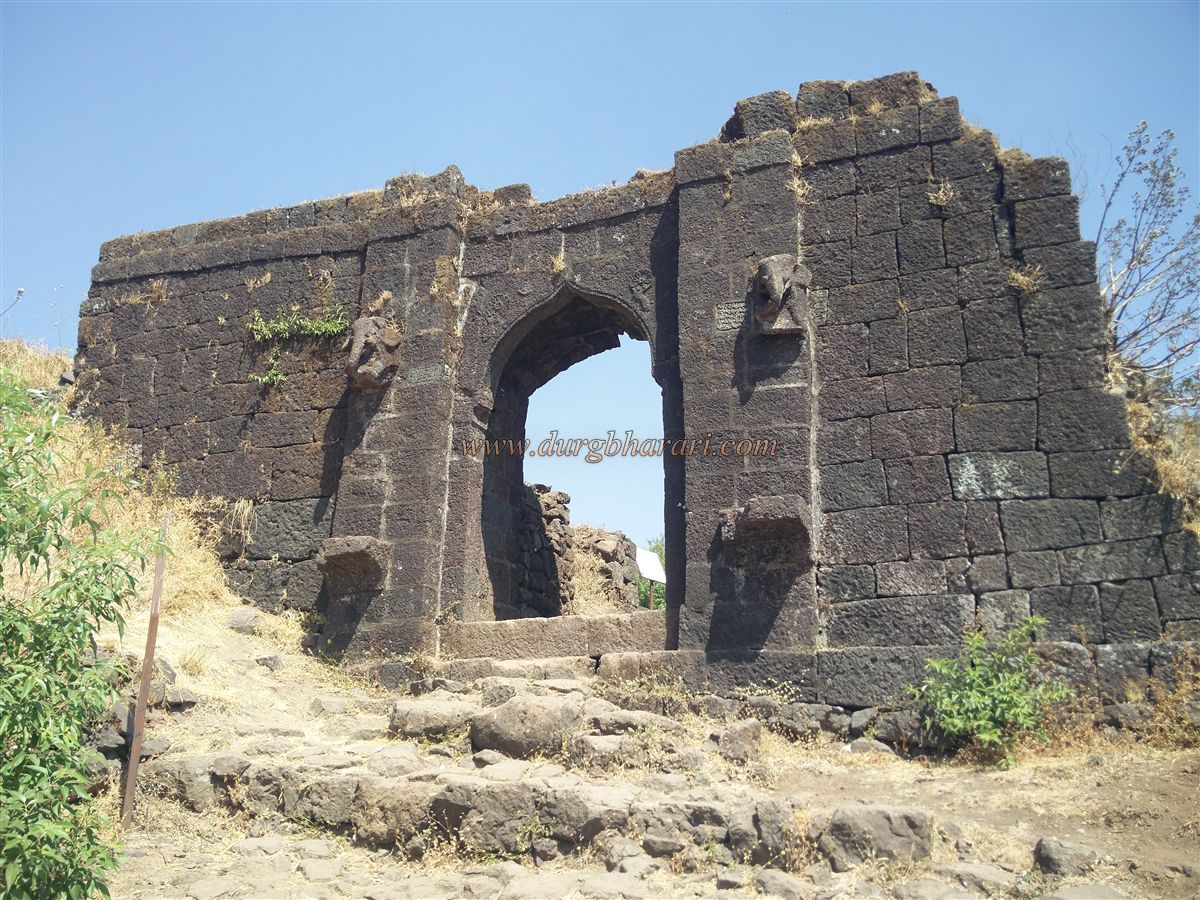
From here, climbing another 50–60 steps leads to the third gate, built during the reign of Muhammad Adil Shah. This gate features extensive carvings, with Gajmukh (elephant head) motifs on both sides. Adjacent to these are inscriptions—Marathi on the left and Persian on the right. Both sides of the gate have sitting platforms with decorative carvings of lotuses and fish on the arches. Though the fortifications around the gate are damaged, passing through these three angular gates marks the official entrance to the fort.
Upon entering, one sees the main hall (Sadar) and the remains of the fort commander's (killedar’s) mansion on a small elevation behind it. Excavations have revealed three underground granaries in this mansion. The bastion facing the commander’s hall is called the Sadar Bastion. A path from here leads straight to the Fateh Bastion, while a leftward trail takes one to the Rohideshwar Temple. Since there’s little shade on the fort, it’s ideal to rest at the temple first.
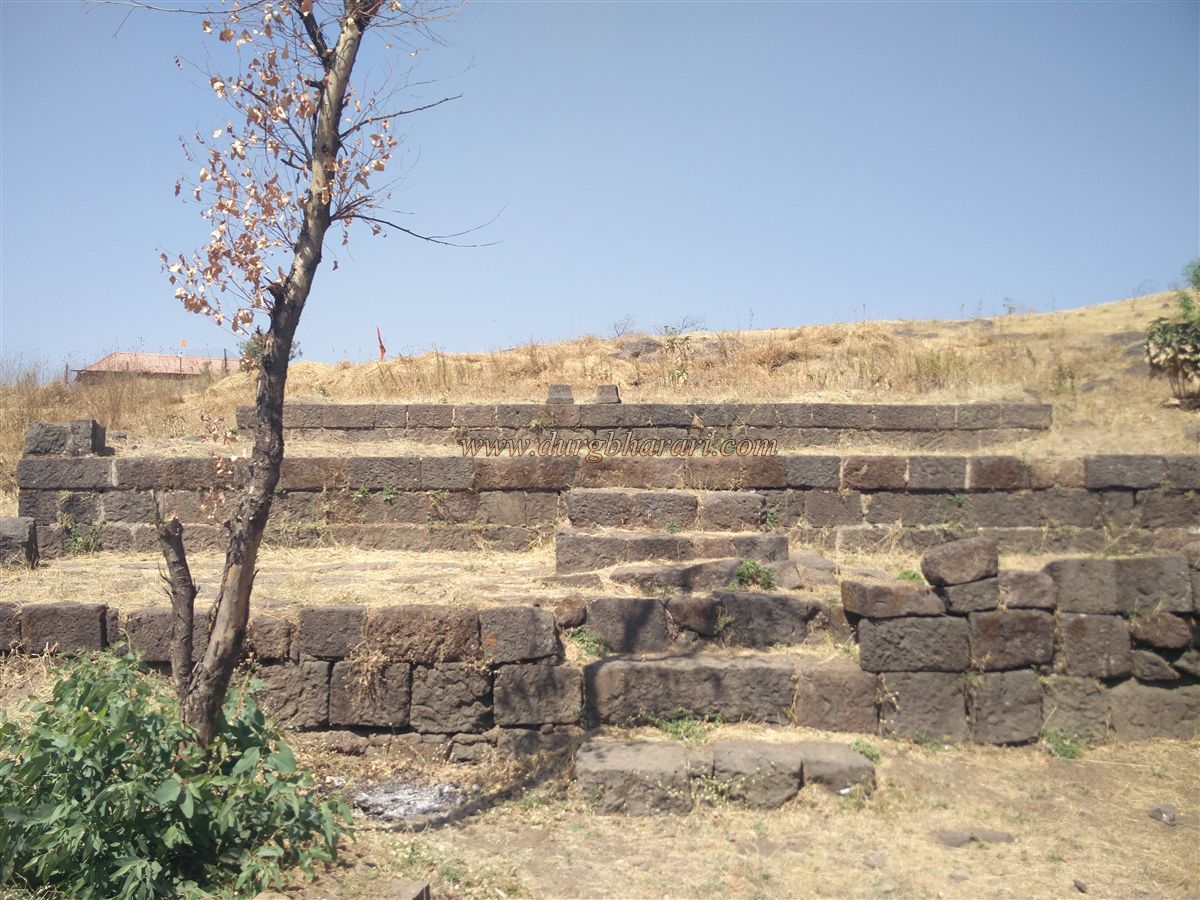
On the way to the temple, the numerous house platforms and remaining wall structures indicate that this area was once the main settlement on the fort. The Rohideshwar Temple has been renovated and reconstructed, making it a suitable place for 5 to 7 people to stay overnight. The temple houses idols of Ganapati, Bhairav, and Bhairavi. A rock-cut water tank and a few broken sculptures and memorial stones are found nearby. After a short rest here, one can continue exploring the fort.
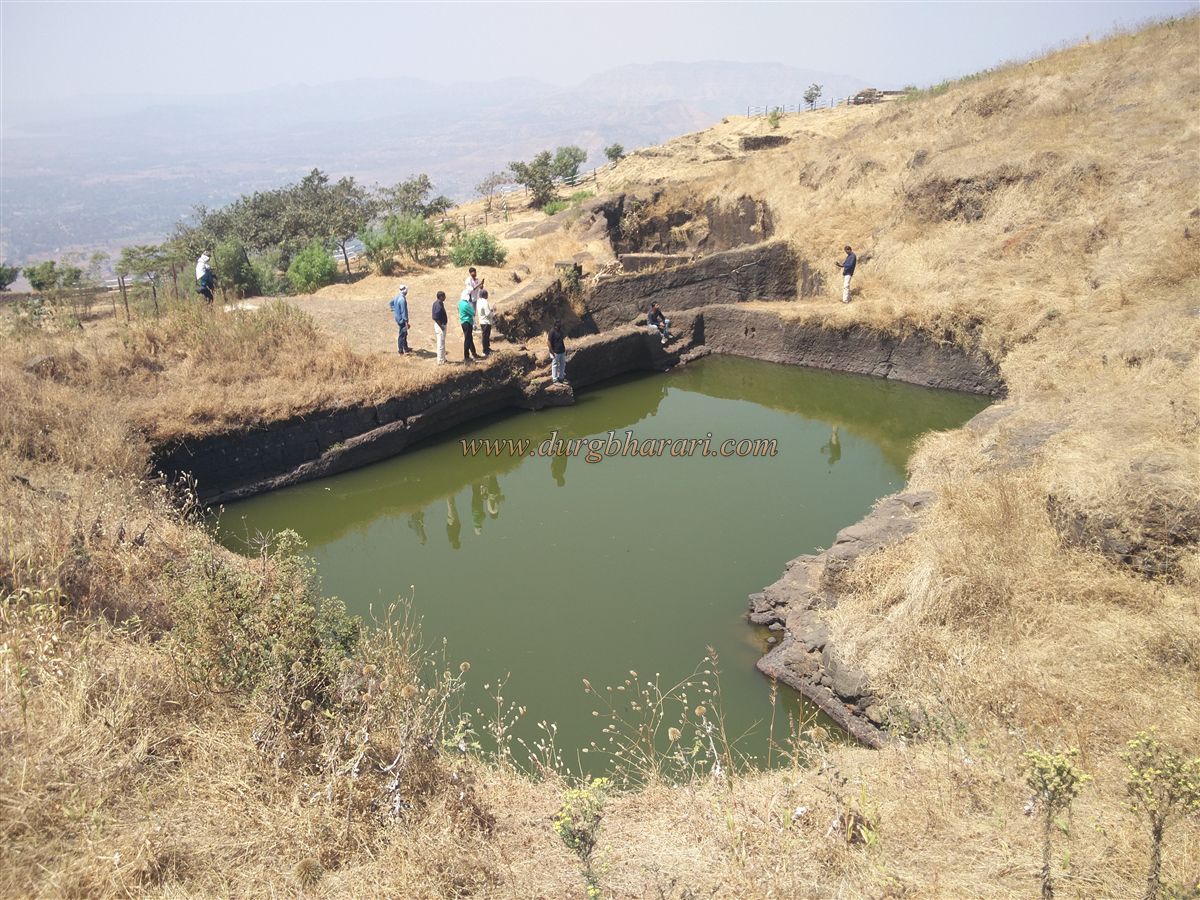
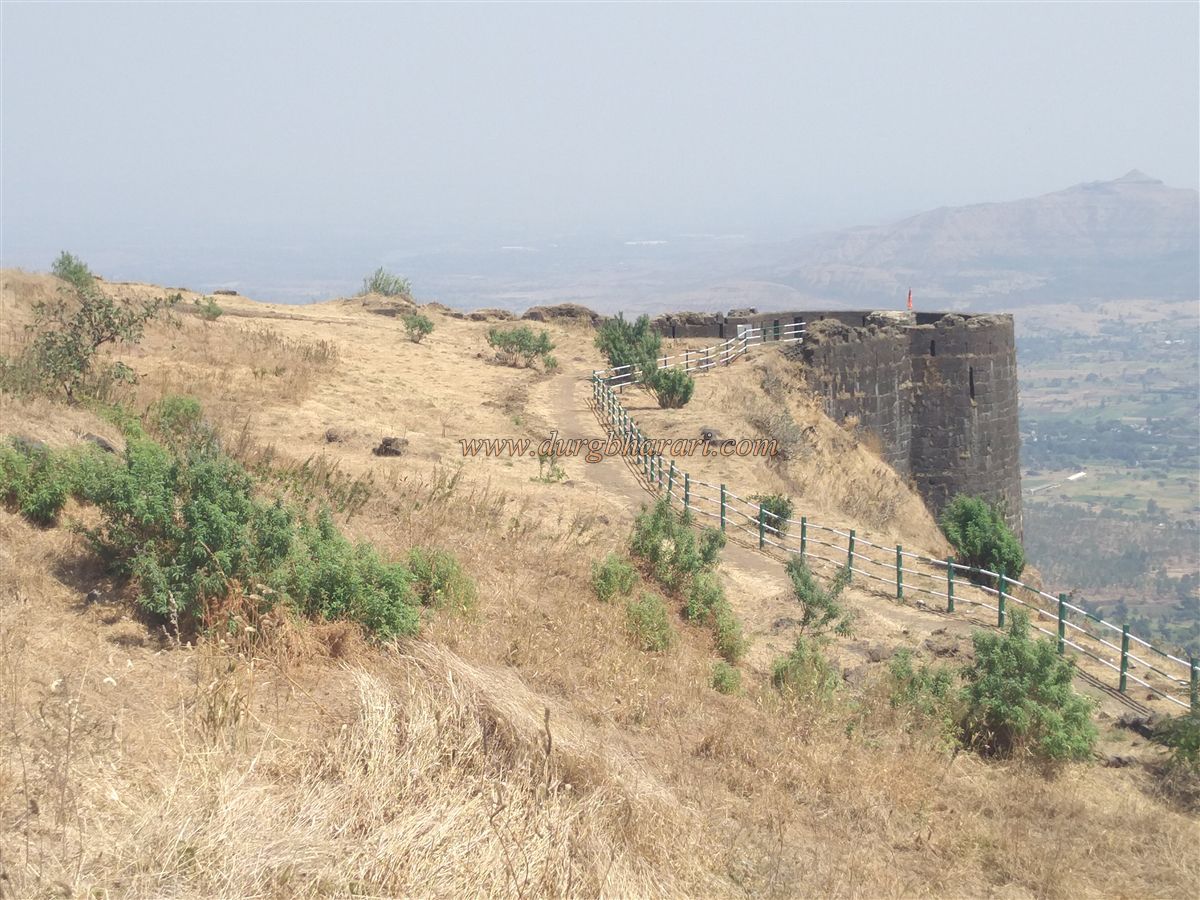
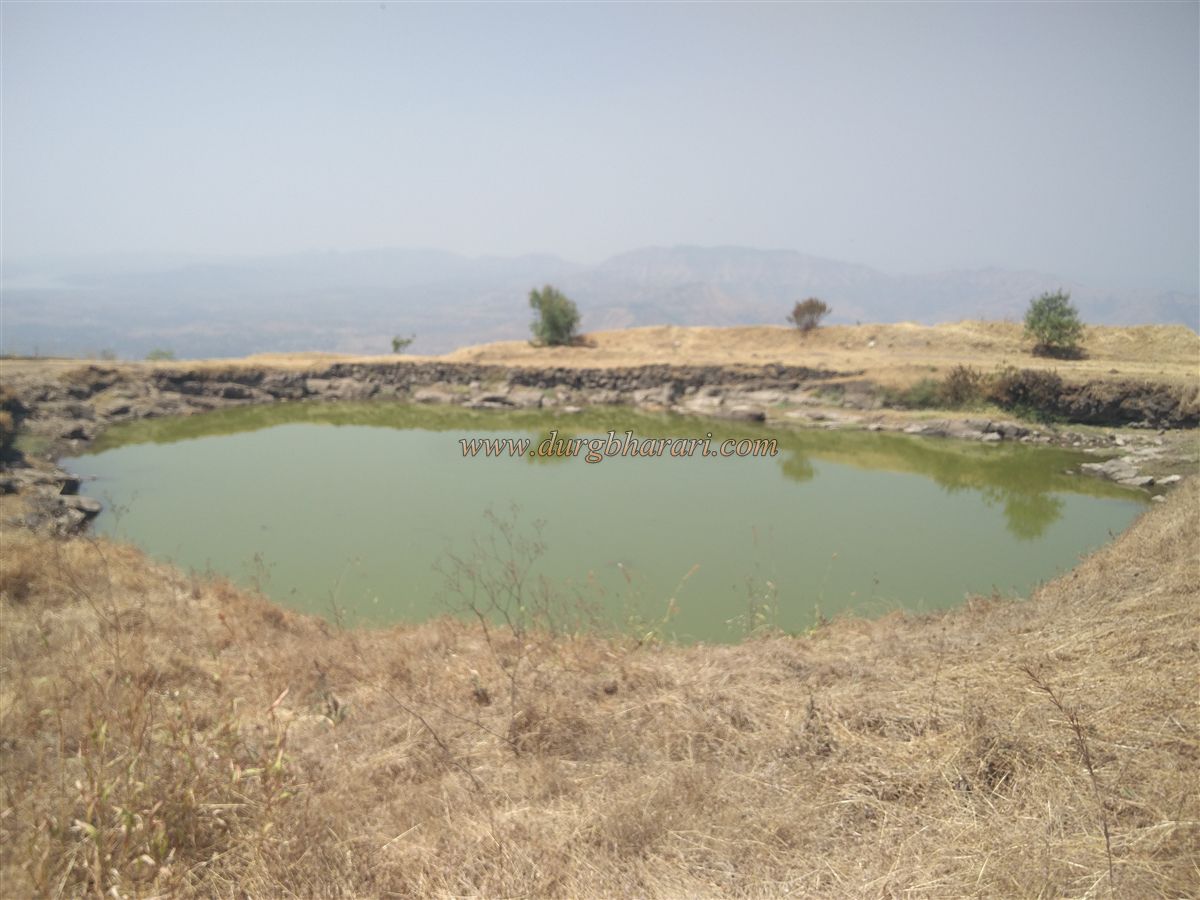
To the left of the temple lies a large pond. A path from this pond leads to the Shirwale Bastion at the rear of the temple. Large platforms can be seen along this path. The entire Rohida Fort spans around 12 acres and has seven bastions, excluding the entrance fortifications. Starting the circuit from Shirwale Bastion, the sequence is Shirwale–Sharja–Damgude–Patane–Waghjai–Fateh–and finally Sadar Bastion. Shirwale is notably large and uniquely designed, with intact sanitation systems. The bastion is separated from the main fort by a trench and has dual-layered defences.
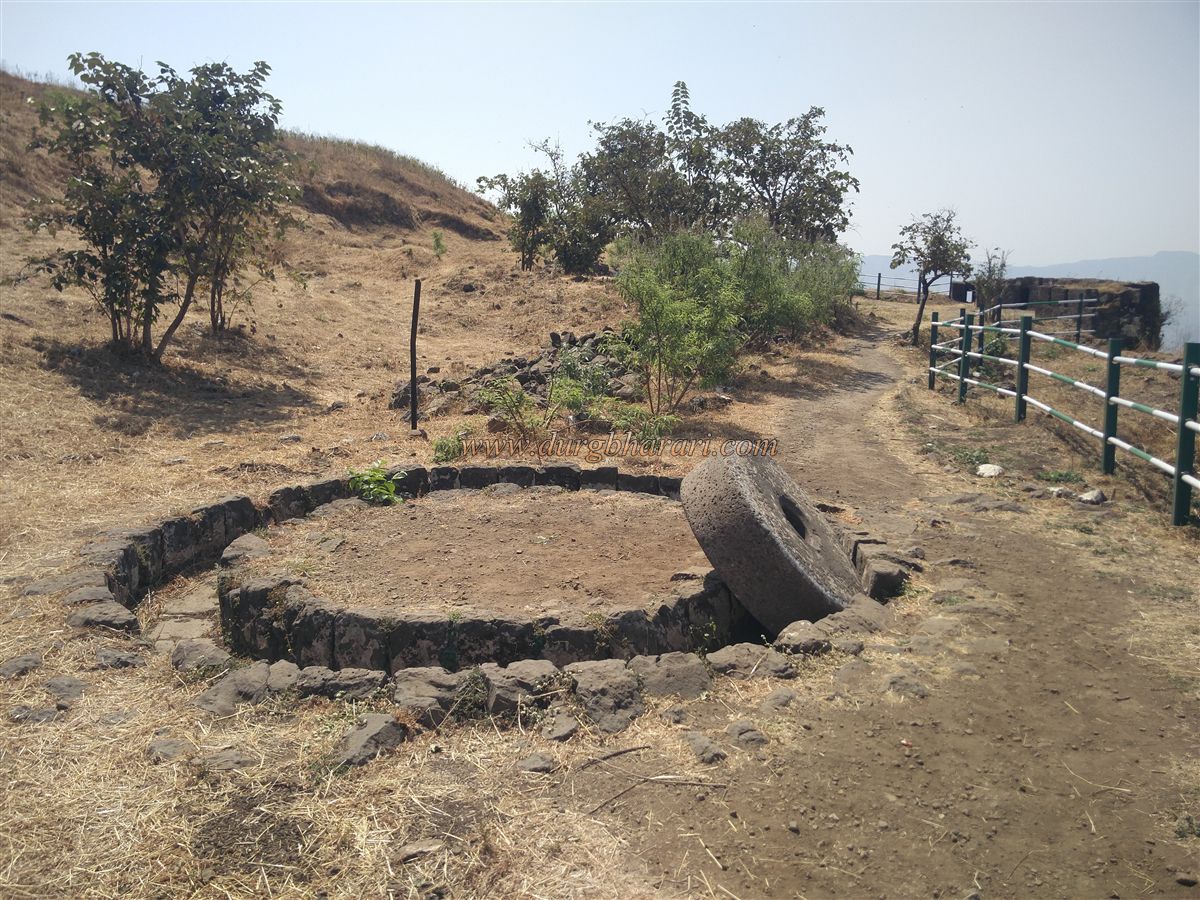
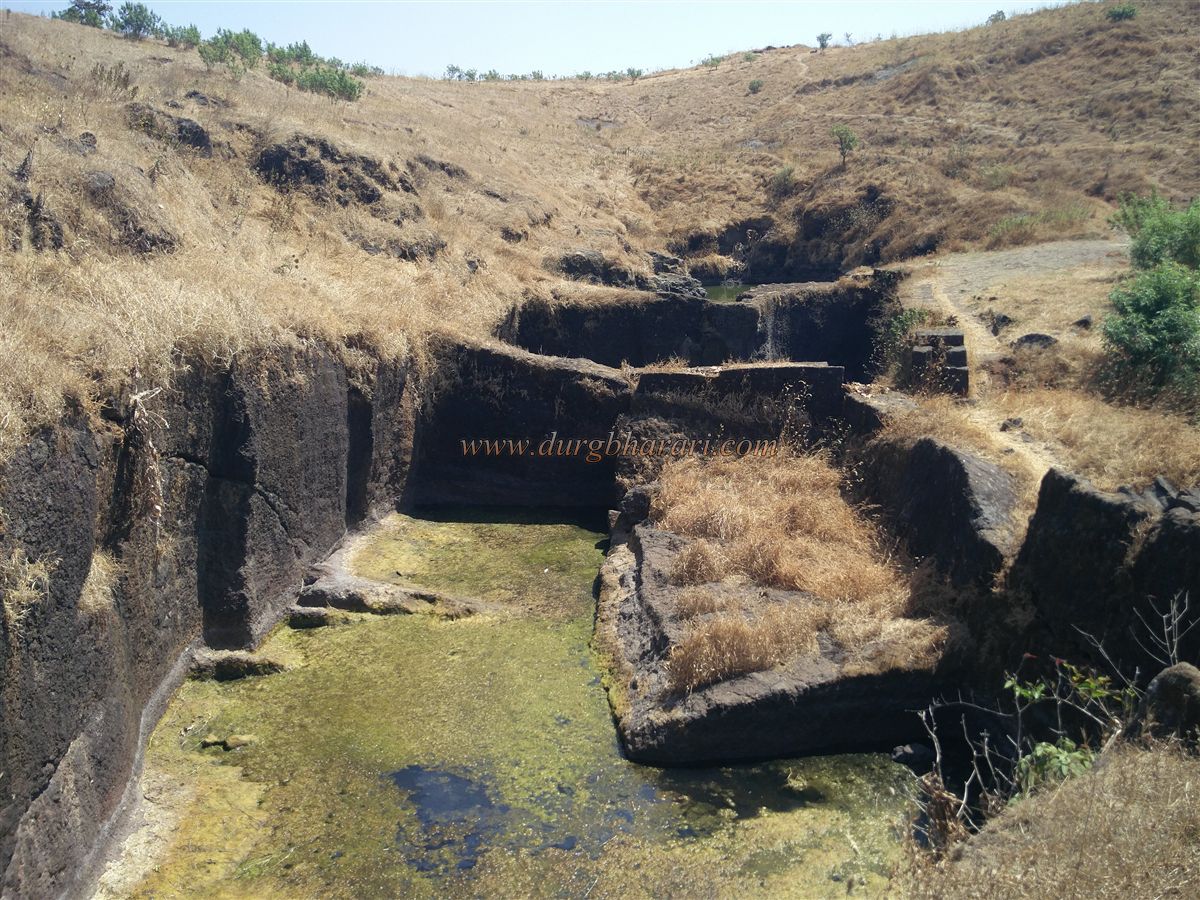
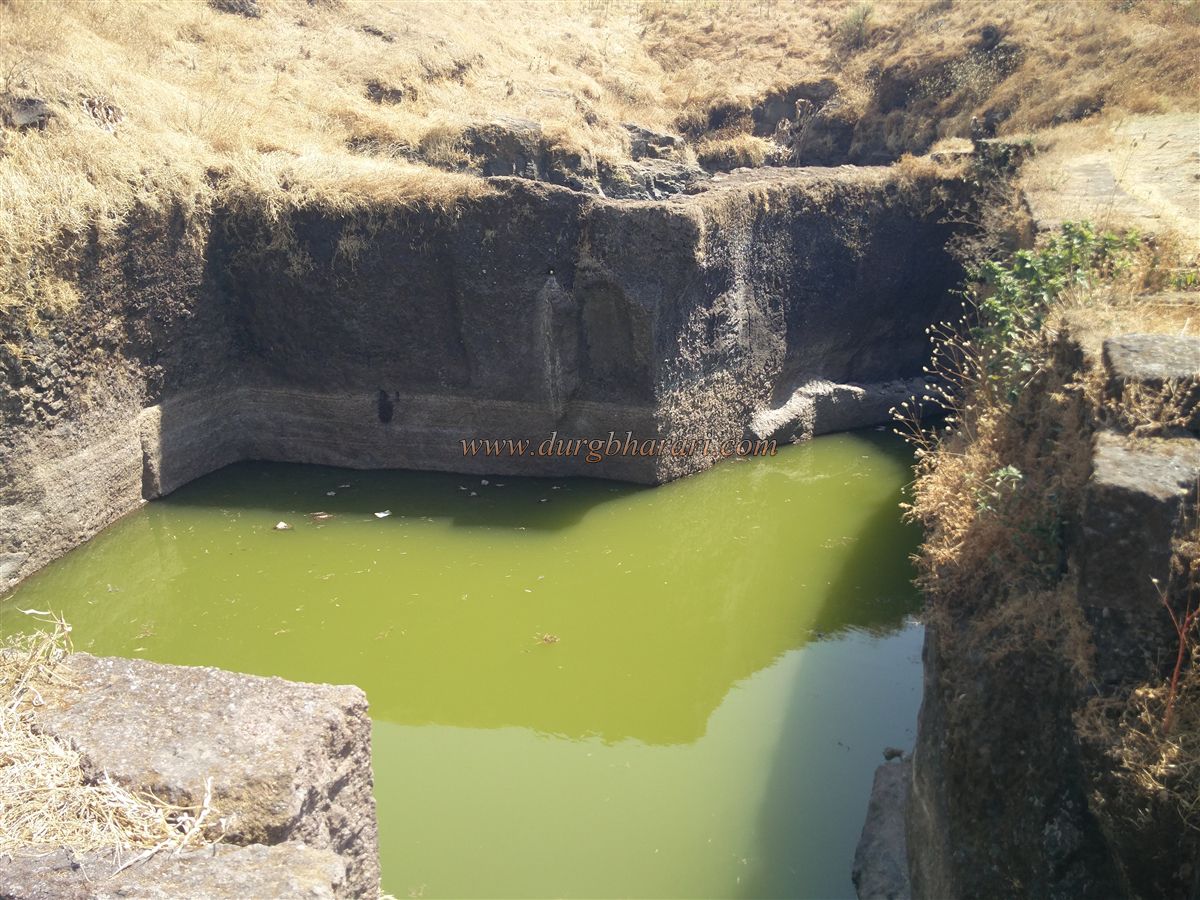
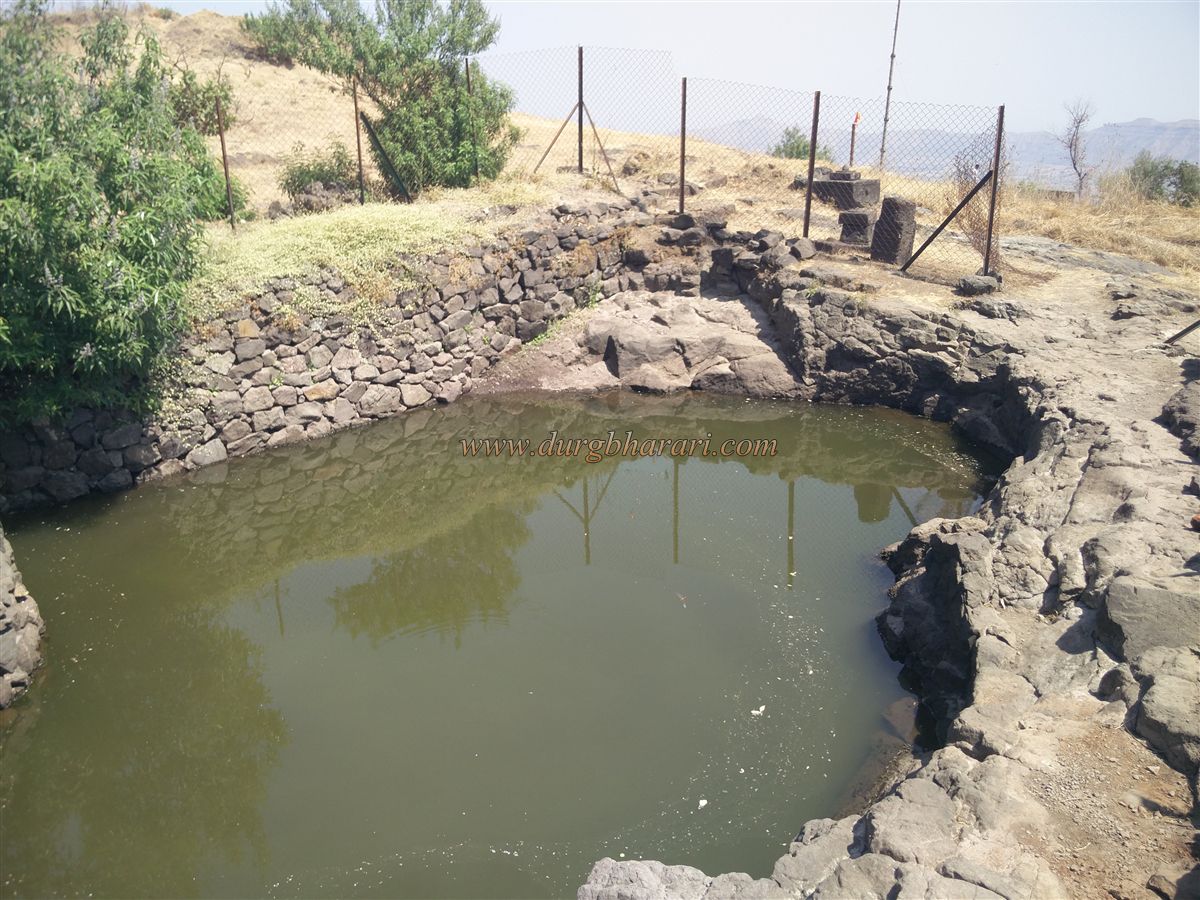
From Shirwale, walking along the ramparts brings one to Sharja Bastion, which is heavily damaged. Moving further leads to Damgude Bastion, an elongated structure at rampart level, with ruins of a large building nearby. Just ahead, a lime-grinding station is seen, followed by a rock-cut water tank. To the right of this tank, further down the slope, is a large tank with stone masonry at its entrance. Excess water from this tank is channelled into two smaller tanks via stone pipes, though both are now dry. One tank has carved steps for descending.
Above these is another subterranean water tank with steps, currently the primary source of drinking water on the fort. The overflow from this tank is redirected into another tank through carved openings. Nearby are three more tanks, but due to lack of maintenance, they are algae-filled. In total, there are eight tanks on the fort, but only the underground one has potable water. Near these tanks, inside the fort walls, are numerous ruins suggesting a once-flourishing settlement.
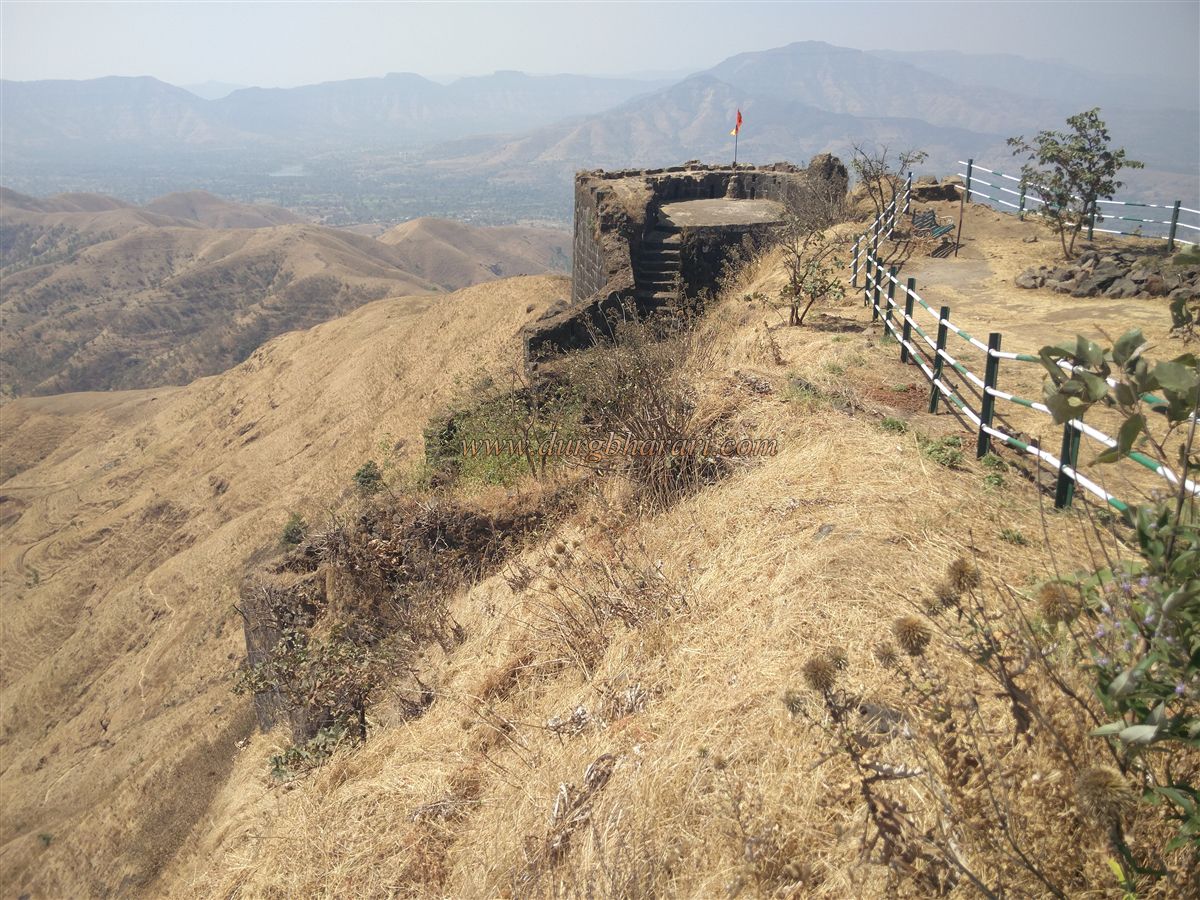
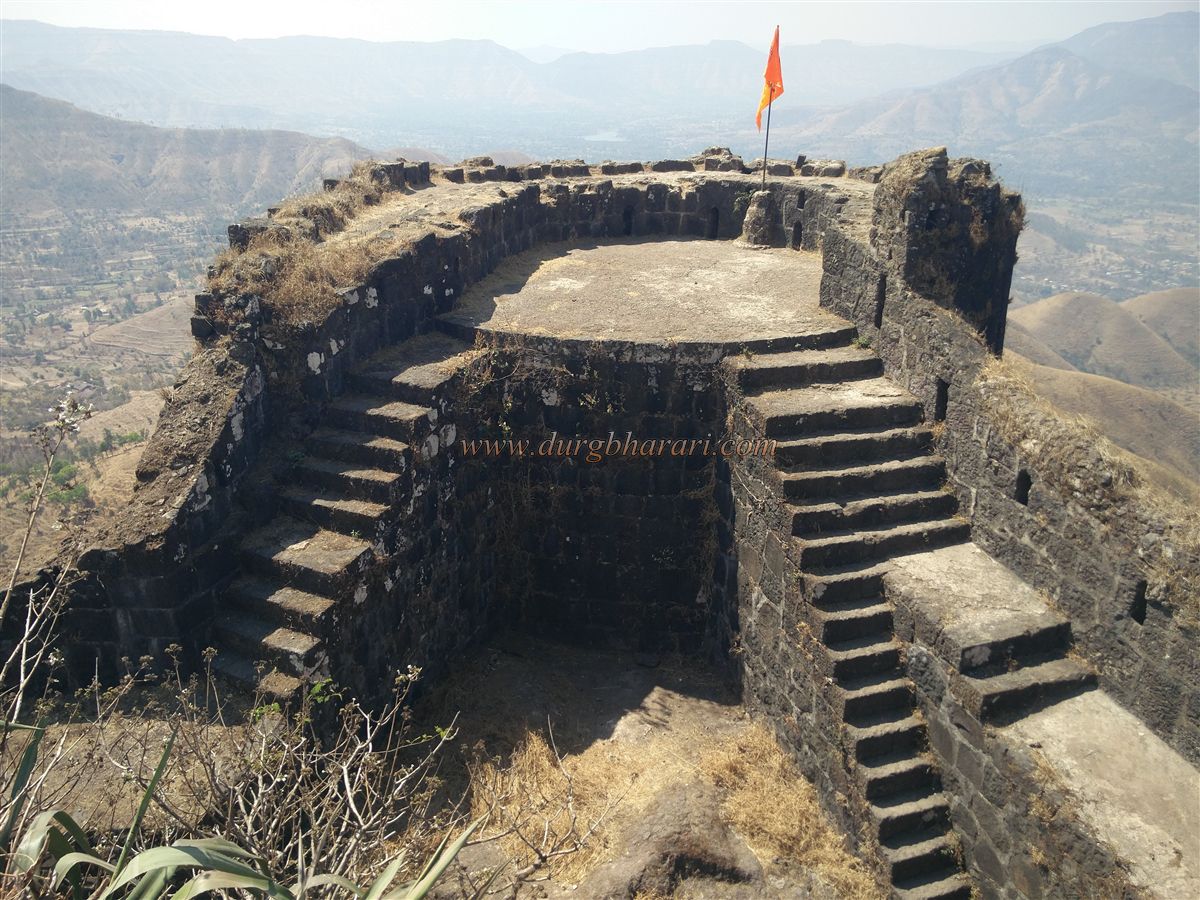
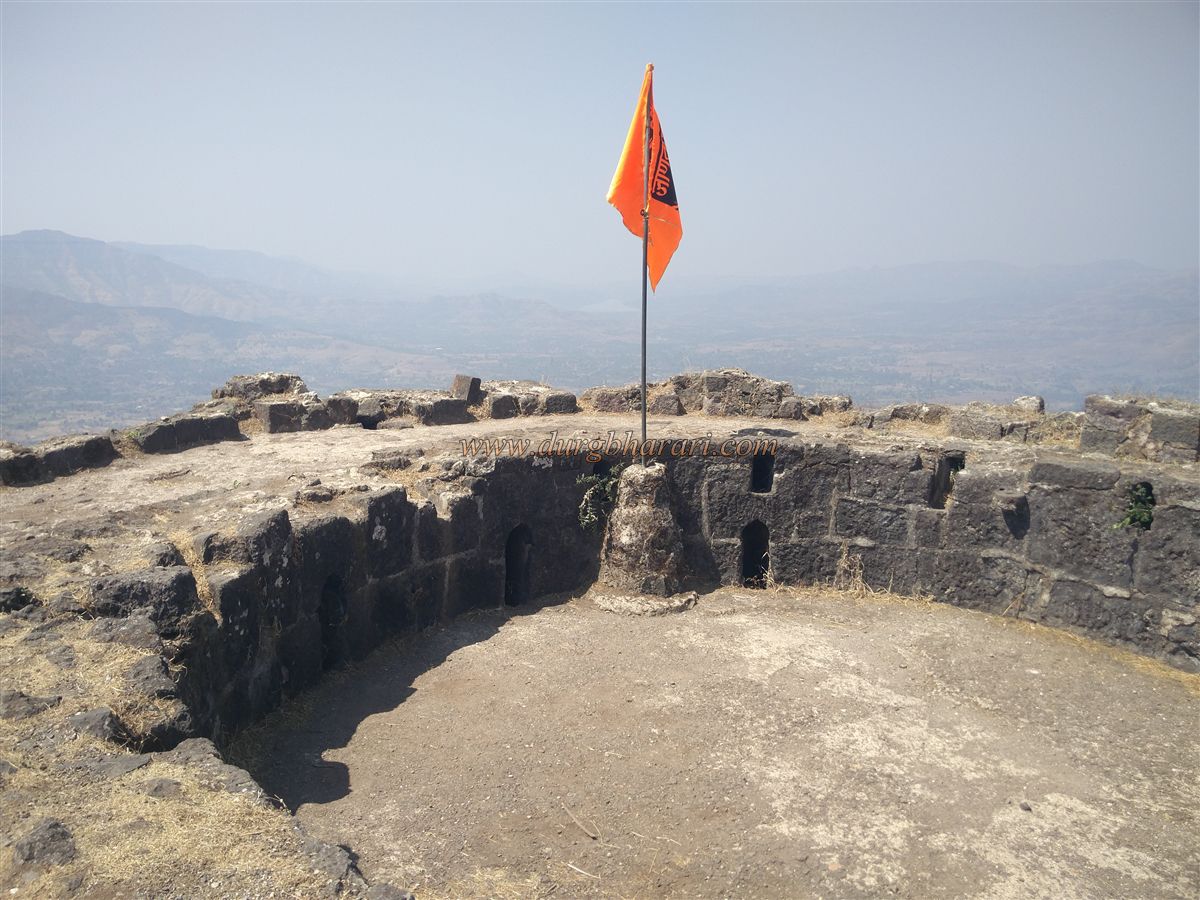
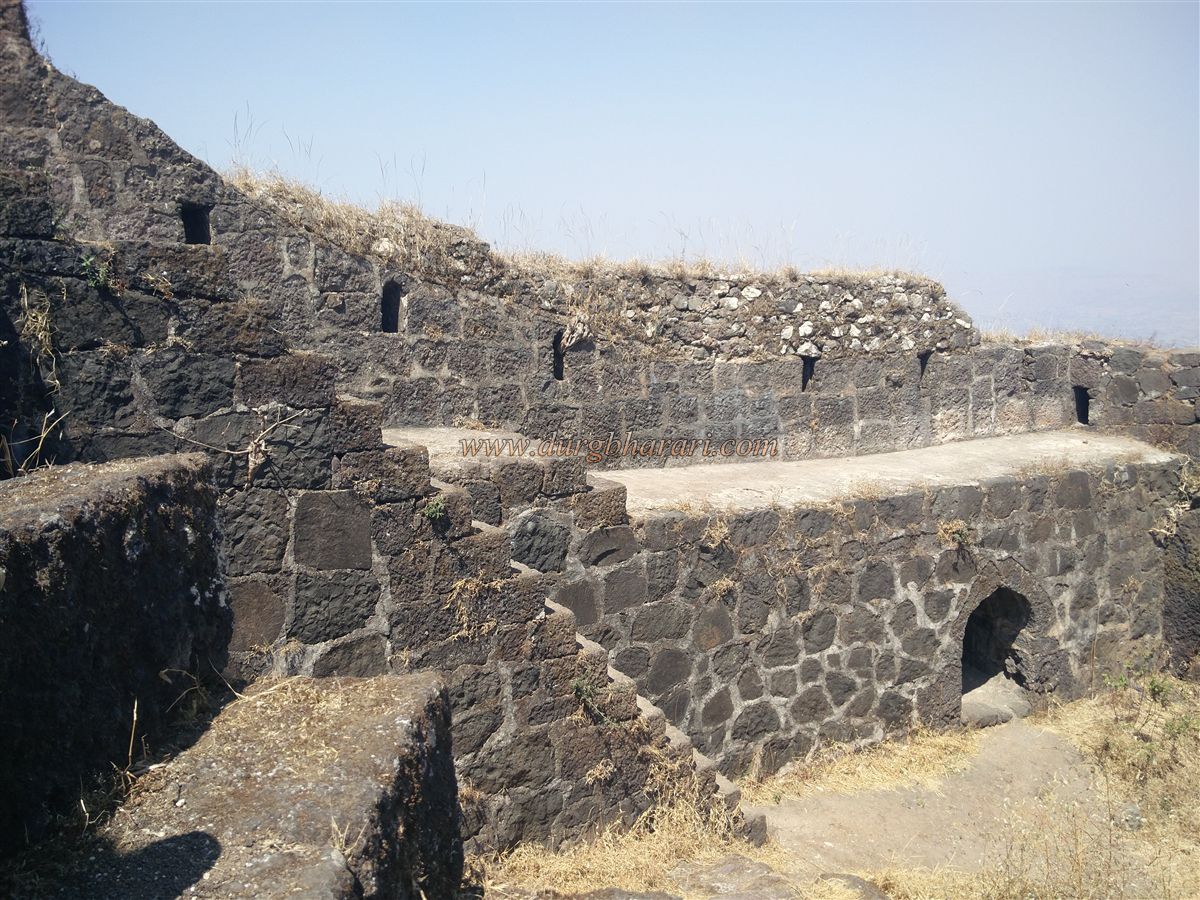
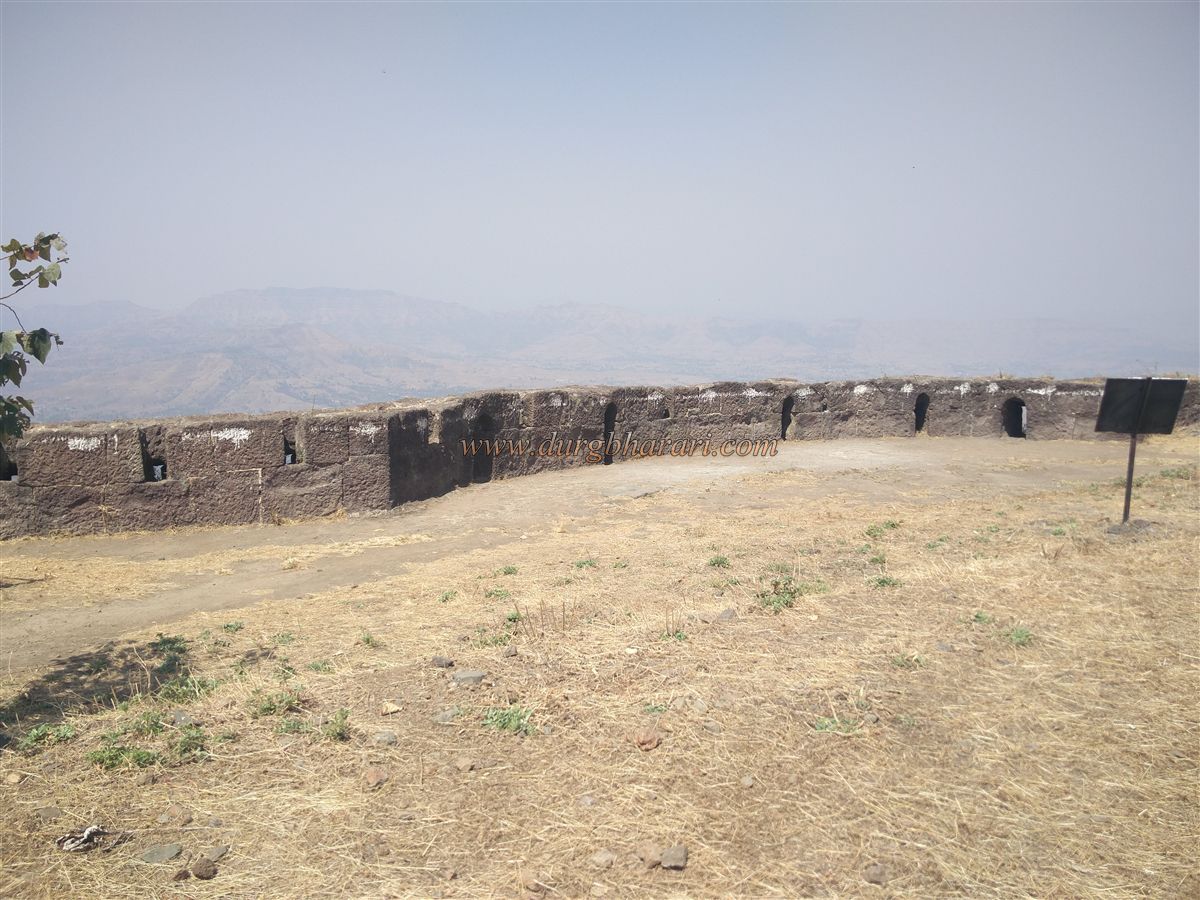
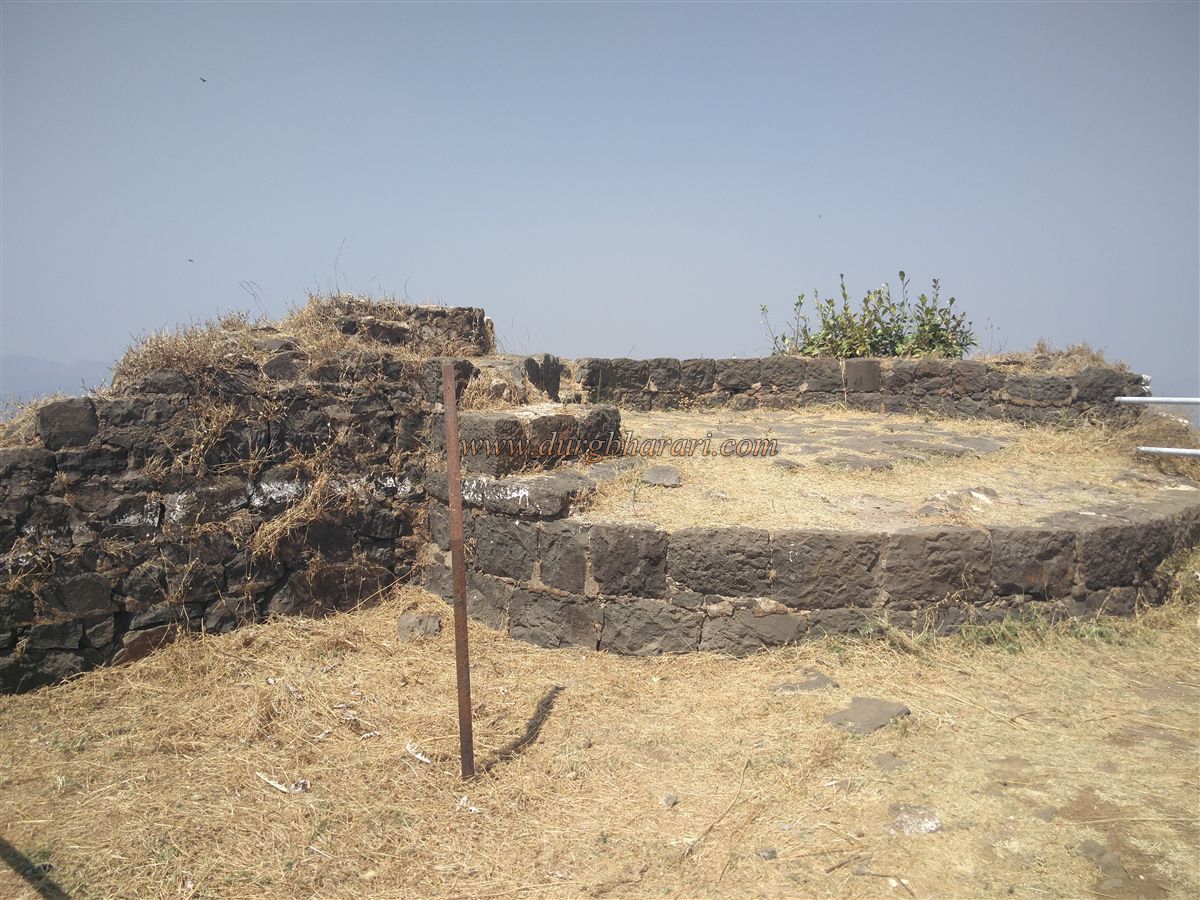
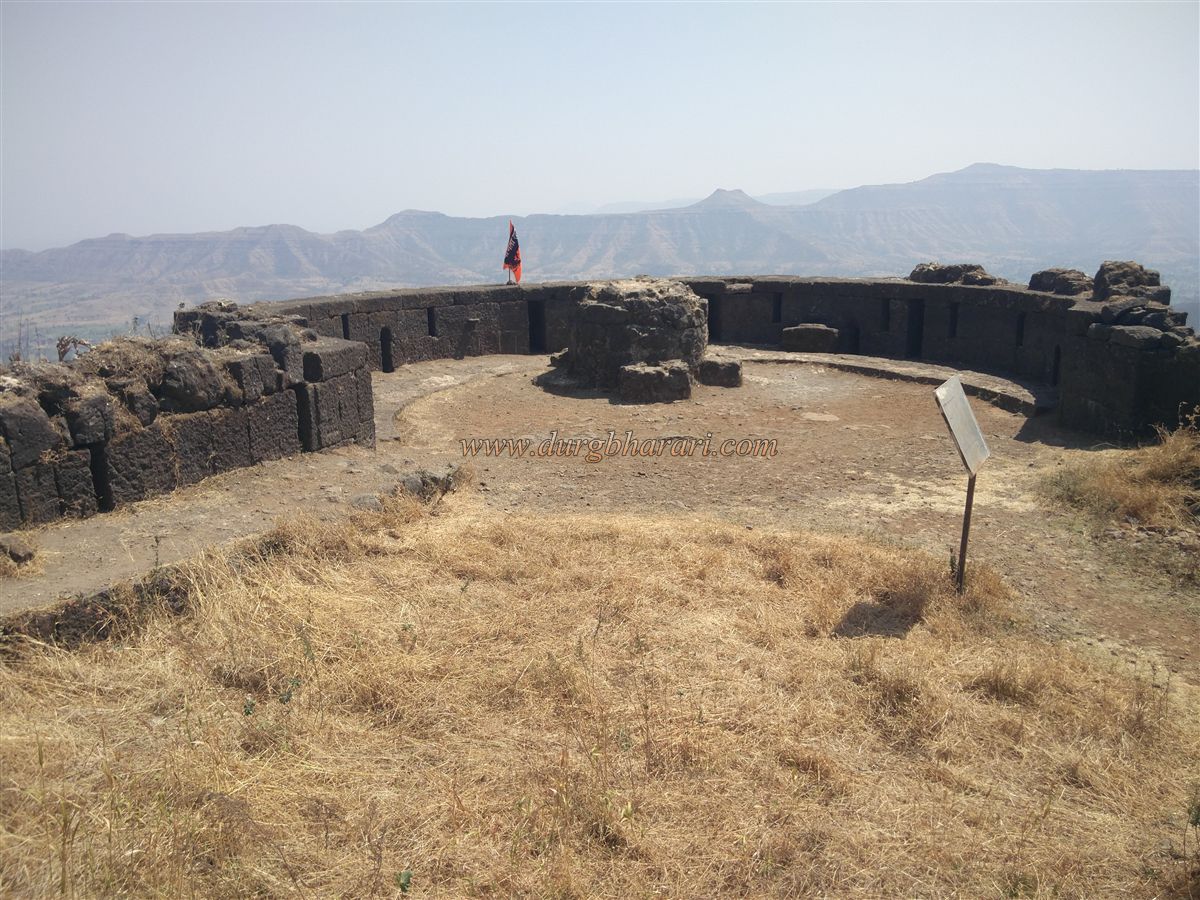
Continuing from the tanks, one reaches the small, round Patane Bastion, followed by the southernmost Waghjai Bastion. Named after the nearby Waghjai Temple on the hillside, its design is similar to Shirwale, excluding the trench. The finely built stone ramparts beyond Waghjai are well-preserved, and several guard posts and house ruins are visible. One rock-cut tank with masonry steps is located here. At the edge of the ramparts, beside the Fateh Bastion, is a small hidden gate (chor Darwaja) used to exit the fort discreetly. The Fateh Bastion features a circular platform with a stone base to install a flagpole. Returning from here to the Sadar Bastion completes the fort circuit.
At the center of the fort, besides a central platform, a dry pond, and the killedar's mansion, no other major structures remain. Surprisingly, there are no visible cannons on such a large fort. From the ramparts, one can see Vajragad and Purandar to the east, Sinhagad to the north, Rajgad and Torna to the northwest, Kenjalgad to the west, and the Raireshwar plateau to the south.
It takes about two hours to explore Rohida Fort thoroughly. Historically, the fort changed hands many times. Originally built during the Yadav period, it later came under the Bahamani, Nizamshahi, and Adilshahi rule. The Persian text Burhan-e-Masir lists Rohida among the 58 forts captured by Burhan Nizam Shah. A Devanagari and Persian inscription on the third gate confirms that the fort was renovated by Muhammad Adil Shah between 16 March and 23 May 1656, when Vitthal Mudgalarav was the fort's commander.
Later, around May 1656, this area came under the Jahagir of Krishnaji Bandal. Shivaji Maharaj seized the fort from the Bandal Deshmukhs after a fierce battle in which Krishnaji Bandal was killed. After the battle, BajiPrabhu Deshpande and others from the Bandal faction joined Swarajya, and Rohida Fort was incorporated into Shivaji Maharaj’s growing kingdom.
According to the Treaty of Purandar in 1665, the fort was handed over to the Mughals but was recaptured by the Marathas on 24 June 1670. Kanhoji Jedhe had full Deshmukhi rights over Bhor and half of Rohida Fort. Though he paid only 30 hone (currency) in tax, Shivaji Maharaj confirmed the amount due to his loyalty.
In 1671, Shivaji Maharaj reportedly planned a visit to the fort. Between 1671 and 1689, the fort alternated between Maratha and Mughal control. In 1690, after a brief Mughal occupation, Sarjerao Jedhe, son of Kanhoji Jedhe, reclaimed it. The Mughals later recaptured it, but the Pant Sachiv of Bhor valiantly brought it back under Maratha control. By 1707, Secretary Shankaraji Narayan of Bhor had control over the fort and reportedly passed away here. Until the princely states were annexed, Rohida remained under the Bhor Sansthan, like forts such as Rajgad, Torna, Tung, and Tikona.
The Rohida Fort we experience today is the result of tireless conservation efforts by the Shivdurga Savardhan organization. Their restoration work is exemplary. A caretaker resides on the fort and greets visitors dressed in traditional attire, offering jaggery water. Sometimes, they even arrange meals during festivals. They ask for nothing in return. Supporting their work, even symbolically, is our duty. A heartfelt salute to their devotion.
© Suresh Nimbalkar
GALLERY