RAVER
TYPE : FORTRESS
DISTRICT : JALGAON
Raver taluka in Jalgaon district is renowned across India for its banana cultivation. The phrase “Jalgaon’s bananas” is almost synonymous with Raver taluka. As a fort enthusiast, my connection with this taluka’s town was sparked by the remains of the Raver Fort. In fact, most fort lovers are unaware that there is a fort in Raver, and what's more unfortunate is that even many locals living near the fort are unaware of its existence. So let us take a conscious journey to this fort that has faded from memory.
Raver, the taluka headquarters, is located 80 km from Jalgaon district and 158 km from the Nashik–Agra highway. Raver also lies on the railway route to Madhya Pradesh, making it accessible by train from Mumbai or Pune. The fort in Raver town is situated on a small hillock near the river, along the Raver–Rasalpur road.
...
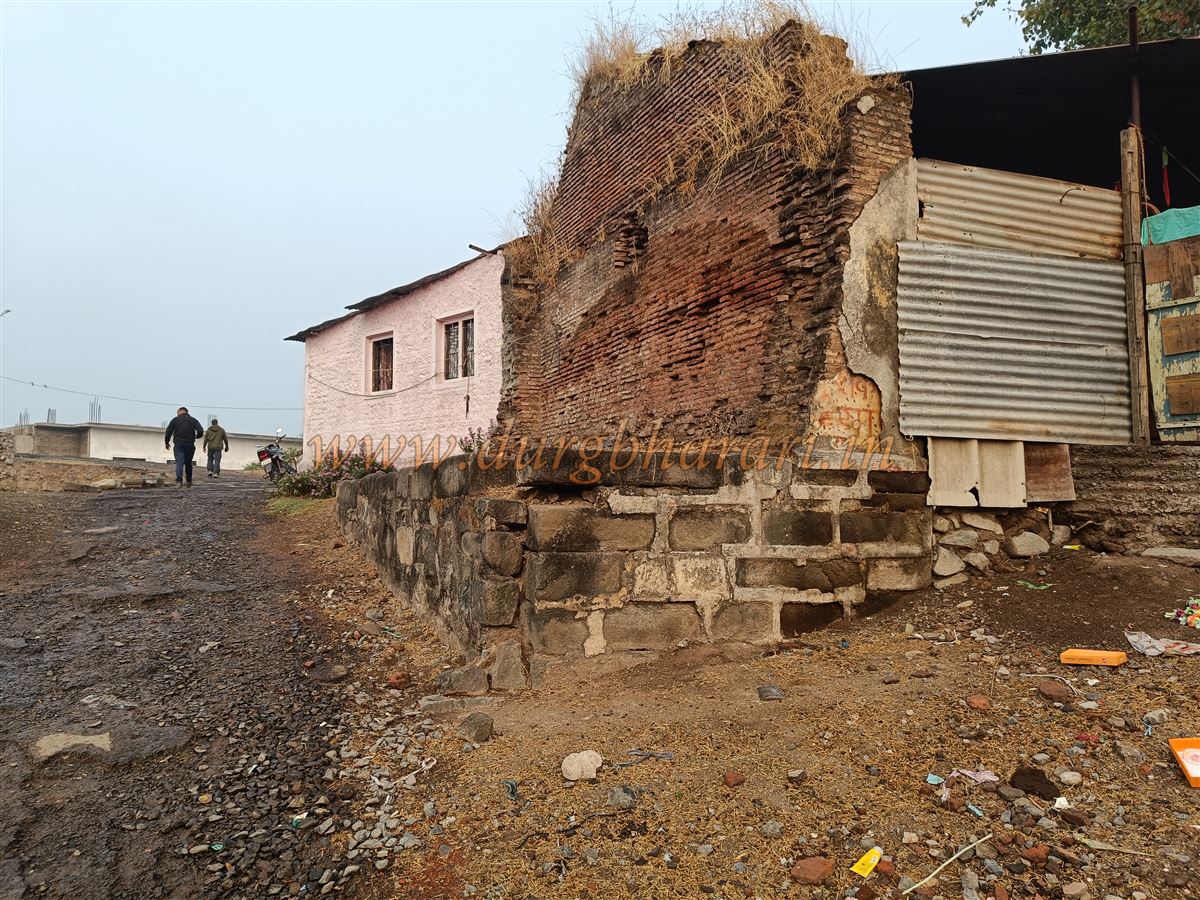
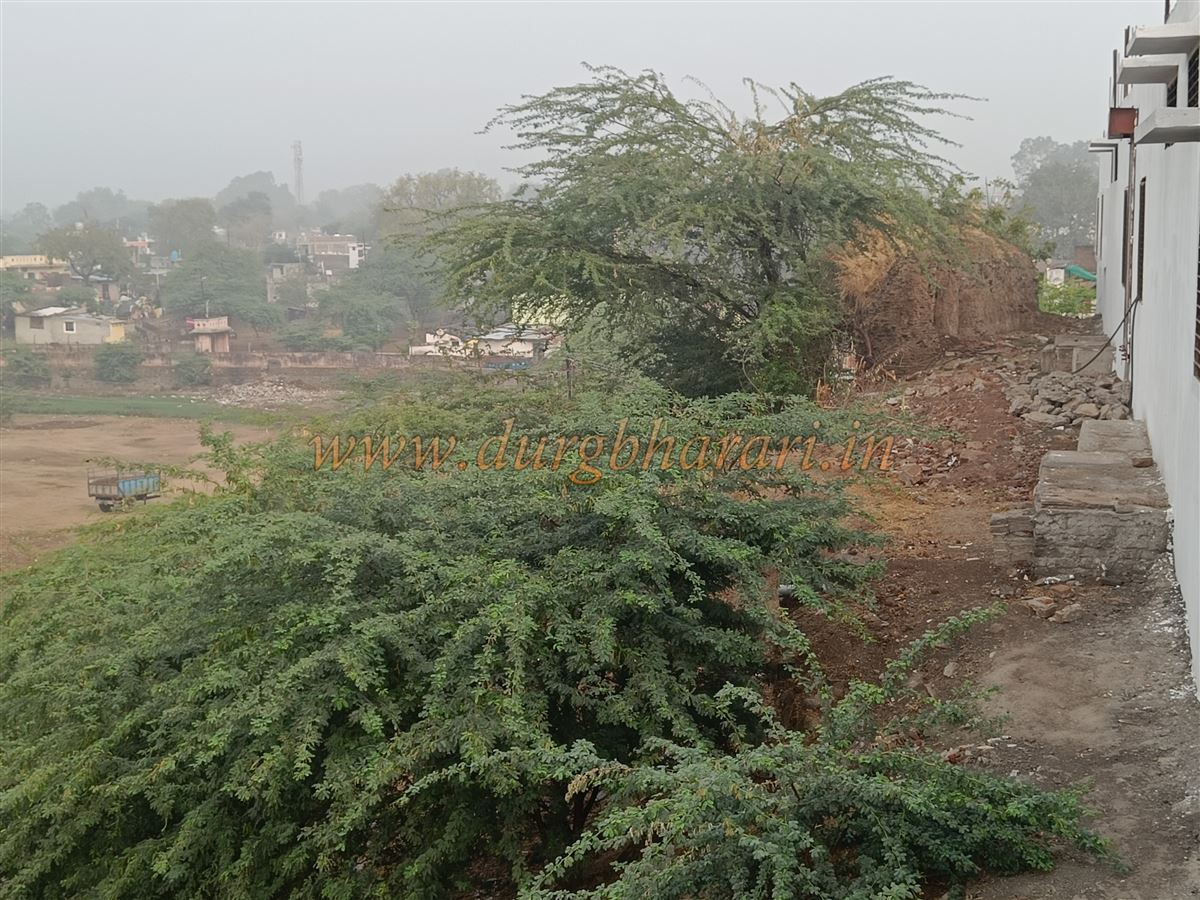
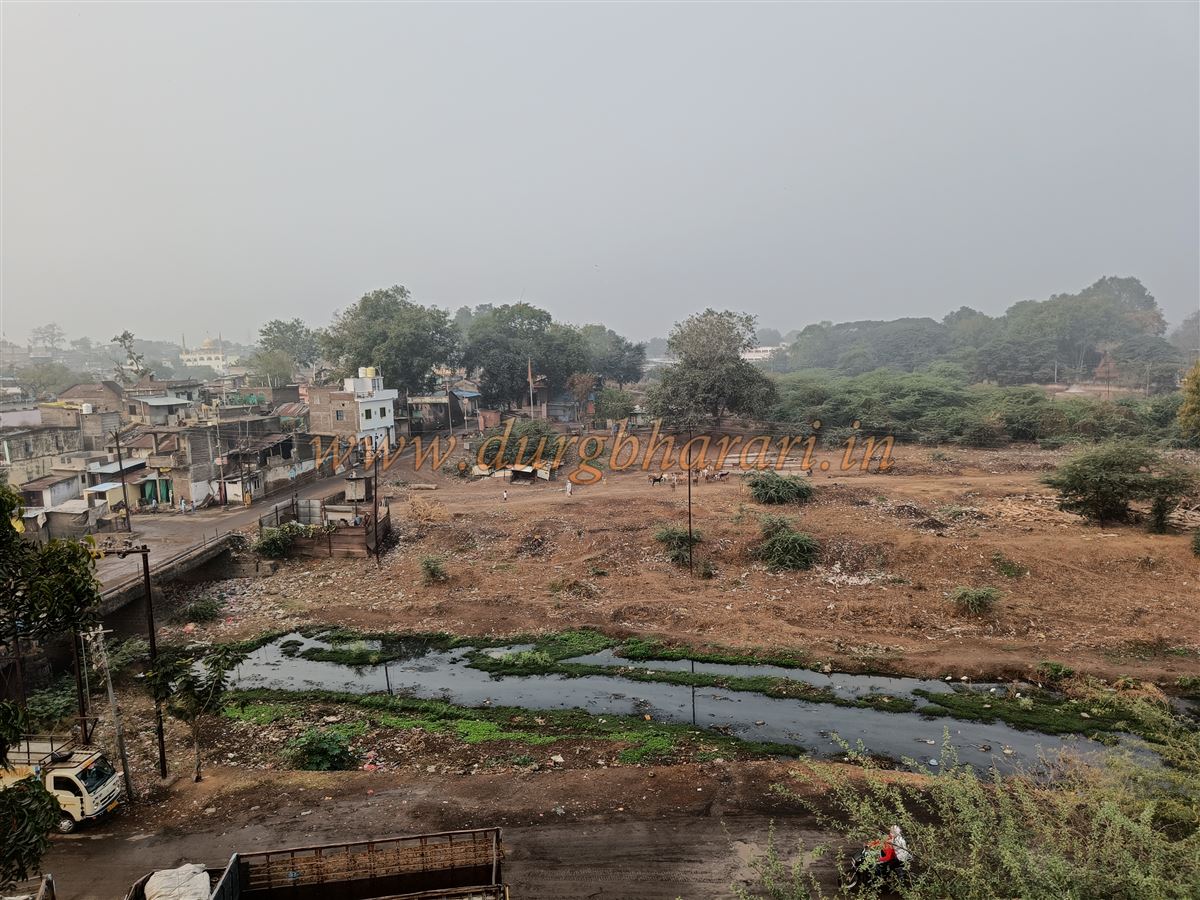
Due to urban development, the river has now turned into a mere drain. Although the fort is no longer visible in its full form, its remnants still stand firm, reminding us of its past existence—though it’s clear even those will only remain for a limited time.
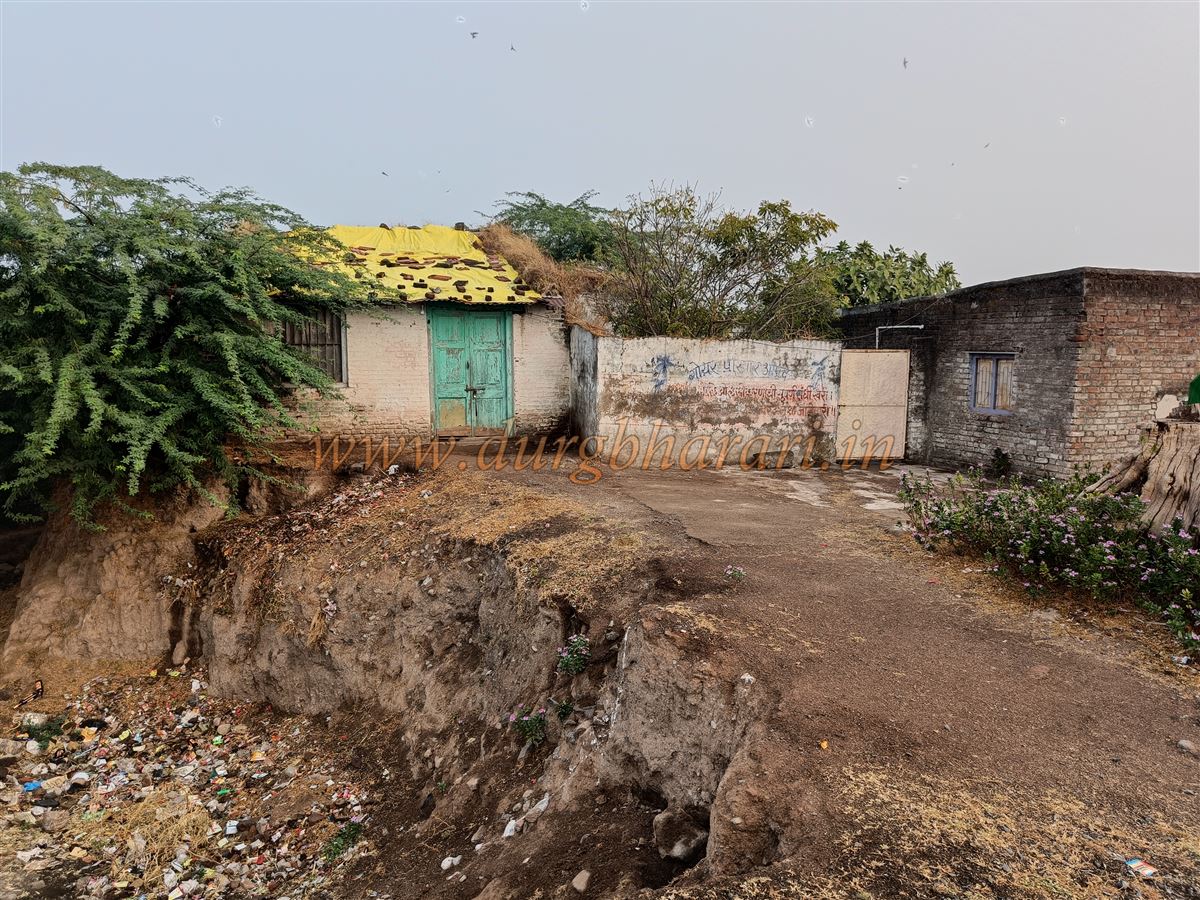
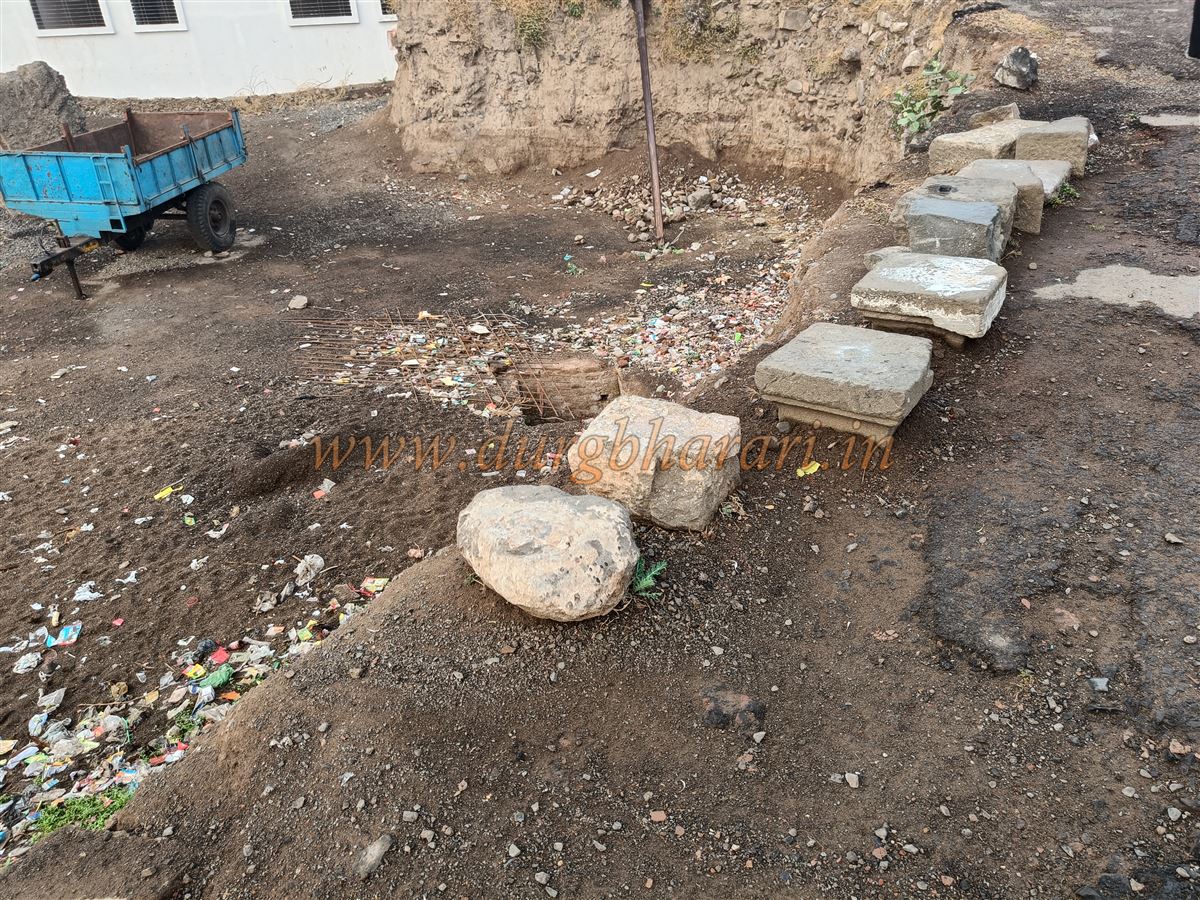
If you ask for directions to the old Urdu school, you can easily reach the vicinity of the fort. The main entrance of the fort is completely destroyed, but part of the foundation of the wall beside the gate remains intact. Within the fort premises, there are about five or six houses and a municipal council building. A significant portion of the hillock has been excavated for soil, revealing old clay pipes from ancient structures buried underneath.
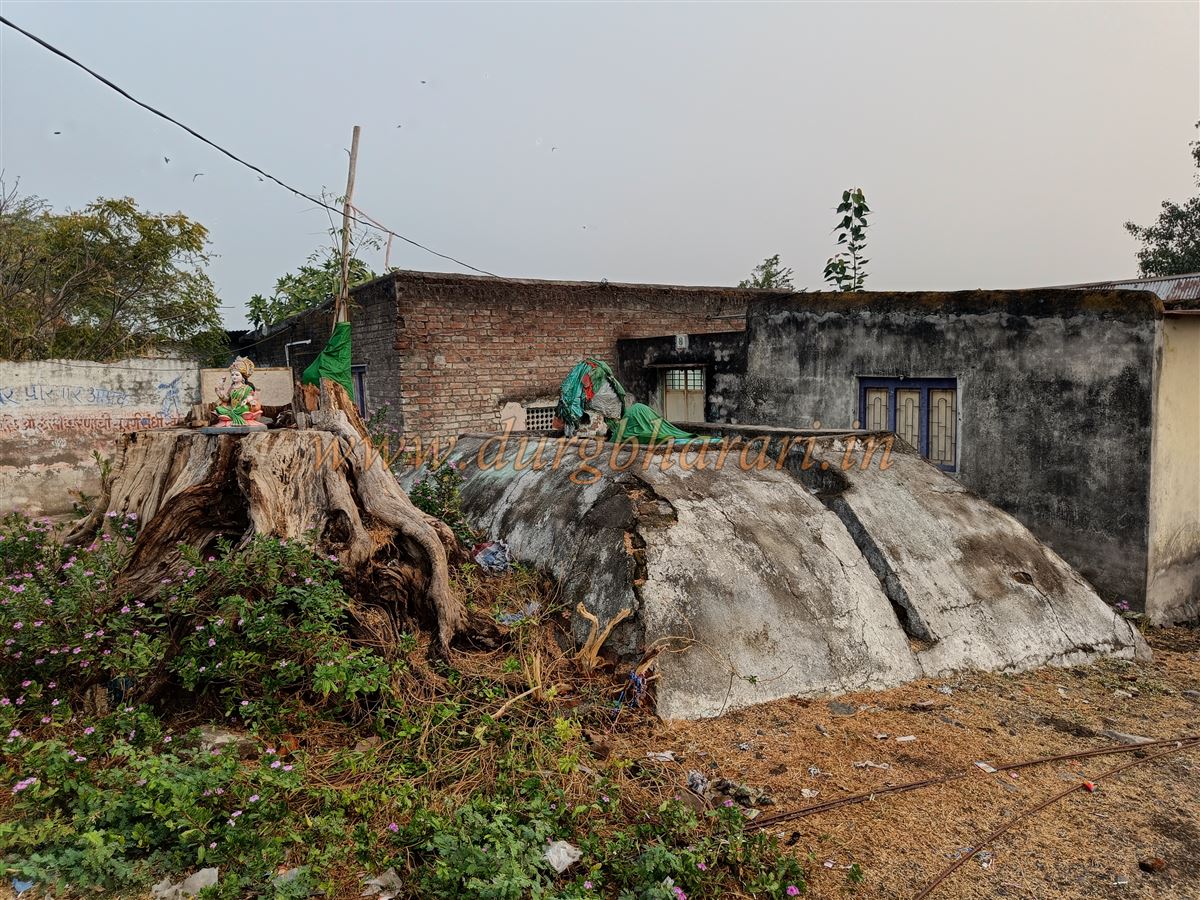
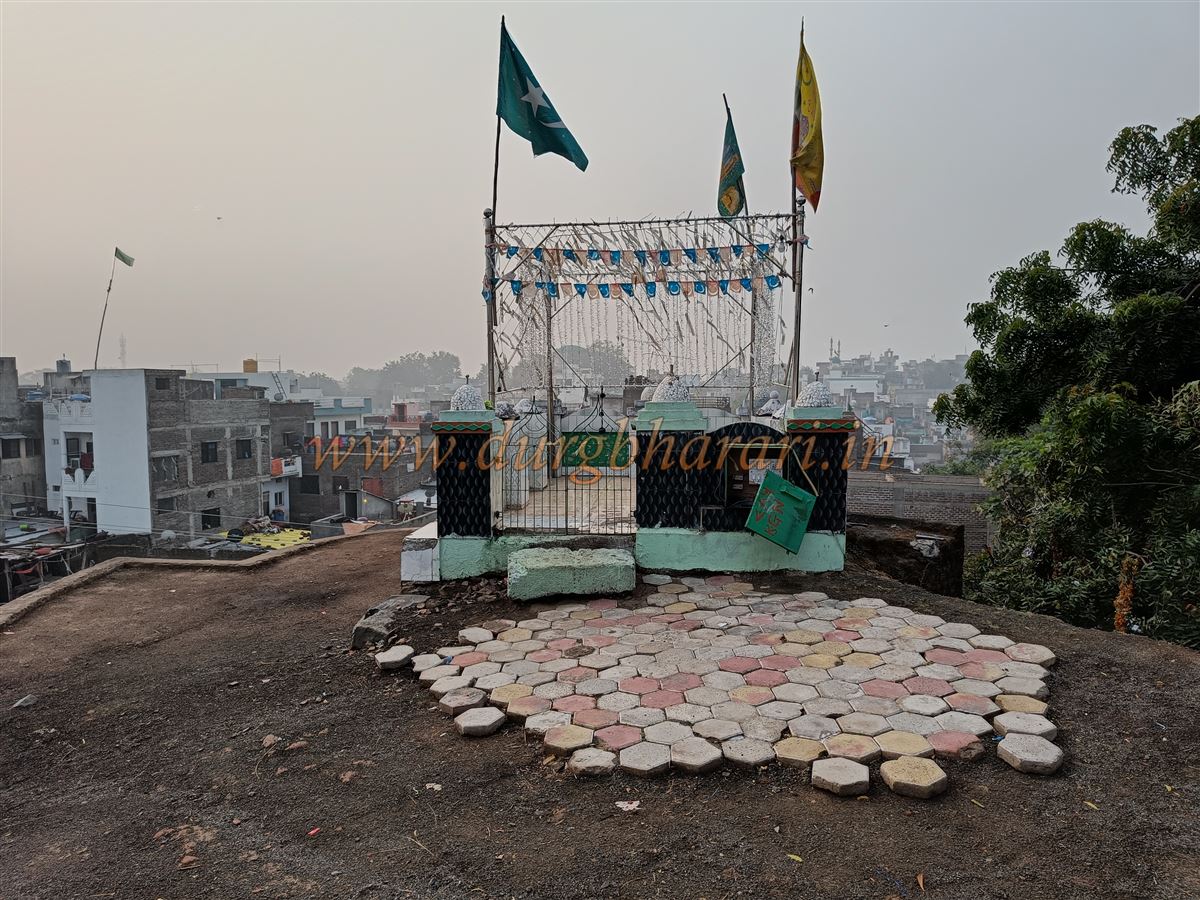
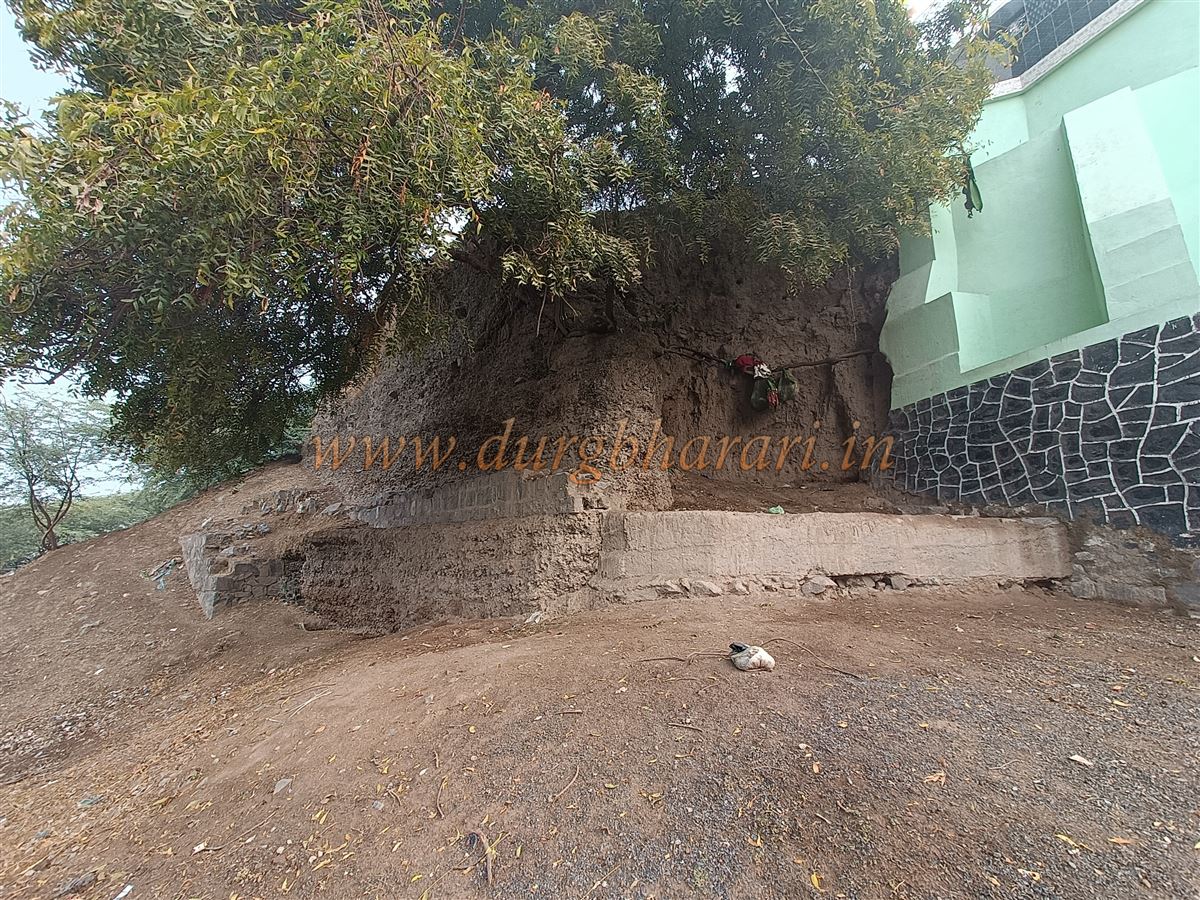
Some sections of the fort’s rampart along the river side still survive. From this elevated spot, a large portion of Raver town is visible. At the north-western tip of the fort stands a surviving bastion, now home to the tomb of Pir Baba. Perhaps this is why the bastion has remained intact. New steps have been built to descend toward the riverside from this bastion. As you descend, you can observe the remaining ramparts of the fort still standing along the river. After climbing back up, you complete the circumambulation of the fort. It takes only about fifteen minutes to explore these remnants.
Now, let us look briefly into the history of the fort. Known in historical records as “Ravaged,” this name gradually evolved into “Raver.” The historical mention I found was that in 1803, Suryajirao Nimbalkar took possession of the Raver fort and region from Yashwantrao Holkar and included it in his Yawal jagir. Later, in 1818, the British captured the Raver fort and the surrounding region.
A short distance from the fort, there are two water tanks known as Keshav Kund and Nagzhari Kund. Locals say that both were constructed by Ahilyabai Holkar.
© Suresh Nimbalkar
GALLERY