RATNADURG
TYPE : COASTAL FORT
DISTRICT : RATNAGIRI
HEIGHT : 180 FEET
GRADE : EASY
The city of Ratnagiri, located in the Konkan region, is endowed with religious, cultural, and historical heritage. Tourist attractions such as the birthplace of Lokmanya Tilak, the Savarkar Memorial, the historic Patitpavan Temple, Vitthal Temple, Bhatye Beach, Coconut Research Centre, Aquarium, and Mandavi Jetty attract visitors throughout the year.
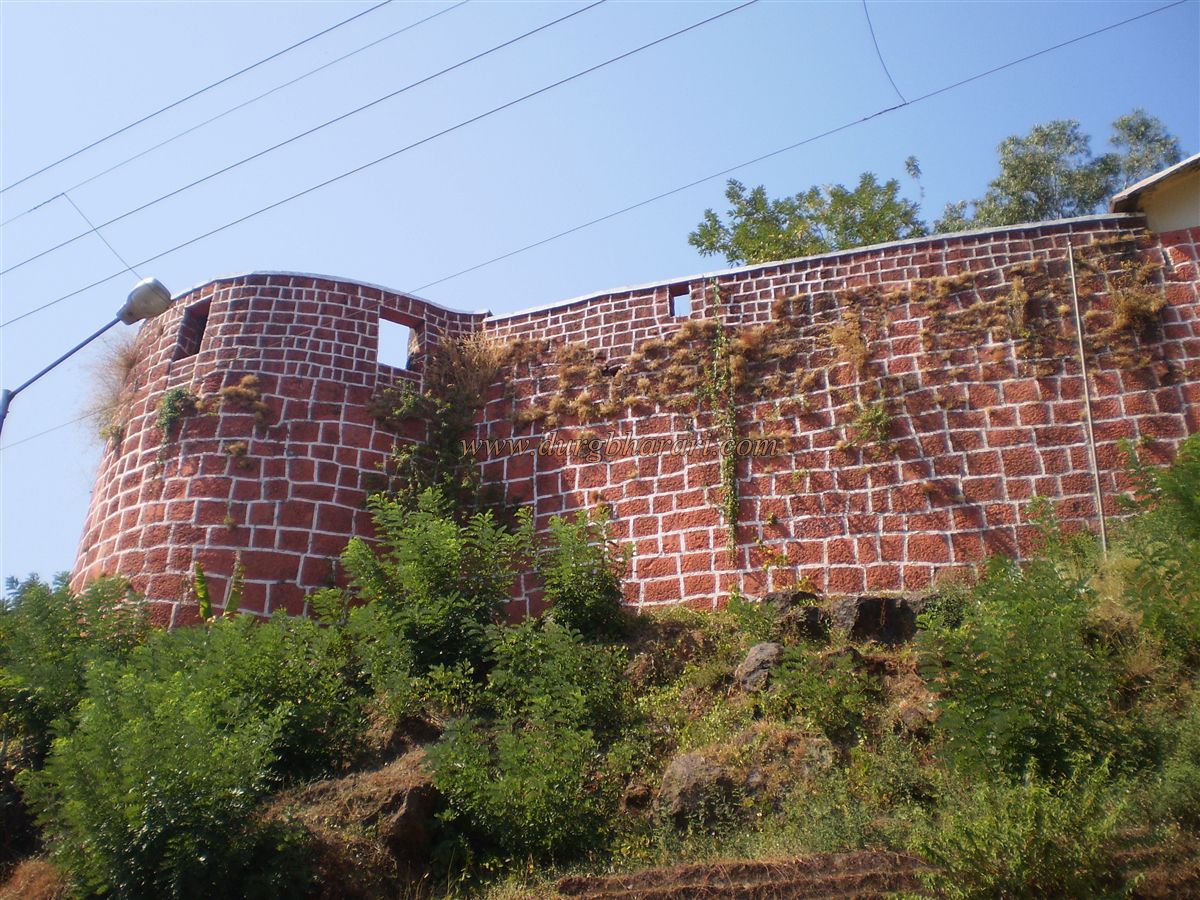
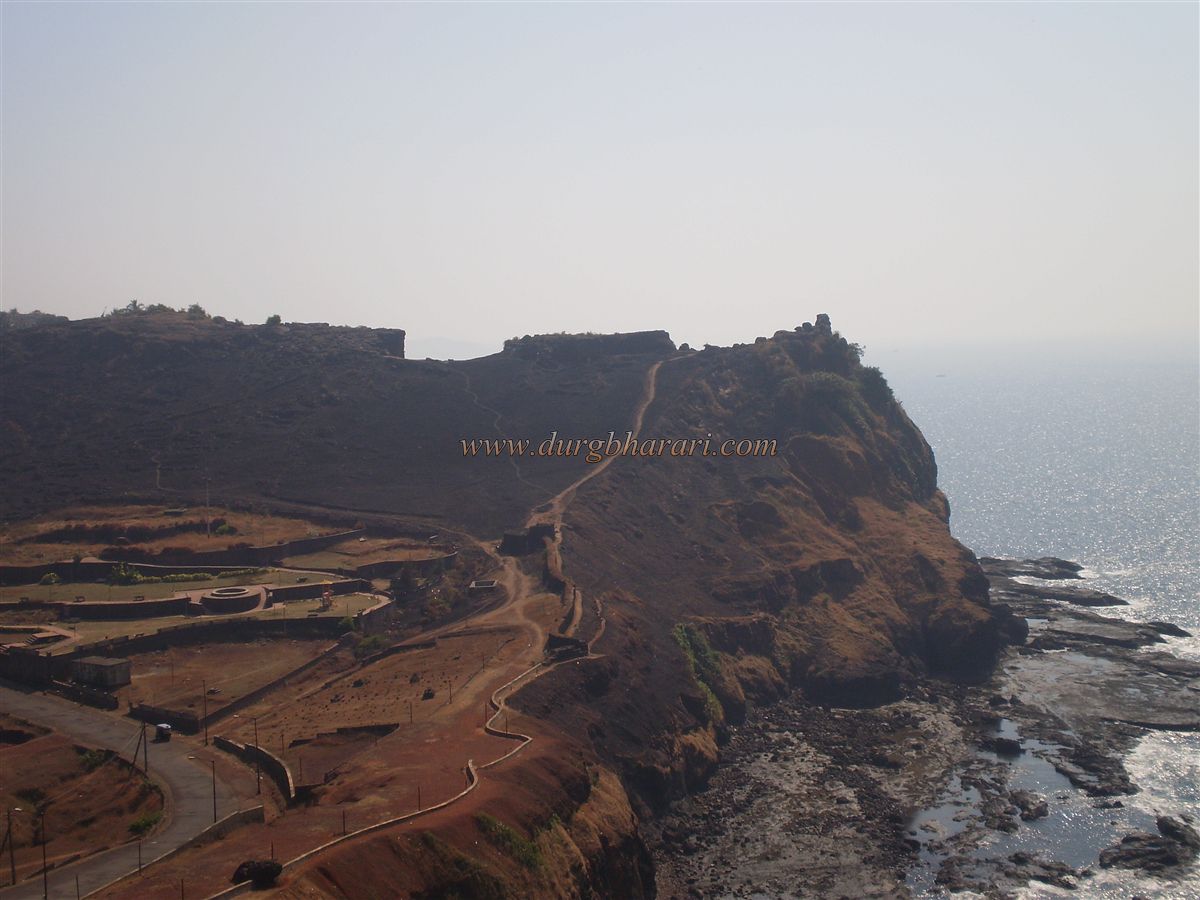
Just 2 to 3 km from this city, on a hill by the Sindhusagar coast, stands Ratnadurg Fort. The fort is shaped roughly like a horseshoe and spans over 120 acres. Its structure is divided into two parts: the Machi (outer fortification) and the Balekilla (citadel). To the west of the city, in the sea, there are three hills. Two are to the east, while the third lies to the west, facing the sea. The citadel is built on the western hill, while the Machi extends over the other two eastern hills. These hills are fortified, and bastions have been constructed on them.
...
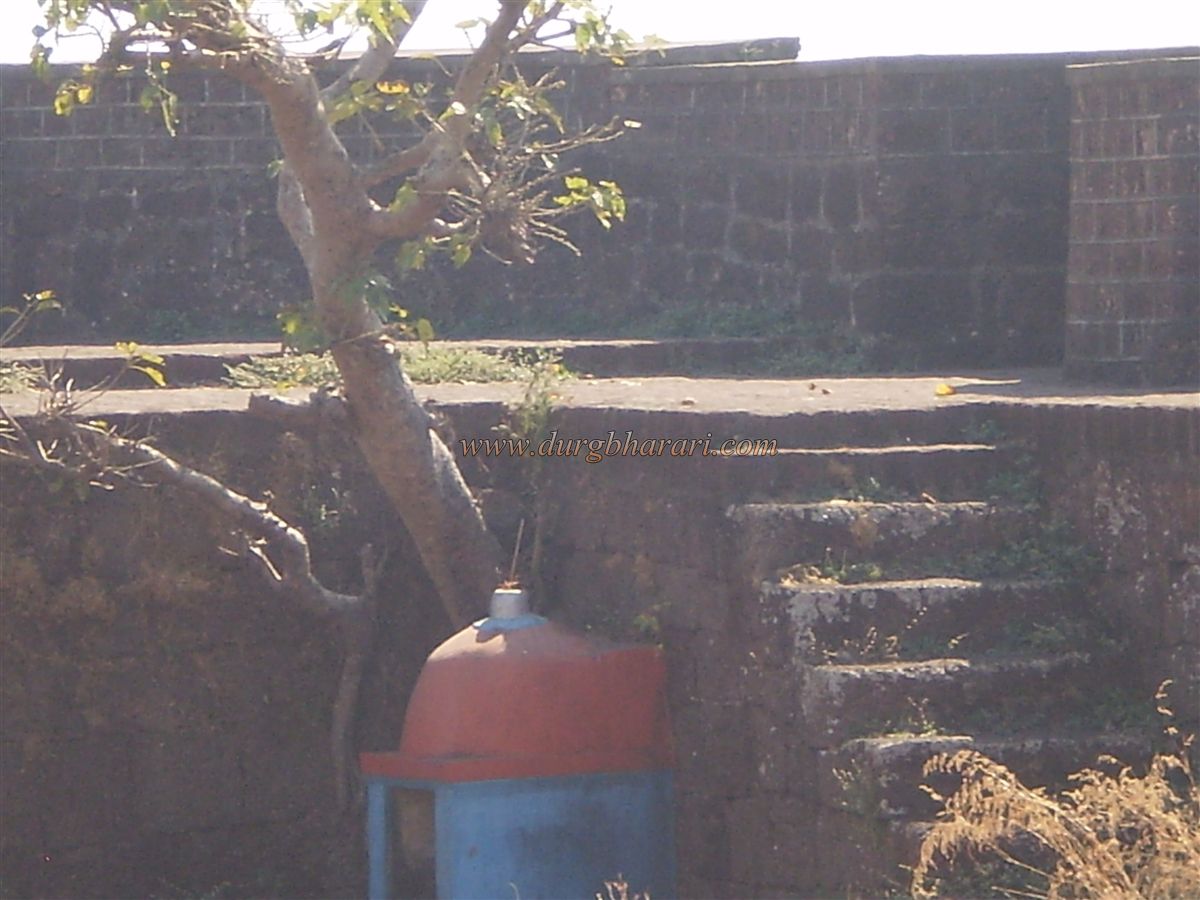
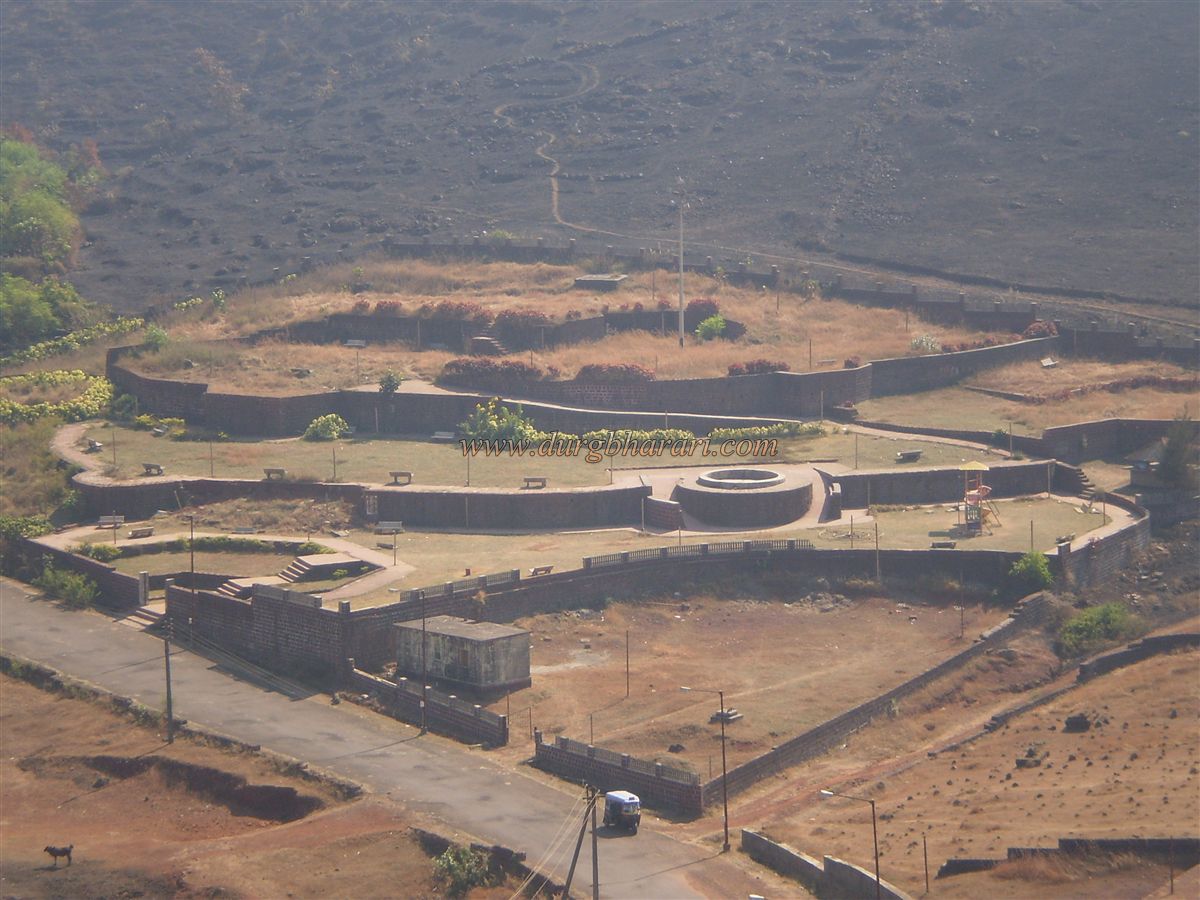
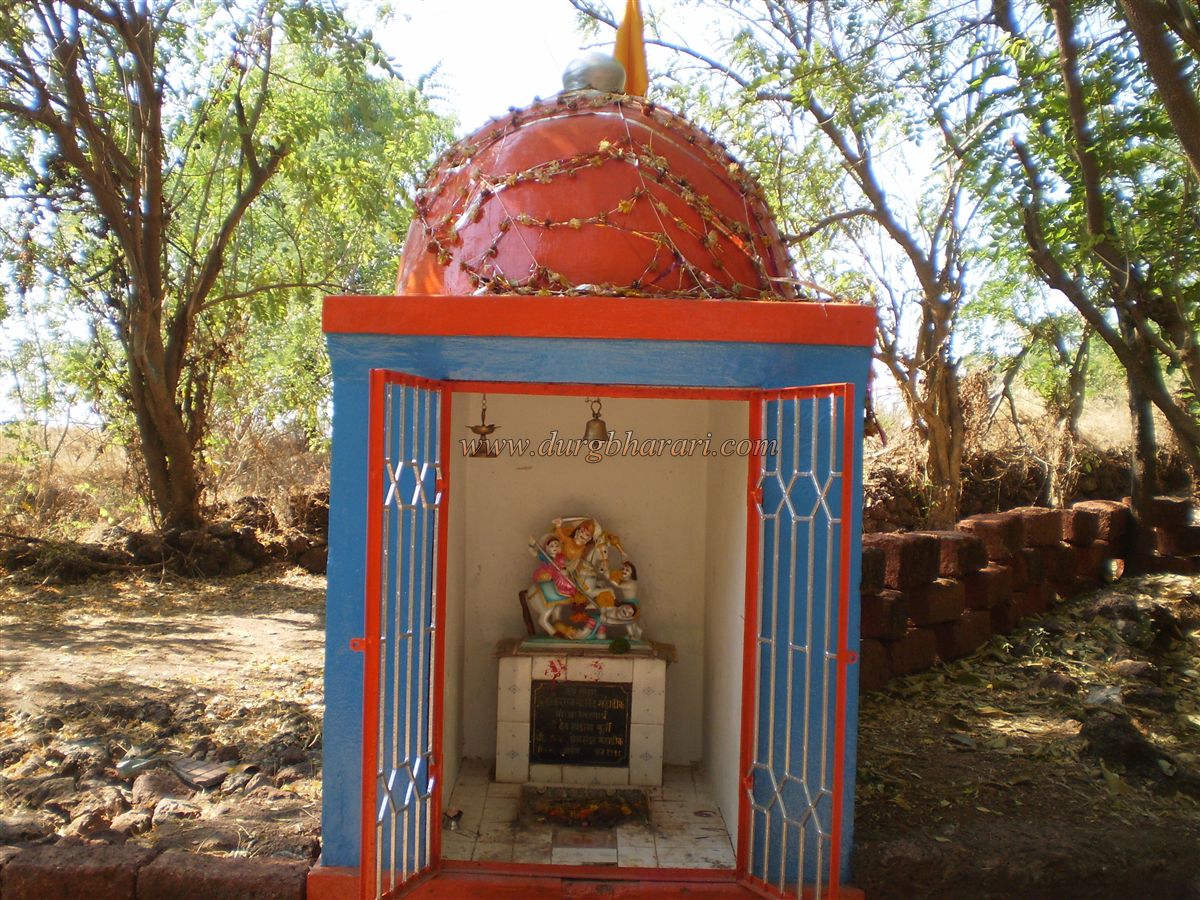
The current entrance road to the fort cuts through a part of the hill and the wall. A short distance to the right of this road is the original entrance to the fort, which still exists. After crossing a small pass by vehicle, a dirt path to the right leads up the hill and reaches the fort’s walls within five minutes. This is the inner side of the main entrance. The outer part of the gateway is well secured and has a smaller entrance within. Just inside the gate is a small temple of Lord Hanuman. The temple door faces south, but the idol faces west. Steps behind the temple lead up to the gateway.
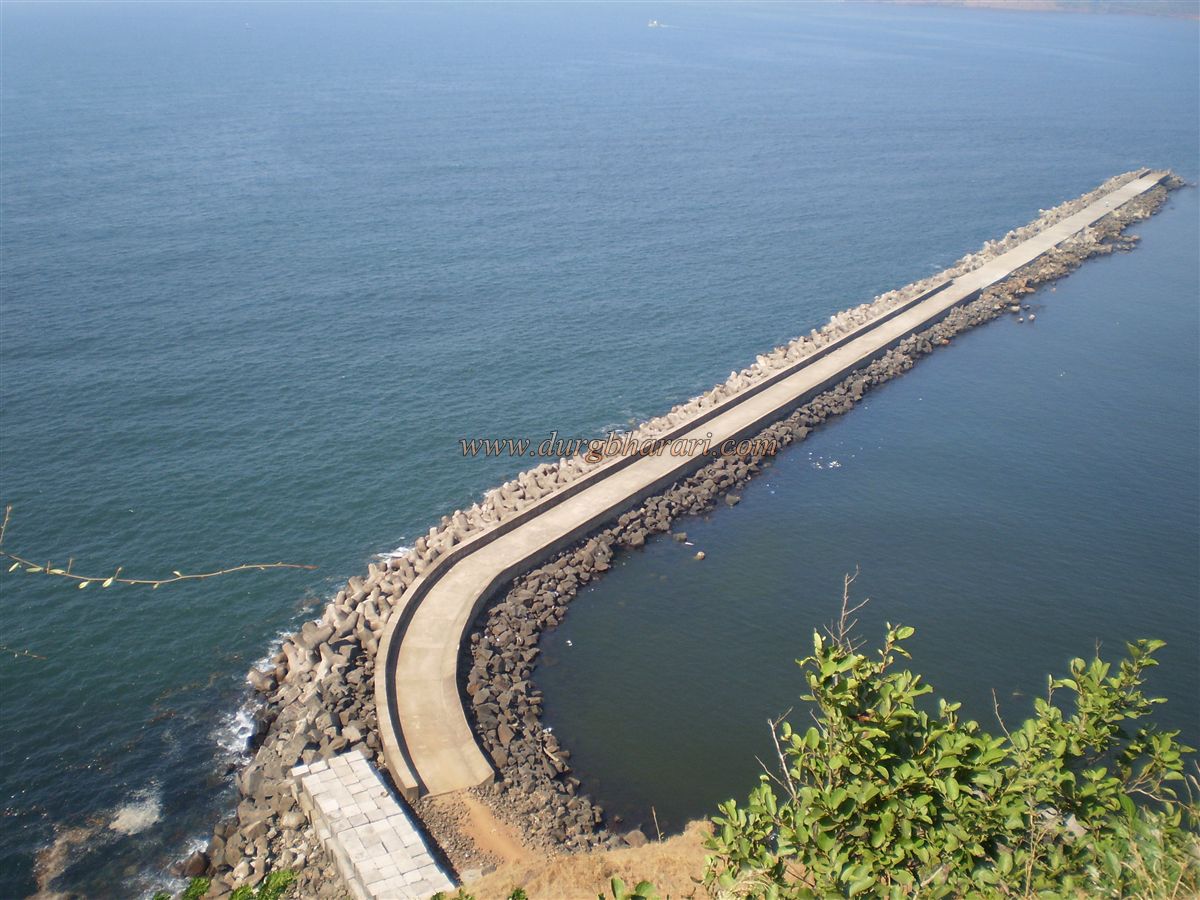
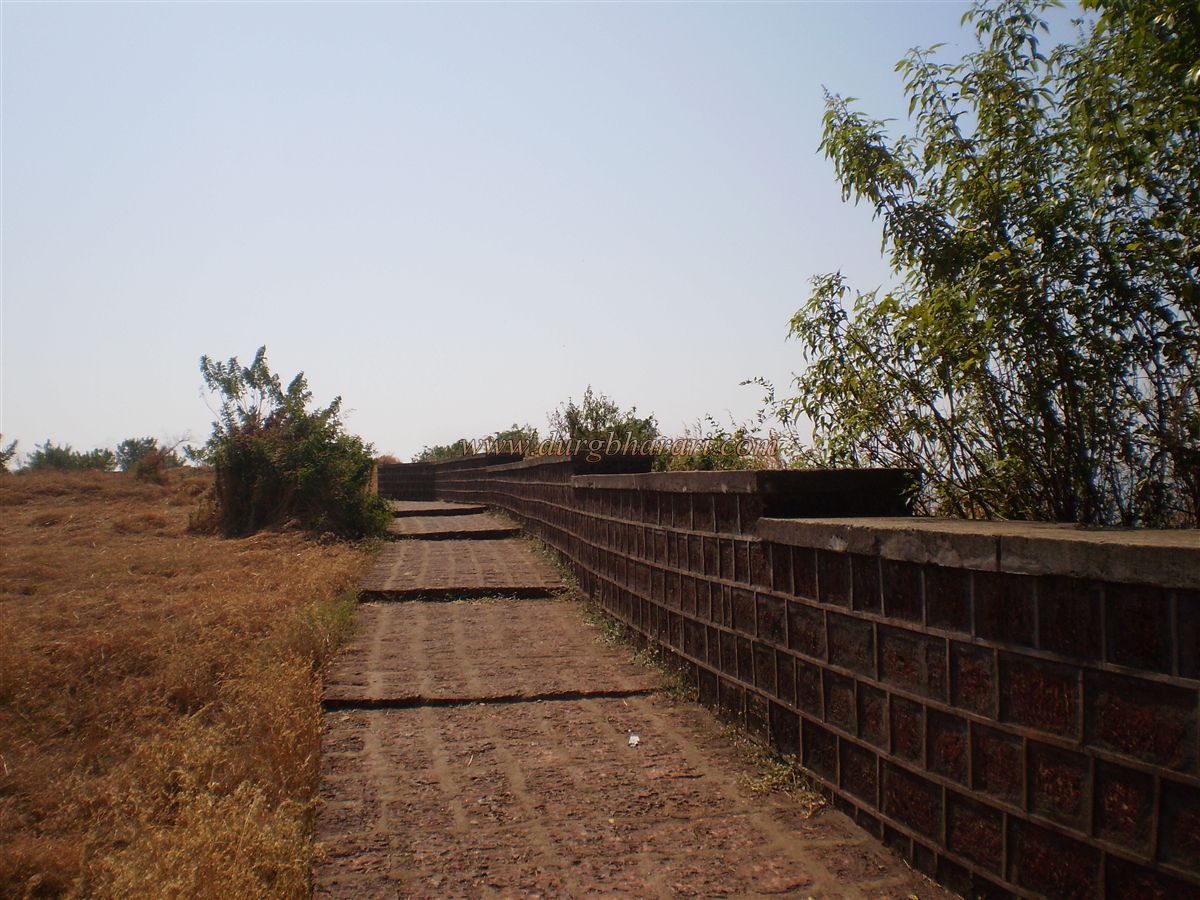
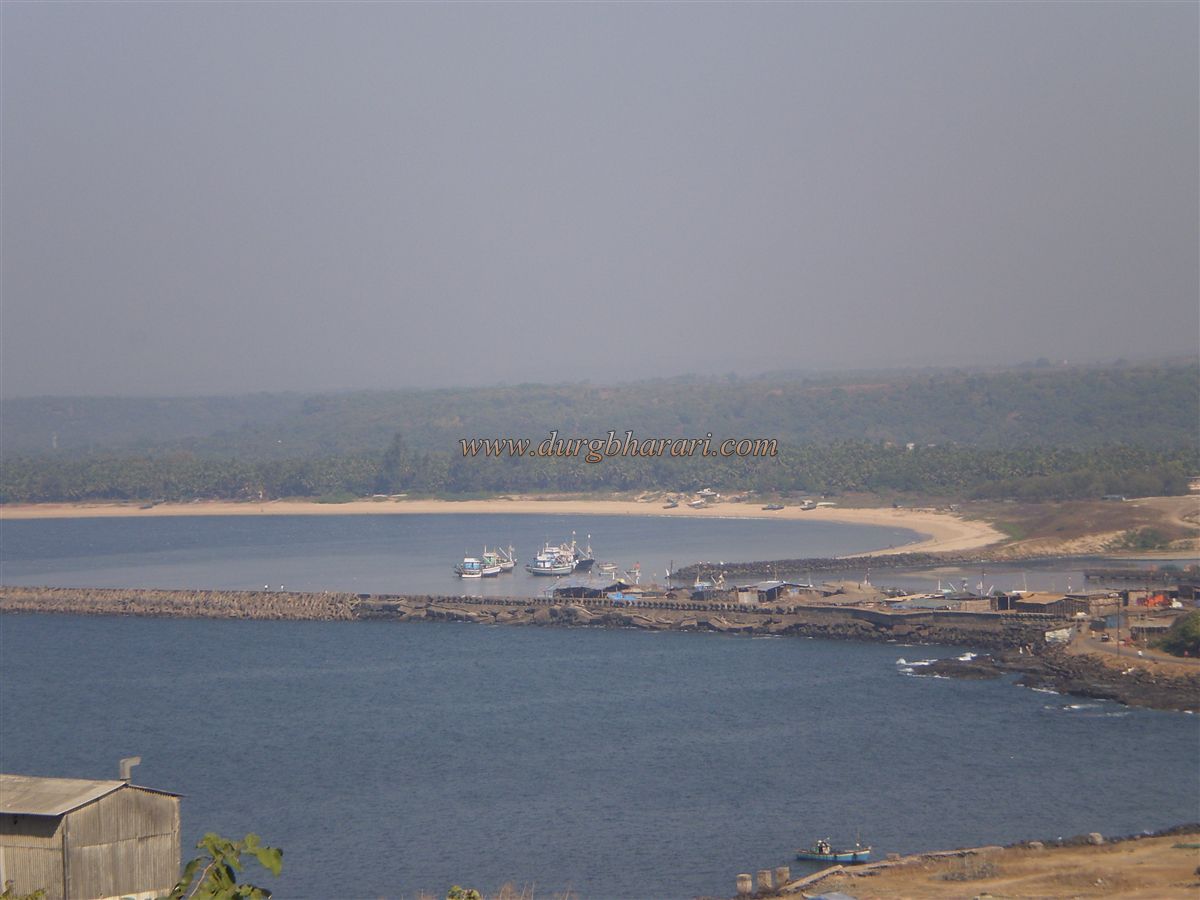
At the top, one can see both large and small gates along with the surrounding walls. From here, a wide, well-maintained path leads north, making walking convenient. This path offers views of the eastern side of Ratnagiri city and the sea. The citadel is also clearly visible from here. The view of Bhagwati Port is particularly captivating. After walking along this wall, one returns to the main road near the entrance.
A little ahead, a vehicle track climbs to the left. This tar road runs along the outer wall, leading to the lighthouse. The lighthouse is open for visitors from 4 to 5 PM. Near it are five cannons and a bastion known as Siddha Buruj. After exploring this area, one returns to the main road.
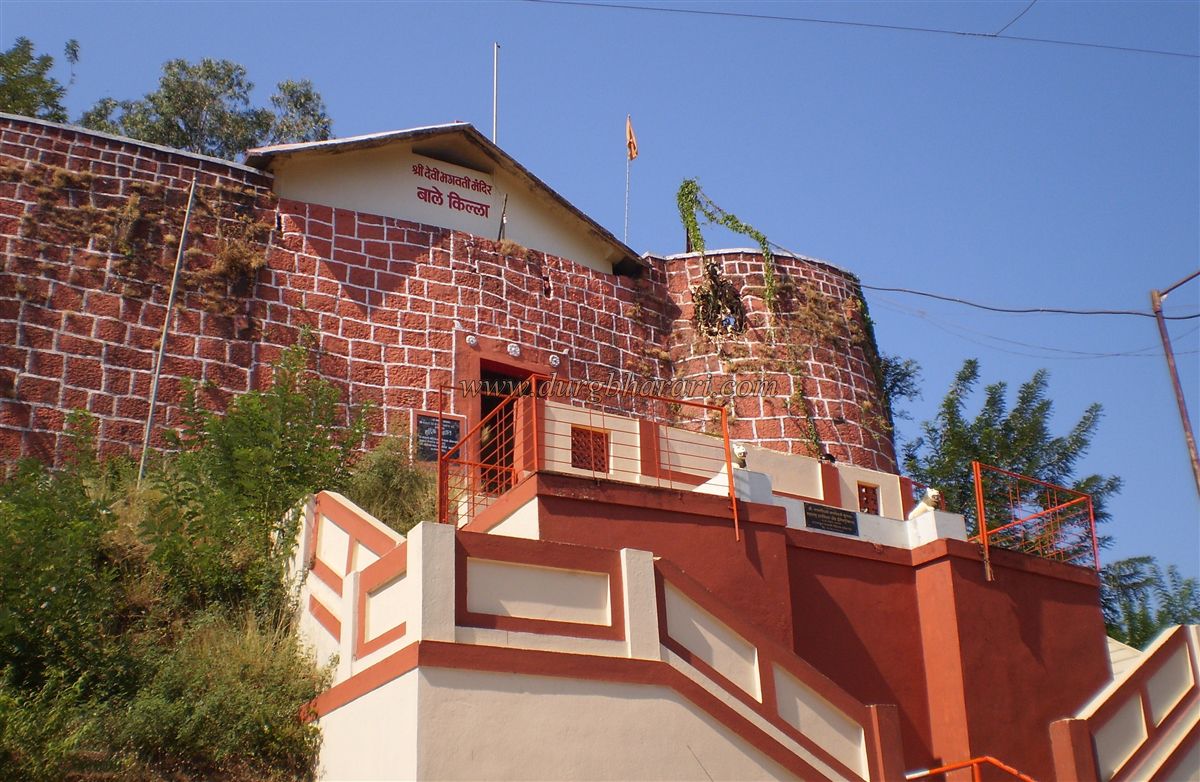
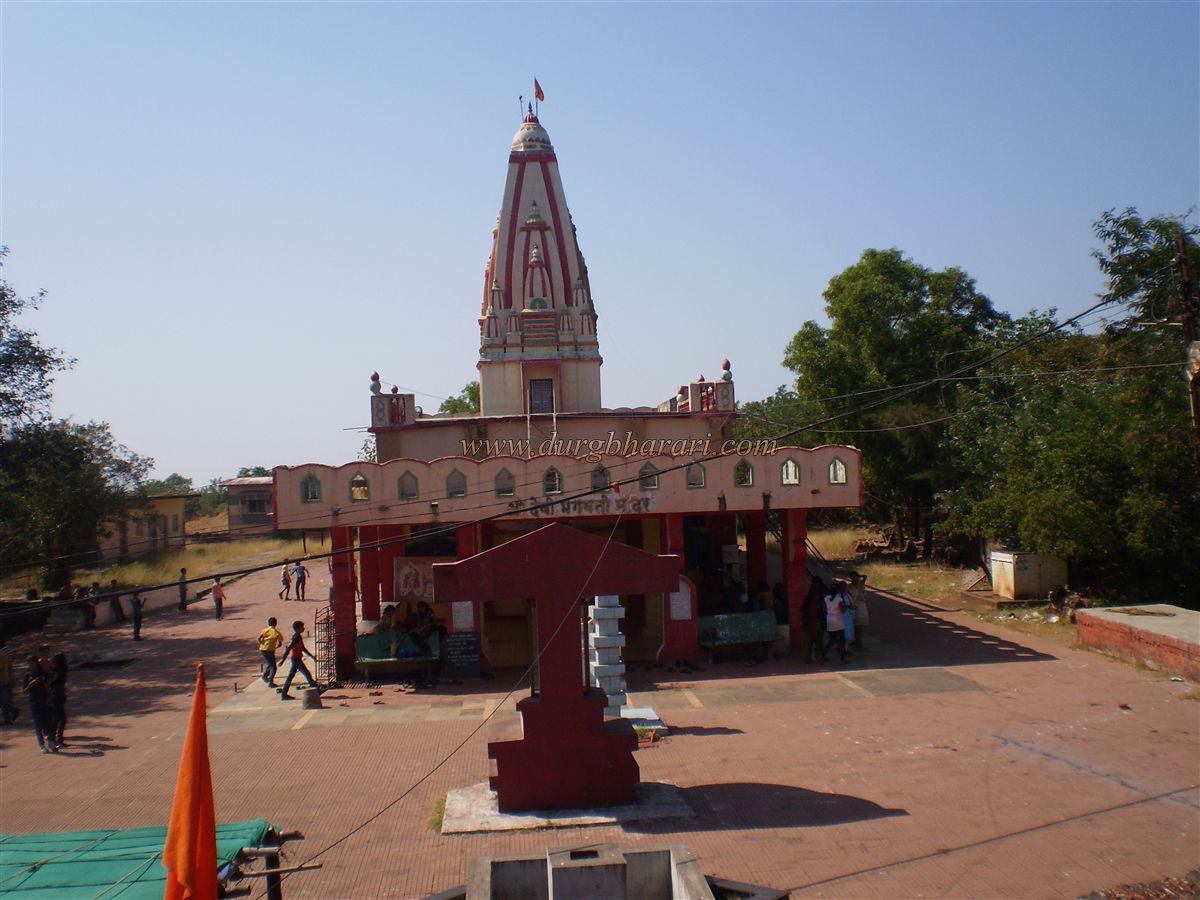
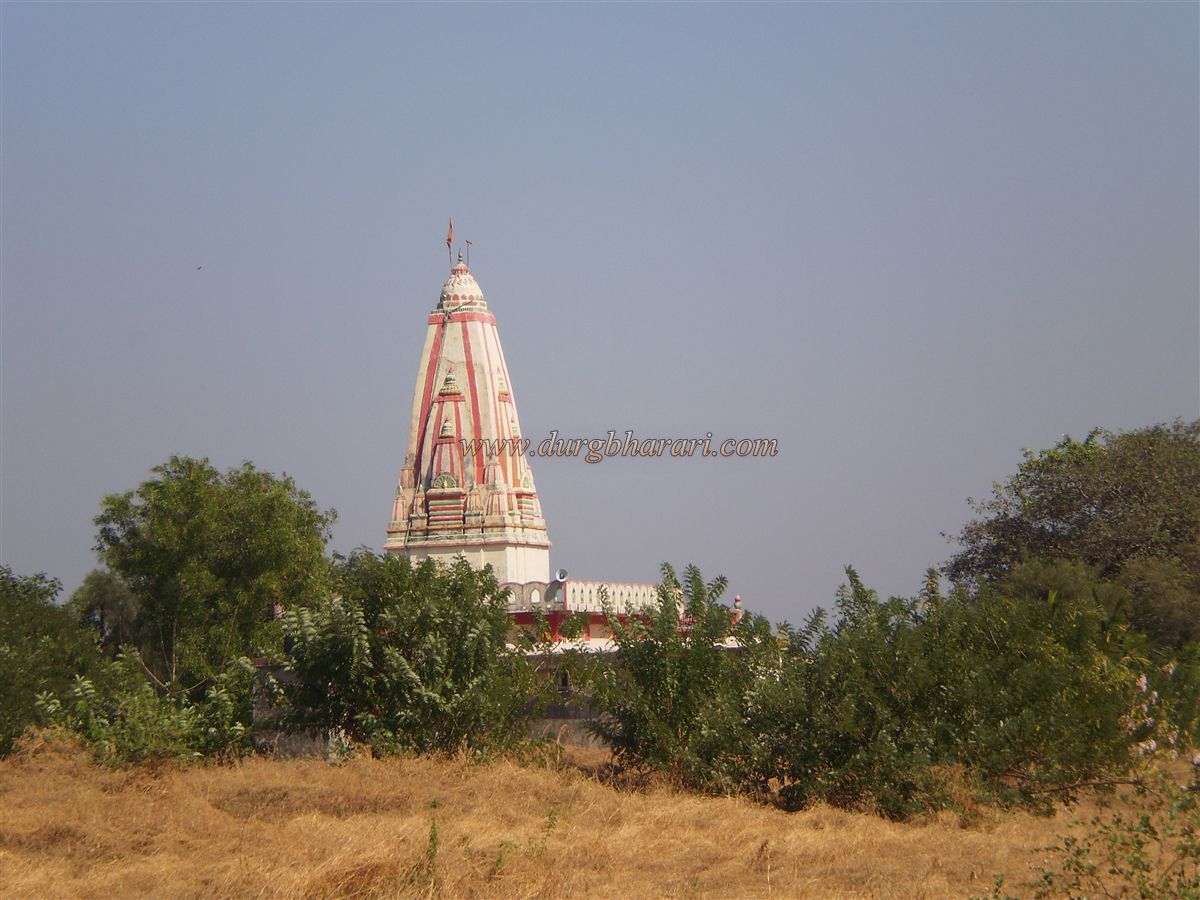
The entrance to the citadel is open from 8 AM to 6 PM. There’s a small eatery near the gate that serves refreshments. A few steps lead into the citadel, where on both sides are domes of two temples and straight ahead is the beautiful temple of Goddess Bhagwati. This temple, dating back to Shivaji’s era, has undergone three renovations. In 1690, Kanhoji Angre’s father, Sekhoji Angre, built a dome for the goddess. Later, in 1700, Chhatrapati Shahu Maharaj financially assisted Ramchandra Pant Naik Paranjape of the Bawdekar estate in building the temple. The second renovation was done in 1941 by the late Bhagoji Sheth Balaji Kir of Ratnagiri, and a third renovation took place in 1988–89.
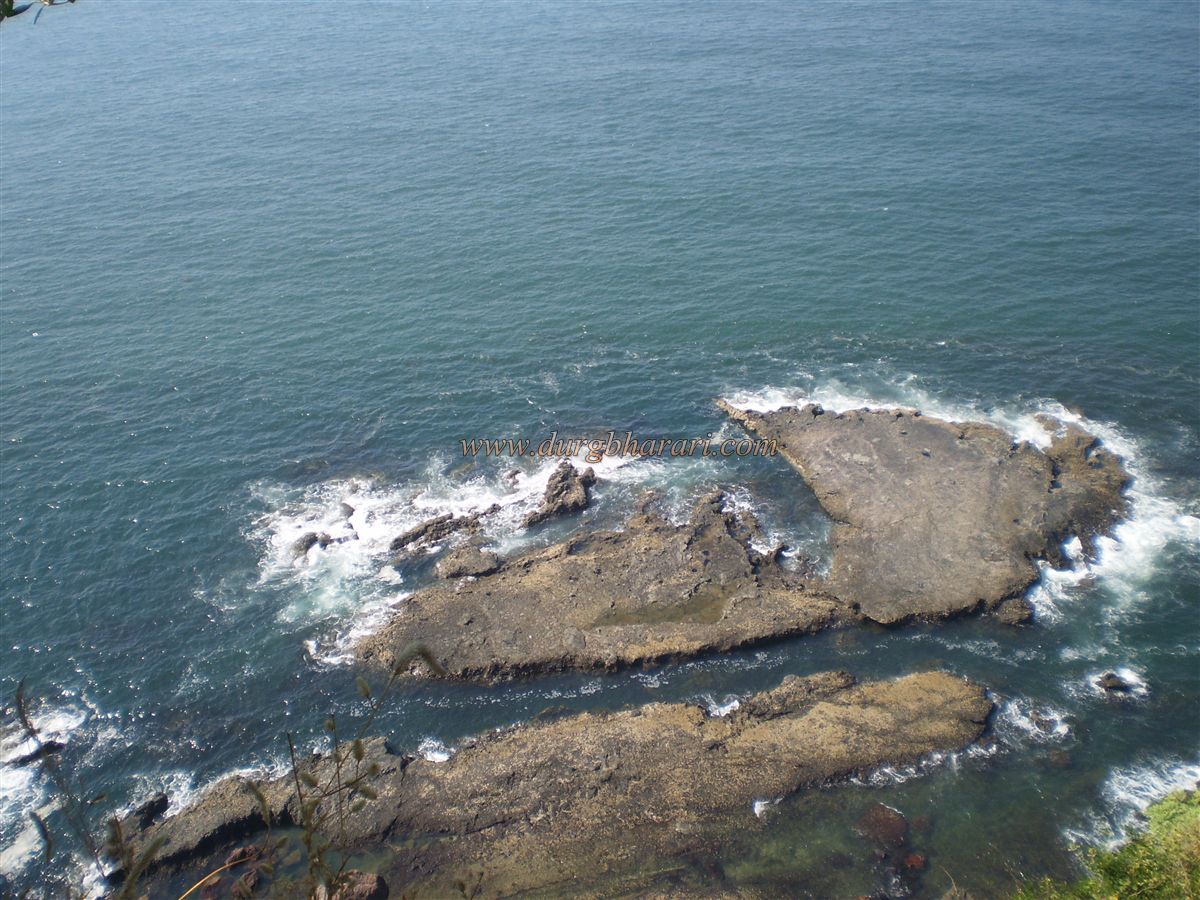
At the temple entrance stands a statue of Admiral Kanhoji Angre. Beyond the temple is a walled area from all sides – this is the beginning of a three-mouthed underground tunnel. The tunnel near the temple is 300 feet deep and ends near the seashore. Though not in use today, a large cave visible from the fort wall marks its exit, now sealed.
Further ahead is a bastion offering a scenic view of the sea, known as Rede Buruj, on which a pillar stands. Inside the fort, there is a small pond and a deep well. The citadel is compact, and since there are no major structures, one can walk around the walls in about half an hour. From the top, the sight of boats gliding across the vast sea is captivating. The beautiful citadel and the long stretch of visible coastline are truly memorable.
At the base of the fort lies the Mirkarwada Port and the Shri Bhagweshwar Temple of Lord Shankar, built by Bhagoji Sheth Kir. The temple’s craftsmanship is exquisite, with intricate carvings of animals and birds on the pillars. Inside is a Shiva lingam, and the temple hall is grand. The construction reflects excellent architectural style. The surrounding garden is filled with coconut, betel nut, and flowering plants, enhancing the beauty of the place. In the lower lane is the temple of Kalbhairav, believed to have been built during the time of Sekhoji Angre, son of Kanhoji Angre. The area is serene and ideal for a peaceful rest after descending from the fort.
Originally built during the Bahamani rule, Ratnadurg later came under the control of the Adilshahi. In 1670, Chhatrapati Shivaji Maharaj brought it under Maratha rule and fortified it for military purposes. In 1790, Dhandu Bhaskar Pratinidhi repaired and strengthened the fort. Chhatrapati Sambhaji Maharaj also visited Ratnadurg. Later, it was under the Karveerkar Chhatrapati and eventually came under the Angre family’s control. The Peshwa, with the help of the British, took control of the fort, and in 1818 it was officially captured by the British from the Pratinidhi family.
It takes around four to five hours to fully explore the fort.
© Suresh Nimbalkar
GALLERY