RATANDURG
TYPE : HILL FORT
DISTRICT : RAIGAD
HEIGHT : 1240 FEET
GRADE : MEDIUM
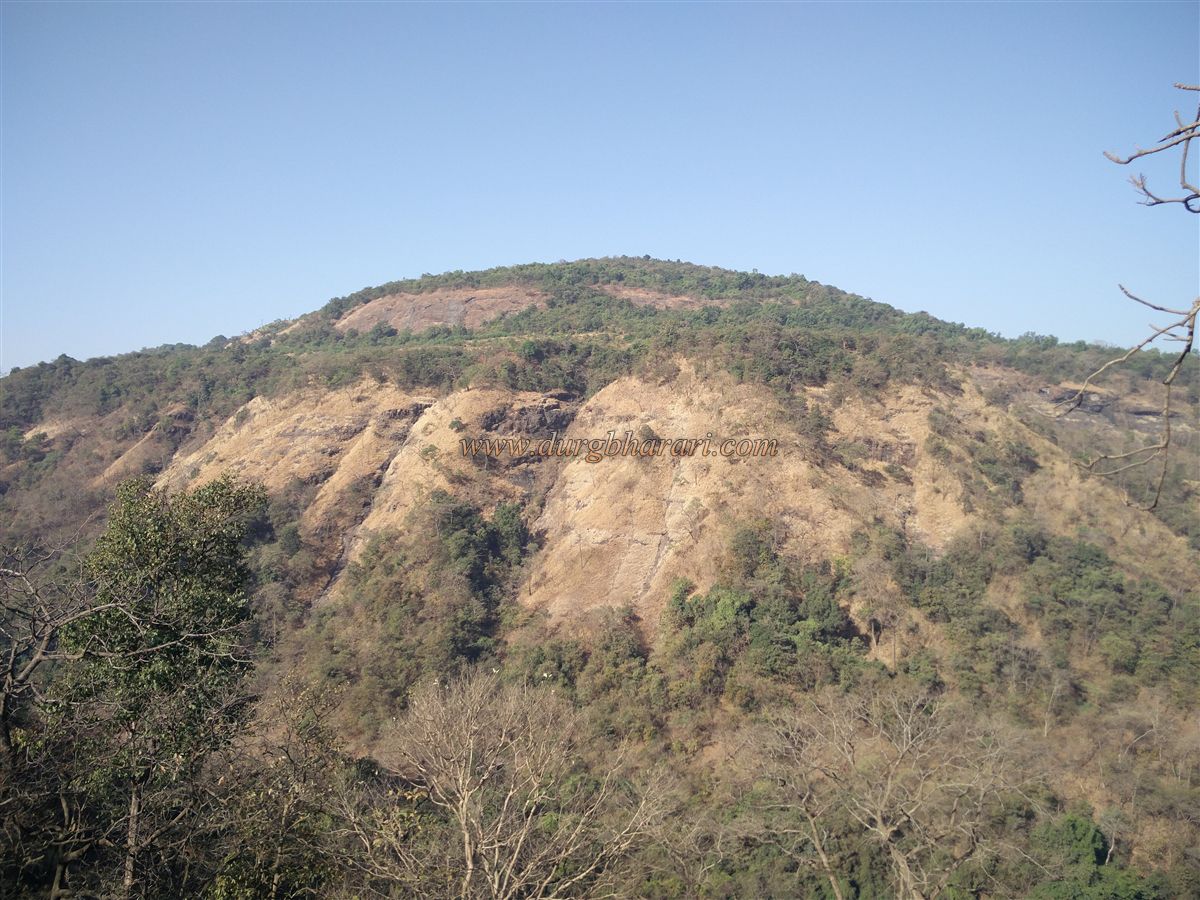
The city of Pen in Raigad district is well known throughout Maharashtra for the Ganapati idols crafted there. To the east of Pen lies the sprawling Mahalmirya mountain range. Since the ancient Pen-Khopoli trade route passes through this range, forts were constructed to monitor it—Songiri alias Mirgad fort to the south and Ratnadurg fort to the eastern tip. Judging by its structure and remnants, Ratnadurg was likely used mainly for surveillance.
This small fort, situated conveniently close to Mumbai and Pune, can be explored within a day. With efficient time planning, one can also visit the nearby Songiri/Mirgad fort. The small village of Saymal is nestled on the ridge of a hill facing Ratnadurg fort and was once a market town for the fort. Saymal is located 90 km from Mumbai and 107 km from Pune. From Mumbai, the route is Panvel–Pen–Vakrul Phata–Saymal, and from Pune, it's Khopoli–Vakrul Phata–Saymal. The distance from Vakrul to Saymal is 7 km, and one can drive directly to the village by private vehicle.
...
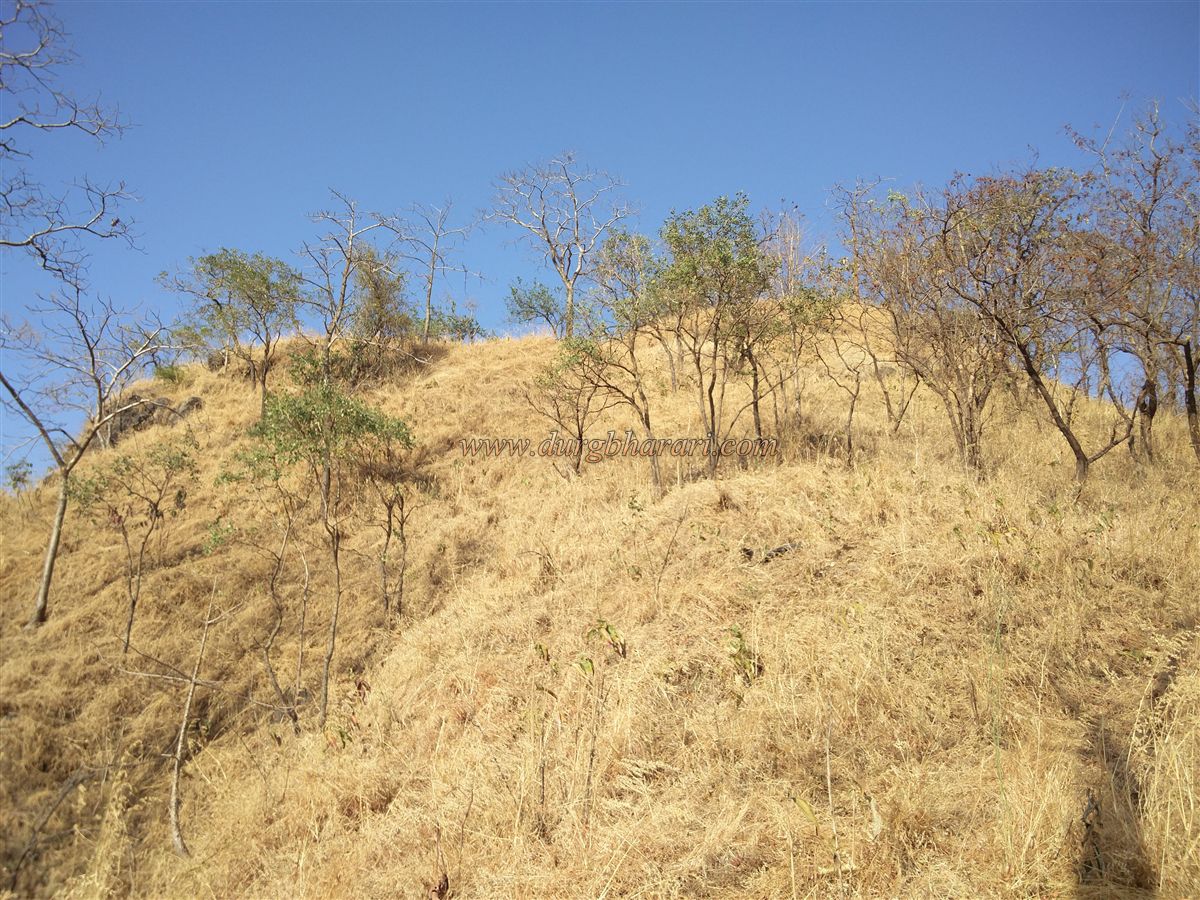
In Saymal, there's a newly constructed Ganapati temple where 10–12 people can stay if needed. Behind this temple, across a valley, a small hill rises—this is Ratnadurg Fort. Though small, it is rarely visited, so the paths have vanished, and it’s best to hire a local guide for the climb.
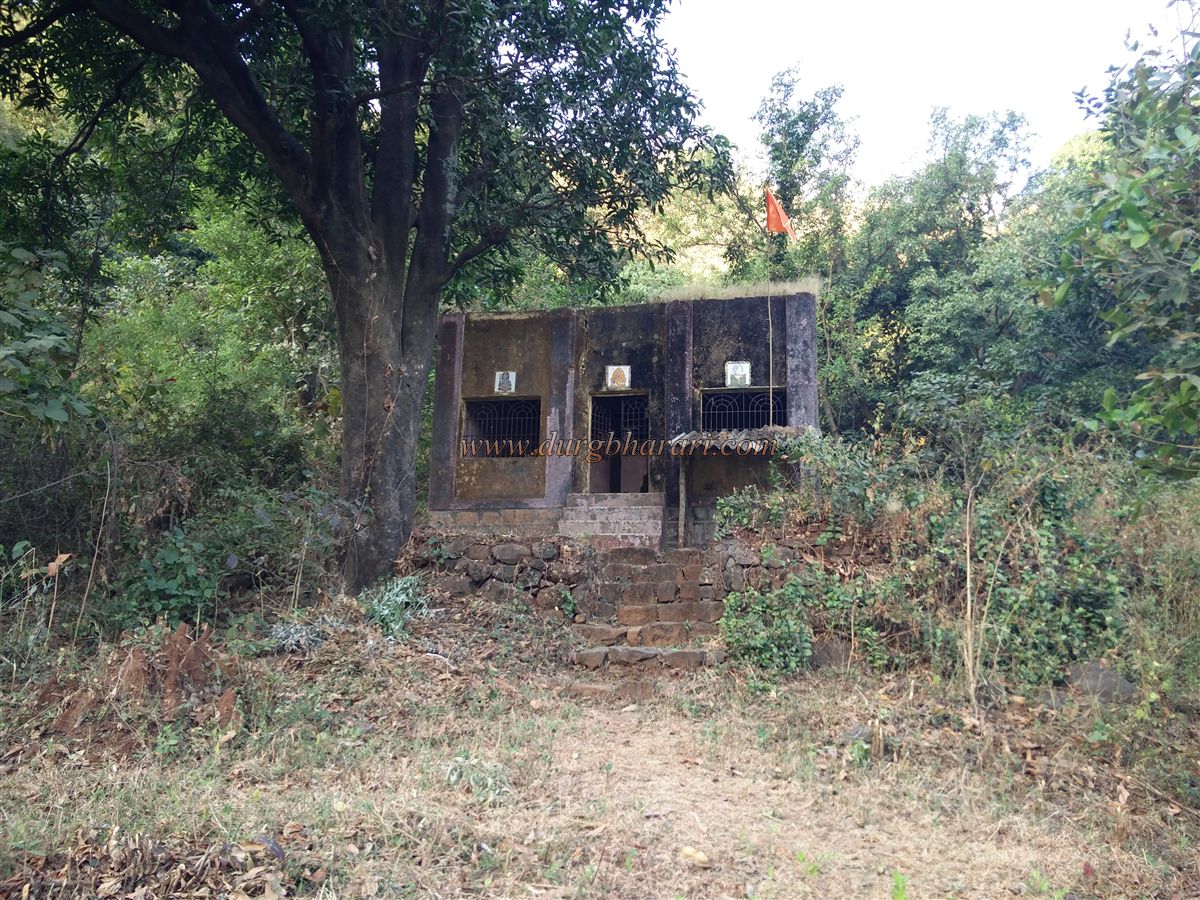
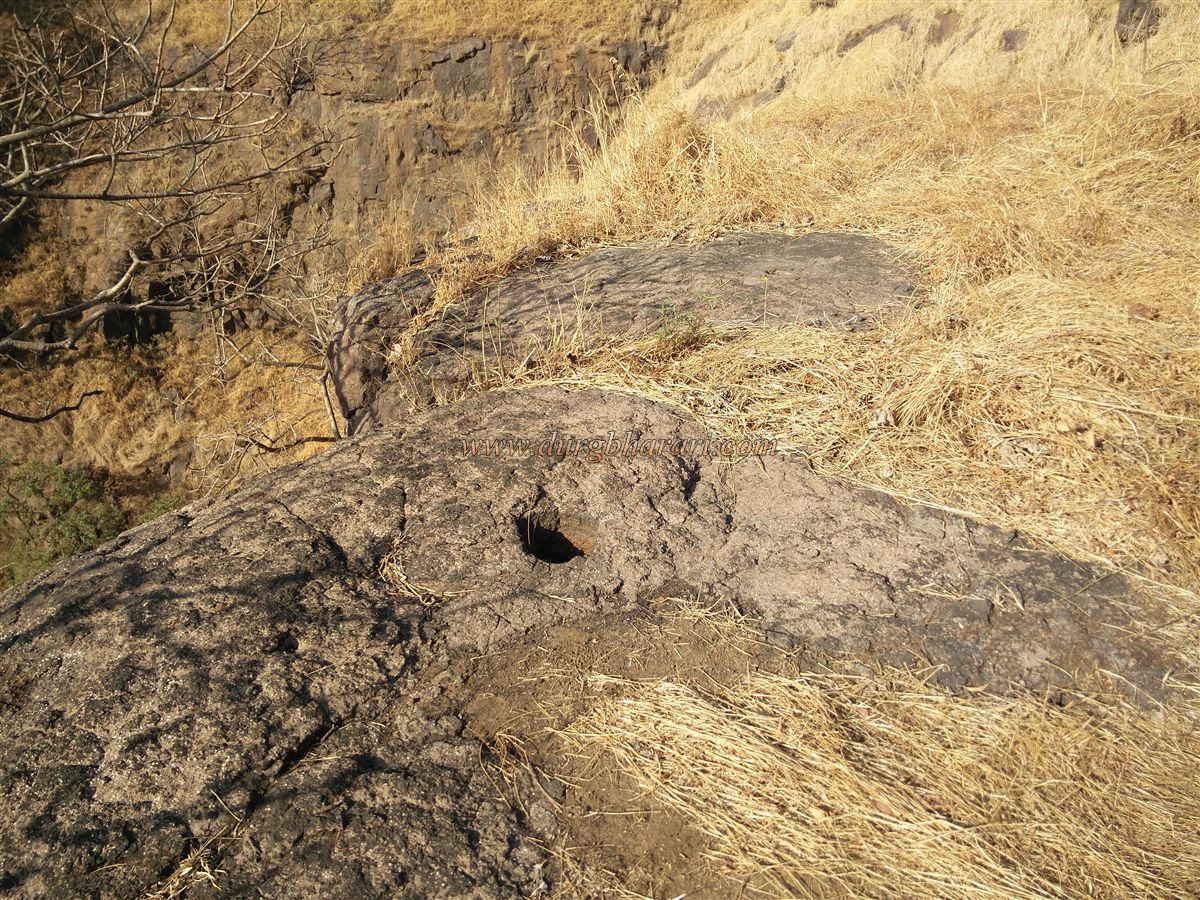
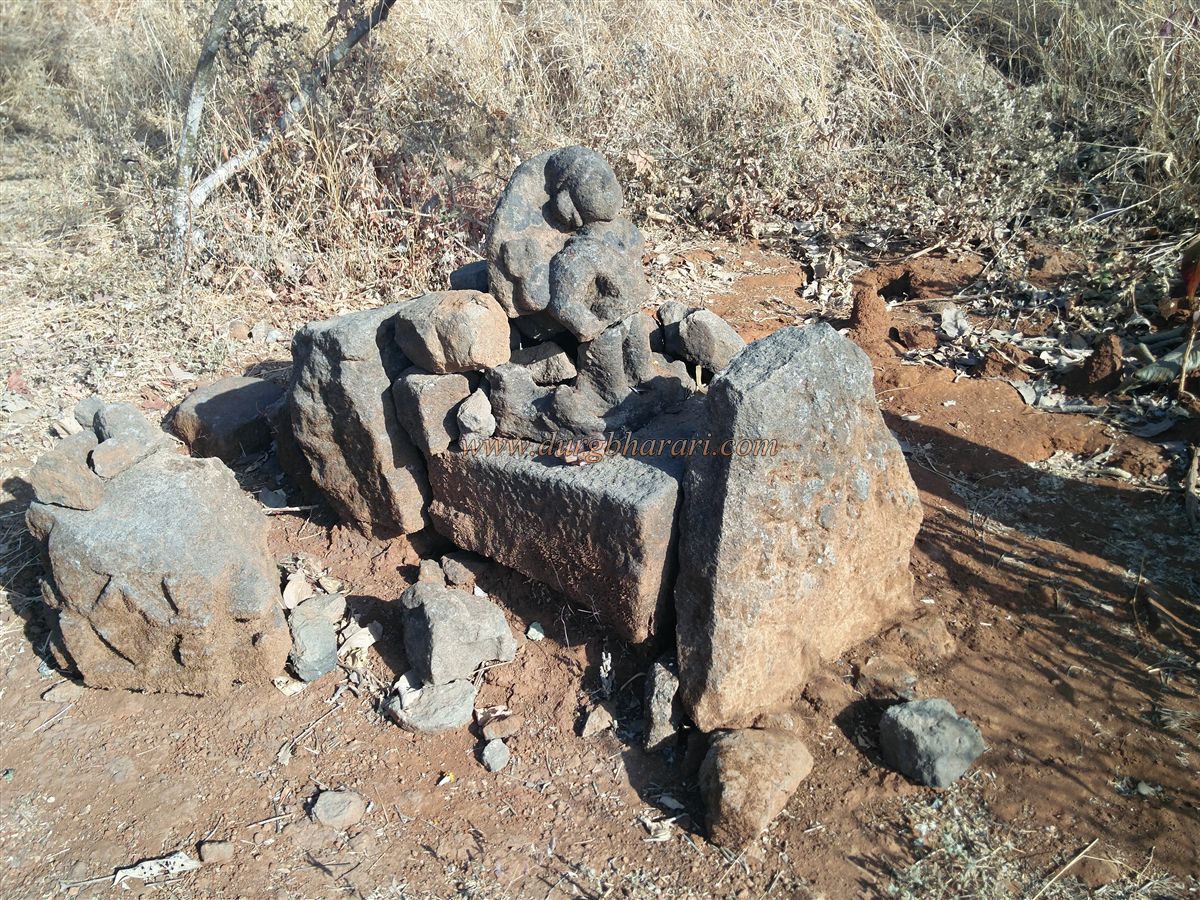
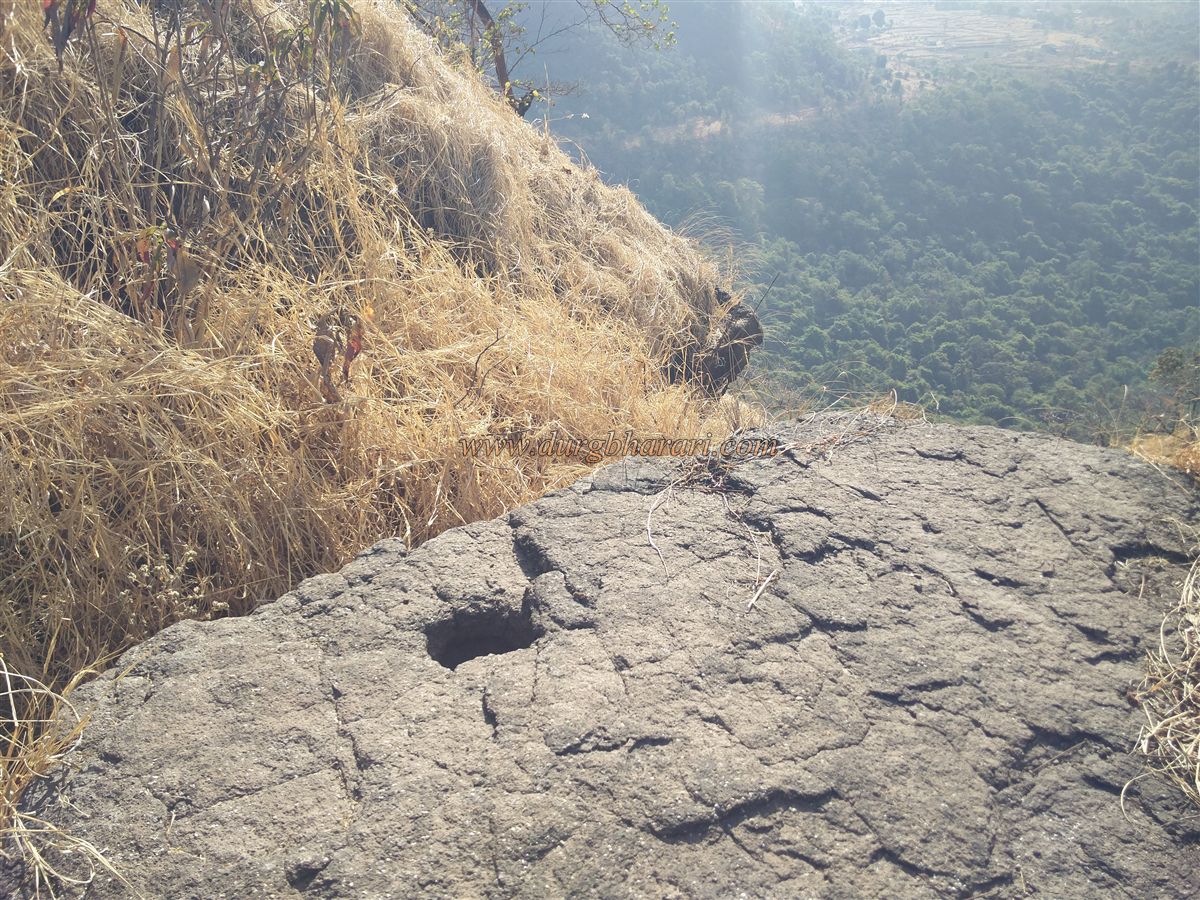
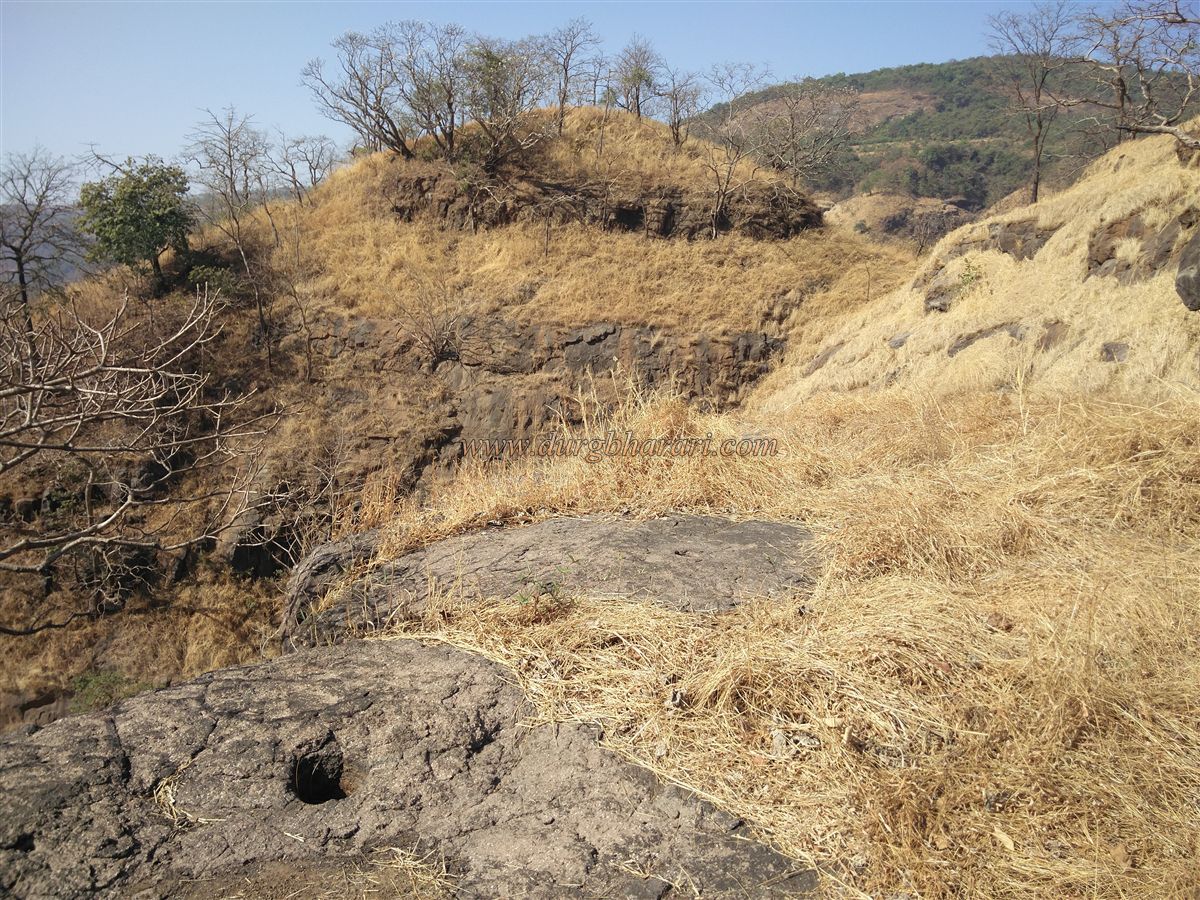
A dirt road from the village leads to the valley, from where a trail takes you to the Kalbhairav temple at the fort’s base, reachable in about 15 minutes. Outside the temple is a damaged idol, and inside is a newly installed one. Behind the temple, a steep and slippery path on the left ascends to a small flat area below the fort summit in about 30 minutes. Here, two small pits carved into the rock are visible, possibly used for breaking rocks or planting flags. From here, Saymal and nearby villages like Tilore and Dolvali can be seen like a painted landscape.
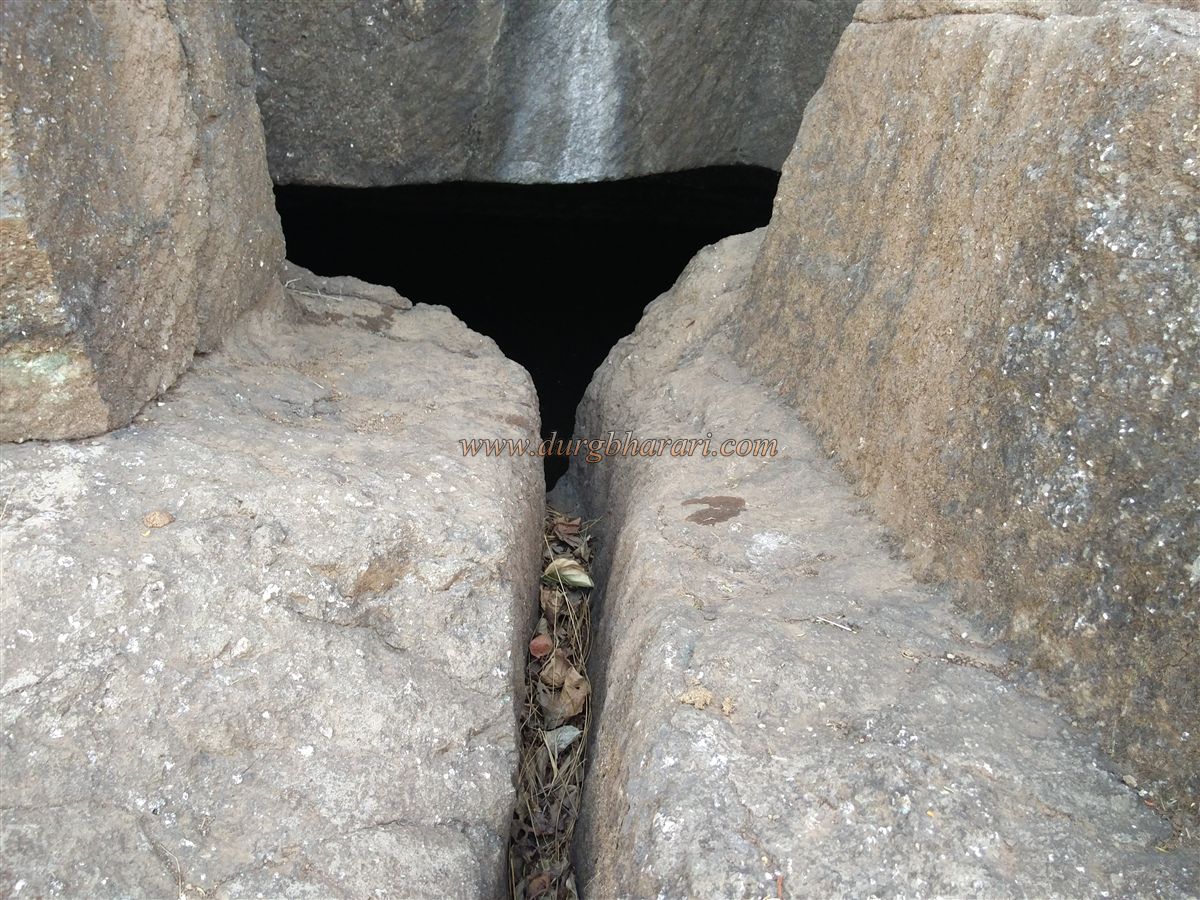
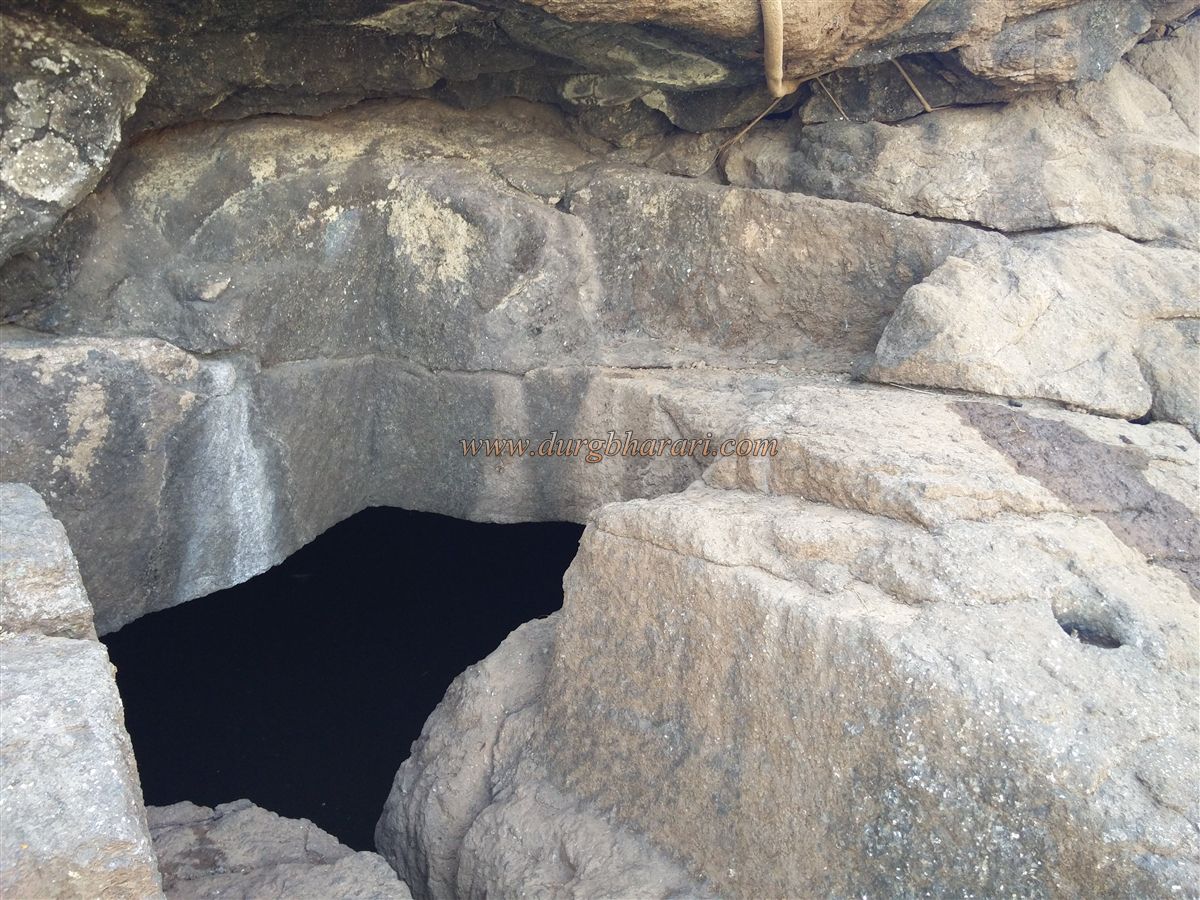
Climbing a bit more, there’s a rock-cut water tank along the path. Though silted and overgrown outside, the inside still holds water. From here, one trail descends while another leads to the summit, passing the ruined fort walls and arriving at the top, where a stone arch lies in ruins. It takes about an hour to reach the summit from Saymal.
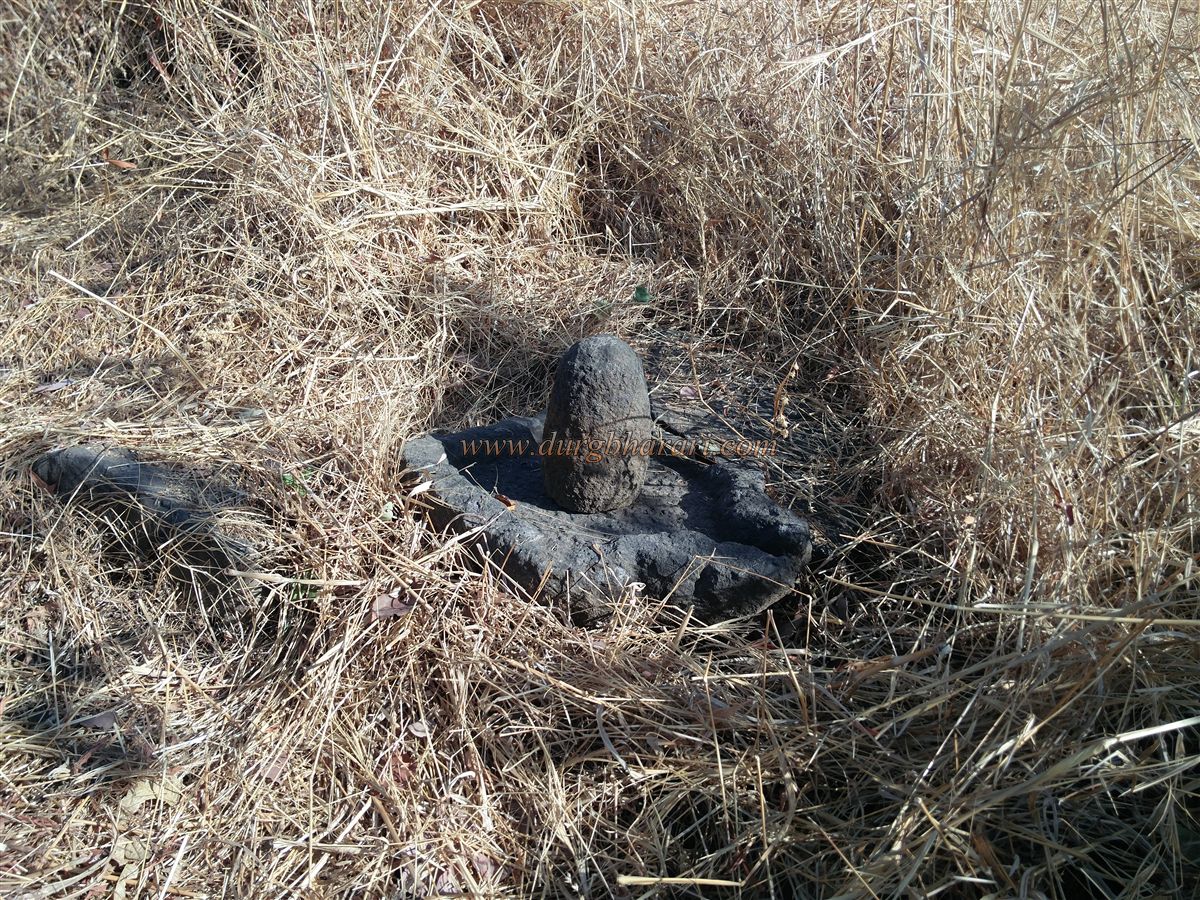
The fort stands at 1,160 feet above sea level, with a circular summit roughly half an acre wide. A broken idol of the fort’s deity lies on the ground, with a carved stone nearby and a Shivling lying exposed a bit further. From the summit, one can see Mirgad, Manikgad, and Hetavane Dam.
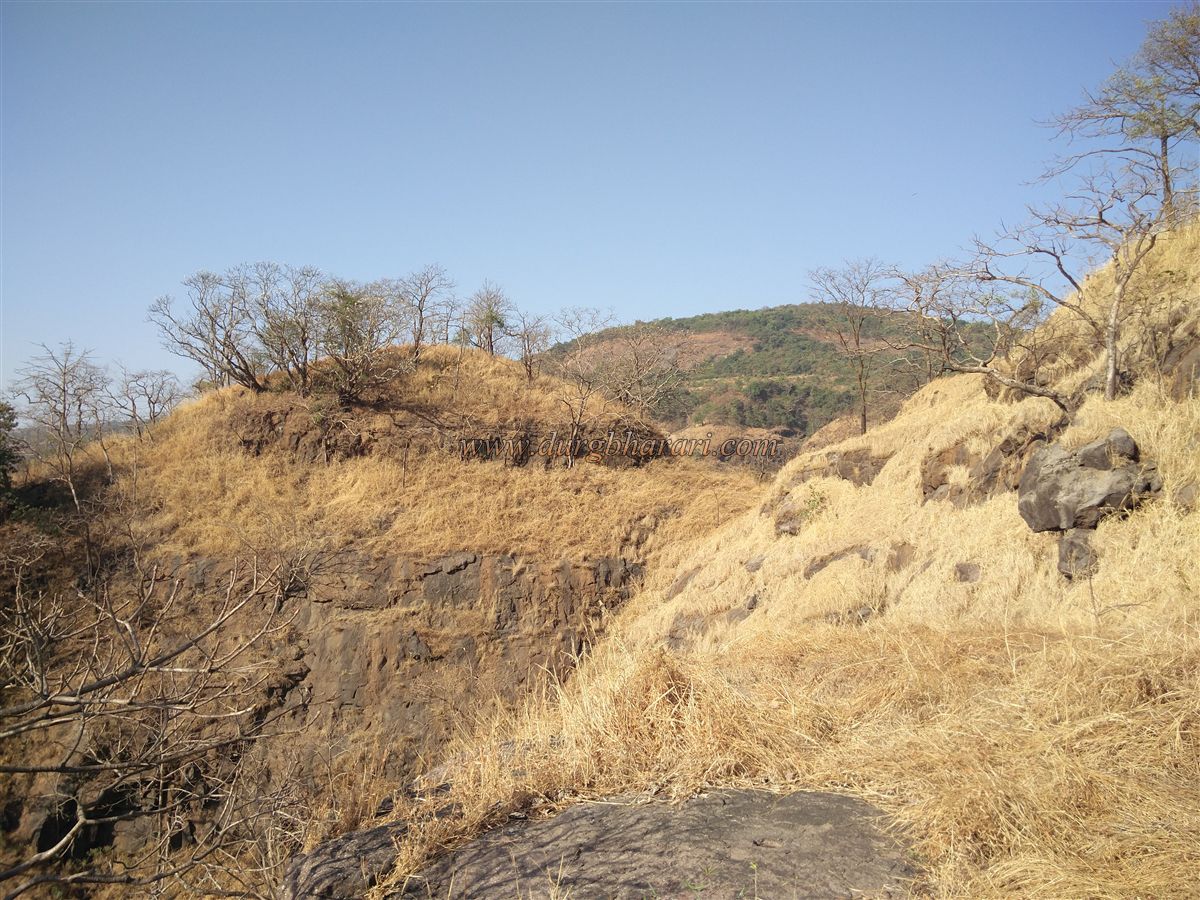
Continuing past the broken walls, a second trail descends, eventually joining the one that passed the earlier tank. On this side of the fort is another small plateau with more rock-cut pits and a dry tank or cave. Further along, you reach a pass between two hills—one being the fort. Here, notches carved in rock help descend to a large, rock-cut water tank still filled with cool, clean water. A small stone channel has been carved to allow overflow. According to guides, a fourth, dry tank lies below but is inaccessible.
Returning to the earlier tank, another path leads to a hill with champa trees. Atop it is a partially buried tank and the ruins of a collapsed bastion. After viewing this, returning cautiously via the same path to the base completes the tour. The whole fort can be explored in about 30 minutes.
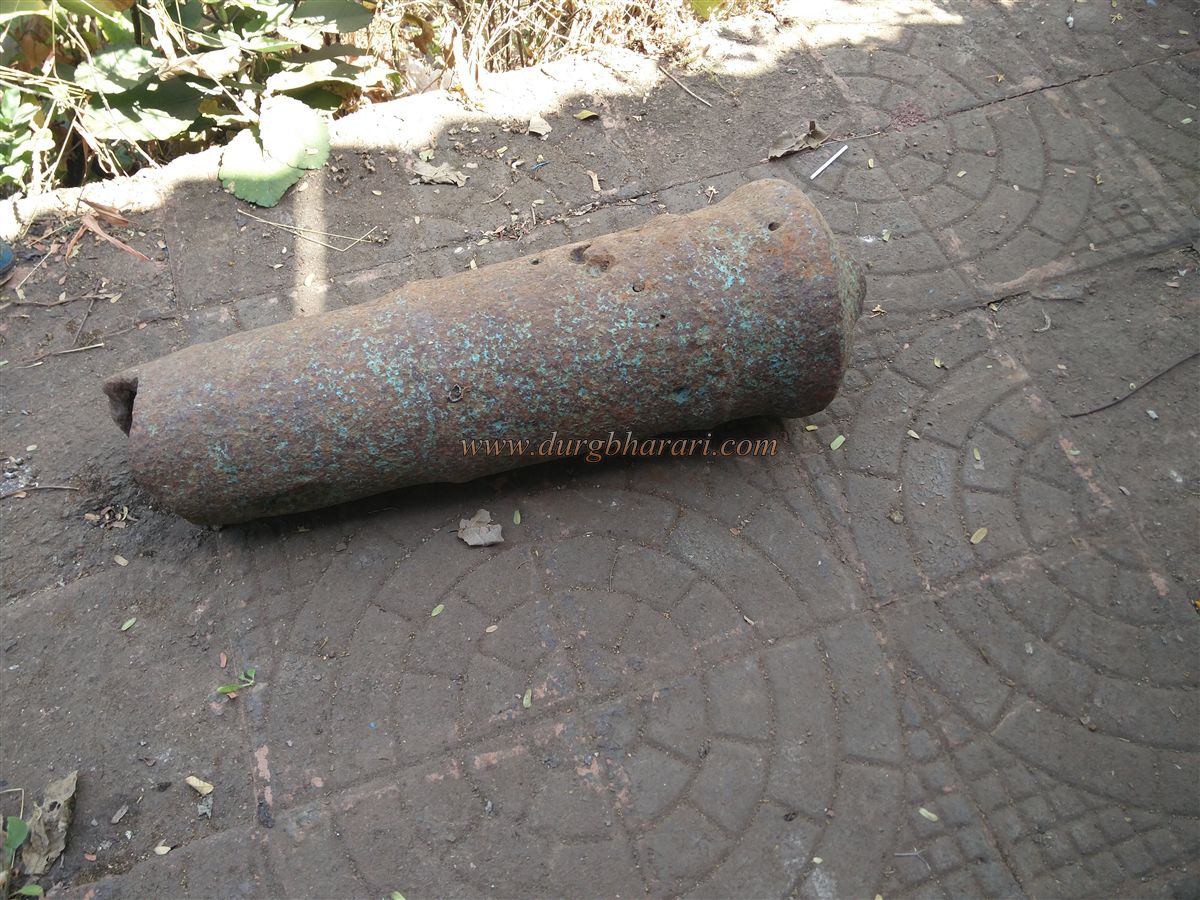
Near a well in the valley below is a sculpture of Goddess Gajlakshmi, and in the schoolyard, part of a broken cannon is on display. Considering the rock-cut tanks on the fort, it might date back to the Satavahana period, although locals believe it was built by Baburao Pashilkar (or Bajirao Pasalkar).
In 1662, the Mughal commander Namdarkhan attacked the Pen region, and Shivaji Maharaj is said to have participated in the battle near Mirgad. When the Mughals attempted to take the fort, the fort keeper Kawaji Kondhalkar defeated them. Later, the fort appears in correspondence between the Peshwa and the Angres. In March 1740, Balaji Bajirao (Nanasaheb Peshwa) and Chimaji Appa arrived to aid Manaji Angre, captured Tulaji Angre, and took control of Pali and Mirgad. On April 10, 1740, news arrived that the Urun outpost had been captured. On April 29, 1740, Favdi fort at Ratangad were also reportedly captured by Javji Marathe.
© Suresh Nimbalkar
GALLERY