RASHIN
TYPE : FORTRESS
DISTRICT : AHMEDNAGAR
There are two talukas known by the name Karjat in Maharashtra—one in Raigad district and the other in Ahmednagar district. The village of Rashin, located in the Karjat taluka of Ahmednagar, is a historic settlement. The Jagadamba Temple in this village is not only the presiding deity of Rashin but also the kuldaivat (family deity) for many people in the surrounding region. This temple, an excellent example of medieval architecture, is a symbol of Rashin's glorious heritage. Apart from this temple, the village contains a few other structures linked to the medieval period, though they are not widely known beyond a few wandering enthusiasts and historians. These include the Samadhi (memorial tombs) of three members of the Bhosale family, the gadhi of the Kale Deshmukhs, and the ruins of the Nagarkot (fortified village wall) in a dilapidated state surrounding the village. These structures firmly establish Rashin’s connection with medieval history.
...
Rashin is located 16 kilometres from the taluka headquarters Karjat, and 42 kilometres from Daund via Siddhatek. It lies just 28 kilometres from Bhigwan on the Pune–Solapur highway. The gadhi of the Kale Deshmukh family stands in the central part of the village. Upon entering Rashin, one can immediately spot the Jagadamba Temple and the three Samadhi located in its vicinity.
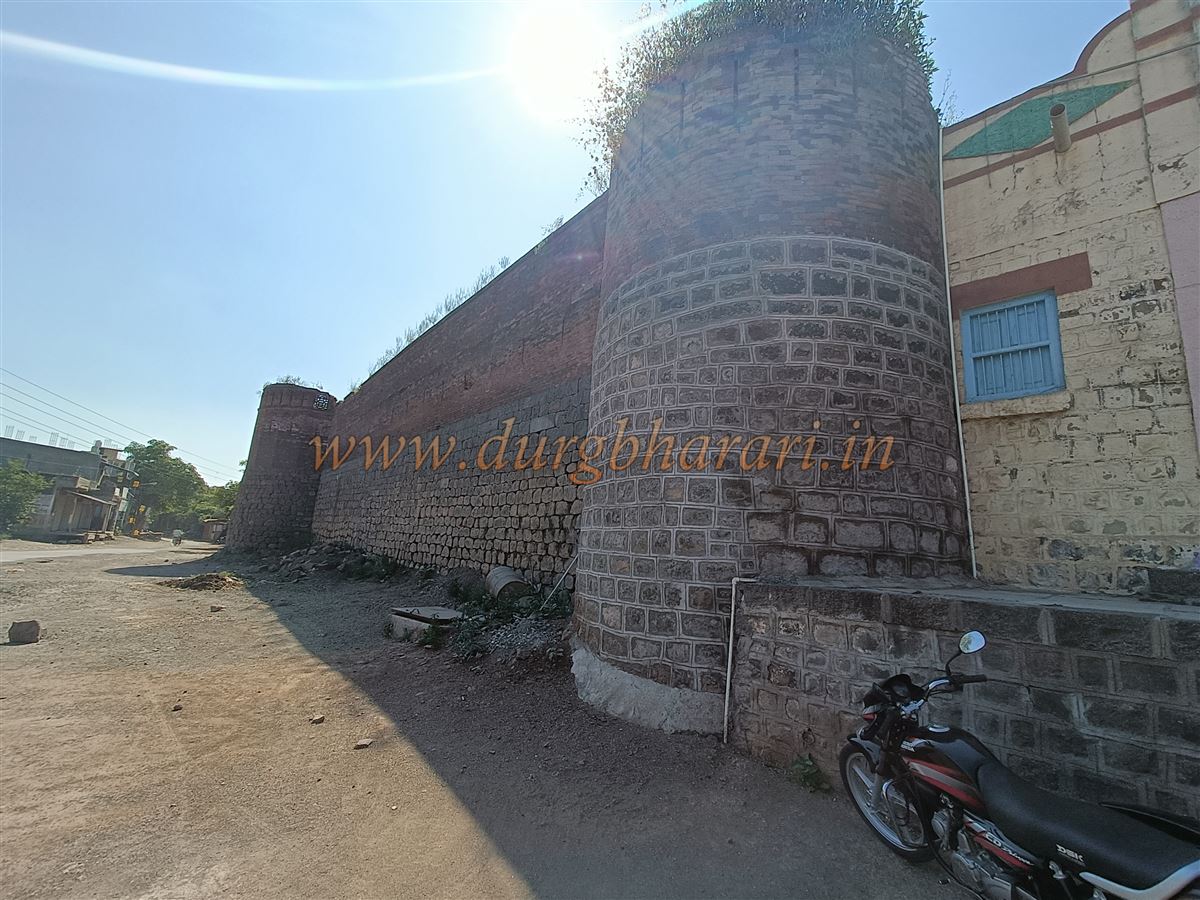
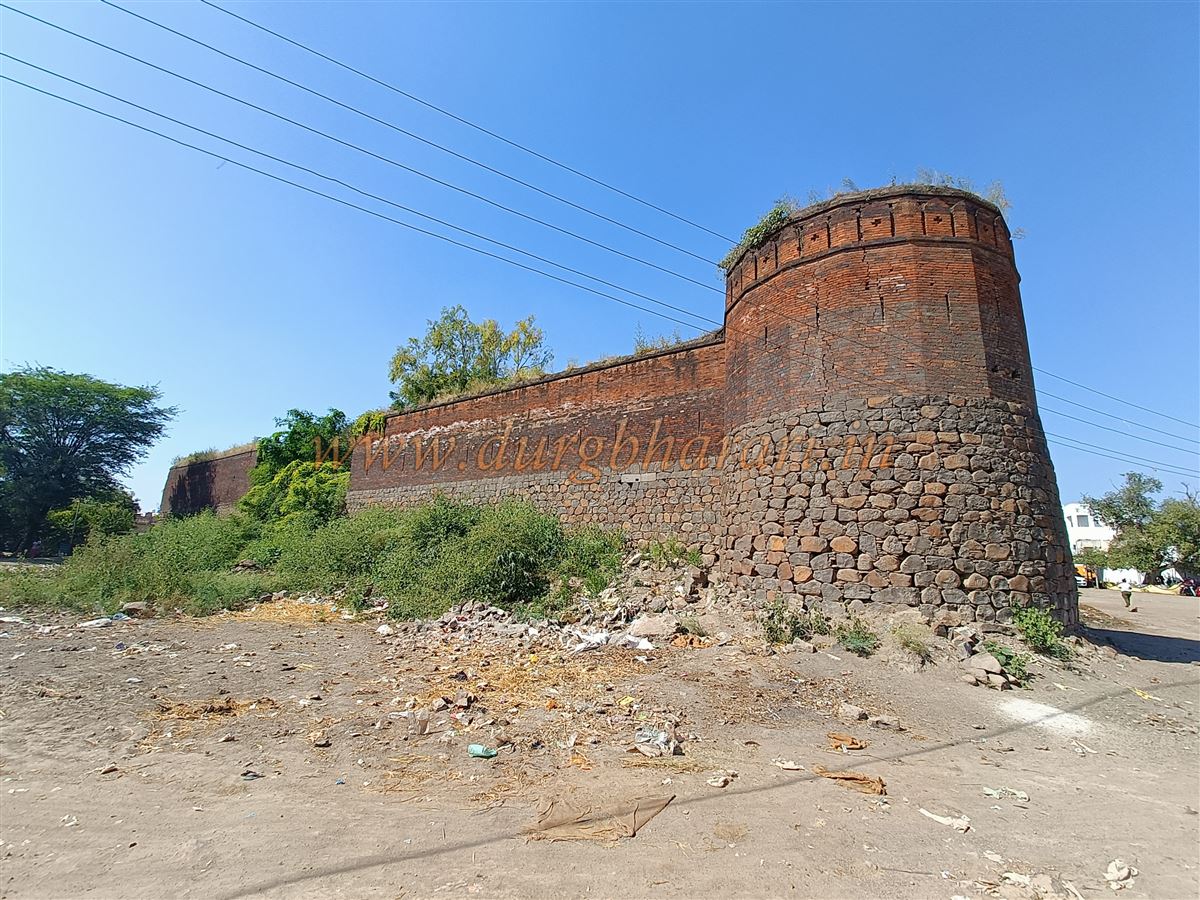
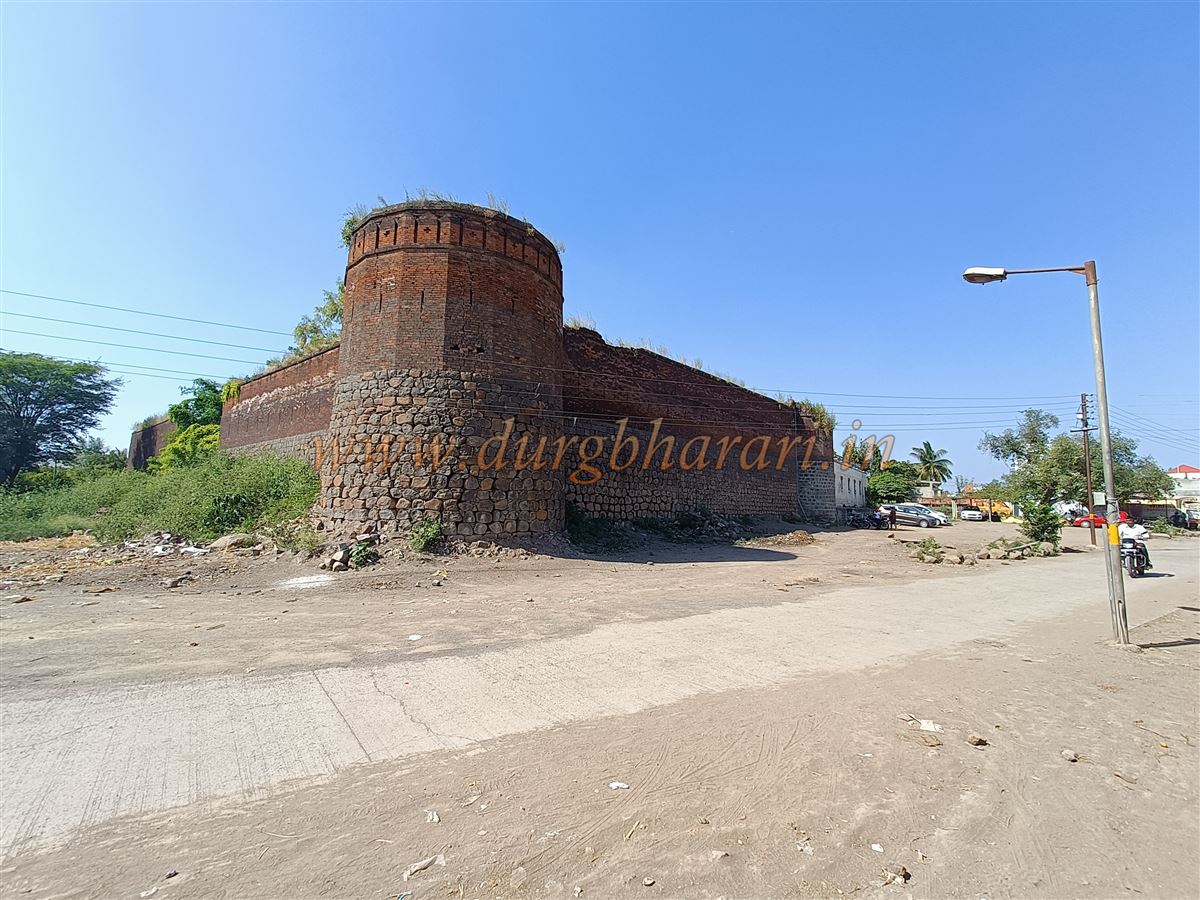
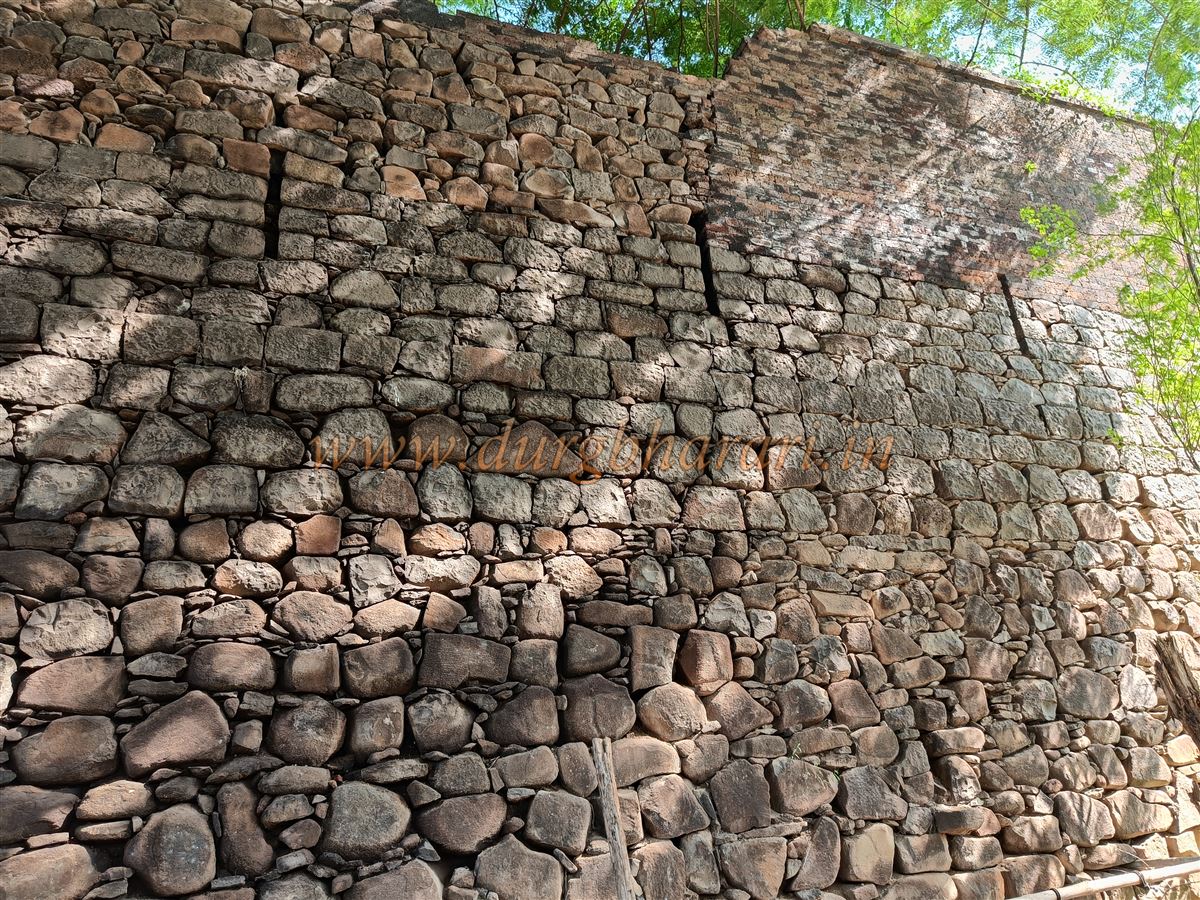
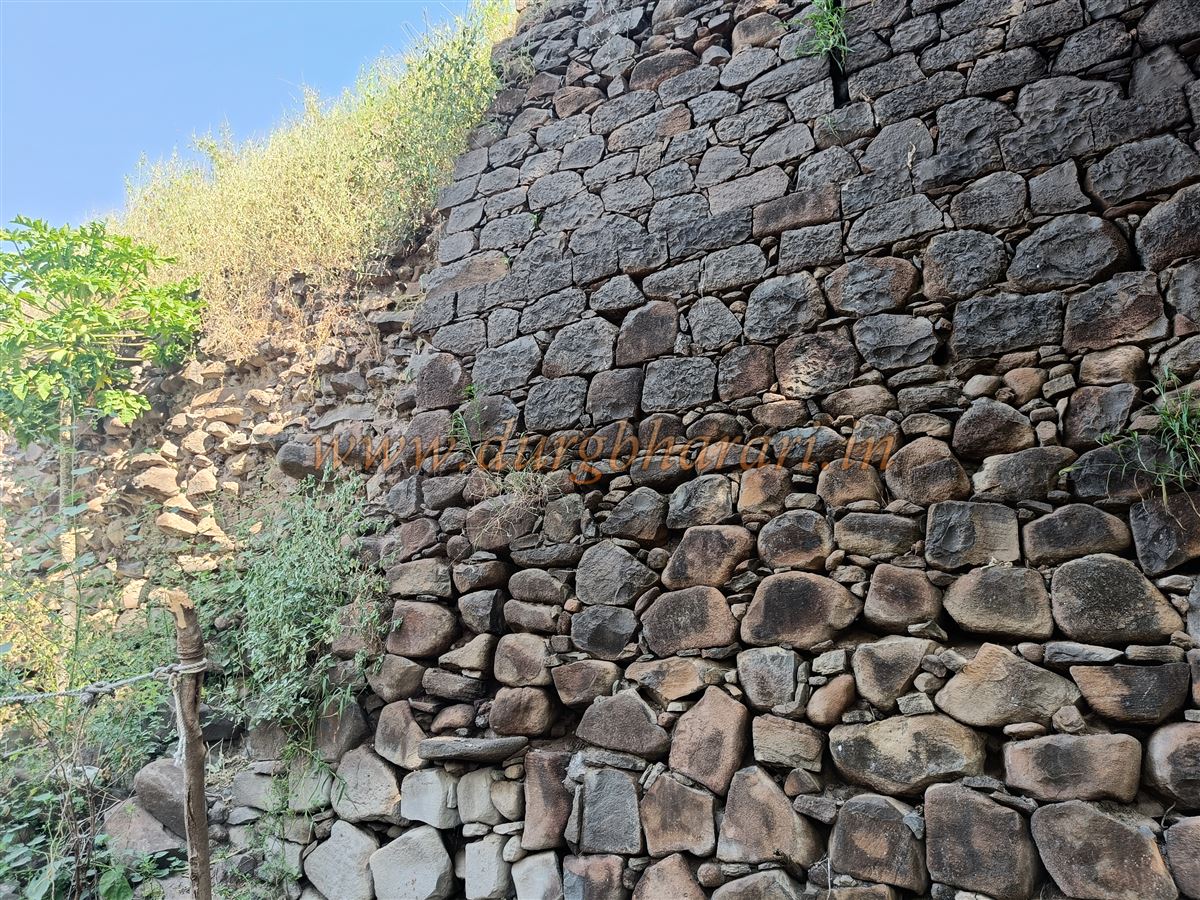
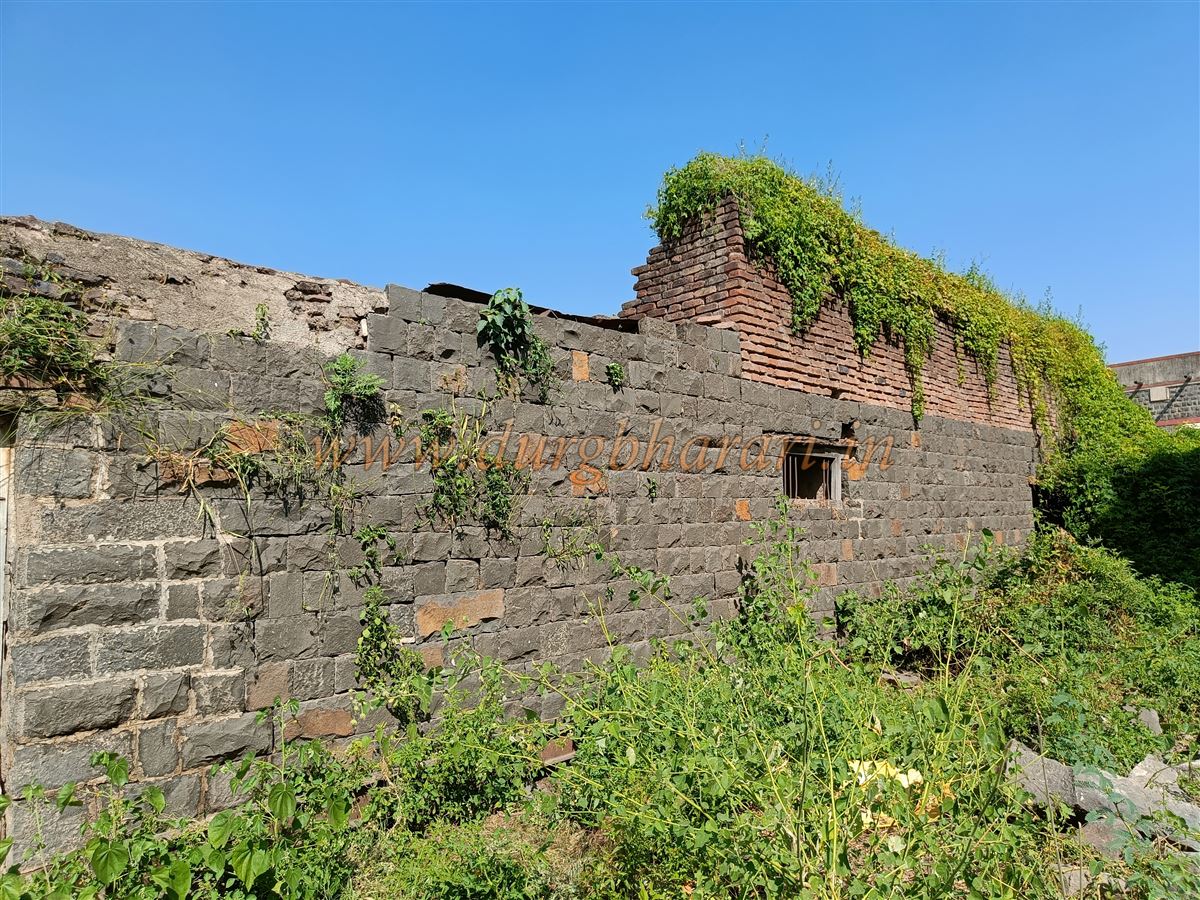
The Nagarkot that once encircled the village is now almost completely destroyed, with only two bastions remaining in a ruined state. As the gadhi is the primary focus, one should begin the visit there. The gadhi is rectangular and spread over about half an acre. Three sides of the structure still have intact fort walls, and two bastions remain in good condition. On one side, a section of the wall has been demolished, and a new house has been built in its place, currently inhabited by Bapusaheb Kale Deshmukh and his family.
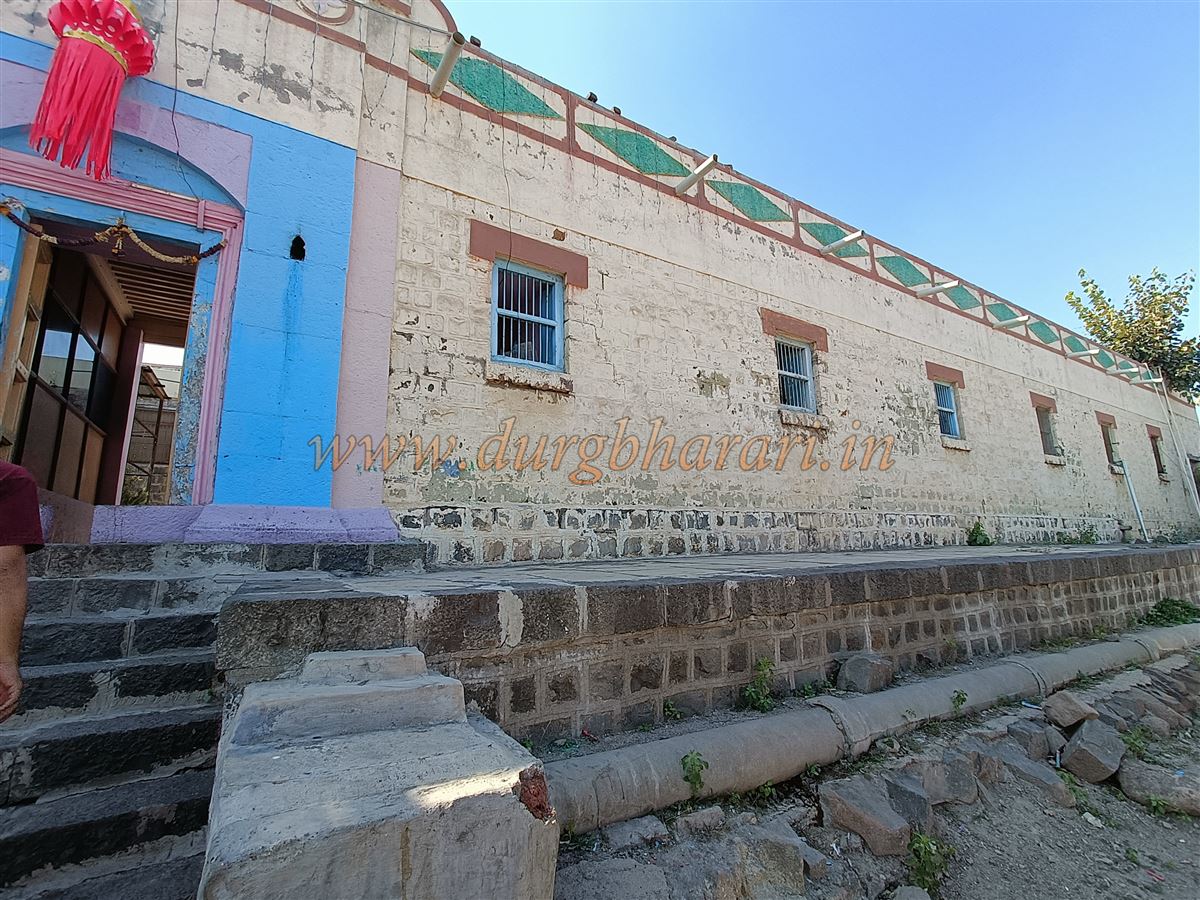
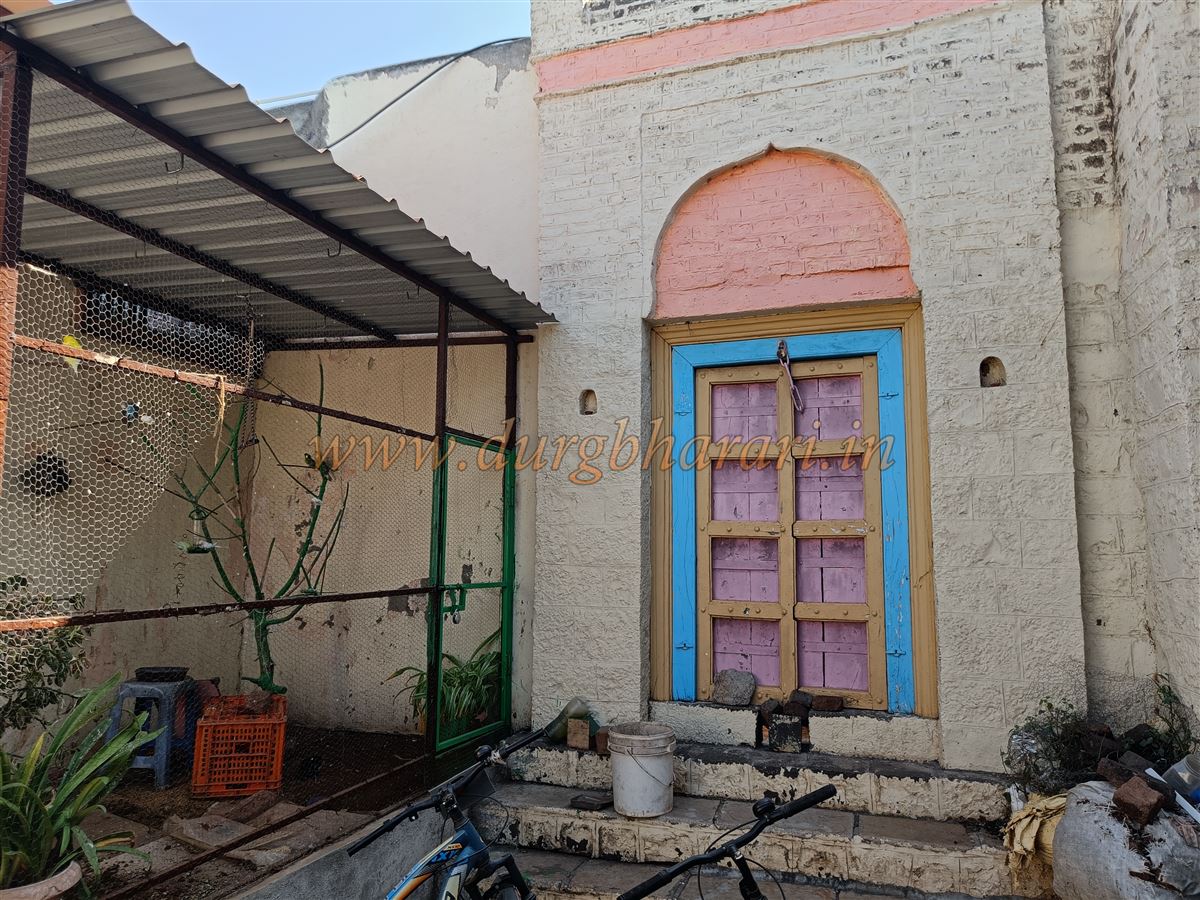
The fort wall of the gadhi is about 25 feet high, with the lower 10–12 feet made of stone and the upper part built of bricks. In some places, well-dressed stone has been used. The upper walls are equipped with jangya—small openings for firing guns. Upon entering the gadhi, the devdi (arched entrance hall) has now been converted into an office. Except for the structure facing the entrance, most other original buildings have collapsed, and a few new ones have been built. As none of the original interior buildings remain, a tour of the gadhi takes only about fifteen minutes.
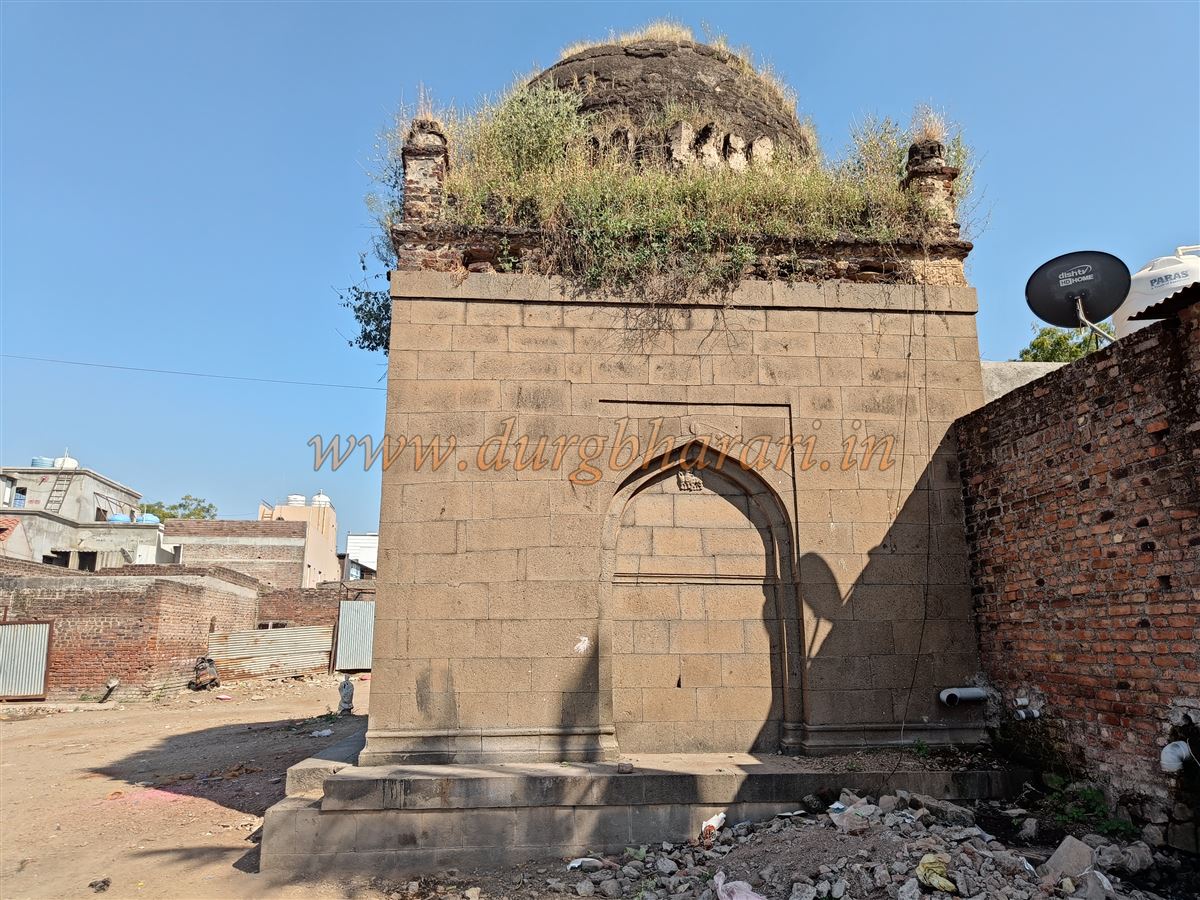
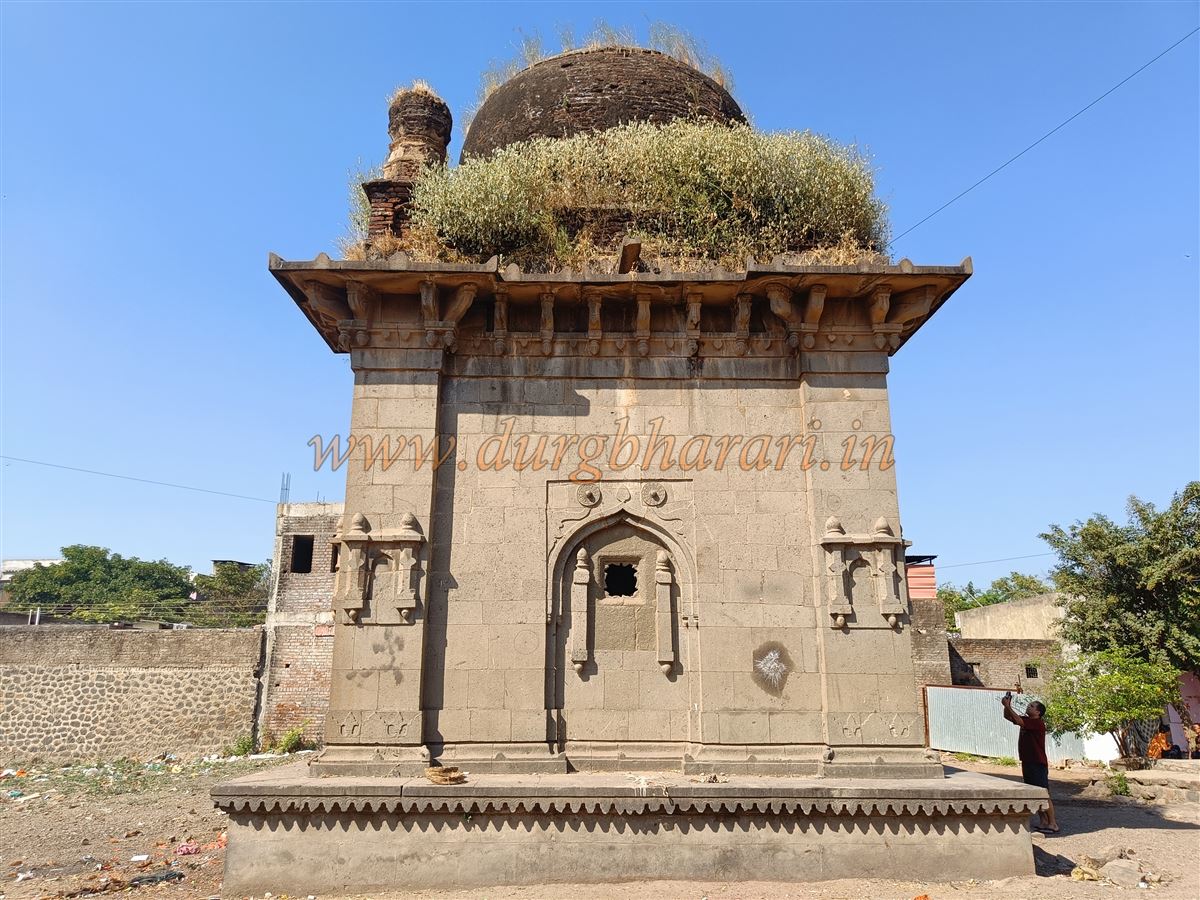
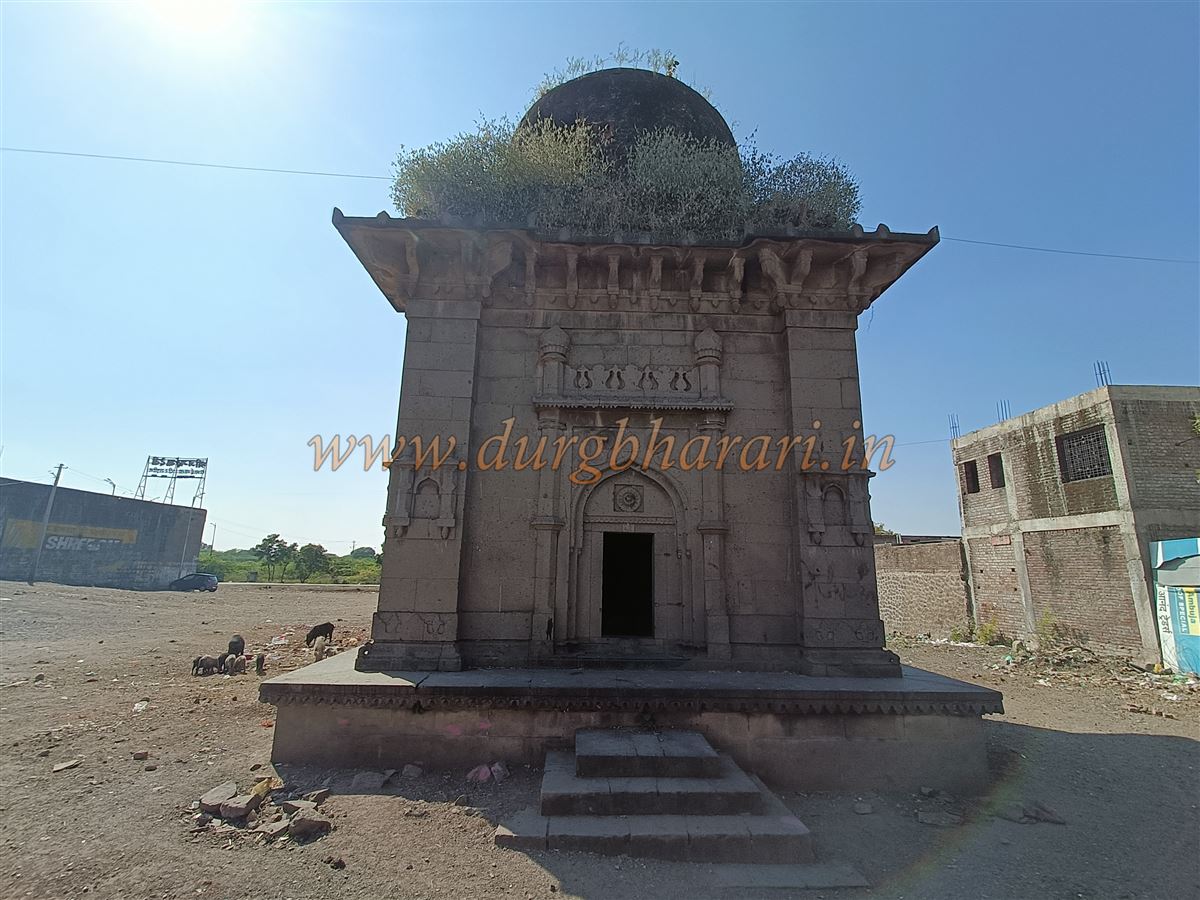
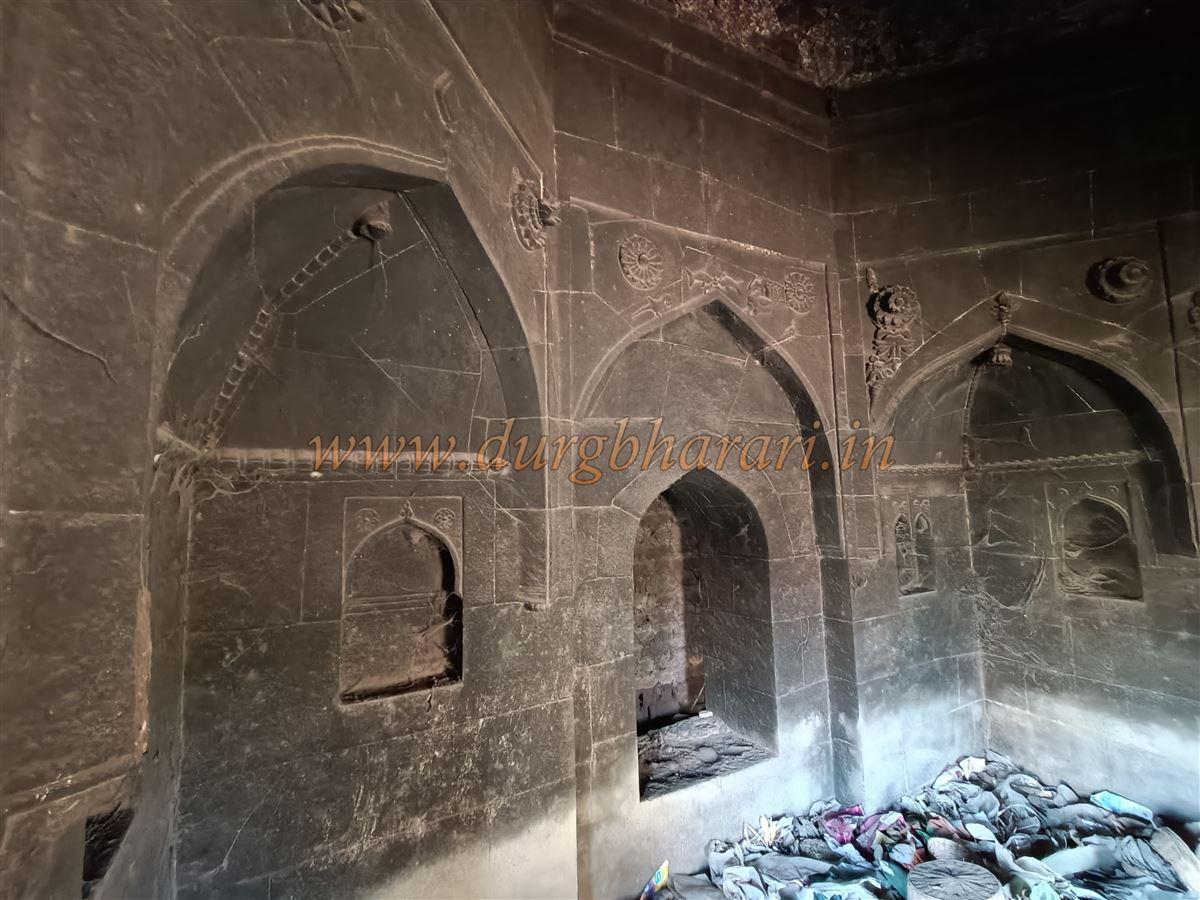
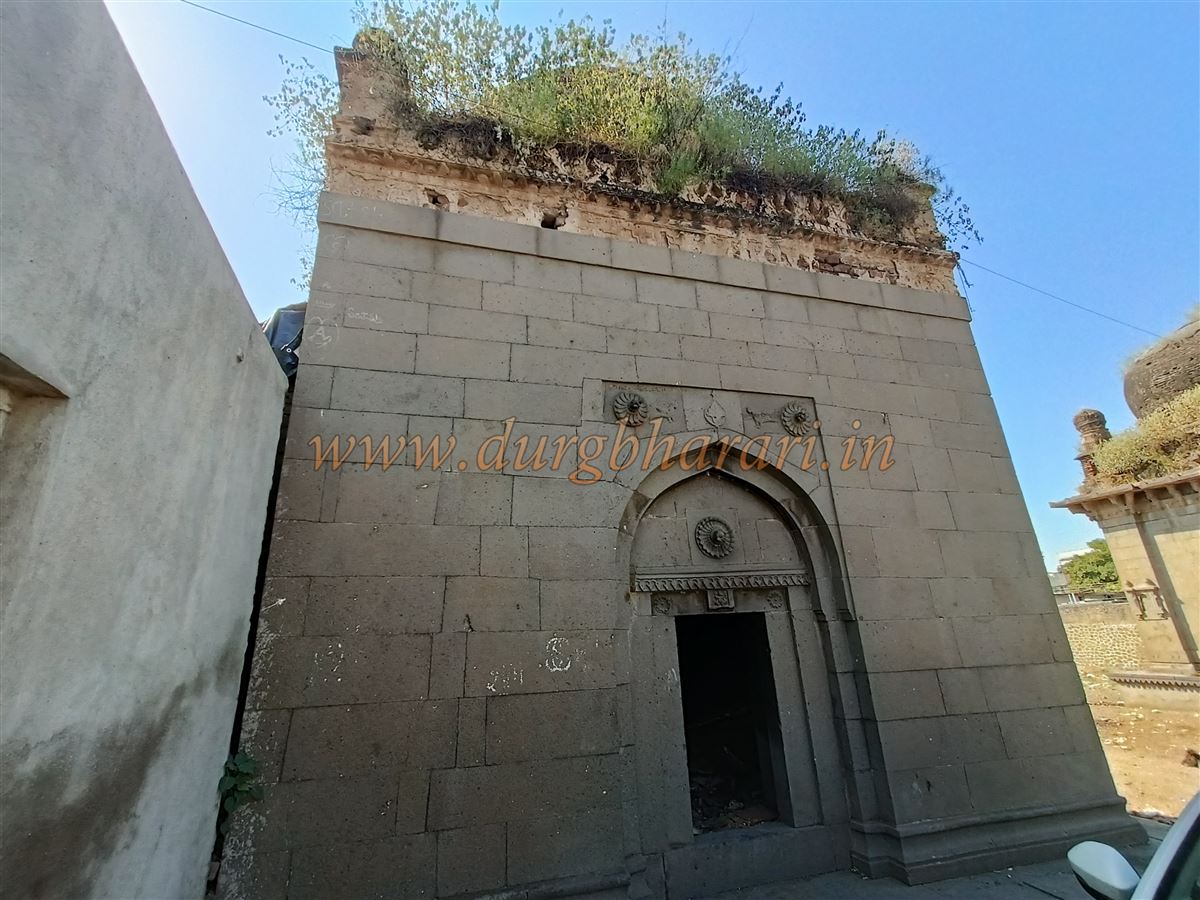
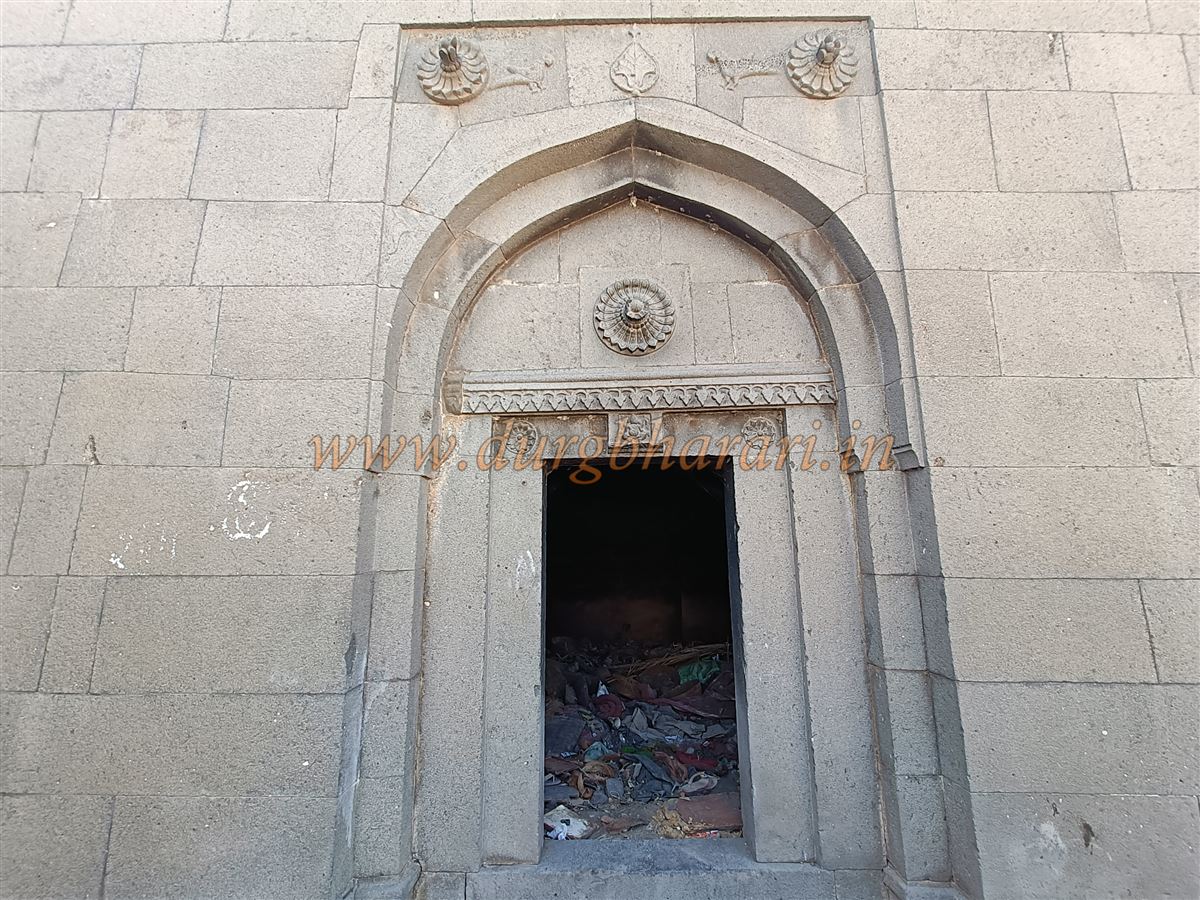
After seeing the gadhi, one should head to the Jagadamba Temple located outside the village. Just outside the temple premises are three large Samadhi, which locals believe belong to Sharifji, Trimbakji, and his wife—members of the Chhatrapati Bhosale family. Sharifji Bhosale was the brother of Shahaji Raje. During earlier times, the Patilki (village headship) of Rashin was with the Bhosale family, while the Deshmukhi (land revenue leadership) was with the Kale family.
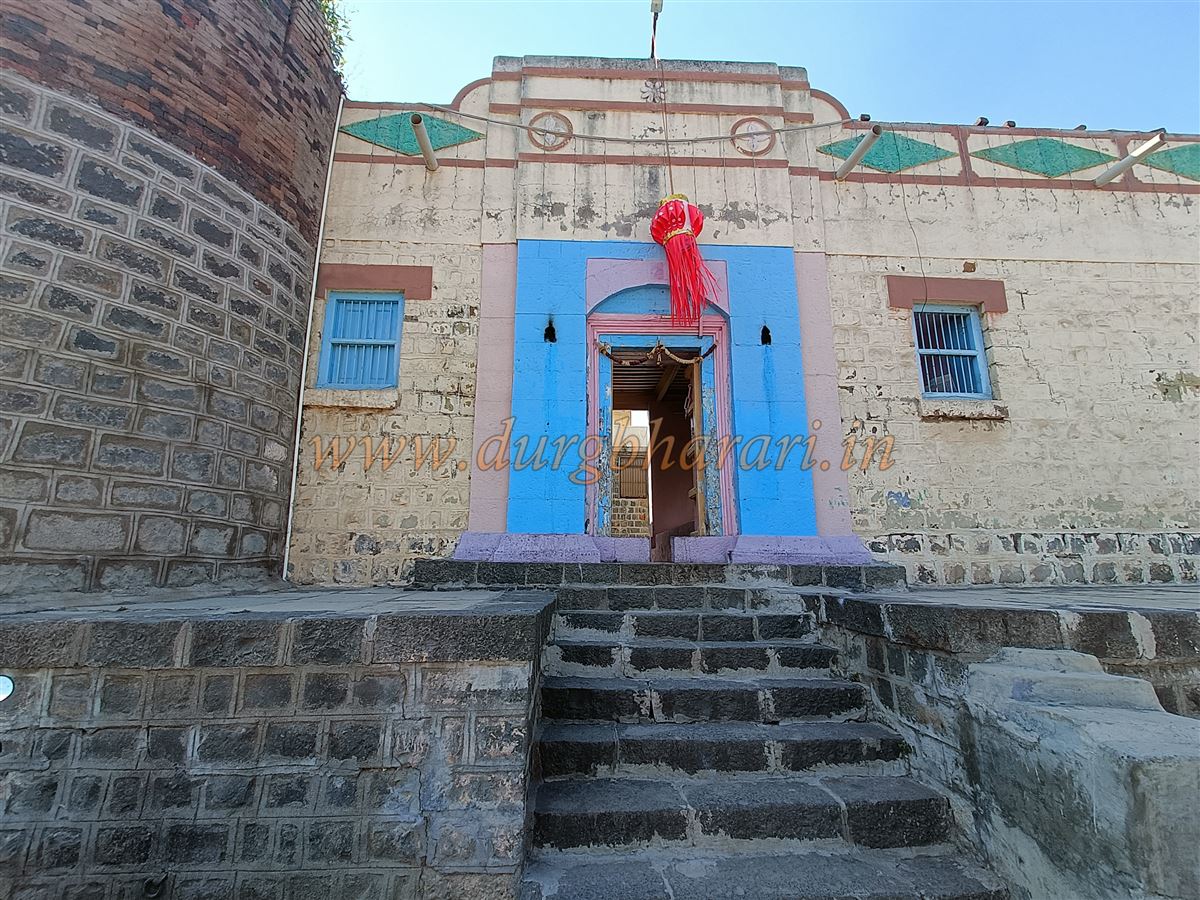
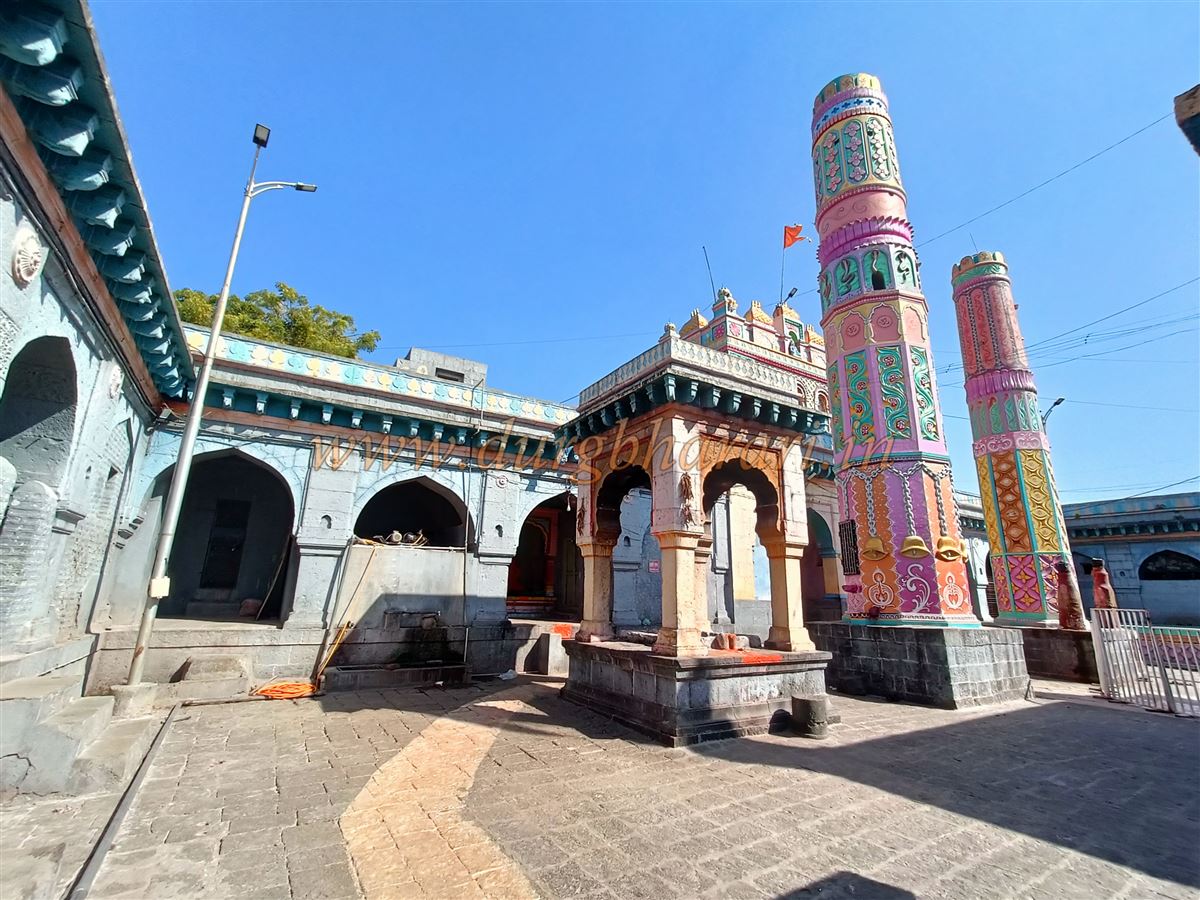
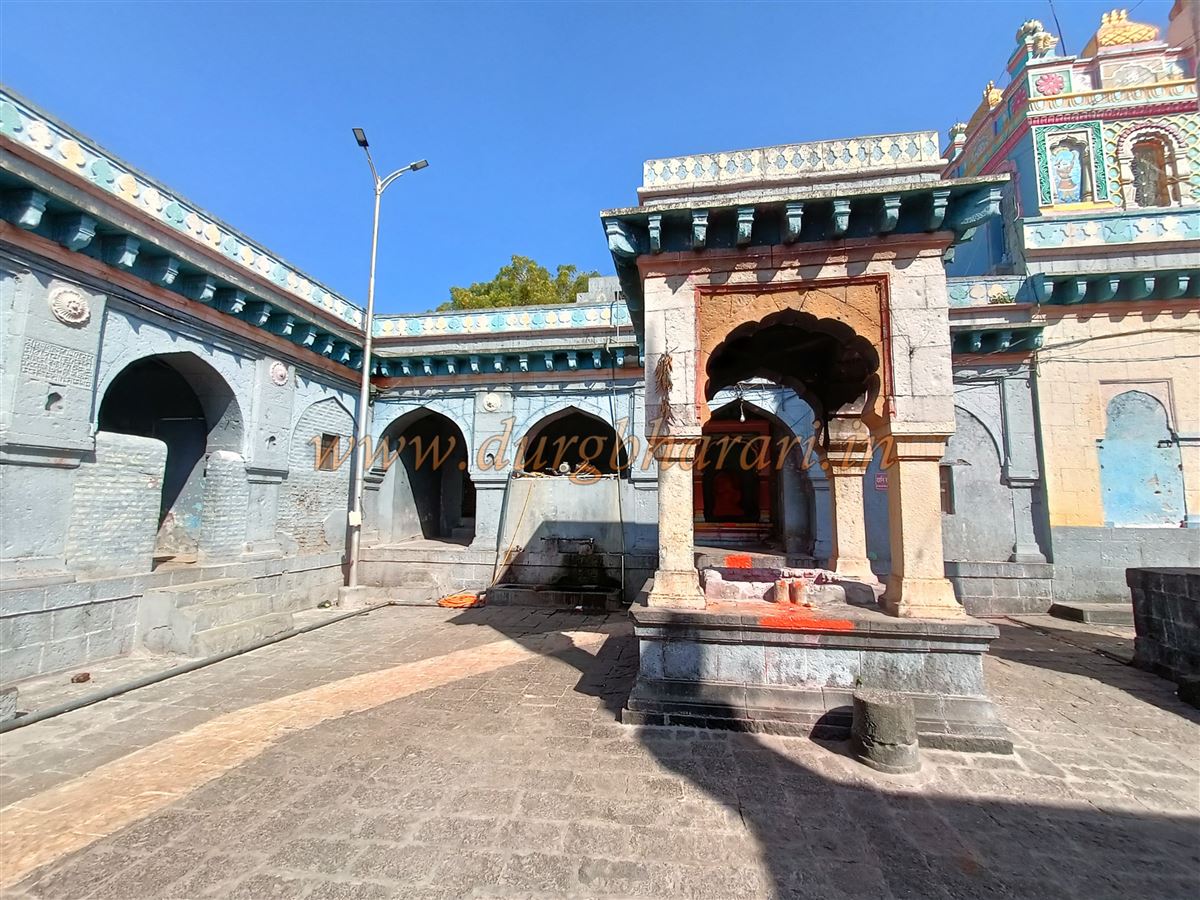
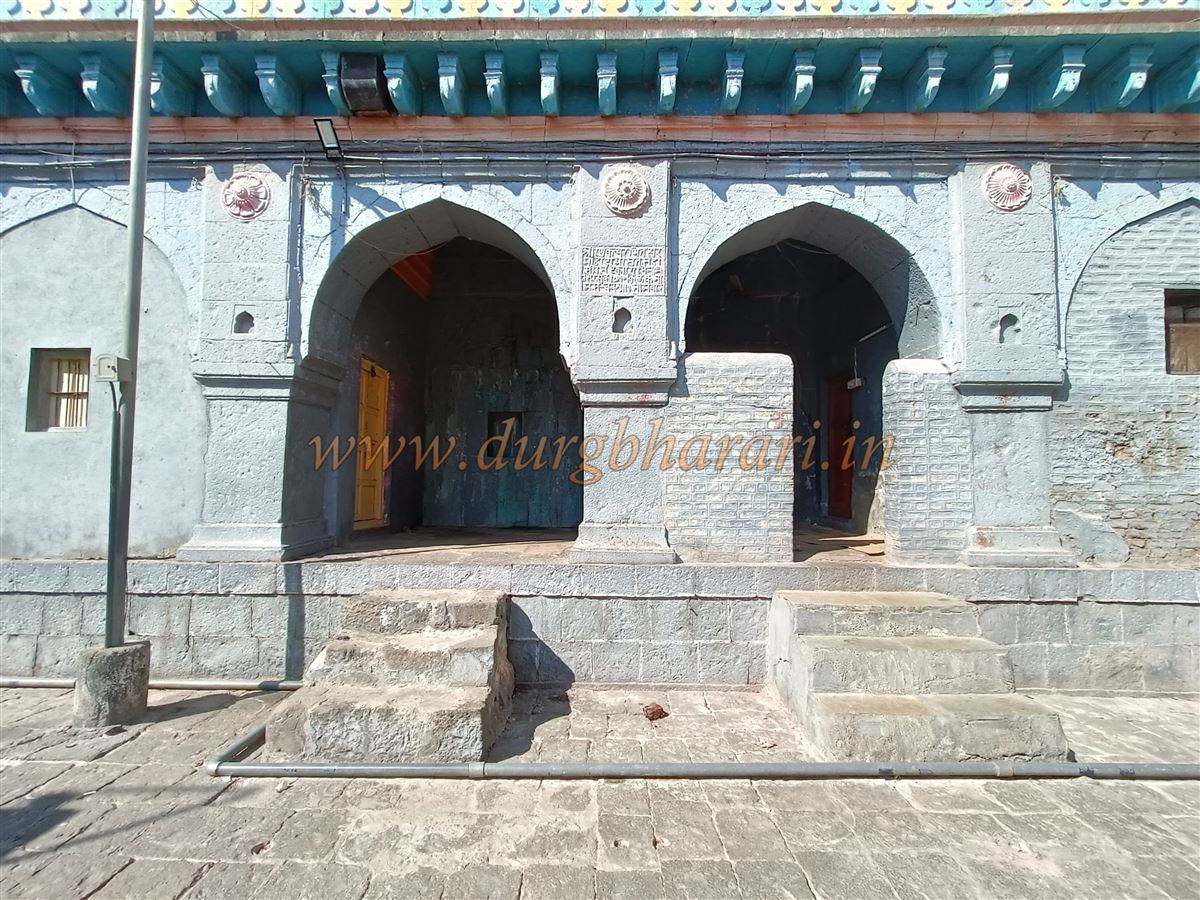
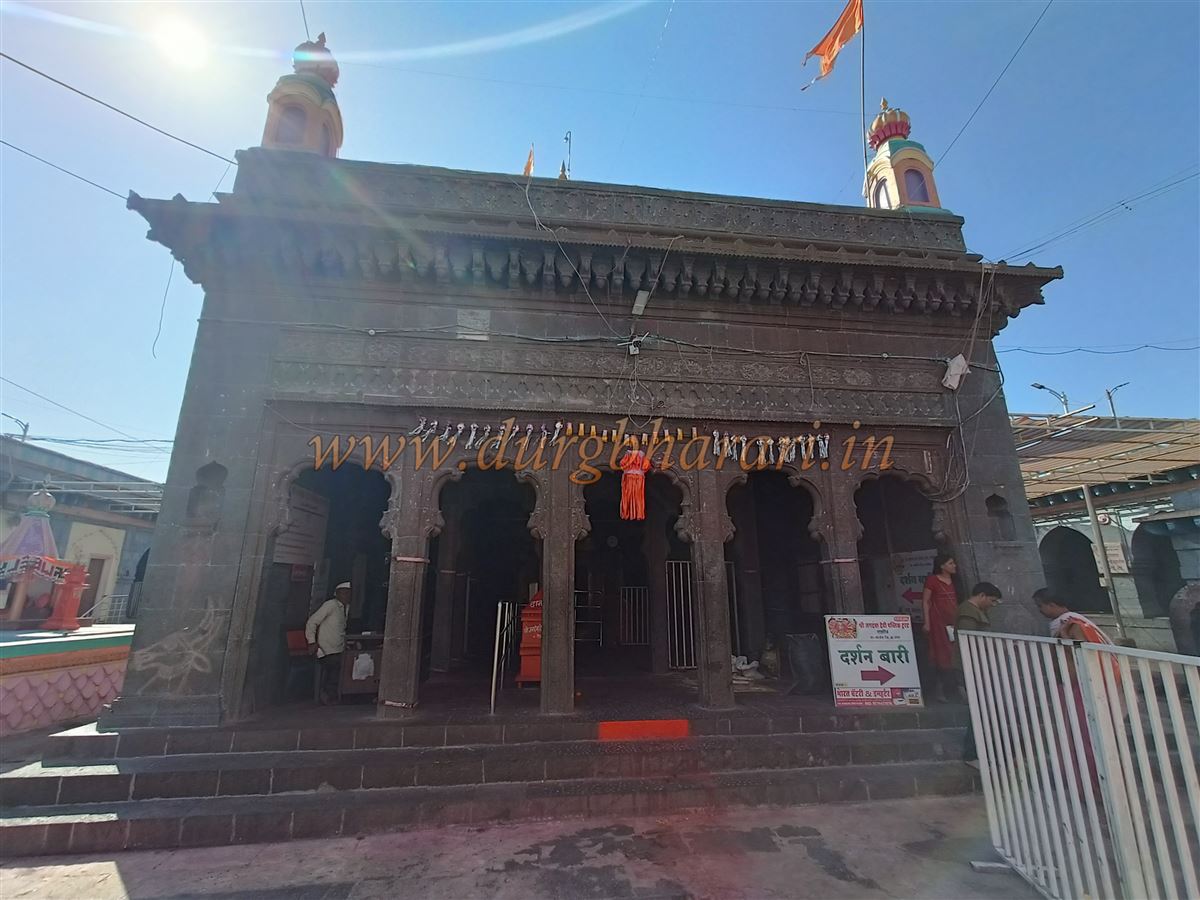
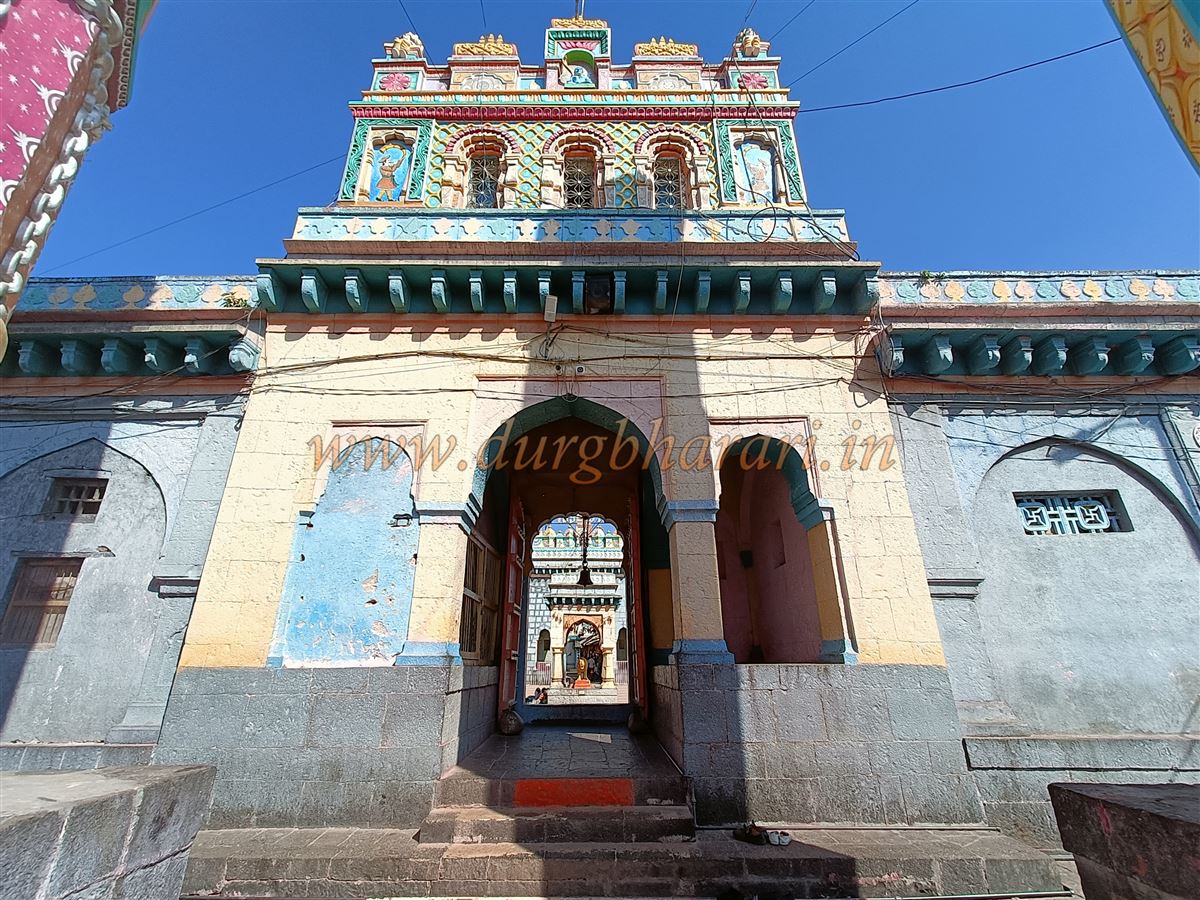
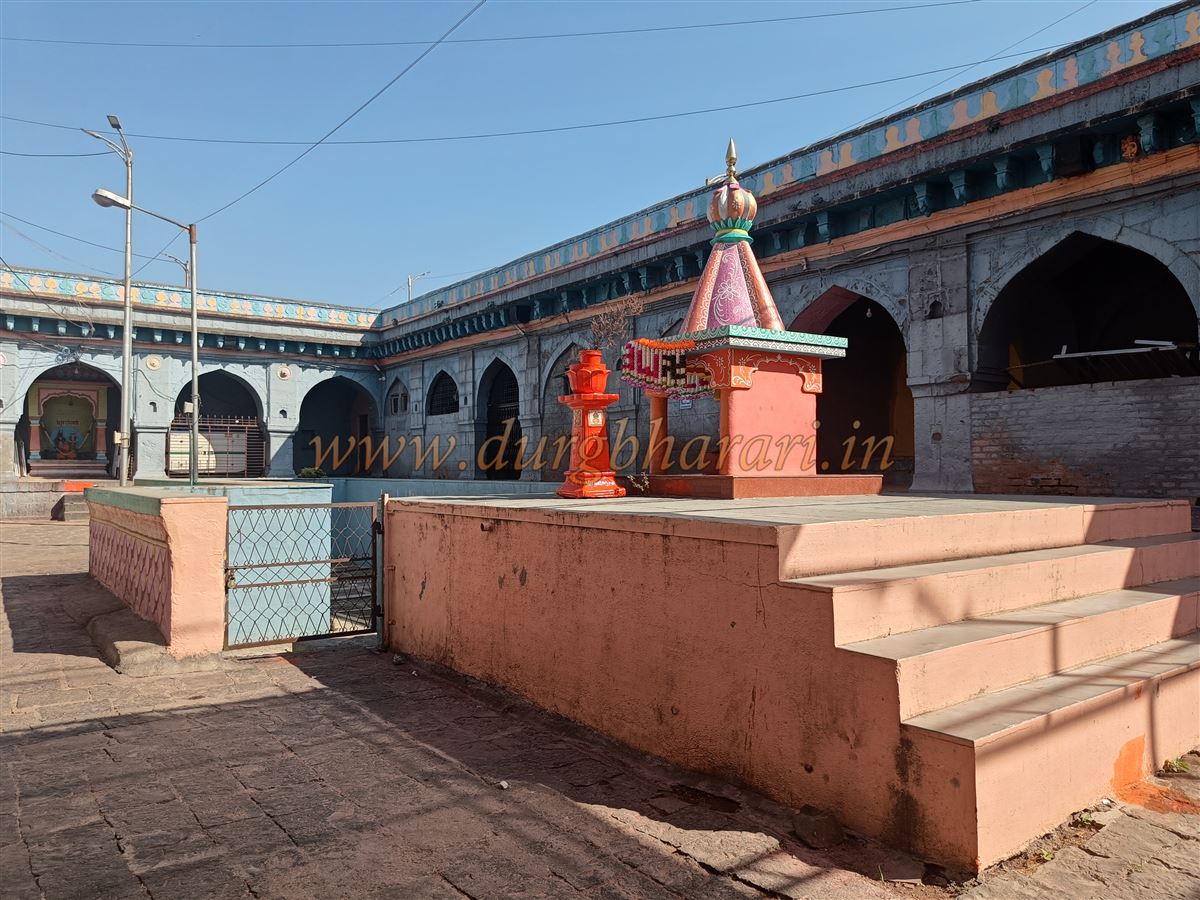
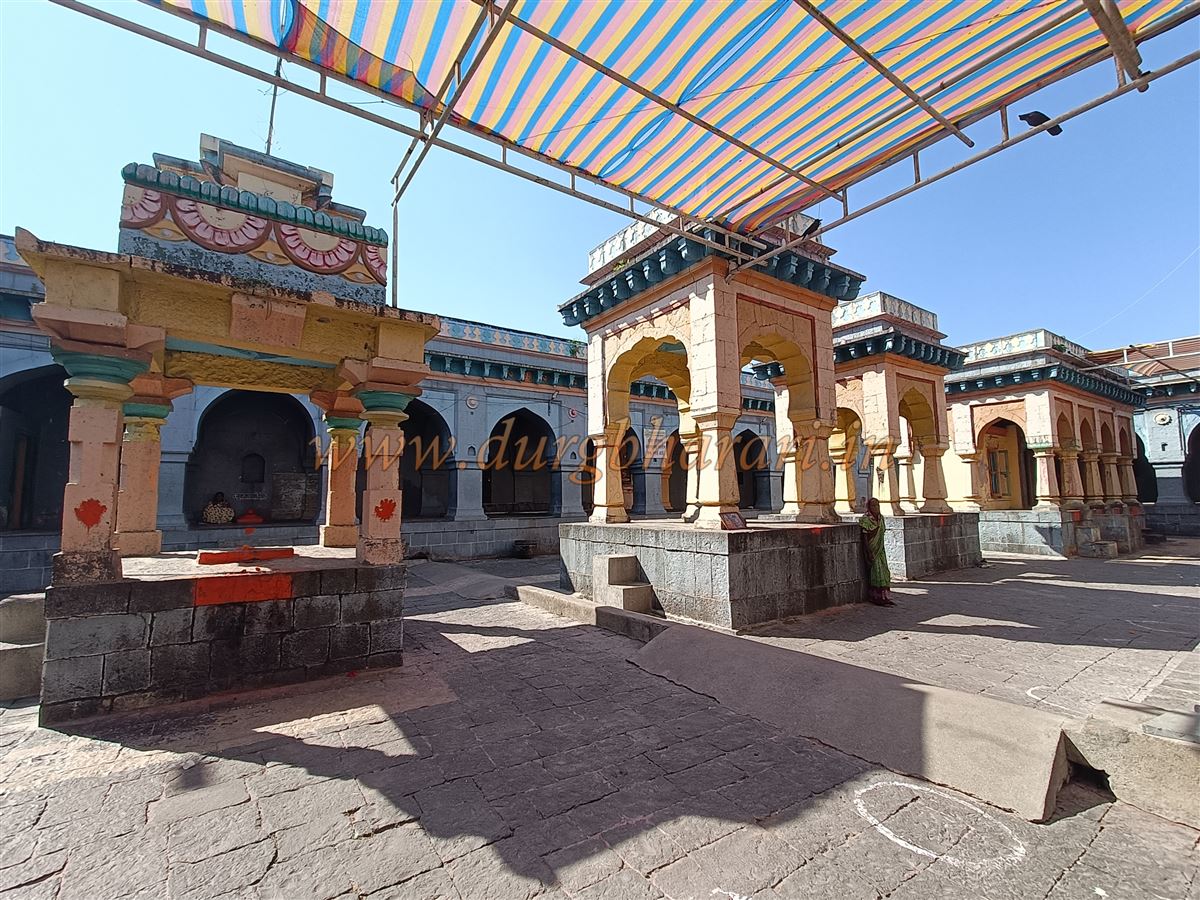
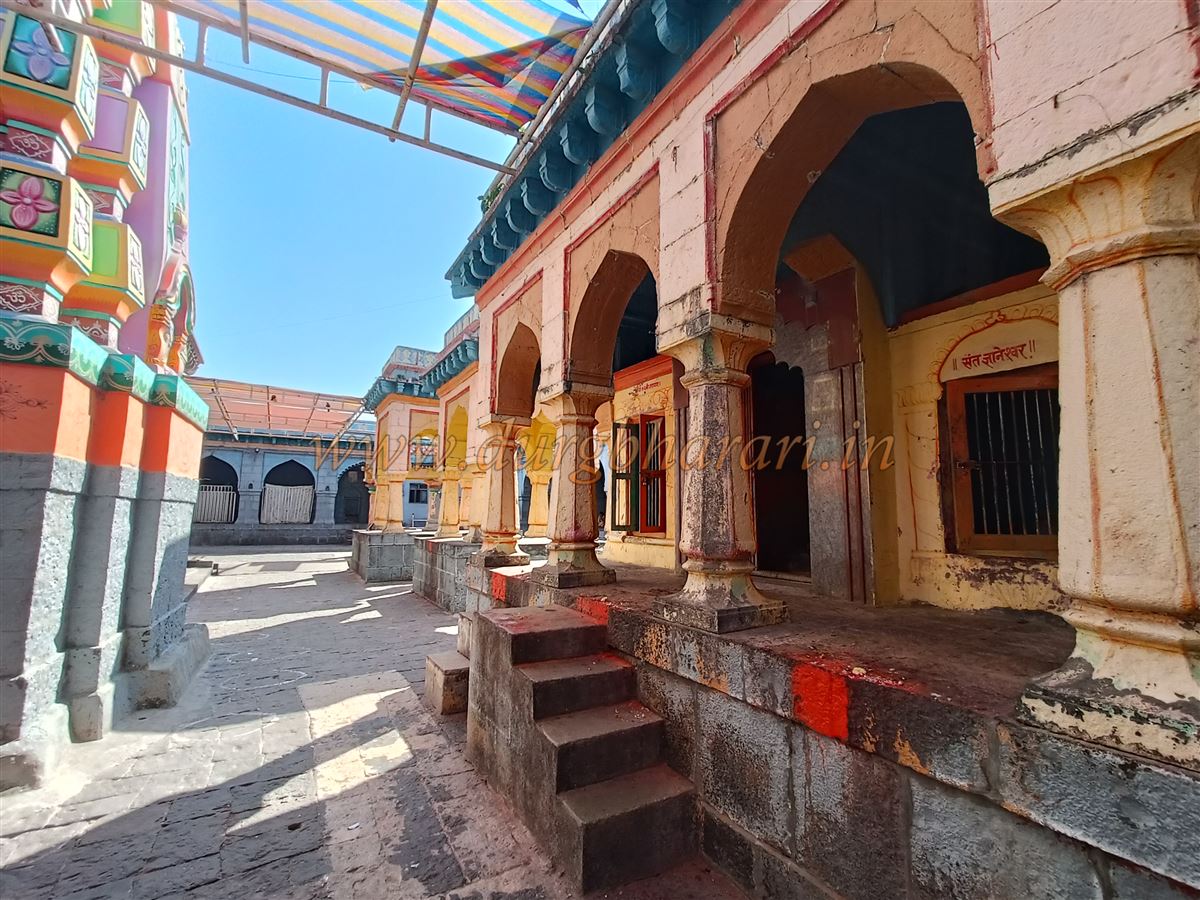
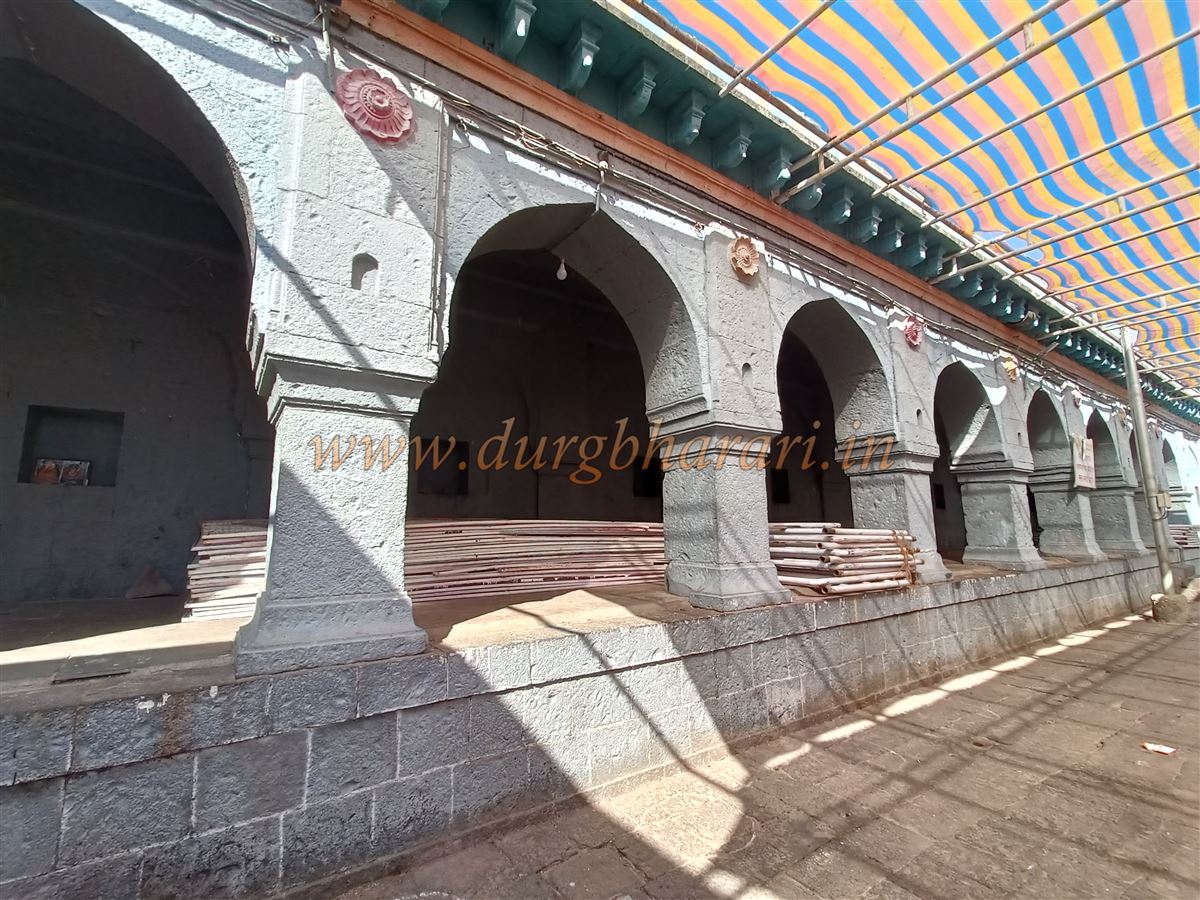
The Jagadamba Temple is situated in the southern part of the village, with its main entrance facing east. Upon entering, there is a large Nagarkhana (drum room) on the right. The temple is divided into three sections: the outer courtyard, a stone circumambulatory path (pradakshina-Marg), and the main hall (Sabhamandap). Within the fortified area of the temple, all four inner walls are lined with ovari (verandas). There are two deepmalas (lamp towers) in front of the temple. It is said that these can be moved when entered from inside, but access was restricted during the visit. These gates are only opened on the day of Dussehra.
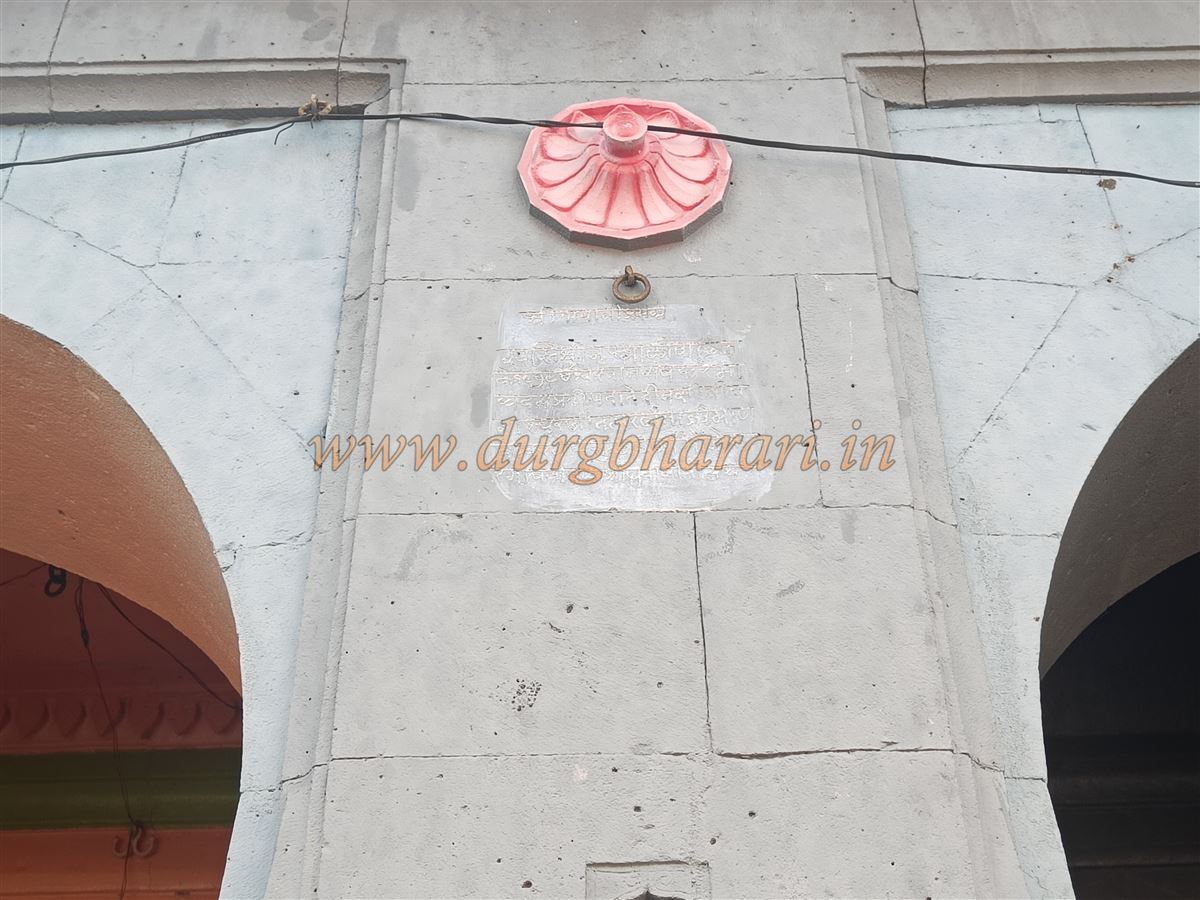
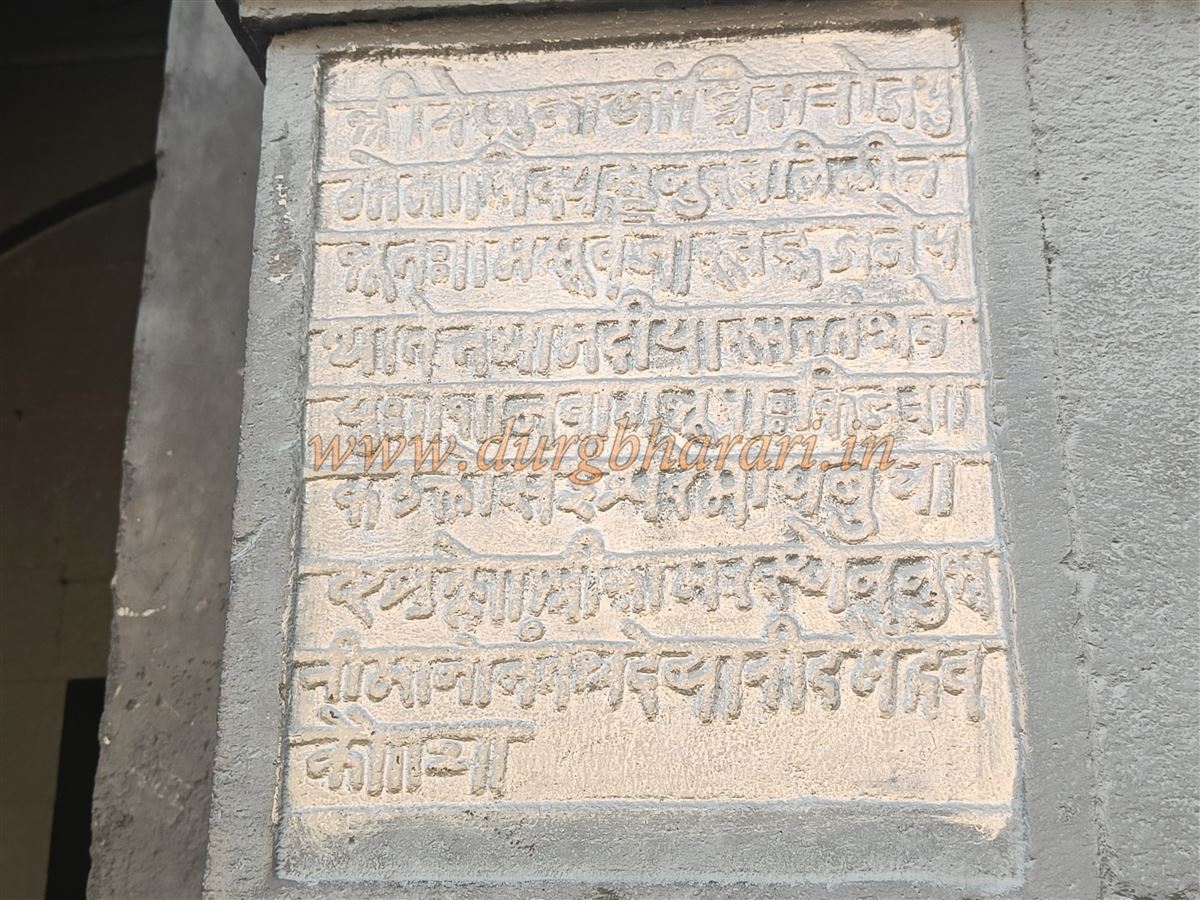
Many virgal (hero stones) and satishila (memorial stones for widows) are seen in the temple premises. The sanctum of the temple belongs to the medieval period, while the verandas and entrance were built 250 years ago by Sardar Antaji Mankeshwar Gandhe during the Peshwa period. Two inscriptions, one in Marathi and the other in Sanskrit, are present. One inscription on the western wall refers to the goddess as "Shri Yamai." A total of four inscriptions are found in the temple premises. One of them mentions that a person from the Gandhe Kulkarni family of Supe constructed the ovari in Shaka 1660 (corresponding to 1738 CE). The other inscriptions indicate that the remaining construction was carried out by members of the Shete family from Rashin.
Inside the sanctum, there is a four-armed idol of Goddess Yamai. To her right is the presence of Tukai, associated with Tuljapur. The earliest evidence of Rashin's history comes from copperplate inscriptions of the Chalukya king Vinayaditya (dated 700 CE) and the Rashtrakut king Govind III (dated 807 CE). In these, Rashin is referred to as “Bhukti,” indicating its status as a revenue region.
After the fall of the Nizam Shahi, the Mughals established their control over the Deccan. During that time, the Patilki of Rashin was with the Bhosale family, who were descendants of Sharifji Bhosale—uncle of Chhatrapati Shivaji Maharaj. Sharifji and his son Trimbakji were in the service of Aurangzeb. When Aurangzeb sent them toward Bheemthadi, they settled permanently in Rashin. Aurangzeb also ordered the establishment of a market town near Rashin called Aurangpur. The area known today as Mangalwar Peth, near the temple, was once part of this old Aurangpur.
In 1758 CE, the fort of Ahmednagar was taken over by the Peshwa. The Rashin village was part of the jagir (estate) granted to the officer known as Kavi Jung. Later, Ahmednagar, Rashin, and the surrounding regions came under Maratha rule.
© Suresh Nimbalkar
GALLERY