RASALPUR
TYPE : SARAI
DISTRICT : JALGAON
HEIGHT : 0
GRADE : EASY
Maharashtra is often referred to as the "Land of Forts." No other region in India showcases such a diversity of forts like Maharashtra, which is home to nearly six hundred forts. These forts are generally categorized as hill forts (Giridurg), water forts (Jaldurga), forest forts (Vandurg), and land forts (Sthaladurga), with further subtypes within each. Among the land forts are types like ground forts (Bhuikot), city forts (Nagarkot), fortified mansions (Gadhi), and Sarai. While Sarai, or rest house forts, are more commonly seen in northern India, Maharashtra also has its share of them.
In medieval times, sarai resembling forts were built along military and trade routes between provinces. During wartime, military officers used them for temporary halts, and in times of peace, merchants would rest there. Sarai still in reasonably good condition can be found at Chaul, Fardapur, Ajanta, and Rasulpur, although many have now been occupied by locals for residence or construction, raising concerns about how long their remnants will survive.
...
Rasulpur is home to one such structure, locally known as the Sarai Fort, which is now encroached upon by locals. Rasulpur village is located just 2 kilometres from Raver, an important centre along the medieval trade route that ran through Shirpur, Chopda, Yaval, Raver, and Burhanpur. This village lies in the Raver taluka of Jalgaon district. The ground fort or sarai lies at the centre of Rasulpur village, but due to the newly built houses around it, the fort is not easily visible. Since the locals refer to it as the Sarai Fort, one must ask for it using that name when inquiring.
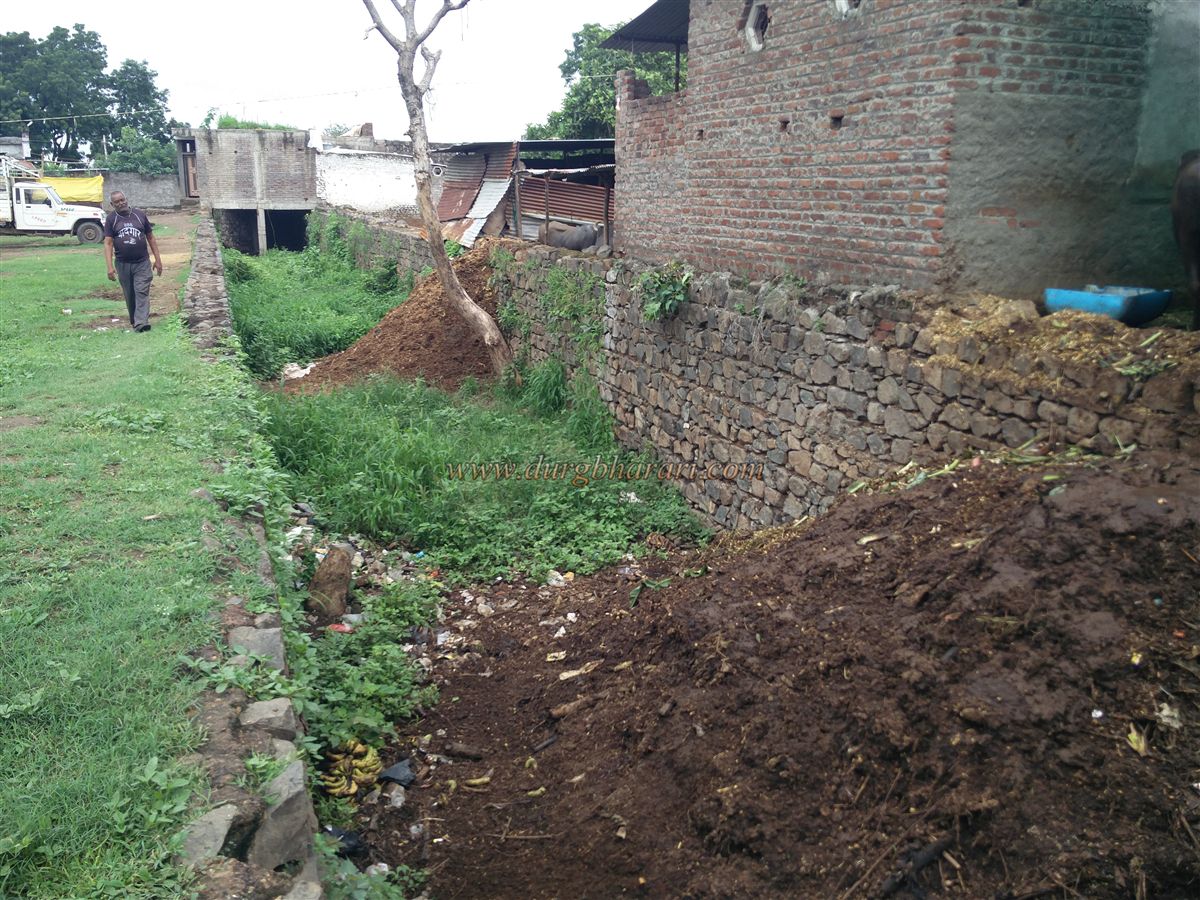
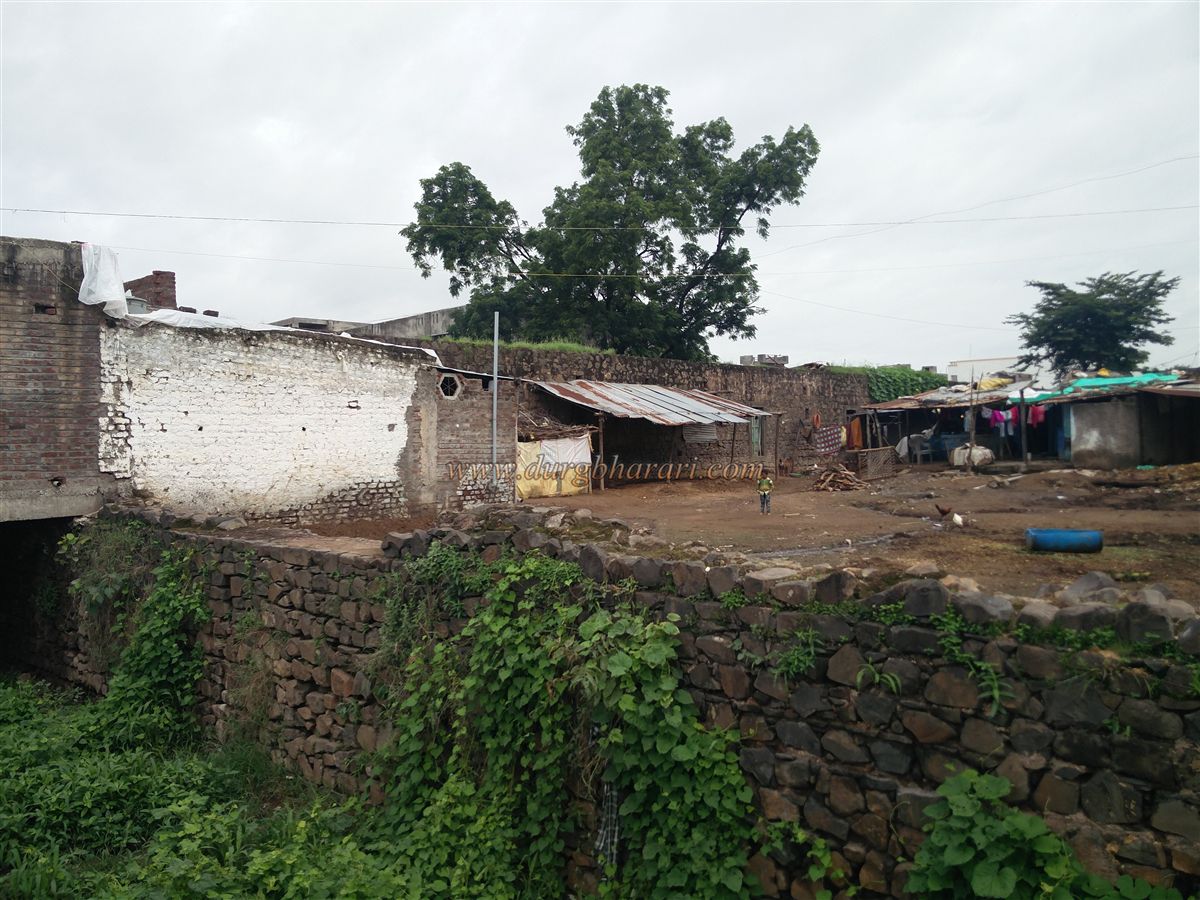
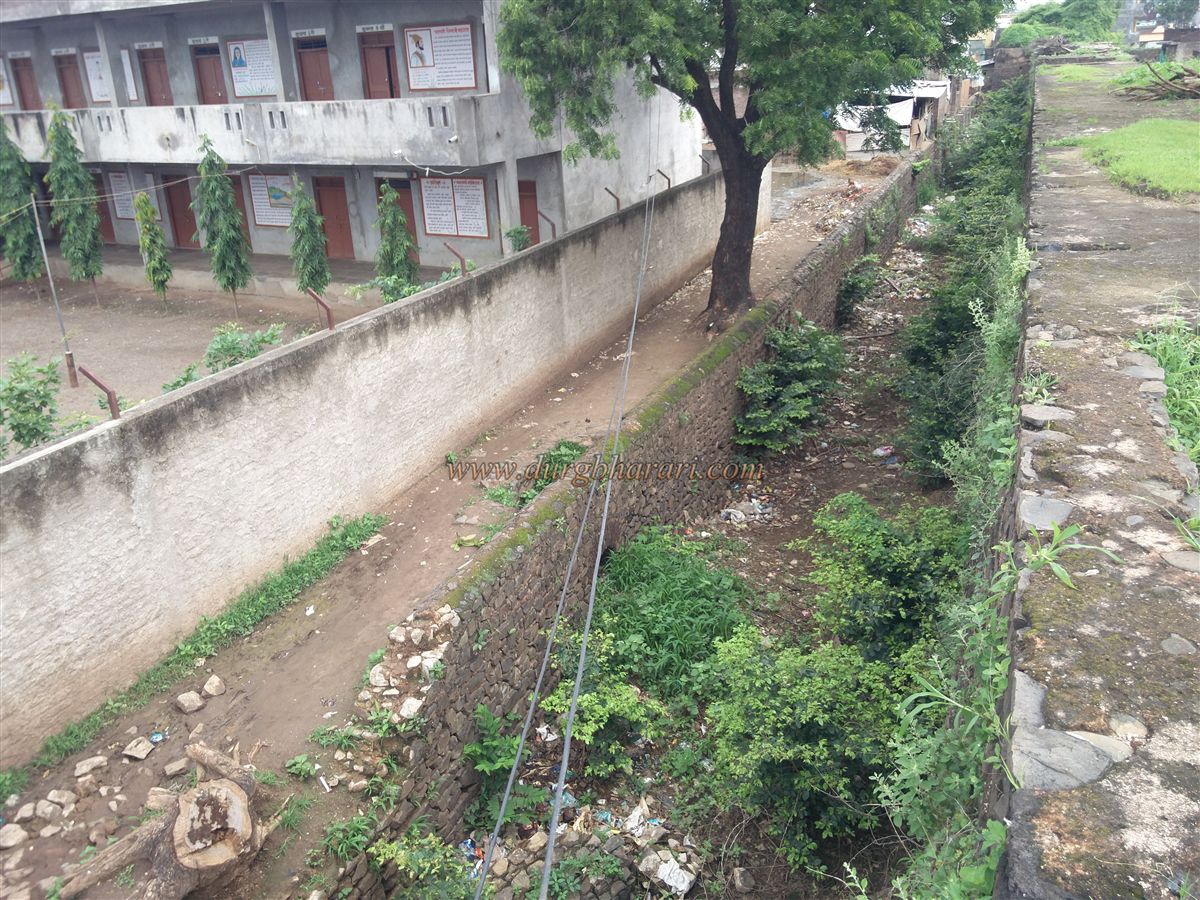
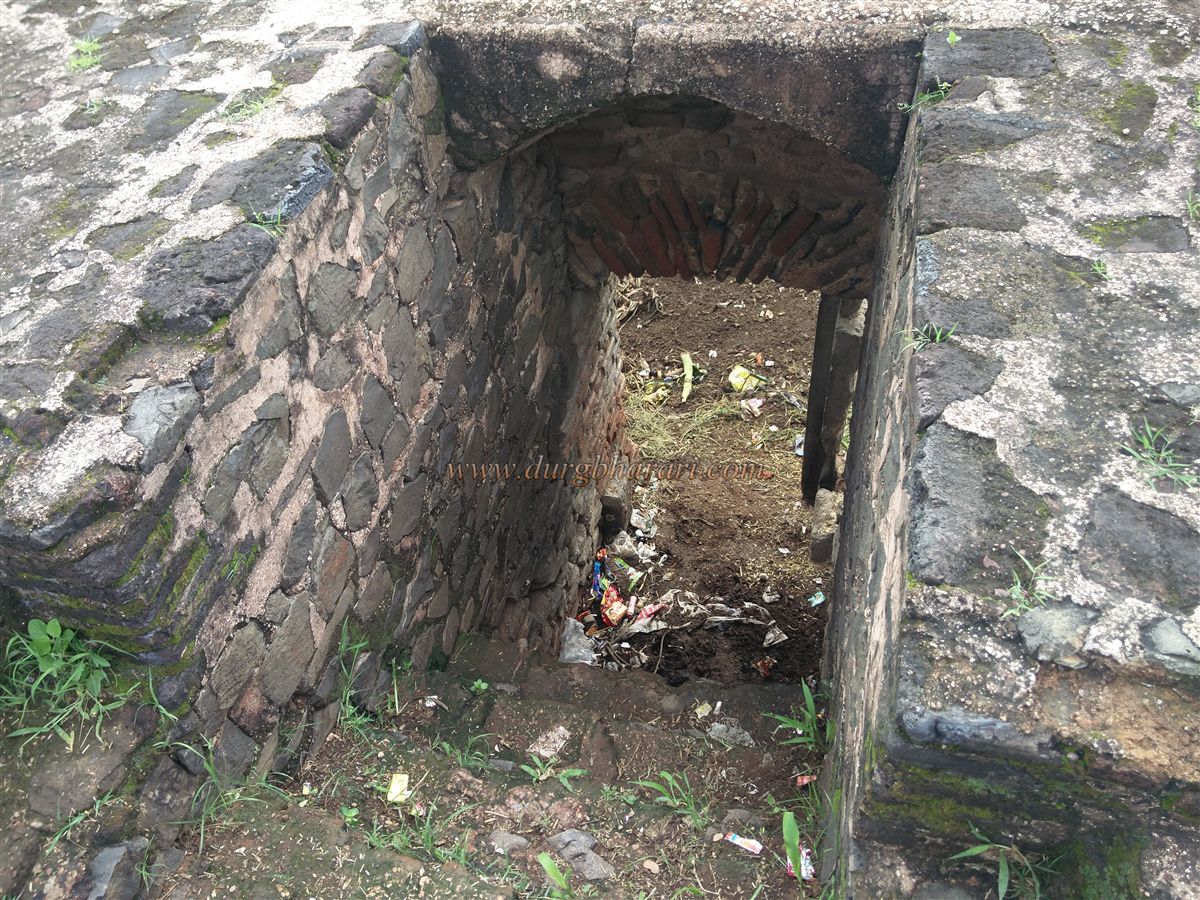
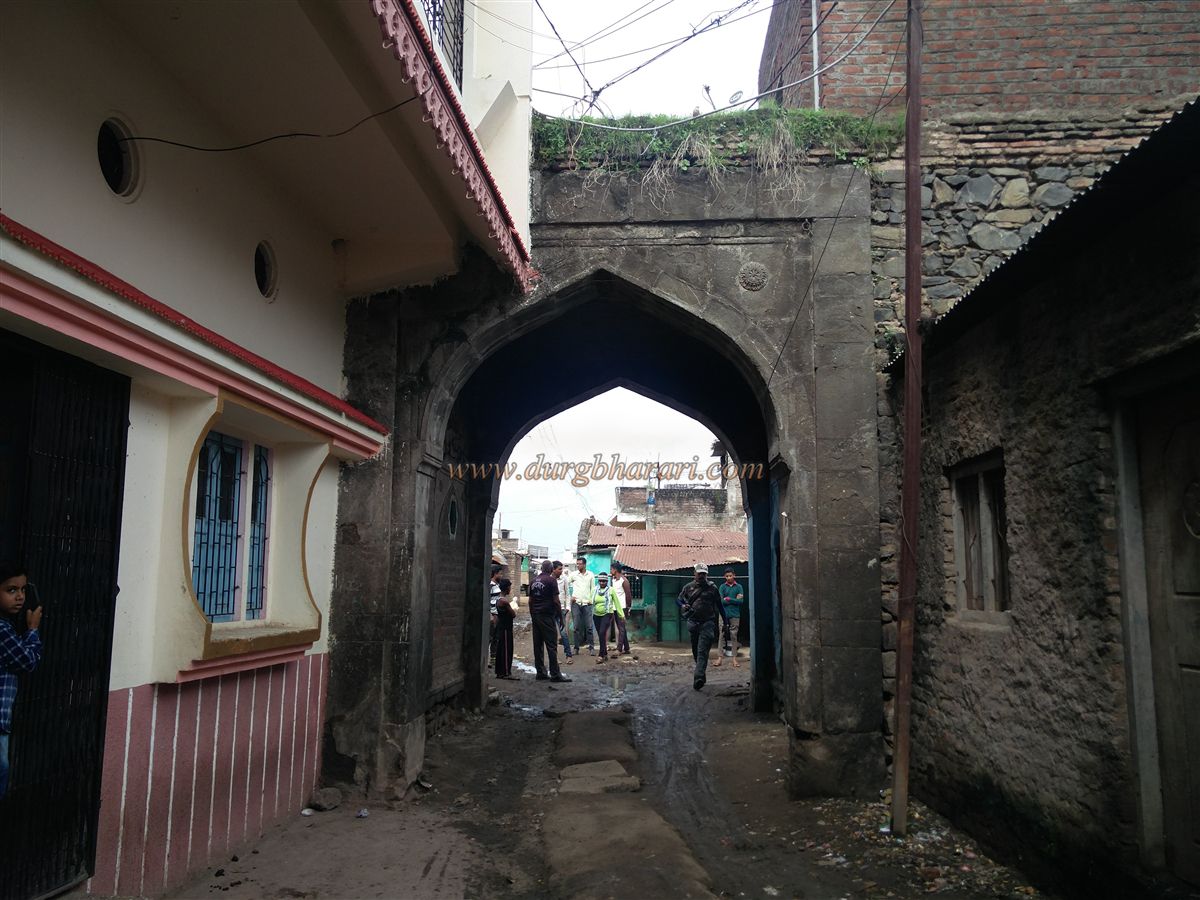
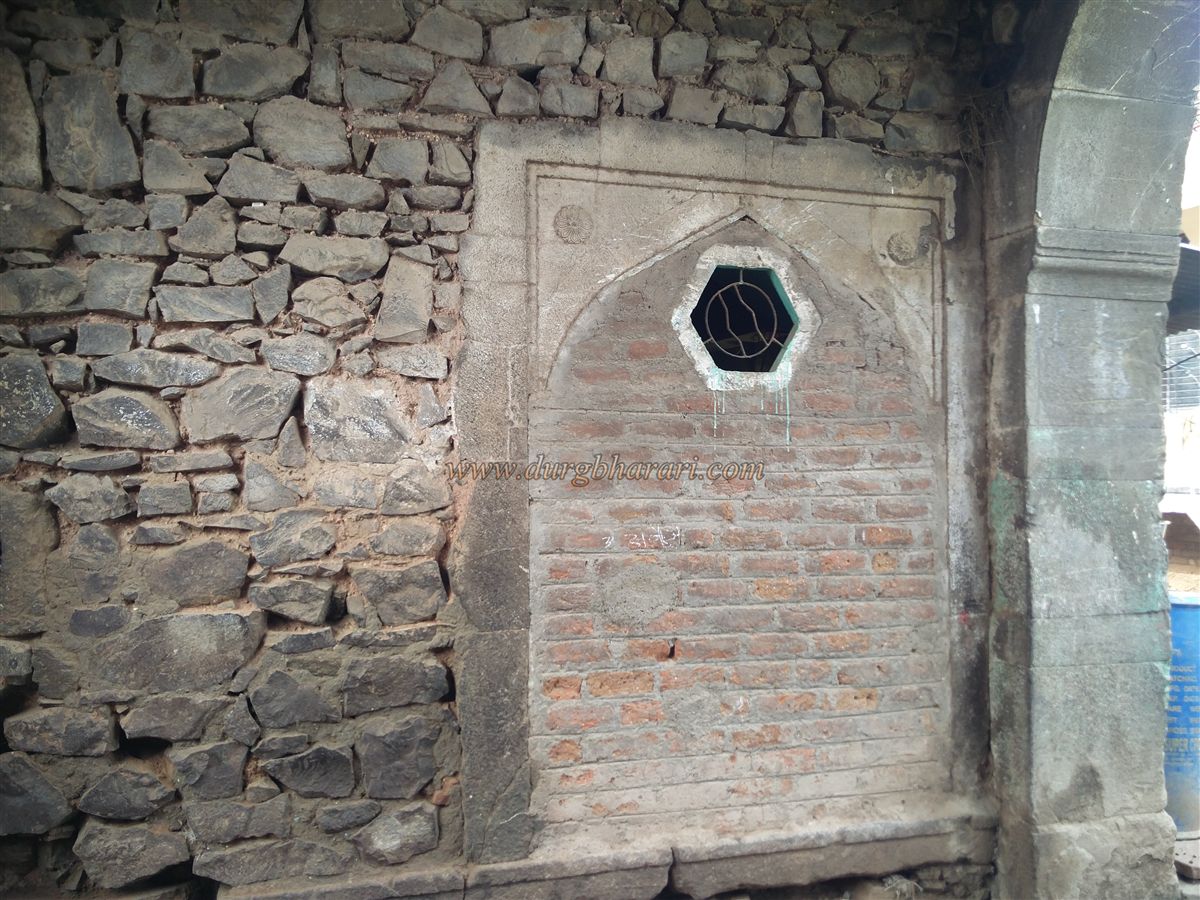
The fort is rectangular in shape and spans about four acres. It has two gates—one main entrance on the eastern side and a smaller one to the north. The northern gate is now sealed within the wall of a house and can only be seen from the outside. Surrounding the sarai is a moat approximately 15 feet wide and just as deep, and at some points, there are arched steps to descend into it. The inner and outer walls of the moat are lined with stone, and the stone-built outer fortification wall rises to a height of around 12 feet. Unfortunately, locals have dumped waste and cow dung into the moat and have started filling it to build houses.
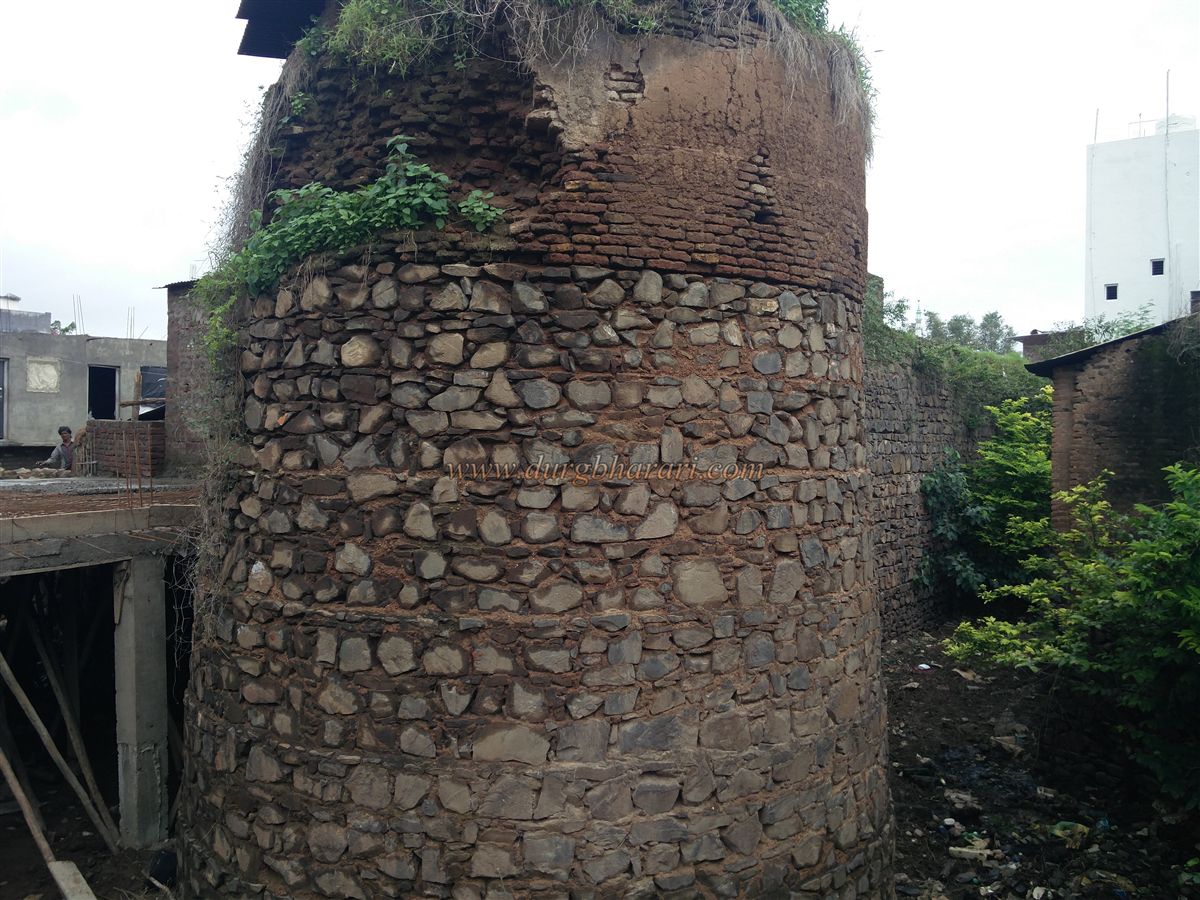
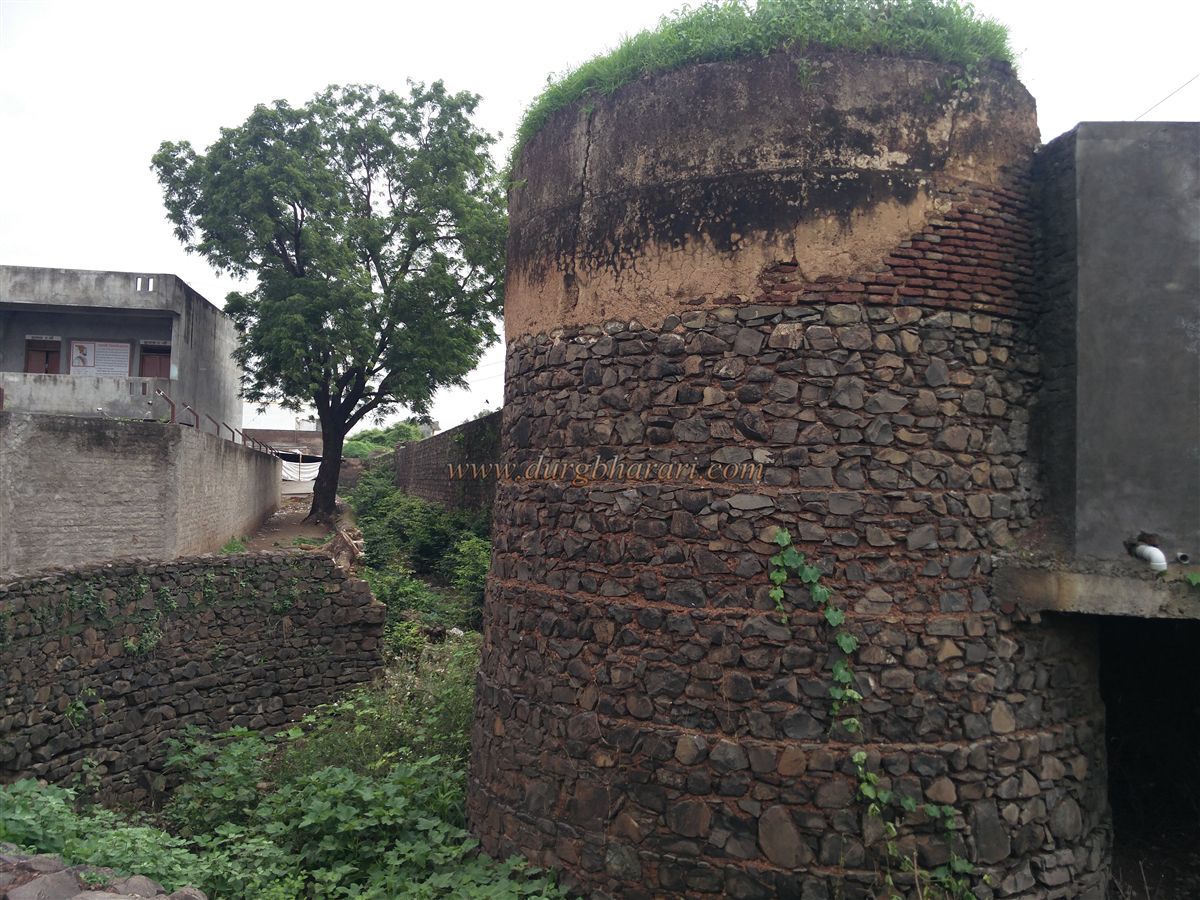
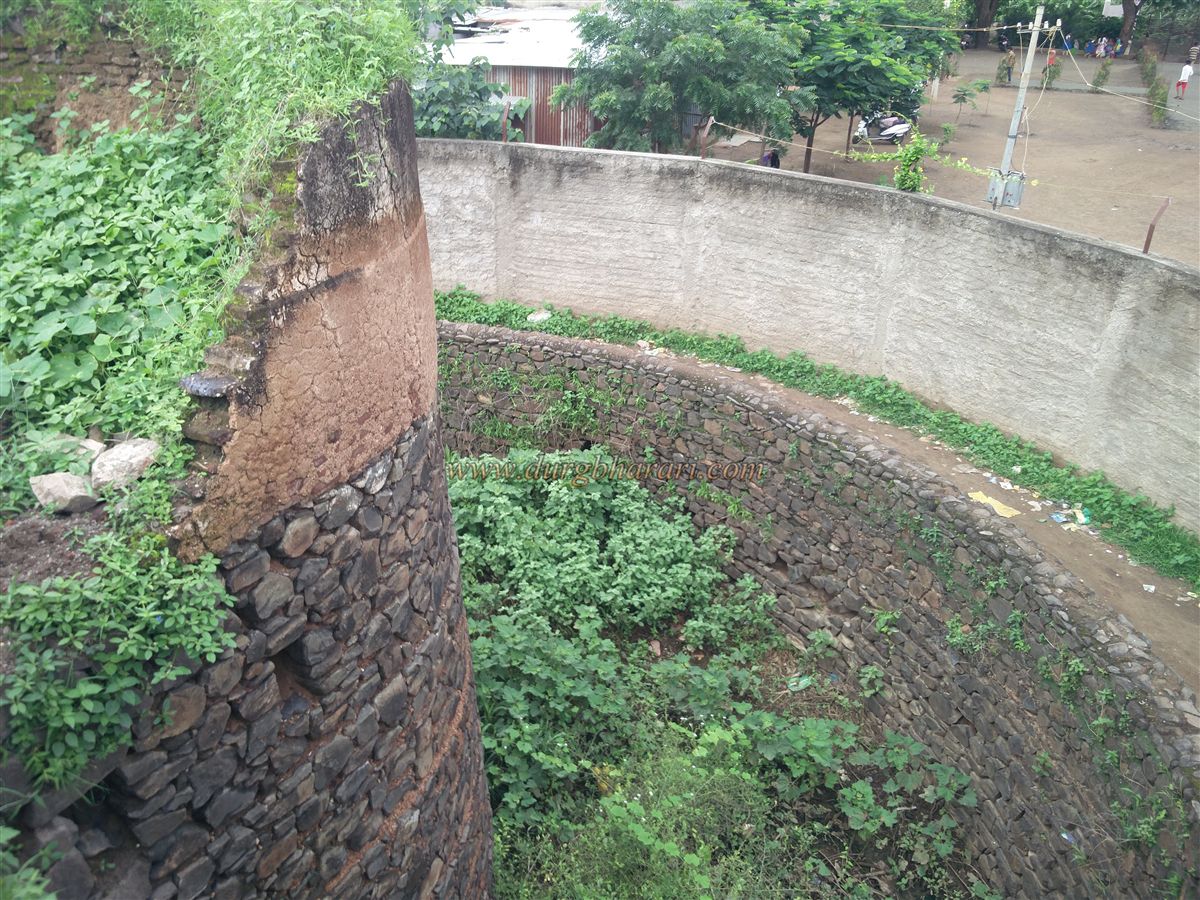
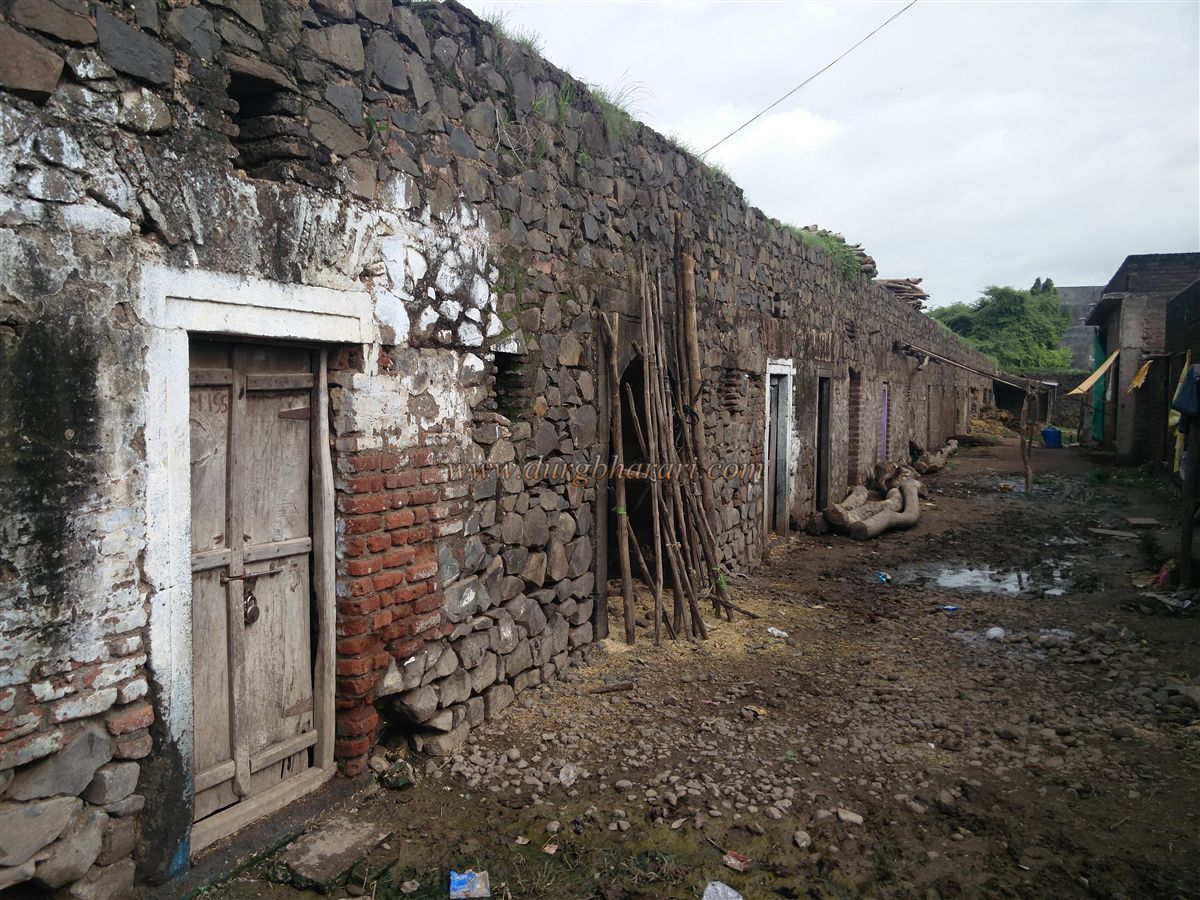
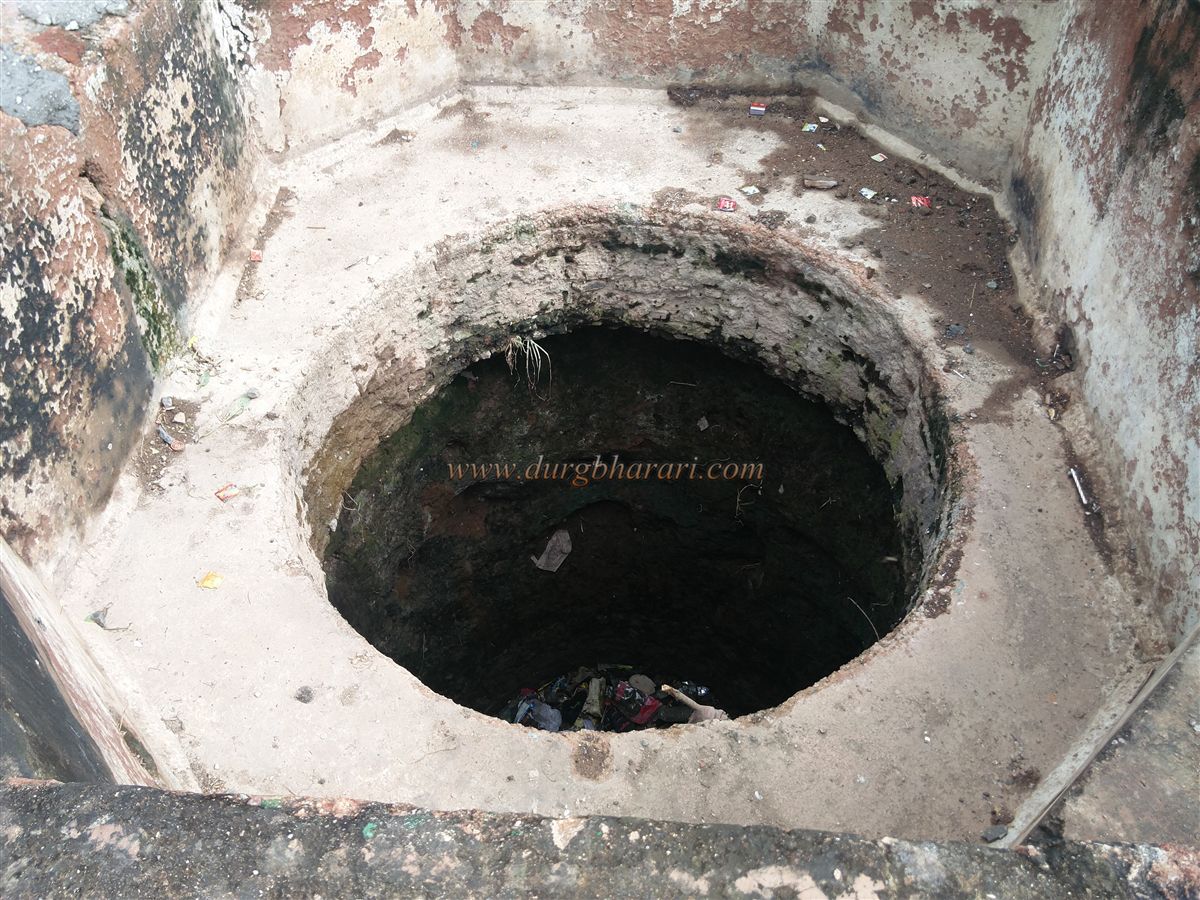
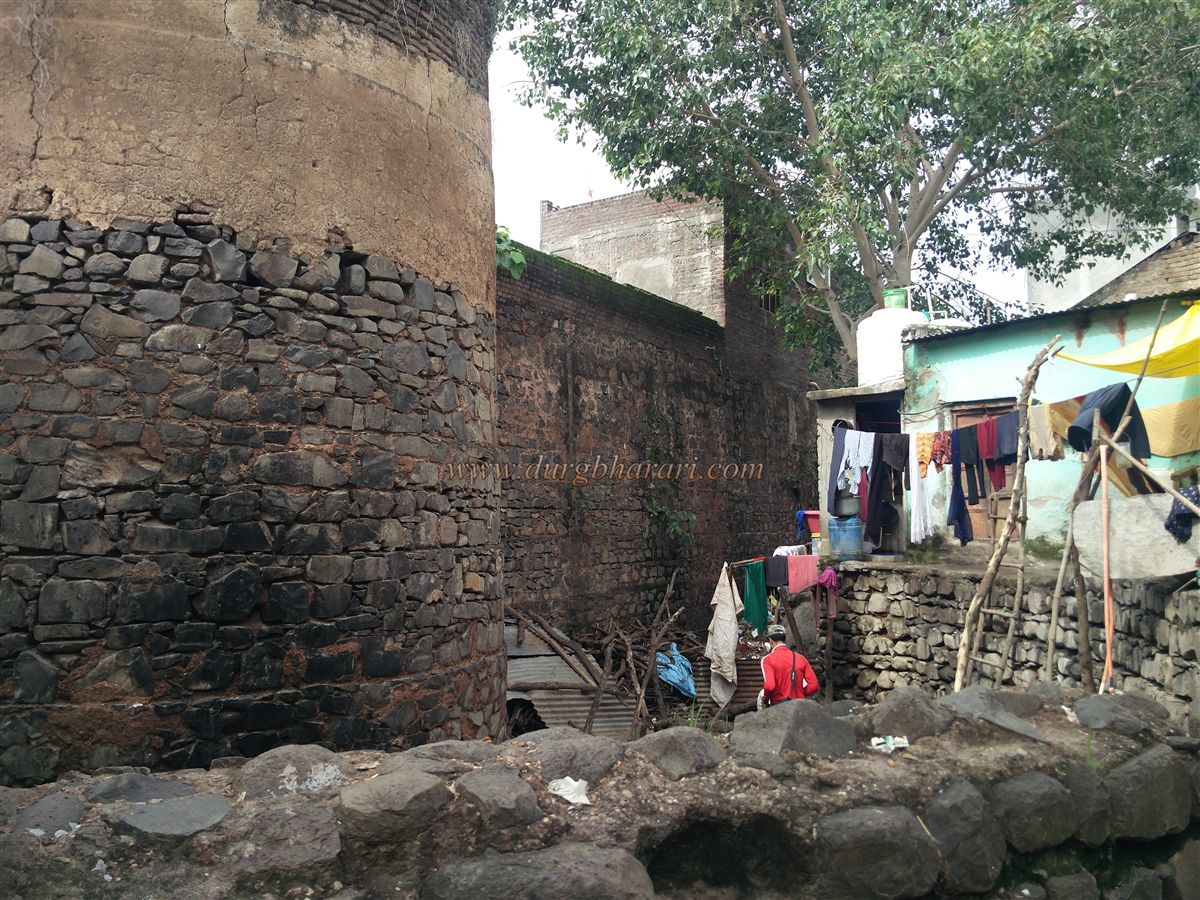
There are four corner bastions (Buruj) along the walls, and the upper parts of these bastions are constructed using bricks. Gun-slots can be seen in these bastions, indicating defensive use. The wall itself is 15 feet thick and contains stairways to reach the top from the inside. Within the fort, there are several small rooms, most of which are now occupied by locals. Exploring inside reveals two small wells and a mosque. Due to the increasing residential encroachment, most of the original fort structures have been destroyed.
The moat on the eastern side, outside the main gate, has been completely filled, and the entrance archway (devdi) has now been integrated into a local house. One hour is sufficient to see the fort from the inside and outside. Since this sarai was built purely as a resting place during medieval times, no significant historical events are known to have occurred here.
© Suresh Nimbalkar
GALLERY