RANJE
TYPE : FORTRESS
DISTRICT : PUNE
HEIGHT : 0
GRADE : EASY
One of the significant events in Shivaji Maharaj’s life was the judgment he passed against Ranje Patil. Due to misconduct, Maharaj had sentenced Ranje Patil to the severe punishment of being trampled under an elephant. Since Ranje Patil hailed from the village of Ranje near Pune, we decided not to spend the evening merely traveling during our visit to Torna Fort and instead visit the ancestral home of Ranje Patil. Ranje village is located 25 km from Pune and just 2 km from Khed-Shivapur. Though Velhe village at the base of Torna Fort is only 34 km from Ranje, that route is not very convenient, so it's better to reach Ranje via the highway through Khed-Shivapur.
Upon visiting Ranje village, we found that not even a single stone of Ranje Patil’s original house remains today.
...
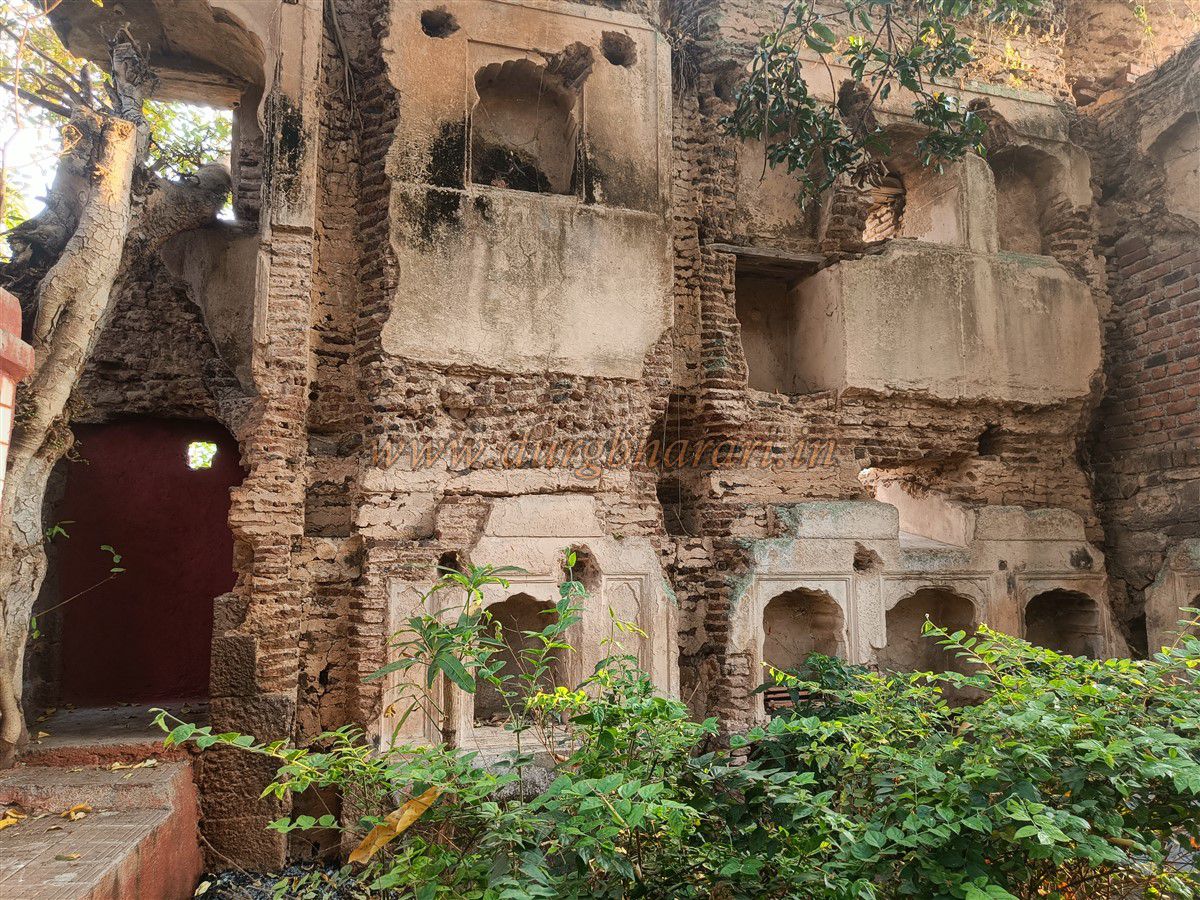
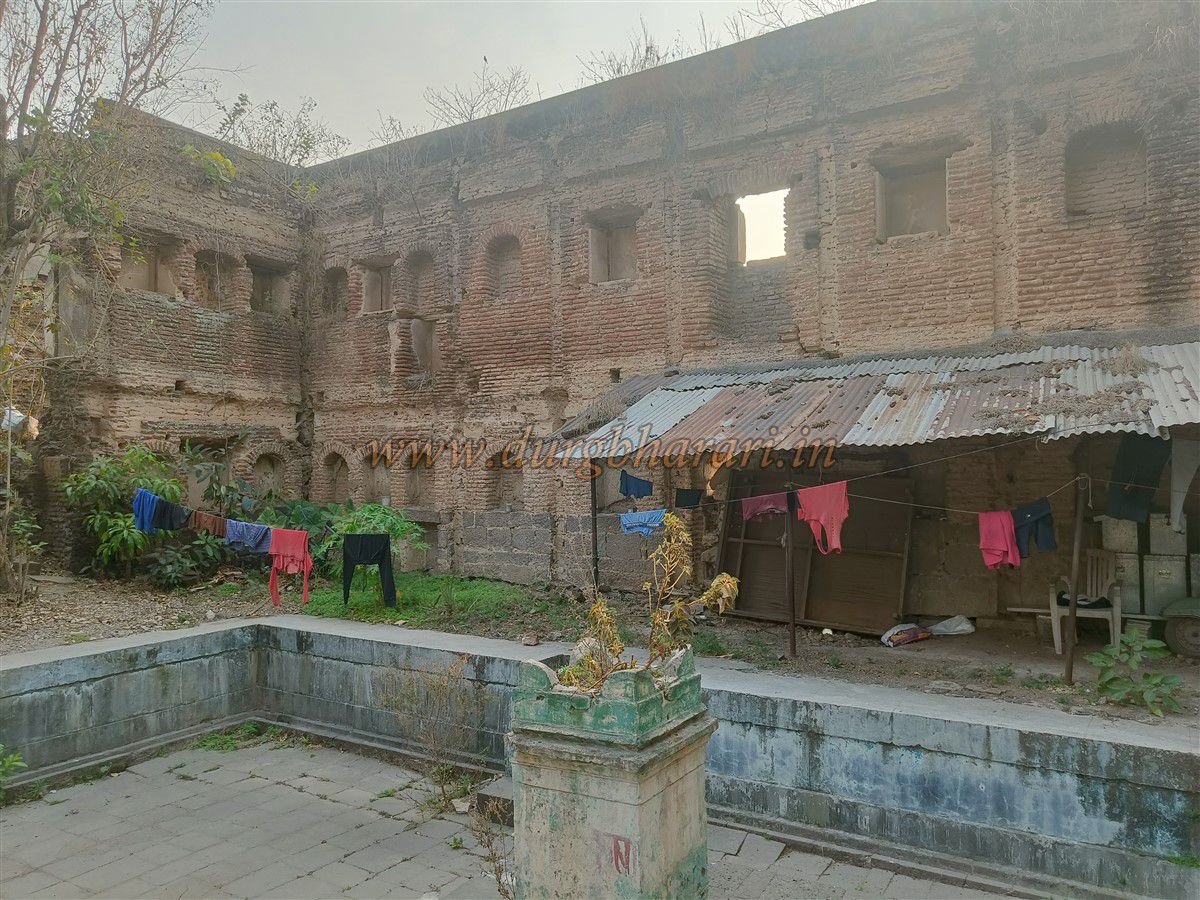
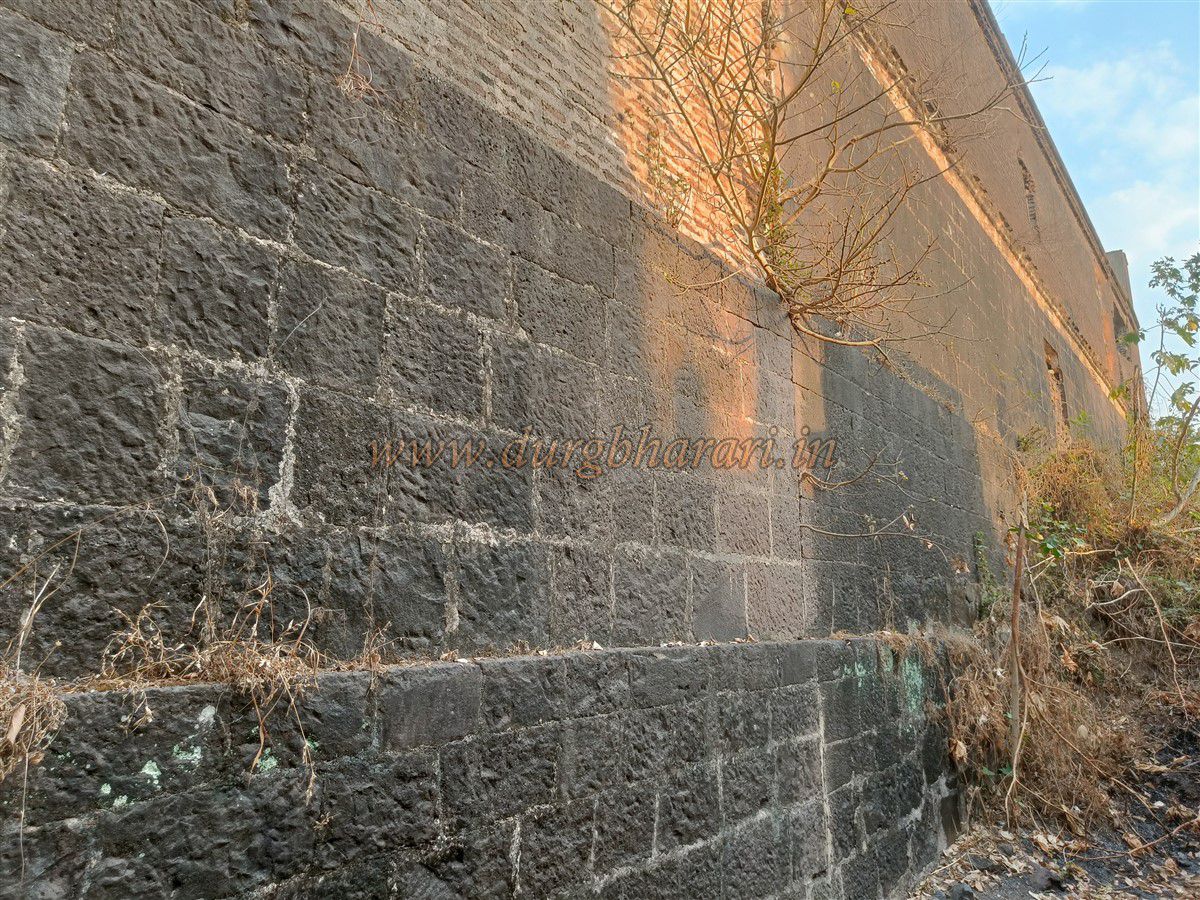
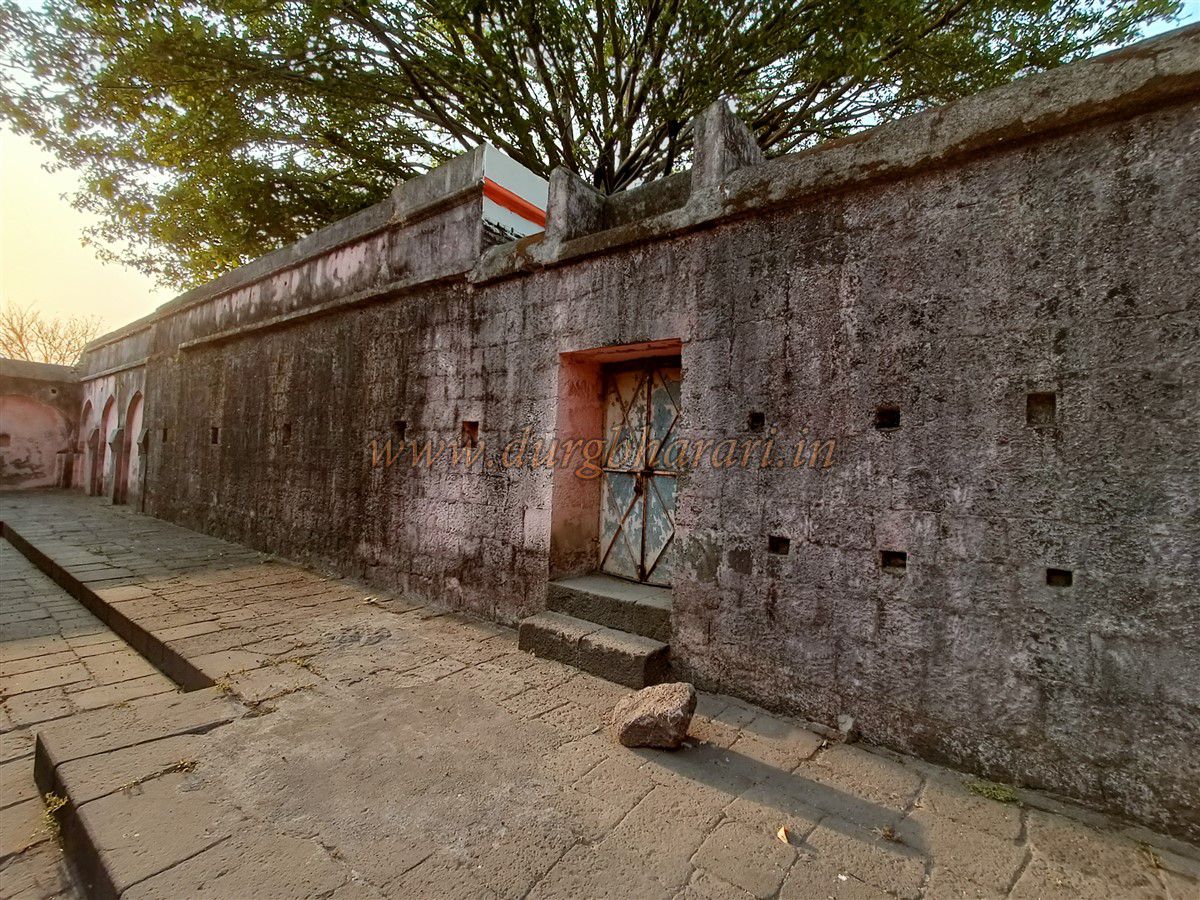
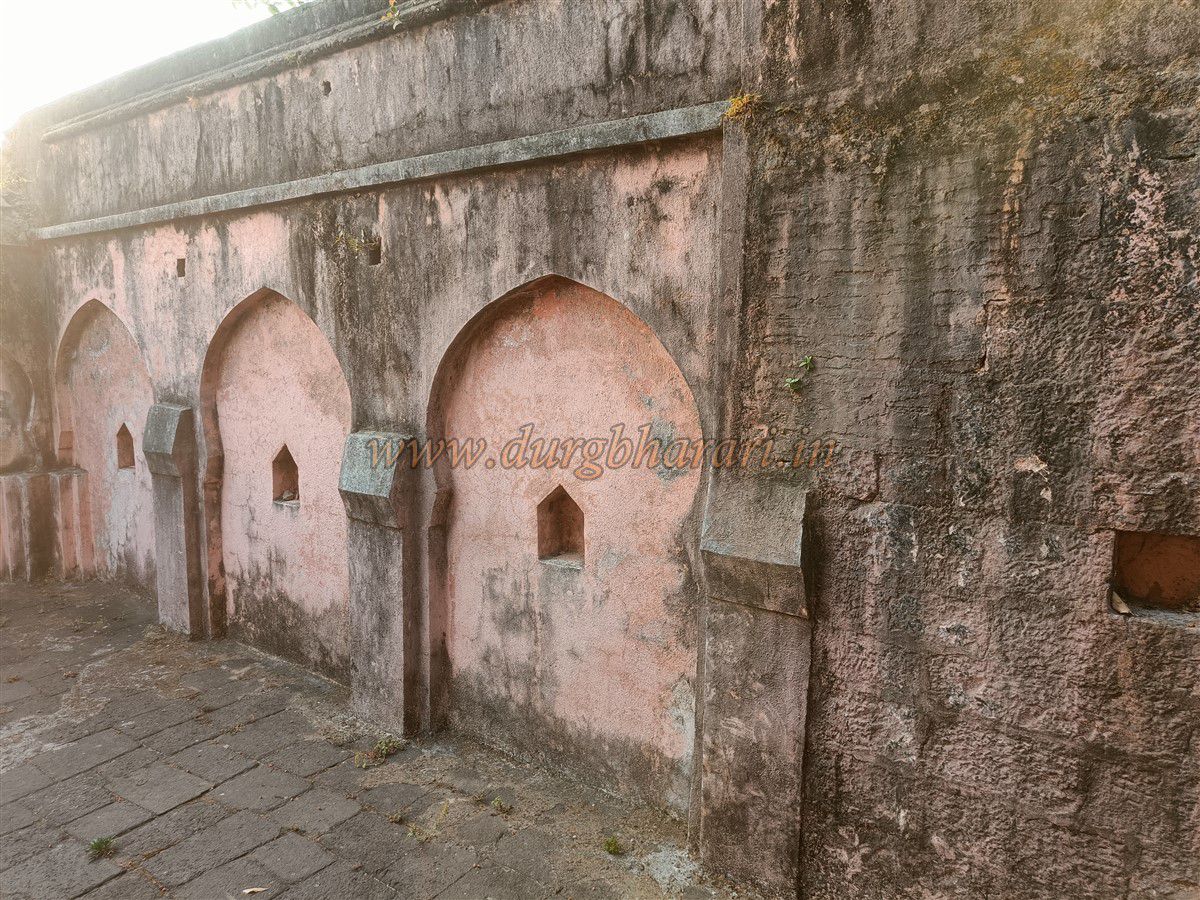
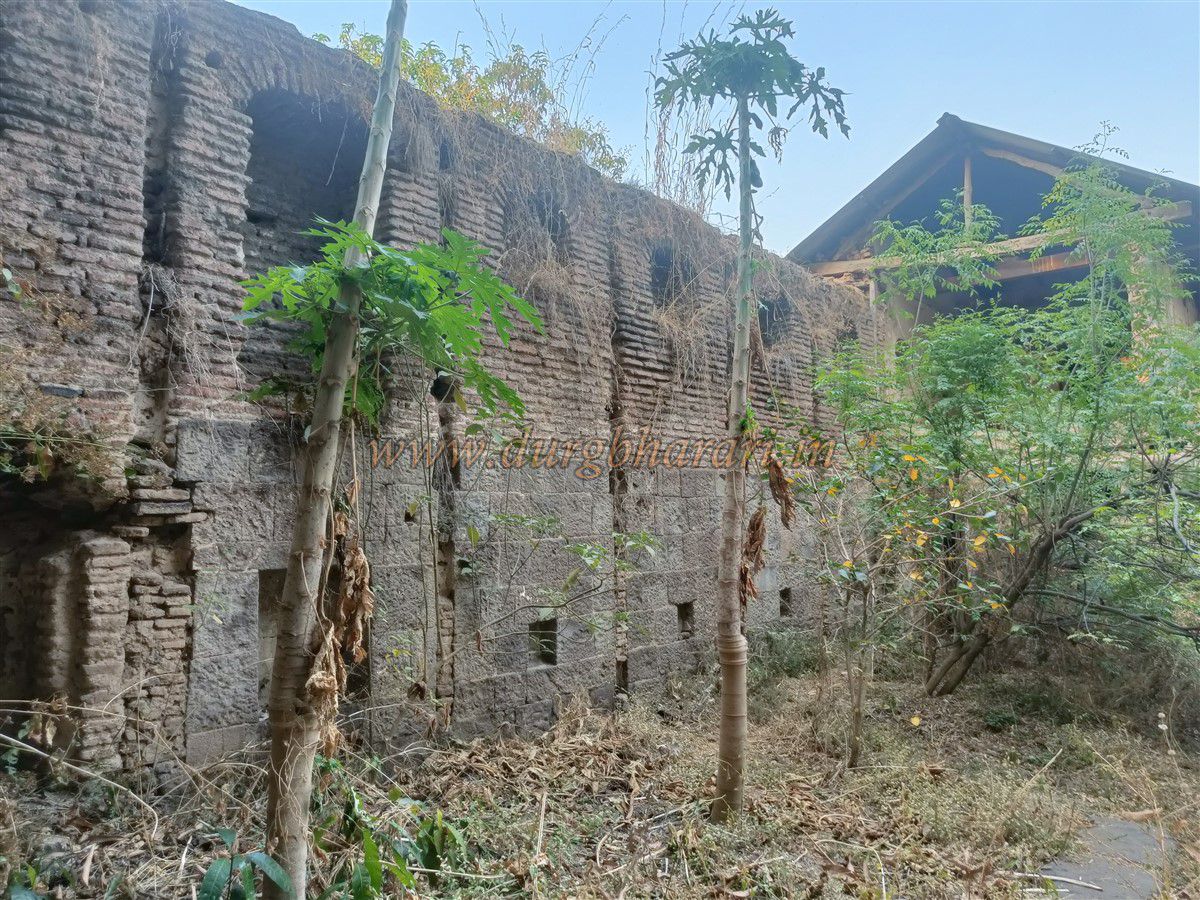
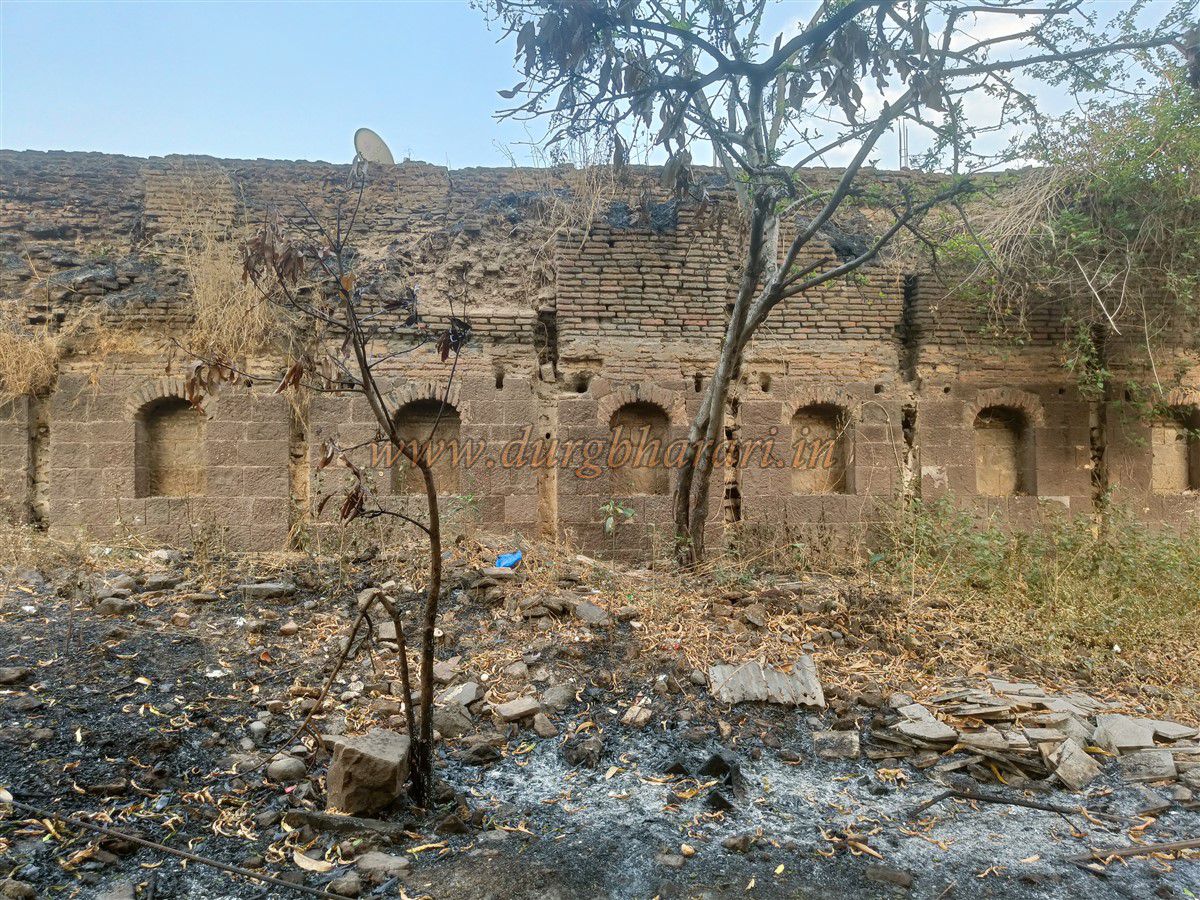
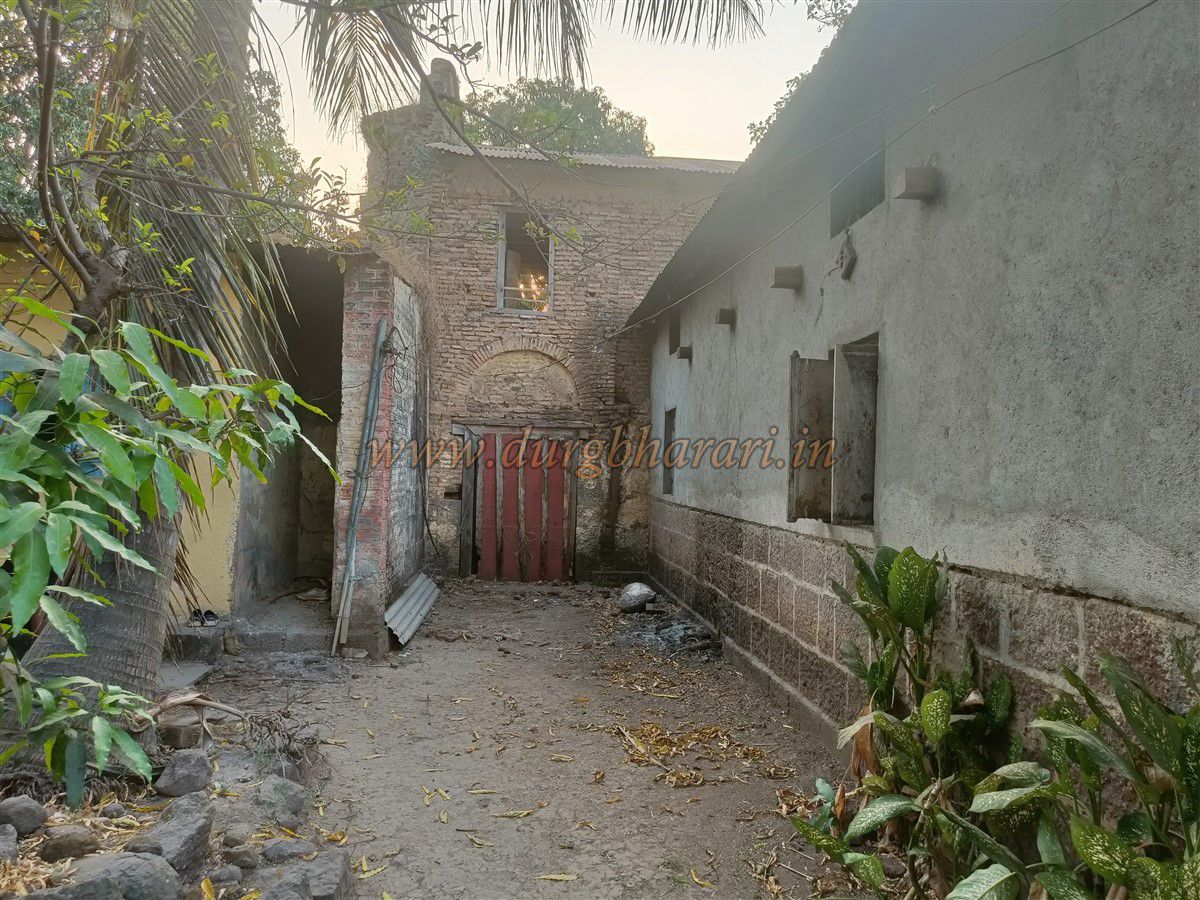
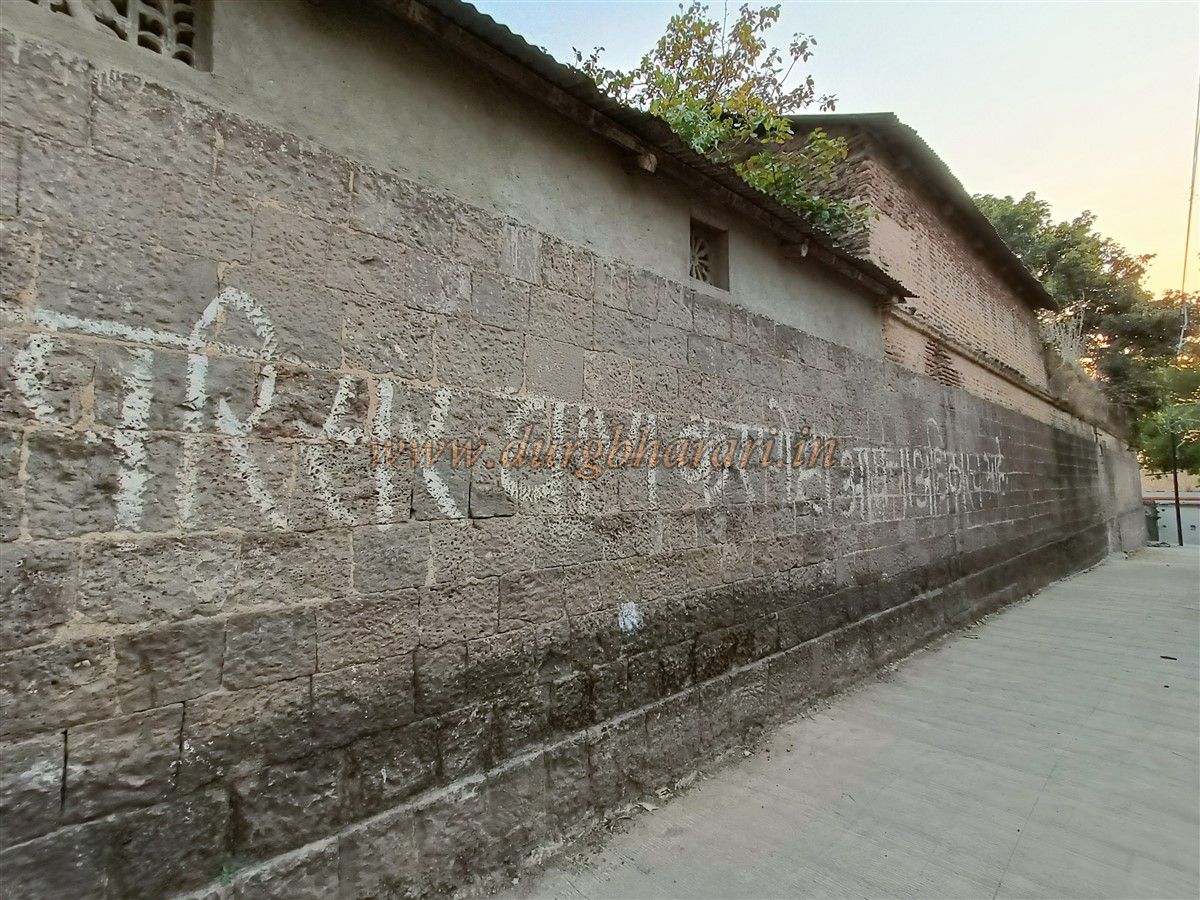
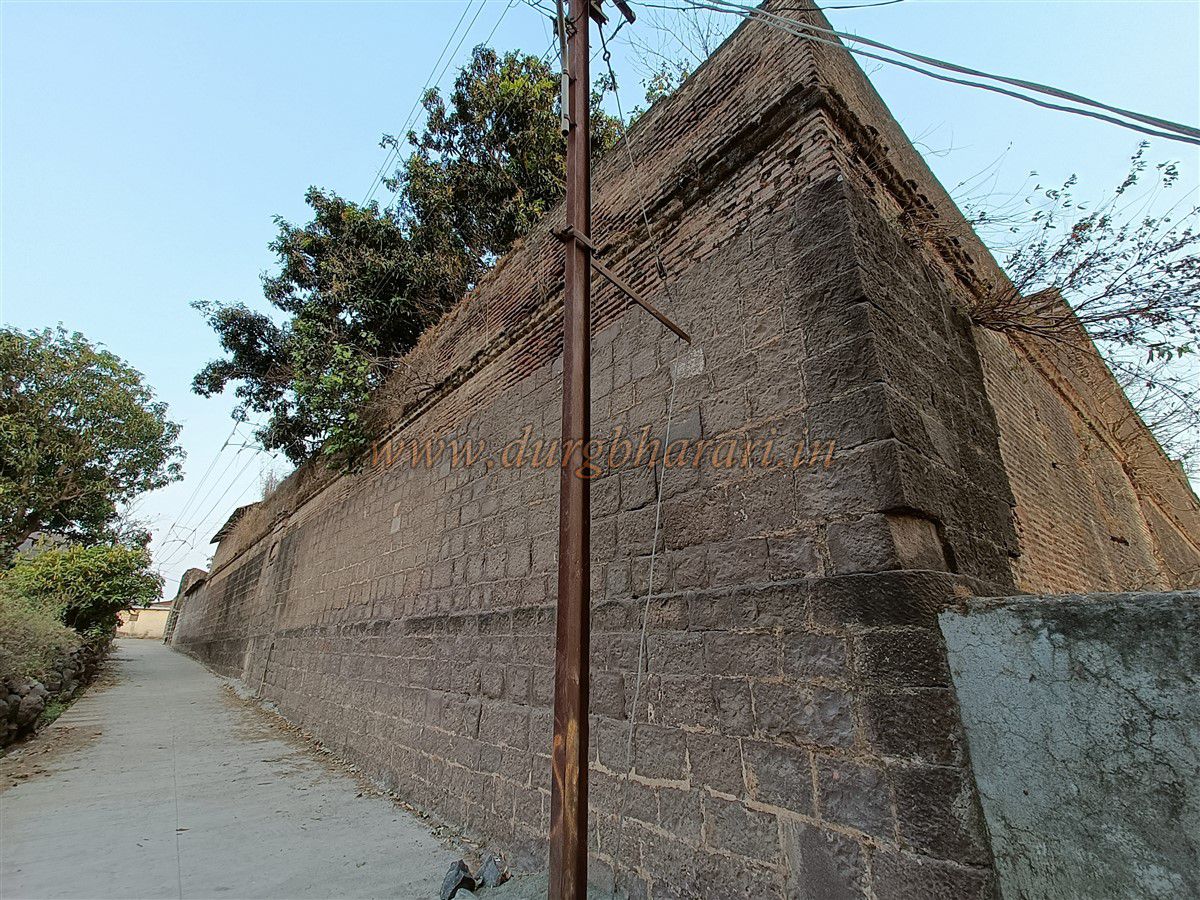
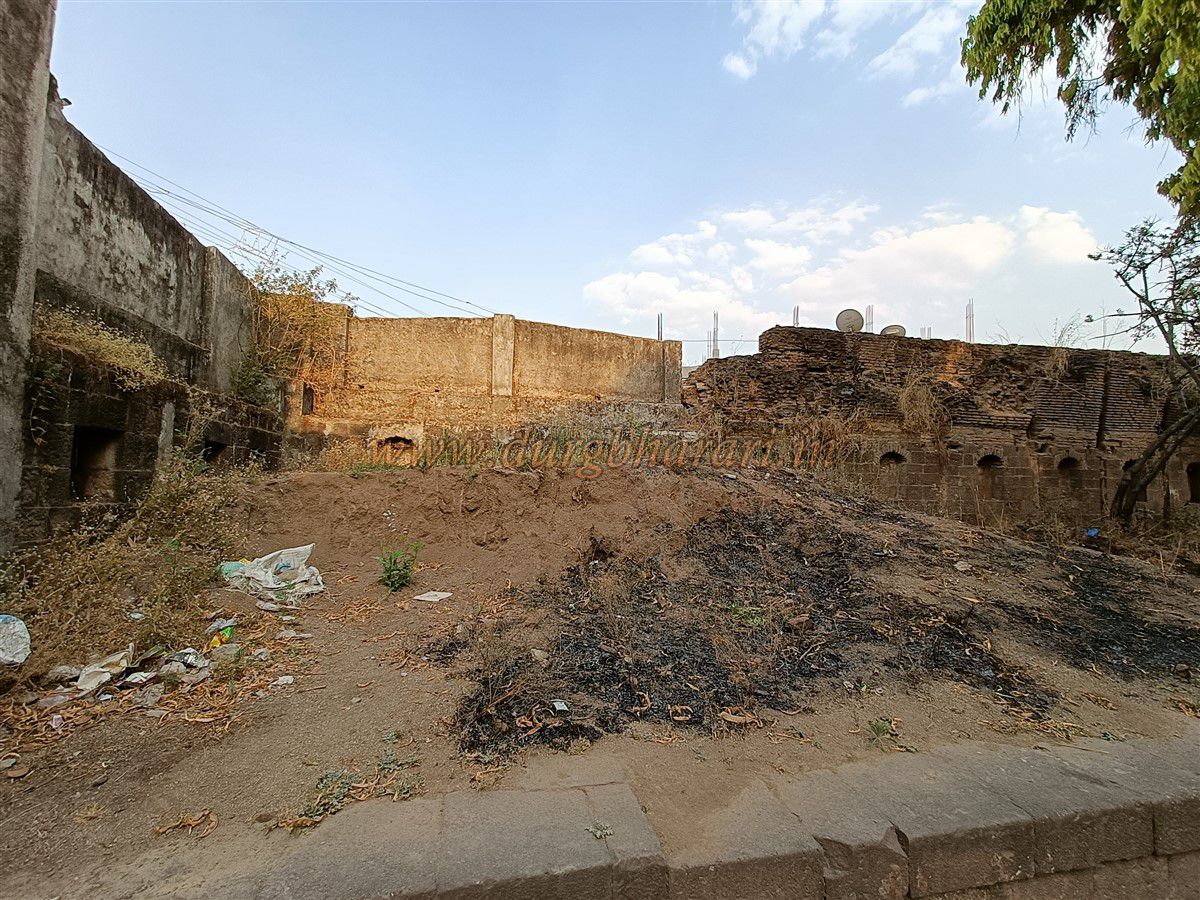
The house has been completely razed, and now a mango orchard stands in its place. However, our trip to Ranje village was not in vain. Although Ranje Patil’s house no longer exists, we did find the remains of the mansion of Ranjekar, the Diwan (minister) of the Holkar. Though the inner part of the mansion is in ruins, the four surrounding walls are still standing. The main entrance faces north and still proudly stands with its arch intact. The wooden doors of this entrance are also still in place.
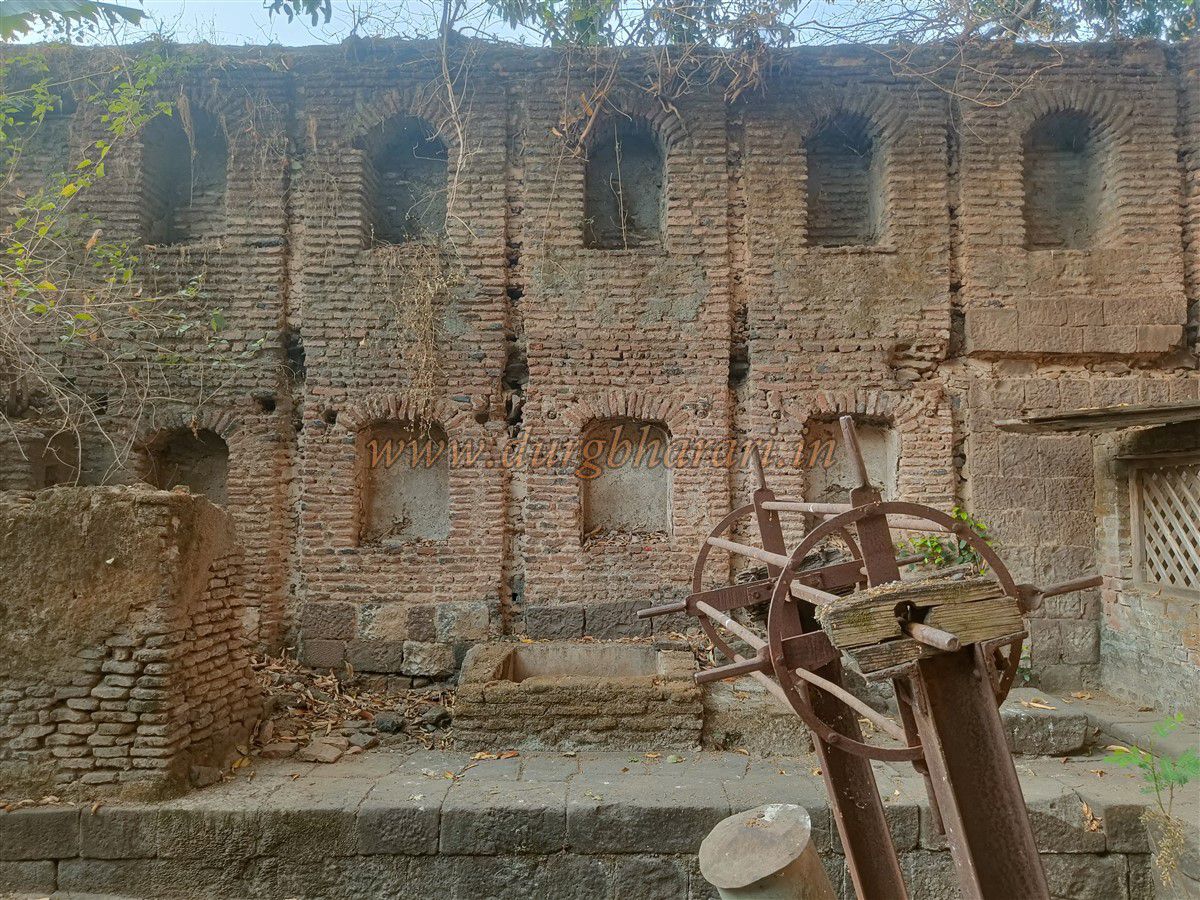
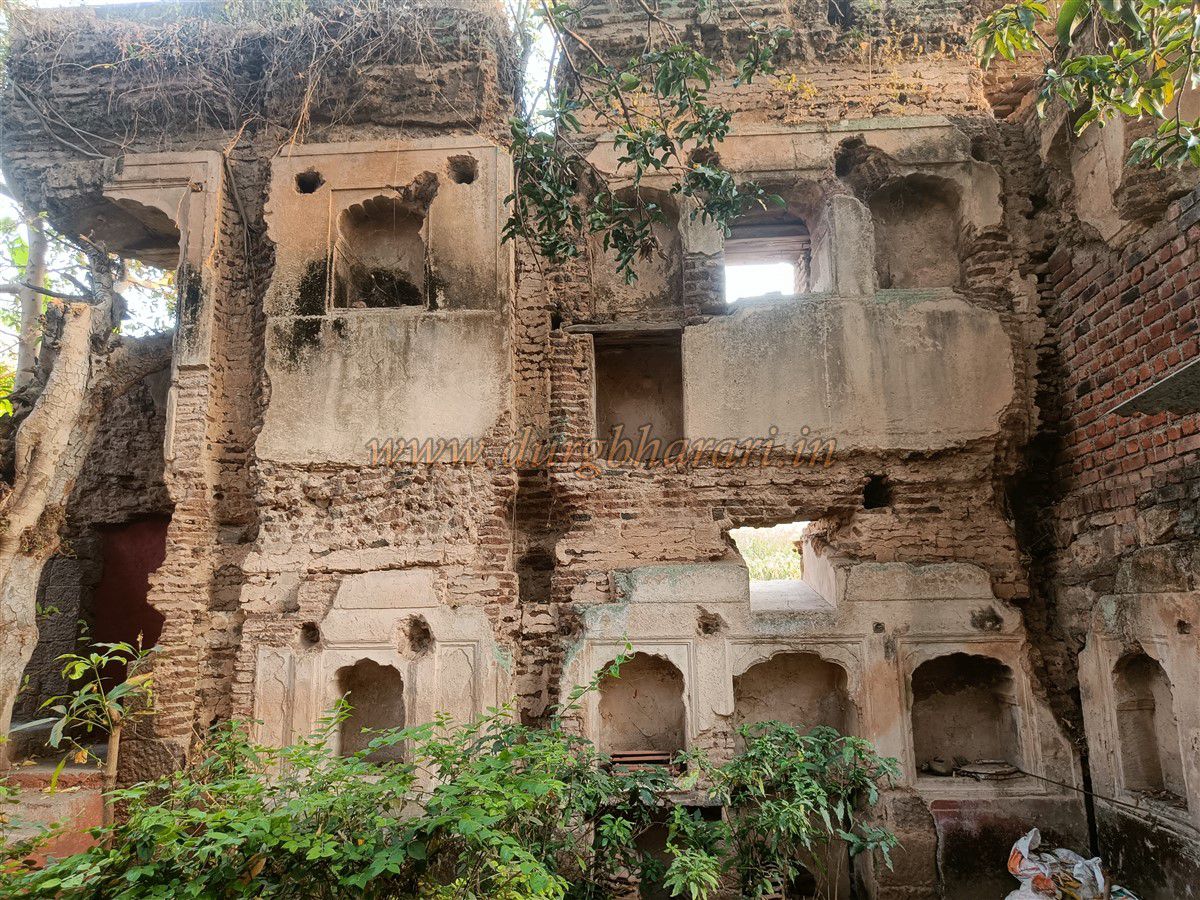
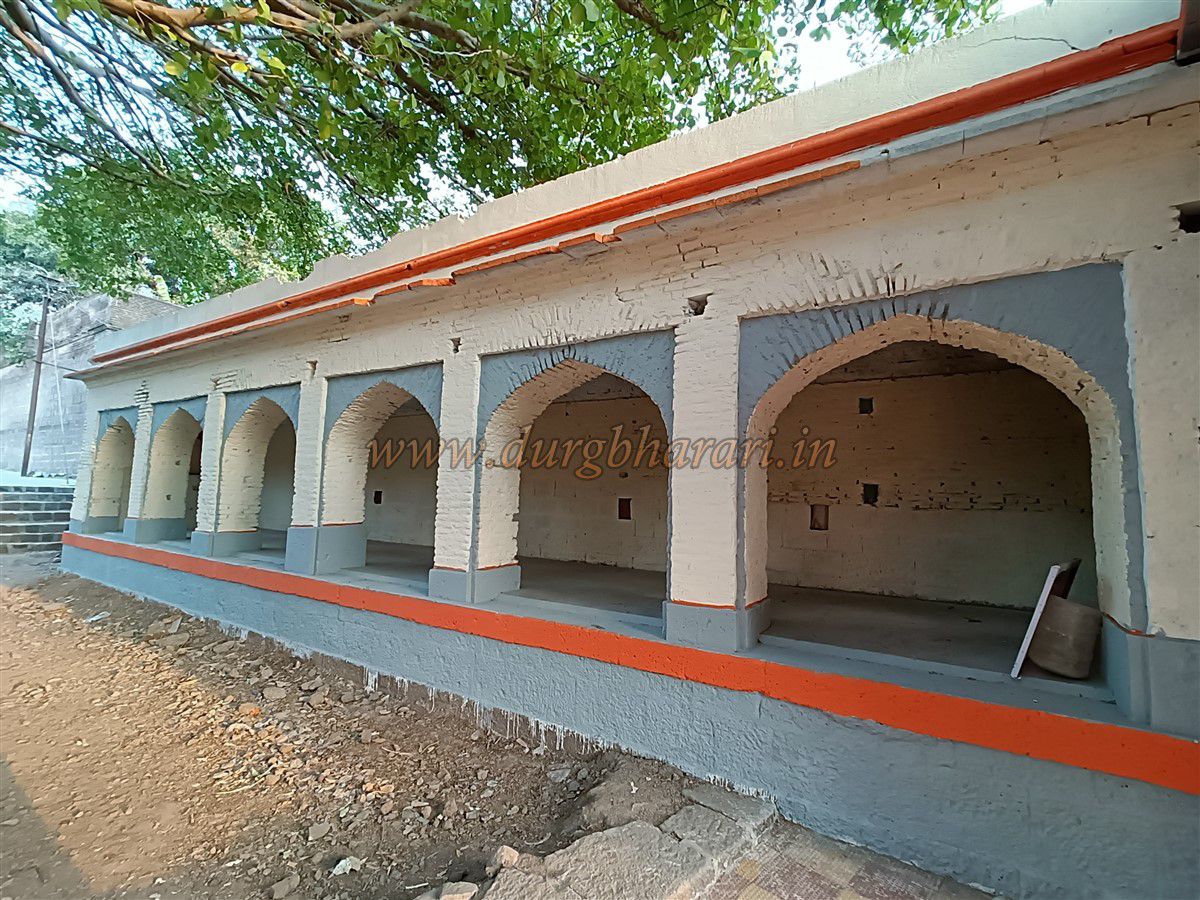
Upon entering through the doorway, there are raised platforms on both sides, and the interior walls of the mansion come into view. Observing the structure, it appears that the mansion was once three stories high. The lower portion up to the first floor is built with dressed stone, while the upper portions are made of brick. Many niches are built into the walls on both levels. A dense growth of vegetation now covers the front courtyard of the mansion. Some new rooms have been added to part of the structure, and an old age home currently operates there.
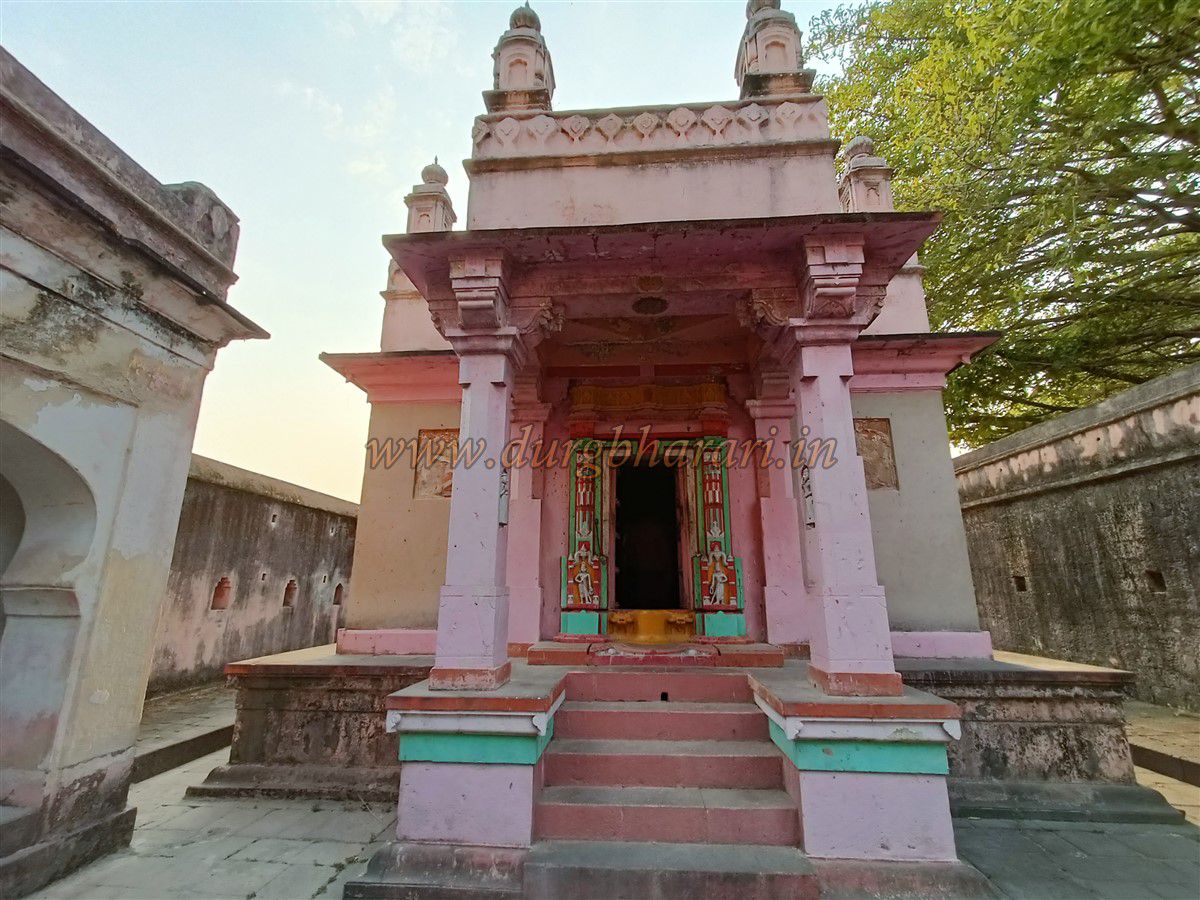
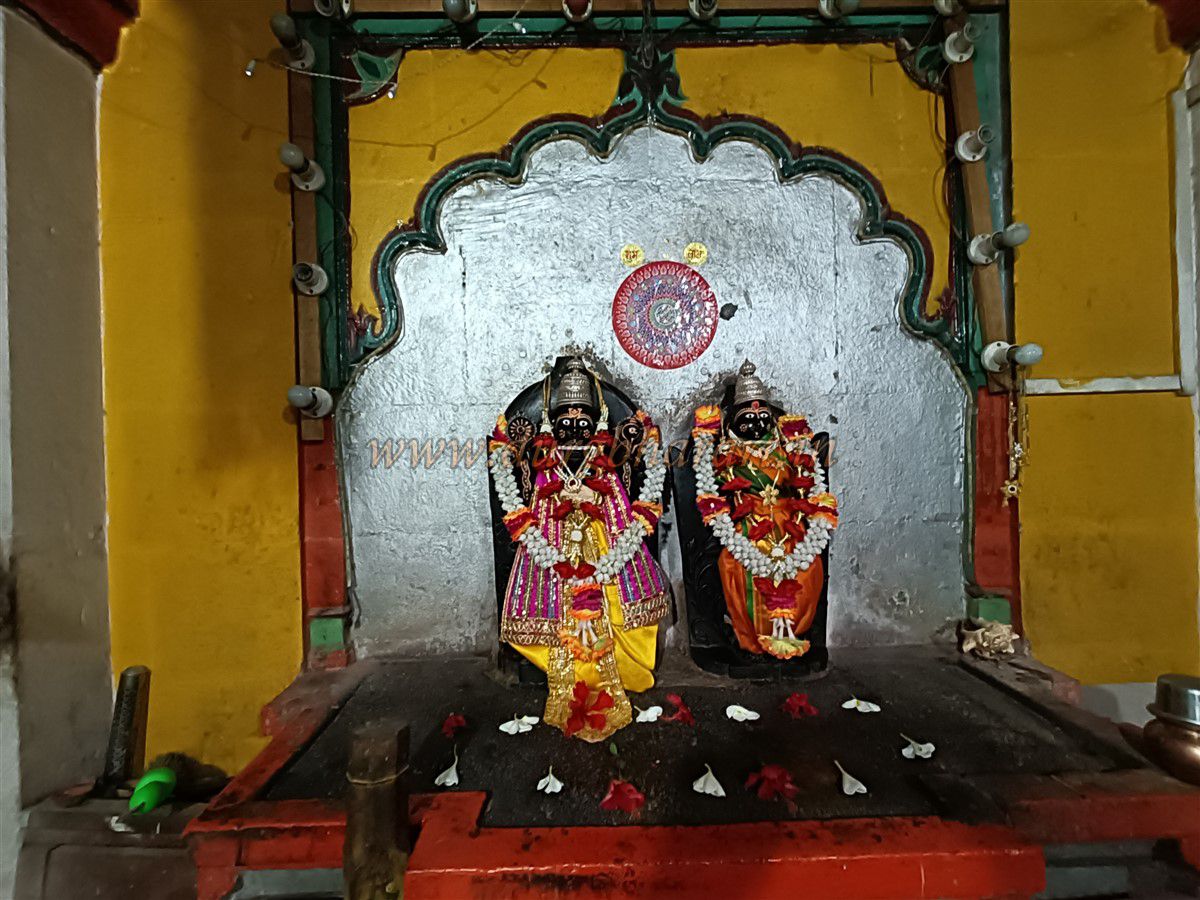
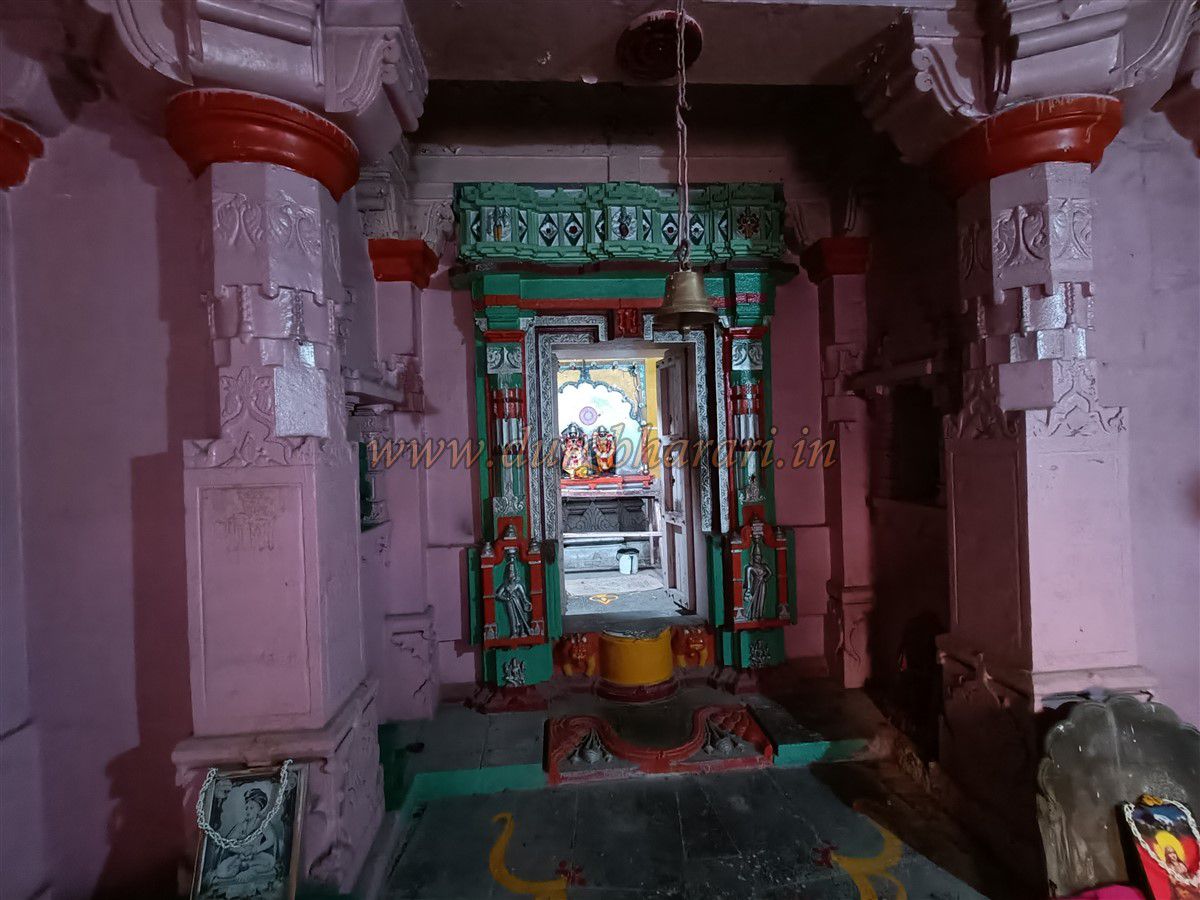
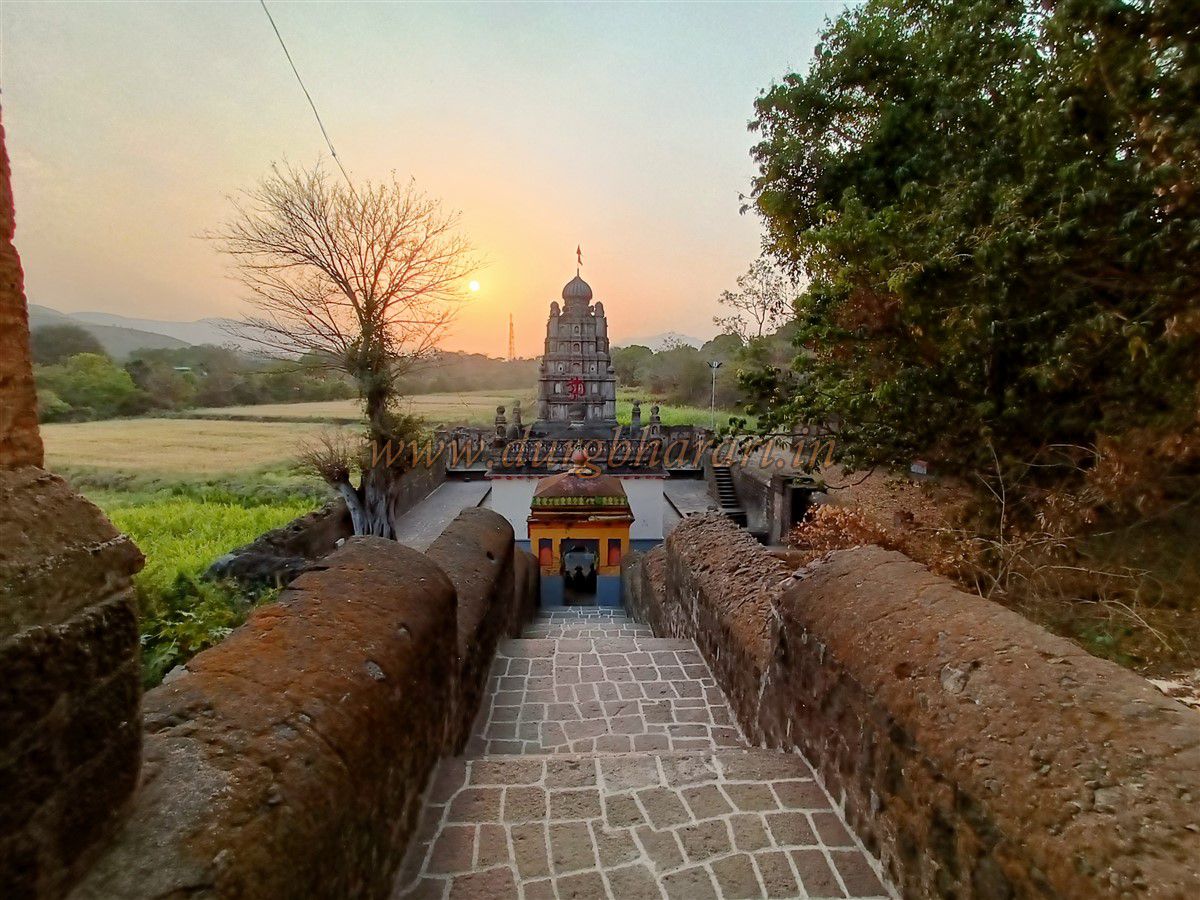
At the rear of the mansion is a square courtyard built of dressed stone, still intact, with a Tulsi Vrindavan built within it. From here, a doorway leads to another section of the mansion, which contains a square stepwell. A subterranean passage from here leads outside the mansion to the Lakshmi Narayan temple. Built approximately two hundred years ago, this temple is surrounded by boundary walls on all four sides and remains private property of the Ranjekar family. In front of the temple stands a traditional deepmala (lamp tower), and inside is an idol of Garuda. The temple consists of a Mukhmandap (front hall), Sabhamandap (assembly hall), and Garbhagriha (sanctum), with idols of Vishnu and Lakshmi installed within.
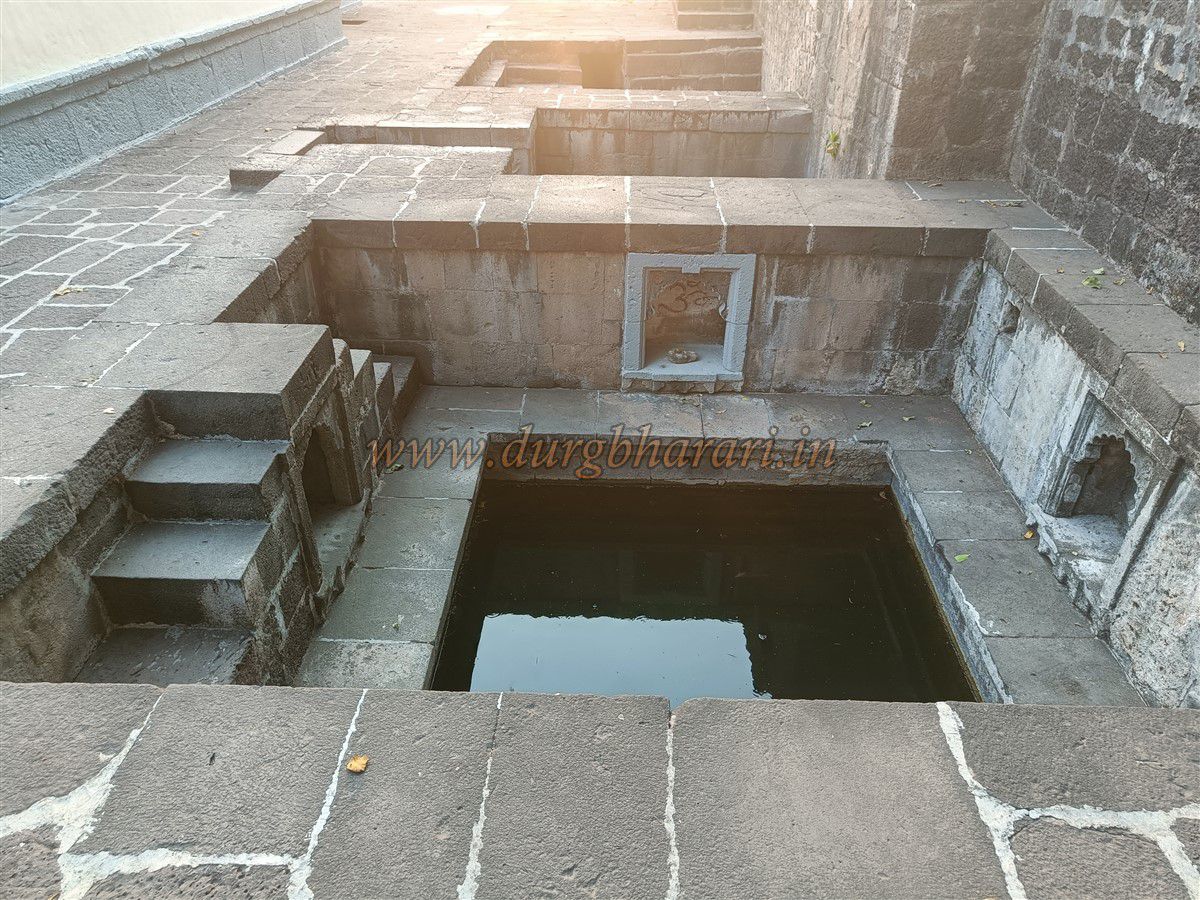
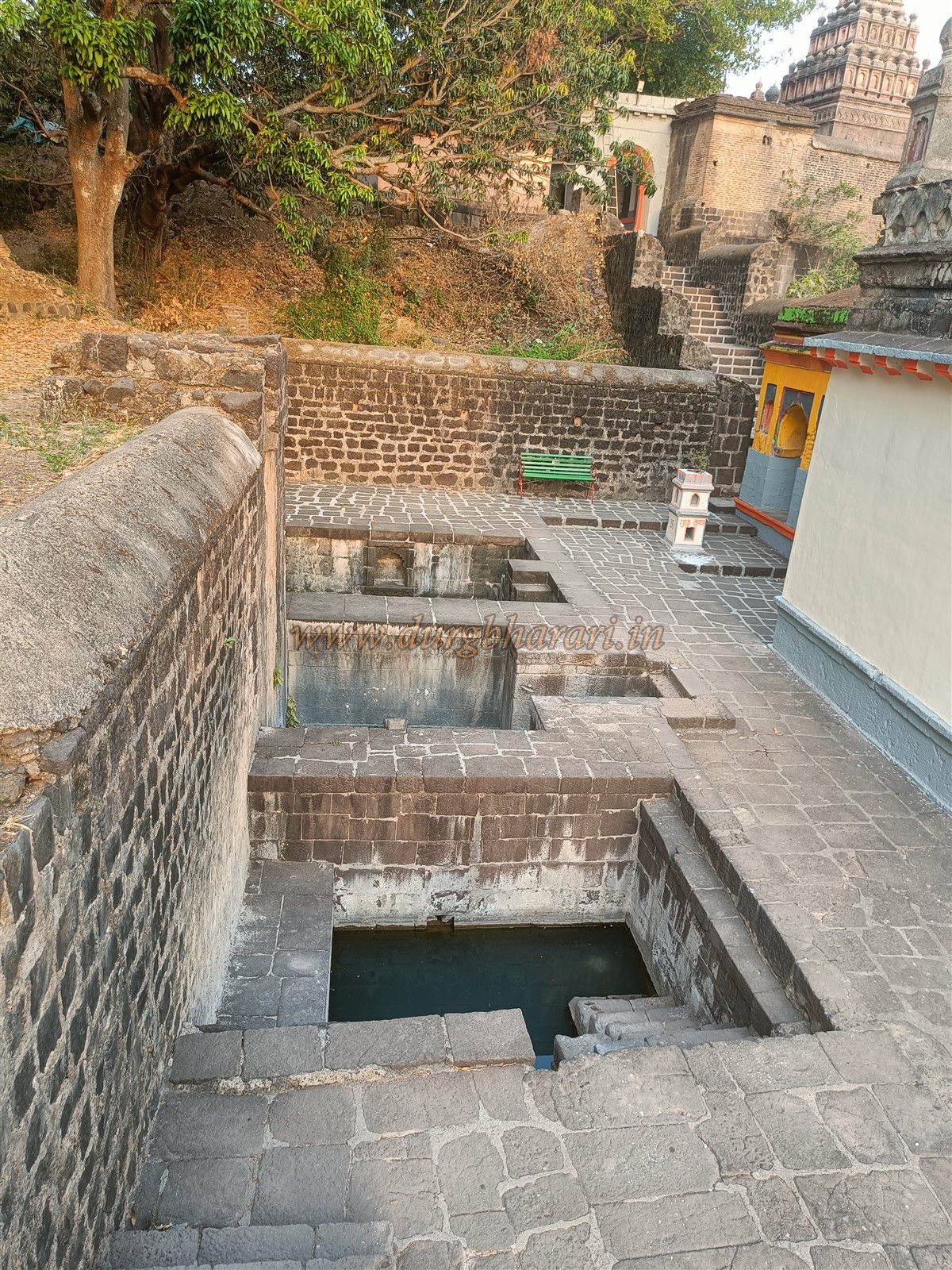
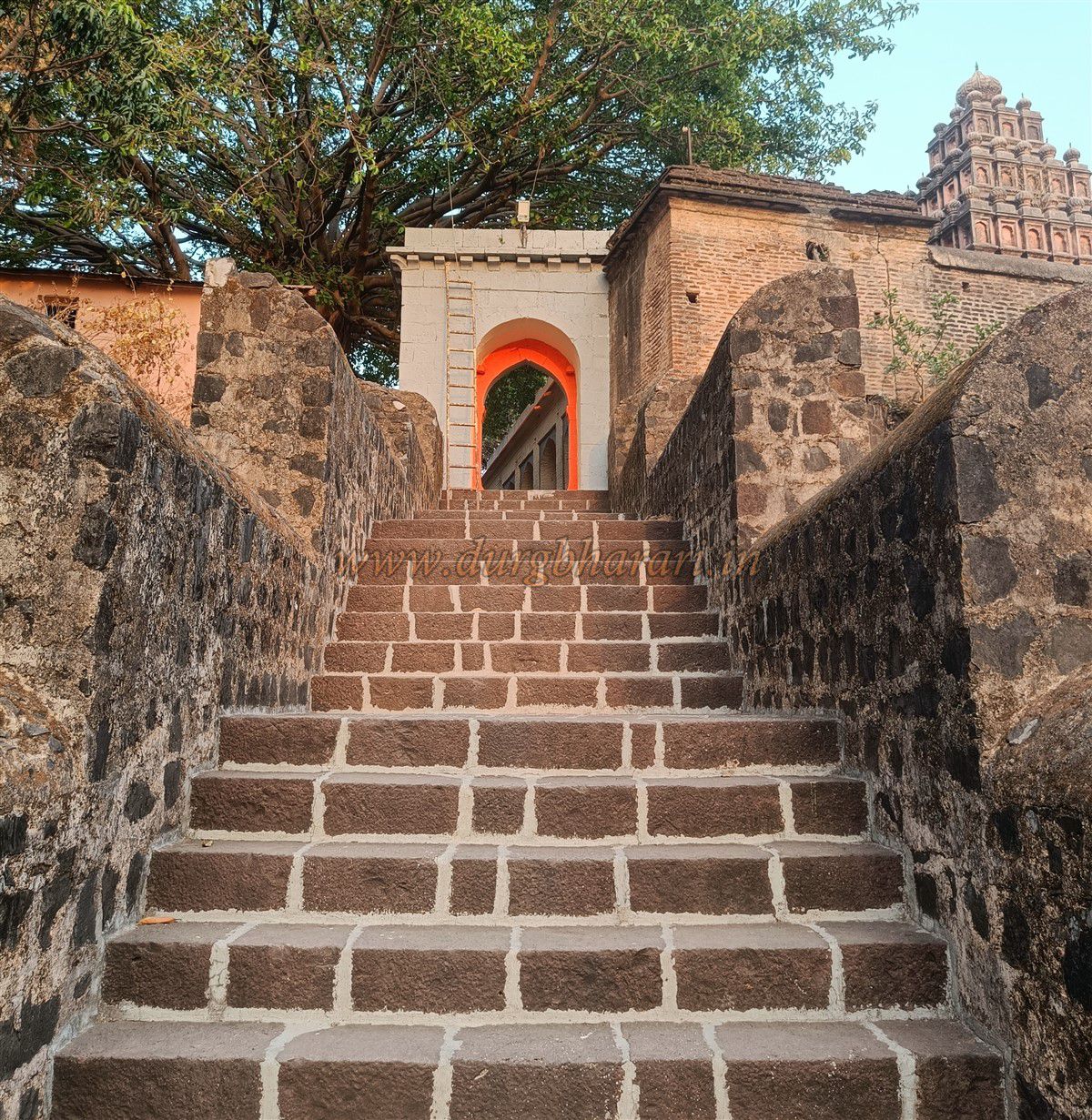
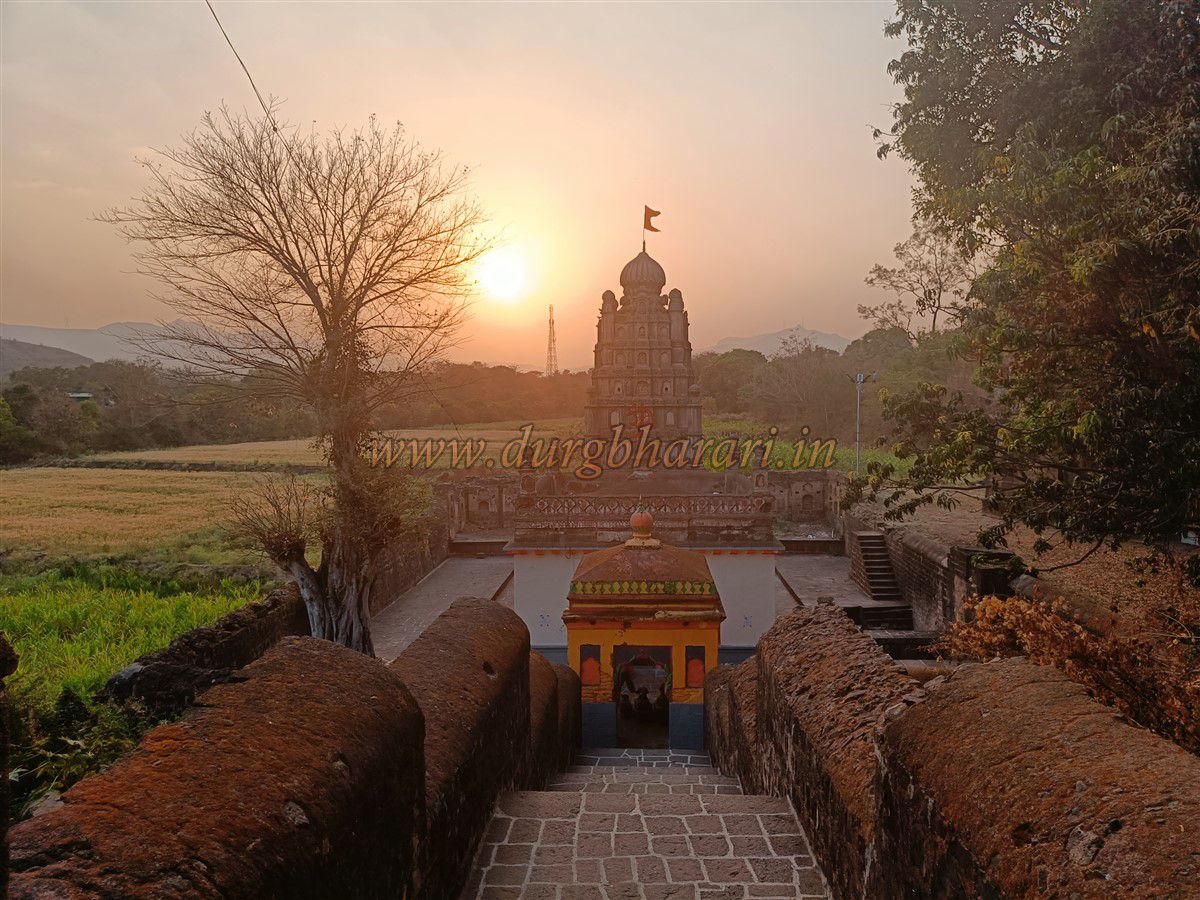
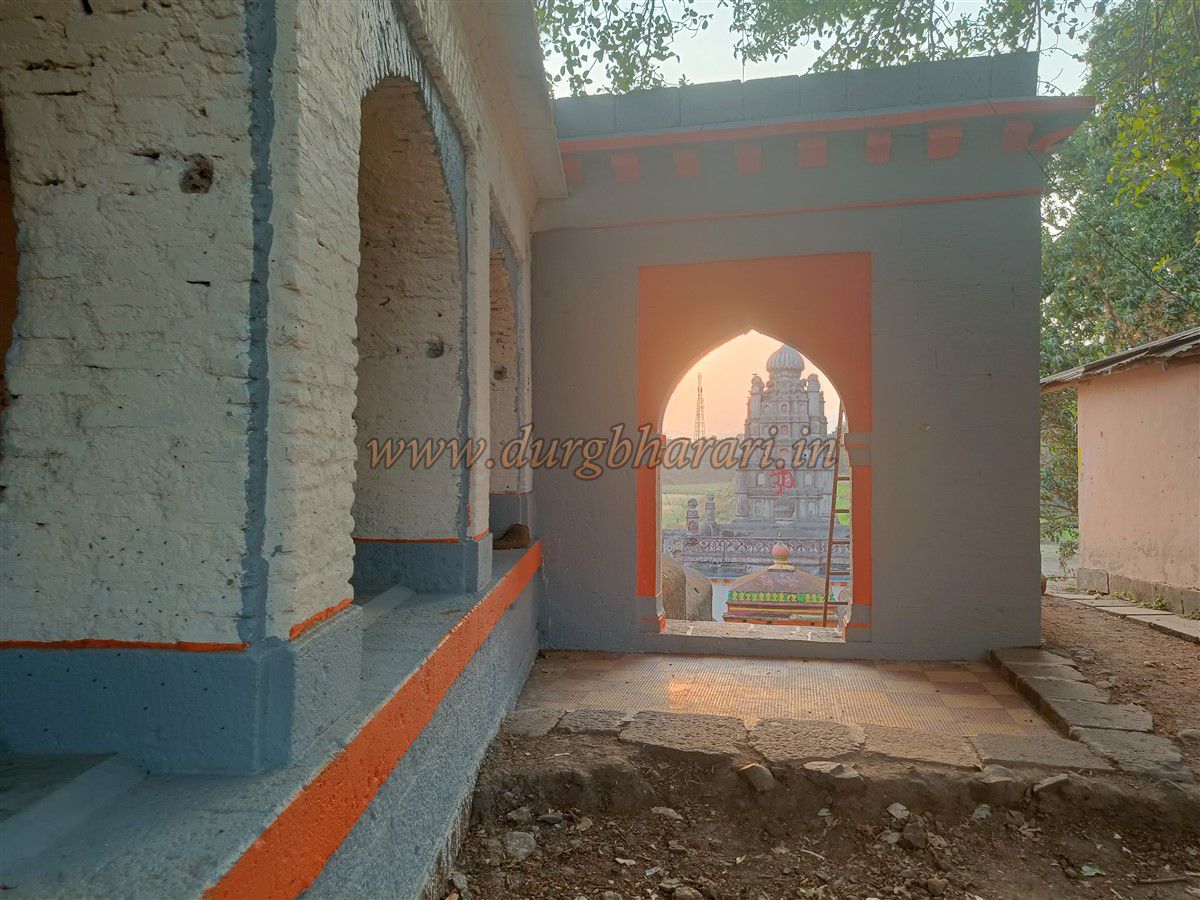
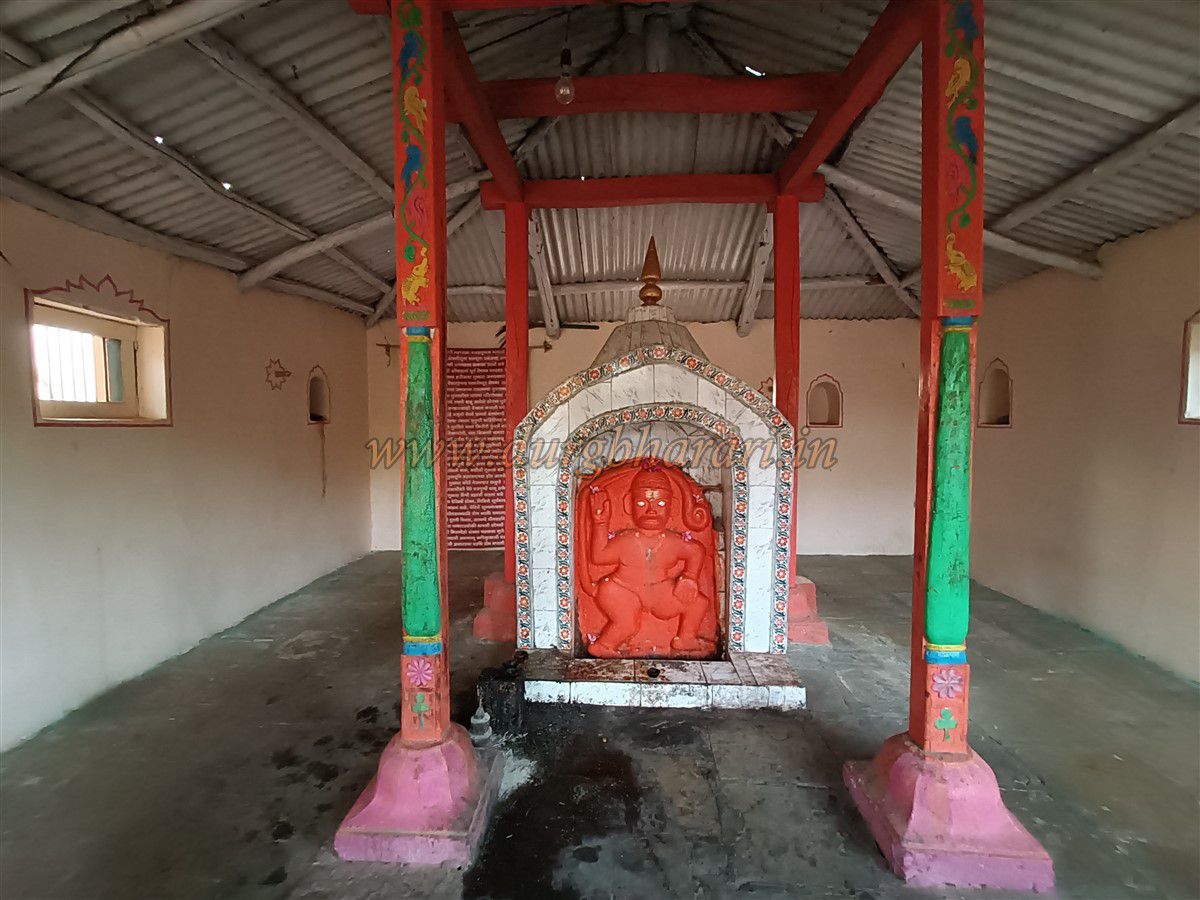
After visiting the temple, one returns to the courtyard, completing the tour of the mansion. Outside, on the west side of the mansion, stands the Peshwa-era temple of Ranjeshwar Mahadev. This temple features three water tanks, resembling a traditional pushkarni. Near the main entrance of the temple is a small Hanuman temple. An hour is sufficient to explore the Ranjekar mansion and the temple premises.
© Suresh Nimbalkar
GALLERY