RANJANE
TYPE : GADHI
DISTRICT : DHULE
HEIGHT : 0
GRADE : EASY
The Khandesh region is also known as the land of the “Twelve and a Half Raval” estates. "Raval" is a title awarded to certain lineages in the region, including clans such as Sisodia, Solanki, Parmar, and Pratihar. These twelve and a half estates are:
1. Dondaicha
2. Malpur
3. Sindkheda
4. Ashte
5. Sarangkheda
6. Ranjane
7. Lambola
8. Lamkani
9. Chaugaon
10. Hatmoida
11. Ranale
12. Manjre
13. Karvand
Half of these estates are located within Khandesh, and the other half outside, which is why they are collectively referred to as "half an estate." An additional estate not included in this count is Toran-kheda. This area, once under the Solanki Raval, later became part of the Kadambande sardar’s jagir after the Marathas took control.
...
Among the listed forts, four — Ashte, Lambola, Chaugaon, and Hatmoida — are now completely destroyed, while five others remain in varying states of ruin. Only four forts still exist in their original form.
After the princely states were annexed (post-independence), the maintenance of these privately owned forts became difficult for the Raval families, leading to the decay and destruction of many forts. However, Ranjane Fort stands out as an exception. Despite the digital age, there’s little to no information about this fort online. Our group, Durgbharari, studied these forts in detail and have shared the gathered information on our platform.
Ranjane Fort is still in its original form and is well-maintained. It currently remains under the ownership of the Raval family and can be visited with their permission. Located in Sindkheda taluka of Dhule district, it is 14 km from Sindkheda and 18 km from Dondaicha. To visit Ranjane Fort, one must first reach either Sindkheda or Dondaicha. Since Ranjane is a small village and the fort is well-known among locals, it's easy to find.
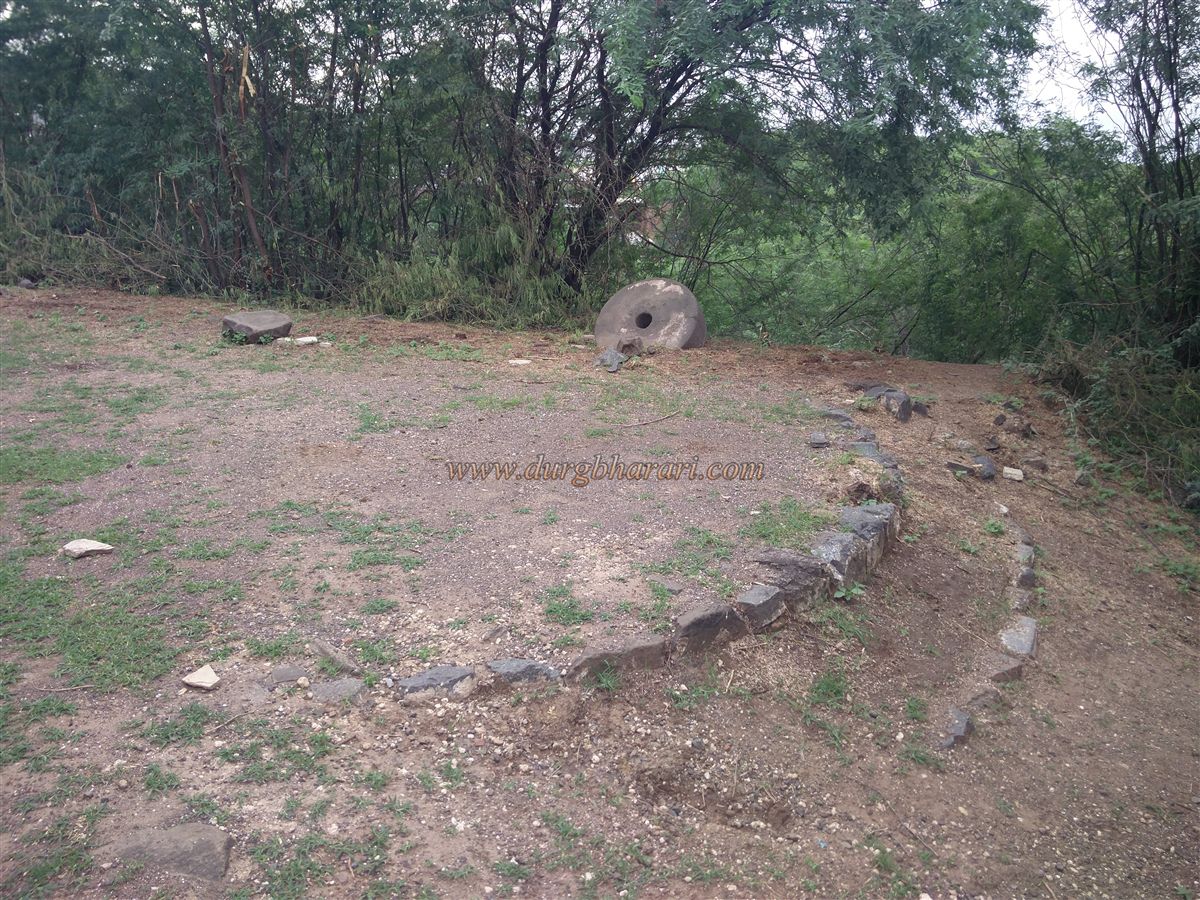
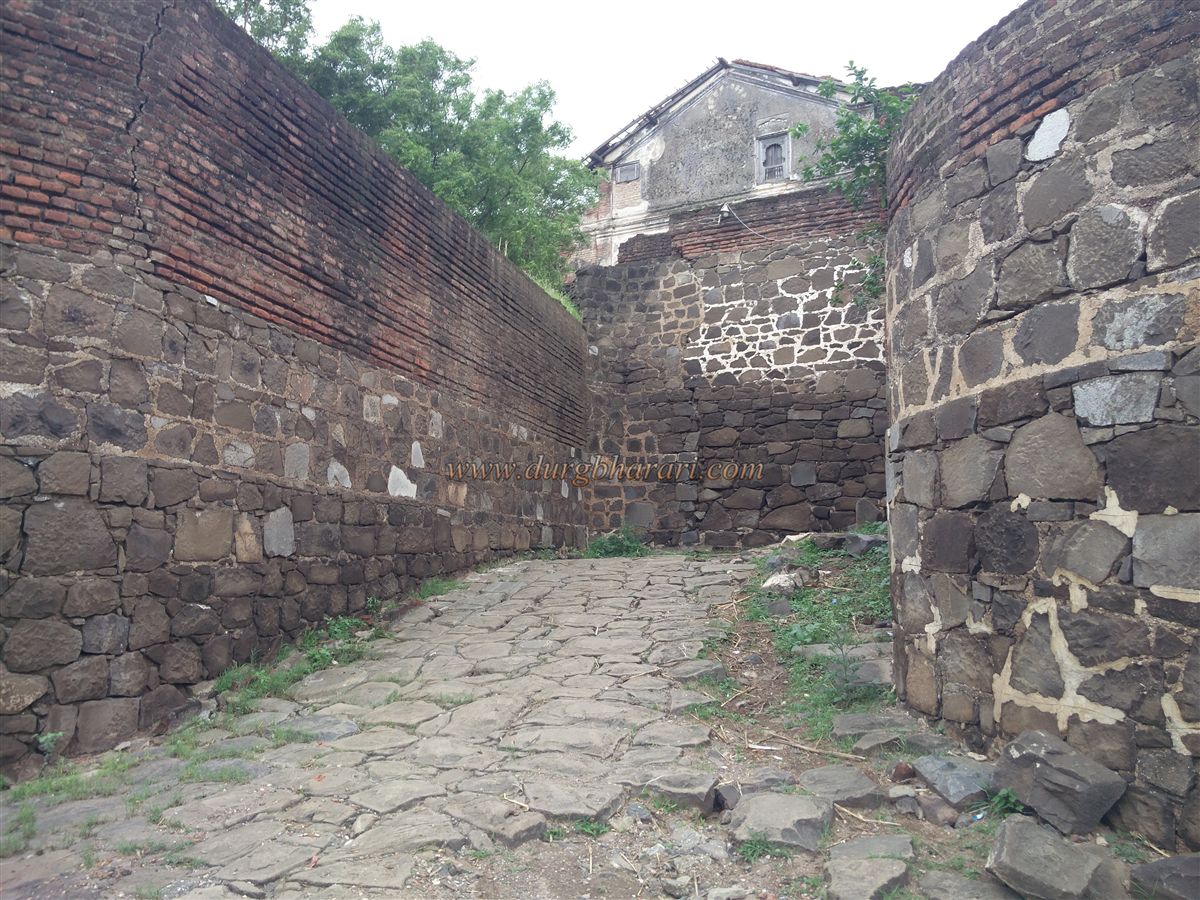
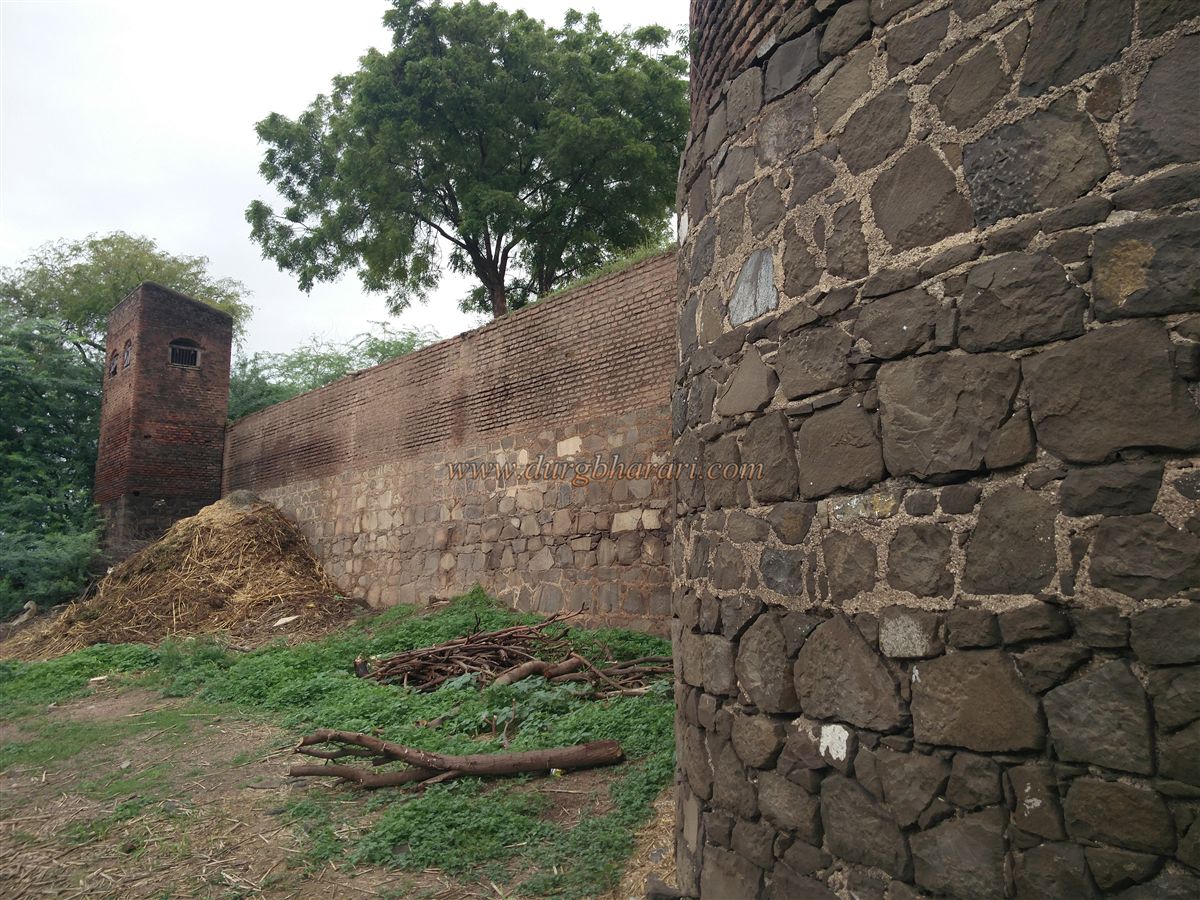
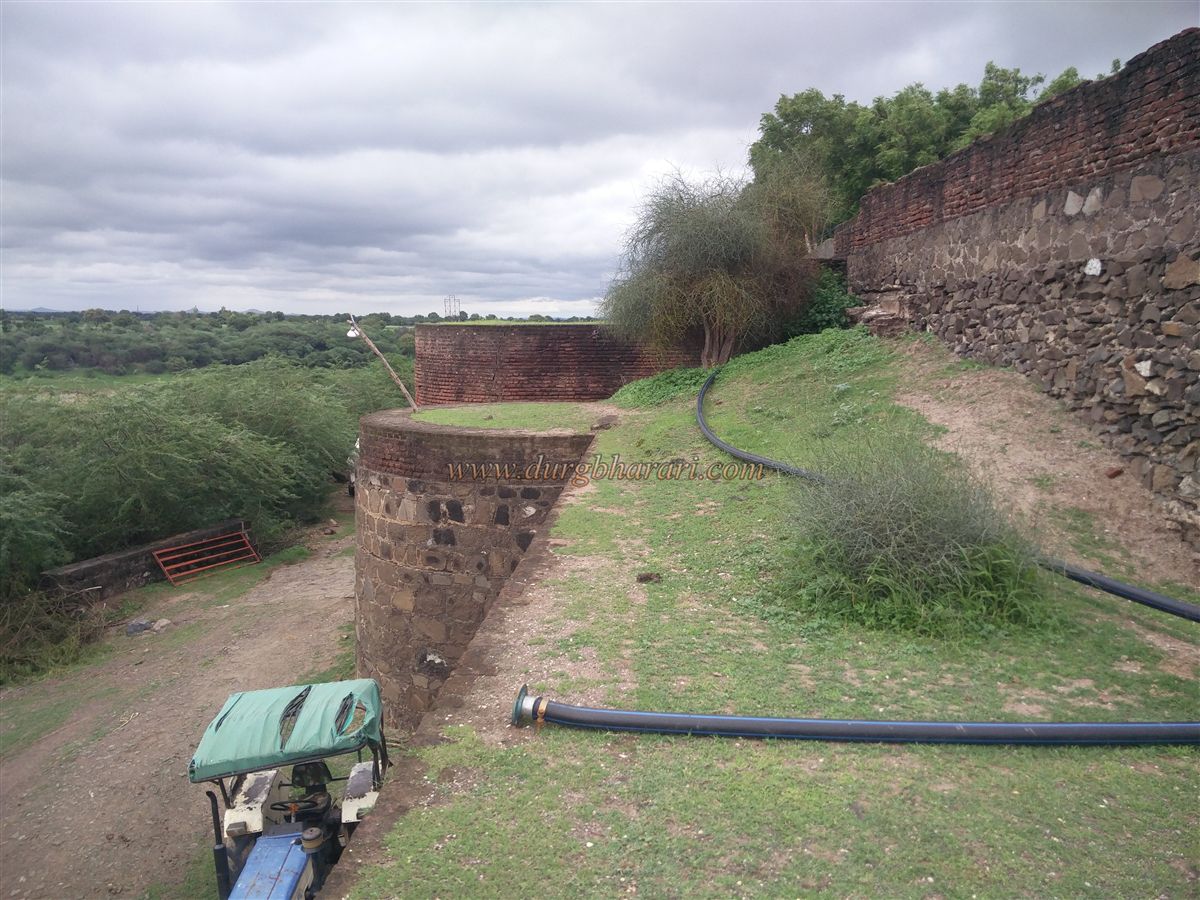
The fort is located on the western bank of the Tapti River, nestled in a densely wooded area on the edge of the village. It is a partially built fort, housing a grand three-story mansion of the Solanki Raval family inside. Outside the fort's boundary, one can still see the lime mixing pit and wheel used in construction. The square-shaped fort spreads across approximately one acre and features seven bastions. The walls and bastions are about 20–25 feet high, with the lower part built of undressed stone and the upper section of bricks.
Unlike any other Raval forts, this one features a unique "war-circle" style entrance. The main west-facing entrance is Gomukh (cow-face shaped), curved and strategically placed between two bastions to allow defenders to attack from above. The main gate still retains its wooden frame and stone archway, adorned with intricate carvings. While the upper portion of the gate has collapsed, wooden beams remain intact.
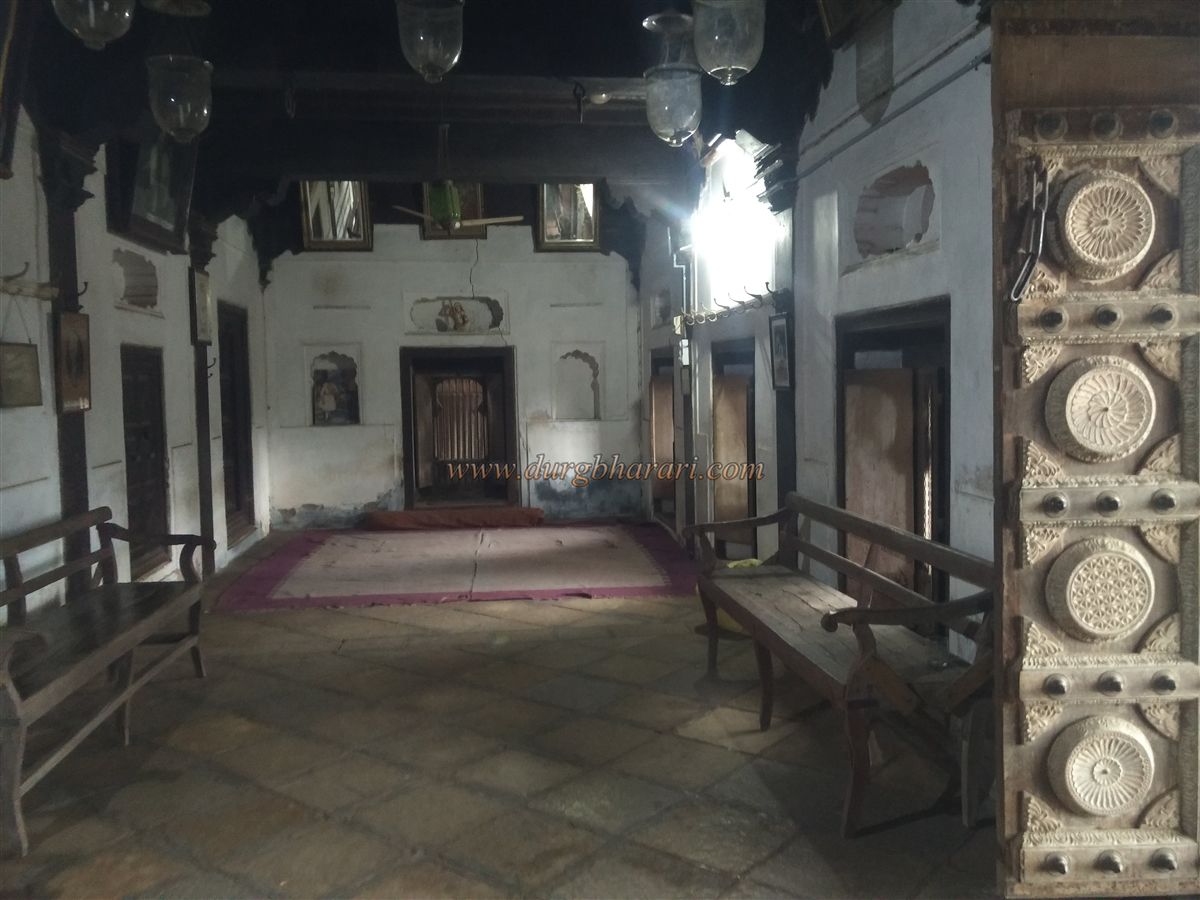
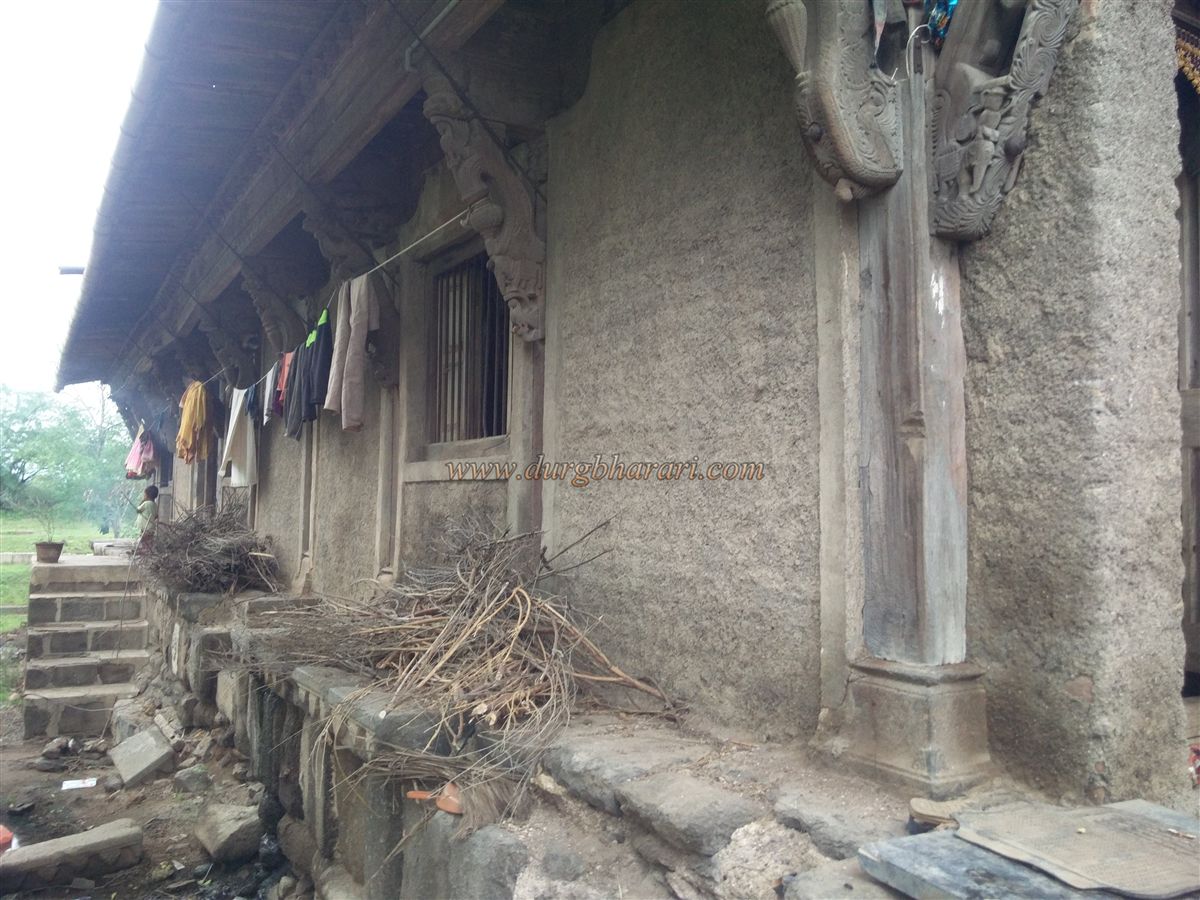
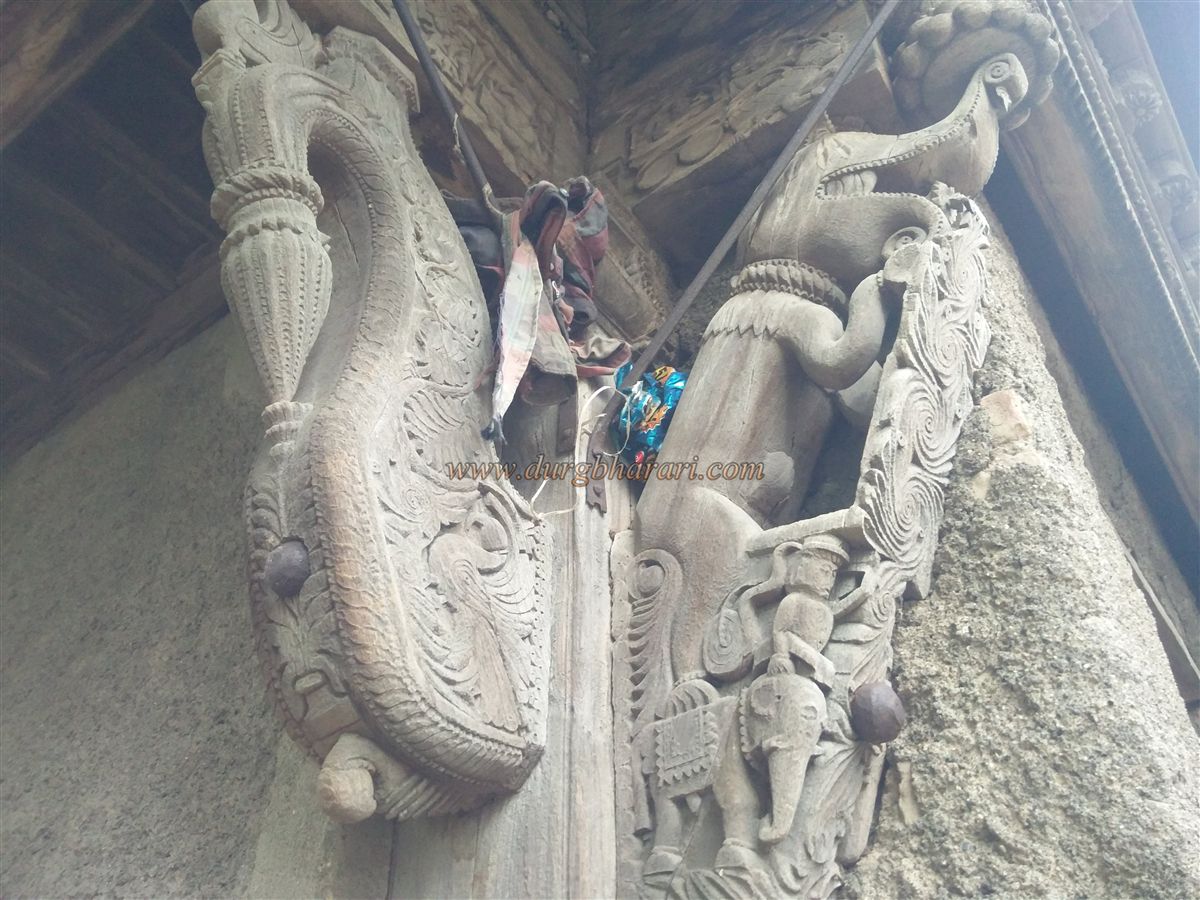
Upon entering the fort, one is greeted by the impressive and well-preserved three-story mansion of the Raval family, who still reside there. The mansion has elaborately carved wooden pillars, beams, and brackets, and is built around a courtyard with various rooms at its base. Glass chandeliers and antique glass pots hang from the ceilings. Parts of the mansion are in private use, so visitor access is somewhat restricted.
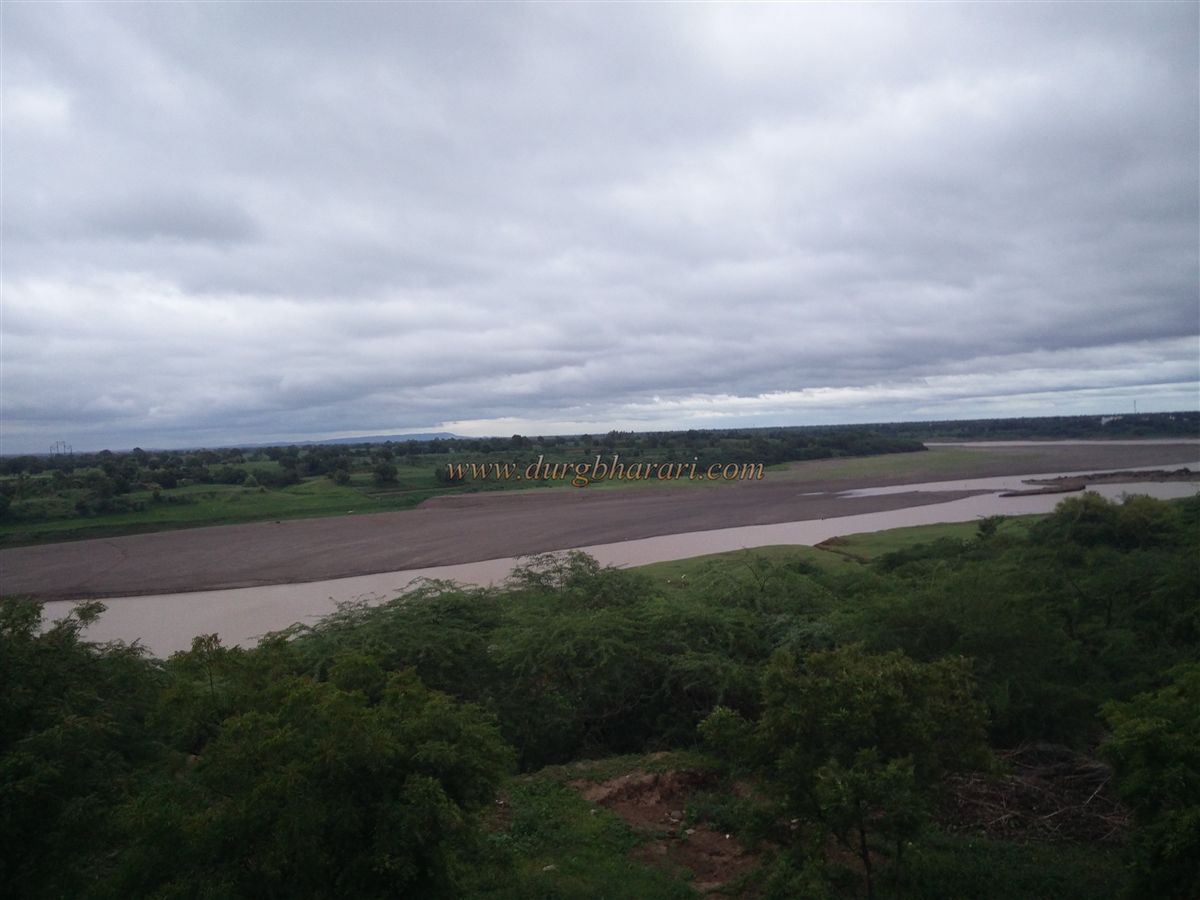
Inside, one can view old photographs, documents, and other artefacts of the Solanki Raval lineage. There’s a functioning well in the fort compound, as well as remnants of other structures and a brick wall of a two-story building. Exploring the fort and its surroundings takes about an hour. From the bastions, one gets a panoramic view of the vast Tapti River and the surrounding landscape.
In the 13th century, Solanki chieftain Sujansinh Raval captured Songiri Fort. His descendant, Mohansingh, son of Kesarisingh, built the Toran-kheda fort and established control over approximately 225 villages, including Ranjane. During the Peshwa era in 1720, Amritrao and Kantaji led successful campaigns in Gujarat. As a result, the Solanki Raval-held territories of Ranala, Koparli, and Toran-kheda were awarded to them as jagirs. The Raval of Ranjane descend from the Solanki Raval of Toran-kheda. Despite political shifts over time, successive regimes respected and retained the Raval’ authority.
© Suresh Nimbalkar
GALLERY