RANALE
TYPE : GADHI
DISTRICT : NANDURBAR
HEIGHT : 0
GRADE : EASY
In the Nandurbar district, predominantly inhabited by tribal communities, there once existed not just one or two, but as many as 17 forts in the forms of hill forts, land forts, and fortified mansions (gadhis). In today's digital age, information about these forts is not even available on the internet. When our "Durgbharari" group conducted a thorough exploratory tour of these forts, I tried to present the information we gathered on this website. Among these, the forts at Hatmoida and Ashte have been completely destroyed, while the remaining 15 fortified structures still stand today, struggling to survive against time with their remaining ruins. Of these 15, there is one hill fort, three land forts, two city forts, and the remaining nine are gadhis (fortified residences). The indifference of the locals is contributing to the decline of these forts. Ranala fort is one such example.
...
The Khandesh region is also known as the "Sadebara Raval Watan" (the estate of 12.5 Raval families). "Raval" is a title bestowed upon certain clans in the region, including Sisodia, Solanki, Parmar, and Pratihar. This Sadebara Watan includes the following regions: 1. Dondaicha, 2. Malpur, 3. Sindkheda, 4. Ashte, 5. Sarangkheda, 6. Ranjane, 7. Lambola, 8. Lamkani, 9. Chaugaon, 10. Hatmoida, 11. Ranala, 12. Manjre, 13. Karvand. Since half of these were located inside Khandesh and half outside, it came to be known as the "half Watan." Of these, four gadhis—Ashte, Lambola, Chaugaon, and Hatmoida—have been completely destroyed. Four gadhis remain in their original form, while the remaining five are standing with only fragments left, battling the ravages of time. Ranala fort is one of them.
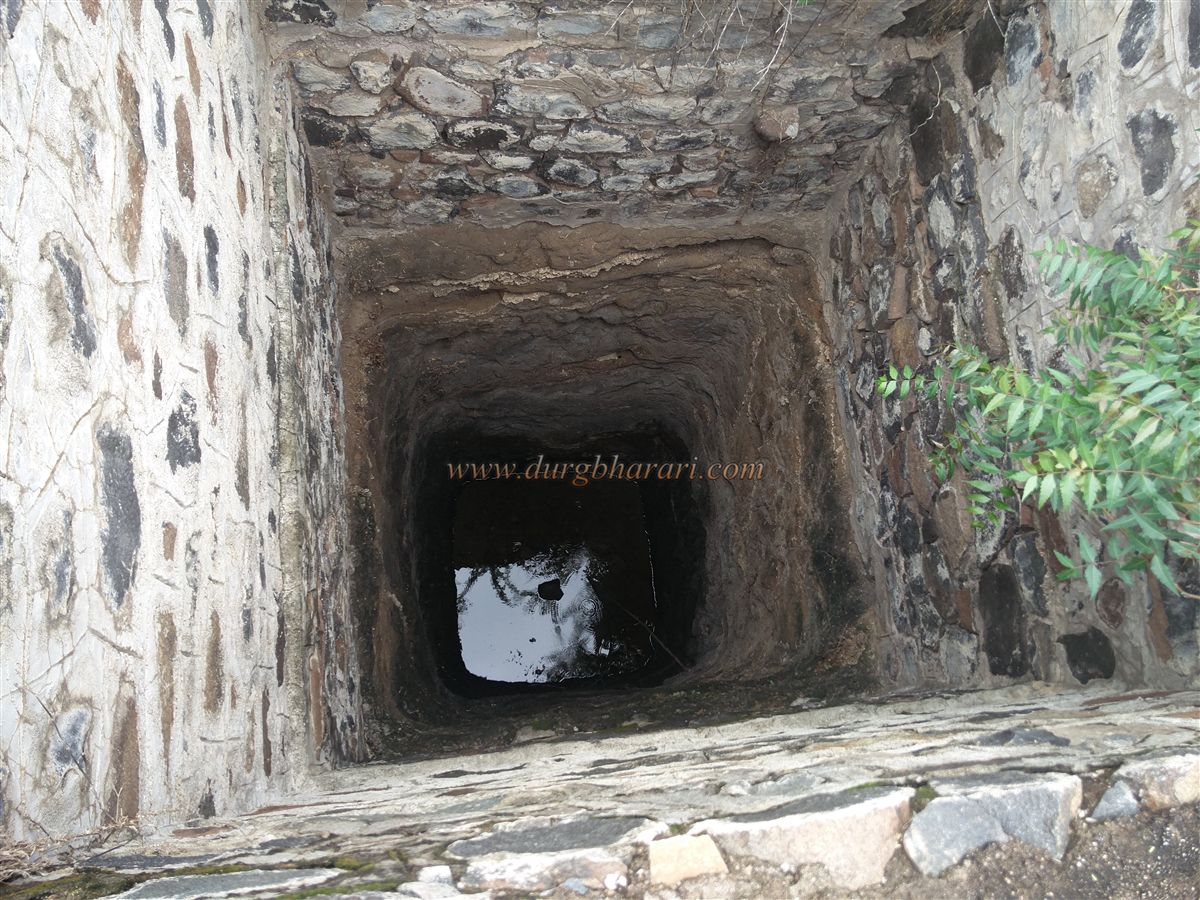
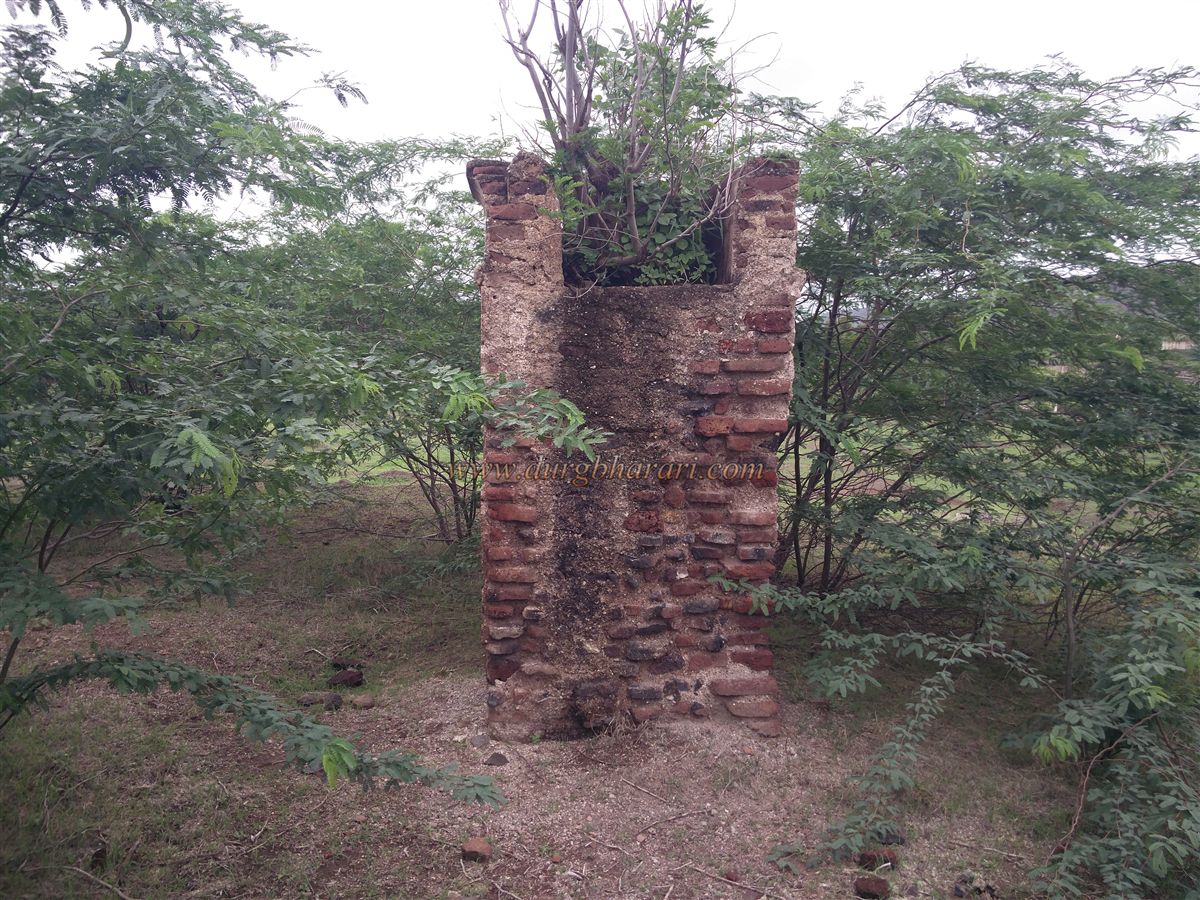
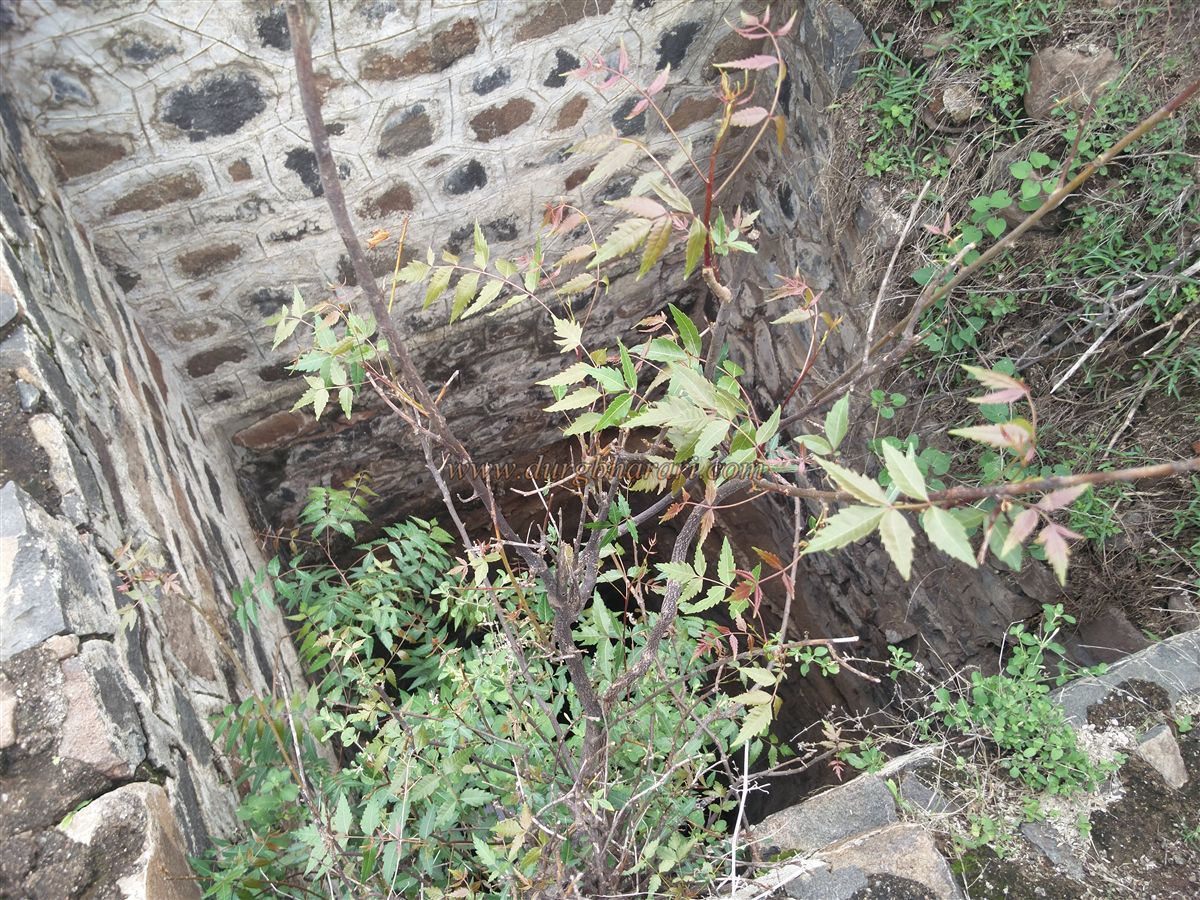
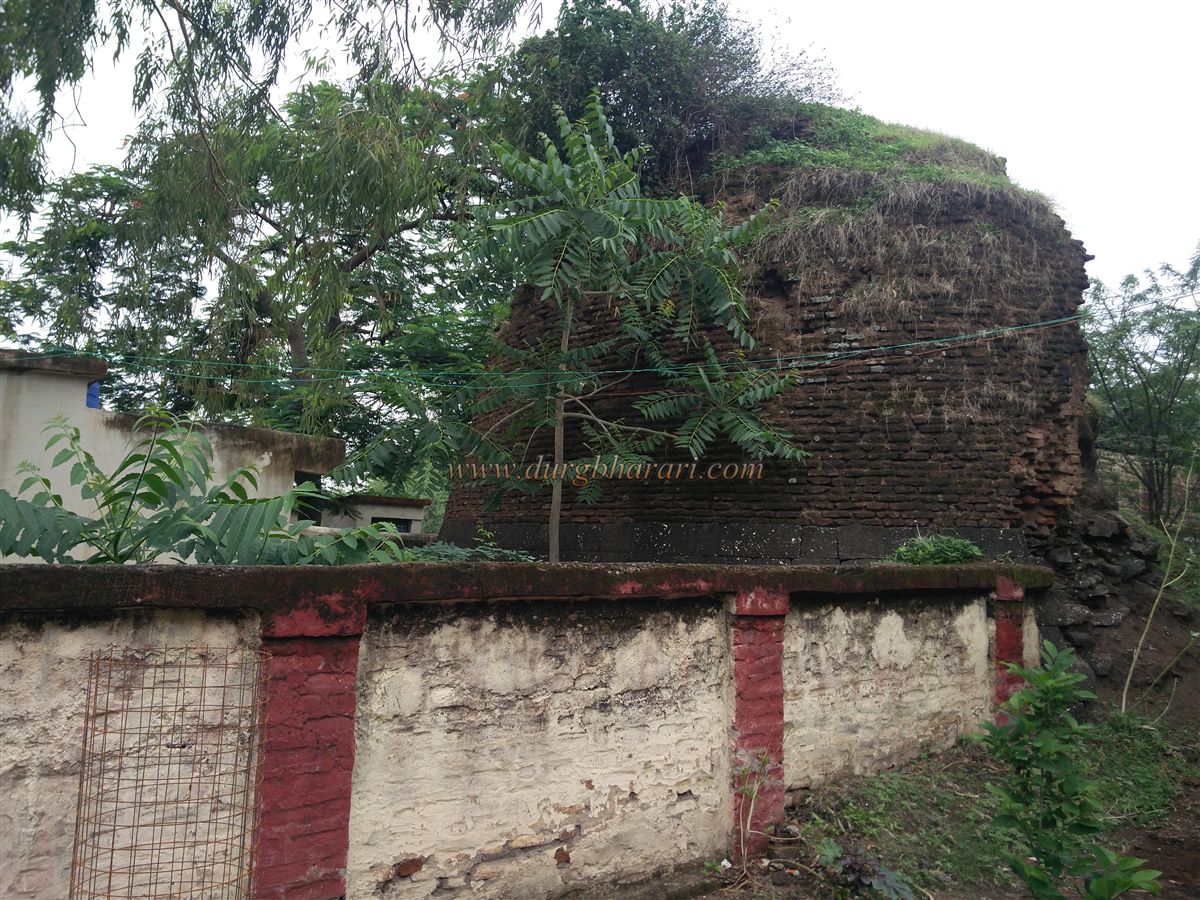
Ranala fort is located 15 kilometres from Nandurbar city. From the Shani temple in the village of Ranala, a road leads straight to the Primary Health Centre. Adjacent to the compound wall of this health centre stands the only remaining bastion of the Ranala fort. This remaining bastion is about 15 feet tall, with the lower portion built using finely cut stone and the upper portion constructed with bricks. In front of the bastion, within the premises of the old primary health centre, there is an ancient well, and next to this well, on a raised platform, stands a lime-plastered water tank. Water from this tank was likely distributed through terracotta pipes to the fort. A few finely cut stones can still be seen near this well. Since the fort’s entire wall has been destroyed, it is difficult to estimate its original size. It takes only ten minutes to see the remaining parts of the fort. Near the river in front of the fort, there is an old Shiva temple. Today, apart from one bastion, a well, and a water tank, no other remnants of the fort remain, so this should be kept in mind when visiting the site.
In the 13th century, Solanki Sardar Sujansinh Raval attacked and captured the Songiri Fort. His descendant, Mohansingh, son of Kesarisingh, built the Torkheda fort and established dominance over around 225 villages, including Ranale. During the tenure of Peshwa Bajirao I, Kantajirao Kadambande earned great renown in the Gujarat campaign. At that time, the region including Dhule, Ranala, Koparli, and Torkheda, which was part of the Raval estate, was granted to him as a jagir (feudal land grant). Though power changed hands over time, none of the ruling authorities altered the rights of the Raval family.
© Suresh Nimbalkar
GALLERY