RAMTEK
TYPE : HILL FORT
DISTRICT : NAGPUR
HEIGHT : 1510 FEET
GRADE : EASY
In Nagpur district, the sub-capital of Maharashtra, Ramtek and Nagardhan are two important forts. As these forts are close to Nagpur and well connected by road, both can be conveniently visited in a single day. Among these, Ramtek is a hill fort and is also a famous religious site, attracting a steady stream of devotees. Therefore, it’s advisable to avoid visiting on public holidays if you wish to explore the fort peacefully.
Ramtek Fort is located in Ramtek town, about 48 km from Nagpur. On the Nagpur-Jabalpur National Highway, there is a turn toward Ramtek from the village of Mansar. From a distance, before entering Ramtek village, one can see the fort atop a 360-foot hill to the north, along with the temple spire. The fort stands at an altitude of 1,450 feet above sea level and consists of two parts—the Machi (fortified base) and the Balekilla (citadel). The southern and western sides of the Machi are naturally protected by steep cliffs, while the northern side has some fortified walls built during the time of Raghoji Bhonsle of Nagpur.
...
There are five access routes to the fort: a newly constructed staircase and an original footpath on the south side; a motorable road on the eastern side; an old stepped path from the Ambala Lake side; and another newly constructed staircase on the northern side. Two of these stairways lead directly to the citadel, while the motor road, the Ambala stairway, and the original path lead to the Machi.
The motor road from Ramtek encircles the hill and reaches a parking area near the newly built Kalidas Memorial on the eastern side, and continues in a circle back to the village. There is no state transport bus service up to the fort; private vehicles are the only option.
On the Machi, there are four temples—Dhumreshwar Mahadev, Narasimha, Trivikrama, and Hanuman—as well as a stepwell called Shendur Bawdi. While touring the fort, it’s ideal to first explore the Machi. The fortifications of the Machi start from the Kalidas Memorial and encircle the fort, ending near a metal tower beneath the citadel. This metal tower hill is separated from the citadel by a small pass.
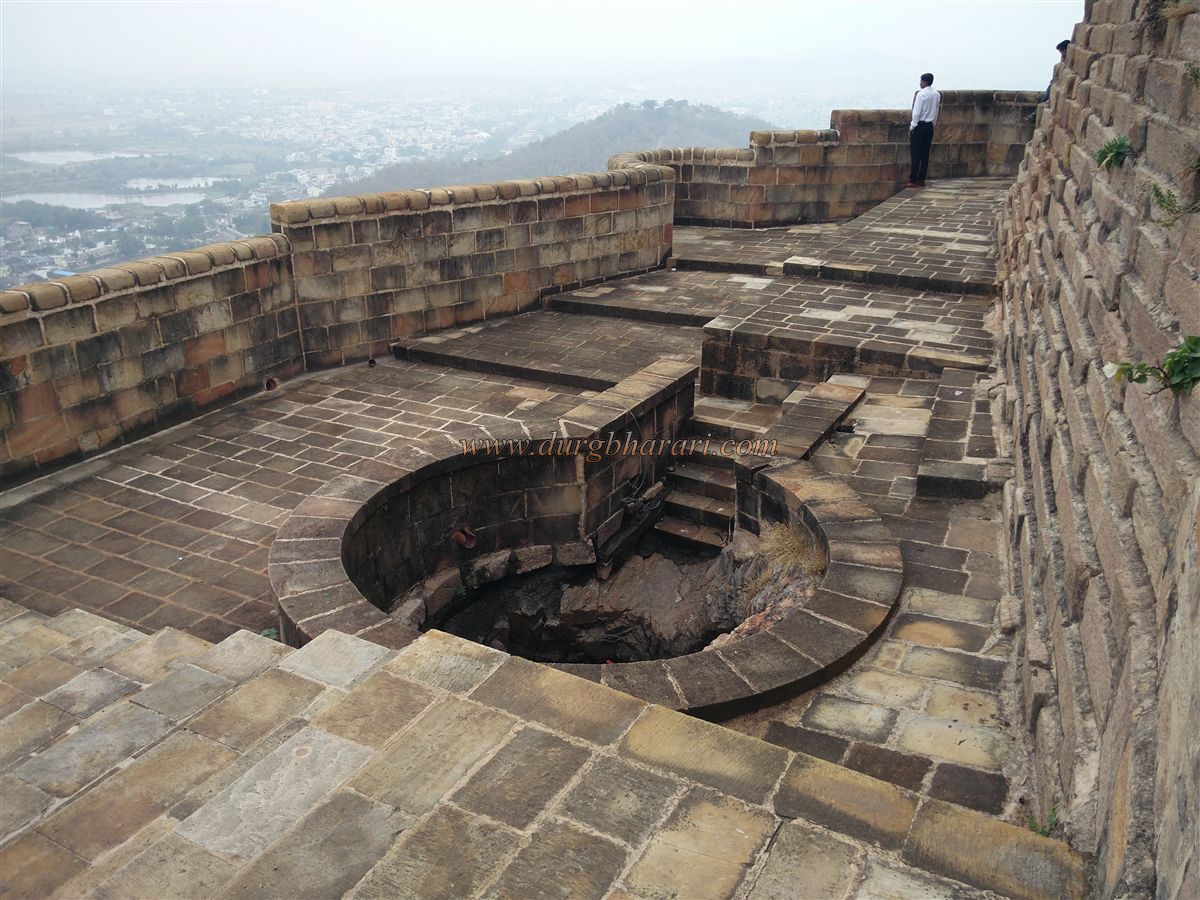
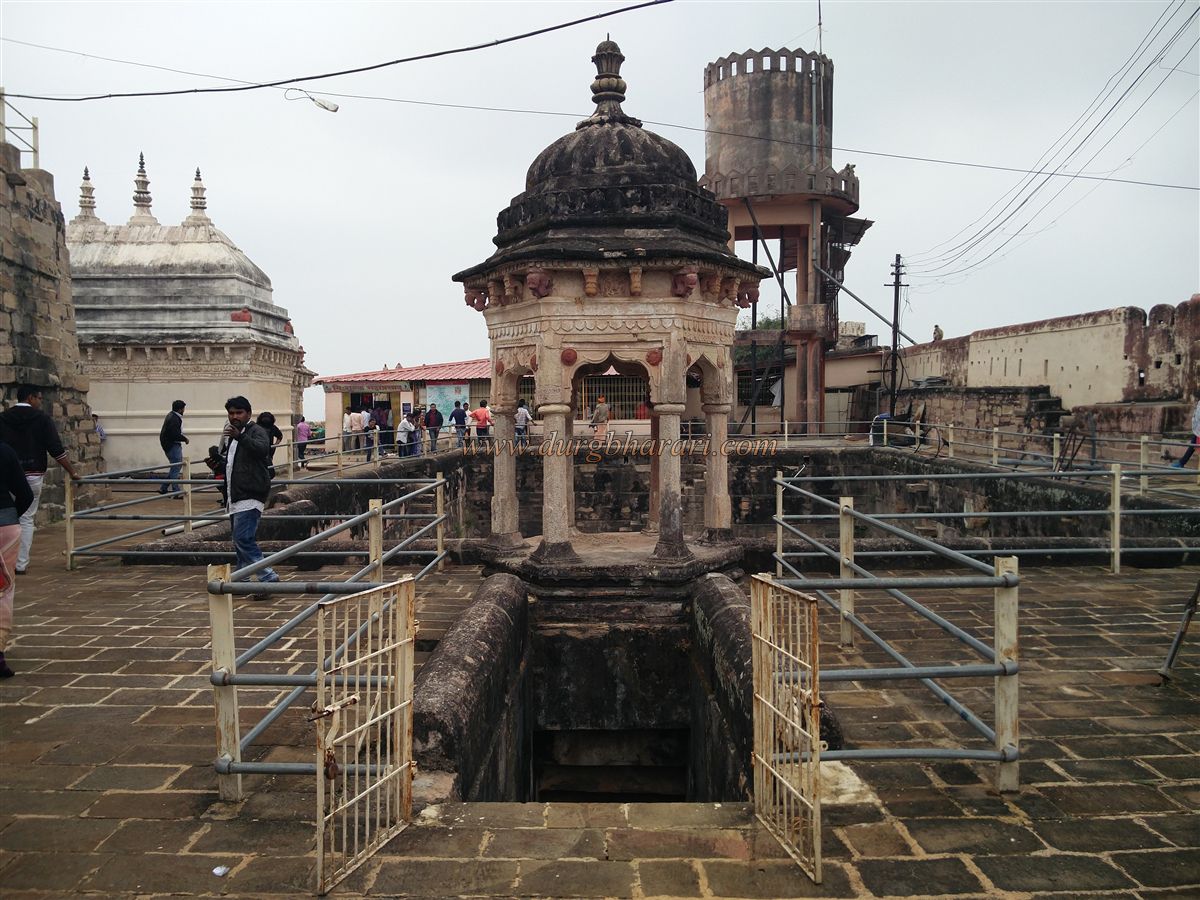
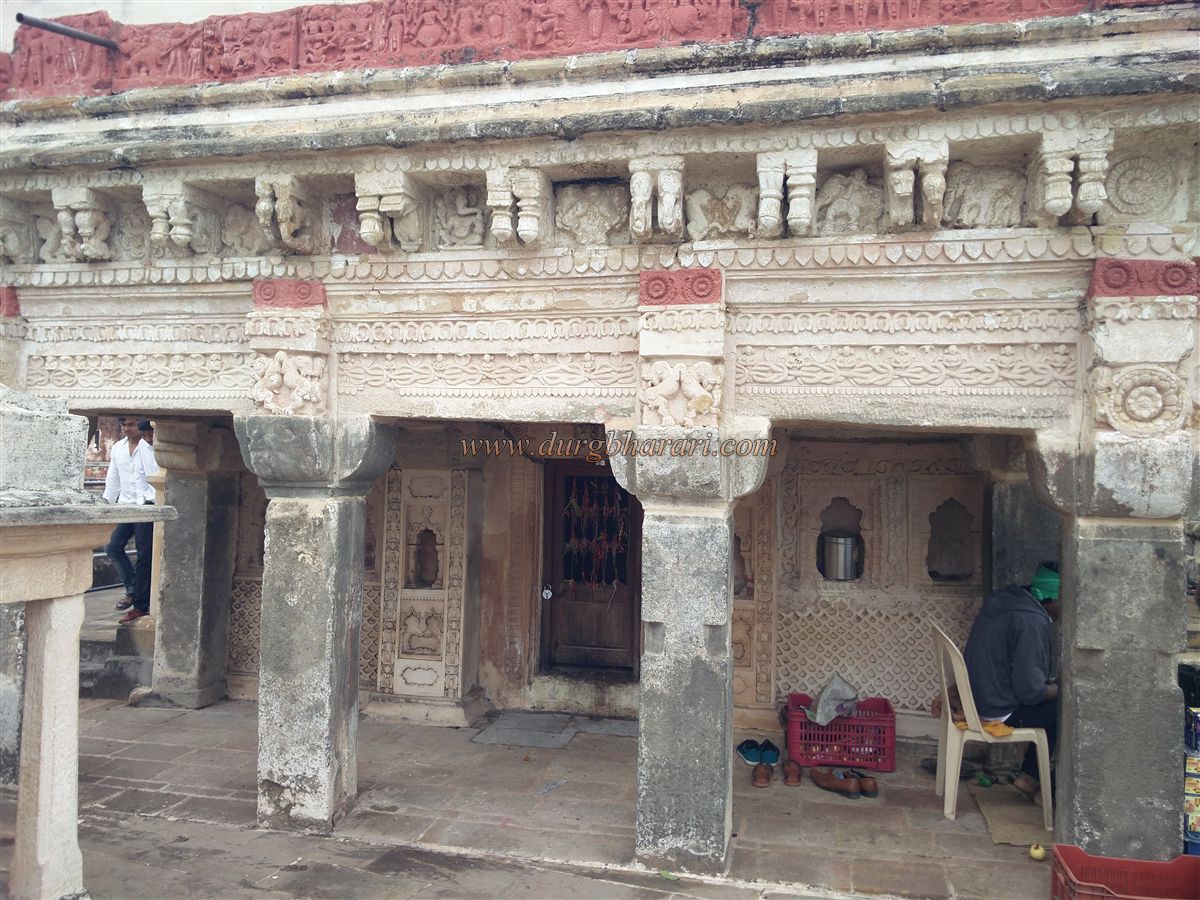
From the parking area, a five-minute walk leads to the Shendur Bawdi stepwell on the right. It has stairs to descend into the water and arched halls with carved pillars along the edges. The stepped path from the Ambala Lake side joins near this stepwell, which was once the sole water source for the Machi.
Further along the path is a distinct foot trail that leads to the Trivikrama temple in about 10 minutes. Here, one can also see remains of old structures. After visiting this area, return to the Kalidas Memorial, where murals depict scenes from the works of poet Kalidas—these are well worth viewing.
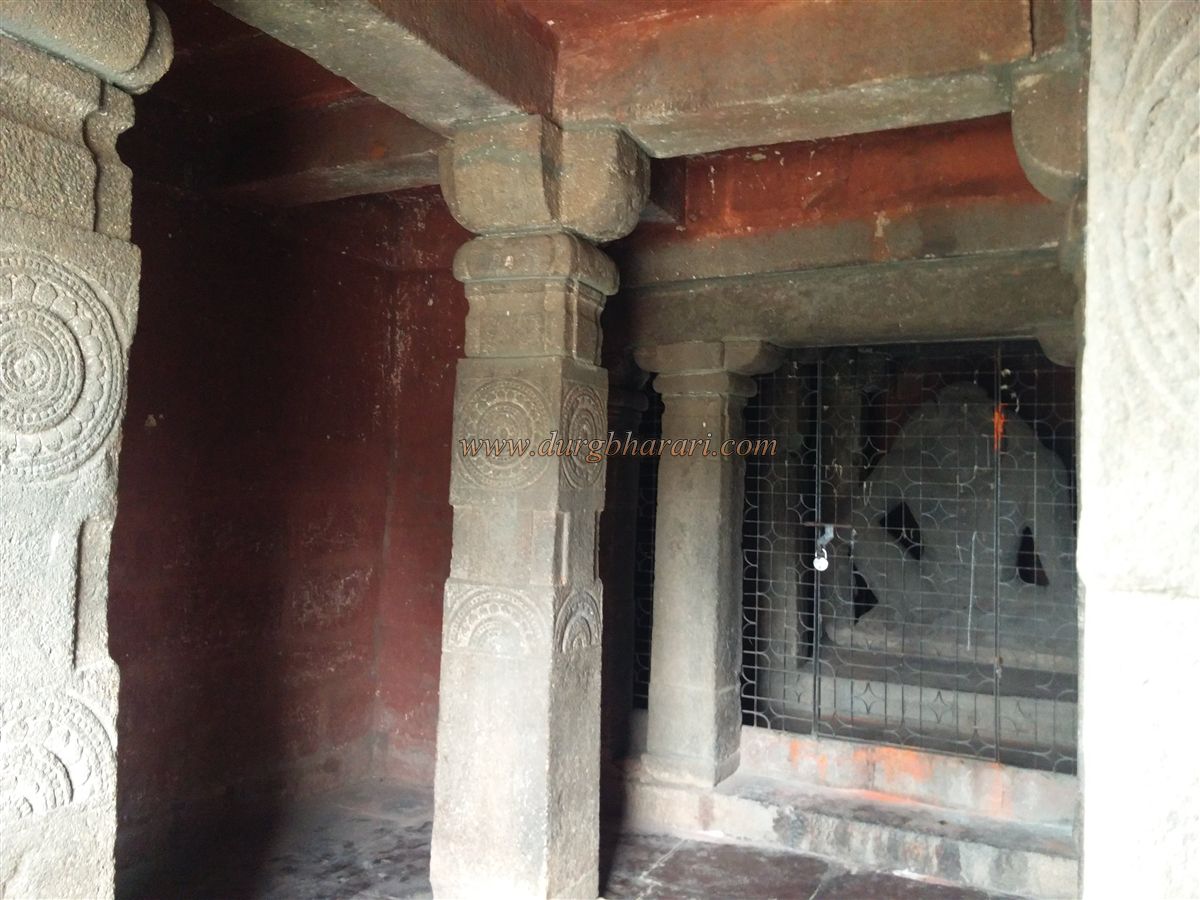
Downhill from the parking area lies the Dhumreshwar Mahadev temple. The original trail from Ramtek village ascends past this temple. Along this path, one can see a gate in the Machi’s fortifications. Continuing toward the citadel, one encounters the Narasimha temple, which houses a six-foot-tall stone idol of Narasimha in a seated posture on one leg. The temple's architecture is relatively plain, with minimal carvings. From the temple premises, one can view the citadel’s massive fortifications and its various bastions, clearly reflecting construction from different historical periods.
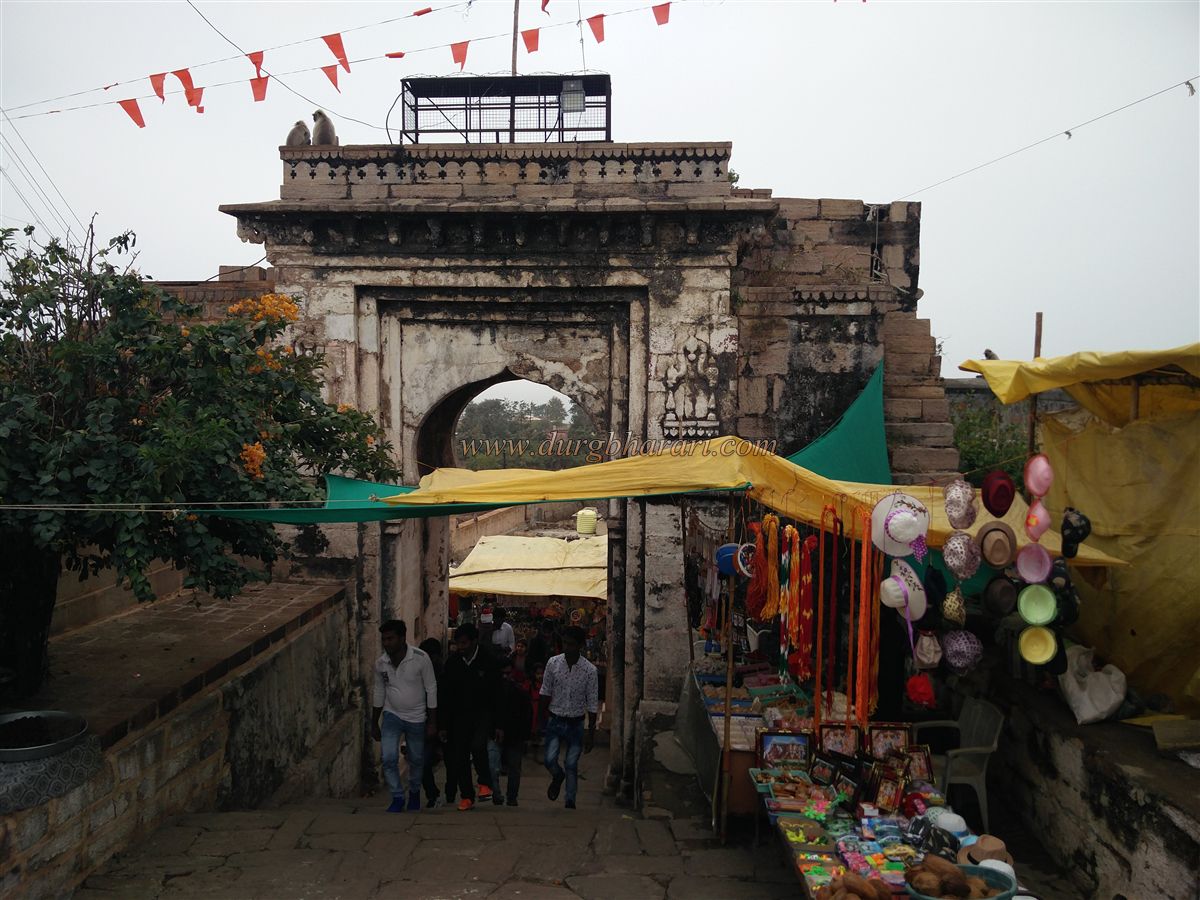
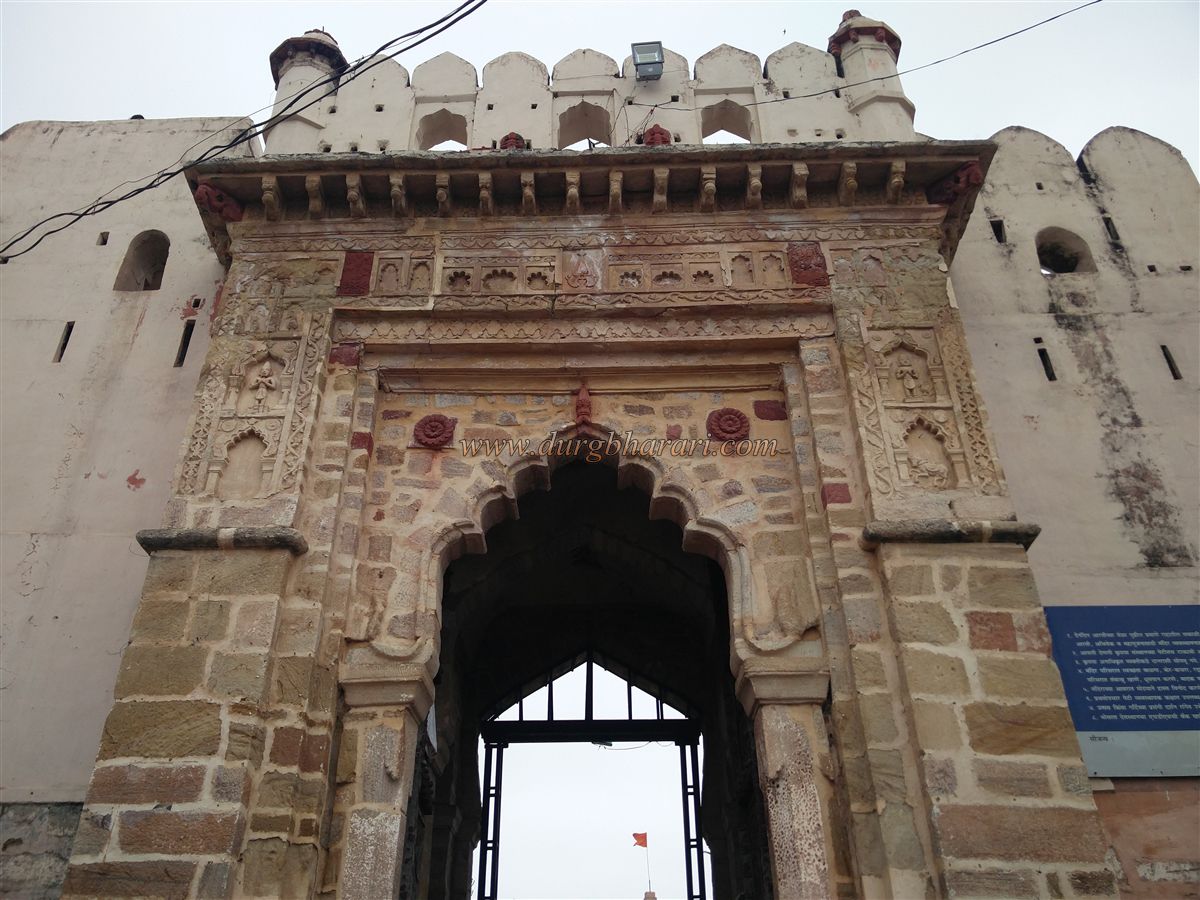
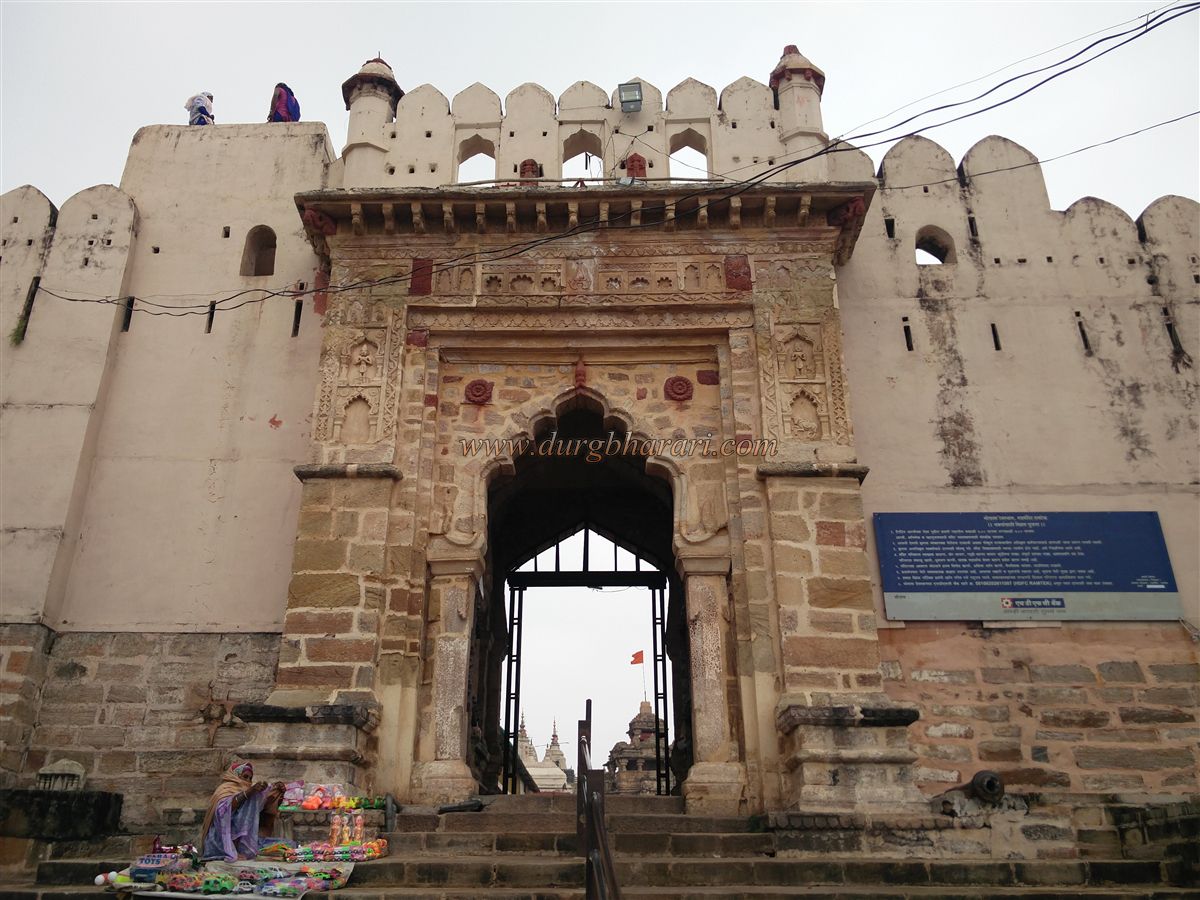
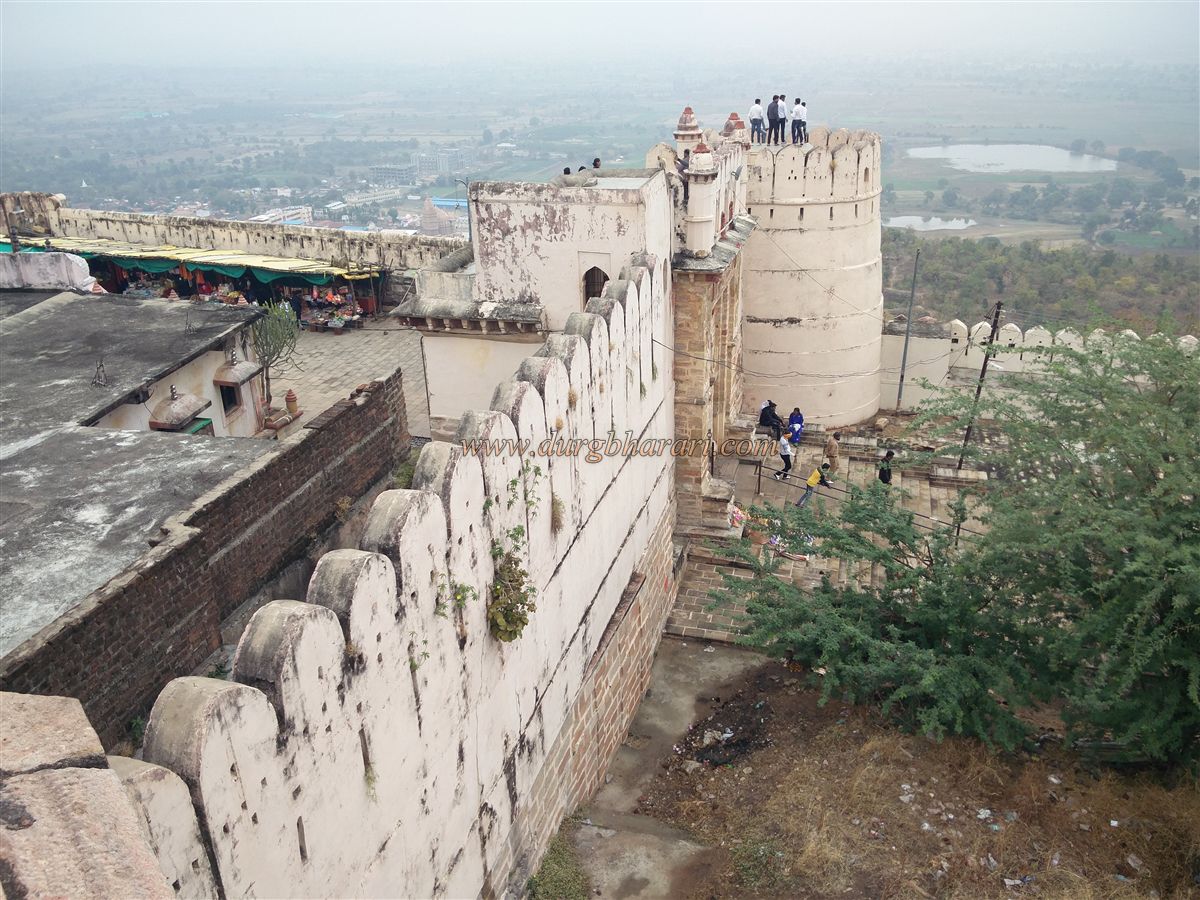
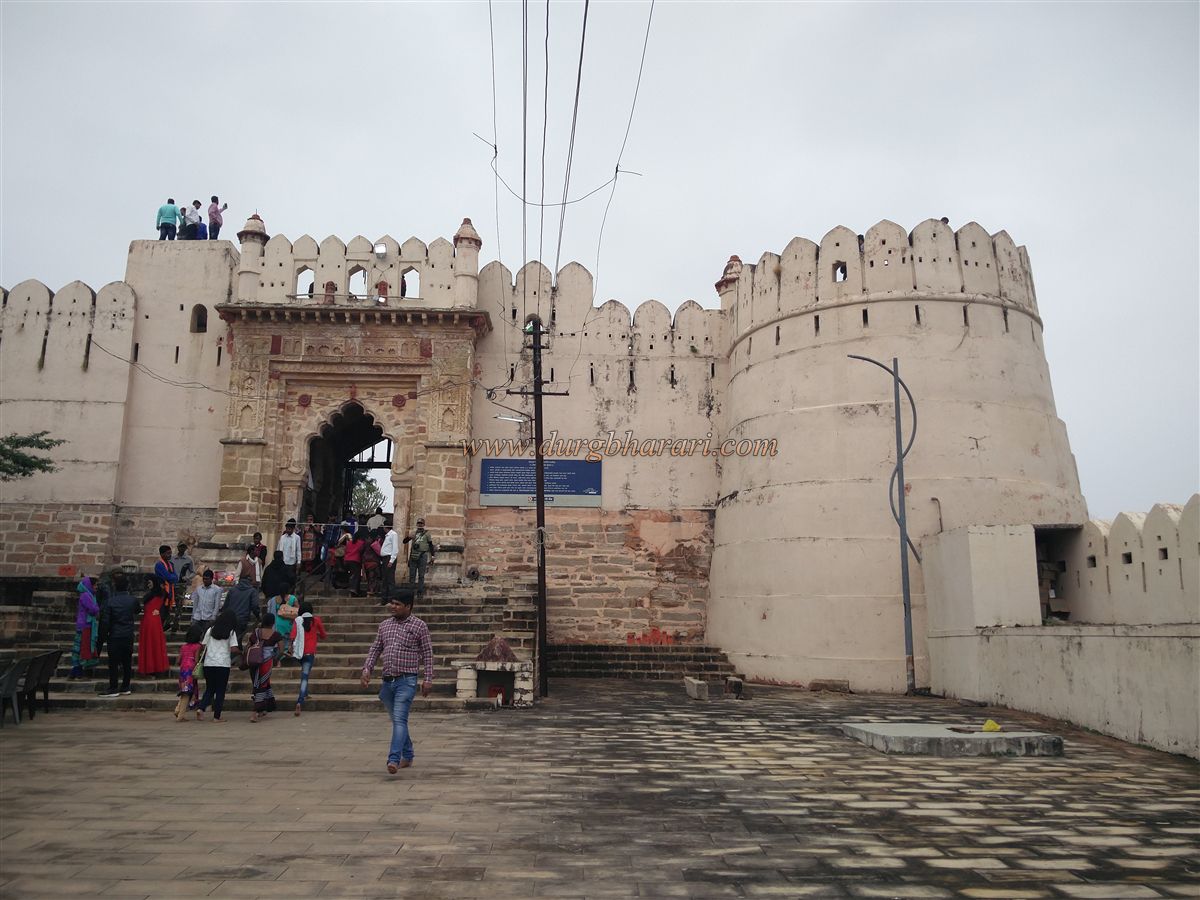
While heading toward the citadel, one passes a dargah (Muslim shrine). The citadel of Ramtek, atop a narrow hill, measures 1,150 feet in length and 130 feet in width and is divided into four parts. The citadel has four gates—Varaha, Sinhpur, Bhairav, and Gokul. The first and main gate, Varaha Gate, is on the southern side, stands 12 feet tall, and features elaborate carvings. A square bastion stands beside it, and further along, another bastion marks the end of the wall.
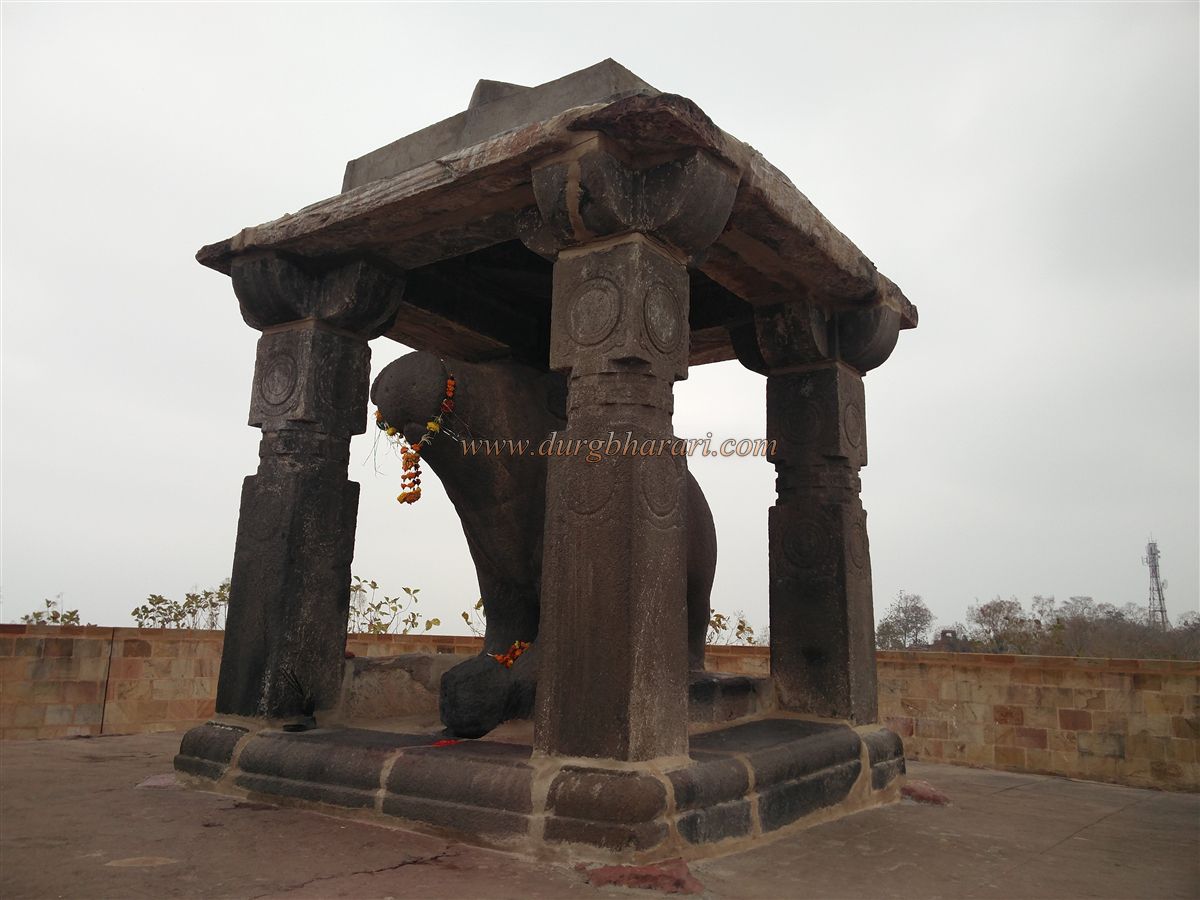
Inside the gate, stairs lead upward to a platform where there is a six-foot-tall monolithic Varaha (boar) idol. On the left is a temple dedicated to Chakradhar Swami, a saint of the Mahanubhav sect. To the left of this temple are steps leading to the second section of the citadel and the Sinhpur Gate.
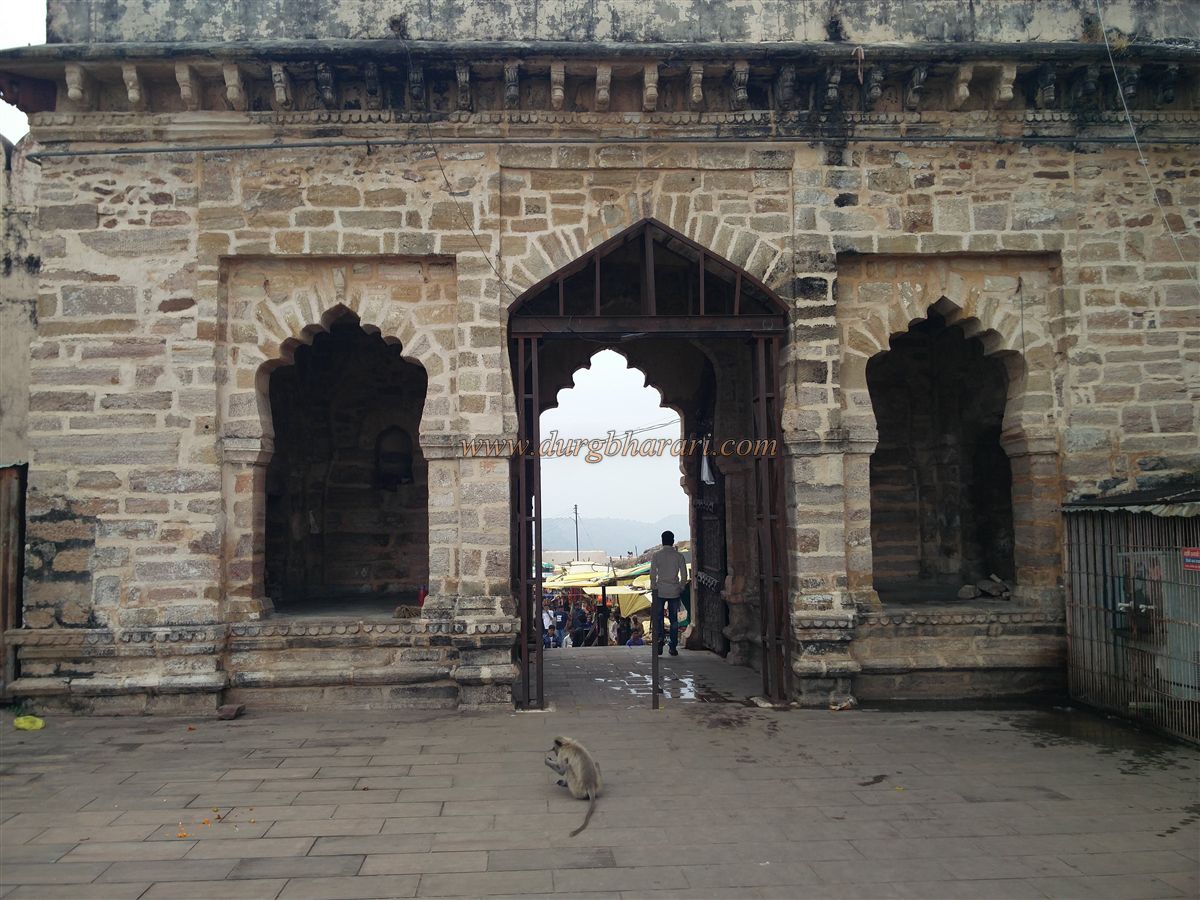
The upper citadel is separated from the lower section by a horizontal wall, with round bastions at both ends. The north-facing Sinhpur Gate is built with a bend in the wall, not directly aligned, possibly for defensive purposes. A new stairway reaches this gate from below. Inside are arched halls, steps to access the walls and bastions, and two storage rooms near a now-sealed well.
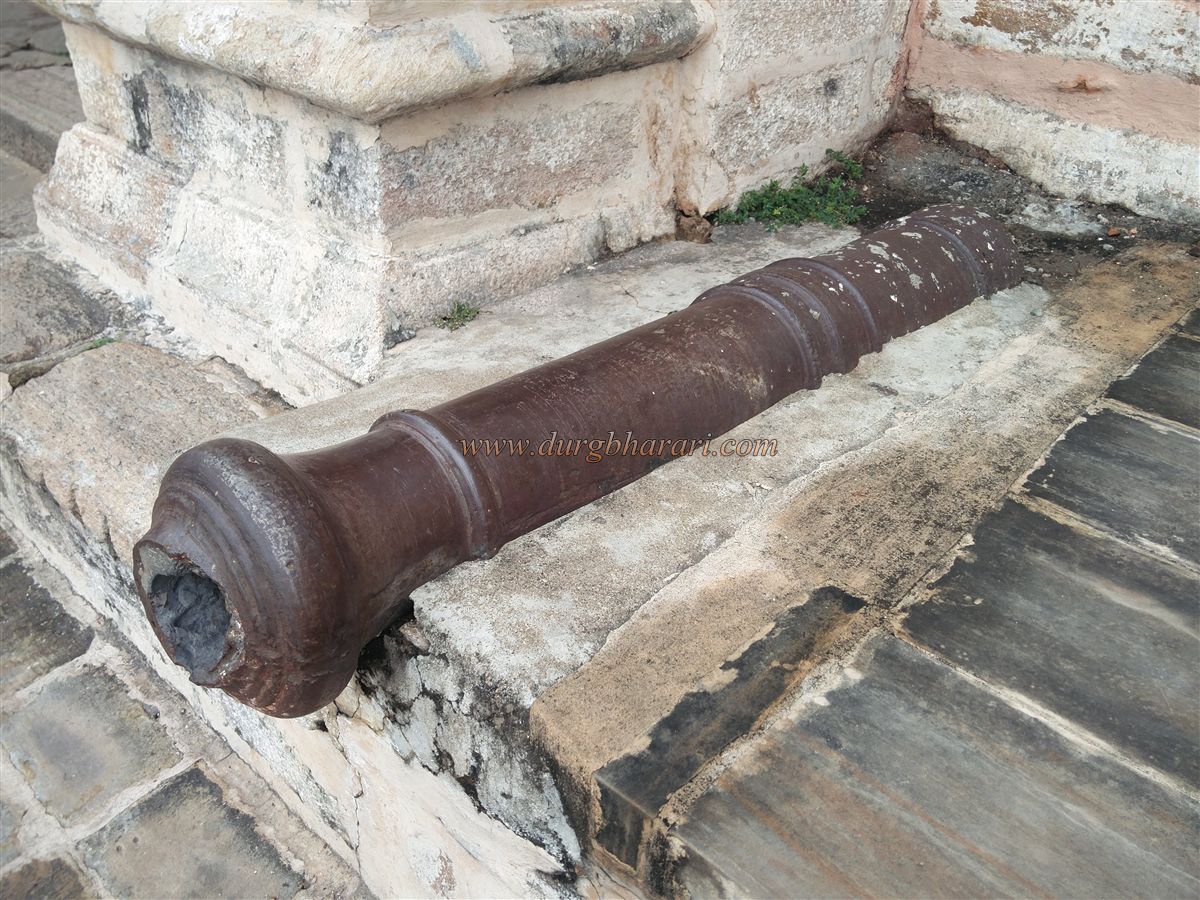
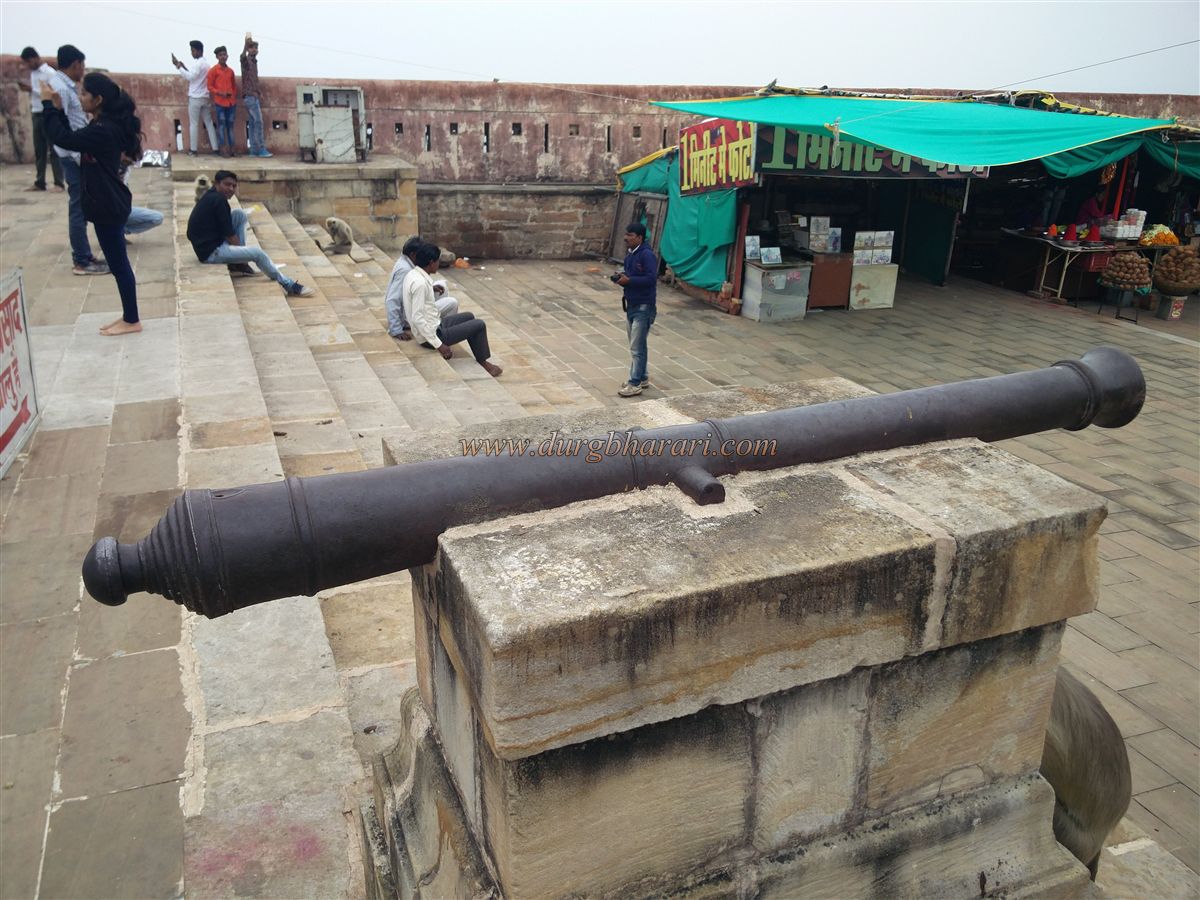
The third section of the citadel also has a dividing wall, with the Bhairav Gate, facing east, in the middle. This gate is flanked by an octagonal bastion and a circular one. Below the hollow octagonal bastion is a room with windowed storage space. The Bhairav Gate features intricate carvings, and above it lies a Nagarkhana (drum house) and twin minarets. A cannon is stationed outside this gate.
From this high point of the fort, one can view the entire citadel, the town of Ramtek below, and even the distant Nagardhan Fort. To the left of the gate is the hermitage of sage Agastya. Further along lies the main temple complex, accessible through the Gokul Gate, marked by a spire. Outside this gate is a medium-sized cannon on a platform.
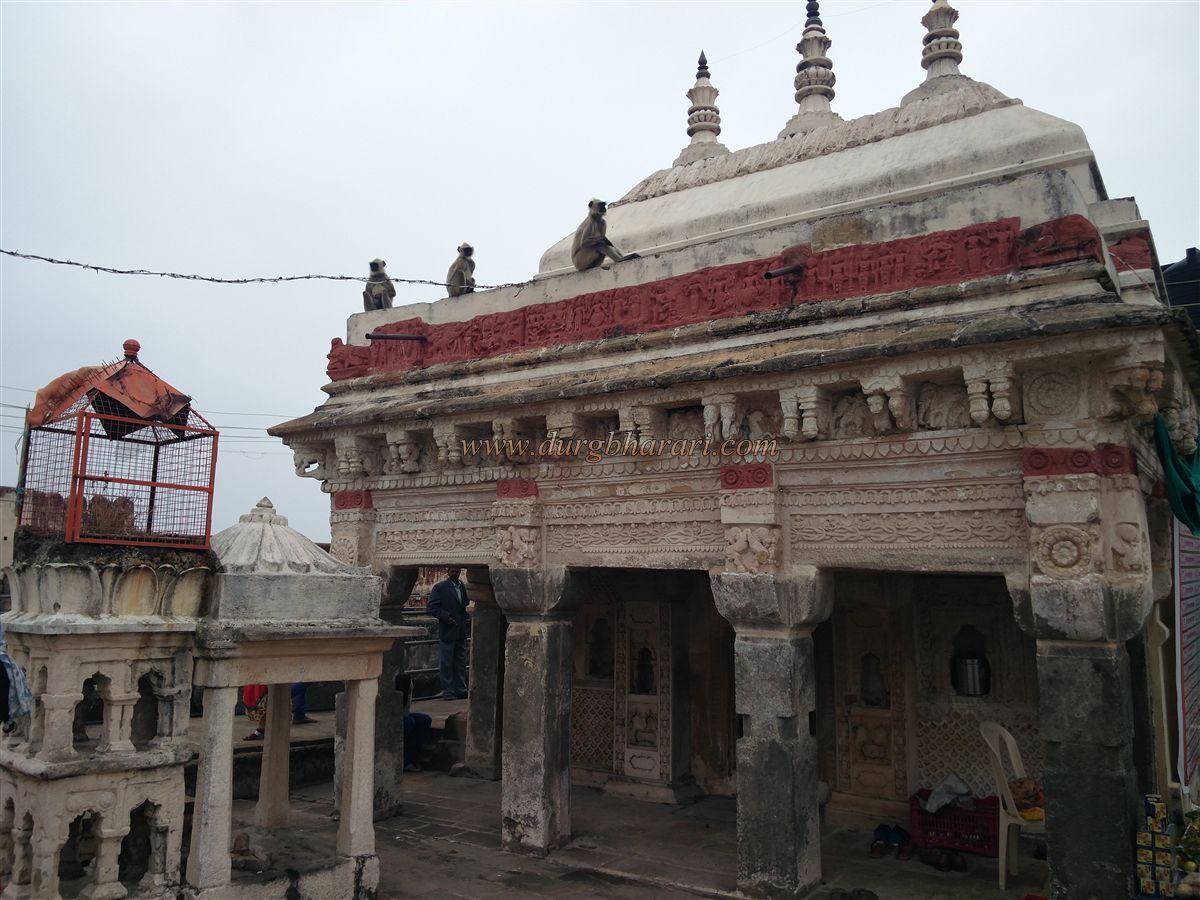
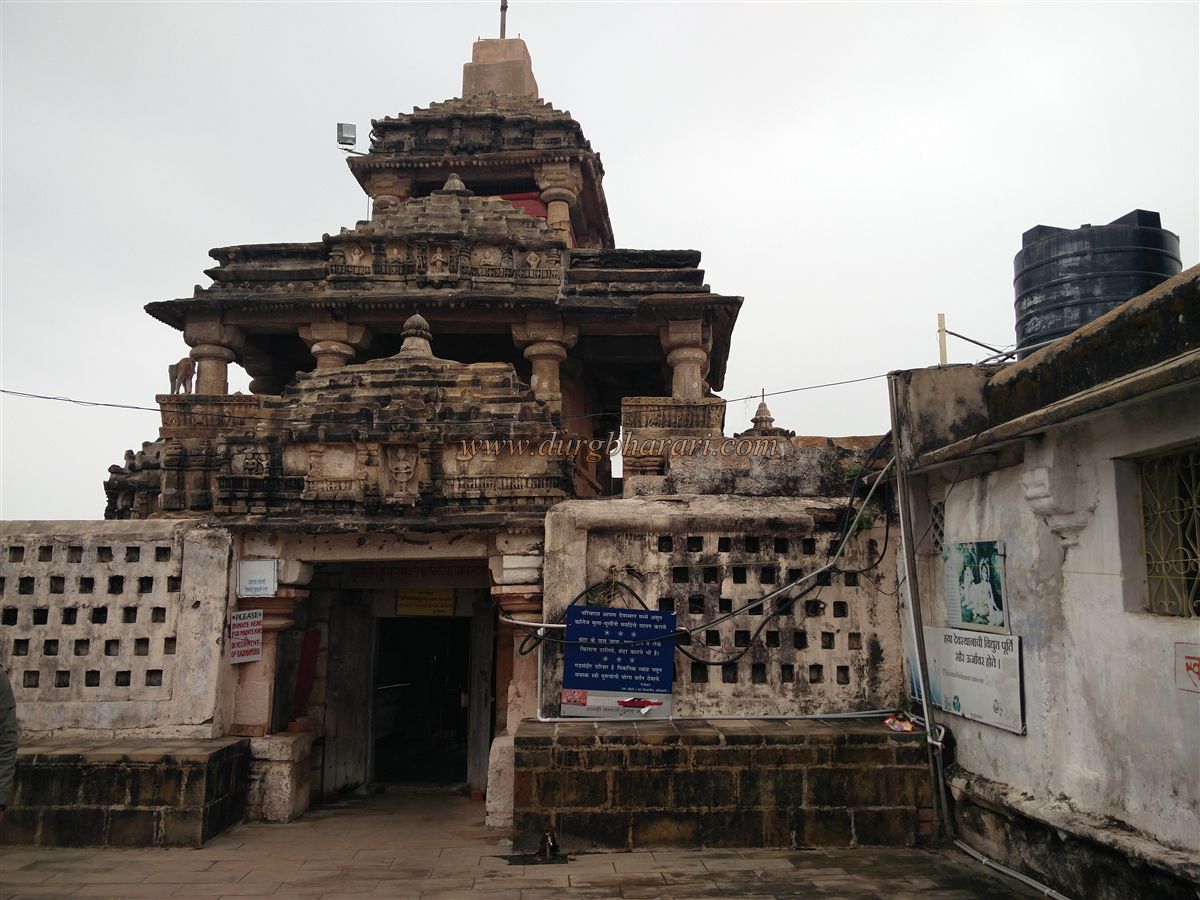
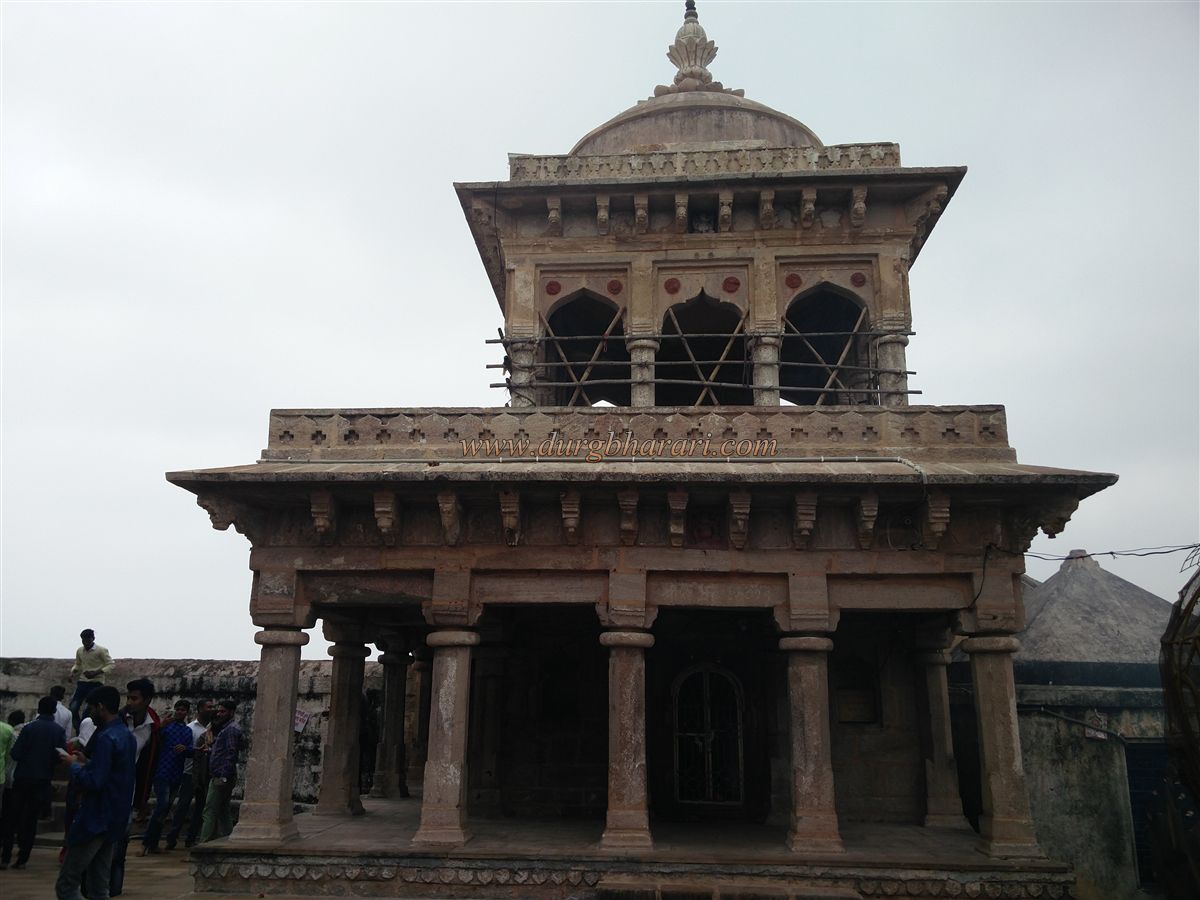
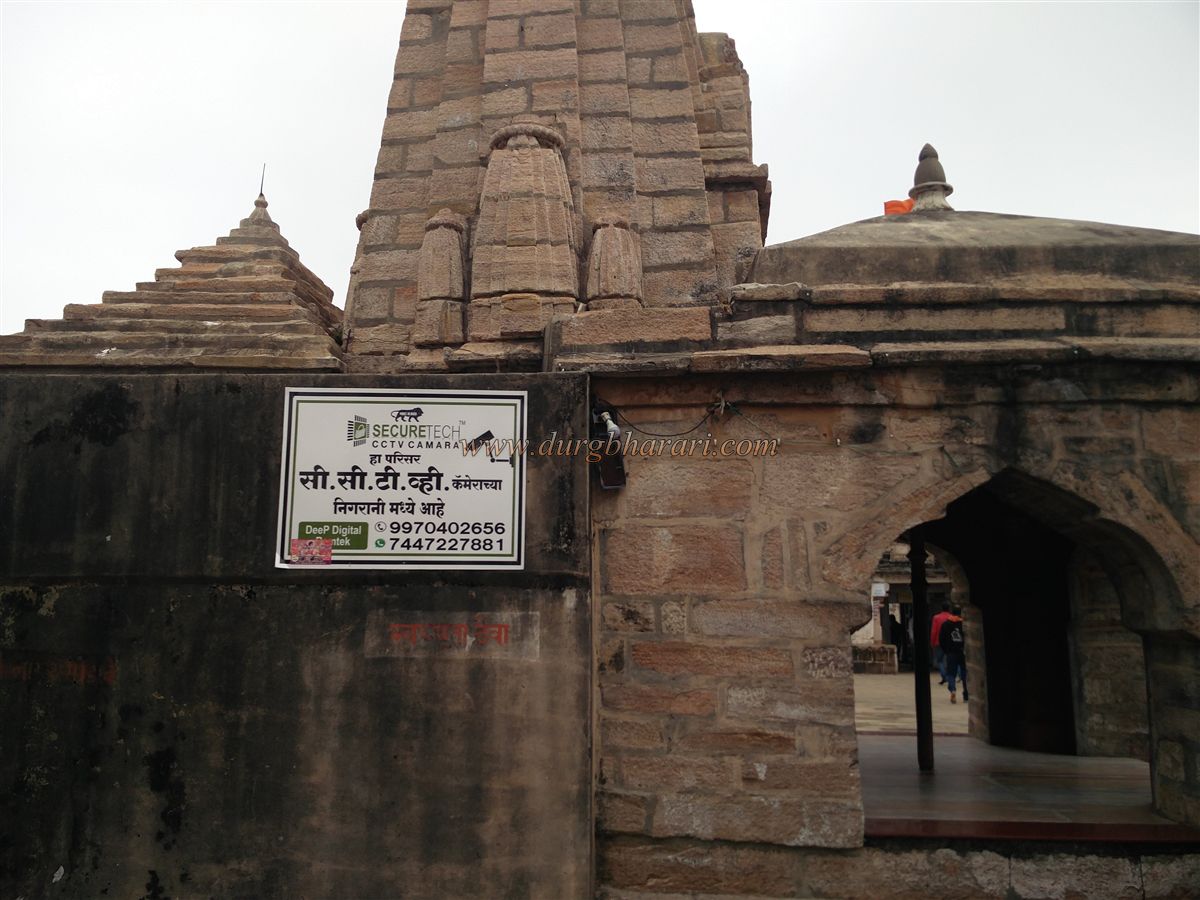
Before entering the temple complex, one should visit the nearby Dasharatha Temple, built in South Indian style with intricate carvings. Between this temple and the fort wall is a square tank with steps on three sides and an underground gate on the fourth. The archway over this gate features a stone canopy.
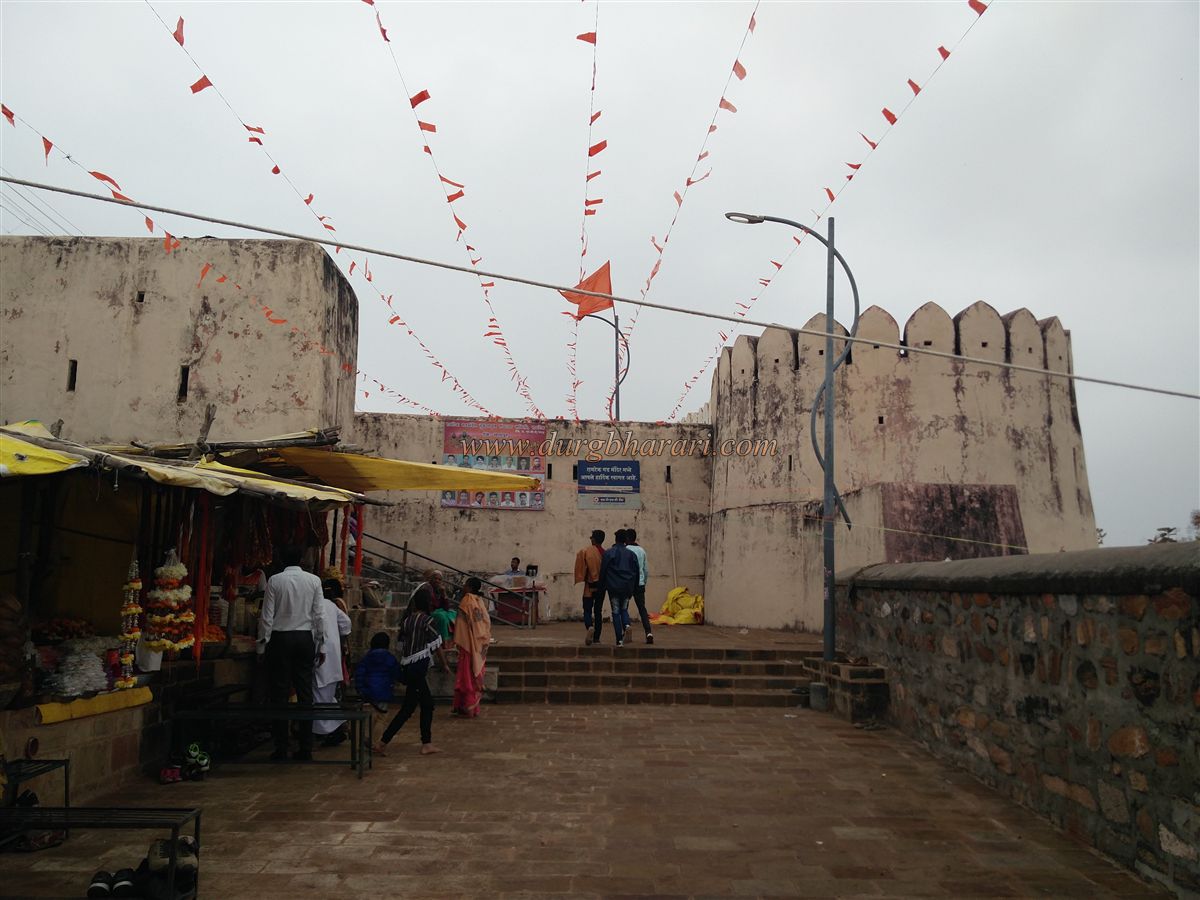
Descending through a small gate and stairway, one enters the double fortification beyond the temple complex. A side gate (now sealed with bricks) originally connected to the temple complex. Within this space is a keyhole-shaped well and a small outer gate. This secret exit, now transformed with steps, is the current main route from Ramtek village to the fort. A small bastion is also found here.
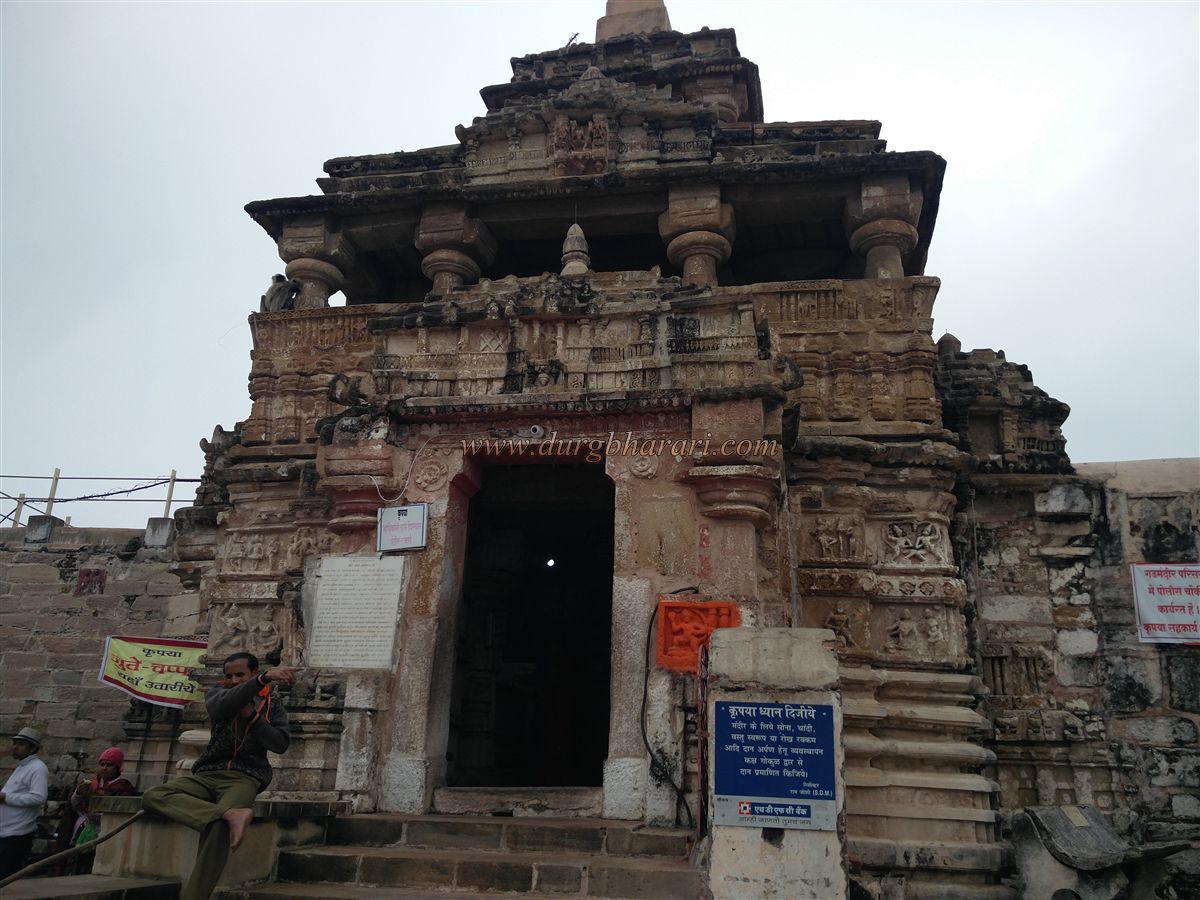
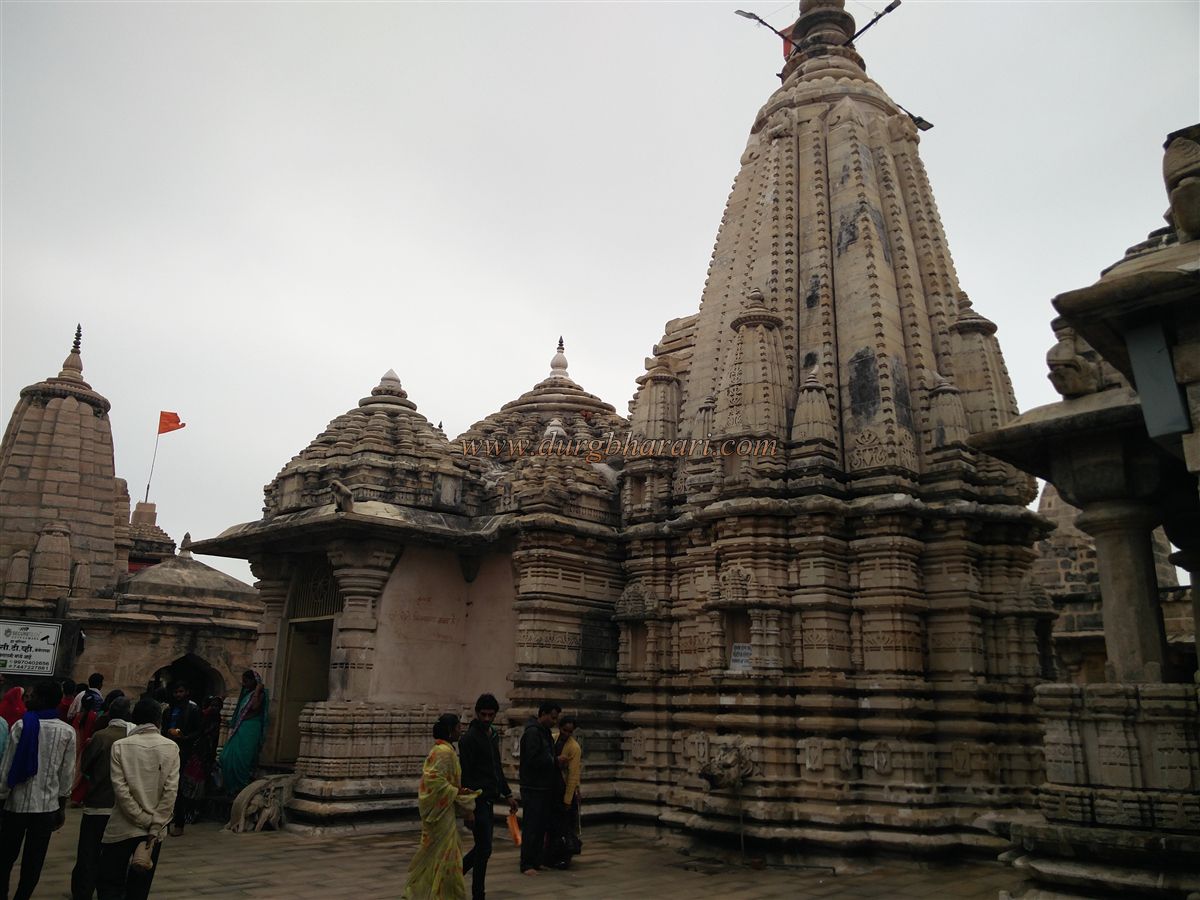
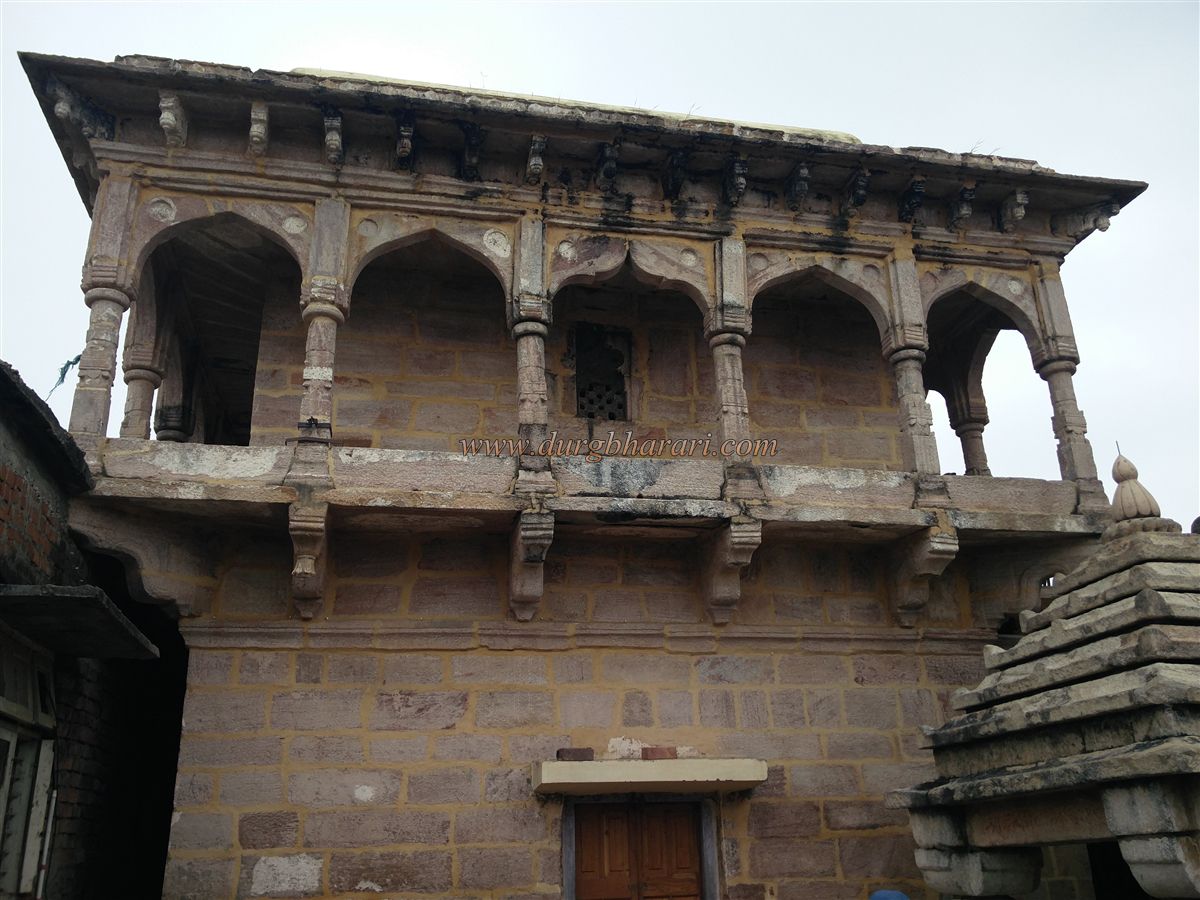
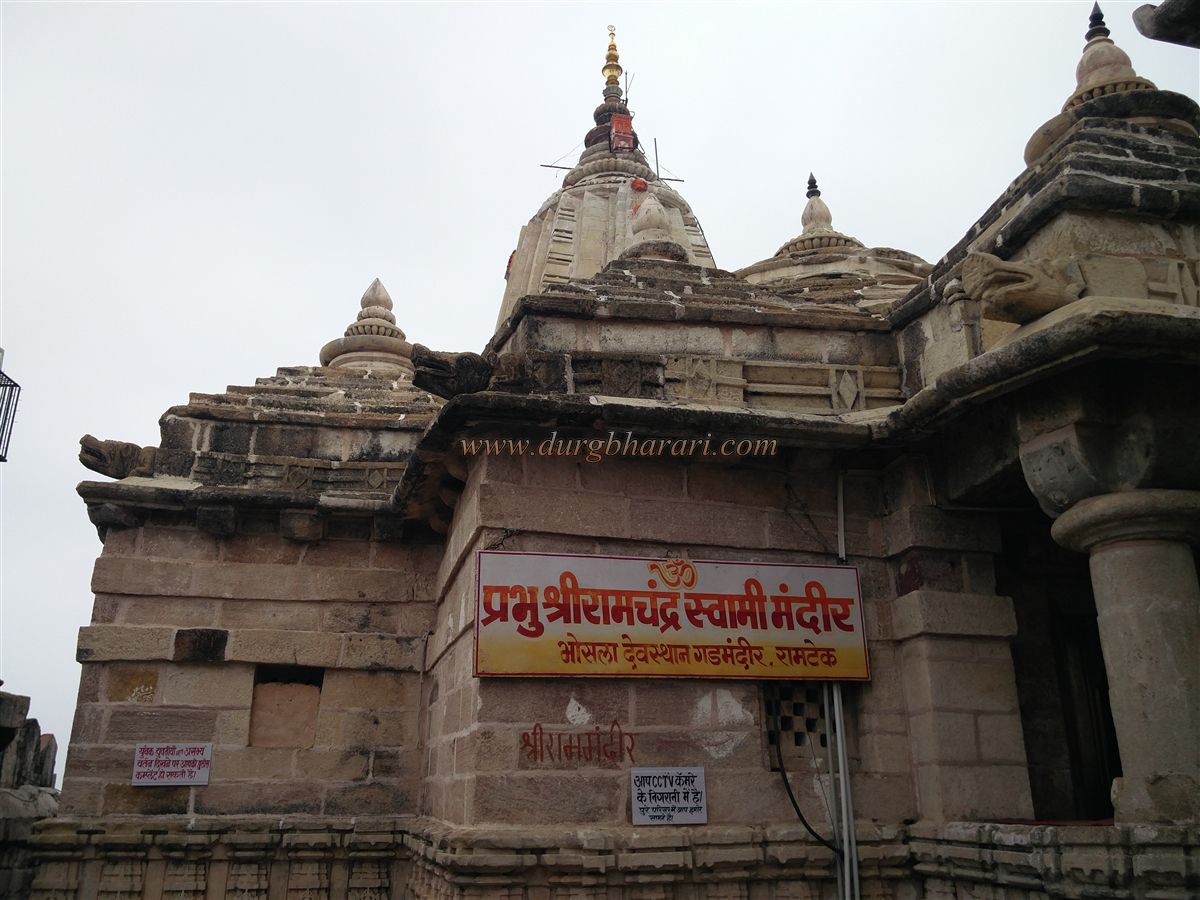
Returning to the Gokul Gate, one enters the temple complex through a three-storey stone gateway with ornate carvings. Inside, facing east, is a porch leading to a marble idol of Lakshman. To its right is a Hanuman temple, and behind it is the main temple of Rama and Sita. The idols of Rama and Sita are carved from black stone and adorned with intricate silver frames. This temple was built by Raghoji Bhonsle after his victory at Devgad Fort in Chhindwara.
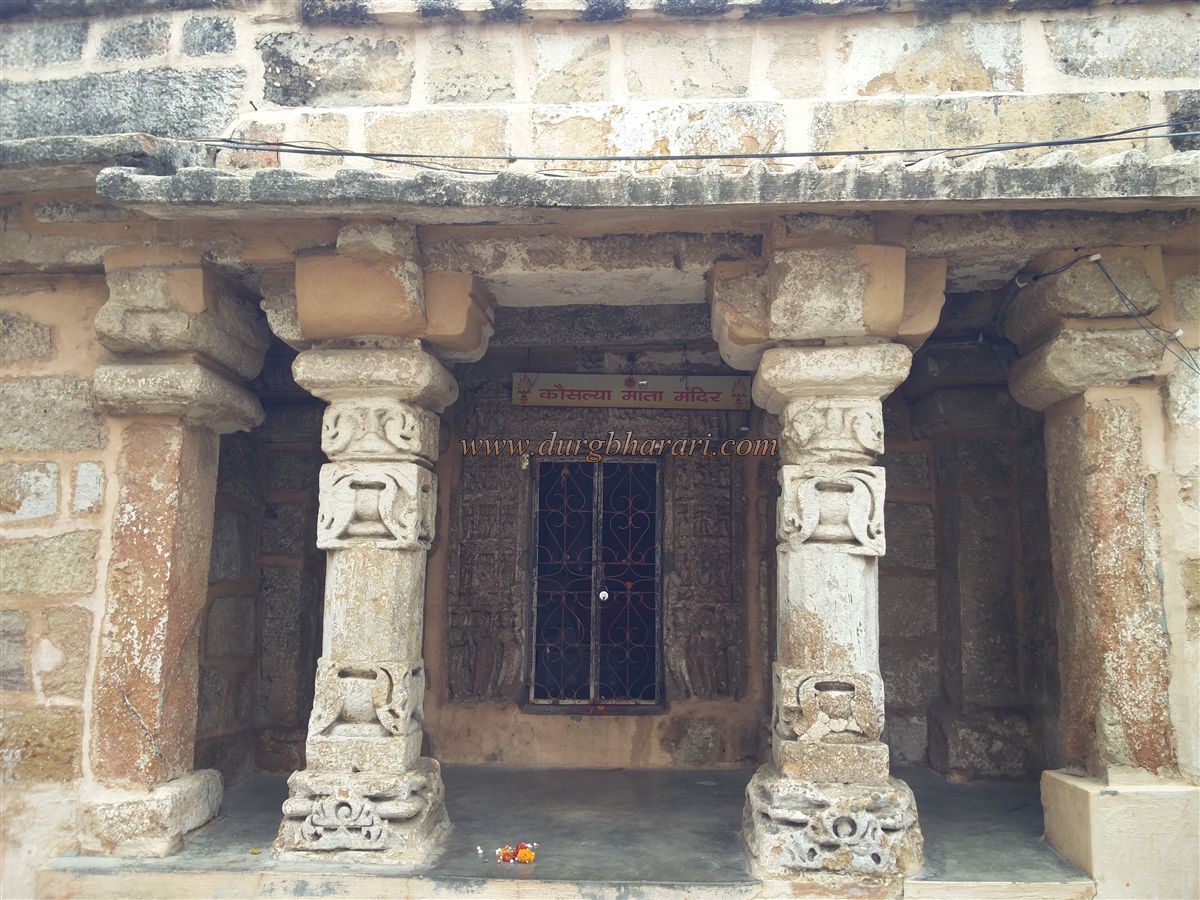
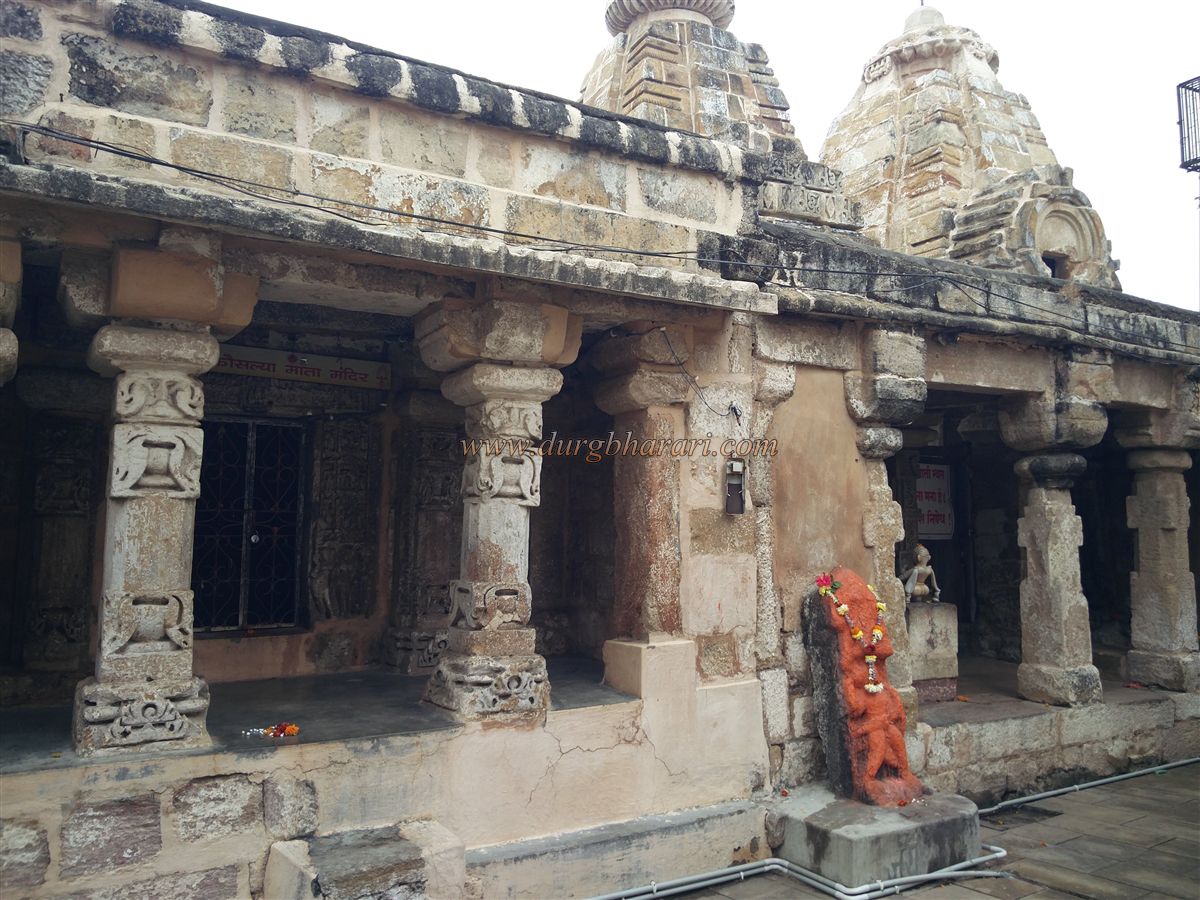
Weapons used by the Nagpur Bhonsle are displayed in cupboards within the Lakshman and Rama temples. To the left of the Rama temple are shrines of Kausalya and Sumitra, with a temple to Lakshmi-Narayana at the rear. Other smaller shrines surround the main complex, all richly adorned with carvings.
After exiting the temple complex, the two-hour fort tour concludes.
Ramtek’s historical references trace back to the Puranik era. According to legend, Lord Rama rested at this location, hence the name "Ramtek." After the Maurya and Satavahana, the Vakatakas ruled Vidarbha from 270 to 500 CE. Nandivardhan (modern-day Nagardhan), Pravarapura (Mansar), and Vatsagulma (Washim) were prominent cities under their rule. Given its proximity to the capital Nandivardhan, Ramtek’s hill fort held strategic importance for its defense.
Important Vakataka kings include Vindhyashakti (c. 250–270 CE), Pravarasena I (270–330 CE),and Harishena (475–500 CE). Vindhyashakti was the dynasty’s founder, while his son Pravarasena I was the most powerful. In 395 CE, Pravarasena son Rudrasena II married Prabhavali, daughter of Chandragupta Vikramaditya of the Gupta dynasty. Rudrasena moved his capital to Nandivardhan. After his death in 405 CE, Queen Prabhavali assumed control. Her father appointed the great poet Kalidas as an administrator alongside her. Kalidas is believed to have composed his immortal work Meghaduta here.
Queen Prabhavati and her Vaishnavite descendants built the Narasimha, Trivikrama, Varaha, and Gupta Ram temples on the hill. A Brahmi inscription in the Narasimha temple supports this.
In the 12th century, the Marathi religious text Lilacharitra mentions that Chakradhar Swami stayed in Ramtek for ten months during his travels across India. The inscription on the 13th-century Lakshman temple refers to the hill as Sindurgiri or Tapogiri.
During the Peshwa era, the Bhonsle of Nagpur reconstructed the fort and renovated its temples. Later, Saint Tukdoji Maharaj also meditated here.
© Suresh Nimbalkar
GALLERY