RAJGURUNAGAR
TYPE : NAGARKOT
DISTRICT : PUNE
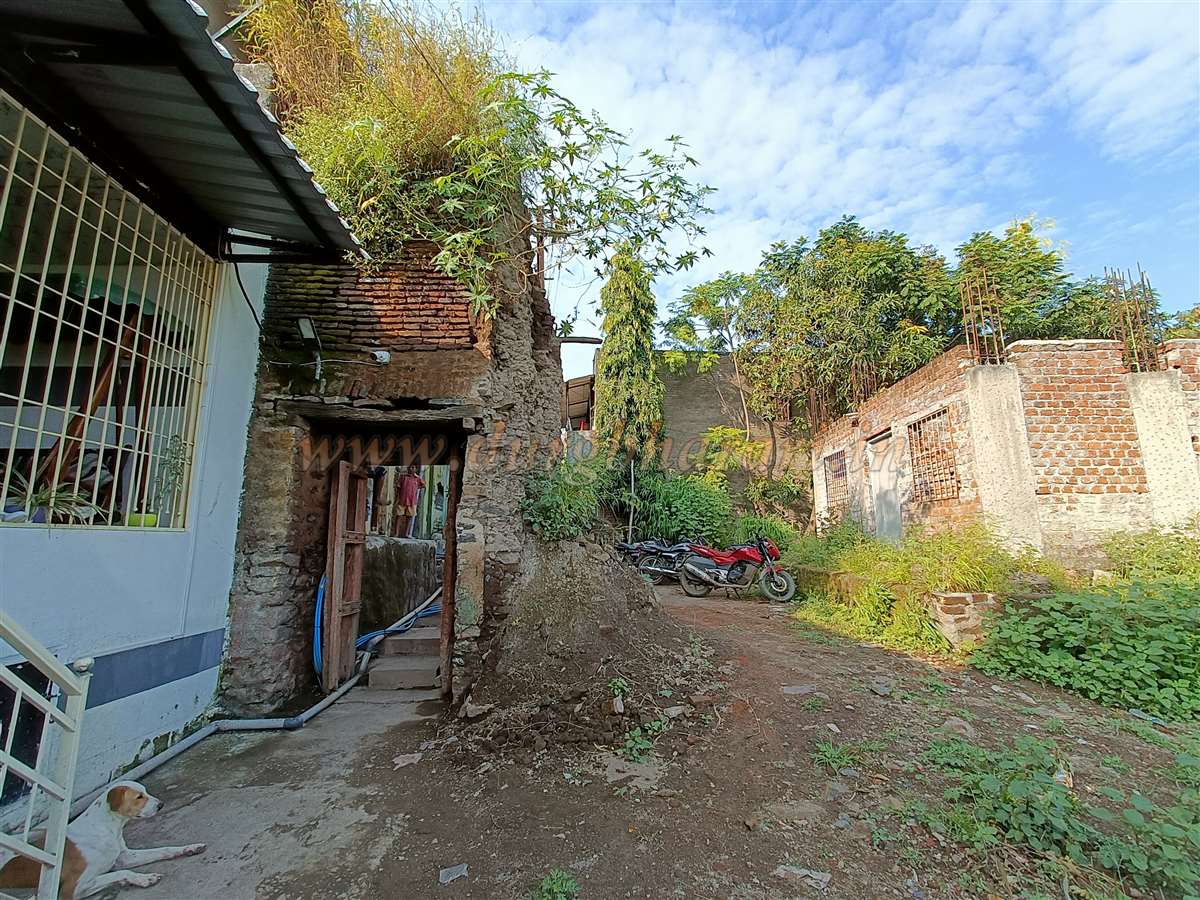
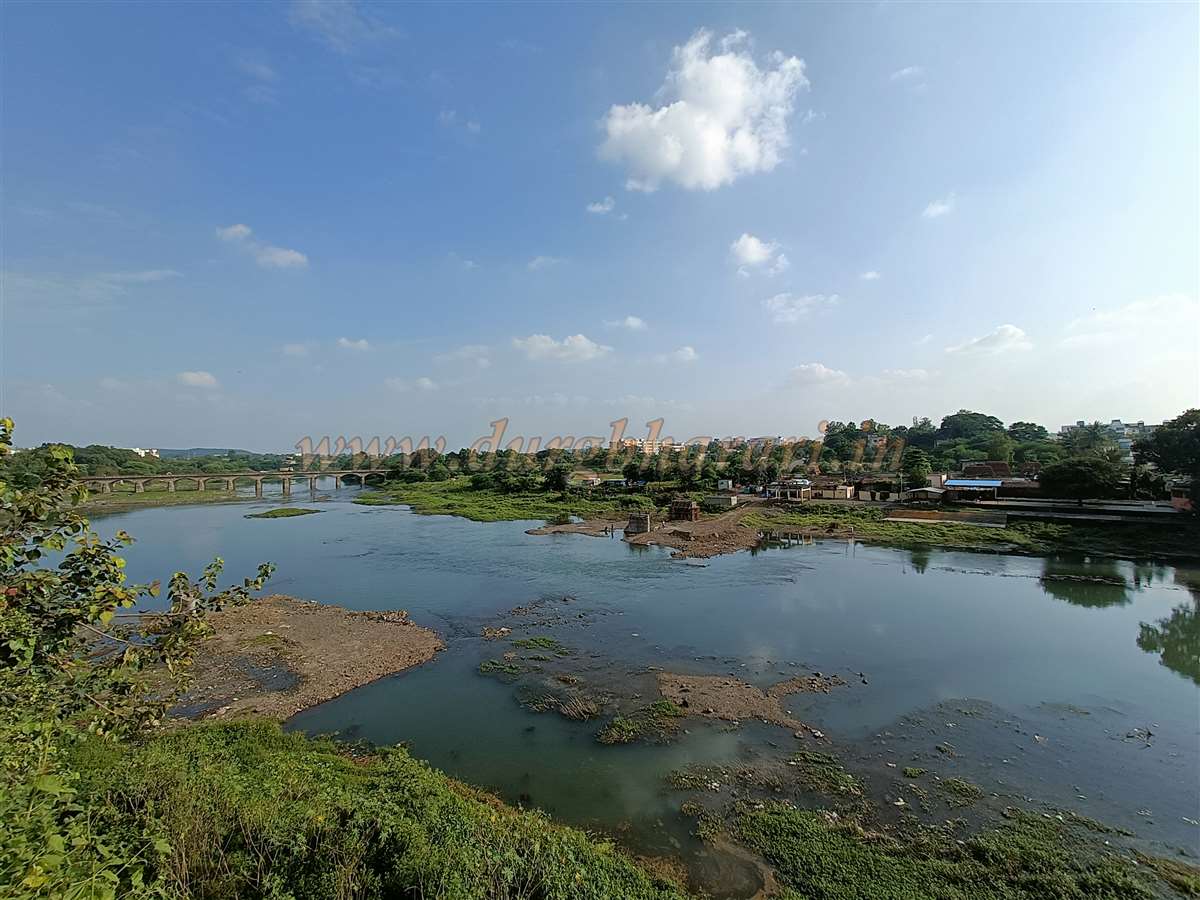
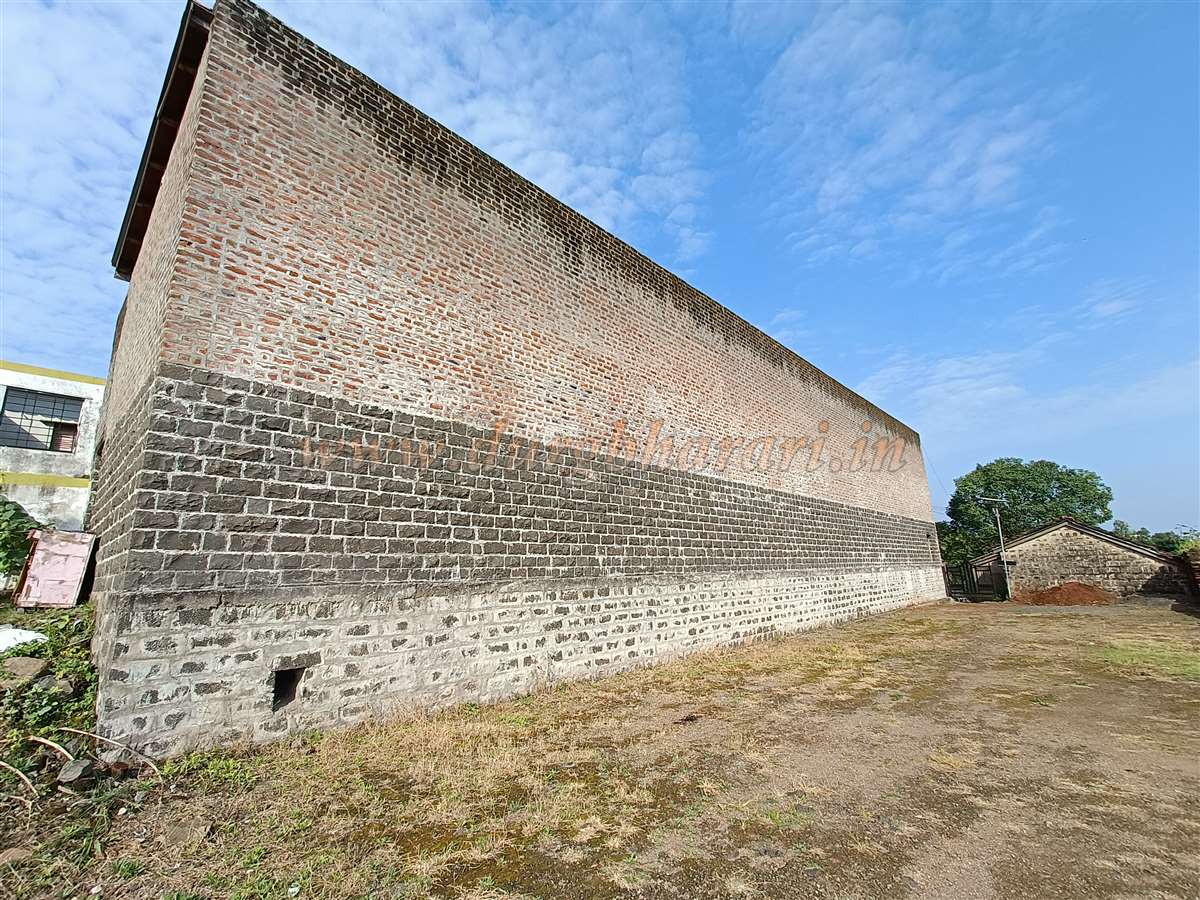
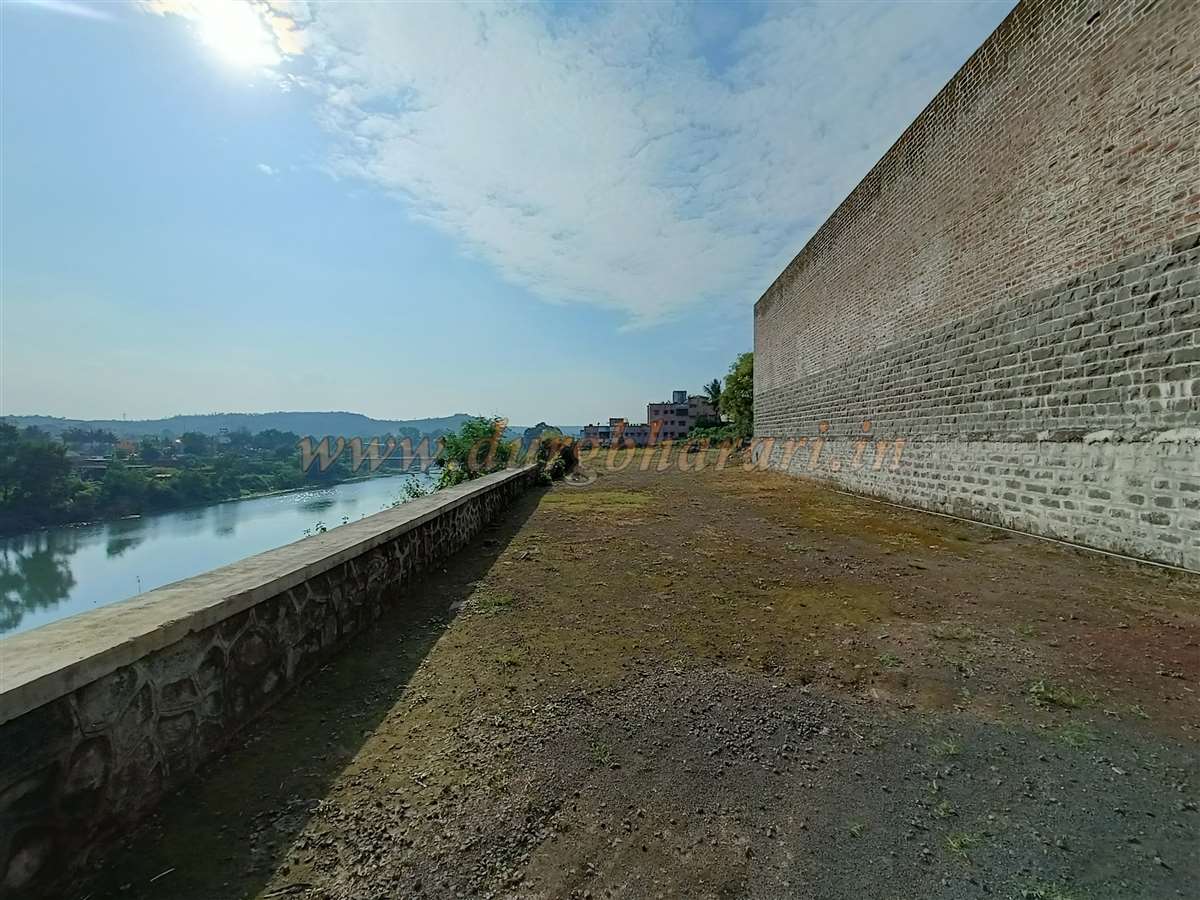
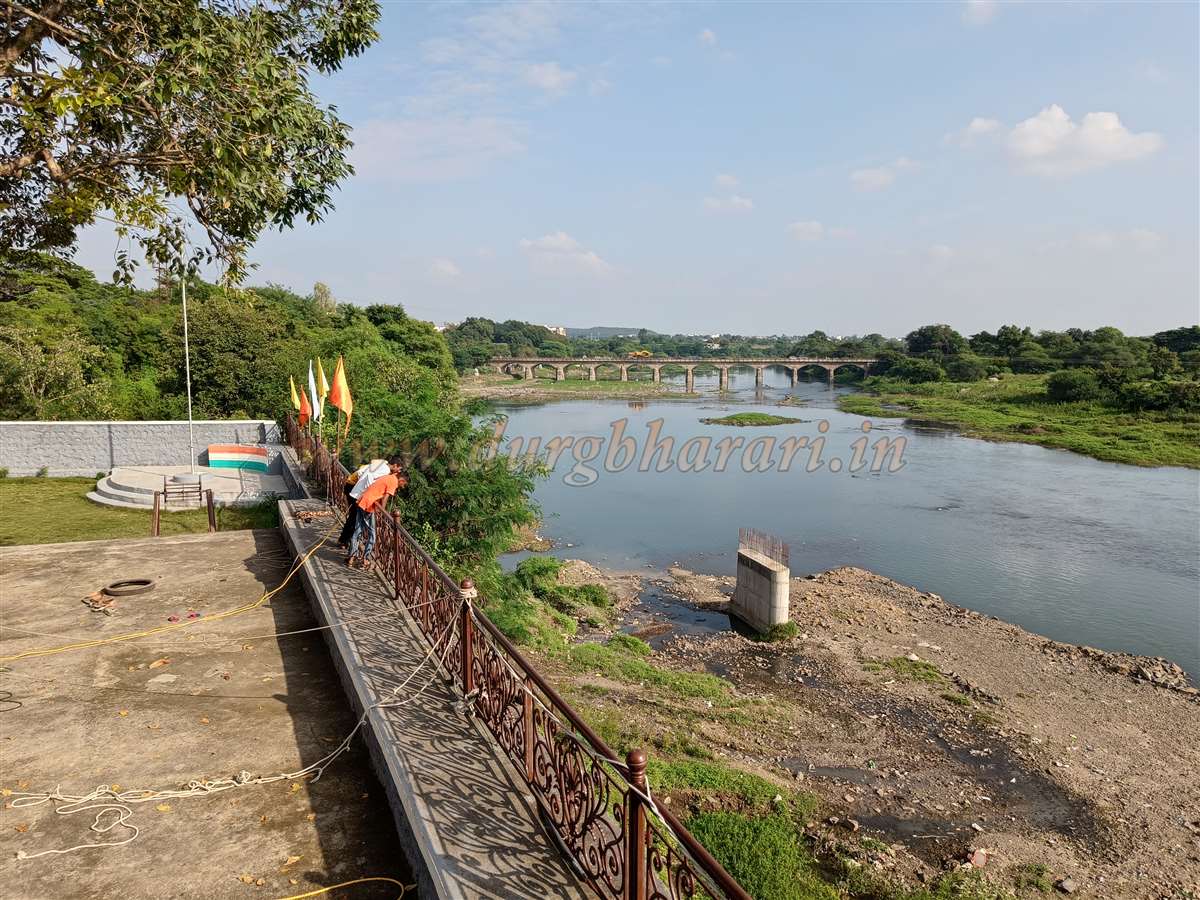
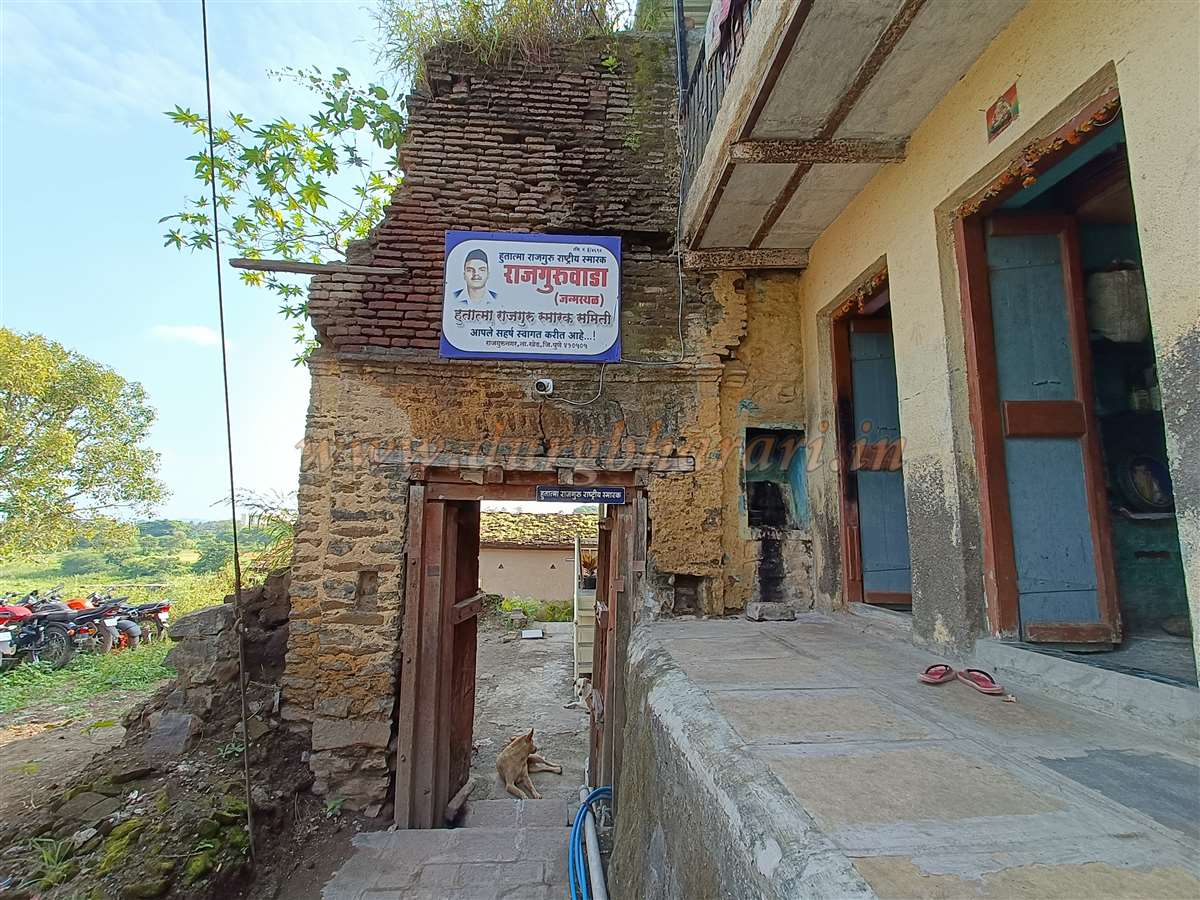
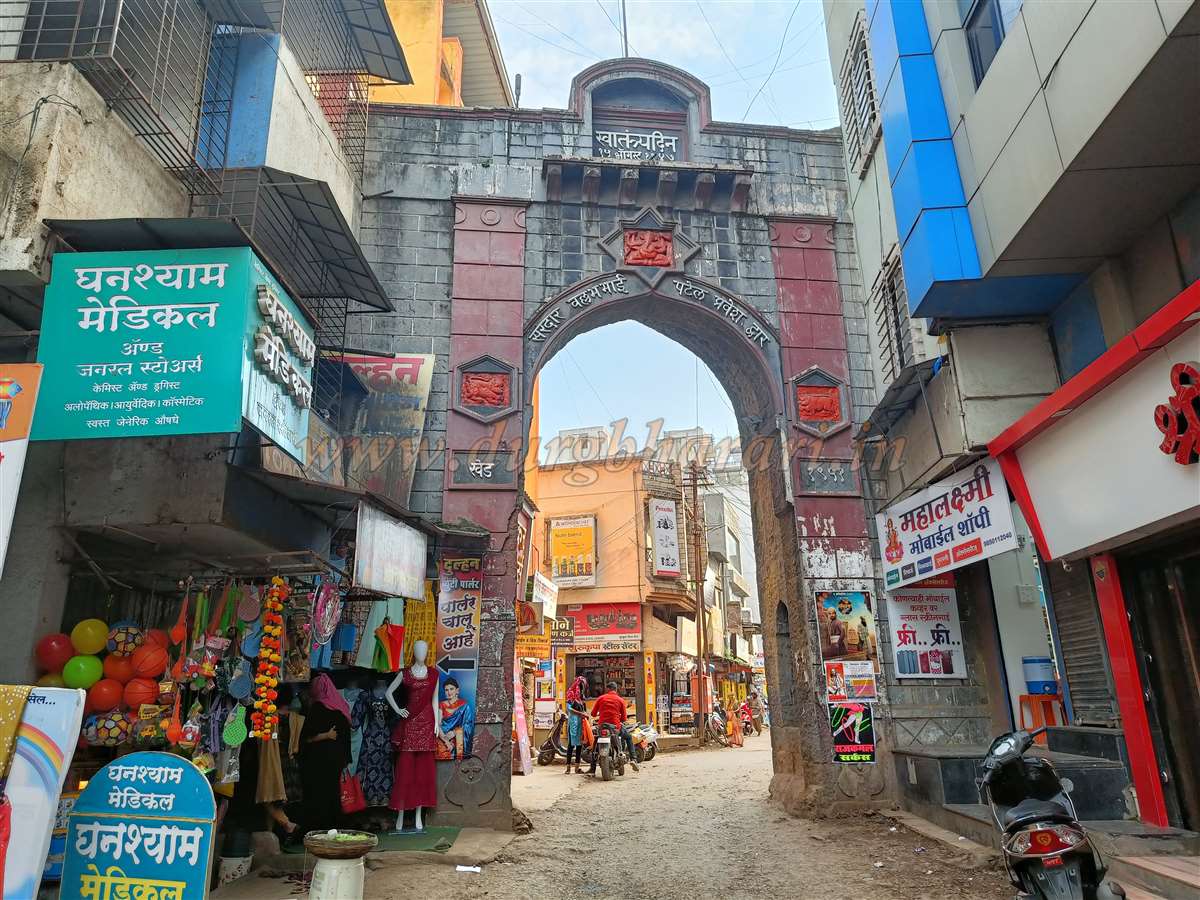
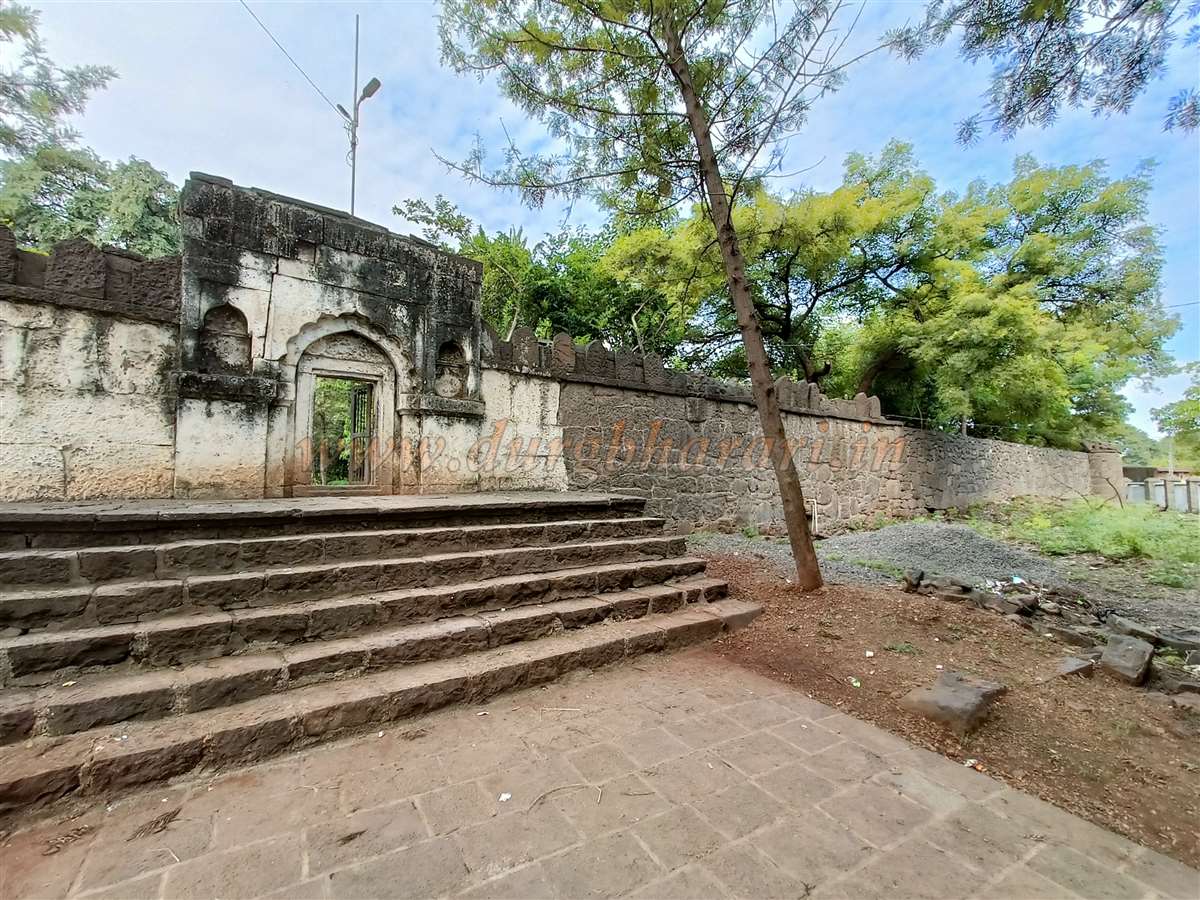
Rajgurunagar, located on the banks of the Bhima River along the Pune-Nashik highway, is an important city in Pune district. The town of Khed, the headquarters of Khed Taluka, was renamed Rajgurunagar in honor of the martyred revolutionary Shivram Hari Rajguru. The ancestral house of Rajguru, who sacrificed his life during India’s struggle for independence, is located in this town. Rajgurunagar lies about 40 kilometres from Pune city. The city of Khed has existed since the pre-Shivaji era, so it is natural that it once had a fortified enclosure. Although the fort and its walls no longer survive, the fort’s entrance gate still stands today as the village boundary. Entry into the old village of Khed is through this gate. Upon entering, on the other side of the village, one can find Raj guru’s ancestral home near the Bhima riverbank.
...
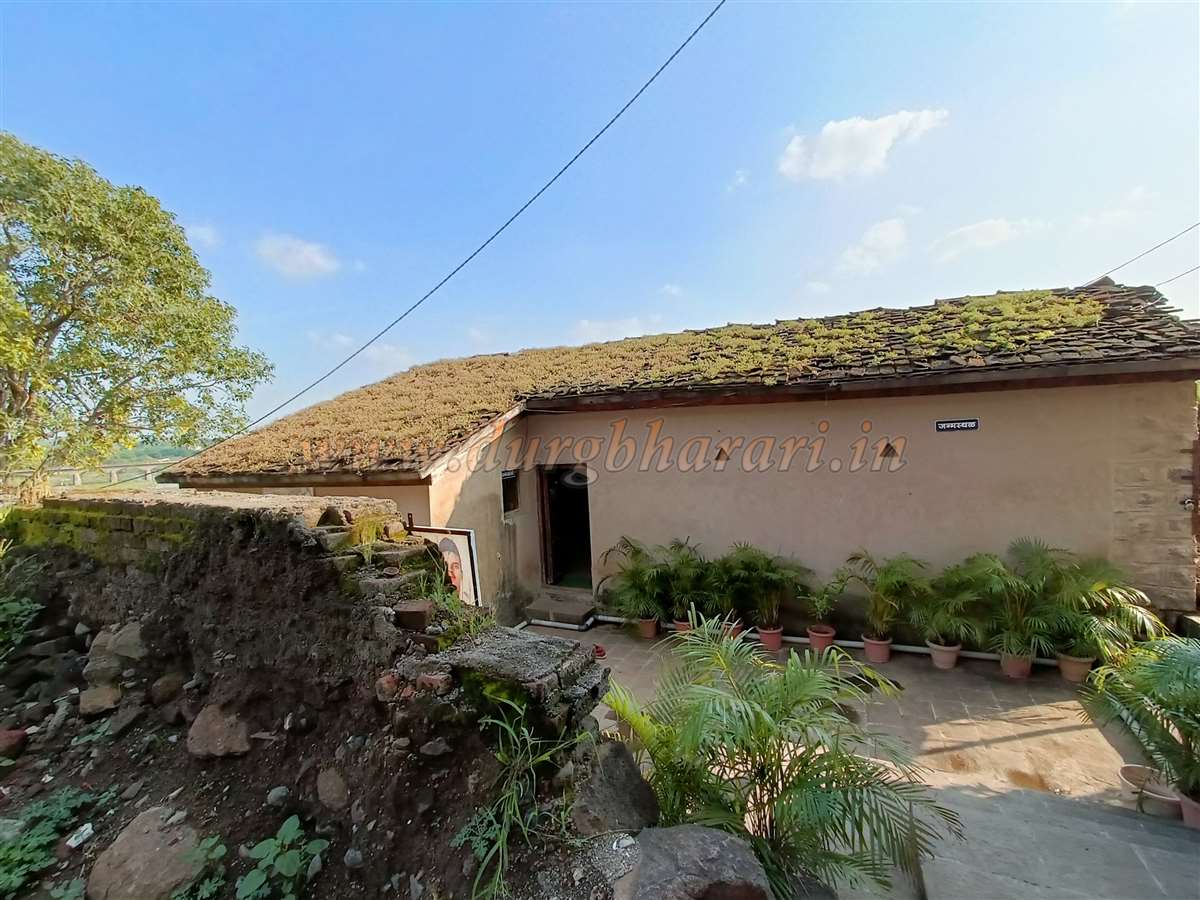
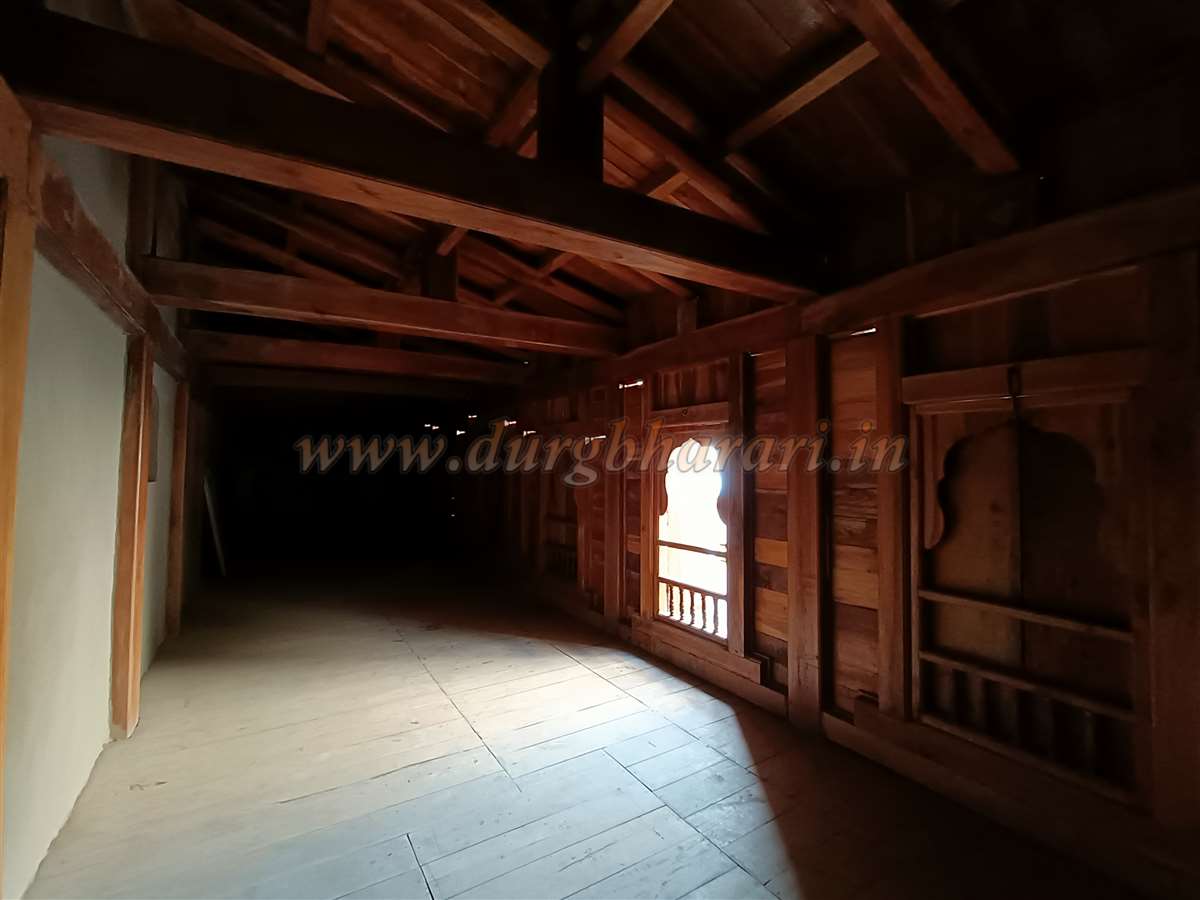
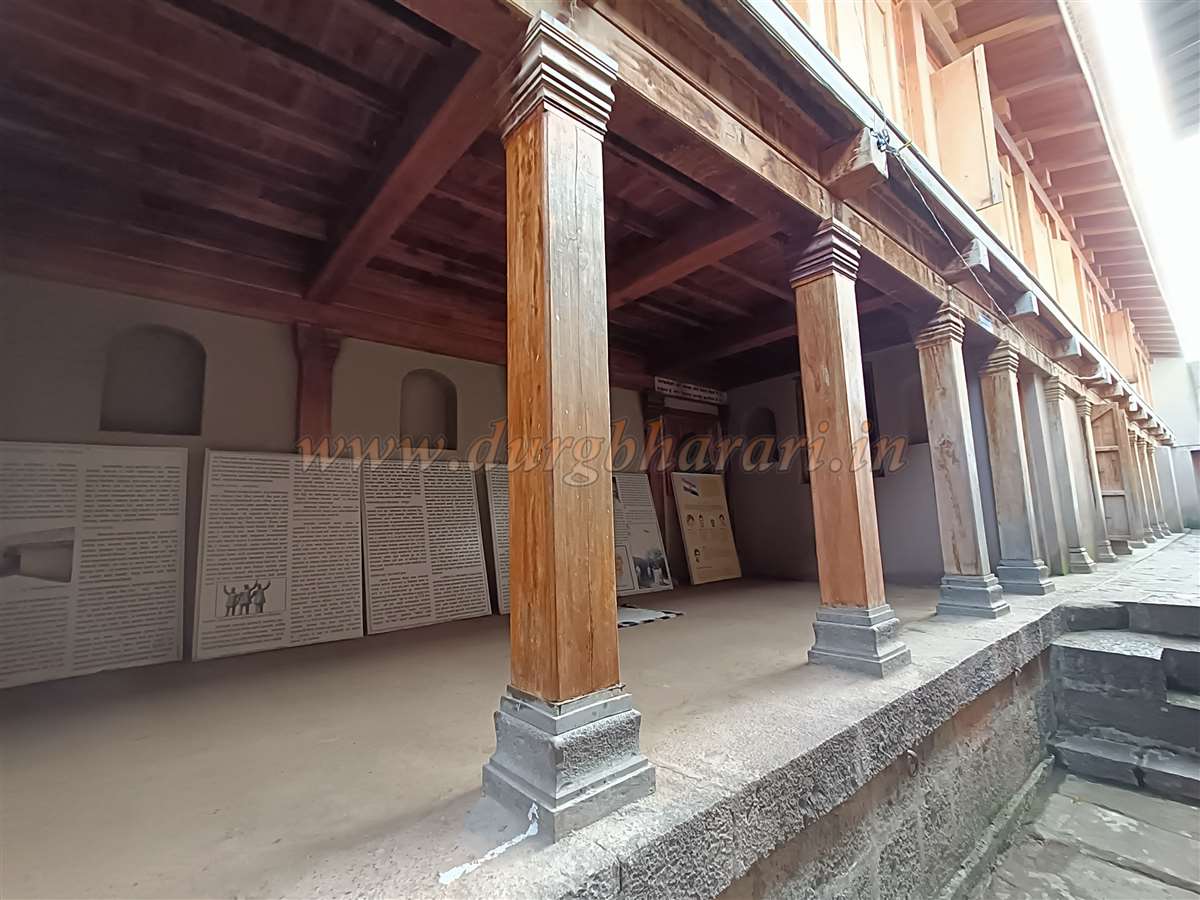
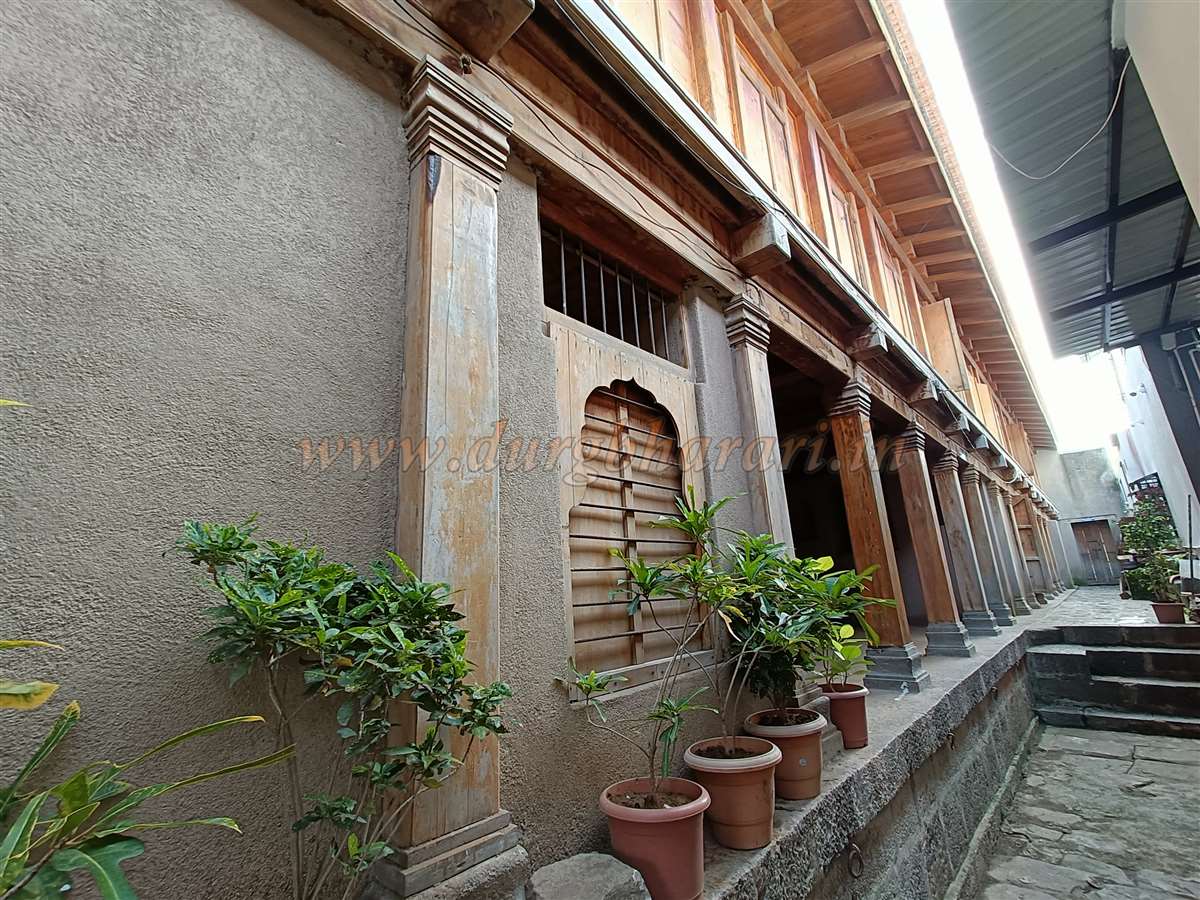
Though the mansion has deteriorated, a specific part of it has been carefully preserved. The rest has been developed into a memorial and is well-maintained. While touring this memorial, one can see the room where Rajguru was born. This room has been preserved in its original form, and nearby is a small granary used for storing food grains. In developing the house as a memorial, efforts have been made to retain its original appearance. The façade remains intact, and the interior two-storied structure has been restored using traditional wooden construction. Inside the house, there are portraits and displays about the revolutionary struggle of Bhagat Singh, Sukhdev, and Rajguru. As one explores the house, Raj guru’s battle for independence vividly comes to life.
In addition to this mansion, Rajgurunagar town also features an old dome and the ancestral house of freedom fighter Moreshwar Sutar. During Shahu Maharaj’s reign, he summoned the learned Vedacharya Ruceshwar Brahme from Chakan to Satara for guidance, after which people began referring to him as "Rajguru." Ruceshwar later resided in Umbraj, and Shahu Maharaj granted him six villages as inam. He built a mansion in Khed. Amidst rising revolutionary fervour against British rule, Shivram Hari Rajguru was born in August 1908 in the household of Haripant from this same family. He received his education up to seventh standard in Khed, and later, while studying at New English School on Tilak Road in Pune, he left school and joined the Hanuman Vyayam Prasarak Mandal in Amravati in 1923.
For the cause of India’s independence, he participated in movements led by Lala Lajpat Rai and Pandit Madan Mohan Malaviya in Uttar Pradesh and Punjab. On October 30, 1928, during the Simon Commission protest, Punjab Police Superintendent Scott and his assistant Saunders ordered a lathi-charge. Lala Lajpat Rai sustained severe injuries in the assault and passed away on November 17. Determined to avenge his death, a conspiracy was hatched under Chandrasekhar Azad’s leadership, with Bhagat Singh, Sukhdev, Rajguru, and Jaygopal participating. On December 27, 1928, the revolutionaries entered Scott’s office, and when Saunders appeared, Rajguru mistook him for Scott and shot him dead.
On September 30, 1929, Rajguru was arrested in Pune. The trial began on October 25, and fifteen people were charged. Jaygopal turned approver. The court sentenced Bhagat Singh, Sukhdev, and Rajguru to death. The execution, originally scheduled for March 24, 1931, was carried out a day earlier on March 23, fearing public unrest, marking the end of a great revolutionary. Shivram Hari Rajguru became immortal in Indian history as a legendary freedom fighter.
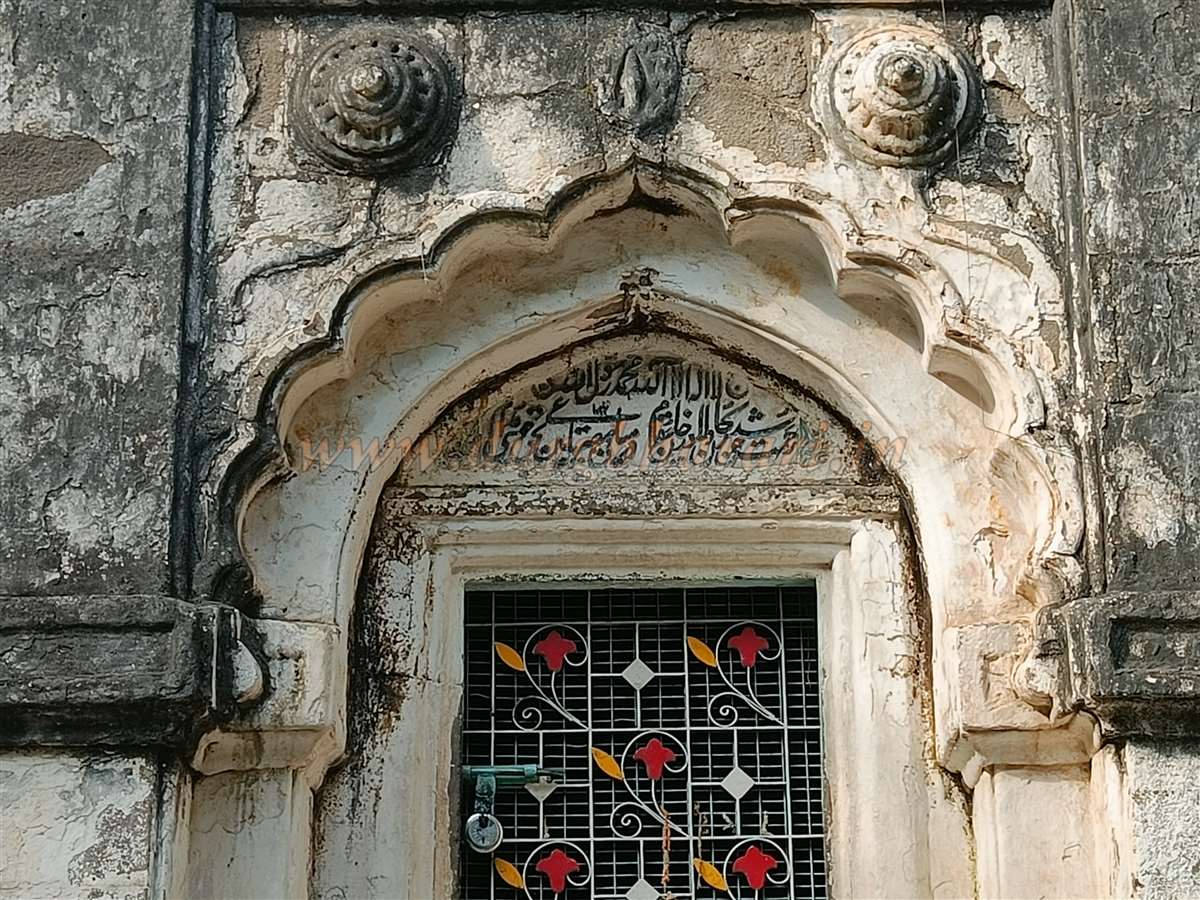
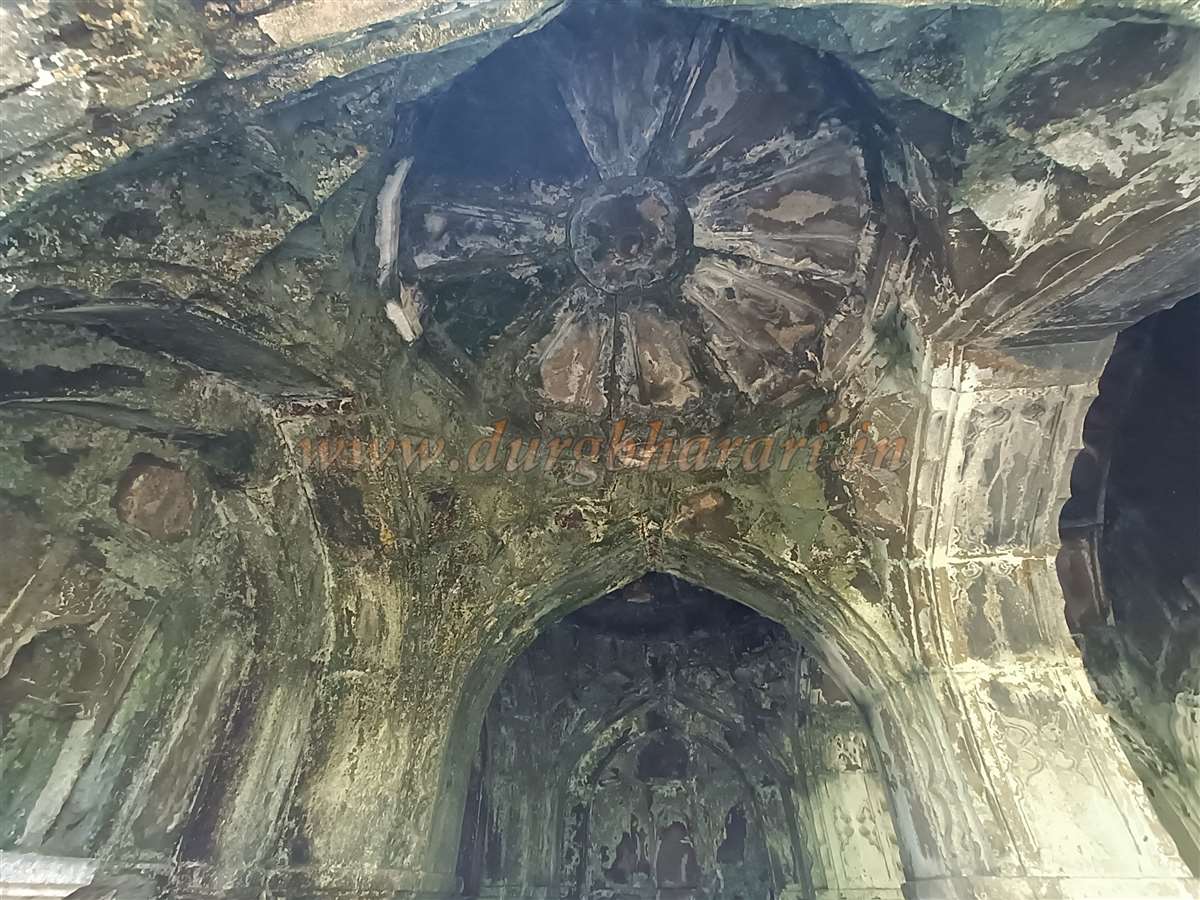
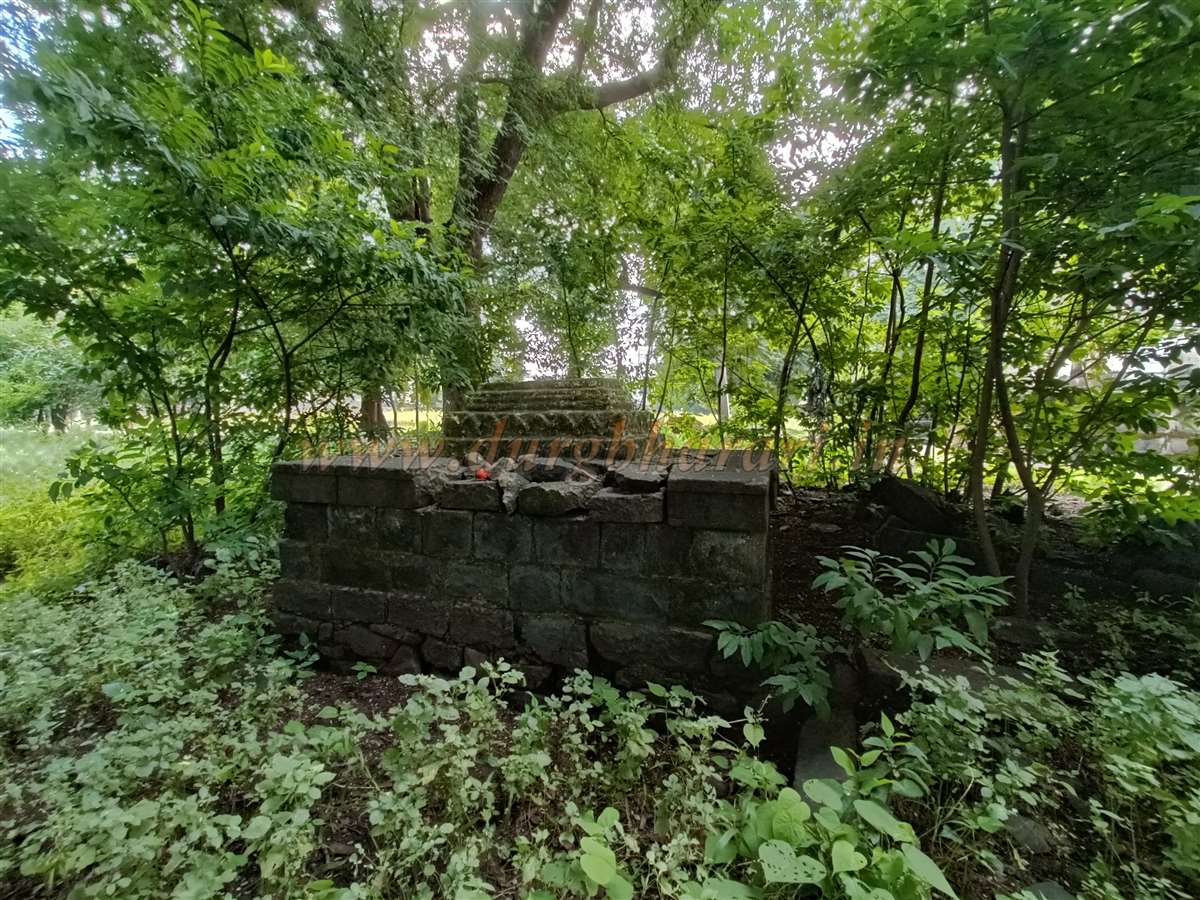
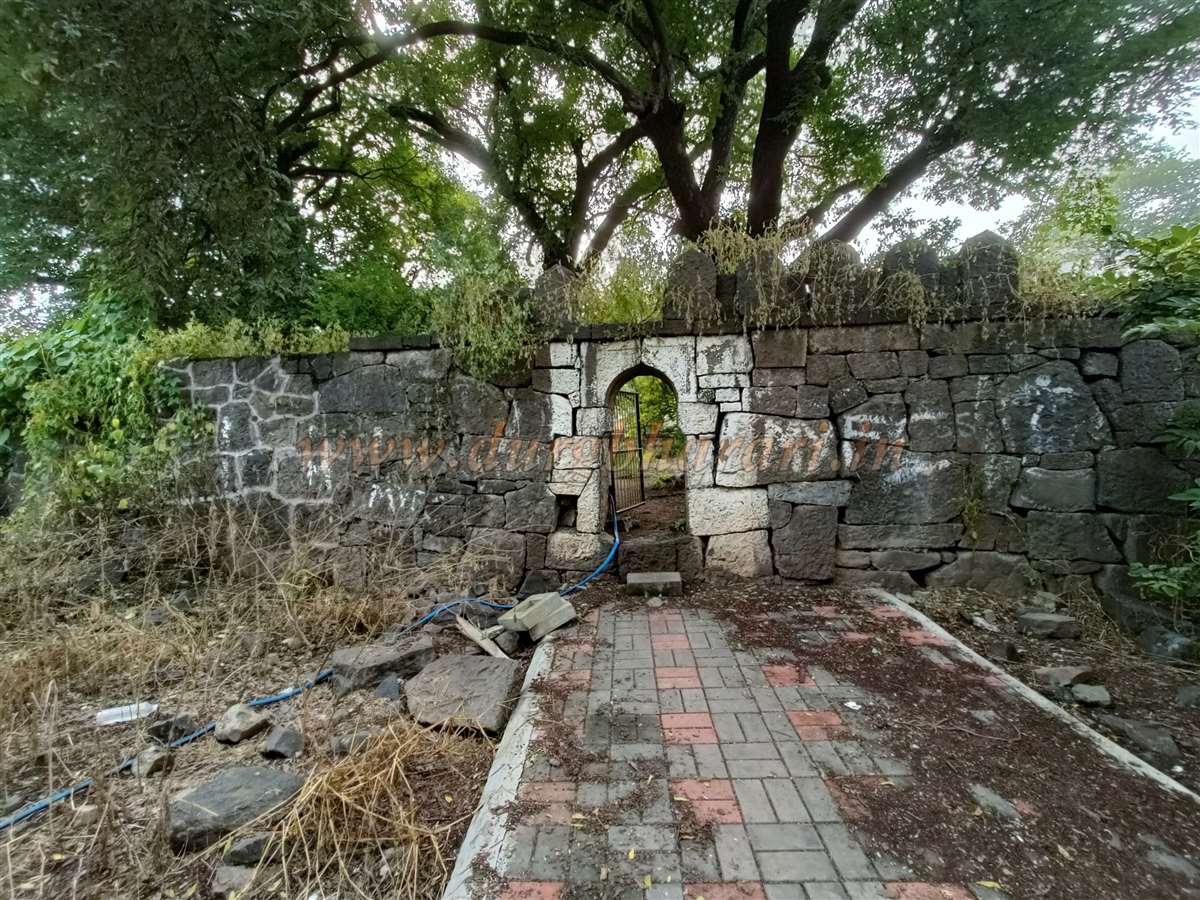
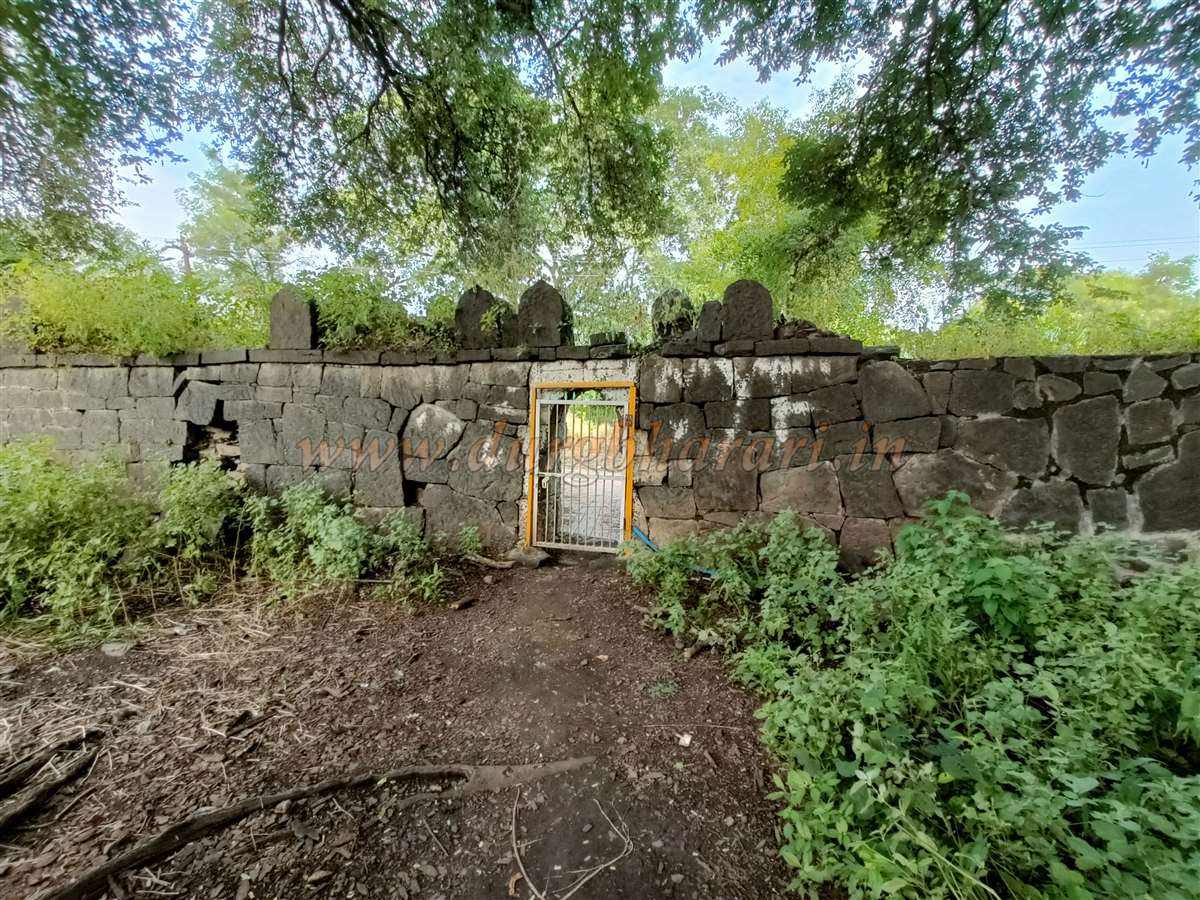
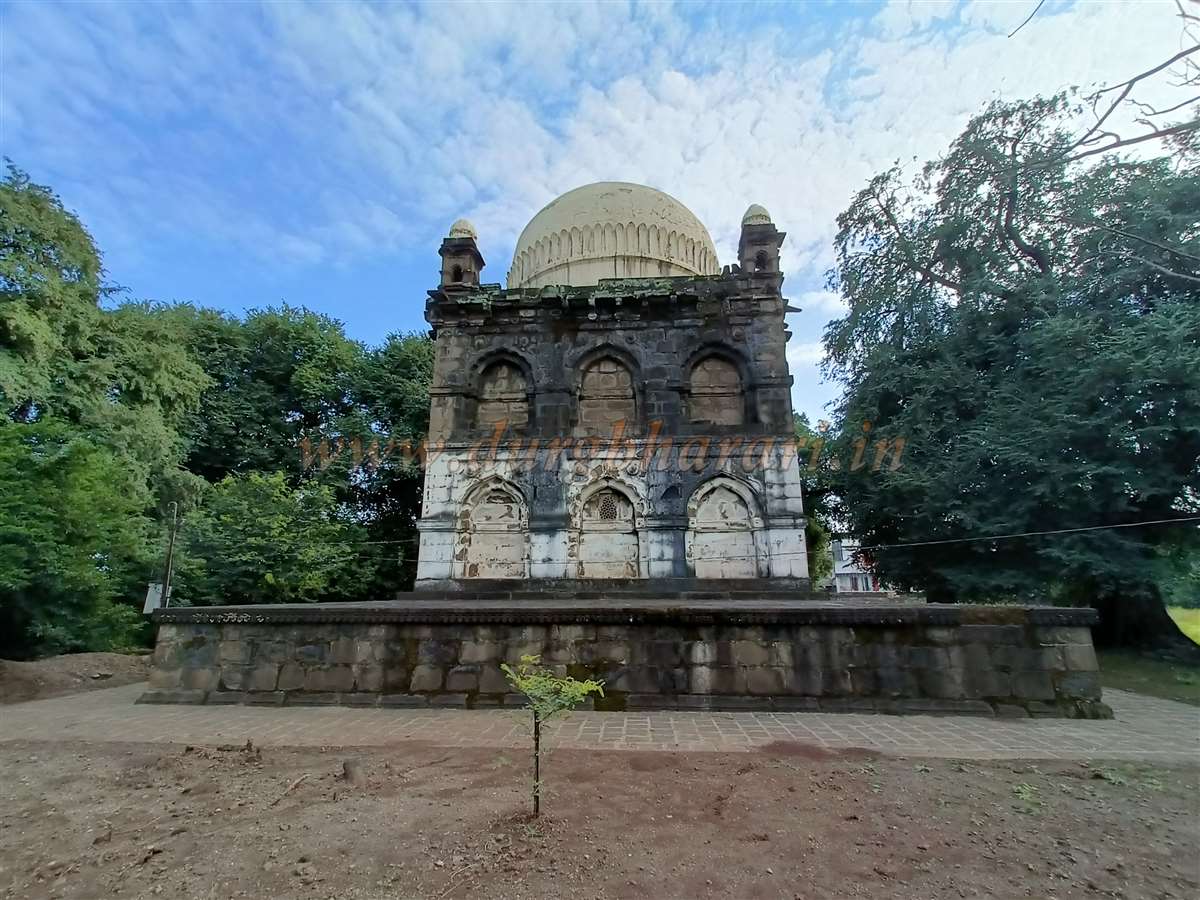
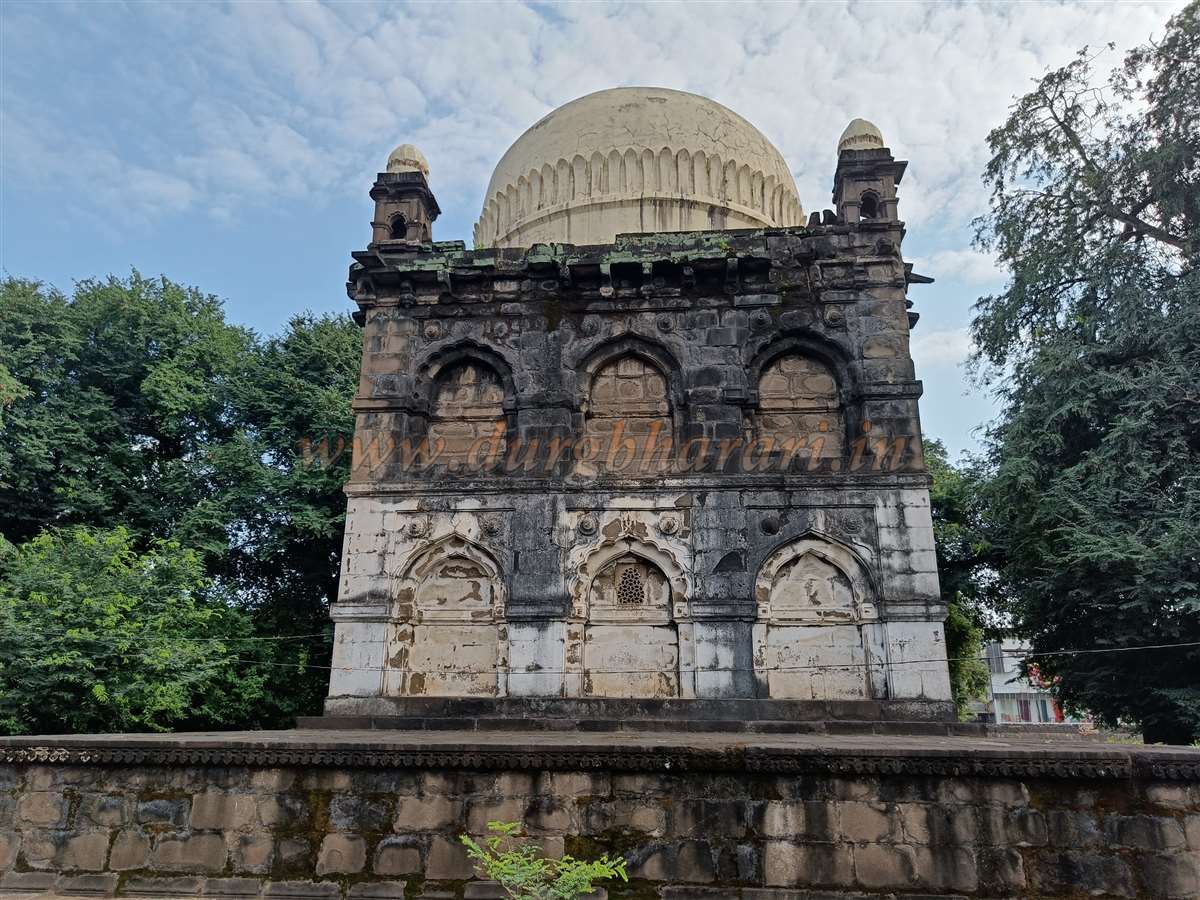
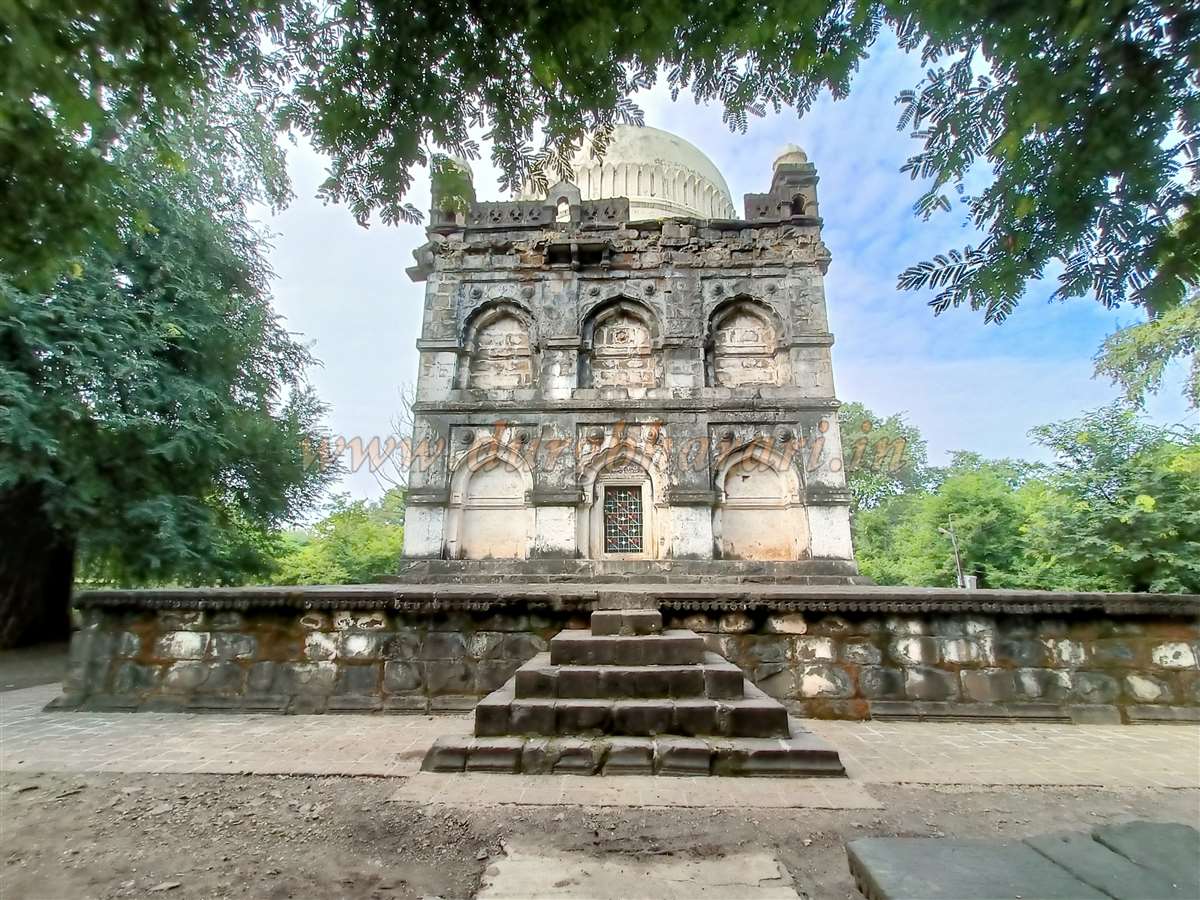
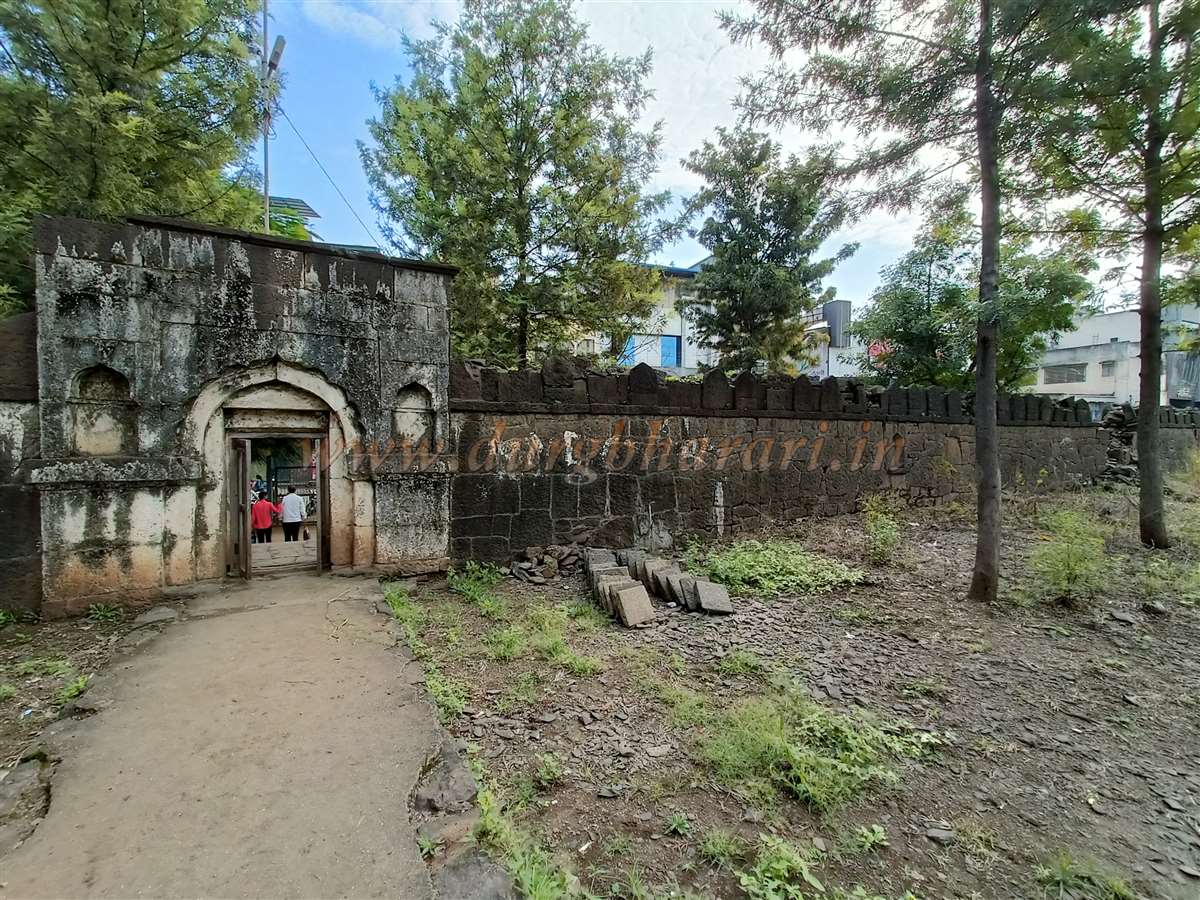
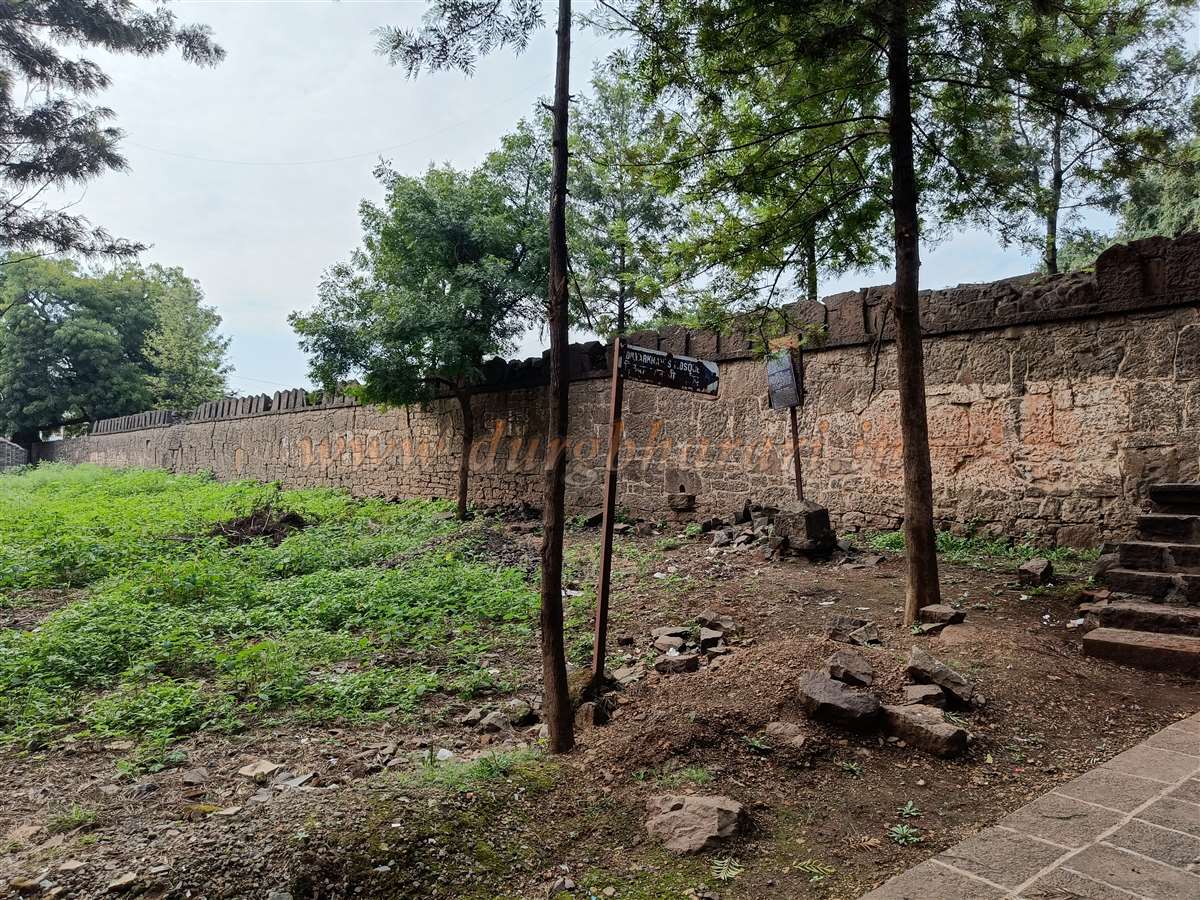
As one enters old Khed village, on the opposite side of the road stands a stone fort wall with a bastion and a small gate. Entering through this gate, one sees a stone structure with a circular dome on a five-foot-high platform made of finely carved stone. This structure is located in the center of a four-acre fortified area, with a mosque to its left. Looking at this building, one is momentarily reminded of Bijapur famous dome. Within the dome enclosure are a few small cenotaph platforms. There is some minimal stone carving on the dome structure. This is the tomb of Dilawarkhan, a prominent Sardar of the Adilshahi period. The base platform is about 5 feet high and measures 50 by 50 feet, while the central dome is around 25 by 25 feet. Four small minarets are built on each corner of the roof. An inscription in Arabic and Persian is carved above the dome’s entrance. The Arabic part is a kalma, while the Persian part reads: “May God’s grace remain upon the soul of Dilawarkhan as the stream flows eternally in the garden of the city.” This inscription was read and translated by Munshi Abdul of the Bharat Itihas Sanshodhak Mandal, and the date Hijri 1022 (1613 CE) is mentioned, indicating the tomb’s construction year. Inside the dome are two tombs, the second believed to be that of Dilawarkhan brother.
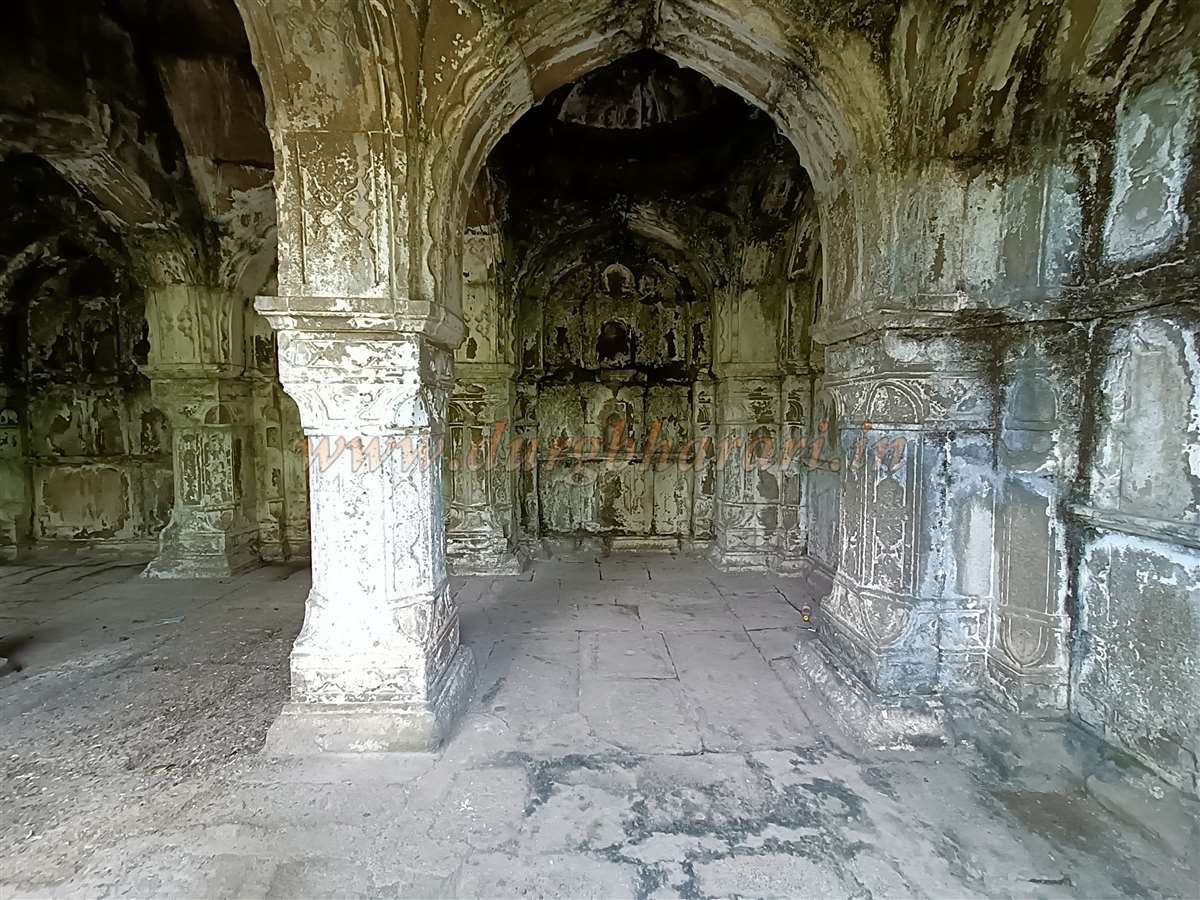
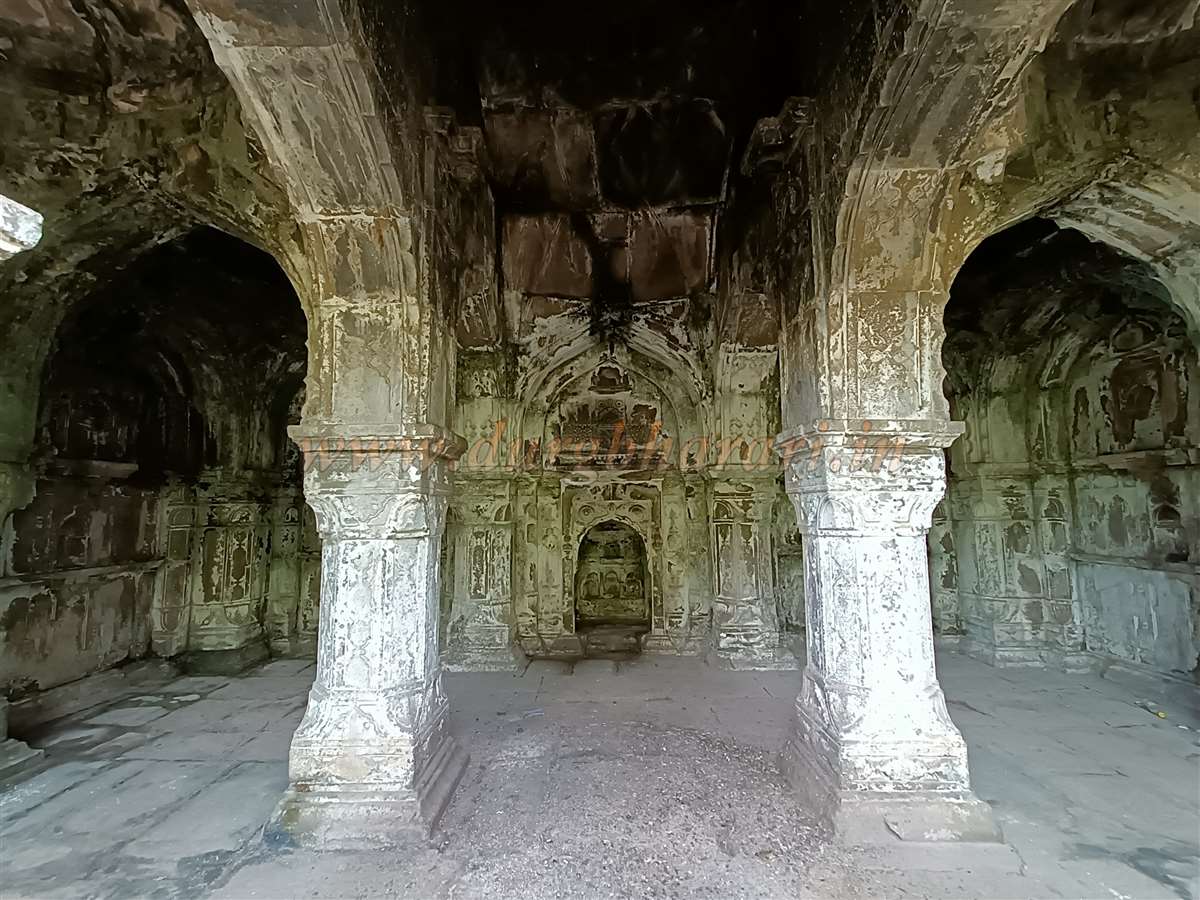
To the left of the dome is the mosque, built on a five-foot-high platform supported by three arches. This mosque has also suffered damage and erosion. It features rich floral carvings. Currently, the entire complex is under the care of the Archaeological Department. A walk along the dome’s fort wall reveals four bastions at the four corners. Exploring the whole complex takes about half an hour.
© Suresh Nimbalkar
GALLERY