RAJGOLI
TYPE : GADHI
DISTRICT : KOLHAPUR
HEIGHT : 0
GRADE : EASY
Maharashtra is so richly endowed with a legacy of forts that numerous fortified structures and mansions are not even documented in official records or listed by fort enthusiasts. During the later Maratha period, when the Peshwa held central authority, many ground forts and fortified mansions were constructed across Maharashtra. Some of these ground forts were private properties used primarily for revenue collection and self-defence. Once the feudal system was abolished, the maintenance of these privately-owned forts became increasingly difficult for their owners. As a result, many of these forts are now deteriorating. In other cases, due to expanding families and migration in search of livelihoods, the owners relocated, leaving the forts abandoned and relegated to history. A general apathy among locals toward these historical structures has also contributed to their neglect and decline.
...
One such fort, which is undocumented and absent from all official or enthusiast lists, is the fort at Rajgoli village. No information about this fort-like structure is found on the internet or in other sources, making this a small attempt to introduce it. Located in Rajgoli village in Chandgad Taluka of Kolhapur district, this fort is best approached via Sankeshwar, a city in Karnataka. Rajgoli is about 95 km from Kolhapur via the Kagal–Nipani–Sankeshwar route, with Sankeshwar being 35 km away from Rajgoli. In Rajgoli, this fort is known as the "Inamdar Wada."
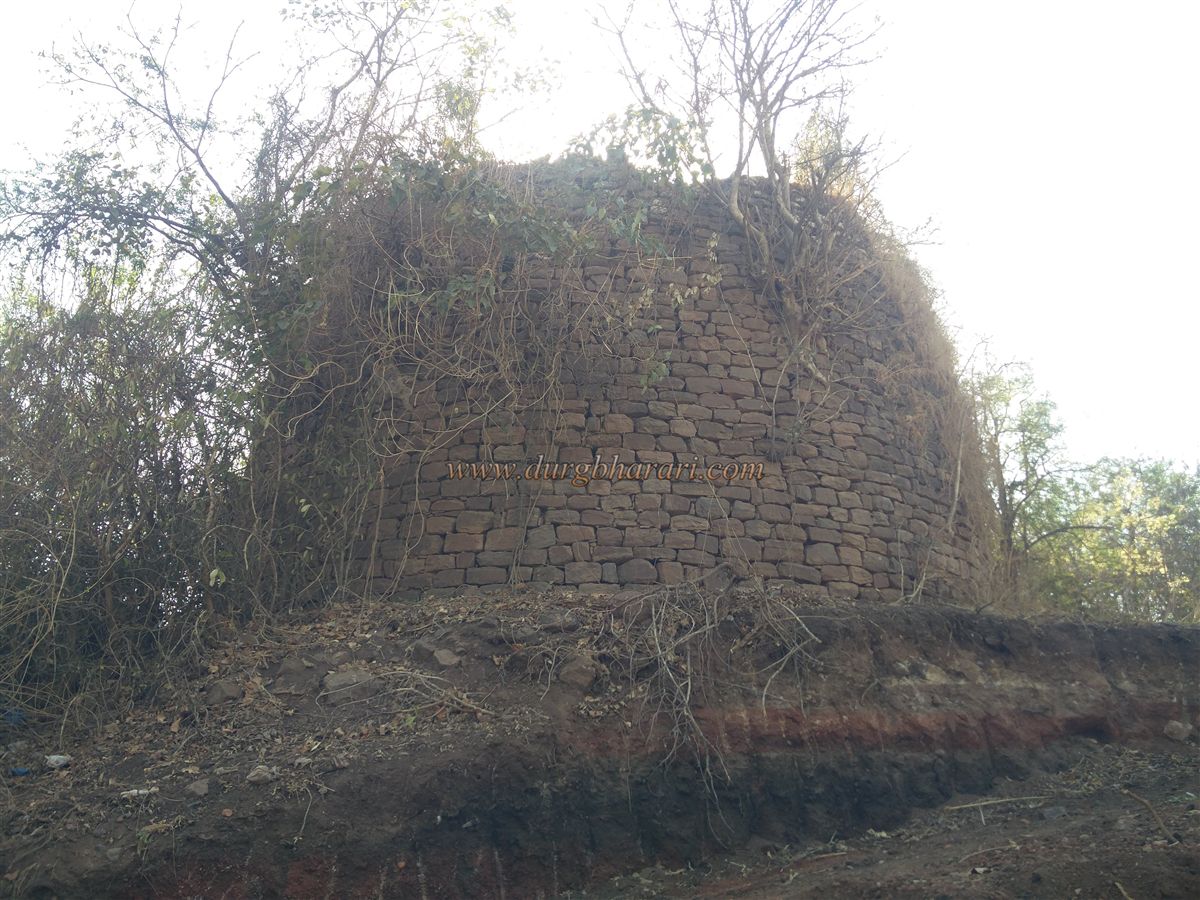
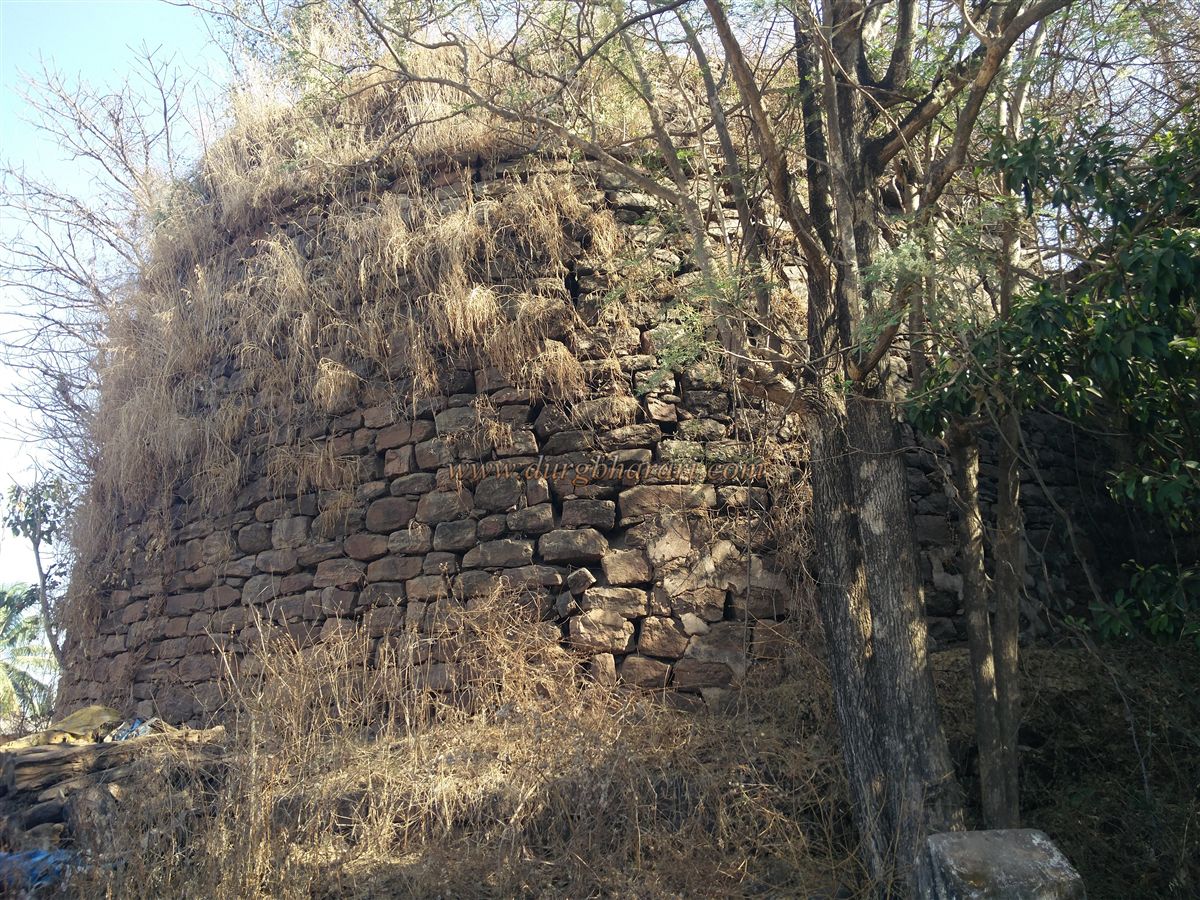
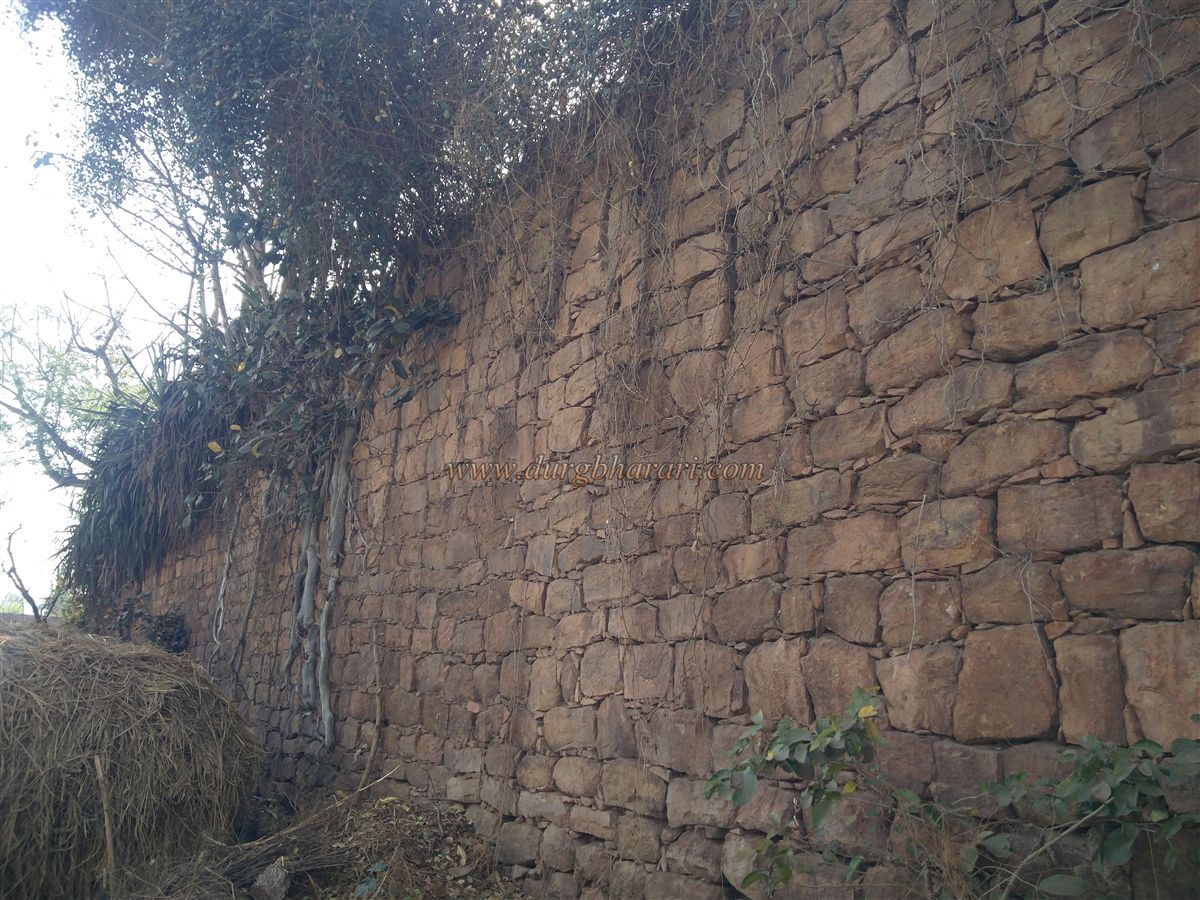
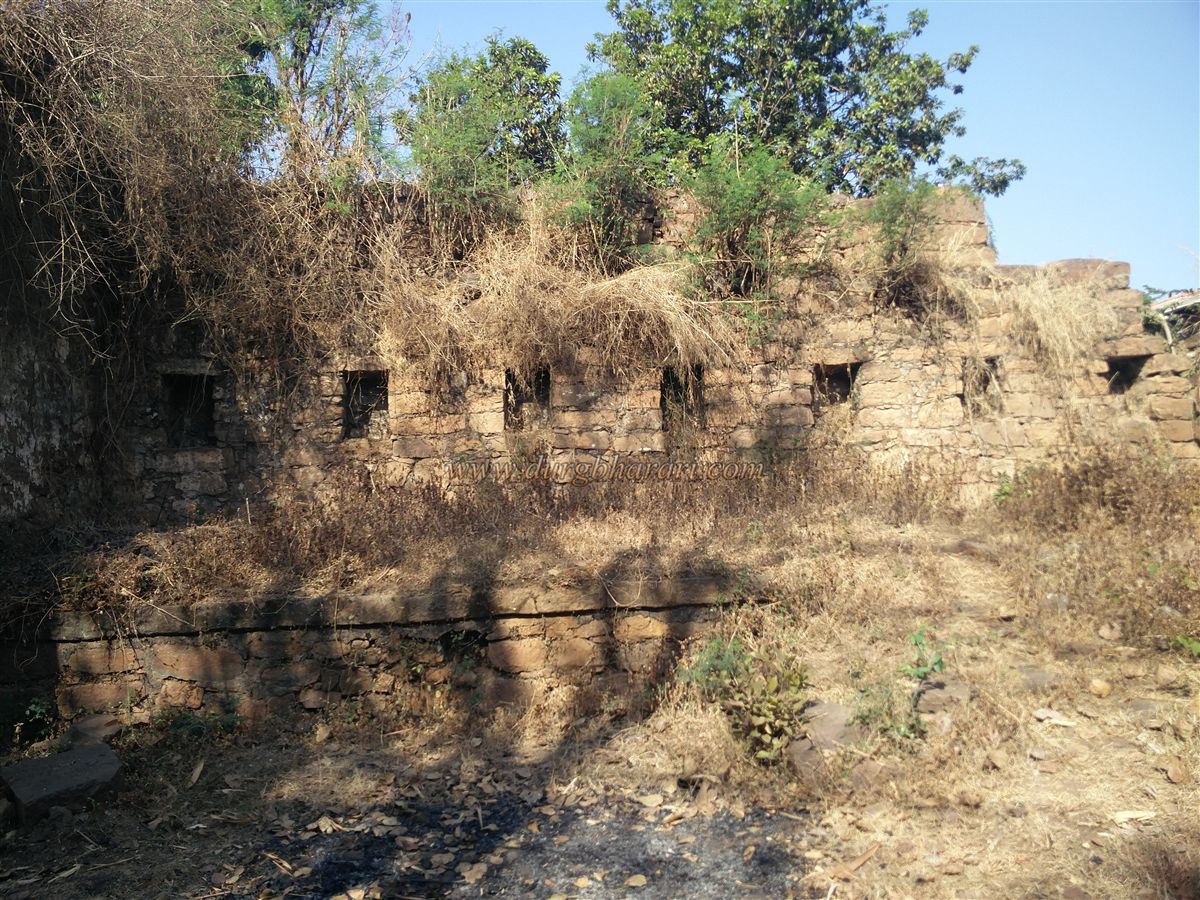
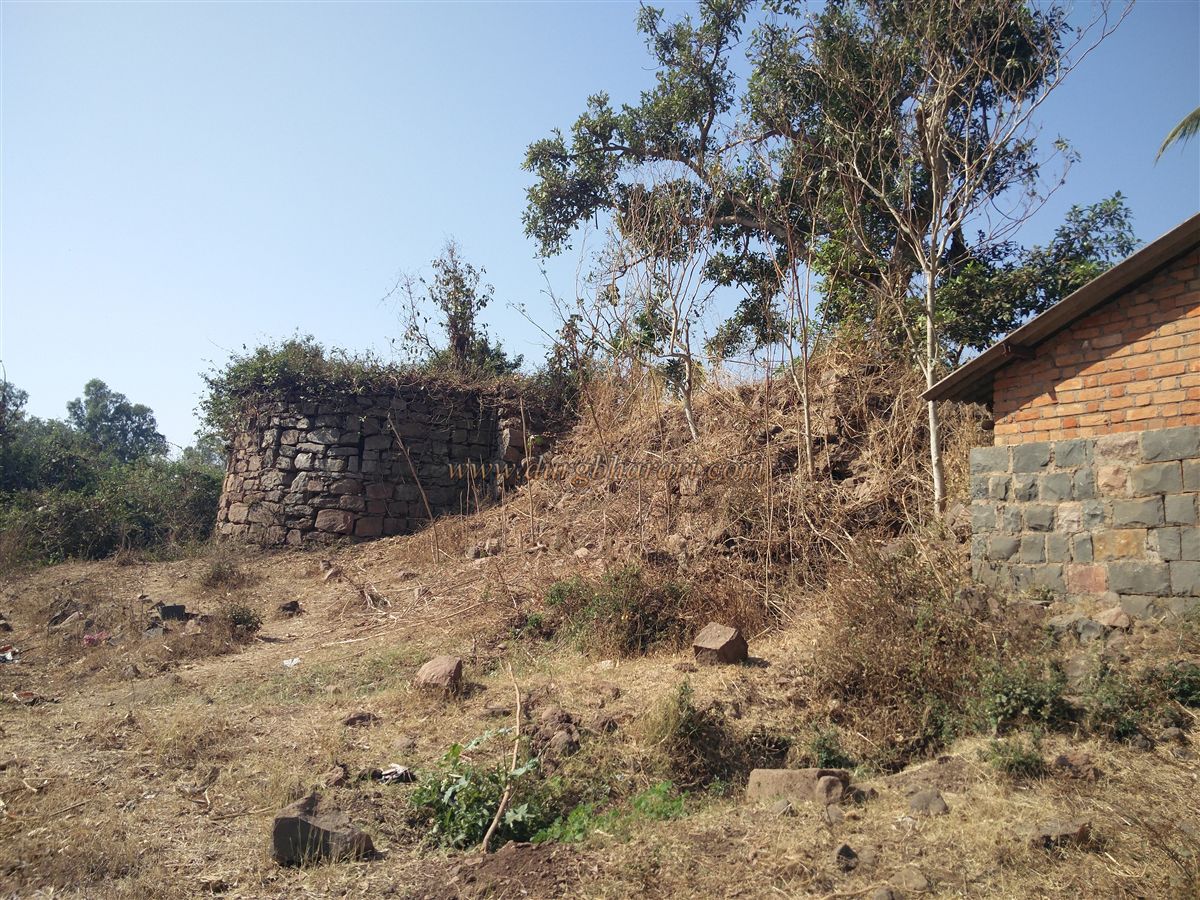
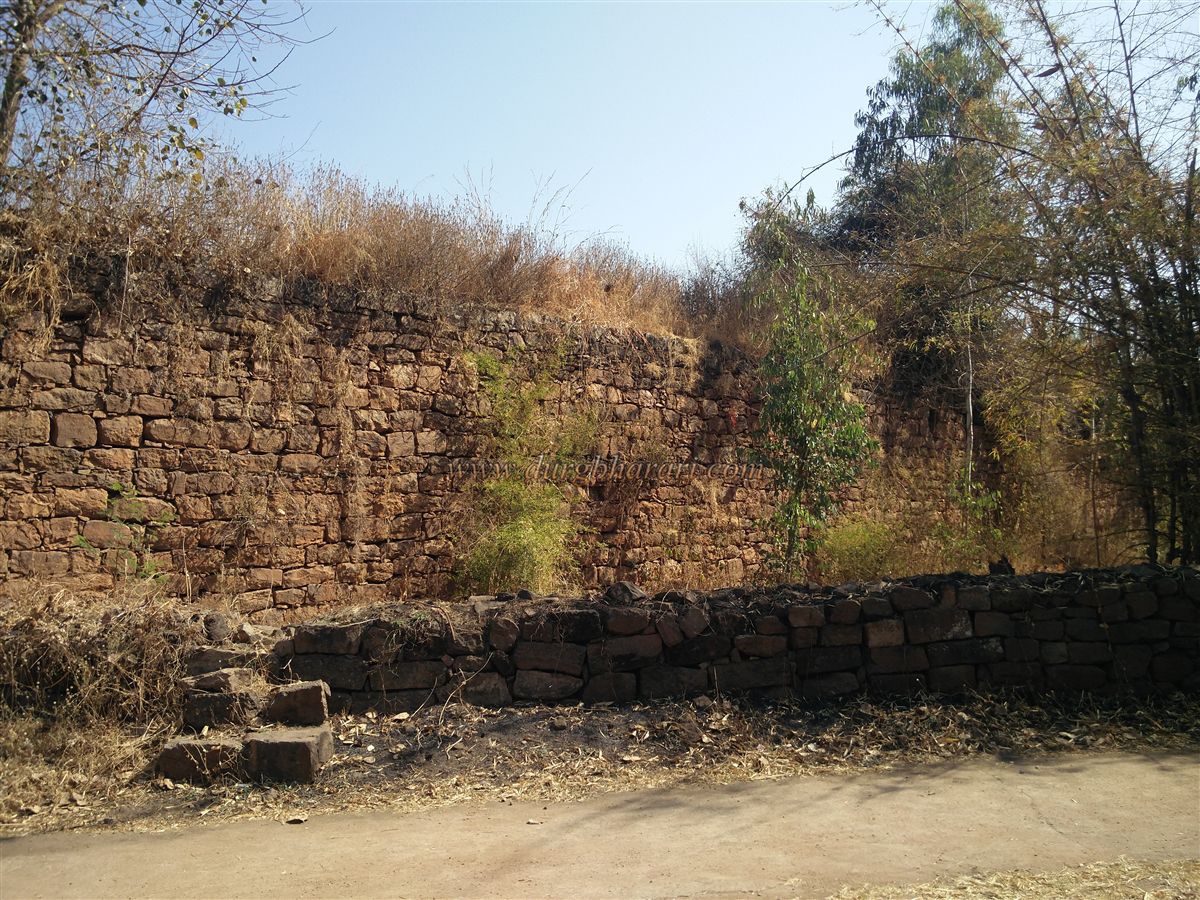
Judging by its construction, this fort-like mansion seems to have been built after the era of Shivaji Maharaj. It is roughly rectangular in shape and spans an area of around four acres, oriented east to west. The fort's dimensions are approximately 400 by 350 feet, with a wall thickness of 12 feet. A moat is still partially preserved on the northern side of the fort, while those on the other sides have completely vanished. The 20-foot-high fortification wall is built with uncut stone and without any binding mixture. The fort has six bastions—four at the corners and two at the center—with gun ports (jangya) for firing.
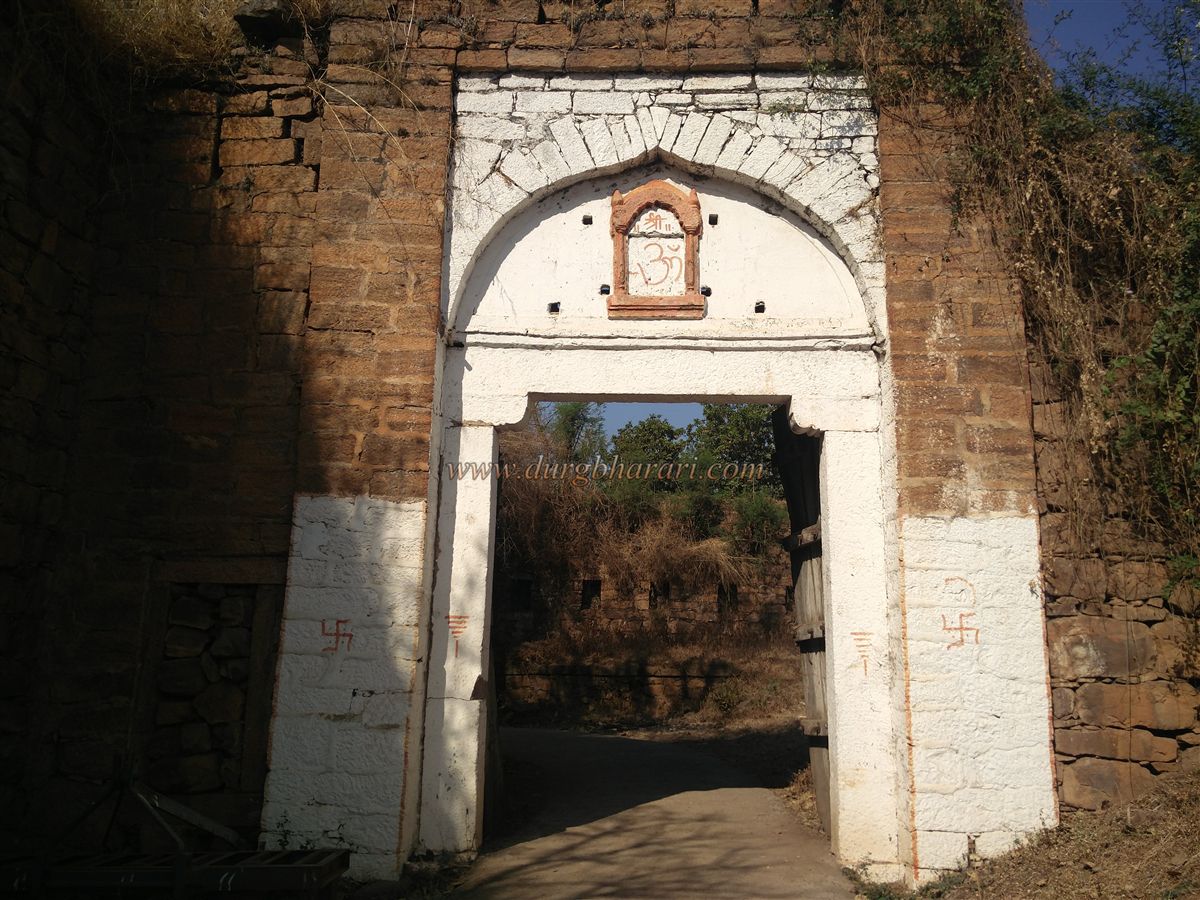
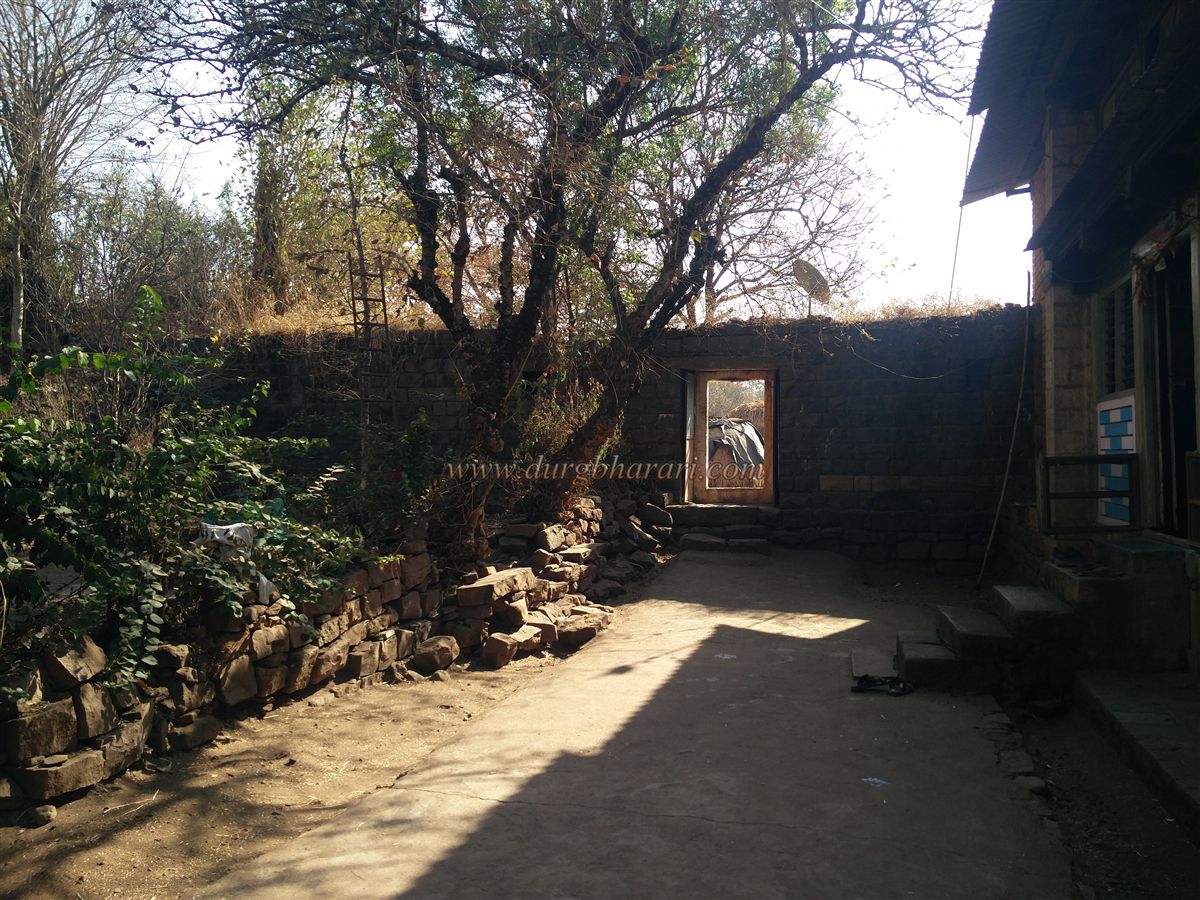
The main entrance gate, which faces east, is constructed separately from the main fort wall, and its layout includes a defensive arrangement. After entering the first gate, one must take a winding path and pass through a second gate to access the inner fort. The wooden door of the first entrance still survives. Adjacent to the main gate, there's a small postern gate in the fort wall, which has been temporarily sealed with stacked stones. Additionally, a newly built small entrance is found in the eastern wall.
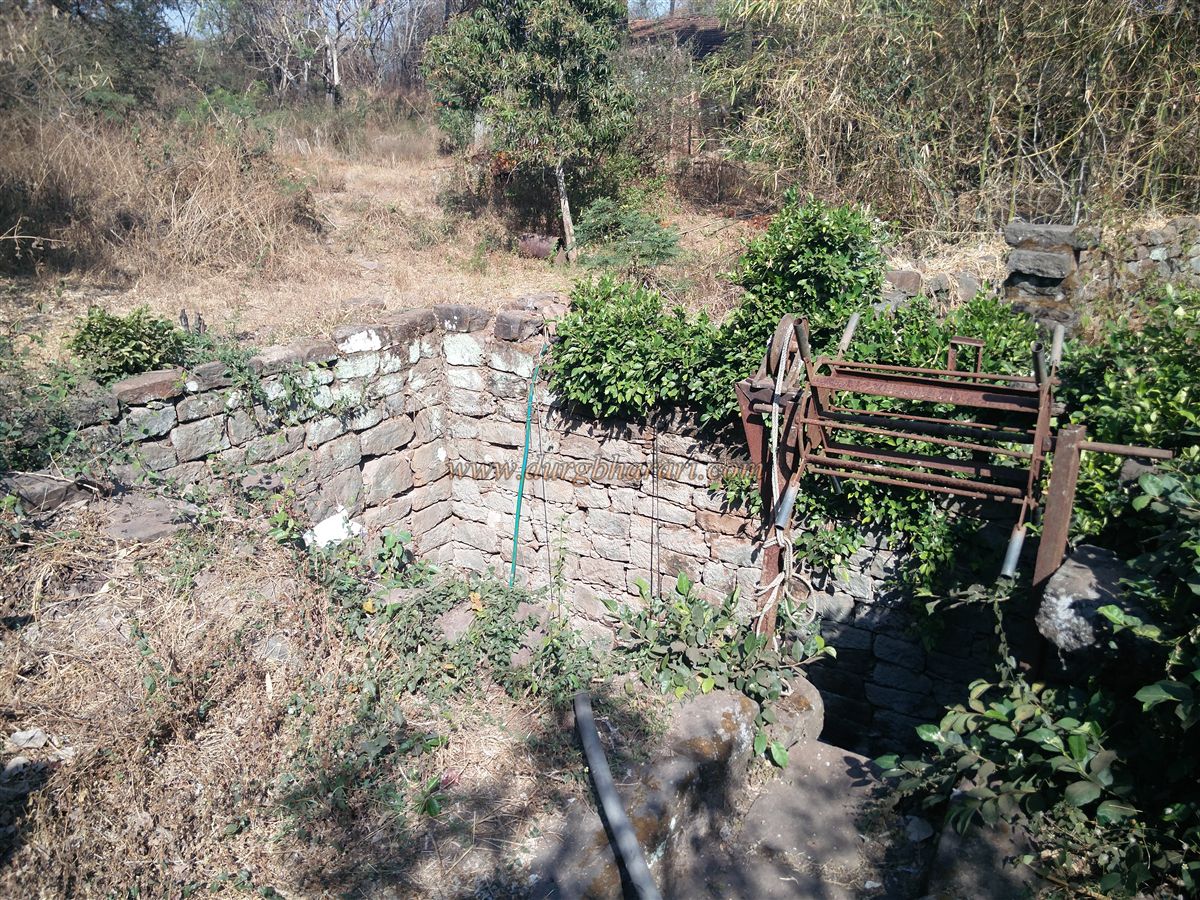
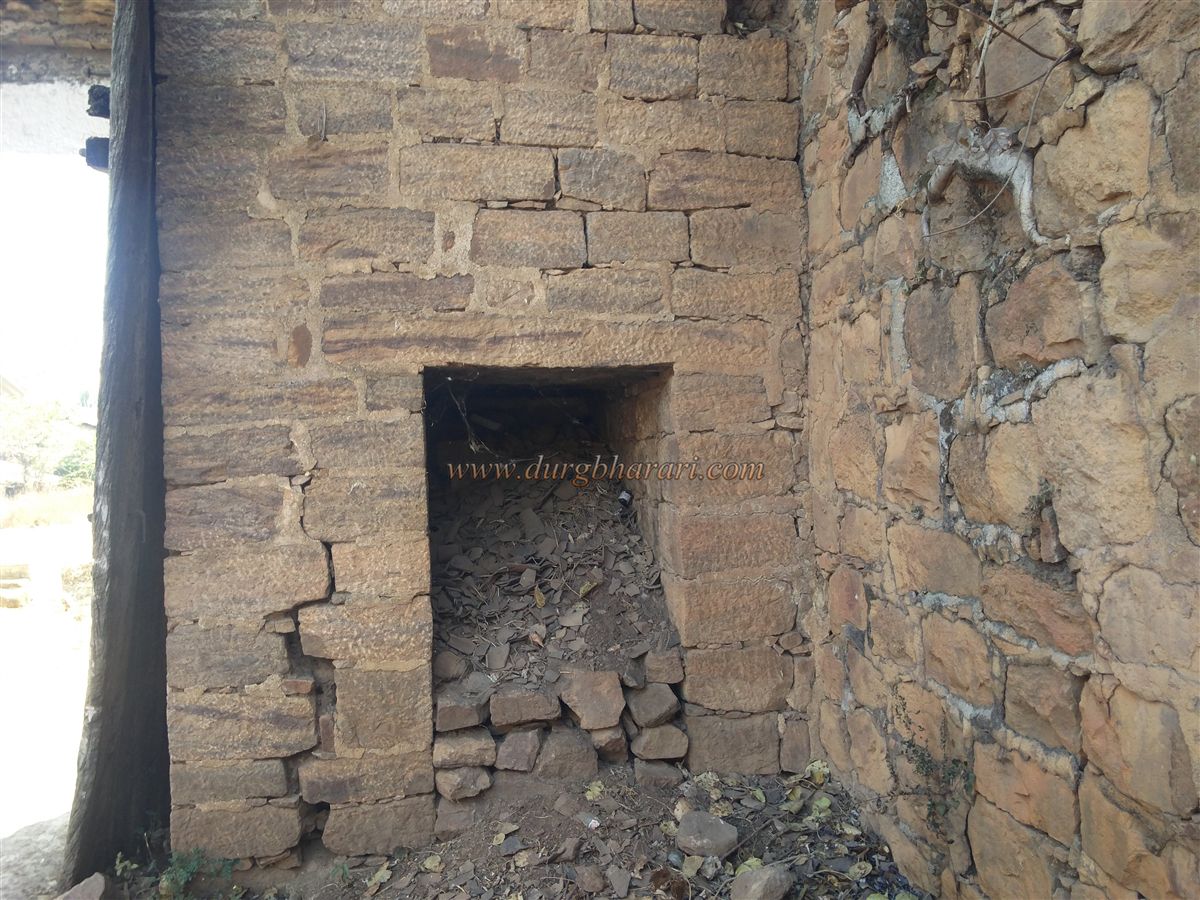
Upon entering the fort, on the right side is a raised platform where the guard quarters (devdis) are located. Beneath this platform is a small stone-framed opening that has been sealed with rocks. After passing through the second gate, one enters the main area of the fort. Directly ahead stands a Shiva temple built on a raised platform, which immediately draws attention. In front of this temple is a square stepwell made of stone, which still provides usable water.
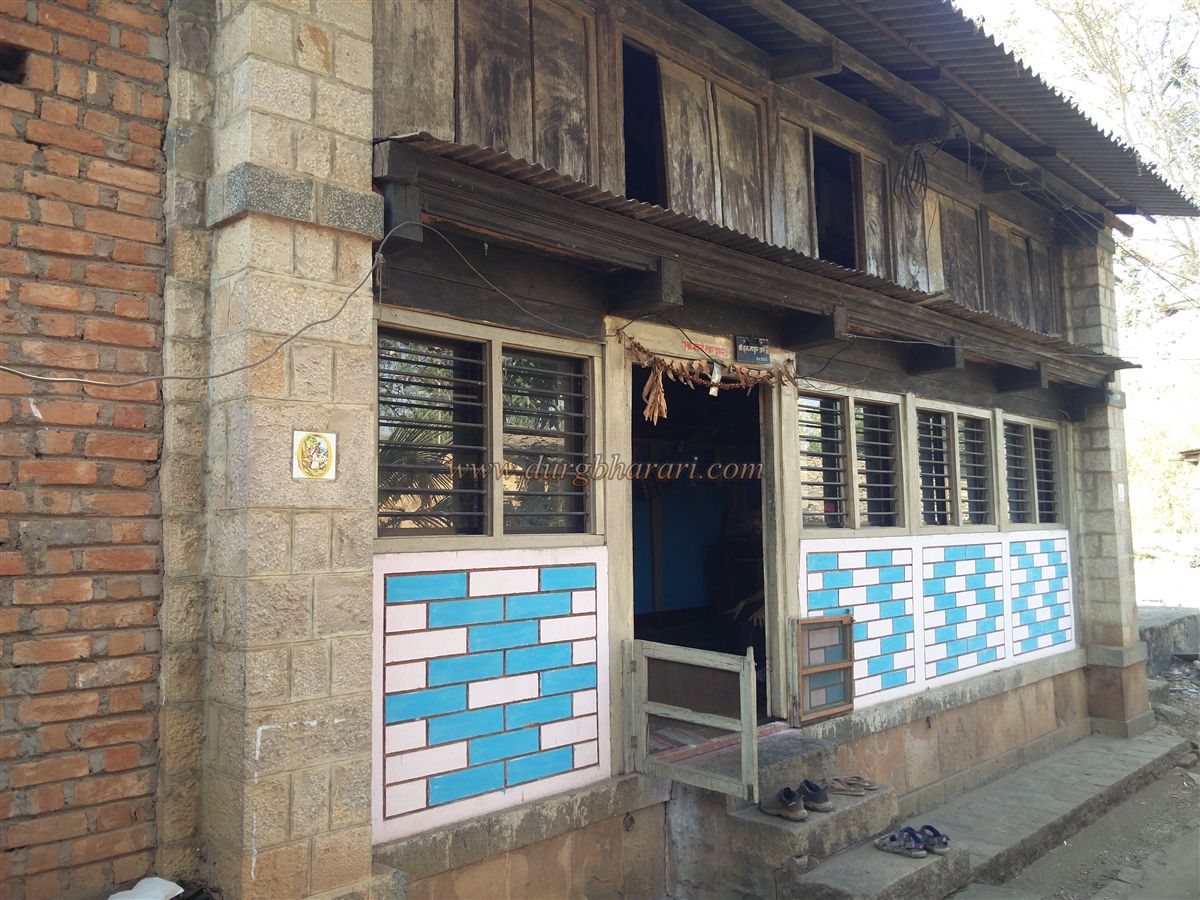
Inside the fort, some descendants of the Desai family—the original owners—still reside, and their homes are situated within the fort premises. The main mansion here is around 180 years old. In several parts of the inner fort, the fortifications have significantly collapsed, and in uninhabited areas, vegetation has overgrown.
A full tour of the fort takes about half an hour. In 1715 CE, Yamaji Rudra, a Sardar of the Chhatrapati of Karveer, was granted the estate of Rajgoli for his valour in capturing the fort of Belgaum. It was during this period that he constructed this fort. As a silent witness to a bygone era, this fort deserves an early visit to truly appreciate its historic value.
© Suresh Nimbalkar
GALLERY