RAJGAD
TYPE : HILL FORT
DISTRICT : PUNE
HEIGHT : 4330 FEET
GRADE : MEDIUM
Rajgad Fort was the first capital of Chhatrapati Shivaji Maharaj’s Maratha kingdom. Located 48 km southwest of Pune and 24 km west of Bhor in Pune district, this fort is nestled in the Murumbdev range amidst the valleys of the Nira, Velvandi, Kanandi, and Gunjavani rivers. Rajgad is a remote and formidable fort with a large citadel (Balekilla). Approaching Rajgad from any side requires crossing hills or rivers, making it exceptionally secure—one of the main reasons Shivaji Maharaj chose it as his political center.
Rajgad consists of three machi (plateaus) and one citadel. The Balekilla is situated at an elevation of 1394 meters above sea level. The Sanskrit verse by Kavindra Parmanand in ‘Shivbharata’ describes the term “Durg” (fort): “It is difficult to attack and difficult to access; hence, it is called a fort.”
...
The first reference to forts is found in the Rigveda, where fortified towns are called ‘Pur.’ The Mahabharata, especially the Shanti Parva, contains descriptions of forts. Kautilya’s Arthashastra dedicates two chapters to fort construction, including ramparts, bastions, and moats.
The Satavahana from Paithan were the earliest known ruling dynasty in Maharashtra. They built numerous forts in the Sahyadri ranges, such as Naneghat, Jivdhan, Chavand, and Hadsar. Later, dynasties like the Abhir, Vakatakas, Chalukya, Rashtrakut, and Yadav expanded the fort legacy. During the Bahamani era, local power centres like Deshmukhs and Deshpande began establishing small forts for administrative control and protection from invasions. Yet, in all these eras, forts were mostly used for toll collection or monitoring mountain passes.
India’s fort-centric administrative system reached its pinnacle during Chhatrapati Shivaji’s reign. According to Kautilya’s maxim—“These mountain forts are superior due to the strength of arms”—Shivaji assessed the geography of the Maval region with precision and used the rugged terrain of the Sahyadri Mountains to build and protect his emerging kingdom. Among the mountains that caught Shivaji’s attention was Murumbdev, which he transformed into the glorious capital fort of Rajgad.
Known earlier as Biramdev’s hill, this mountain had traces of ancient sages (Brahmarshi). During the Yadav, Bahamani, Adilshahi, and Nizamshahi periods, it remained an overlooked outpost. Recognizing its strategic position surrounded by three rivers and its wide reach in three directions, Shivaji fortified the hill and turned it into one of the world’s finest capital forts. Rajgad exemplifies the ideal hill fort with its components: Ghera (base village region), met (check posts), machi (plateau), and Balekilla (citadel).
The Ghera of Rajgad spans about 12 Kos (nearly 20 km) of rugged terrain and dense forest, making it extremely hard to besiege. Villages like Gunjavane, Dadawadi, Vajegarh, Male, Bhutonde, and Palkhurd lie within this area. As one ascends the fort, midway check posts called met were manned by communities like Ramoshis and Berads to prevent enemy infiltration through hidden trails. The famed Bhikulyachi met is encountered on the path from Vajegarh. Many other Mets have disappeared over time.
A well-known Marathi verse aptly summarizes the layout: “Rajgad Birmadongari, Teen machya teen dwari, Don tape karobhari, Jayavari rahile.” The machi are flat fortified plateaus two-thirds up the hill: Padmavati (northeast), Suvela (east), and Sanjeevani (west). Each has unique architectural and military features.
Rajgad dates back to the 1st century CE and was likely fortified by Gautamiputra Satakarni. Shivaji captured and developed the fort around 1645, renaming it Rajgad. For 26 years, it served as the capital of the Maratha state. Significant events like the birth of Rajaram and the death of Saibai occurred here. As the administrative needs outgrew Rajgad, the capital was moved to the more expansive and equally secure Raigad.
James Douglas in The Book of Bombay notes that the vertical forts of Rajgad and Torna were crucial to Shivaji’s expansion plans. Persian chronicler Saki Mustaid Khan wrote that Rajgad was exceptionally tall, with a circumference of 12 Kos and impenetrable forests. Mohammad Hashim Khafi Khan described the fort as so massive it seemed like the sky had fallen, and it was inhabited by wild beasts, making it nearly inaccessible.
Mentions of the fort’s antiquity date back 2000 years, suggesting it was known even in the Satavahana period. The name “Murumbdev” persisted through Bahamani rule. Around 1490, Ahmad Bahiri Nizam Shah captured it with little resistance. The fort remained under Nizamshahi control for 125 years before passing to the Adilshahi around 1625, and then back to the Nizamshahi around 1630. Shivaji likely took control of the fort shortly thereafter. The Sabhasad Bakhar notes that he renamed the fort Rajgad and fortified its three machis: Suvela, Sanjeevani, and Padmavati.
During Shasta Khan’s 1660 campaign, Mughal forces burned nearby villages but didn’t directly assault the fort. After the surprise attack on Khan in 1663, Shivaji returned to Rajgad. Later, during the 1665 Treaty of Purandar with Jai Singh, Shivaji retained 12 forts, including Rajgad. He returned here after escaping from Agra in September 1666. On February 24, 1670, Rajaram was born here, and Tanaji Malusare was dispatched from Rajgad to capture Sinhagad. By 1671–1672, Shivaji shifted the capital to Raigad.
After Shivaji’s death in 1680, Aurangzeb invaded Maharashtra. Following Sambhaji Maharaj’s execution in 1689, the Mughals tried to seize Rajgad. Though Kishorsingh Hada briefly captured it in June 1689, Marathas soon regained control. In January 1694, Secretary Shankaraji Narayan wrote that the Deshmukhs had successfully defended the region from Mughal attacks. On November 11, 1703, Aurangzeb himself marched from Pune to besiege the fort. Despite roadwork and military preparations, he struggled with logistics and terrain. By February 4, 1704, Rajgad fell to the Mughals and was renamed "Nabishahagad." However, on May 29, 1707, Gunaji Sawant and Pantaji Shivdev recaptured it for the Marathas.
Later, Shahu Maharaj assigned the fort to his secretary and set financial arrangements for maintaining the machi. During the Peshwa era, due to poor finances, salaries of the garrison were delayed. Eventually, the fort came under the Bhor princely state, with officers appointed for each machi.
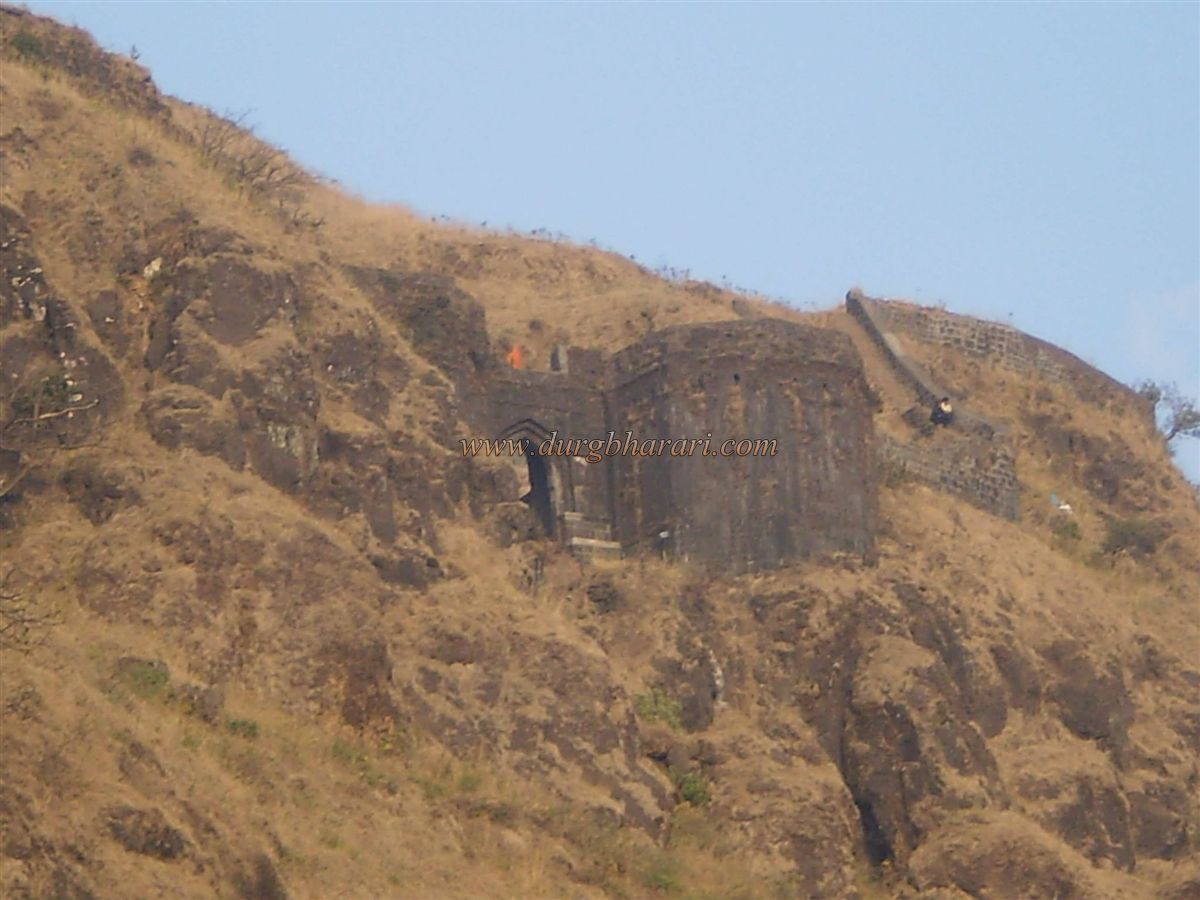
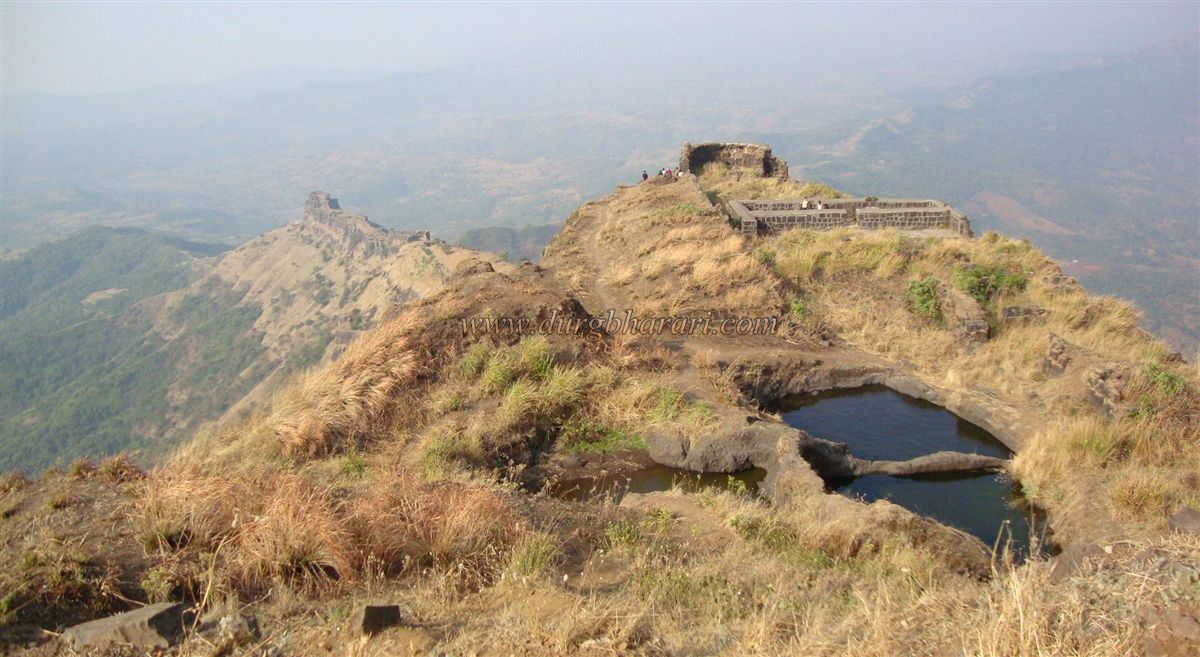
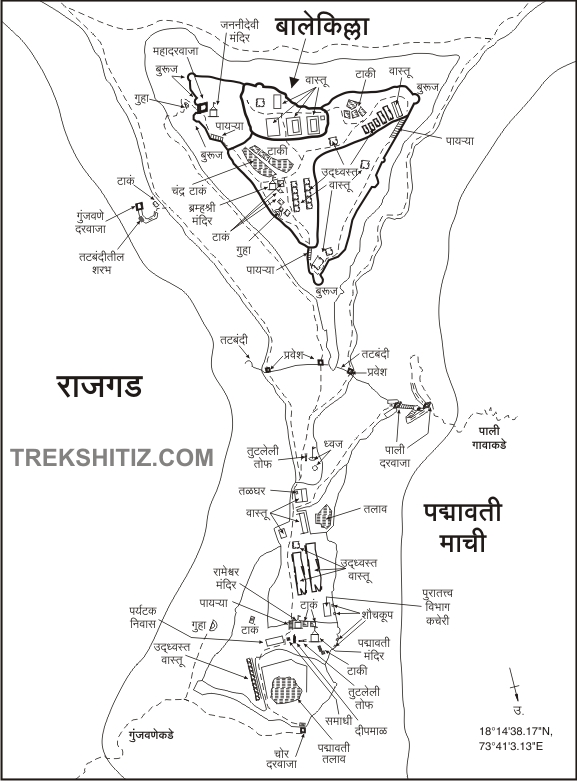
There are three main routes to Rajgad: from Gunjavane via Chor Darwaja, from Pali via Pali Darwaja, and from Vajegarh. Key attractions include Suvela Machi, Padmavati Lake, Ram temple, and the main citadel.
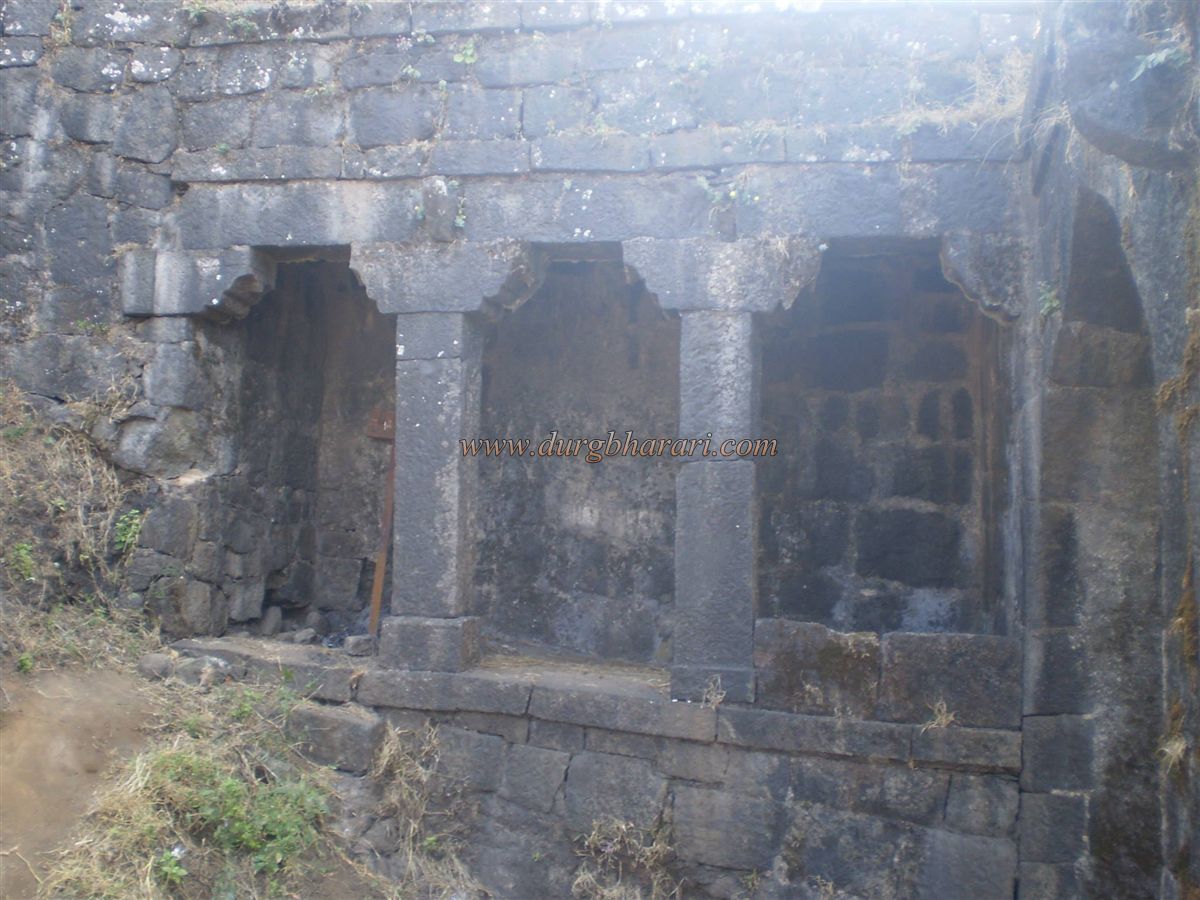
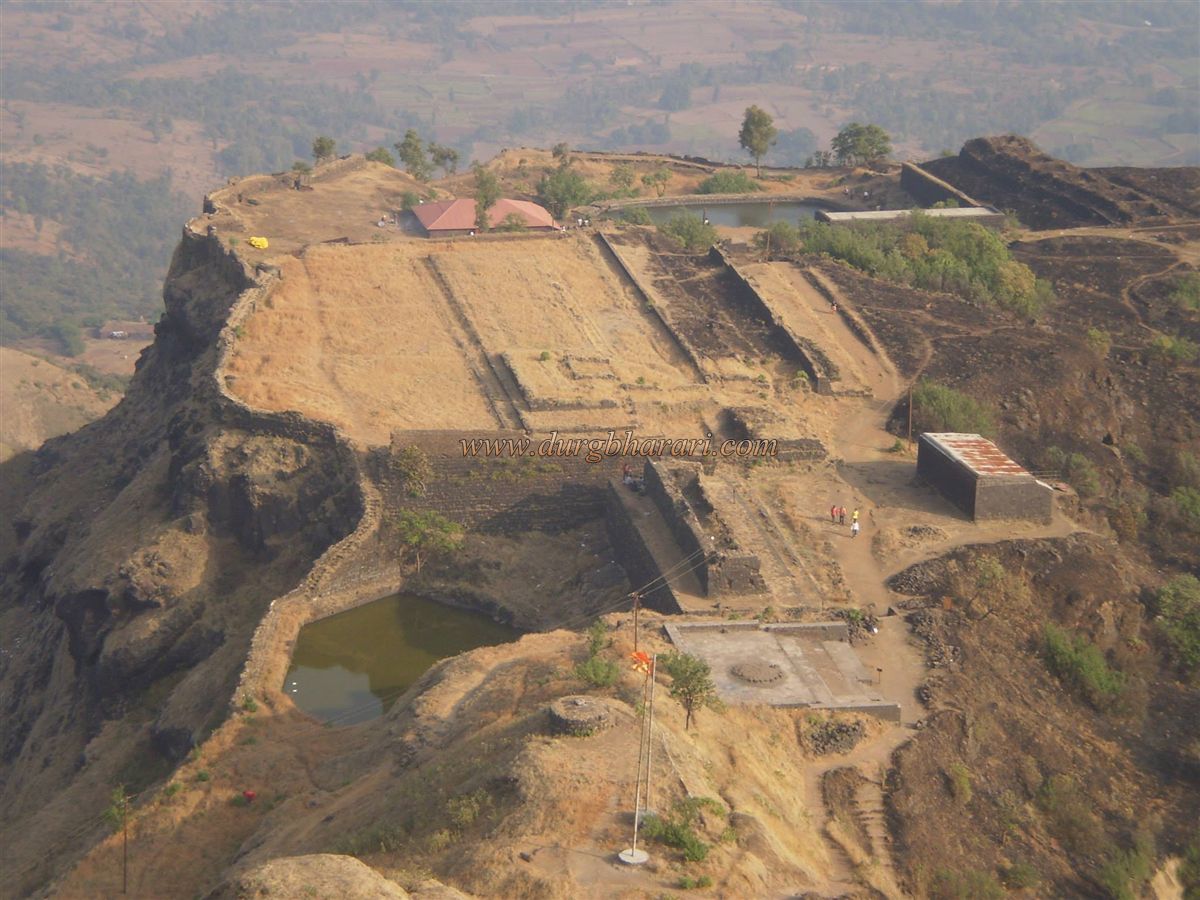
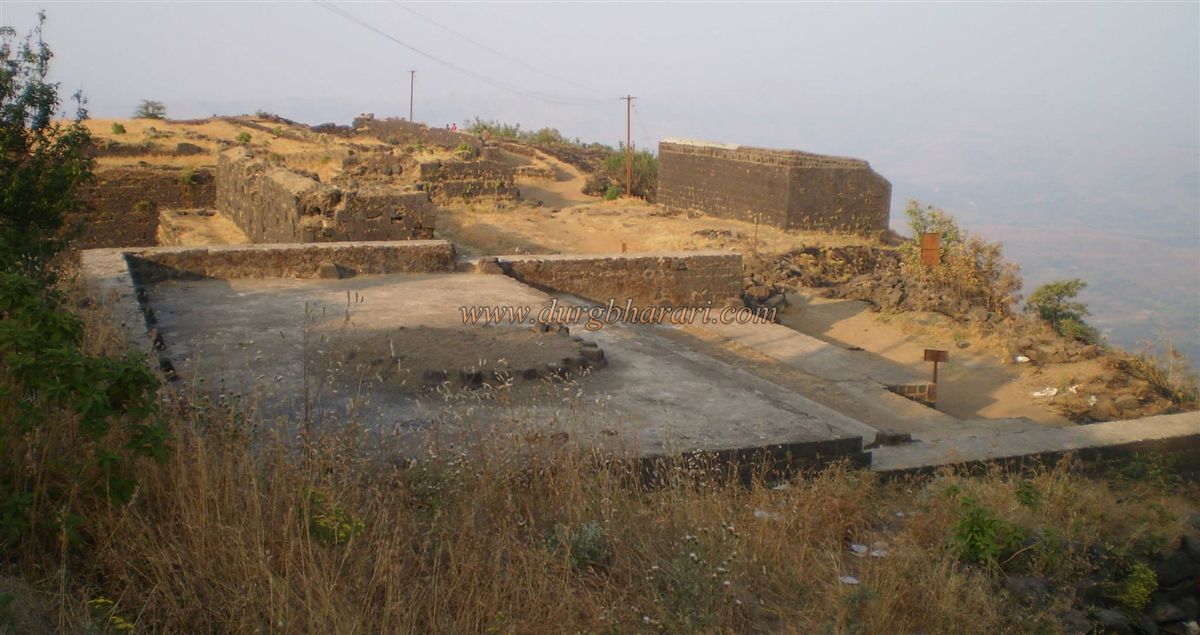
Padmavati Machi is the largest and served both military and residential purposes. Structures include the Padmavati temple, Saibai’s memorial, officer quarters, treasury, armoury, and secret entrances. The Padmavati temple was restored in 2002 and contains three idols. The central one, coated in vermillion, is Padmavati Devi, flanked by one installed by Shivaji and another by the Pant Sachiv of Bhor.
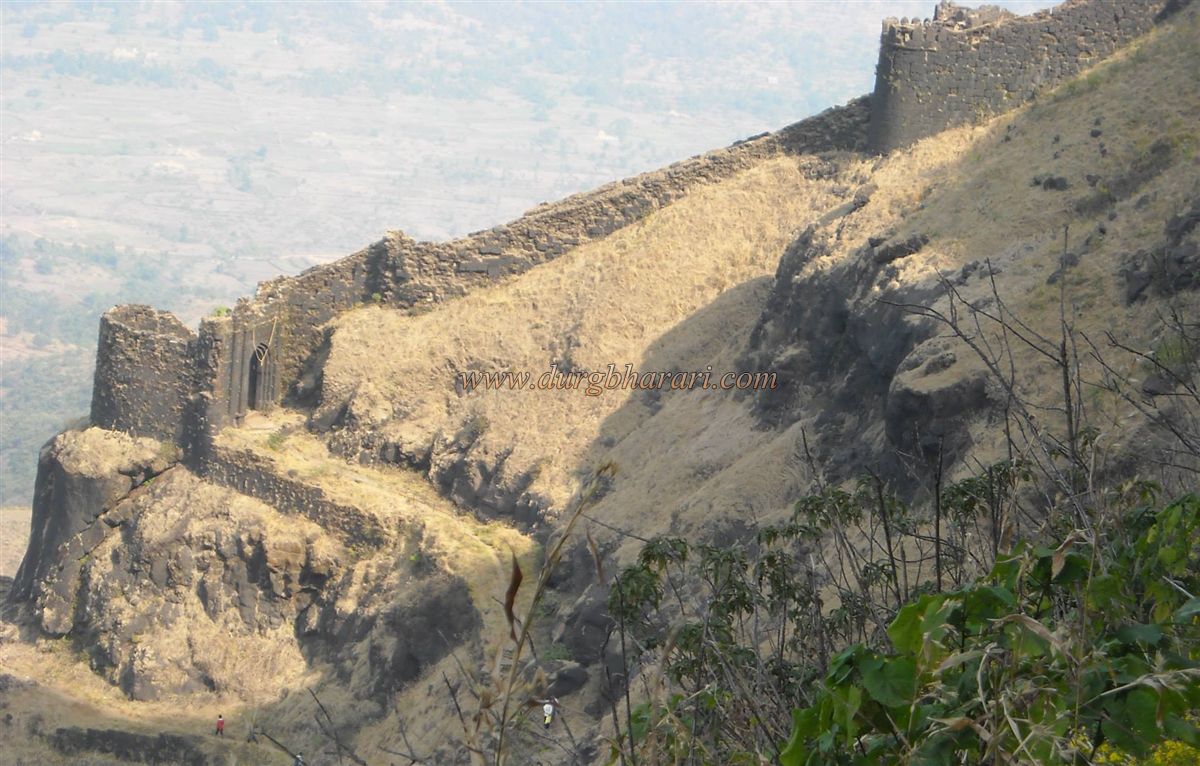
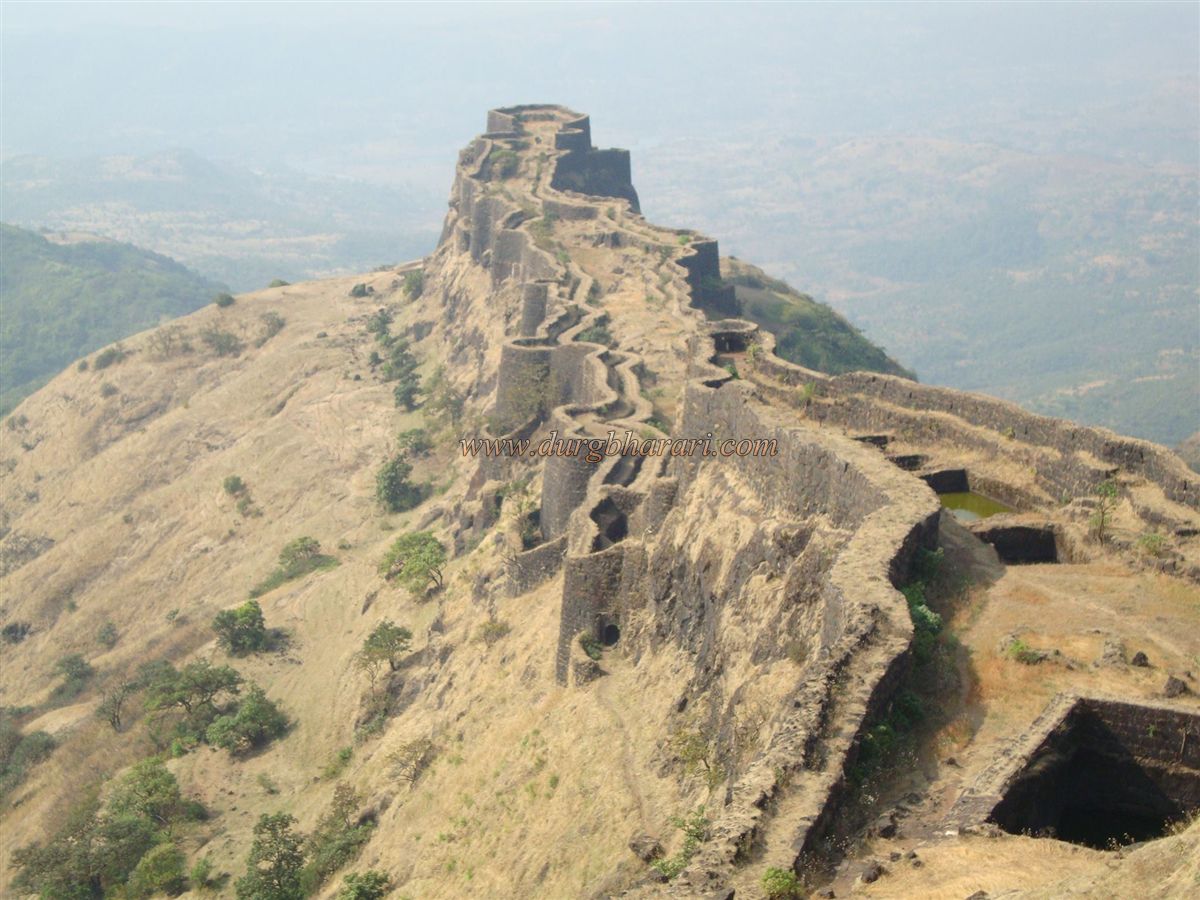
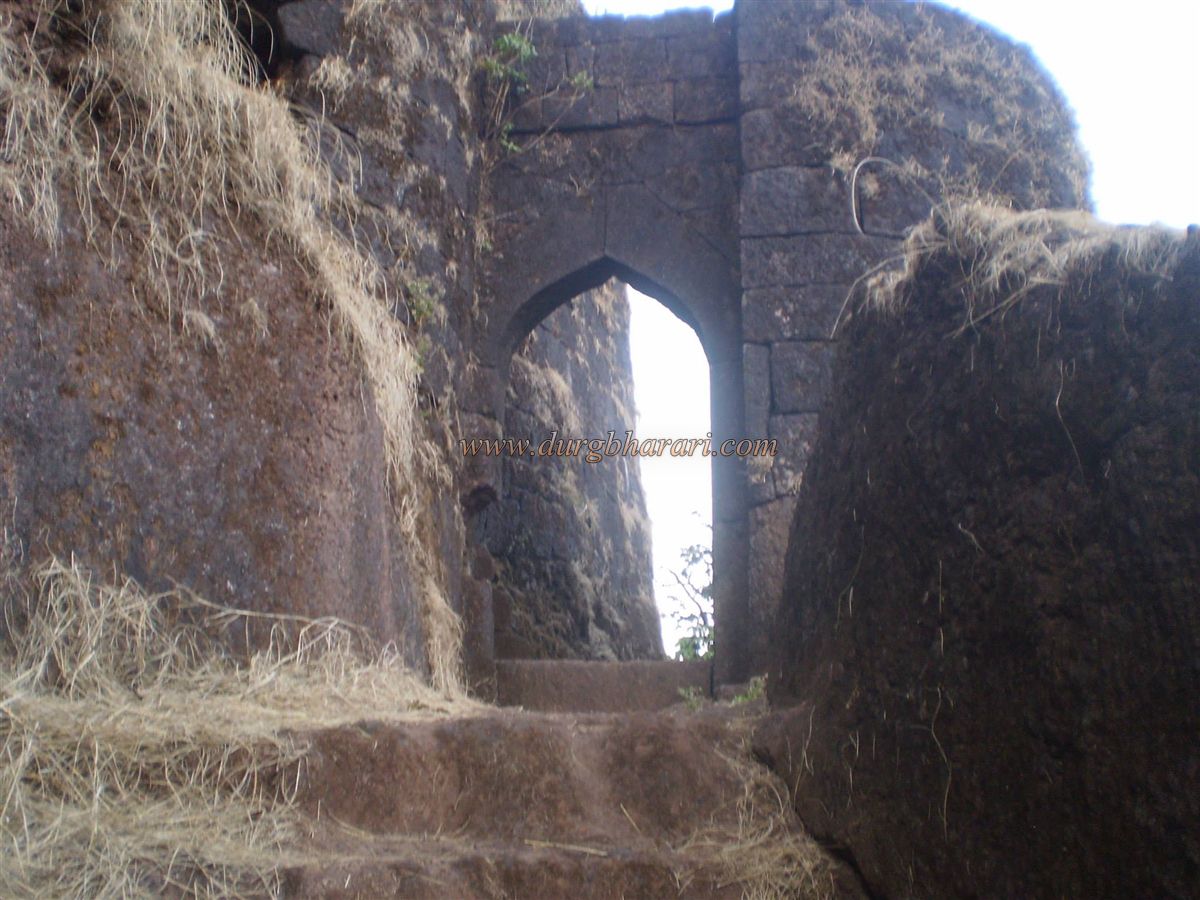
Sanjeevani Machi, built after Suvela, stretches 2.5 km with 19 bastions, three levels, secret passages, and deep dual walls. Alu Darwaja, the only route from Torna, is now in ruins but features animal carvings.
Suvela Machi lies to the east and has three tiers. Features include ancient idols, caves, bastions, Ganapati carvings, and secret exits like the Madhe Darwaja. Kaleshwari Bastion nearby has tanks, a ruined Ram temple, and intricate stone carvings.
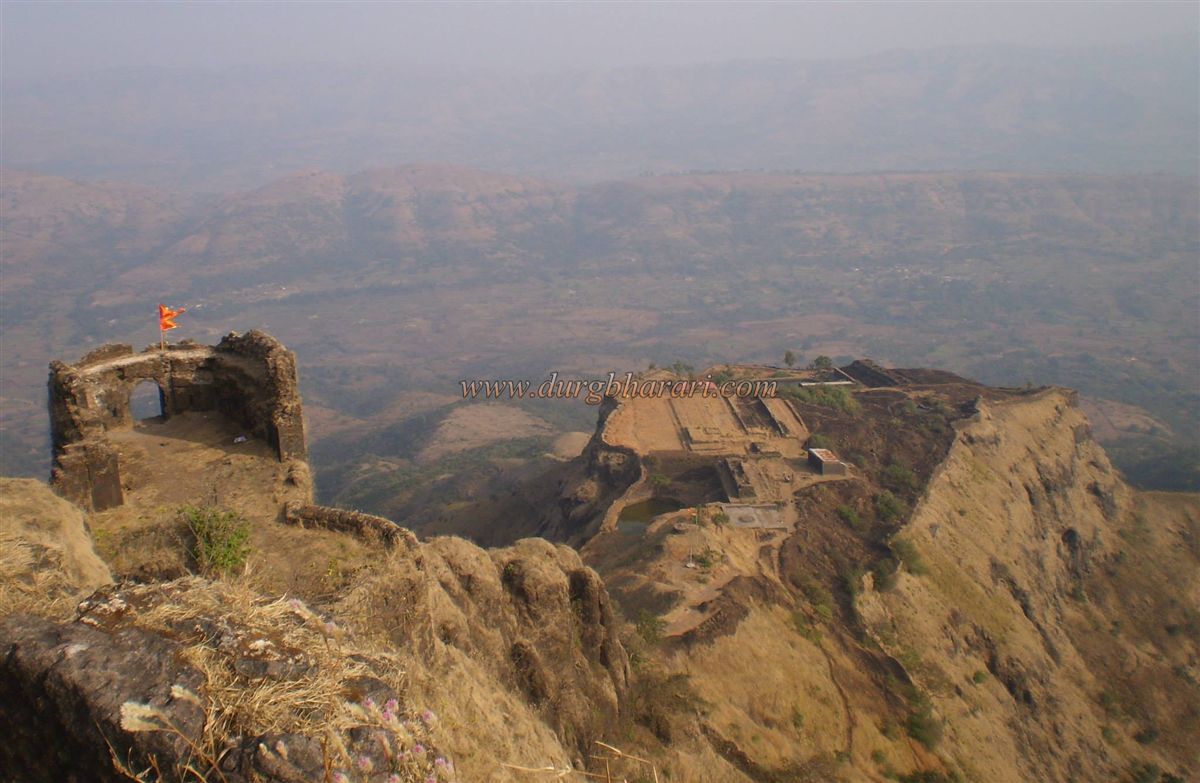
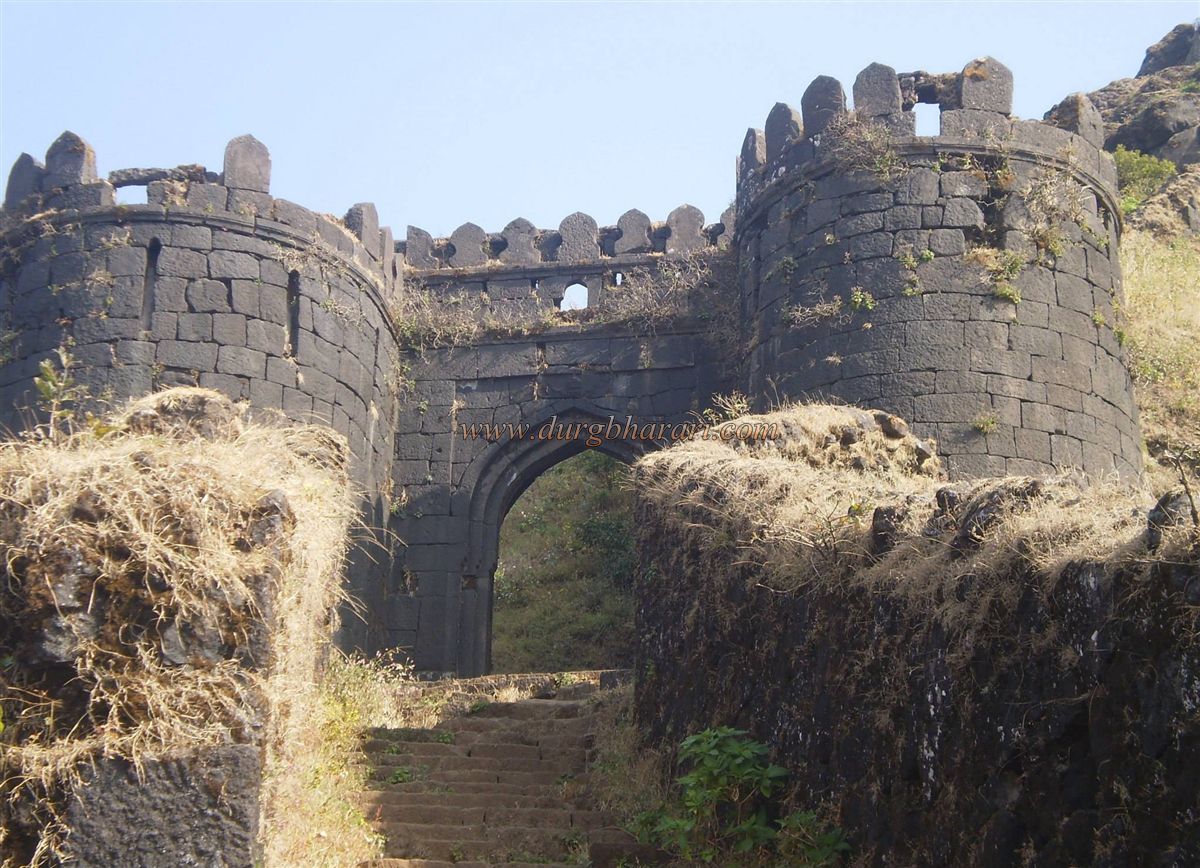
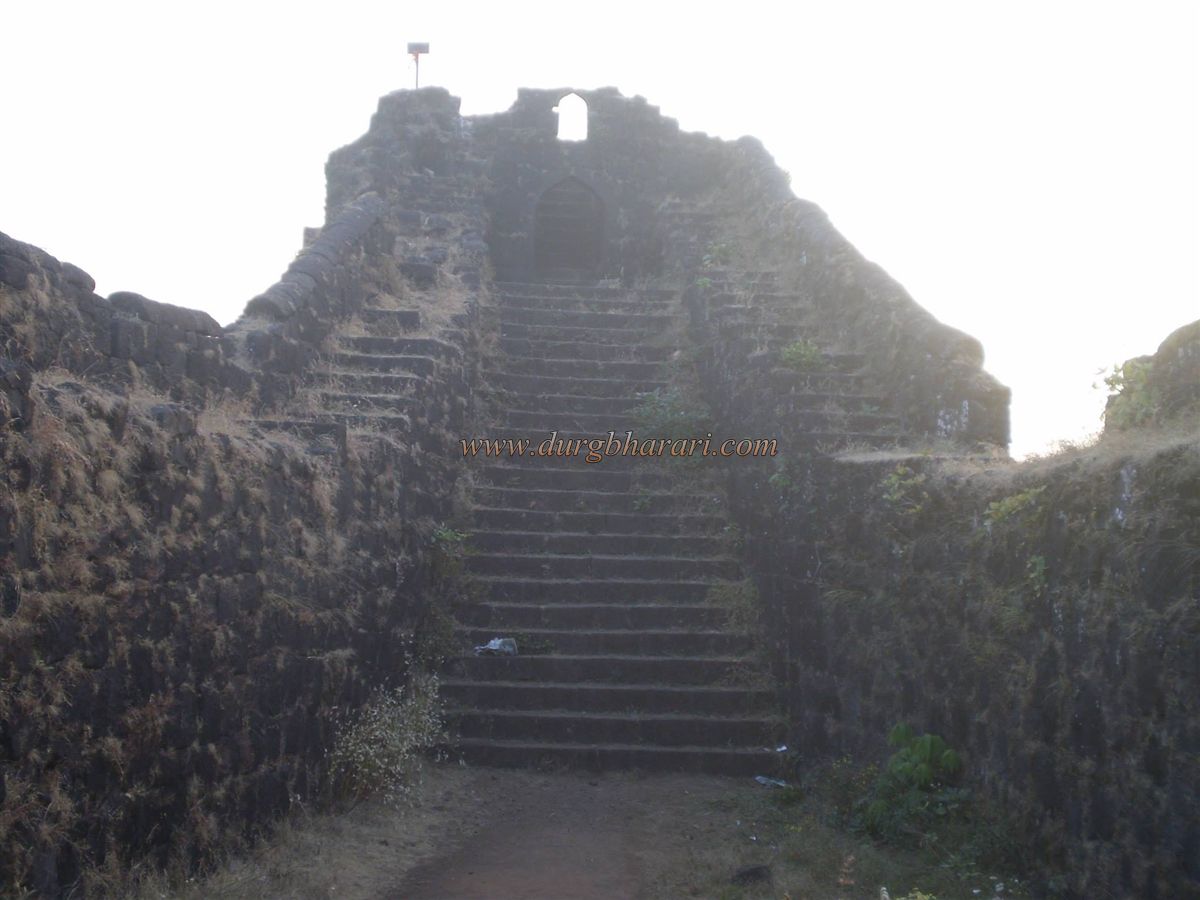
Balekilla, the citadel, is the highest point with steep approaches. Its main gate, Mahadarwaja, has symbols like the lotus and swastika. Inside are ruins of temples, water tanks, and commanding views of surrounding forts like Torna, Pratapgad, Raigad, Lingana, Sinhagad, and Purandar.
Reaching Rajgad takes about 2–3 hours depending on the route. It takes nearly two days to explore the fort fully.
© Suresh Nimbalkar
GALLERY