RAJAPUR GANGA
TYPE : MAGIC OF NATURE/ MONUMENTS
DISTRICT : RATNAGIRI
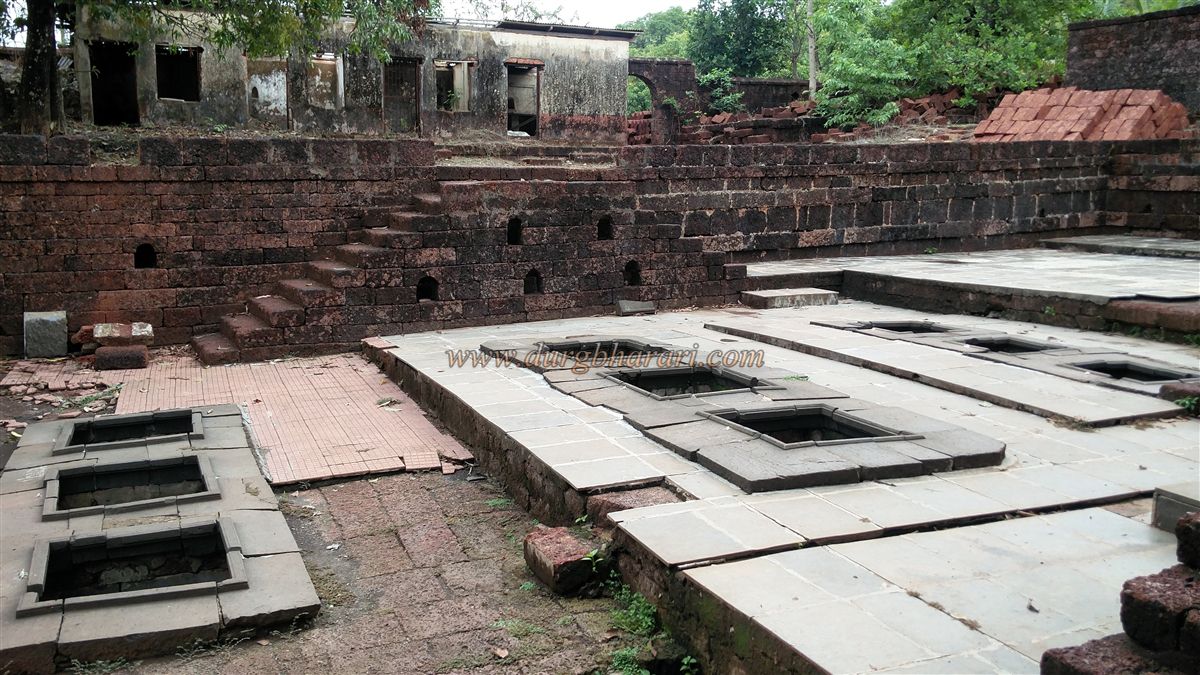
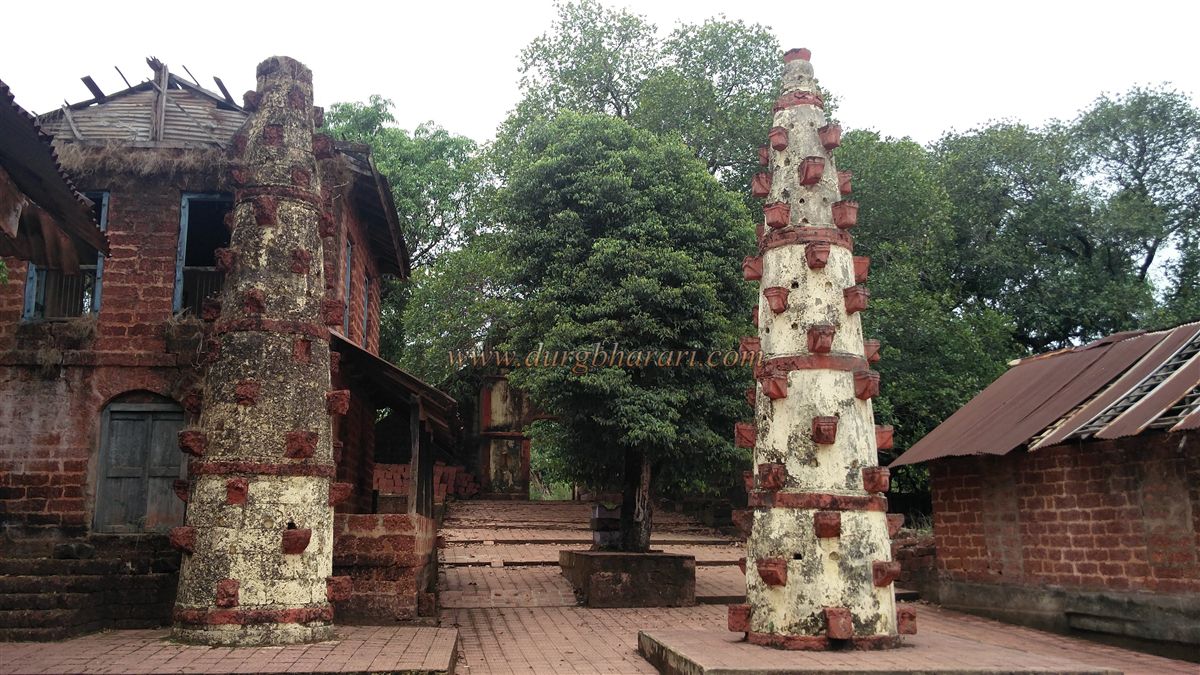
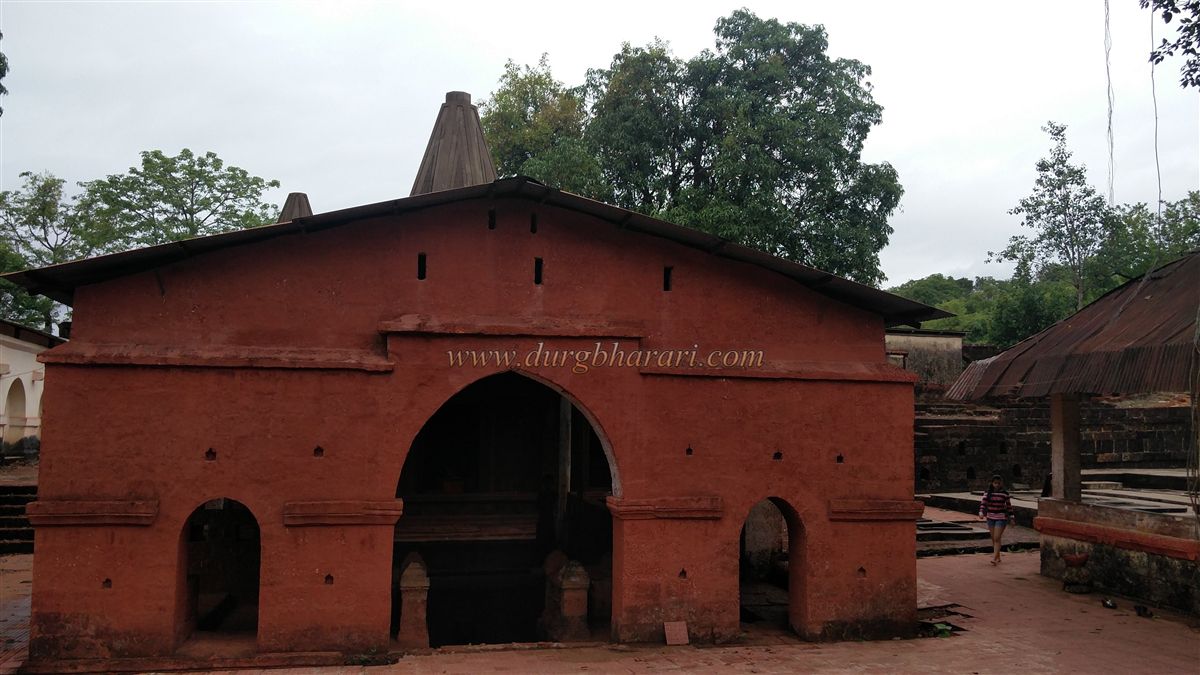
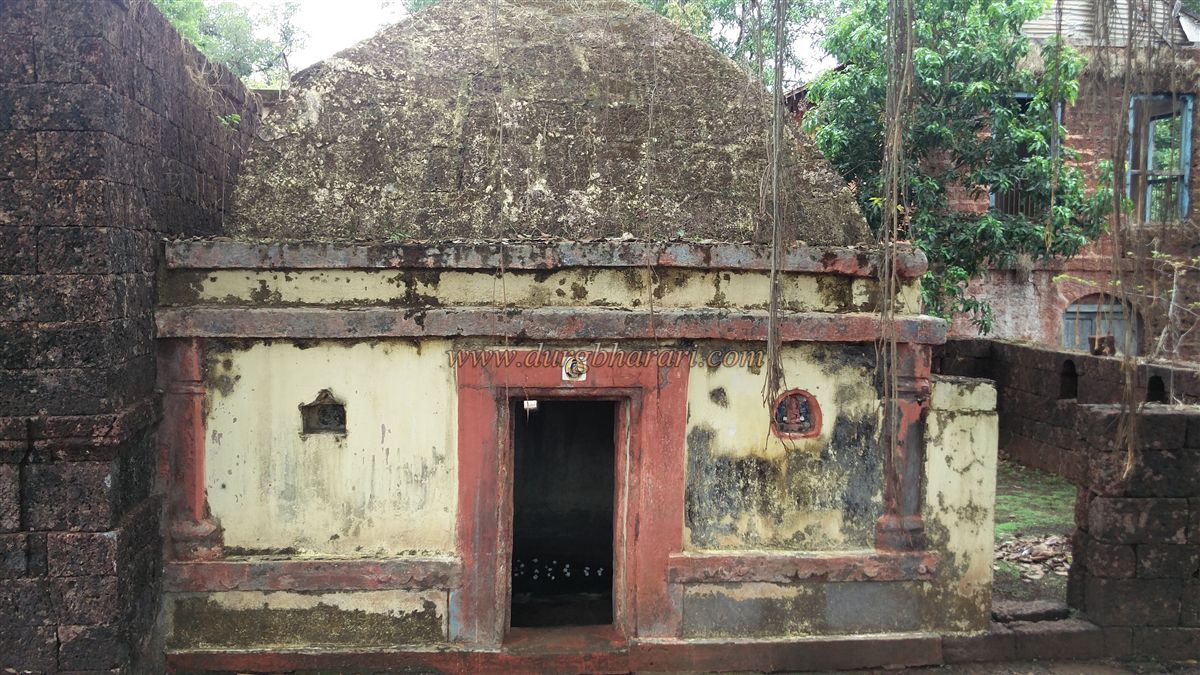
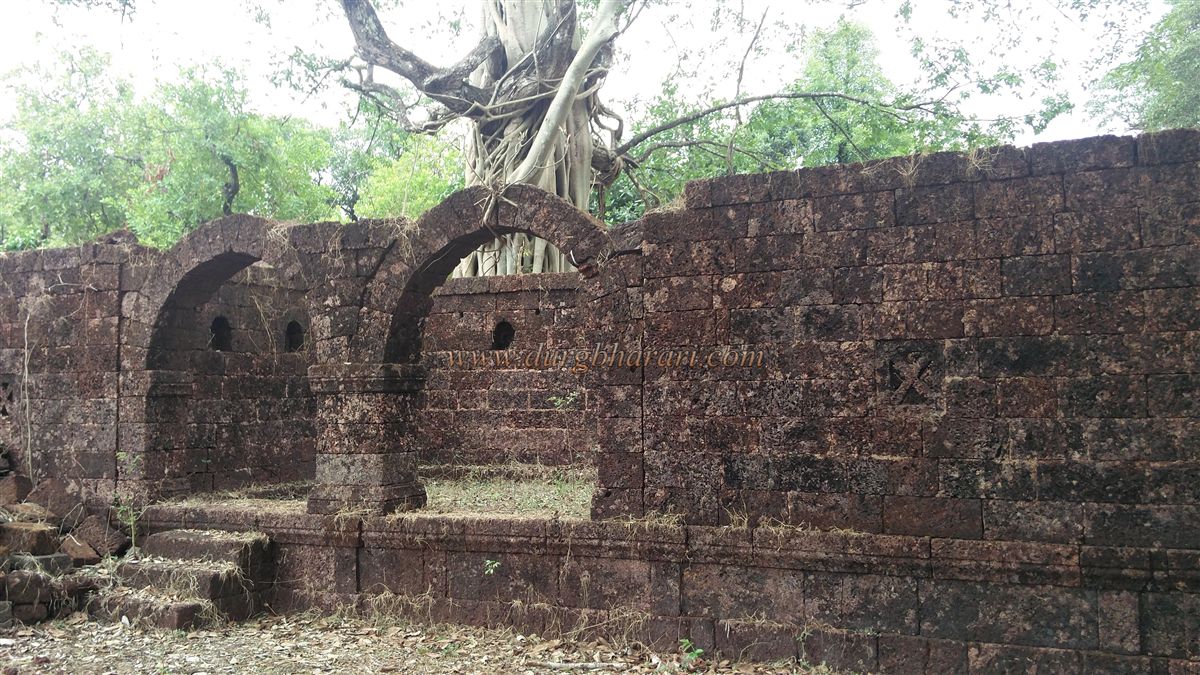
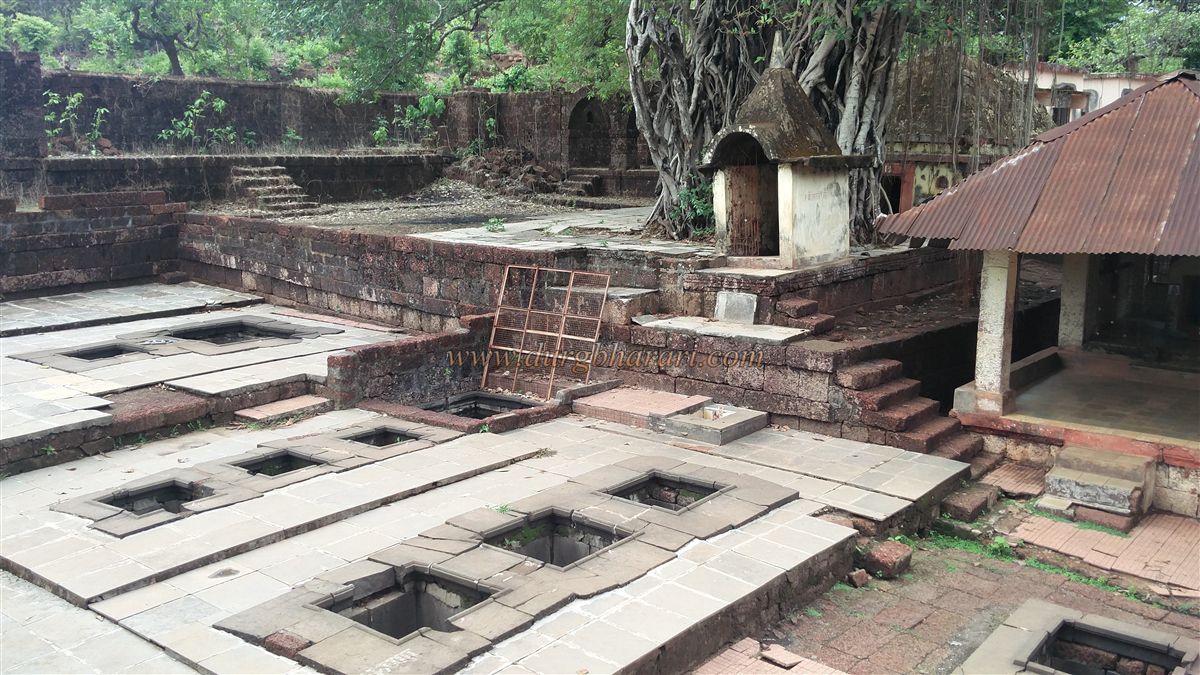
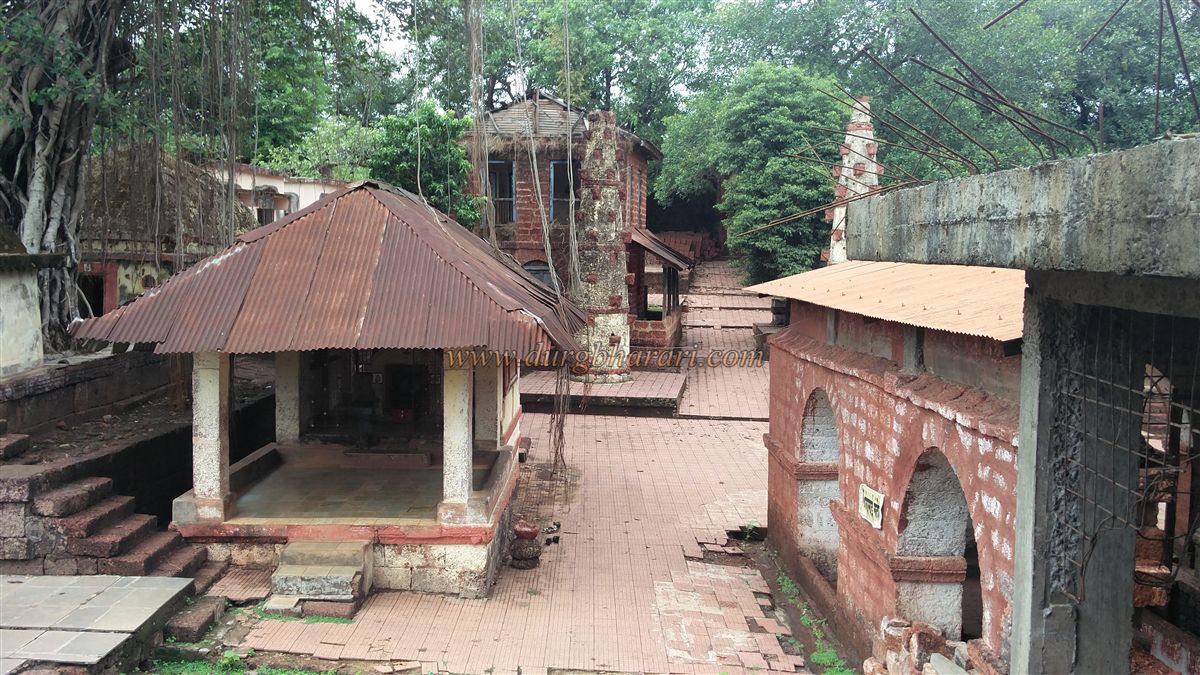
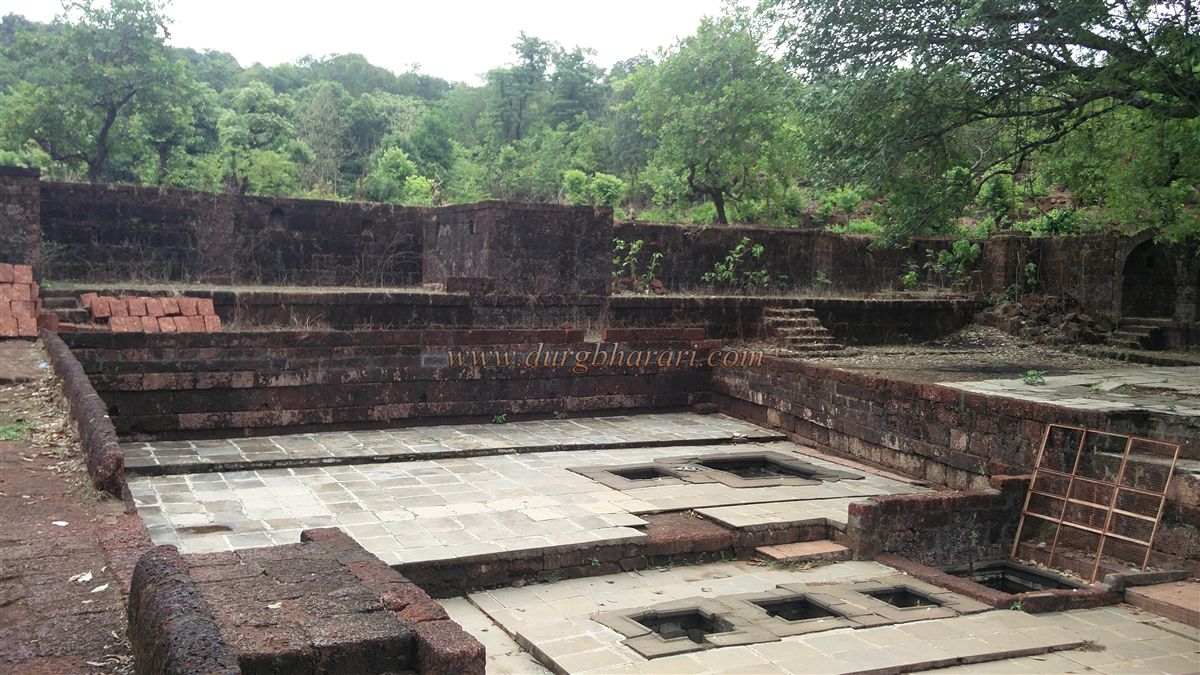
On the Mumbai-Goa highway, towards the southern part of Ratnagiri district, lies a town called Rajapur. In historical times, Rajapur was one of the finest trade centres in the Konkan region. Located on a creek formed where the Arjuna River meets the sea, this port was considered safer than other ports in the Konkan. The British had a warehouse in Rajapur, the remains of which can still be seen today in the form of a dilapidated building on the riverbank. The temple of Dhootpapeshwar is situated in Rajapur, and the town is sanctified by the footsteps of Shivaji Maharaj. The Rajapur Ganga is renowned since ancient times. Once every three years or so, 14 rock-cut water tanks located at the base of a hill suddenly fill with water. This flowing water is known as the Rajapur Ganga. The Ganga springs forth and remains for around three months. It appears during the summer months, typically when the sun is in Pisces—around April or May. Flowing rapidly from the mouth of a stone cow on a hill near Rajapur, its stream is so forceful that it cannot be easily borne on the body.
...
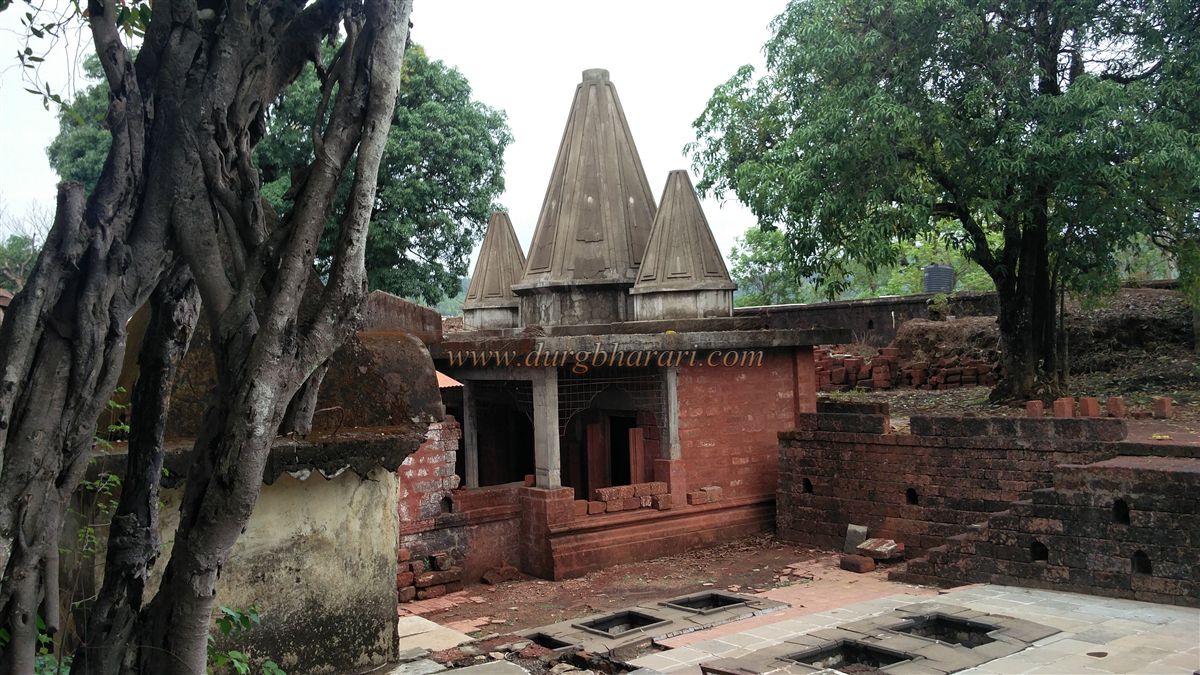
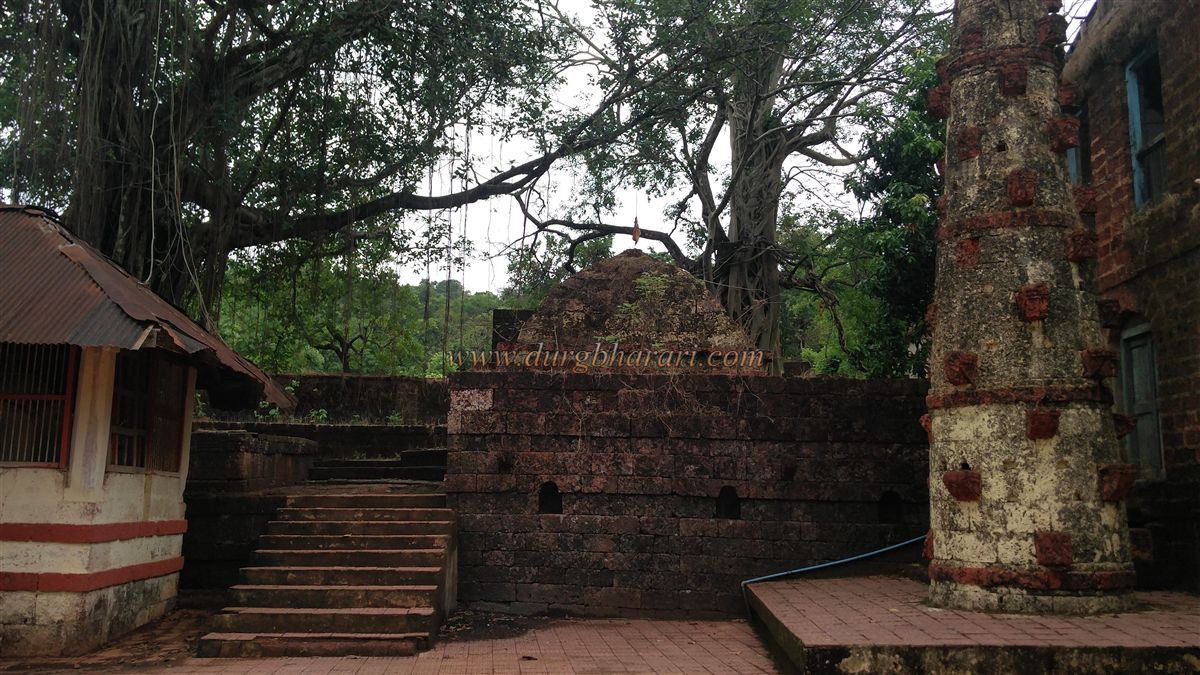
The original Ganga springs from the roots of a sacred tree and flows abundantly into a tank called Kashi Kund about 20–25 steps away. Devotees bathe beneath the cow-mouth spout attached to this Kund. In front of the original spring are twelve more tanks of various shapes. These are named Varun Kund, Himkund, Vedika Kund, Narmada Kund, Saraswati Kund, Goda Kund, Yamuna Kund, Krishna Kund, Agni Kund, Baan Kund, Surya Kund, and Chandra Kund. The water in each of these fourteen tanks has a different temperature corresponding to the deity they are associated with. The warmth of Surya Kund and the coolness of Chandra Kund are distinctly noticeable. Only one or two of these tanks contain traces of sulphur. Near the Ganga, in a place called Unhale, there are natural hot springs. The tradition was to bathe there first, then perform the Ganga bath. After the Ganga bath, it was customary to carry water about 3 to 3.5 miles to perform an Abhishek (ritual bathing) at the Dhootpapeshwar temple. It is also customary to collect Ganga water and offer it at home shrines.
In the Sahyadri Khanda of the Skanda Puran, through a dialogue between Shiva and Parvati, the temple of Dhootpapeshwar and the surrounding sacred sites of Rajapur are mentioned. On the way from Rajapur to Goa, after crossing the bridge over the Arjuna River and a small Ghat section, one reaches the perennial sacred site called Unhale. It is recorded that in 1578, this holy site began to flow in order to cure a yogi named Jwalanath of a severe chill fever. A few years later, a devout farmer named Gangaji Salunkhe is believed to have played a role in the appearance of the Ganga spring. After completing his seasonal agricultural work, he would go on pilgrimage every year to sacred rivers such as the Bhagirathi at Prayag or Pandharpur. For twelve consecutive years, he followed this practice. However, in the thirteenth year, he could not travel and instead bathed at the Unhale spring and visited the Ganga site. Since the grain threshing had just been completed, chaff was scattered all over the place. At that moment, something miraculous occurred, described as follows:
"Moved by the devotion of the Kulambya (clan), the sacred stream rushed forth. On the auspicious day of Paush Shuddha Dashami along with Ekadashi, in the year Shri Mukha Samvatsar, around noon, beneath the Tiware tree, at twelve points with chaff, twelve streams emerged."
This incident is believed to have occurred in 1591 CE. The spring continued to flow uninterrupted for seven years. In 1598, when King Prataparudra of Srisailam made sceptical remarks, it is said the flow stopped abruptly—to the extent that the king had to travel to Unhale just to wash his hands before dining. Twelve days later, the Ganga reappeared.
There are records of Shivaji Maharaj bathing in the Ganga twice. In 1661, when he ordered the excavation of the British warehouse at Rajapur, the Ganga was flowing at the time, and the Maharaj took a ritual bath. Again, in 1664, during a Brahmin assembly organized by Gaga Bhatt, Shivaji is recorded to have bathed in the Ganga.
The renowned poet Moropant, at the age of 60, came to bathe in the Ganga in 1789. He composed a 26-verse lyrical poem titled Gangapratinidhi Tirtha during his stay. Before 1800, two devotees—Munishwar from Pune and Kashikar—visited Rajapur Ganga along with their Sadguru Yatiraj before traveling south to see Shivachidambar Swami. When the Yatiraj invoked Shiva with chants of victory, the Ganga emerged and played at his feet. This Yatiraj was none other than Shri Swami Samarth Maharaj.
Near Unhale, in the mansion of the Sardar Khaskiwale family, is a site housing the sacred footprints (paduka) of Shri Swami Samarth. Interestingly, there is another paduka shrine near the mouth of the Ganga stream also associated with Swami Samarth, now known as a Dattatraya site.
C. J. Wilkinson, a British officer of the Geological Survey of India, noted his observations about the Rajapur Ganga in the Ratnagiri Gazetteer, based on his study of the region’s underground structure. According to him, the water emerges through a siphon system activated by underground movements. On the upper side of the Arjuna River, near the Sahyadri ranges, there is a cavity beneath the earth's surface. Once this cavity fills with water, the excess water emerges from the Ganga spring. The stream continues to flow until the cavity is emptied. Since the cavity does not fill every year, the interval of the Ganga’s appearance varies. Another theory suggests that this is due to the influence of underground water currents. After a certain period, the water from those currents surfaces.
© Suresh Nimbalkar
GALLERY