RAJACHE KURLE
TYPE : GADHI
DISTRICT : SATARA
HEIGHT : 0
GRADE : EASY
In the historically rich district of Satara, around 34 km from Satara city lies the medieval-era village of Rajache Kurle. In this village stands a fortified mansion (gadhi), built in 1807 by Tulaji Bhosale, a descendant of the Bhosale family of Akkalkot. During the later Maratha period, many Sardars constructed ground forts and fortified residences (Bhuikot gadhi) in their respective territories. Most of these were privately owned and served the dual purposes of revenue collection and self-defence. After the abolition of the feudal system, maintaining these private forts became difficult for their owners, leading to the deterioration of many of these structures. Today, a large number of such privately-owned ground forts lie in ruins, fading into history. Local apathy also contributes significantly to their decline. One such fort, which still survives to some extent, is the Bhosale Gadhi of Rajache Kurle. Since no information about this gadhi is found on the internet or elsewhere, this is a small effort to introduce it.
...
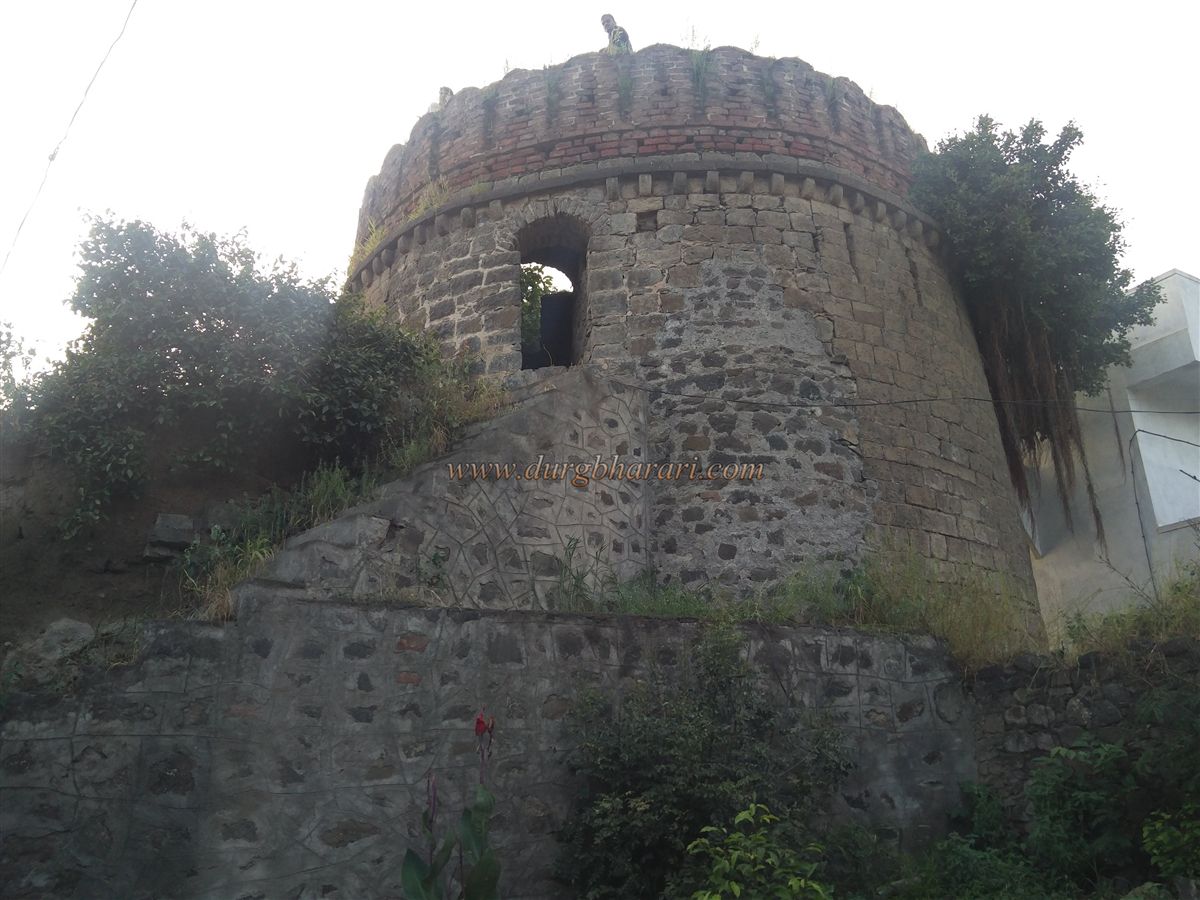
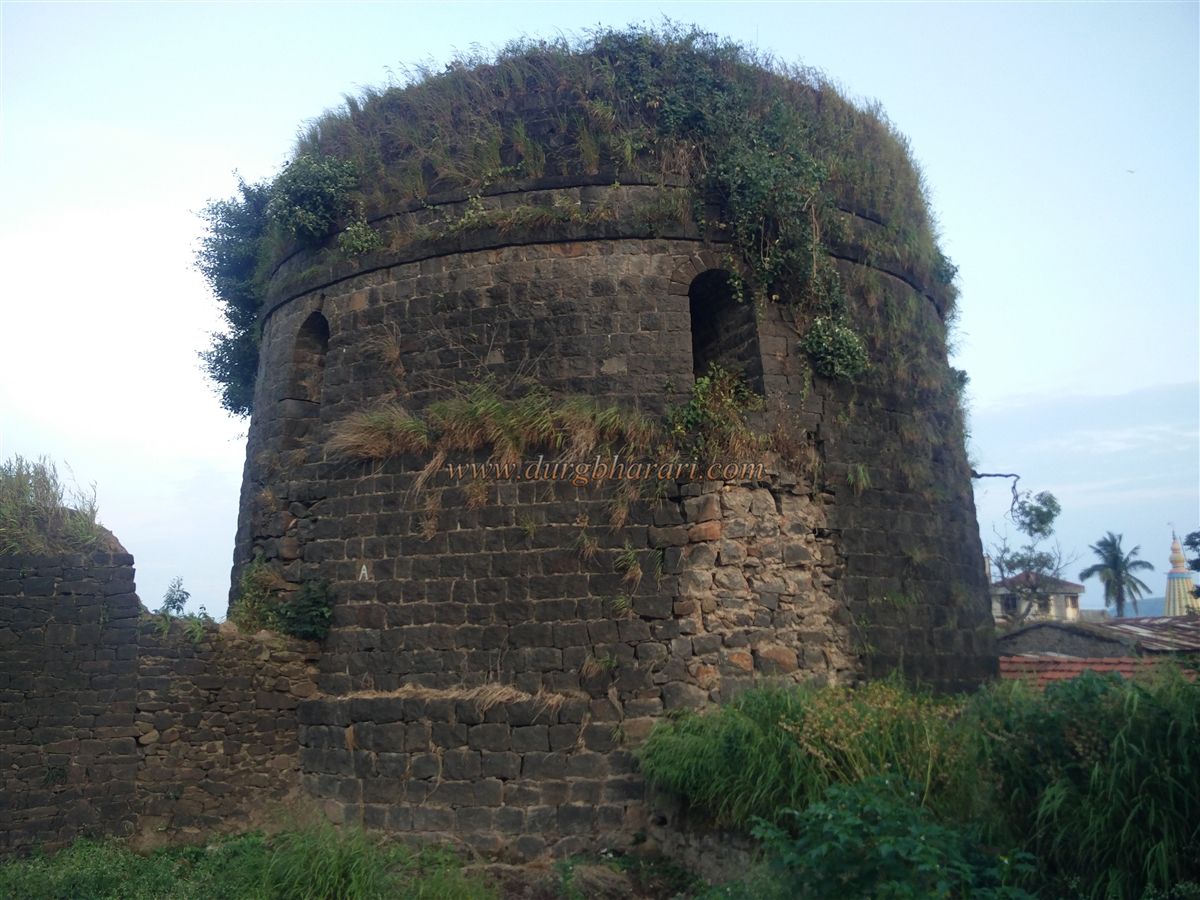
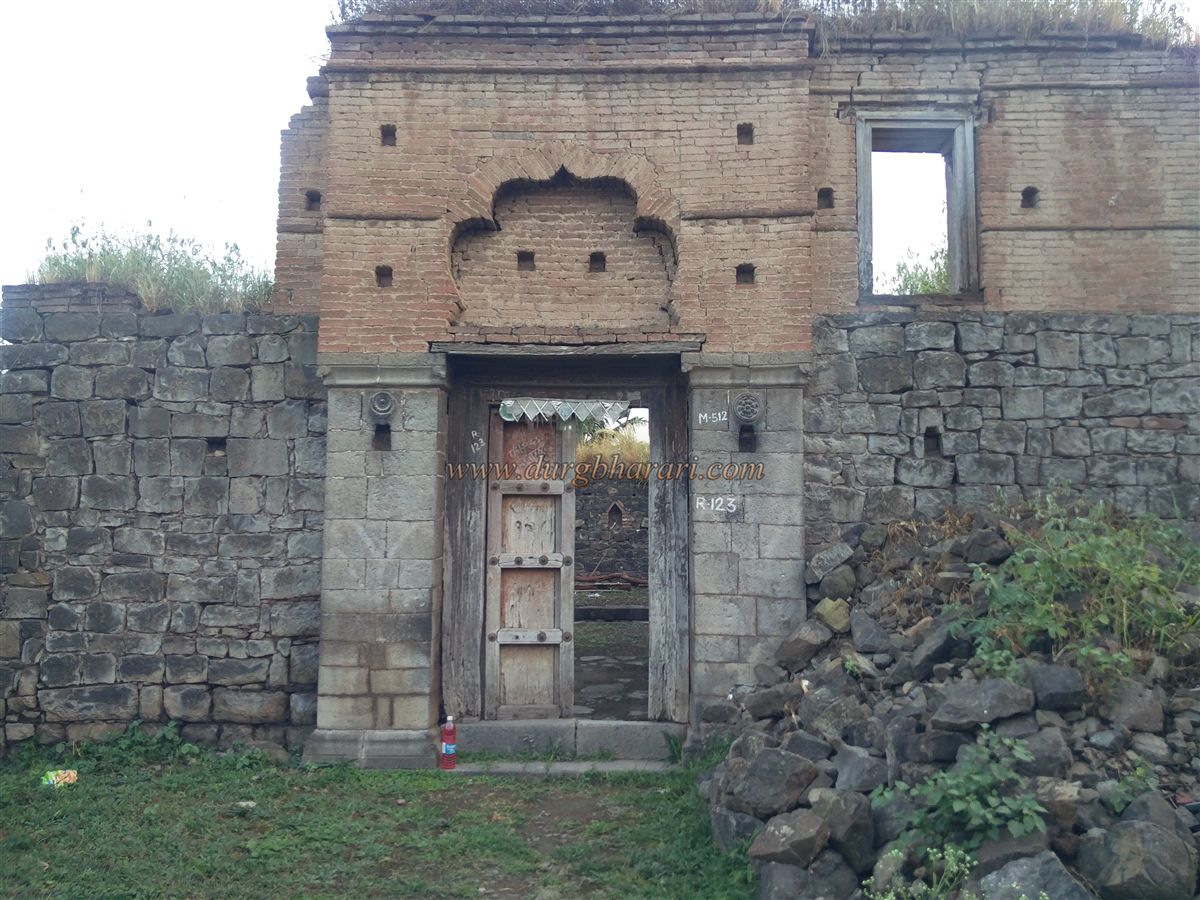
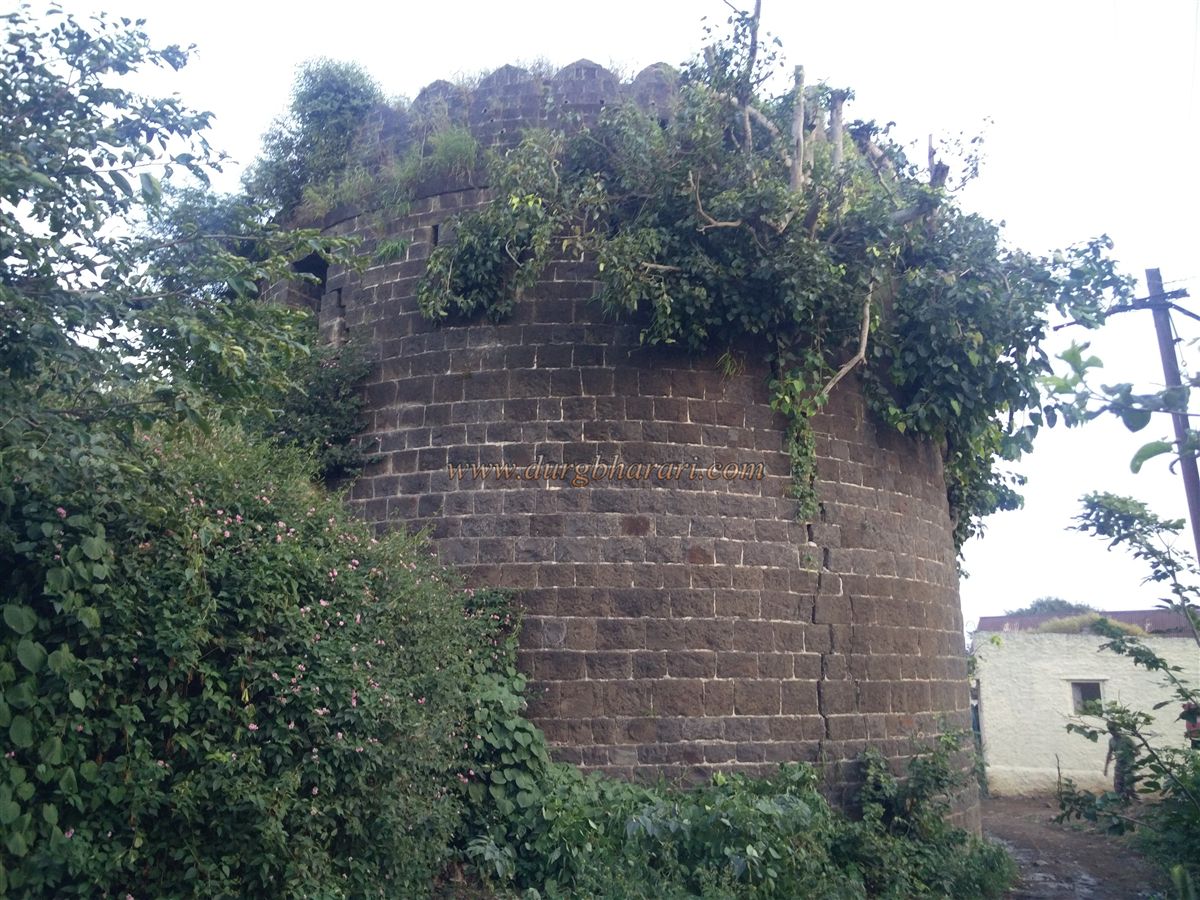
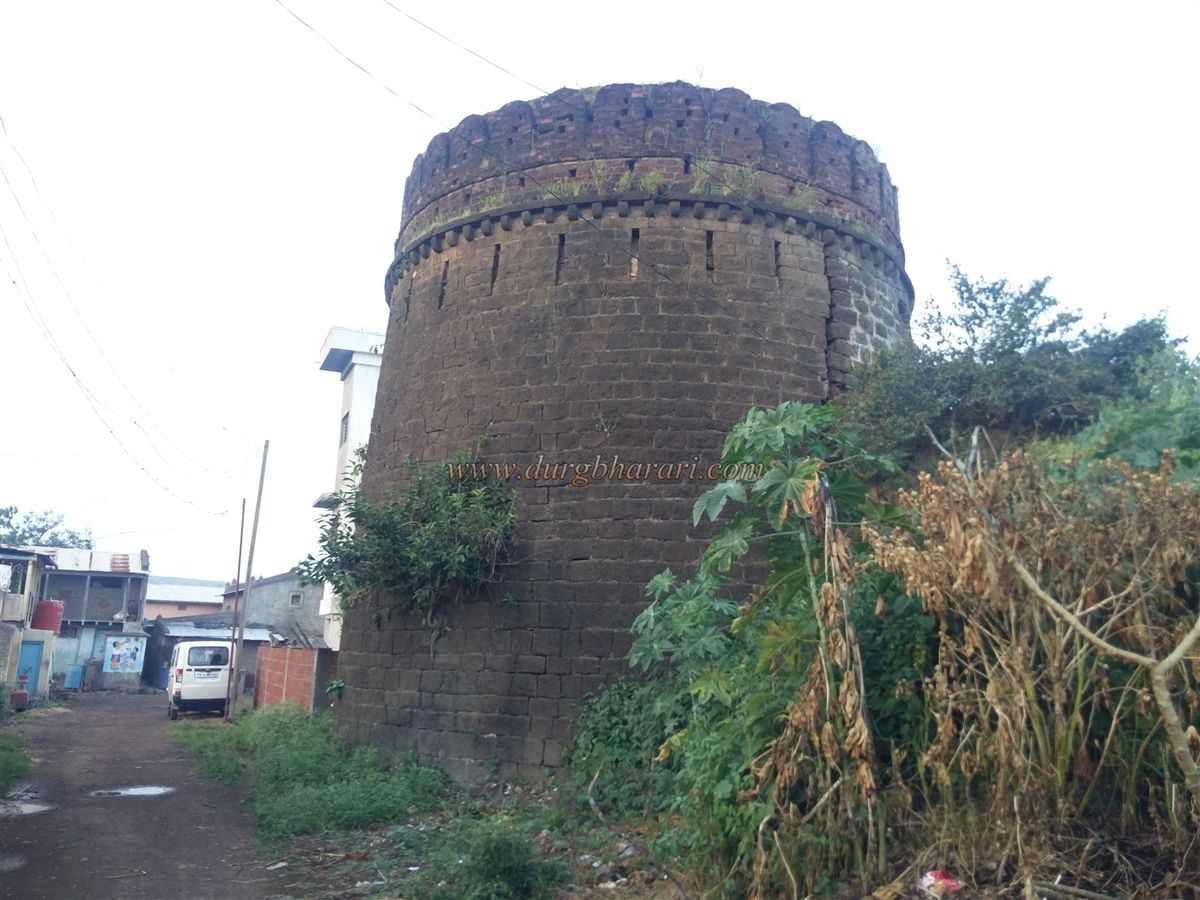
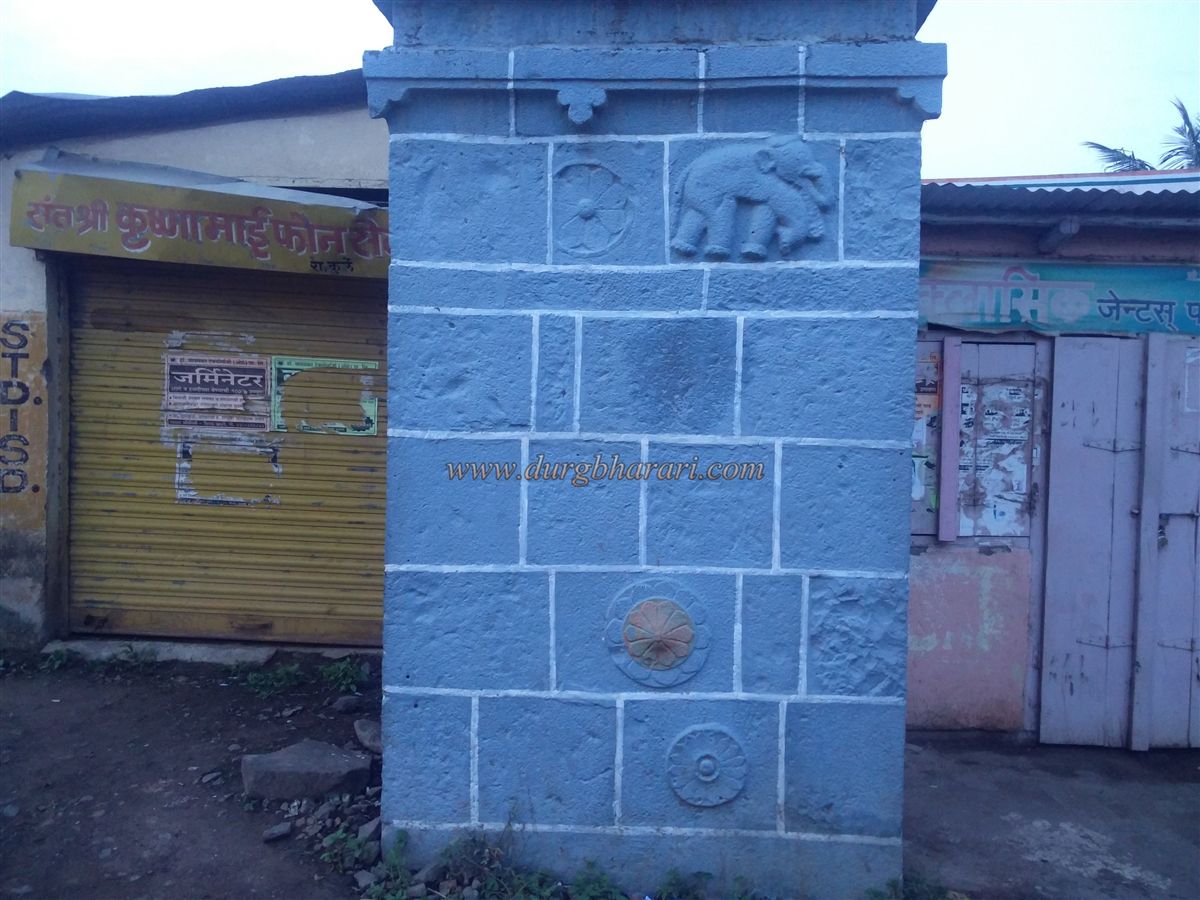
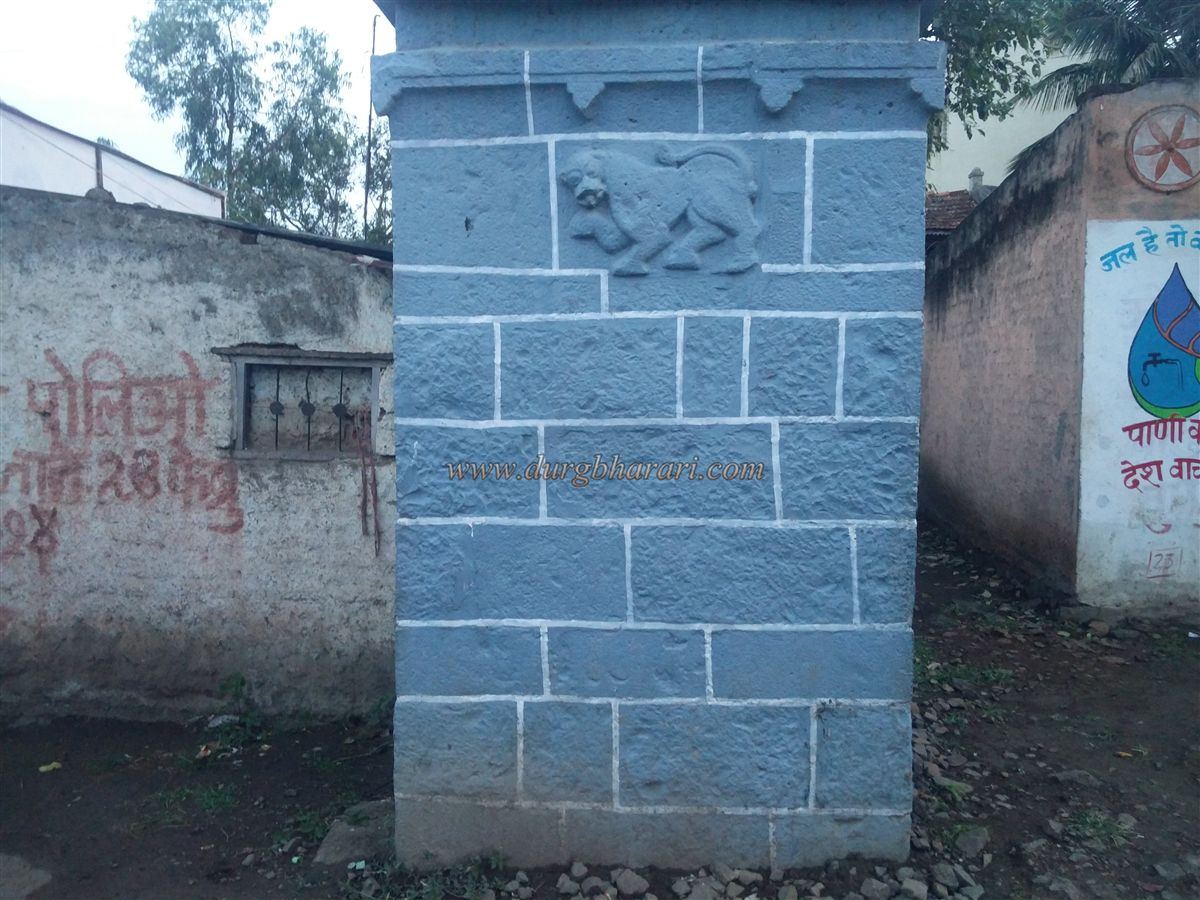
This village in Khatav Taluka of Satara district is located 48 km from Satara city via Pusesawali and is 5 km from Pusesawali itself. As one enters the village, the arched gateway draws immediate attention. This newly constructed gateway incorporates carved stones and sculptures from the old fort’s entrance. Villagers say the entire village was once fortified, with two gateways in the surrounding walls. The gadhi, located in the center of the village, is a square-shaped fort called the "Chauburji Kot" and spans about one acre. Of the four bastions it once had, three still survive while the fourth has completely vanished over time.
It is said that the inner part of the gadhi originally housed four separate mansions (wada). Two of these have been completely destroyed. Of the remaining two, one still retains its base platform (chauthara), while the other has its base and walls partly intact. The fort has collapsed into four separate sections, requiring entry from three different spots to explore it entirely. The fort must be viewed by circling around its perimeter.
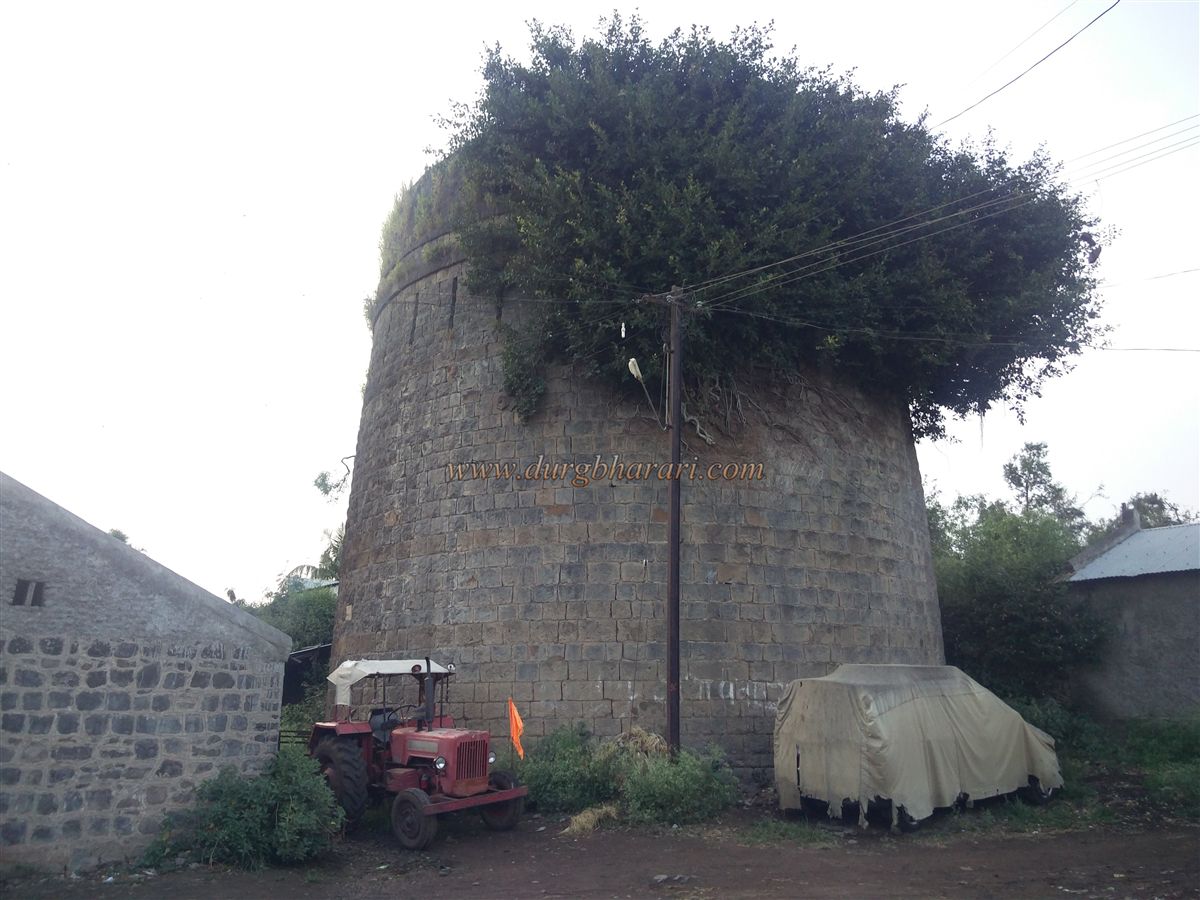
The present descendants of the Bhosale family live in newly built homes inside the fort. According to their account, the fourth bastion was made of mud and eroded long ago. The remaining three bastions are built from well-dressed stone, with the upper portions made of brick. These bastions have windows and firing slots (jangya) for muskets. Stairs within the bastions allow access to their upper levels, though two of them are now overgrown with vegetation, making access difficult. Climbing one of the bastions allows a clear view of the entire fort at once.
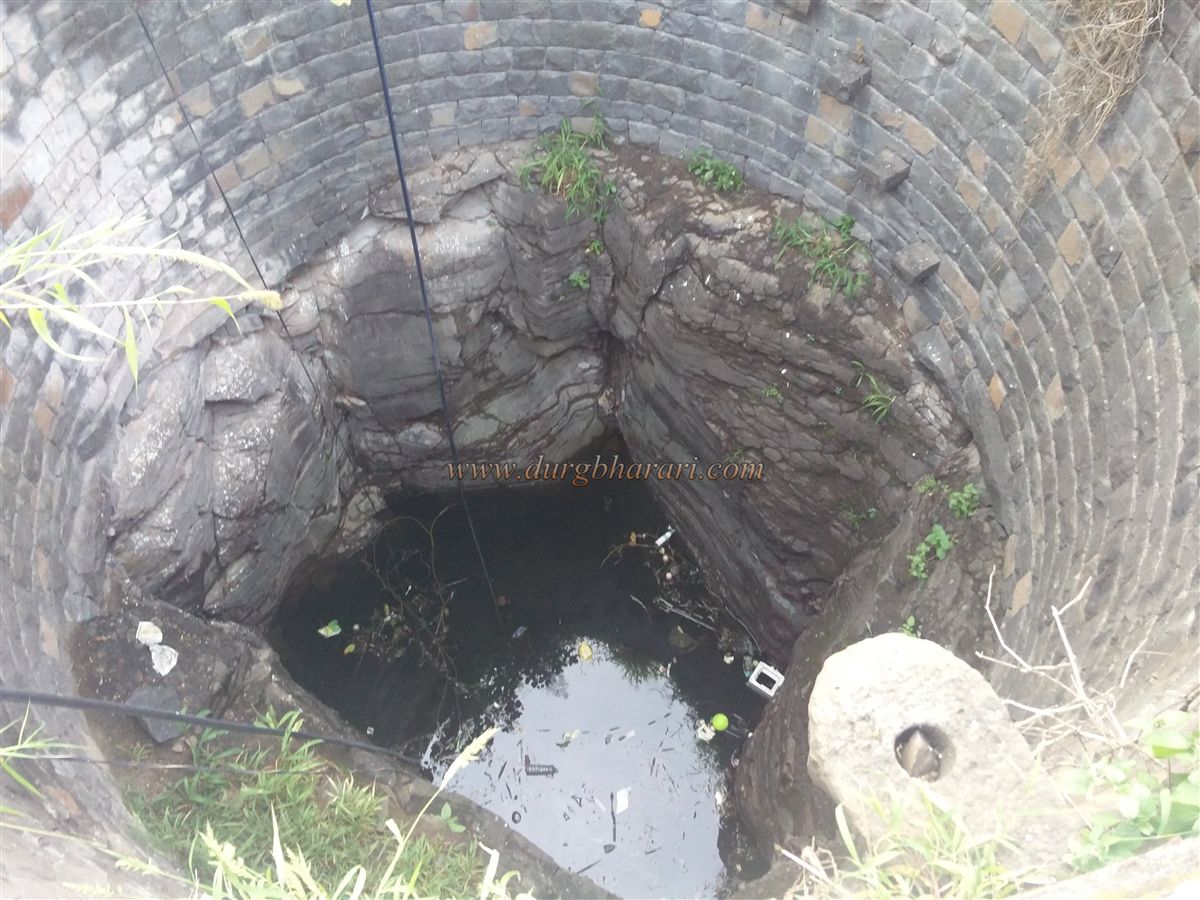
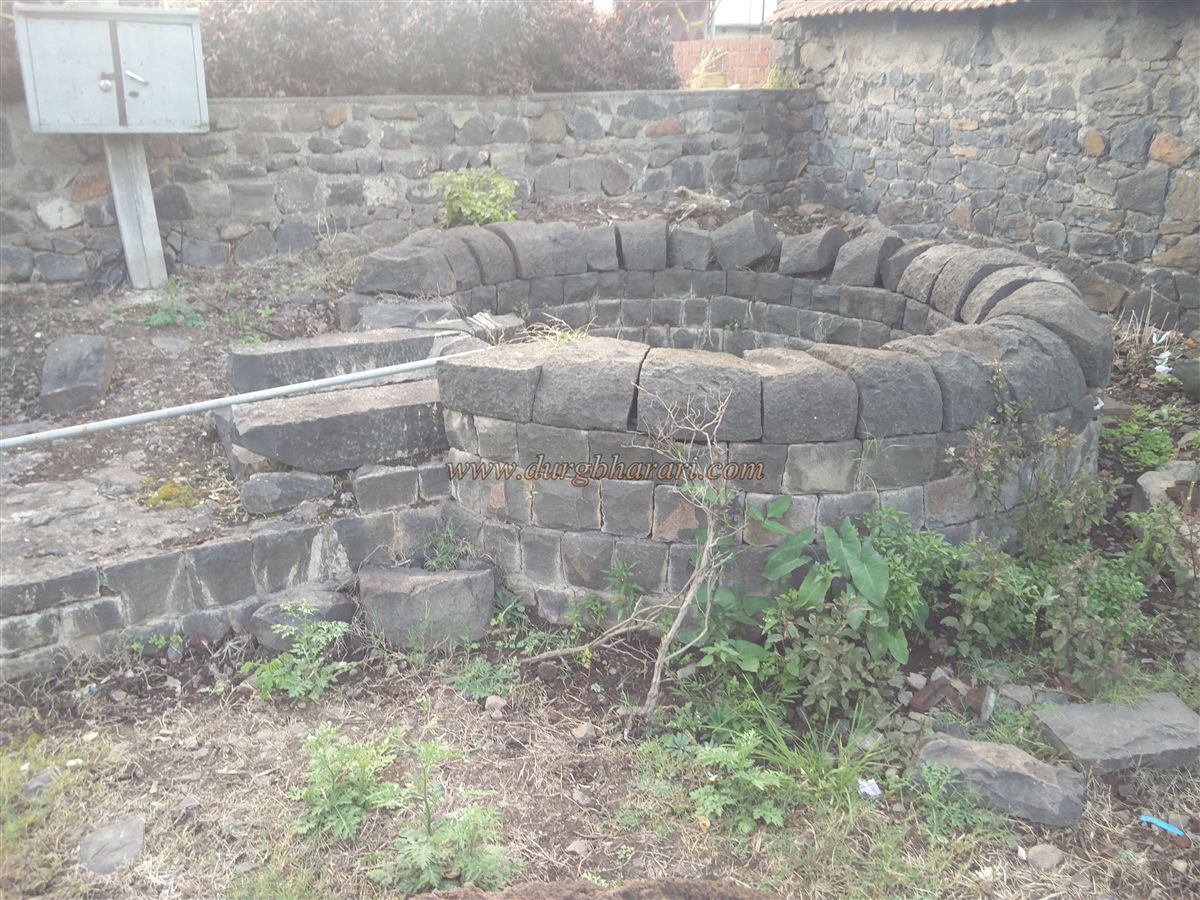
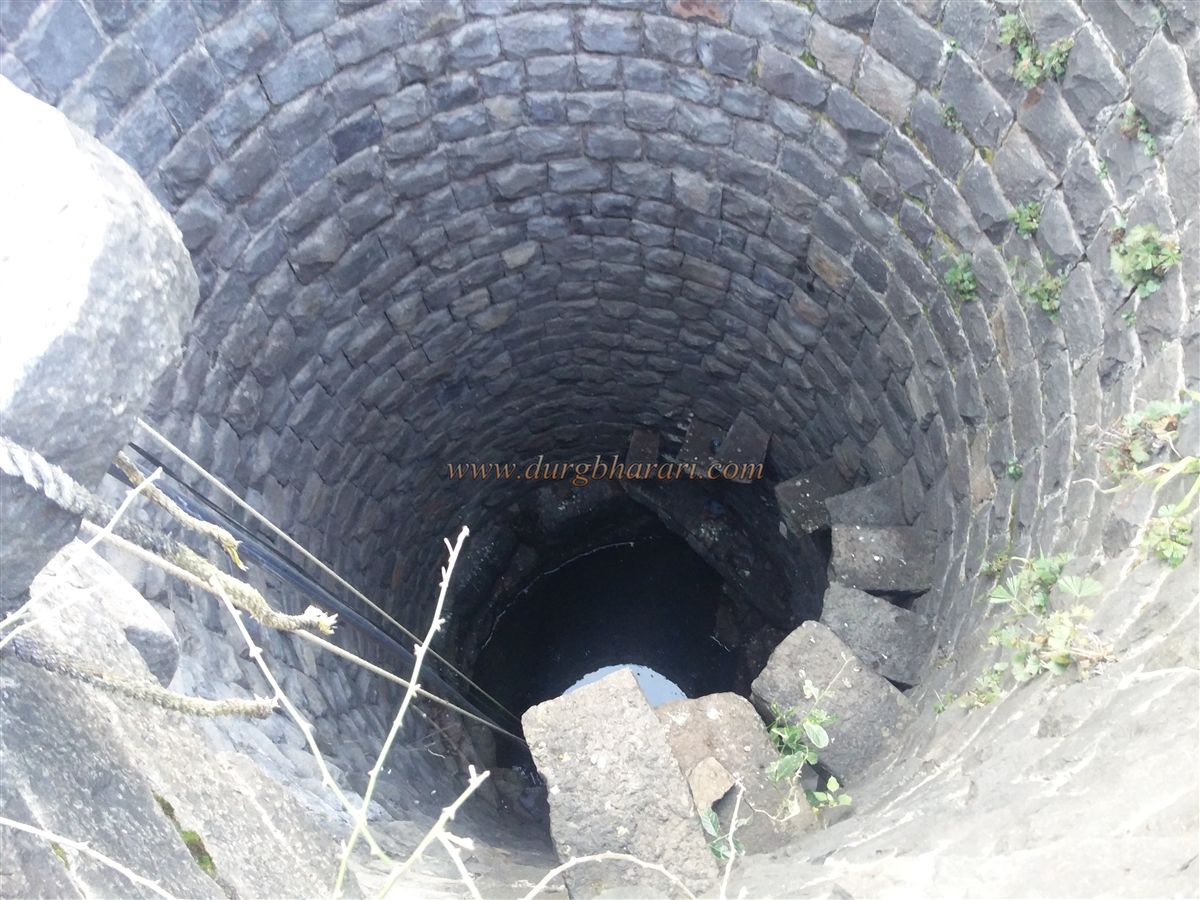
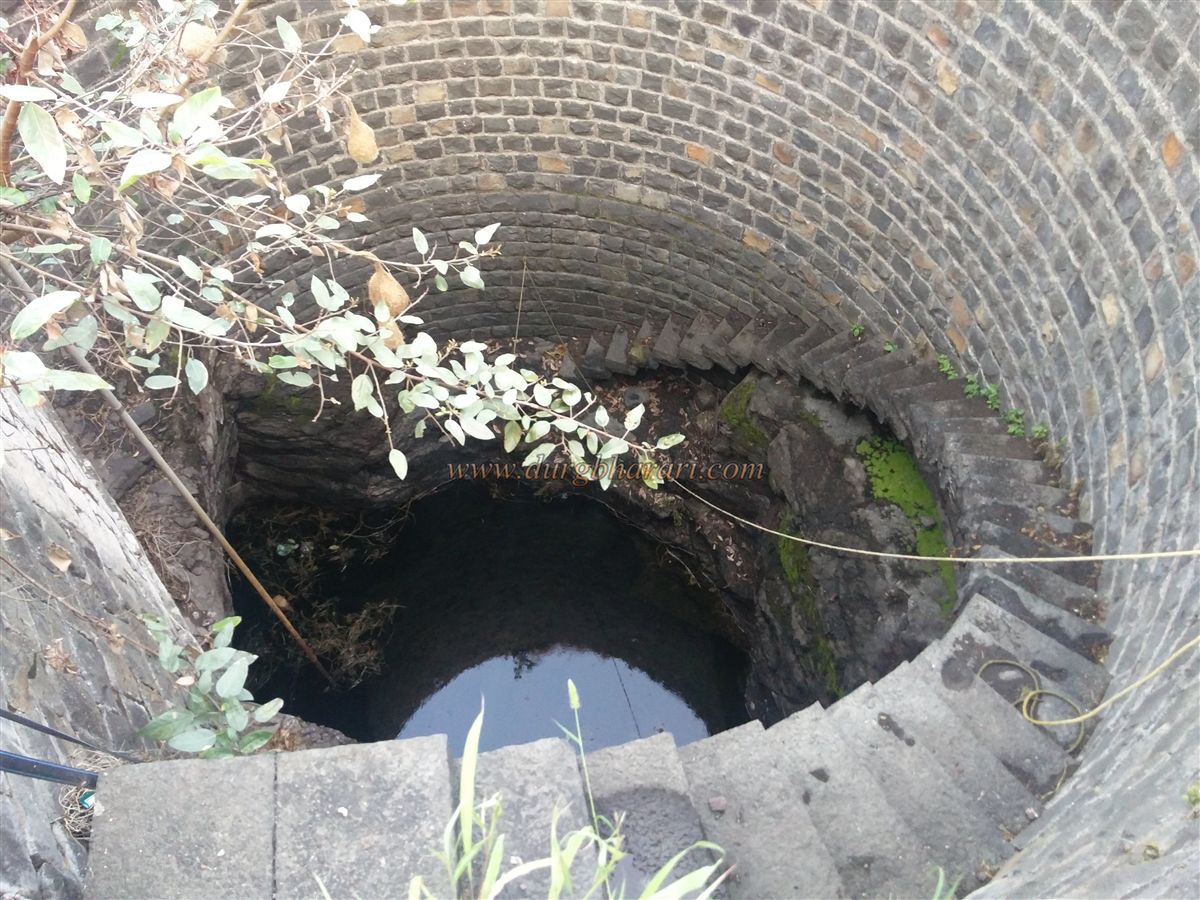
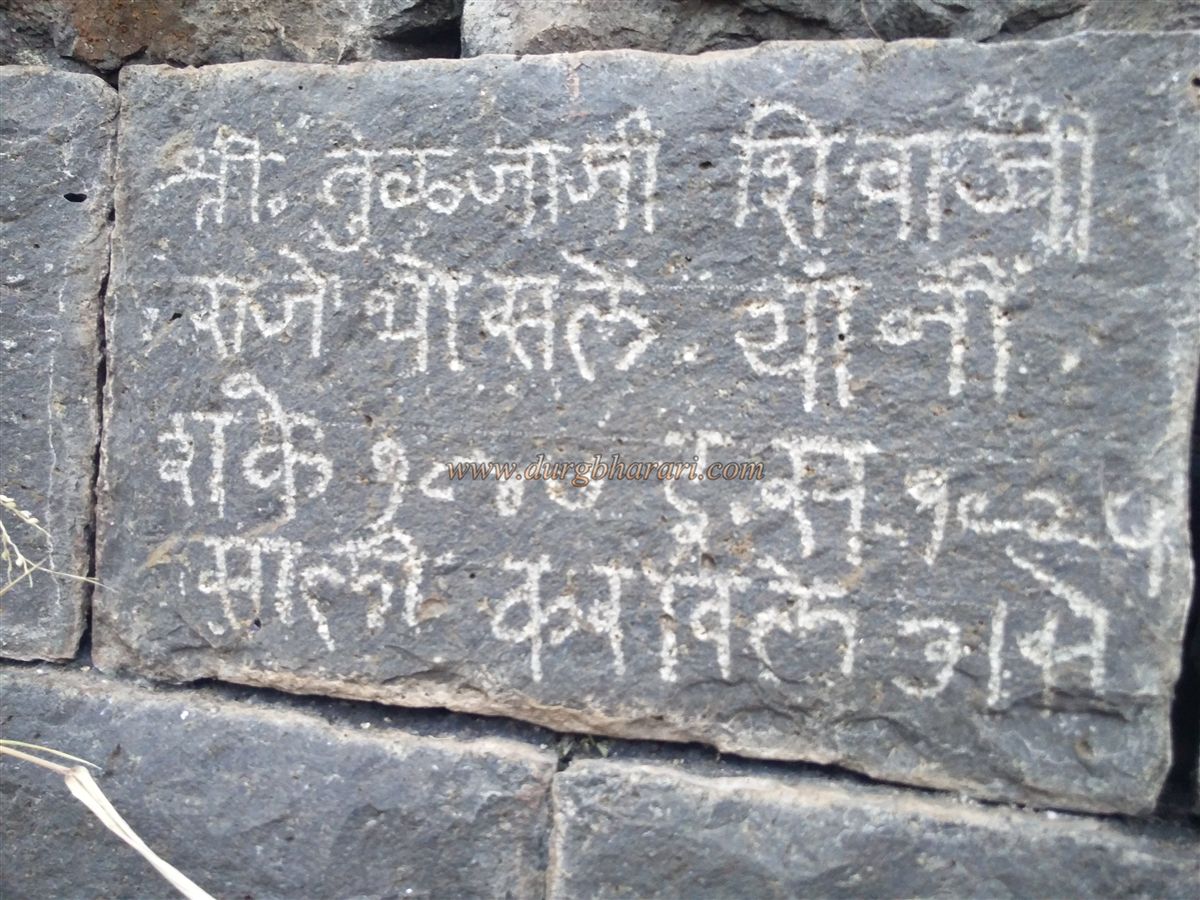
The surrounding fortification walls have largely crumbled. The remaining walls reveal that the fort had no upper platform (fanji). The main entrance to the fort comprises two gates arranged at a right angle for defensive purposes. The primary entrance faces east, and rooms for residence are located inside the gate. There are three wells within the fort—one small and two large. One of the wells bears a stone inscription stating that it was constructed by Tulaji Shivajiraje Bhosale in Shaka 1847, corresponding to 1925 CE. This circular well features a spiral staircase descending to the bottom and is a noteworthy architectural feature.
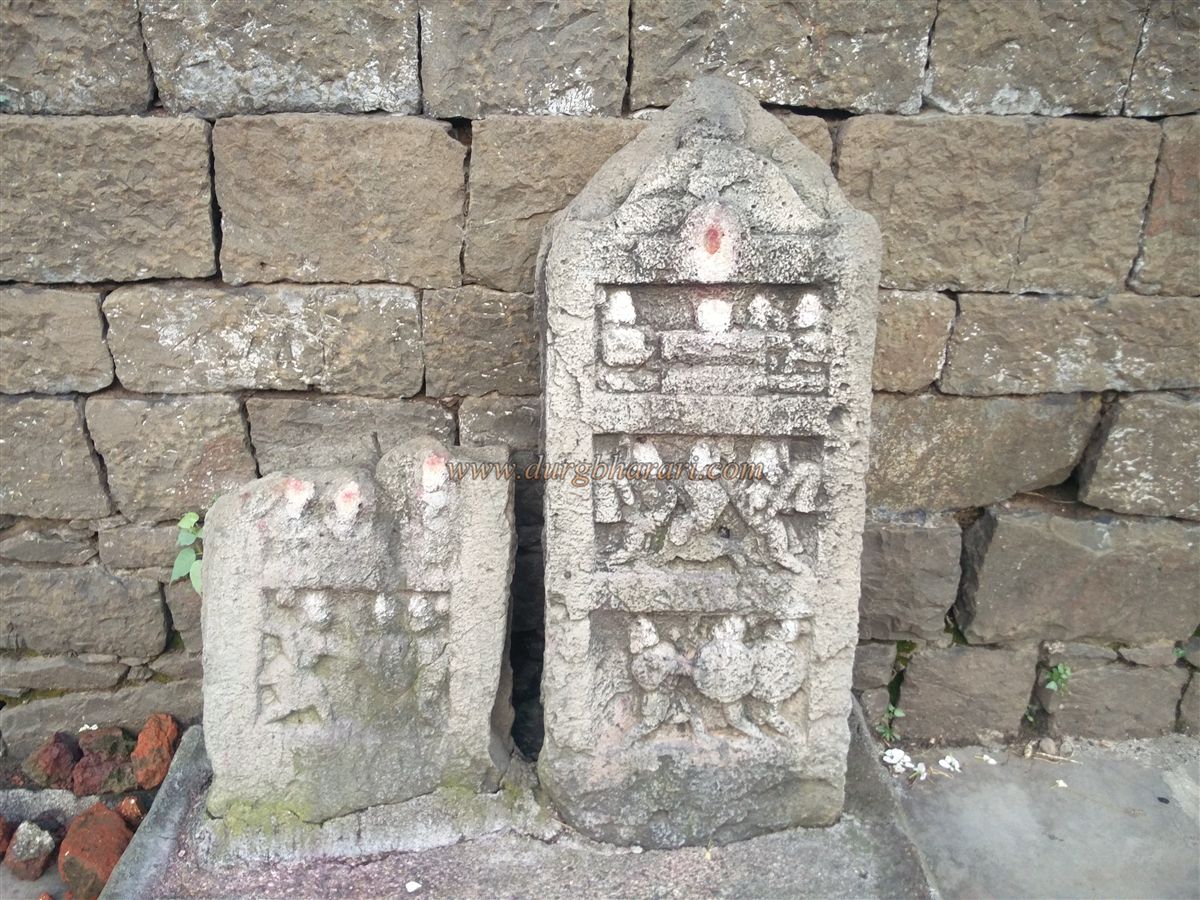
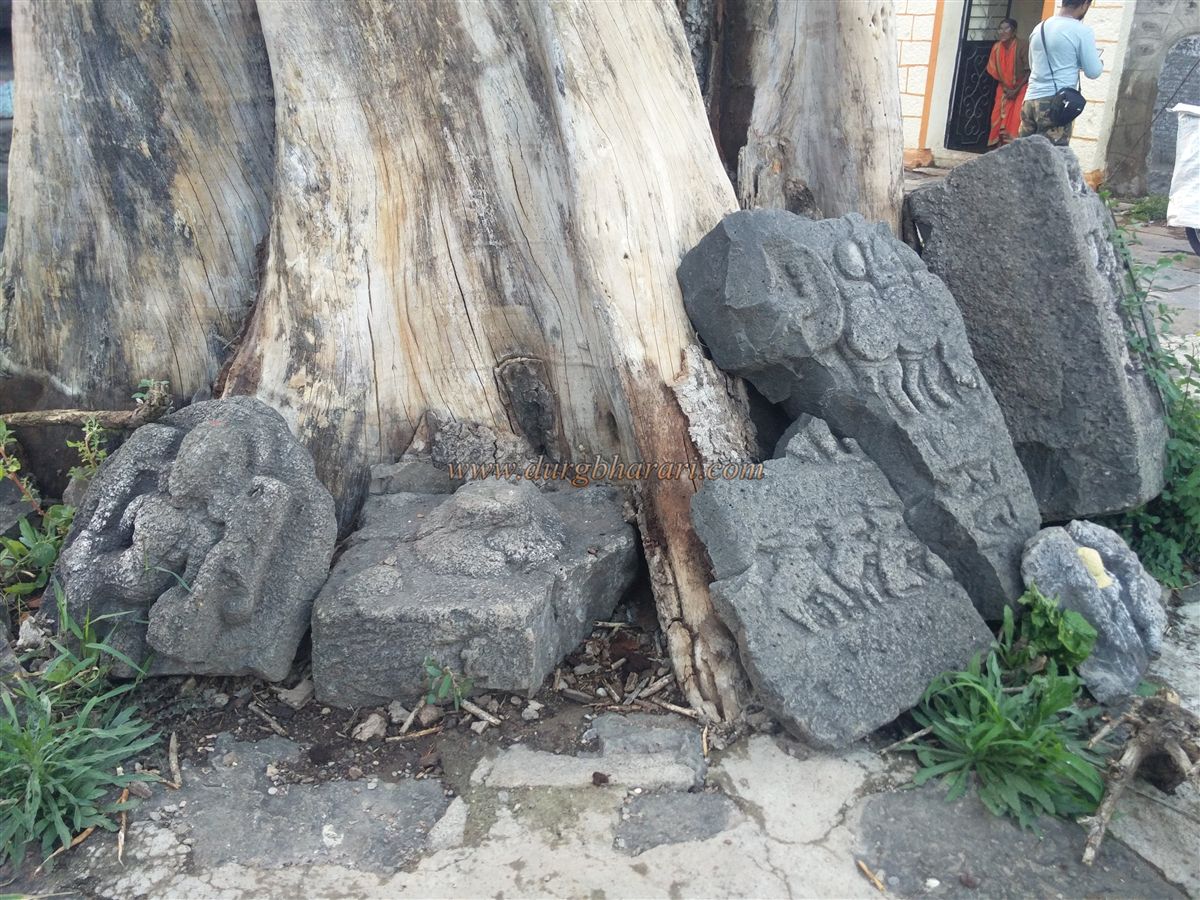
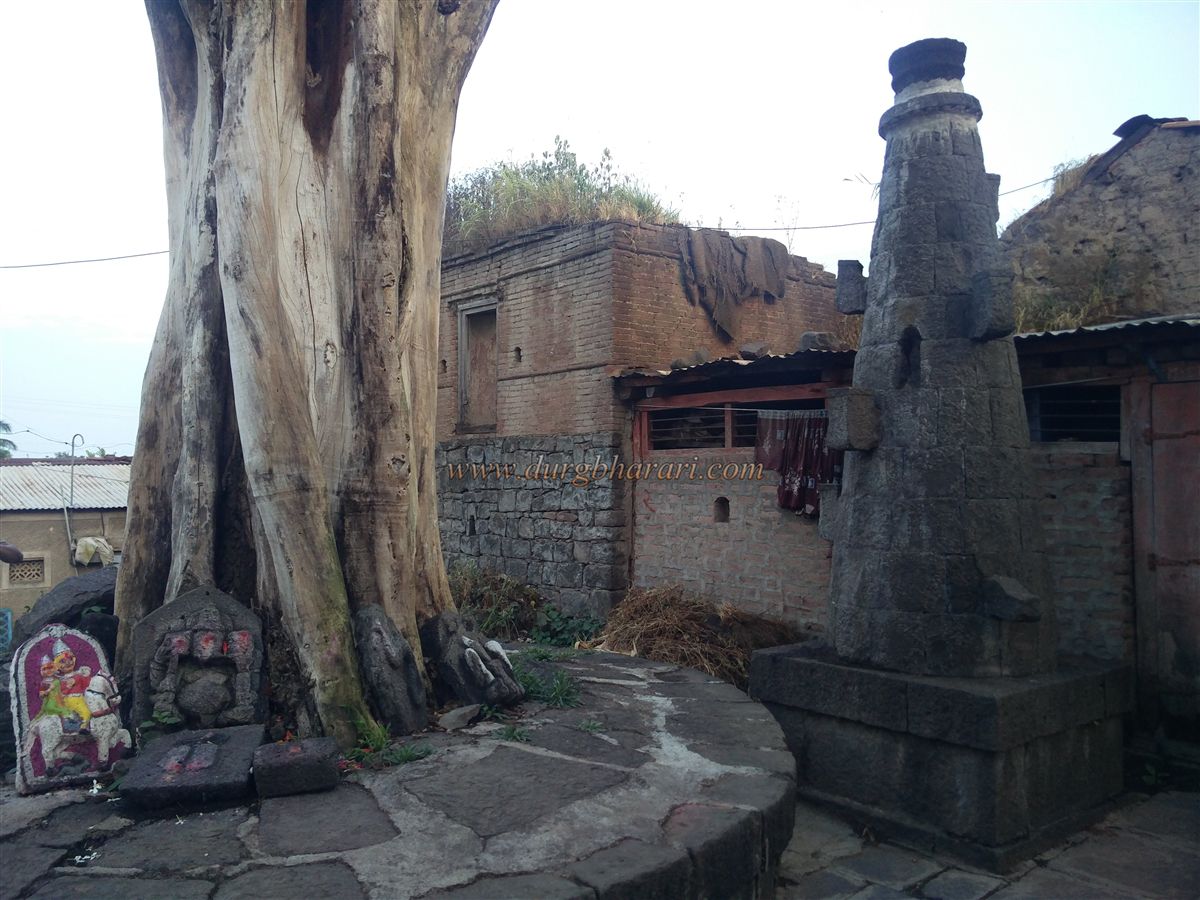
It takes about half an hour to fully explore the fort. Besides the fort, the village also has several other heritage elements testifying to its ancient origins—such as a weathered sculpture of Goddess Gajlakshmi near the Dhakubai Temple, a hero stone (virgal), and broken sculptures. Embedded in the wall of a house within the temple premises is an ancient inscription in the Devanagari script, which historians estimate to be over 850 years old, belonging to the Kalchuri dynasty.
At the beginning of this inscription is a carved image of a cow, symbolizing the relationship between ruler and subjects. Above the inscription are depictions of the moon, sun, and a Shivlinga. The inscription begins with the Shaka year 1085 and mentions King Bijjaladeva II of the Kalchuri dynasty with titles such as "Suvarna Vrishabha Dhwaj," "Samasta Bhuvan Ashraya," "Shri Prithvi Vallabh," and "Kalanjarpurvaradhishwar." It states that his subordinate, Singhanadeva—praised with titles like "Mahamandaleshwar," "Panchamahashabdprapt," "Vishnu Vanshodbhav," "Yadav Narayan," and "Yadavkul Kamal Vikasit Bhaskar"—granted a land donation on the occasion of a lunar eclipse.
After the death of Shahaji Bhosale of Akkalkot in 1789, his son Fatehsingh alias Abasaheb ascended the throne. Shahaji also had another son named Tulaji. Due to disputes between the two, Fatehsingh imprisoned Tulaji. However, Tulaji escaped captivity and went to the Peshwa, filing a complaint at the Pune court. With the mediation of Sadashivrao Bhau Mankeshwar, reconciliation was achieved, and Tulaji was granted a jagir comprising villages including Kurla in Khatav Taluka of Satara district, yielding an annual income of ₹8100. In 1807, Tulaji established an independent seat in Kurle, after which the village came to be known as Rajache Kurle.
Tulaji Bhosale was succeeded by his son Shivajiraje. In 1898, when the second Shahaji of Akkalkot died without an heir, his wife adopted Fatehsingh, the son of Ganapati Bhosale from Kurle, a descendant of the first Shahaji.
© Suresh Nimbalkar
GALLERY