PUNTAMBA
TYPE : CITY FORT
DISTRICT : AHMEDNAGAR
HEIGHT : 0
Located on the banks of the Godavari River in Rahata Taluka of Ahmednagar District, the village of Puntamba is well known for its ancient Ghat (riverfront steps) and medieval temples. It is believed that the two ancient villages of Tambalindanapur and Punyasthambha, as described in the Shani Mahatmya, merged over time to form the town of Puntamba. Local legends tell that both villages once stood on either bank of the Godavari River but were destroyed by floods, resulting in the creation of a single settlement. The symmetrical layout of the town supports this belief.
Due to its long-standing prosperity, the village naturally developed within the boundaries of a fortified town (referred to locally as “Nagarkot”). Puntamba is a railway station on the Manmad–Daund and Shirdi lines, located about 200 km from Pune and 275 km from Mumbai (via Shirdi), while it lies just 15 km from Shirdi.
...
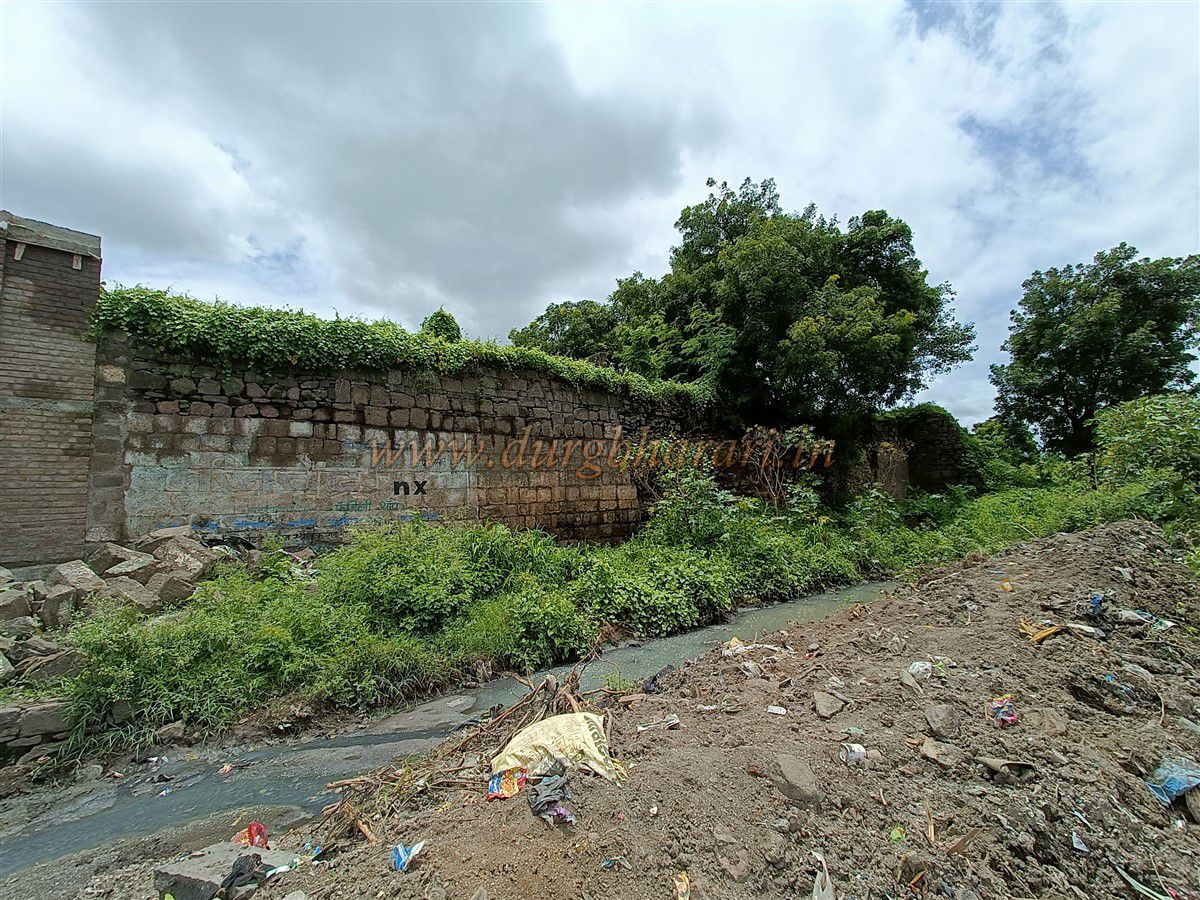
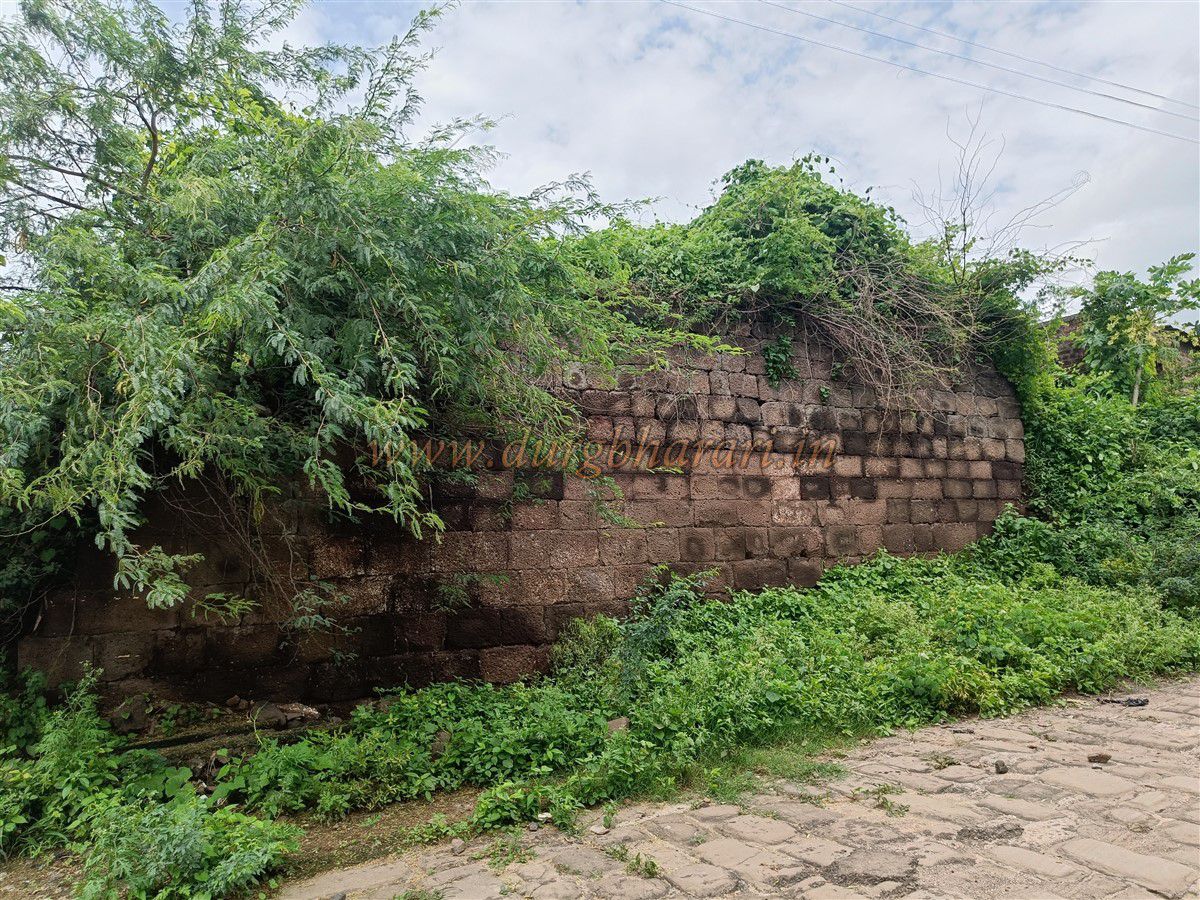
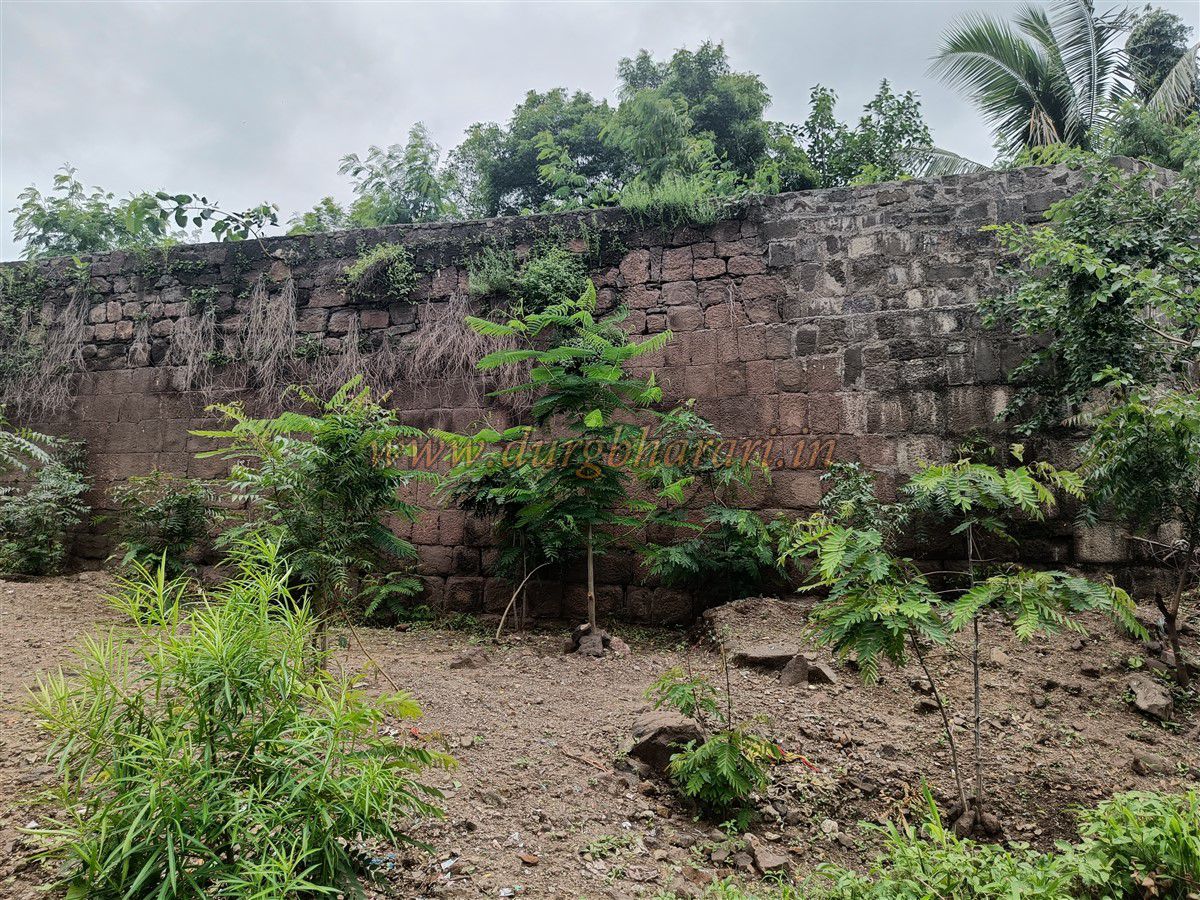
Though the town has expanded due to population growth, the original settlement still lies within the fort walls. The village spans approximately 100 acres, and the fortification surrounding it is around 2 km long, with locals claiming there were 11 gateways providing access. Although these gates once had distinct names, most of them have been forgotten. Today, while most of the fortifications have crumbled, a significant portion still survives. Of the 11 gateways, only four gates and their structures remain visible.
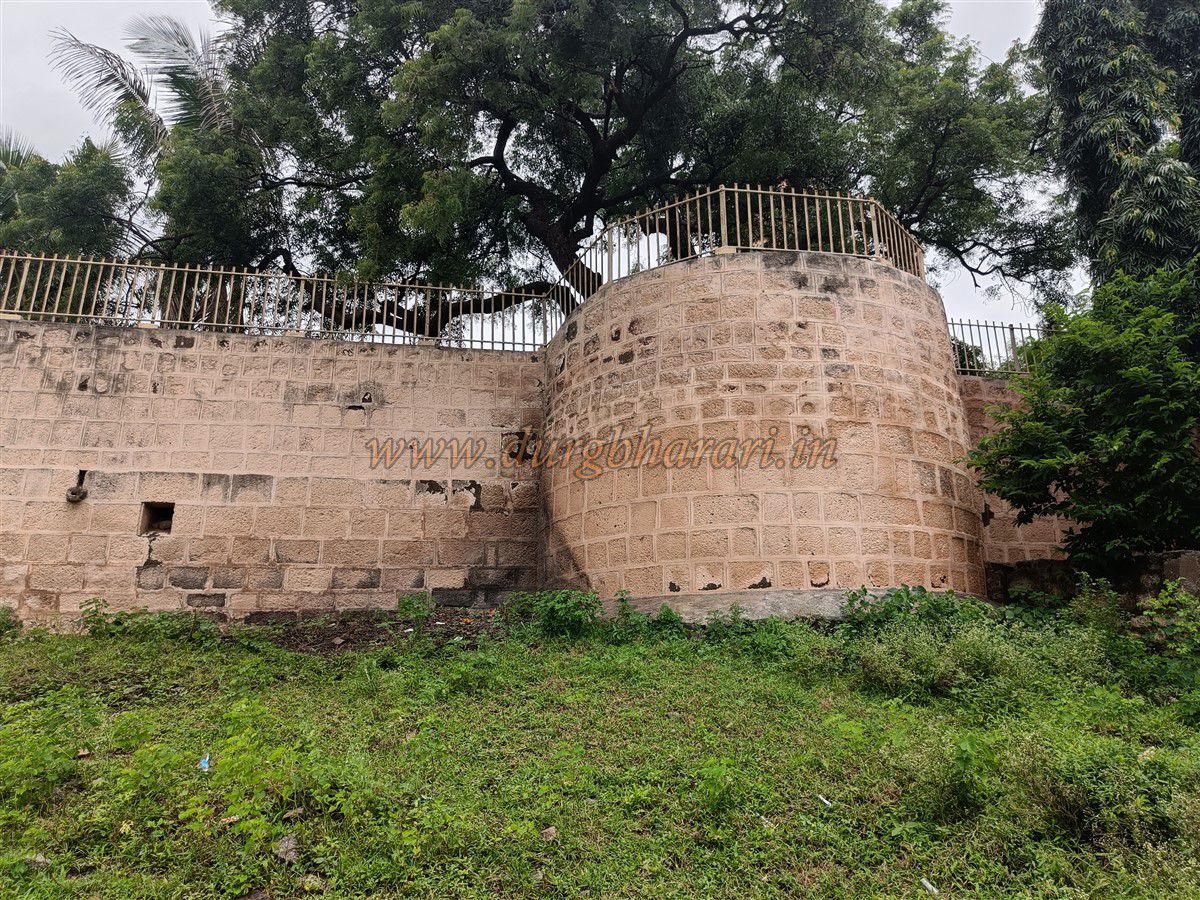
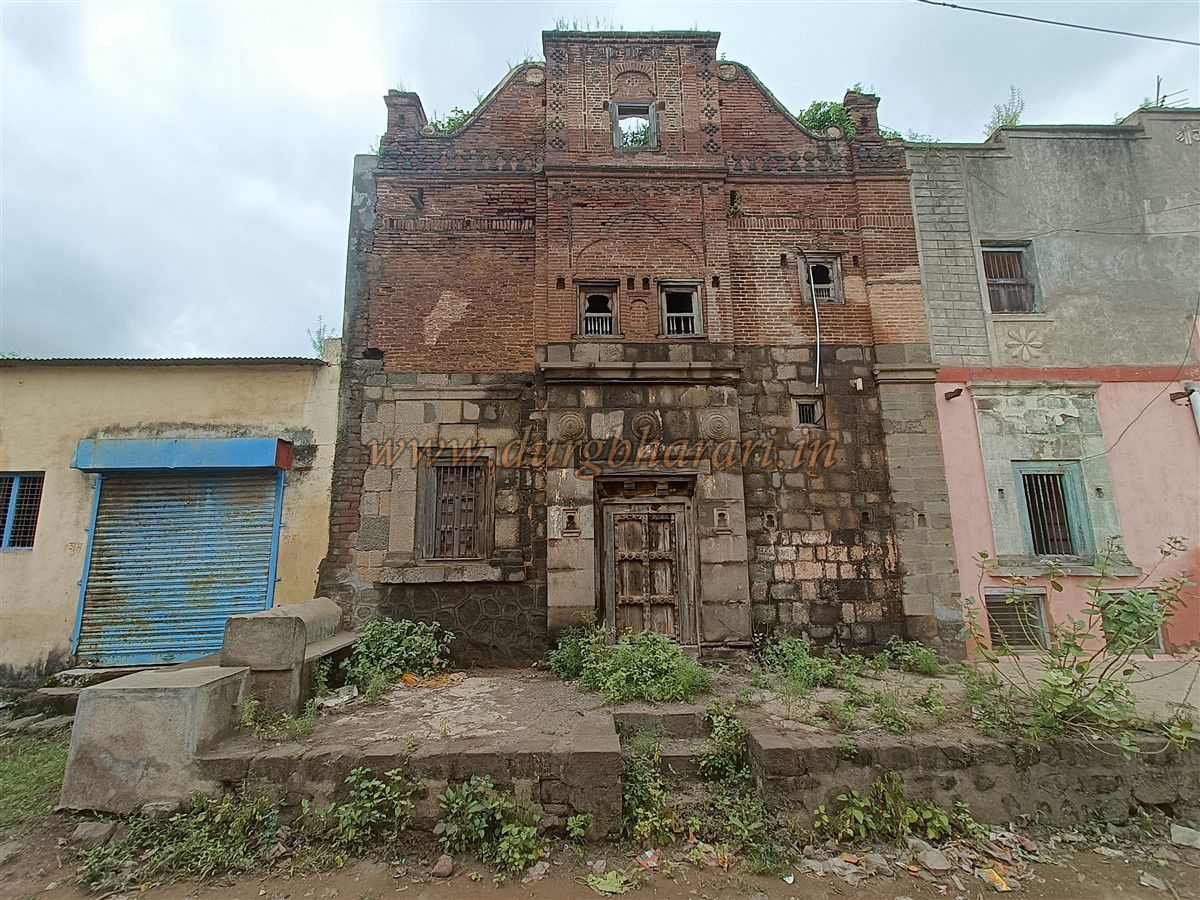
One enters the village through the Dhanwate Patil Gate, which has been restored and is still in use today. This gate is flanked by two strong bastions and is built into the stone fortification. Steps alongside the gate allow access to the top of the wall and bastion. Nearby, remnants of the original fort wall can still be seen. Within the village, there are several two- and three-story wada (mansions), one of which is said to have belonged to the Holkar.
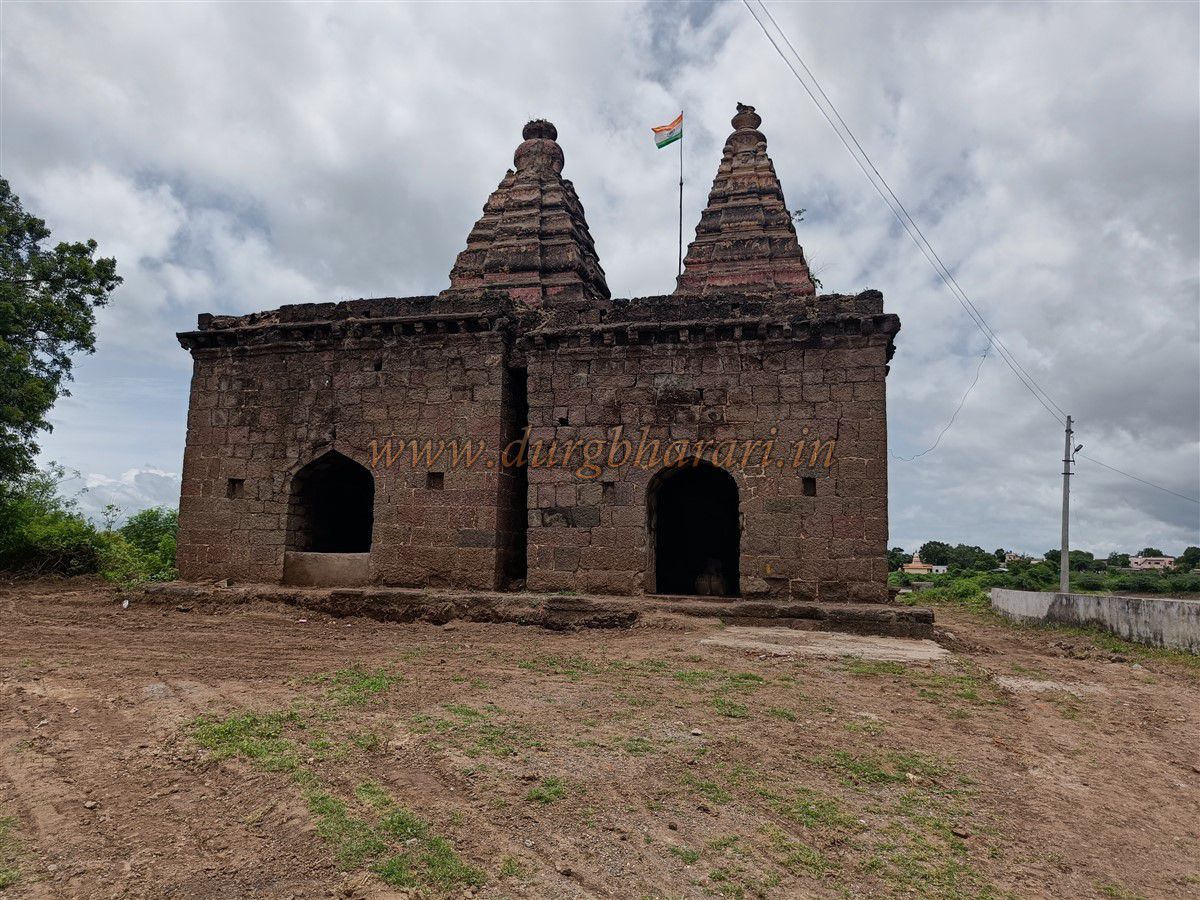
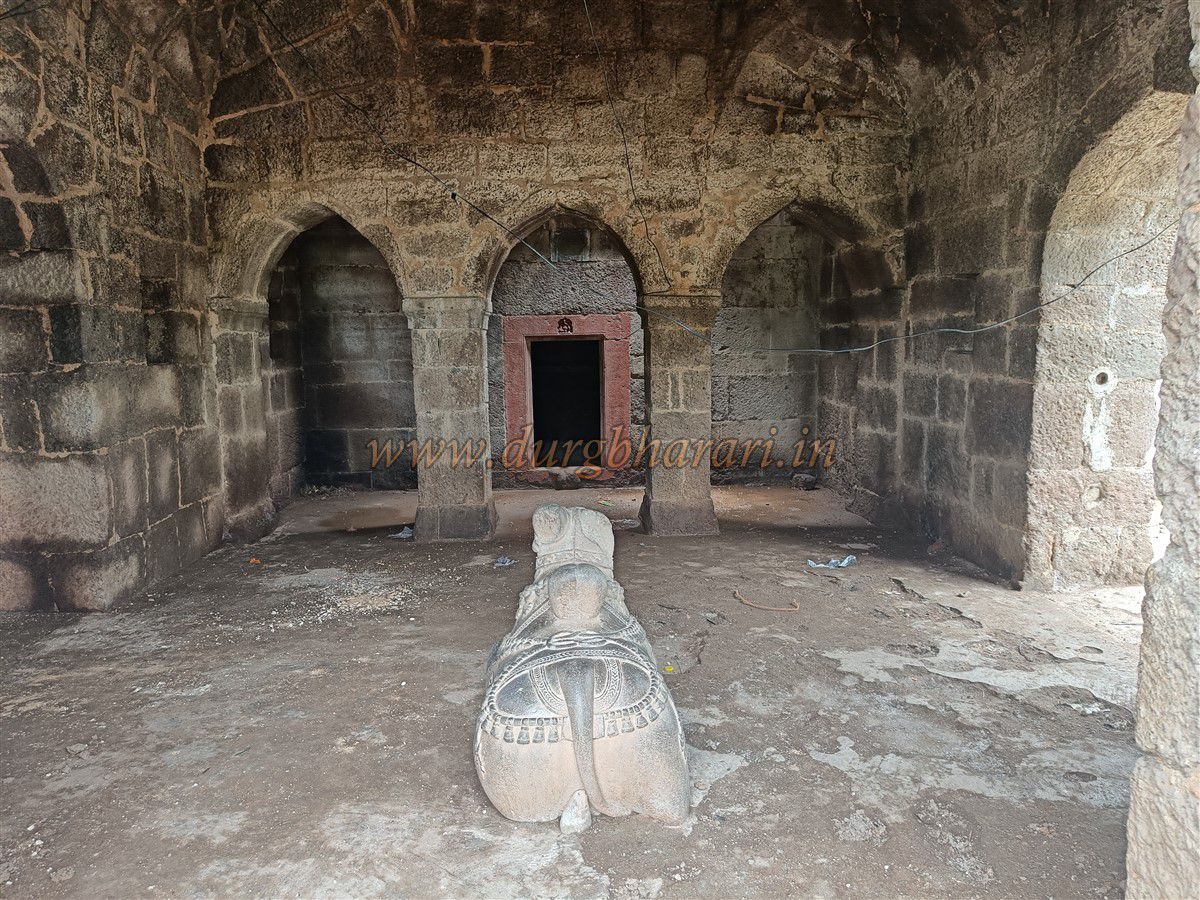
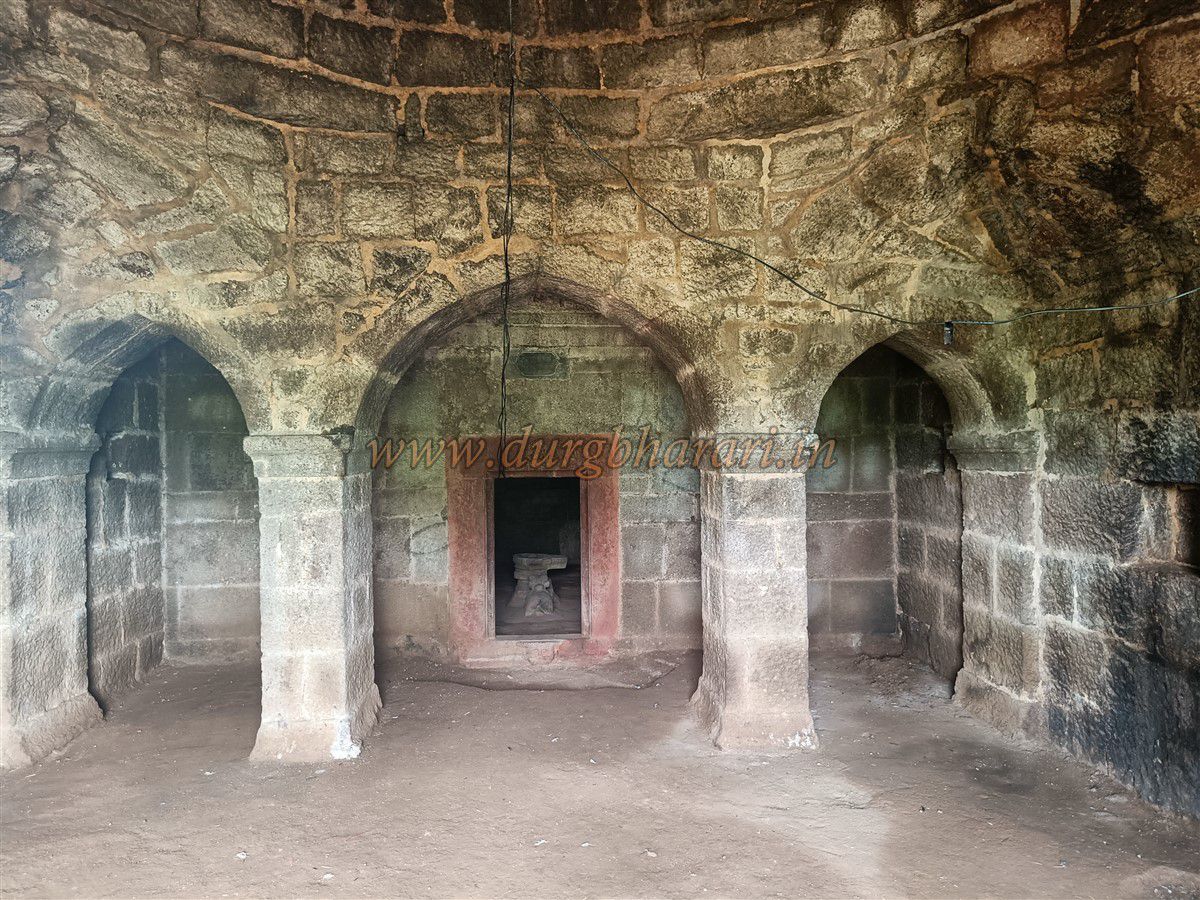
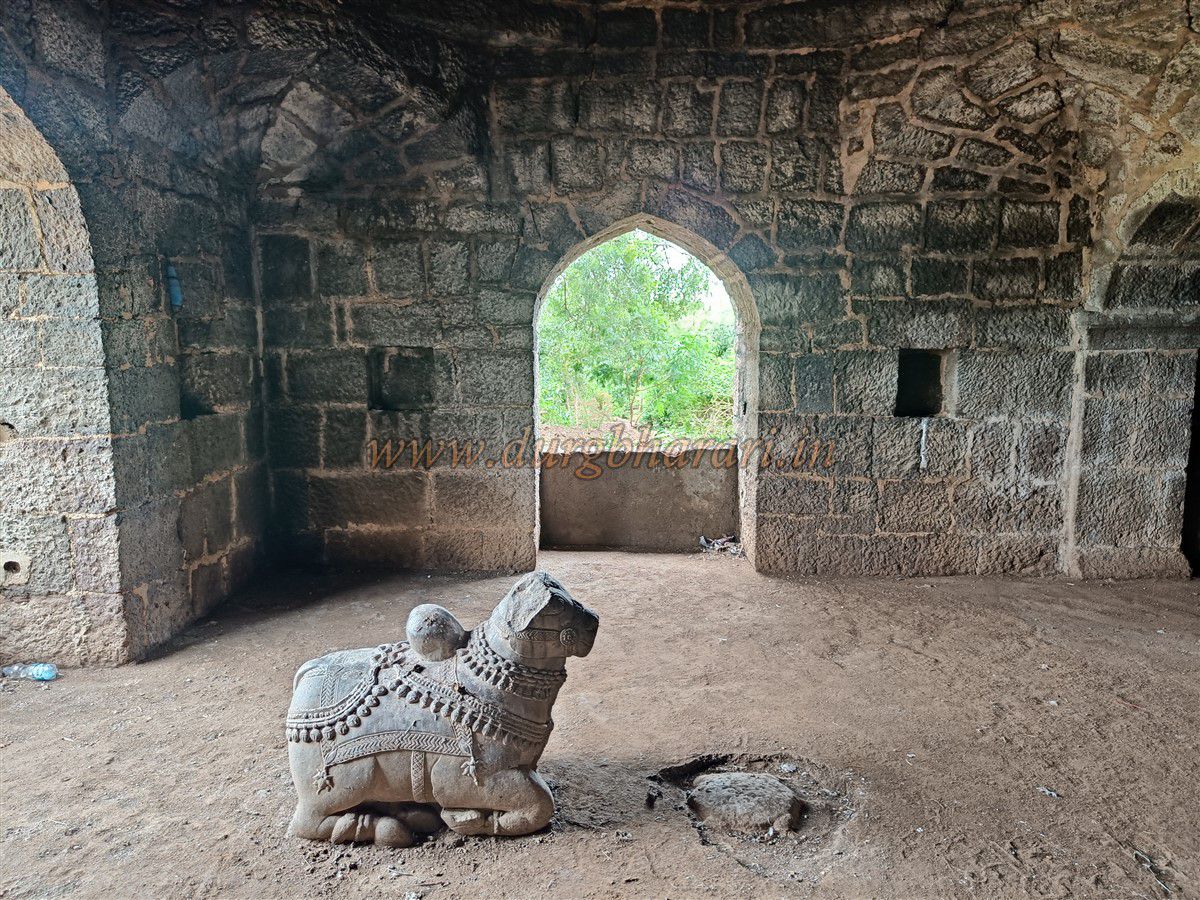
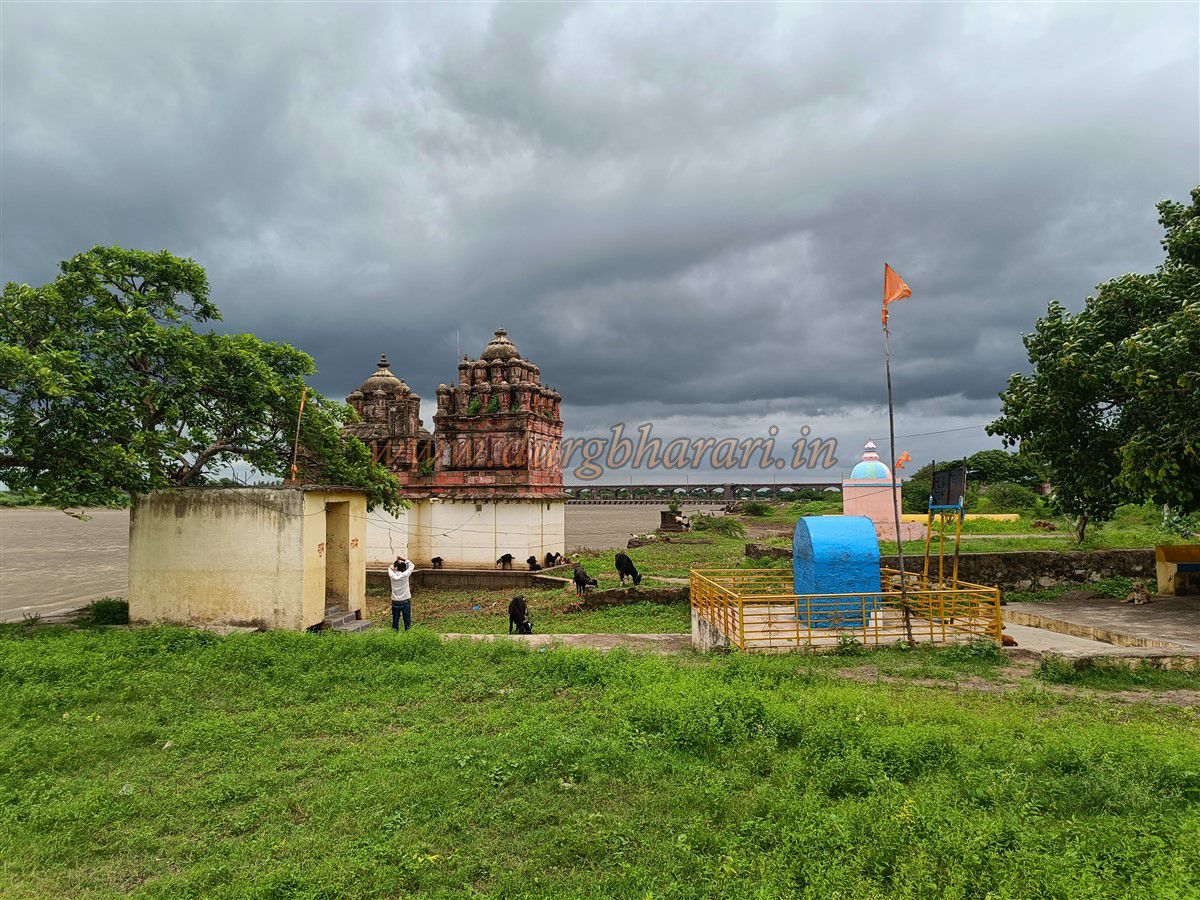
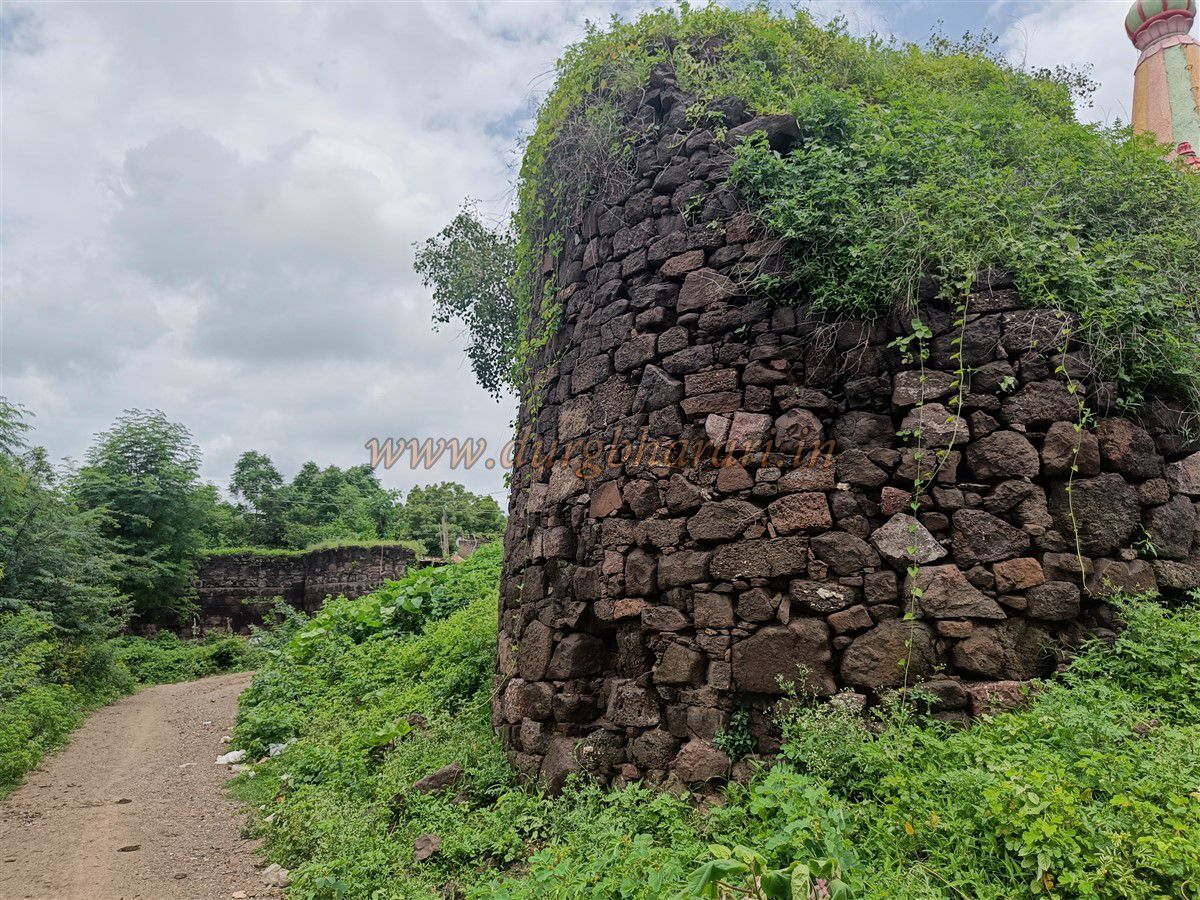
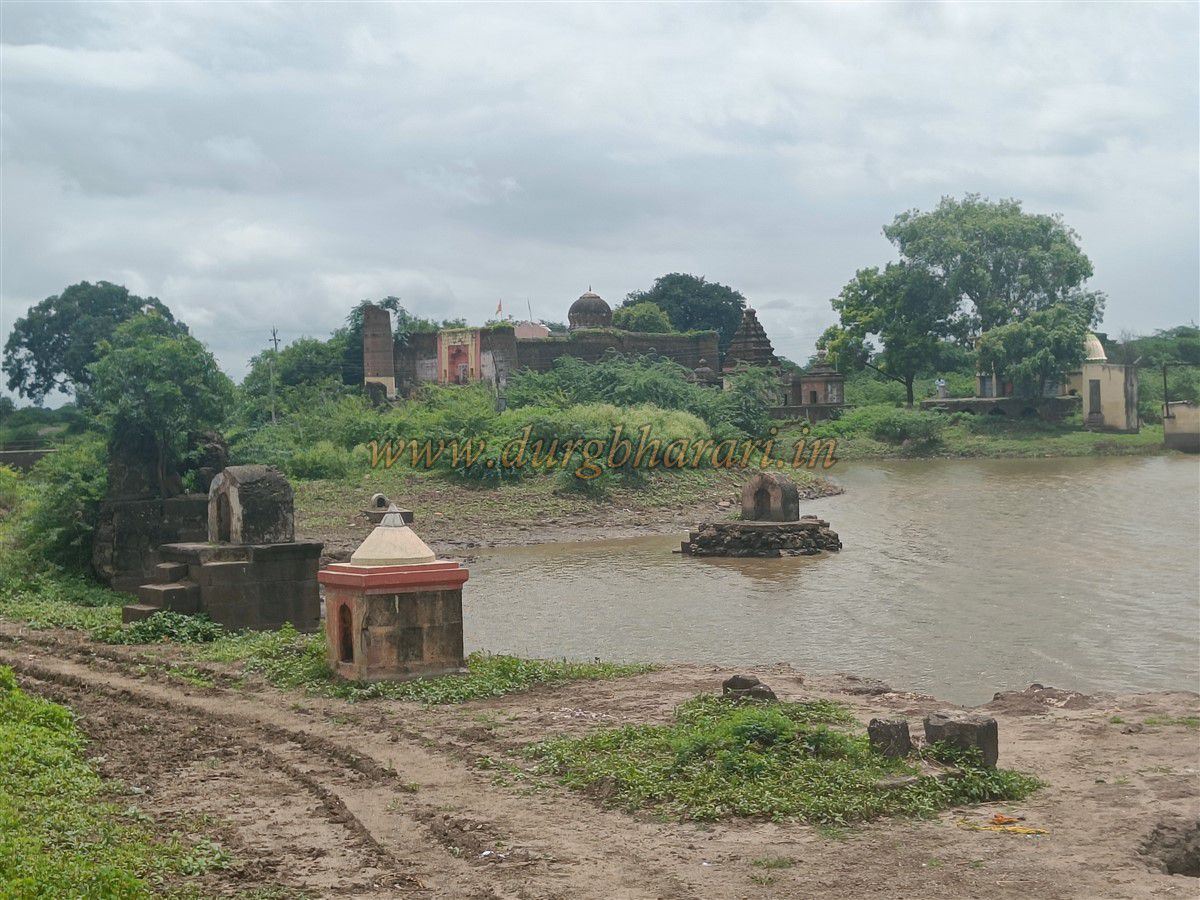
Proceeding through the village toward the Mamabhacha Temple by the Godavari River, one exits through another gate, now largely ruined. A new archway has been erected in its place. Beside this arch, a 1 km stretch of well-preserved fort wall extends toward the river. The lower part of this wall is made of finely cut stone, while the upper section is constructed with rough stones. Several bastions can be seen along this stretch. Right across from the gate is the Mamabhacha Temple, which consists of two medieval-era memorial temples (Samadhi temples). Based on the Shiva lings installed inside, it is believed that the individuals honoured here were Shaivites.
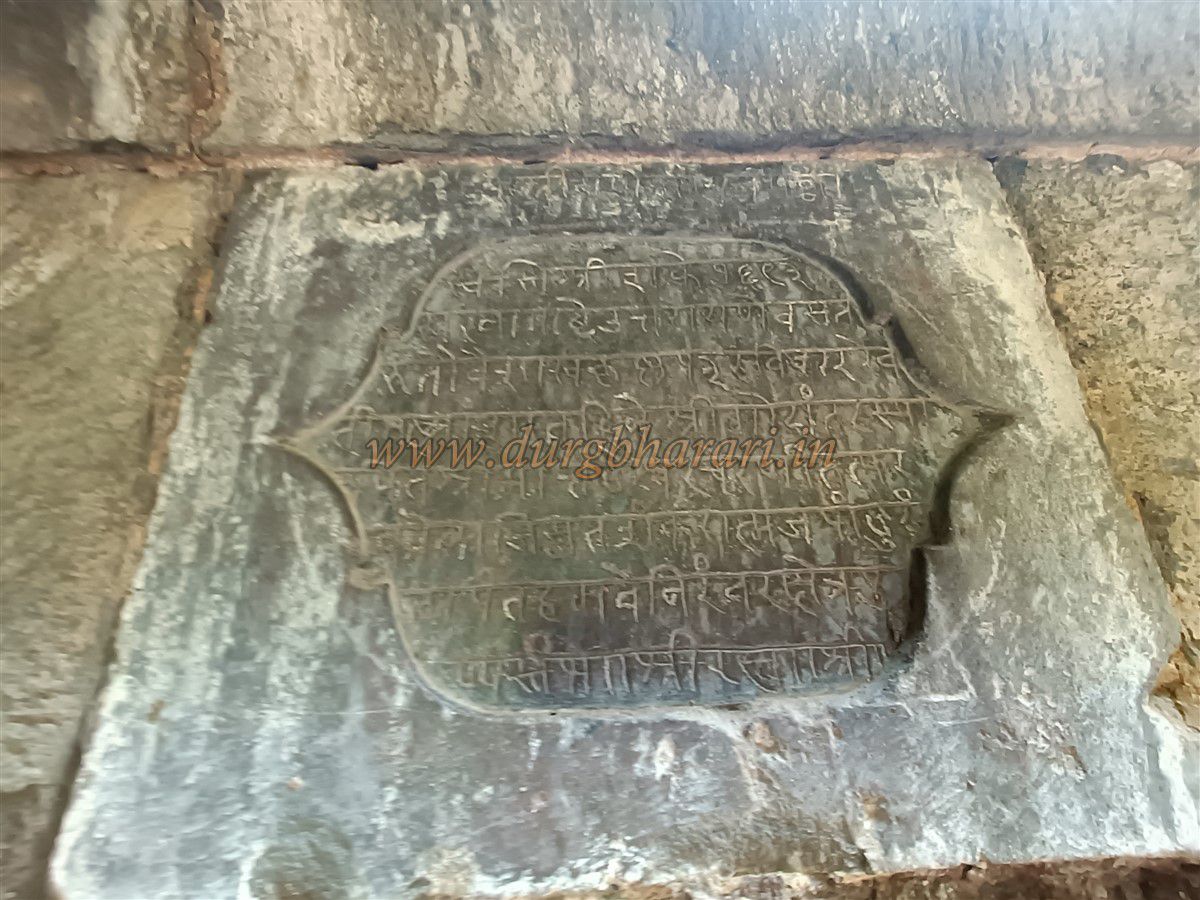
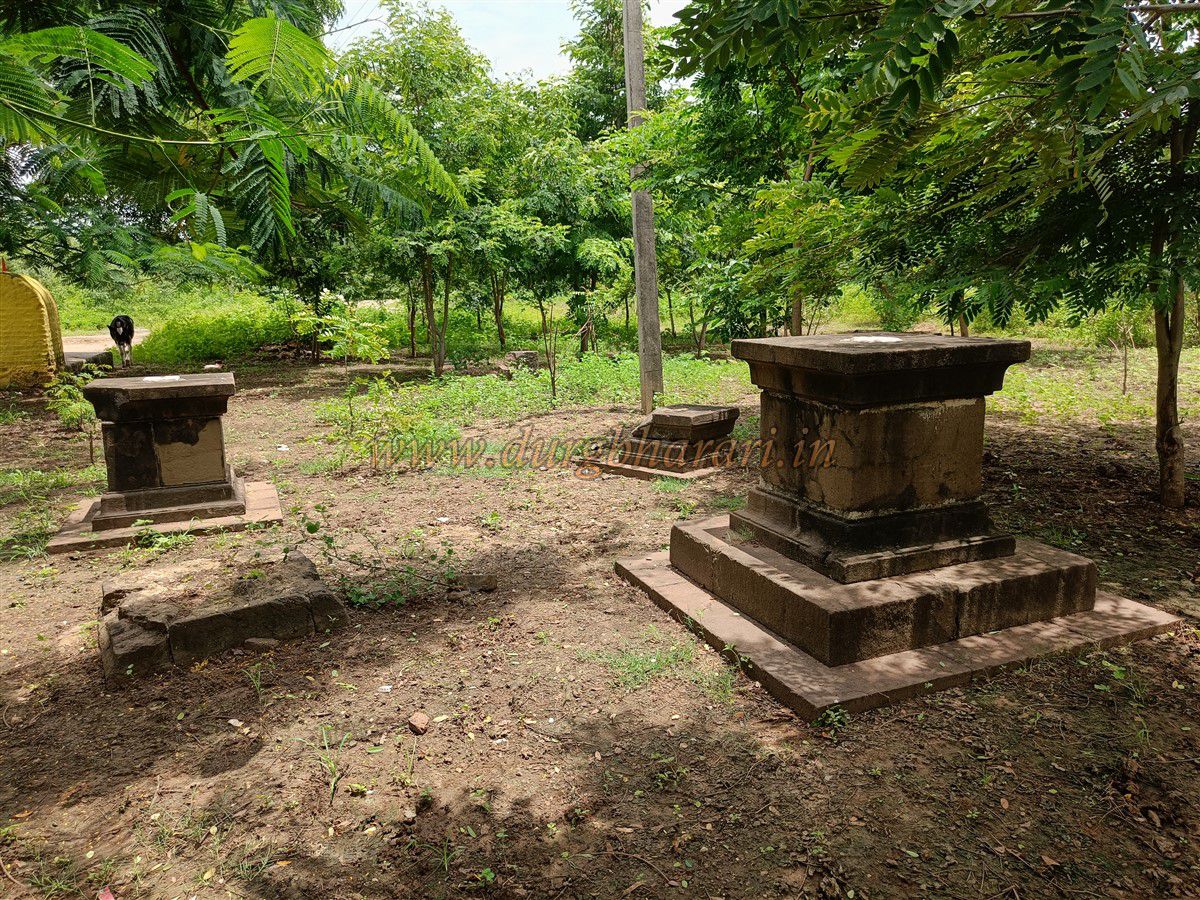
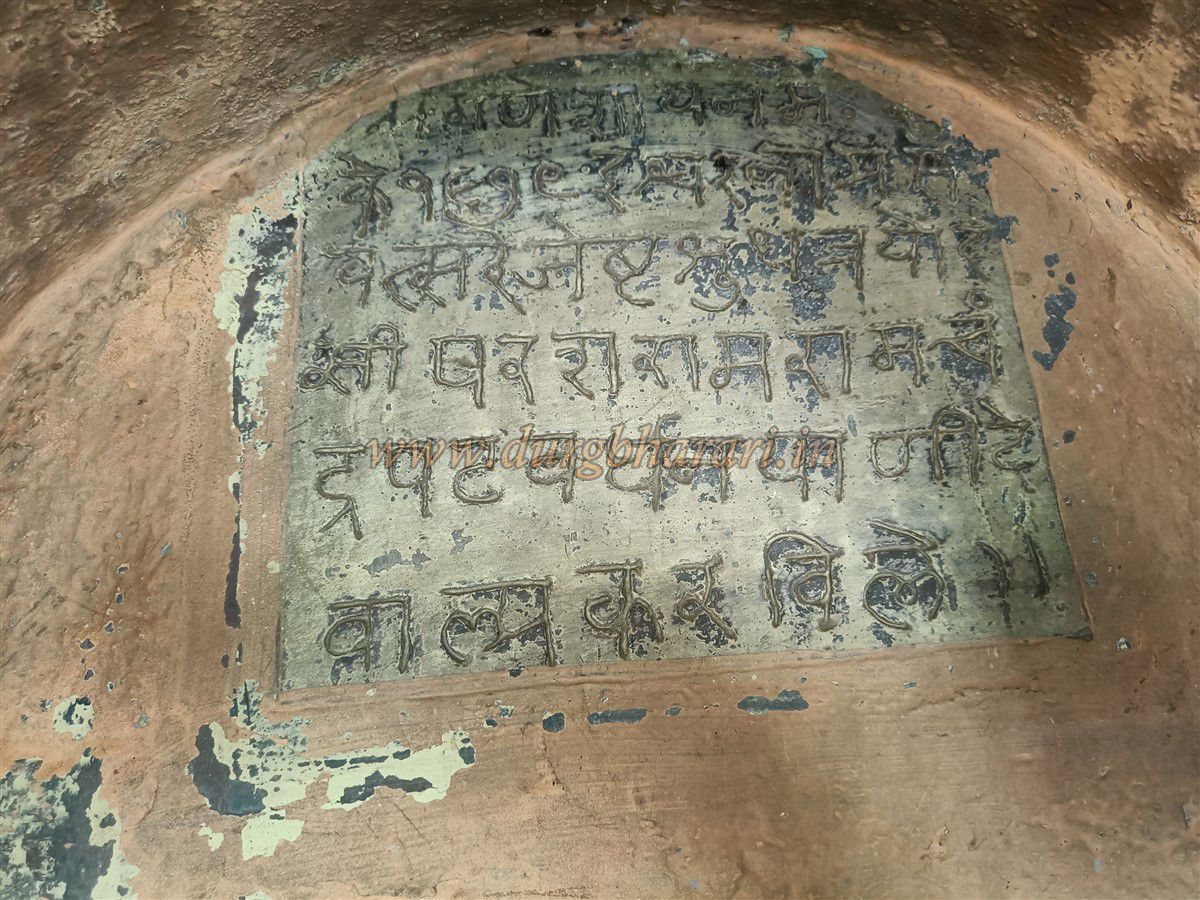
One of the Samadhi has a stone inscription stating that the structure was built in Shaka 1693 (A.D. 1771), referring to the village as Punyasthambha. Several Samadhi and shrines are found in this temple complex. After visiting the Mamabhacha Temple, one should return through the archway and follow the right side of the fort wall to continue the exploration. Along this route, a few modern houses have been built close to the wall.
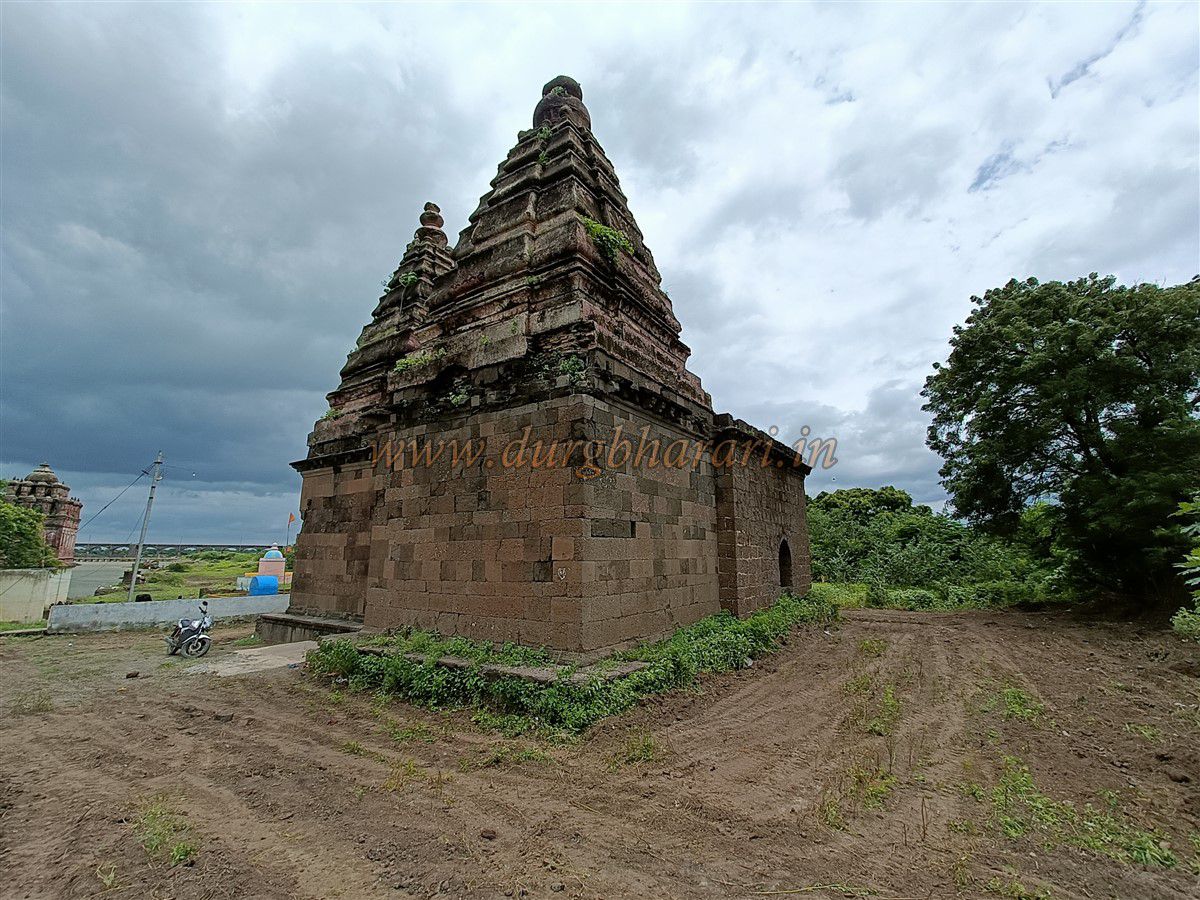
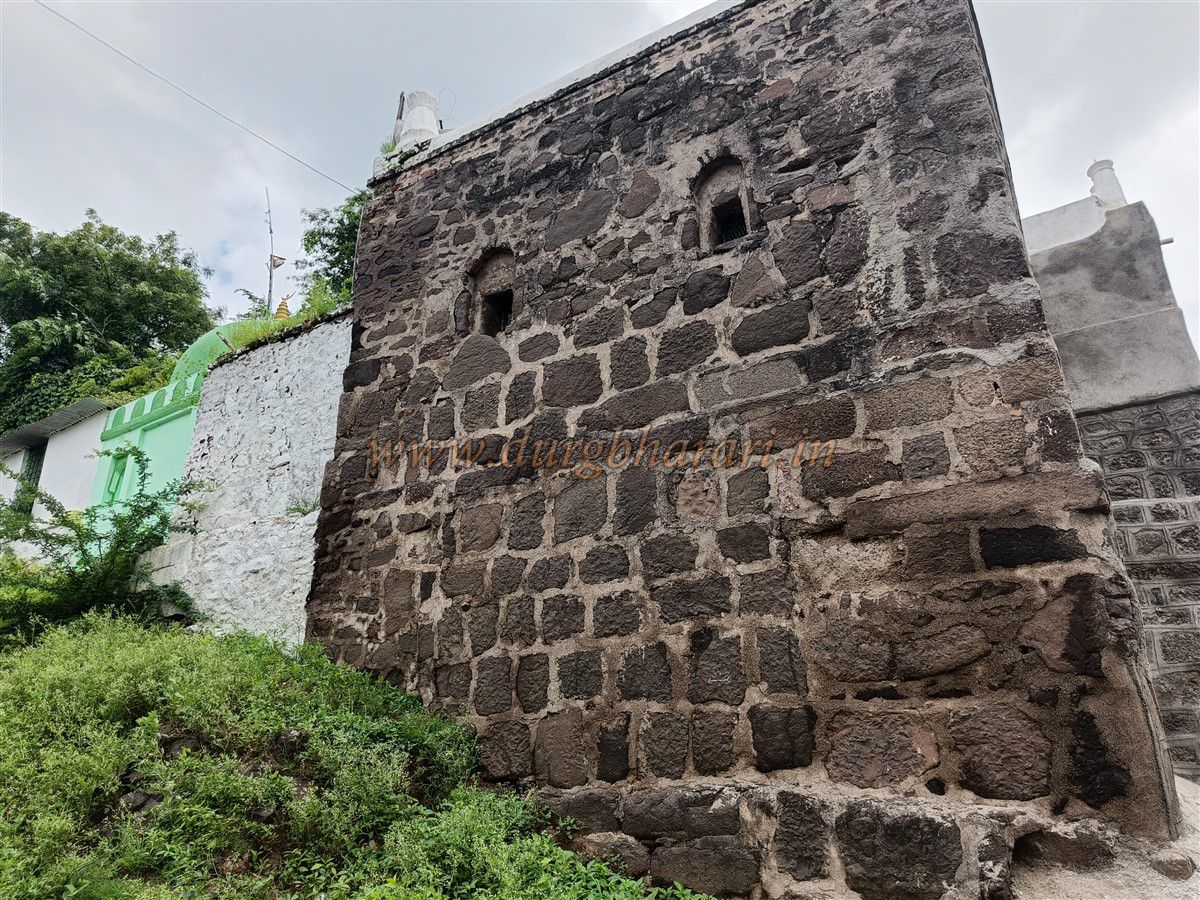
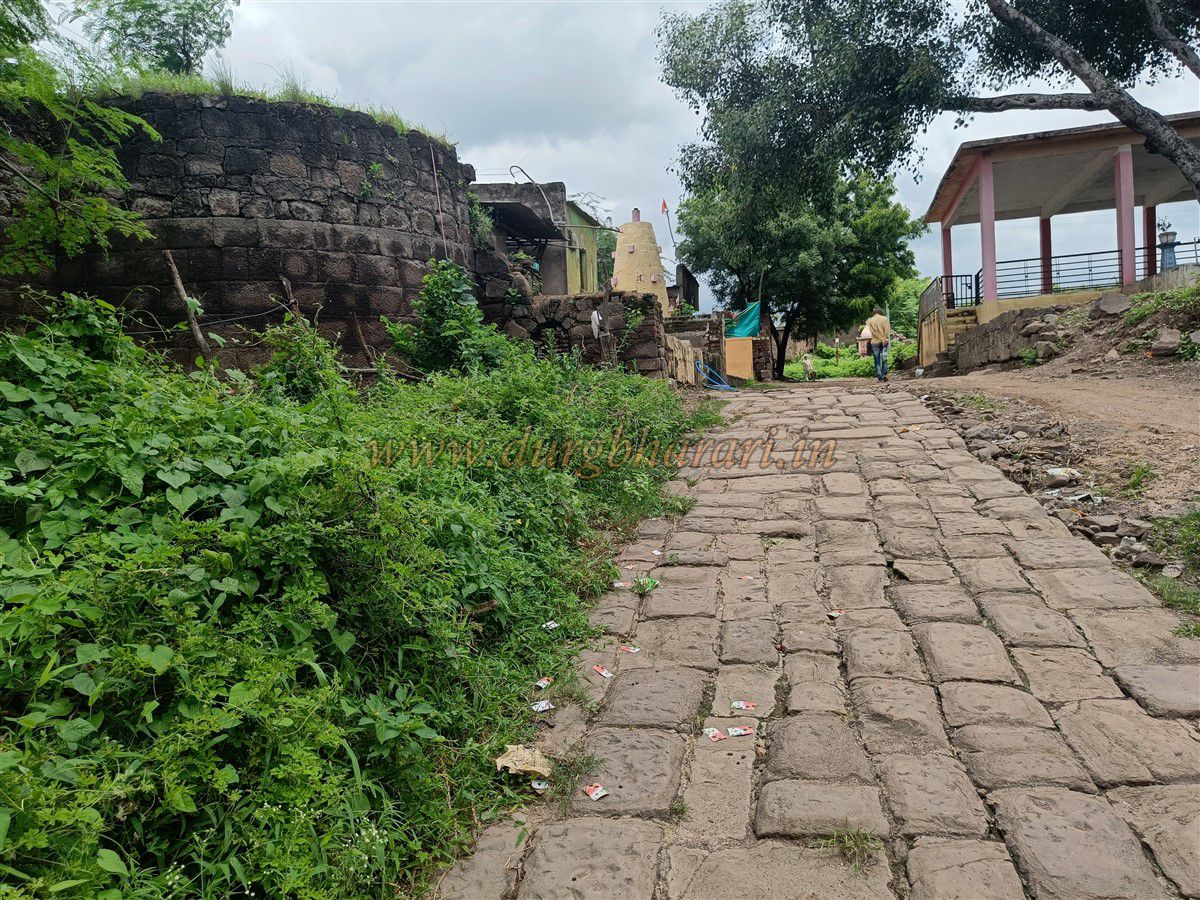
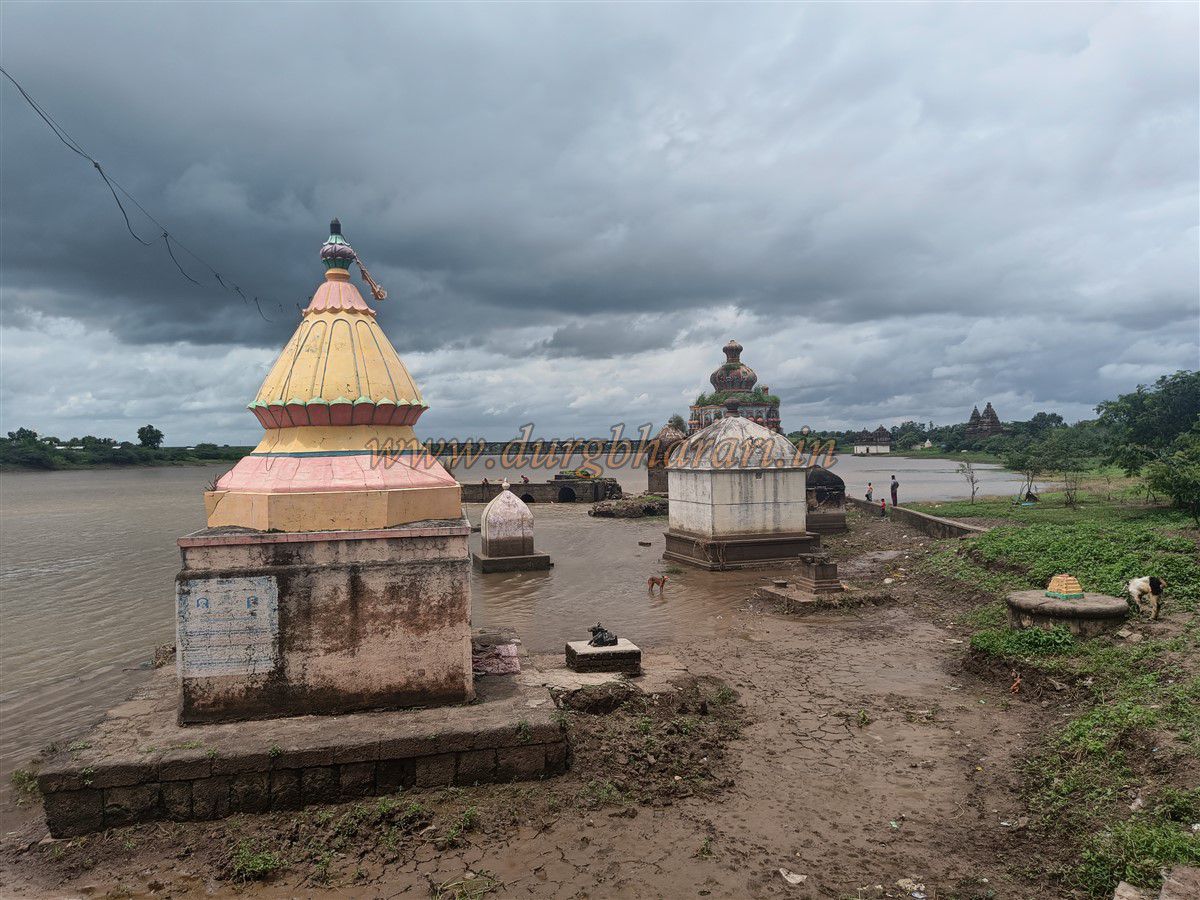
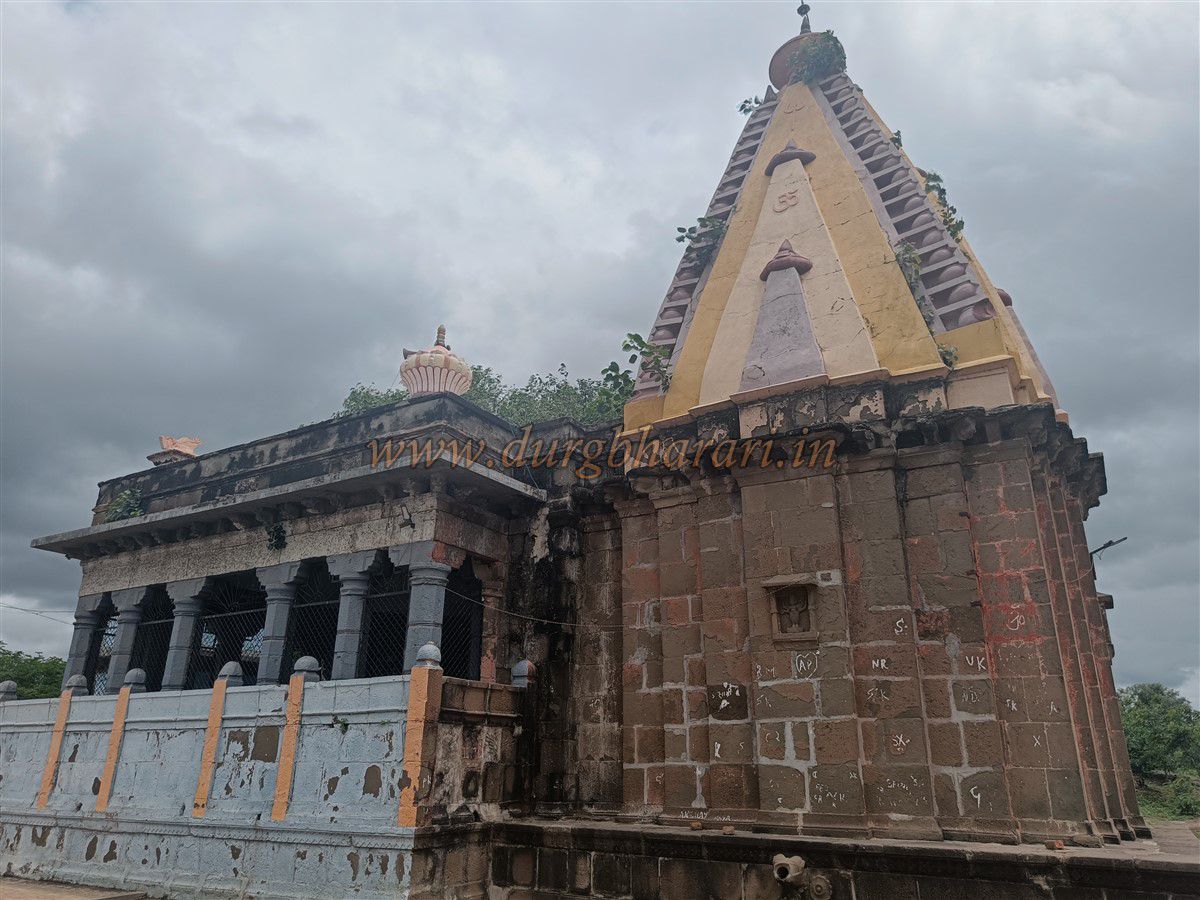
Further ahead lies the third gate, which is flanked by two square bastions. This gateway is fairly large and leads to the Godavari riverbank and temples via a stone-paved path. A dargah (Muslim shrine) is built on the adjacent bastion. Nearby, on the riverbank, are the Mahadev and Kartikeya temples. The Kartikeya temple is made of finely cut and carved stone, with a Shikhar (spire) around 40 feet tall. Inside, a Shiva Linga is found in the hall, and the main sanctum (Garbhagriha) houses a south-facing idol of Kartikeya. The outer niches hold idols of Ganesha, Parvati, and Ganga.
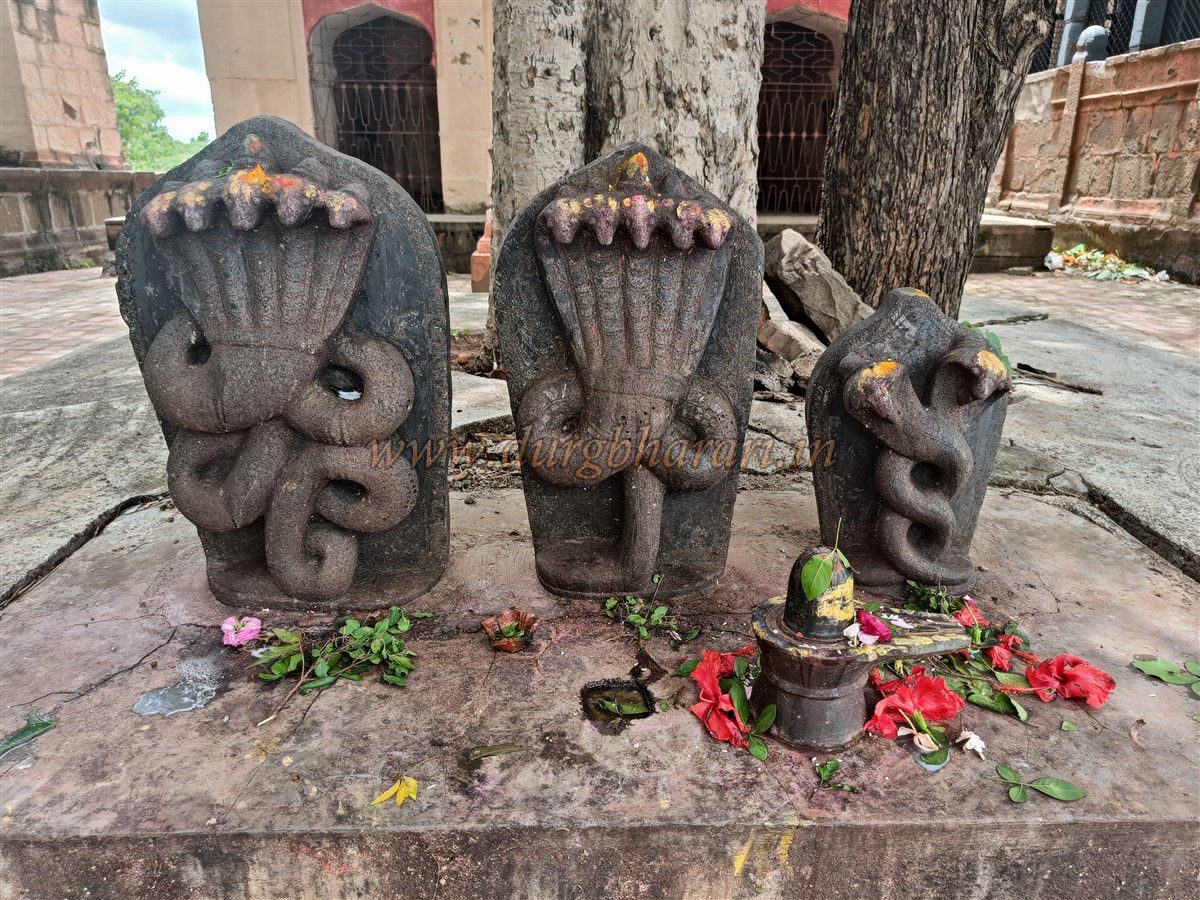
Next to this stands the Mahadev Temple, also built in stone. An inscription here states that it was built in Shaka 1619 (A.D. 1697) by Parashuram Ramchandra Patwardhan. Along with the inscription at Mamabhacha Temple, this suggests that much of this construction took place in the late 17th to 18th centuries. The temple courtyard contains various carved serpent sculptures (Naga idols).
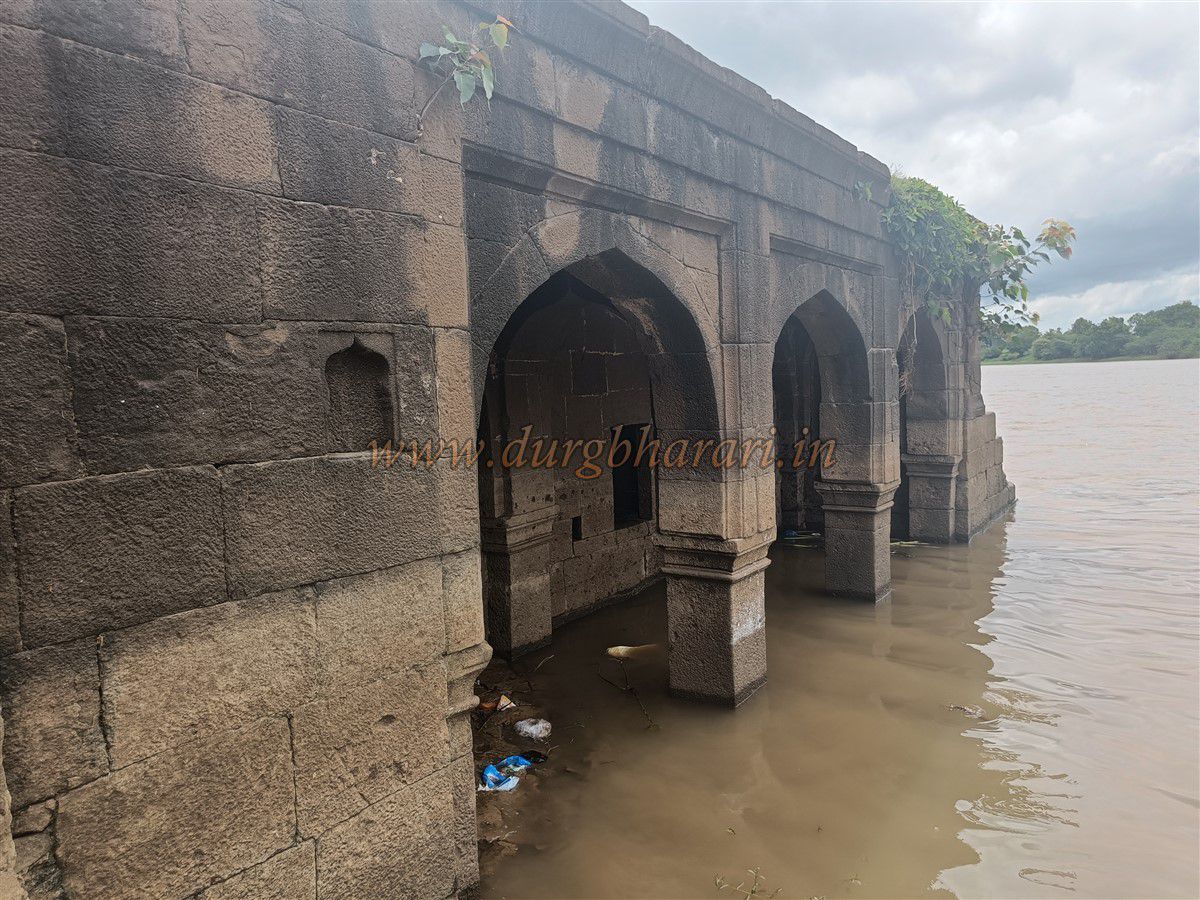
Behind the temples, a Ghat (riverfront steps) is built along the riverbank. While it is said to have been built by Ahilyabai Holkar, the temple inscription and architectural similarity suggest it was likely constructed concurrently with the temples. Since the Godavari flows southward at this point, Puntamba became a major location for last rites, post-funeral rituals (uttarkriya), and shraddha ceremonies. For this purpose, the Ghat was built alongside the temple to serve pilgrims.
Locals believe that the fort walls surrounding the town were built by Jamkhandikar Patwardhan, which is supported by the Patwardhan name found in the temple inscription.
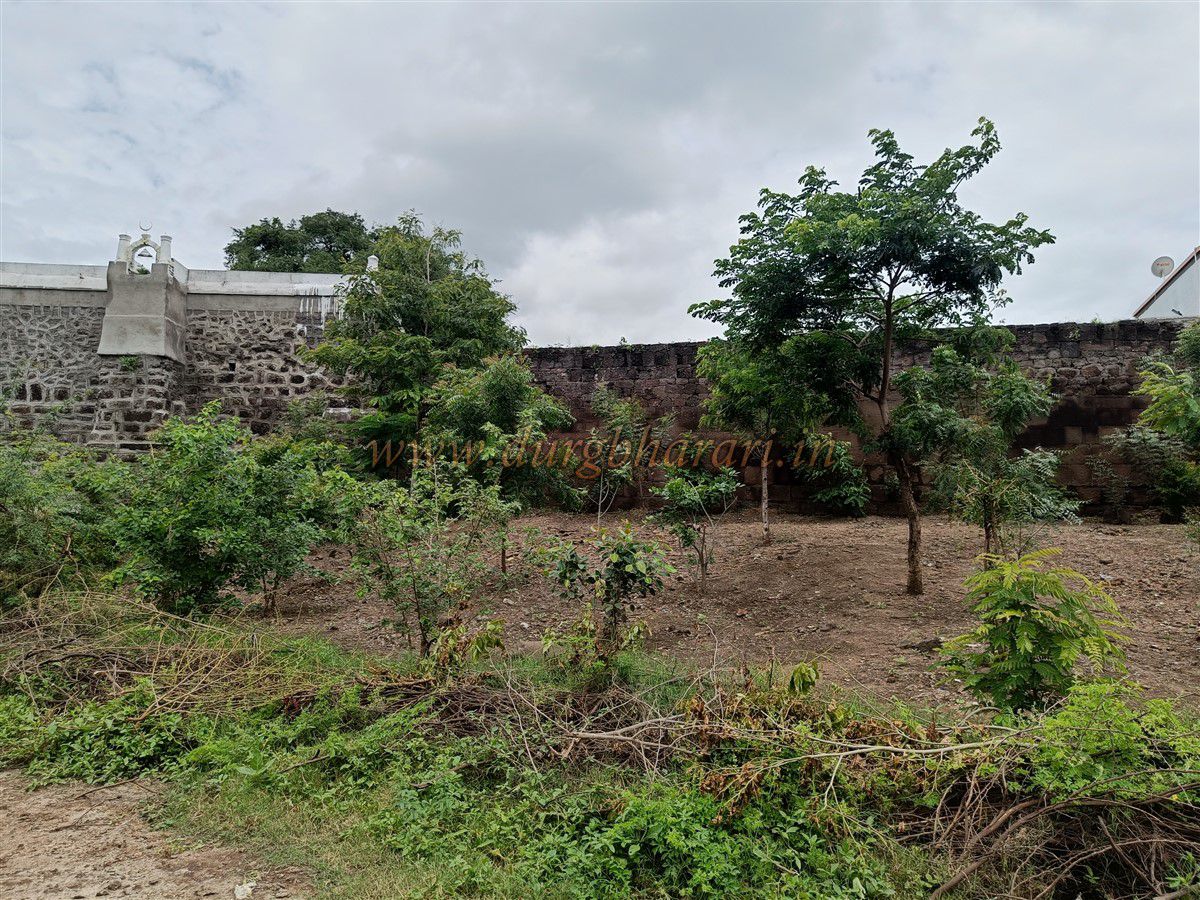
A little further ahead, near the riverbank, is the Yajnyaseni Devi Temple. On the way there, one encounters the fourth gate of the fort. This gate is built between two bastions, with a cross-wall and additional bastion providing extra defence. From this gate, another stone-paved path leads toward the river.
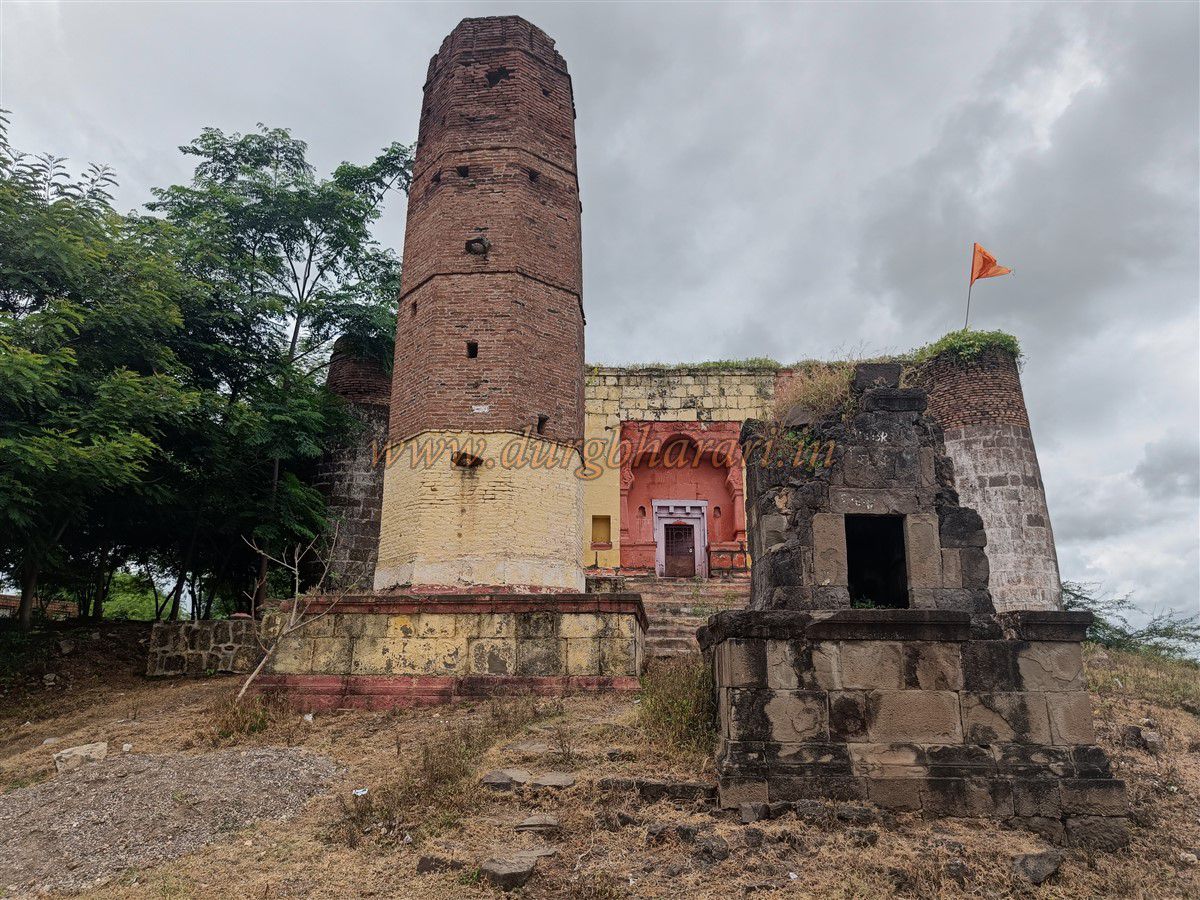
Opposite this gate, across the river, stands the Yajnyaseni Devi Temple, enclosed within its own fortified compound. This compound has four bastions at its corners and a 30-foot-tall deepmala (lamp tower) in front of the main gate. A staircase inside the lamp tower allows access to its top. Beside the deepmala is a large stone platform for a Samadhi (memorial).
While exploring the riverside temples, one can observe the fort wall and bastions clearly along the river. Apart from these temples, the village also has important shrines dedicated to Khandoba, Kalbhairav Nath, and Changdev Maharaj.
It takes about two hours to explore the fortified town of Puntamba and its riverside temples.
© Suresh Nimbalkar
GALLERY