PRAYAGRAJ
TYPE : GROUND FORT
DISTRICT : PRAYAGRAJ
GRADE : EASY
While creating the Durgbharari website, the original intent was to provide information only about forts from the Swarajya period and forts within Maharashtra. However, due to work-related travel across India, I had the opportunity to visit many forts in other states as well. Over the years, I have toured several such forts, but never included their details on the website. Now, with some free time on hand, I have decided to share information about a few important forts I have visited outside Maharashtra—beginning with the fort at Allahabad, located at the confluence of the rivers Ganga, Yamuna, and the hidden Saraswati.
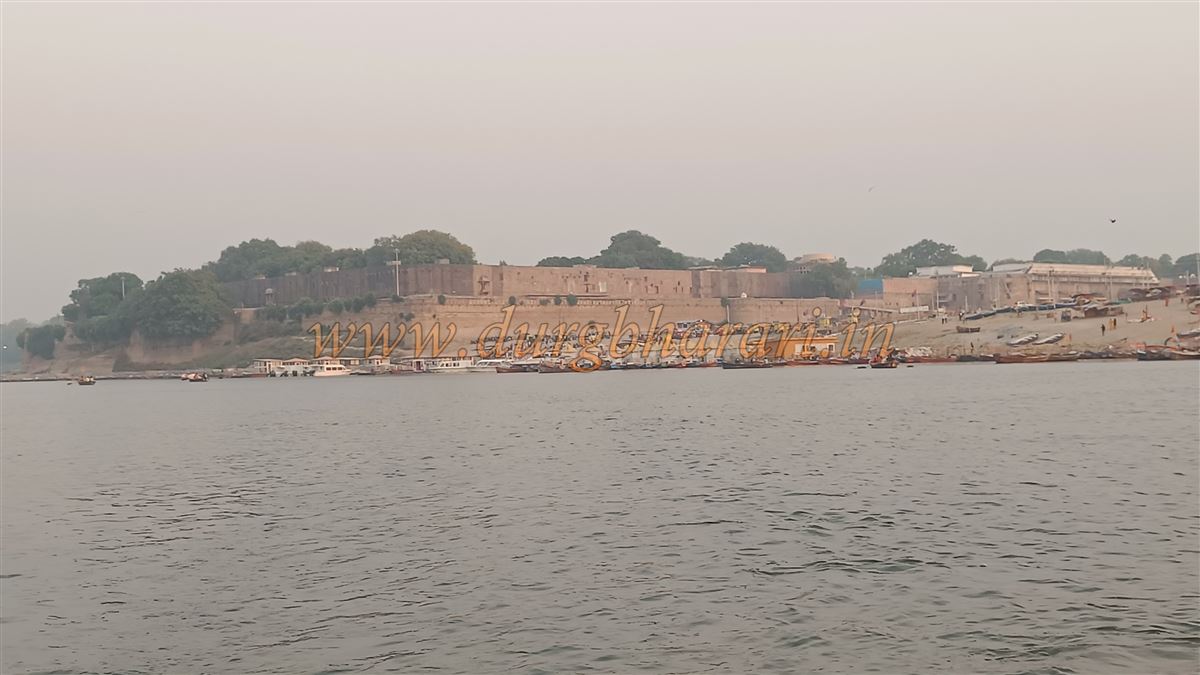
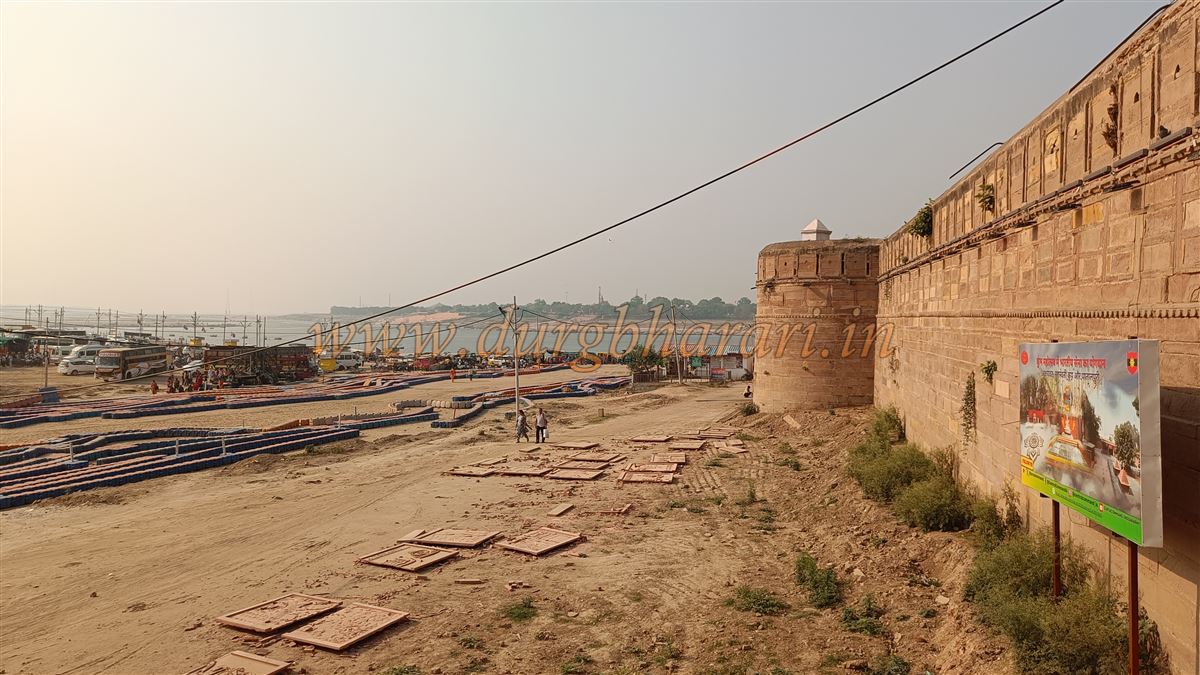
This fort lies primarily on the banks of the Yamuna. Inside, there is an inscription stating that construction was carried out here in 1583 CE.
...
According to the court historian Abul Fazl in the Akbarnama, Mughal emperor Akbar built this fort in that same year. Abul Fazl writes: “For a long time, [Akbar] had desired to build a magnificent city and an excellent fort at Prayag, where the Ganga and Yamuna meet. This place is considered extremely holy by the people of India and is a pilgrimage site for many ascetics.” Akbar named the fort Ilahabas (“City of God”), which later became Ilahabad. Since Akbar built it, it was also known as Akbar Fort. In keeping with its current official name, it is now more appropriate to refer to it as Prayagraj Fort.
According to historian Catherine Asher, Akbar decided to build this fort to gain control over rebellions in eastern India. In addition to its strategic location, the fort’s position allowed for collecting taxes from pilgrims visiting the Triveni Sangam. Local Prayagwal Brahmins say that during its construction, the foundation repeatedly collapsed until Akbar was told that a human sacrifice was necessary. A local Brahmin is said to have volunteered for the sacrifice, in return for which Akbar granted his descendants—the Prayagwal Brahmins—the special right to serve pilgrims at the Sangam. (The original story may be different and is best left untold.)
Of all the forts Akbar built during his reign, Allahabad (Prayagraj) Fort is the largest. Historian William Finch records that 5,000 laborers worked on its construction for forty years. In 1600 CE, Mughal prince Salim rebelled against Akbar and established his own court here, but the rebellion was short-lived.
In 1765, after the Battle of Buxar, the Treaty of Allahabad placed the fort under East India Company control, with troops stationed here to protect Mughal emperor Shah Alam II. The treaty was signed between British commander Robert Clive, Shah Alam II, and Shuja-ud-Daula, the Nawab of Awadh. Shah Alam disliked this arrangement and fled to Delhi in 1772, attempting to hand over Allahabad to the Maratha Empire. The British intervened, denied Shah Alam’s claim, and handed ownership of the fort to Shuja-ud-Daula.
After Shuja-ud-Daula death in 1775, his son Asaf-ud-Daula became Nawab. Despite repeated Company attempts, he did not surrender the fort. Upon his death in 1787, he left no heir and was heavily indebted to the Company. Sadat Ali Khan seized power but, due to financial troubles, ceded the fort to the East India Company in 1798. Three years later, in 1801, he handed over the entire Allahabad district to the British. From then on, Allahabad became part of Company territory, and the fort served as a major military base.
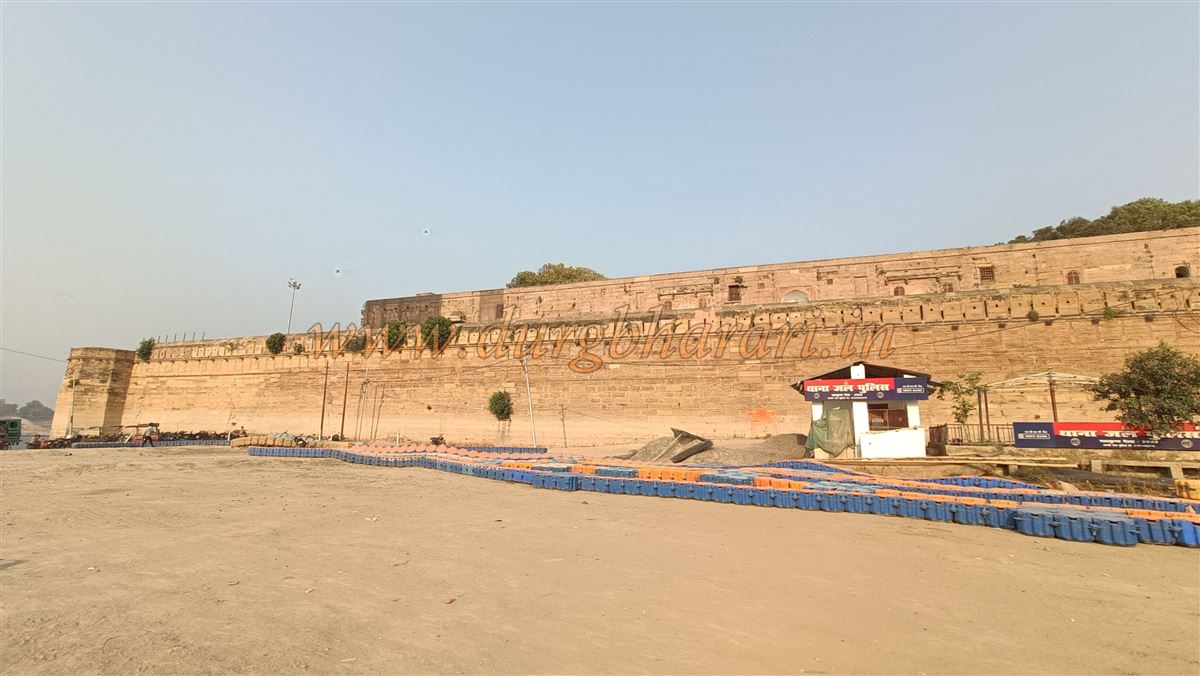
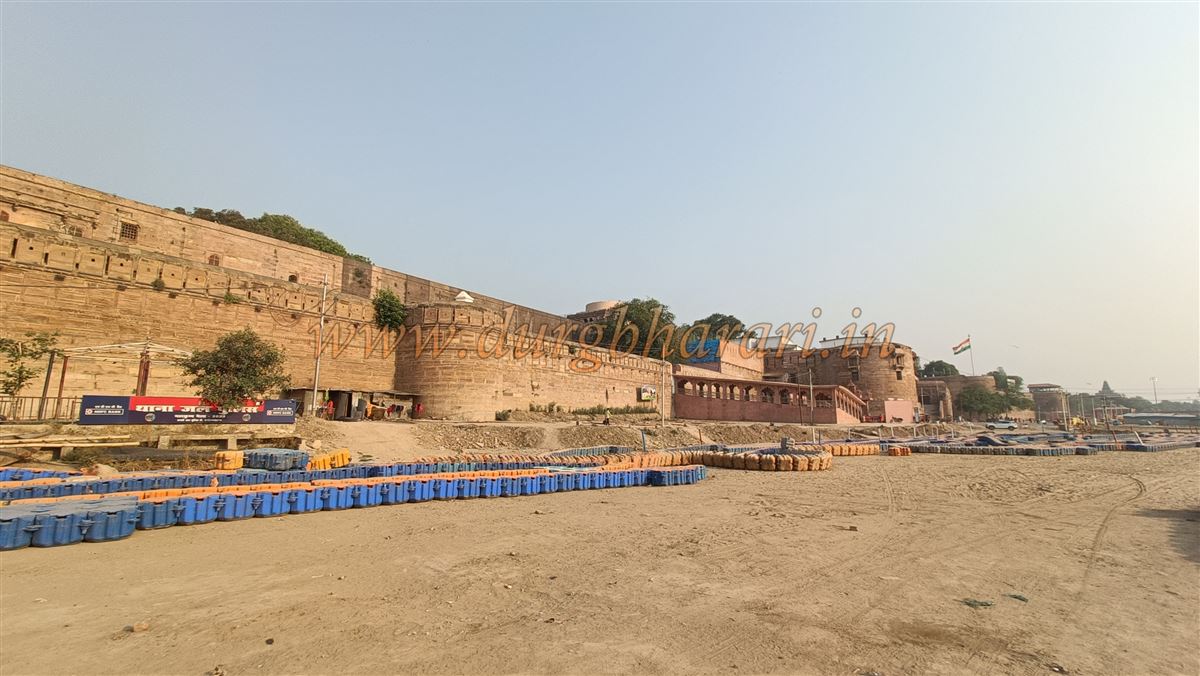
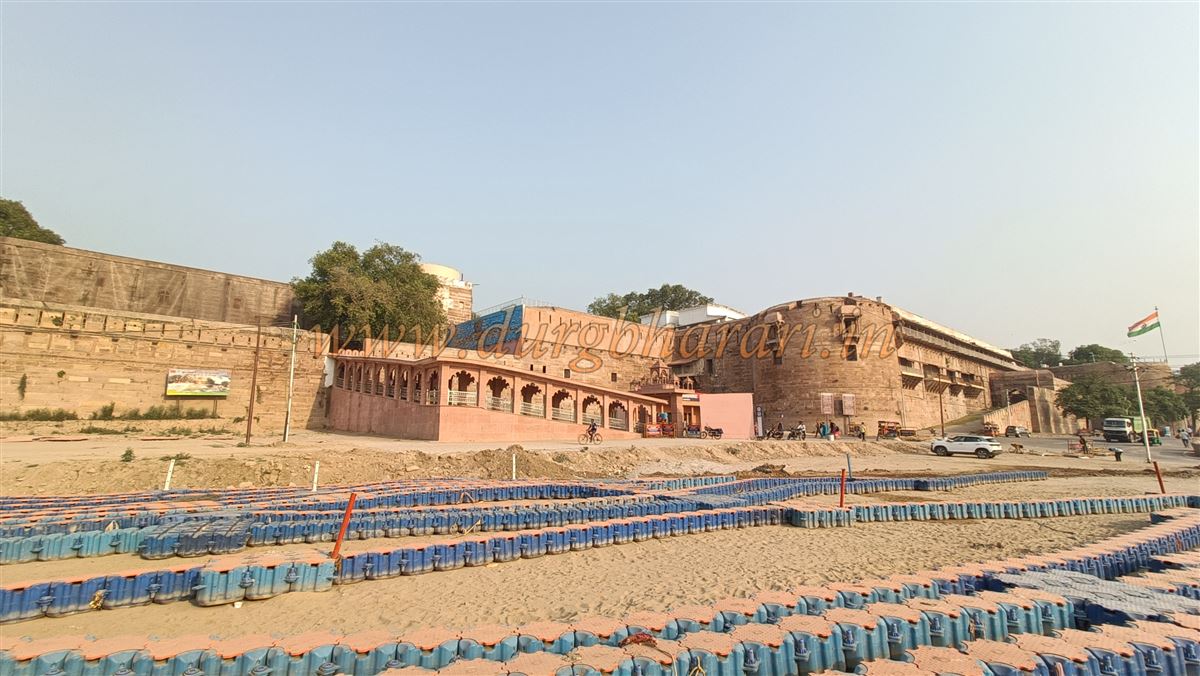
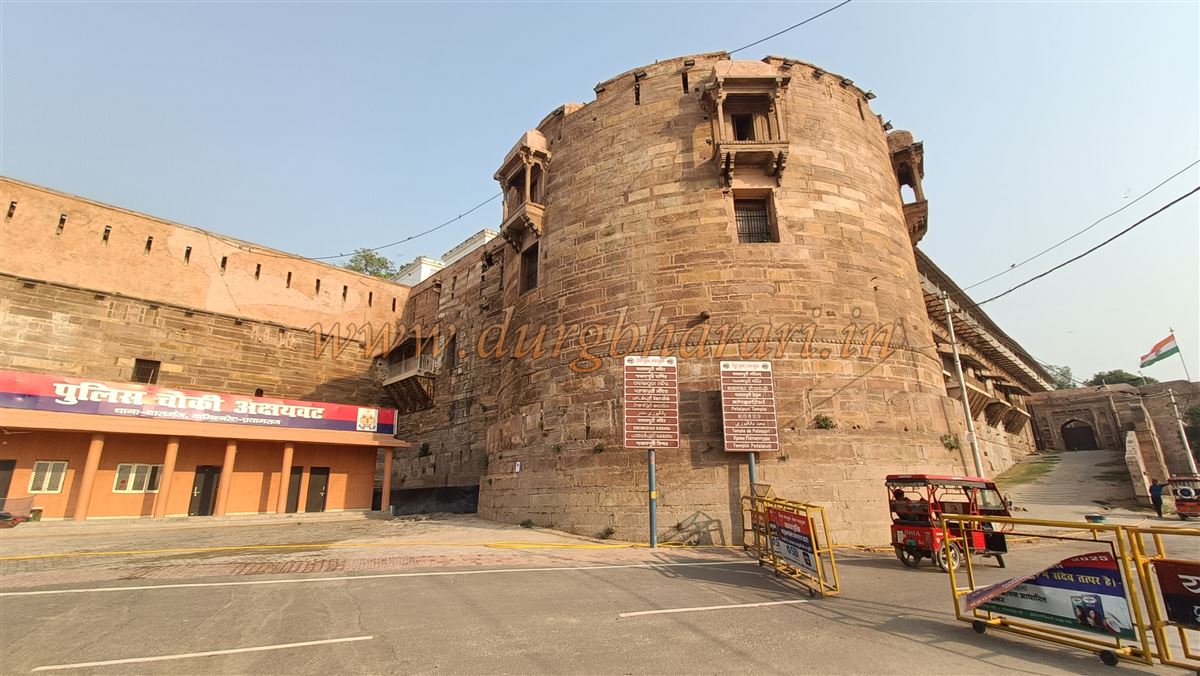
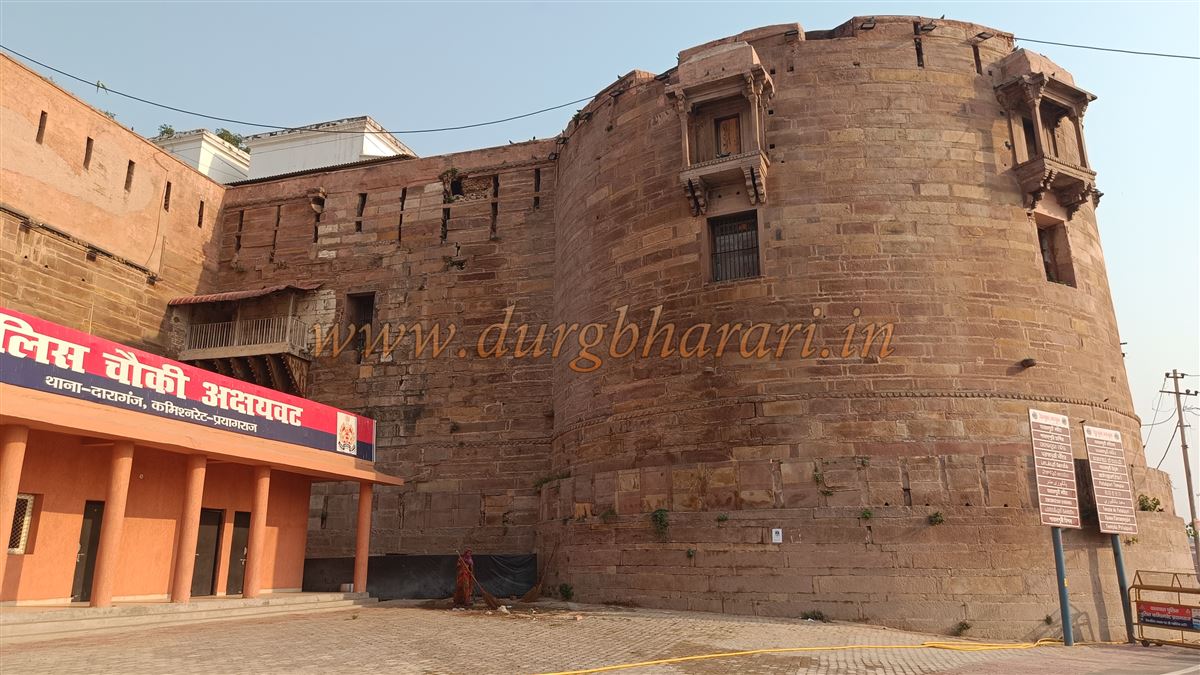
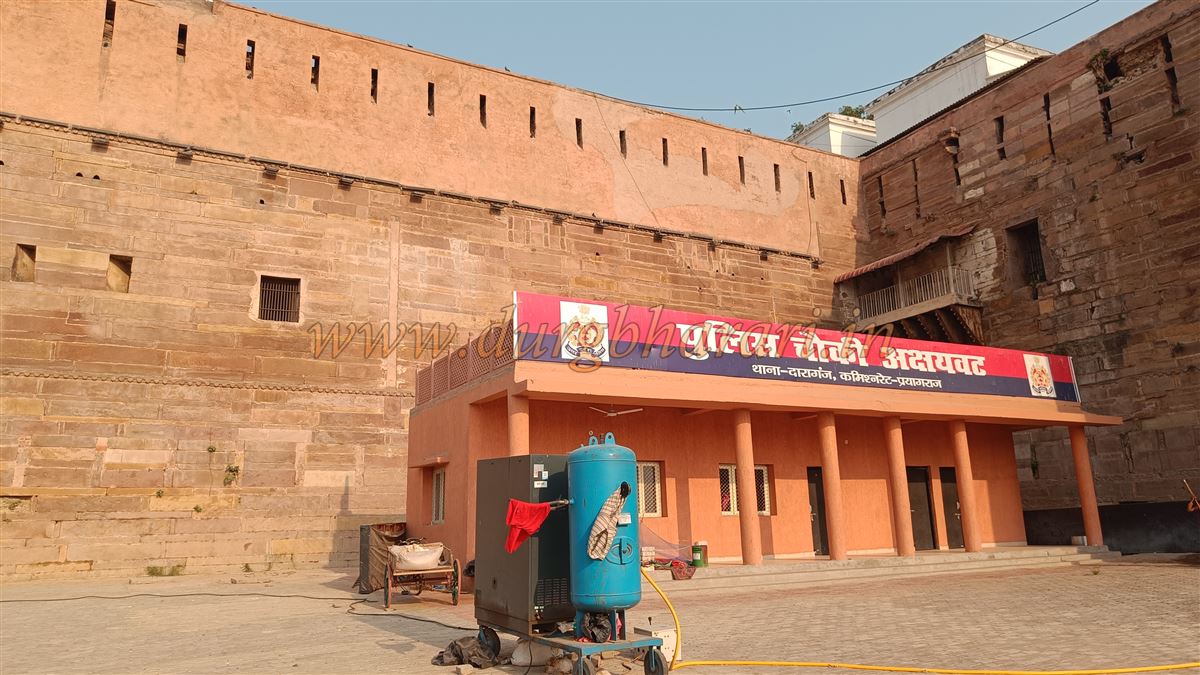
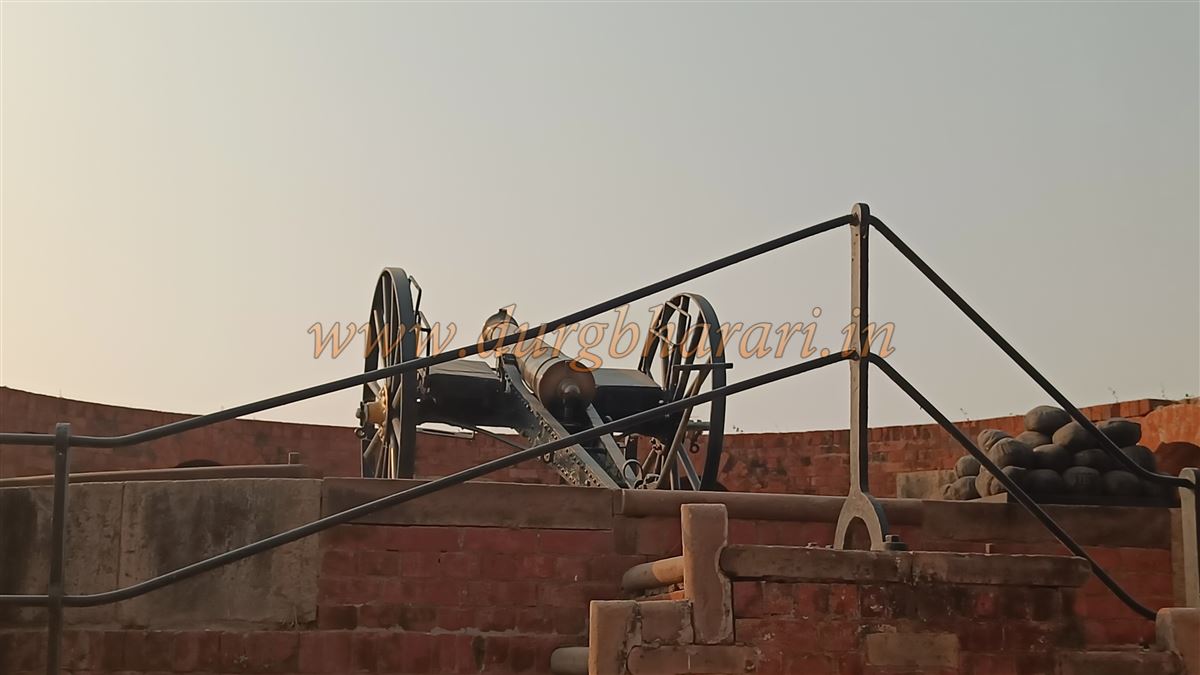
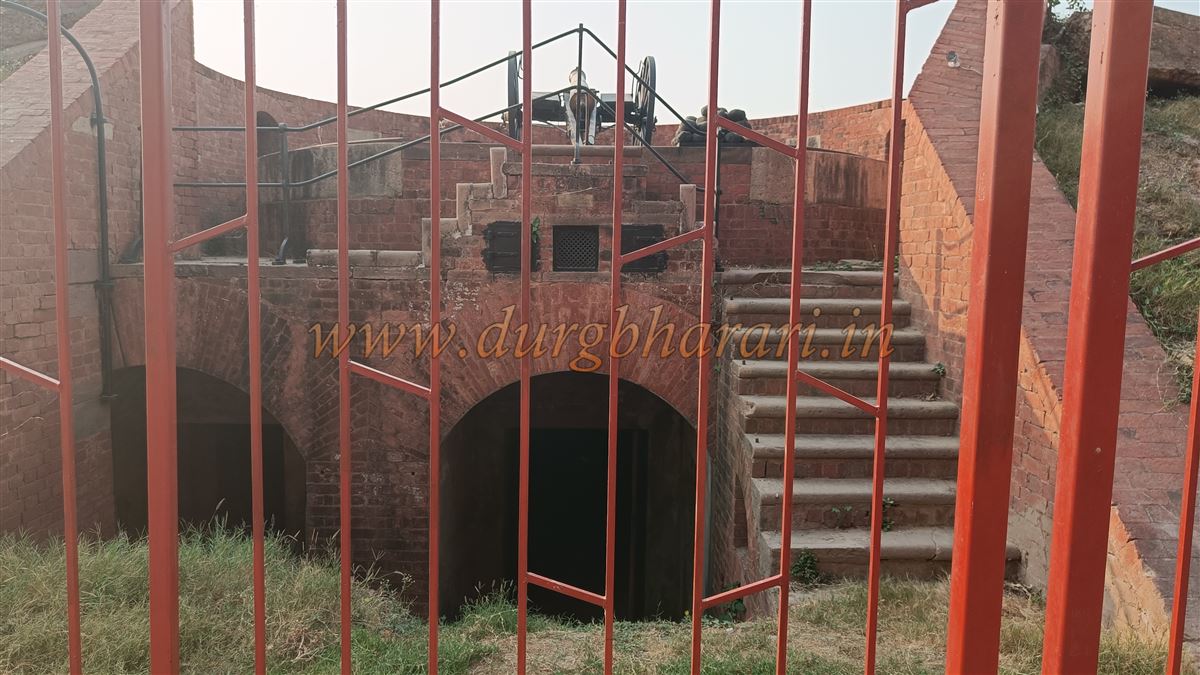
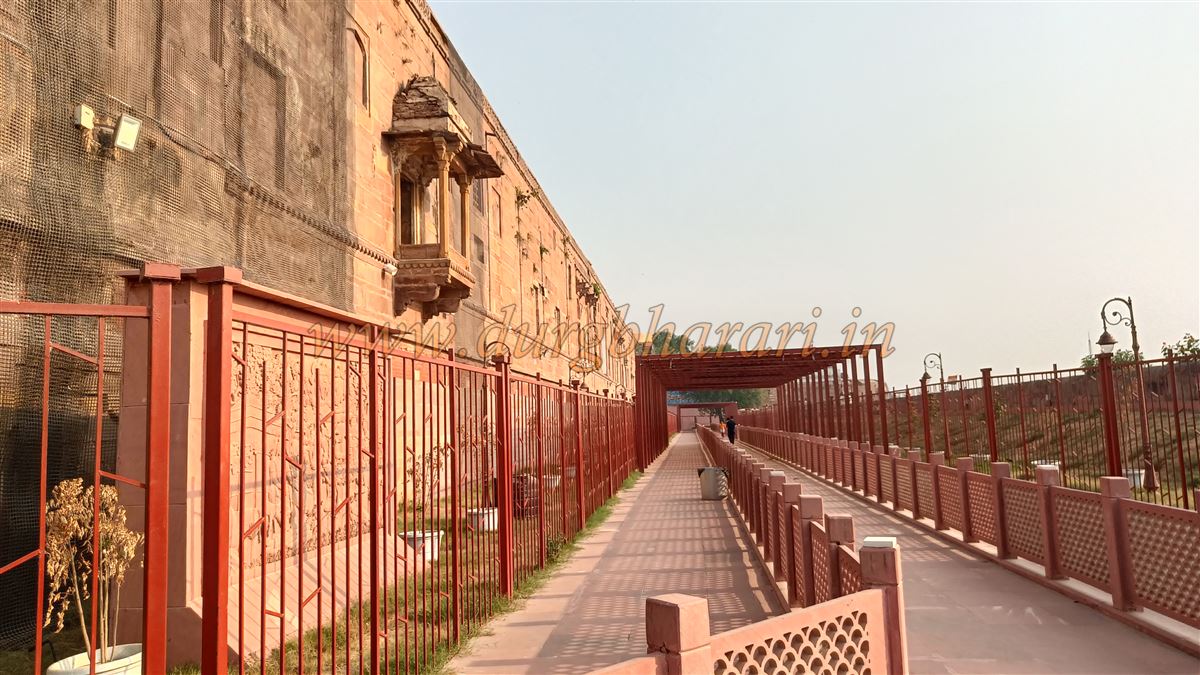
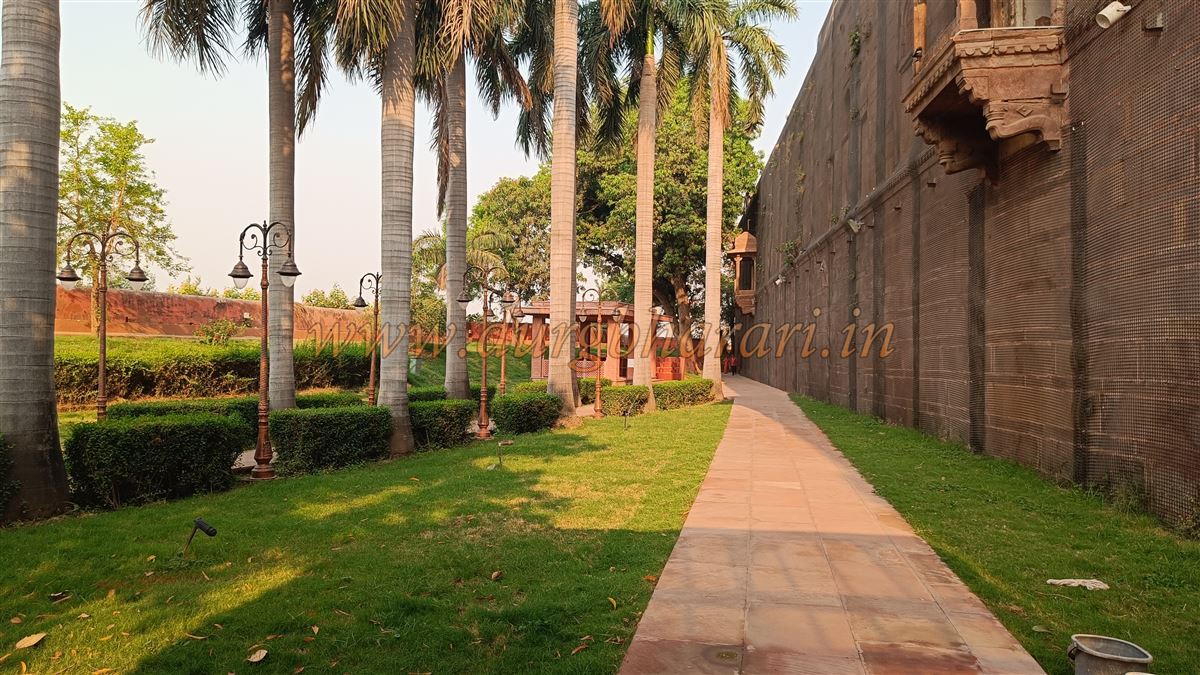
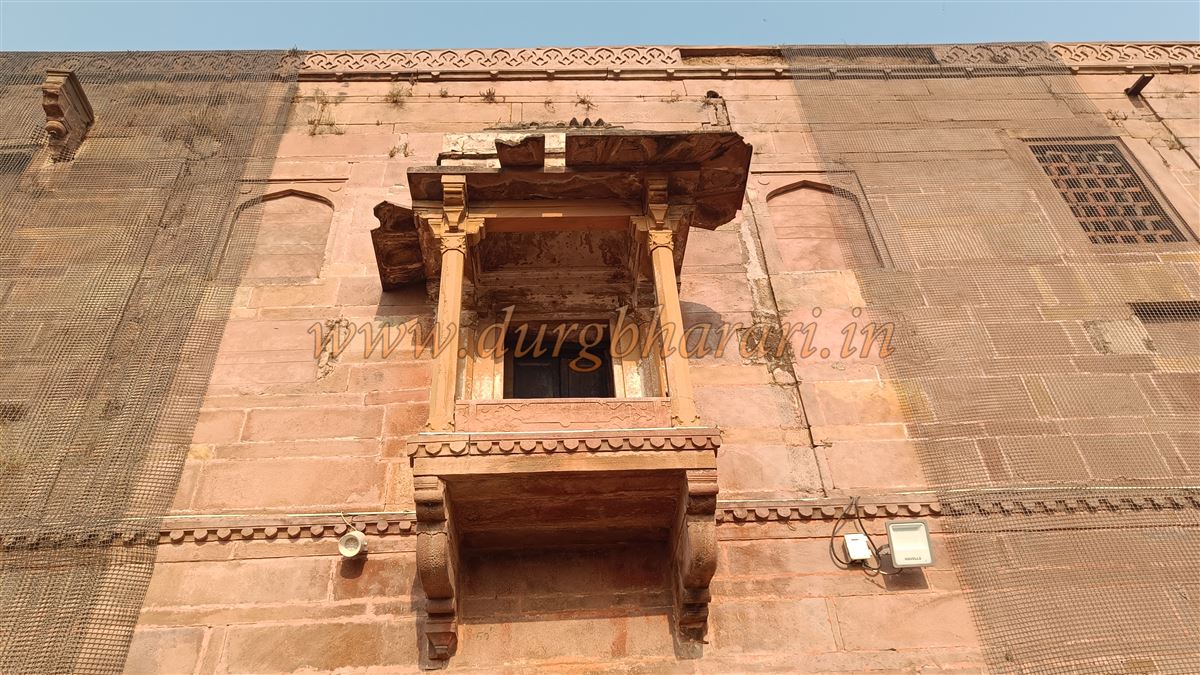
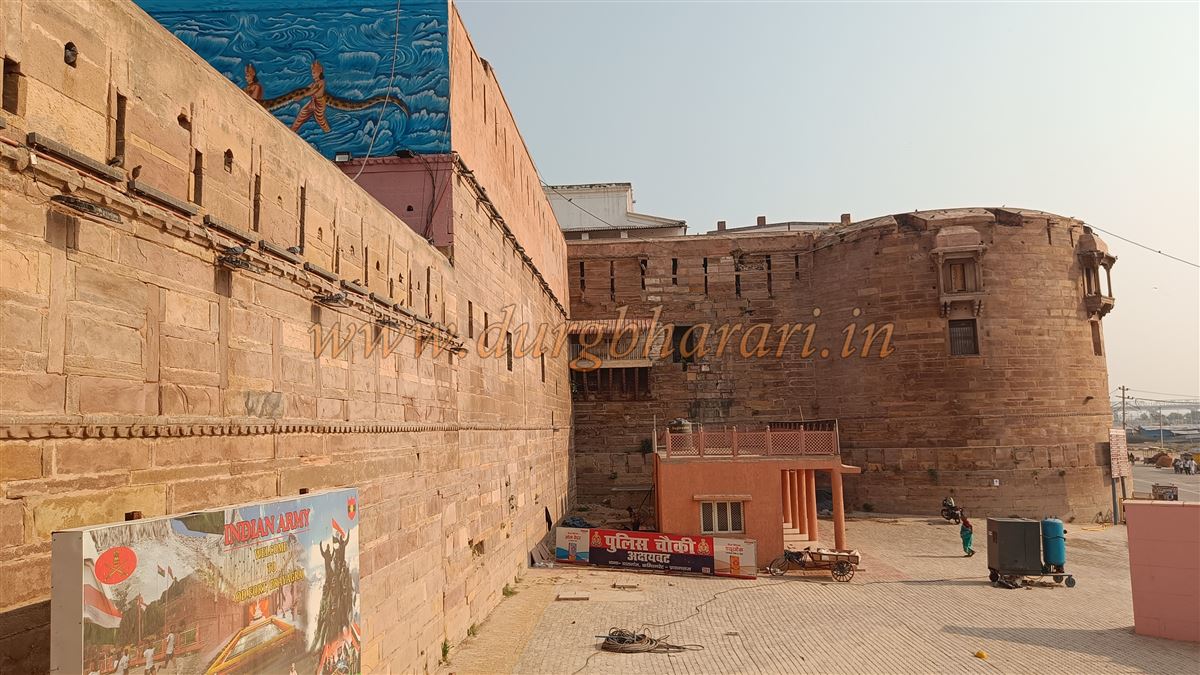
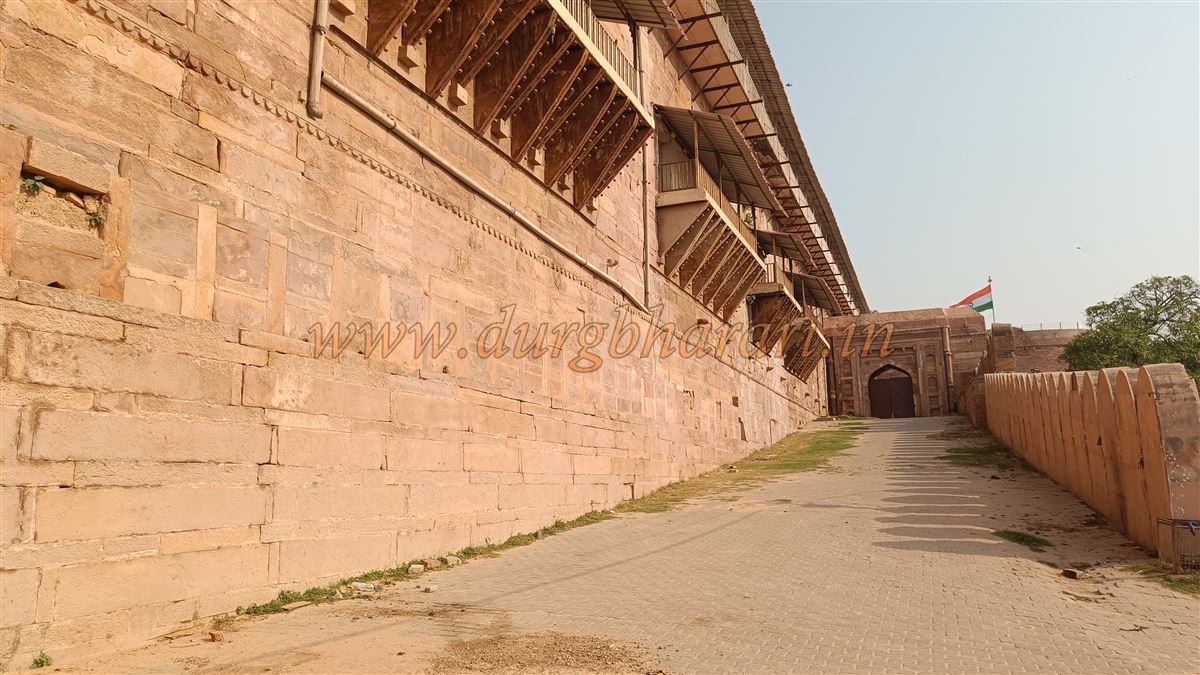
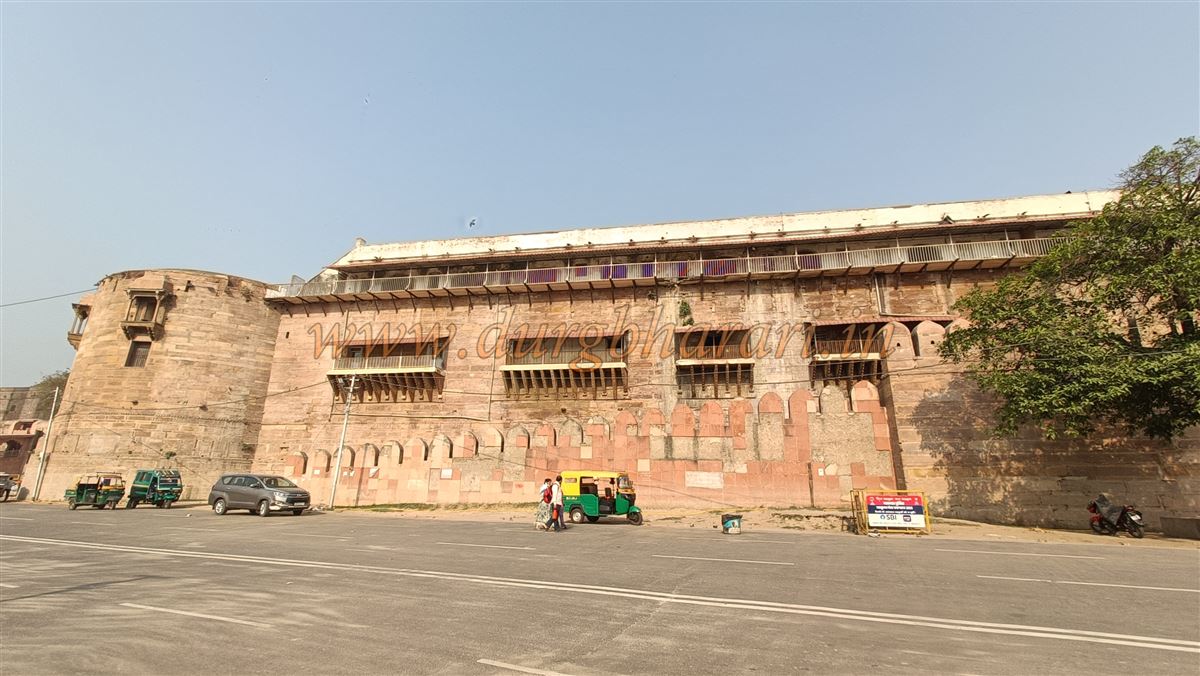
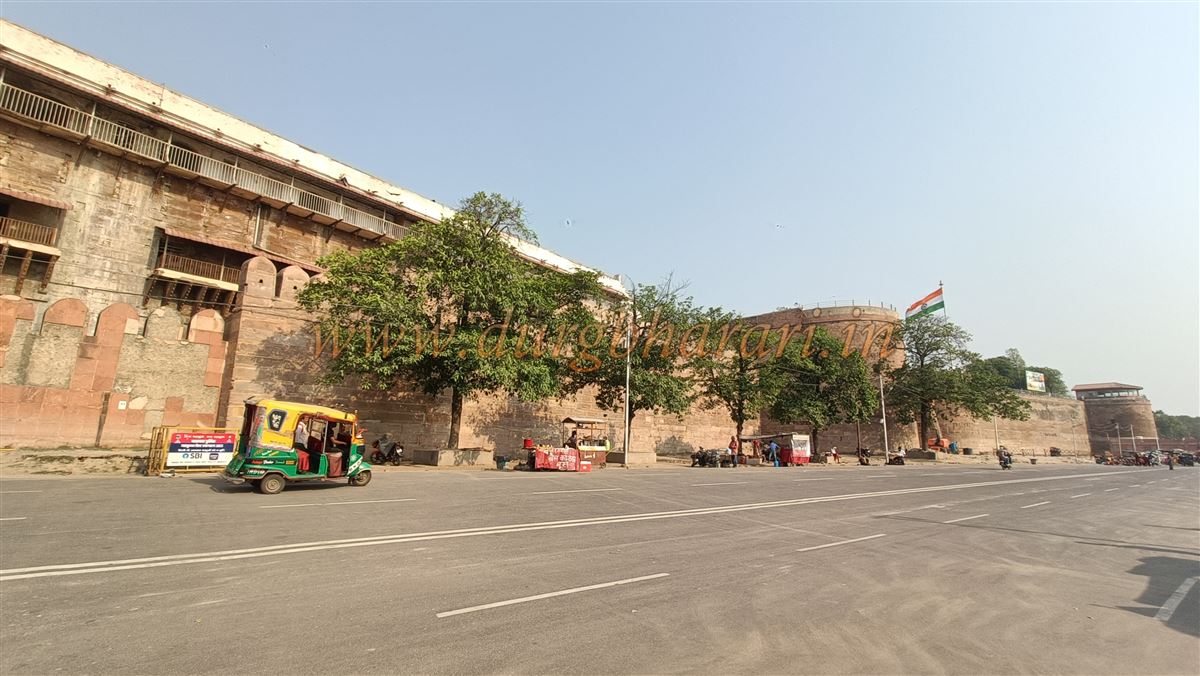
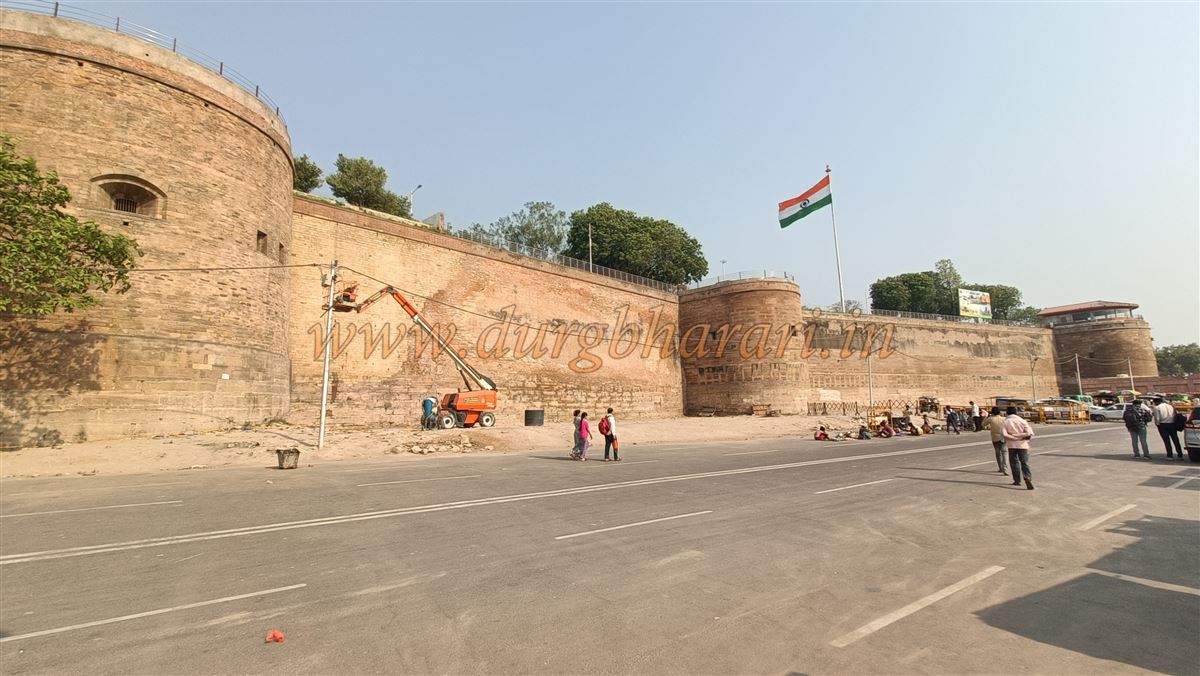
During the Revolt of 1857, the fort was briefly used as a prison. After India’s independence, the Indian Army took control, and even today most of the fort remains an ordnance depot. Visitors are allowed to see only specific sections; the rest is under military control. In medieval times, the fort was an important administrative center of the Mughal Empire in northern India. Prayagraj Fort is an excellent example of a blend of Mughal and local architectural styles. Spread over approximately 173 acres, it features remarkable construction and carvings.
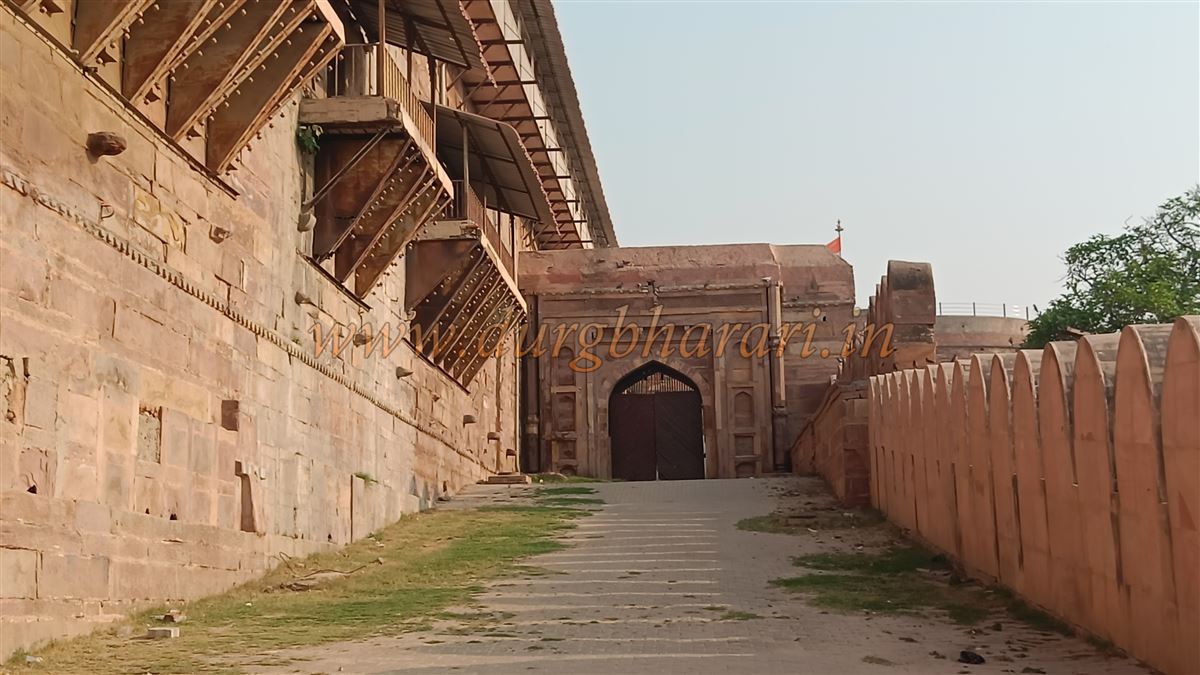
The fort has three main gates, built in such a way that neither humans nor elephants could easily charge through. The gates display carvings in both Islamic and Hindu styles. On one side flows the Yamuna River, and all around are tall, strong bastions. In earlier times, the fort was adorned with sturdy walls, gates, palaces, mosques, temples, and gardens. Jahangir built the Zanana Mahal (women’s quarters) and Jodhabai’s memorial here. Aurangzeb demolished temples and palaces to construct mosques and the Rang Mahal. The Marathas repaired some older structures and added the Moti Mahal and Diwan-e-Khas.
Today, six important structures inside the fort are open to visitors:
1. Jodhabai’s Palace – Located inside the fort, this is a fine example of Hindu architecture. Its domed pavilions, round domes, and colored tiles symbolize Rajput–Mughal unity.
2. Zanana and Mariam-uz-Zamani Mahals – Built for Akbar’s other queens, these are examples of Persian and Islamic architecture.
3. Ashoka Pillar – Erected in 232 BCE, this 35-foot-high pillar bears Emperor Ashoka’s edicts. Originally set up in Kaushambi, it was later moved to Allahabad.
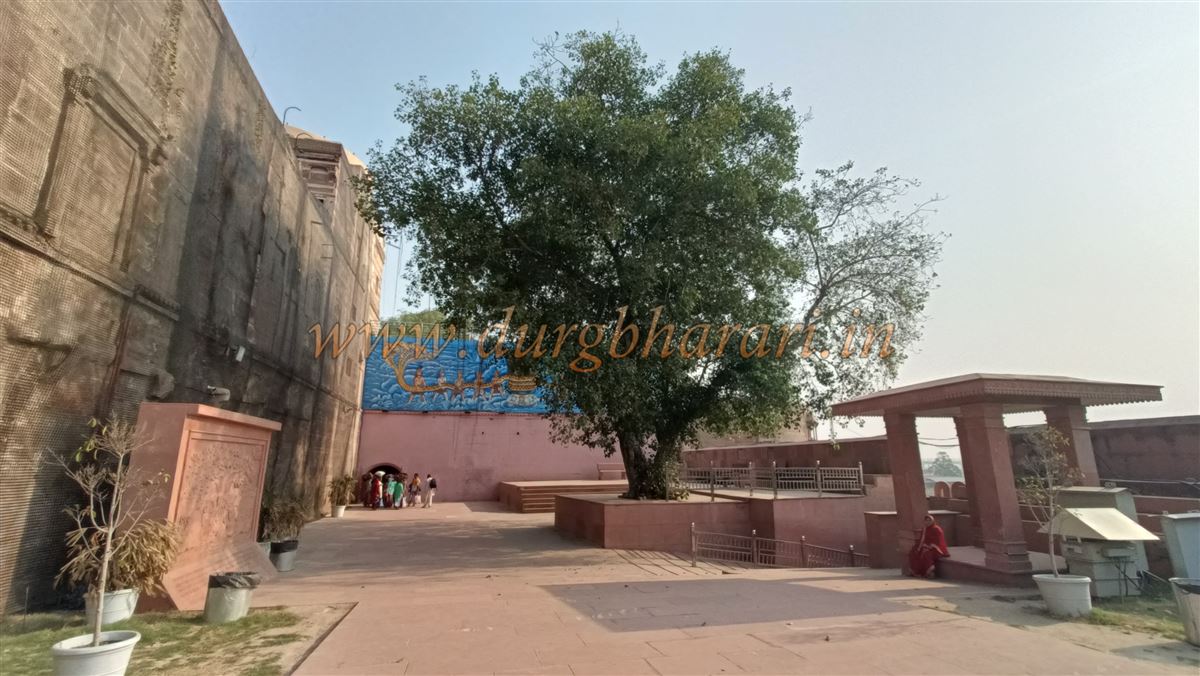
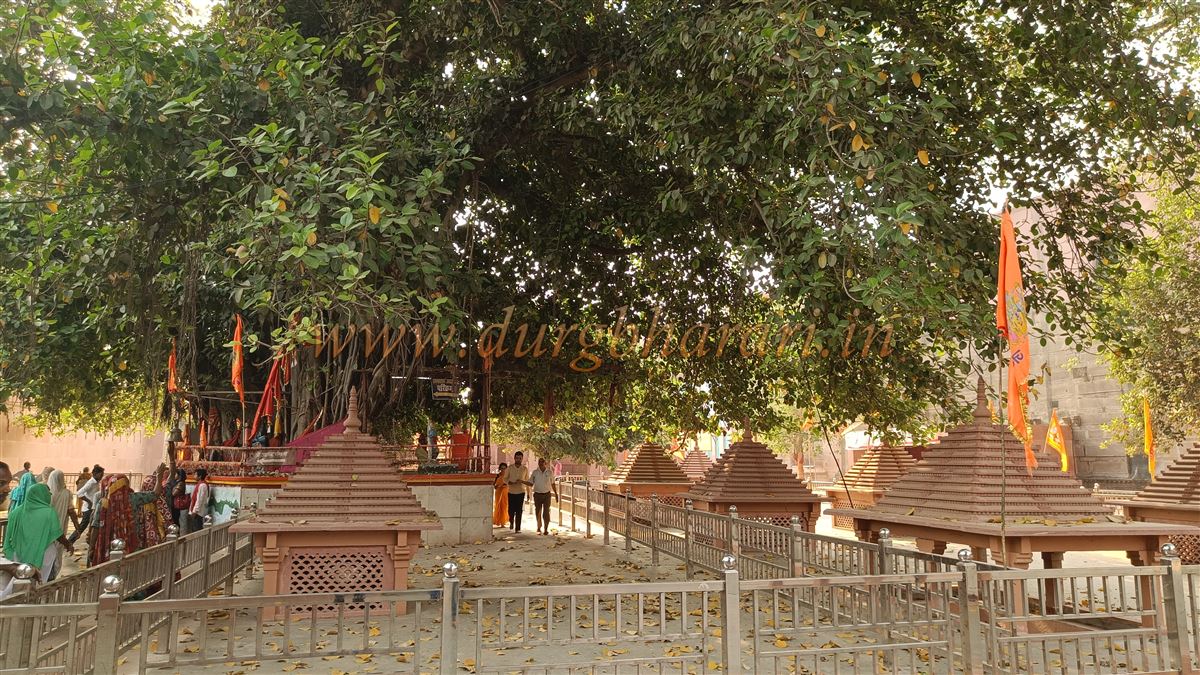
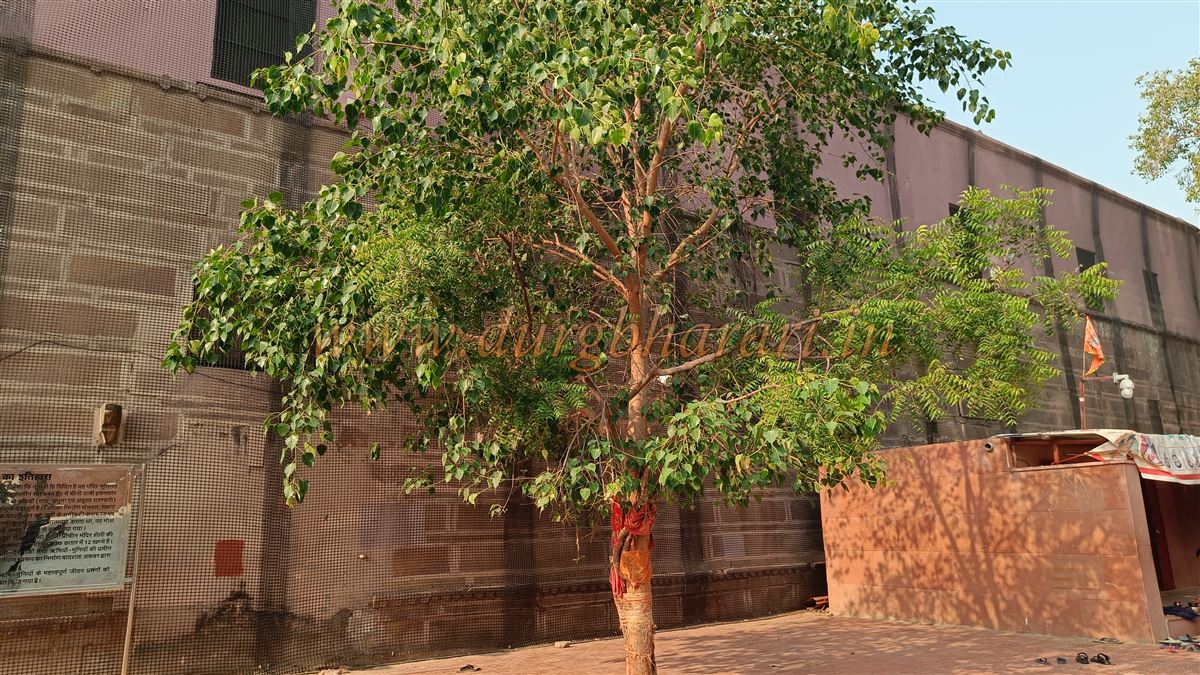
4. Akshayavat – The “Immortal Banyan Tree,” believed to grant wishes.
5. Saraswati Koop – A sacred well, believed to be fed by the mythical Saraswati River flowing beneath the confluence of the Ganga and Yamuna.
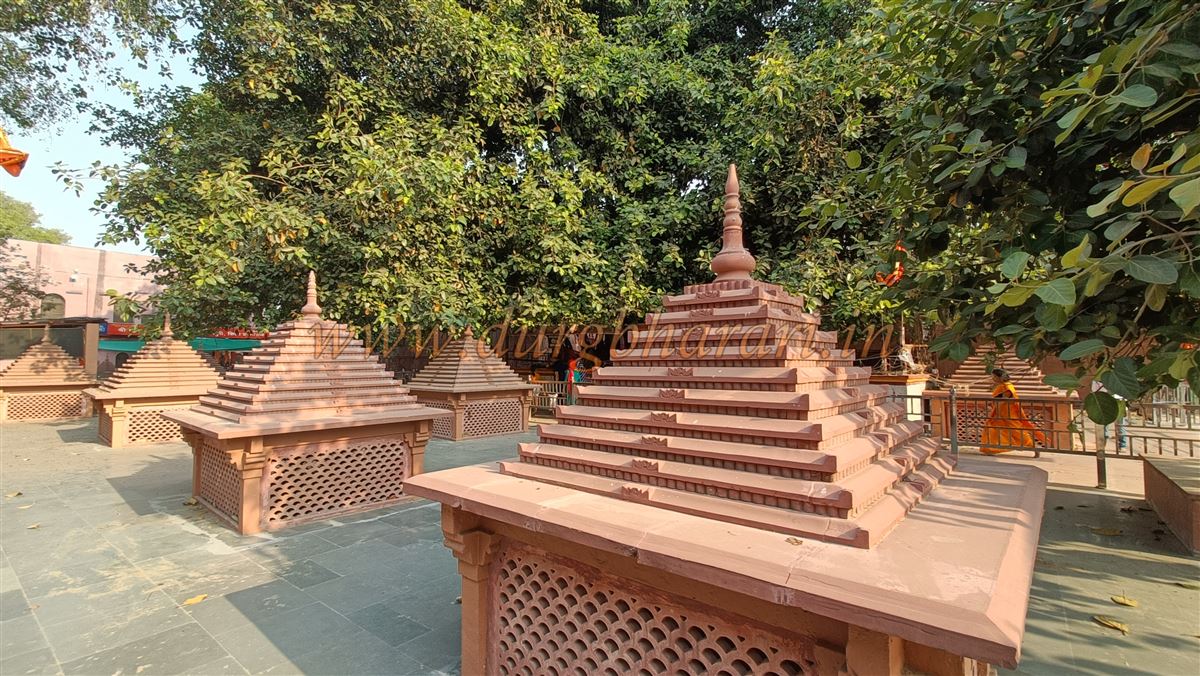
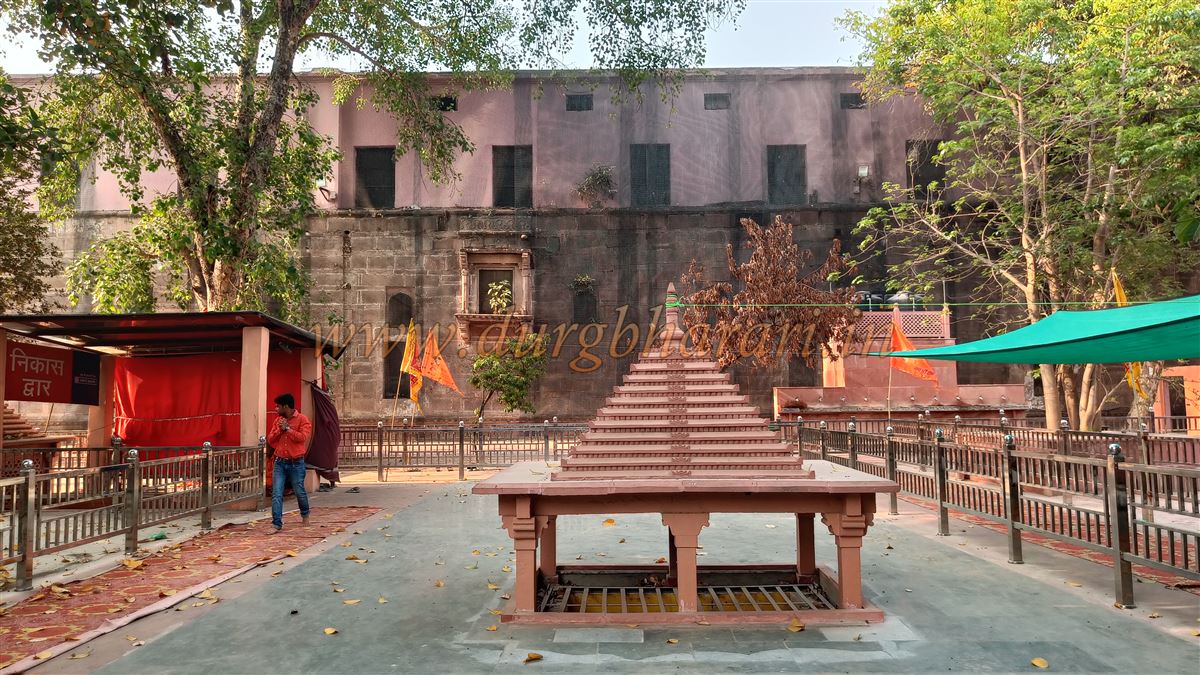
6. Patalpuri Temple – An ancient underground temple, considered the oldest structure in the fort. It houses an idol of Vishnu and other deities, and is linked to legends of sage Bhardwaj’s penance.
In addition, the fort complex includes a beautiful Jama Masjid. Remnants of Akbar’s palaces still stand, showcasing Mughal architectural grandeur. Since the fort was deep inside Mughal territory, Akbar emphasized its splendor over defensive strength—its purpose was to display the empire’s power and magnificence.
If you visit the Prayagraj Sangam, you can easily explore this fort in about two hours.
© Suresh Nimbalkar
GALLERY