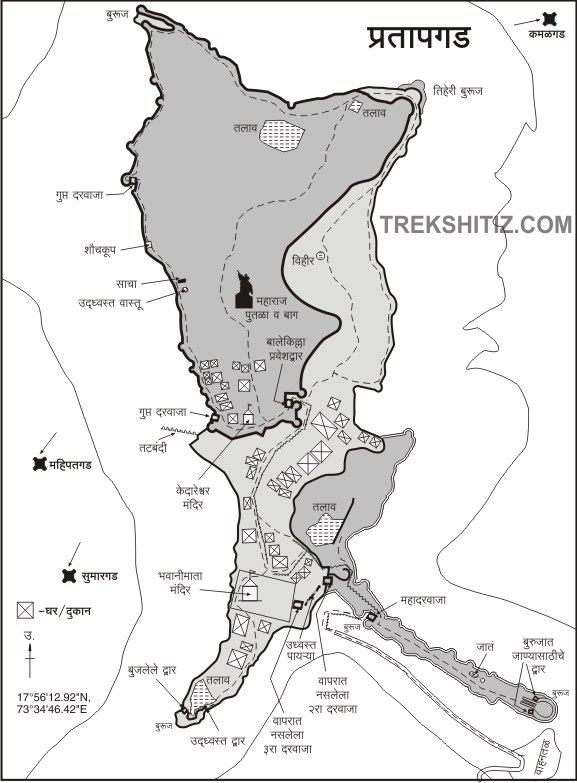
PRATAPGAD
TYPE : HILL FORT
DISTRICT : SATARA
HEIGHT : 3510 FEET
GRADE : EASY
Fort Pratapgad represents a golden chapter in the glorious history of the Marathas. Built by Chhatrapati Shivaji Maharaj at a strategically important location, the fort is said to be constructed in the "locks of Mahabaleshwar and the lips of Par Pass." It was at the base of this very fort that Shivaji Maharaj faced and defeated the threat that came in the form of Afzal Khan. Situated 20 km from Mahabaleshwar on the Mahabaleshwar–Mahad road, the fort is built on a hill called Bhorepya, located between the villages of Par and Kineshwar.
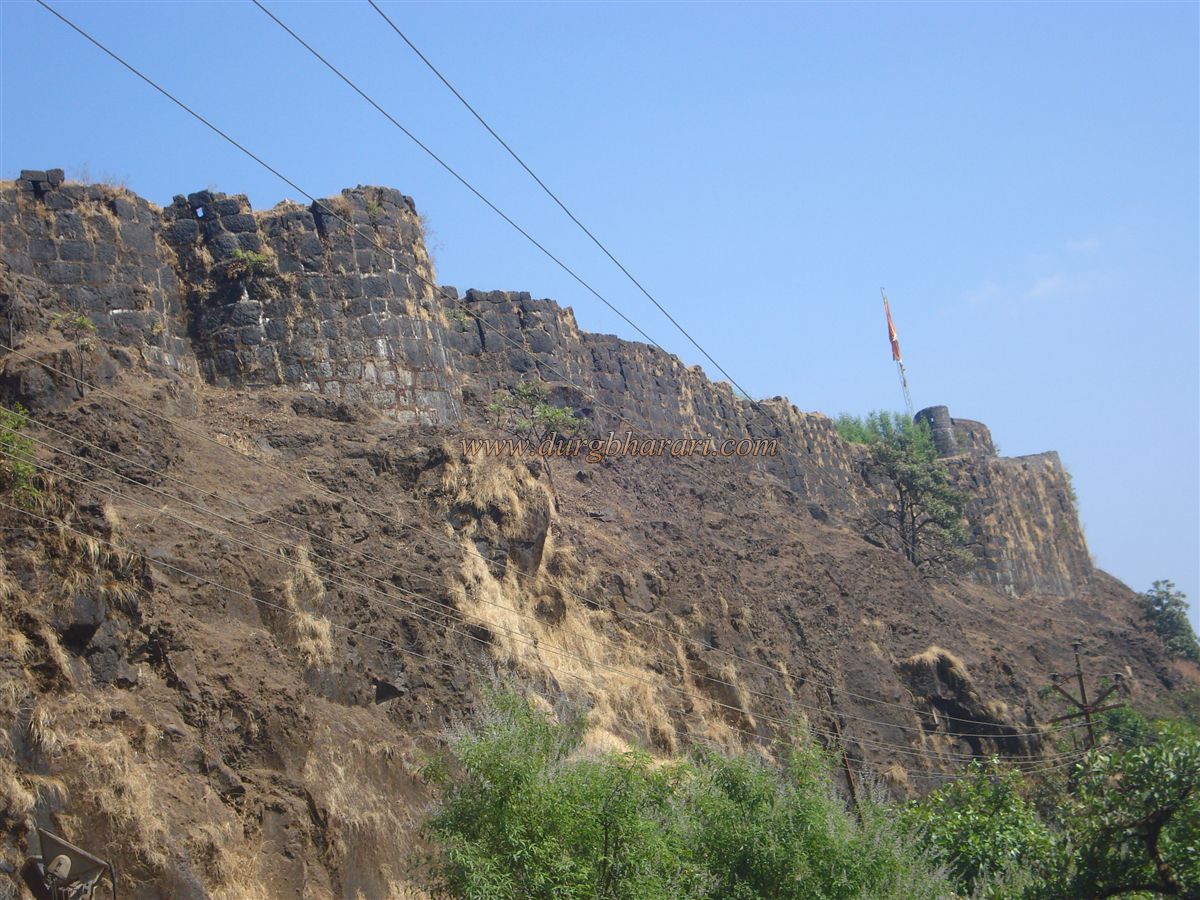
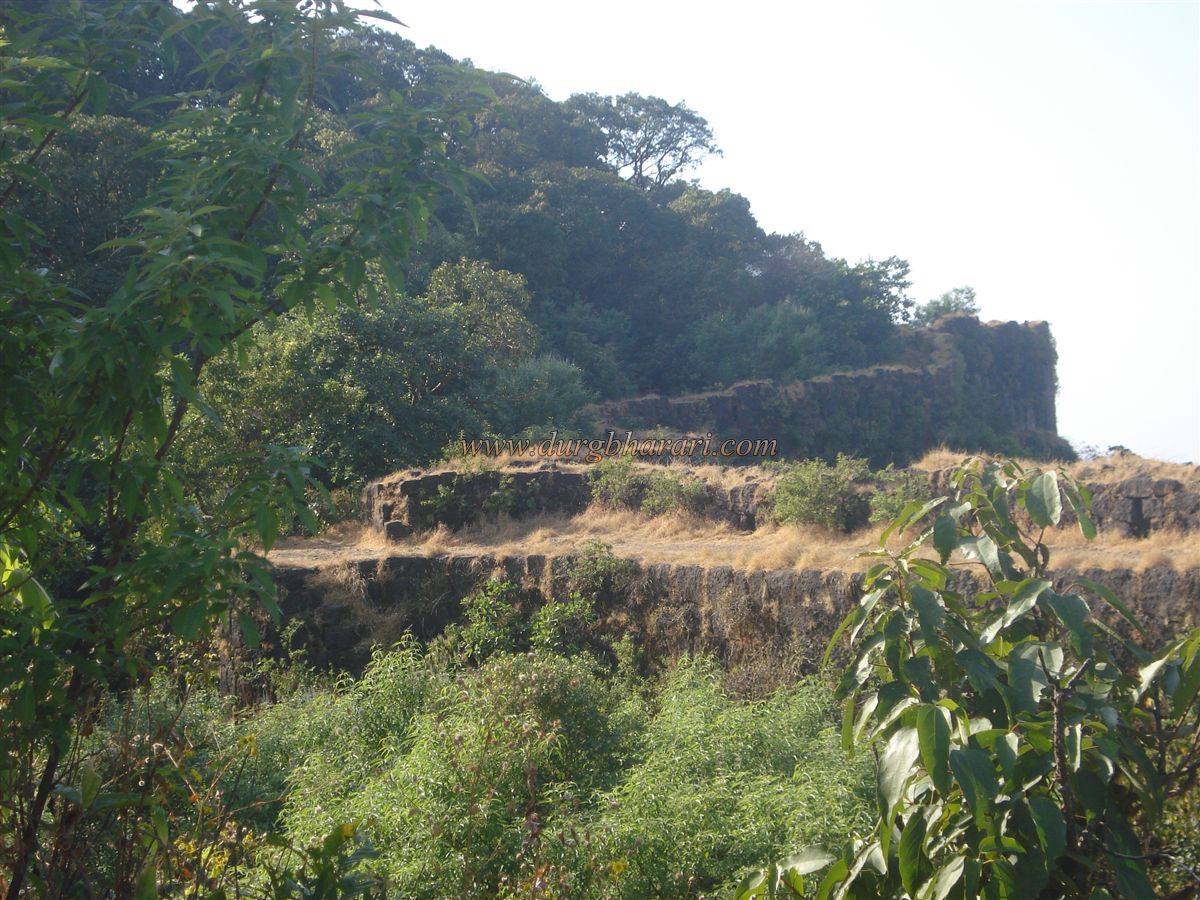
Pratapgad stands at a height of 3,500 feet above sea level, with deep valleys of 600 to 800 feet on either side. The fort is divided into two sections: the main fort and the upper fort (Balekilla).
...
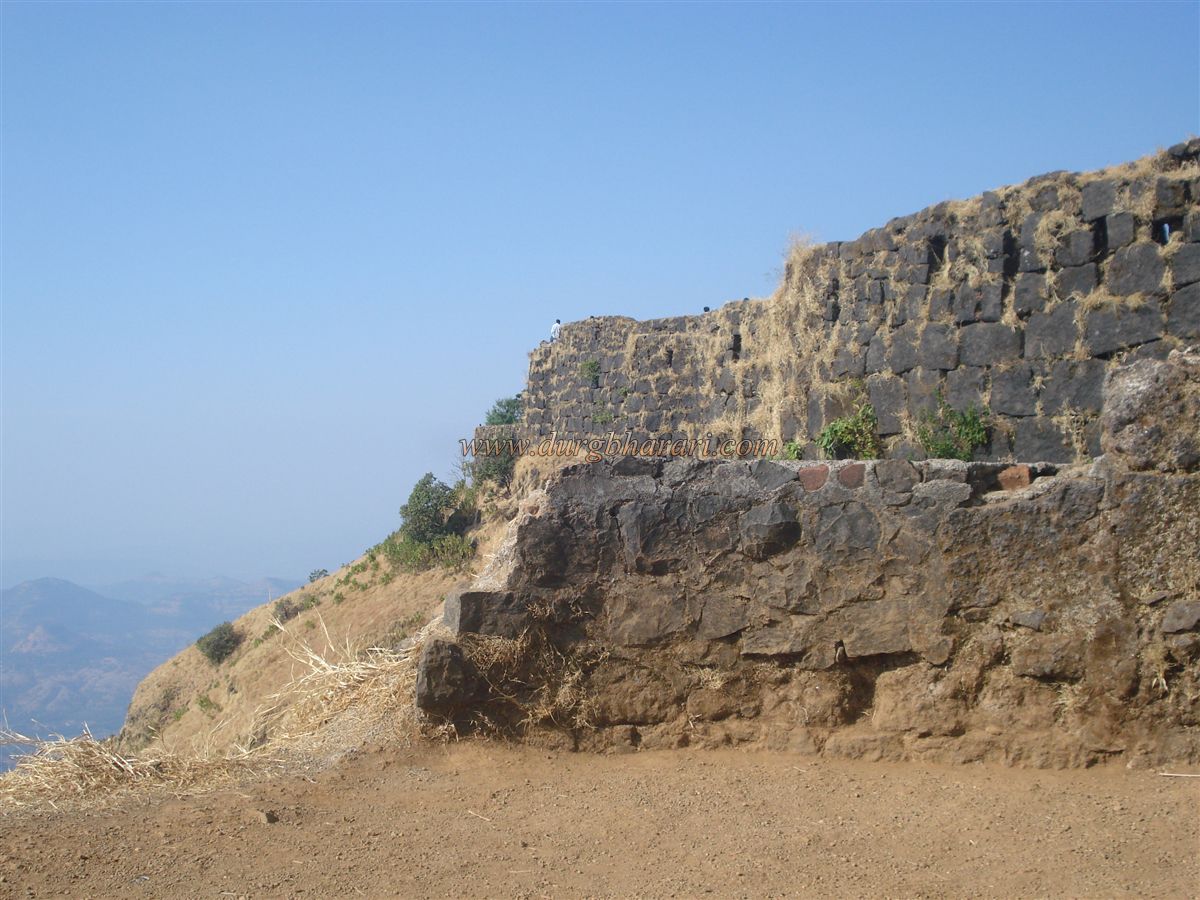
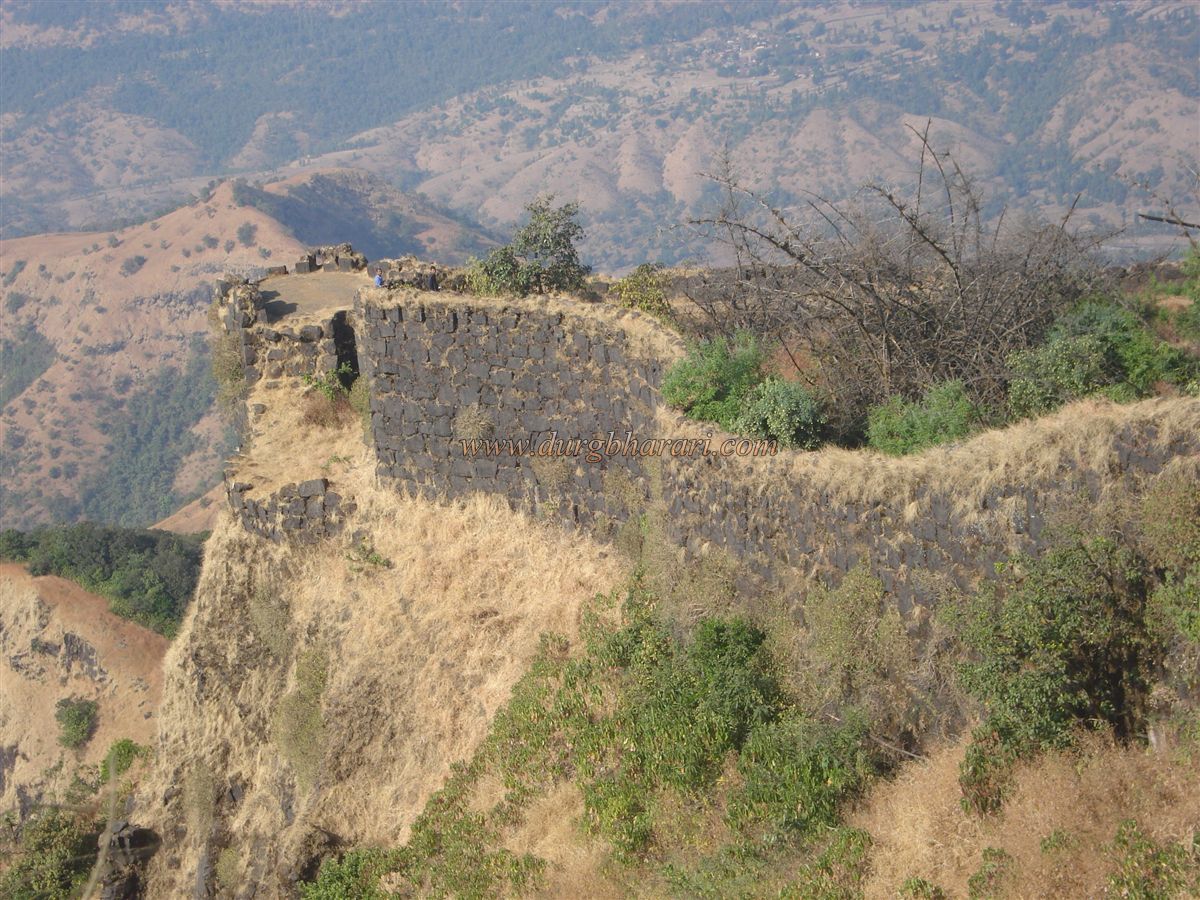
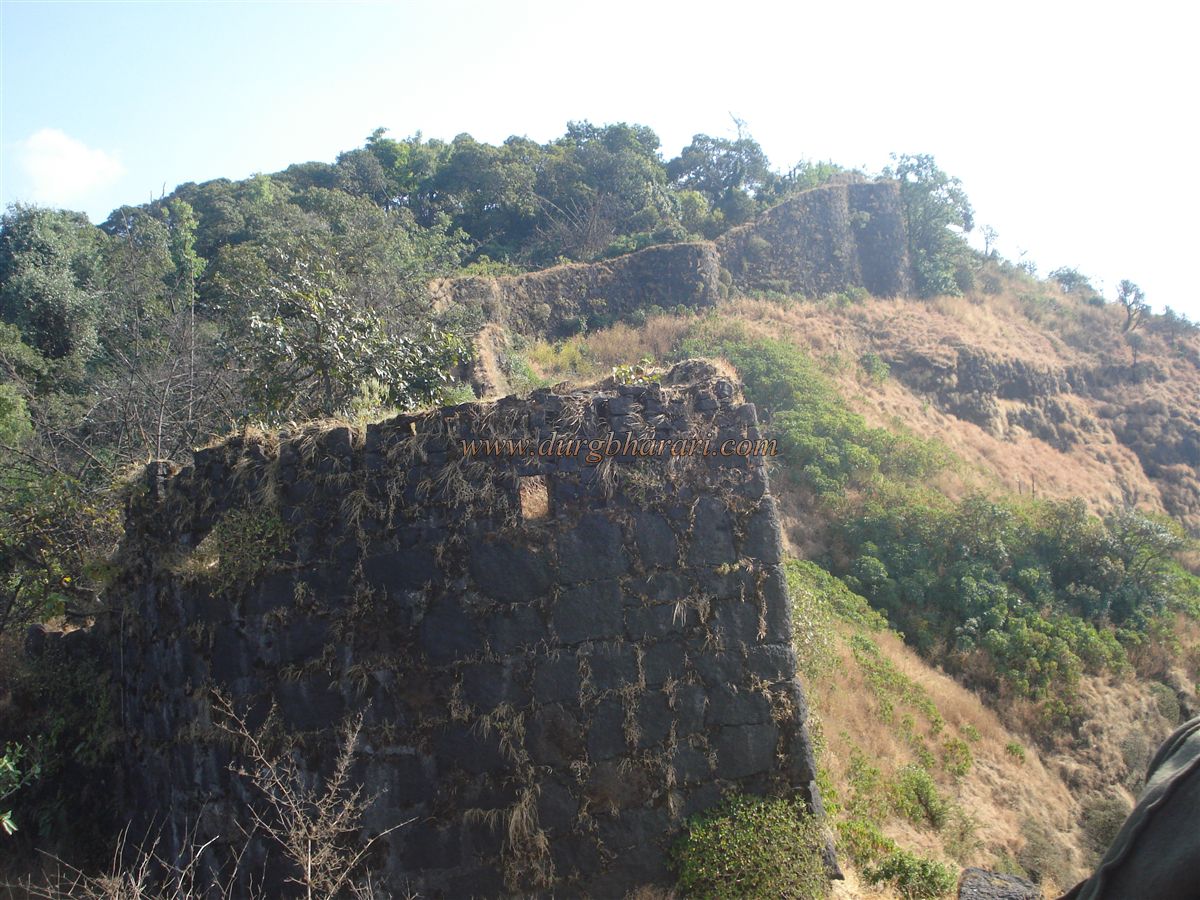
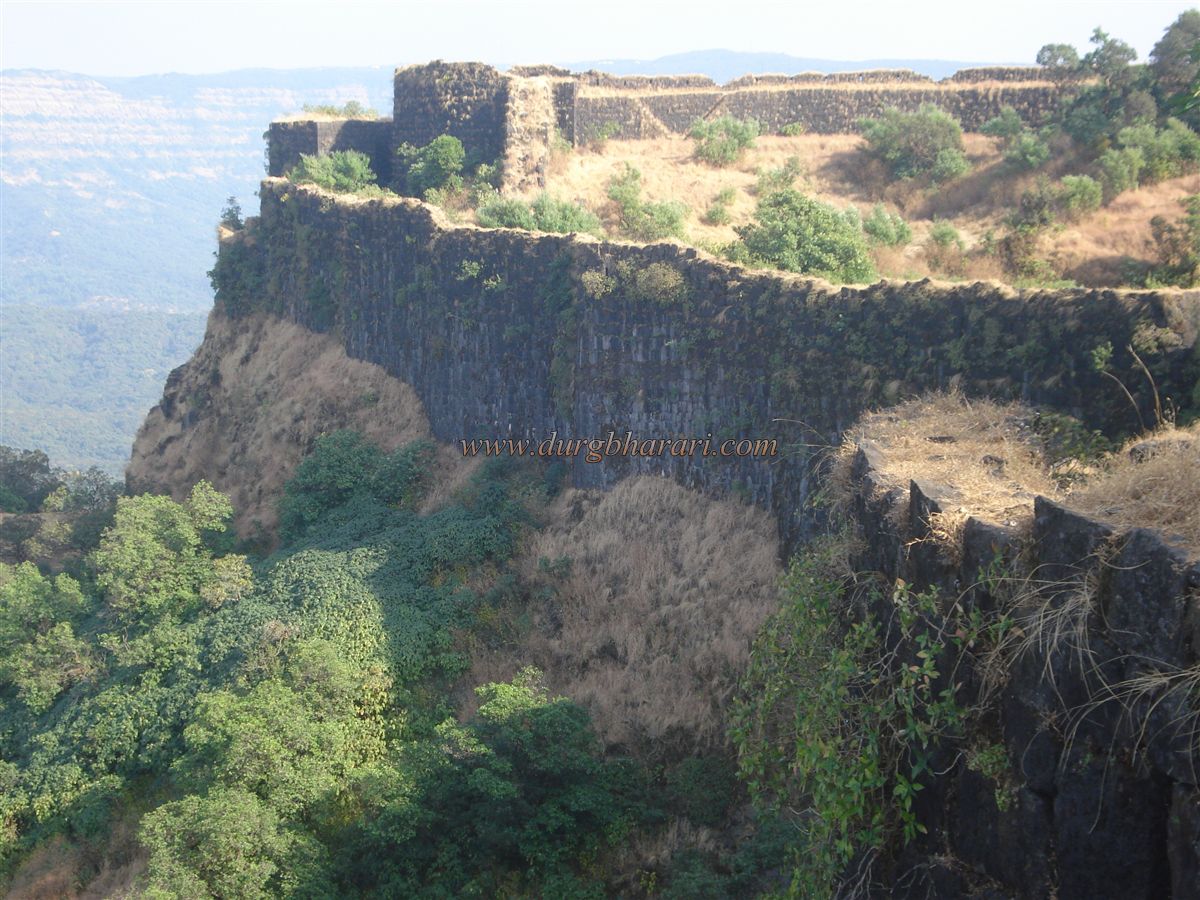
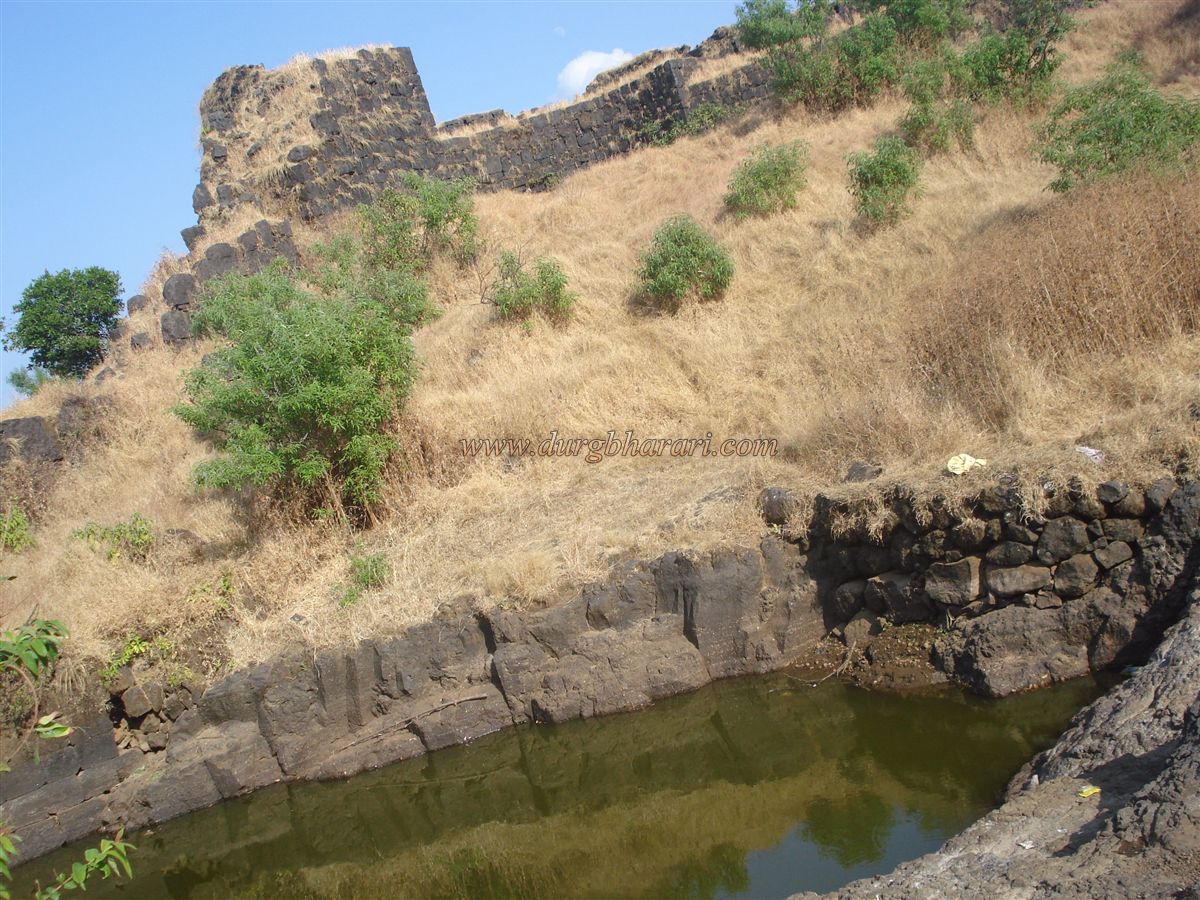
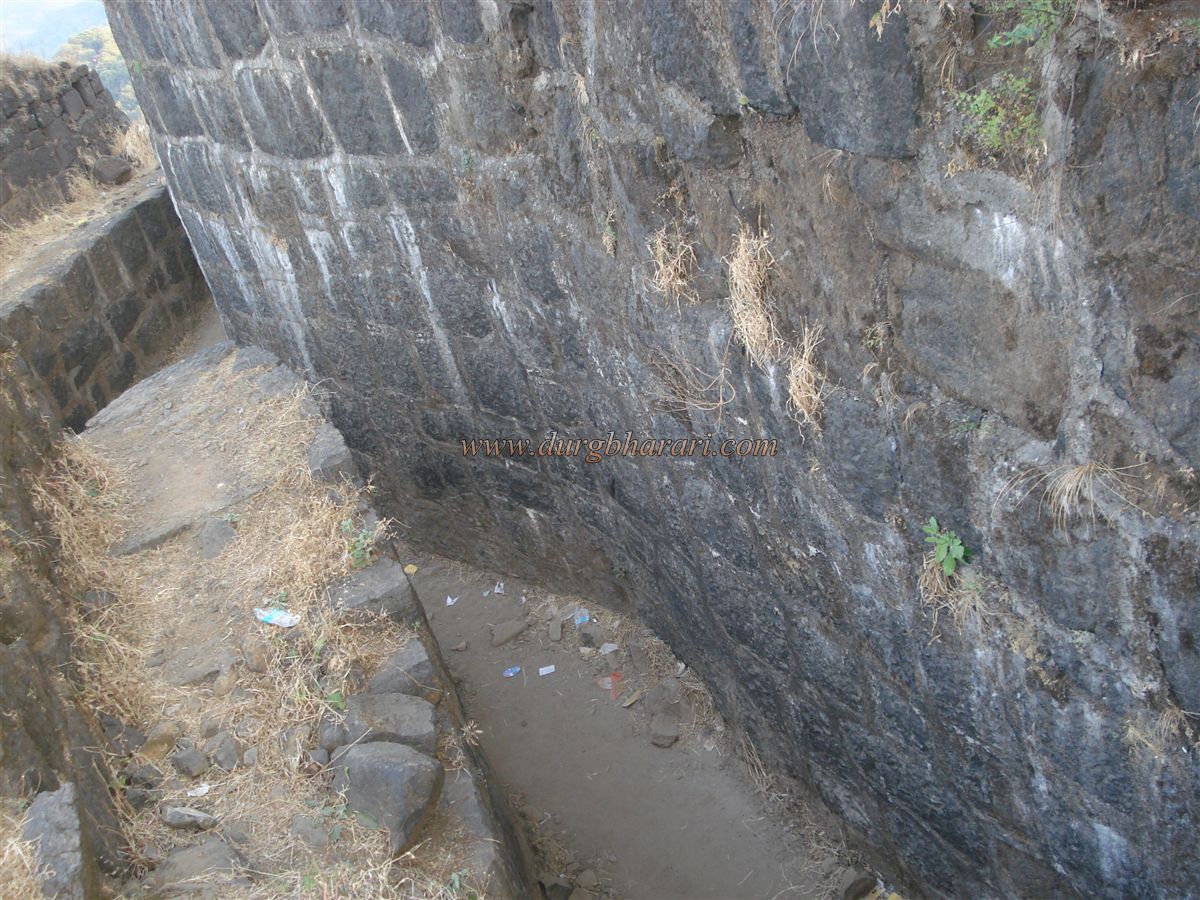
Both parts have excellent water facilities and are secured with strong fortifications and bastions on all sides. The upper fort covers an area of 40,000 square feet while the main fort spans 42,000 square feet. The southern bastions rise between 30 and 50 feet in height. When a vehicle from Mahabaleshwar reaches near Kumbharoshi village en route to Mahad, one can reach Pratapgad within half an hour.
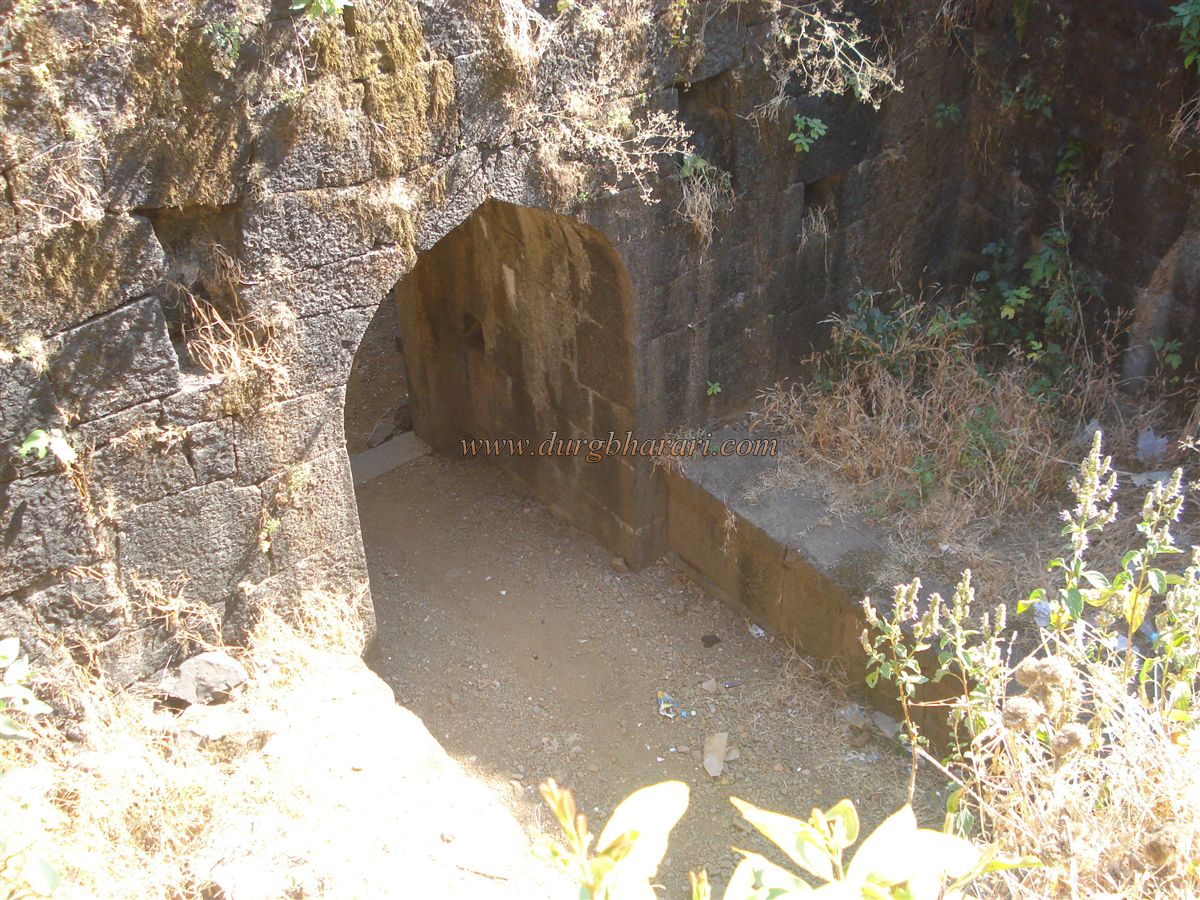
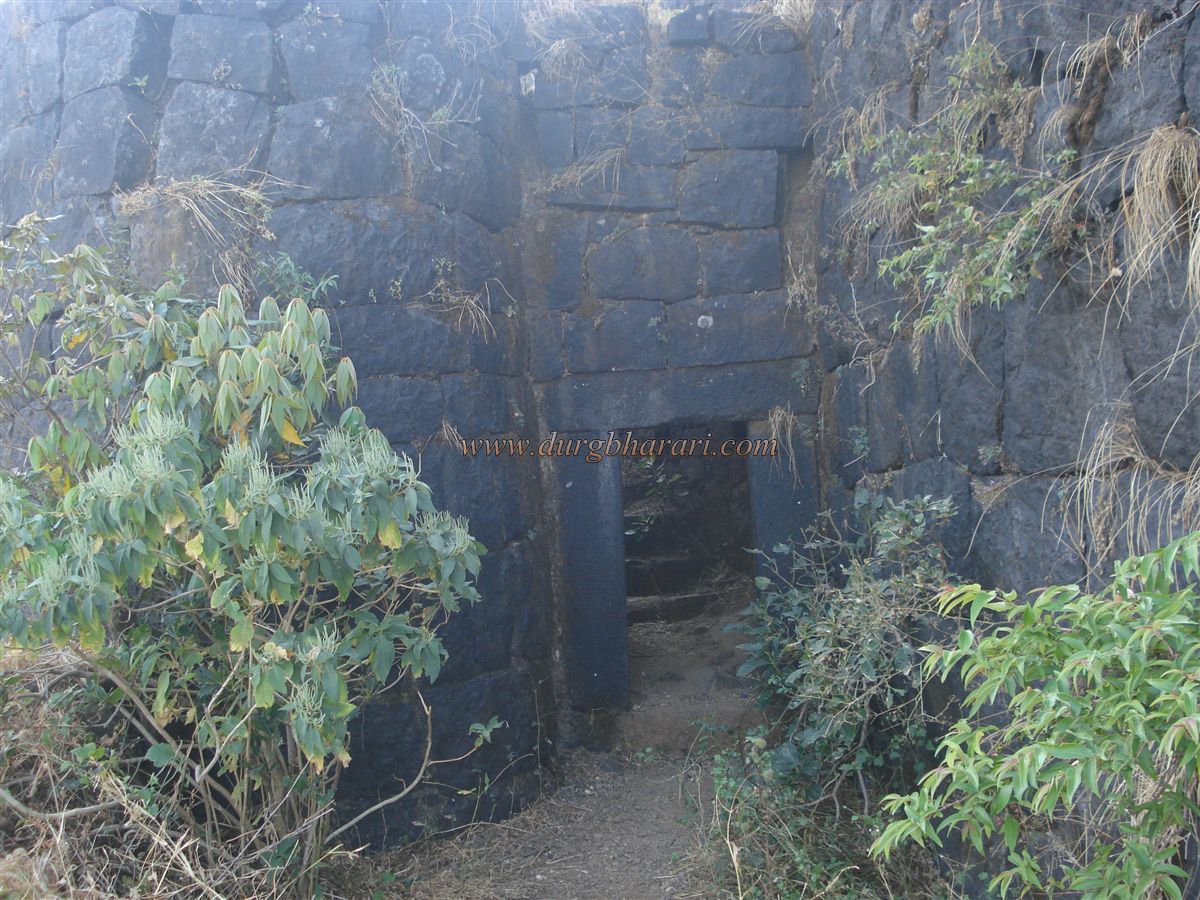
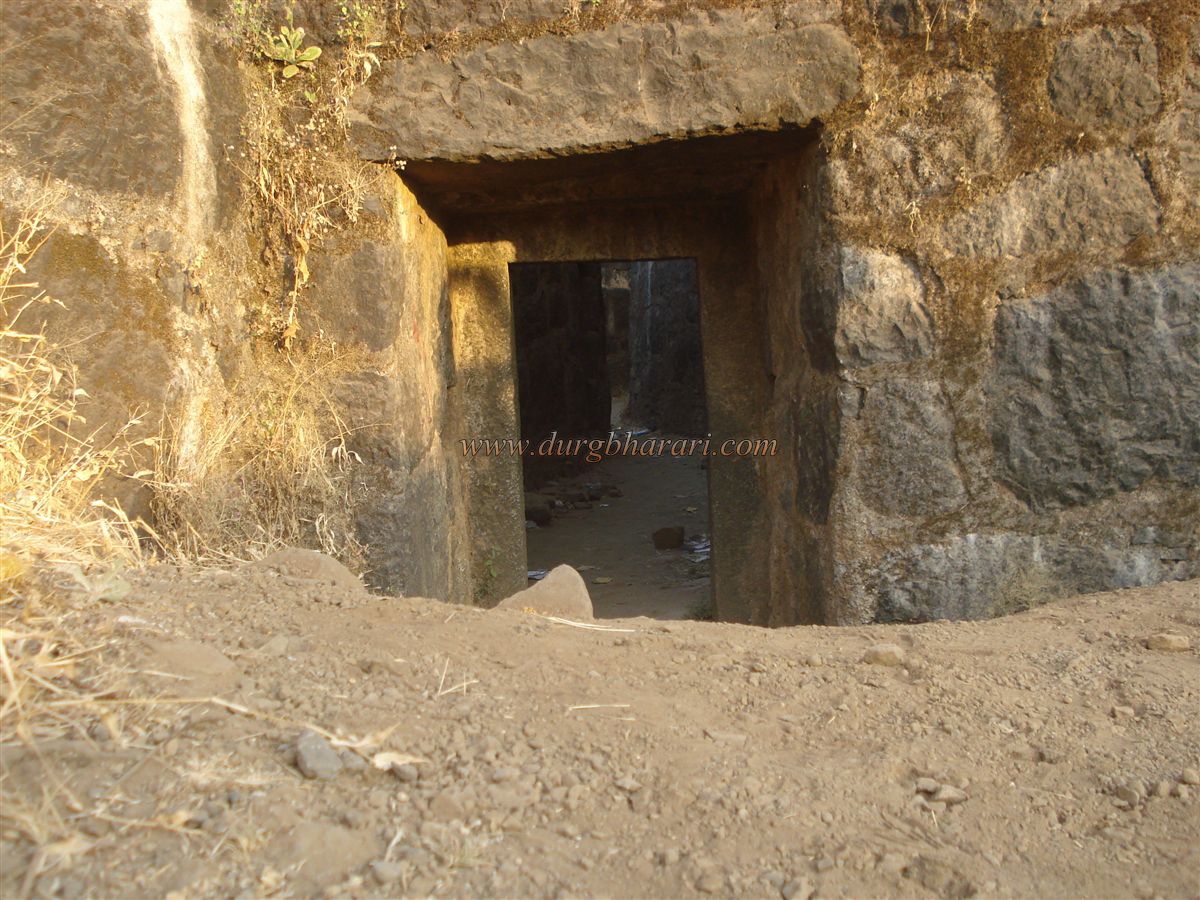
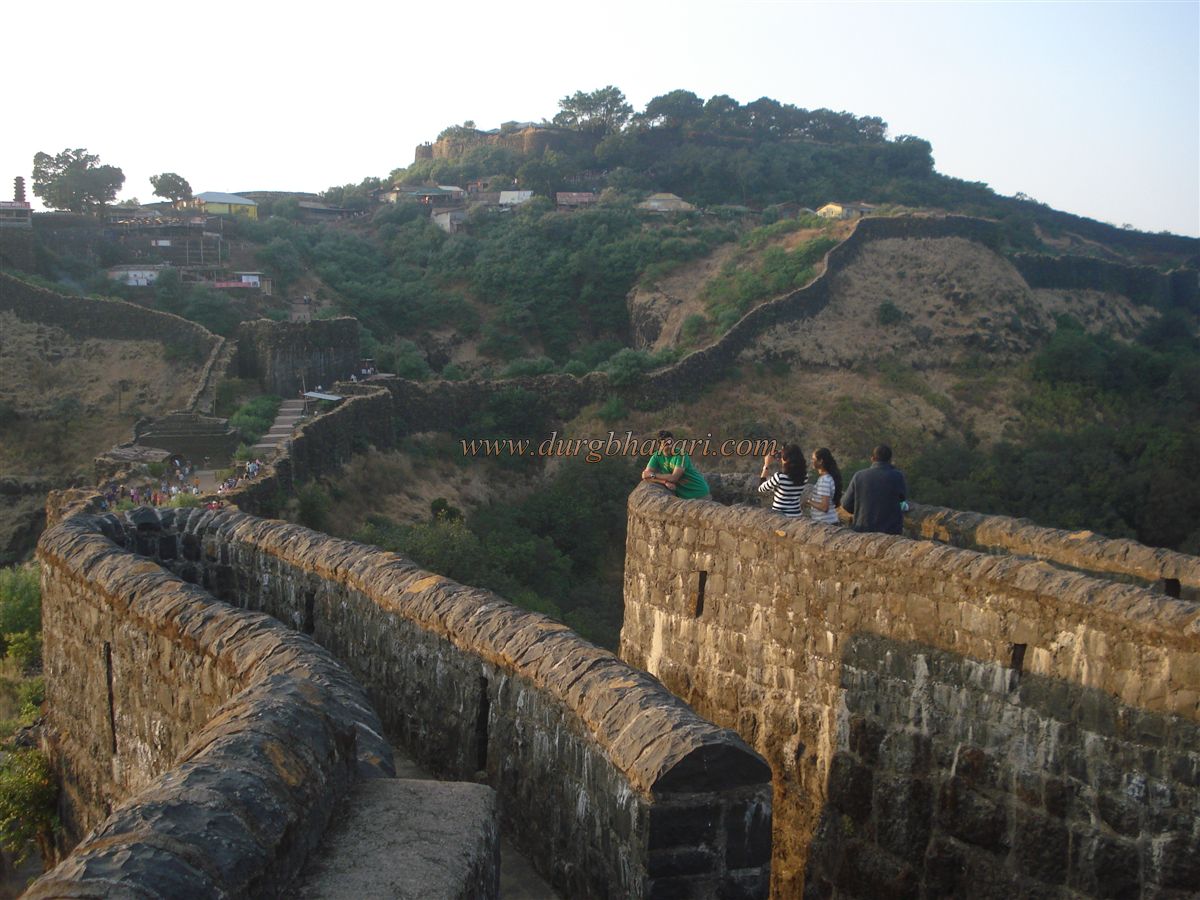
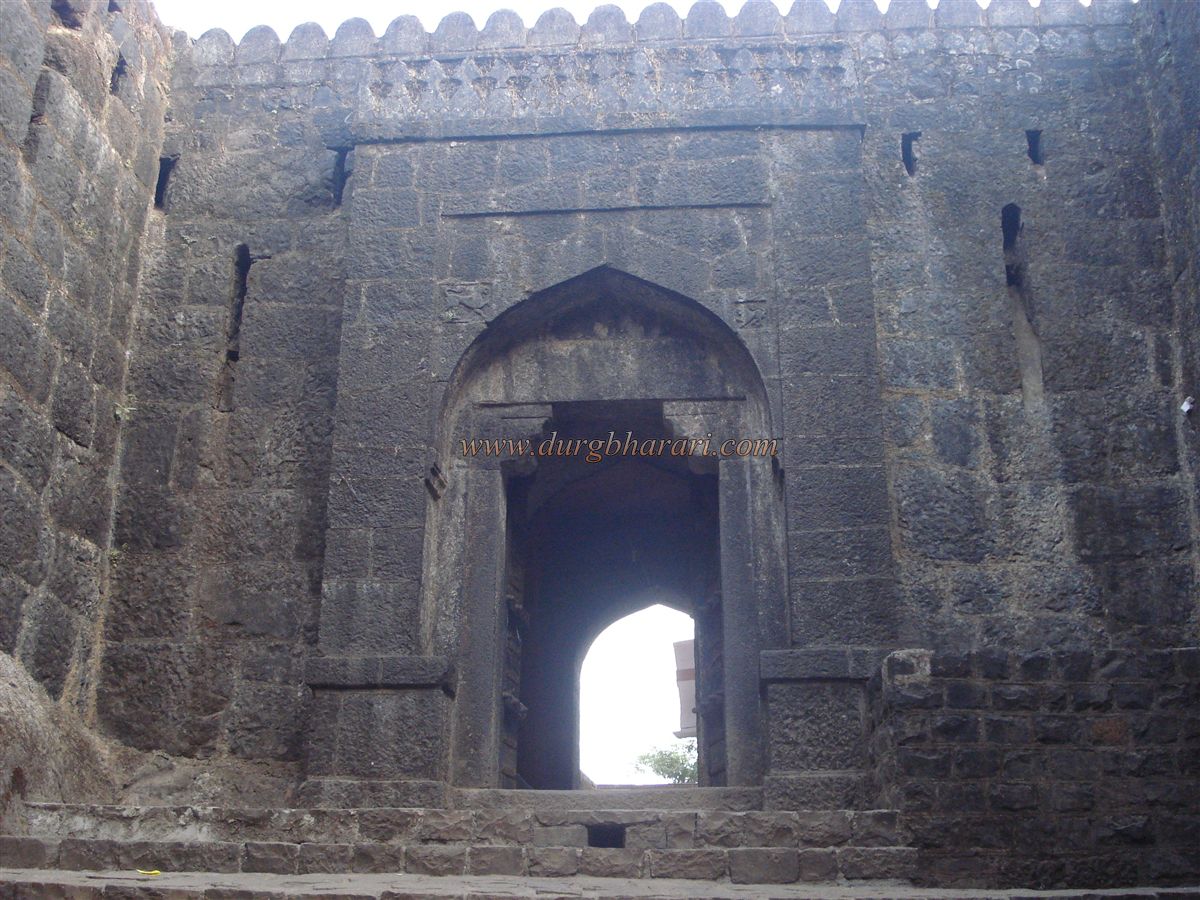
The available amenities on Pratapgad attract a large number of tourists. The base of the fort begins in the region of Javali. At the base, a sign indicates the route leading to the Dargah Sharif, which is the tomb of Afzal Khan. From the parking area, a path leads past the southern observation bastion toward the fort’s main gate (Maha Darwaja). As one ascends, the right side is bordered by fort walls which feature "jangya"—small openings used to fire bullets or arrows at enemies. Before turning towards the gate, to the left is a cave carved into the rock. Climbing a few steps past this cave, one reaches the western-facing Maha Darwaja, which is cleverly hidden within the fort’s walls.
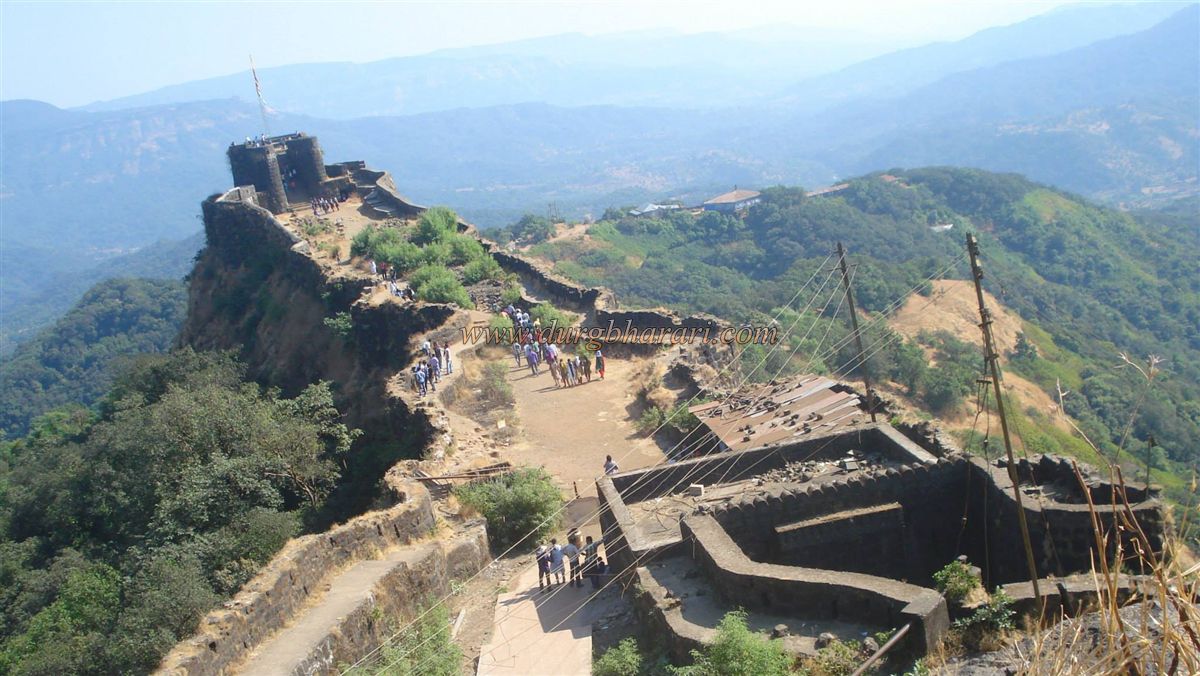
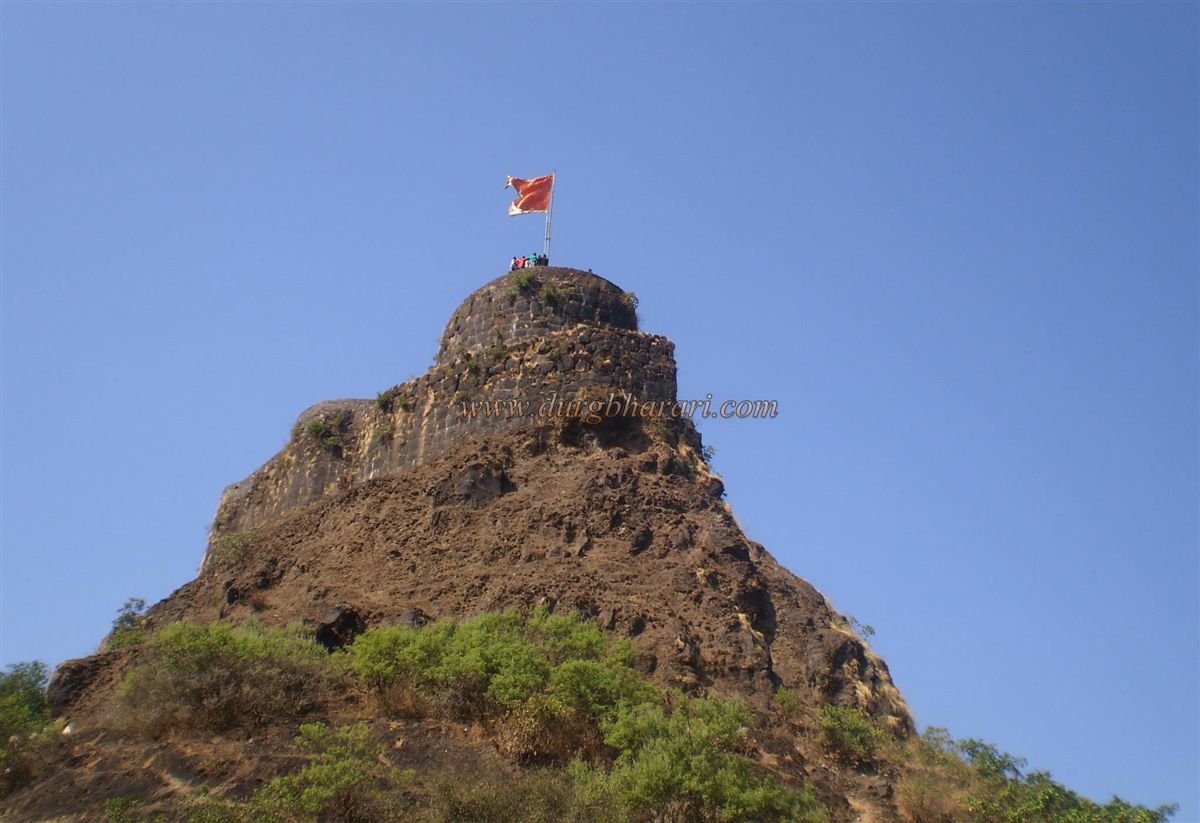
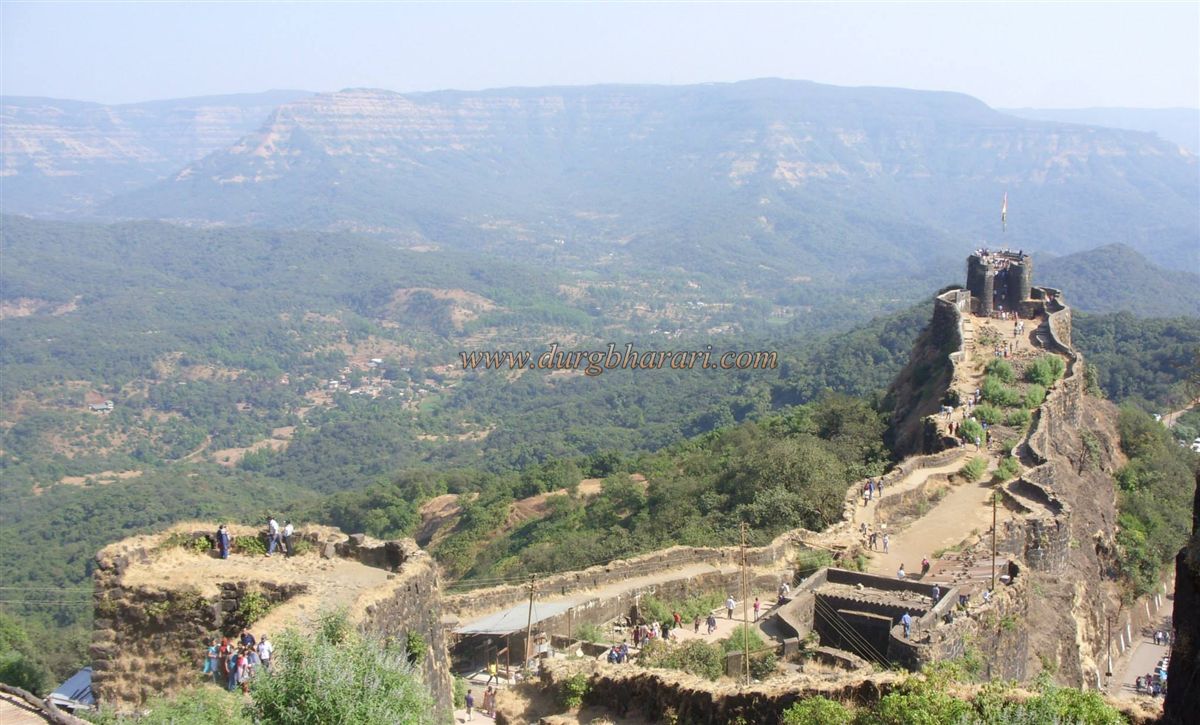
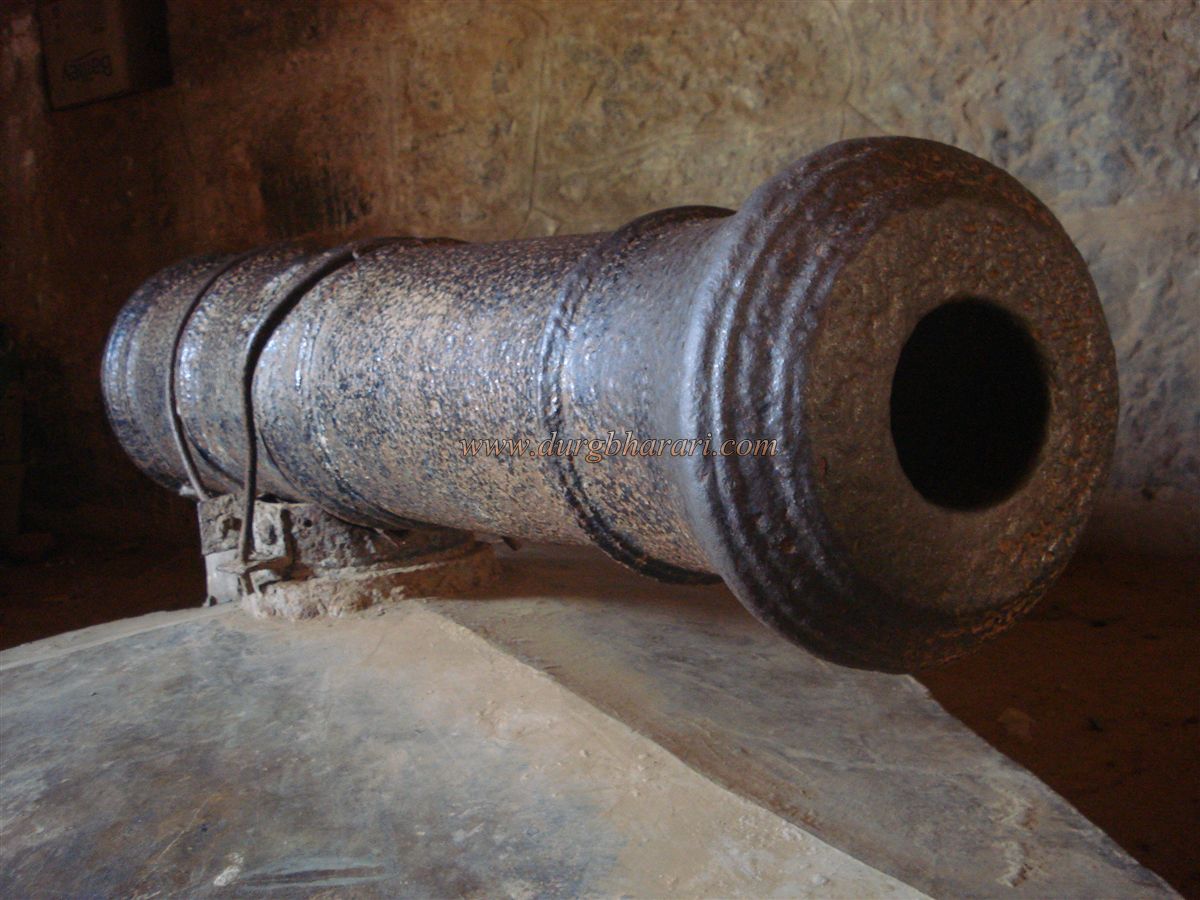
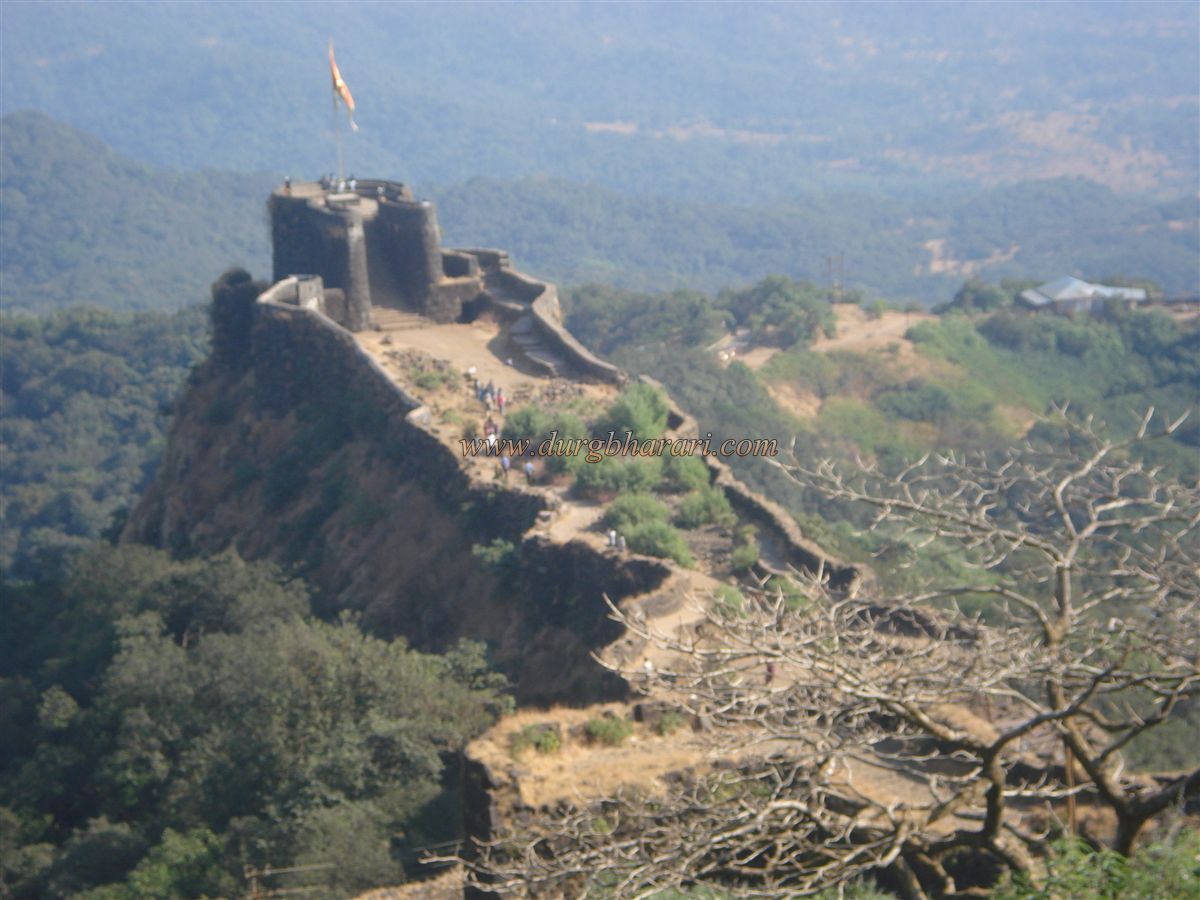
A unique aspect of Pratapgad is that, even today, the Maha Darwaja is closed after sunset and opened only before sunrise, just as it was during Shivaji’s time. The architecture of the main gate is such that it cannot be directly targeted by cannon fire. To prevent elephants or logs from breaking it open, the space in front of the door is narrow with steps. Inside the gate, there are guardrooms (devdis), and in the right devdi, a cannon is stationed. After entering through the gate, a long protrusion of the fort leads to an armoured bastion with a flagpole atop it and a vehicle parking area below. From this bastion, one can see the upper fort, the Javali valley, and on a higher point to the right, Afzal Khan’s memorial.
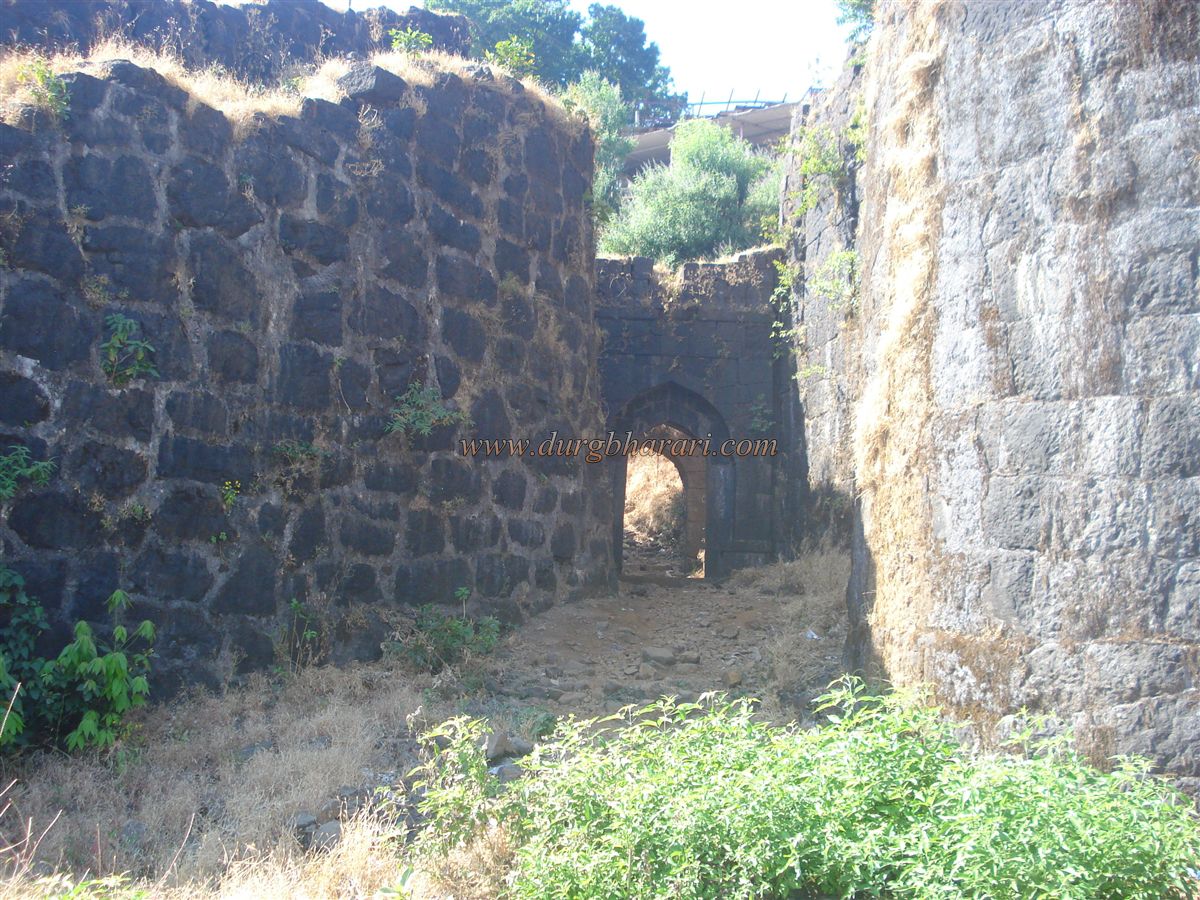
Returning from the observation bastion to the Mahadarwaja, a flight of steps leads up into the fort. On the left of this route lies an unused path with the second and third gates. Climbing these steps leads to the Bhavani Temple, where a serene idol of Goddess Bhavani resides. Shivaji Maharaj had this idol crafted from a Shaligram stone brought from the Gandaki River in Nepal. To obtain this special stone, Maharaj had sent Mambaji Naik Pansare to King Lilasen of Nepal. Moropant Peshwa chose an auspicious day, Lalit Panchami, for the temple's consecration.
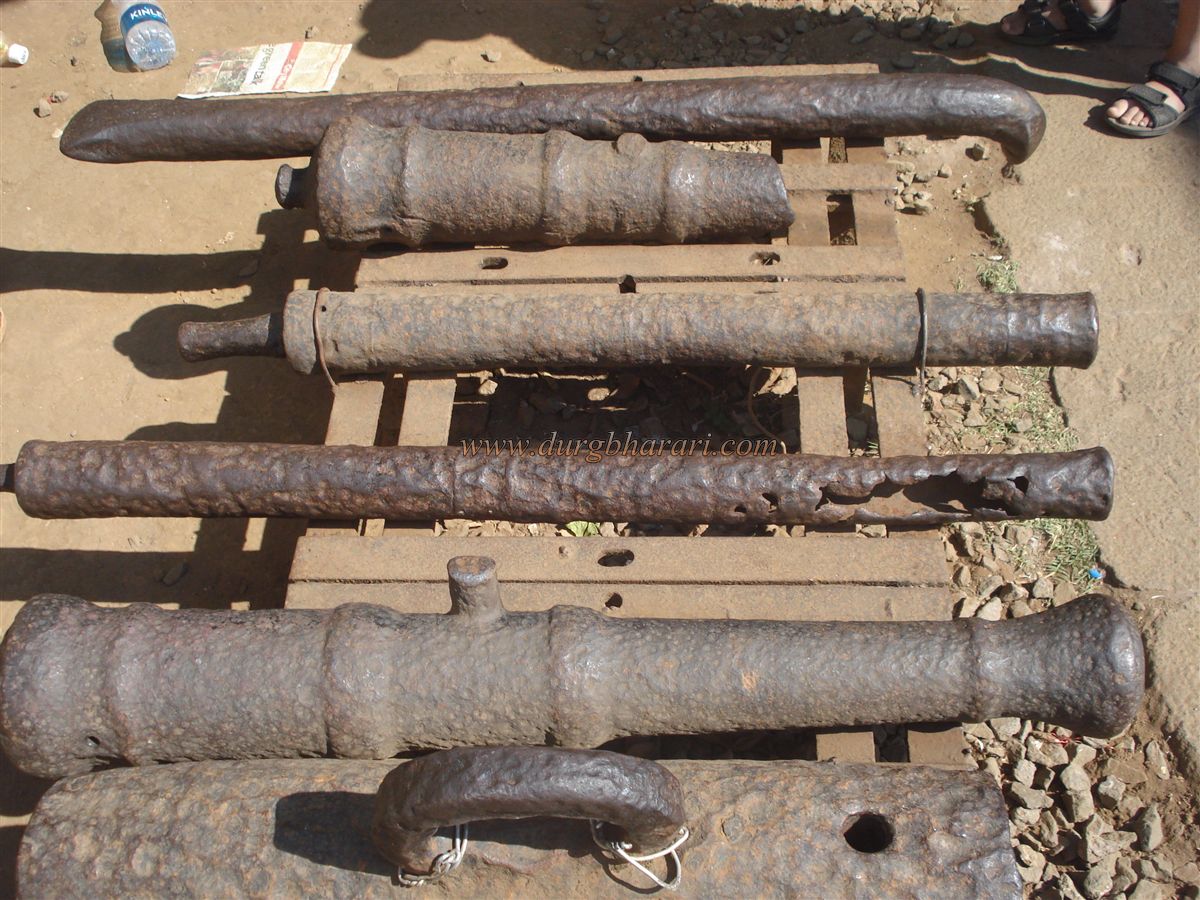
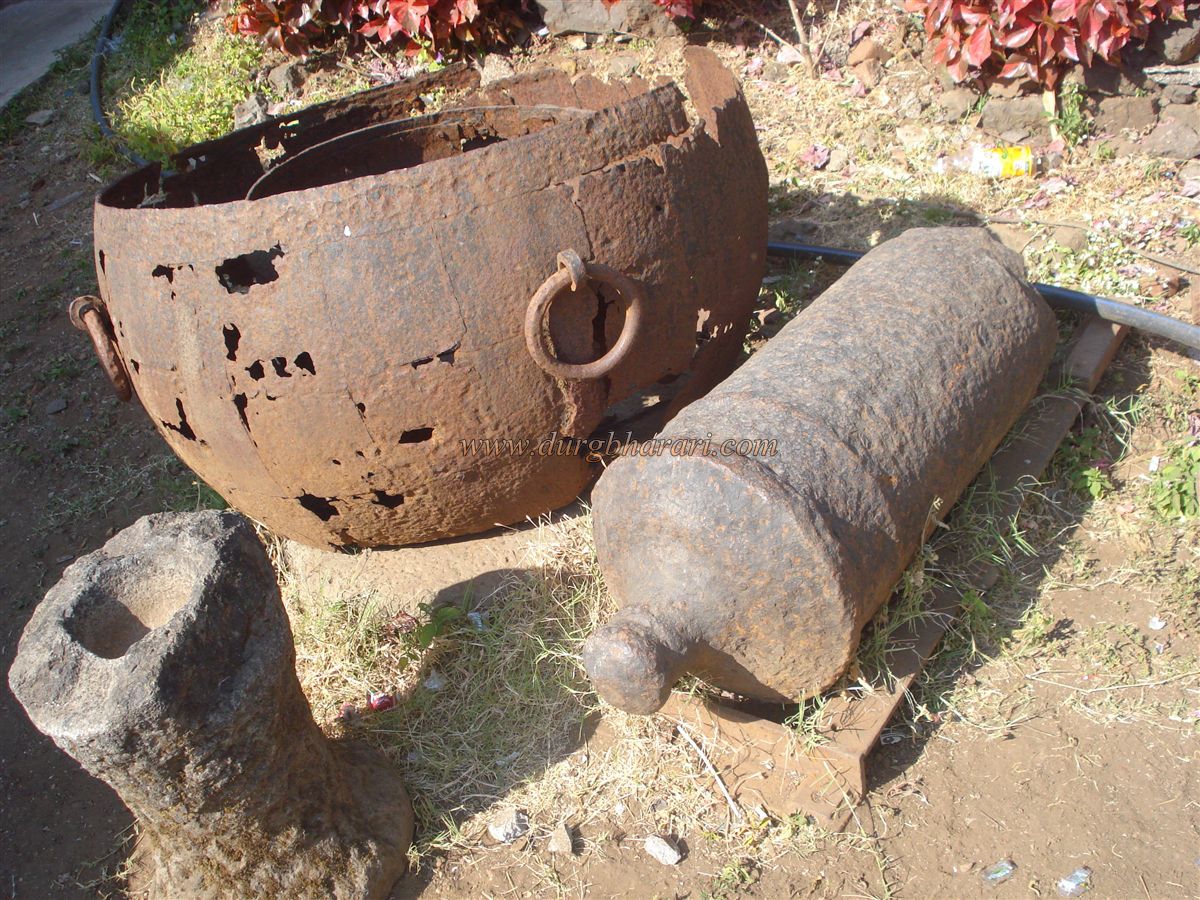
Next to the idol are a sphatik (crystal) Shiva Lingam used in Shivaji’s daily worship and the sword of Senapati Hambirrao Mohite. The original Bhavani Temple consisted only of a stone sanctum. In 1820, King Pratapsingh of Satara constructed a wooden hall in front. The hall and drum-house (Nagarkhana) were restored in 1935. The temple courtyard has 5–6 small cannons and stone lamp towers (deepmalas). A short distance outside the temple is a larger deepmala with knobs shaped like elephant heads. Shivaji Maharaj began the tradition of playing traditional music every day for the Goddess. A priest with the surname Hadap used to offer the daily naivedya (food offering) with Panchamrit.
In 1674, during his coronation, Shivaji Maharaj gifted a golden canopy to the Goddess. In 1929, both the idol’s ornaments and the golden canopy were stolen. Behind the temple, a path leads to the edge of the fort where a rock-cut reservoir and a small hidden exit can be found. Returning to the temple, one heads toward the upper fort, seeing a statue of Hanuman on the right. Climbing another 100–200 steps leads to a small entrance gate, through which one enters the upper fort.
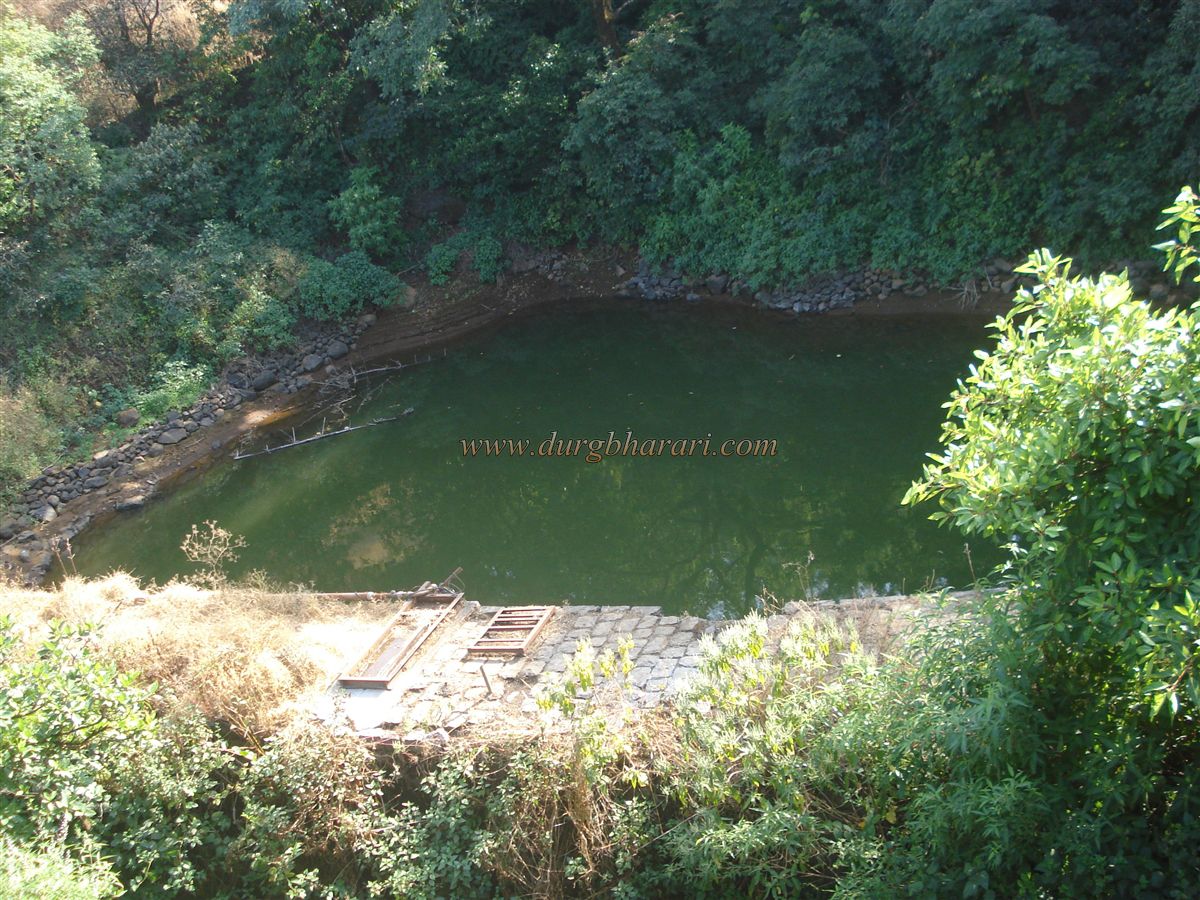
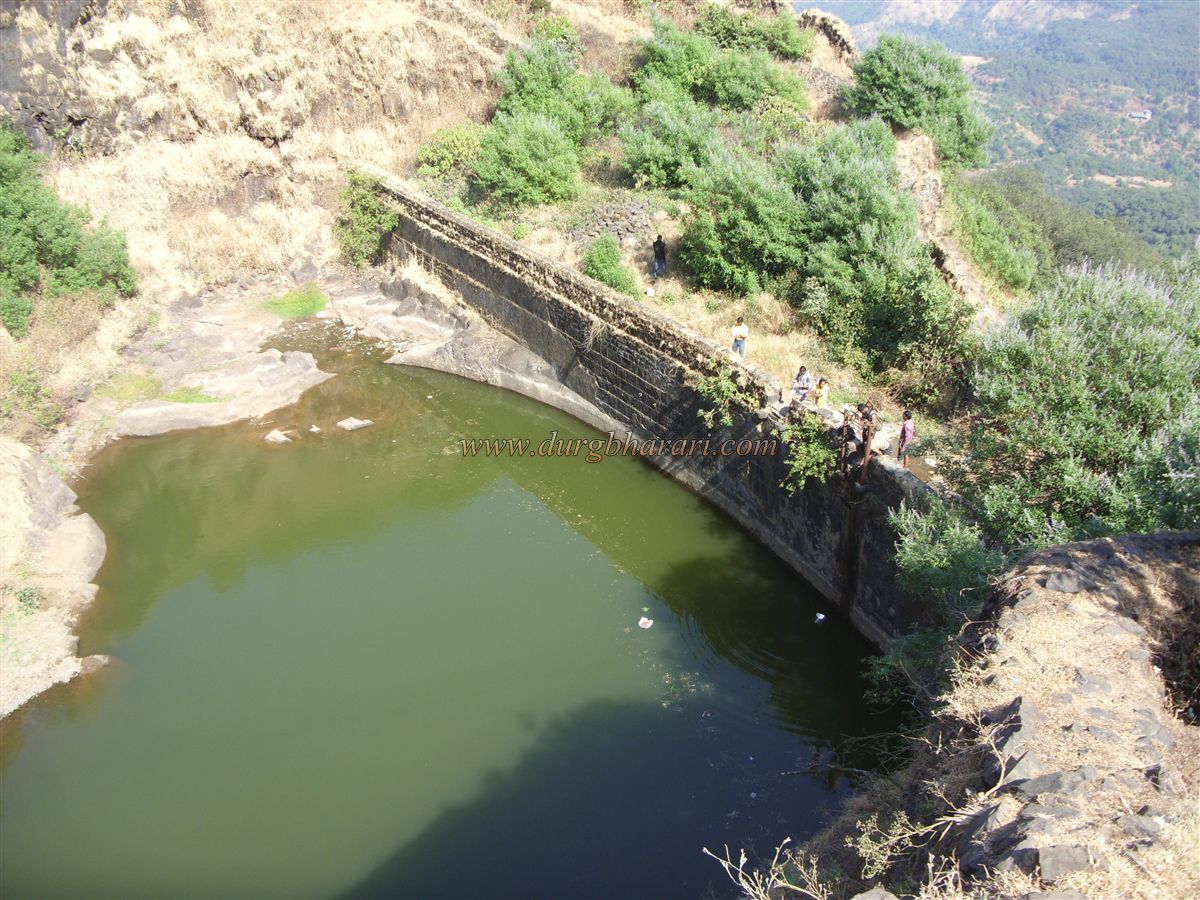
Beyond the upper fort gate lies the Kedareshwar Mahadev Temple, which houses a large Shiva Lingam. This Lingam was discovered during the fort’s construction and was enshrined here. For water supply, a small stone reservoir is present near the temple, along with several other water tanks on the fort. In front of the temple is a raised platform, formerly a grand council hall (sadar), where many important decisions and legal proceedings were held. Behind the temple are remnants of a mansion.
There is a school on the upper fort and a temple of Vetal (a local deity) nearby. In the middle of a garden on the right stands an equestrian statue of Shivaji Maharaj, erected post-independence. The statue, five meters tall, was unveiled in November 1957 by Prime Minister Pandit Jawaharlal Nehru. The Shivachatrapati’s Trust also built a spacious hall nearby. The statue stands where the king’s residential palace once stood. Adjacent to it is a government rest house. From the garden, a path on the right leads to the fort walls, where one can take a walk and enjoy a panoramic view of the Javali valley.
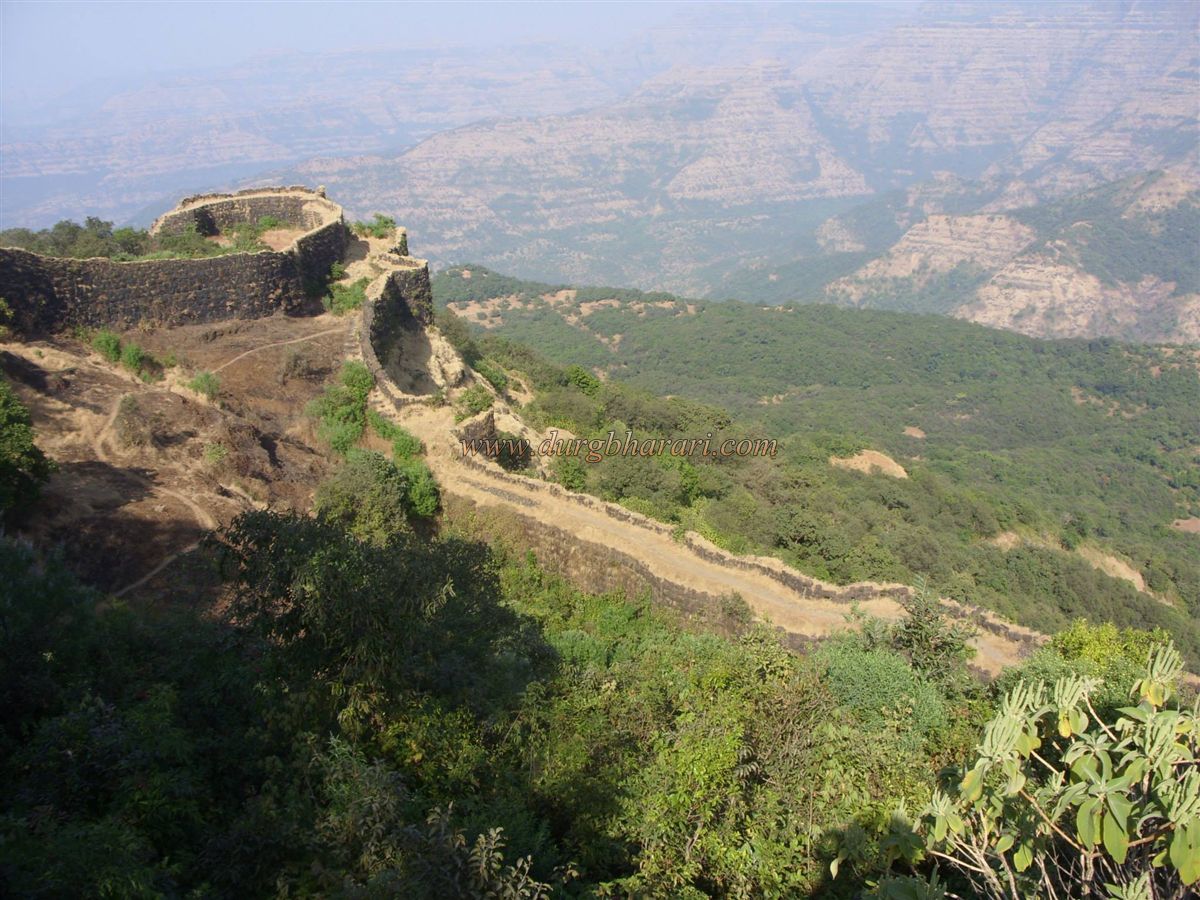
Apart from the Mahadarwaja, the fort also has a secret Rajpahari Dindi Gate with an engraving of a monitor lizard. At the southern and northern ends are the Yashwant Bastion and Redka Bastion, both enclosed with double-layered fortifications. Between these bastions lie two ponds: one with brackish water (Naske Talav) and the other with fresh water (Gode Talav). Beyond them is the Surya Bastion. After Afzal Khan betrayed Shivaji, he was killed, and history says his head was buried in this bastion by Sambhaji Kavji.
From the fort, one can see Raigad to the west, Makrandgad to the south, the vast plateau of Mahabaleshwar to the east, dense forests around, Par Ghat below, and the Konkan region to the west. This completes the tour of the fort. Pratapgad showcases all the signature characteristics of a Shivaji-built fort.
Historically, after defeating Chandra Rao More in 1656, Shivaji Maharaj took control of the Javali region and its forts. Bhorepya Hill stood like a vigilant guard at the mouth of Par Ghat and Radtondi Ghat. In 1658, Moropant Trimbak Pingle built this strong and impregnable fort under Maharaj’s orders. Shivaji appointed Arjoji Yadav as the first fort commander. In 1659, Afzal Khan, with a massive army, marched against the Marathas, vowing to capture Shivaji alive or dead, even boasting about dragging him from the mountains. Ravaging temples like Tuljapur Bhavani and Pandharpur Vithoba along the way, he advanced toward Swaraj.
Using cunning strategy, Shivaji lured him into the valley below Pratapgad. On November 10, 1659 (Margashirsha Shukla 7, Shaka 1581), Shivaji emerged victorious. When Afzal Khan attempted treachery during their meeting, Shivaji disembowelled him. Sayed Banda raised his sword, but Jiva Mahal, Shivaji’s bodyguard, swiftly killed him. This incident gave rise to the proverb, "Hota Jiva mhanun vachla Shiva" — "Because of Jiva, Shiva was saved." At 2 PM, Shivaji killed Afzal Khan at Pratapgad and used guerrilla tactics to rout his massive army, dispelling the threat to Swaraj.
This was one of the most remarkable battles in world history. Shivaji used the geography to his advantage and annihilated an enemy force many times larger than his own. Without giving the enemy a clue, he finished the entire encounter within hours. Shivaji is said to have had around 7,000 soldiers during the battle. The Adilshahi forces suffered a huge blow, and the counterattacks launched by Shivaji further weakened them. Pratapgad became a lucky talisman for Shivshahi. The victory over Afzal Khan made Shivaji's name known across India and firmly laid the foundation for Swaraj.
In 1661, Shivaji installed the idol of Mahishasurmardini Bhavani on the fort through Moropant Pingle. Chhatrapati Rajaram also visited Pratapgad before leaving for Jinji. During the Peshwa era, Nana Phadnavis kept Sakharam Bapu under house arrest here in 1778. Later, in 1796, when Daulatrao Shinde and his minister Baloba Kunjir marched against Nana, he took shelter at this fort for a few days. After the Anglo-Maratha War in 1818, the British took over the fort. From its construction in 1657 to its fall to the British in 1818, the fort remained invincible, except for a brief period in 1689 when it was captured by the Mughals. Even then, the fort was not conquered by force and was soon recaptured by the Marathas.
© Suresh Nimbalkar
GALLERY